
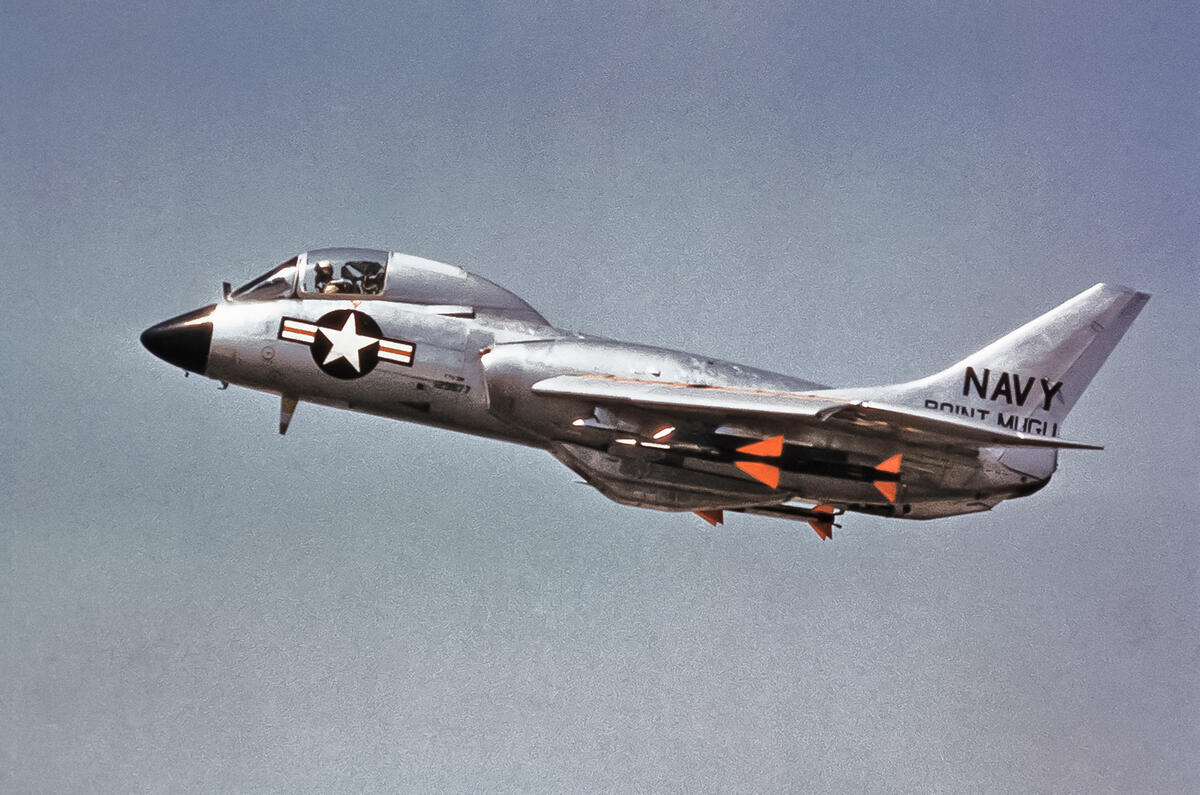

Vast and powerful, the United States Navy has a reputation for operating the best naval aircraft of all time from its fleet of vast aircraft carriers, and we recently celebrated these online.
But what it is less keen to dwell on, is the fact it has also operated the very worst combat aircraft ever put to sea. To be fair creating aircraft that can operate from aircraft carriers, or in some cases the sea itself, is extremely difficult but you will still be baffled by some of the machines in the following article.
Let’s take a look at this inglorious pack of dangerous, ineffective and sometimes extremely alarming aeroplanes, as we meet the 10 worst US Navy aircraft – as we also salute the brave pilots who flew them:
10: North American A-5C Vigilante
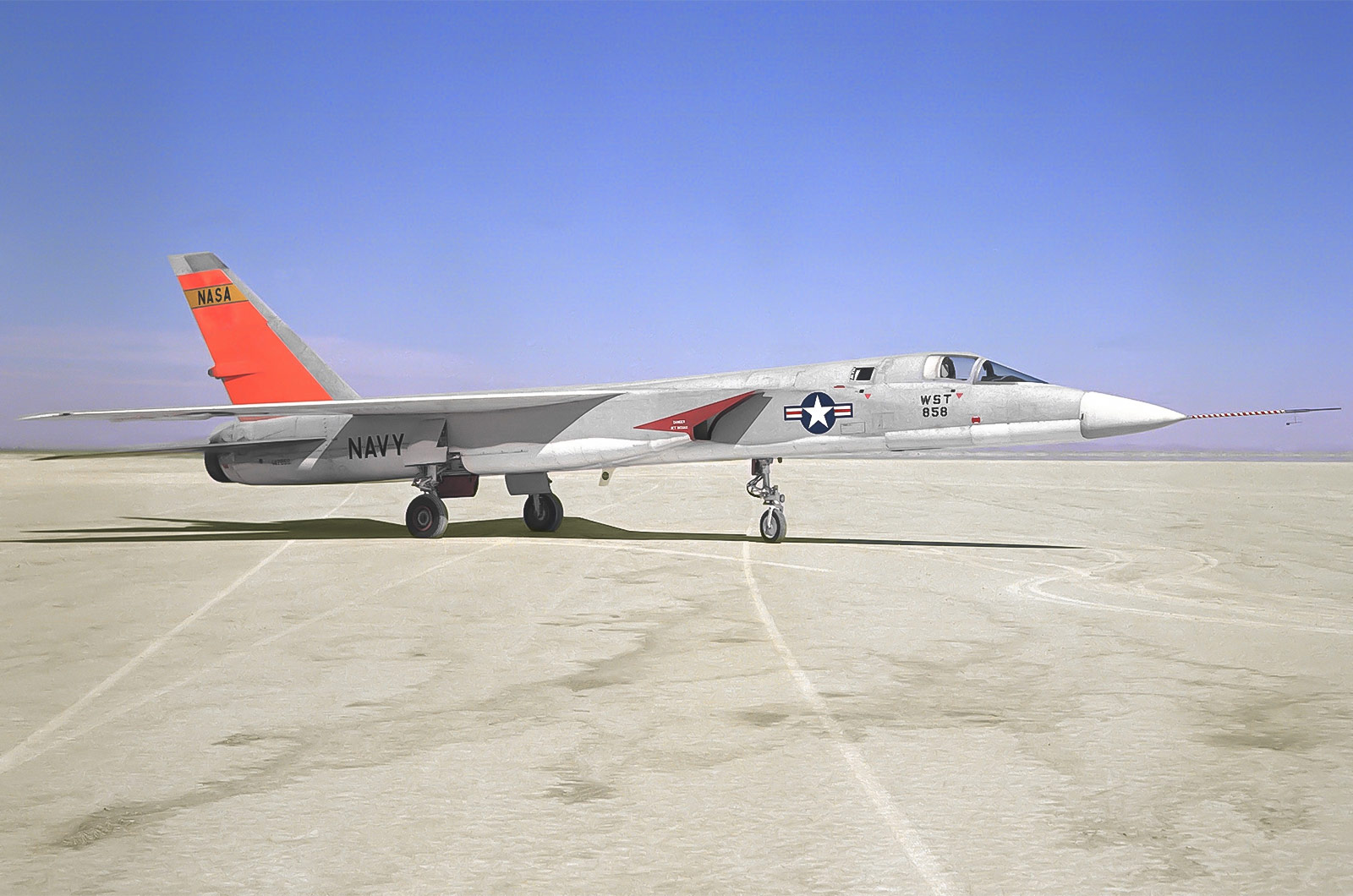
The finest long-range reconnaissance aircraft operated by any navy it is unfortunate that the A-5B only fell into this role by default after proving unsuitable as a nuclear bomber. The Vigilante successfully incorporated many then cutting-edge technologies such as fly-by-wire controls (pilot’s controls going via an electronic interface), an all-moving vertical tail, and boundary layer control (increasing the lift by blowing extra air over the surface).
One innovation that didn’t work as intended was the rather eccentric bomb bay. Although situated logically between the two engines, rather than dropping bombs through the underside of the aircraft they exited to the rear between the two exhausts. The intent was for the tail-cone to be released, followed by disposable fuel tanks, and then the Mk 28 nuclear device.
10: North American A-5C Vigilante
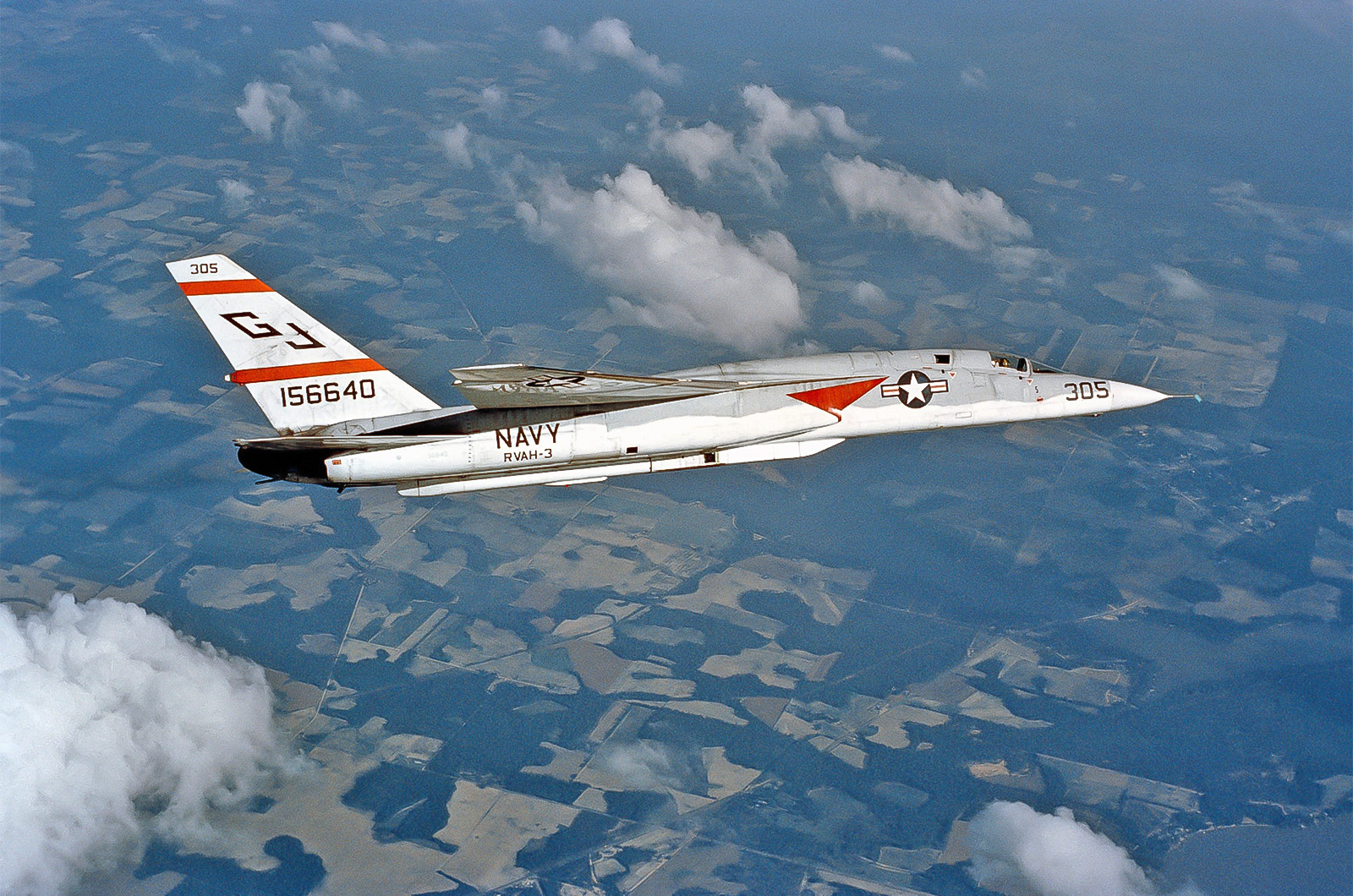
Unfortunately, rather than then falling towards its target in a neat ballistic arc the Mk 28 would get caught in the Vigilante’s wake, potentially being dragged behind the aircraft (think of a lizard failing to detach its tail). Even with a nuclear weapon, this didn’t allow the accuracy required.
However, rather than adopt a conventional bombing role using its external pylons the USN decided to use their 137 RA-5C as pure reconnaissance platforms. Although this proved highly useful for post-strike assessments in the Vietnam War it was an expensive way of achieving the mission, while also using up a lot of deck space.
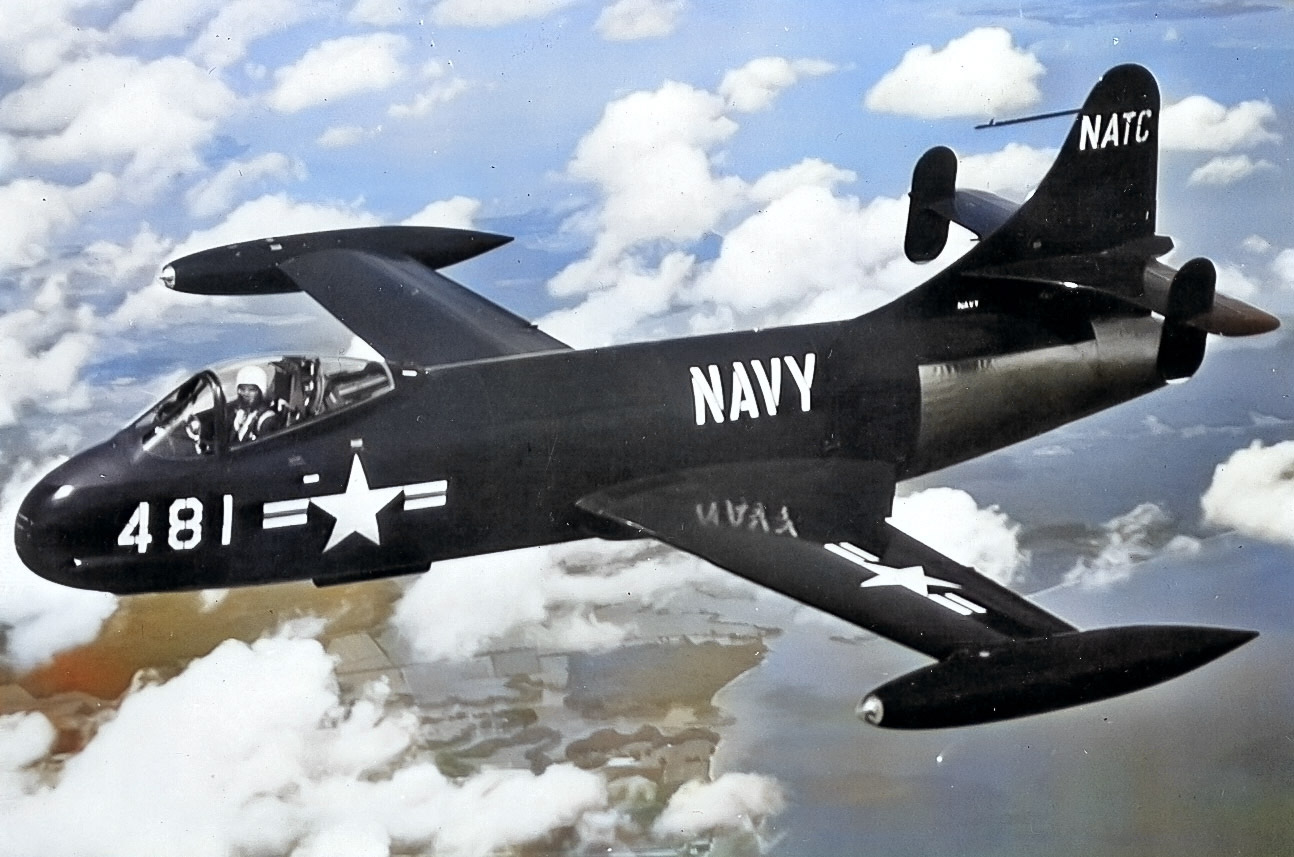
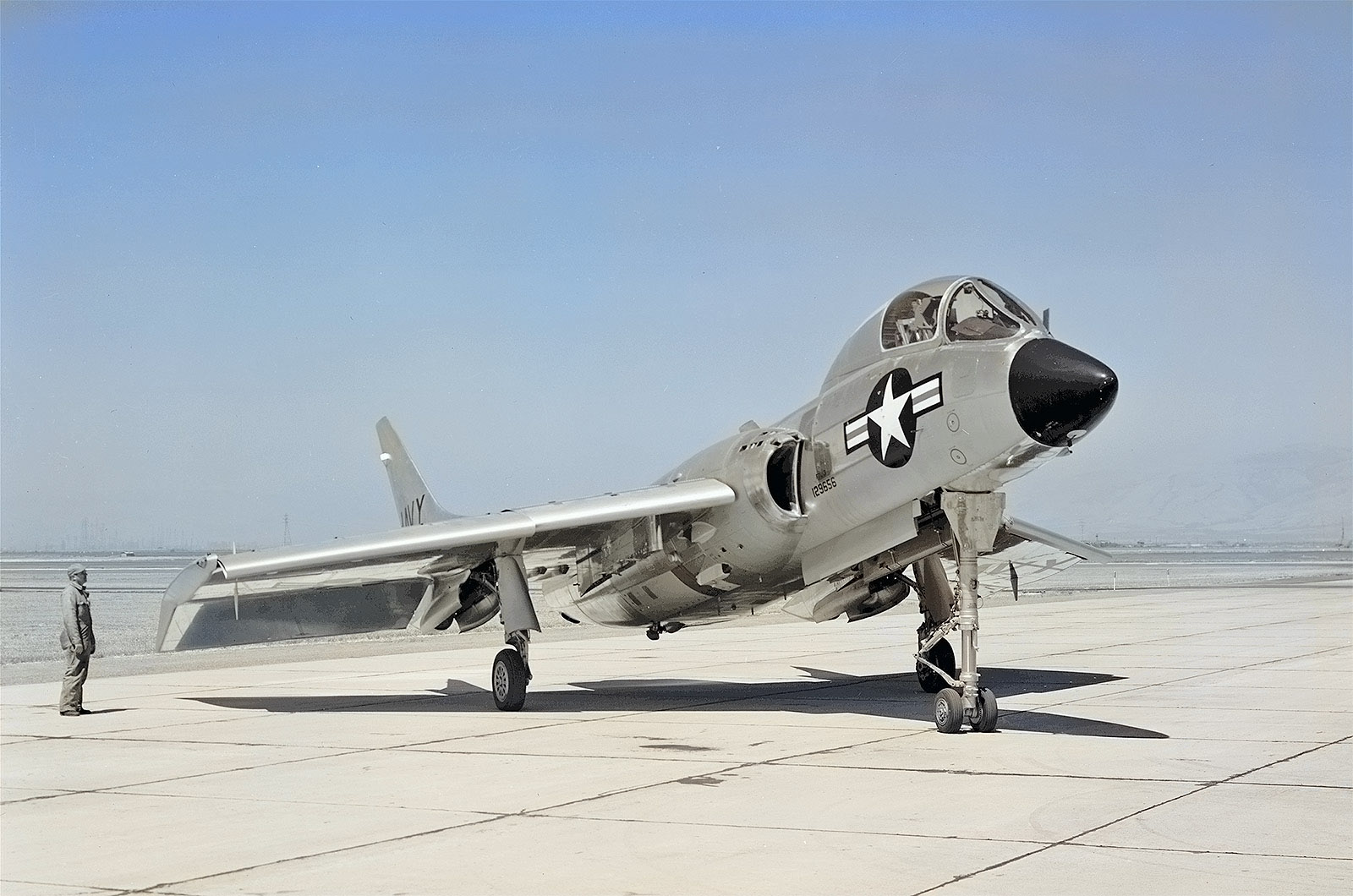
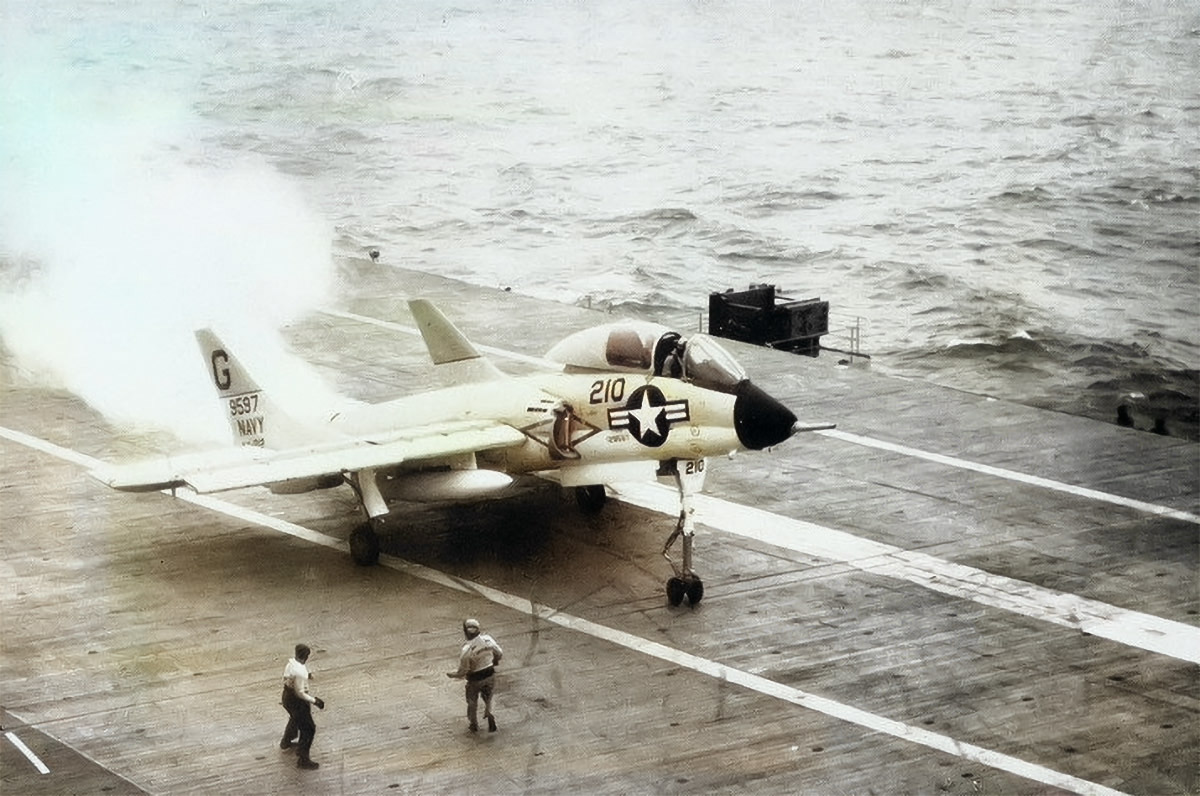
9: McDonnell F3H Demon
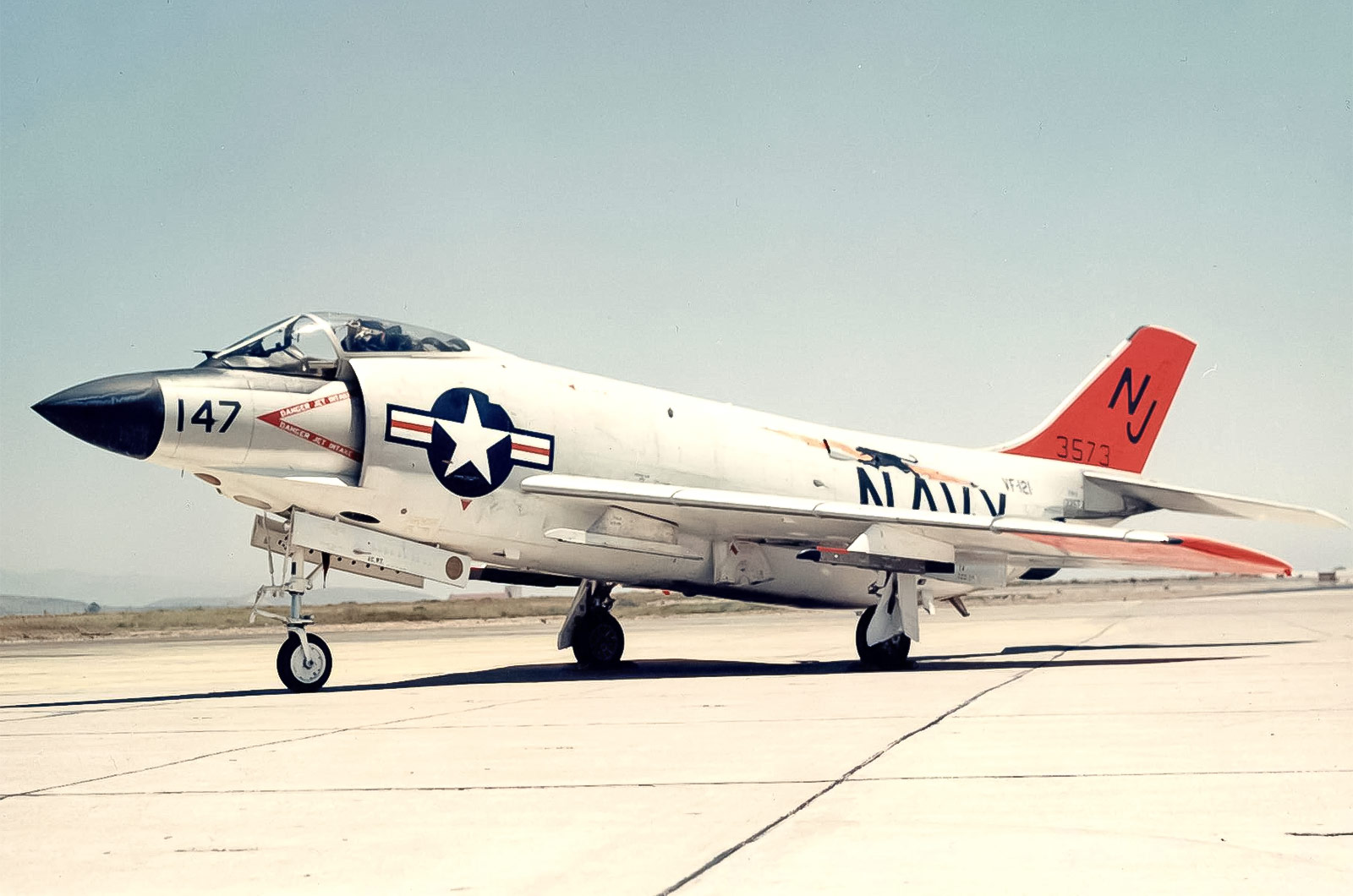
Originally ordered as a fallback option in case the sleek Douglas F4D Skyray failed, the Demon was McDonnell’s first swept-wing aircraft. With the emergence of the Soviet MiG-15 in Korea, however the type was ordered into mass production in 1951 with 150 being ordered. Unfortunately, the first F3H-1N were so bad the USN didn’t fly most of them, shipping them off to be used as ground instructional trainers.
This was almost entirely due to the Westinghouse J40 engine which only produced half the thrust promised while also being prone to compressor stalls. Only 35 N1 models were built but eight were involved in accidents, writing off six, and killing four pilots.
9: McDonnell F3H Demon
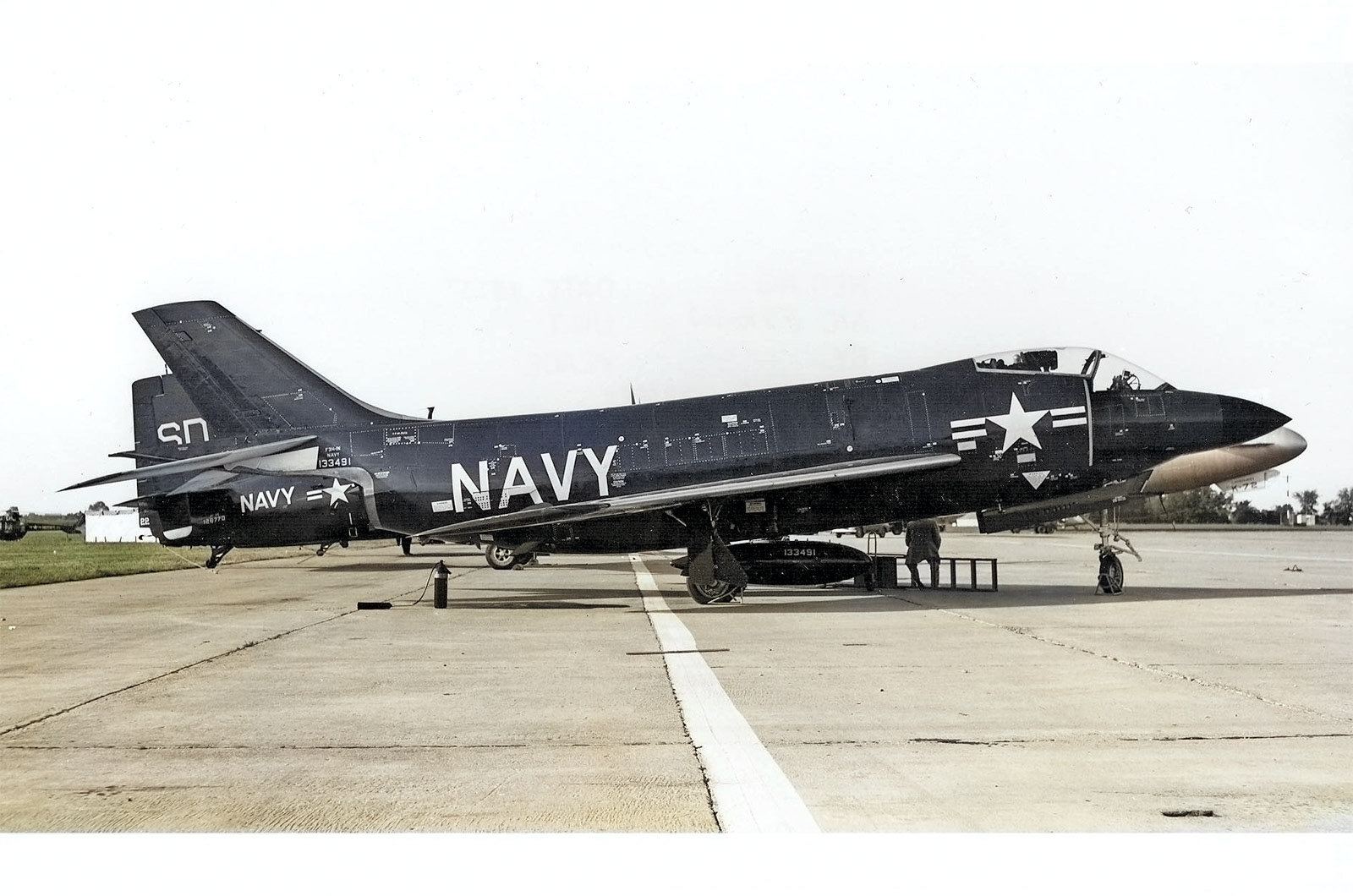
To fit a more powerful engine the wings and fuselage had to be redesigned, almost leading to the Demon’s cancellation, however, the F3H-2 eventually entered service in 1956 powered by the Allison J71. This provided more power than the J40, although still not enough, and was also prone to compressor stalls, potentially due to the Demon’s air intake design.




Add your comment