


The Spitfire was sleek, and the Mustang majestic, but not all aeroplanes of the Second World War were conventionally beautiful.
Sometimes due to unique requirements or radical new ideas, aircraft were created of bafflingly strange appearance. Fascinating and peculiar in equal measure, let’s meet the 9 Most Bizarre Aircraft of World War 2.
9: Heinkel He 111Z
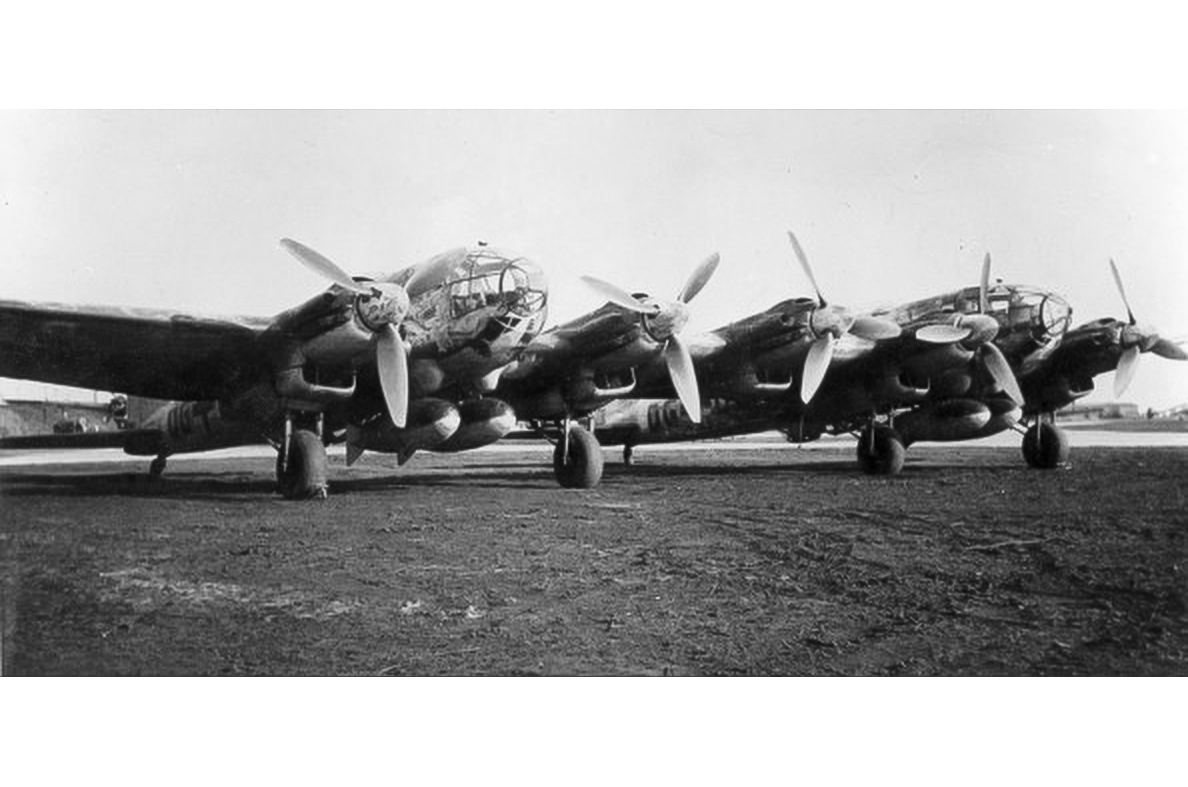
Towing the huge and heavy Messerschmitt Me 321 assault glider into the air proved a nightmare and necessitated the construction of a new and freakish tow aircraft which was essentially two He 111 medium bombers joined together.
The most radical derivative of the Luftwaffe’s ubiquitous Heinkel He 111 bomber was the He 111Z, the Z standing for Zwilling, the German for twin. Indeed it was a twin, as it joined two He 111H-6 fuselages via a new central wing section and added a fifth Jumo engine.
9: Heinkel He 111Z

The result was one of the weirdest shapes in the sky, though was far from the only twin-fuselage aircraft ever proposed or produced. The Dornier Do 335 was weird enough in its own right, yet was proposed as a long-range twin (defeating the Bf 109Z proposal). The US P-82 Twin Mustang was actually mass-produced and served in the Korean War.
Two prototype Heinkel He 111Zs were created as well as 10 production aircraft. The problems of towing the massive Me 321 would lead it to become a powered aircraft in its own right as the Messerschmitt Me 323 Gigant. Later a conjoined C-5 Galaxy, the largest ever US military aircraft, was proposed but was never built.
8: Blohm & Voss Bv 141
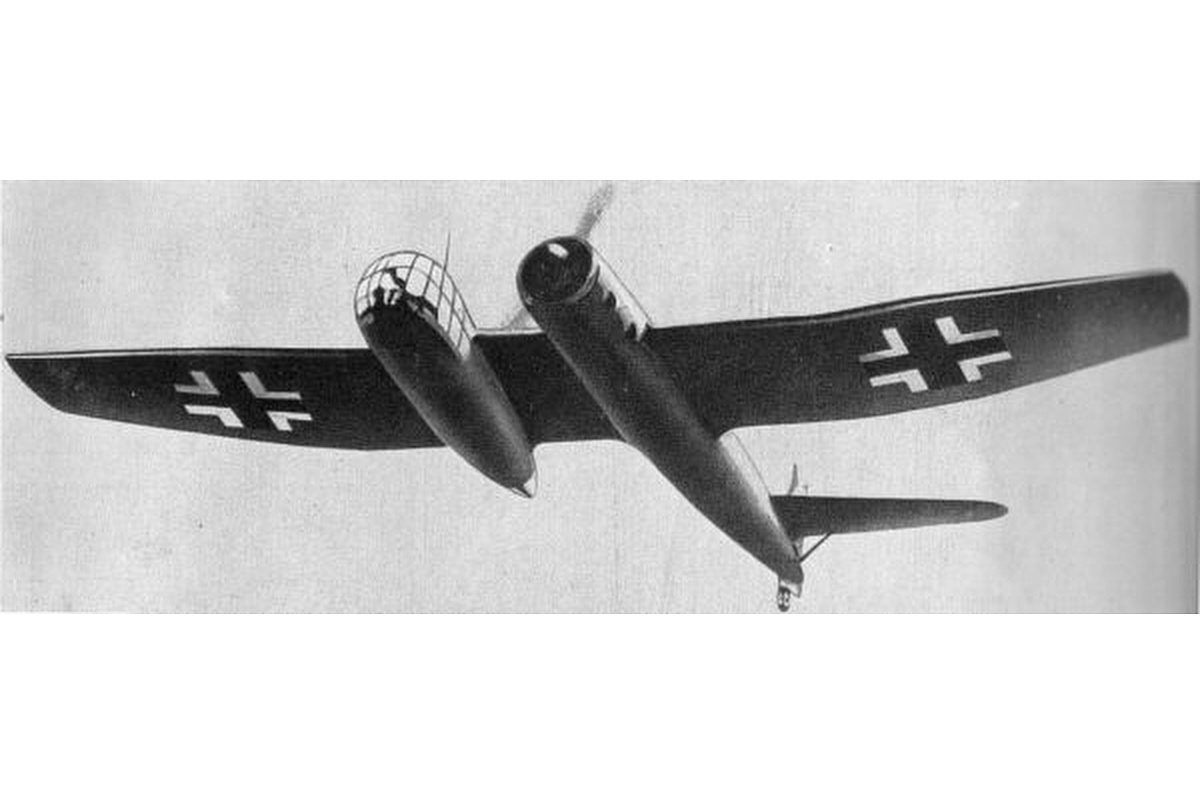
The go-to aircraft when it comes to ridiculing Second World War German aircraft design, the Bv 141 was an extremely efficient design hampered not by its unique layout but by its engine. The seemingly crazed arrangement of fuselage and cabin was the result of an extremely logical design approach to the requirements of the specification.
As a tactical reconnaissance and observation aircraft the Bv 141 was intended to offer the best possible view for its crew, especially downwards, that could be achieved with a single-engine aircraft. Early examples were powered by the BMW 132 engine and it was noted that the aircraft, whilst exceeding all requirements of the specification was slightly underpowered.
8: Blohm & Voss Bv 141
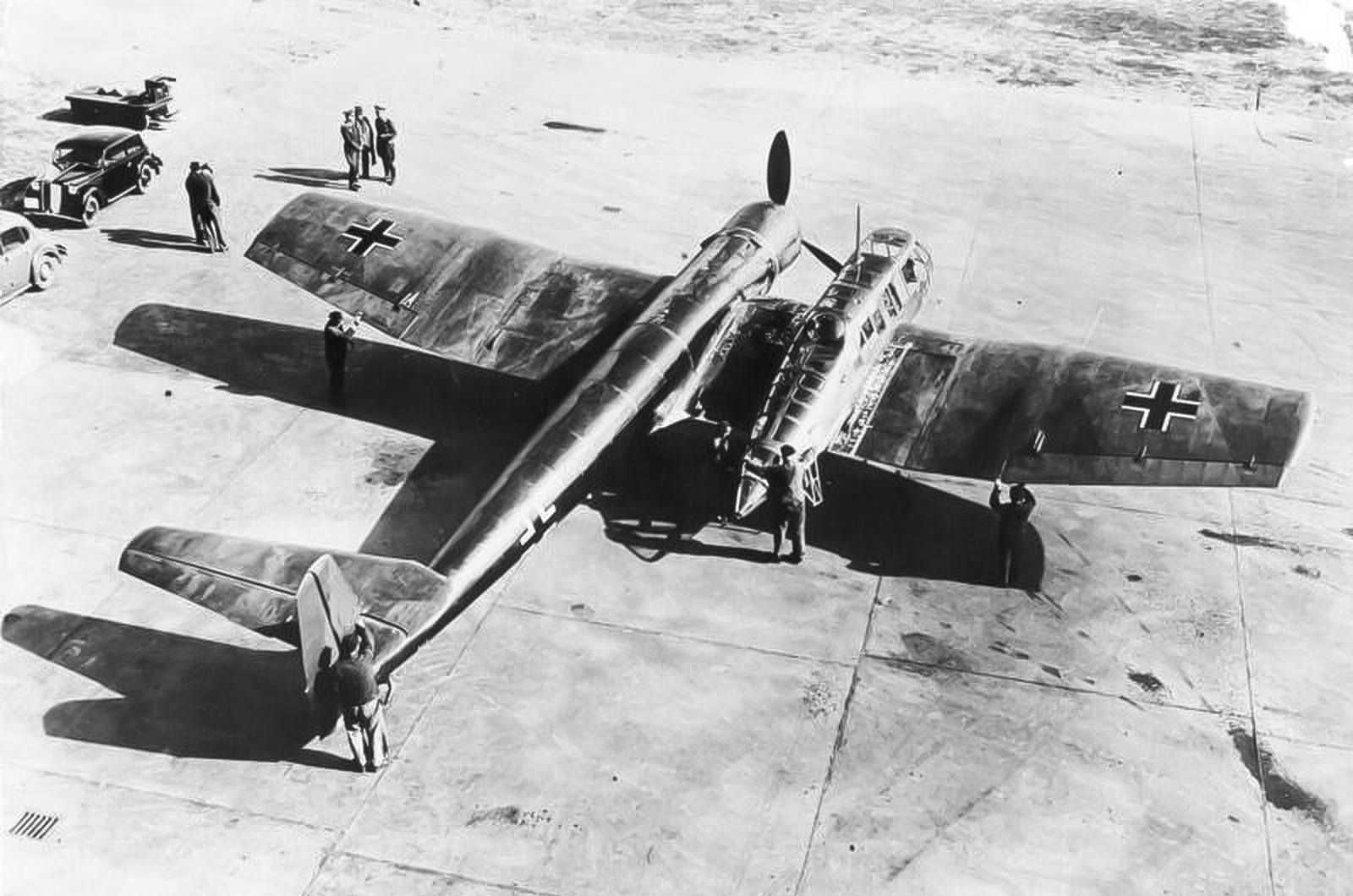
The decision was made to replace the engine with the more powerful BMW 801 and precious time was lost altering the design to accept the new engine. Unfortunately for Blohm & Voss the BMW 801 was also the engine of the highly successful Focke Wulf 190, which by this time was churning off the production lines by the thousand and had priority for engines.
Furthermore, the Fw 189 (another quite unconventional aircraft for its era) was in production and proving more than satisfactory in the tactical reconnaissance role. Thus, the Bv 141 was destined to become little more than a particularly striking footnote in aviation history. Around 28 Bv 141s were built.
7: Hafner Rotabuggy
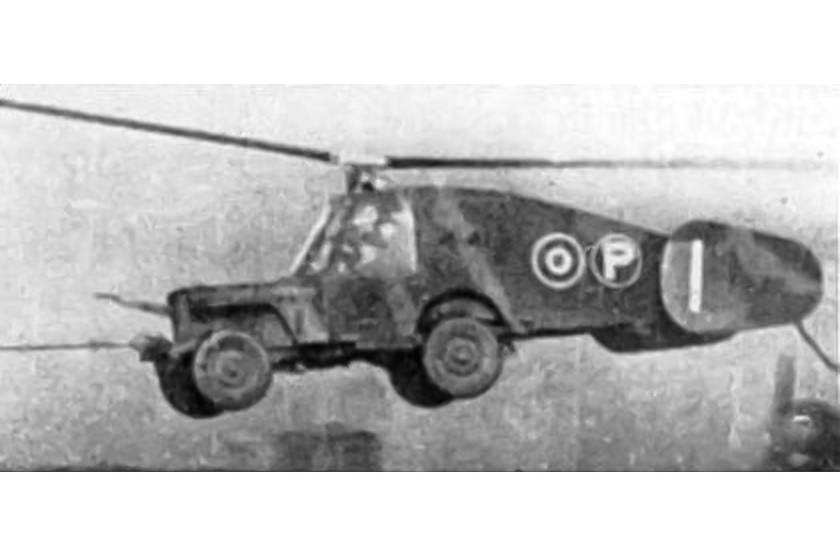
A rotor kite is an unpowered, rotary-wing aircraft that relies on lift from its rotors. Unlike a normal helicopter, they do not have an engine powering their rotor. Like conventional gliders, a rotor kite needs to be carried aloft by a tow aircraft, car or boat. It can also ride on wind, and fly like a kite.








Add your comment