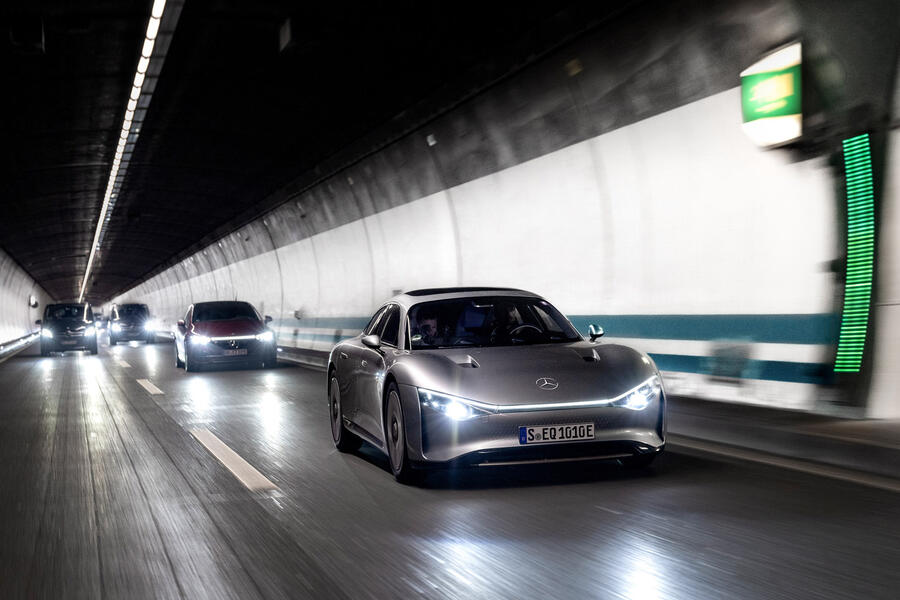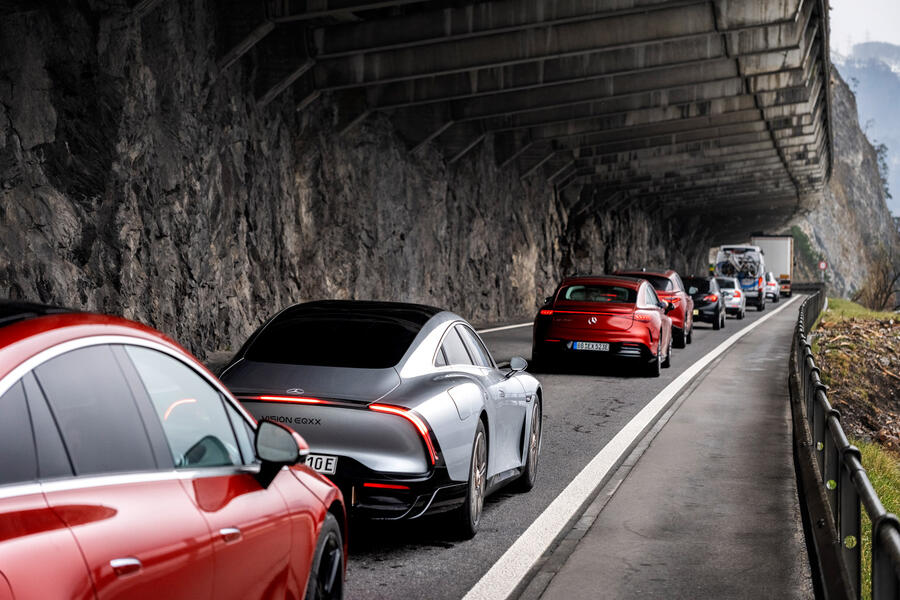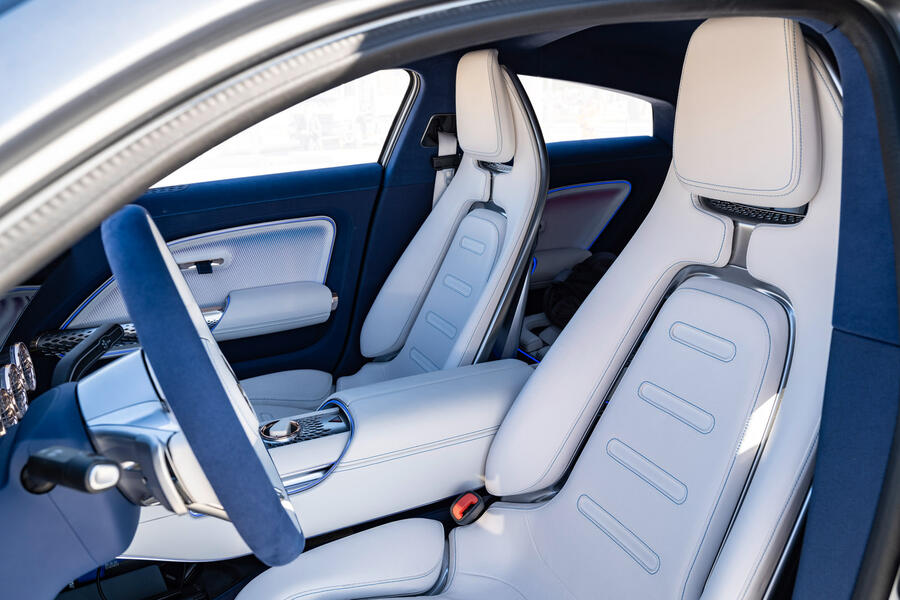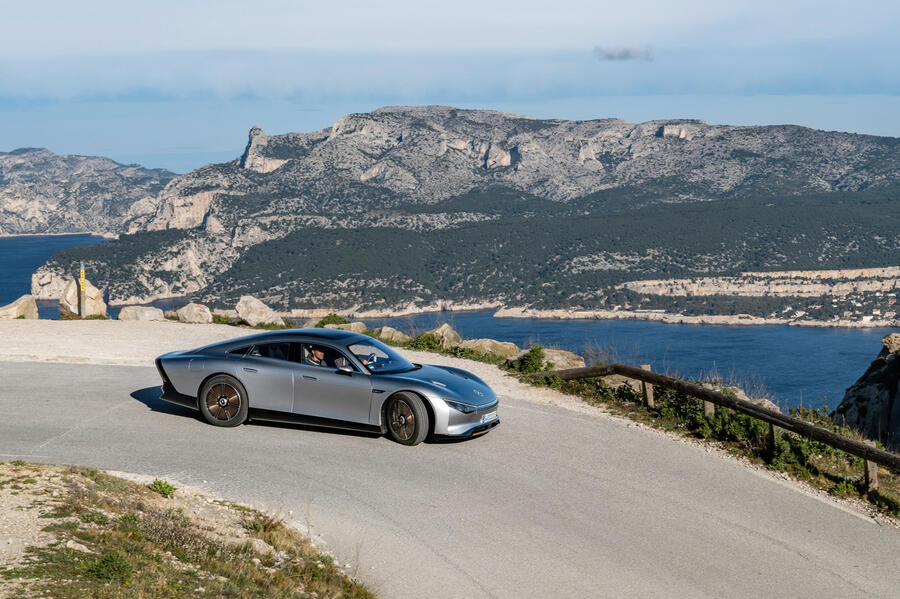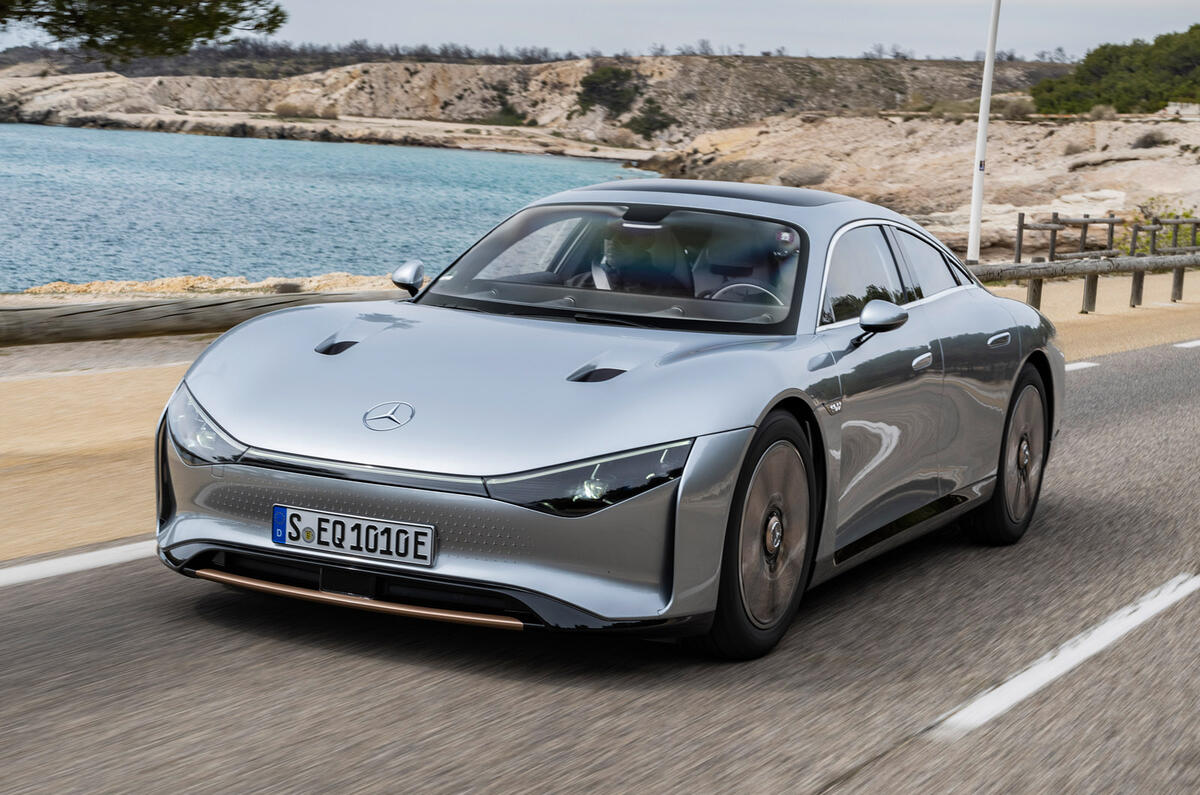
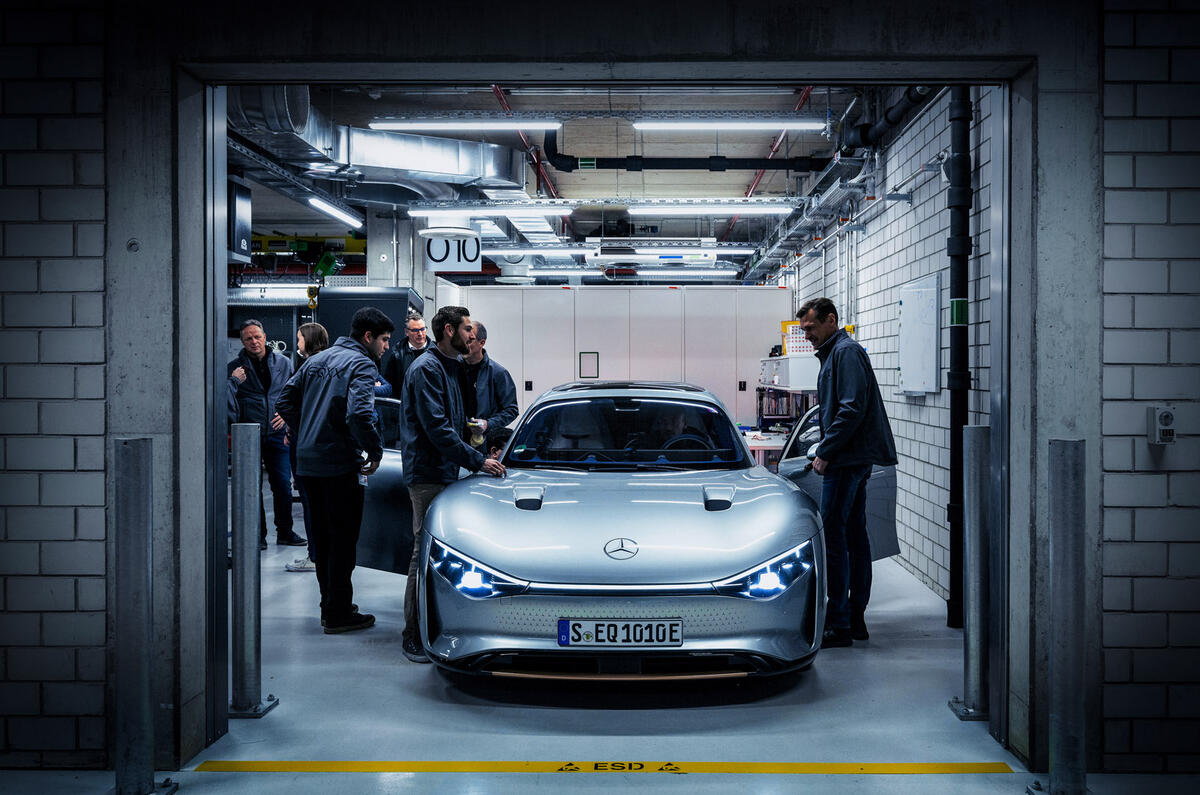
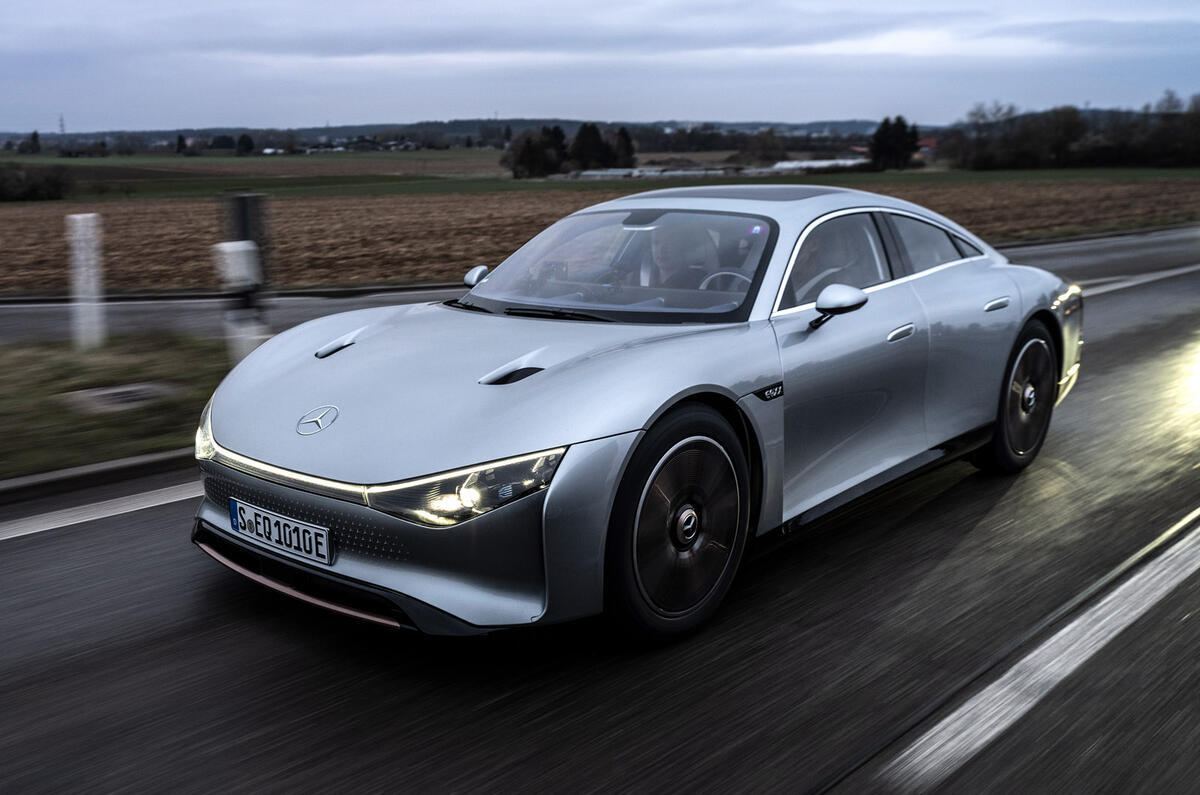


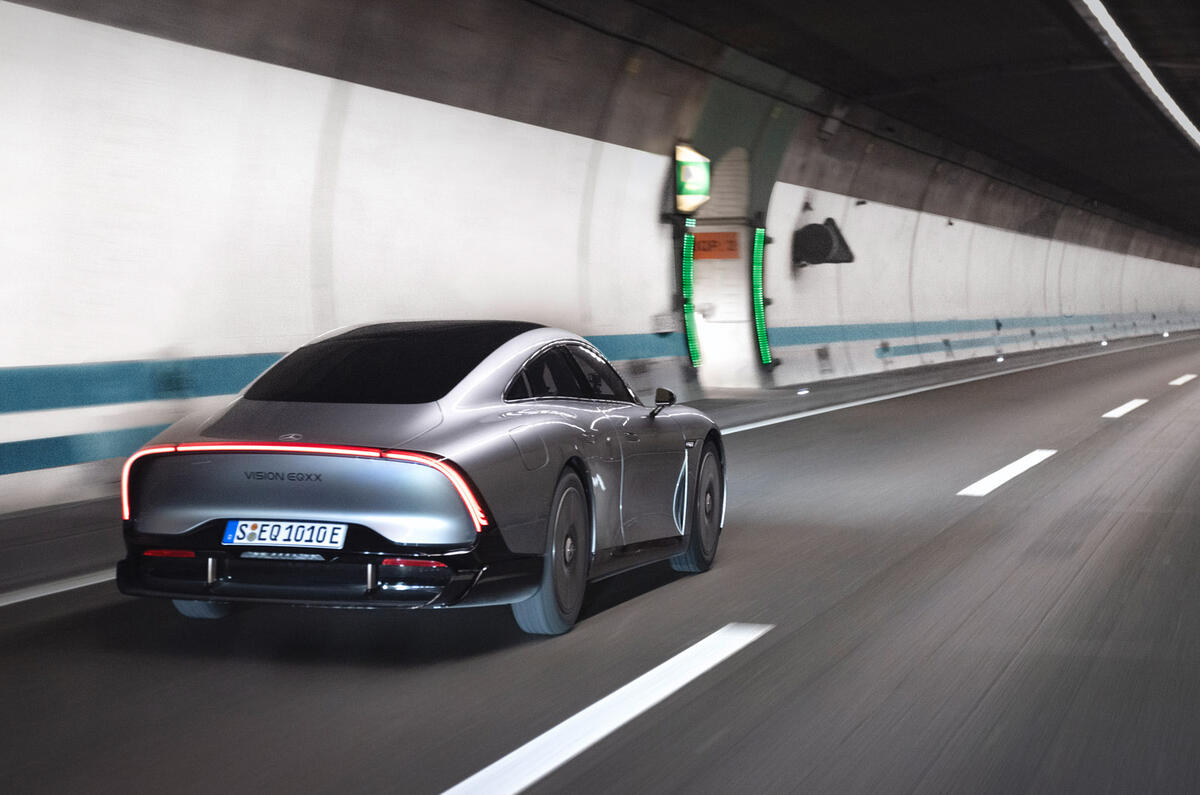
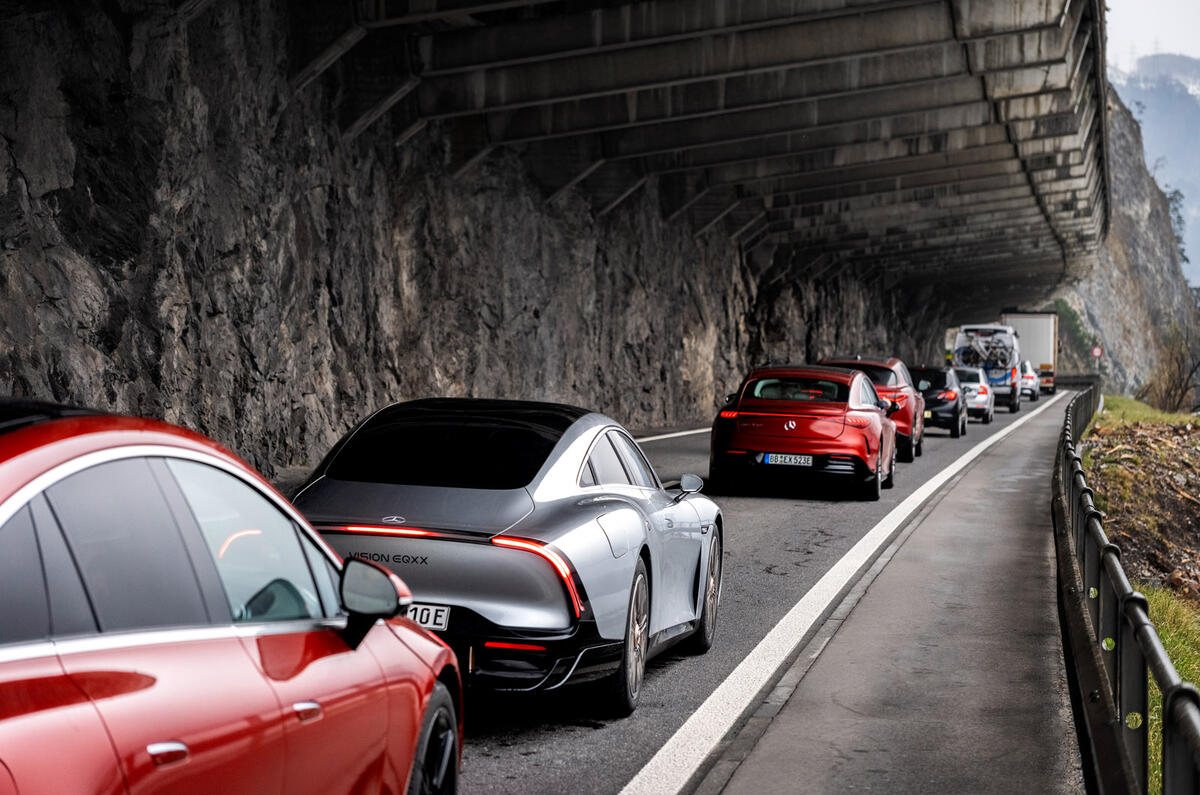
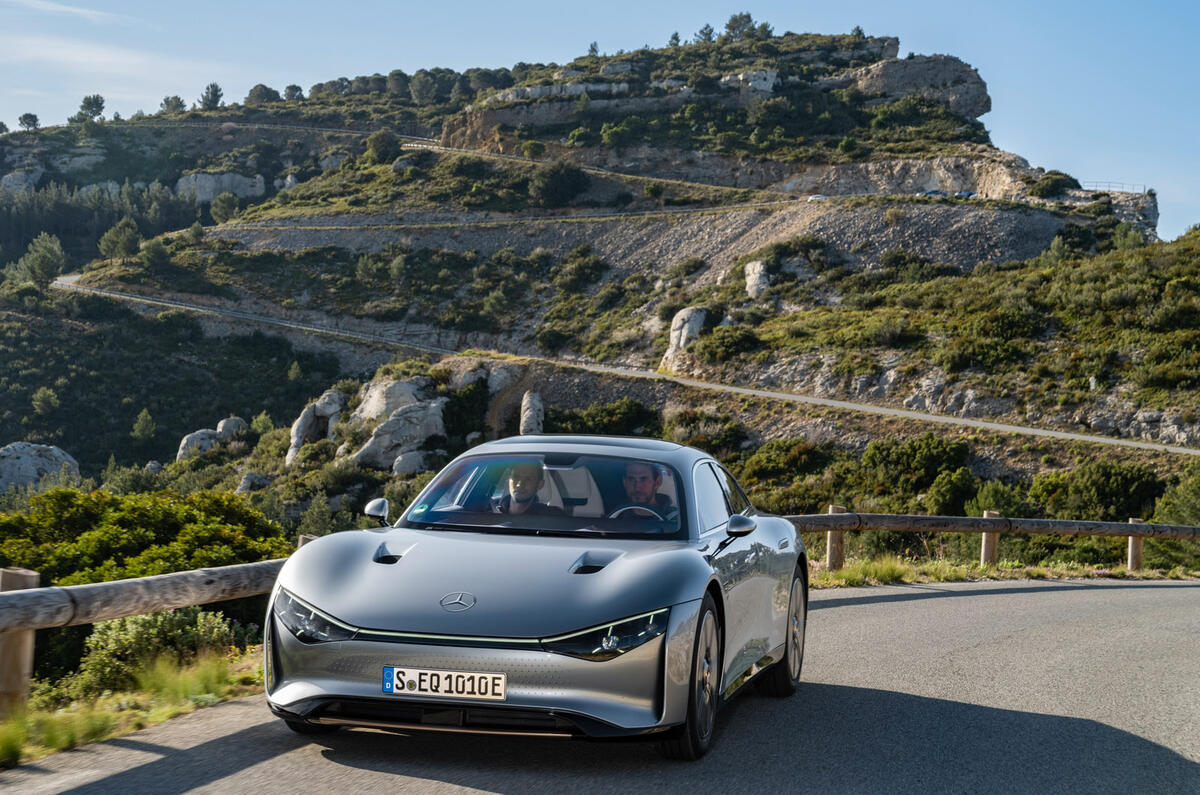
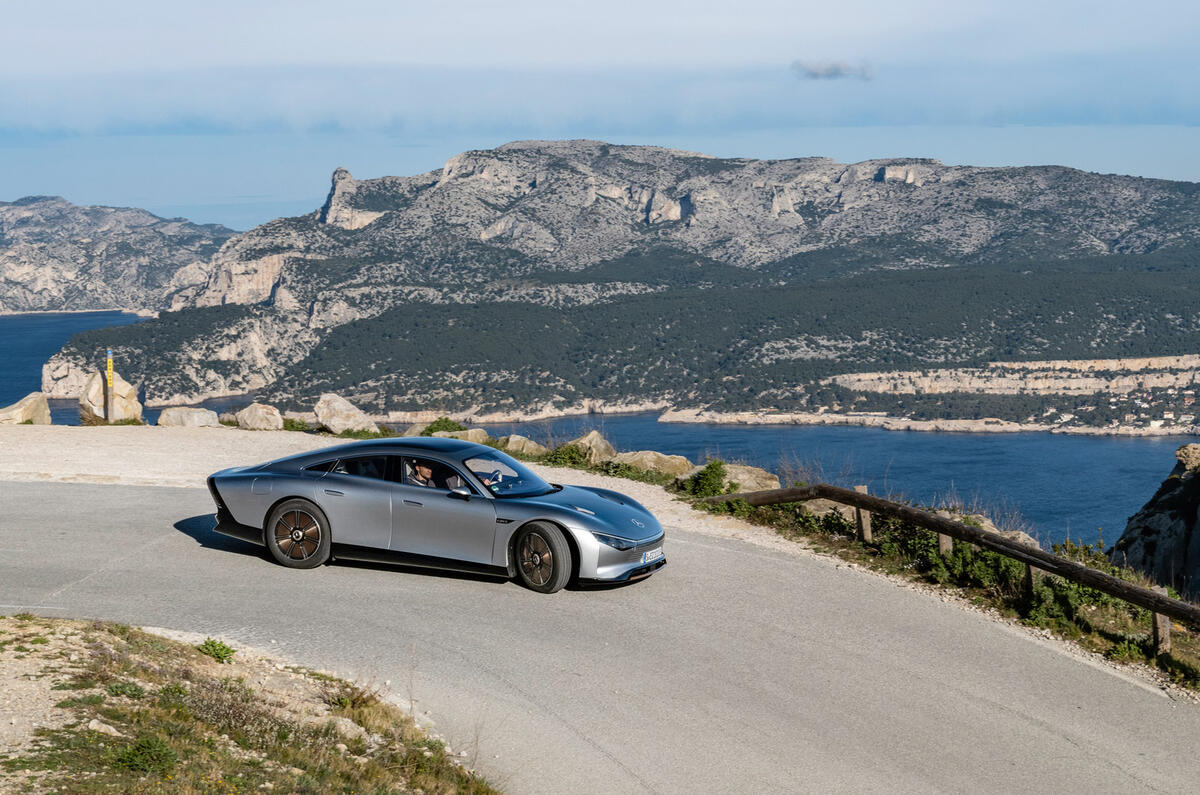
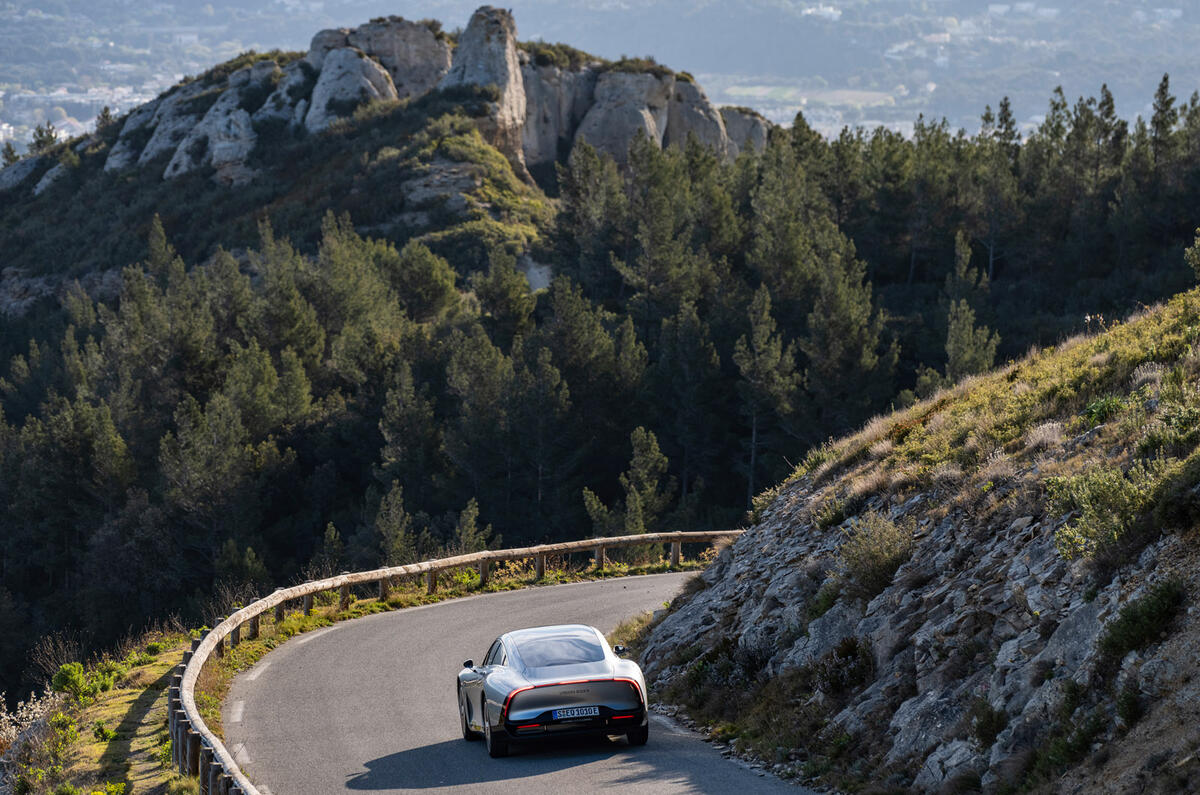
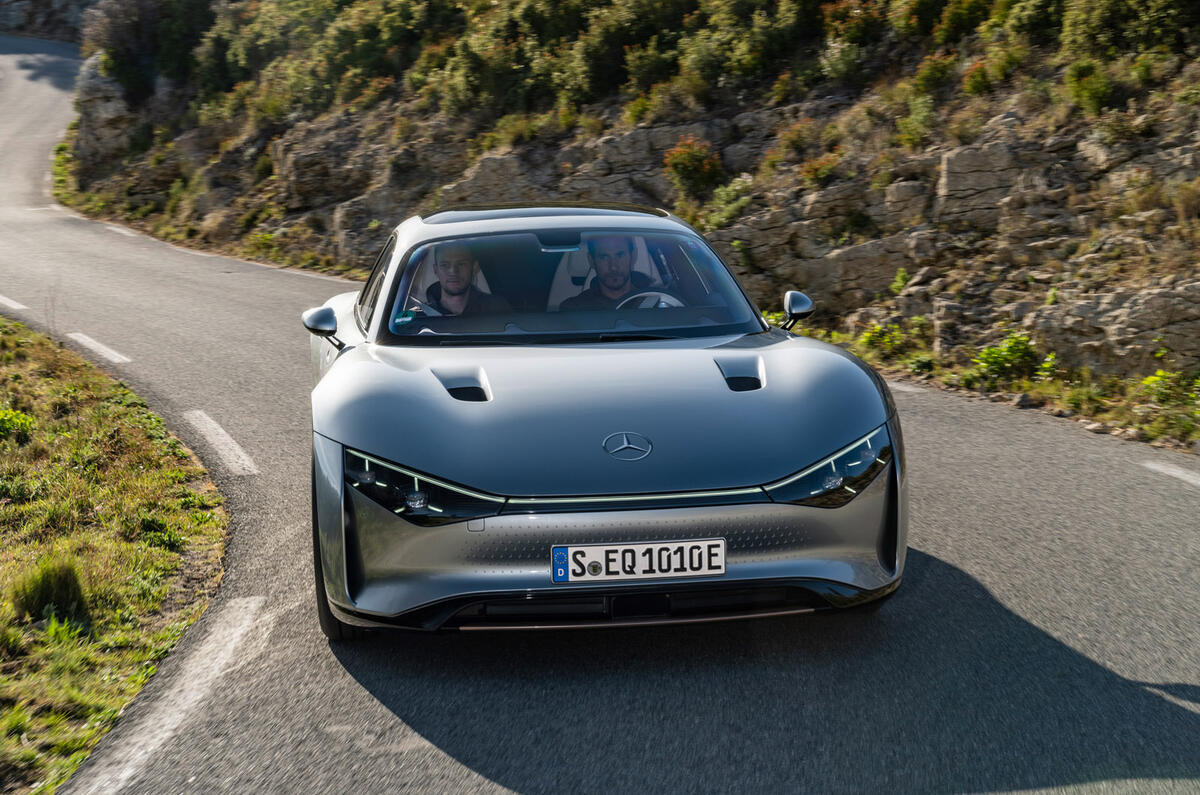
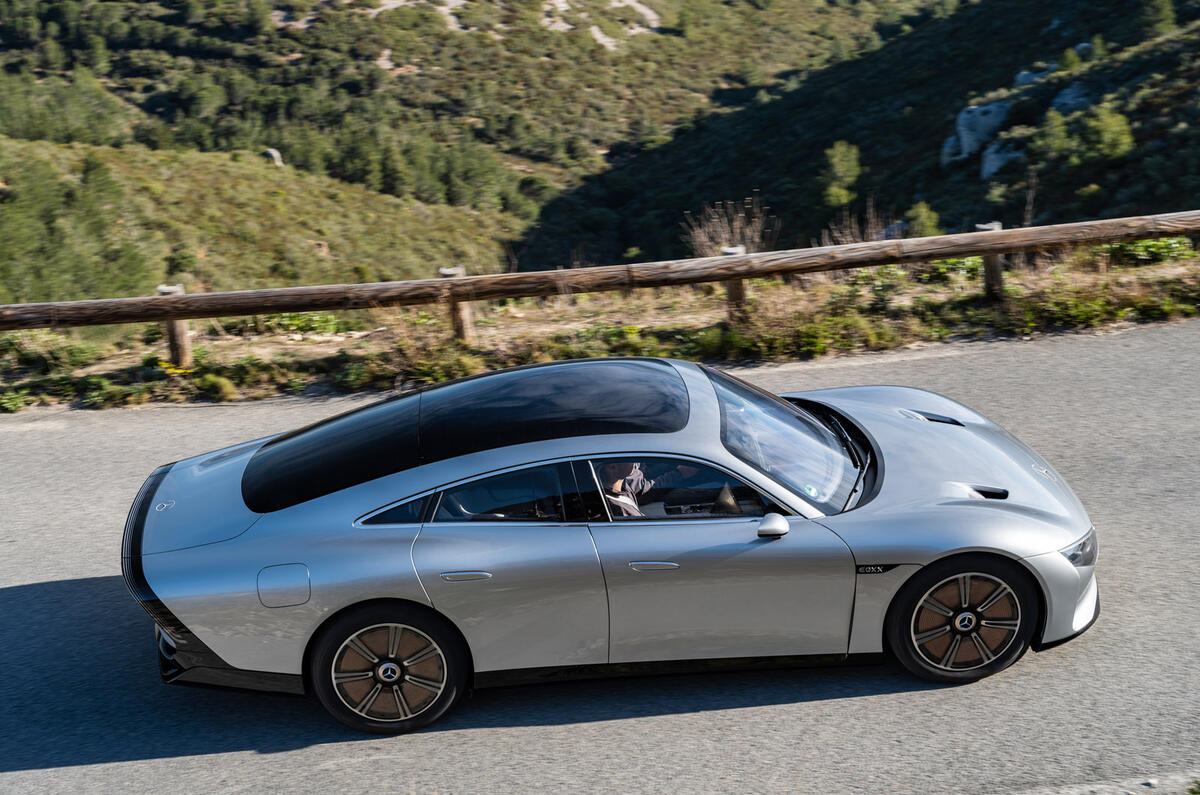
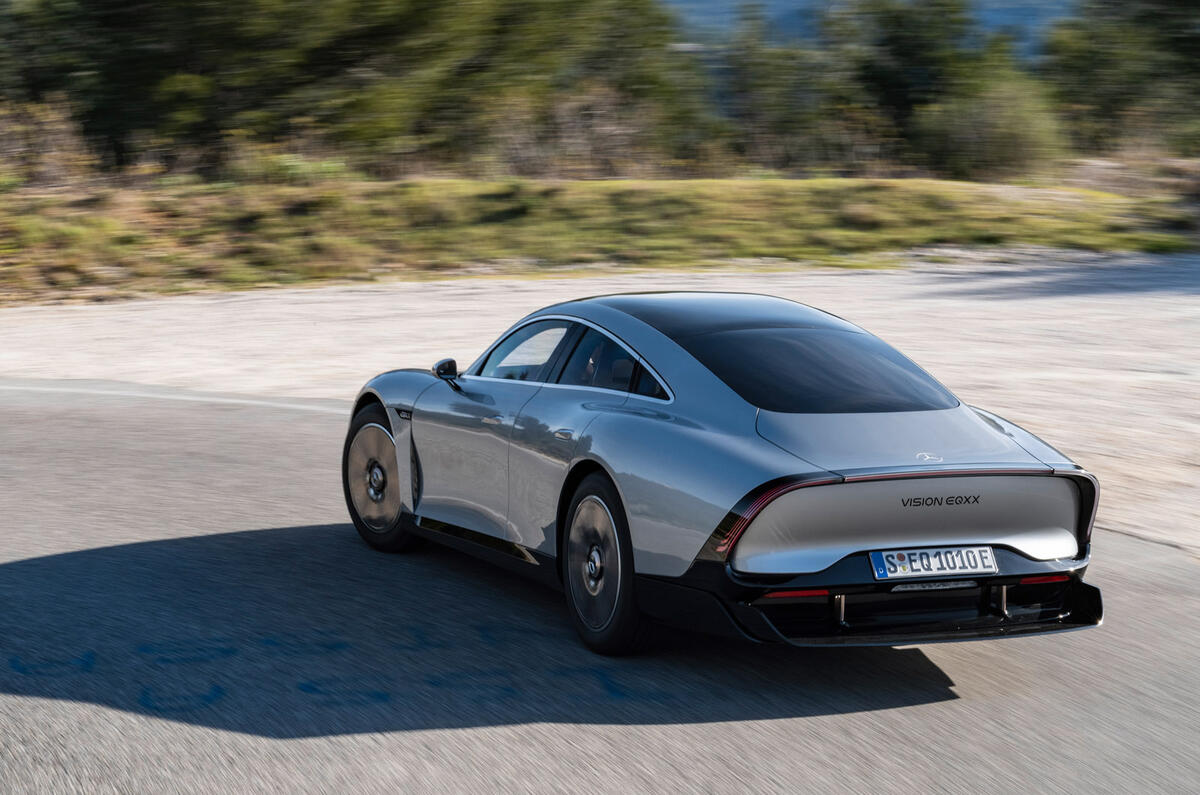
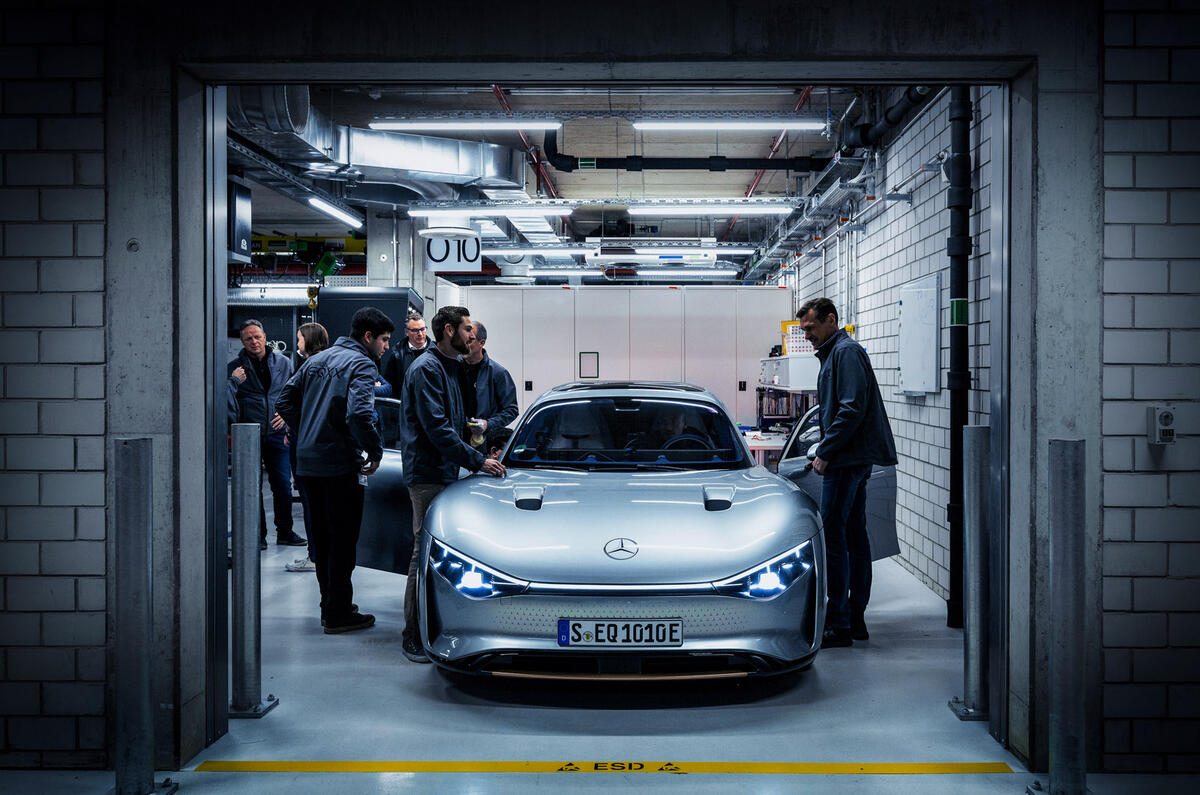
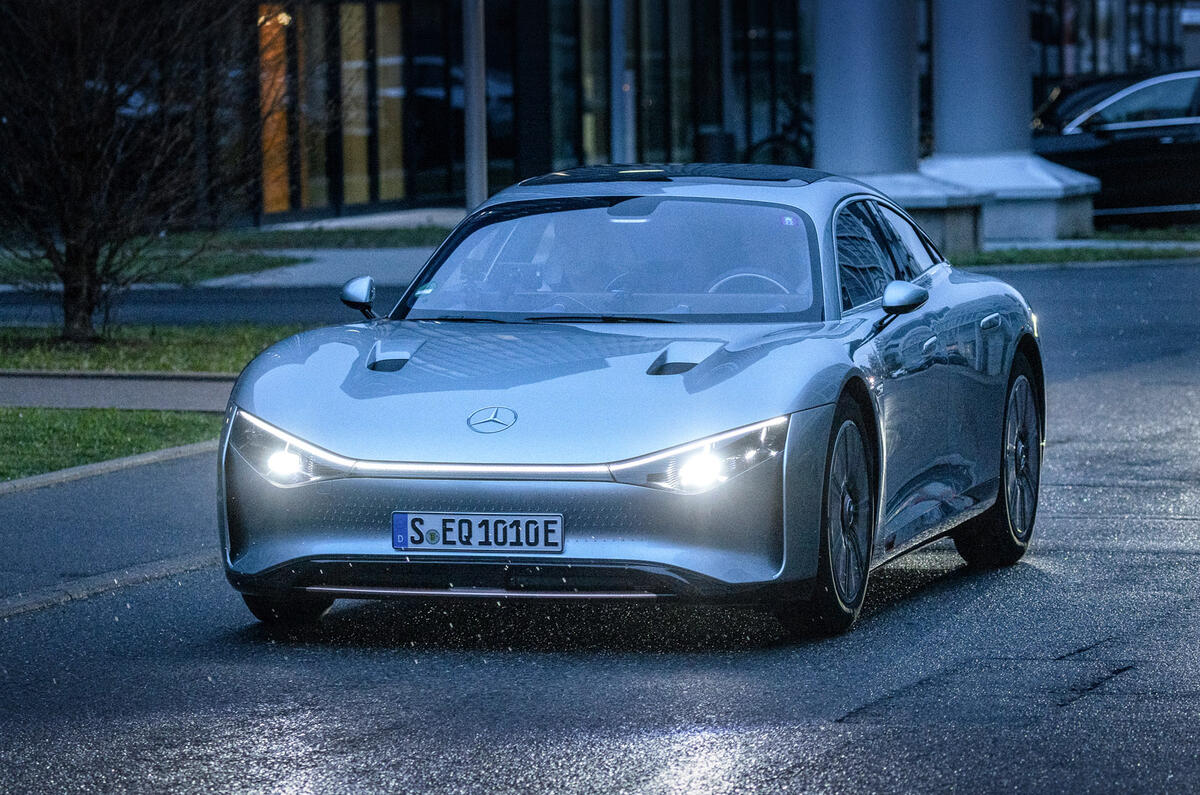
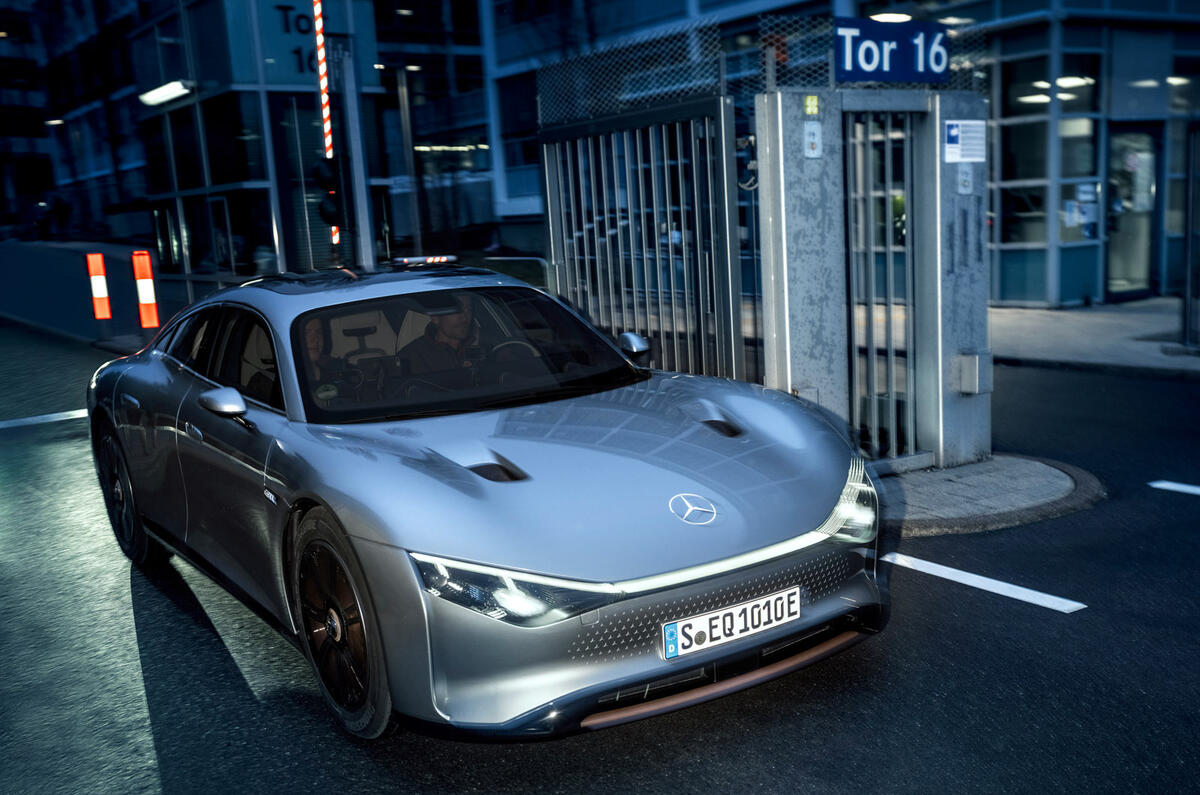
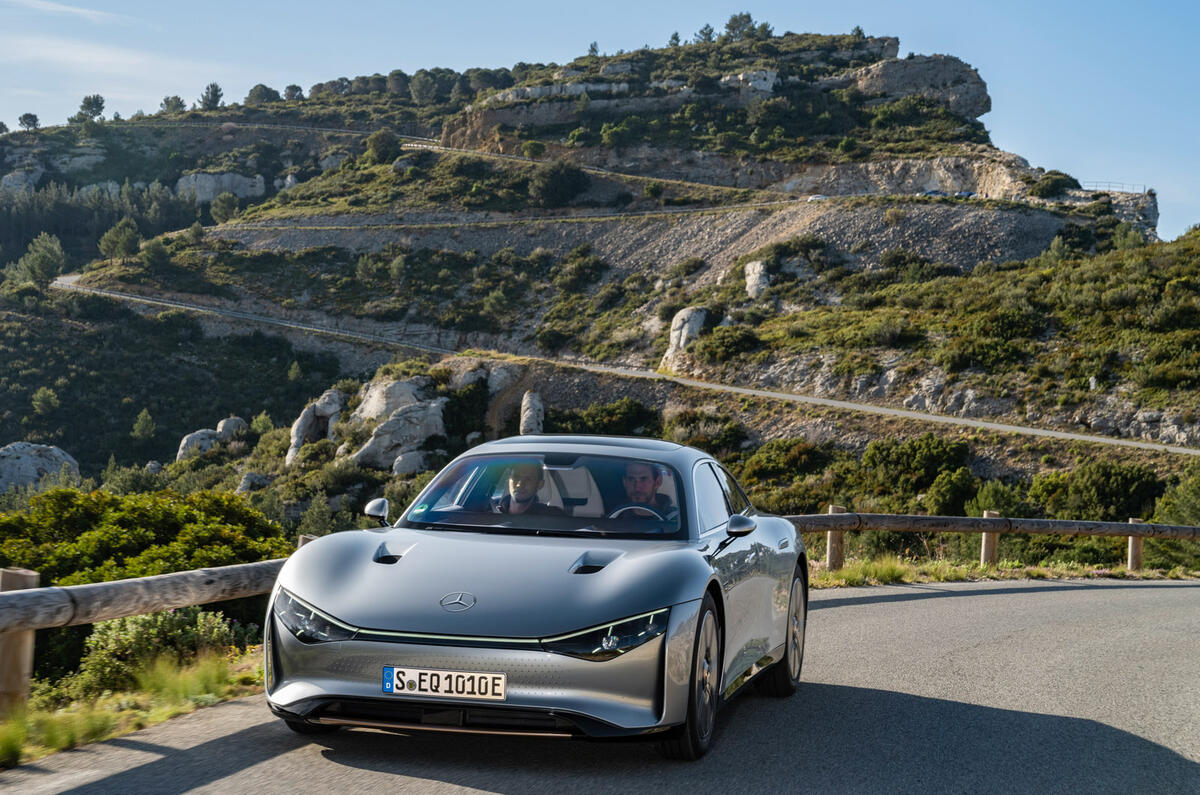
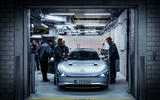
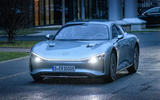
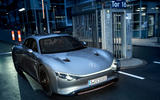
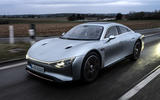



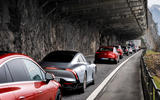
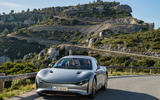
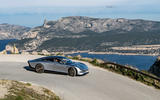
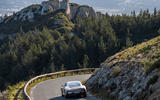
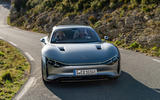
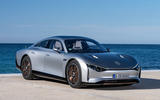
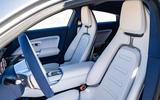
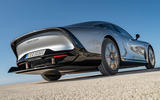
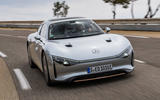
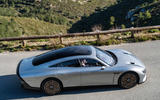
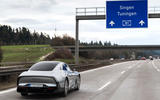

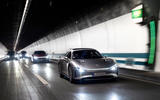
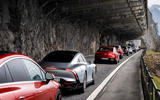
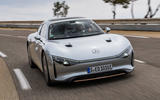
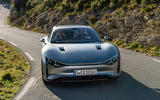
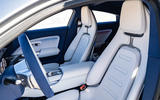
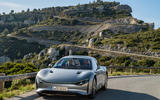

The Mercedes-Benz Vision EQXX is a road car of the future that exists today.
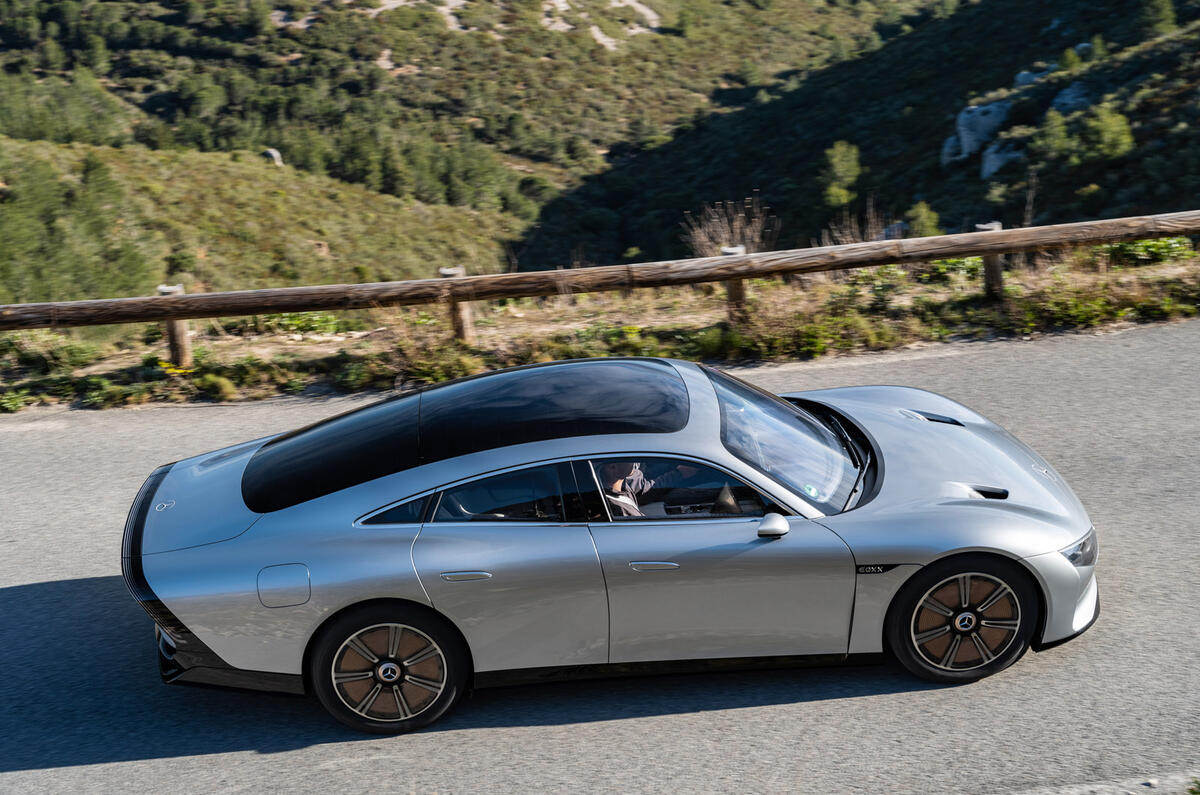
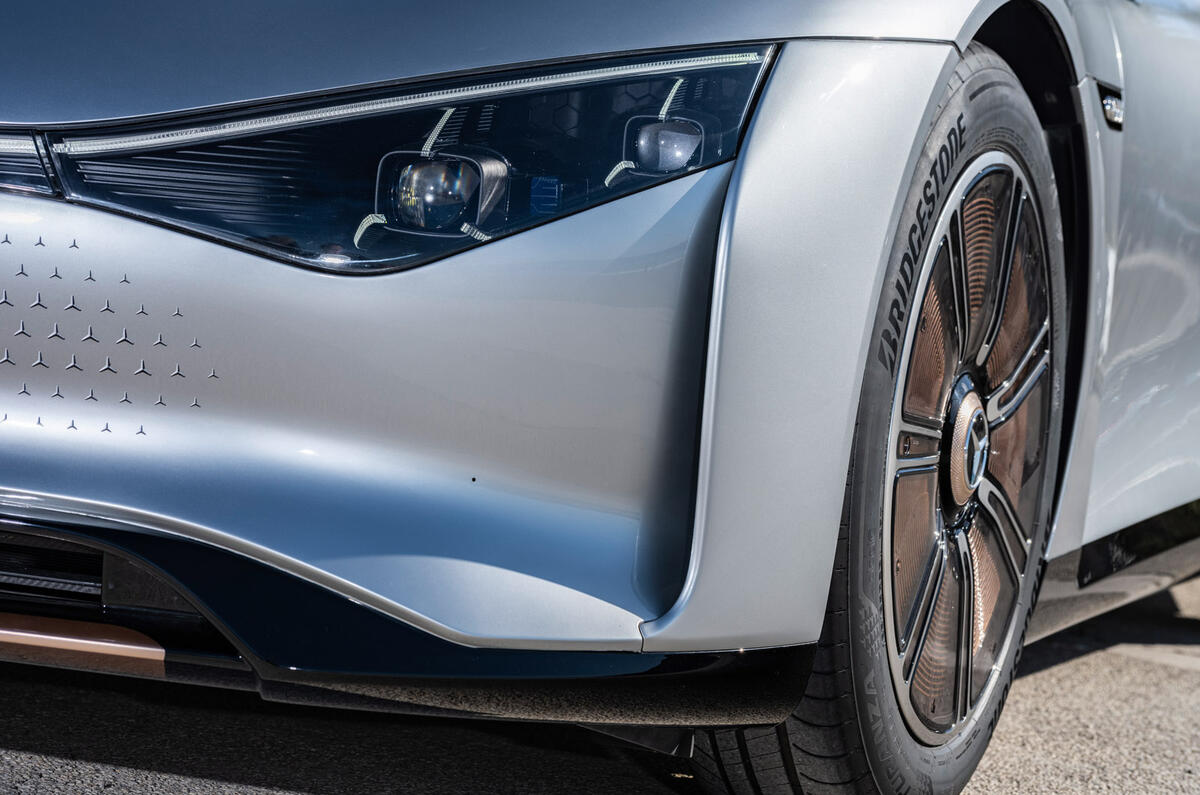
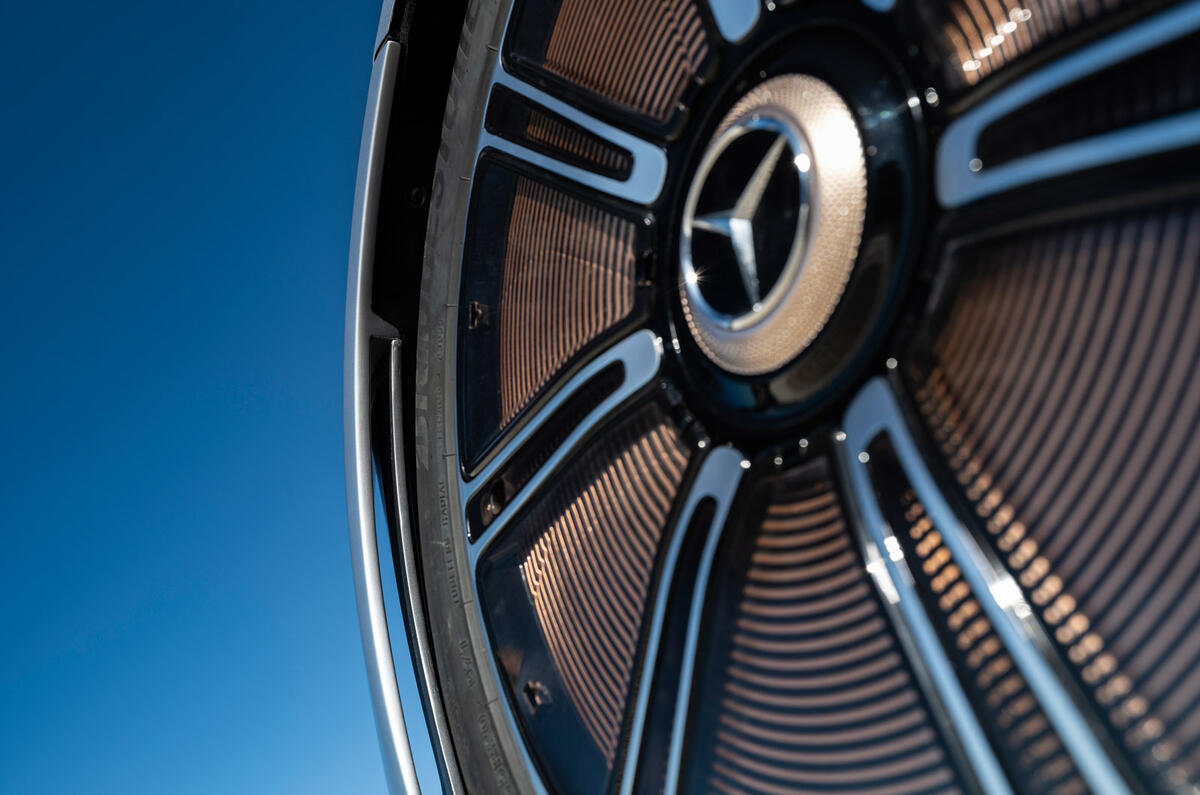
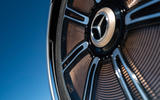
With a super-slippery shape, extreme low-rolling-resistance tyres on narrow wheels, lightweight construction that draws on a new bionic casting process and an advanced electric drivetrain featuring a rear-mounted motor as well as a state-of-the-car CTP (cell-to-pack) battery, its mission is simple: deliver the longest possible range using the least possible electricity.
This mission, laid down by the Mercedes-Benz board as part of efforts to ensure the world’s oldest car maker remains at the forefront of EV development at a time of profound change across the automotive industry, was intended to challenge engineers into developing solutions that could be adopted on upcoming production cars.
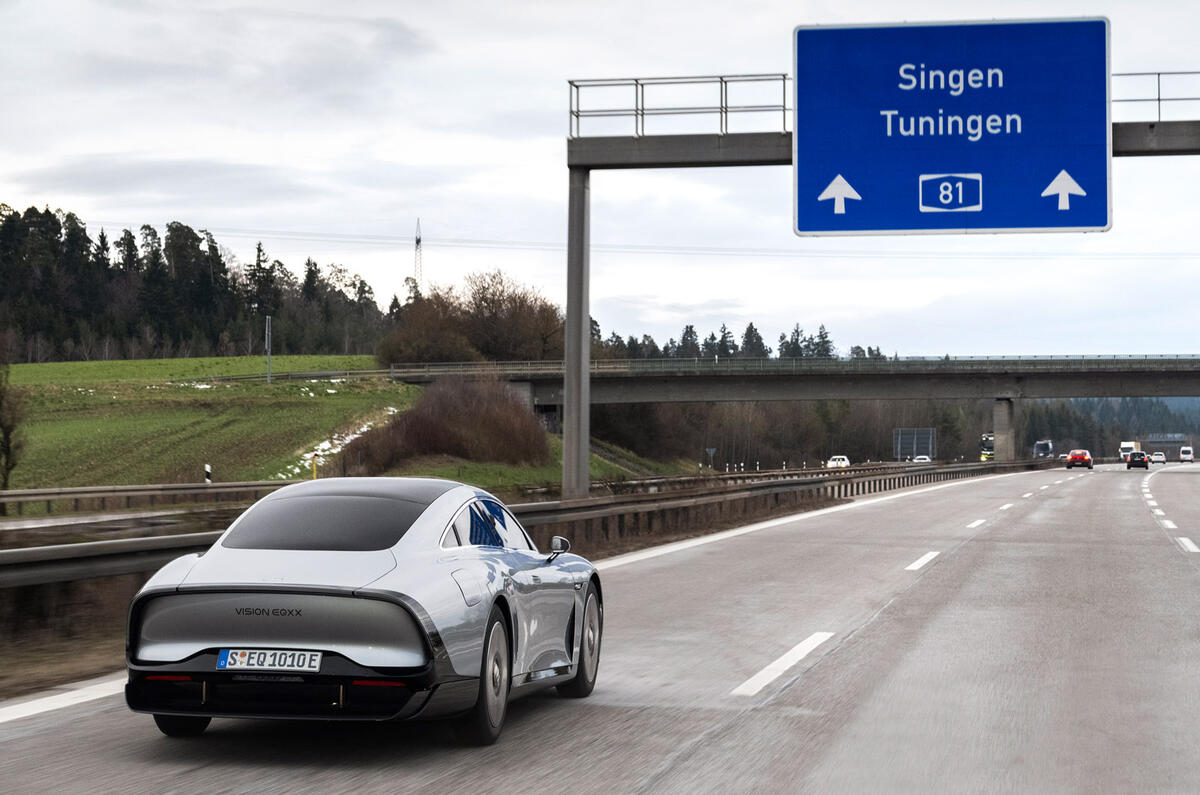
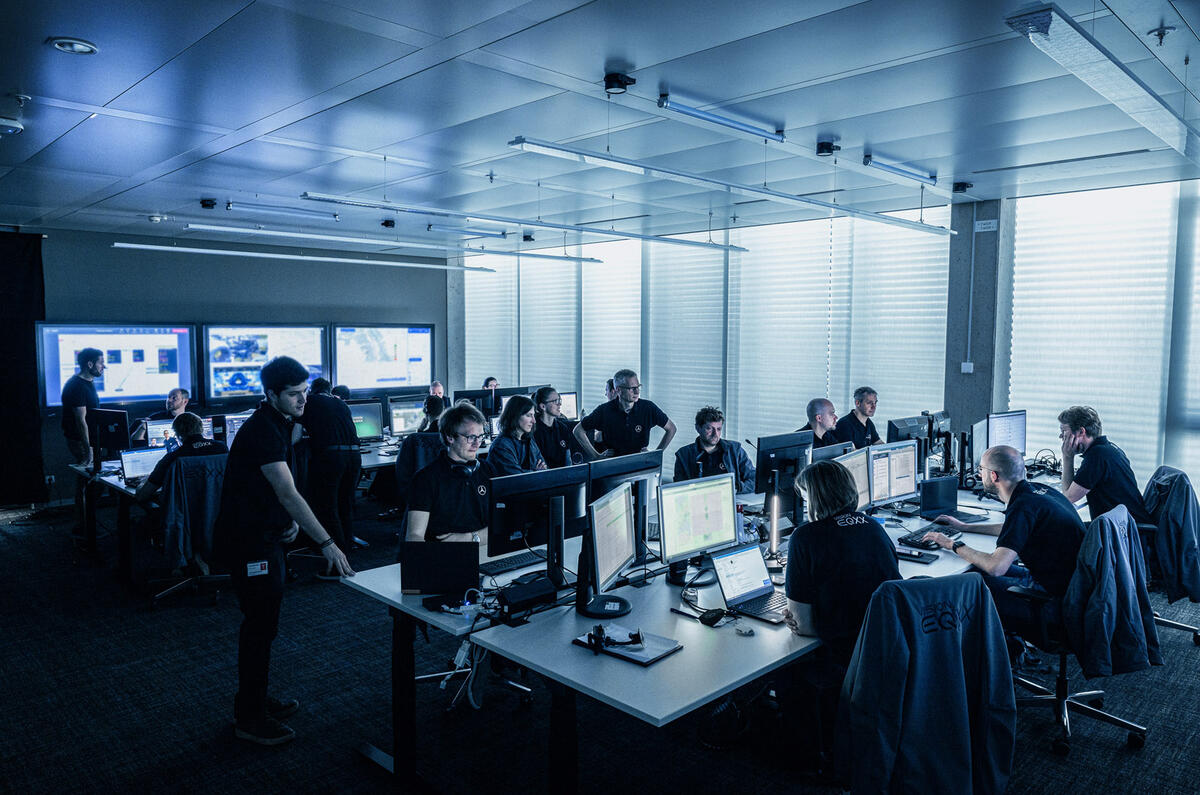
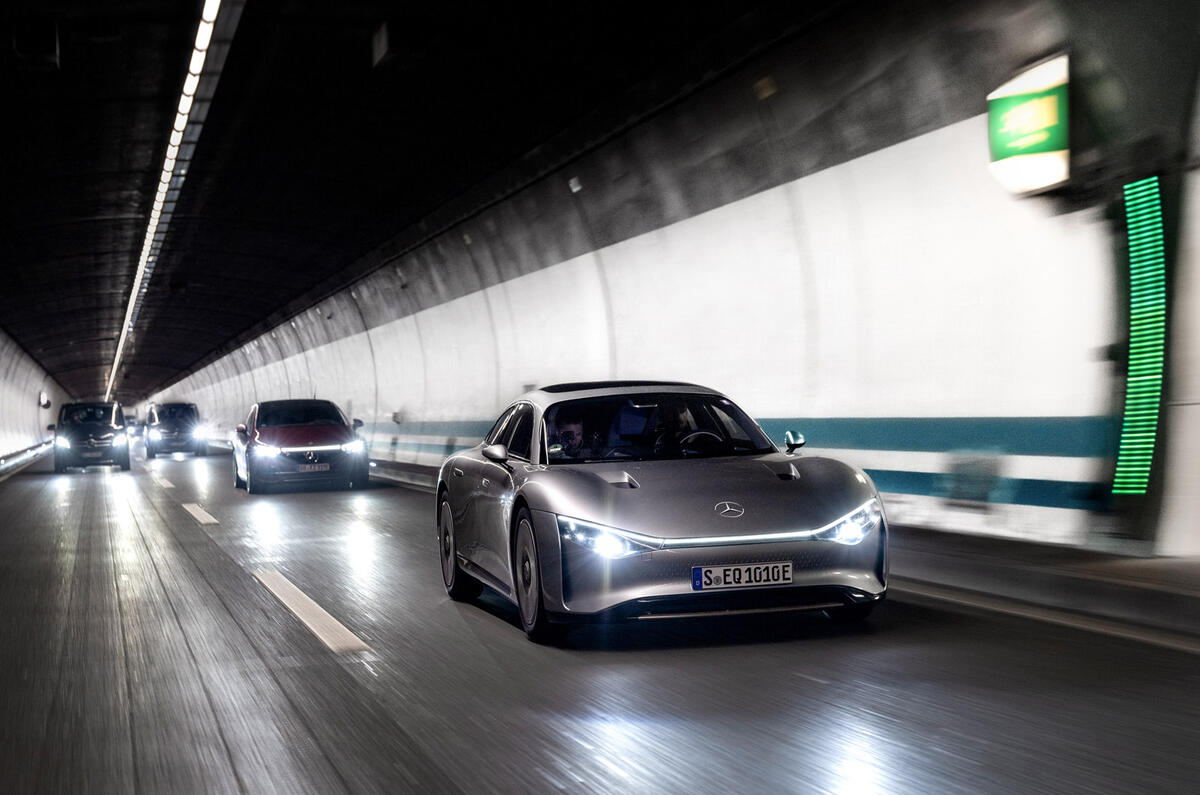
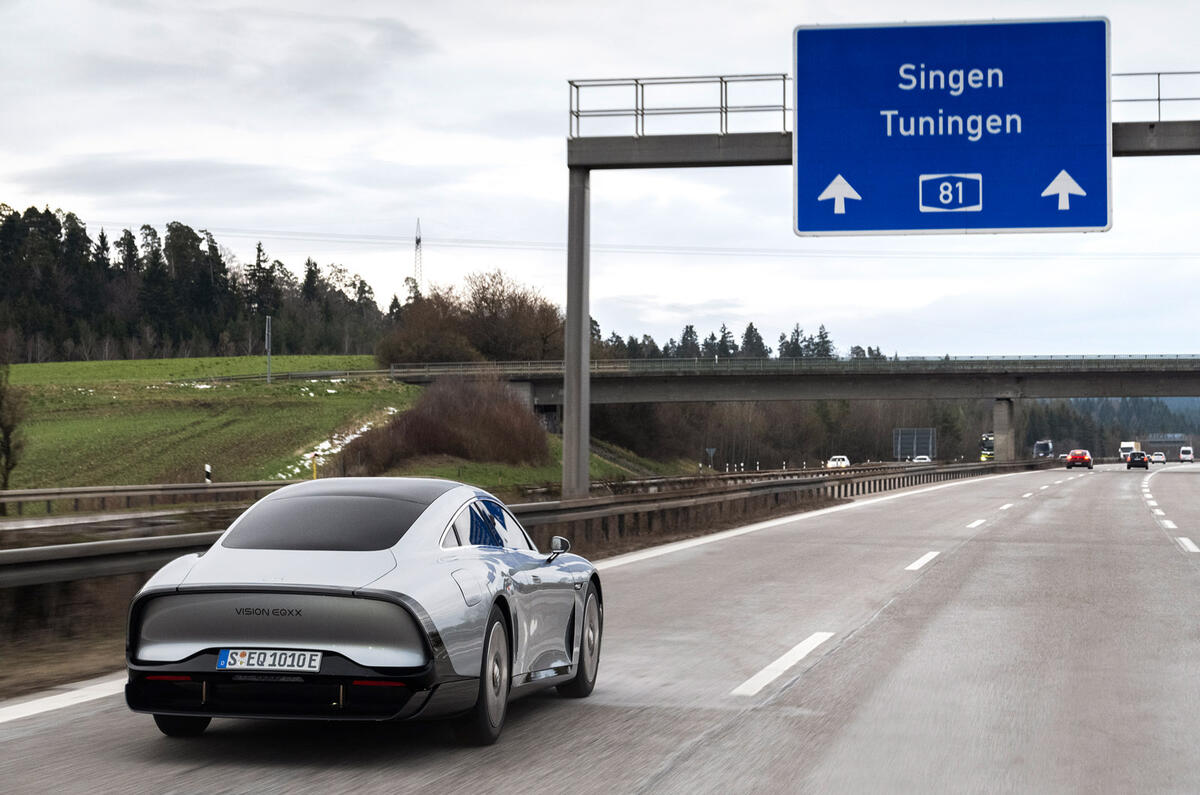
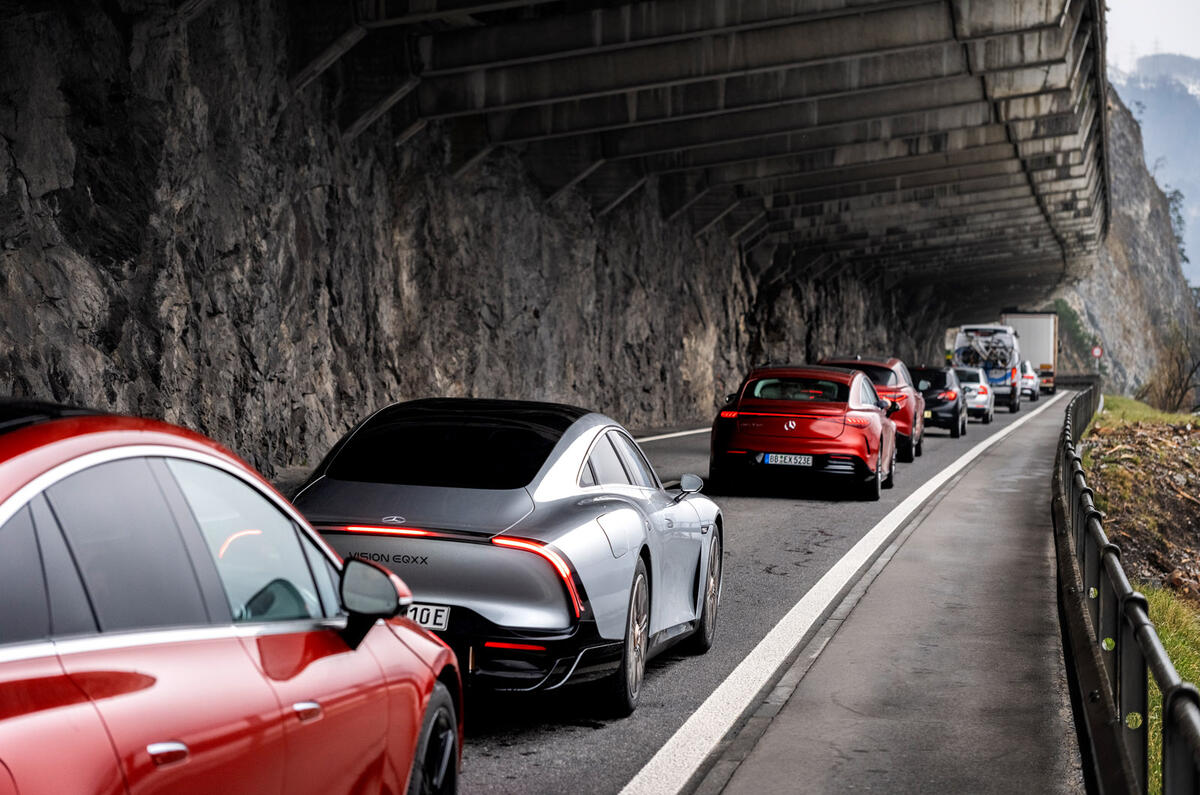
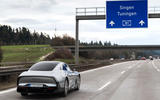
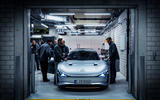
After two years of conception, development and testing, the result is the Vision EQXX - a fully operational saloon that raised eyebrows last week when it was driven from Mercedes' development centre in Stuttgart, Germany, to the company’s design studio in Nice, France, a distance of 626 miles, on a single battery charge at an average speed of 54.3mph.
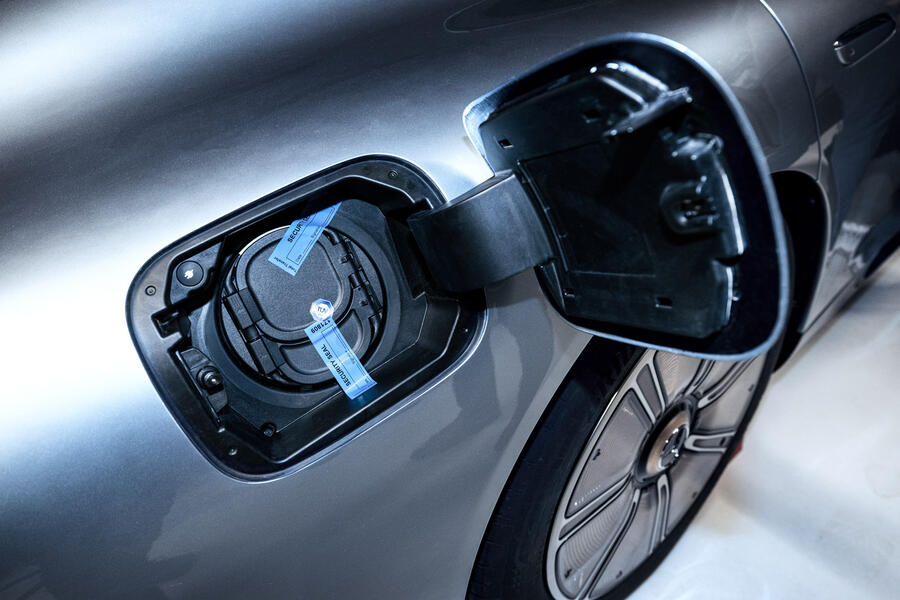
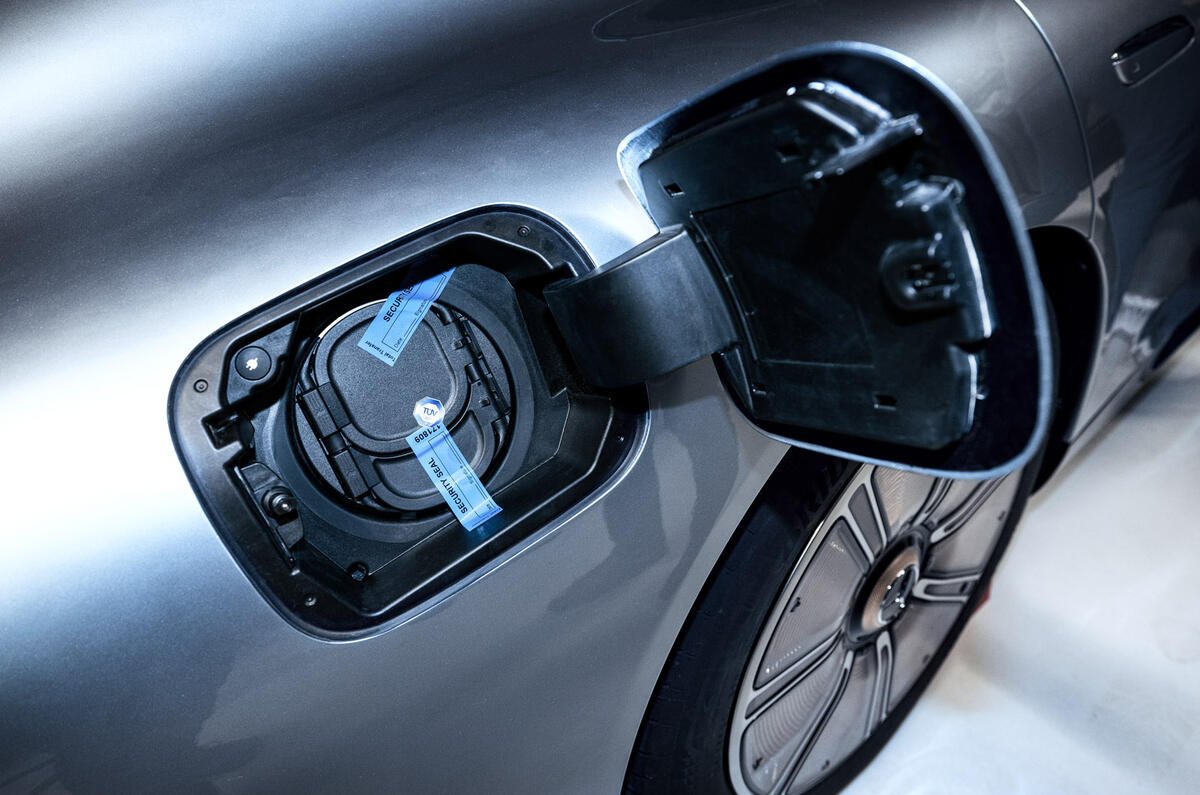
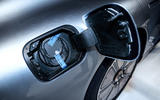
In the process, the one-off concept, whose charging port was sealed, achieved average consumption of 8.7kWh per 100km. What’s more, it's claimed to have arrived in Nice with more than 87 miles of range remaining.
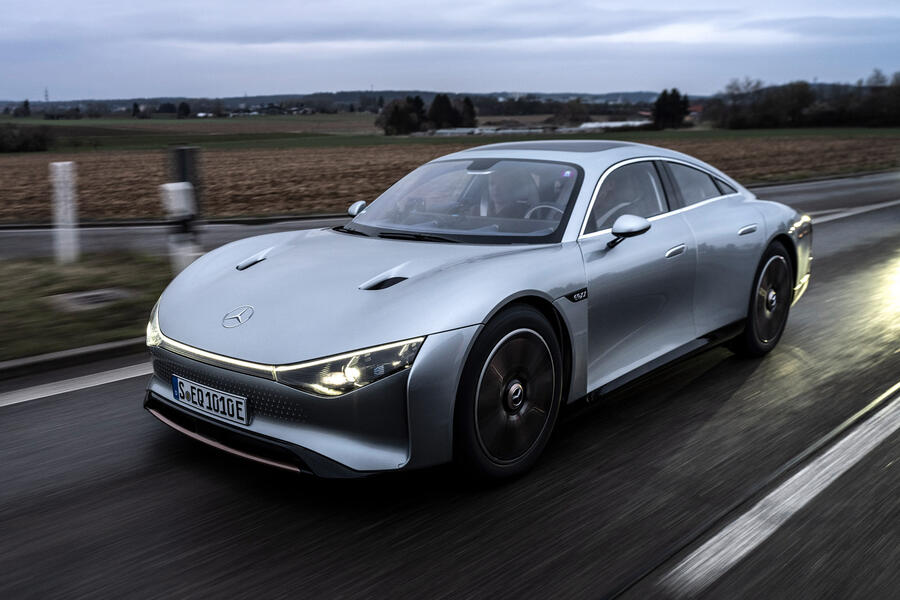
To put this into perspective, the recently introduced Mercedes-Benz EQE saloon, which uses a 90.6kWh battery, boasts an official WLTP consumption figure of between 15.9 and 18.7kWh per 100km, giving it a range of 410 miles.
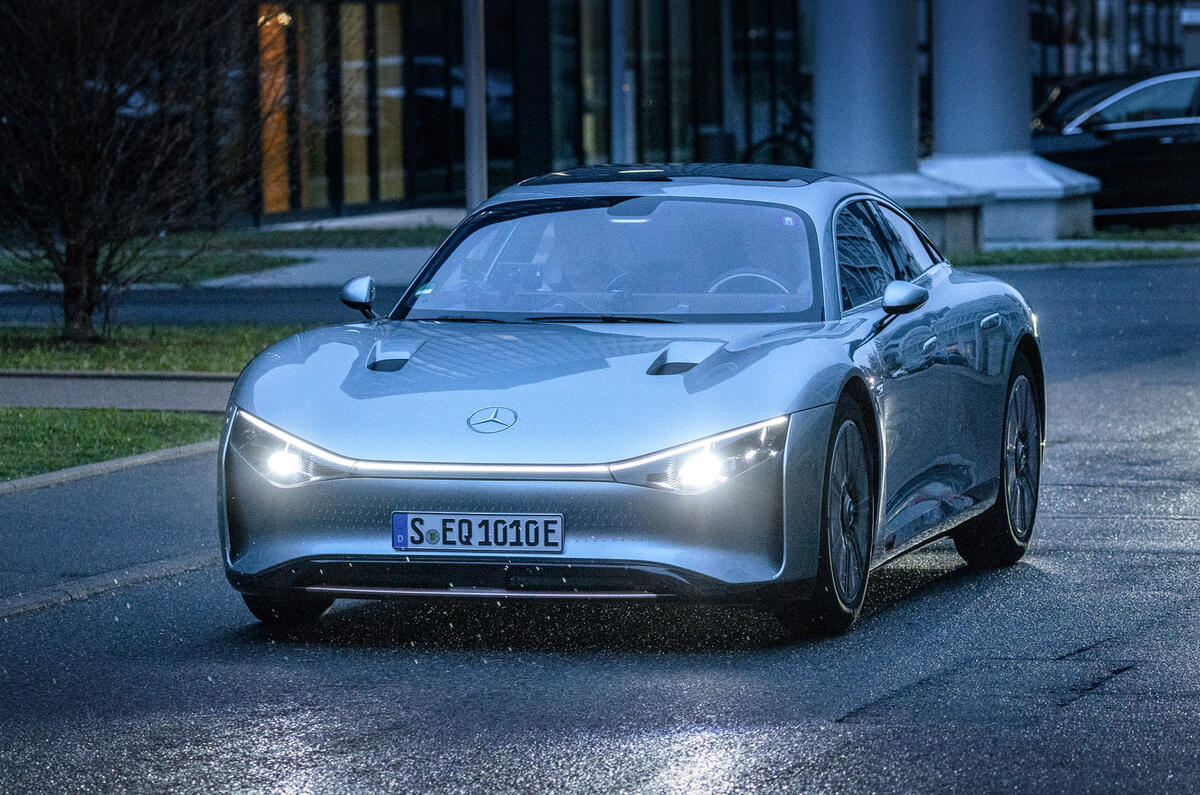
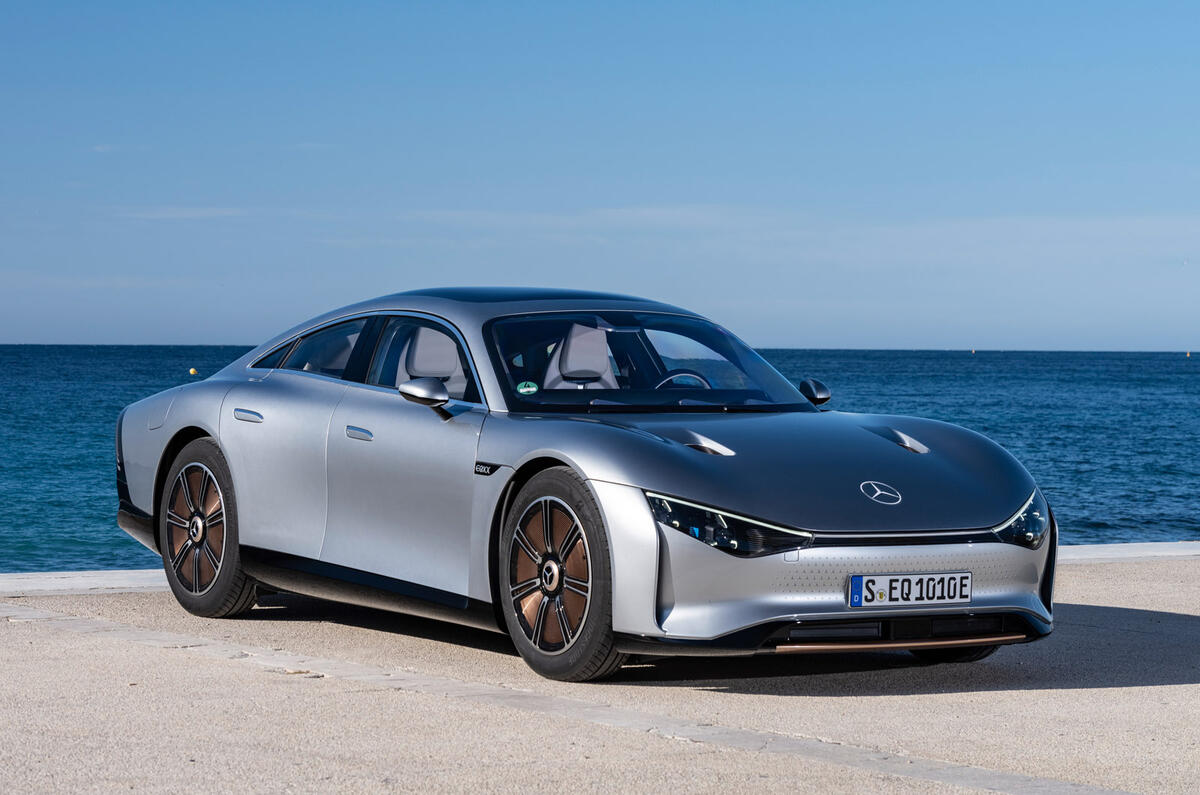
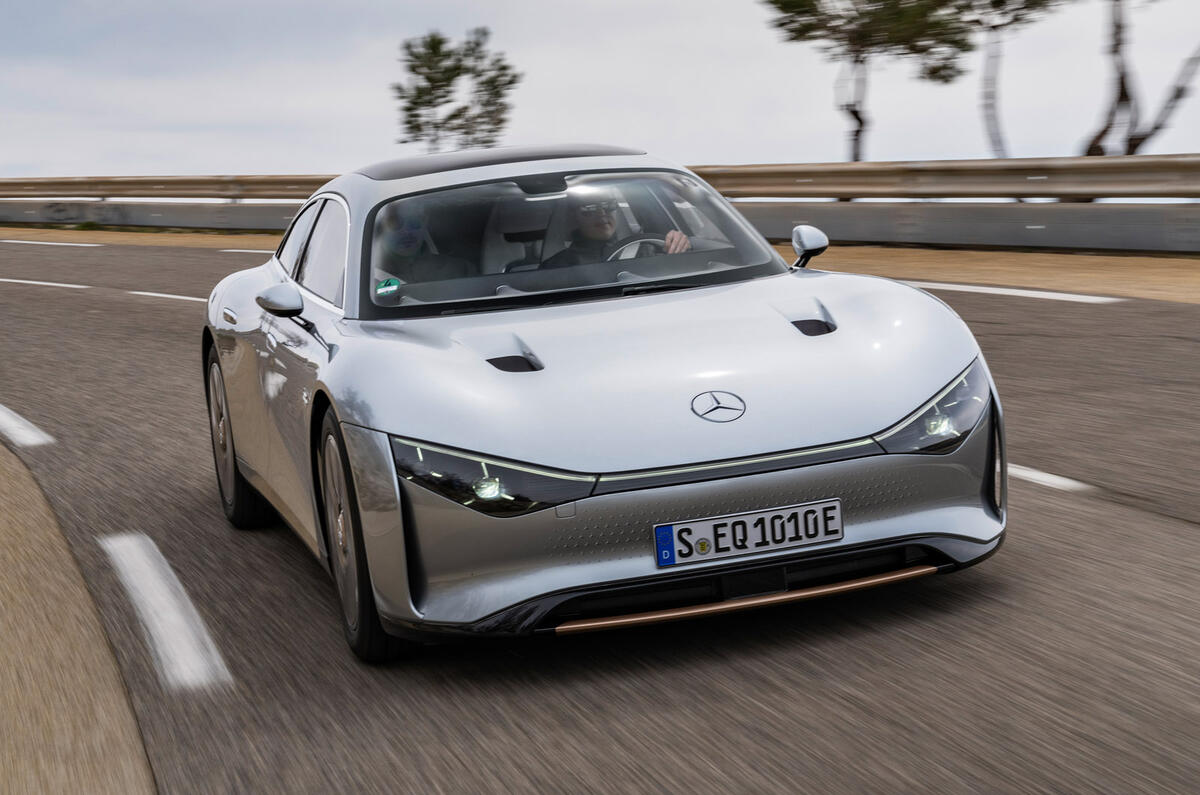
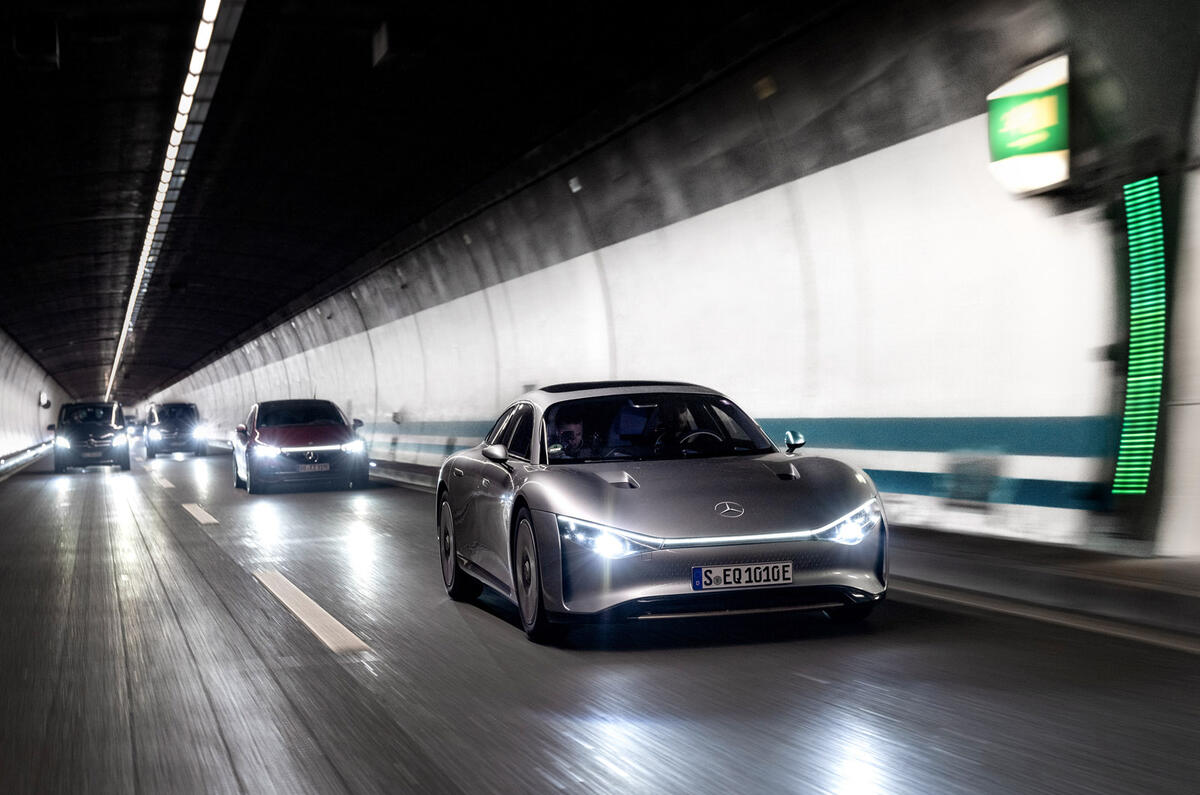
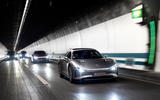
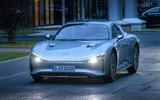
They’re impressive figures – even more so when you consider they were logged in wintery conditions with temperatures as low as 3deg C, high winds and snow flurries along sections of the route, which took in four countries and two 15-minute rest stops (without charging). But they’re not half as interesting as seeing the Vision EQXX up close under blue sky for the first time.
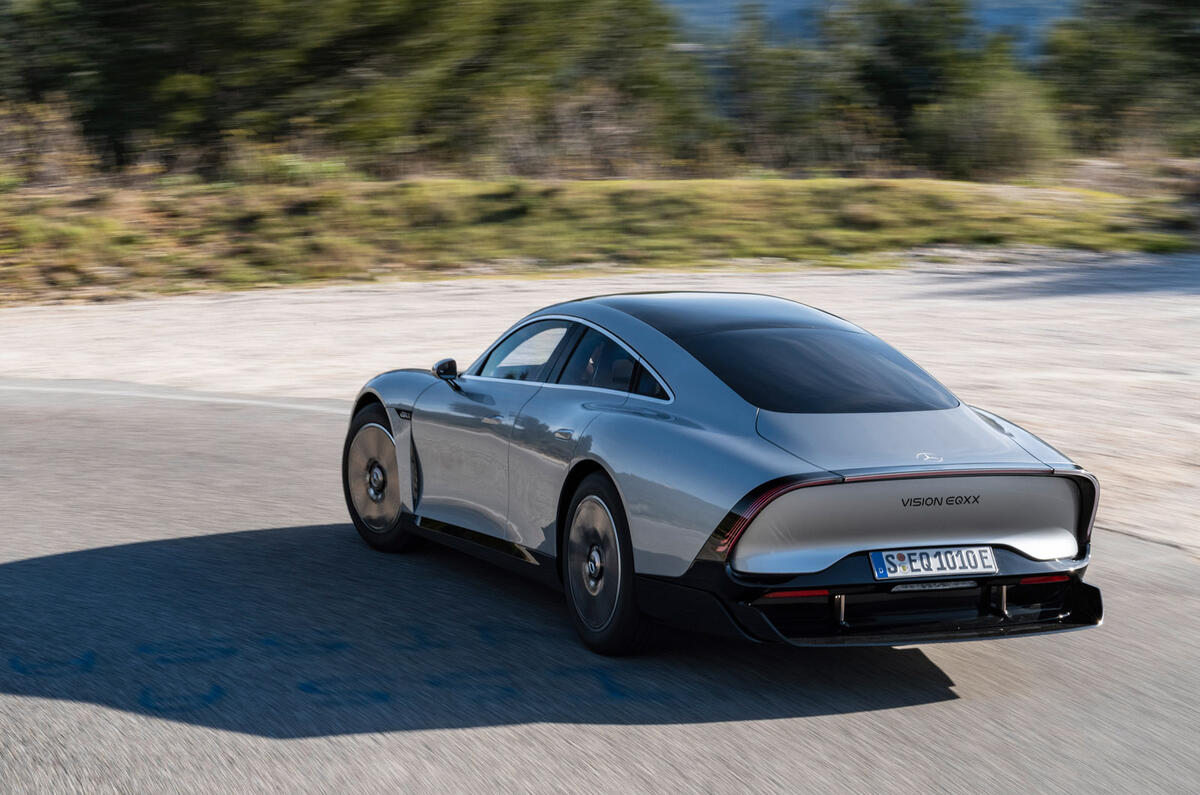
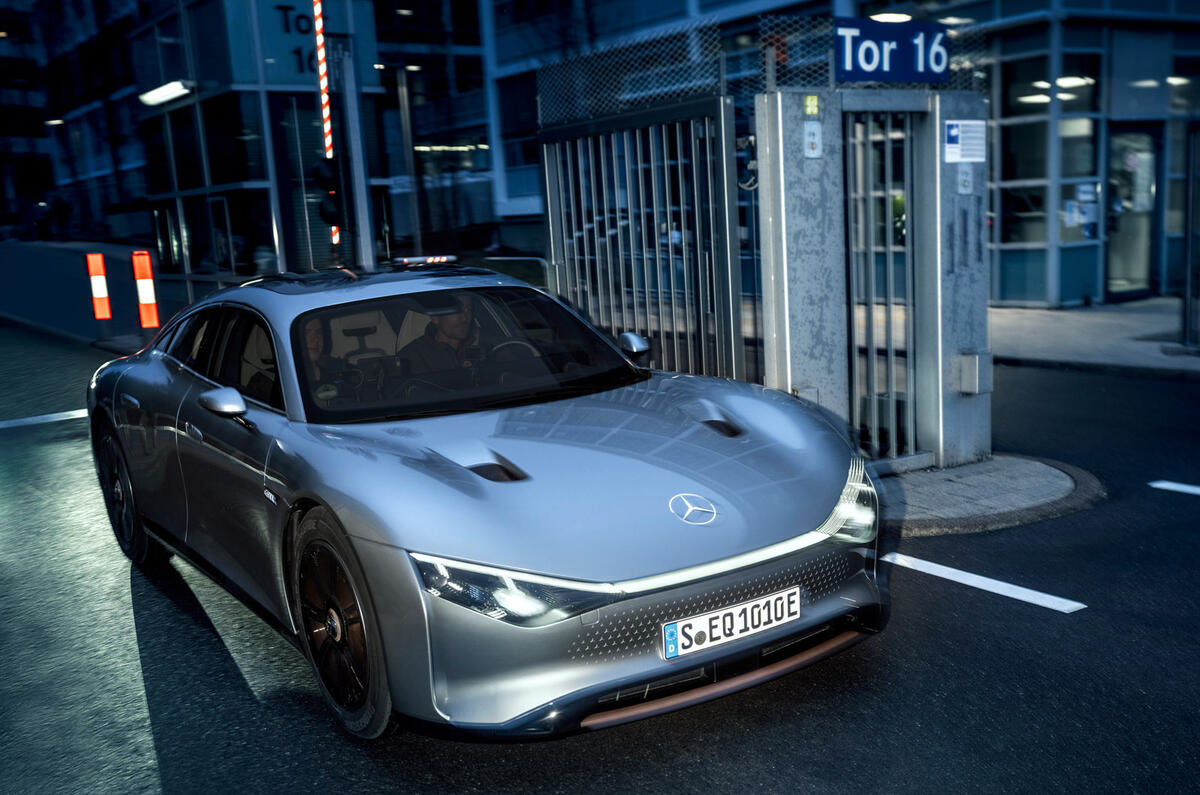
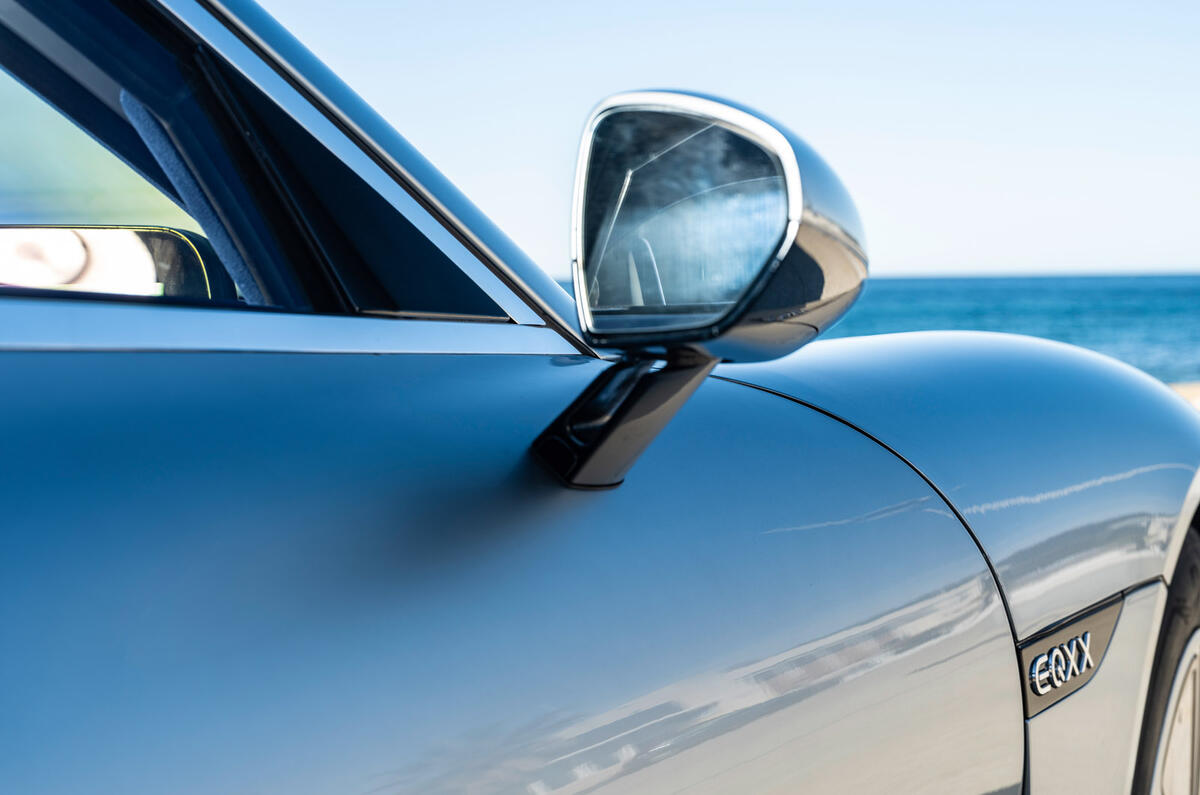
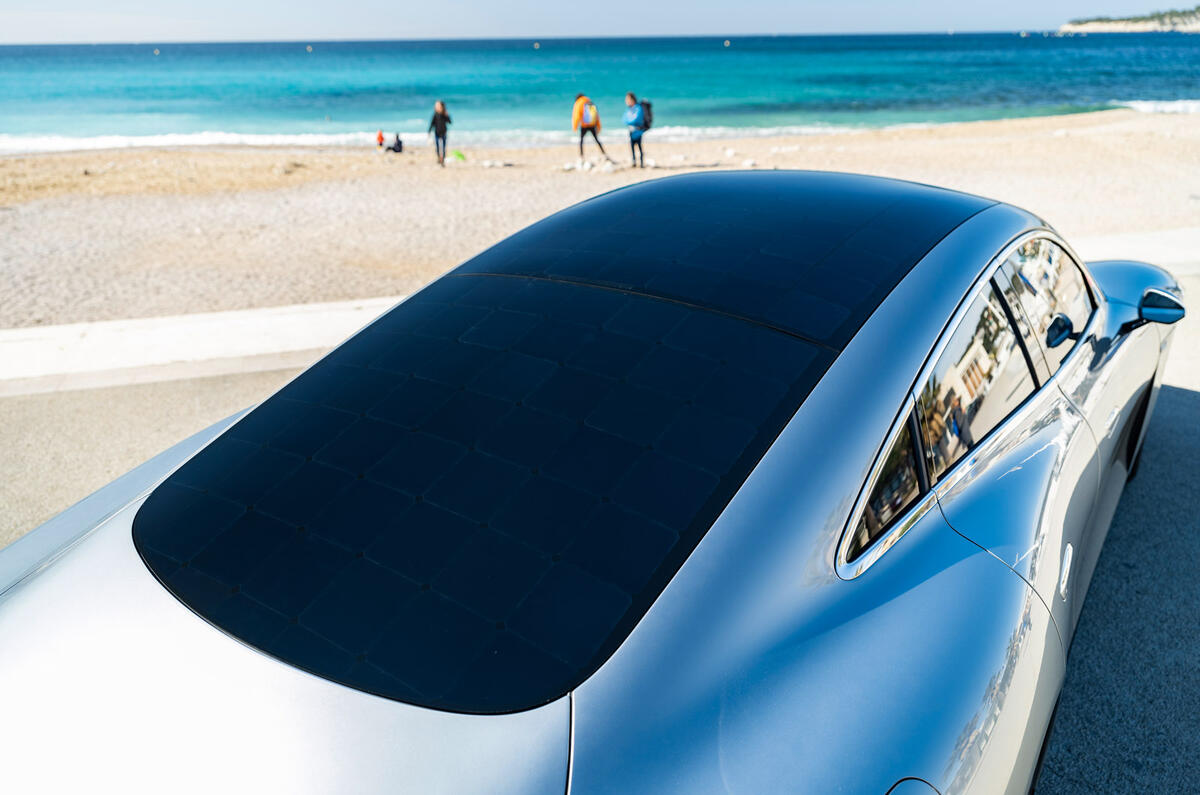
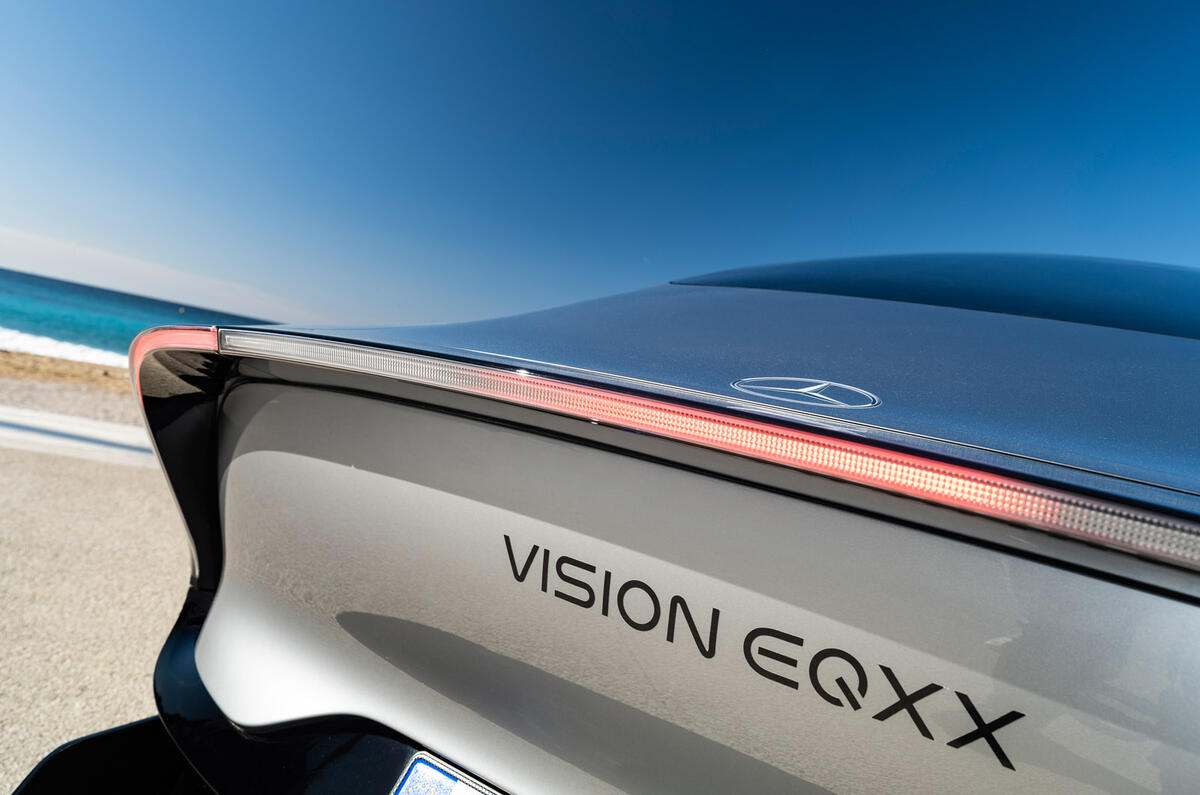
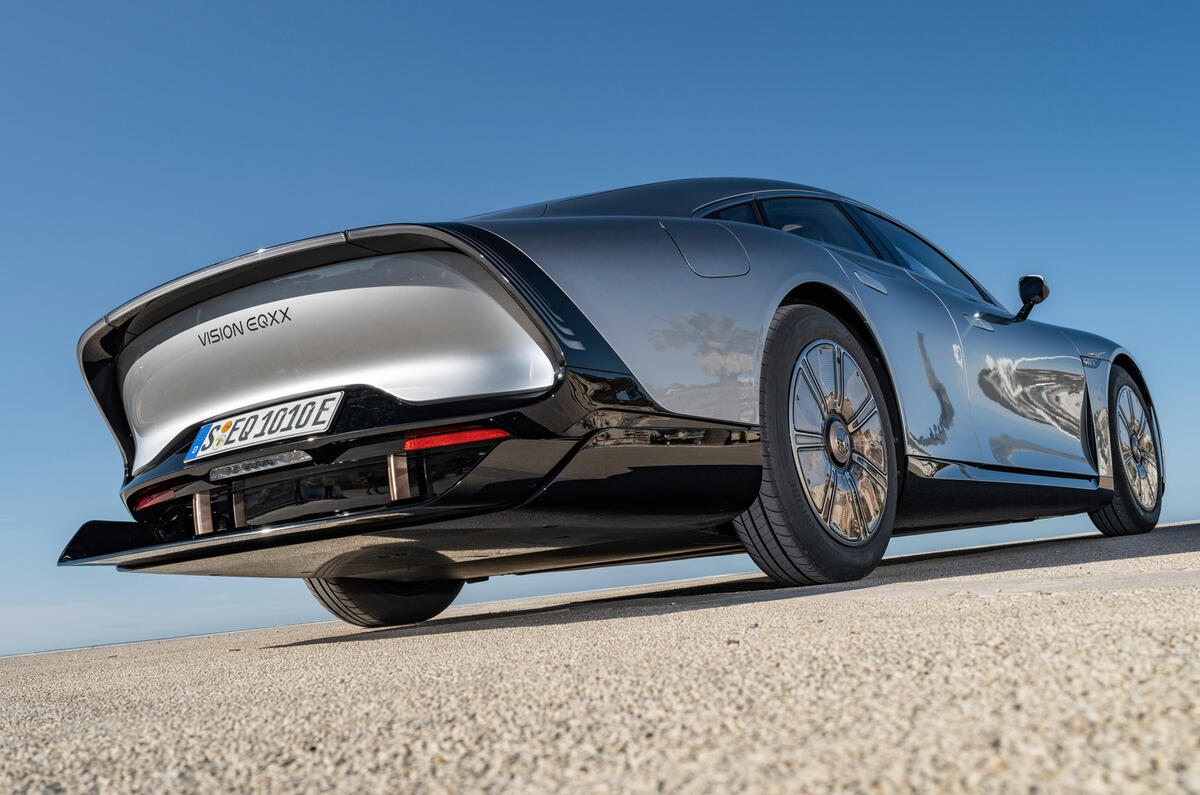
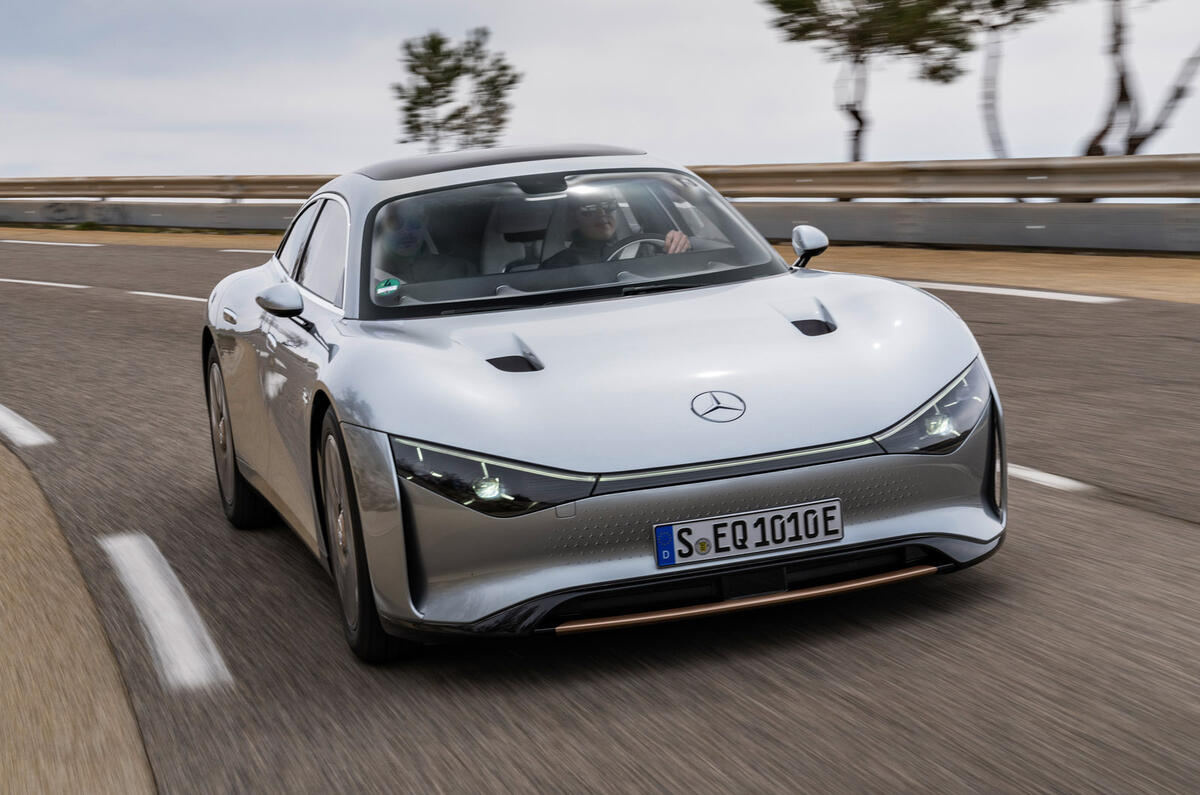
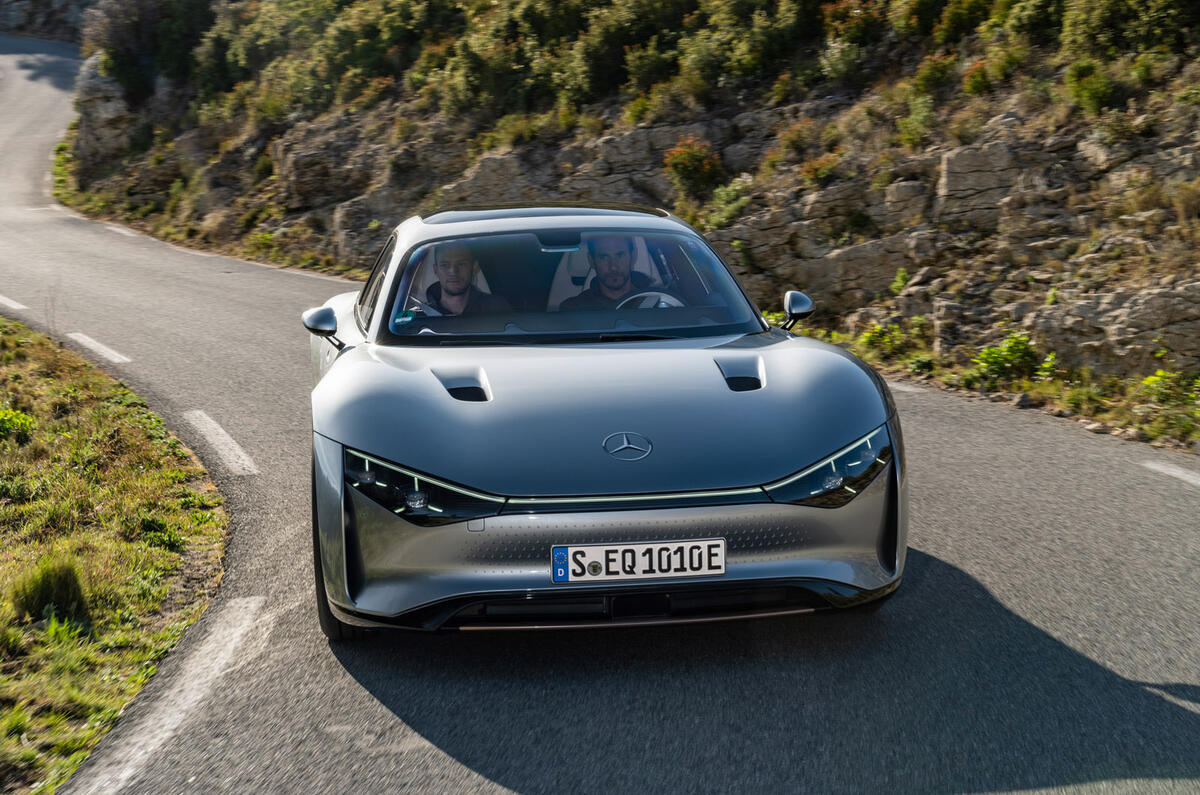
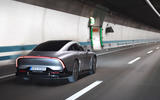
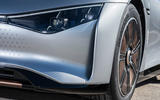
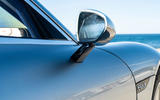
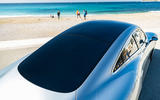
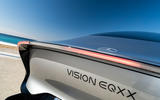
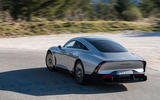
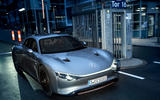
Styled in close collaboration between Mercedes-Benz’s design and aerodynamic teams, it looks very futuristic with smooth surfaces and stretched proportions, including a rear section that draws on developments first aired on the Concept IAA revealed in 2015 with active elements to alter the aerodynamics.
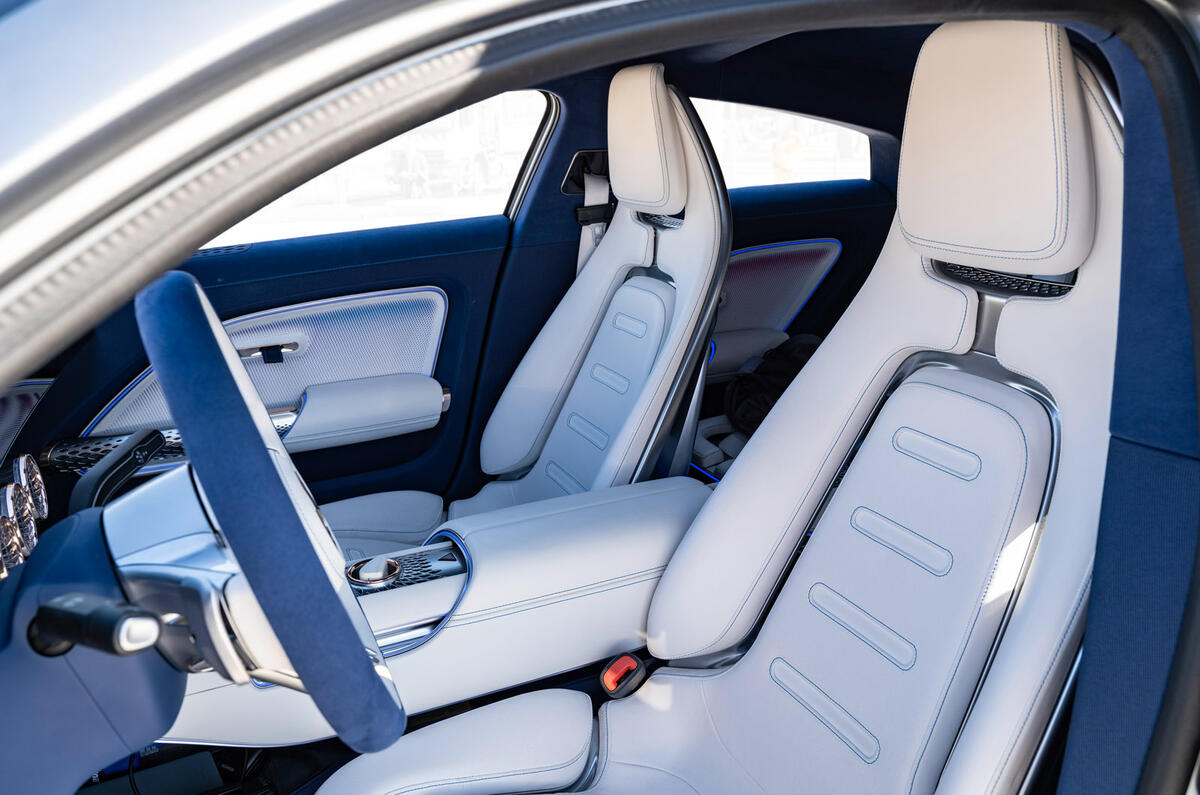
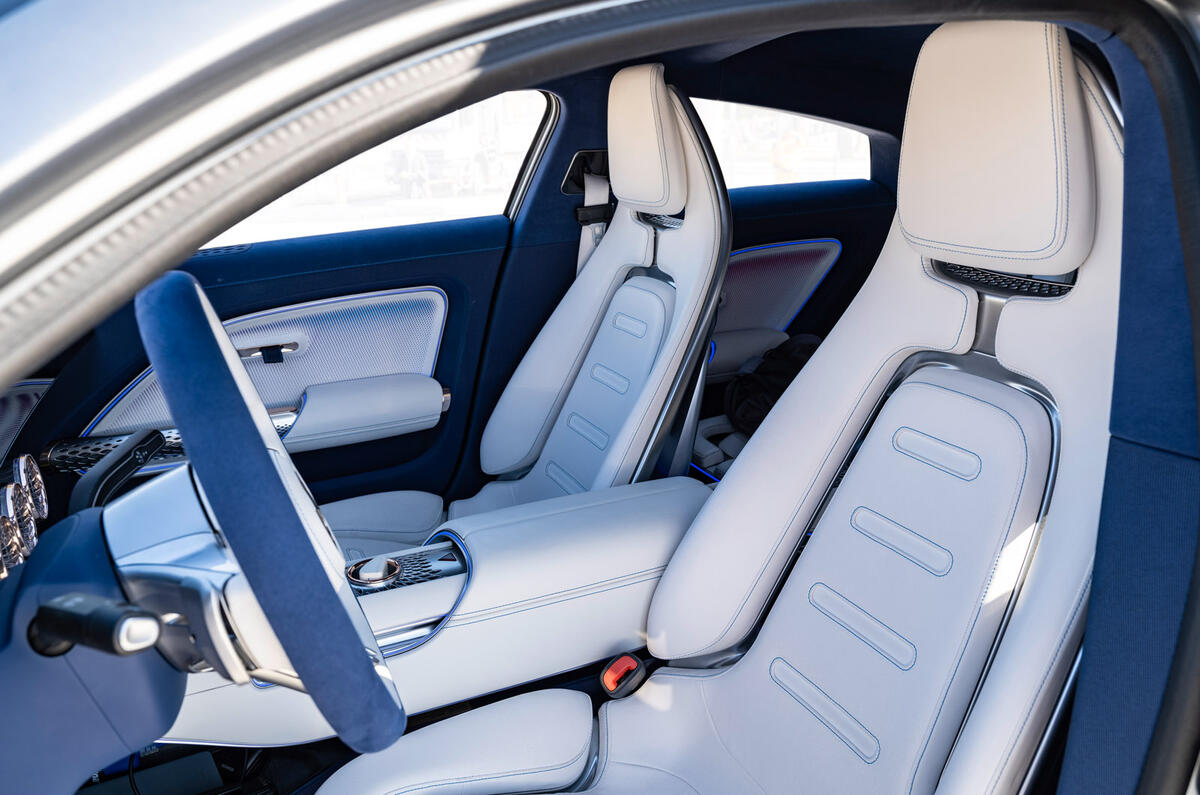
Rather than simply adopting a teardrop shape with fared in wheels for maximum aerodynamic potential with compromises in packaging - a route taken by cars like the GM EV1 and Volkswagen XL1, Mercedes has delivered a car that is conceived to offer similar levels of accommodation and everyday practicality as a regular production car, complete with four conventional front-hinged doors.