From £39,1007

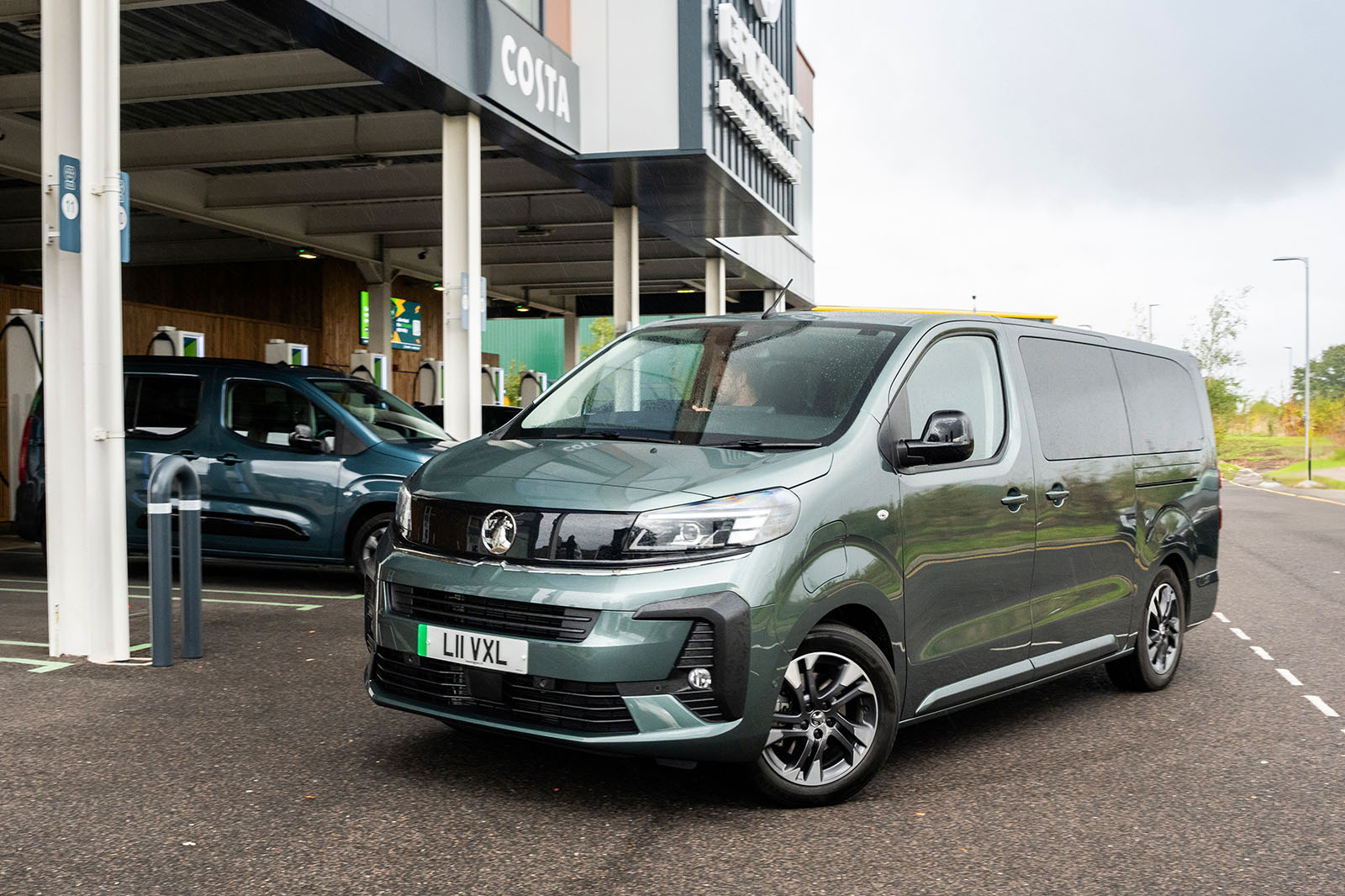
Meet the ingenious, British-made, all-electric, nine-seater MPV that costs less than a family hatchback

Find Vauxhall Vivaro Life Electric review deals
New car deals
From £39,100
Nearly-new car deals
Other Services
Sell your car
84% get more money with

The big, boxy, high-sided monocab MPV is suddenly right back in fashion. Cars like the Kia PV5 and VW ID Buzz have done their best to make them cool again; and Lexus and Mercedes (with the Lexus LM and Mercedes VLE) are also doing their bit to add some luxury sparkle.

But what if you want something enormous, commodious, super-versatile - and also electric - but aren’t so fussed about the fripperies? If you just need a lot of space, and a lot of seats, for a bit less outlay? Well, more humble options with clearer commercial-vehicle connections have existed for some time, albeit out of the spotlight that these late-arrivals have brought. And one of them - made in the UK - is the Vauxhall Vivaro Life.

The Vivaro has a reputation as one of Britain’s best-known and best-selling medium-sized vans. It switched from a shared Renault platform to a Stellantis-nee-PSA one with the third generation vehicle in 2019, still being assembled at Vauxhall’s old Luton factory at that time; and immediately becoming available as a ‘Life’-branded passenger car MPV alongside the regular panel van.

Since then, however, the Vivaro has both moved home and had a radical powertrain shift. Having been introduced with combustion engines, the Vivaro Life passenger version is now available in electric form only (unless you happen to be a producer-converter of wheelchair accessible vehicles; in which case you can order a diesel). And - like all of the electric-powered, monocab-style MPVs that Stellantis makes for its various in-house brands, as well as for joint-venture partner Toyota - is produced at Vauxhall’s old Ellesmere Port plant.

Advertisement
Back to top

So the question here is: just how many seats, and how much electric-powered versatility, do you need? And exactly how much Vauxhall can you make room for on your driveway?

DESIGN & STYLING

7
Vauxhall Vivaro Life review 2026 002

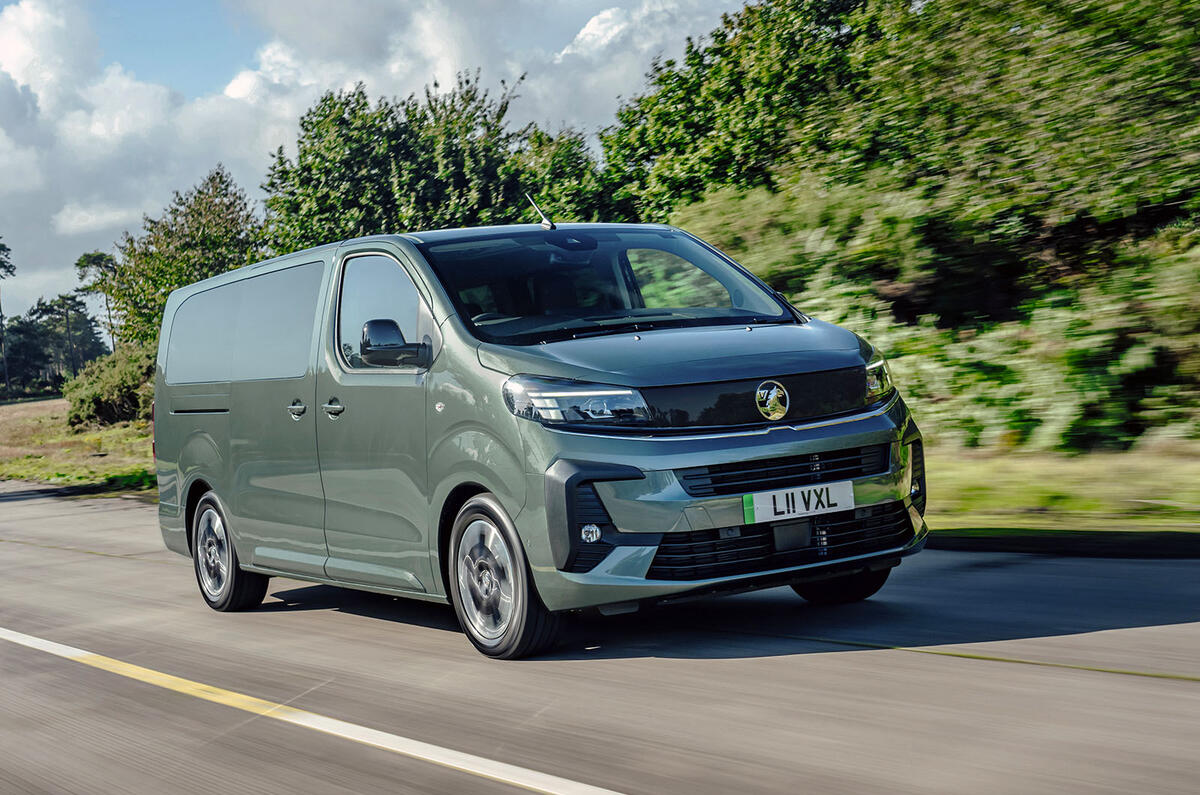
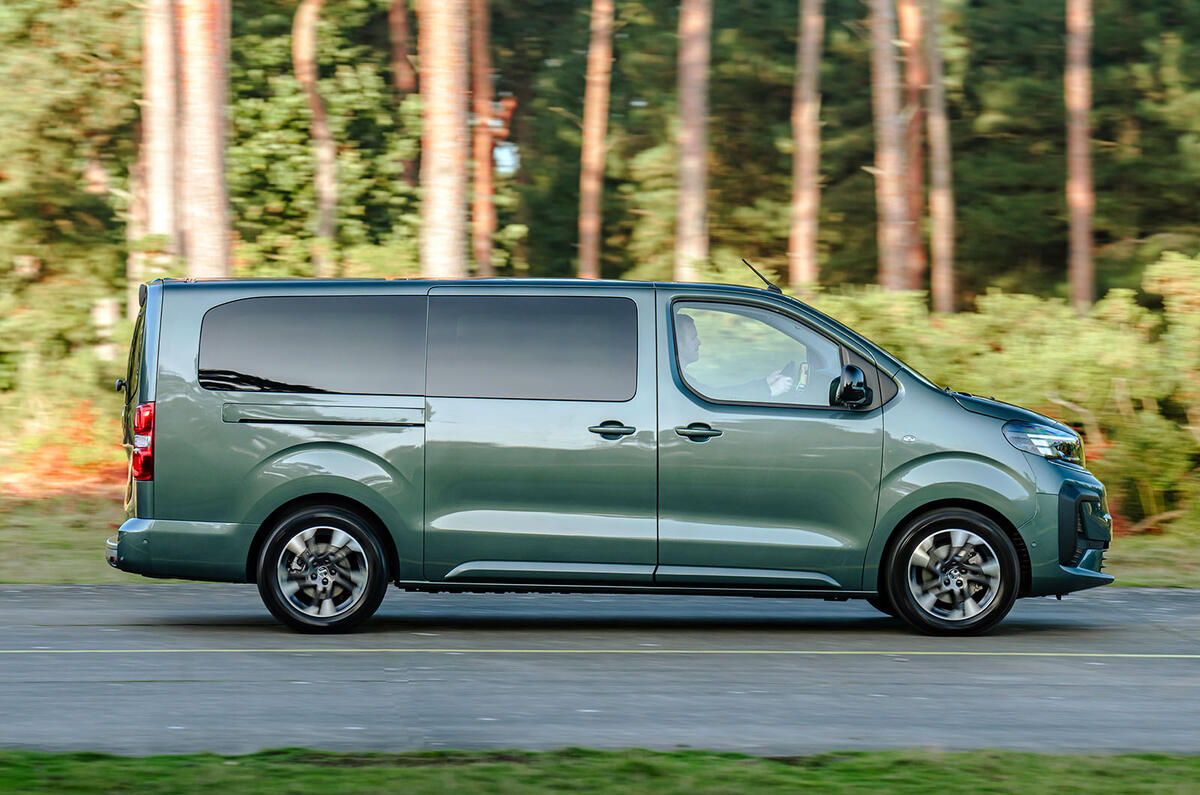
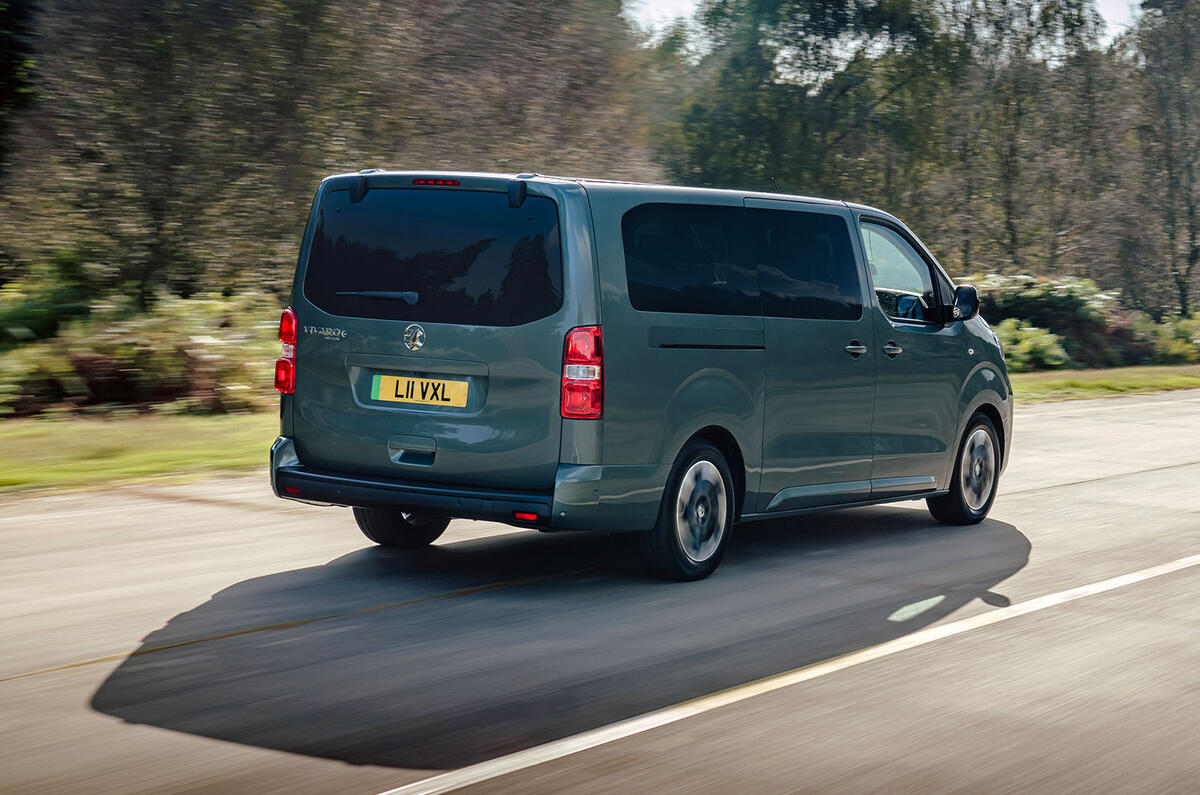
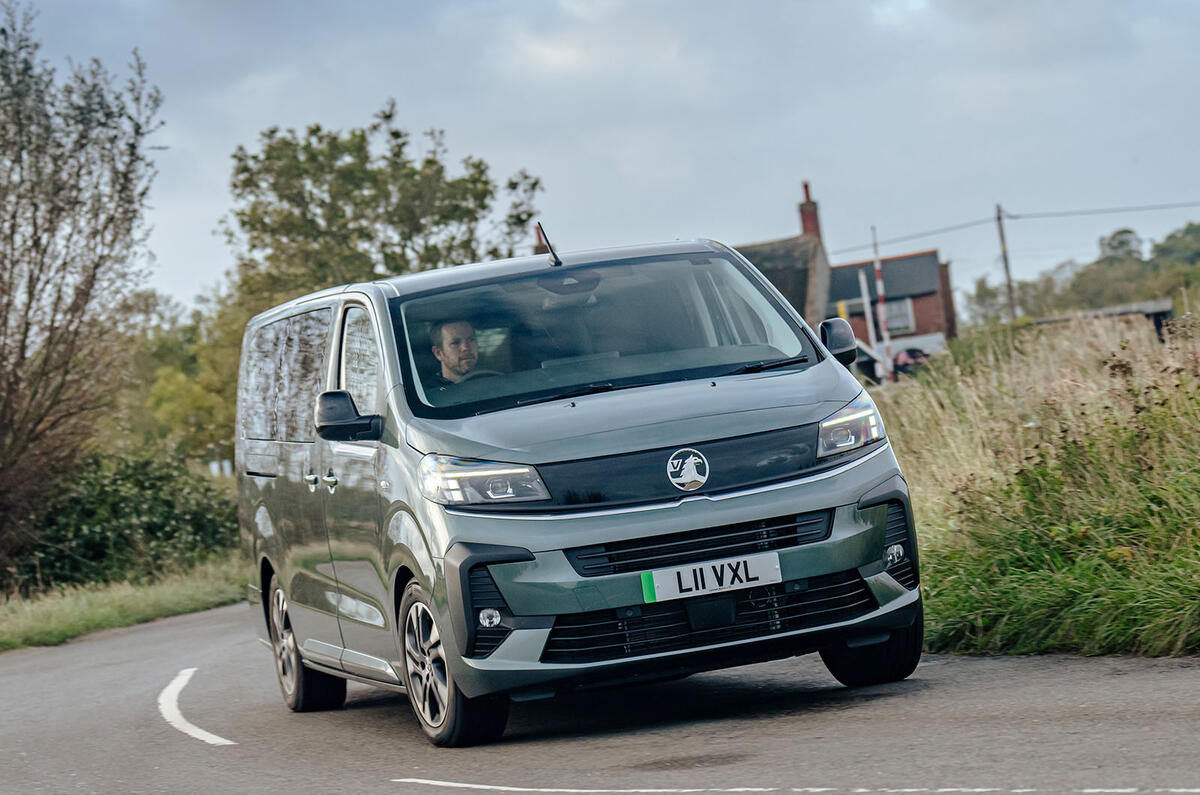
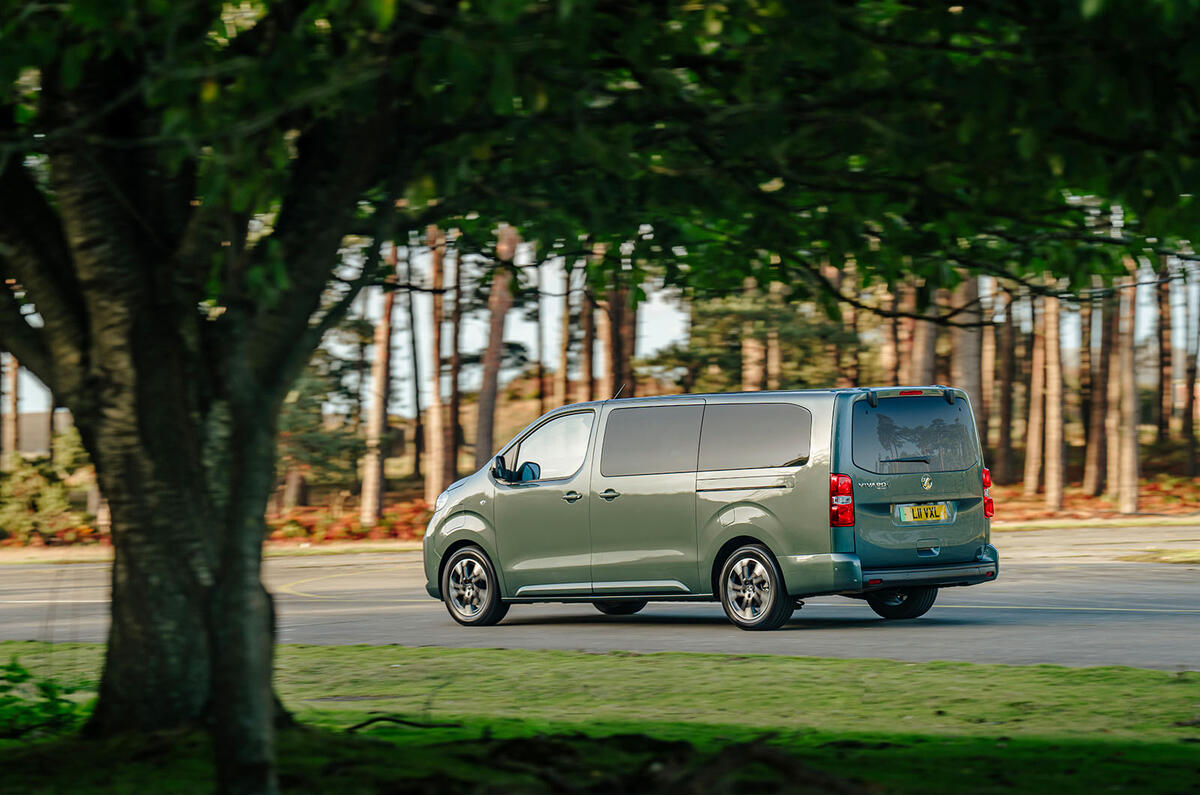
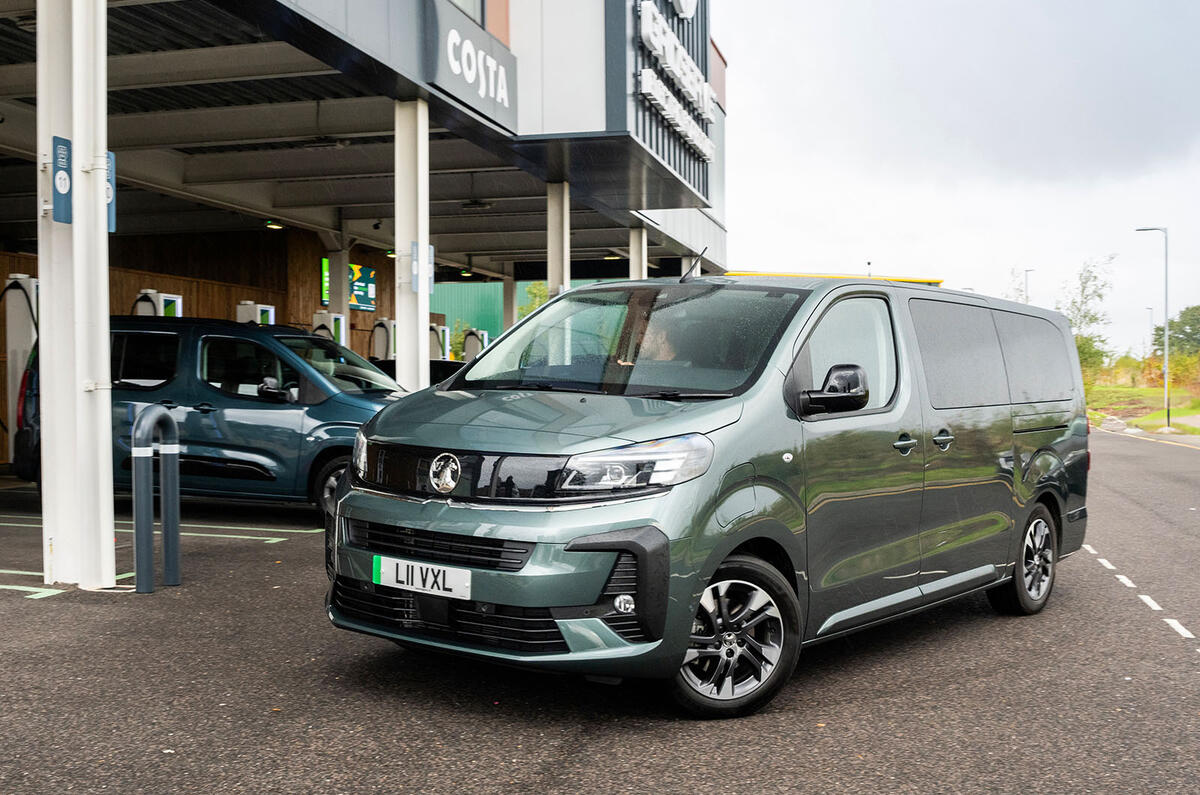
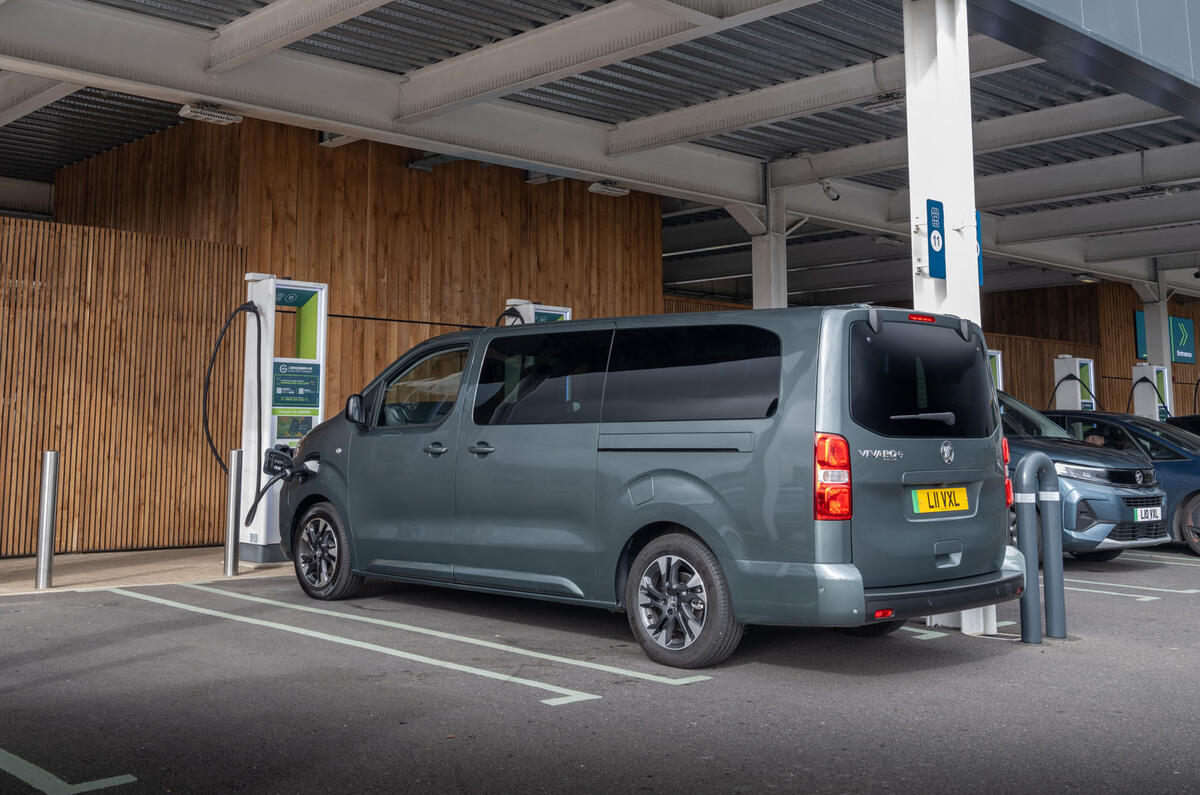
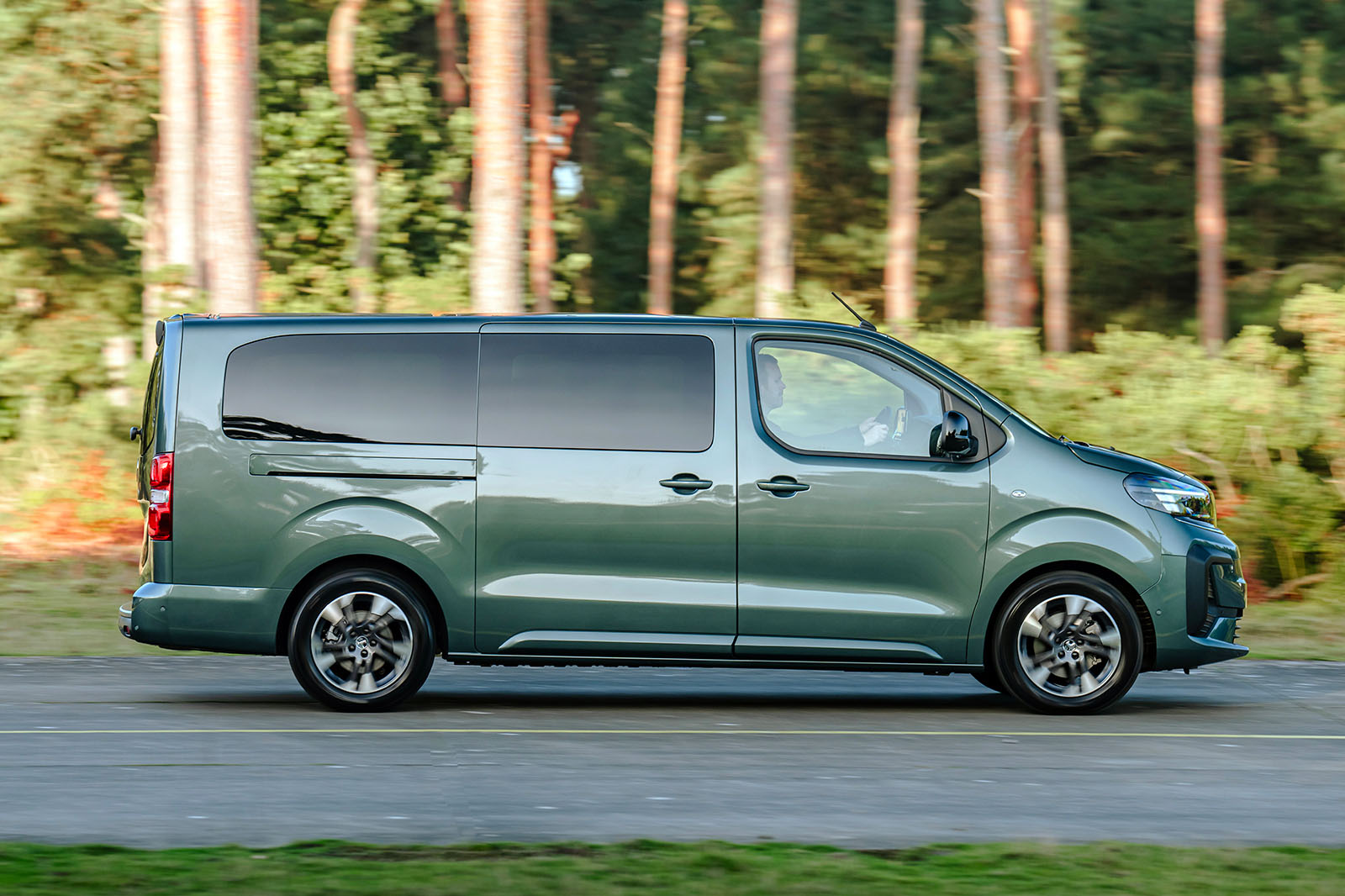
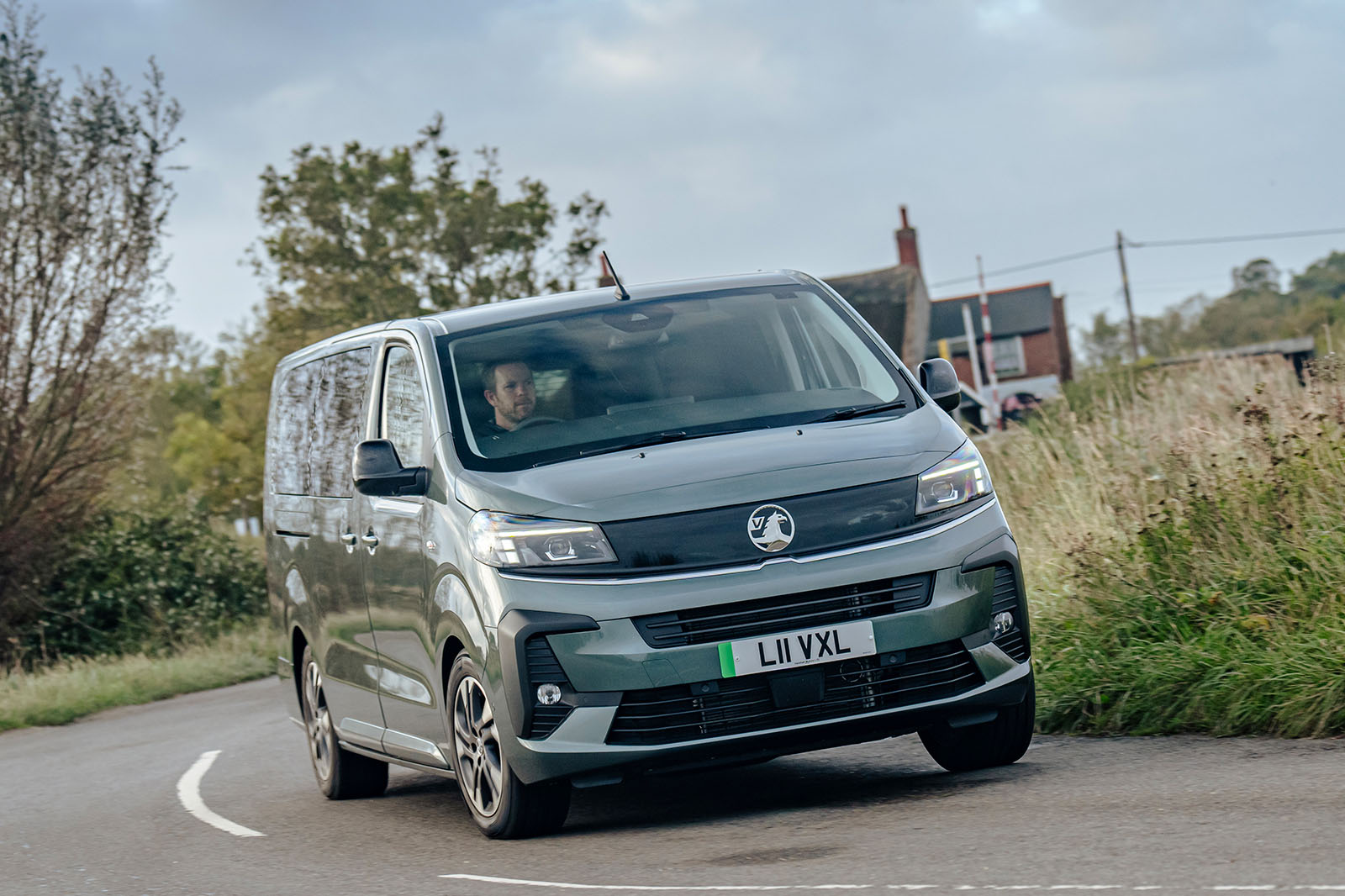
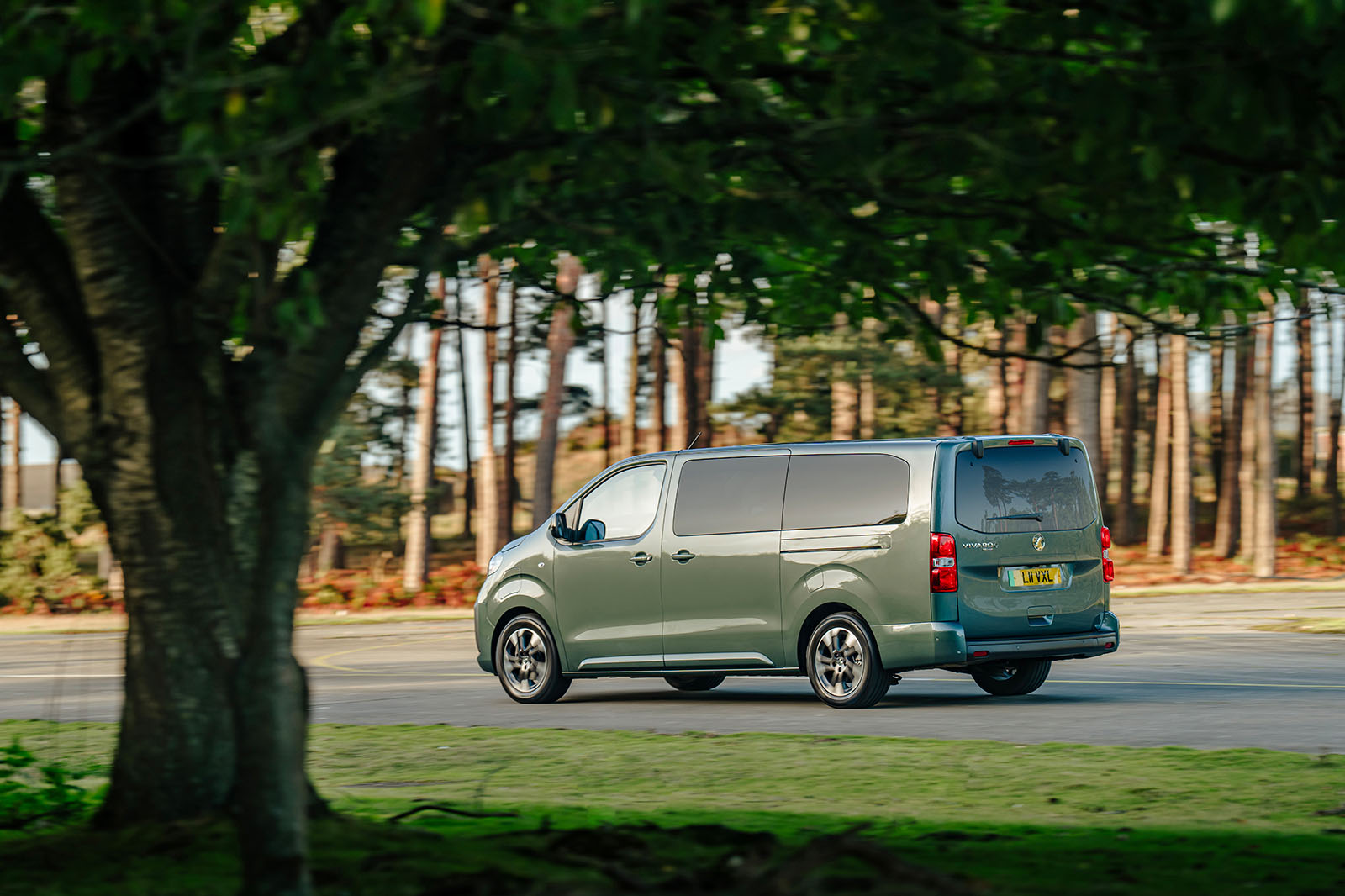
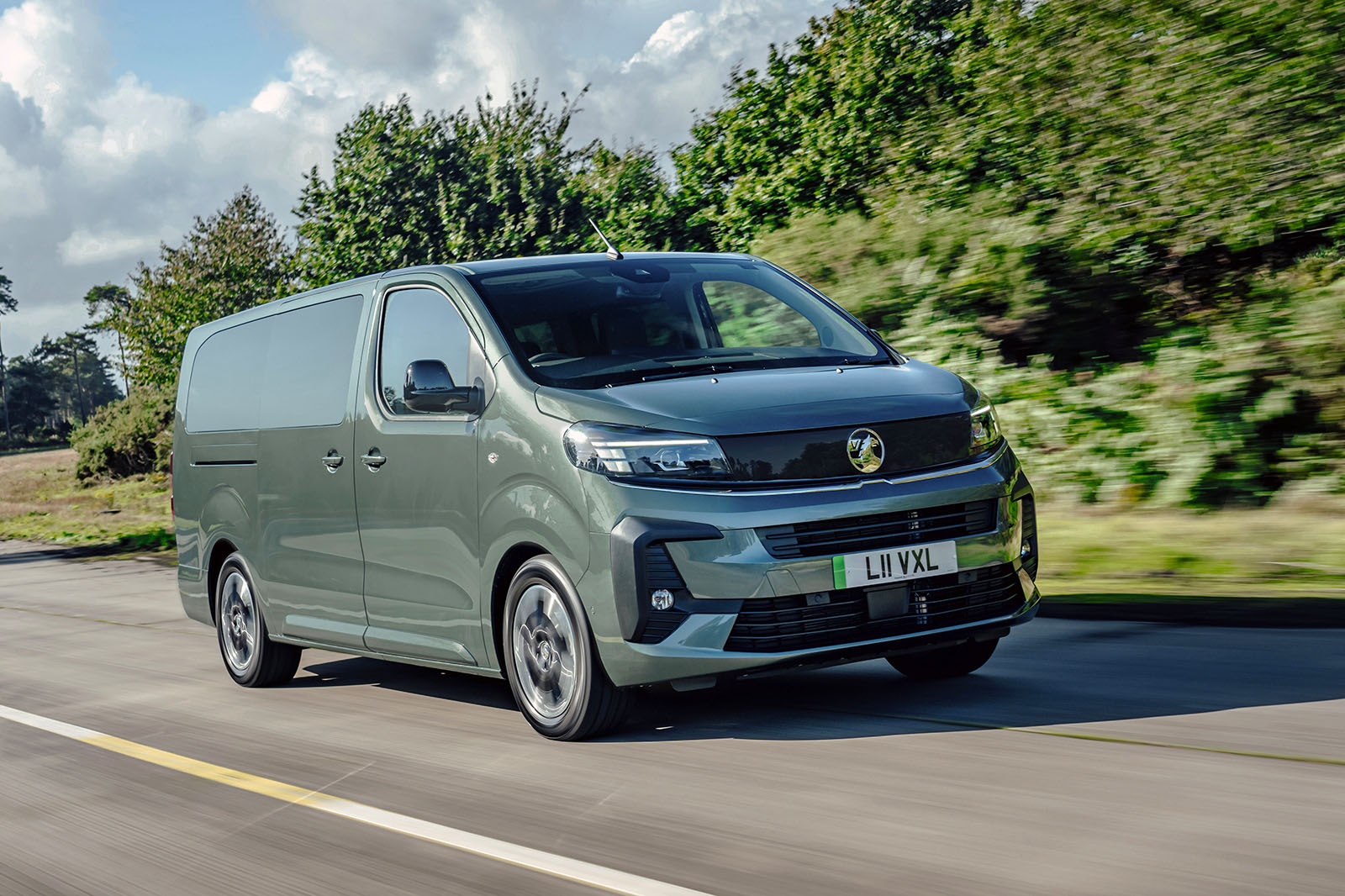
The Vivaro Life comes in a choice of two body lengths and four seating configurations. Go for an XL rather than the standard-length vehicle and you get a rear overhang that’s stretched by some 350mm, for boosted cargo space (and, by extension, associated passenger space). But that takes the overall length of the car close to 5.4m (as was the case with our XL test car); and that’s quite a lot to squeeze onto a suburban driveway or into a retail park parking space.

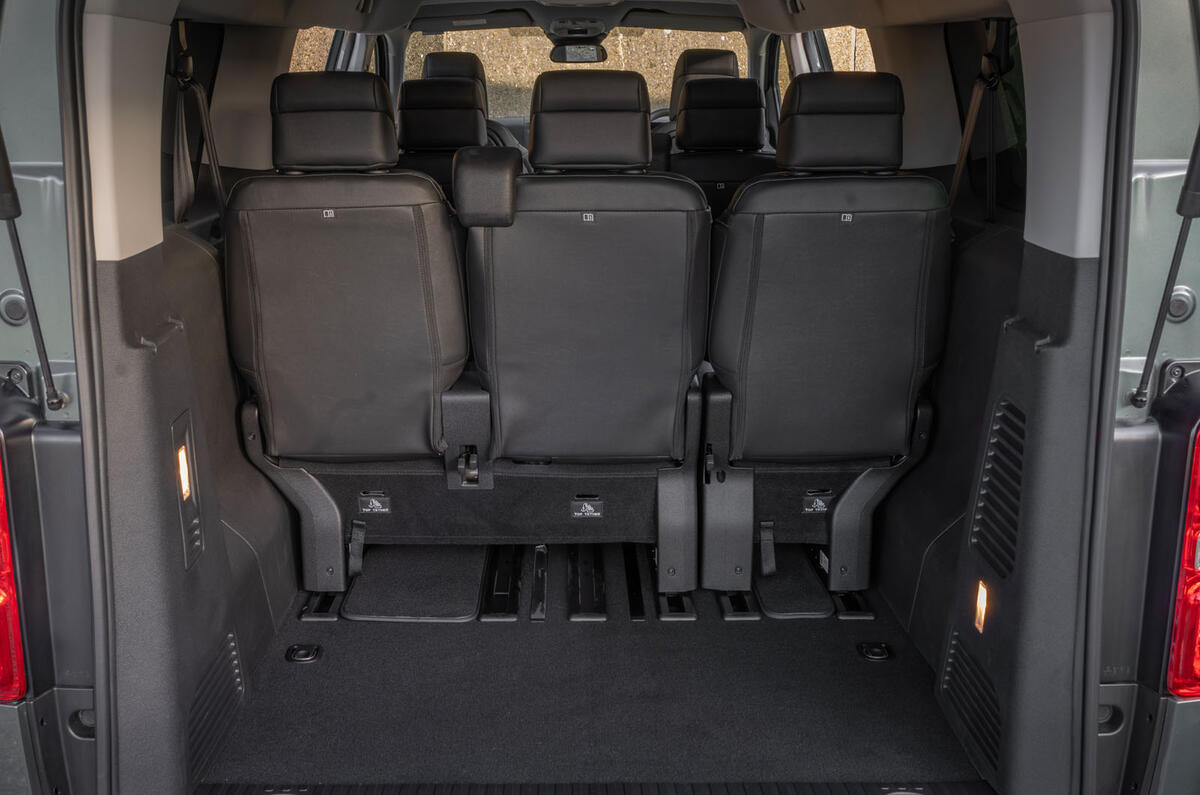
If you really need to get into the nitty gritty, the longer Vivaro can accommodate loads of 3.5m up to the dashboard and with all of the seats folded (including the front passenger seat). In the regular-length car, the equivalent figure is 3.16m. So whether you need an XL may well depend on how often you’ll use all of the passenger seats, and how much cargo you have to carry around in addition to people.

The vehicle is based on a specialised derivative of Stellantis’s ‘EMP2’ platform called ‘K0’ (this also underpins sister models of the Citroen Dispatch and SpaceTourer; the Peugeot Expert and Traveller; the Toyota Proace and Proace Verso; and the Fiat Scudo and Ulysse). Suspension is via independent struts at the front axle, and a torsion beam at the rear; and drive is to the front axle.

The car is powered by the 134bhp, 192lb ft PMS-style electric motor from Stellantis’s early breed of ‘e-CMP’ family electric cars; and draws power from an under-floor NMC-chemistry drive battery pack of 75kWh of nominal capacity; 69kWh of which is usable.

INTERIOR

9
Vauxhall Vivaro Life review 2026 006

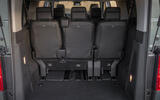
The entry-grade Vivaro Life model, called the Combi, comes as a nine-seater, with three rows of three seats each - the middle one in the front effectively being the usual smaller ‘jump seat’ style one. This is the car at its most basic and simple. The middle row of seats tilts and slides to grant better access to the third row, but otherwise there are no versatility tricks to unearth here. The Combi really is the ‘Supermarket Basics’ minibus version (and it comes with a price to match; £35,400 at the time of writing, including the UK government’s Electric Car Grant).

Above it sit the Design and Ultimate model grades. The Design loses the central jump seat in row one, making room for passengers to step through between the first and second rows - but keeps the cloth upholstery, and doesn’t add any flexibility or configurability for the seats further rear.

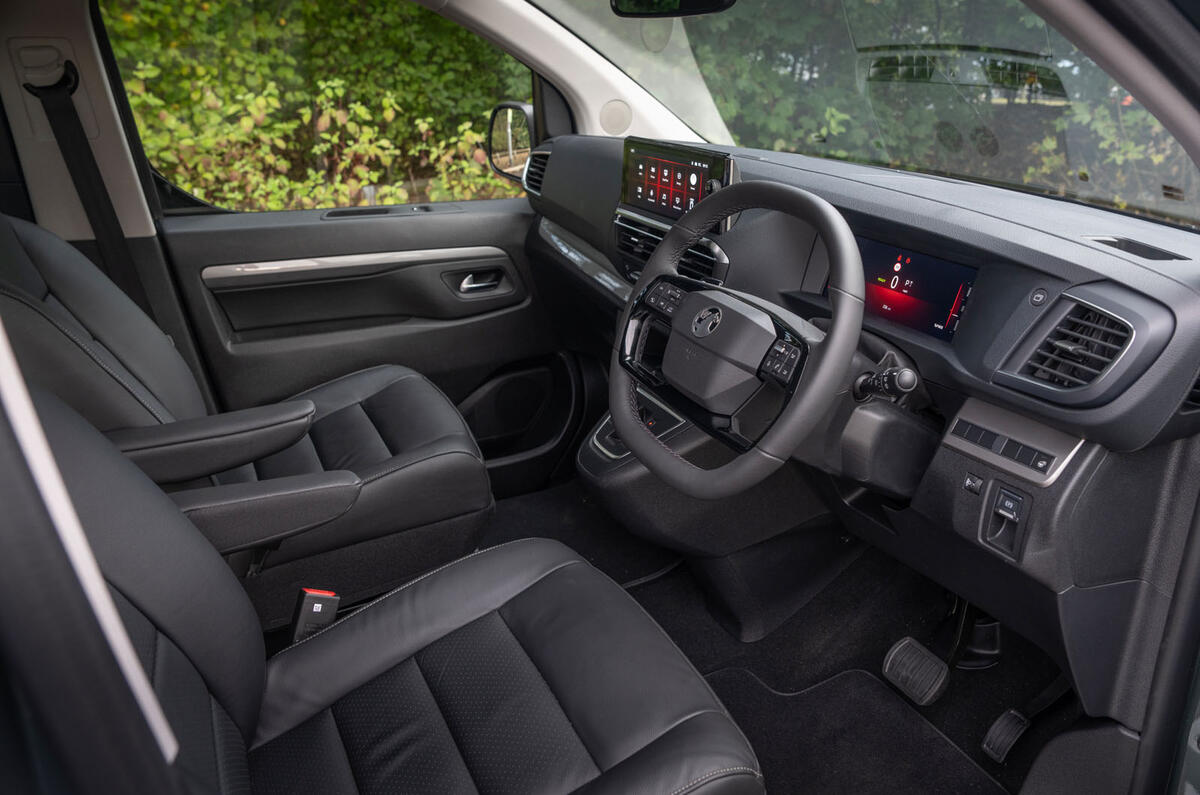
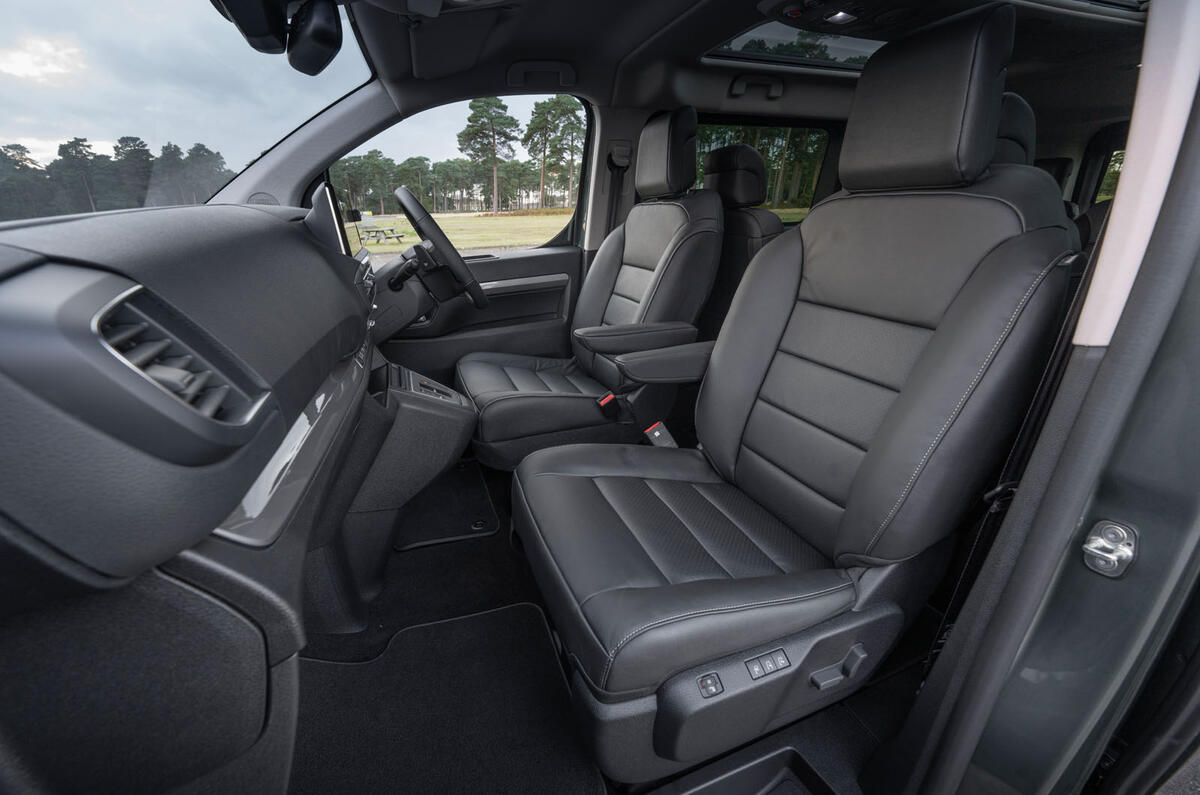
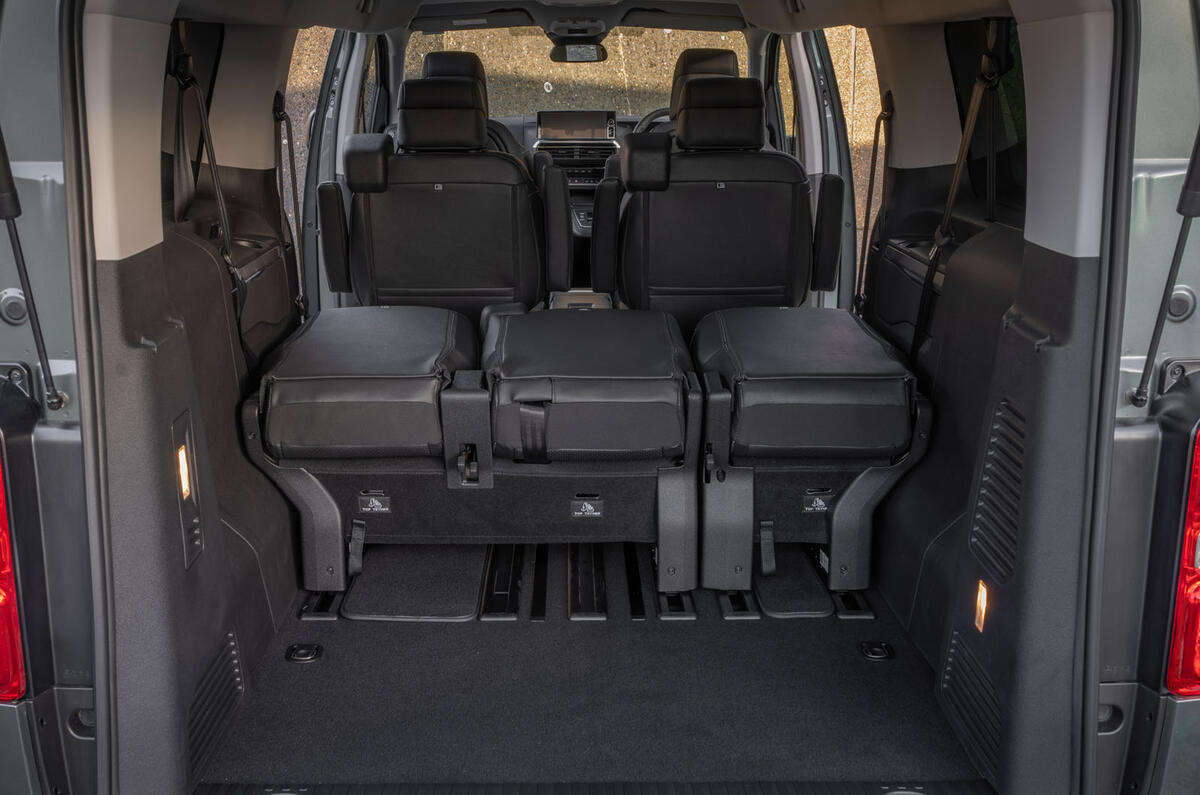
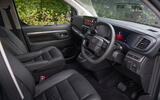
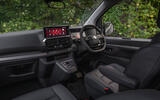
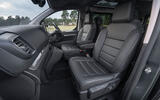
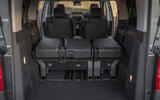
With the Ultimate, however, the Vivaro Life’s cabin layout starts to get quite interesting, as our test car proved. Like the Design version, the car comes as an eight-seater as standard, with two rows of three seats behind the front two-. The front chairs have armrests, heaters and massagers as standard - and ‘Claudia’ black leather upholstery is standard throughout. 

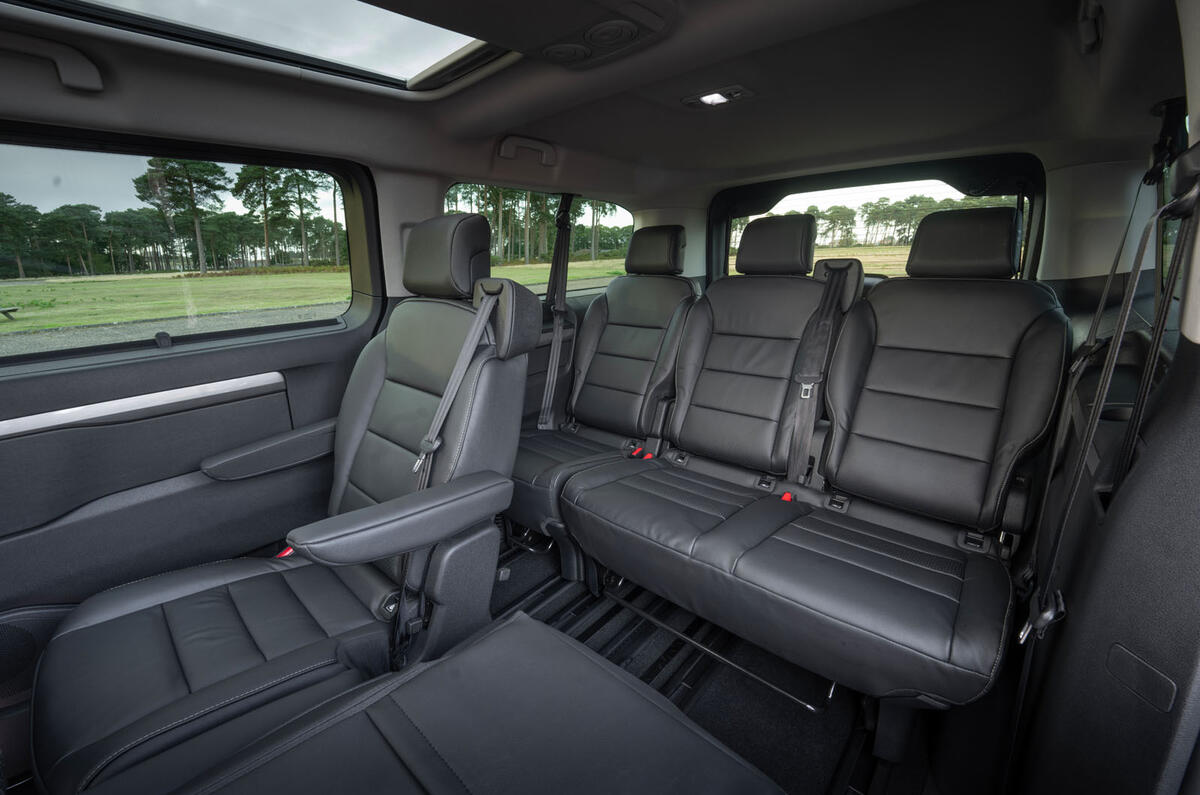
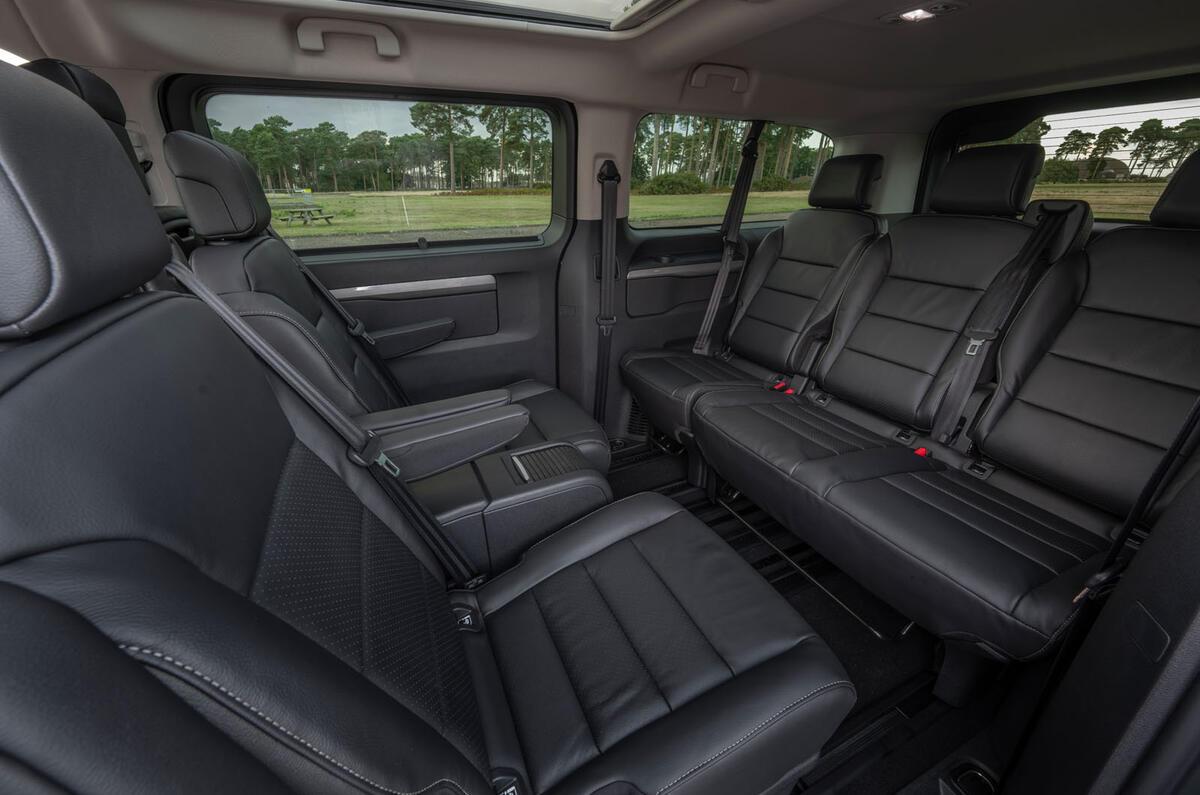
If you prefer, however, you can choose either a seven- or six-seat cabin configuration instead; which substitute either one or both of the three-seater rows for a pair of individual chairs, each with its own armrests inboard and out-. 

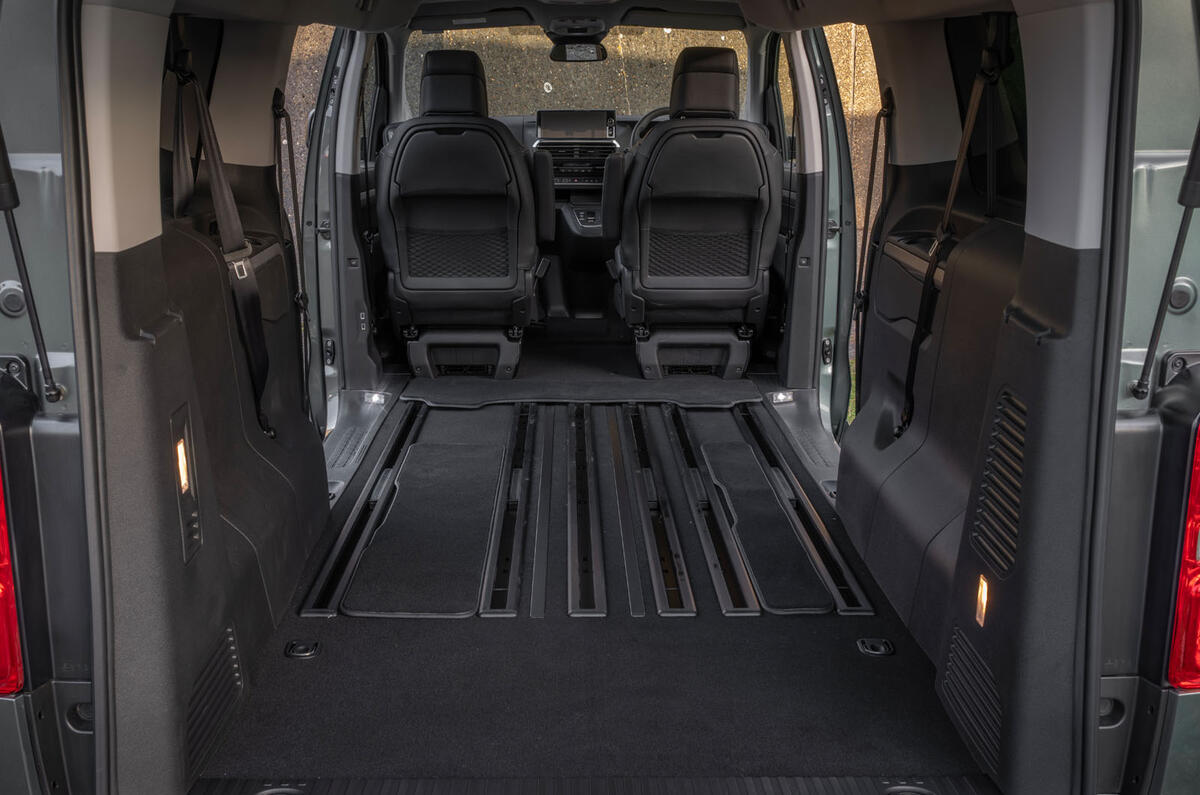
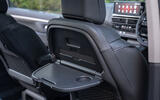
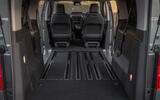
These fix to what Vauxhall calls ‘Drop and Go’ mounting rails, just as the standard seats do; and those rails enable all of the car’s seats aft of the front row to slide - or to be removed and returned, as necessary. The individual chairs come with a sliding storage console that fits between them, with fold-out picnic tables to each side, cupholders in between, and a covered storage cubby to the rear. It, too, can be removed.

All of which means, if you have a top of the range Vivaro Life, you really can configure the cabin exactly as you like. Take all of the back seats out and you’re left with a huge cargo-cum-sleeping/living area. Take the middle row out and you have what feels like an oversized taxi, complete with powered sliding side doors and either executive seating for two in the rear, or a normal three-seat bench. Take the third row out and you have something akin to a four- or five-seater ‘crew cab’ van. 

You probably wouldn’t mess about and experiment with seating arrangements for fun, because the seats themselves are quite heavy and cumbersome (the two-seater bench units particularly); and they can be a little tricky to slot back into the rails from which they were removed. But, however demanding the process to go through is, the end result is nonetheless impressive: the ability to tailor your Vivaro’s massive cabin layout to perfectly suit your particular passenger/cargo needs - to ideally provide holiday transport, or for major flatpack furniture shopping runs. The potential for flexibility is every bit as vast as the available space.
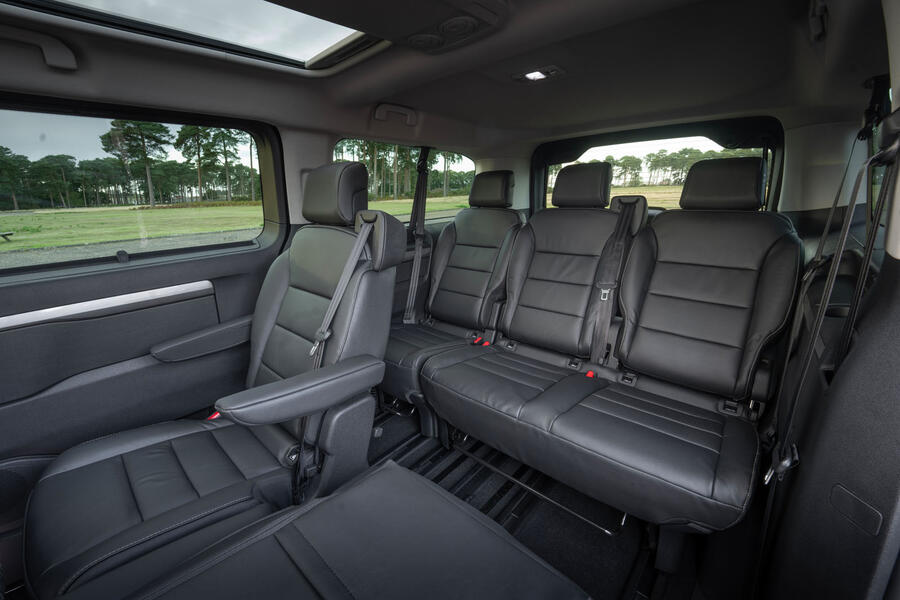
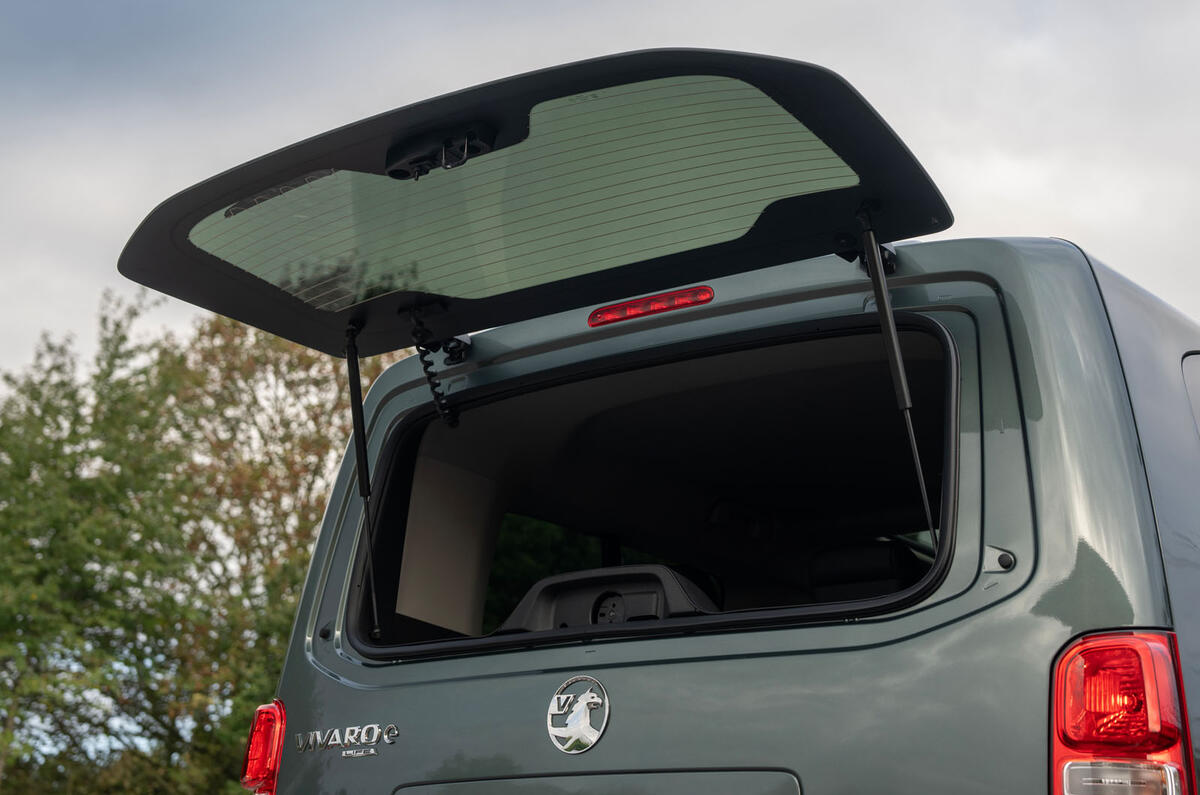
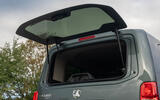
You can also pay for a separately-opening rear window for the car as an option, if you find the reality of dealing with the slightly awkward, wide-swinging, full-height bootlid a chore on a daily basis (which, trust us, you will). Whatever the carrying need, the Vivaro Life can likely provide for it.

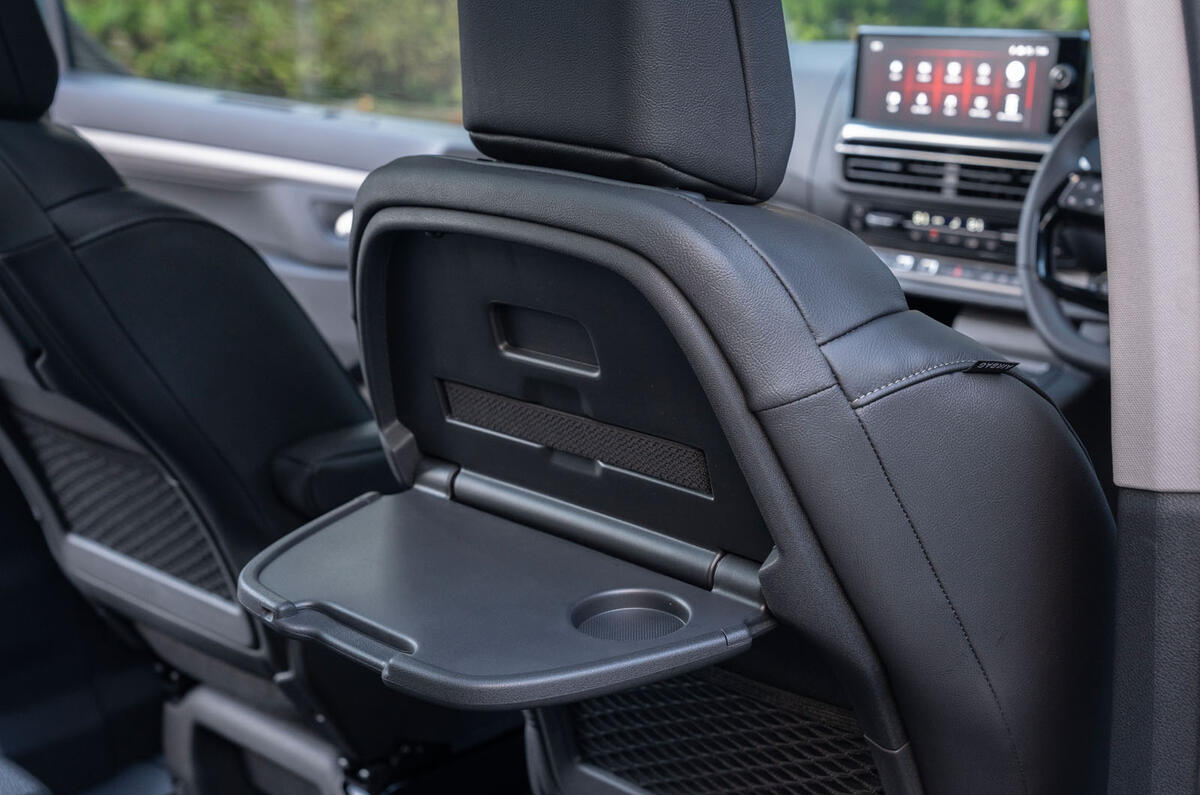
Glass roof panels are also available, which let quite a lot of light into the rear; and there’s a climate control panel for those travelling in the back, so you don’t have to shout forward to ask for a few degrees extra air con. Thanks to the fold-out tables in the front-row seatbacks, footrests under the front seats, those clever sliding centre consoles, and plenty of useful storage around and about more widely, the Vivaro Life’s rear cabin really does feel like an unexpectedly agreeable place to travel - not just a predictably spacious one.

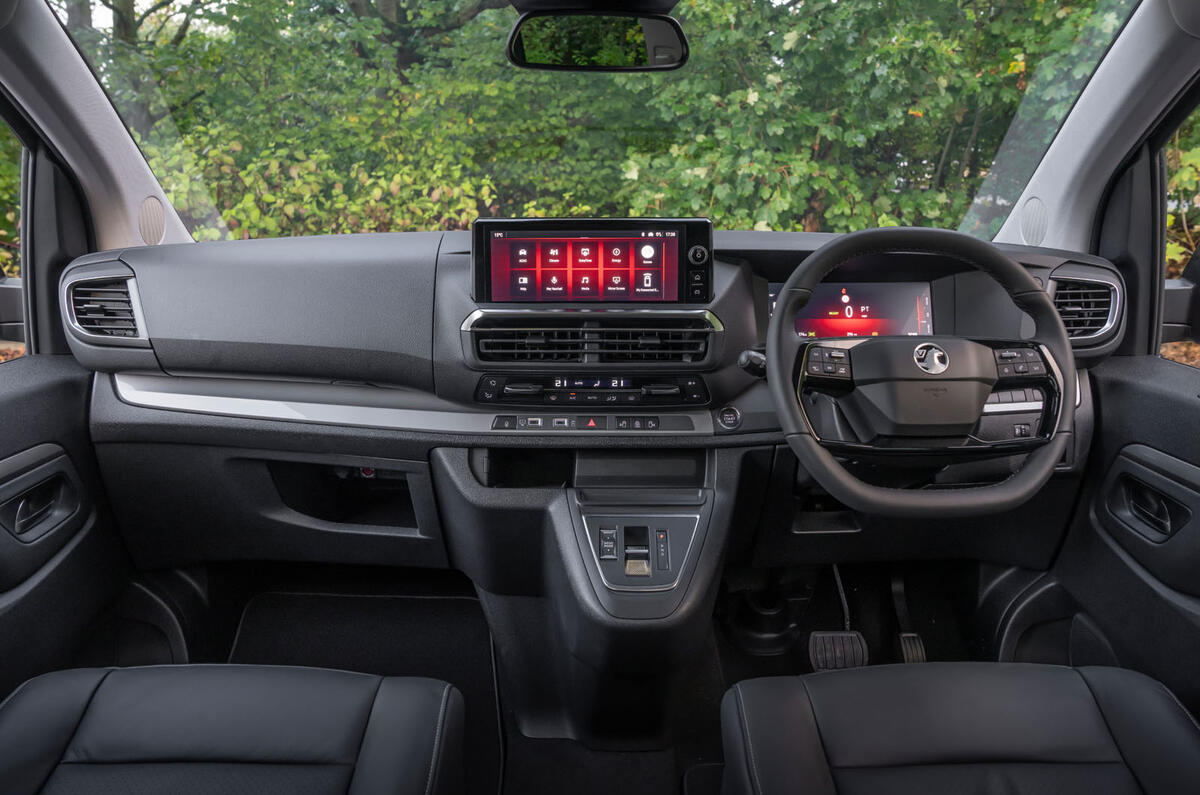
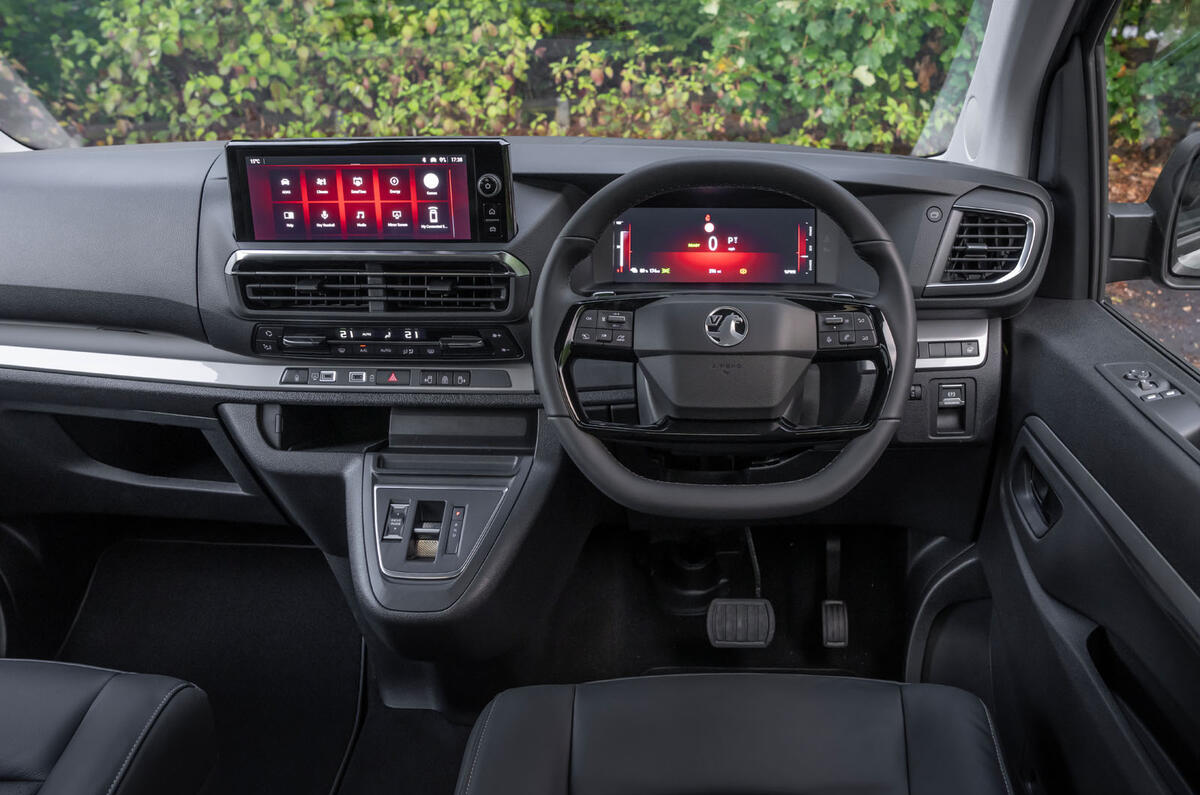
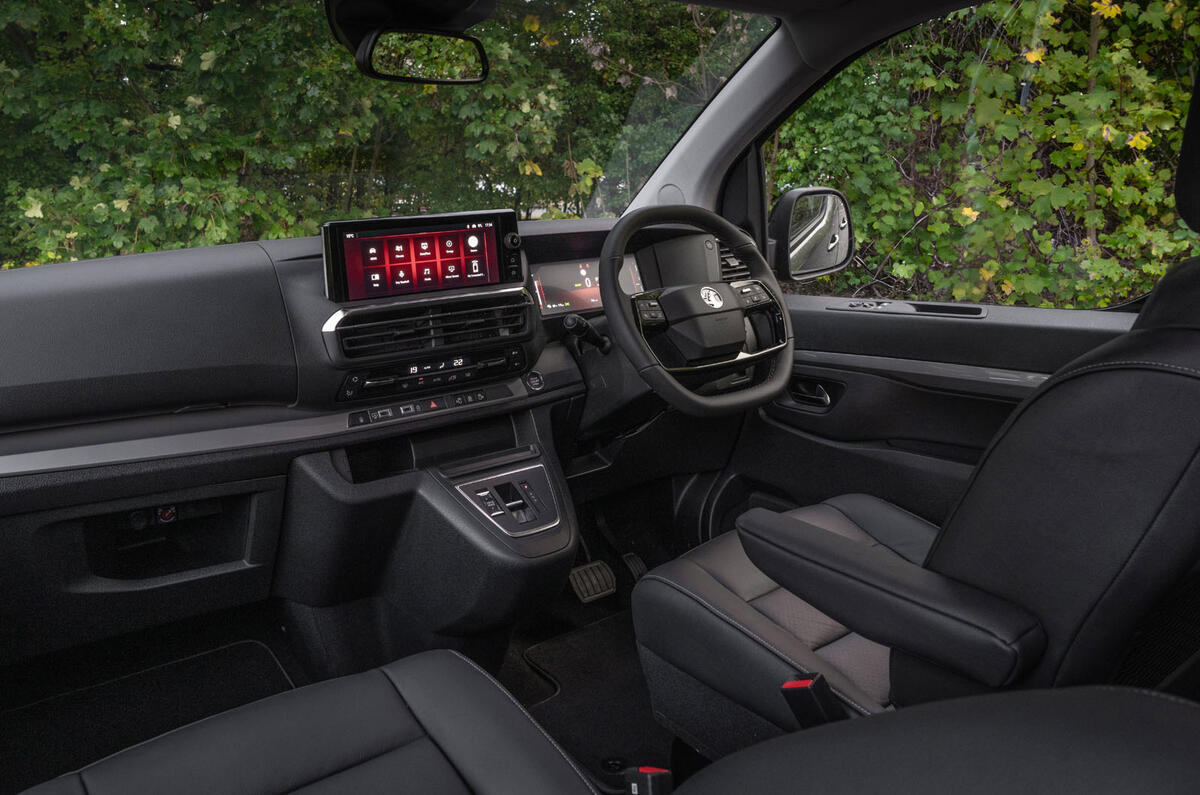
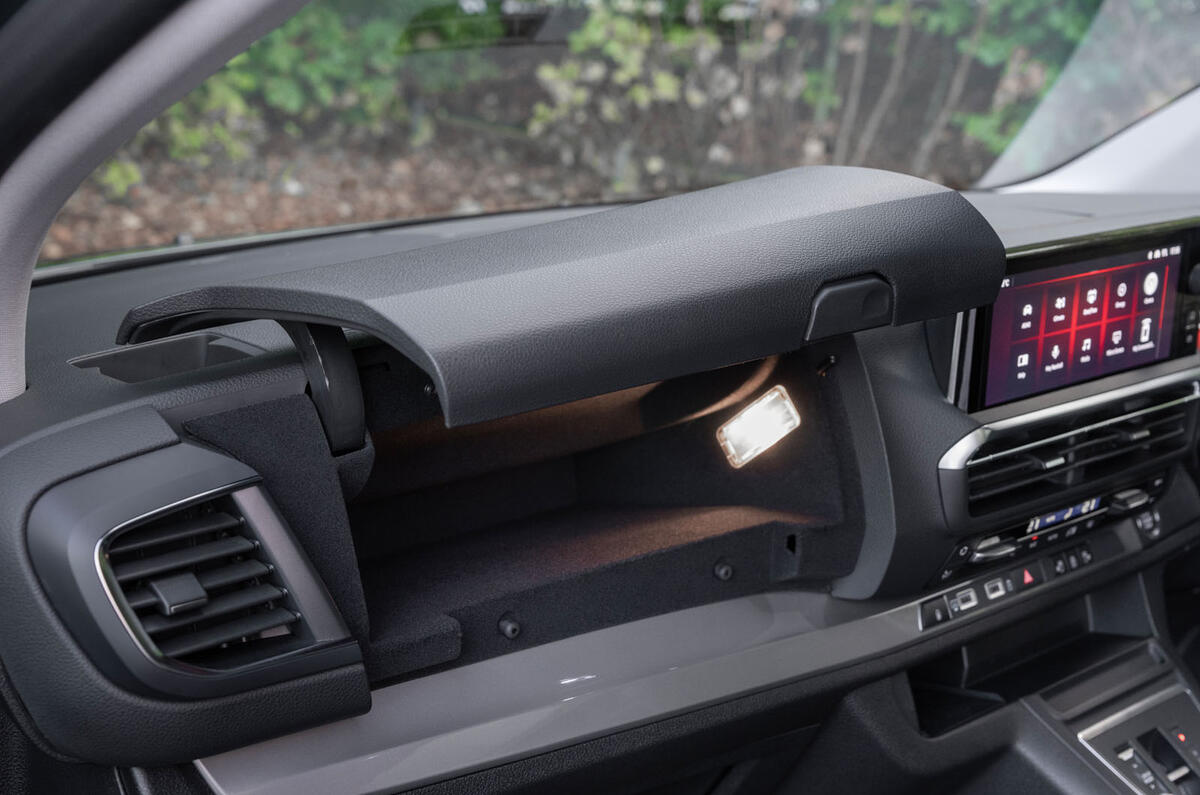
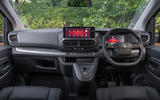
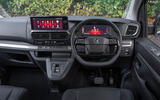
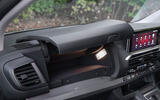
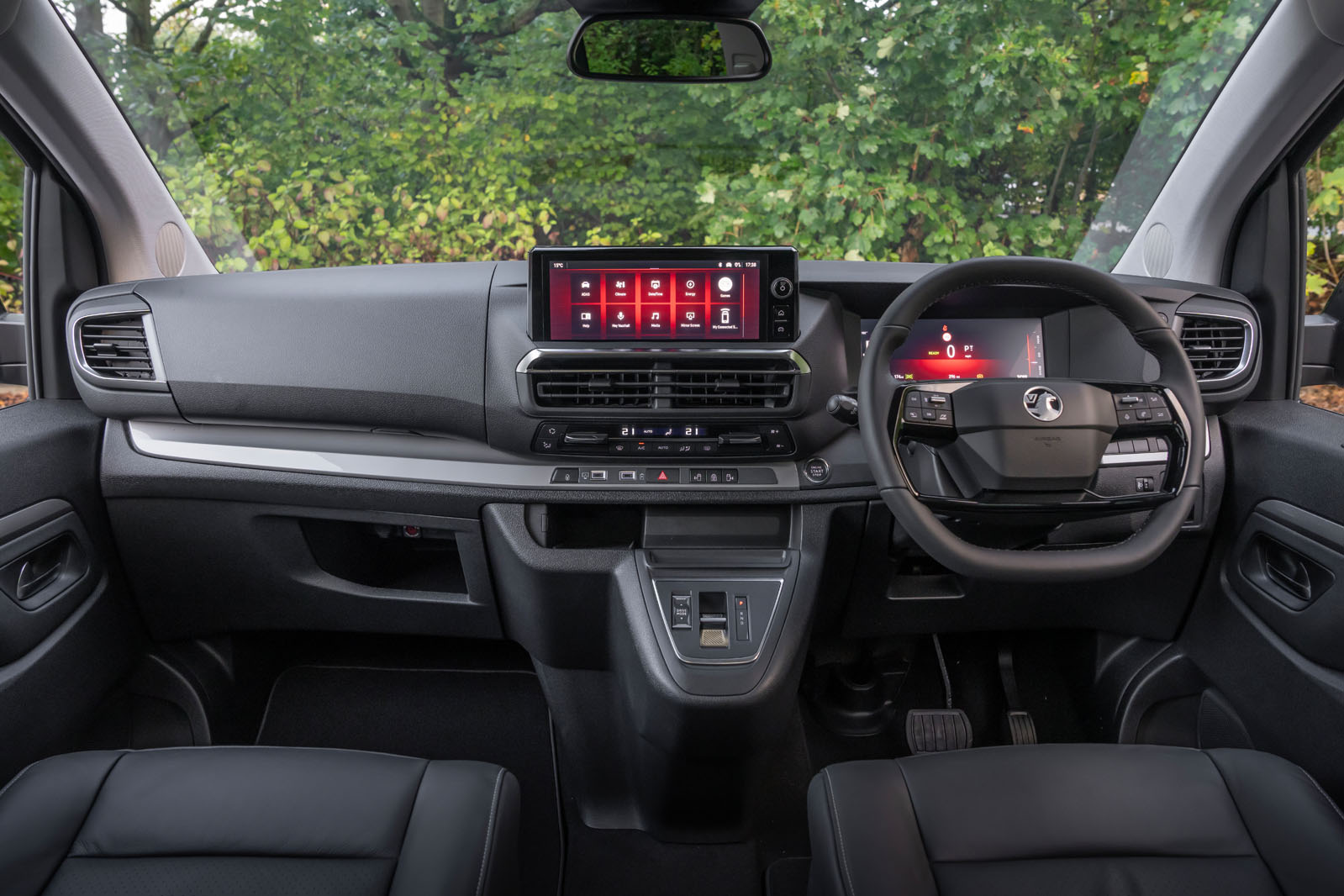
Up front, the driver sits upright and perhaps a little closer to, and more ‘over’, the pedals than might be ideal for long-distance comfort; but is surrounded by abundant useful storage options, and behind a simplified array of instruments and controls that are easy to understand.

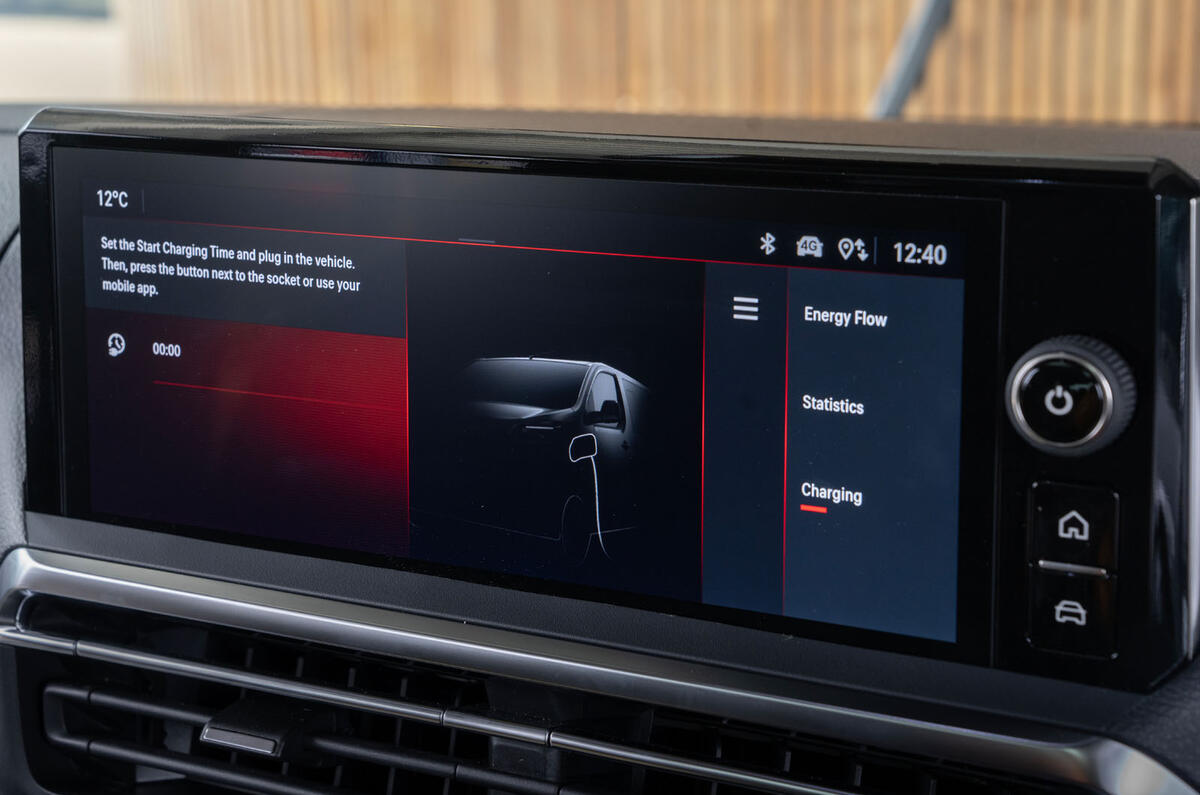
The Ultimate-spec model comes with a 10in multimedia display, adjacent to the 10in digital instrument screen, as well as a ten-speaker premium audio system. We found the multimedia system a bit high-set and bright for ideal use after dark; it could certainly use a ‘night mode’ button that you could easily find. But it mirrors your smartphone reliably, makes ADAS deactivation simple enough; and, despite having only a couple of physical menu shortcut keys, is easy to navigate.

ENGINES & PERFORMANCE

4
Vauxhall Vivaro Life review 2026 019

The Vivavo Life is unlike many other electric cars in one telling respect: it’s peculiarly slow. While most EVs on which you might spend close £50,000 probably take half the time, it needs fully 14.3sec to hit 62mph from rest; and is limited to an 82mph top speed which it would also need an awfully long run-up to actually achieve, on the basis of the motorway performance that we witnessed. That’ll be the influence of what is basically an electric motor intended for superminis, that’s actually powering a 2.2-tonne, 1.9m-tall breeze block of a utility vehicle.

This isn’t the cause for criticism that it might be if we were talking about an executive car, a family SUV, or any kind of normal passenger car, however. Large monocab MPVs like this are, of course, beasts of burden, bought mainly by people who have a use for their singular space and versatility that only this kind of vehicle can meet in any case; and who are also typically ready to accept that such space and versatility comes with the odd dynamic compromise.

In its defence, the Vivaro Life isn’t a car that you’d want vastly more performance from anyway; and that which it does provide is enough for unproblematic progress, around town and up to 50mph, along with the flow of traffic. Buyers with road trips and long weekend adventures in mind should be aware, however, that it has something of a ‘natural speed limit’ - and, heavy-loaded with people and gear, isn’t one for quicker motorway speeds or hurrying along A- and B-roads.

Around town, you’ll frequently need full power from the car’s motor to pick up speed with any urgency; and will find yourself using ‘Power’ drive mode as a default (the only one that liberates all of the motor’s reserves, before you push the accelerator past the kickdown switch at any rate). 

Out of town, circumspection is advised before any overtaking is attempted; motorway slip road merging is best executed conservatively; and speeding up to outside-lane speeds is best advised only with a completely clear rearview mirror. Beyond 50mph, this really is a pretty sluggish prospect; moreso, this tester would say, than a diesel might be. 

It offers good options for drivetrain control, though: paddles to ramp energy regen up and down easily and quickly - the strongest setting having something close to a ‘one-pedal’ feel.

RIDE & HANDLING

6
Vauxhall Vivaro Life review 2026 020

You get the driving experience you expect from the Vivaro Life. Just as its performance is gently paced, it’s also fairly softly sprung and comfort-oriented in its suspension tuning. Which means that there’s nothing that this large MPV ever does to make its expansive proportions seem to shrink around you; to sweep around a roundabout or junction particularly keenly; or to control its considerable mass effortlessly at speed and thereby demand more speed. It feels like the big, soft, slightly lumbering car to drive that it undoubtedly looks like from without.

There’s a wheelbase of almost 3.3m (60mm longer than that of a BMW i7 limousine) in play here; and wheels of just 17in in diameter, with a 225-section tyre, at their biggest and widest. And it’s that wheelbase, plus the high centre of gravity, that defines the key realities. The Vivaro Life doesn’t do anything quickly: from turning in, to rolling as it corners, to changing direction, or reacting to lumps and bumps.

But once you adapt to its way of making progress, slow as it is, there are some reasonably agreeable characteristics to be found. The Vivaro Life rides with reasonable cabin isolation, declining to boom too much at speed; and it absorbs bigger, longer-wave ride inputs comfortably enough and without much pitching, due to its size and weight (an equivalent diesel Vivaro Life would be some 300kg lighter).

The steering is fairly slow-geared, through a generously proportioned steering wheel; and so swinging around junctions and into spaces takes a lot of arm-twirling and plenty of patience. There isn’t much torsional stiffness about the car’s chassis; and so sharper ride inputs do make for a bit of a clunk, thump and occasional shudder as they pass from front axle to back.

Even so, thanks to the raised driving position and excellent visibility, you wouldn’t say that driving the Vivaro Life is a particular chore; and it’s far from annoying or difficult.

MPG & RUNNING COSTS

6
Vauxhall Vivaro Life review 2026 001

UK prices for the Vivaro Life start at just above £35,000 for a nine-seater, standard-length Combi model; though you could spend just above £50,000 on a fully-loaded Ultimate XL.

Considering the space and carrying versatility on offer here, that’s every bit as reasonable as you’d expect an enormous electric Vauxhall MPV to be. A Kia PV5 might well be as cheap as entry-level models; though obviously not as commodious. But a Volkswagen ID Buzz can be quite a lot more expensive, particularly if you want the long-wheelbase version. It also makes the Vivaro between 10 and 20 per cent cheaper, model for model, than its equivalent Toyota sister car, the Proace Verso.

That’s the good news. There’s less good to report about real-world electric range, which isn’t a strong suit for any car this large, bluff and heavy. In the Vivaro Life’s case, up to 216 miles of WLTP Combined range is claimed; but only 160- to 170 are really deliverable when you’re cruising at motorway pace, rising close to 200- (but probably still narrowly missing) at a mix A-road, B-road and urban-road speeds. 

That does dent the car’s appeal as a kind of ultimate family road trip provider. Not much more than applies to most of its rivals, we should add; but significantly enough, all the same. The car offers DC rapid charging at up to 100kW; which isn’t as quick as some key rivals, but will still return an almost flat battery to full in about an hour. With a realistic loaded touring range of only 150 miles, however, owners should clearly bank on doing plenty of rapid charging.

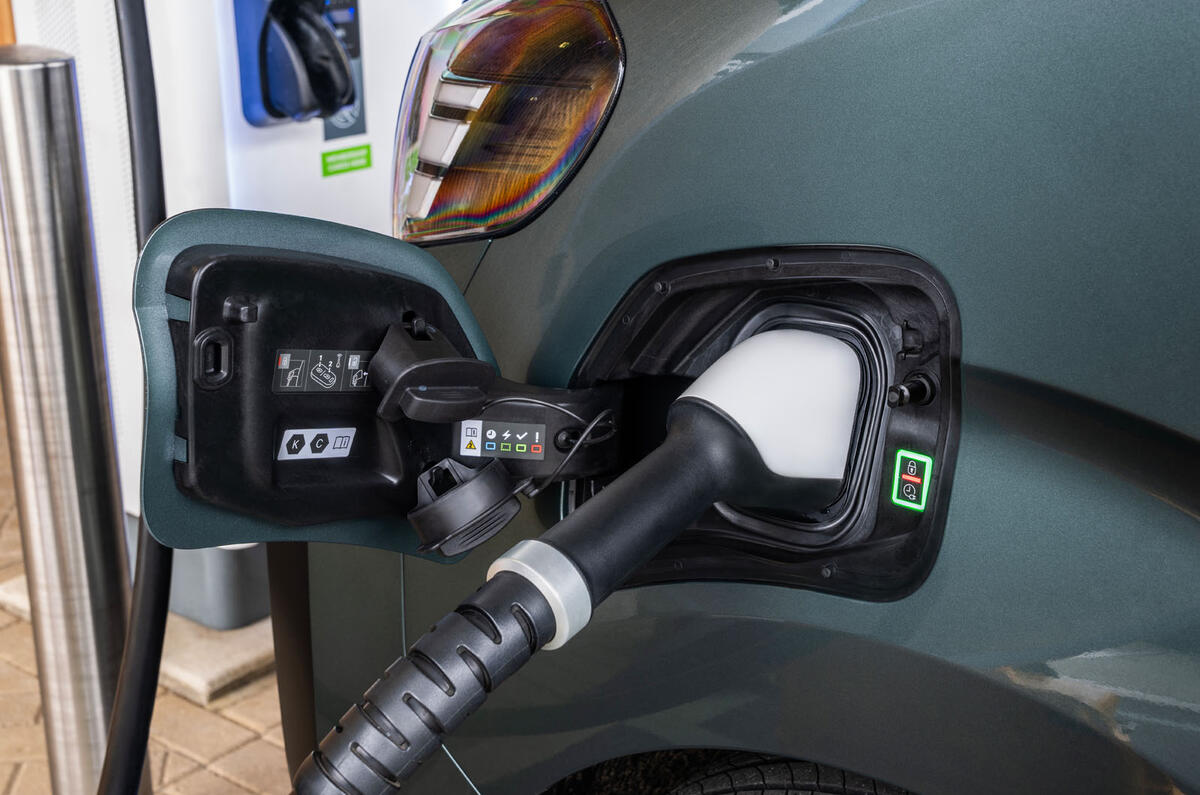
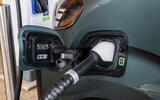
Mercifully, the charging port’s on the nearside front wing; which means you won’t inadvertently trap your charging cable in the boot by reversing too close to the charger to allow the enormous bootlid to actually open (because you won’t be reversing into the charging bay in the first place); and also that you can still open all of the car's passenger doors whilst plugged in. These sound like obvious practical expectations for an EV like this - but they're not universally achieved by cars of this kind.

Whatever version of the Vivaro Life you buy, you needn’t worry that you might need a special D1 category on your driving licence. Unless you’ve only qualified to drive within the last two years or are under 21, and assuming you’re not taxi driving, standard UK licences now cover you to drive cars with between nine and sixteen seats for social and leisure purposes in cars weighing less than 3.5 tonnes.

VERDICT

7
Vauxhall Vivaro Life review 2026 022

The Vauxhall Vivaro Life isn’t the sort of car to make anyone think or feel differently about large utility vehicles. 

Late-comer debutants to the monocab MPV market make it seem singularly slabby, plain and lacking in imagination. But it hits back with some ingenuity right where it most benefits a car like this: it’s huge inside, and has particularly clever cabin and loadbay flexibility. 

So if you’ve got a need for a family car the size of a small dwelling, this one has the sort of versatility that actually makes some of its rivals look like slightly cynical exercises in the superficial. While configuring the interior isn’t easy to do, it would allow you to adapt this car to all sorts of useful purposes and journeys; and for it to facilitate a wide range of hobbies and activities that even a luxury SUV of a similar size simply couldn’t manage. 

It also makes a surprisingly comfortable and spacious passenger car, when suitably configured. To drive, there’s absolutely no escaping its size and bulk. This presents in performance that ranges from acceptable to plodding; handling you could characterise similarly; and a ride that’s soft and mostly comfortable, but which gets caught out on rougher surfaces from time to time.

The carrying versatility that so impresses is a little encumbered by a limited real-world electric range that would make you think twice about longer trips. But it isn’t impeded by the Vivaro Life’s price, which is cheaper than key rivals, and well within the bounds of what family EV drivers will be used to paying.

Between one thing and another, then - and assuming there was a choice - the electric Vivaro Life probably wouldn’t be the version of this car that a sensible, frugal, practically-minded owner might choose if he wanted to get the most out of what is a surprisingly versatile overall proposition. But since there is effectively no choice - and it’s electric or nothing here - we wouldn’t be too surprised if he picked it anyway.

Matt Saunders

Matt Saunders Autocar
Title: Road test editor

As Autocar’s chief car tester and reviewer, it’s Matt’s job to ensure the quality, objectivity, relevance and rigour of the entirety of Autocar’s reviews output, as well contributing a great many detailed road tests, group tests and drive reviews himself.

Matt has been an Autocar staffer since the autumn of 2003, and has been lucky enough to work alongside some of the magazine’s best-known writers and contributors over that time. He served as staff writer, features editor, assistant editor and digital editor, before joining the road test desk in 2011.

Since then he’s driven, measured, lap-timed, figured, and reported on cars as varied as the Bugatti Veyron, Rolls-Royce PhantomTesla RoadsterAriel Hipercar, Tata Nano, McLaren SennaRenault Twizy and Toyota Mirai. Among his wider personal highlights of the job have been covering Sebastien Loeb’s record-breaking run at Pikes Peak in 2013; doing 190mph on derestricted German autobahn in a Brabus Rocket; and driving McLaren’s legendary ‘XP5’ F1 prototype. His own car is a trusty Mazda CX-5.