From £20,2158

Can targeted updates make a nine-year-old crossover feel relevant today?

In this fast-moving industry, you would logically expect that if any car is left essentially untouched for nine years, it will be so outdated as to be virtually unsellable. Case in point: the last Fiat Punto. Yet regarding the Seat Arona, we have witnessed a curious phenomenon: sales have declined only gradually from their post-launch peak.

Perhaps we're seeing something akin to the vinyl record revival: people rediscovering the joy of a traditional hands-on format, having grown weary of its digital, electric replacement. Or perhaps that’s wishful thinking. Either way, getting into this updated 2026 Arona and discovering that it looks, functions and even drives virtually the same as an original 2017 Arona did was weirdly refreshing, rather than contemptible.

The Arona has been a smash hit for Seat, with some 750,000 examples sold since 2017.

Advertisement

DESIGN & STYLING

Seat Arona review 034

Having left Seat to wither while it grew the more profitable Cupra brand, the Volkswagen Group has finally turned its attention to the Ibiza and Arona and made some updates.

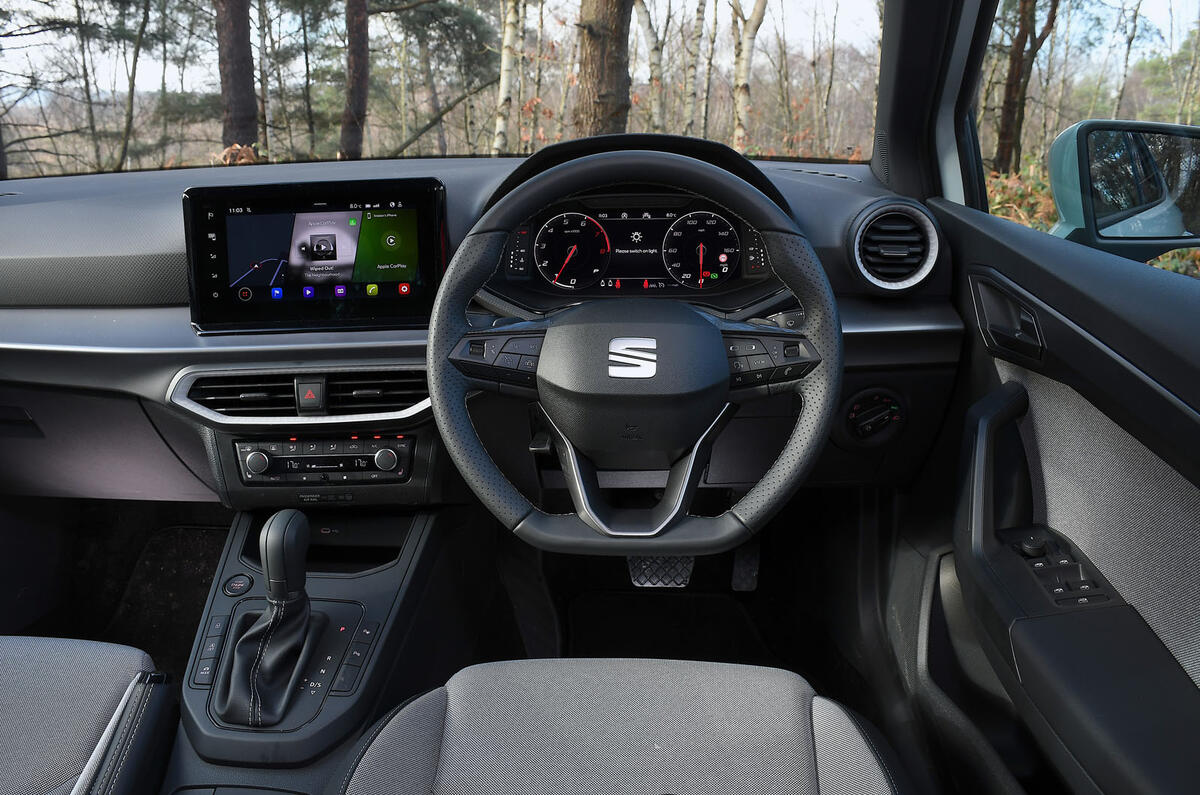
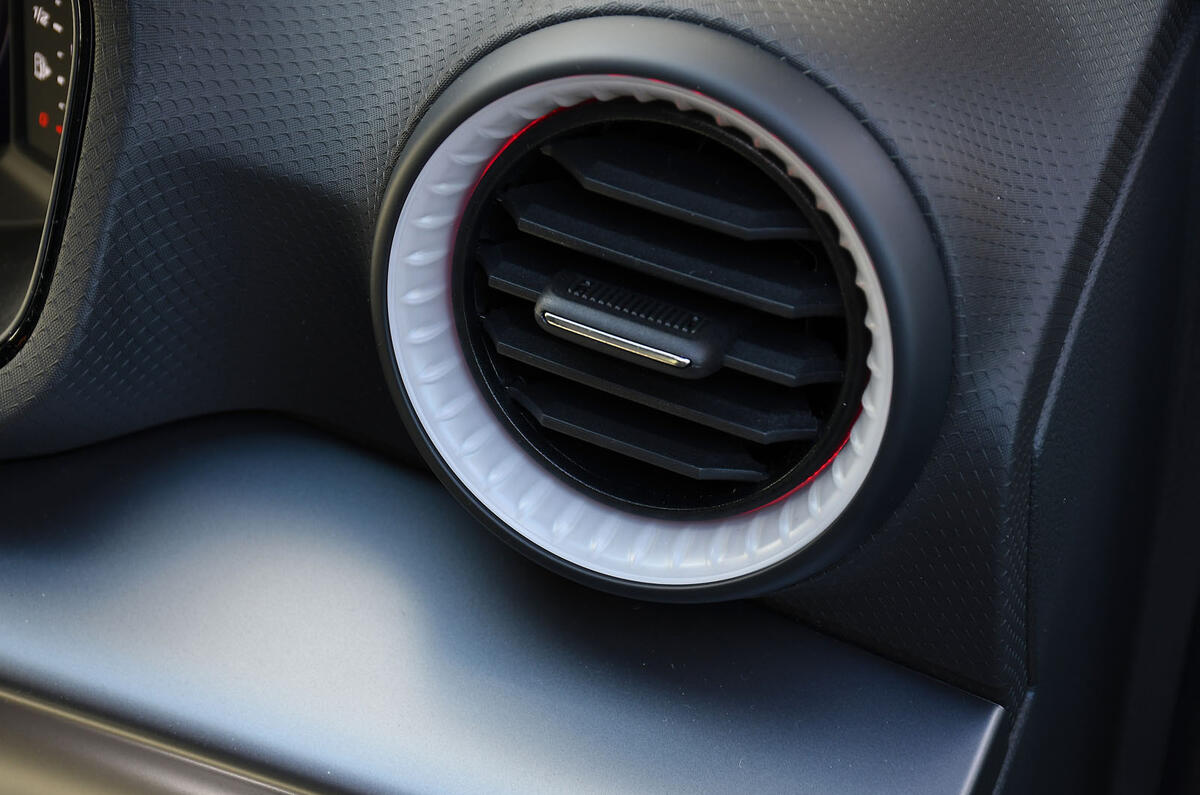
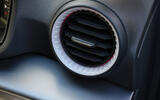
Clearly the budget at Martorell is still very much askew, however. “Embossed textiles, refined materials, a darker headliner and subtle, neutral accents on the air vents”, a fancier phone charging pad and a fresh stereo upgrade option are the only changes made to the Arona internally.

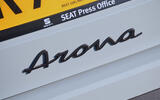
The 'Arona' name comes from a town in Tenerife, following the convention set by the Ibiza and Leon.

The powertrains are exactly the same as they were, with even mild hybridisation not coming until 2027.

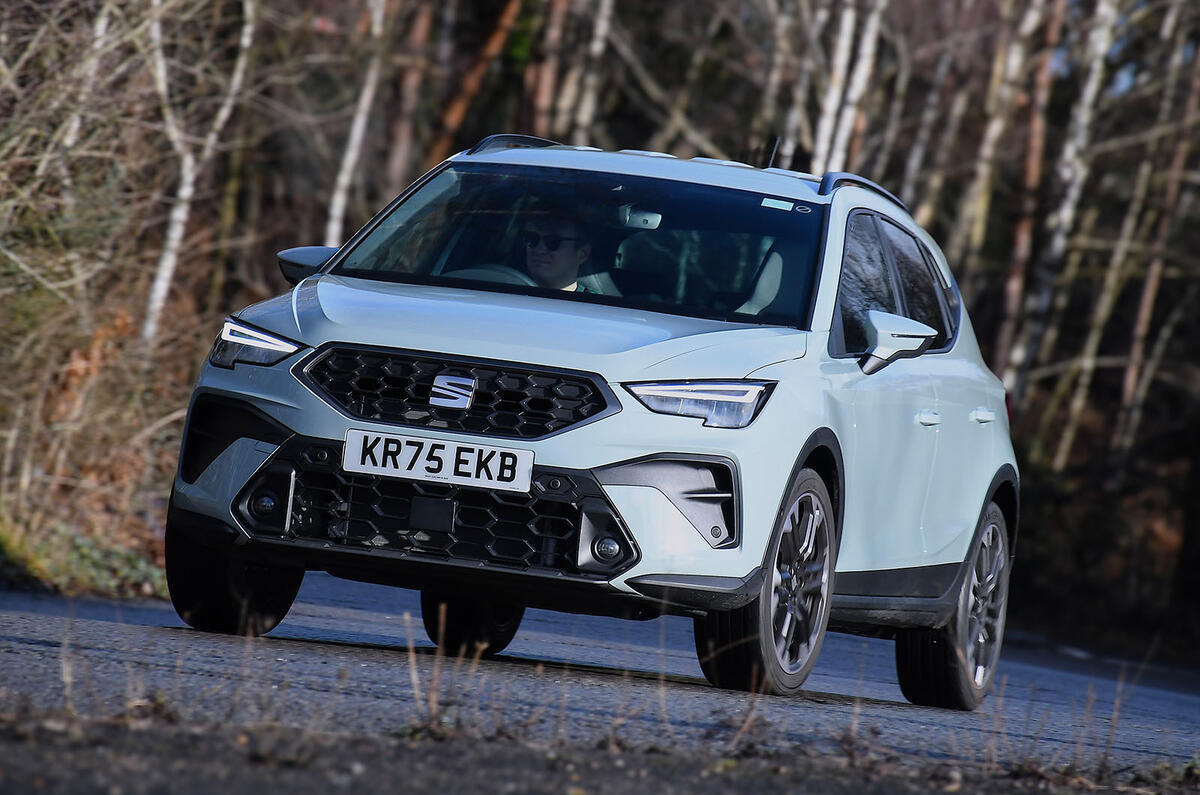
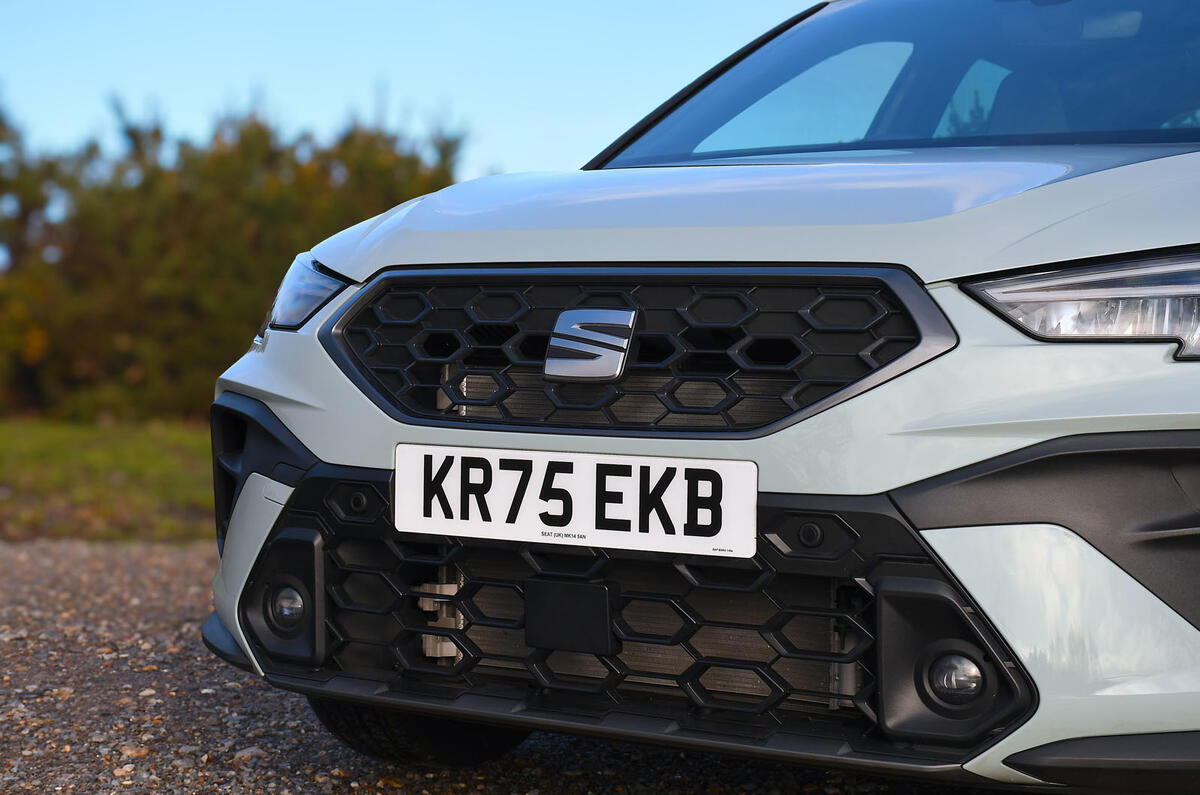
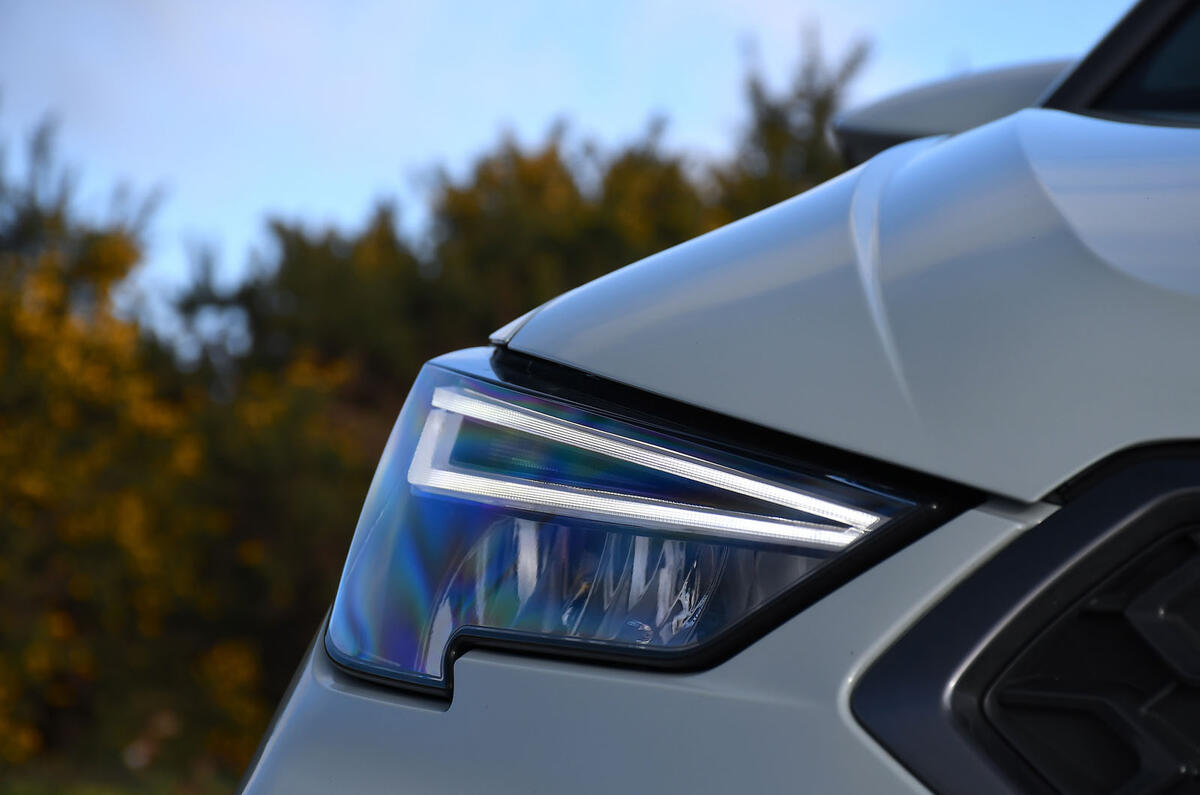
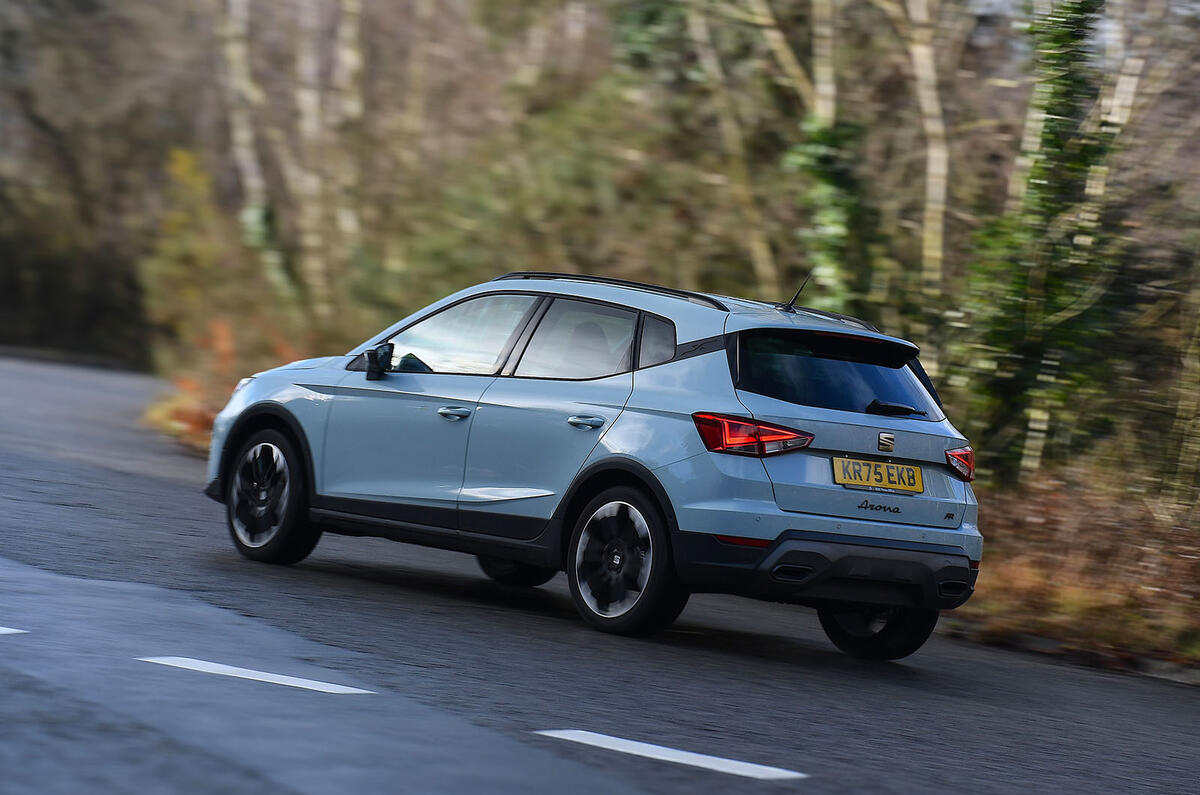
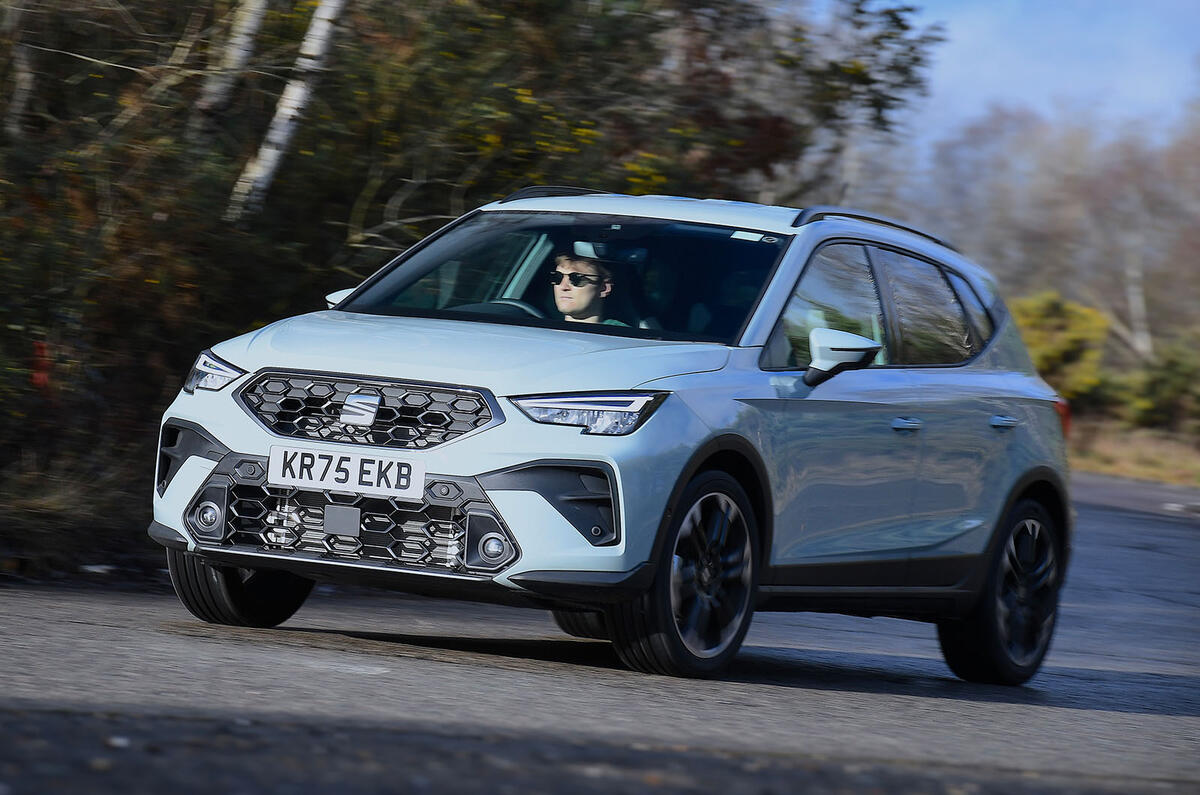
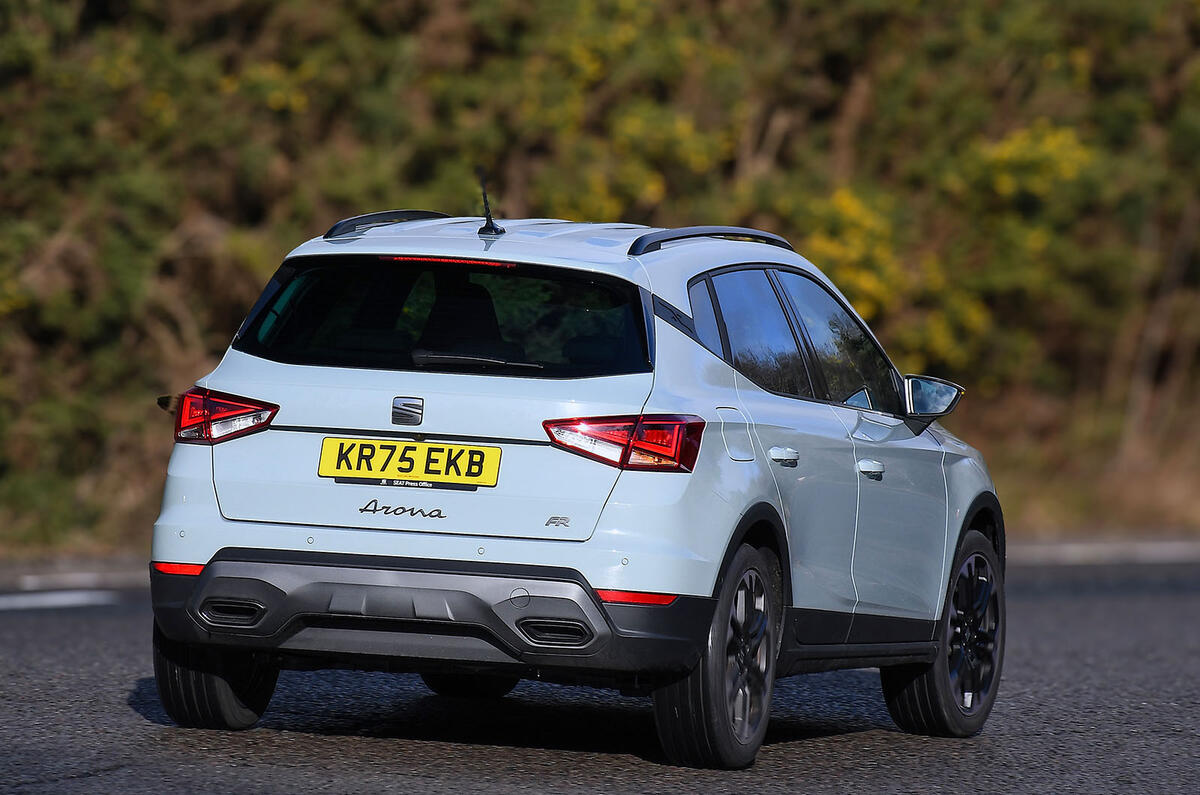
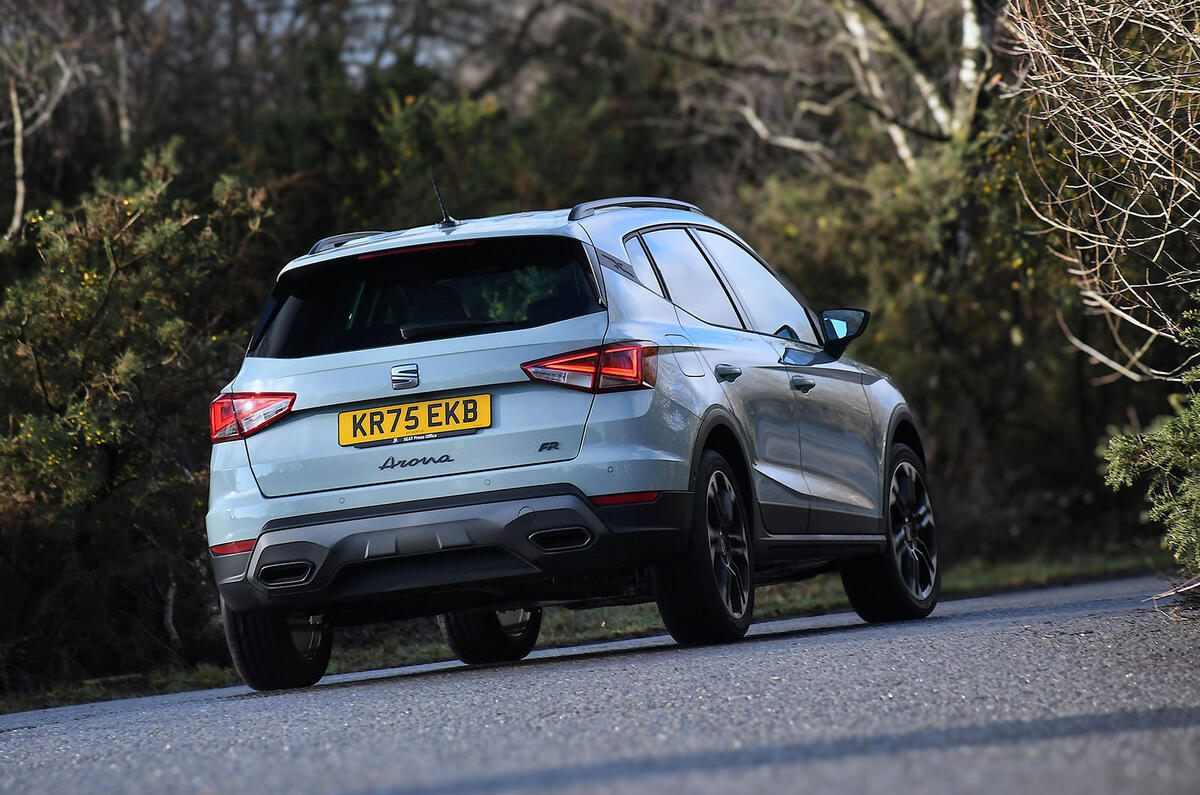
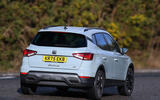
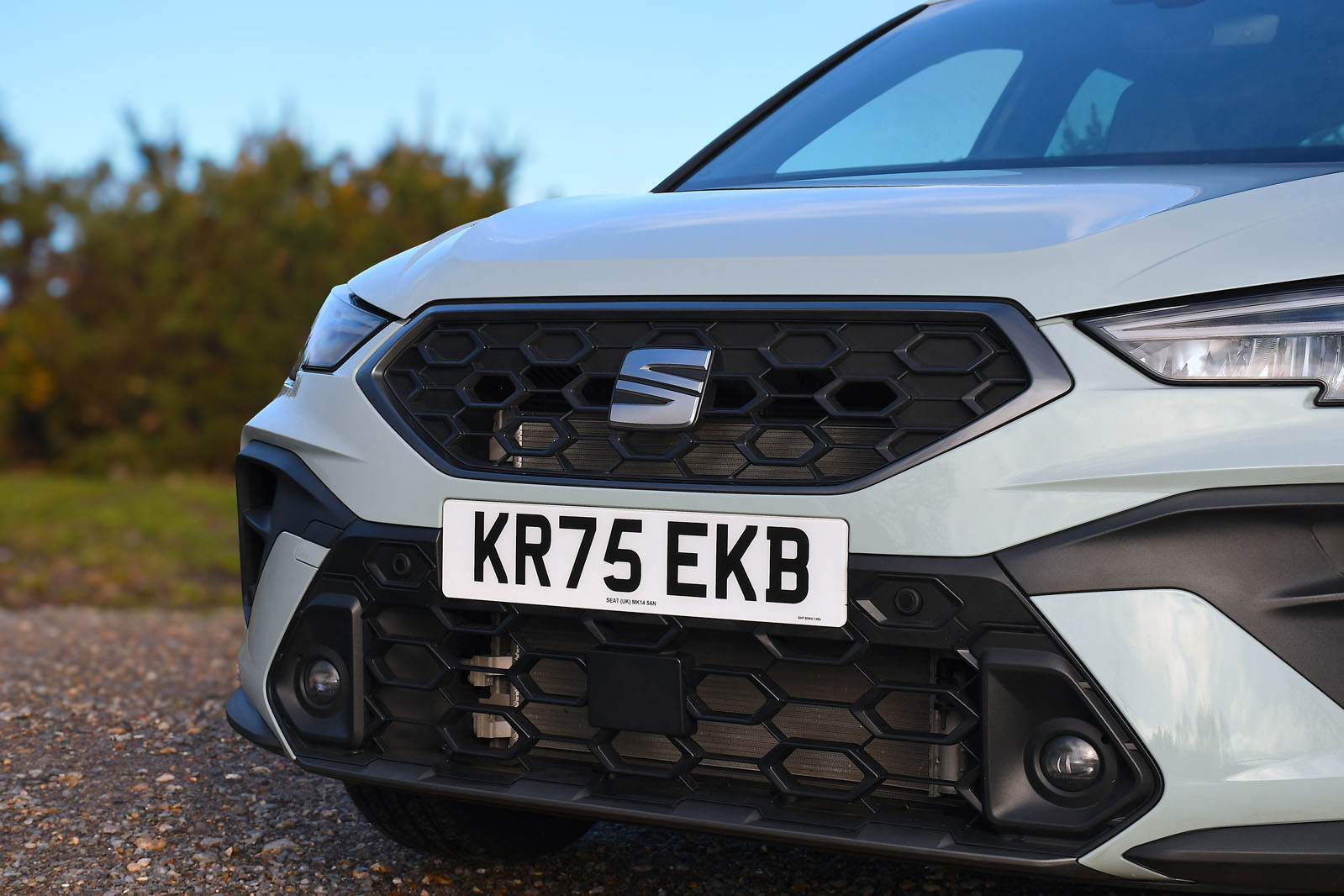
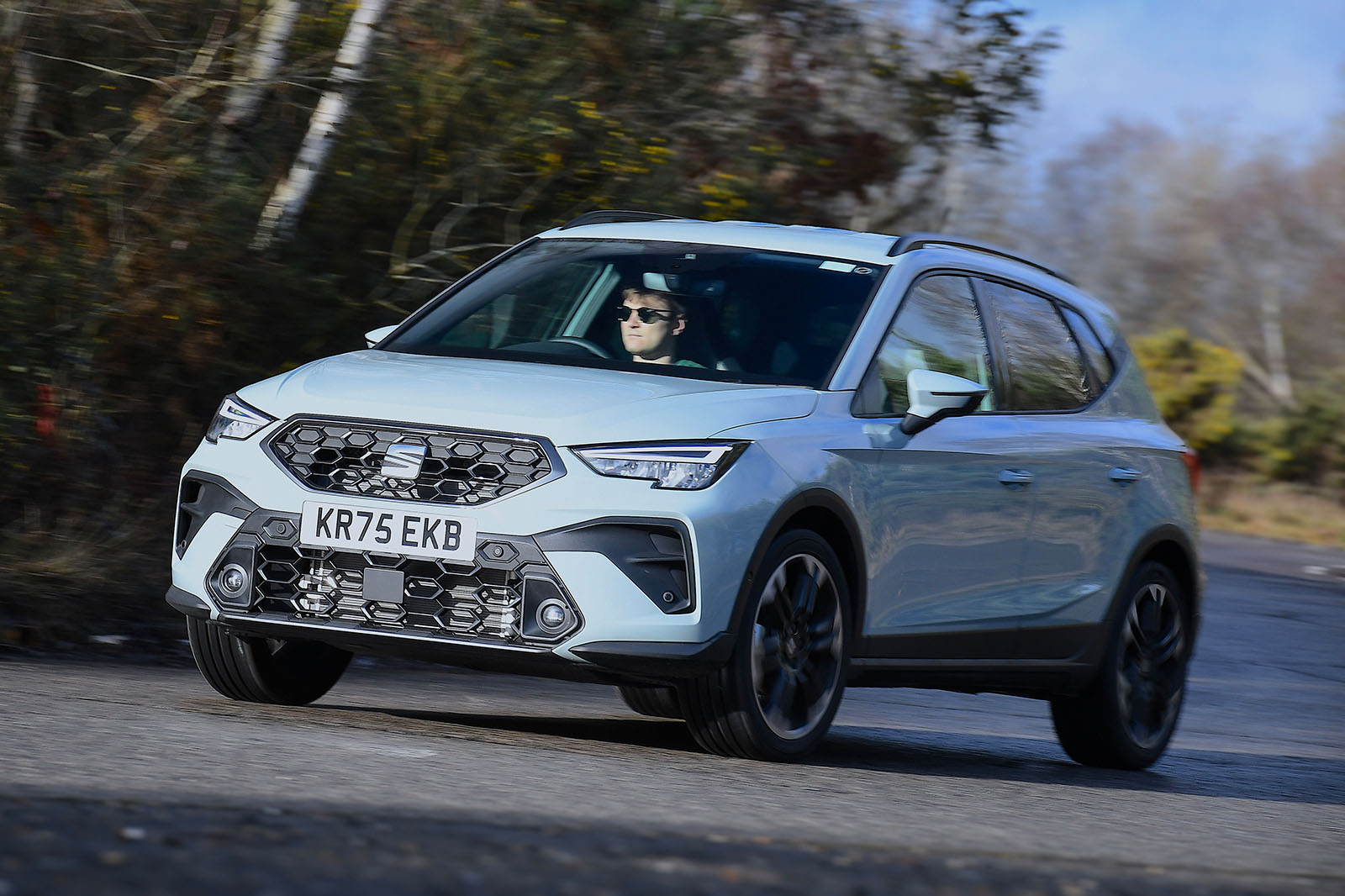
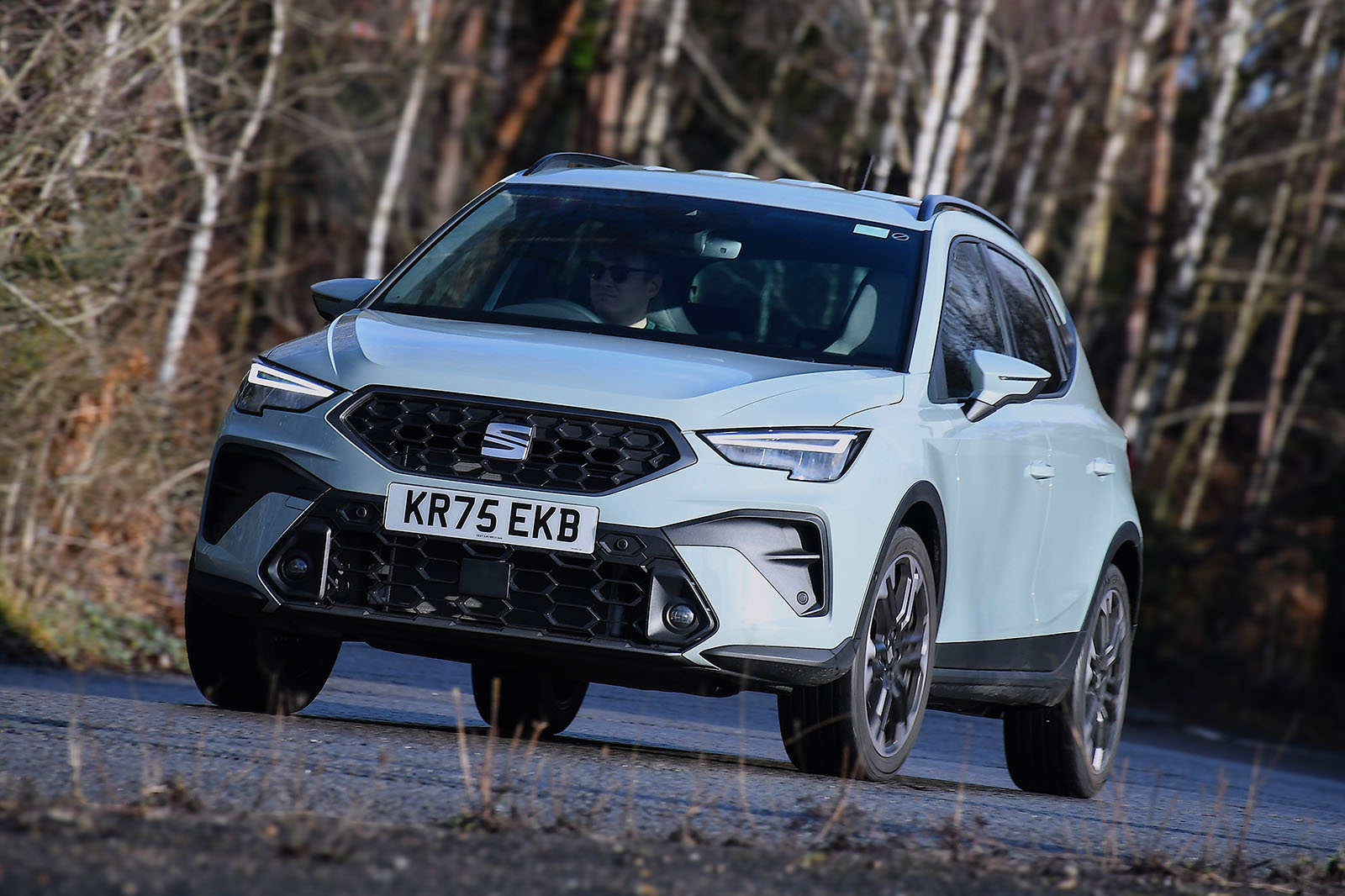
Externally there’s a “more characterful design that reflects the evolving needs of today’s drivers”, but apparently what we have evolved to need is little more than a jutting chin and narrowed eyes.

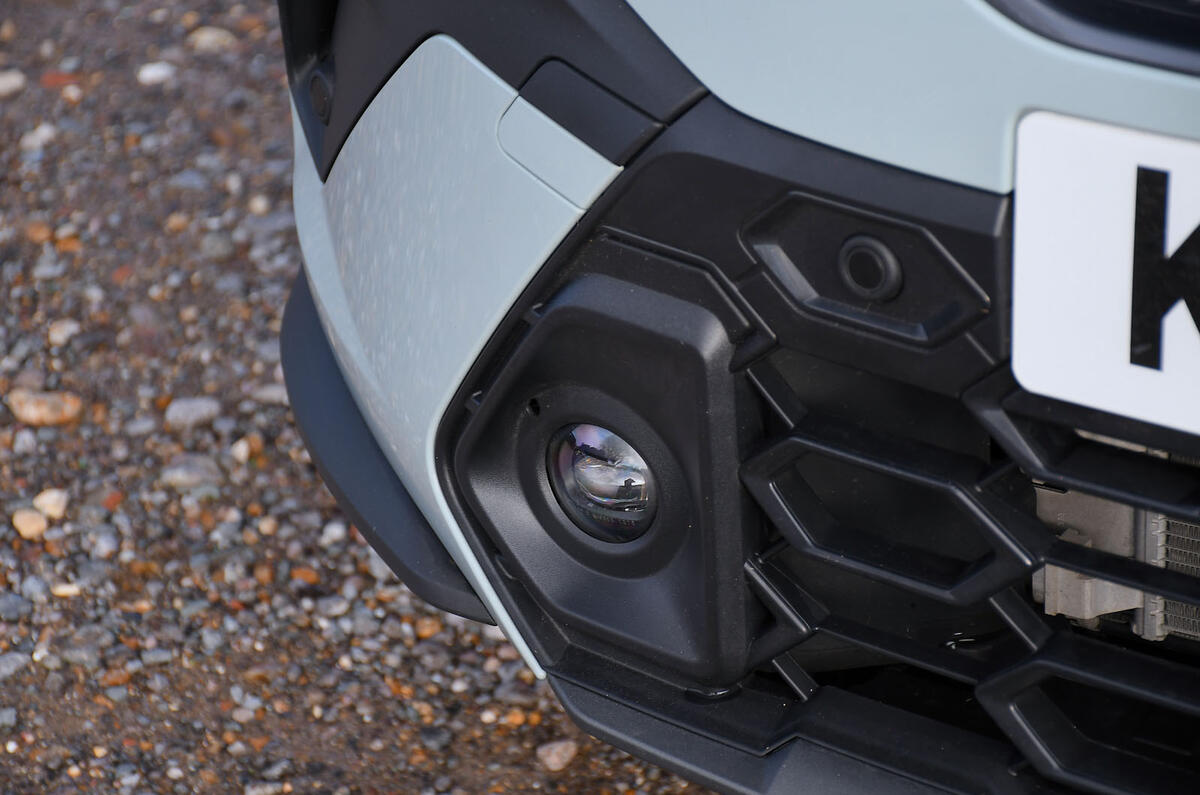
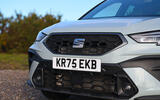
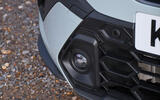
The round foglight housings that were a signature of the Arona’s higher trim levels are gone, with the fogs moved into the lower area of the grille.

Meanwhile, “the rise of generative AI has created a surreal aesthetic of bold geometries, unexpected compositions and vivid colours. Defined by the tension between artificiality and photorealism, these visuals inhabit a liminal space between realism and imagination” – which obviously explains why you can now order your Arona in yellow or bluish grey.

Whether the redesign is successful is a matter of personal preference, but we feel it's a bit anonymous.

INTERIOR

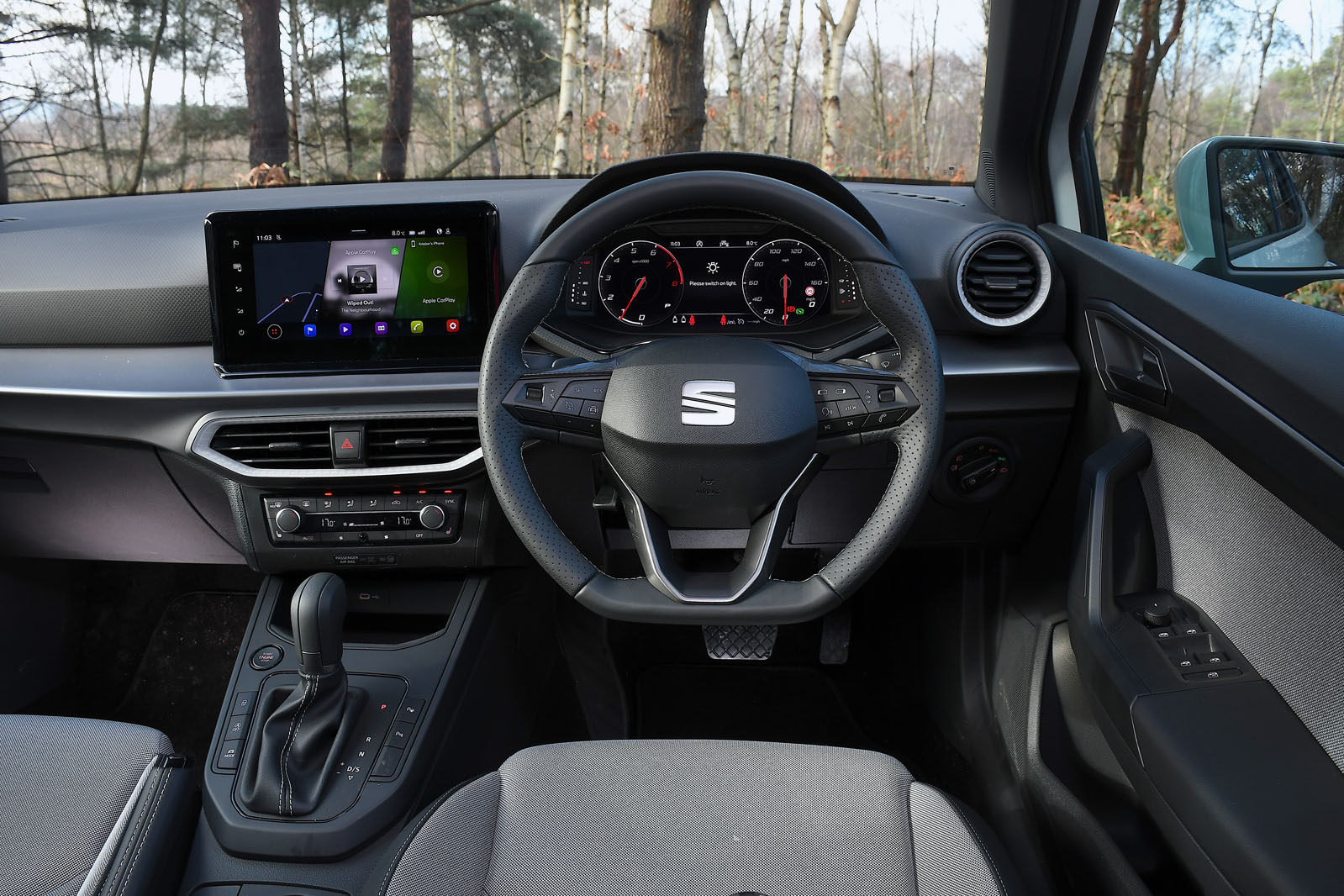
Seat Arona review 041

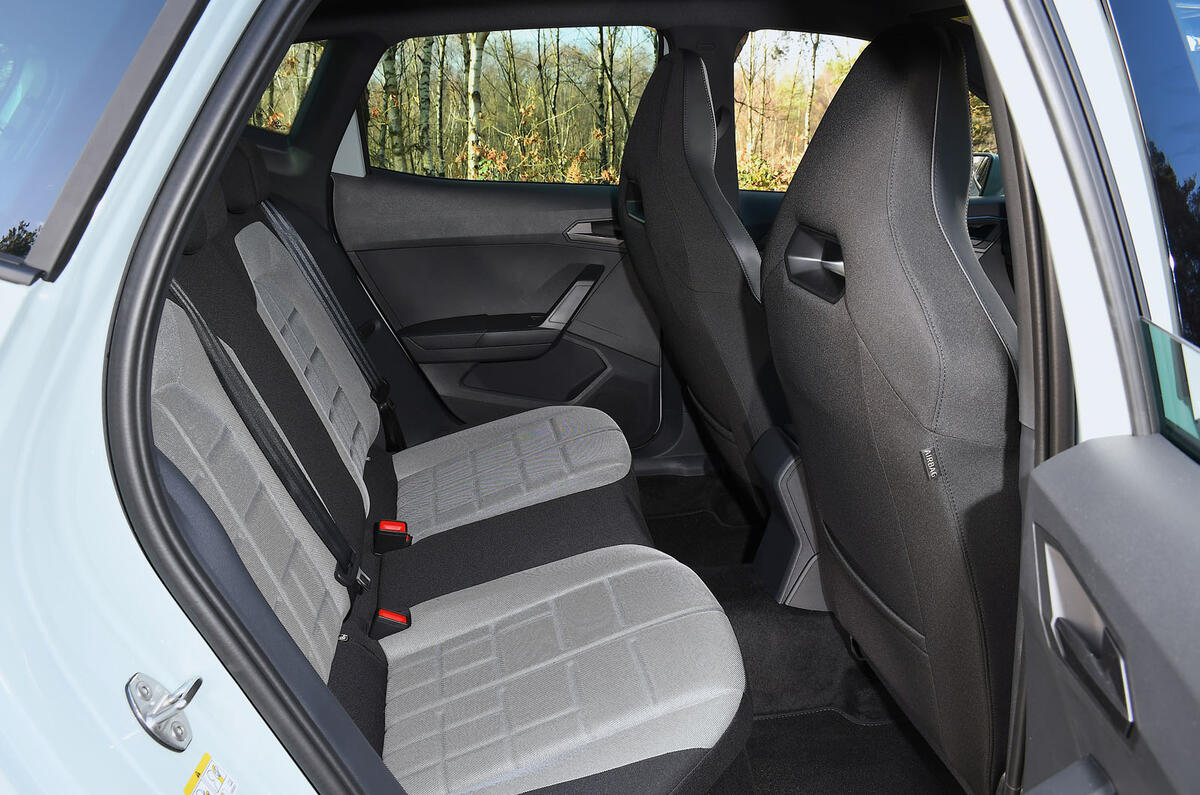
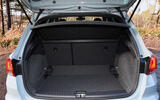
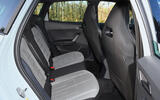
The Arona is usefully larger inside than its supermini counterpart. There's plenty of leg room in the back for taller adults and there are two Isofix mounts for child seats.

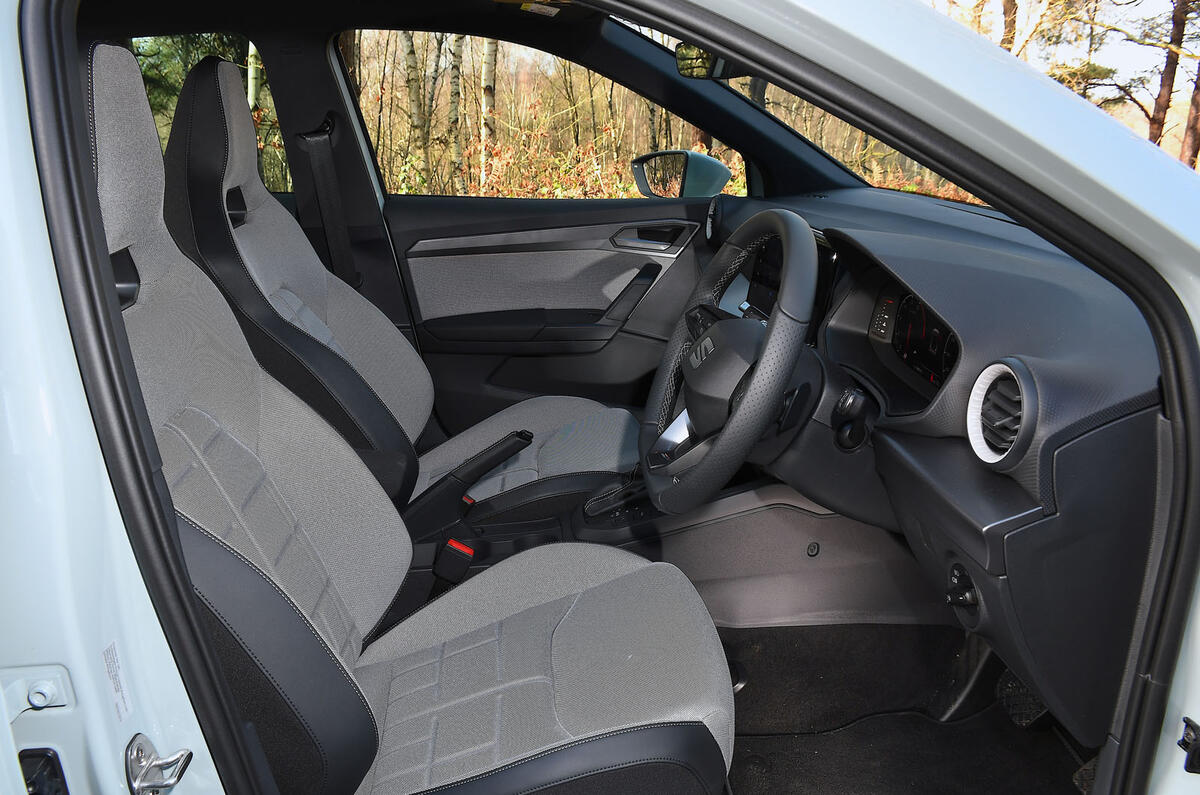
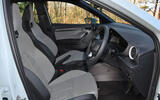
But it's snoozeworthy to sit in. Amorphous black plastics abound and, although higher trims do introduce a splash of colour, they too are slightly dull shades.

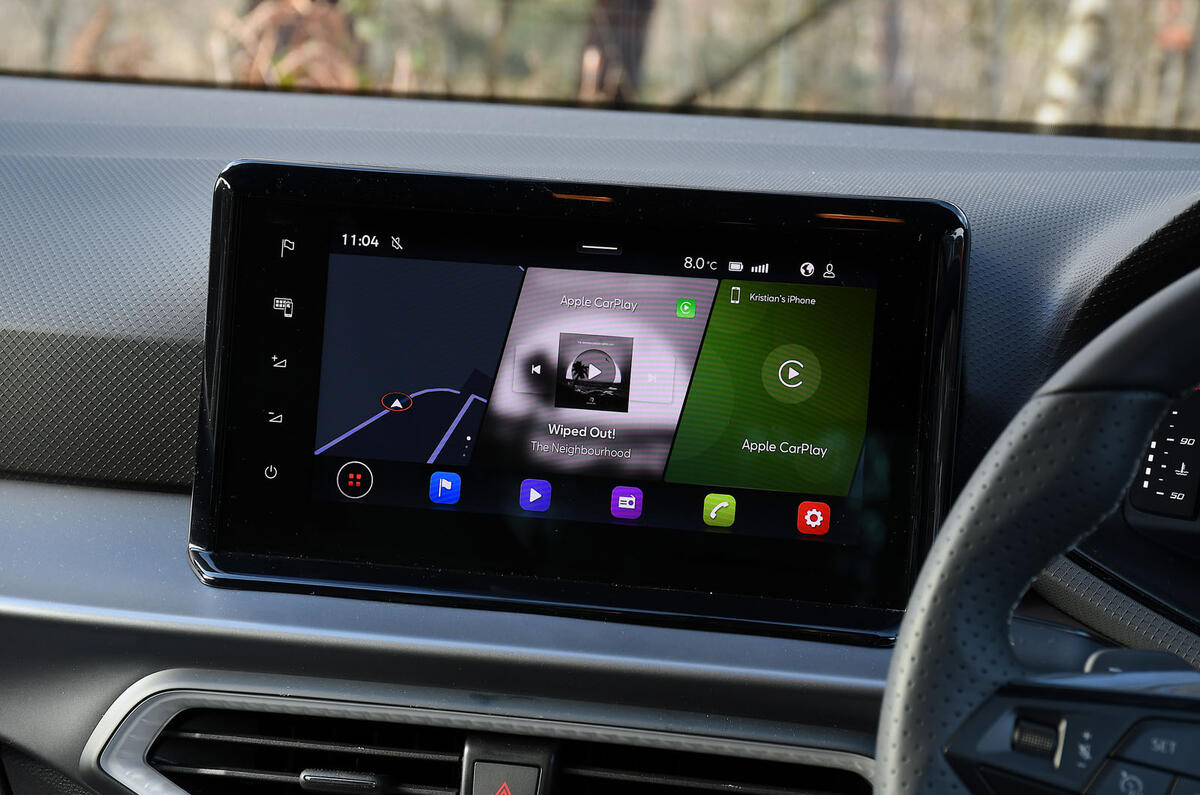
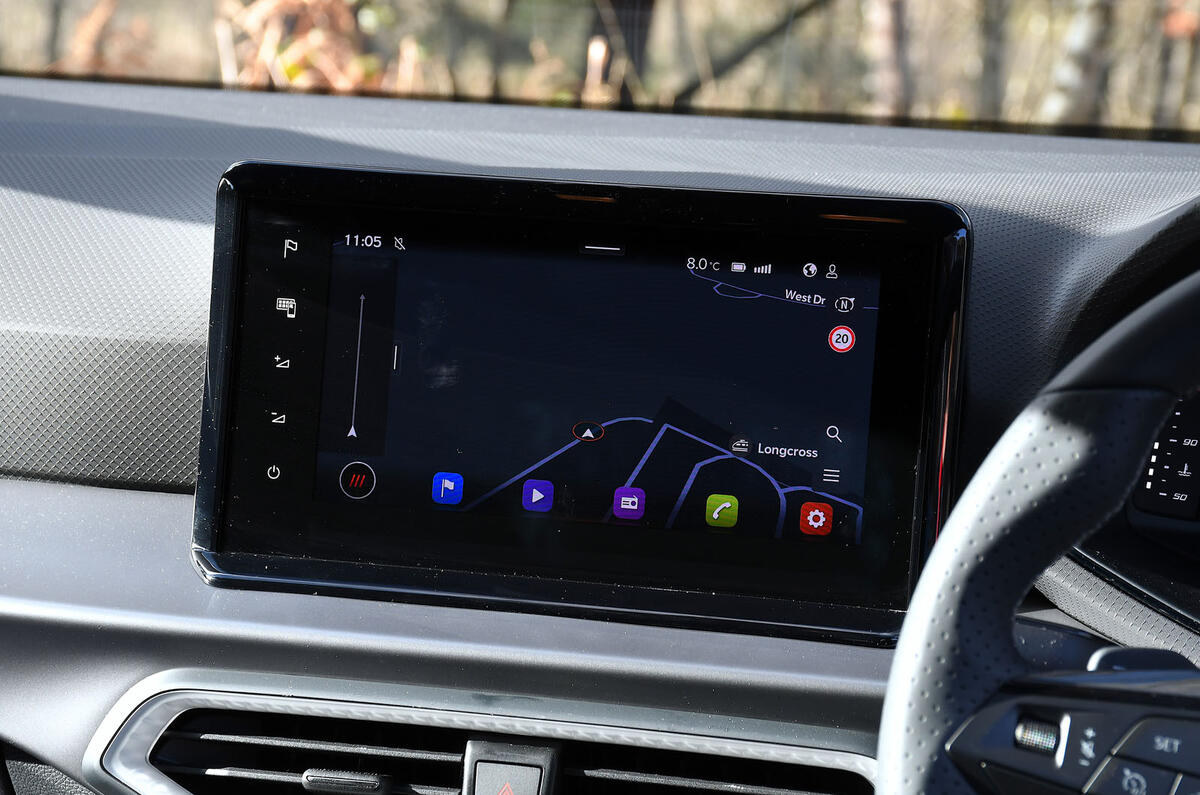
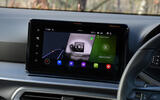
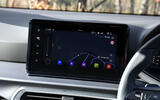
I like the three-panel layout of the infotainment home page – and even more so that you can choose which shortcut icons to have fixed at the bottom of the touchscreen and which order they go in. It’s just a shame they disappear when you’re using Apple CarPlay.

Despite that, however, the interior may actually prove to be the Arona's USP in this latter part of its career.

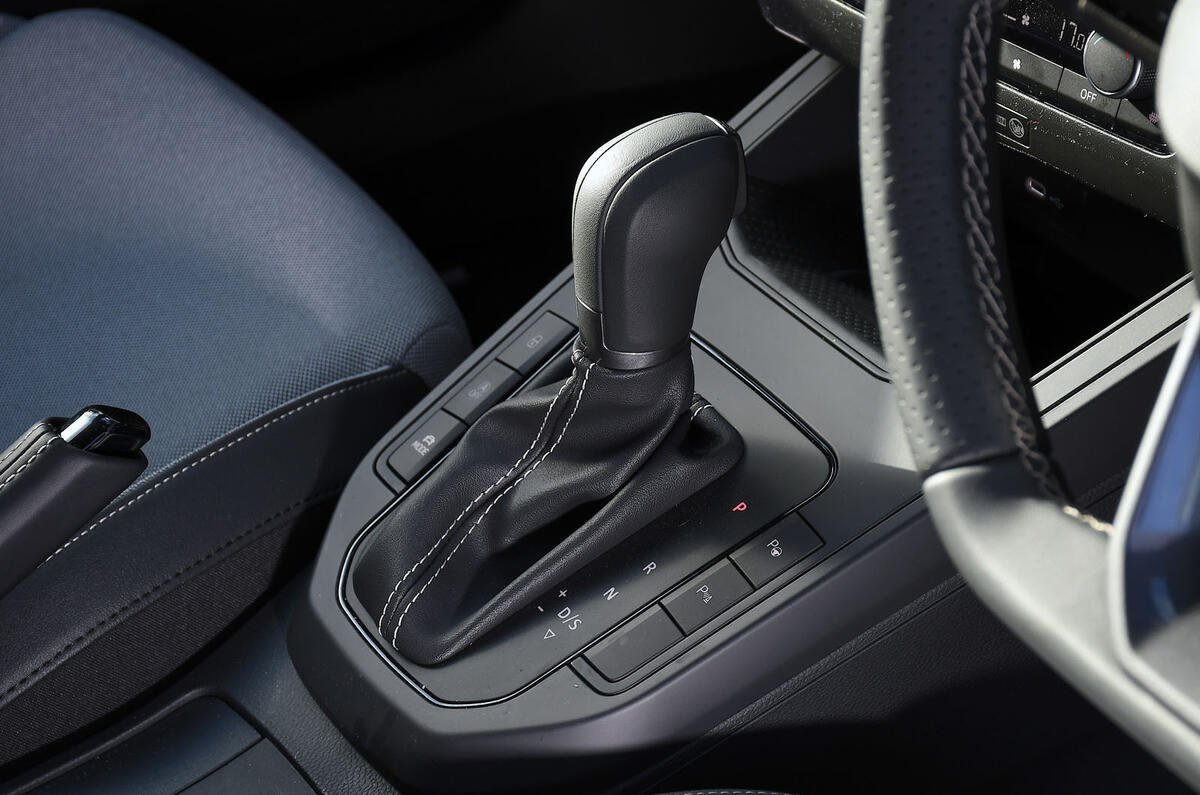
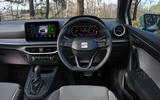
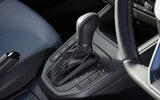
Whereas most rivals have removed the majority of their physical controls, the Arona remains resolutely traditional in its ergonomic approach.  

Yes, you get that must-have large touchscreen for your sat-nav, phone mirroring, radio and more, but there's also a full complement of physical controls at the driver's convenience.

The climate control is delightfully intuitive to adjust, with its many buttons and big temperature dials, while the steering wheel gives you natural control of the stereo, the adjustable digital instrument display (traditional dials with whatever information you want between them – again, no longer always available) and key ADAS controls (just four presses of your left thumb and the now-mandatory speed limit warning and lane keeping assistance will bother you no more).

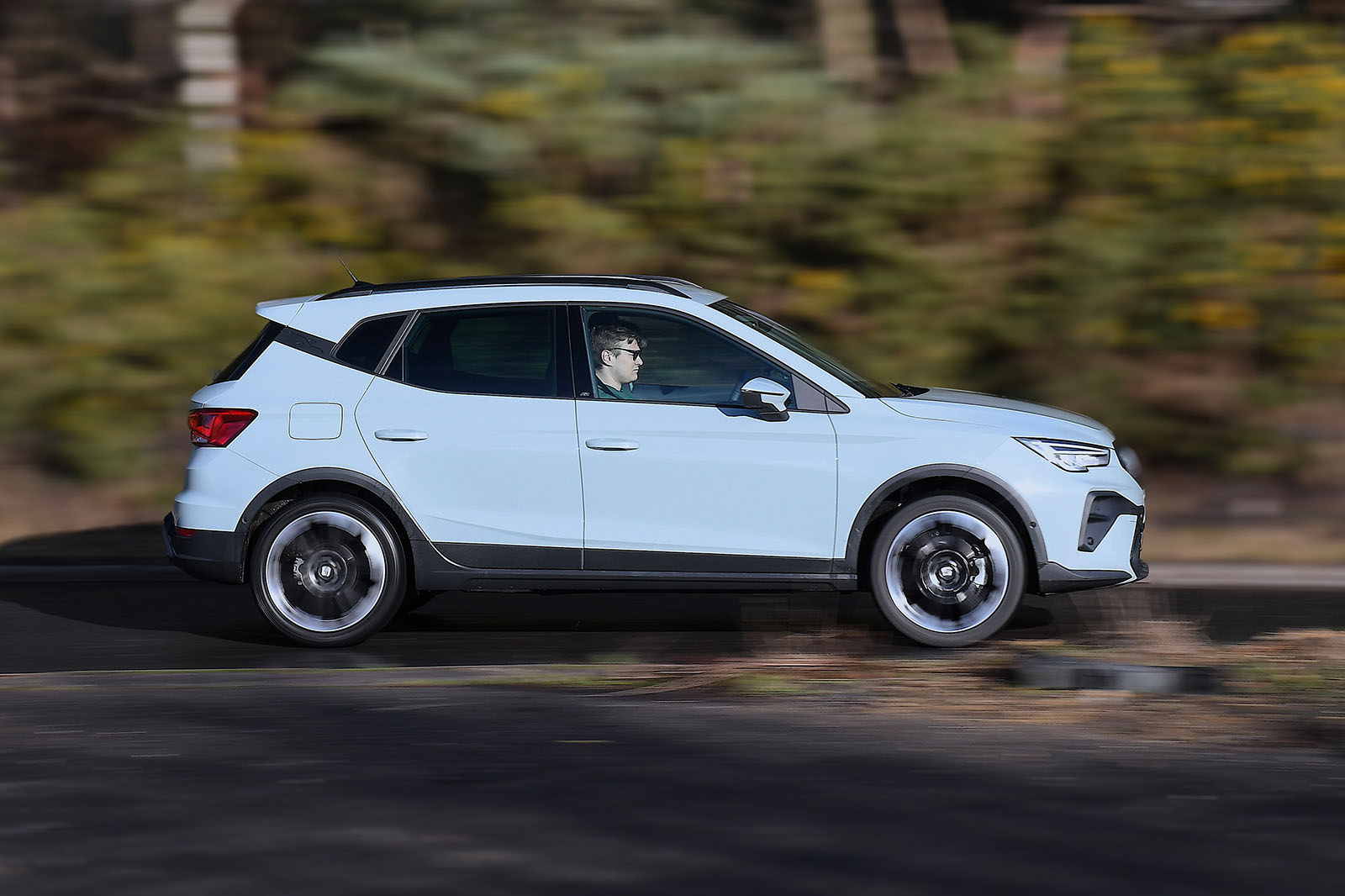
We often call cars like this ‘jacked-up superminis’, and that’s almost literally true of the Arona and the Ibiza, whose interiors and footprints are close to identical, while their variance in ride height is only slight.

The driving position is therefoe more entrenched than you might expect, which will be either good or bad depending on your reasons for buying a crossover.

Certainly we preferred it to the sitting-on-the-loo vibe of the Hyundai Kona, and the rear is still high enough to accommodate tall people.

ENGINES & PERFORMANCE

Seat Arona review 050

As before, two engines are available in the UK. The range opens with a turbocharged 1.0-litre three-cylinder with 94bhp or 113bhp. The former version gets a five-speed manual gearbox and the latter a choice of a six-speed manual or seven-speed dual-clutch automatic. Then there's a turbocharged 1.5-litre four-pot with 148bhp and the seven-speed gearbox.

Its standout quality is its ease of use, with plenty of grunt at low revs and good flexibility at higher speeds.

The 1.5-litre four isn't much more expensive than the 1.0-litre triple, but it adds a discernible 35kg to the Arona's kerb weight.

It’s torquier than the 1.0-litre triple and delivers peak torque earlier in its rev range (1500rpm compared with 2000rpm), so it’s better at building pace from a standstill – albeit not significantly so.

In normal driving it’s remarkably refined too, sending little noise or vibration into the cabin. Under harsher loads it generates a bit more din than the triple, but it’s smooth.

There’s a noticeable delay before the automatic gearbox kicks down, which undermines refinement somewhat.

We've yet to try the three-cylinder engines following the update, but the 113bhp version feels pleasantly peppy in the Ibiza, which is only 50kg lighter – and seems less prone to being held back by the DSG when you attempt a rapid getaway.

Mild-hybrid powertrains will join the range in 2027, but they feel like something of an omission in the meantime, considering many rivals do offer such options.

RIDE & HANDLING

Seat Arona review 032

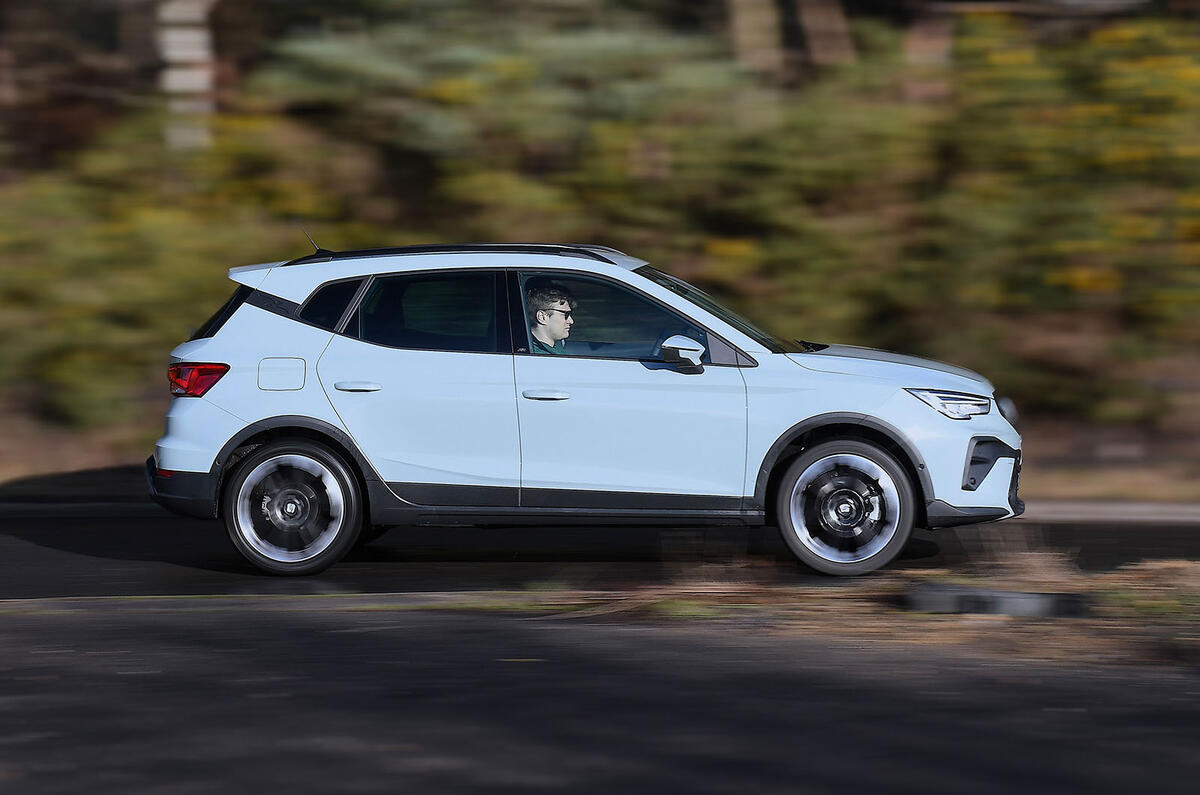
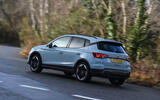
Crossovers are often criticised for being less dynamic than their hatchback counterparts, but there are relatively few handling compromises here. The Ibiza is a really enjoyable little thing to drive and the Arona isn’t too far off replicating its character. As such, its ride and handling balance is very well judged for a small SUV.

Bumps are ironed out effectively and there isn’t too much body roll through bends or vertical movement over crests, just a bit of squidge through tighter bends. 

The Arona can take tight hairpins with impressively little body roll and without succumbing to understeer too early.

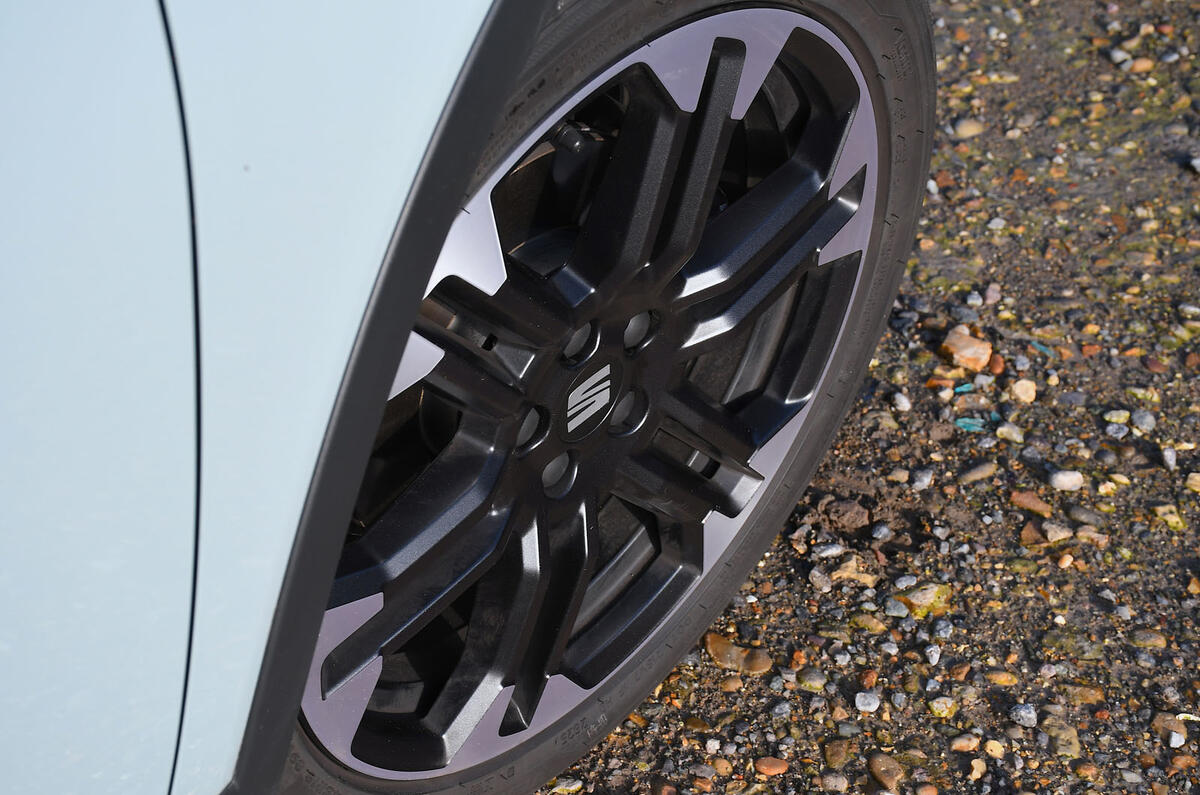
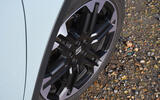
Indeed, the suspension provides a smooth ride even on the biggest (18in) wheels of FR Sport trim. Generally it’s entirely comfortable, although potholes can prove troublesome.

The Arona's steering is accurate, if overly assisted and lacking in much texture.

The Ford Puma can provide true fun, for sure, but the Arona still offers some quiet satisfaction for keen drivers.

It feels at its best when flowed along the road, making calm but assured progress.

MPG & RUNNING COSTS

Seat Arona review 031

The Arona is priced squarely in the middle of the small SUV class, and it feels like strong value. The new LED headlights are standard across the range, for example.
Comparisons between the fanciest automatic model and the cheapest manual are similar fuel economy (48.7mpg plays 53.3mpg), a 2% difference in company car tax and a list price spectrum of £7435, culminating at £30,540 – which puts it in the same territory as the hot-selling Ford Puma, Nissan Juke and Hyundai Bayon.

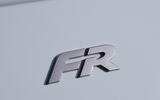
Style trim feels a good compromise between cost and kit, but the range-topping FR's comfy bucket seats are a tempting proposition.

Cheaper alternatives do exist, such as the Citroën C3, but these bring compromises in build quality and material richness.

VERDICT

This model update is barely noticeable, and Seat remains badly in need of some parental love.
The Arona is a comfortable, effective and even enjoyable means of transport, but it doesn’t feel like much more than a means to an end.
Having swapped from an Ibiza into an Arona of the same colour, I picked up my girlfriend and, in the dark, she didn't even notice anything had changed. Just shows how similar these two cars really are inside.

As such, it's no longer the default go-to option for the average buyer. However, if you're the kind of person who habitually spins vinyl albums rather than shuffling Spotify playlists, its unalloyed powertrain and no-nonsense control interface will put it ahead of its younger rivals. 

It will be intriguing to see just how many drivers yearn for a return to tradition over the next few years.

Charlie Martin

Charlie Martin Autocar
Title: Staff Writer

As part of Autocar’s news desk, Charlie plays a key role in the title’s coverage of new car launches and industry events. He’s also a regular contributor to its social media channels, creating content for Instagram, Tiktok, Facebook and Twitter.

Charlie joined Autocar in July 2022 after a nine-month stint as an apprentice with sister publication What Car?, during which he acquired his gold-standard NCTJ diploma with the Press Association.

He is the proud owner of a Mk4 Mazda MX-5 but still feels pangs of guilt over selling his first car, a Fiat Panda 100HP.