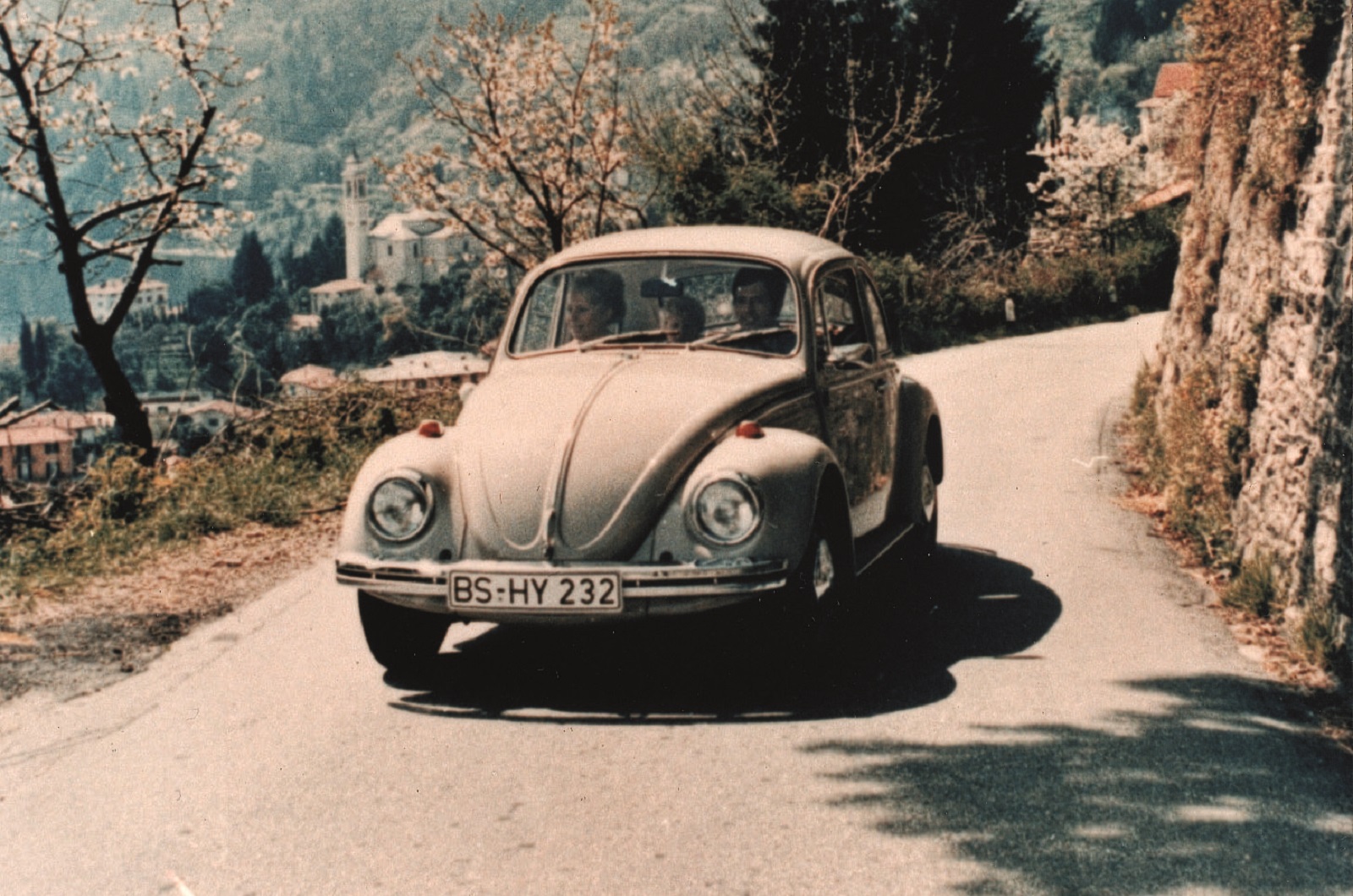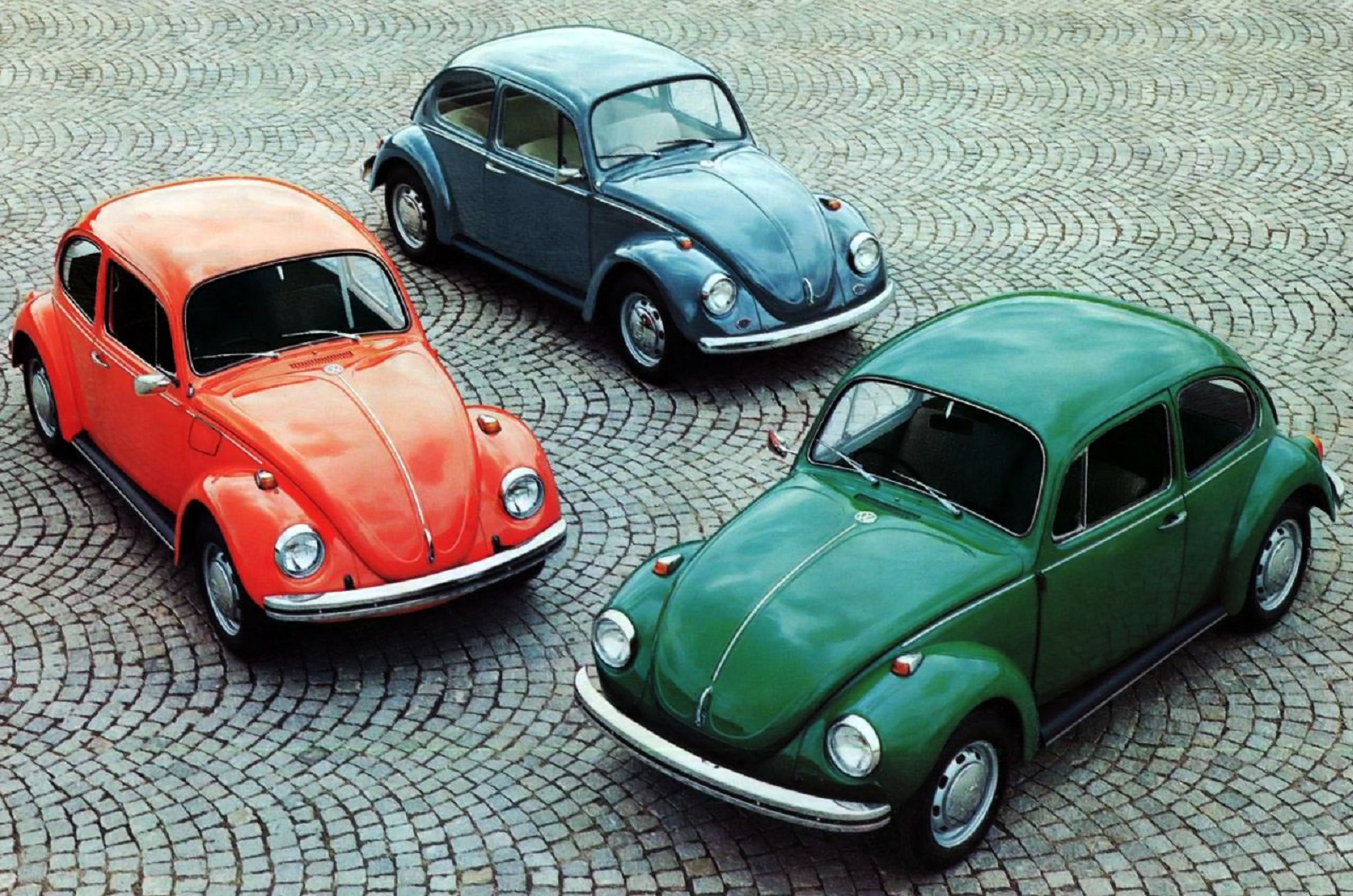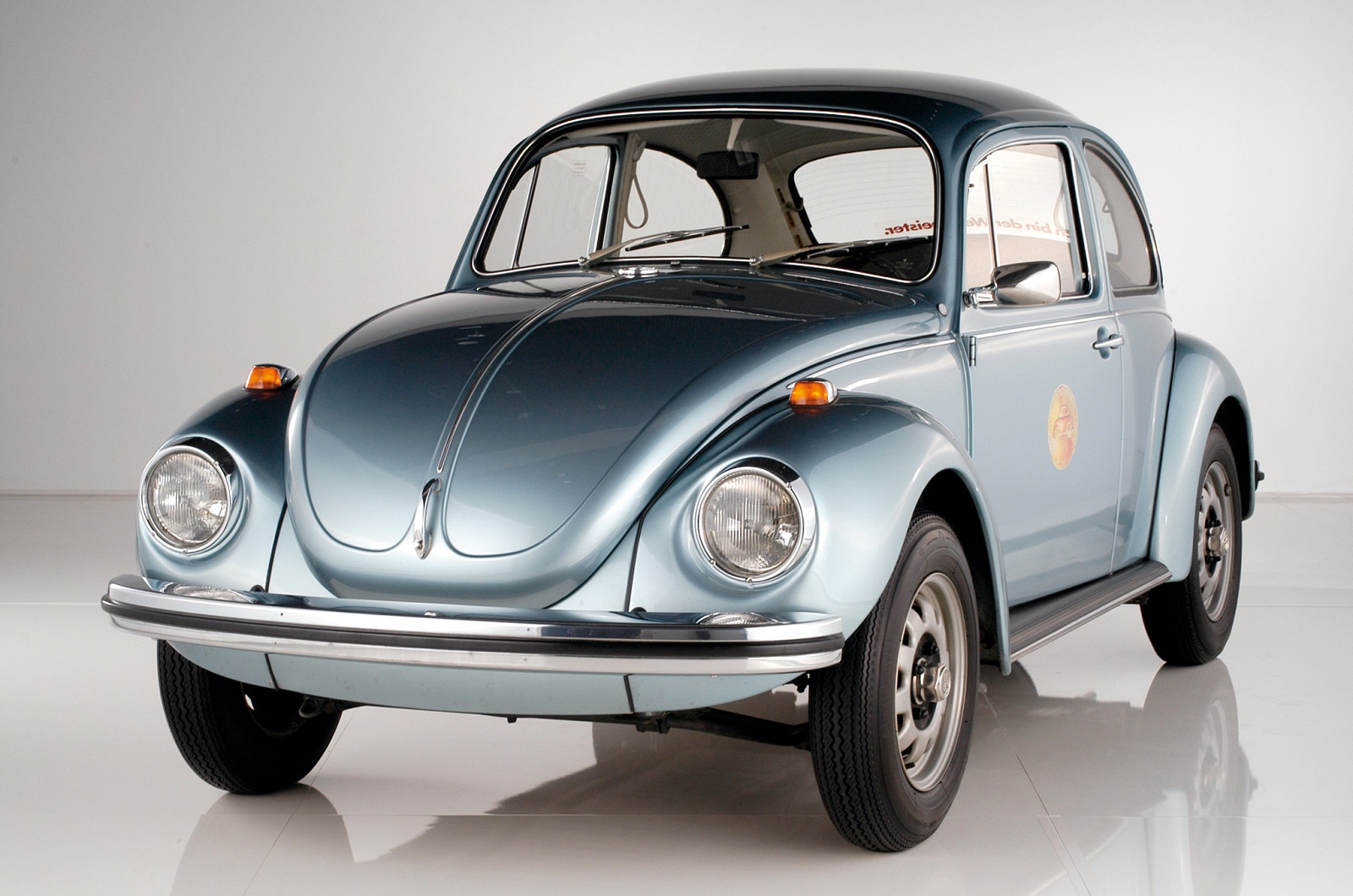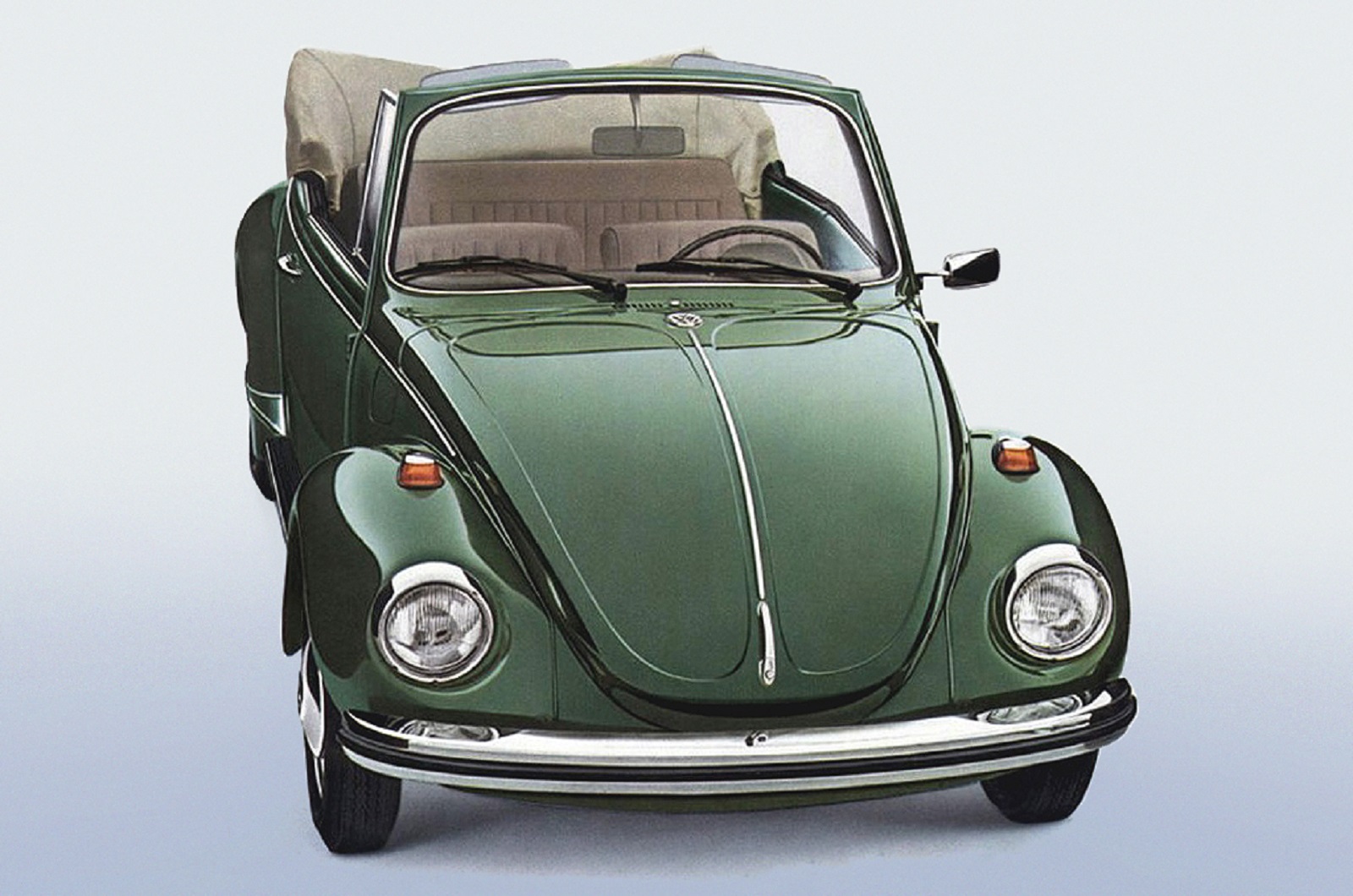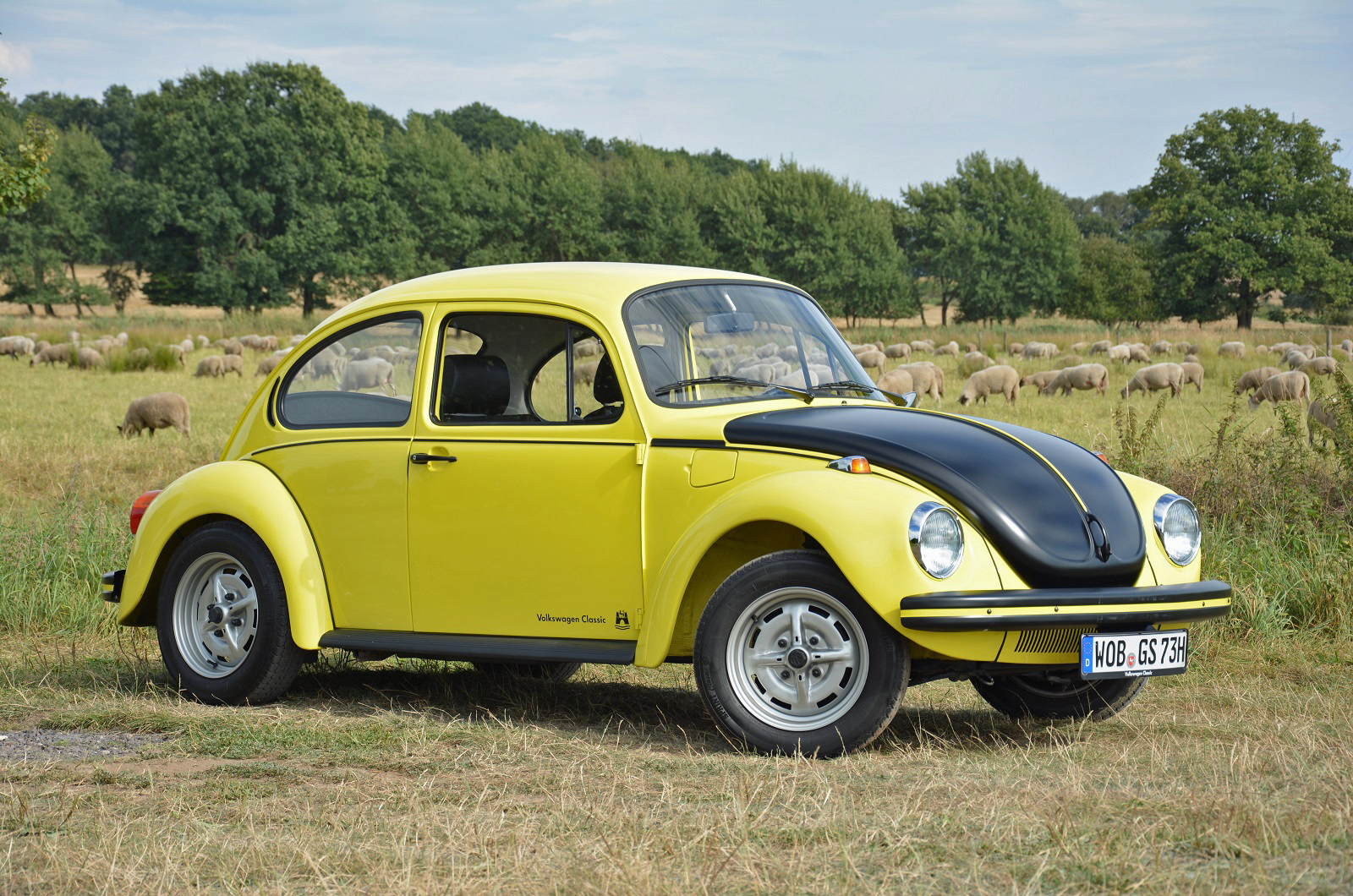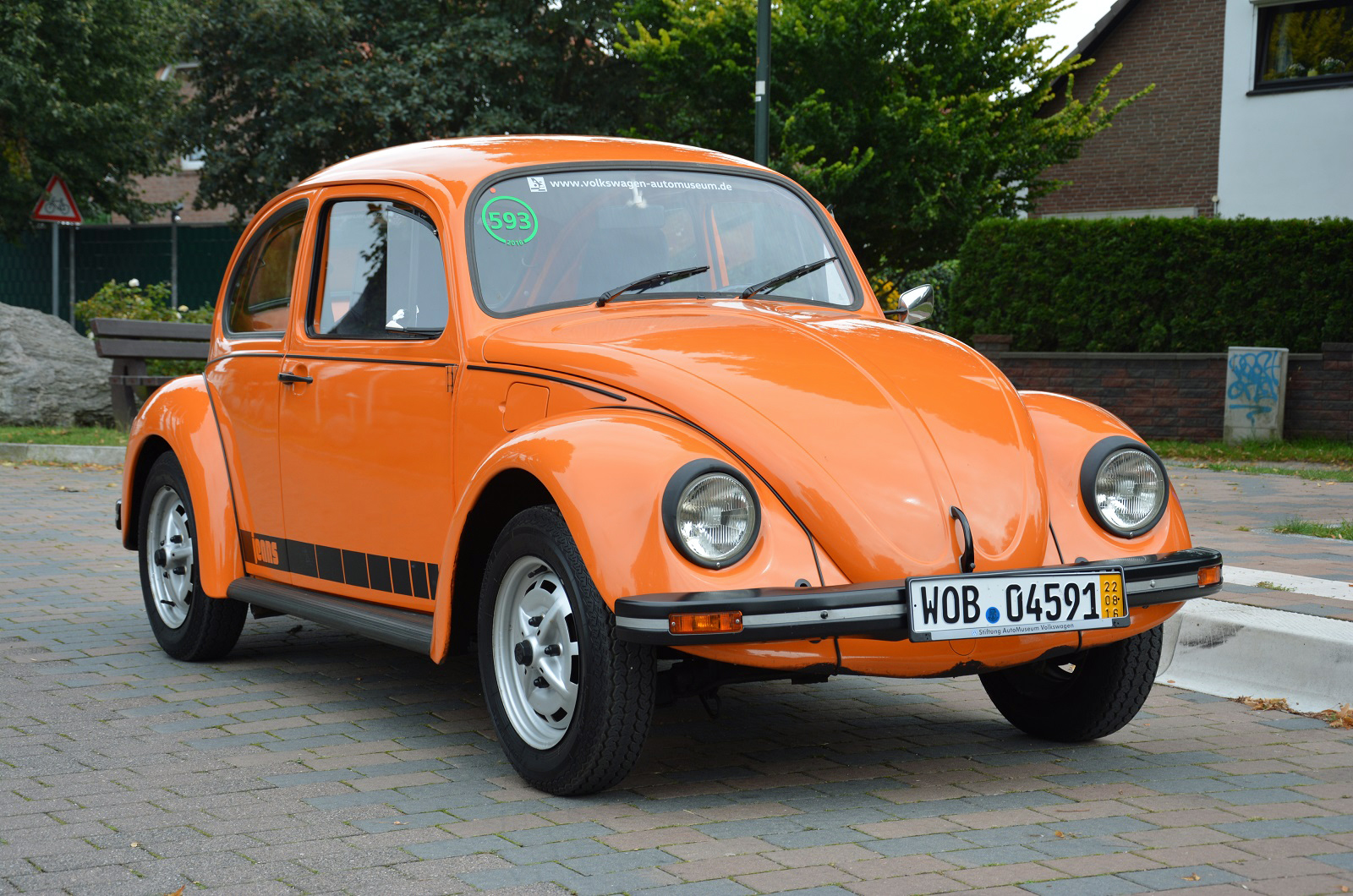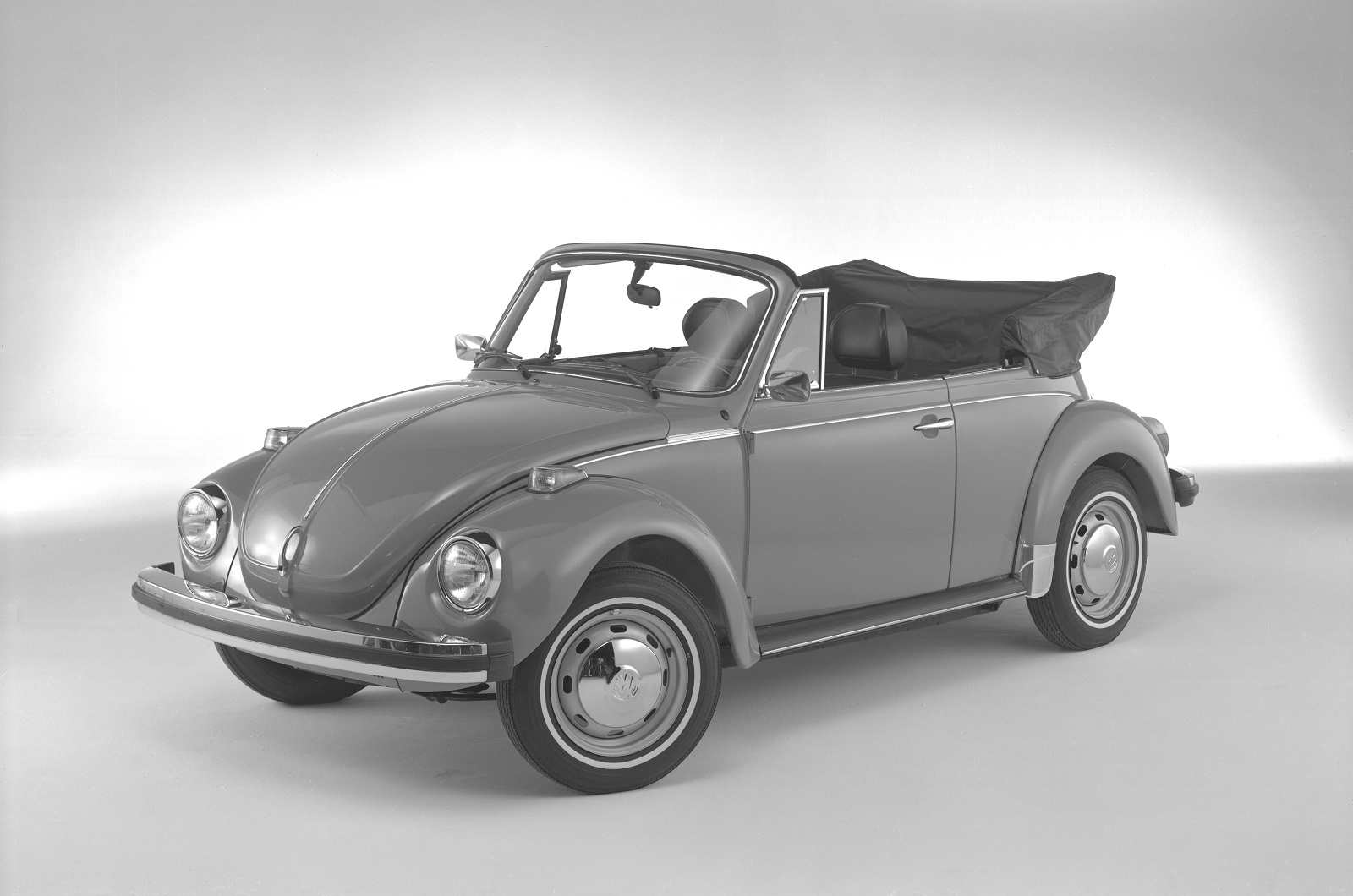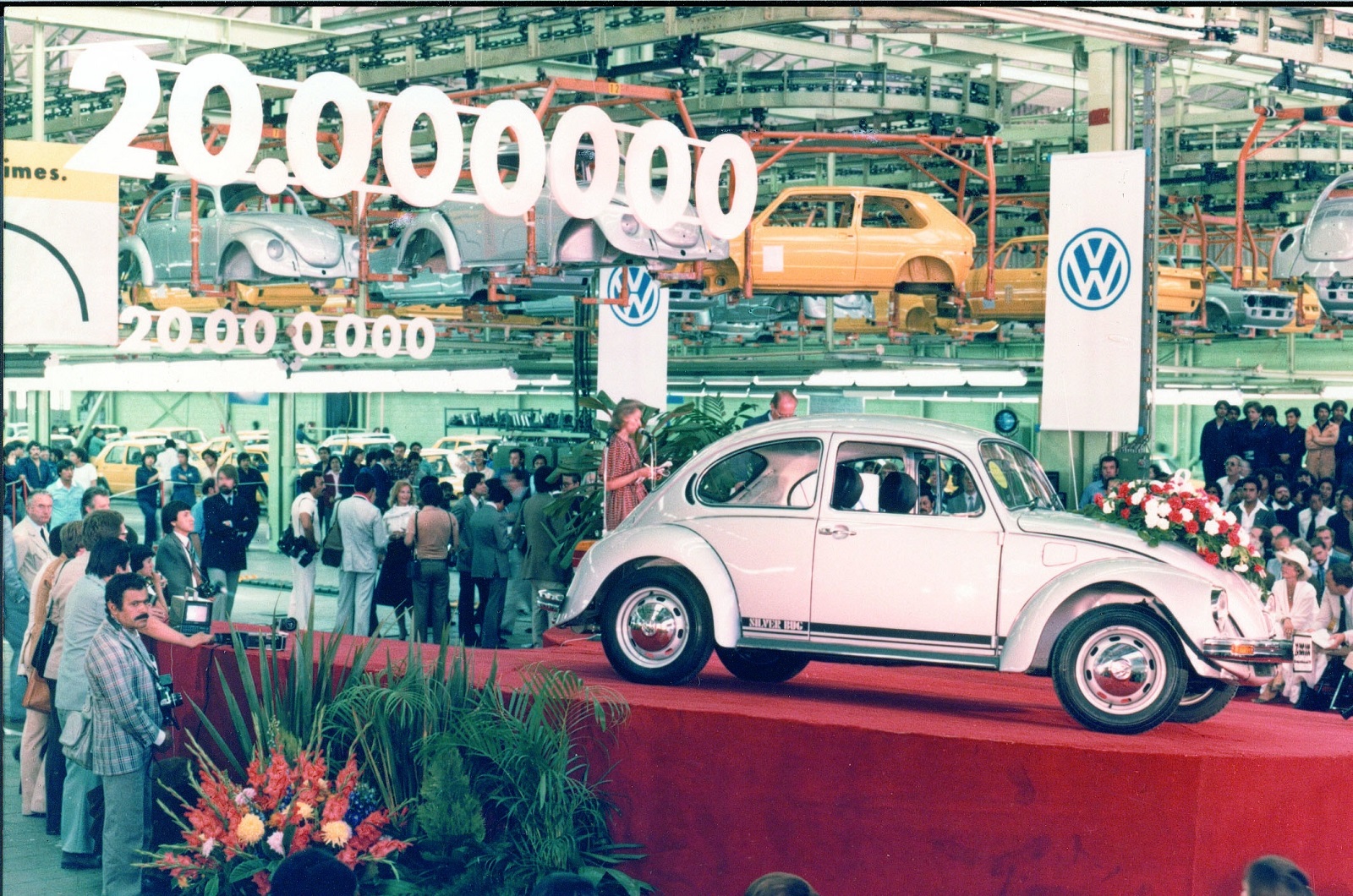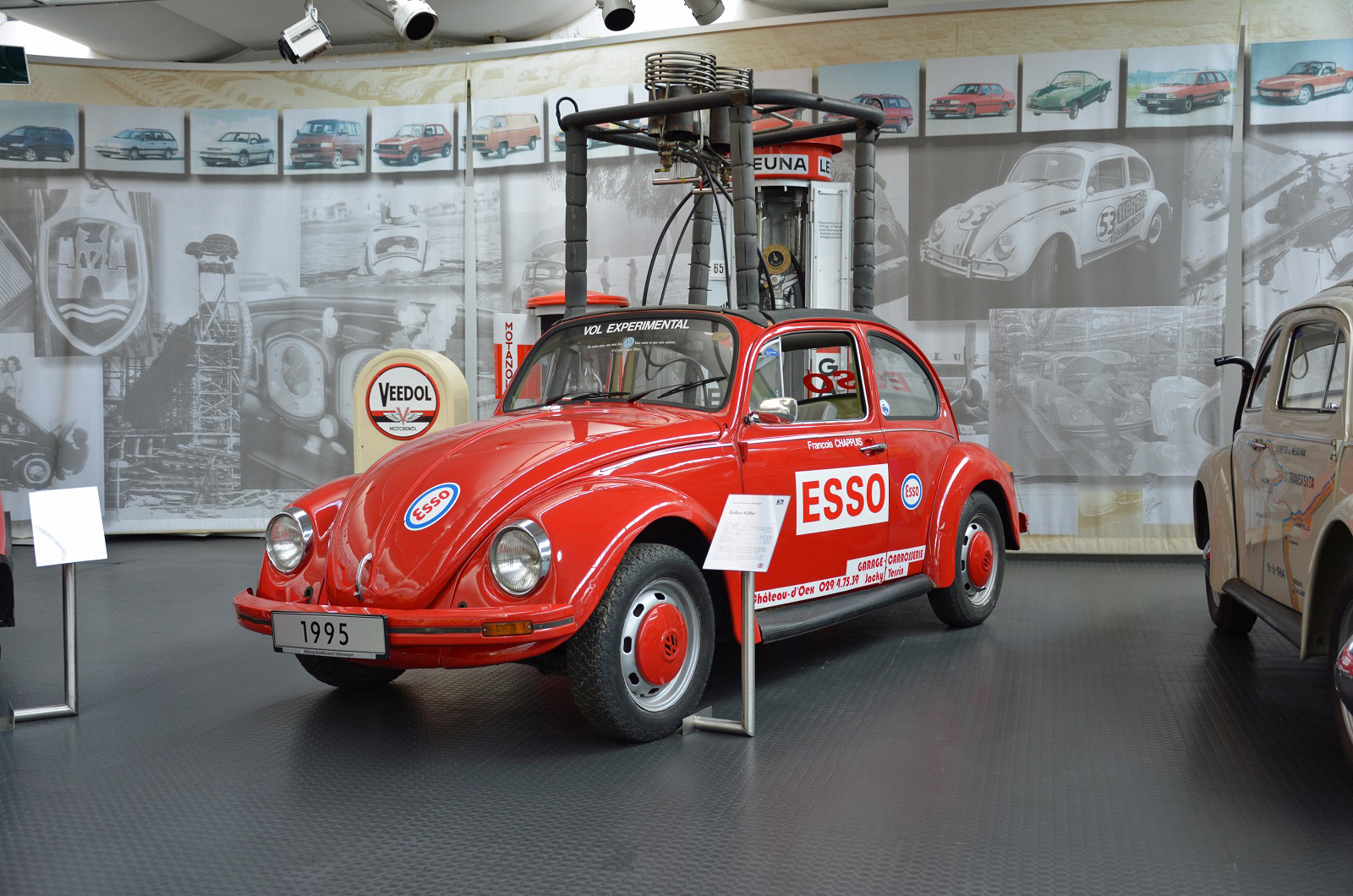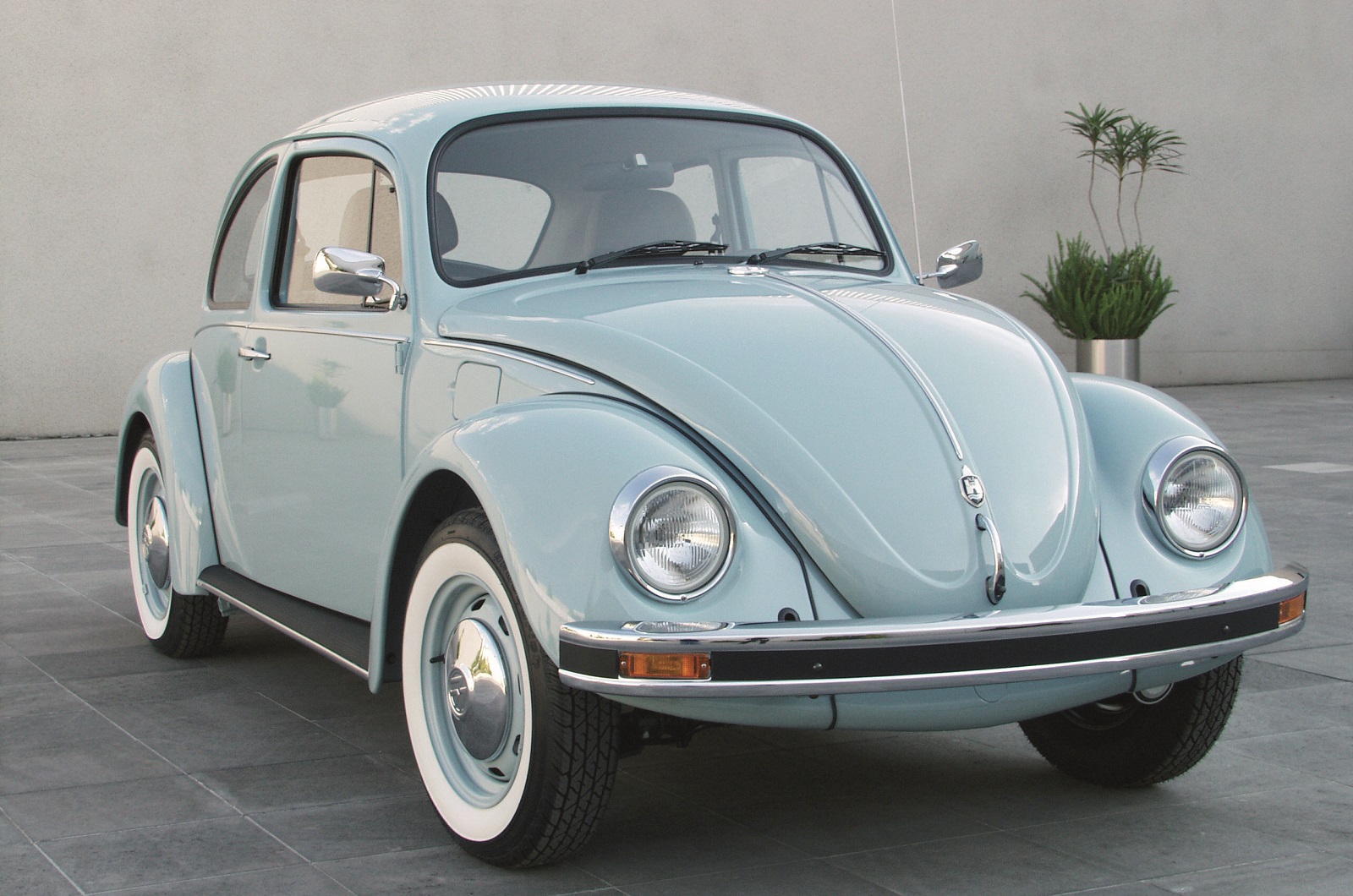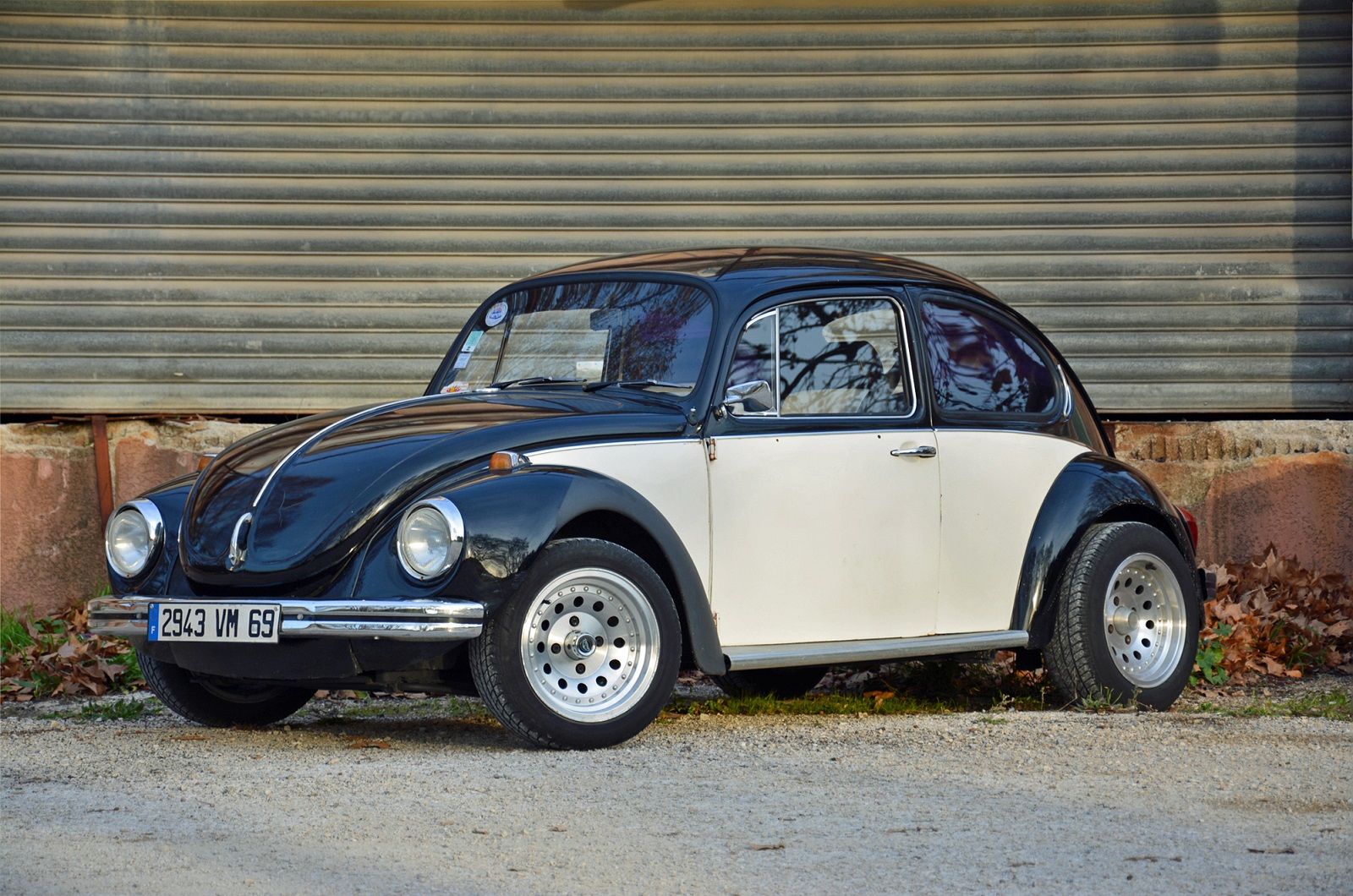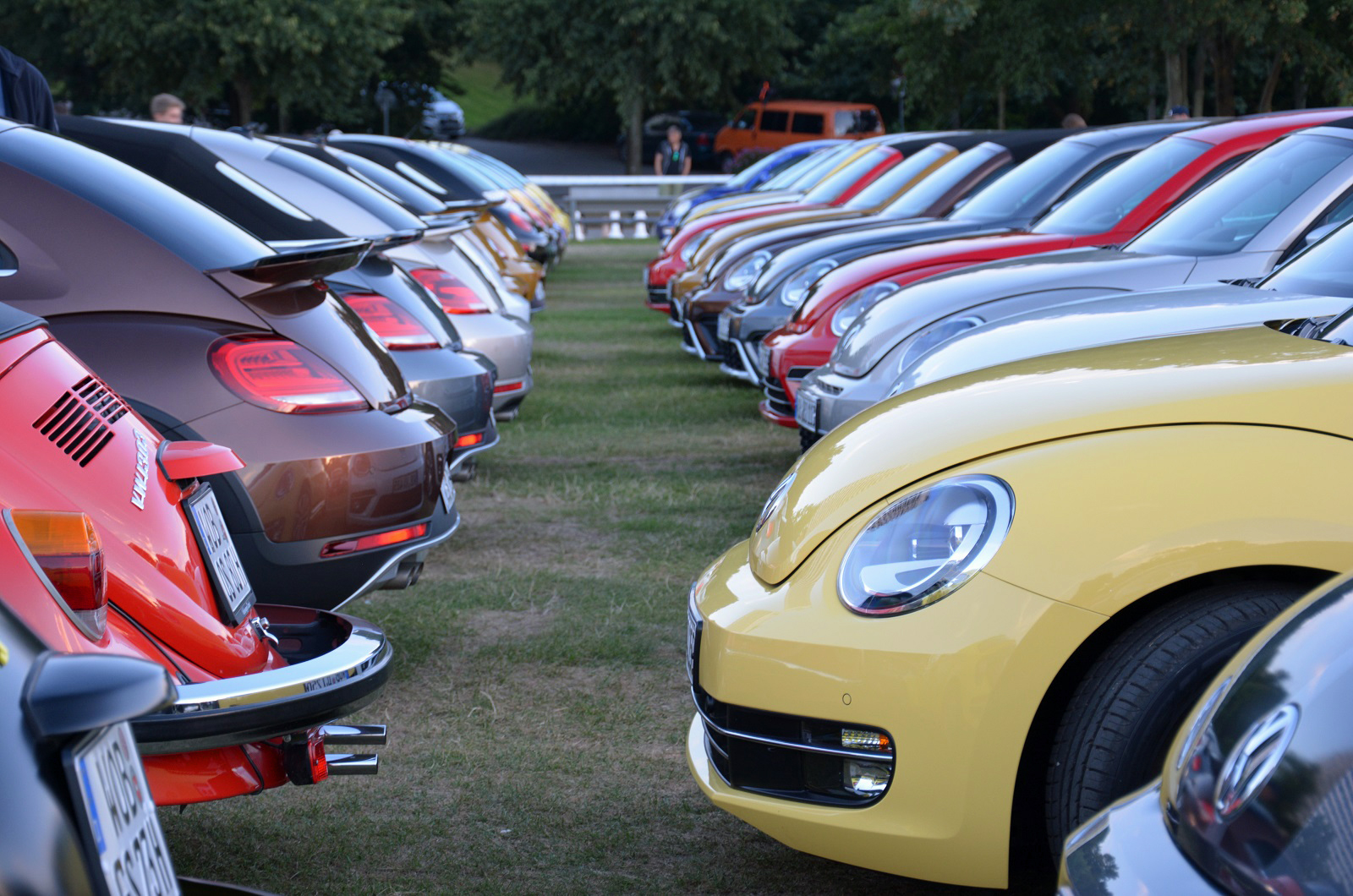

The third-generation VW Beetle has come to the end of its life.
The last one was produced today. At 81 years old, the Volkswagen Beetle has been everywhere and it has done it all. It started life as a people’s car in Germany, it became America’s darling before heading south to put much of Latin America on wheels and it is now one of the most sought-after classic cars. It has conquered land, water and air. It has won races, shuttled scientists in Antarctica and carried millions of passengers in Mexico City.
Join us as we explore the Beetle’s multifaceted history.
Porsche’s vision
Engineer Ferdinand Porsche is associated with some of the greatest designs in automotive history, including Auto-Union’s formidable 16-cylinder race cars and, of course, the high-performance machines that bear his name. Yet from an early age he envisioned a simple, basic car that even factory workers could afford. This was slightly less than revolutionary in an era when cars were an expensive commodity and many intended to keep them that way.
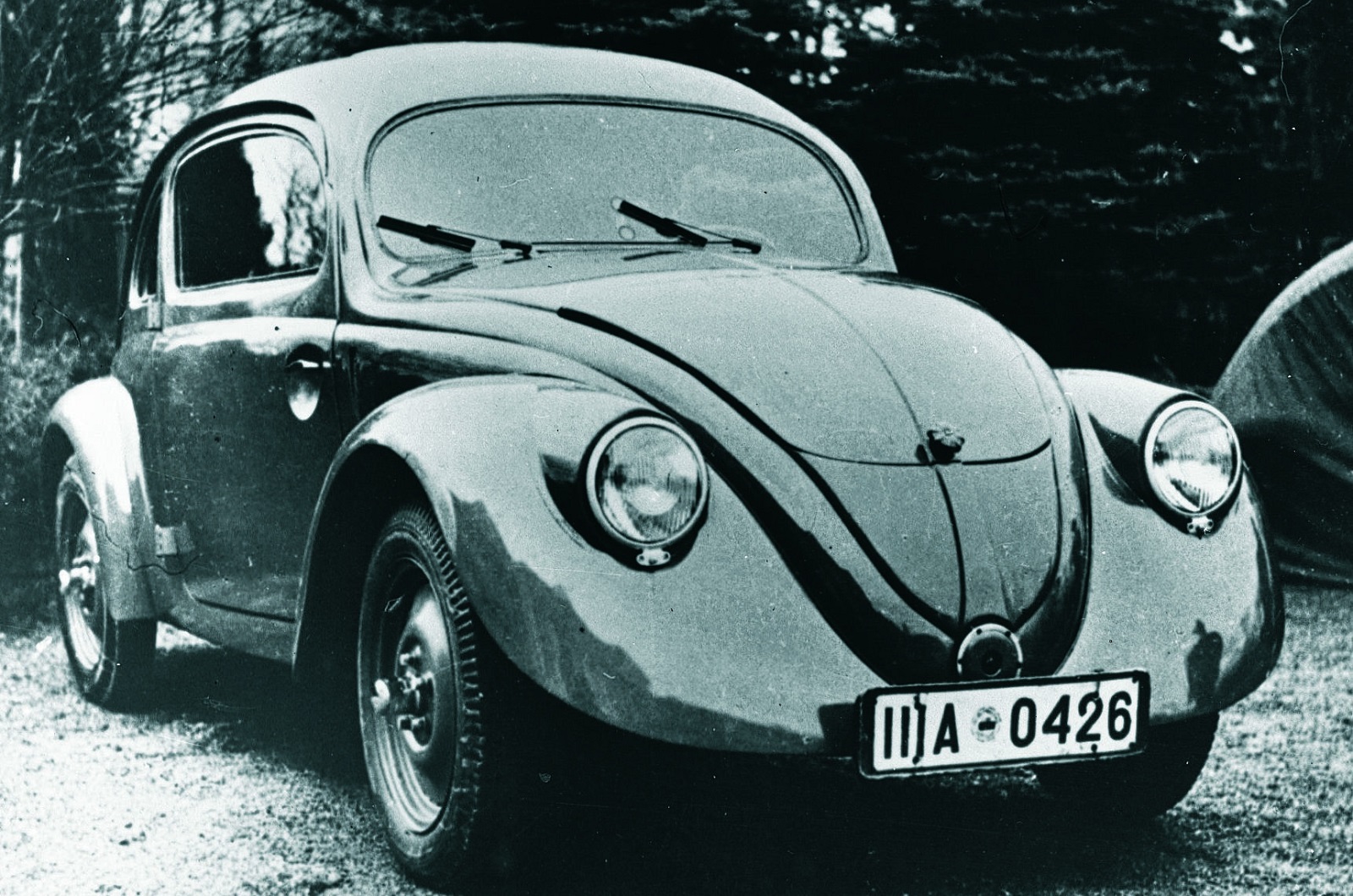
Adolf Hitler shared Porsche’s vision of a small car and gave him the means to design one. The early design brief called for a 650kg four-seater model capable of maintaining 62mph with a one-liter engine rated at approximately 26hp. It needed to be air-cooled to keep running in Germany’s colder regions. Note: early prototype pictured.
The type 60 (1938)
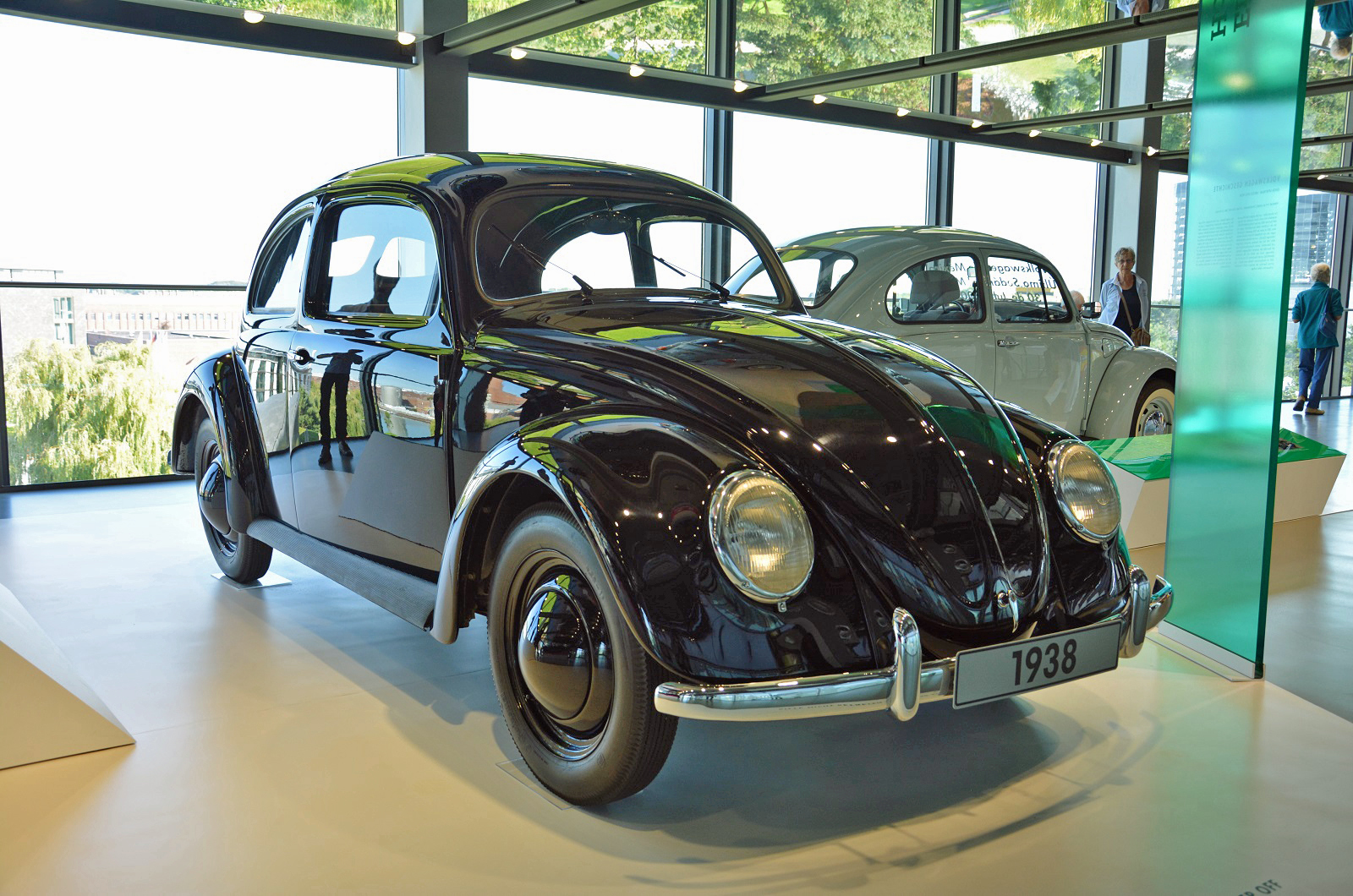
German officials considered outsourcing production of the Volkswagen to an established auto-maker but they ultimately decided to built it themselves in a state-owned factory. Testing began in 1936 and Porsche built the first pre-production prototypes of what would become the Beetle in 1938. Called type 60 internally, it was very close to the regular-production Beetle in nearly every aspect.
The Beetle during the war
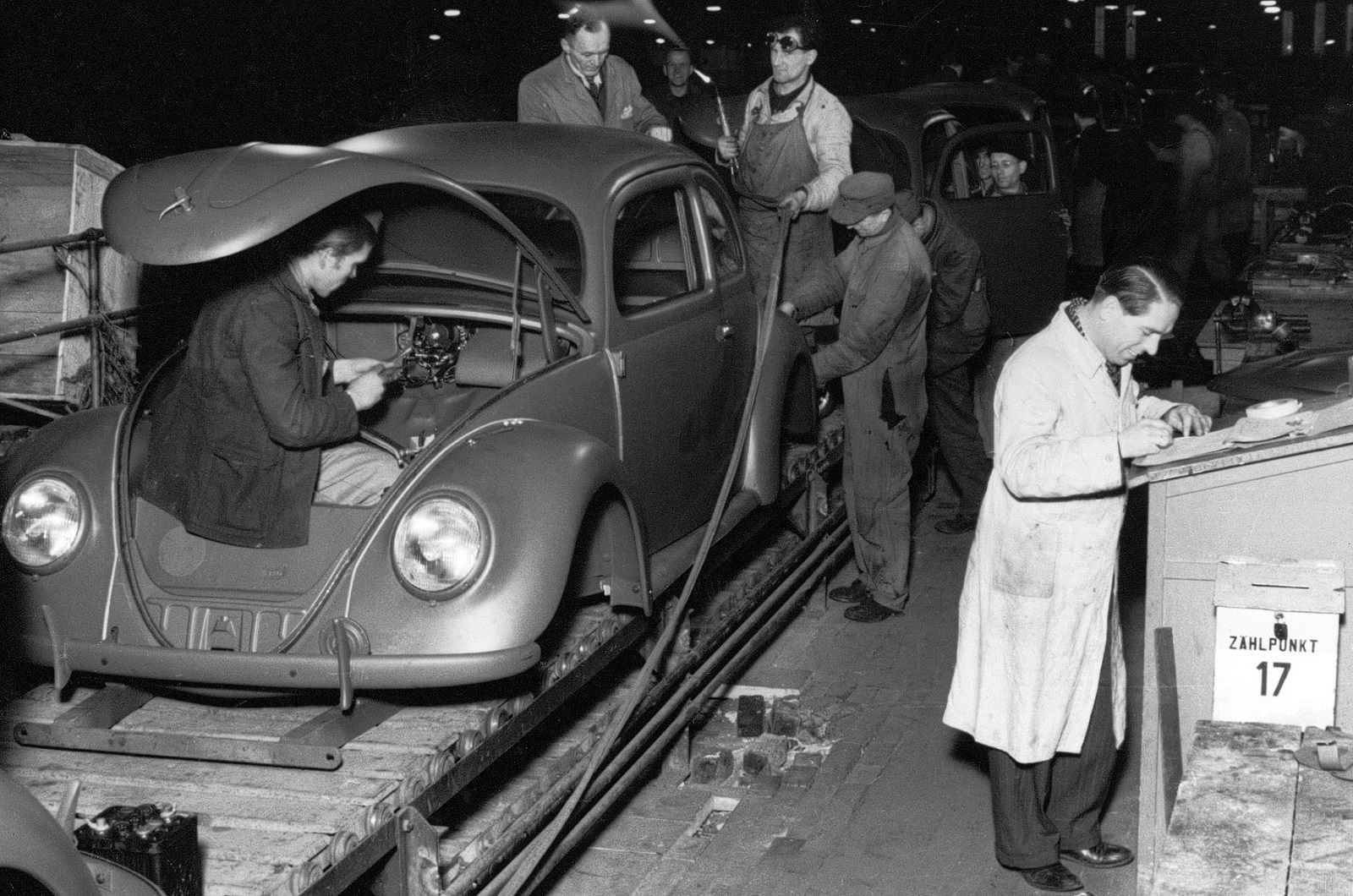
Volkswagen workers built 210 examples of the Beetle by hand before World War II broke out.
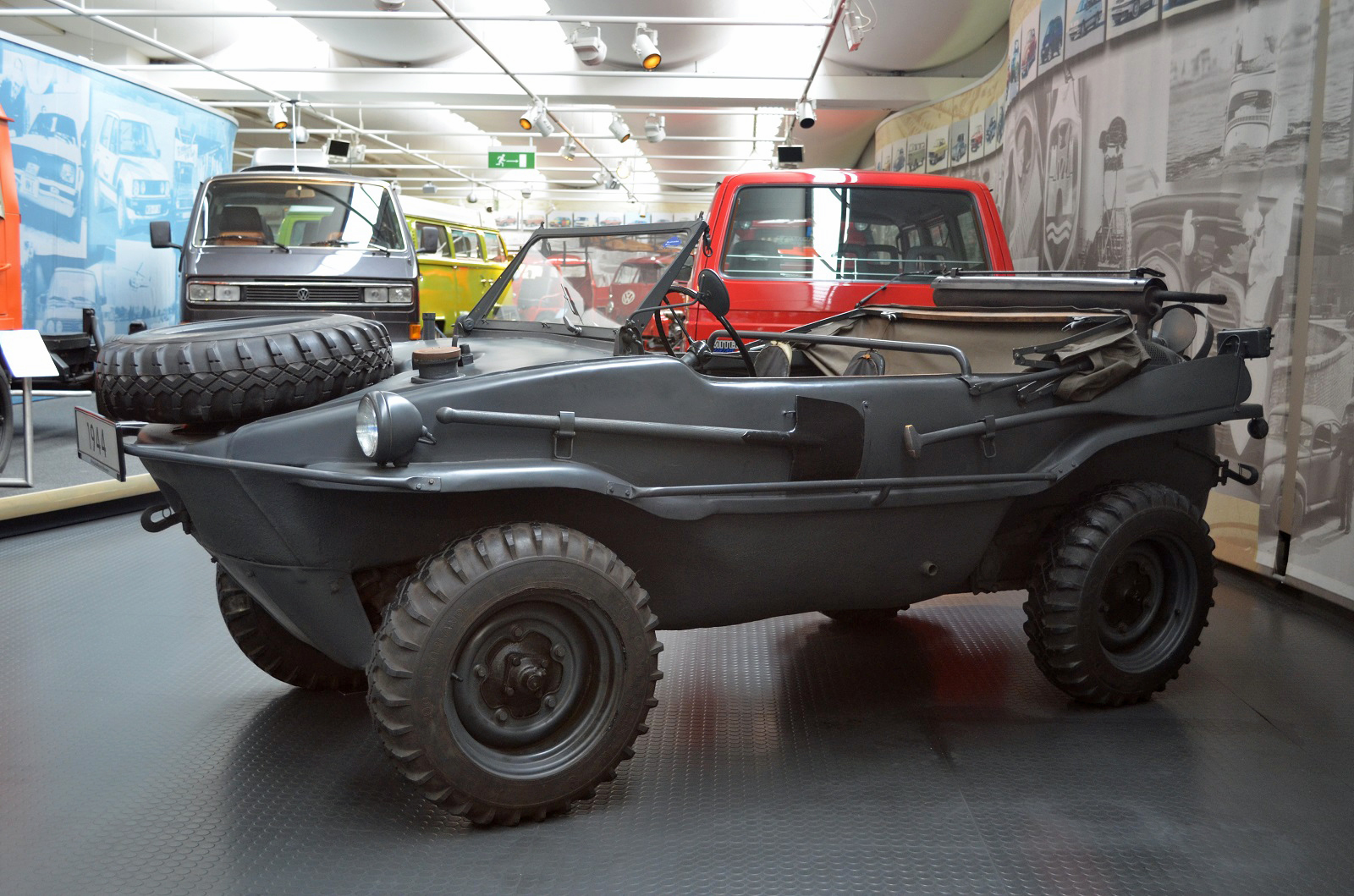
During the war, Porsche’s design office adapted the Beetle for military use by raising its ground clearance, adding four-wheel drive and fitting a more powerful engine. The basic chassis also spawned the Kubelwagen and the amphibious Schwimmwagen (pictured), which were sent to fight in Europe and in Africa as Germany’s home-brewed answer to the Jeep.
The Beetle nearly replaces the 2CV (1940)
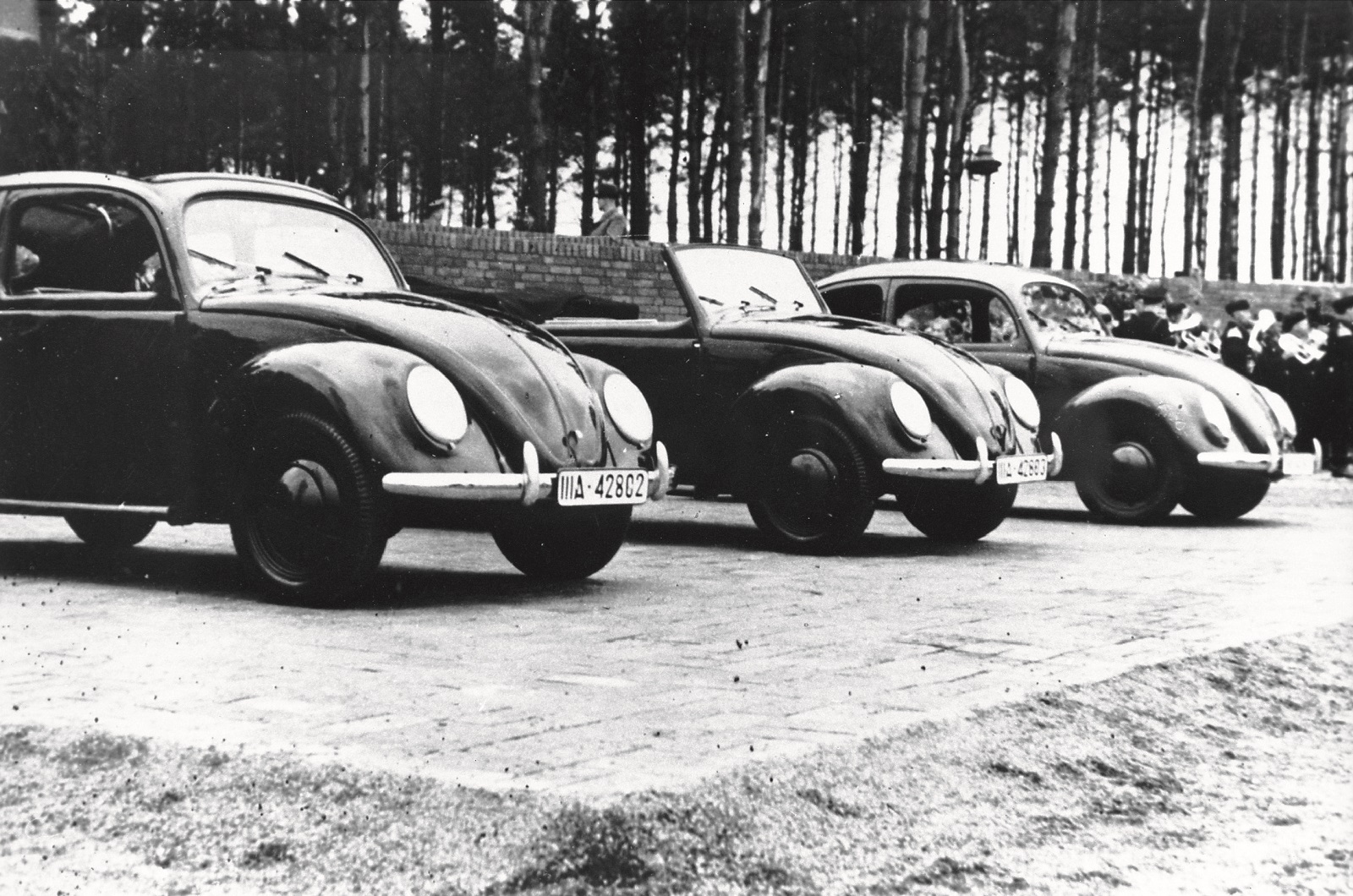
In July 1940, the German forces occupying France examined early Citroen 2CV prototypes sitting on the idle assembly line. They asked Citroen to hand over three cars -- which officials promised would only be shown to Hitler, not the company's rivals -- and offered to send a version of Germany's new people's car. Documents in Citroen's archives department don't mention the Beetle by name but they note Germany volunteered to send the car's creator, Ferdinand Porsche, to France to answer questions about it.
Citroen had no interest in building the Beetle. The Germans returned with the same offer six times; the French firm stood its ground. They brought a Beetle on their final visit. Citroen ordered its workers to immediately cover it with a tarp and ordered everyone present to ignore it. The firm never built a single Beetle. It notes the army's visits partially explained why it completely (and secretly) redesigned the 2CV during the war.