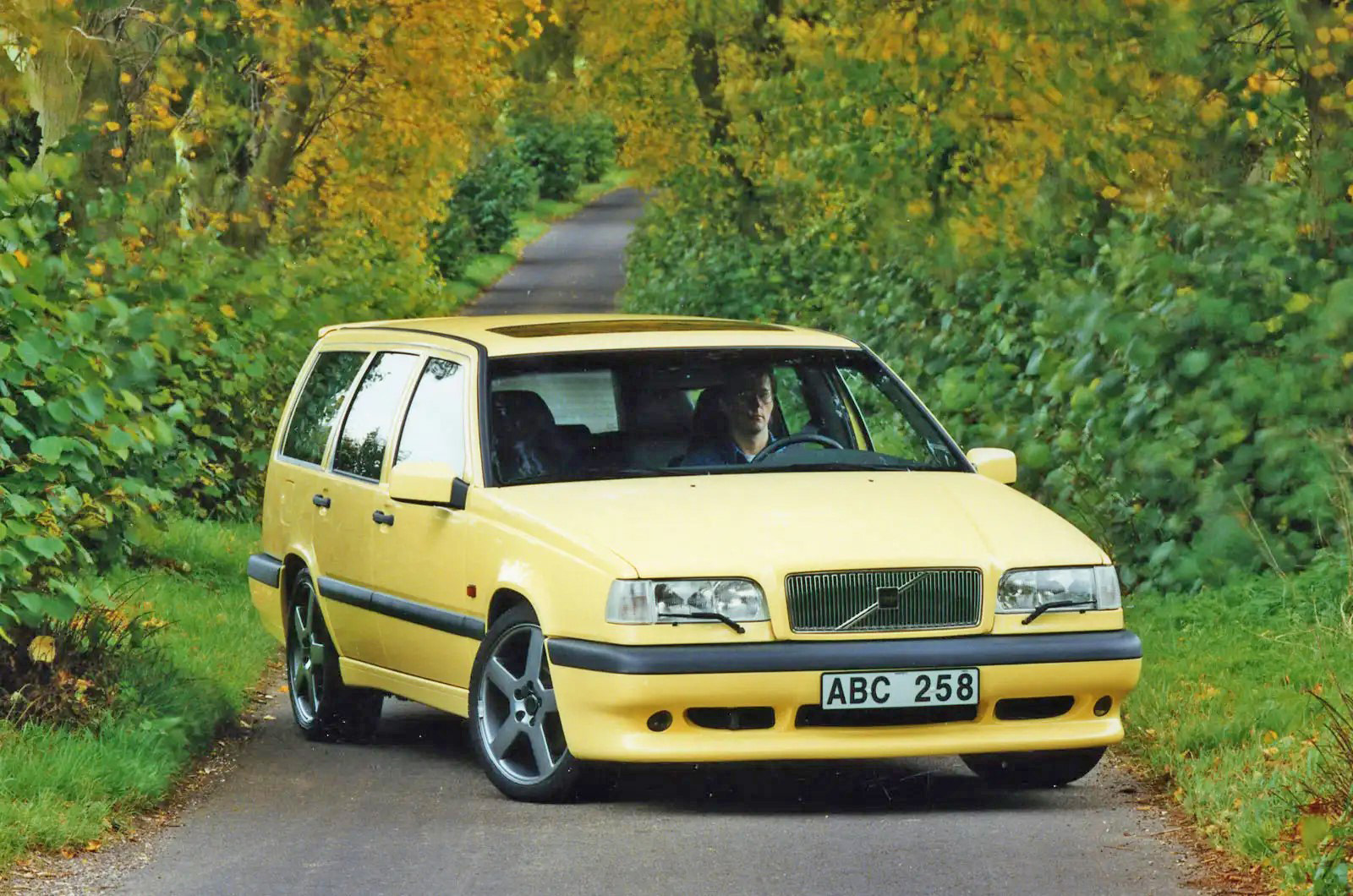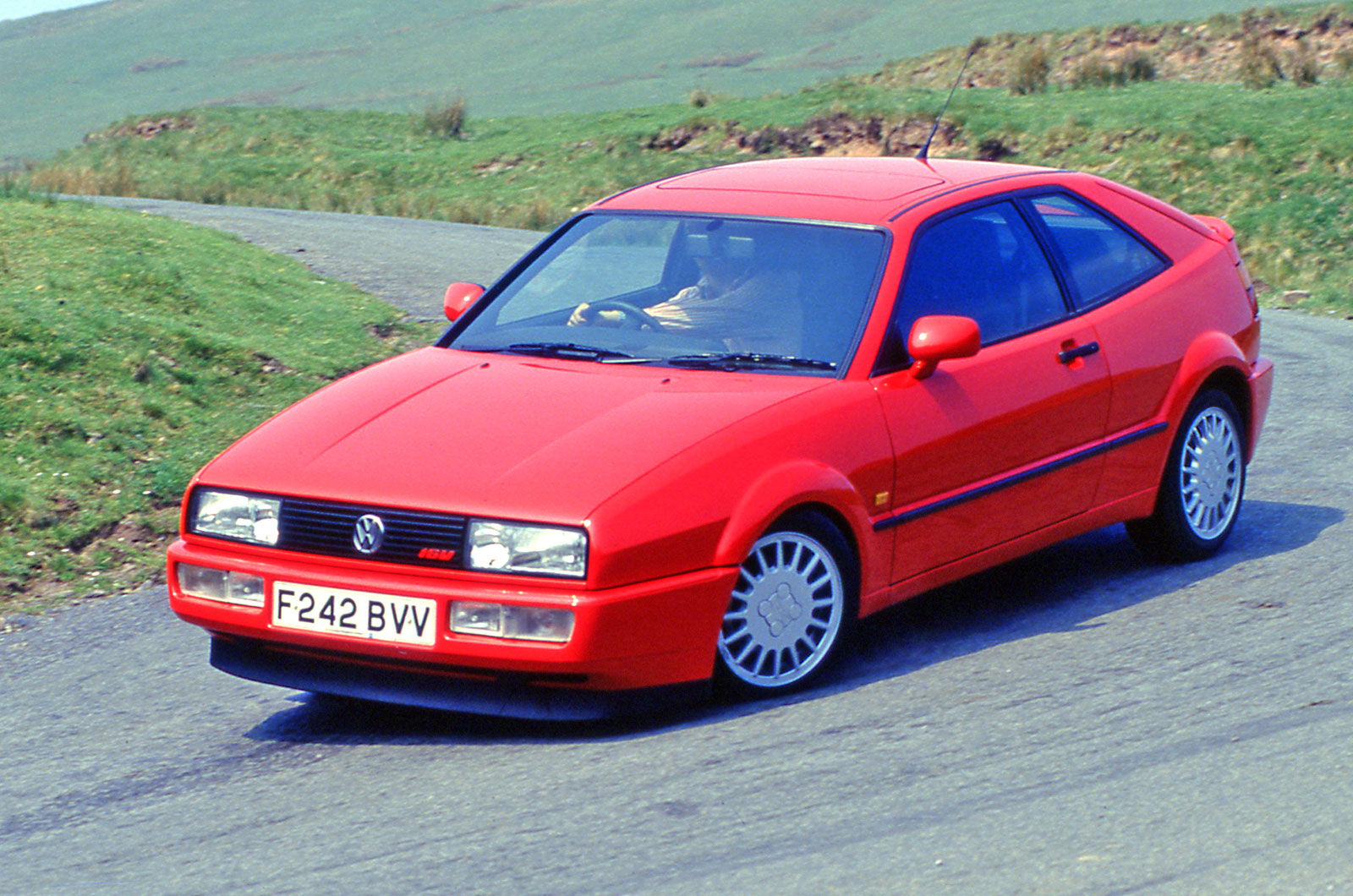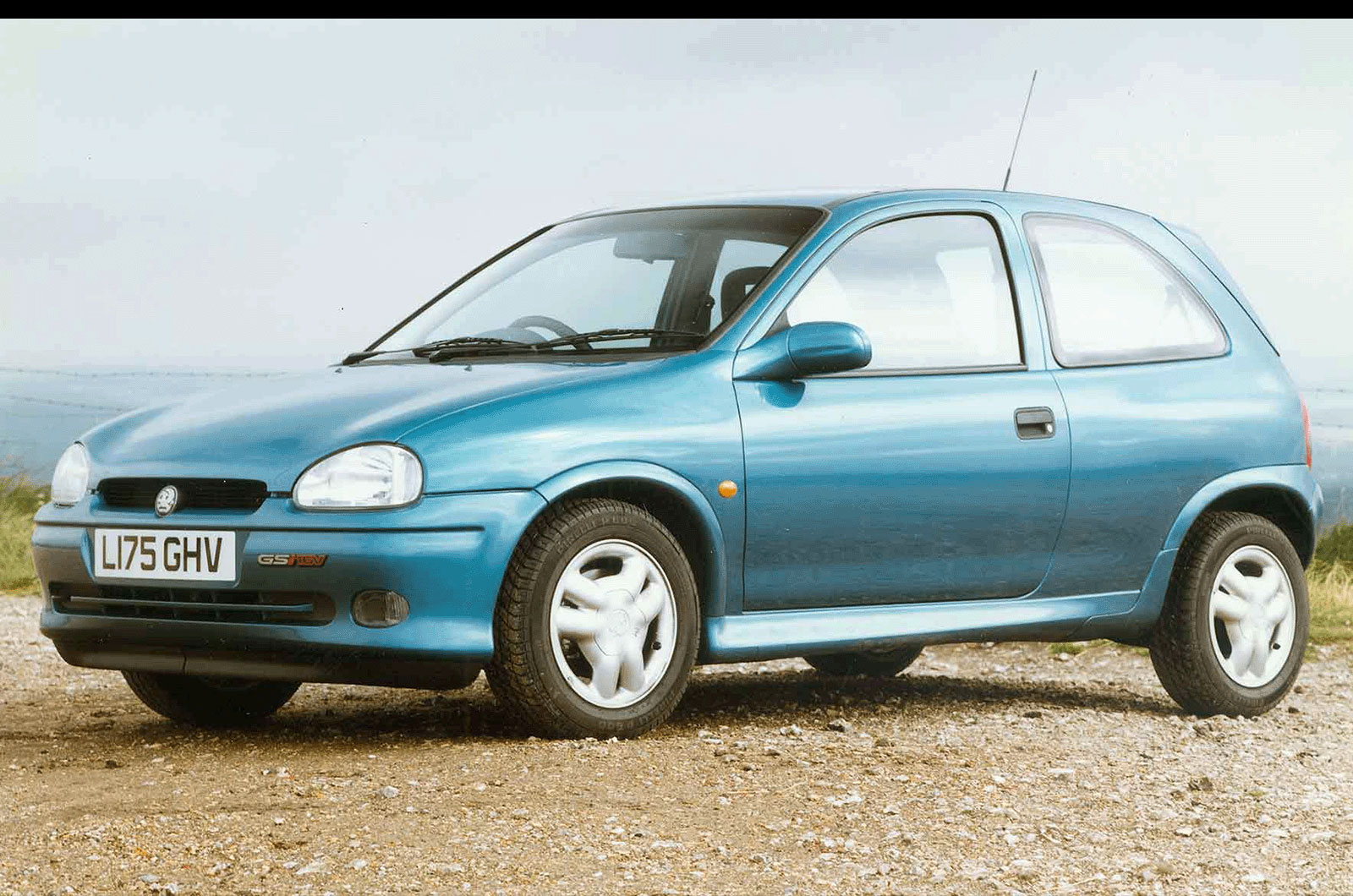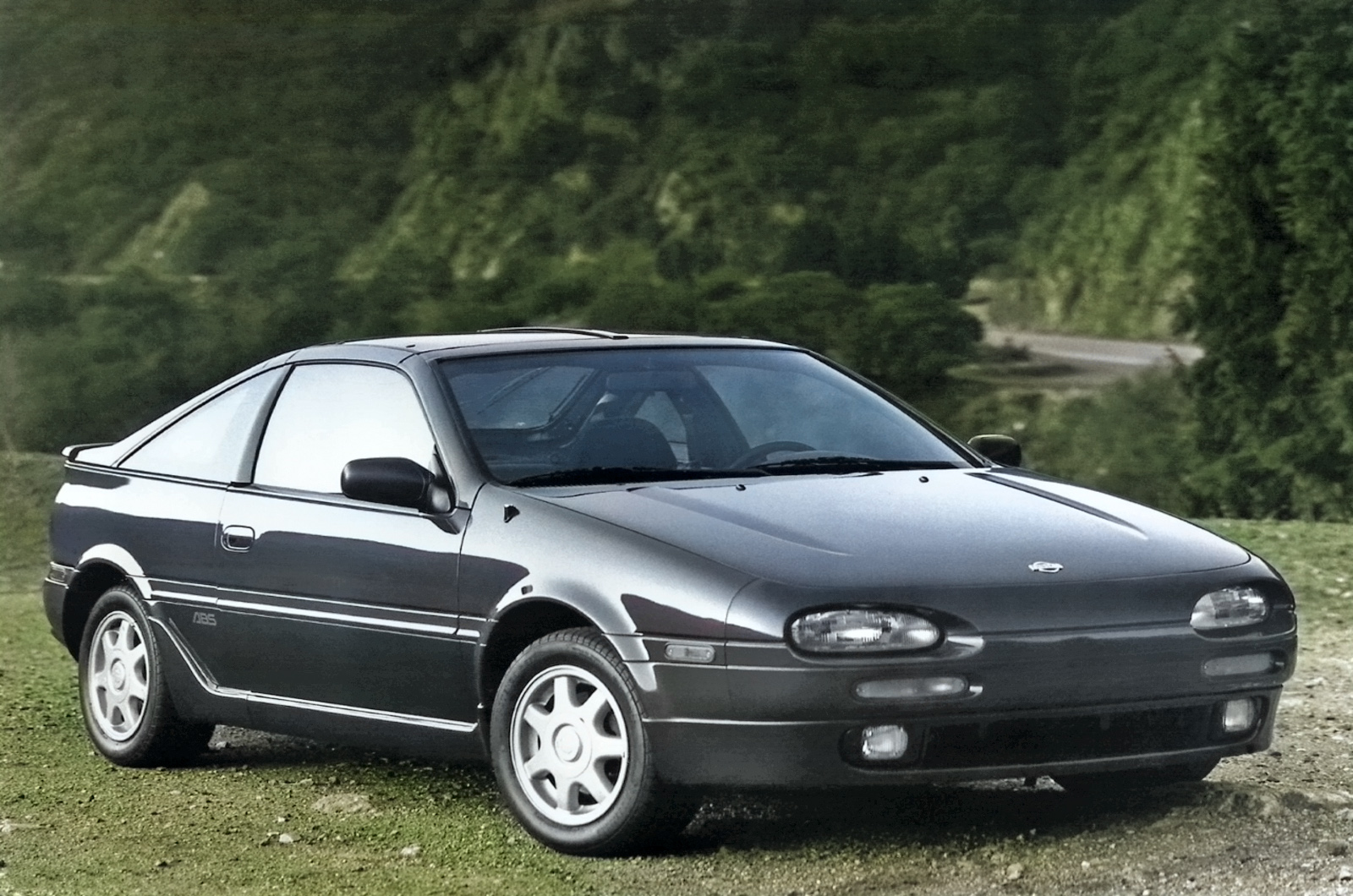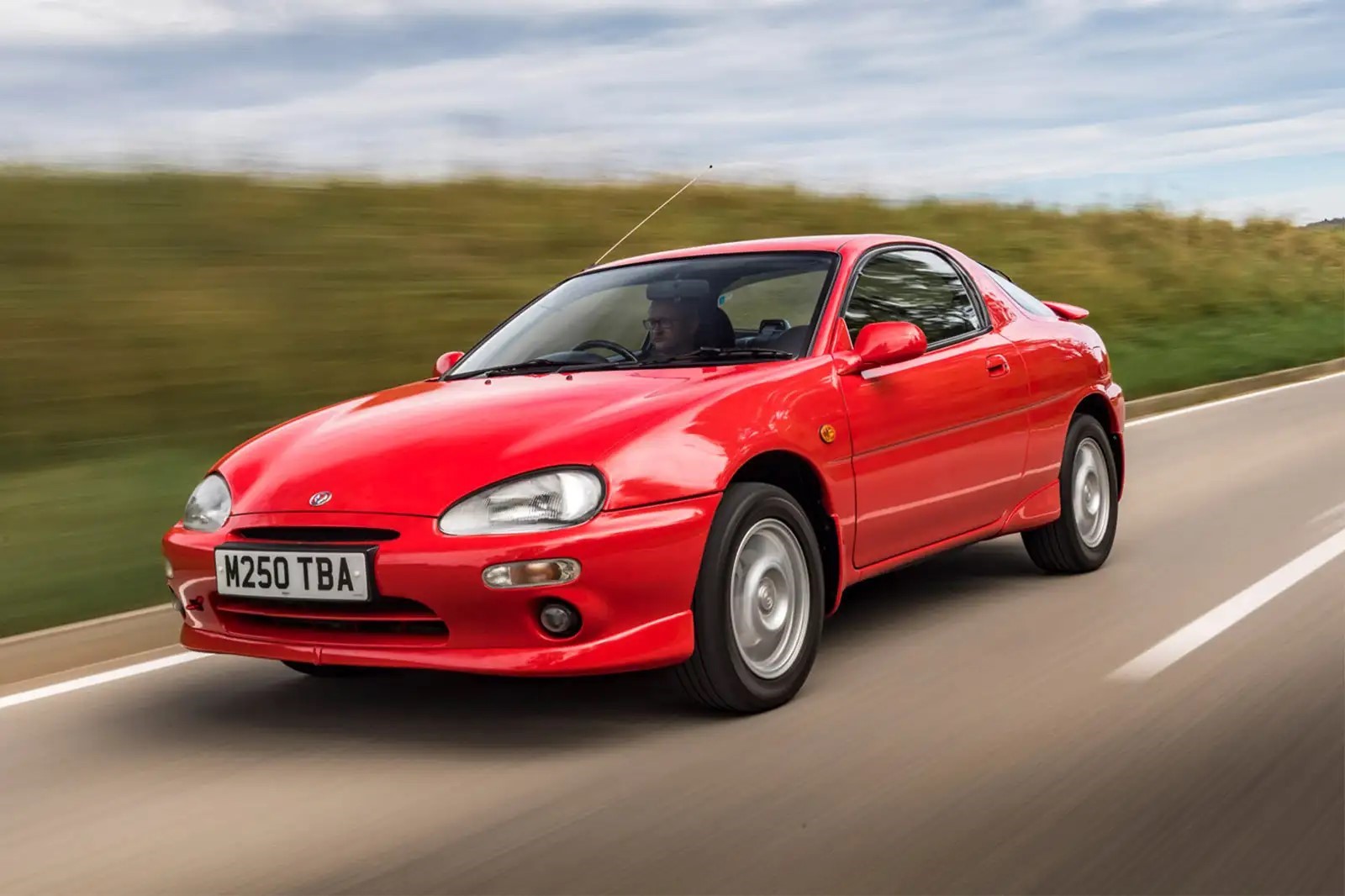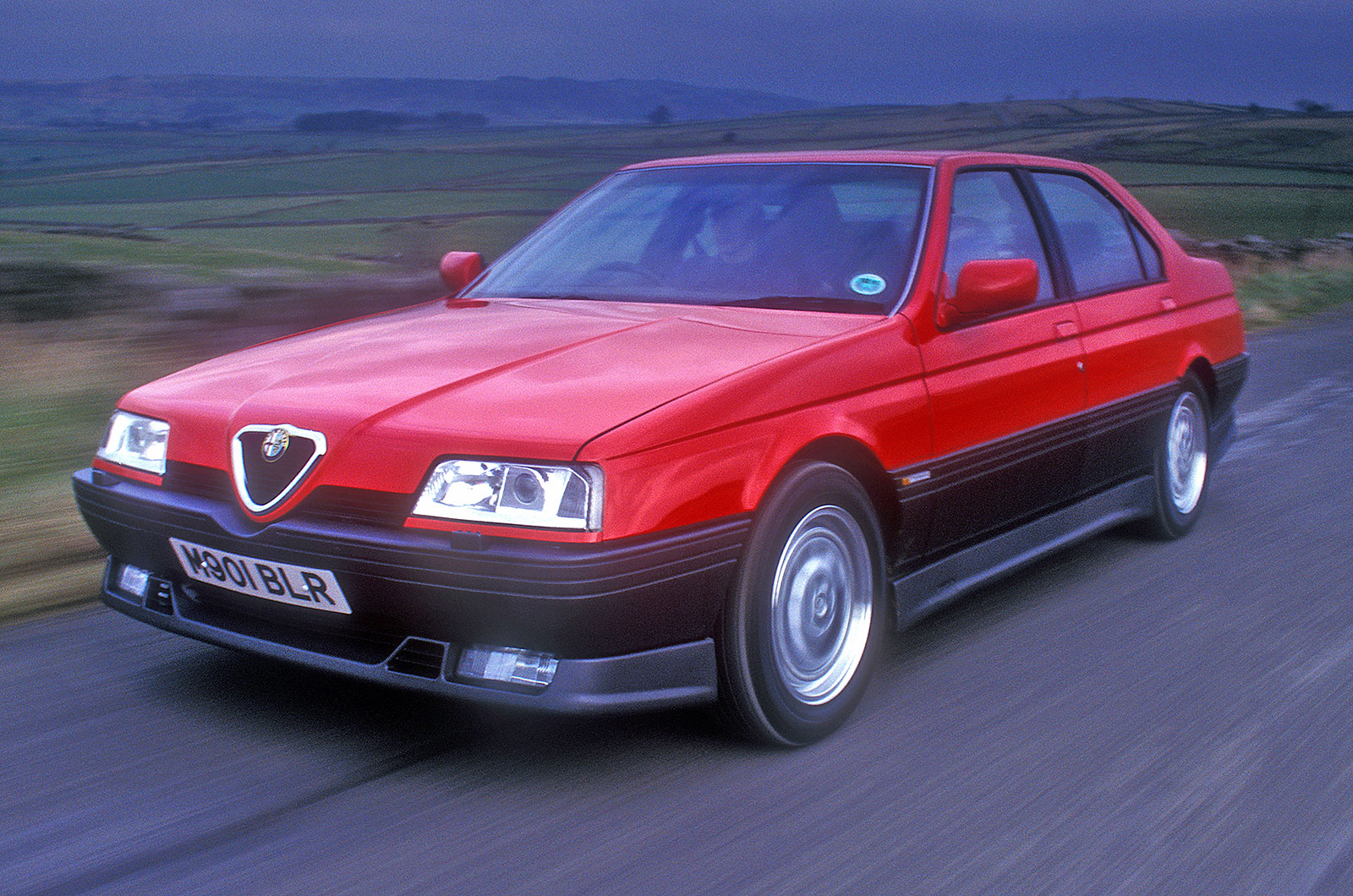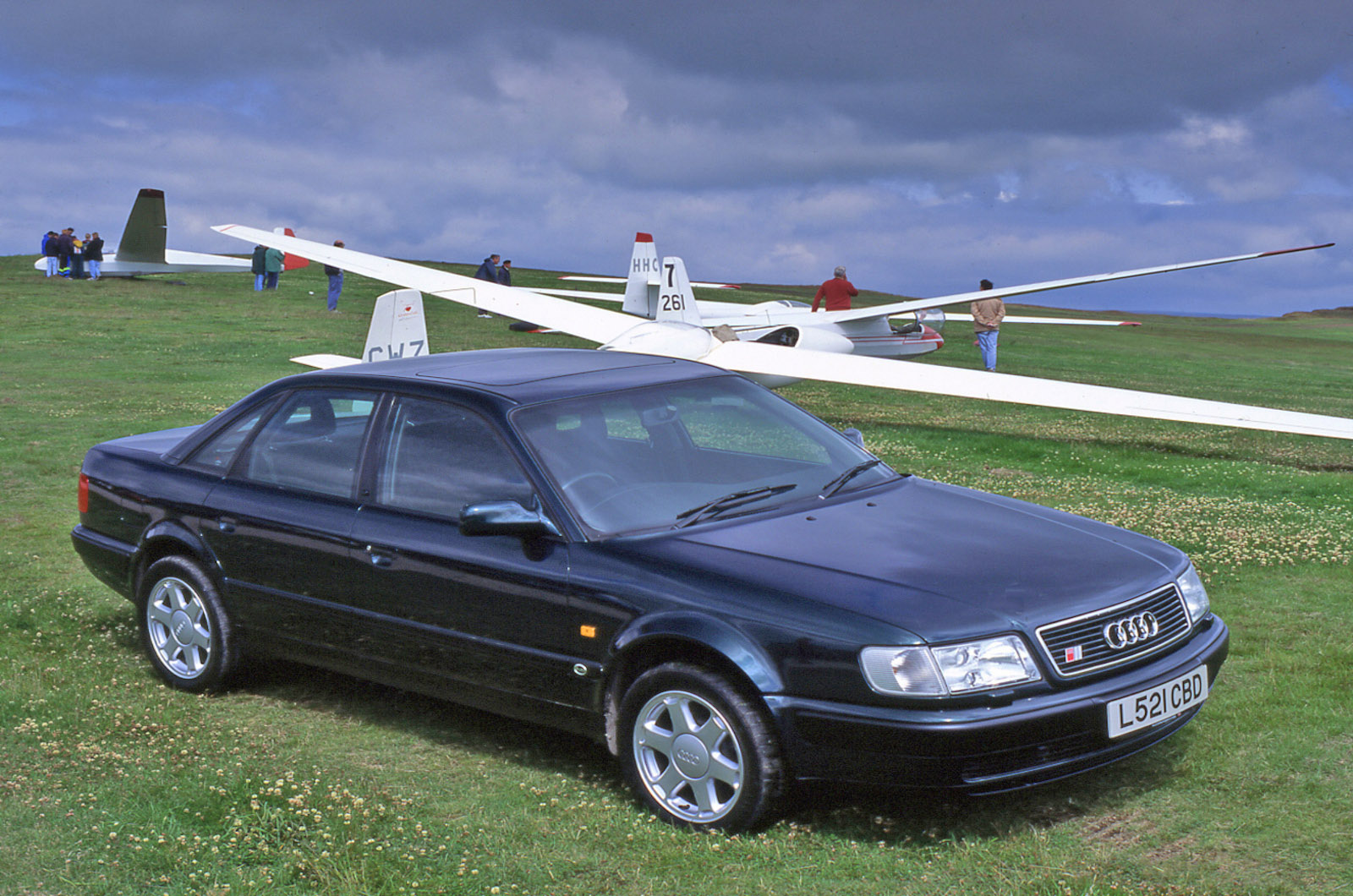
The ‘90s saw a sea-change in cars.
Out went the straight lines and sharp edges of the ‘70s and ‘80s, in came sleeker, aerodynamic and bulbous designs. And the decade also brought in widespread use of fuel injection, which greatly boosted reliability; arguably ‘most cars became pretty good’ on that front for the first time in the decade. And some got the credit in terms of fame and sales. But not this lot, which (usually) deserve to be better remembered….
Mercedes-Benz 500E
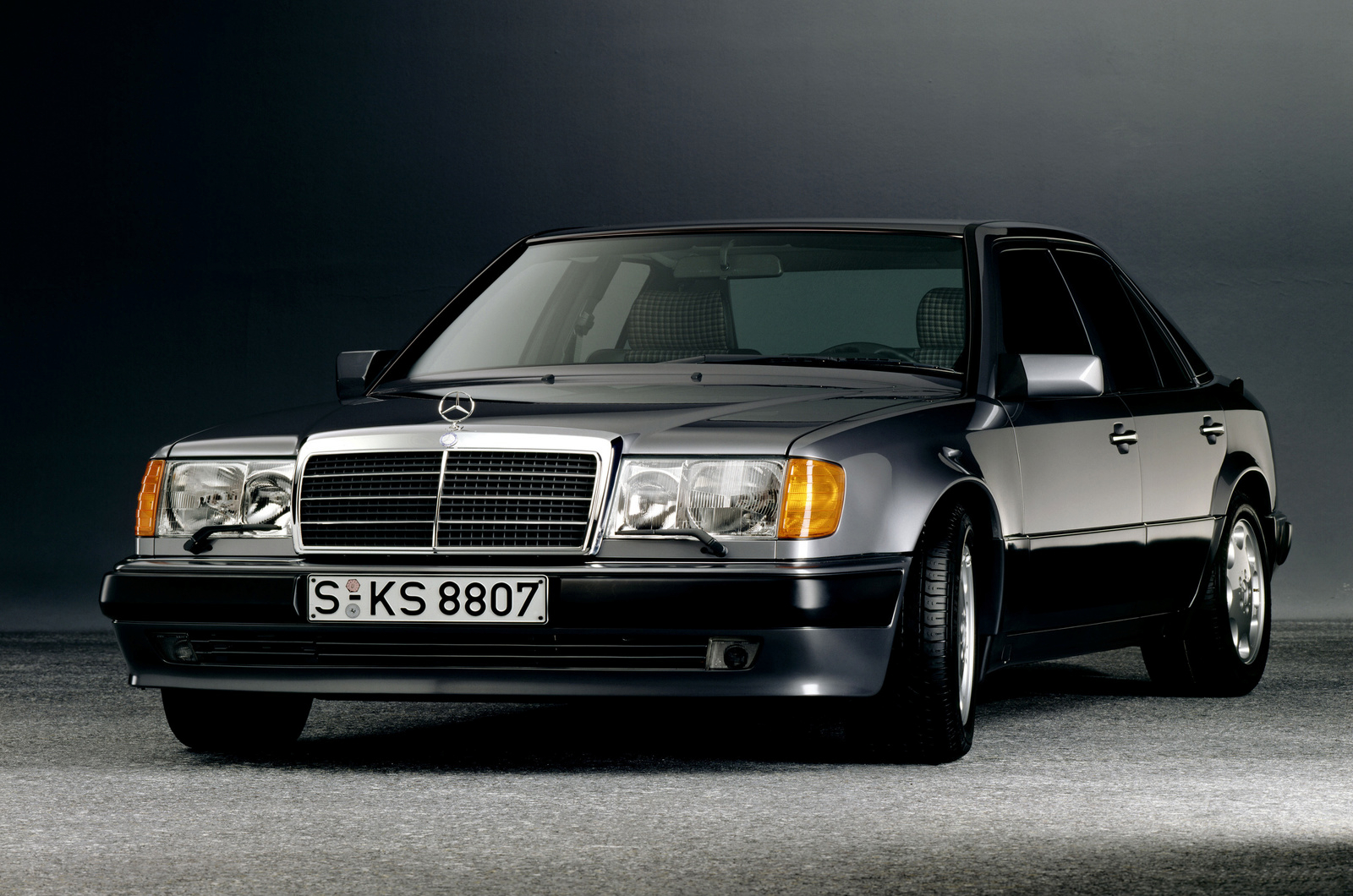
The 500E was built from 1991 to 1994. Mercedes hired Porsche which took a bog-standard W124 and redesigned the chassis to fit the 322bhp 5.0-litre V8 from the SL while also changing various bits in the suspension and the drivetrain — muscular bodywork was also fitted to compliment the engine. Only 10,479 cars were made during its production run, making them a rarity. One sold at auction in 2021 for £32,250, but the car has long lived unfairly in the shadow of the BMW M5.
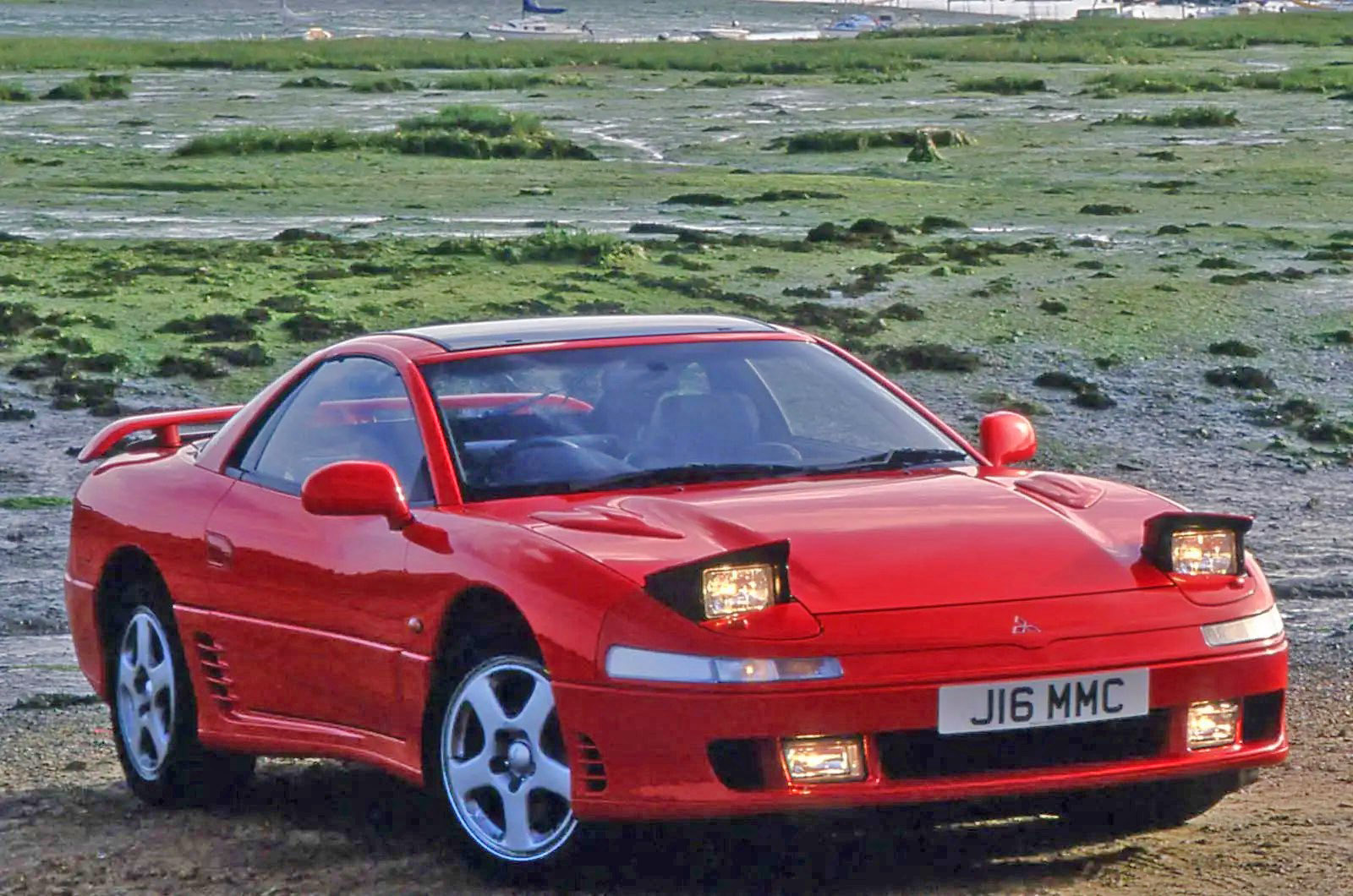
Mitsubishi Eclipse GSX
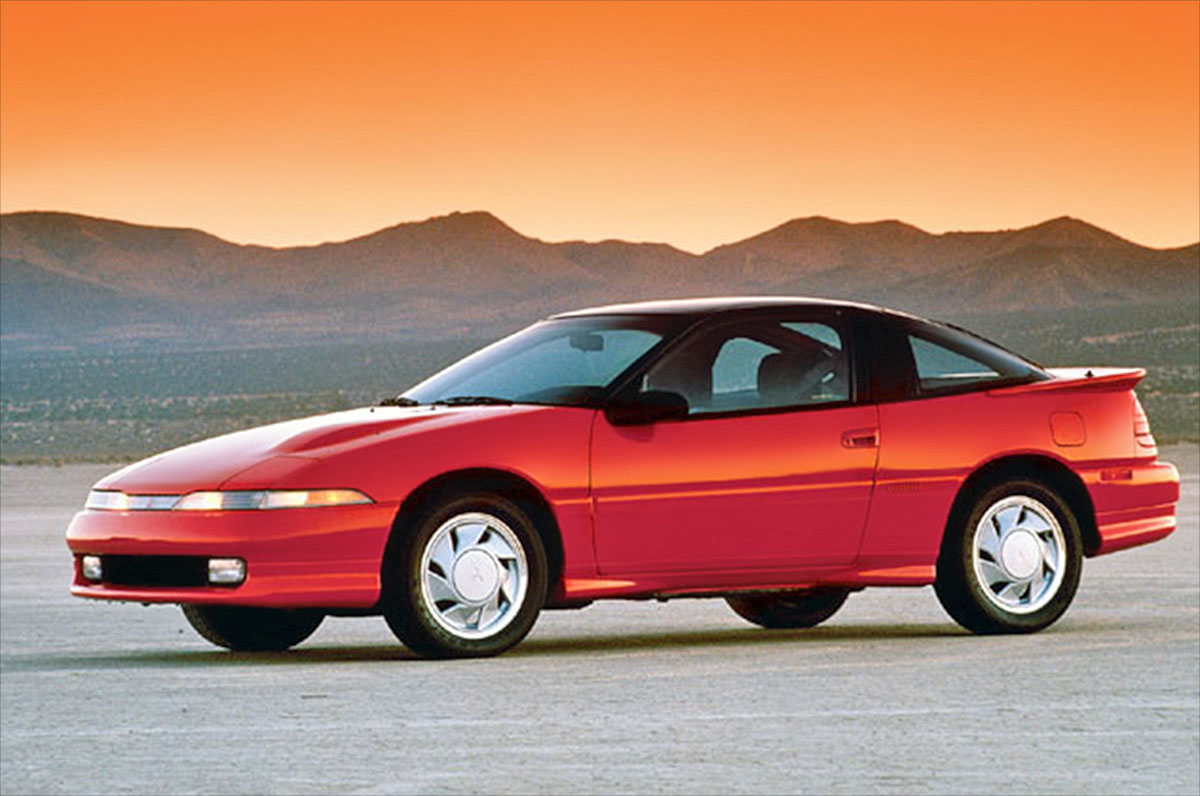
When the Eclipse GSX arrived in the ‘90s, it was an instant hit because of its petite size, four-wheel drive chassis and turbocharged four-cylinder, capable of blowing the doors off most American sports cars of the era. The GSX was the range-topping AWD model, producing 195bhp and capable of 0-60mph in under 7sec. Mitsubishi eventually dropped the Eclipse to focus on hybrid technology.
Porsche 968
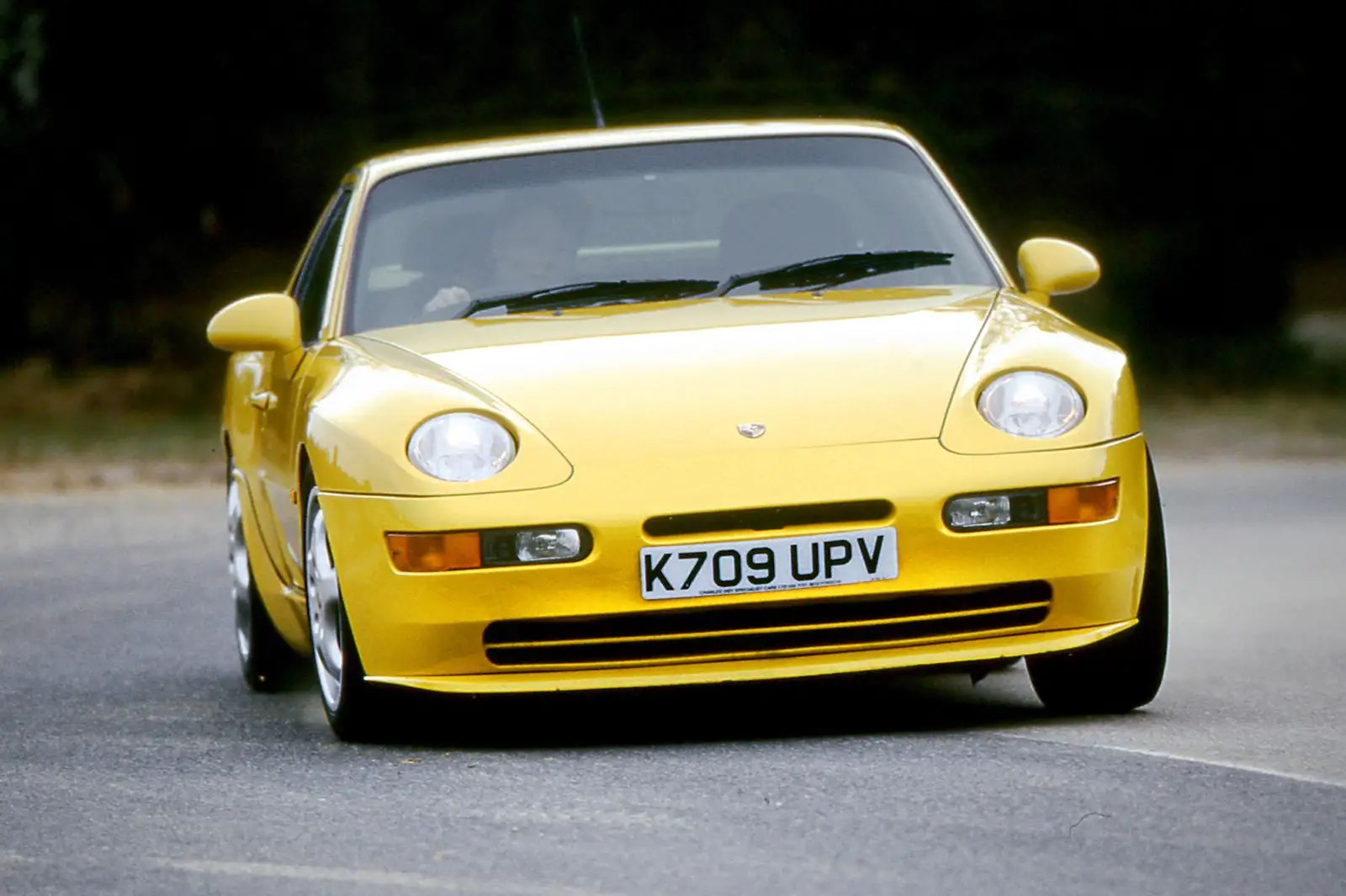
Porsche’s famous models include the 944, 911, Boxster and 928; the 968, however, was simply forgotten about. Its engine had the same layout as the 944, although Porsche had introduced its VarioCam system for the 968. With 237bhp, it was a 156mph car even though the focus was predominantly on handling.
It was the last of Porsche’s transaxle layout and fans looked down on these with disappointment - they wanted cars like the mid-engined 911. A shame really, as the 968 had the recipe for a good Porsche: speed, agility, luxury and looks.
Nissan Sunny GTI-R
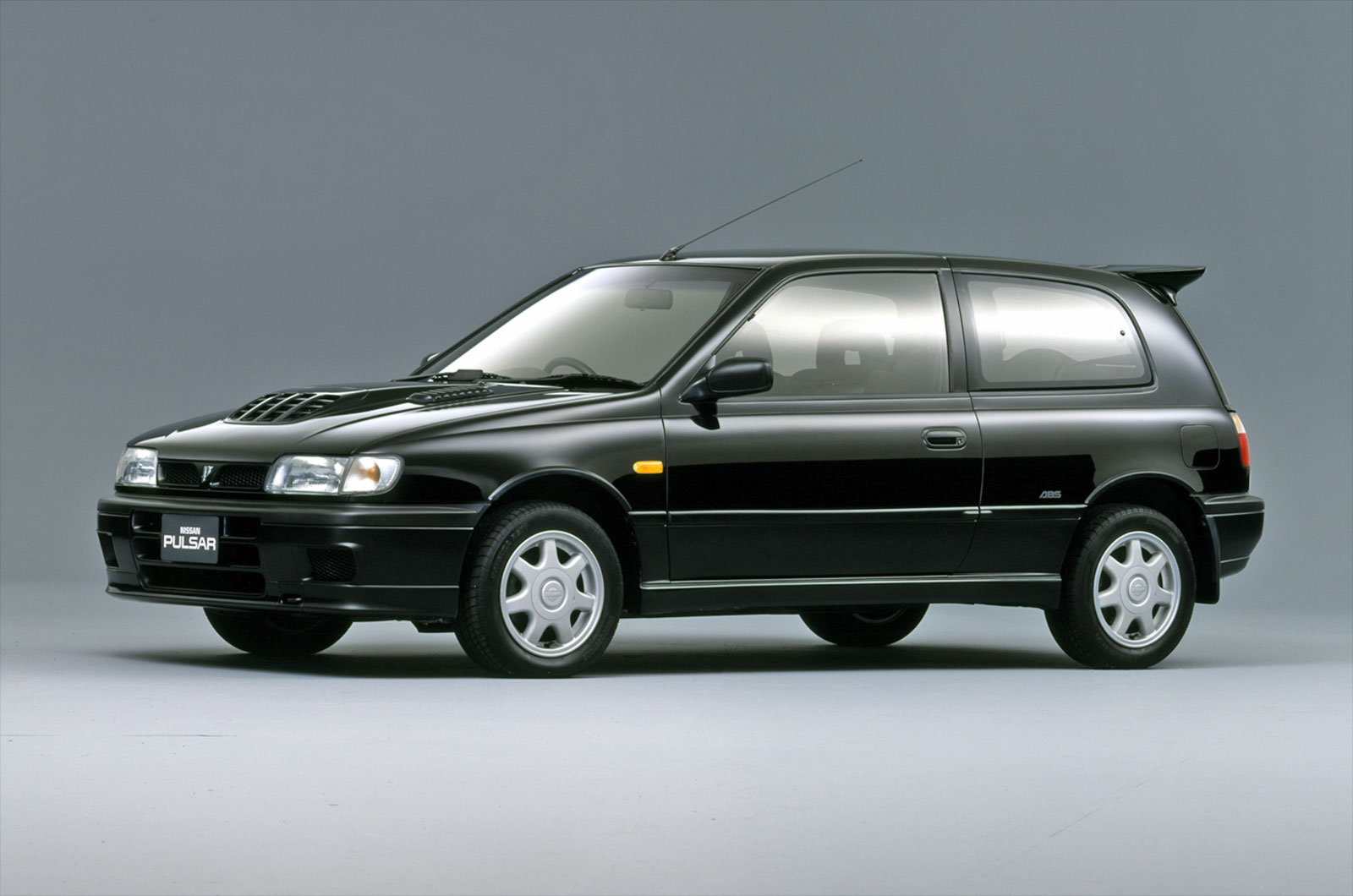
Even without a push from Nissan, the GTI-R rapidly gained a cult following in the early to mid-2000s but quickly slipped off the radar. The basic Sunny’s goal was to be a cheap A to B car that would sell in large numbers but, in the early 1990s, Nissan turned its attention to motorsport and WRC’s Group A was the target.
It would go up against Mazda’s 323 but the average Sunny would be clobbered. Drastic changes were made and the GTI-R was born. Sold as the Pulsar in Japan, the GTI-R had a turbocharged 2.0-litre with 220bhp fed through all four wheels. Overall, Nissan produced just 14,613 cars.
Dodge Neon R/T
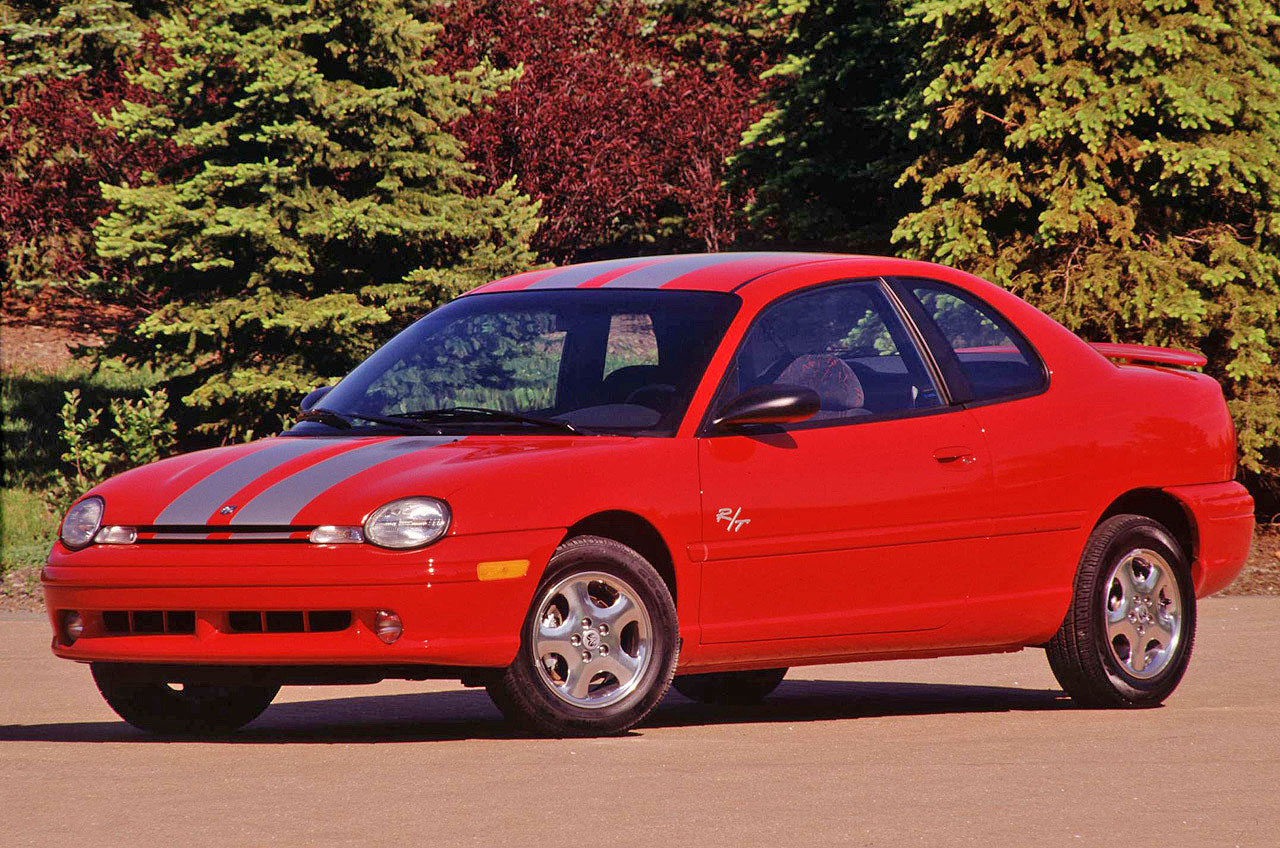
The Road/Track (R/T) emblem graced the front and rear of the iconic ‘70s Charger and Challenger - but as time went on, Dodge experimented with more family-oriented cars such as the Neon. The Neon started in life as 1.8-litre but, in 1998, the R/T variant arrived with a 2.0-litre. R/Ts were previously known to be the fire-breathing guise, but the Neon possessed just 150bhp, an 18bhp increase over standard.
Although it was faster than the Golf GTi of the same period, many claimed it lacked the sophistication of cars like the Ford Focus. Soon, the R/T vanished into the history books.