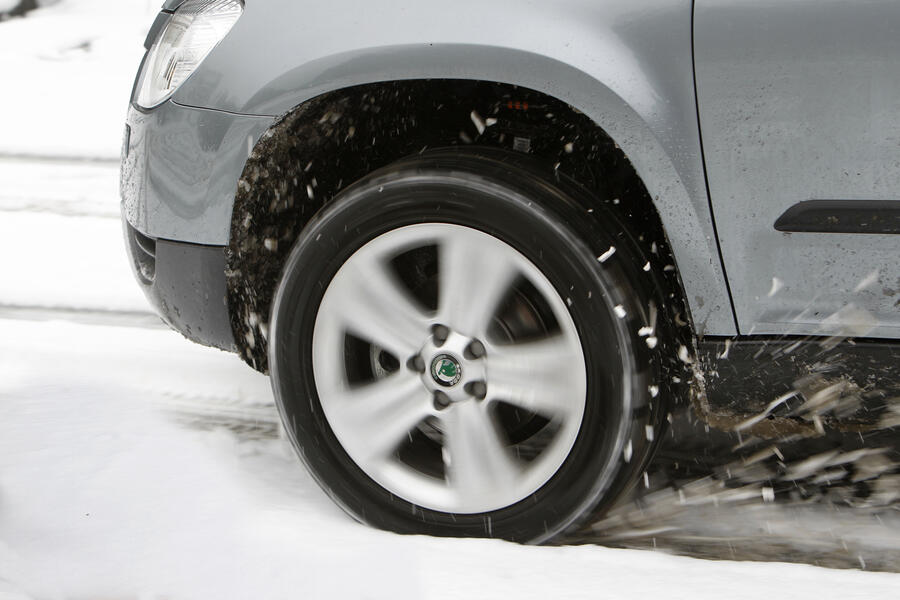



All it takes is one fall of snow before garages and workshops across the land are inundated with drivers looking to get their hands on winter tyres.
Yet, given how infrequently the UK is blanketed in the white stuff, is it really worth the expense and hassle of fitting this specialised rubber?
As always, the answer to this question depends on a number of factors, but, in the final reckoning, winter tyres are a good thing in the colder months - and snow only plays a small part in that verdict.
In this guide we’ll take a closer look at what these tyres are, the pros and cons of using and any alternatives.
Ultimately, though, it’s always best to ensure your car is fit for the conditions in which it’s going to be used. Just as a Porsche 911 GT3 RS track-day toy will be at its best with a set of high-performance, semi-slick boots, so a family motor that will be dealing with daily duties in the depths of December is likely to be better off with some winter tyres.
What is a winter tyre?
As its name suggests, a winter tyre is one that’s been designed to cope with the coldest season of the year, but for many people there is a misconception that this type of rubber is only useful in snow. While winter tyres do perform well in these conditions, this aspect of their design is only part of the story.
Essentially, a winter tyre’s ideal operating conditions are dictated as much by temperature as surface condition, and that’s what makes them such a valuable addition between October and the end of February.
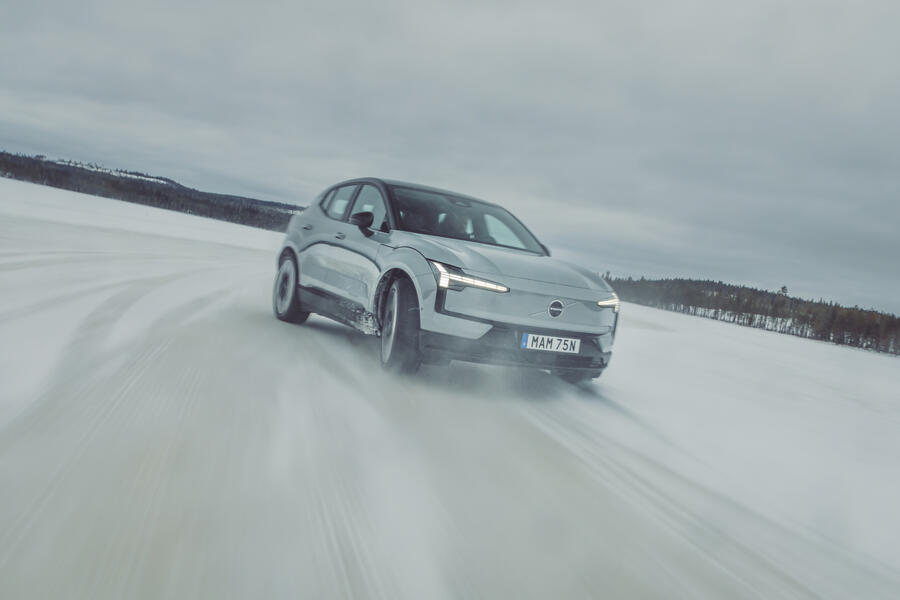
You see, below around 7deg C, a winter tyre’s construction, compound and tread pattern helps it find grip that a standard summer tyre simply can’t match.
Identifying a winter tyre is fairly straightforward, even if you ignore the fact that they often have a distinctive tread pattern.
Most good-quality winter rubber will have been subjected to specific laboratory tests to confirm its effectiveness in the snow, earning it the right to have the '3PMSF' (3 Peak Mountain Snow Flake) marking on its sidewall.
Some tyres also feature an 'M+S' symbol, which stands for Mud and Snow. While this denotes an ability in both wintry and off-road conditions, it’s important to remember it’s just a marketing addition with no objective testing to back it up, unlike the 3PMSF rating.