
Dacia will keep the Spring name for the next generation of its electric city car, it has revealed.
The new model, which is twinned with the Renault Twingo and built in Europe, unlike the current China-built Spring, will be officially known as the New Spring.
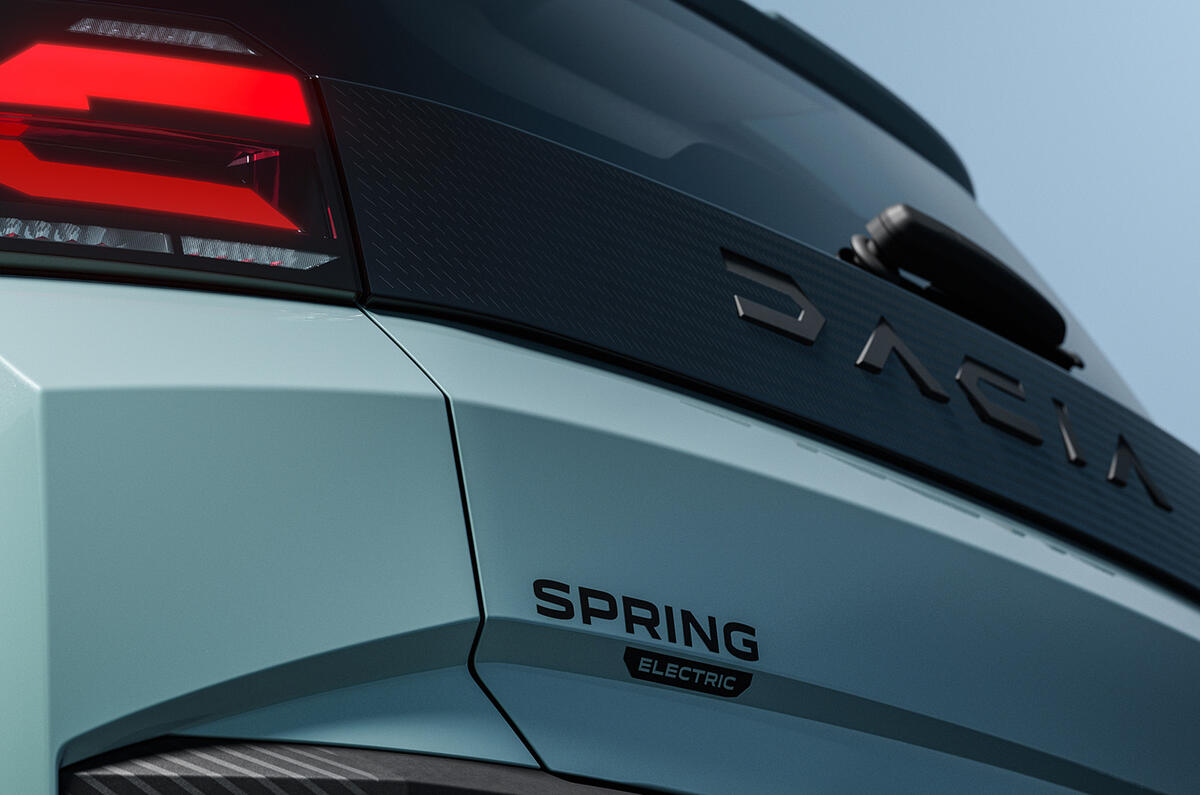
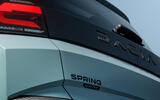
However, a new preview image of the £16k EV's rear end shows it will be badged simply as Spring. 'New' will be used to differentiate the two models, which will be sold in parallel for some time.
It is expected to be revealed at the Paris motor show in October, but Dacia has not yet confirmed a launch date, nor given any more details of the car's specification. It does say that it will come with "four real seats and a proper boot"; the Twingo has up to 360 litres of space behind the back seats, for reference.
The firm decided to keep the Spring name because it builds "on the continuity of a model that has become a benchmark", it said.
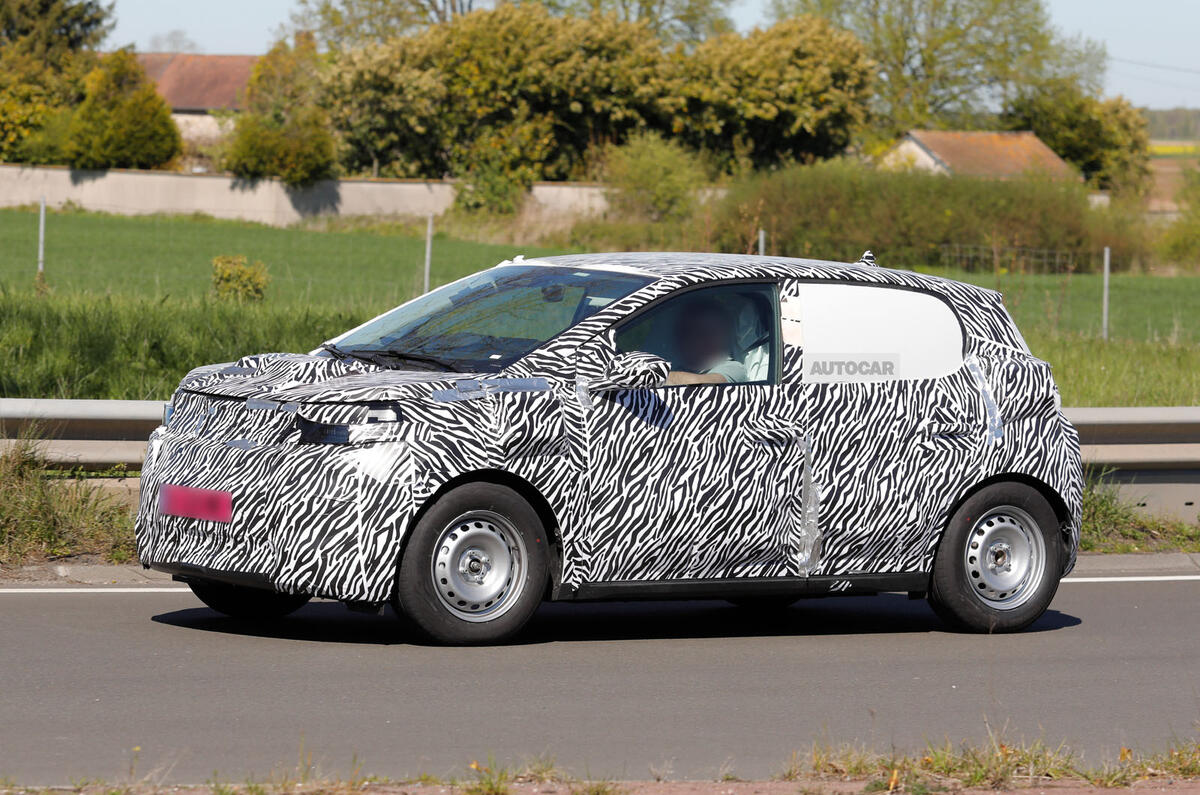
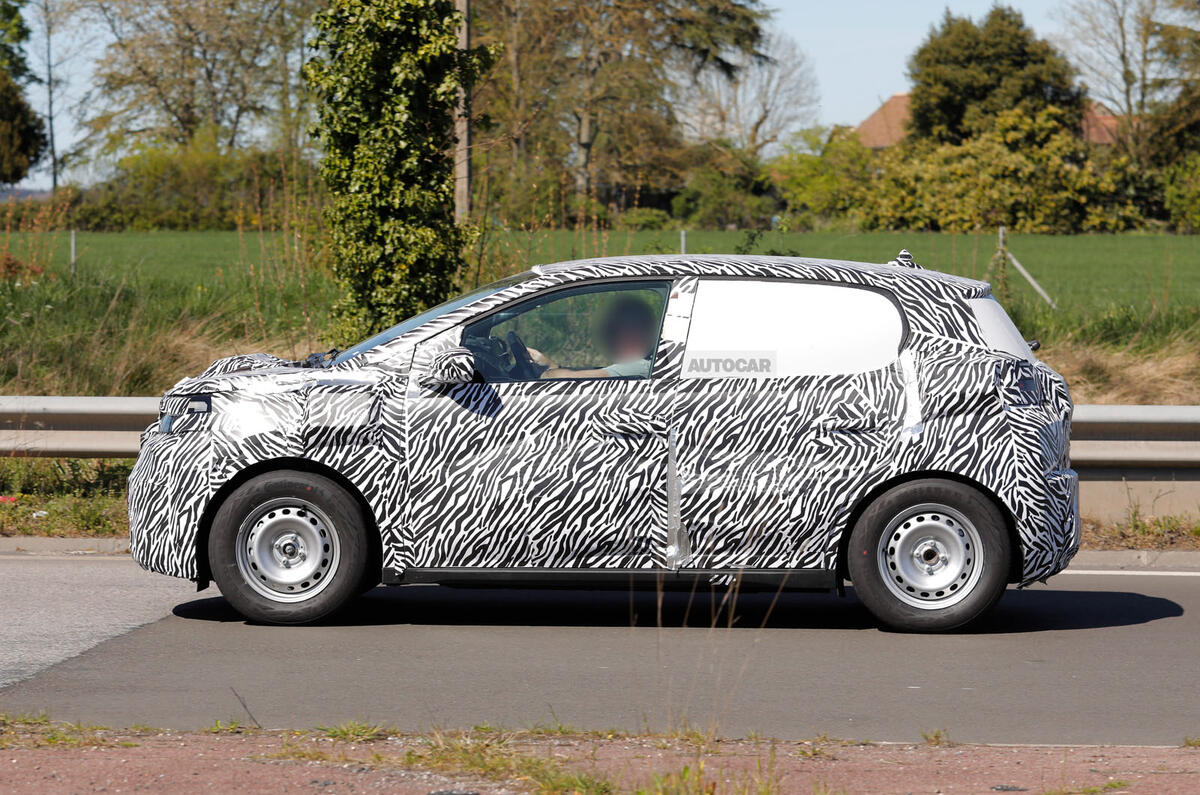
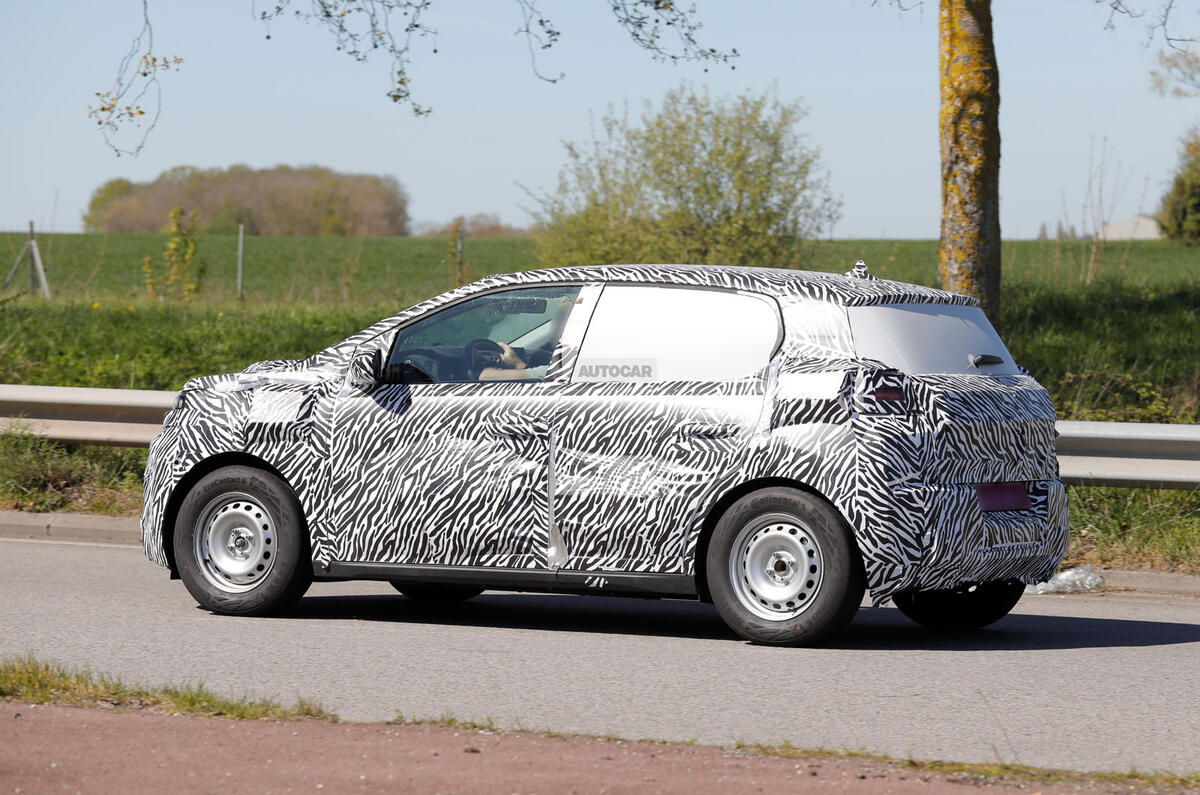
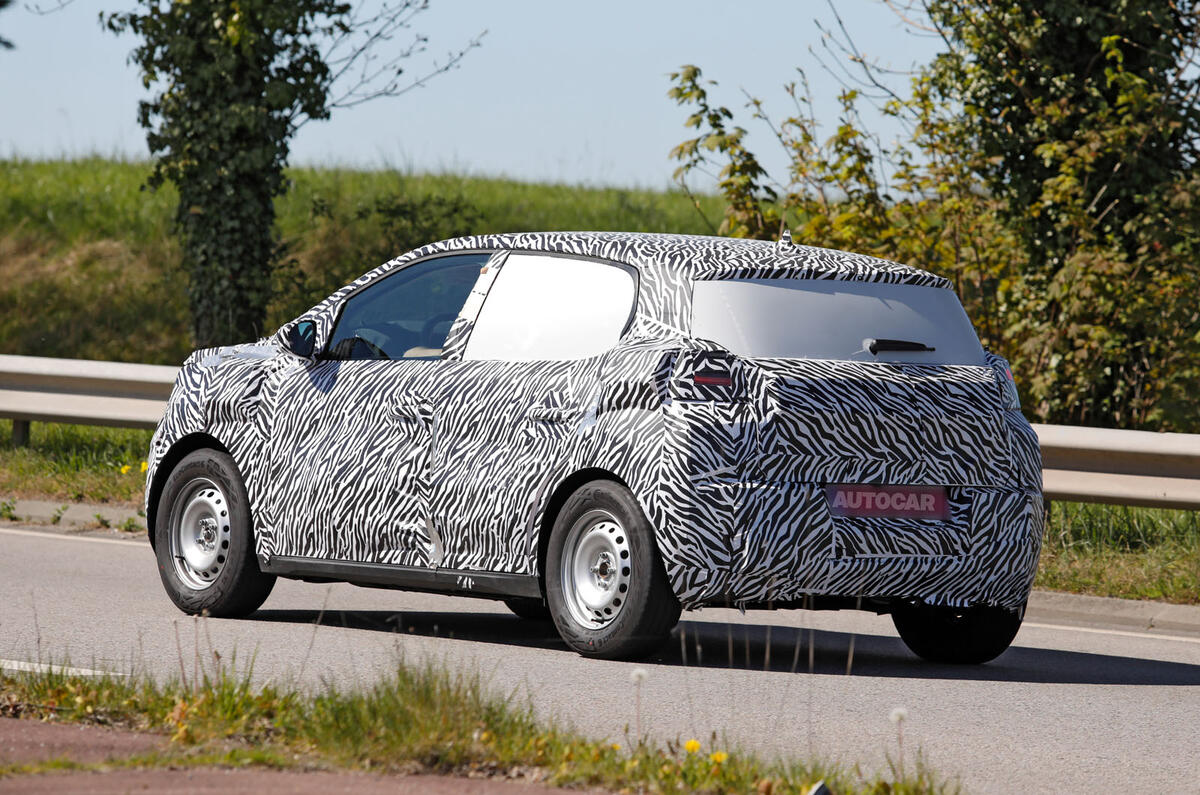
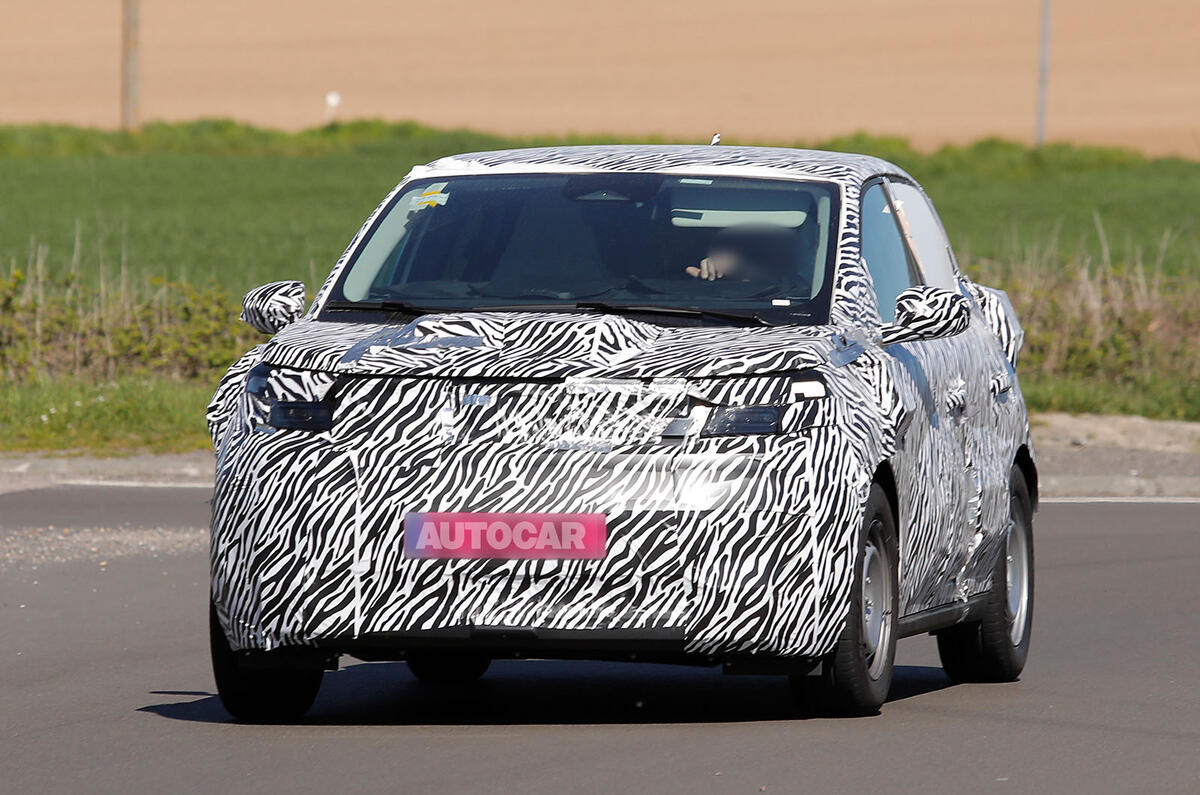
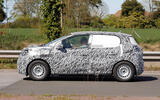
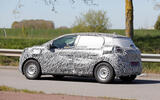
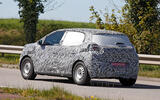
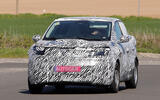
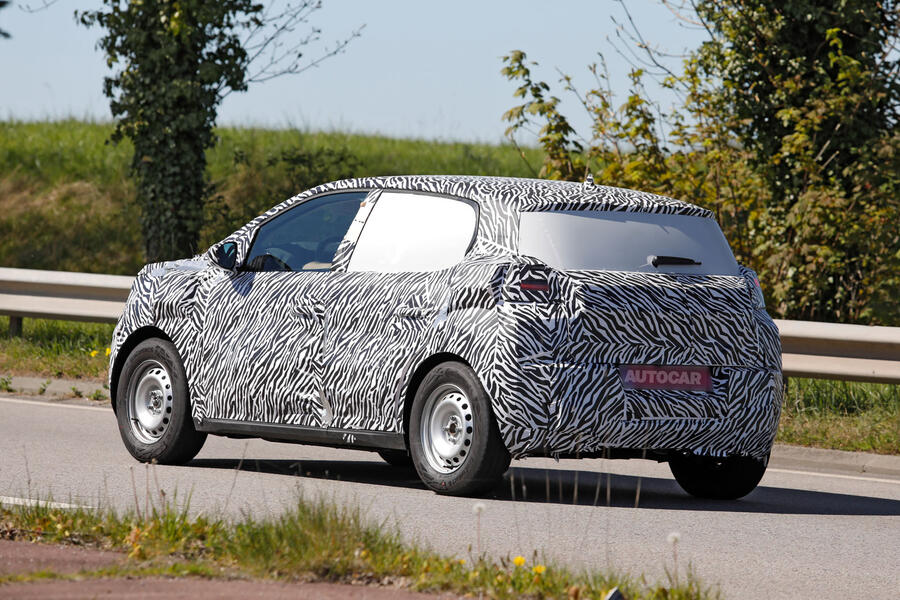
Recent spy shots of the New Spring testing show how closely it will resemble its Twingo twin. Like its retro sibling, the Dacia has a raked C-pillar, curved roofline and rounded rear windows, plus similar surfacing around its wheel arches.
Yet significant differences are also evident: it loses the Twingo’s signature rounded front light design for a thin gloss-black panel, like that on the current Spring. At the rear, it does not have the Twingo’s lozenge-style window shroud, and the brake lights are notably higher-set than those on the Twingo.
Although it is positioned similarly to the current Spring, it will not immediately replace that model. Speaking to Autocar, Dacia product boss Patrice Lévy-Bencheton said “they are still quite different” – it will be slightly larger and wider, and its design takes greater influence from Dacia’s SUVs.
Dacia has yet to give firm technical details of the car, but it is likely to closely match those of the Twingo, with a 27.5kWh battery giving a range of just over 160 miles. Notably, Dacia has confirmed the model will be priced from less than €18,000 (£15,600), which would undercut the sub-£20,000 Twingo and make it one of the cheapest EVs on sale.
Three more Dacia EVs in next four years
Dacia has committed to the launch of three further electric vehicles over the next four years, although it has not yet given full details of them. One, however, will be the electric version of the next-generation Sandero, which, the company has confirmed, will adopt a “multi-energy powertrain range”.