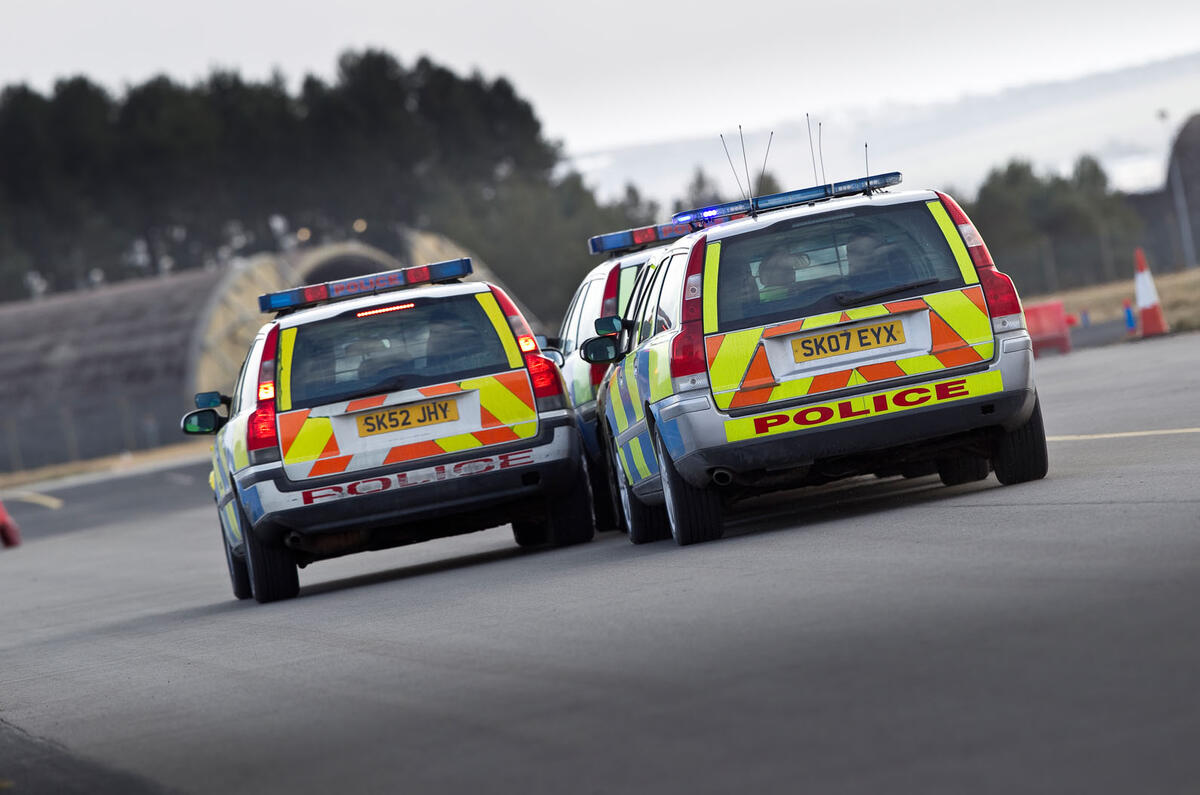
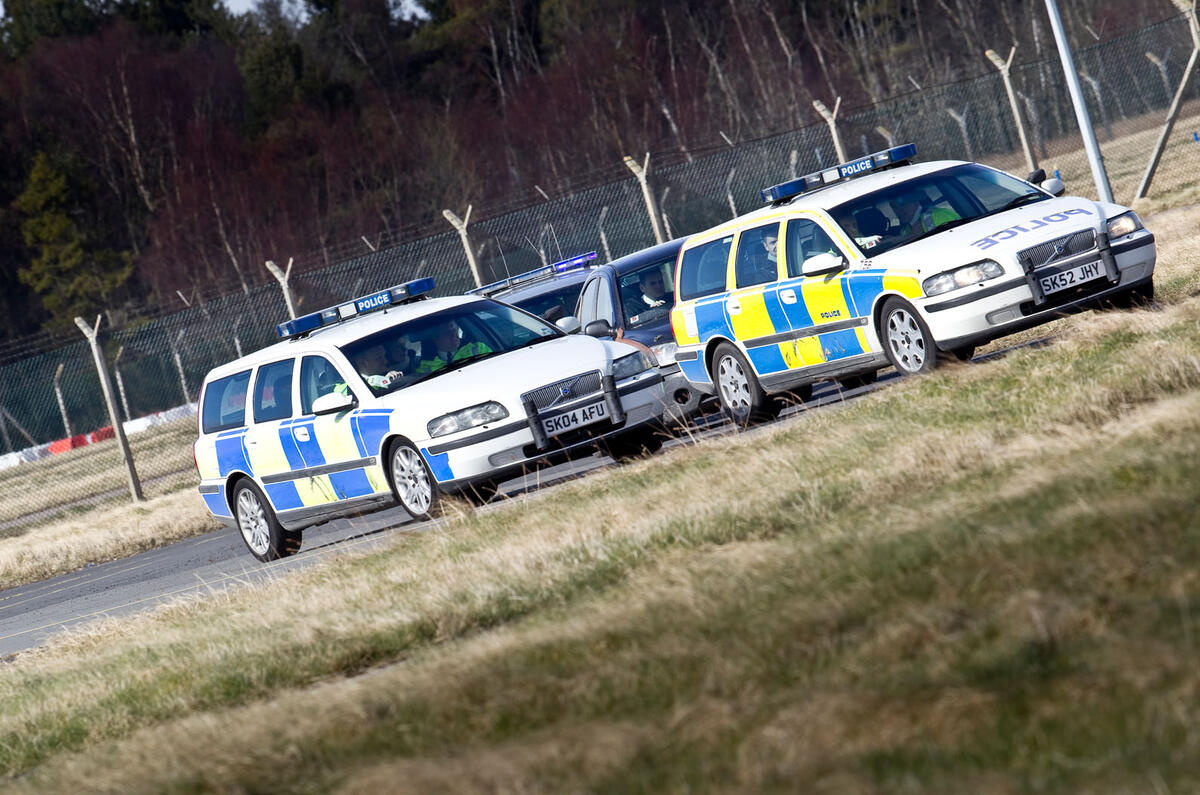
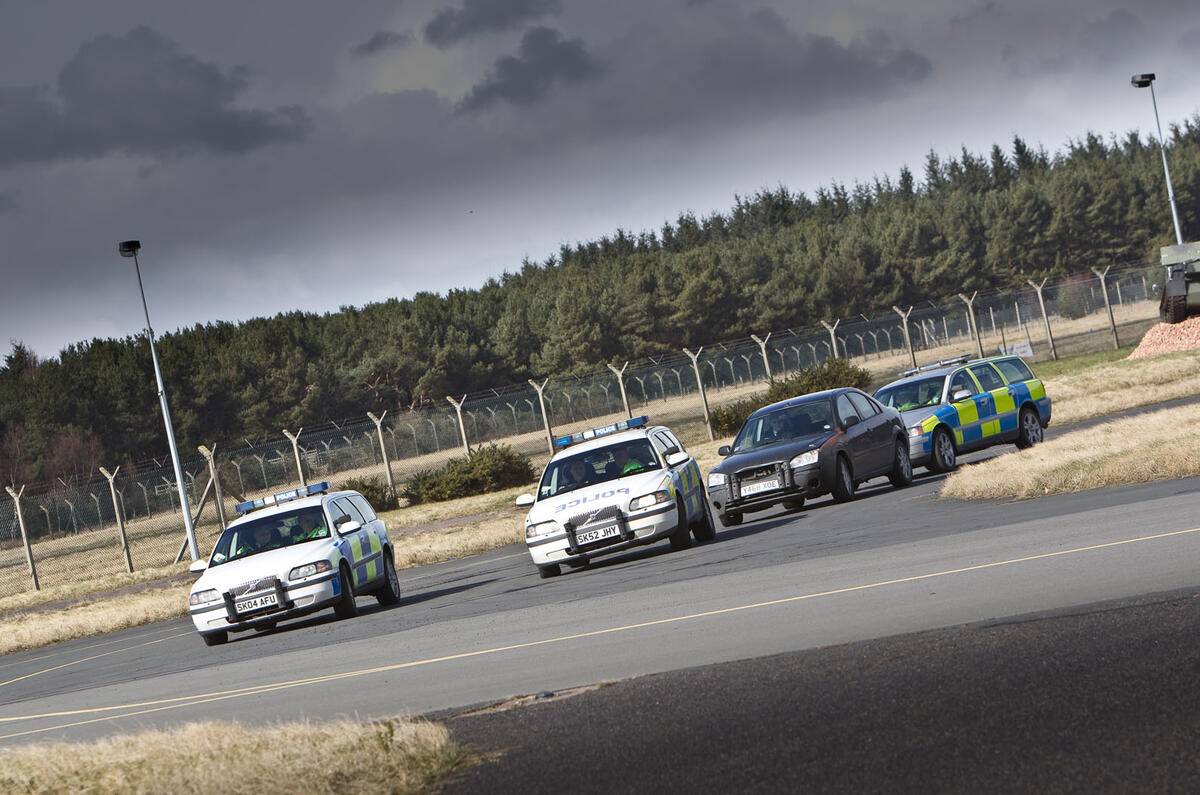
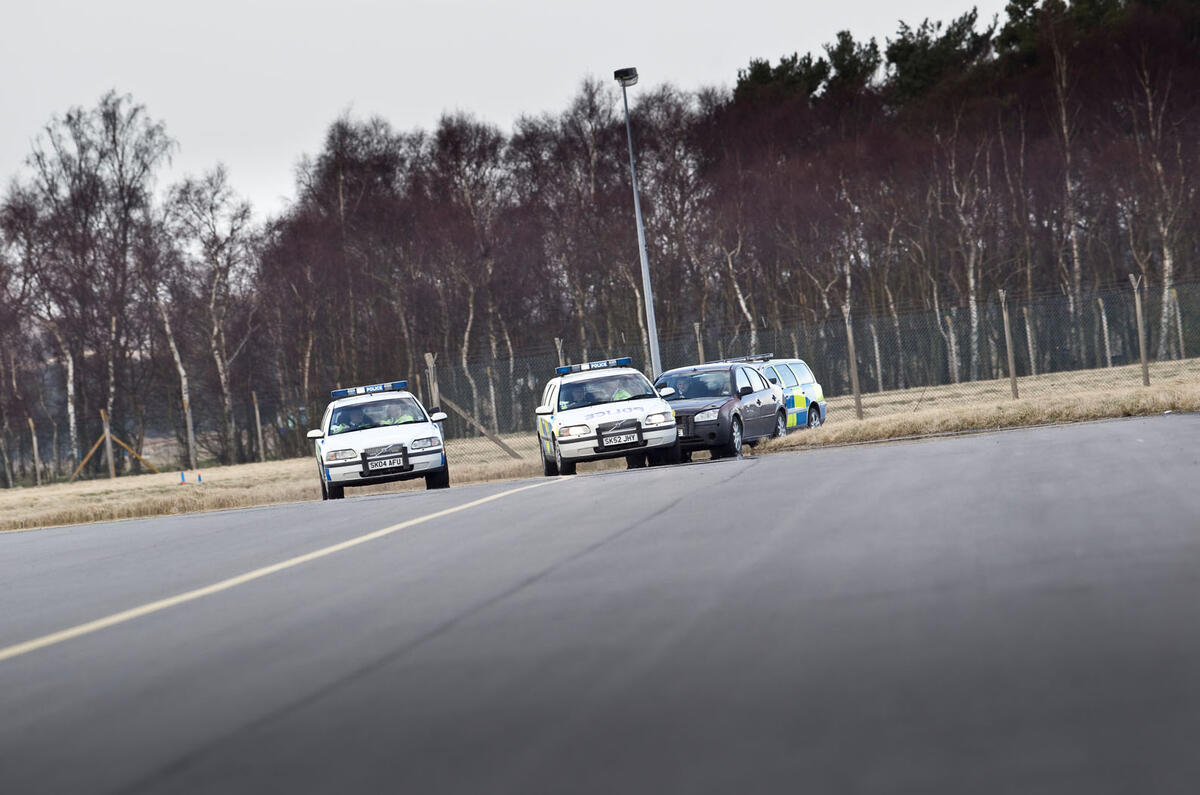
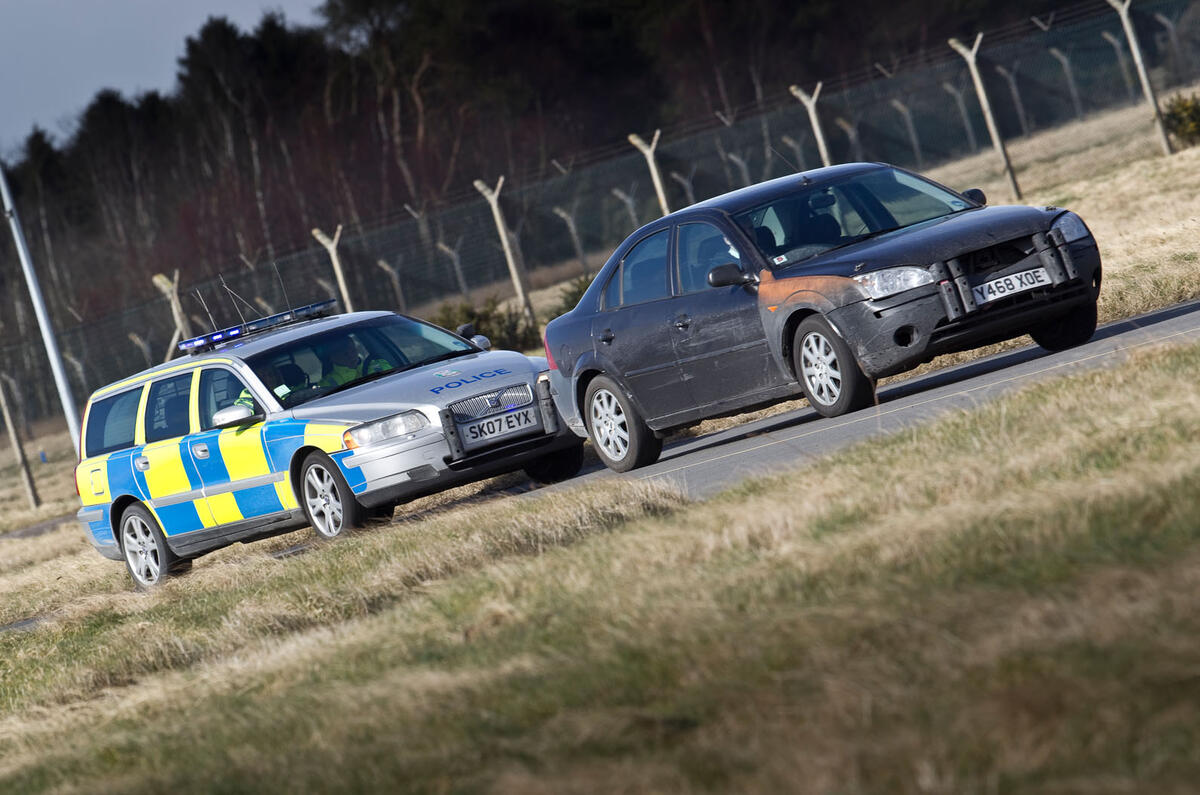
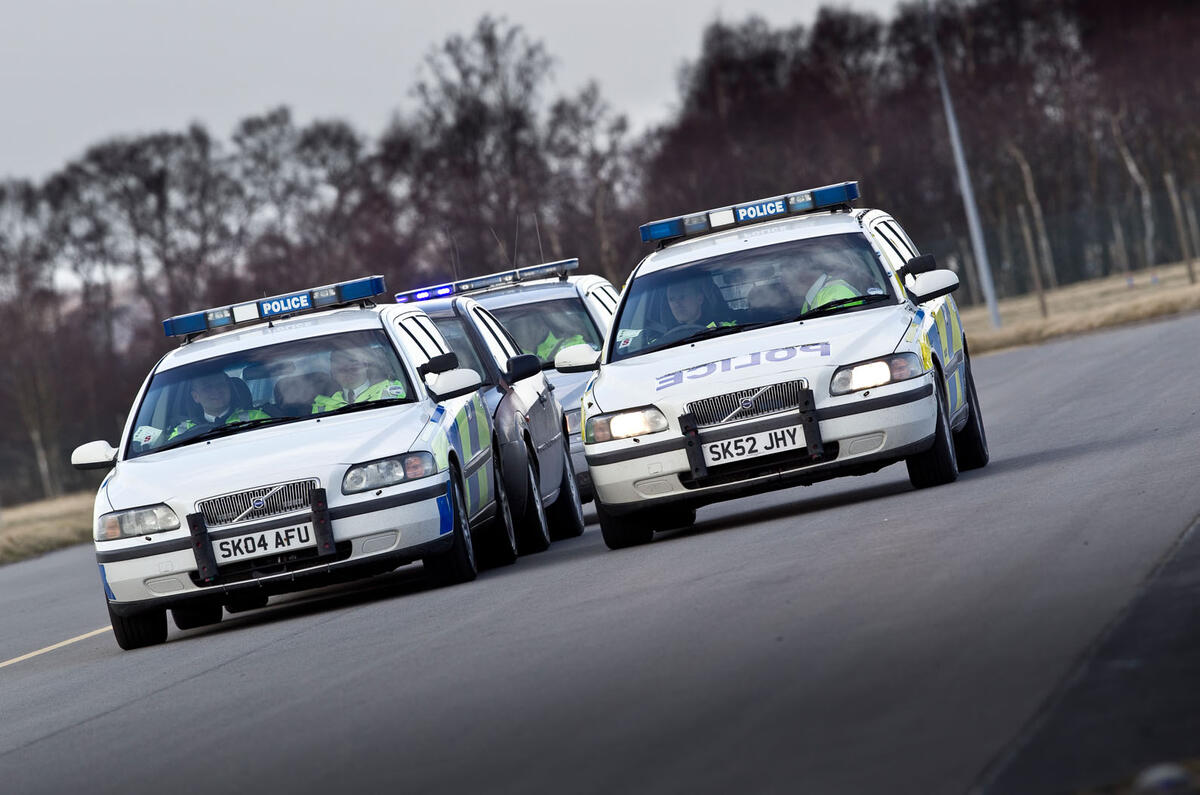
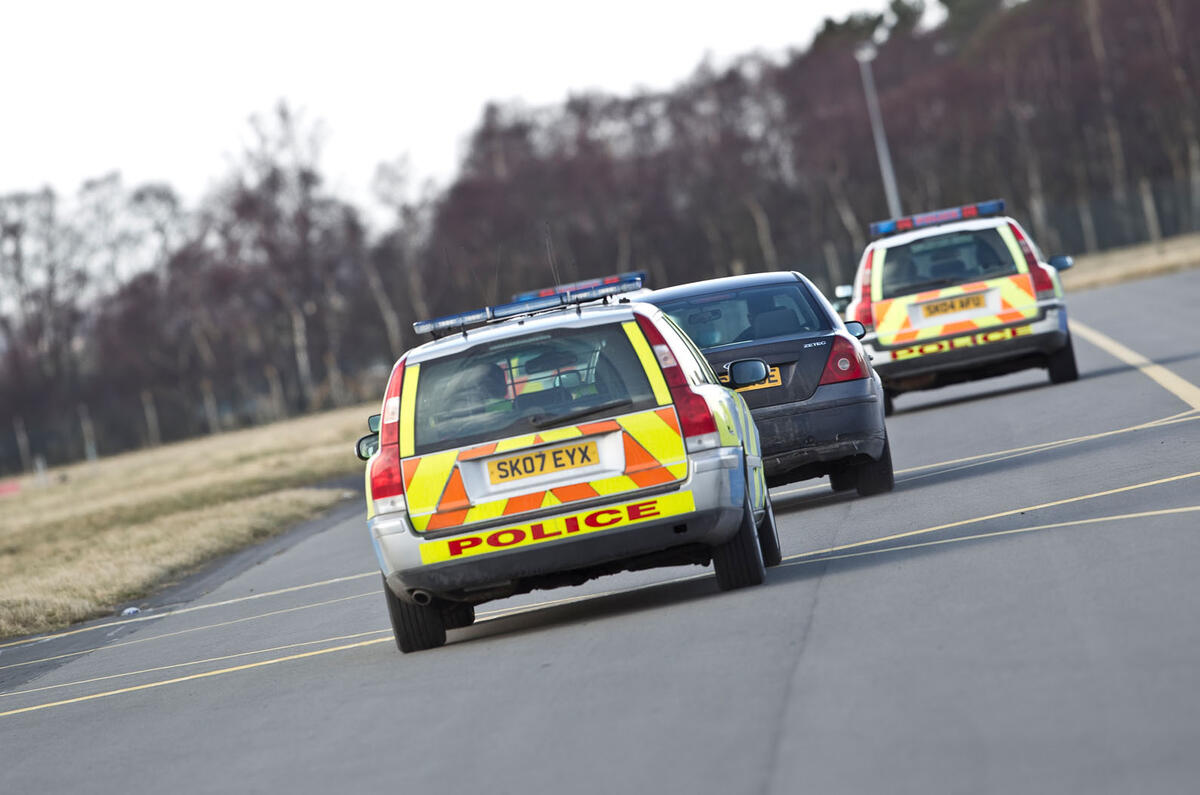
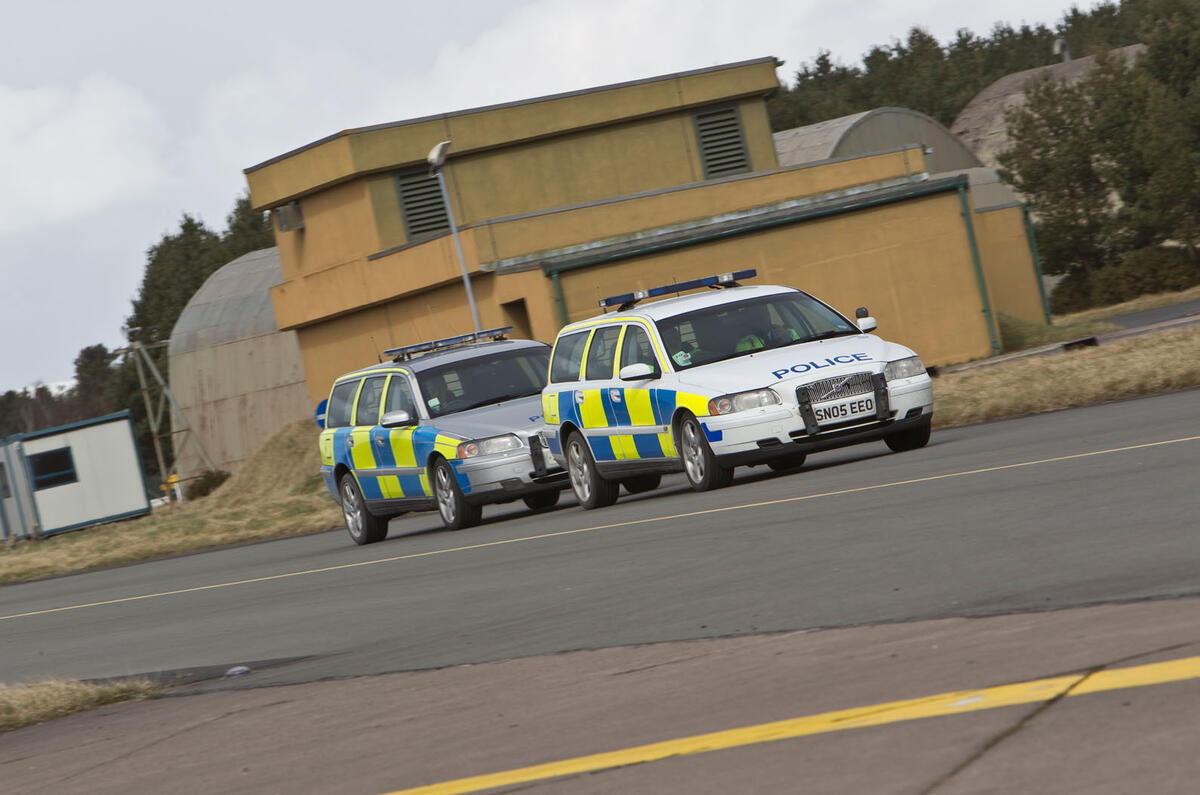
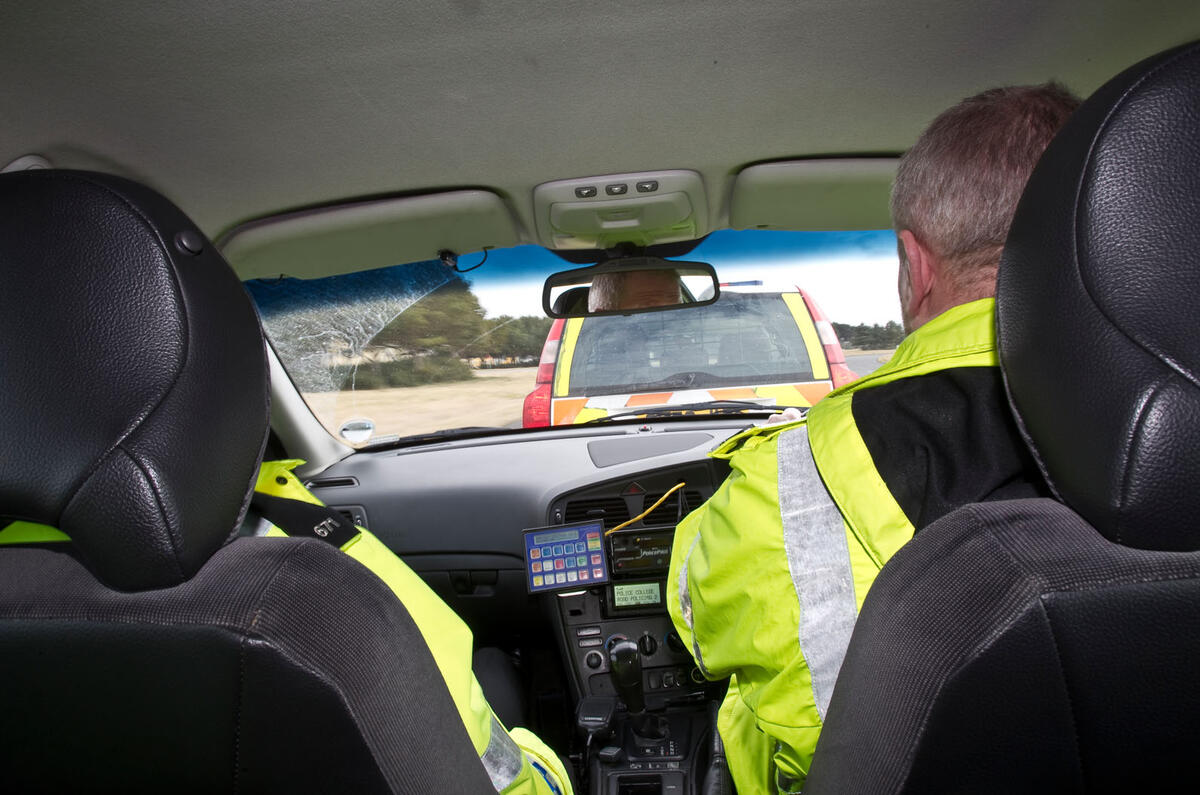
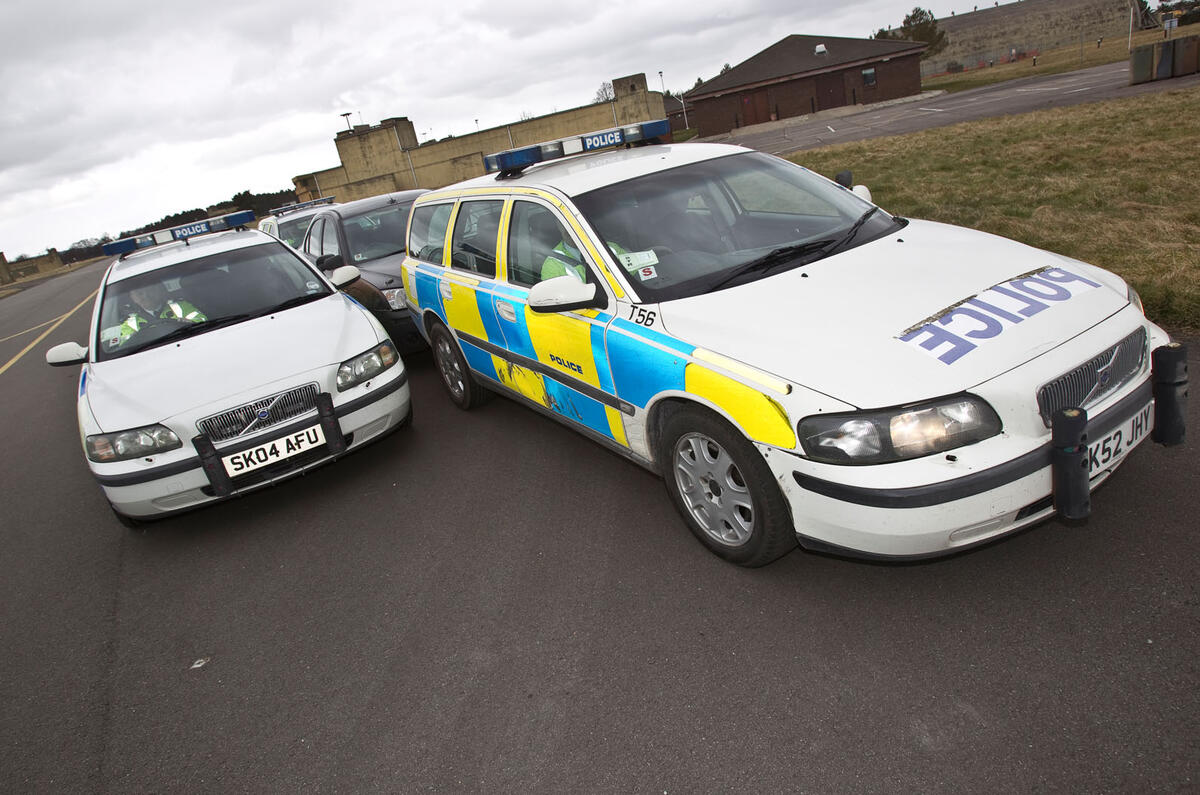
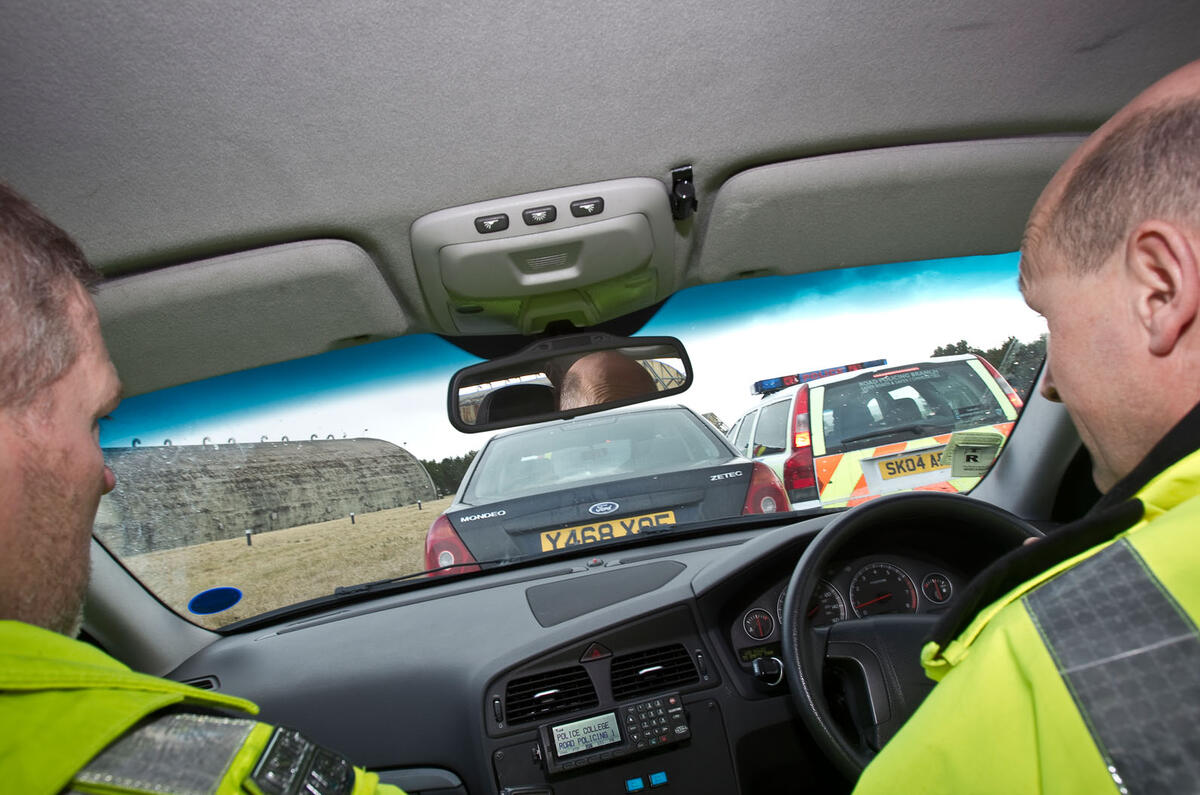
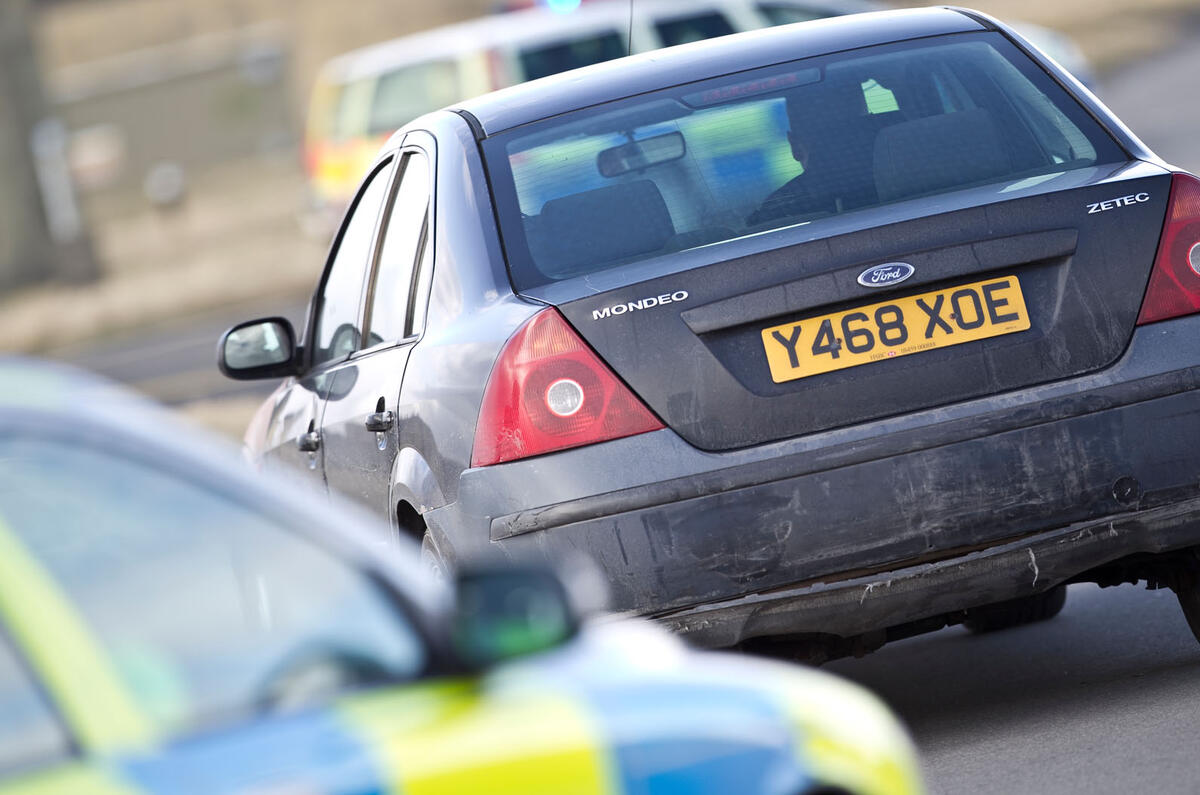
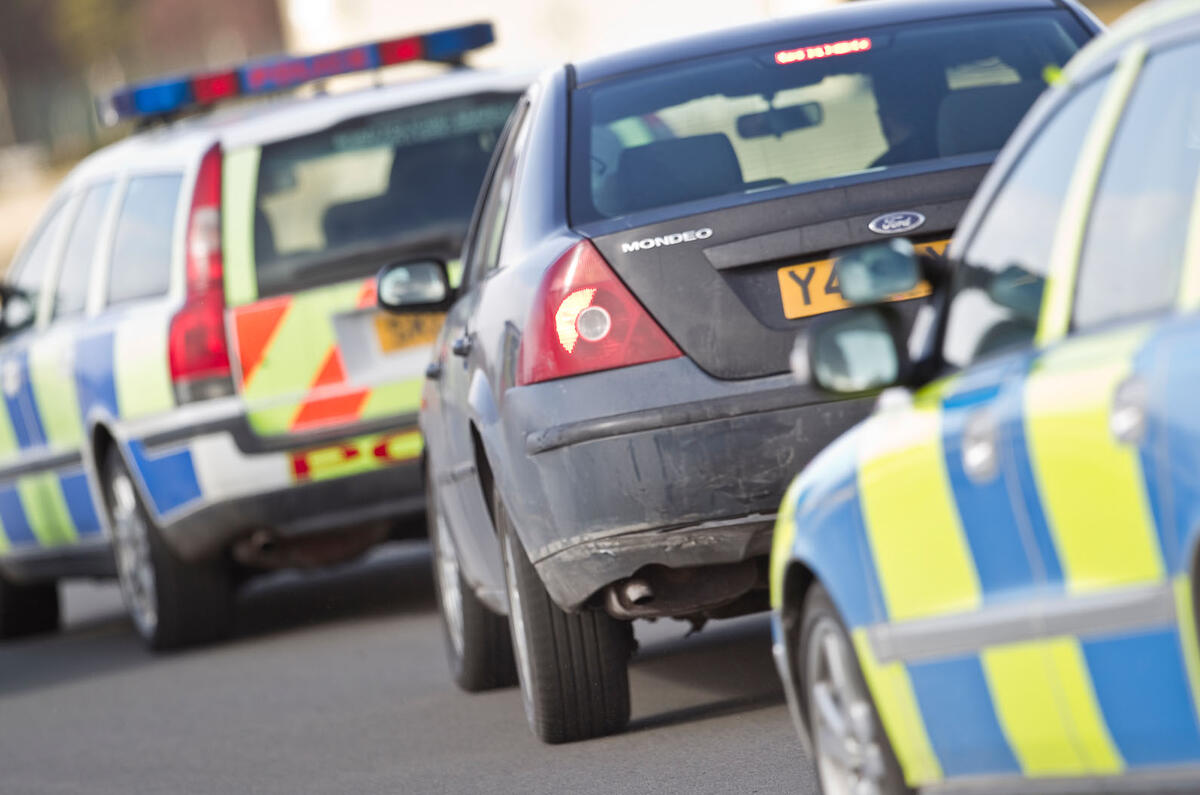
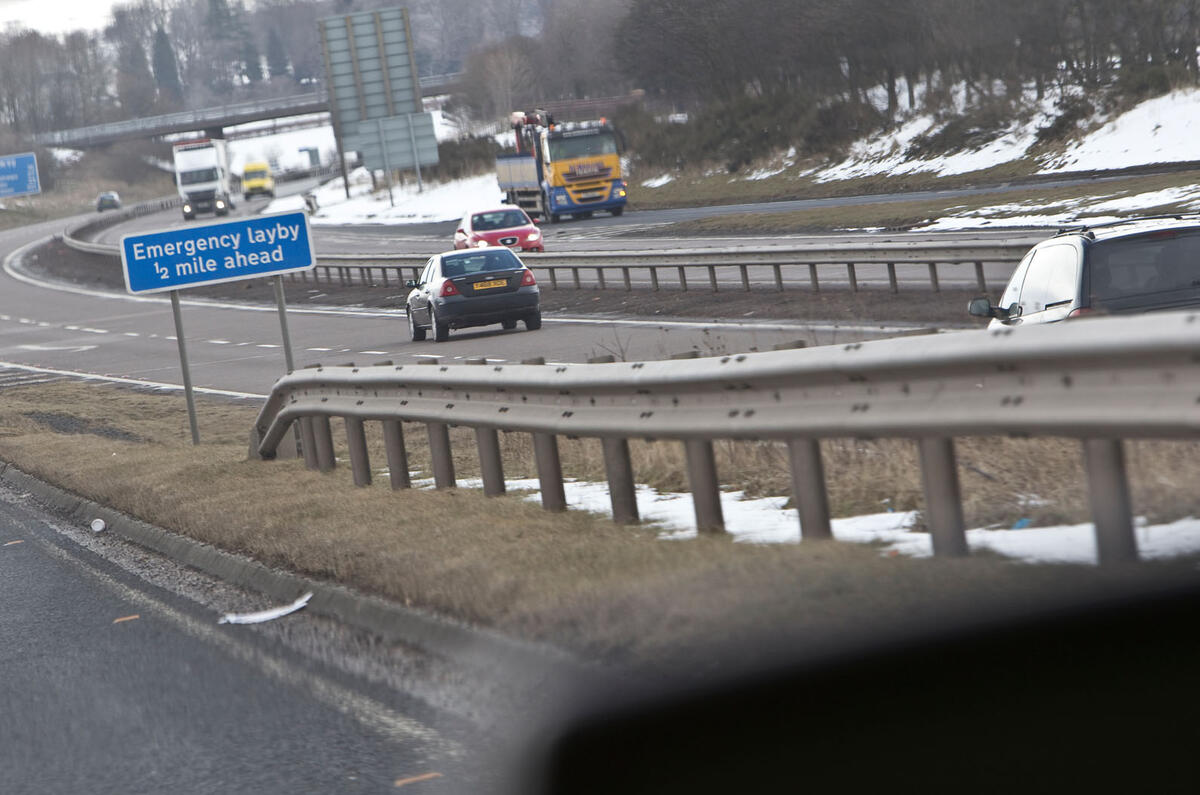
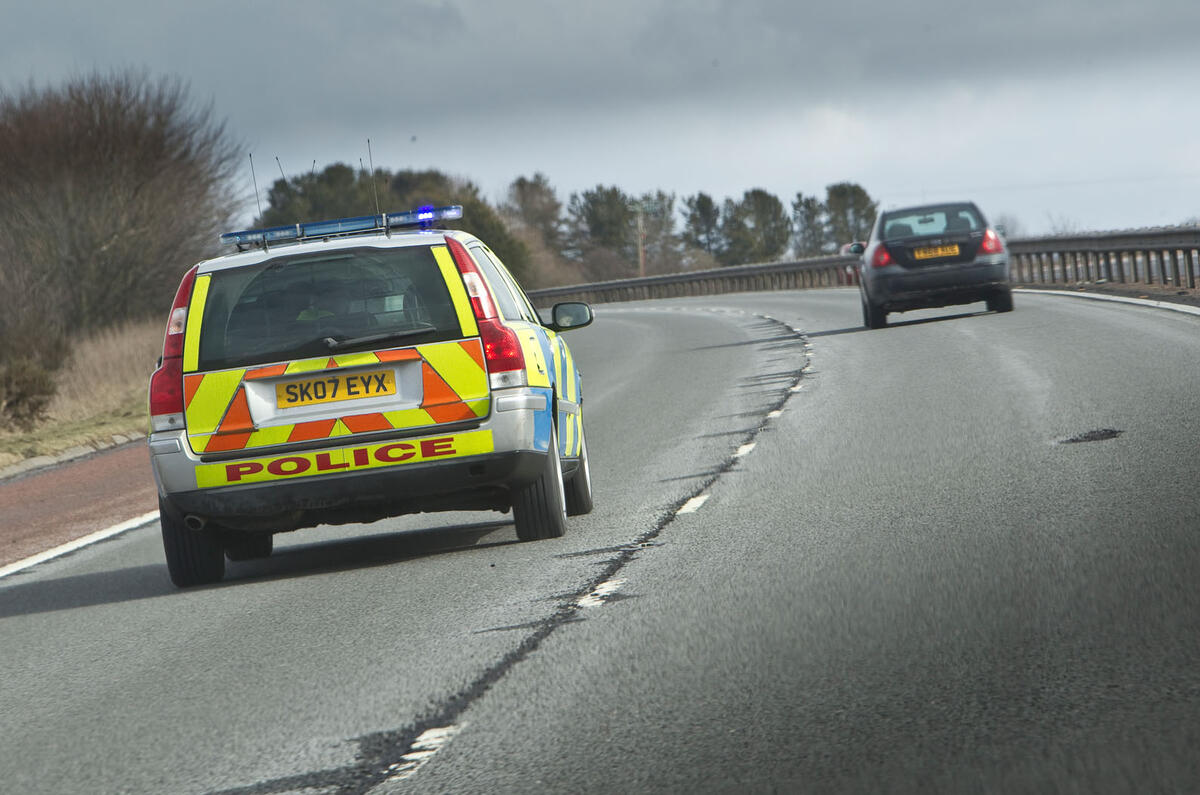
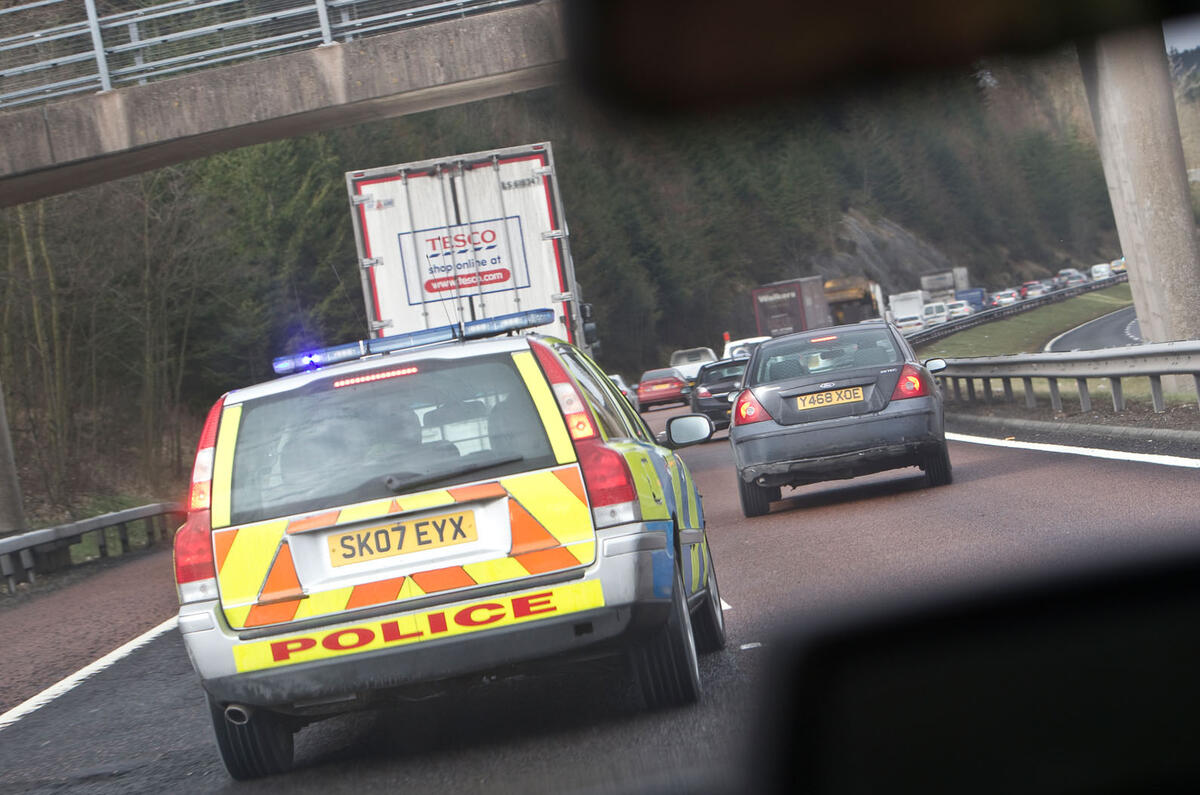
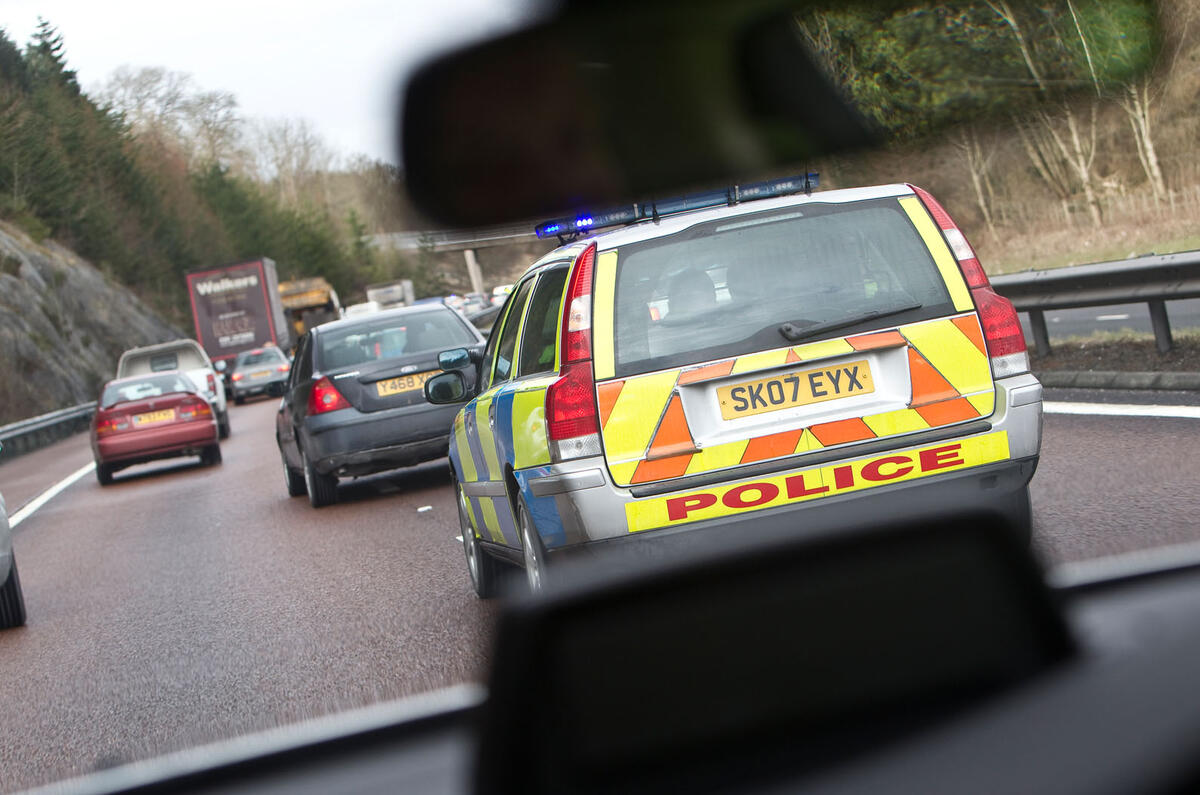
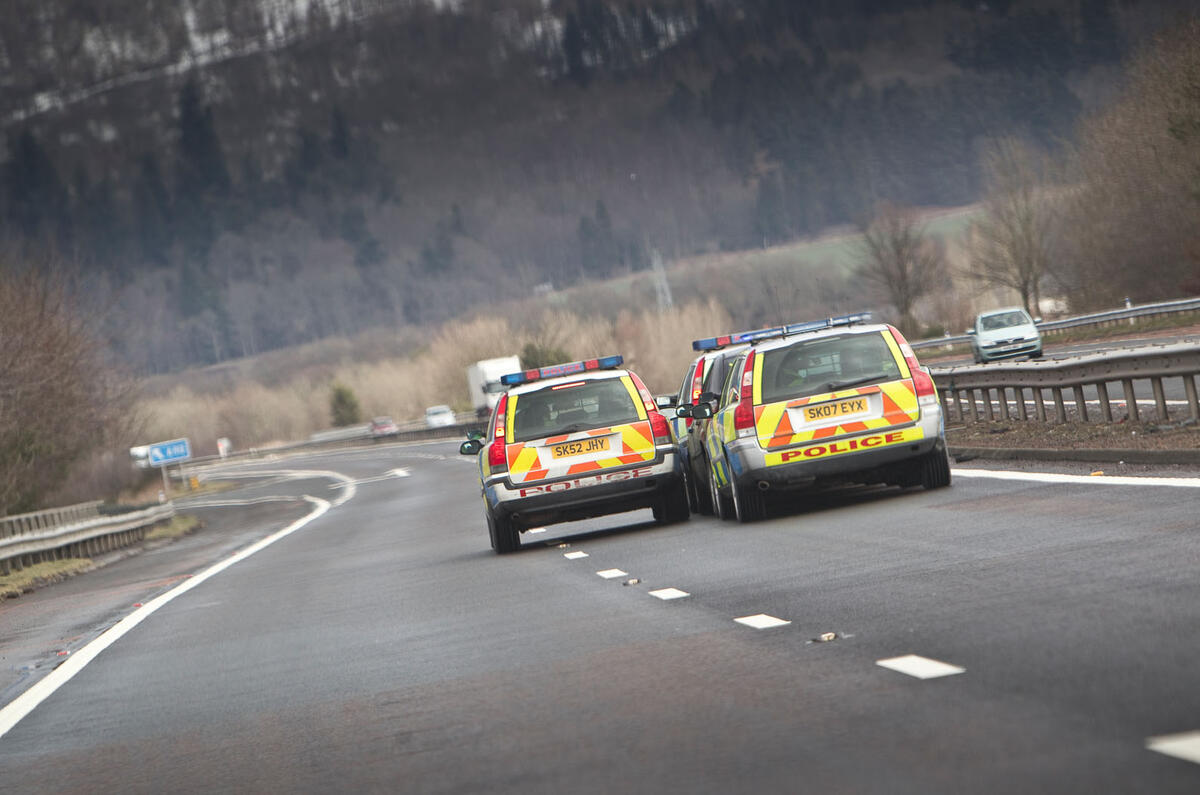
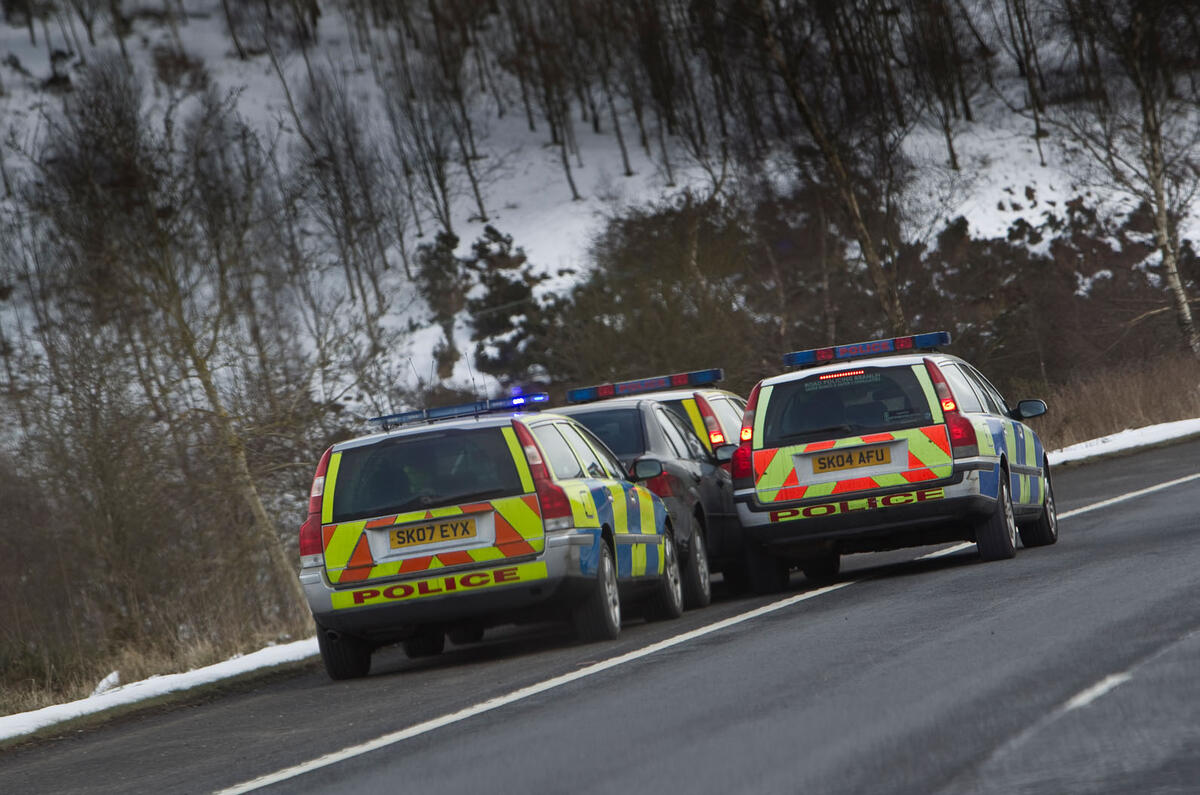
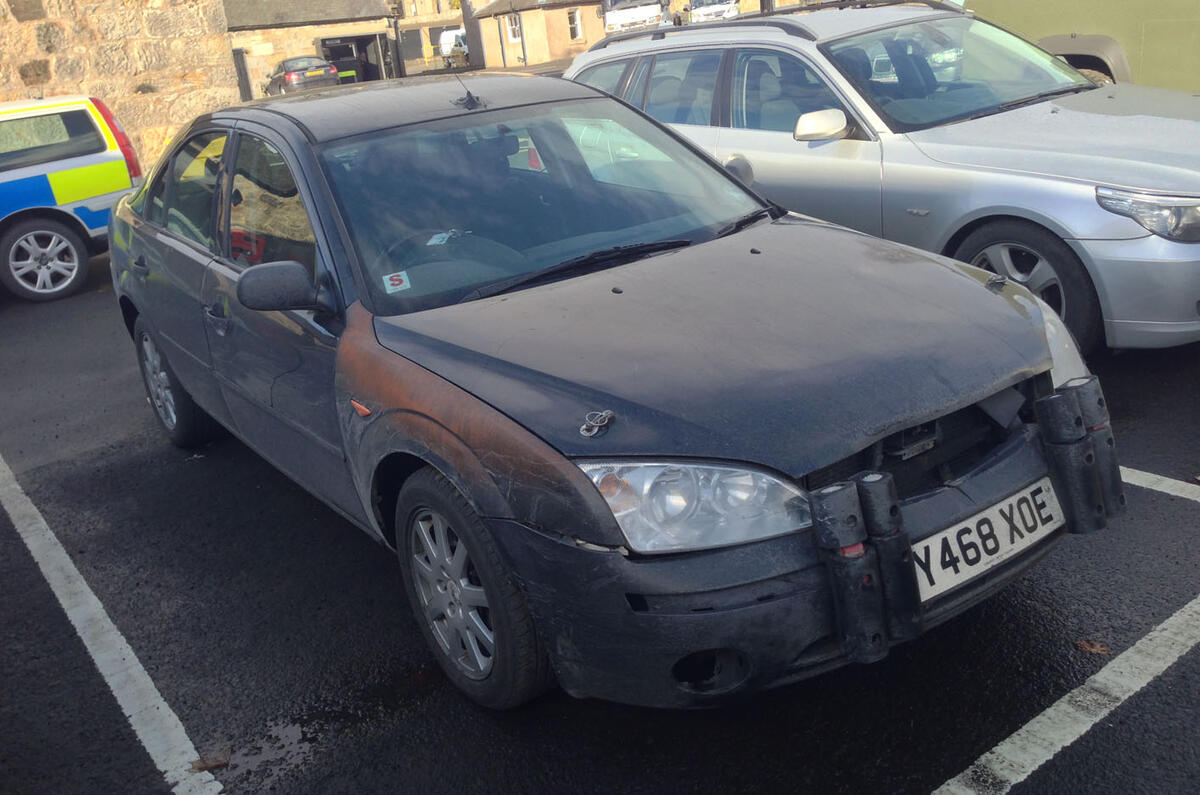

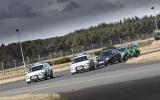
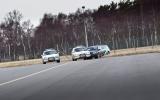
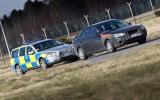
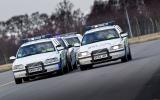
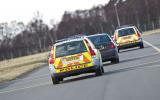
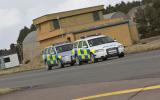
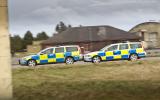
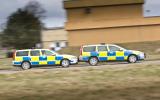
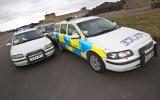
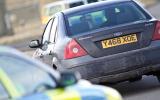
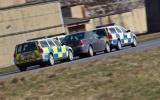
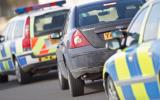
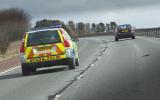
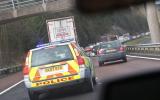
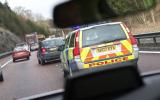
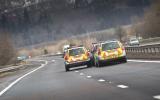
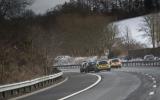
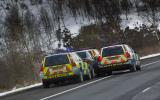
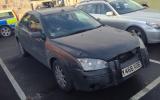

Blues and twos belonging to a pair of marked police Volvo V70s suggest that the driver of the scruffy black Y-reg Ford Mondeo in front should carefully take to the hard shoulder of Perthshire’s northbound M90.
It’s not a rare sight on our motorways, and the drama is usually curtailed there and then.
But not today. Initially, the driver seems to comply, slowing and turning in. A stab and a steer later, he’s back on the carriageway and barrelling away fast. Inspector Darren Faulds’ expression hasn’t changed.
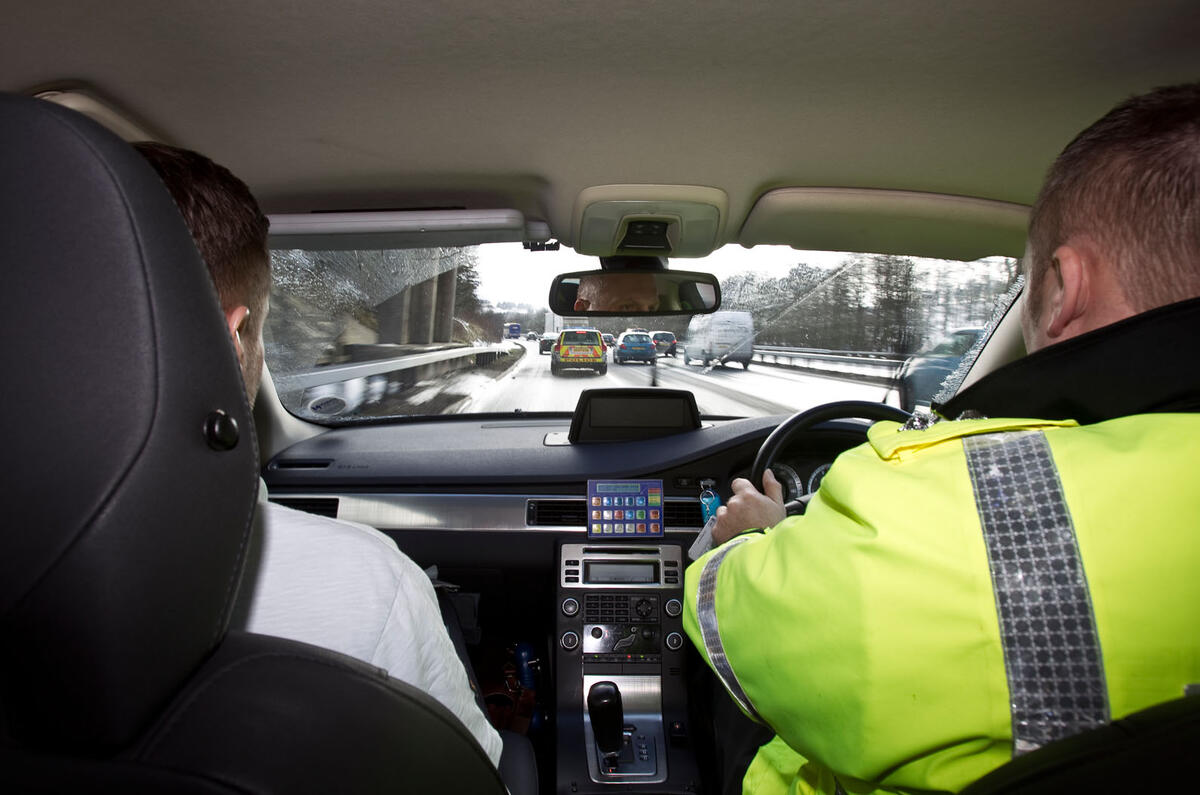
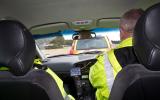
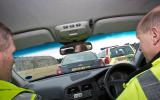
Behind the wheel, he looks sun-lounger relaxed. Sitting to his left, I can almost feel my pupils dilating, and from behind, photographer Stuart Price says his heart rate has just doubled.
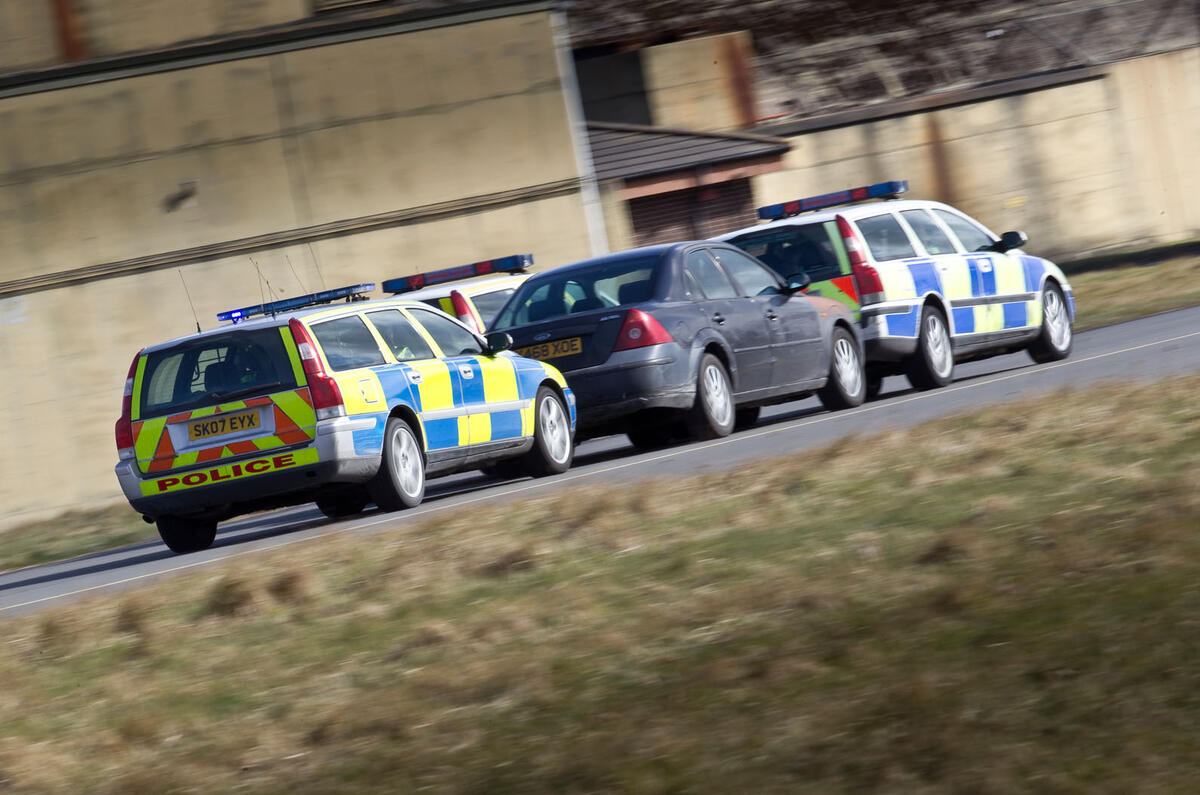
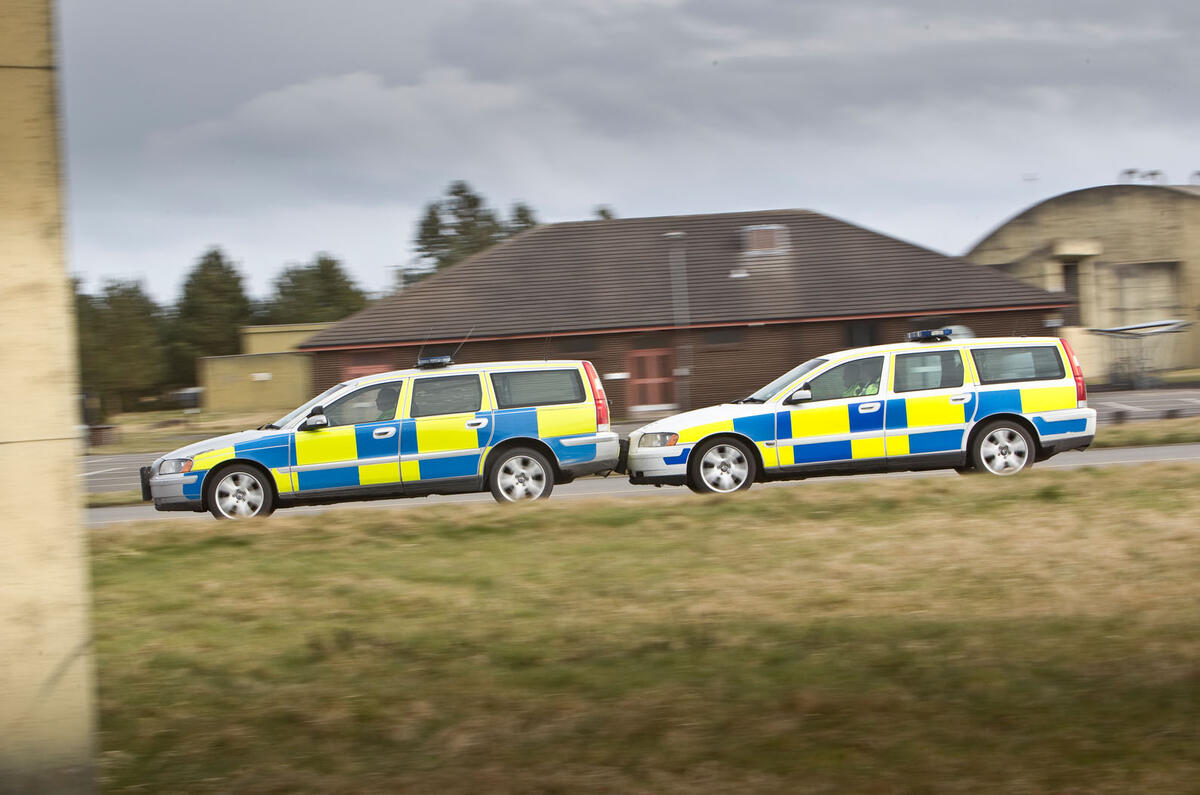
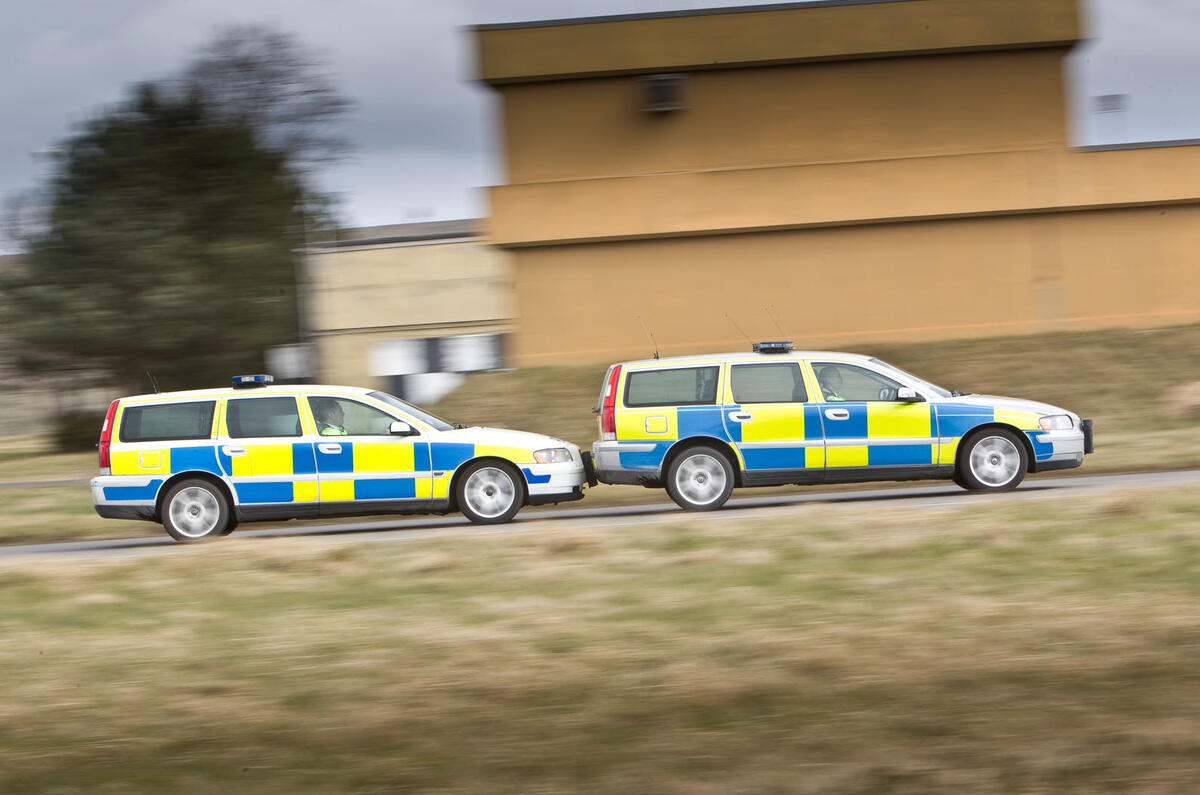
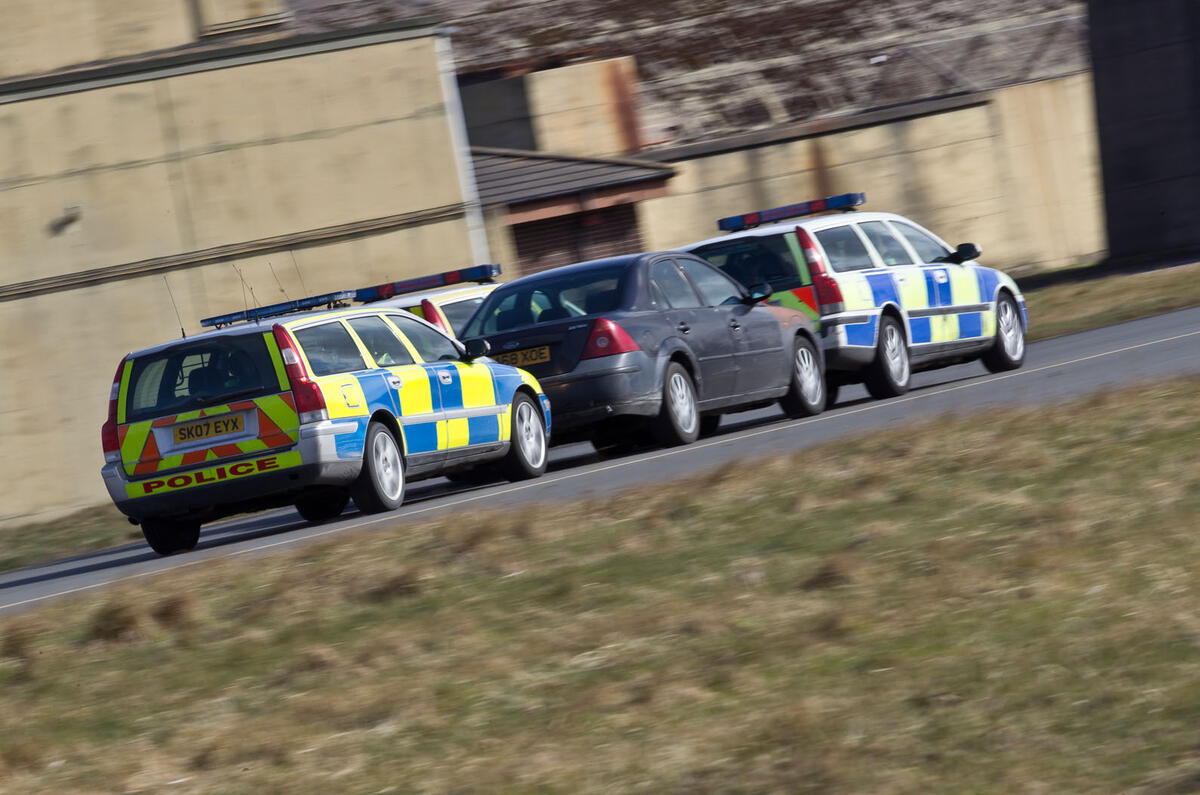
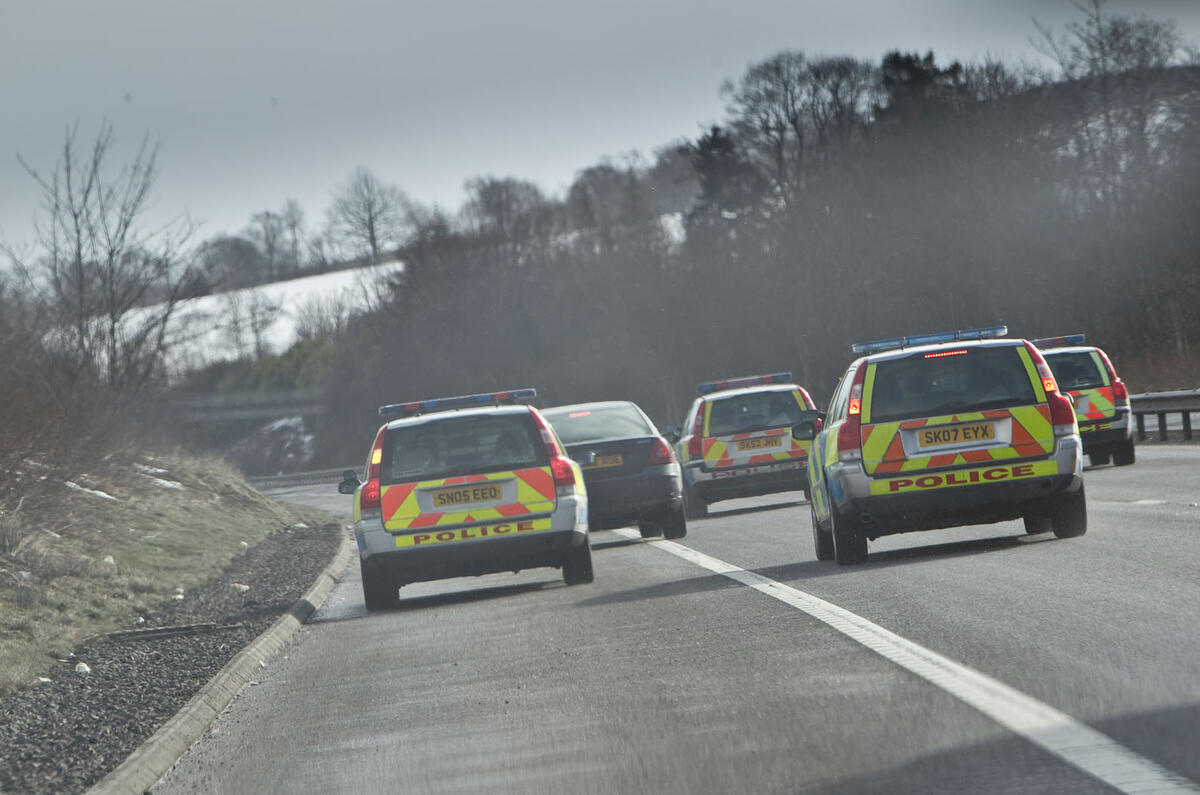
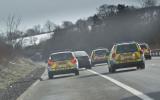
We reel in the Mondeo and establish a buffer of 30 metres or so behind it. Slightly staggered, the V70s command a lane each, sometimes adopting single file to avoid civilian cars in the wake of the erratically meandering Ford, which is nearing three-figure speeds.
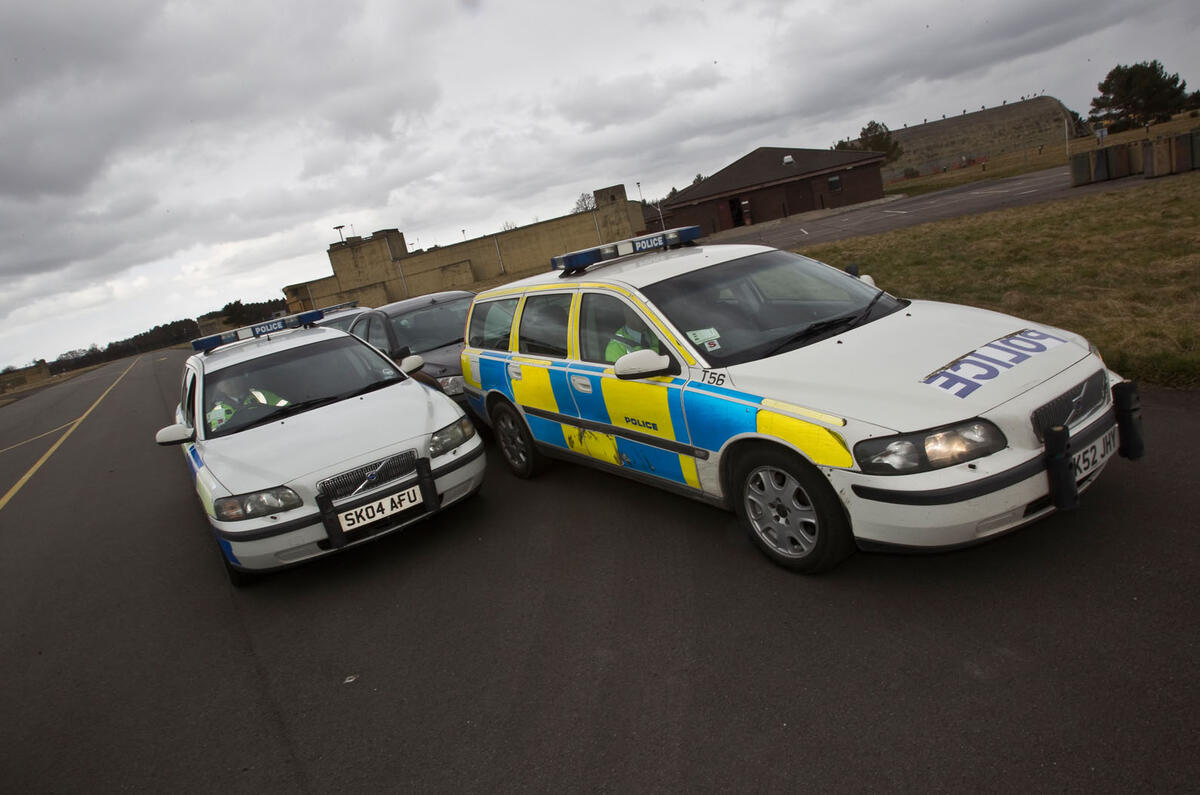
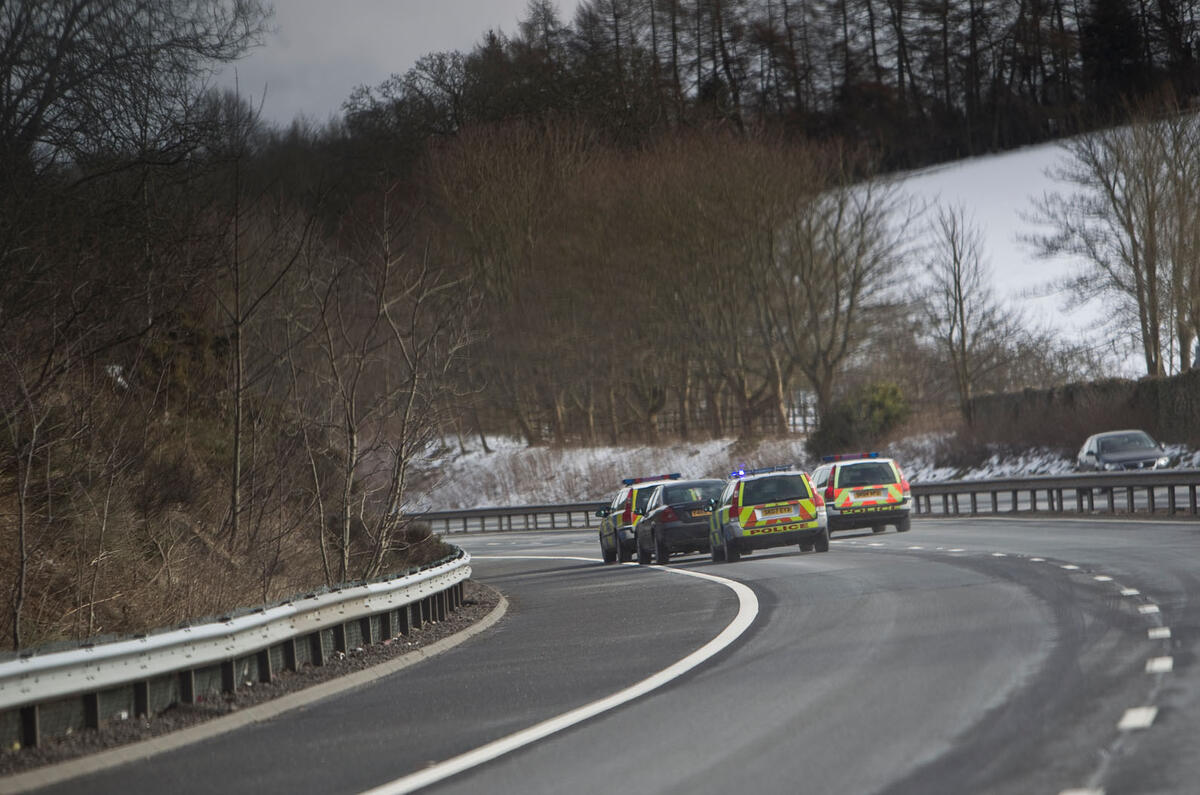
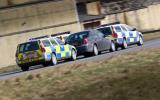
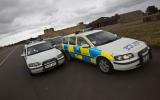
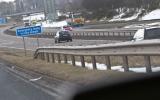
We push up and block off exits as we go, creating a funnel effect. Then the pace drops abruptly as all three cars are forced to burrow messily through a traffic jam. It turns out to be a rolling roadblock engineered by two more police cars at its head to slow the subject down and clear the carriageway in front. The Mondeo eventually breaks free and accelerates, but three police vehicles swoop in to surround it.
They tighten formation, using the guardrail as a fourth wall, until all four vehicles slow smoothly to a halt as one six-tonne, 16-wheeled unit.
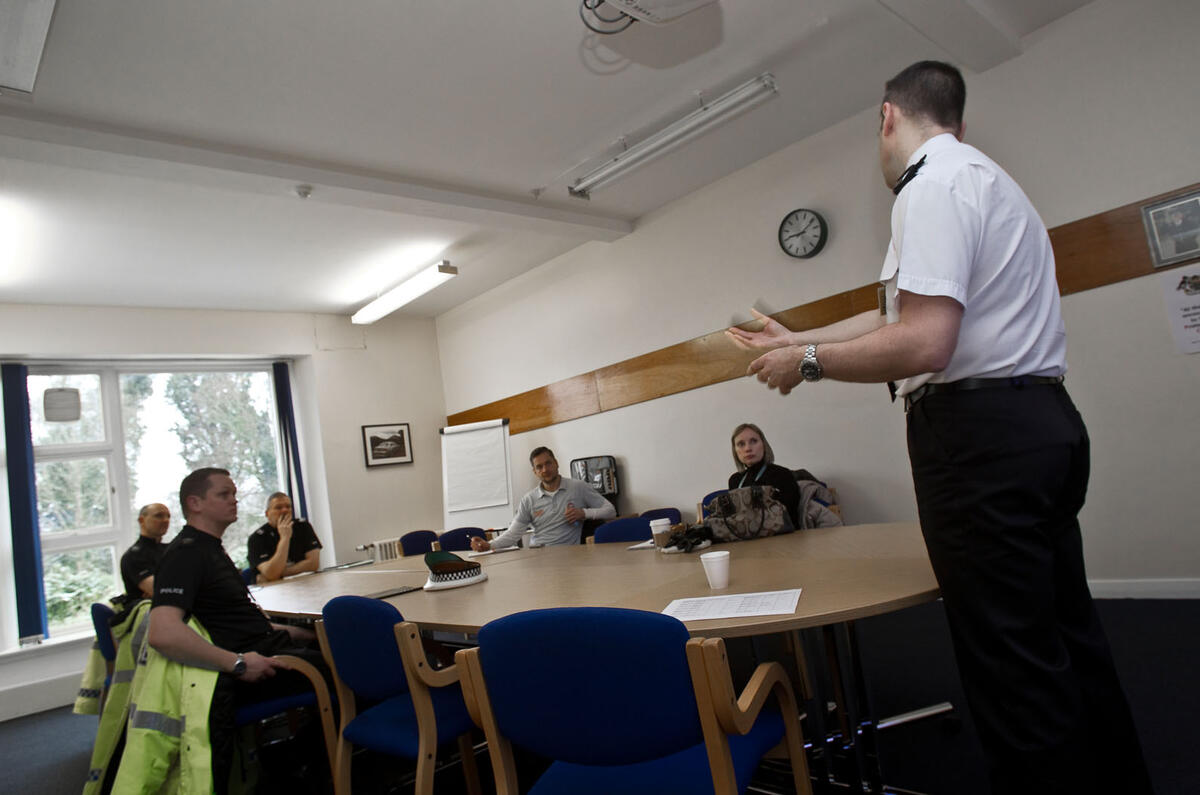
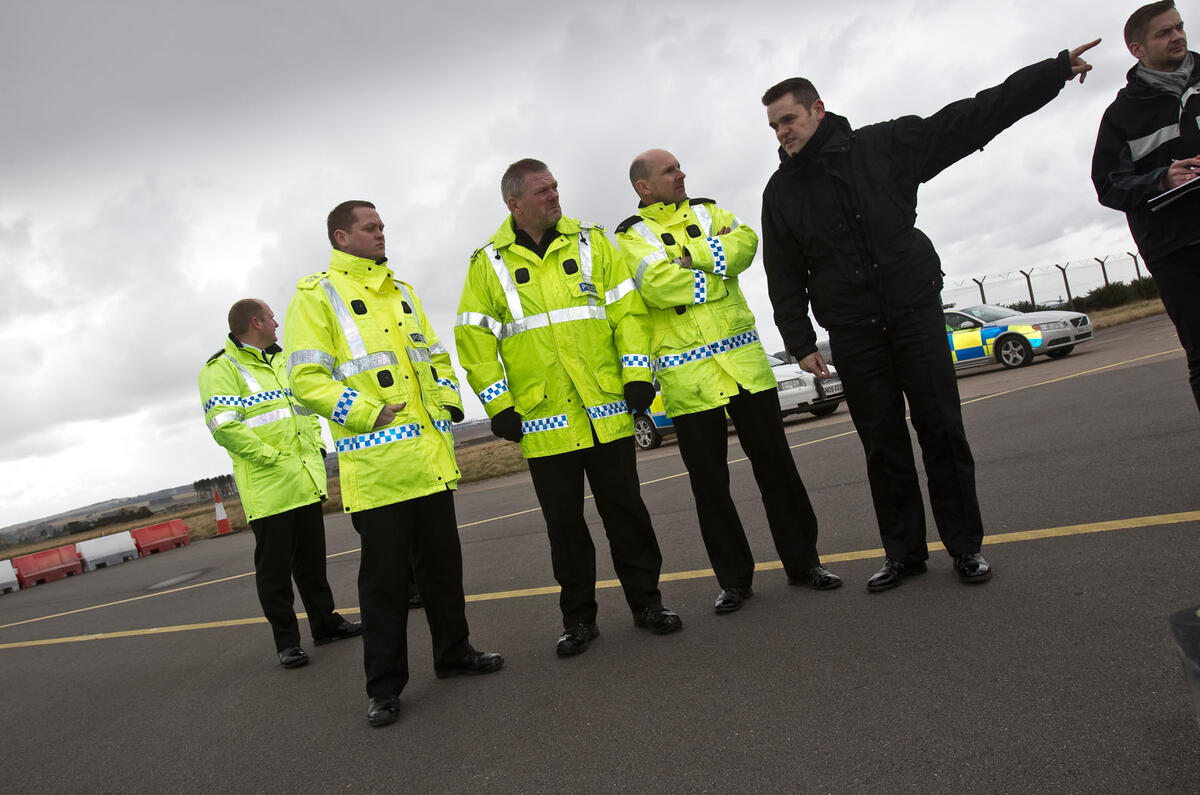
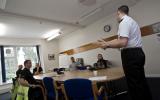
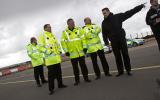
Although it seems incredibly lifelike – heightened by the knowledge that these are active public roads – we’re actually experiencing day two of this week’s pursuit management course operated by the newly unified Police Scotland force from its Tulliallan Castle training college near Falkirk.
Instructors have just shown the three students in attendance the course’s primary endgame tactic, ‘containment’, by pursuing and confining Sergeant Colin Reid and his Mondeo – a buffer-wearing, part-oxidised (if much-loved) carcass worthy of Mad Max.
Reid – a veteran of multiple real-life containments – runs the course, overseen by Faulds, who literally wrote the book on it and helps shape road policing tactics for the entire UK. Faulds explains the value of pursuit management. “The subject used to have control,” he says, “and we’d end up with a ‘caravan effect’, where a long line of police vehicles would tack on behind. I’d find myself battling past panda cars just to reach the subject.
"Now, we prepare for a pursuit before it happens and take control of the situation, bringing it to a conclusion quickly and safely. We avoid inducing pursuits, but if one does materialise, we give the subject every chance to stop.”
Such preparation is orchestrated by a control room, assembling pursuit-appropriate vehicles and drivers when a chase is anticipated by a patrol that’s tailing a suspicious car. The patrol paints a picture of the scene: location, traffic, weather, surface conditions, subject’s manner of driving and speed. The subject is encouraged towards certain roads: quiet, narrow single-carriageways that allow easier containment, or motorways, where one direction of traffic and ample manoeuvring space aid safety and control.