Currently reading: When big American saloons were built in... Chiswick?

The story starts way back in 1911, when a London dealer introduced Brits to Hudson cars

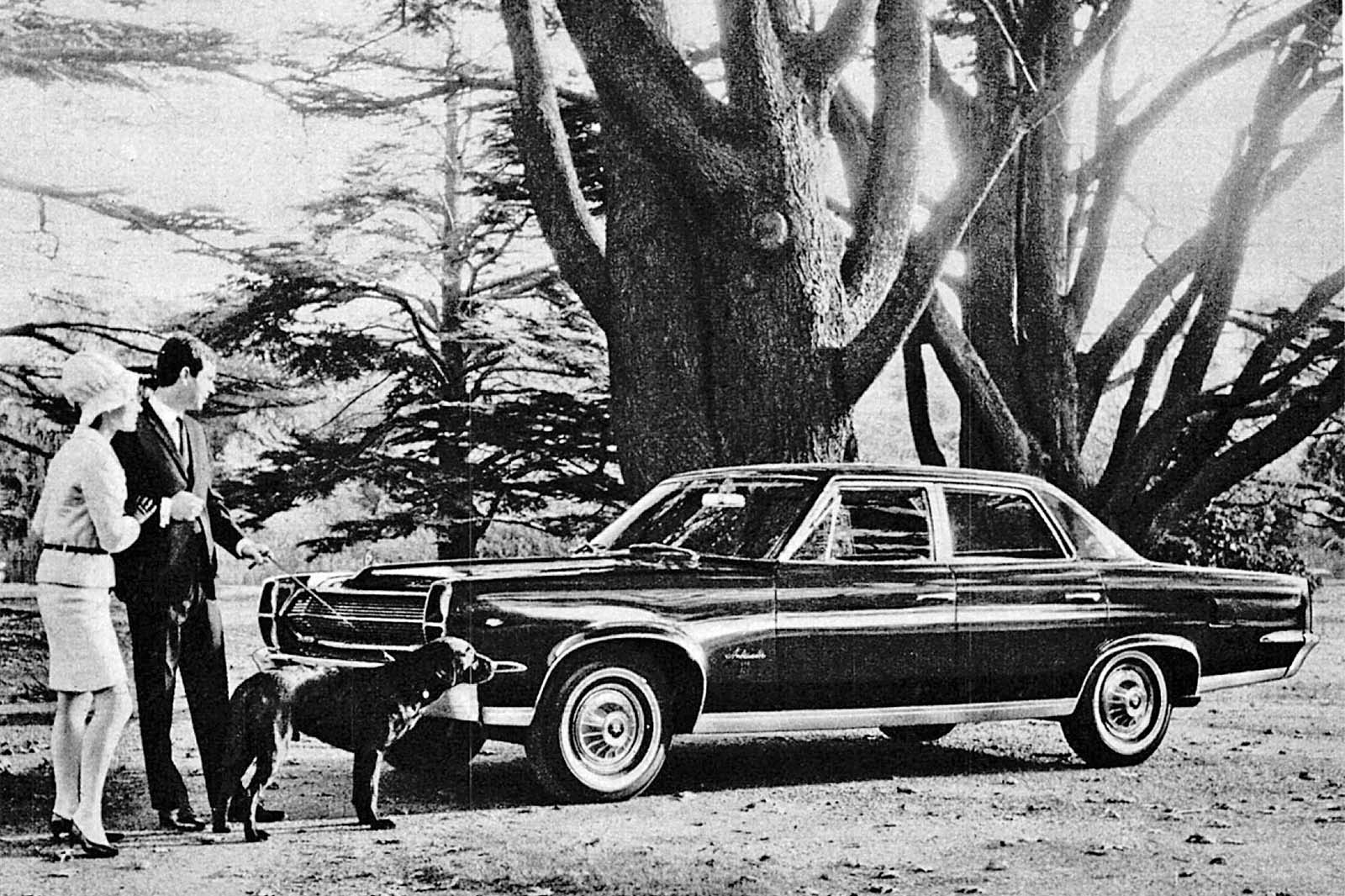
You might be surprised to learn that such a quintessentially American car as the Rambler Rogue was ever officially offered in the UK - but in fact its maker not only sold cars here over many decades but even produced some here too.

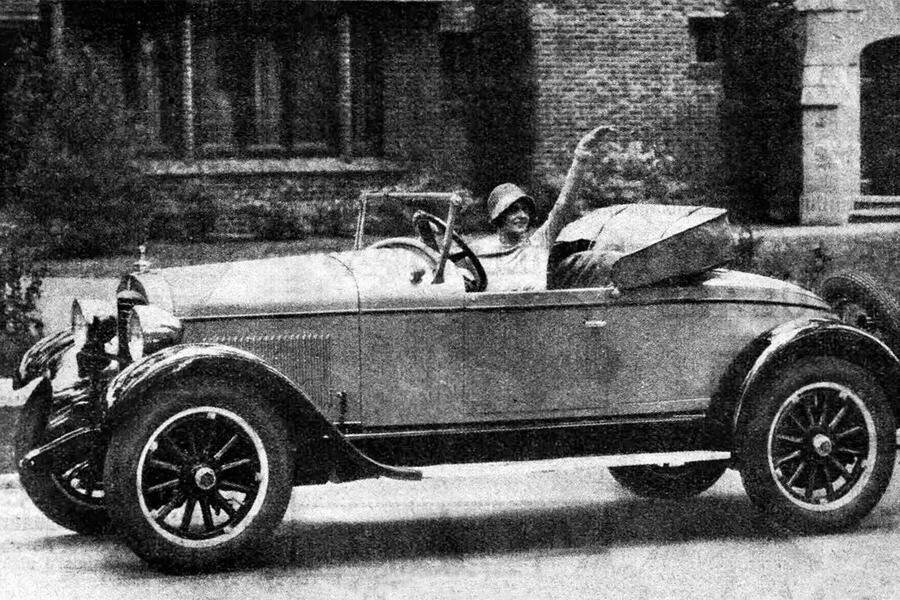
The story starts way back in 1911, when a London dealer introduced Brits to Hudson cars. Eleven years later, the Detroit manufacturer set up a UK arm to create a nationwide dealership network for its Hudson, Terraplane and Essex brands (that last name apparently chosen to lend an air of old-world sophistication).

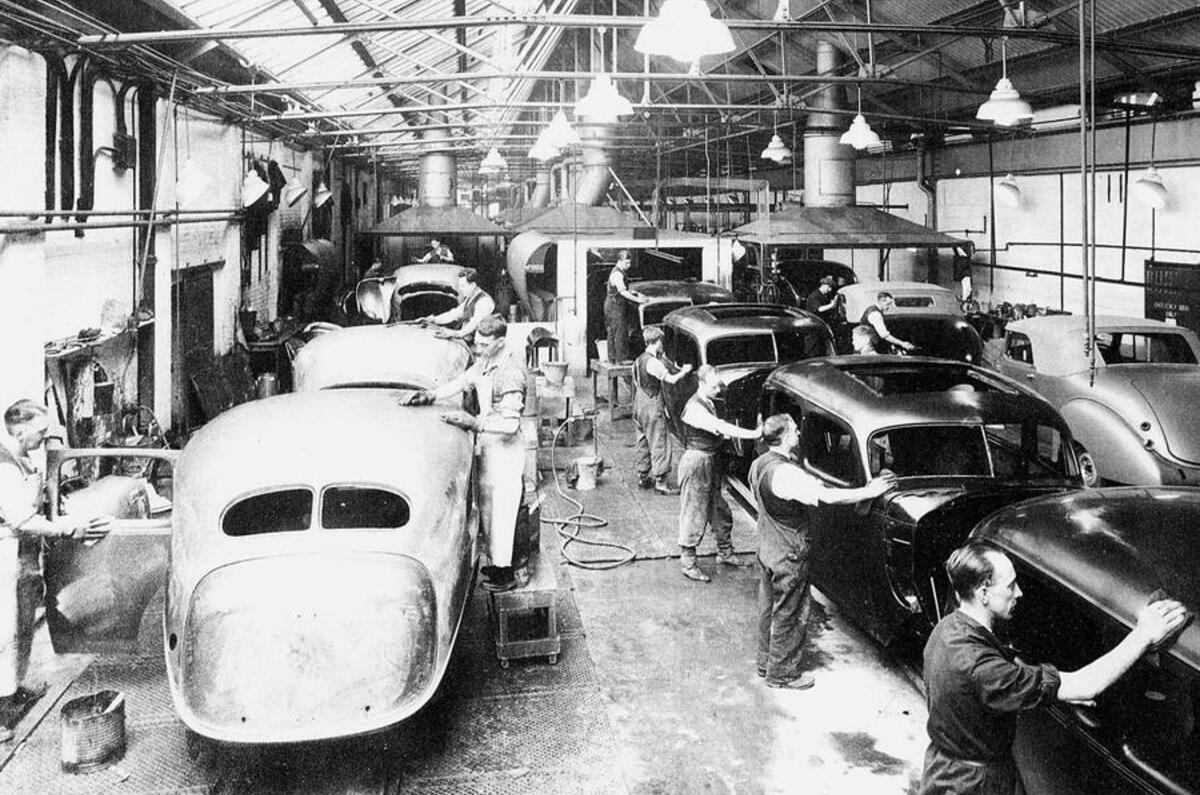
Four years later, Hudson had a factory built in Chiswick, London - the first in a series of eye-catching industrial buildings that would form the famous 'Golden Mile'.

Autocar first tested a Hudson in 1930, when it introduced a 3.5-litre straight eight. We were taken by the engine's willingness to work in the top gear, smoothness and quietness, plus the comfortable ride, stable handling and high build quality, deeming the big saloon "an extremely good car" overall.
The post-war years were difficult for Hudson, so in 1953 it merged with fellow American manufacturer Nash, creating the industry's fourth-largest company. Both brands would survive under a new umbrella, the American Motors Corporation (AMC).

Our first AMC test car was the Hudson Rambler - a medium-sized saloon evolved from a Nash design and styled by Pininfarina of Italy. "It is an economical, efficient means of transport of pleasant appearance," we said. "It is not a car of great character, yet it builds up respect and even affection, especially as it is quite different from most American cars".

Enjoy full access to the complete Autocar archive at the magazineshop.com

Through 1958, AMC at long last climbed out of the red, reporting a $26m profit after a 28% rise in sales. "Frankly, AMC president George Romney has been both lucky and smart," we commented. "The new buying trend to more economy and utility [due to a US recession] has favoured the compact Ramblers, and they are selling like hotcakes.

Back to top

At the same time, [it's evident that] Romney has made great progress in shaving operating expenses". Incredibly, these cars which had once been ridiculed now "forced Chrysler, Ford and General Motors to change their tune and produce their own ranges of small cars".
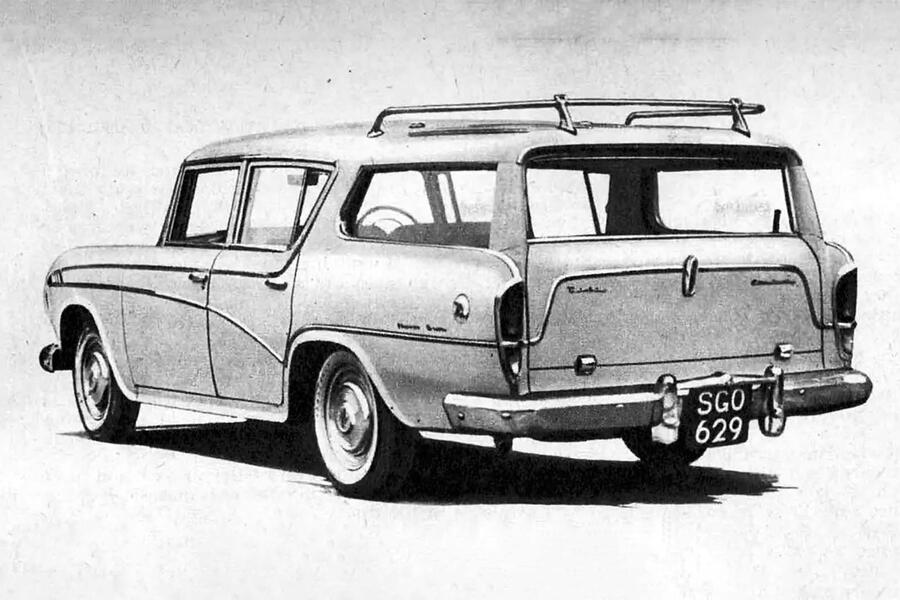
Little wonder AMC decided to discontinue the flagging Nash and Hudson lines and bet everything on Rambler as a brand in its own right. Now there were not only compact six-pot Ramblers but also whacking great V8 ones, with UK imports and sales-all right-hand drive - handled at the site of the old Hudson factory in Chiswick.

Not that there were many to handle: around 200 a year from AMC's global exports total of just under 4500. UK sales were split evenly between sixes and eights - rather surprisingly, given the 4.7-litre V8-powered Classic Convertible that we tested in 1966 averaged a dire 15mpg.

We did like this car, though, saying: "Owners wanting a roomy convertible for business and family use would do well to consider it. Its willingness and versatility quickly become apparent in everyday use.

Enthusiast appeal arrived shortly after, in the muscular shape of the AMC Javelin coupé, a 5.6-litre V8 response to the wild popularity of the newly invented Ford Mustang - even if it did "lack the precise handling and good brakes that we in Europe have come to expect".

Back to top

AMC had become the public-facing brand name in 1970, as the company felt Rambler's image was too staid for this exciting new era. Disaster also struck that year, though, when a fire tore through AMC's Chiswick site, destroying the main workshop and causing £200,000 worth of damage to stores, equipment, tools and 16 cars, five of them belonging to customers.

It's surely no coincidence that in 1973 the UK concessionaire moved to a new facility in Swindon, Wiltshire. Then an oil crisis hit. Demand for the best-selling Ambassador Estate slumped and volume fell well below expectations, while dealers blasted AMC UK's lack of advertising spend.

The final nail in the coffin was a "cool reception" for the Pacer, an odd-looking, wide-bodied 'small' hatchback with a thirsty straight six and a cheap-and-dirty conversion to right-hand drive. AMC abandoned the UK market mere months later.

It limped on until 1987; at its old Chiswick site now stands a B&Q.

Join our WhatsApp community and be the first to read about the latest news and reviews wowing the car world. Our community is the best, easiest and most direct place to tap into the minds of Autocar, and if you join you’ll also be treated to unique WhatsApp content. You can leave at any time after joining - check our full privacy policy here.

Add a comment…