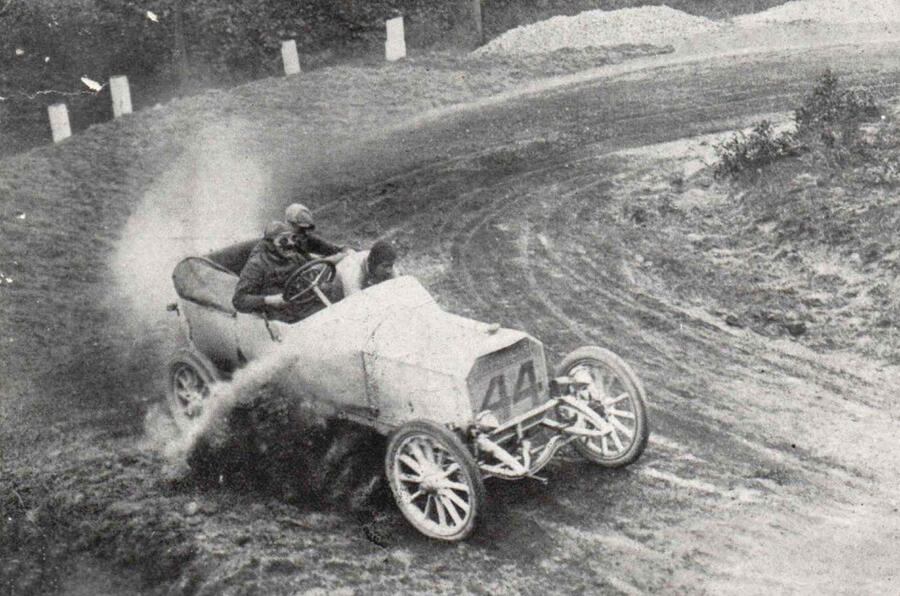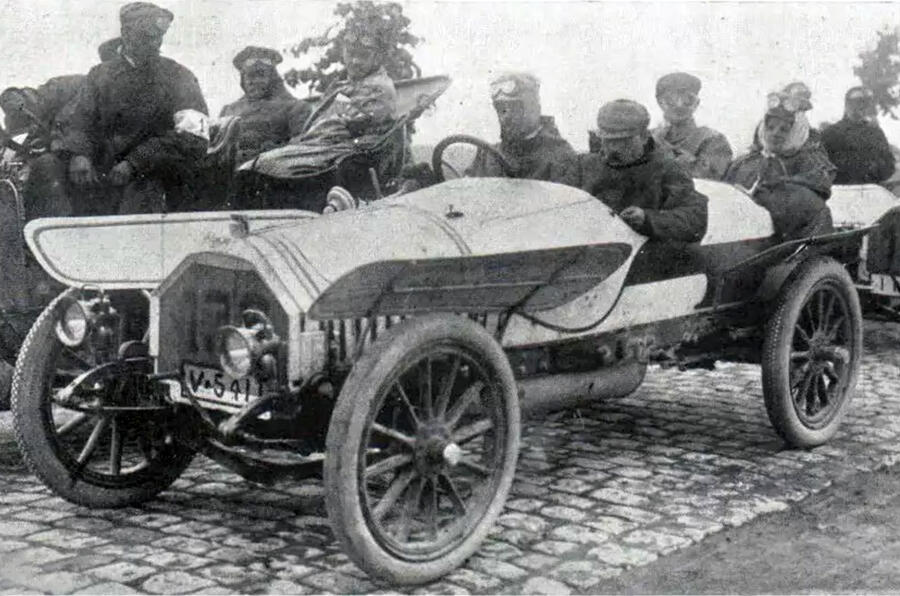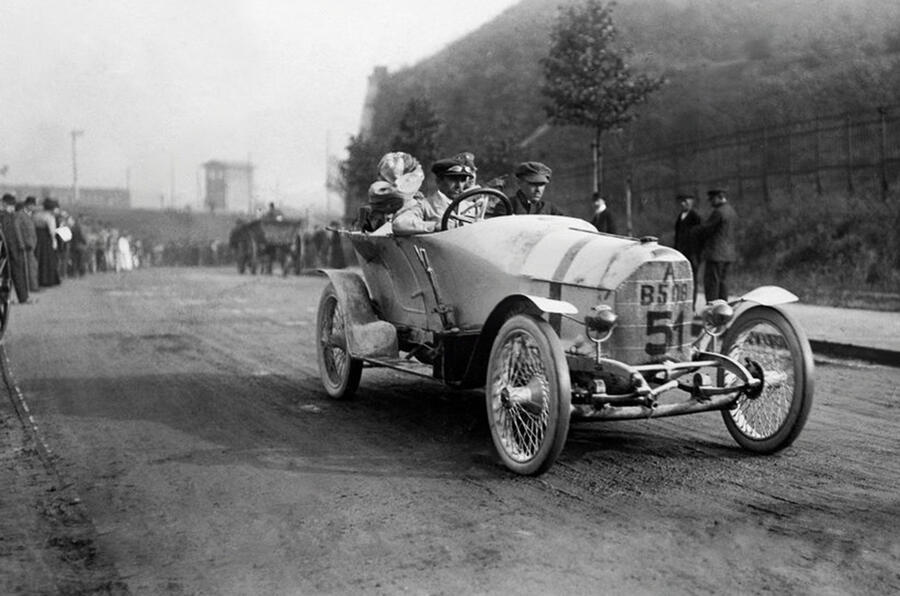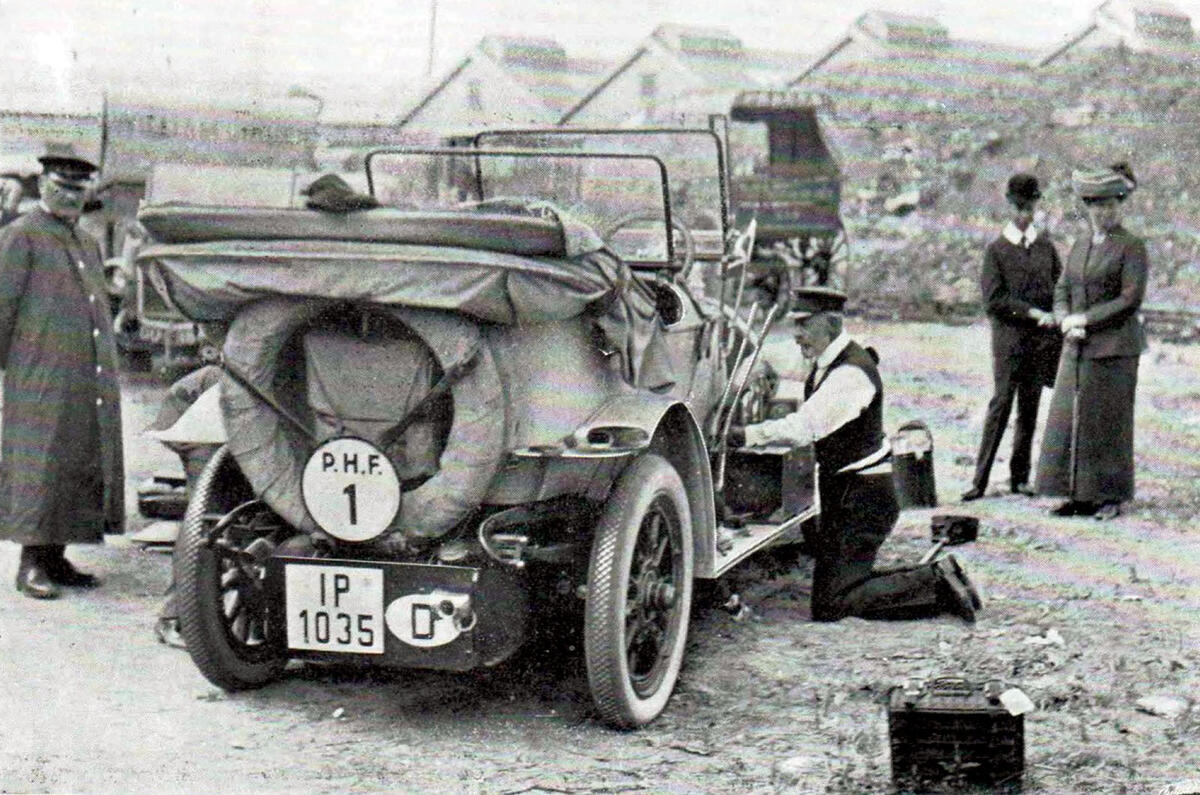

We've heralded the 1911 Vauxhall Prince Henry as one of the most influential cars of the 20th century, being perhaps the first proper production sports car. But what was the inspiration behind it? And who was Prince Henry?
His name was actually Heinrich, and he was Prince of Prussia (the dominant state within the German Empire), brother to Kaiser Wilhelm, grandson to Queen Victoria. A very keen motorist, for four summers he arranged the Prinz-Heinrich-Fahrt, translating as 'tour' but more like a road rally and reliability trial. And it was in an effort to win his trophy that the hot Vauxhall was created.
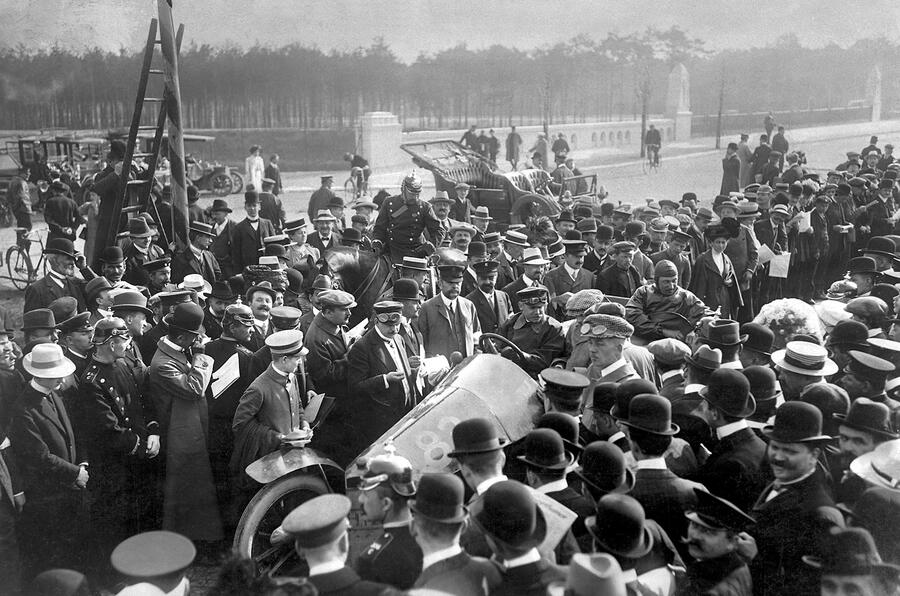
The first tour of 1908 ran from Berlin to Stettin (now Szczecin) on the Baltic coast, west to Hamburg, down to Trier on the Luxembourg border and finally east to Frankfurt - a total of some 1370 miles. Special prizes would be given for speed, reliability, hillclimbing and more.
The regulations were designed to ensure proper touring cars, not racing specials: minimum kerb weight 860kg, four or six cylinders with piston area and bore limits, two independent brakes, reverse gear, front and rear lights, horn, number plates. This attracted 129 entries from various marques, some of them still familiar today, most entirely forgotten.
Enjoy full access to the complete Autocar archive at the magazineshop.com
The formula didn't work as intended. Many cars had special bodywork and were driven not by 'gentlemen' but by racers - including Dorothy Levitt in the sole British car, a Napier, and the overall winner, Benz factory man Fritz Erle -"to the dissatisfaction and disgust of legitimate competitors", reported Autocar. We also regretted that the results of each stage hadn't been announced to the amassed public.