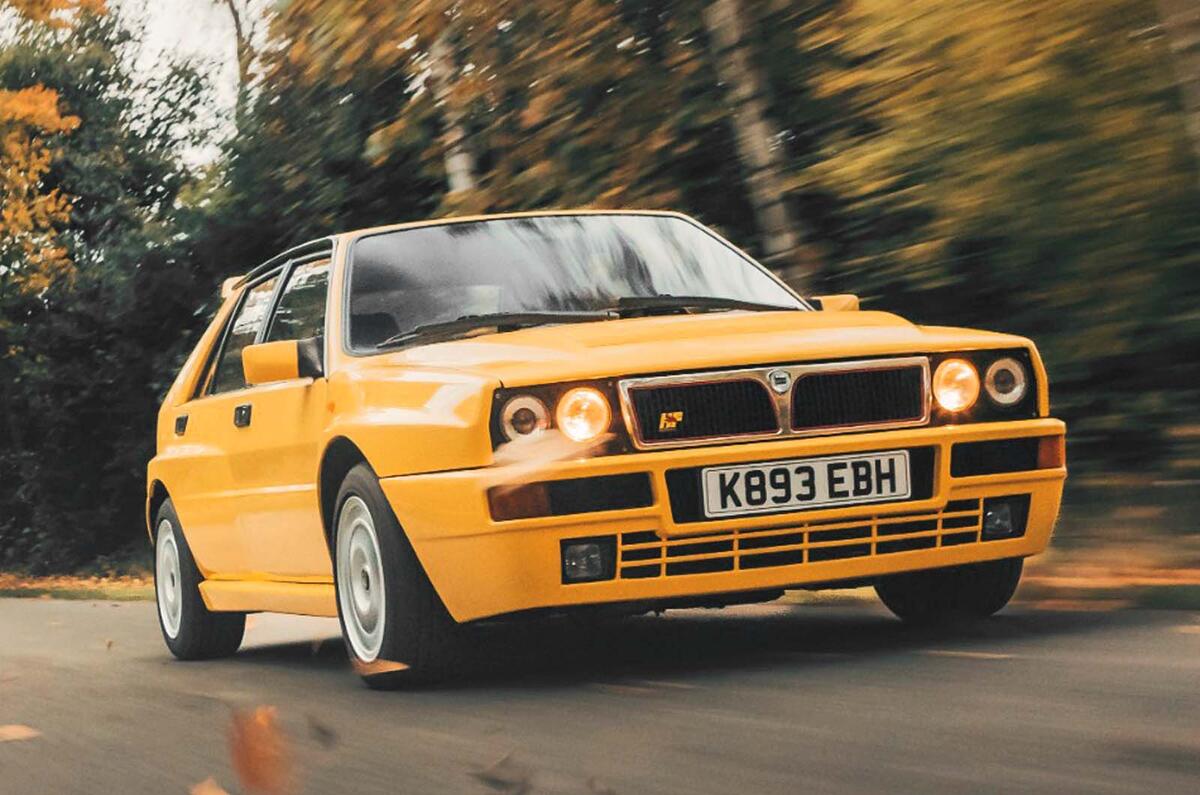
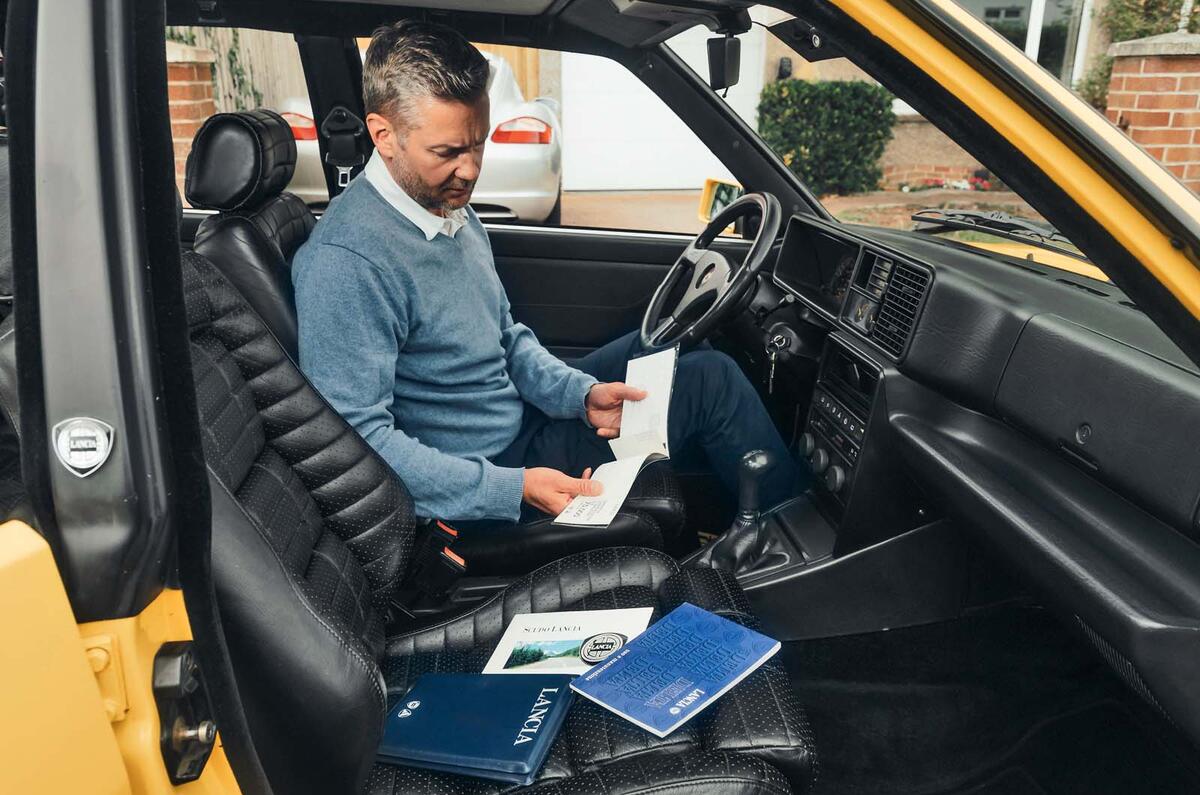
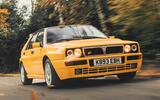

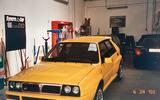

In opening my garage for a recent visitor, he reacted with a frenzied wonder that suggested the electric door had risen to reveal a live tiger. What lay within was merely 10 cubic metres of metals, plastics, paints, fabrics and leather.
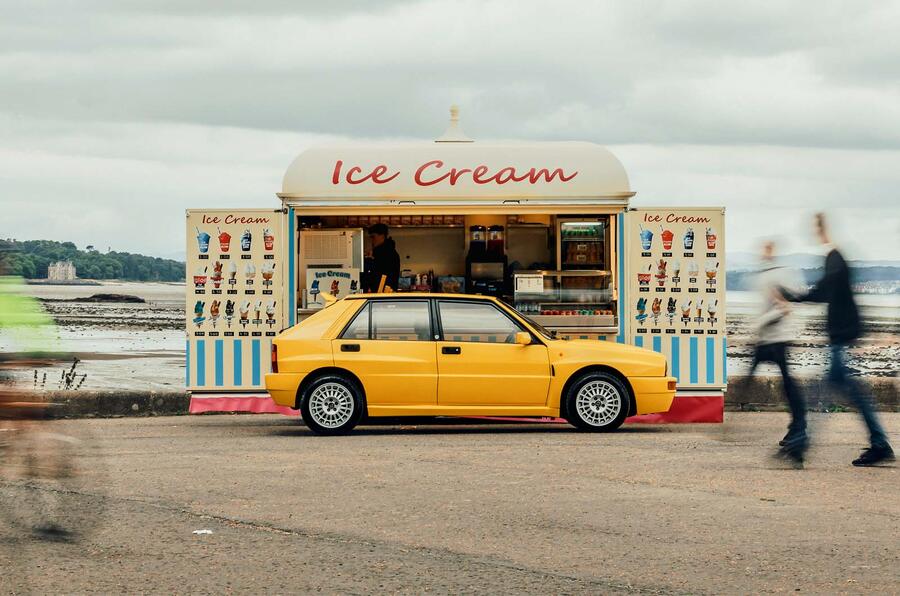
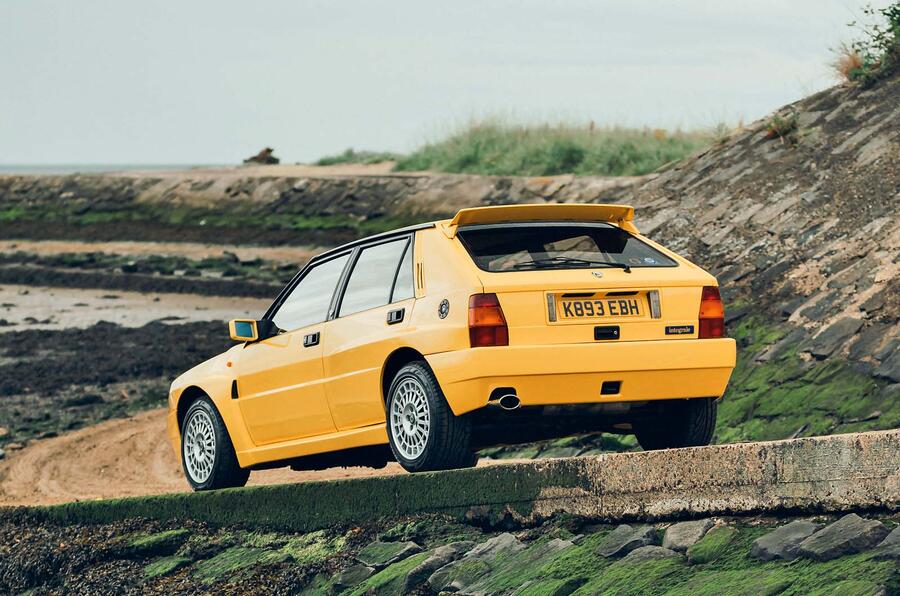
But those materials were cast, stamped, welded, moulded, sprayed, crimped and stitched into the form of a Lancia Delta HF Integrale Evo, and the sum of those parts meant more to him than an object logically should. And his delight is matched by my despair at having to let it go.
I had lusted after an Integrale since its world-beating Group A rallying zenith that bridged the 1980s and 1990s, and the upgraded Evo version’s bullish form, intensive engineering and knack for devouring blacktop put it firmly atop my wish list. I’d set my sights on an Evo 1, the final Integrale to be homologated for racing by the FIA.
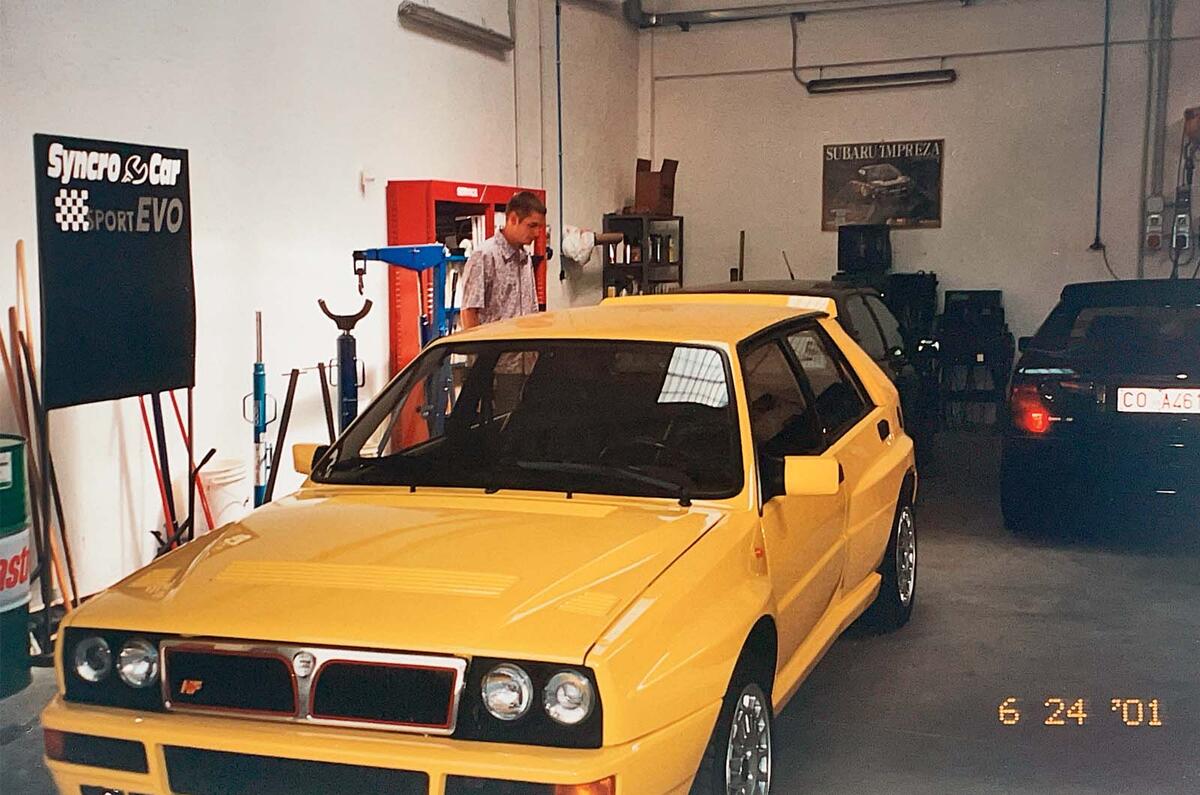
The £25,000 they cost new in 1992 had shrunk to barely five figures on the Italian market by the turn of the millennium, which led me to an unfeasibly glamorous test drive along the shores of Lake Como in a radiant Giallo Ferrari edition example in June 2001. Within a couple of months, I met it at Dover and drove it home to Edinburgh, where it became my daily.
And what a treat that is when your commute runs through the motorway-free, lightly trafficked haven of the Scottish Borders, rarely more than spitting distance from an RAC Rally special stage of yesteryear.
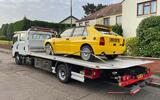
Six years later, I scribbled about it for an Autocar writing competition for budding journalists. The then editor’s response remains lost in the post, but in 2009 I travelled south to pester the magazine into giving me work experience and, eventually, actual work – marooning the Integrale north of the border for several years.
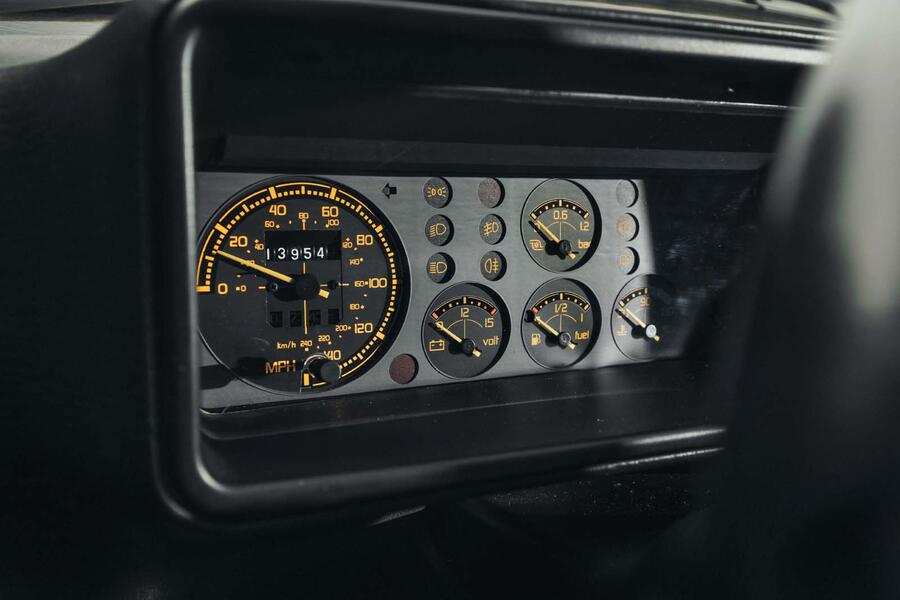
Since that time the Lancia has covered barely 9000 miles. I’m back in Scotland now, but the car largely remains an exhibit because I now have two young kids, and because a function of the Delta’s rarity and provenance means it’s now worth proper money.
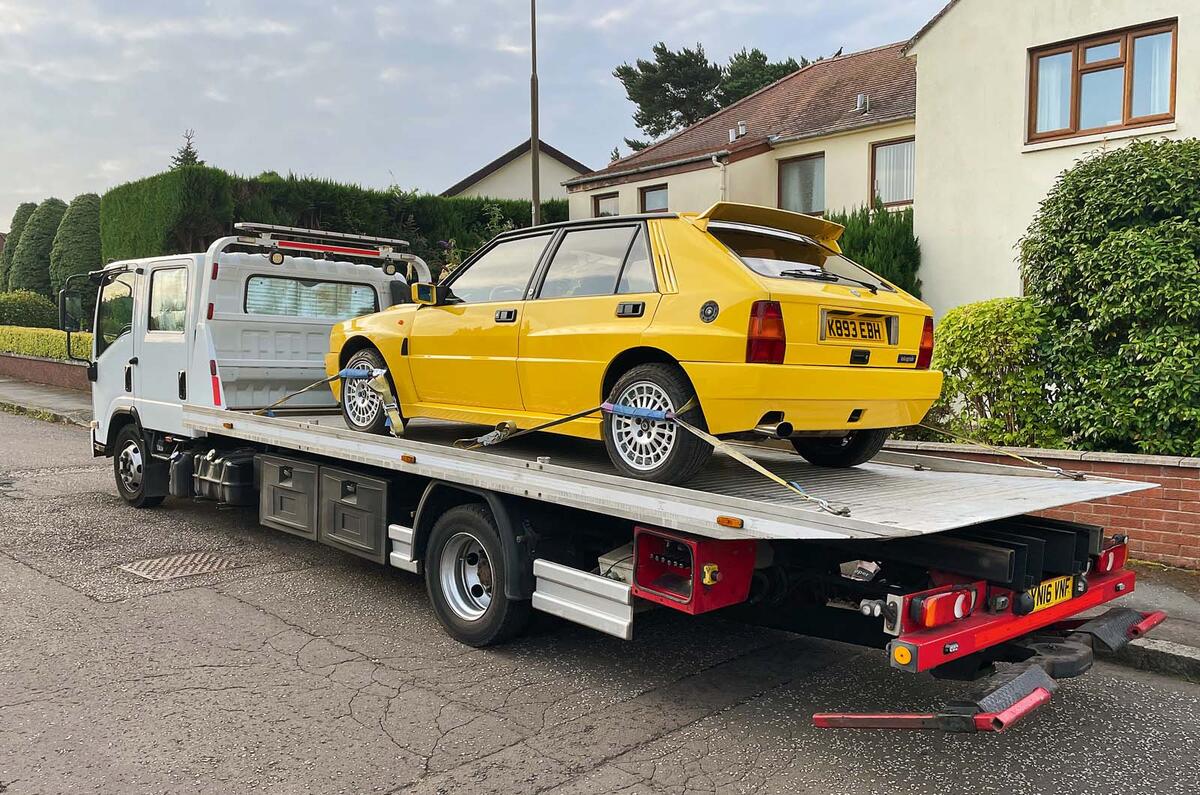
In 2017, a mint, 4000-mile Giallo Ferrari sold in New York for £142,000, and a British 17,000-miler made £105,000 in 2022. My car is tidy enough but leggier at 87,000 miles, so it has been estimated at five grand either side of £60,000: a welcome windfall for a growing family – unlike the cost of continued maintenance for a car I now barely drive.
One of the regular comments people make about the car is ‘don’t ever sell it’. I’ve always replied by saying I won’t unless I have to. Well, that time has come. And I’m not finding it easy. I’ve literally lost sleep over selling other cars and motorbikes, but this is a particular torment.