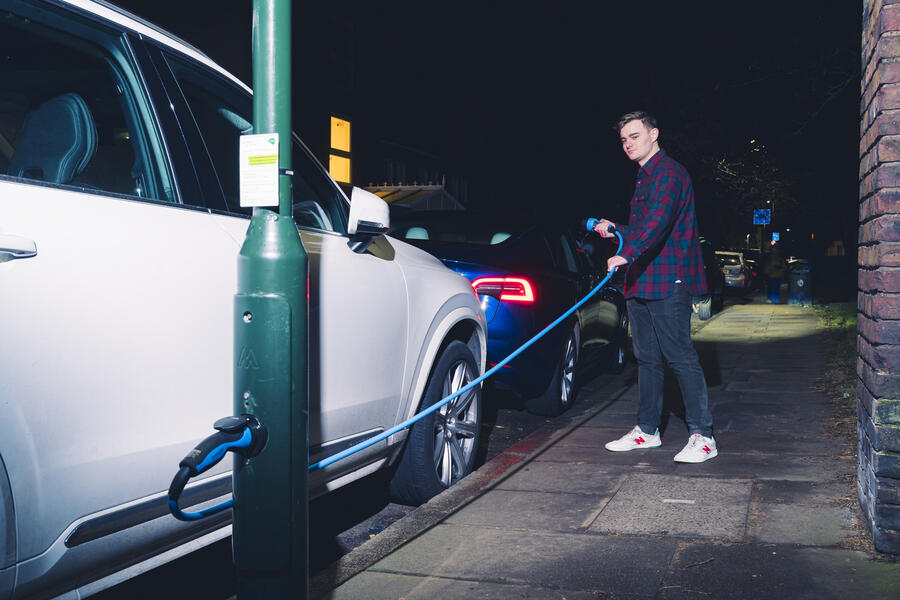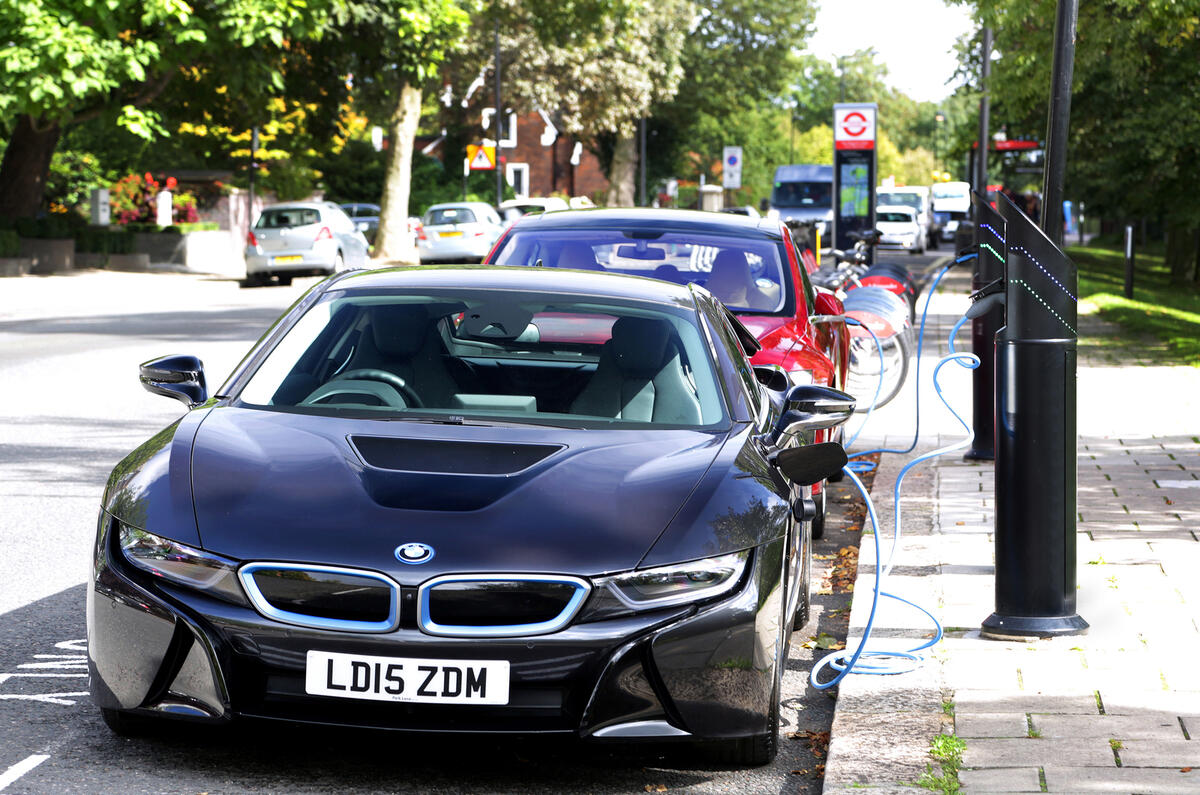
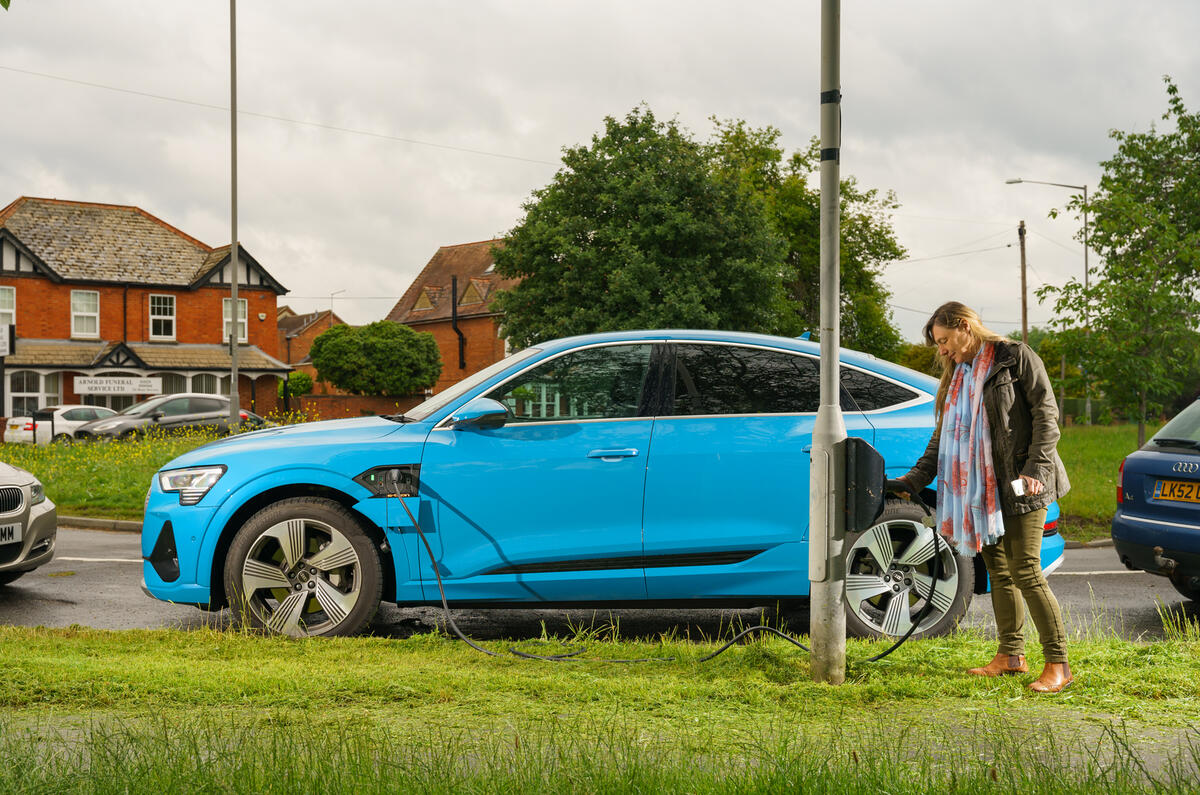
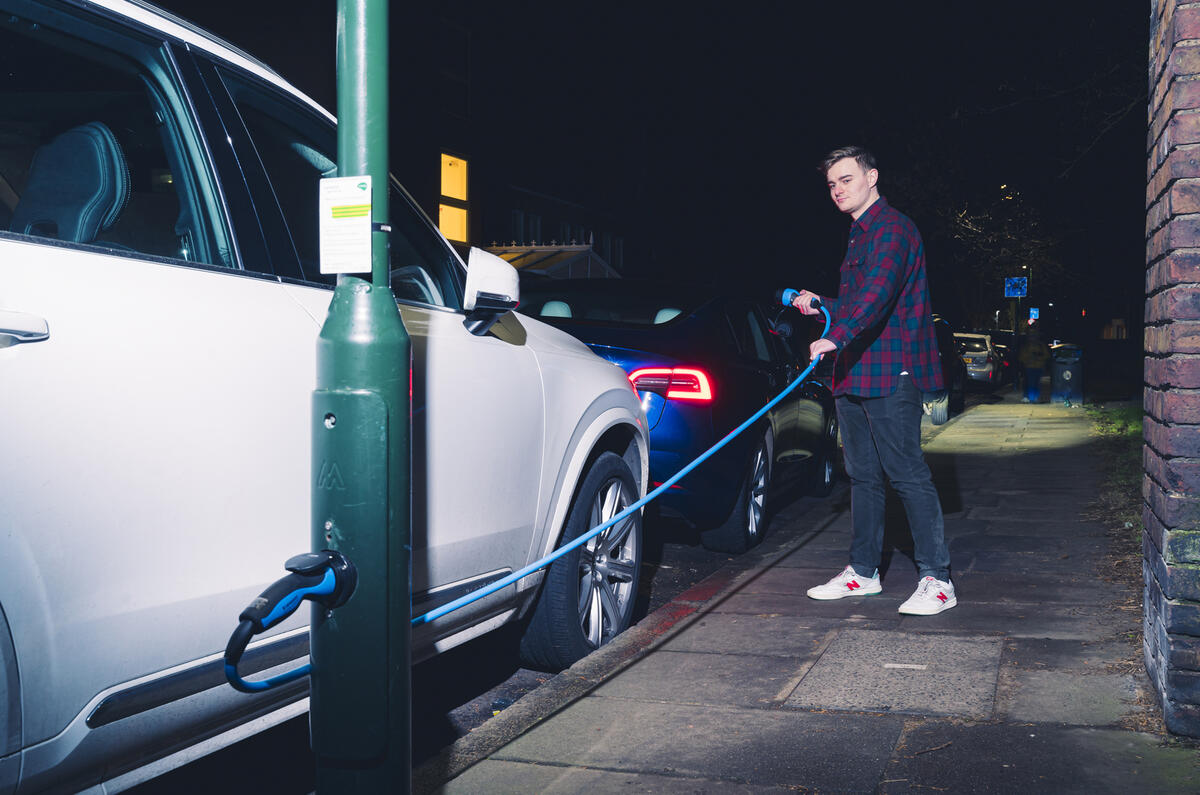




The government is failing to meet the UK’s needs for on-street electric car chargers, the AA has warned.
The UK’s electric vehicle infrastructure strategy, published in March, stated that a minimum of 70,000 on-street chargers will be required in residential areas by 2030 – when sales of new petrol and diesel cars will be banned.
As of 1 July 2022, just 2869 had been installed under the On-Street Residential Chargepoint Scheme (ORCS), with funding allocated for a further 9543. The ORCS provides local authorities with grants to install on-street chargers in areas where off-street parking is not available.
According to a statement from the AA, this means “there are huge black holes across the country where drivers without dedicated off-street residential parking would be reliant on the public charging network”.
As of March 2022, more than 40% of households in the UK did not have access to off-street parking.
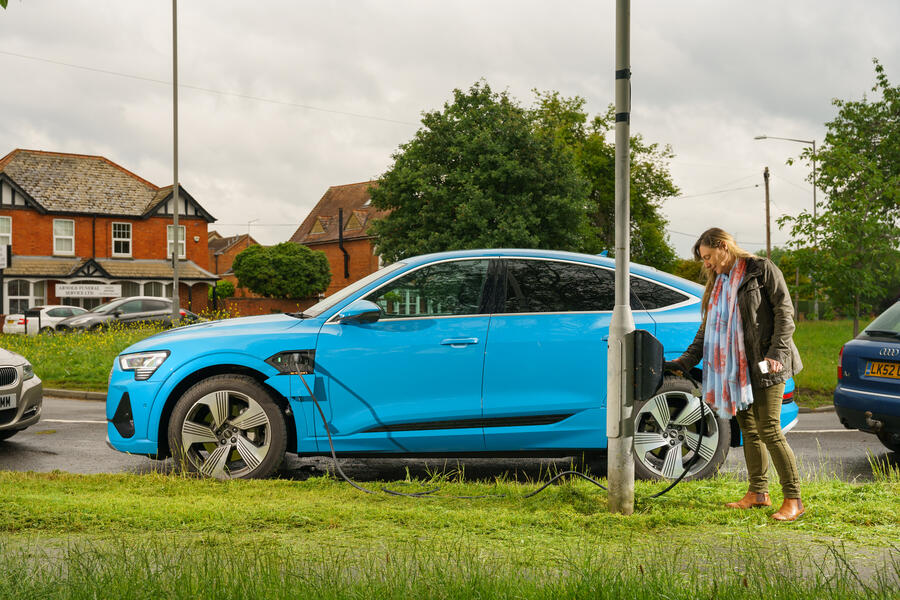
Jack Cousens, head of roads policy for the AA, said: “The transition to electric needs to convince people that they can easily find a charge, but we need a mix of charging speeds to make life simple for everyone.
“But there are huge swathes of the country without any on-street charging and that needs to be rectified urgently.”
Cousens added: “So much focus has been placed on the rapid and ultra-rapid network but many will be crying out for action closer to home.”
In response, a spokesperson for the Department for Transport told Autocar: “We’ve committed £2.5bn to accelerate the rollout of zero emission vehicles and charging infrastructure across the country, ensuring the transition is as simple as possible for motorists, as we take steps towards a greener transport future.
“As these latest statistics show, we’ll be funding thousands more chargepoints across the country – adding to the thousands that are already installed – to help drivers become even more confident in making the switch to electric vehicles.”