





Oil is one of those mysterious substances for many car owners.
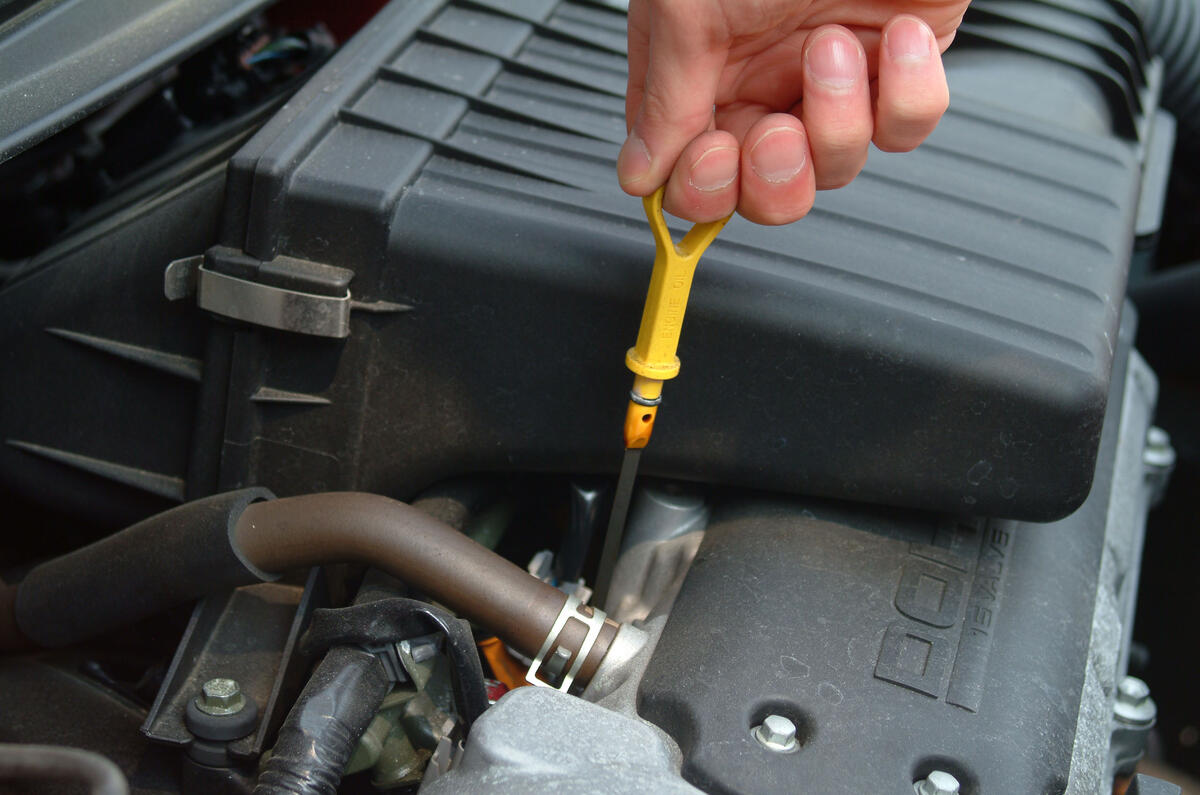
Unless you’re an enthusiast, you may well open your car’s bonnet only when something goes wrong – you’ve run out of washer fluid or there’s an alarming amount of smoke coming from somewhere. But keeping the car well lubricated is one of the most important maintenance jobs, because unwanted friction in a fast-moving engine usually leads to bad, potentially expensive news.
Advanced mechanical technology in modern cars means that modern oils are more complex than ever, according to David Wright, director general of the United Kingdom Lubricants Association.
He says increased regulations on vehicle emissions and increasing demands from consumers for performance uncompromised by advanced fuel economy have meant that the lubricant industry of oil blenders and marketers has had to keep up with manufacturer demands as they chase better efficiency.
“Smaller oil sumps mean we are all using less oil each year but the oil we are using has to work twice as hard,” Wright says. “Car manufacturers today are demanding thinner and lighter engine oil viscosities to achieve enhanced fuel consumption in a smaller, more powerful engine while at the same time reducing emissions.”
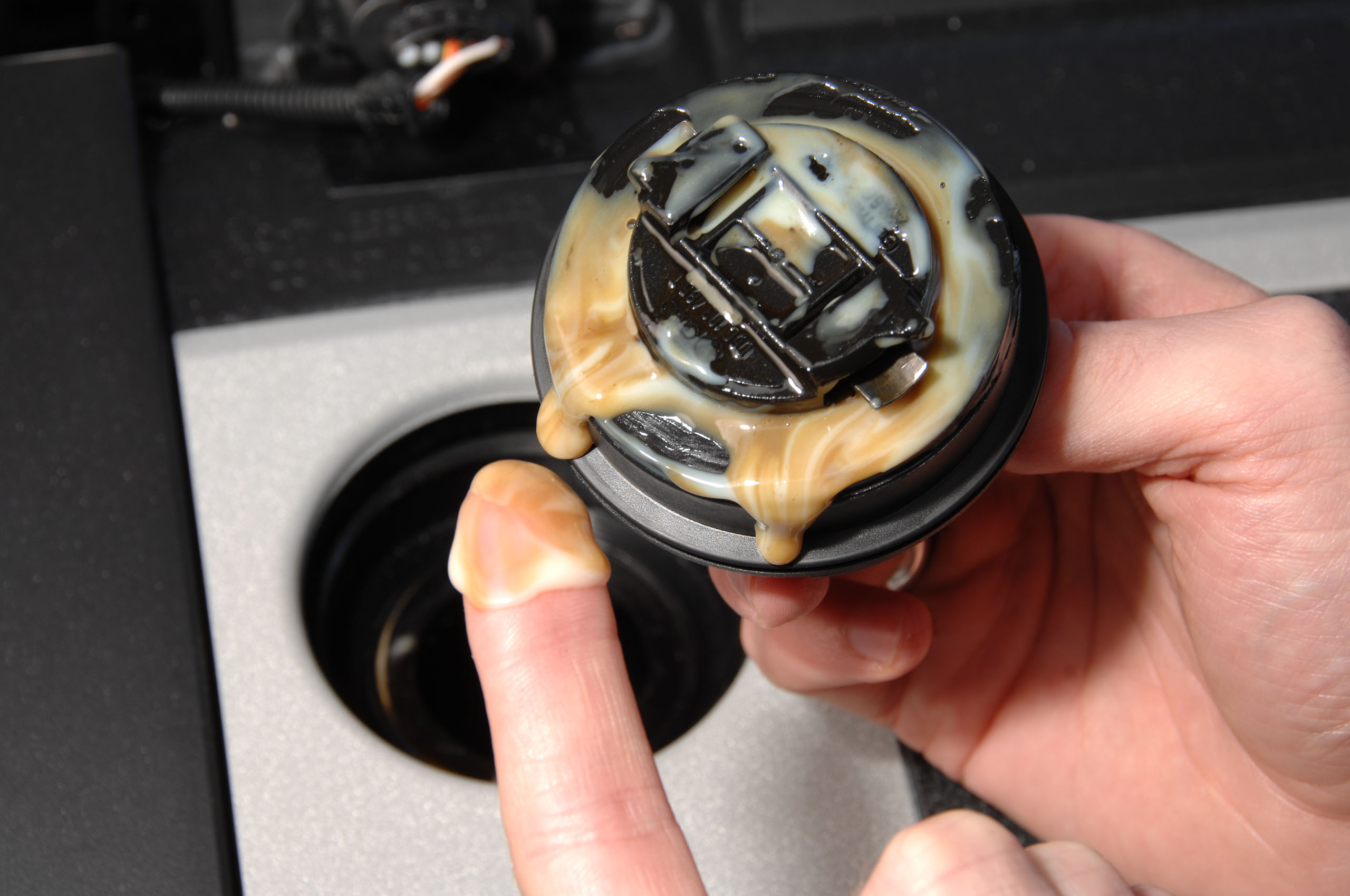
This means that getting the right oil for your car is more important than ever. Get it wrong and while you won’t see instant disaster as you would if you’d put diesel in a petrol car, you will subject your engine to excess component wear.
“You won’t see an issue immediately. It’s not like putting contaminated fuel into your vehicle,” says Wright. “But within 20,000 miles, you could have severe operational issues.”
What kind of oil you need depends on the engine. All new cars will come with a recommended grade listed in the manual and usually a recommended manufacturer, too. The grade will be shown in numbers, separated by the letter ‘w’ – for example, 5w40.
“Put simply, the viscosity of an oil gives you an indication of its resistance to flow at given temperatures,” Wright explains. “The ‘w’ rating, preceded by a number, gives you an indication of how the oil flows at winter temperatures and the last number indicates flow in summer temperatures.”
However, the viscosity alone isn’t enough to indicate how well an oil will protect your engine. There are numerous tests that car manufacturers go through to formulate engine oils and these are ratified by an organisation called the European Automobile Manufacturers Association, known as the ACEA (an acronym of the organisation’s French title). The ACEA determines the exact requirements needed to meet the demands of different types of modern engine. The specifications, known as ACEA Oil Sequences, are renewed every four years but are backwards compatible for older vehicles.