







What is it?
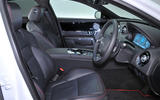
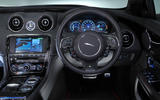
We’re talking here about the most economical full-size saloon Jaguar has ever built, the luxurious XJ-e hybrid, which I recently sampled on public roads as part of Jaguar’s three-car, six-driver entry in the 2012 Future Car Challenge, a 63-mile all-roads economy test between Brighton and London.
Our experimental Jag trio, part-financed by the government’s busy and productive Technology Strategy Board, proved their potential by topping their class in the Brighton to London test, winning the award for 'Most energy-efficient luxury car — prototype' and a taking a new award for 2012, the 'Technical panel’s award of merit'.
The XJ-e, officially rated at 87mpg and with a CO2 output of just 75 g/km, is an advanced prototype Jaguar is developing in case the world’s luxury car buyers discover a taste for extreme economy. So far they haven’t; companies such as Porsche have had limited showroom success with their Cayenne and Panamera hybrids. Seems those who can afford big-price cars can stump up big fuelling costs, too.
However, nearly every parameter in motoring has changed over the past decade, so no-one should bet against governments abruptly erecting future tax barriers for conventional models that will make big hybrids either much more financially attractive, or perhaps the only cars permitted in certain inner-city areas.
What is it like?
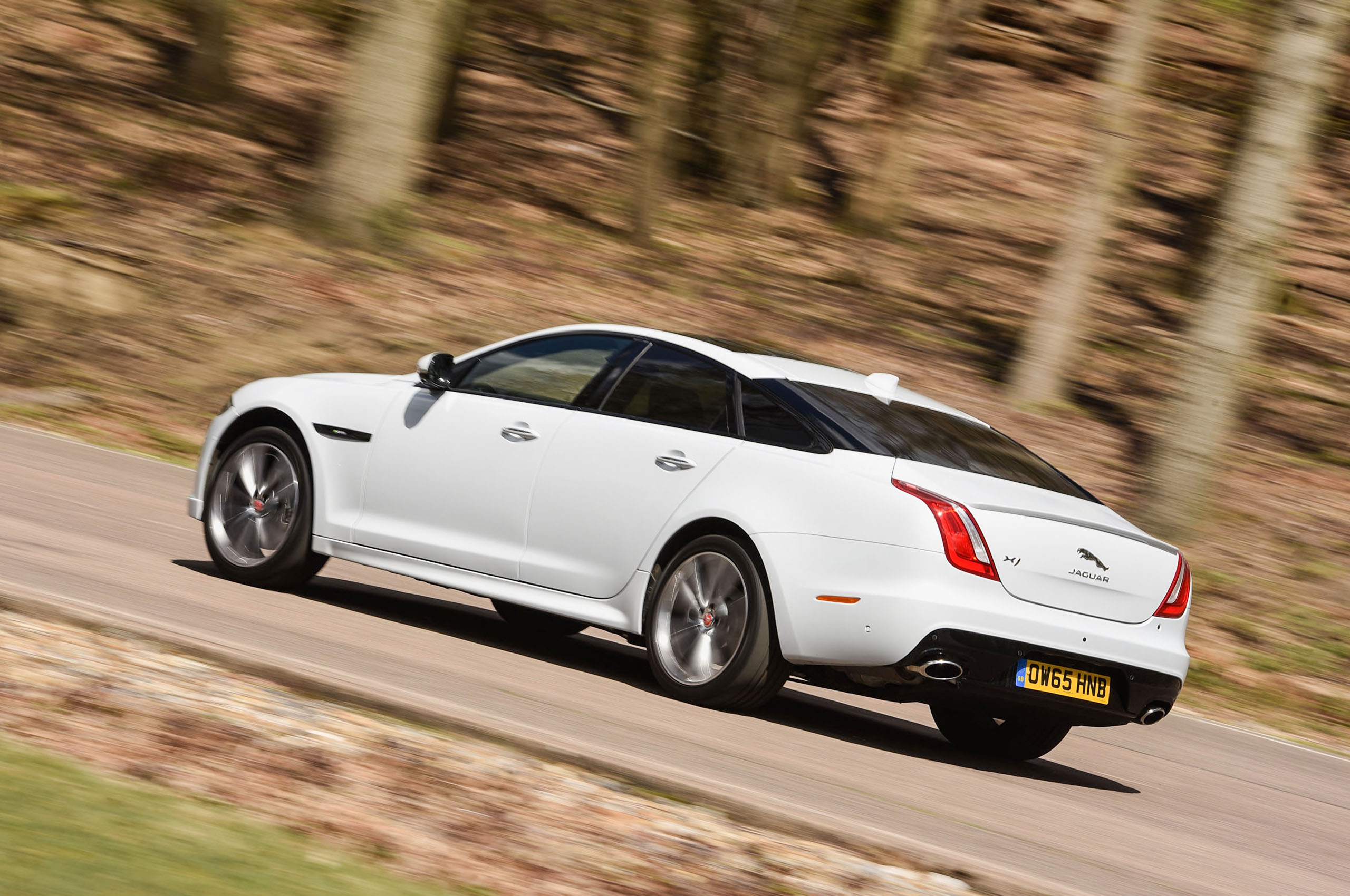
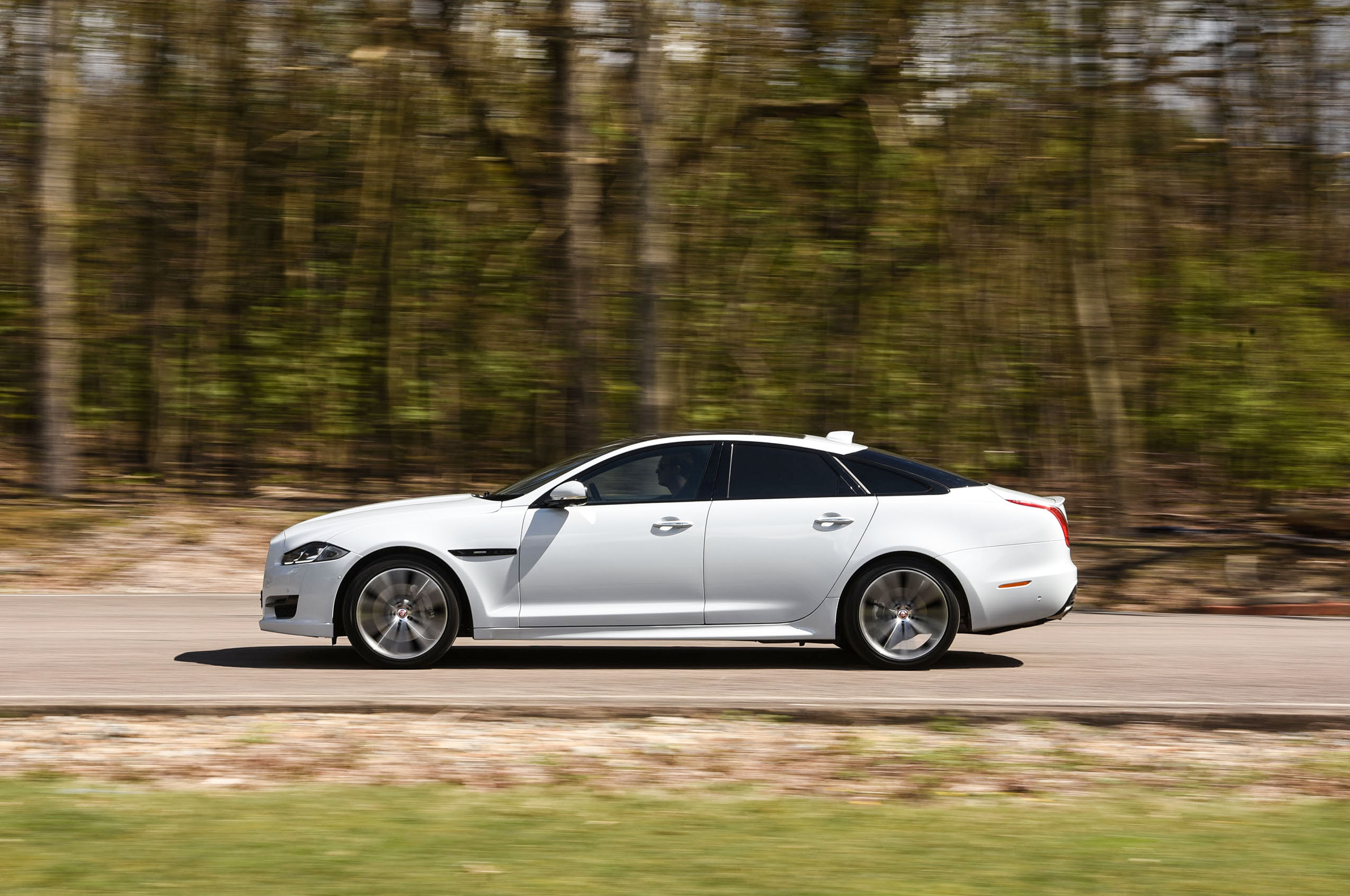
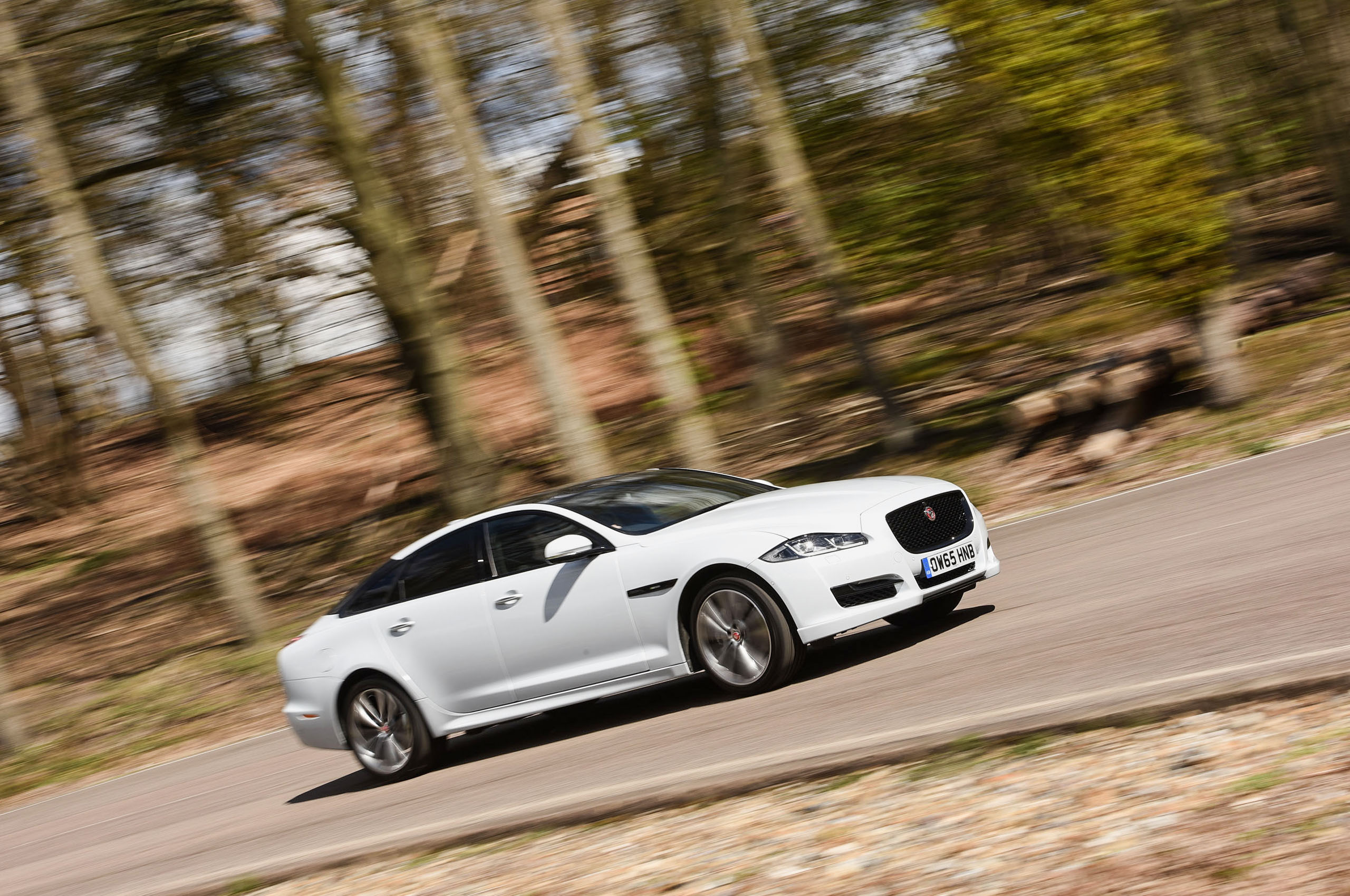
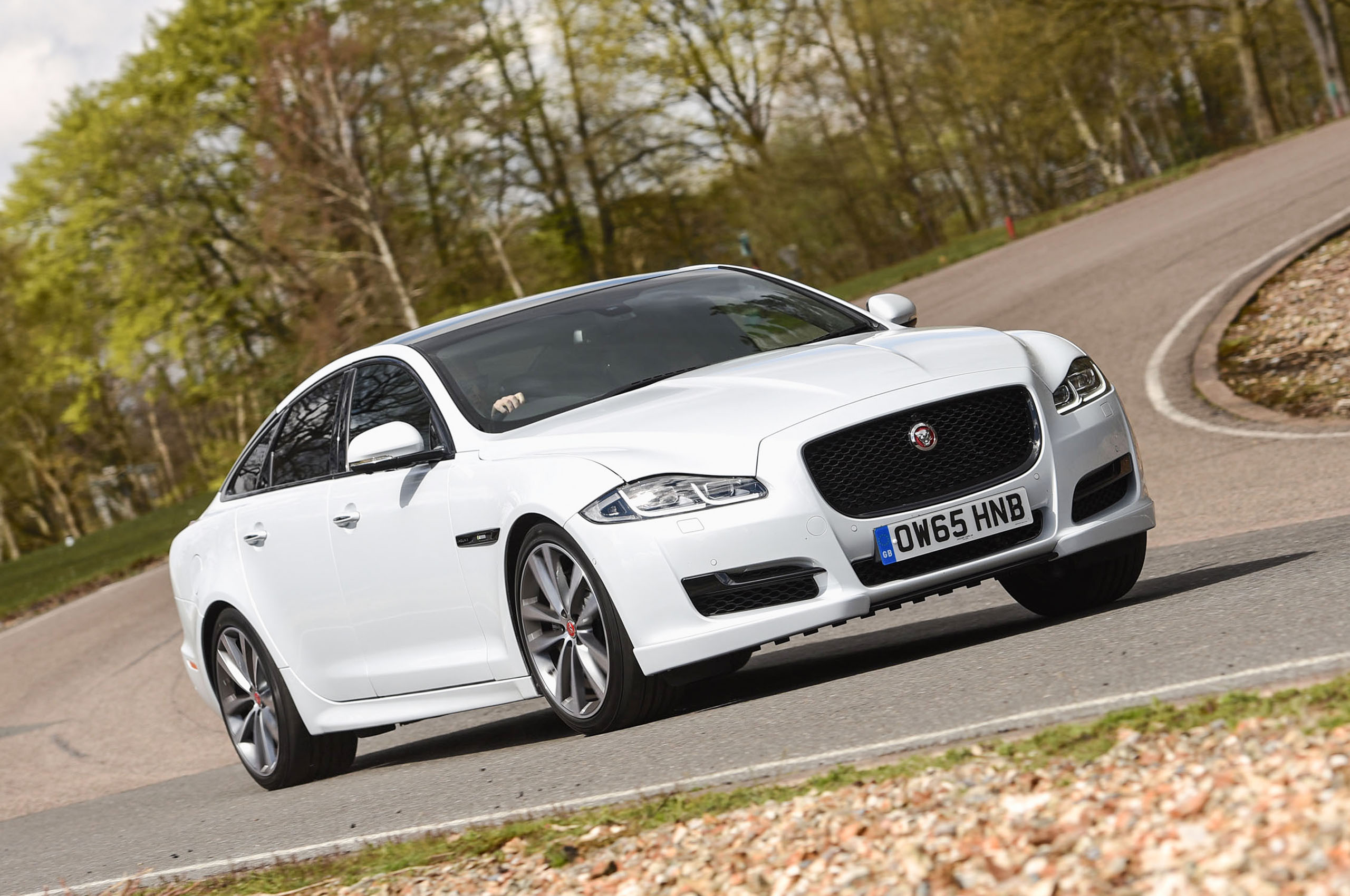
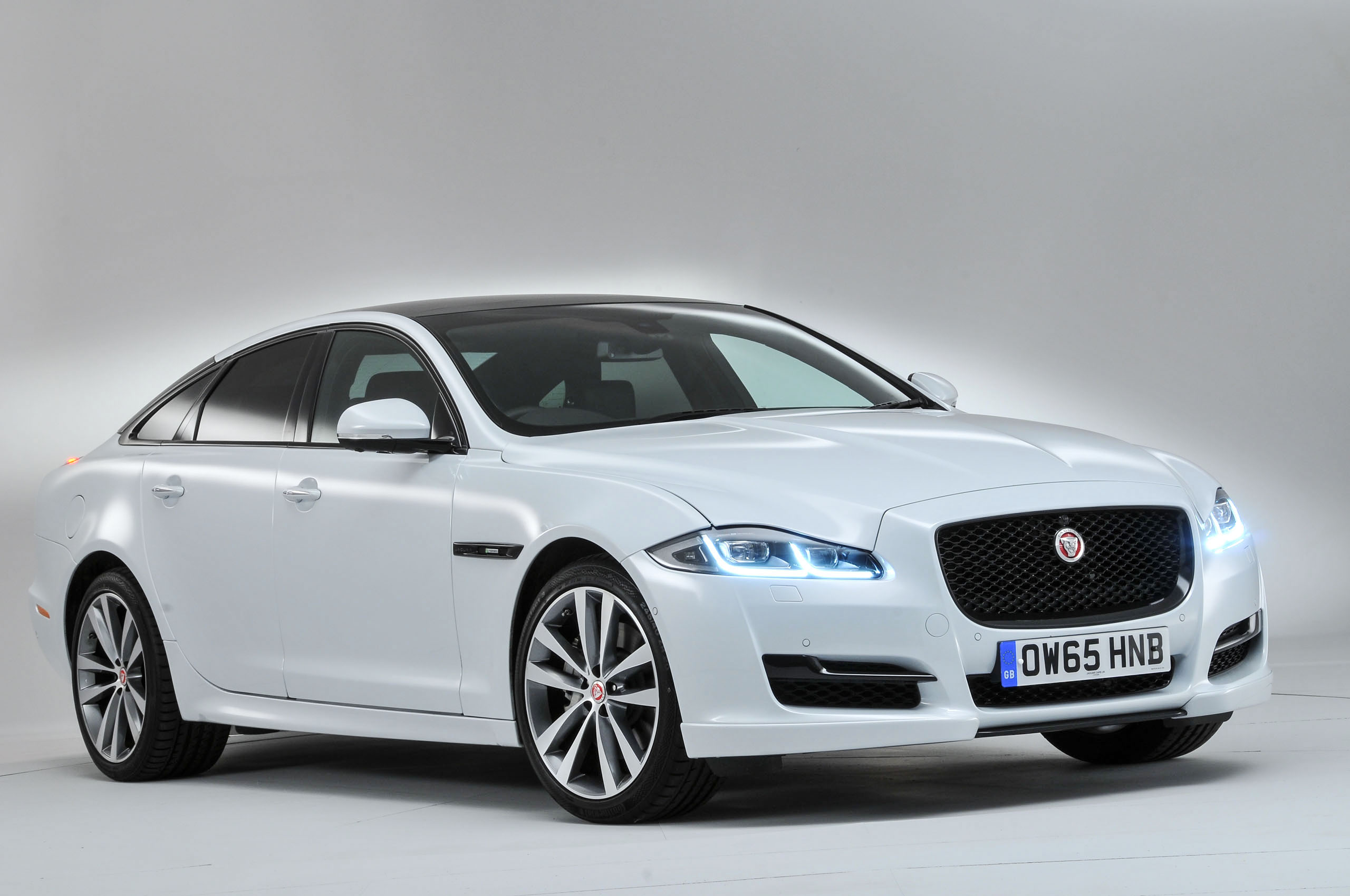
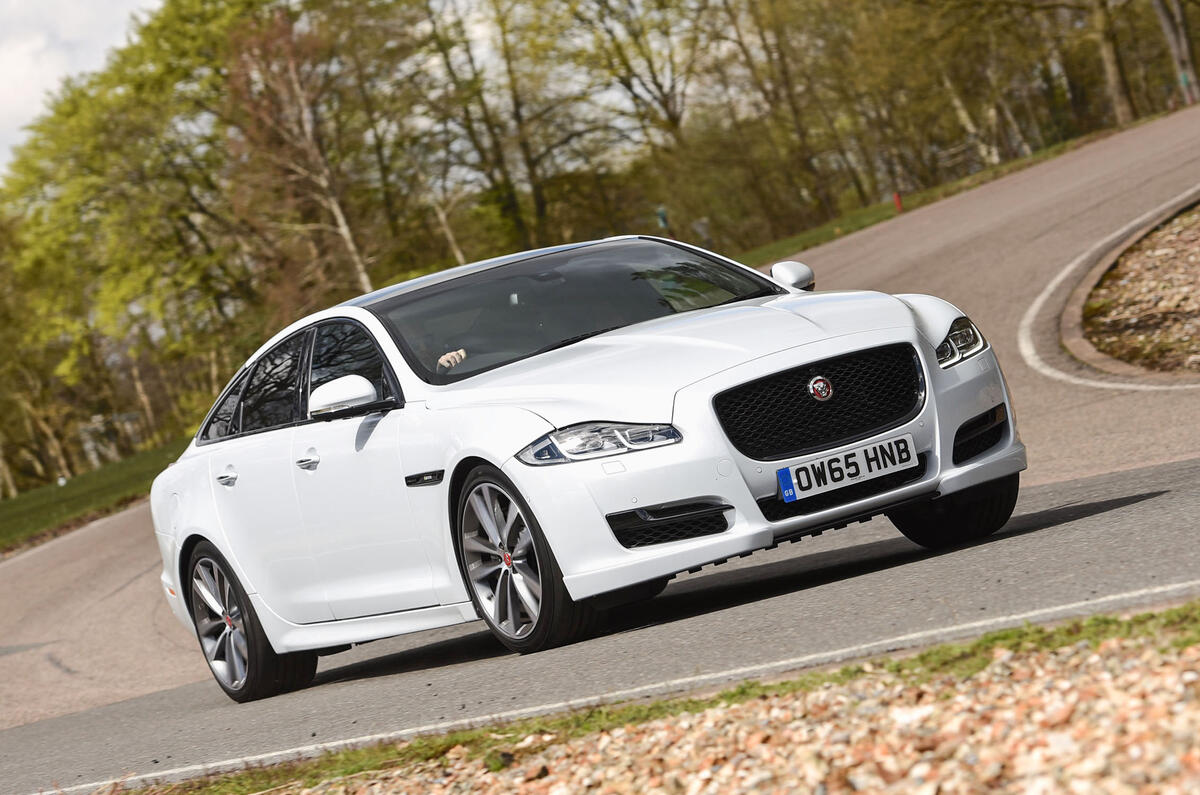
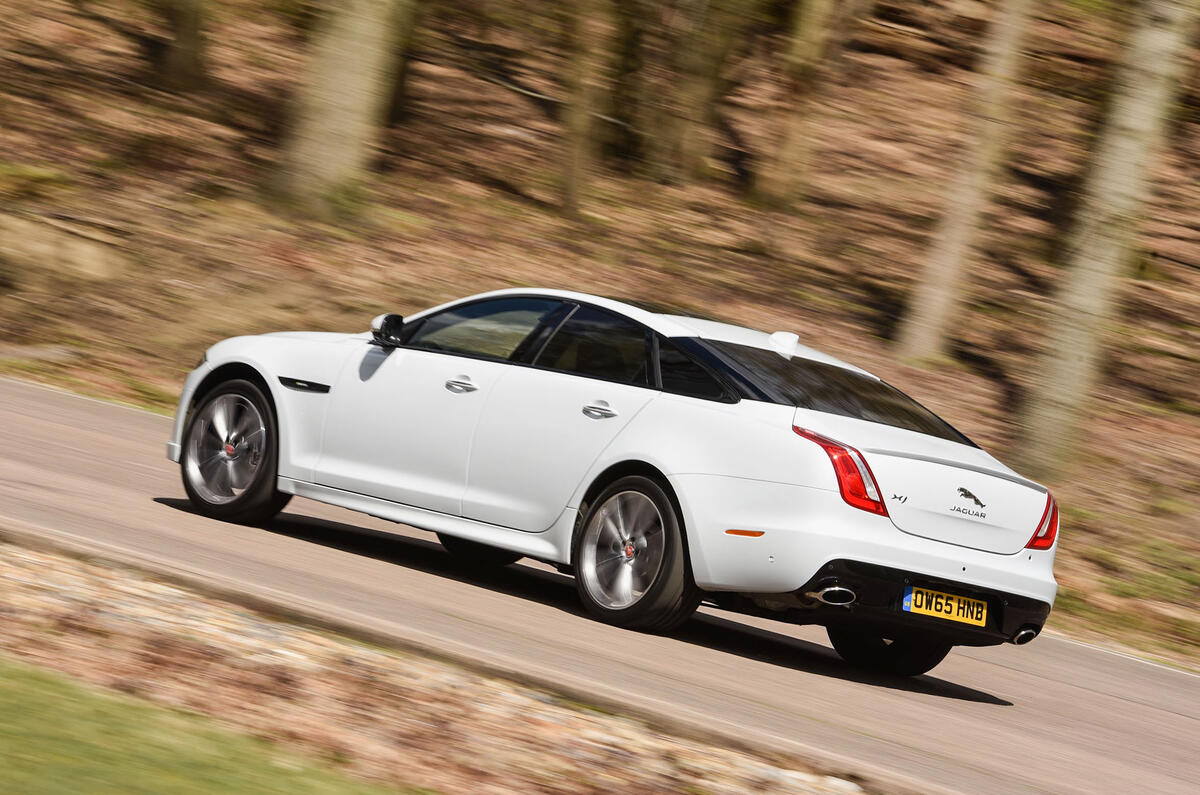
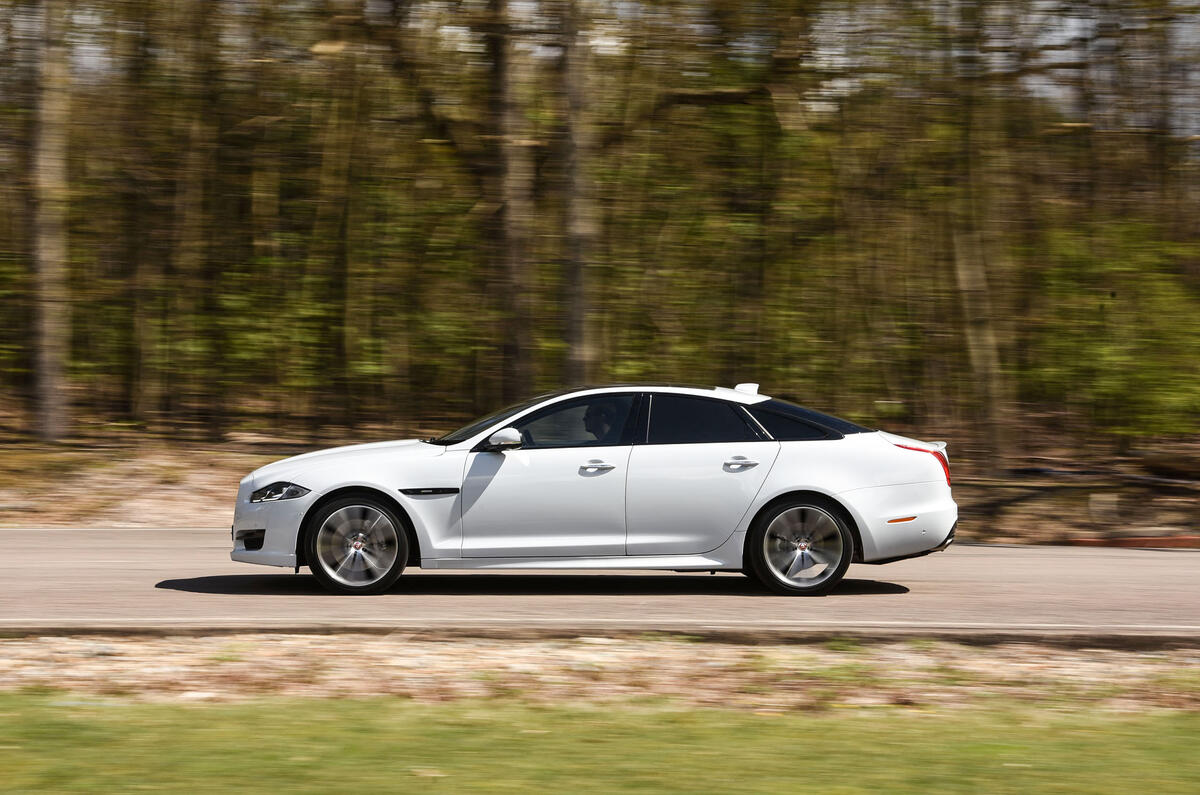
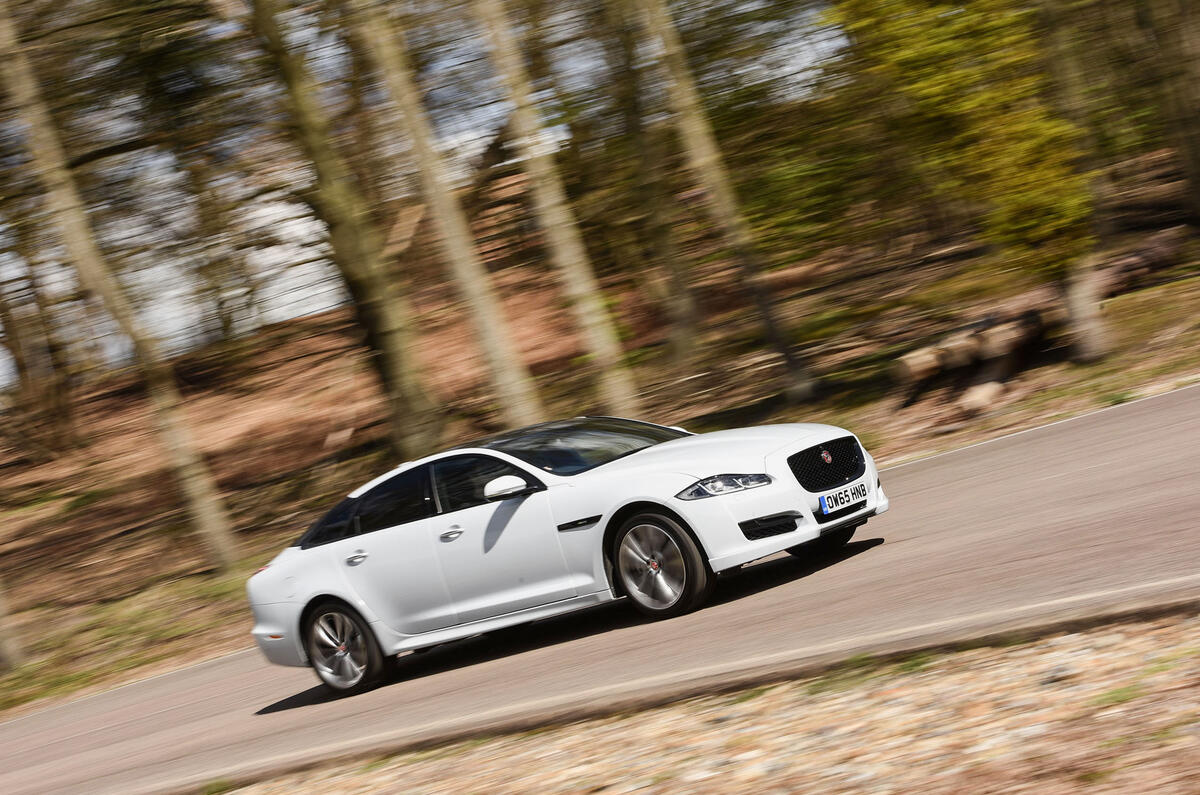
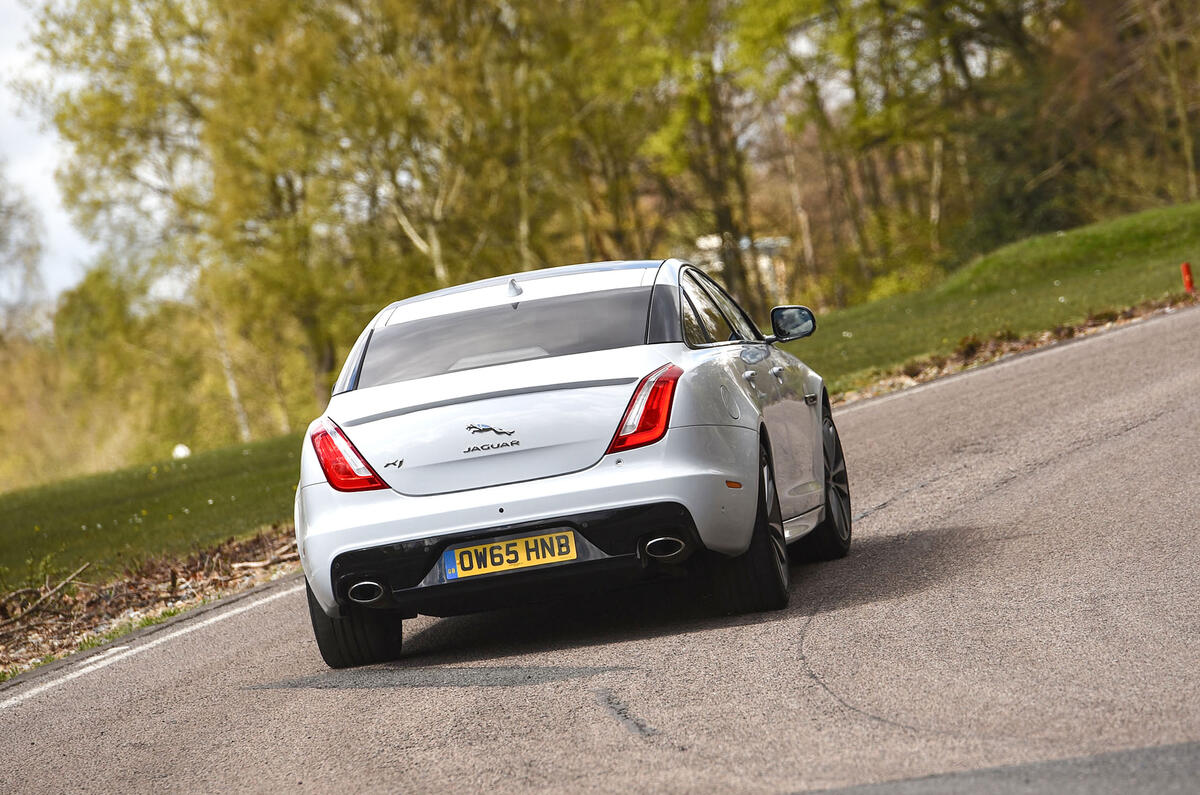
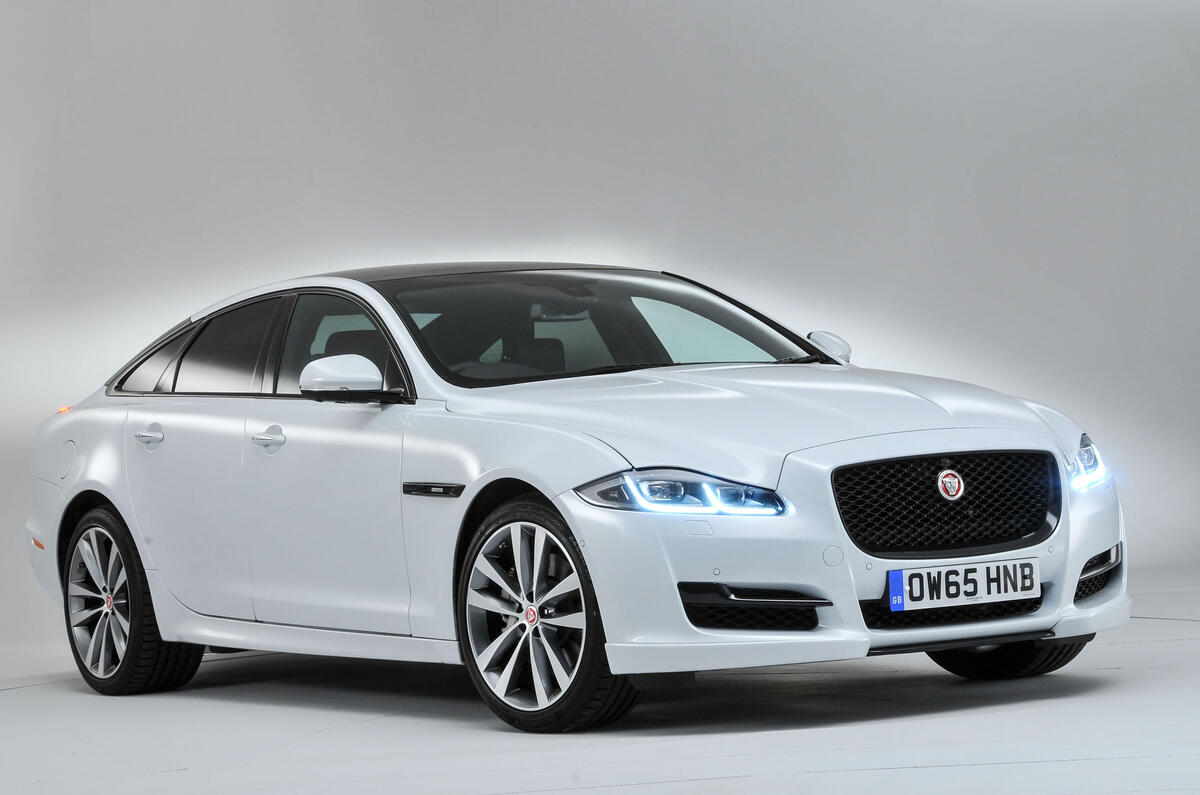
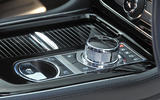
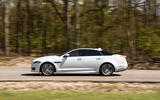
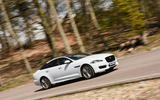
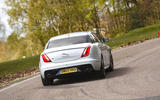
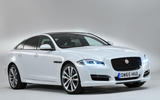
To the casual onlooker, the XJ-e is impressive but not greatly different to the eye than the normal XJ. The big differences are under the skin. There’s a 2.0-litre, four-cylinder Range Rover Evoque petrol engine in the car’s nose, driving a hybridised automatic transmission (the classic eight-speed ZF automatic with an electric motor where the torque converter would normally be).
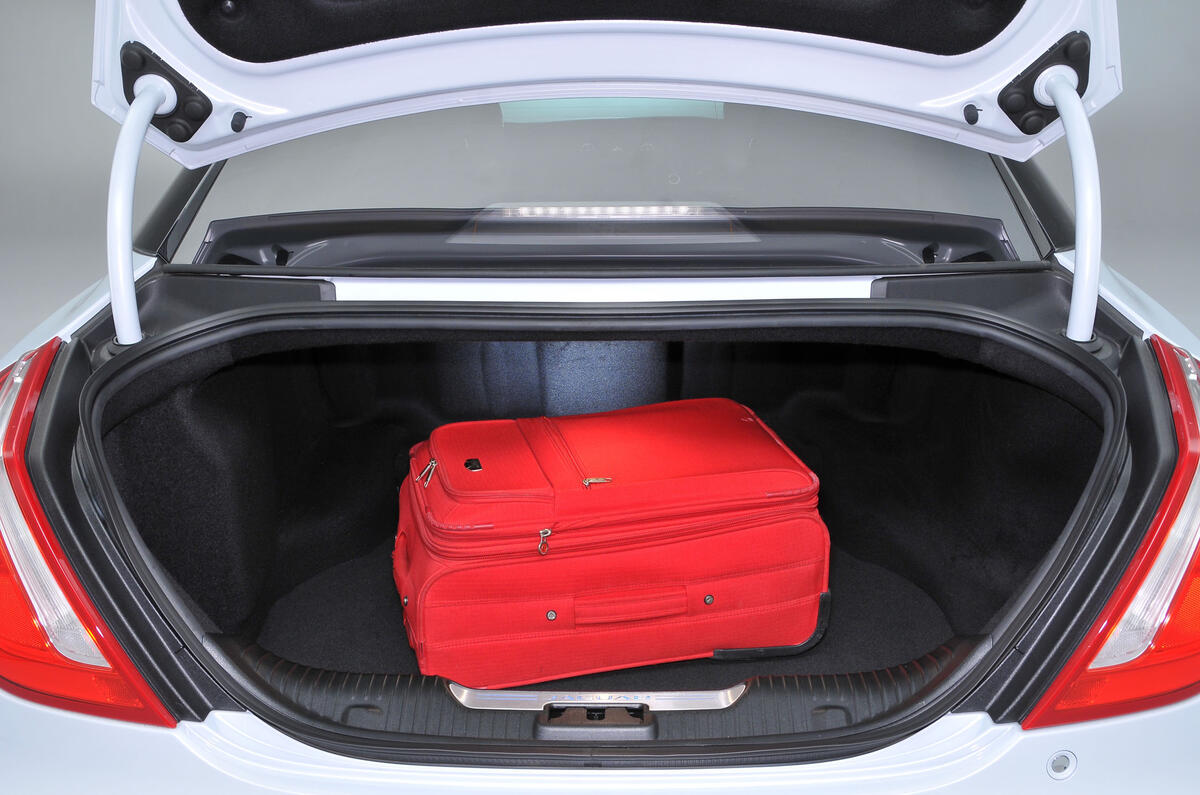
The motor is sandwiched between a pair of clutches so the car can be driven petrol only, electric only or with both engines in action. In the boot there’s a 12.3kWh lithium ion battery pack plus a smaller stash of Jaguar’s 'own-brand' power electronics. The battery can be fully charged from household mains in four hours and is capable of driving the car on electricity only for around 25 miles, thereafter garnering and occasionally utilising charge generated as the petrol engine drives the car or through regenerative braking.
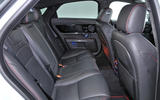
My job was to ride shotgun in one of the XJ-e prototypes beside Peter Richings, director of Jaguar Land Rover’s growing hybrids and electrification group. This was easy: for the passenger, the XJ did its usual XJ 'magic carpet' impressions; for the driver (after some minor starting rigmarole) it was a matter of deploying the smooth and almost silent propulsion energy as efficiently as possible on economy-run principles, washing away as little forward speed as possible with friction braking (more gentle regenerative braking was allowable) and using downward gradients to gather speed and slingshot the car up the next hill. Power was extremely smooth and silent (when the engine started it was barely noticeable) and there was no gearchanging at all. This simply did not feel like a prototype.
All too quickly and easily, we reached our destination at Imperial College, in London’s South Kensington, where our fuel consumption was to be calculated. After careful checking by College experts our Jaguars each used between 1.1 and 1.2 litres of petrol plus 11kWh of electrical energy, the equivalent of 112mpg for the course, which was a staggering result. An old-school Jag V12 would have done well to get away with burning 14 litres – a bit over three gallons – for the same course.
Peter Richings was elated by the car’s performance, but avoided any confirmation that a hybrid Jaguar would be heading for production soon. It’s clear there are hurdles: the Ford-derived petrol engine won’t be available forever, and Jaguar would have to be sure there was a profitable demand for a hybrid version, which is doubtful at present.
Still, the way the car drove showed how well it could work. Though beset by long hills and dawdling traffic out of Brighton, we still managed to coax 23 battery-only miles out of our car, getting it almost to Crawley, the first stop, before the engine started. Thereafter the car ran mostly on its petrol engine (which we kept at 1500-1700rpm, its most efficient range) though it dipped occasionally into EV running whenever it had harvested charge on the overrun or via regenerative braking.
From a driver’s point of view the hybrid powertrain performed so sweetly that it did not disturb its luxury-car character one iota. Or its performance, for that matter: the XJ-e could have demonstrated 0-62 mph acceleration in less than 6.5 seconds, plus a 150mph top speed. What is more, its engine-start and engine-stop transitions were quiet and well cushioned, and the eight-speed transmission worked with its usual silky efficiency. In all, this was surely the smoothest, quietest and most economical way to win a driving competition ever.
Should I buy one?
You can’t, yet. And Jaguar won’t be drawn on when they’ll put a hybrid XJ on the market, either, though they have announced a hybrid Range Rover. It's bound to use a lot of the same components and will arrive during 2013.
Truth is, the market for luxury saloons is weak where fuel economy and low CO2 really count (US, Europe). Where the XJ is strong (China, Russia) economy isn’t much of an issue. An XJ hybrid will arrive, for sure, but you have time to save up.