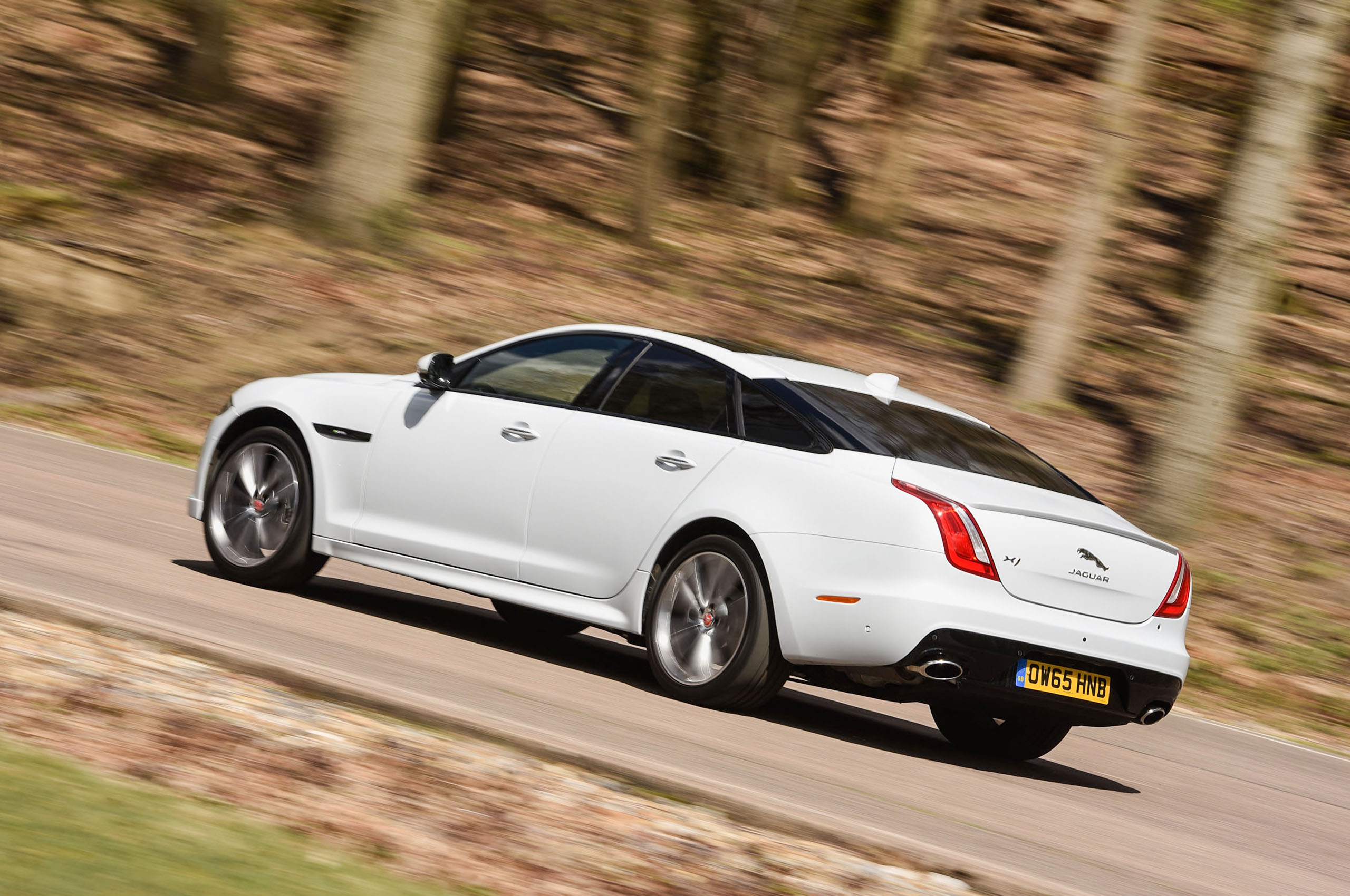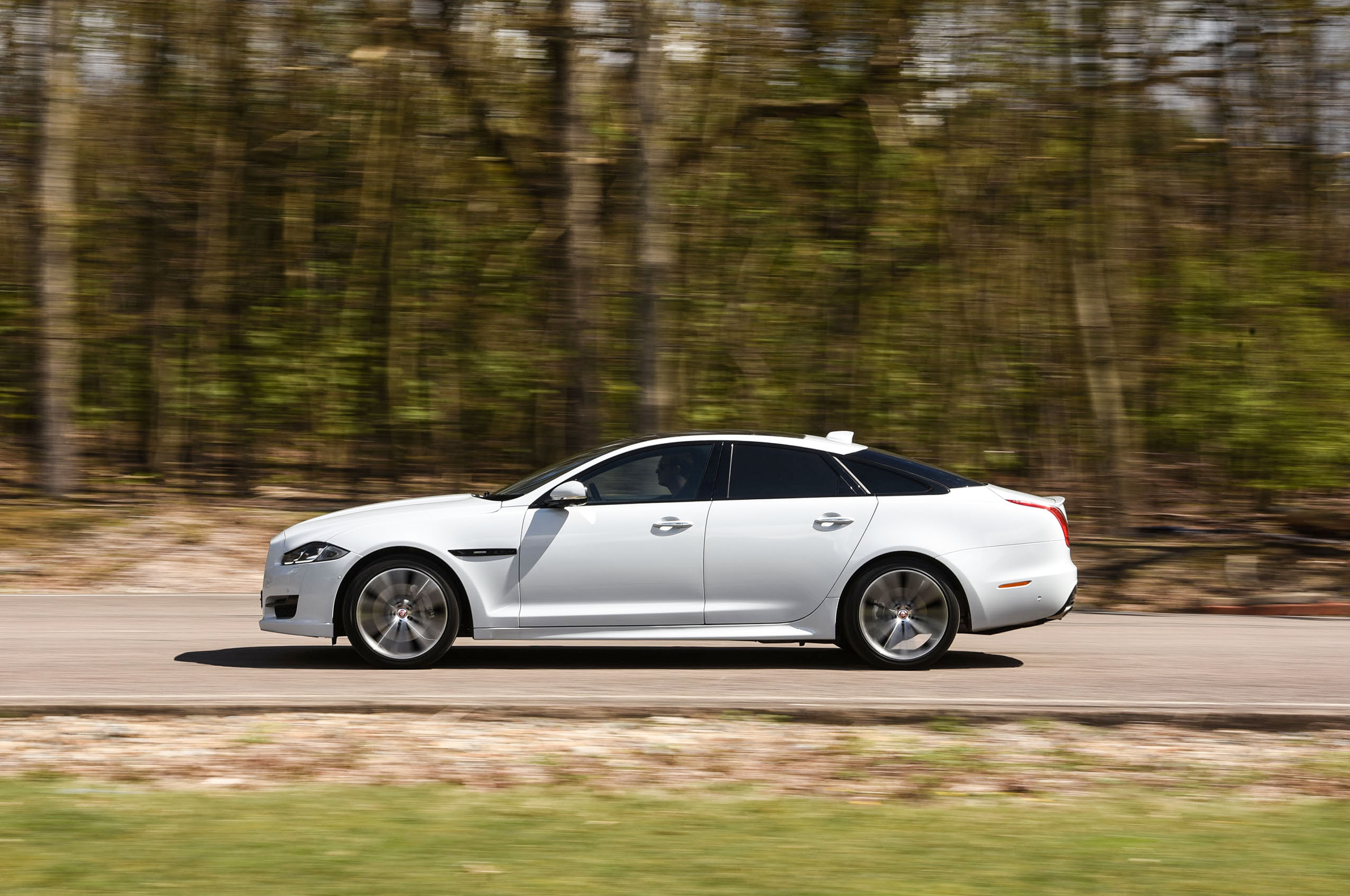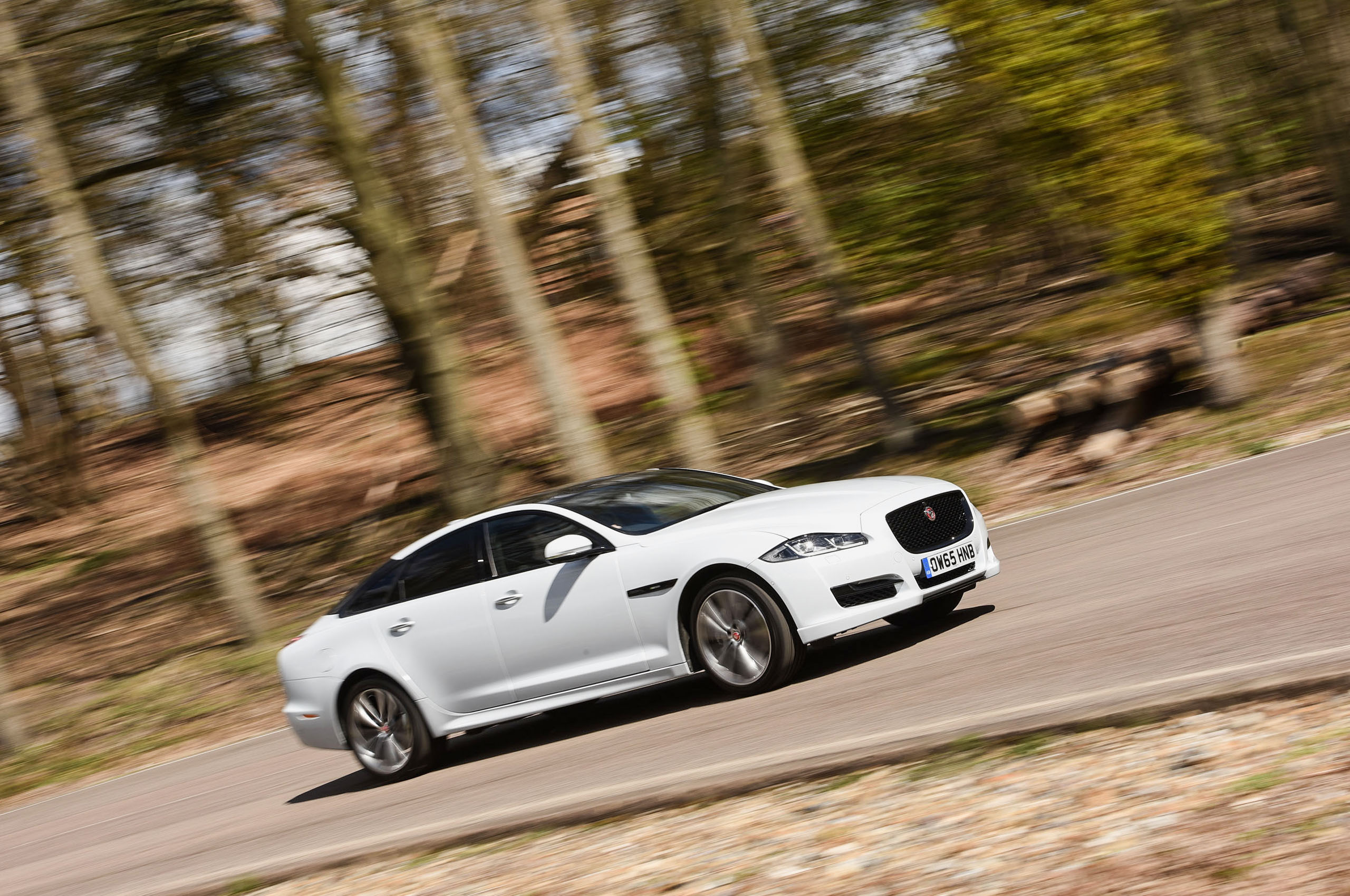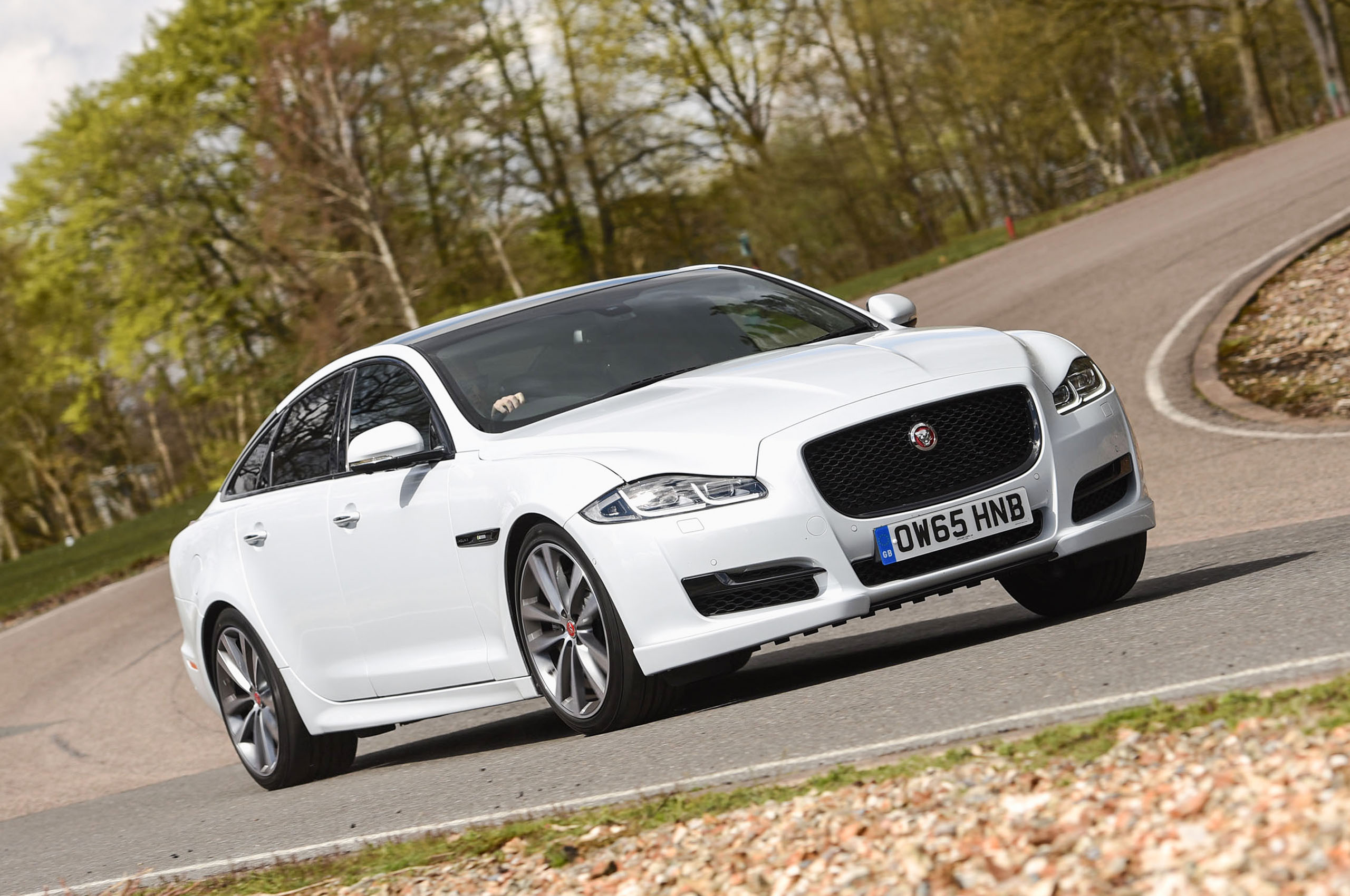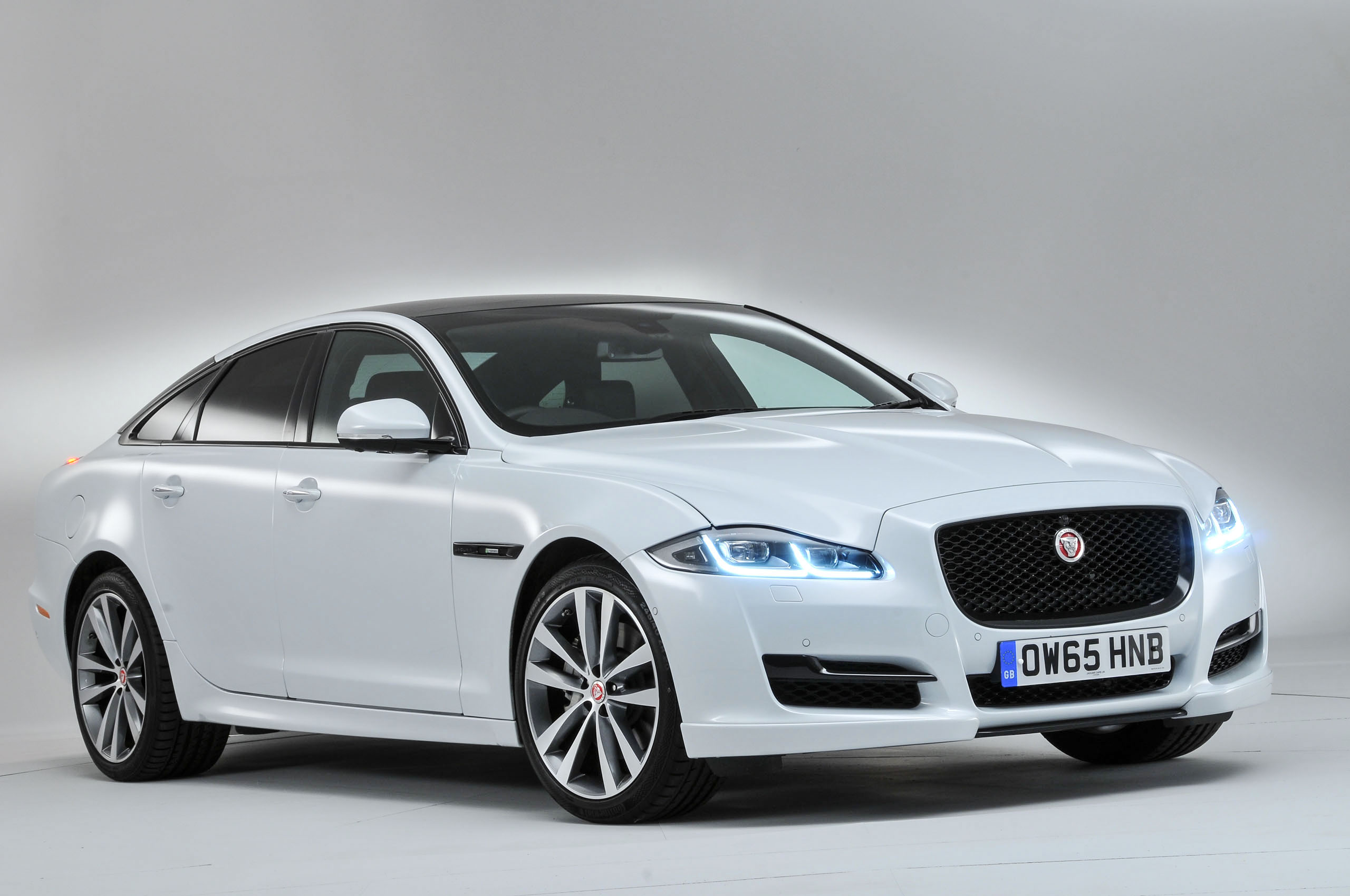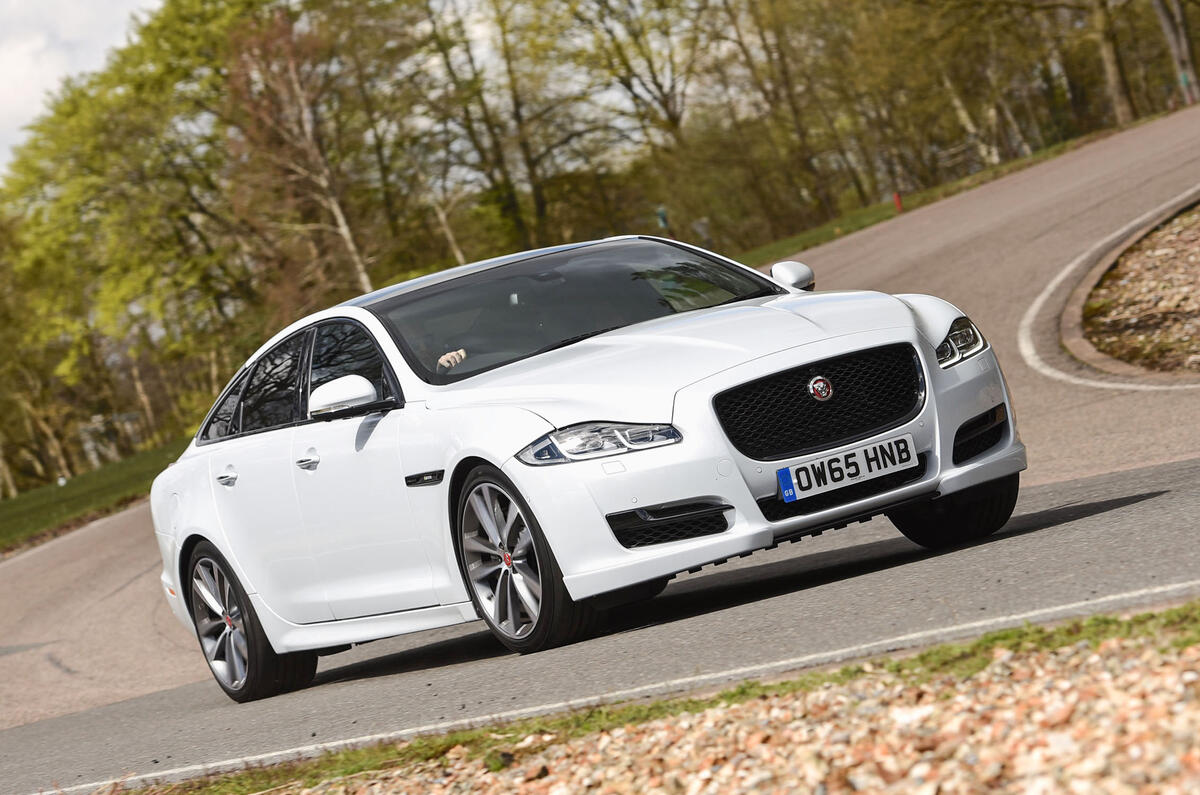
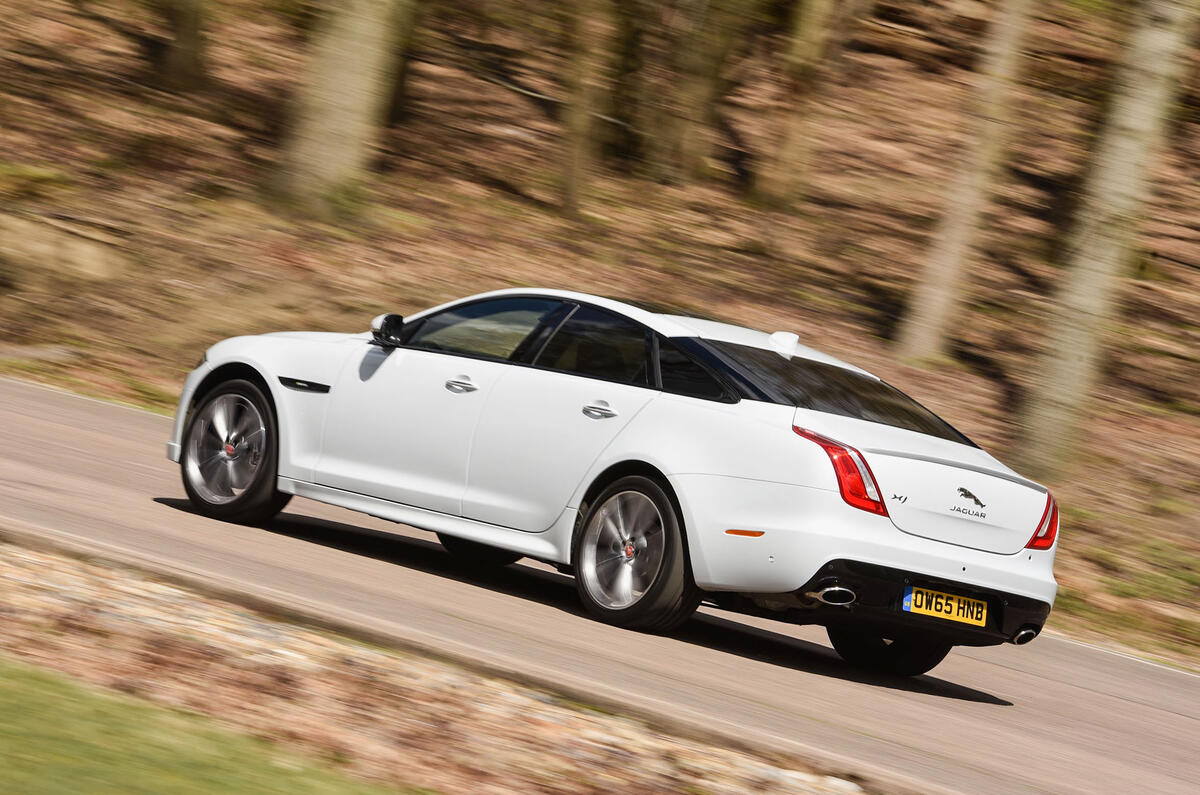
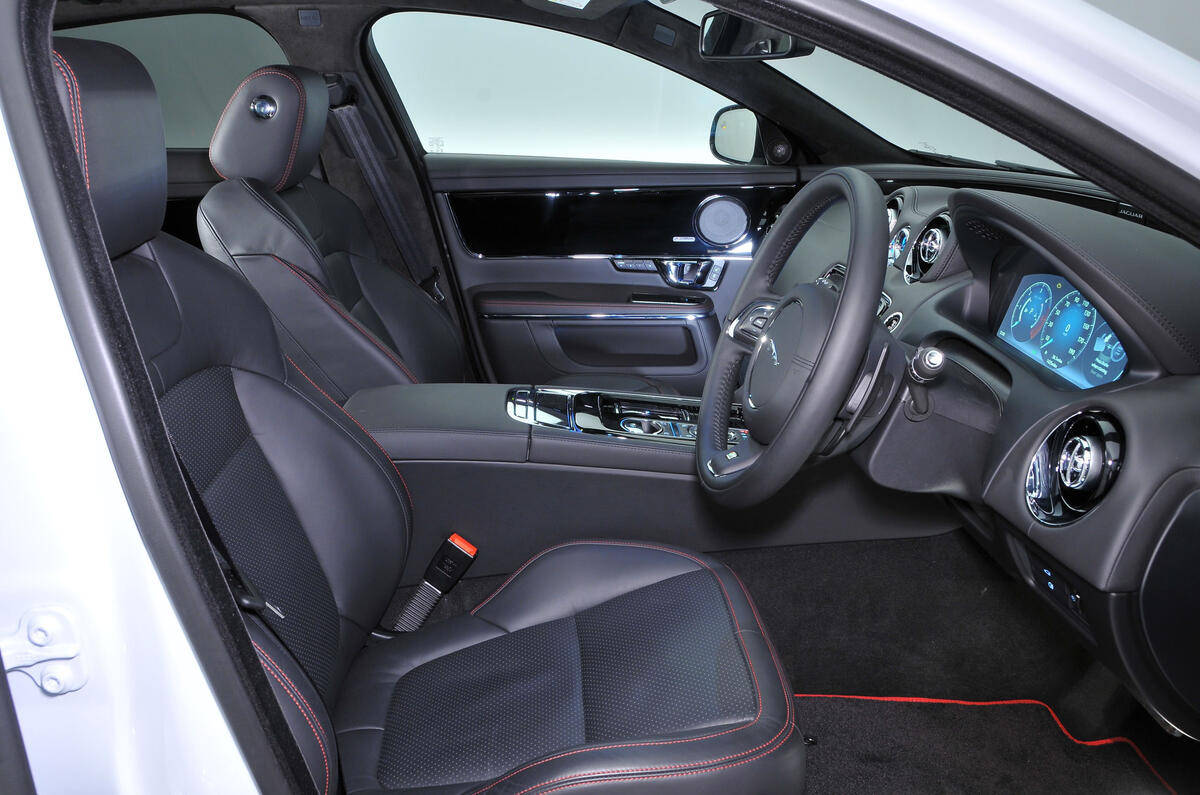
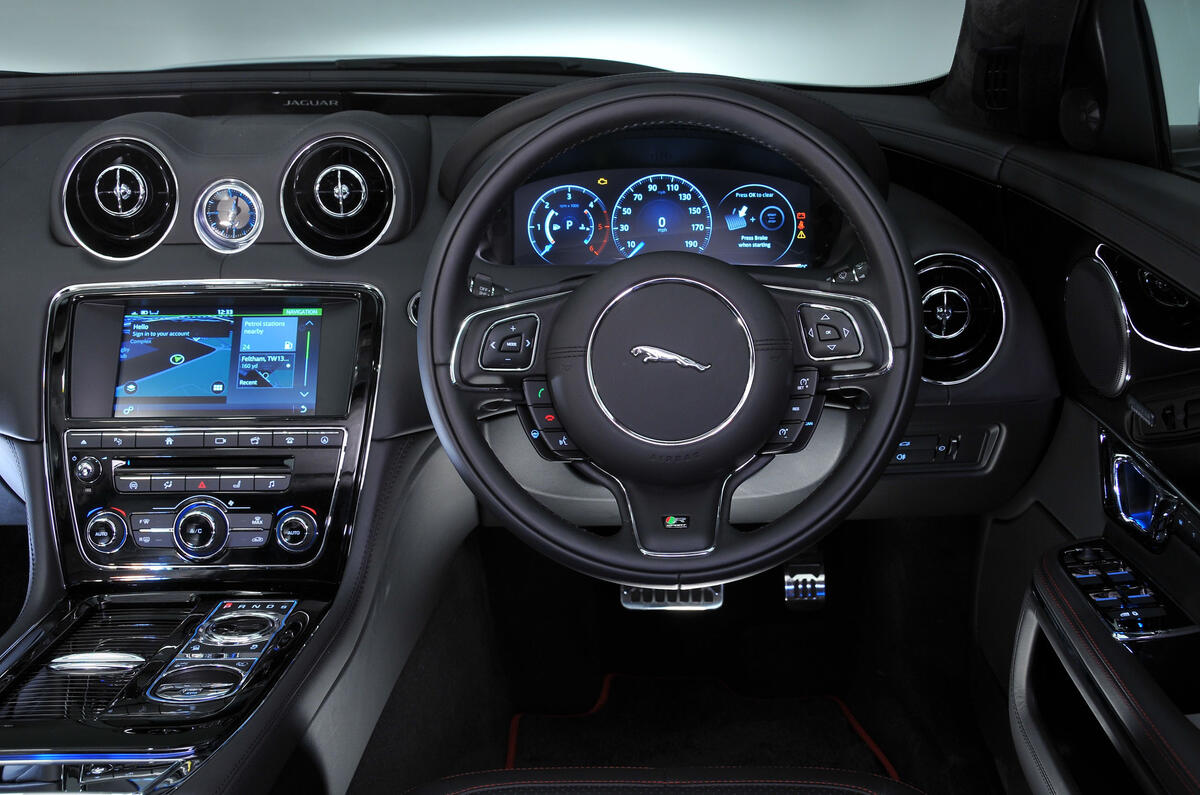
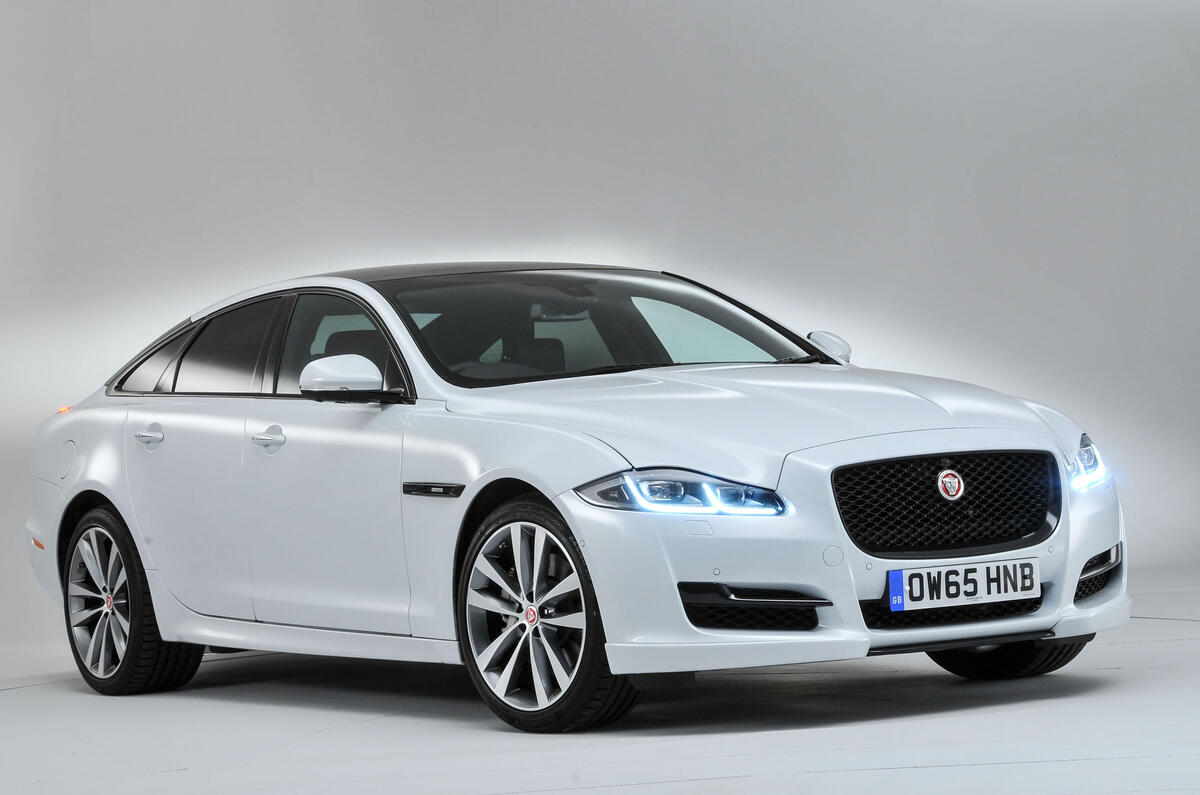










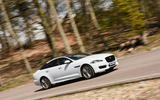
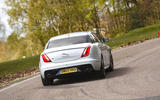


There has been a Jaguar XJ since 1968, or at least a Jaguar featuring XJ in the name. The XJ has represented the pinnacle of Jaguar’s saloon car line-up and, with a few notable exceptions, one XJ has, broadly speaking, looked quite a lot like the next.
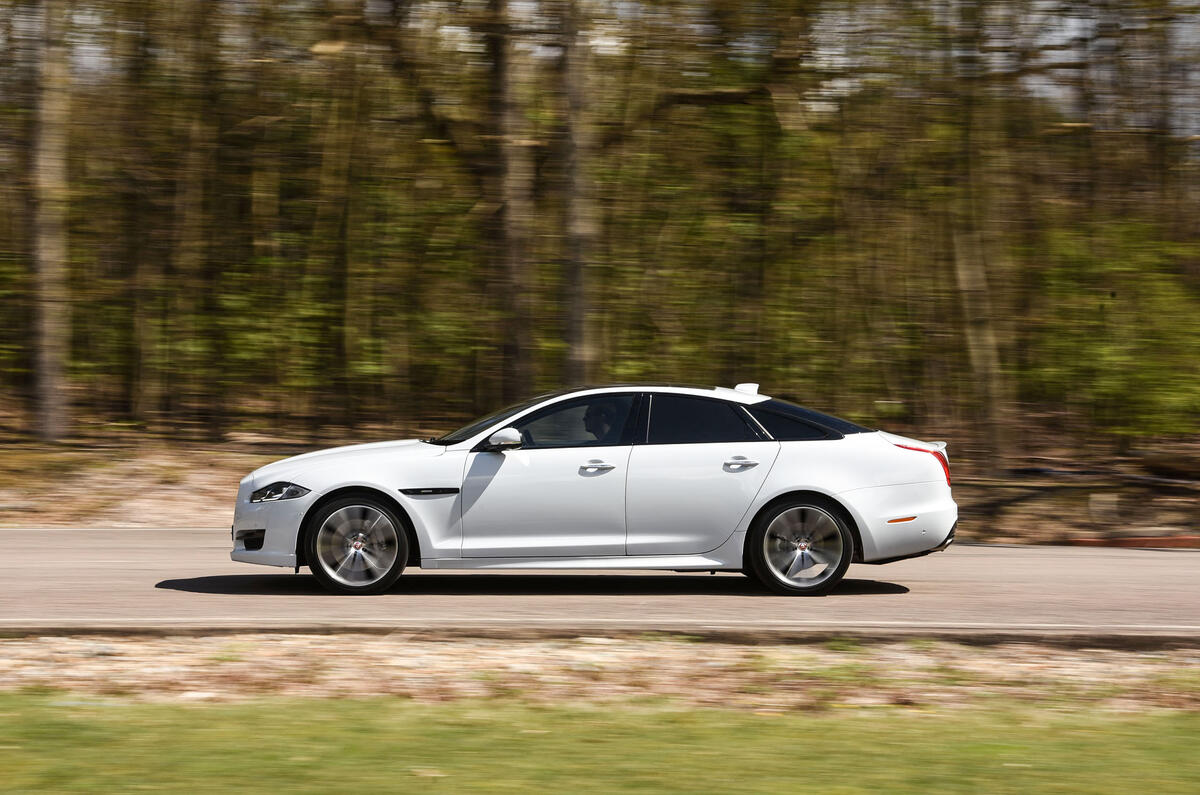
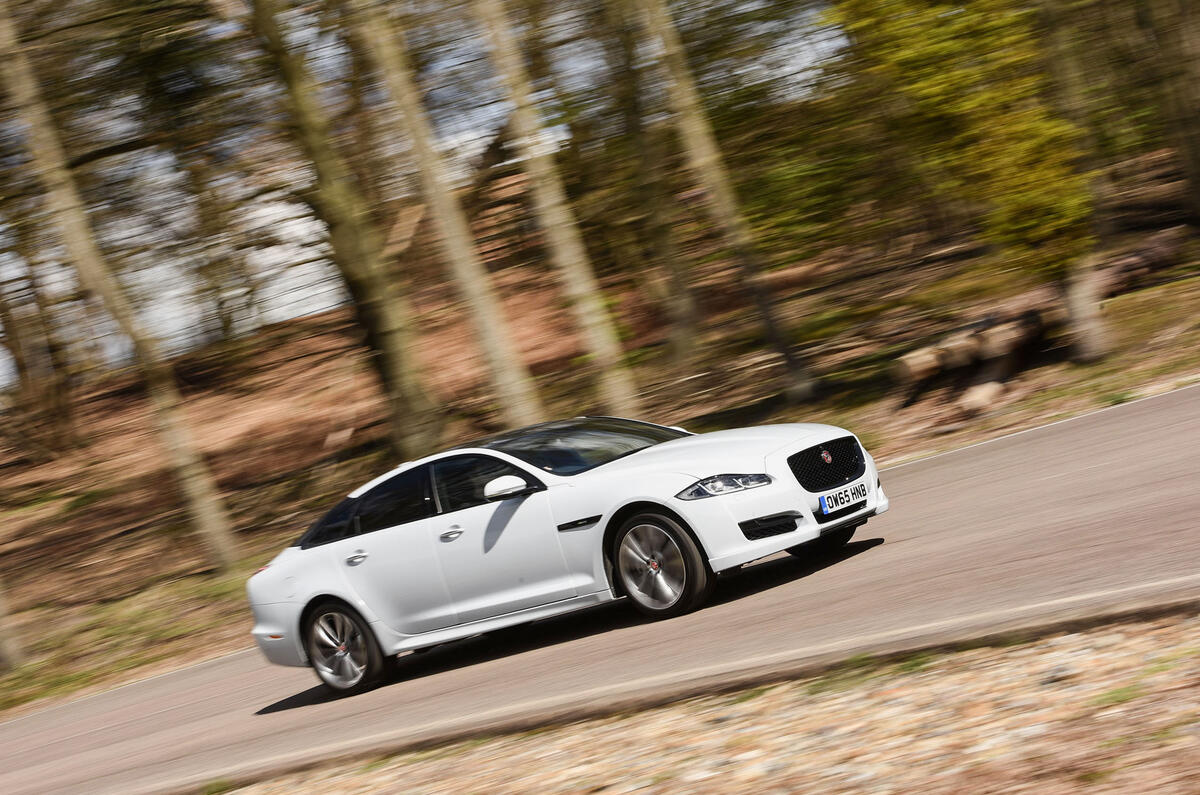
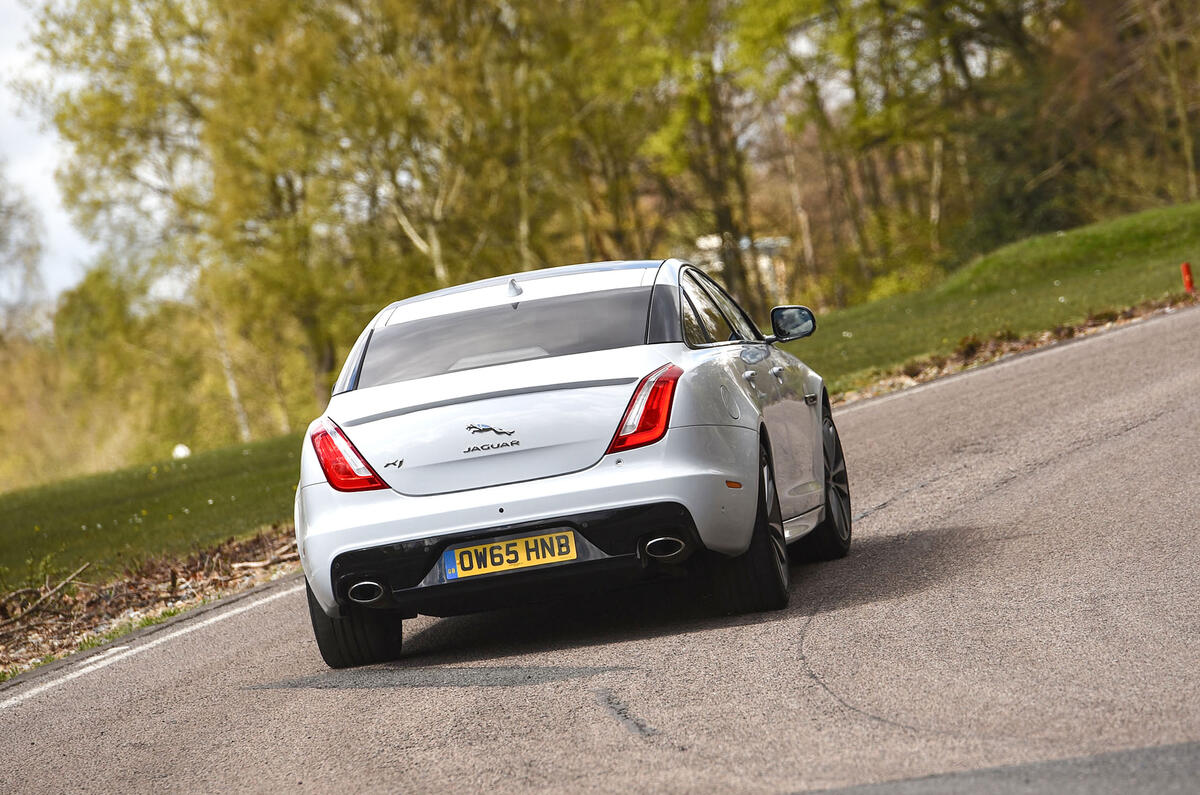
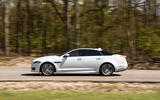
That was until 2010, when the Ian Callum-designed model was launched. It was only the fourth time an all-new XJ had been created, and it was by some distance the most radical. Yet for all those who criticised the ultra-modern looks, the XJ, alongside the XF, marked the rebirth of the brand.
Indeed, Callum would challenge those detractors to describe what a typical Jaguar looks like. And for the record, true Jaguar-ness wasn’t reflected in the faux-retro styling of the previous XJ, a model produced in an era where Jaguar had lost confidence.
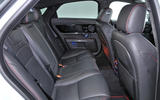
When we road tested the previous generation XJ, we concluded that it was “a great shame this cutting-edge car is wrapped up in a body and interior that hark back to a different age”. Despite its landmark diesel engine, advanced aluminium structure and air suspension that allowed it to “beat its rivals for refinement and luxuriousness”, there was no doubt that the XJ TDVi should have been “more confident and more forward-looking”.
Fast forward to today and the latest XJ couldn’t be more different. That it’s ‘more confident and forward-looking’ in appearance is in absolutely no doubt. It’s part of an outwardly and inwardly revived Jaguar marque that seems more comfortable within itself, having found its place as a maker of, as Jaguar says, “fast, beautiful cars”. But to keep up with the fast-moving large saloon segment, Jaguar has updated the XJ twice with minor facelifts in 2014 and 2015 to keep pace with the Mercedes-Benz S-Class, the new BMW 7 Series and the growing threat from the Tesla Model S.