












What is it?
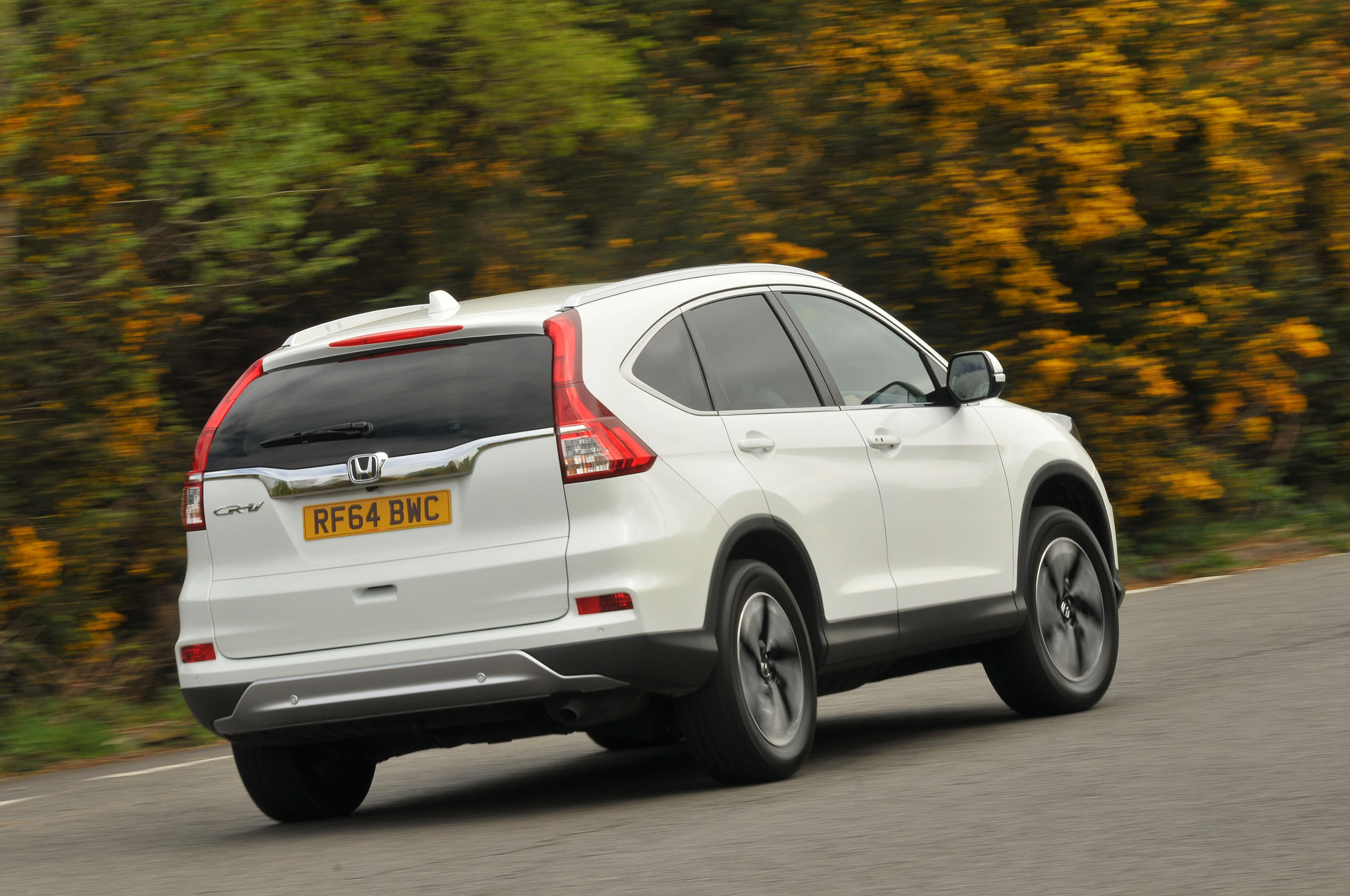
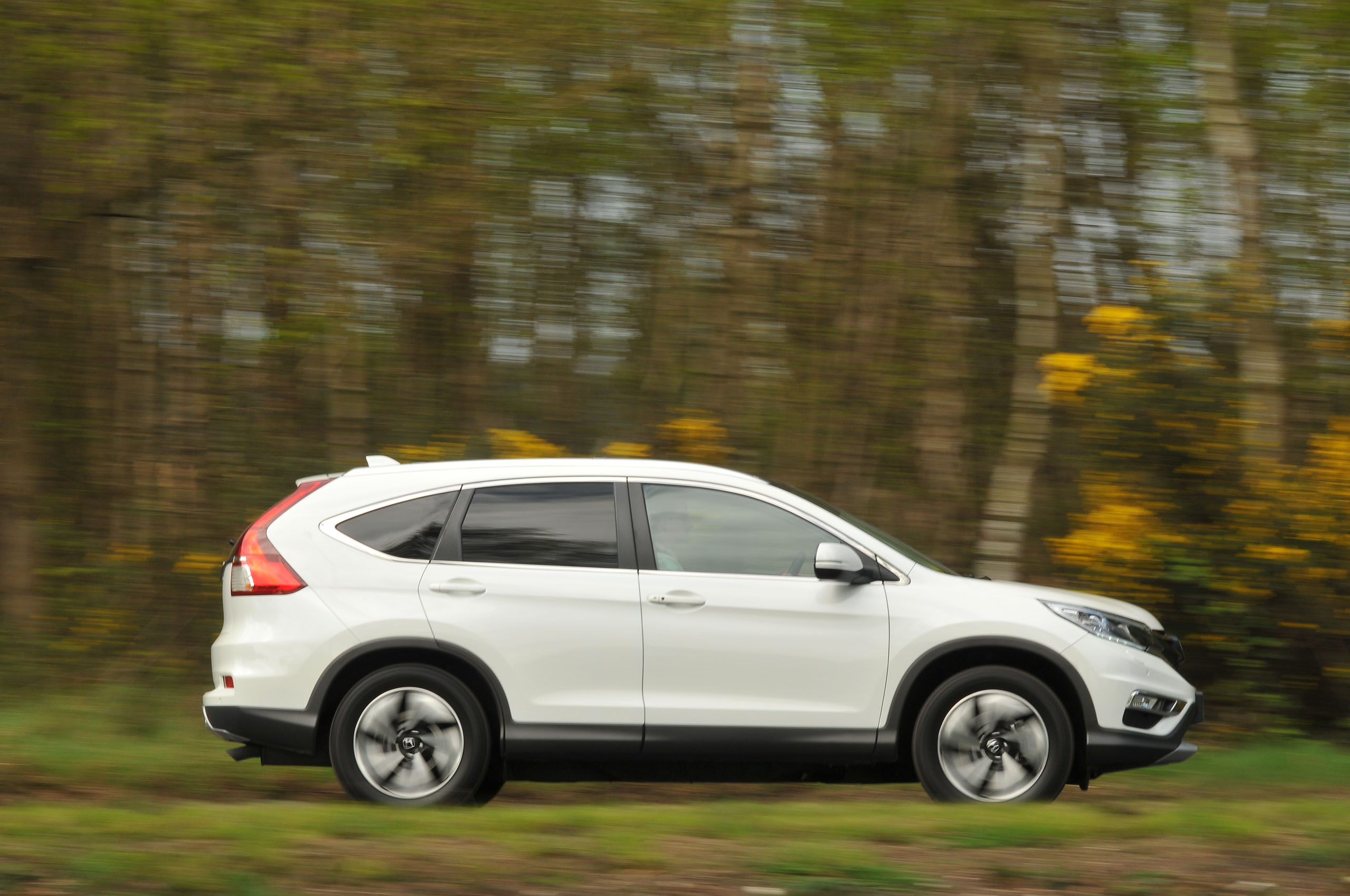
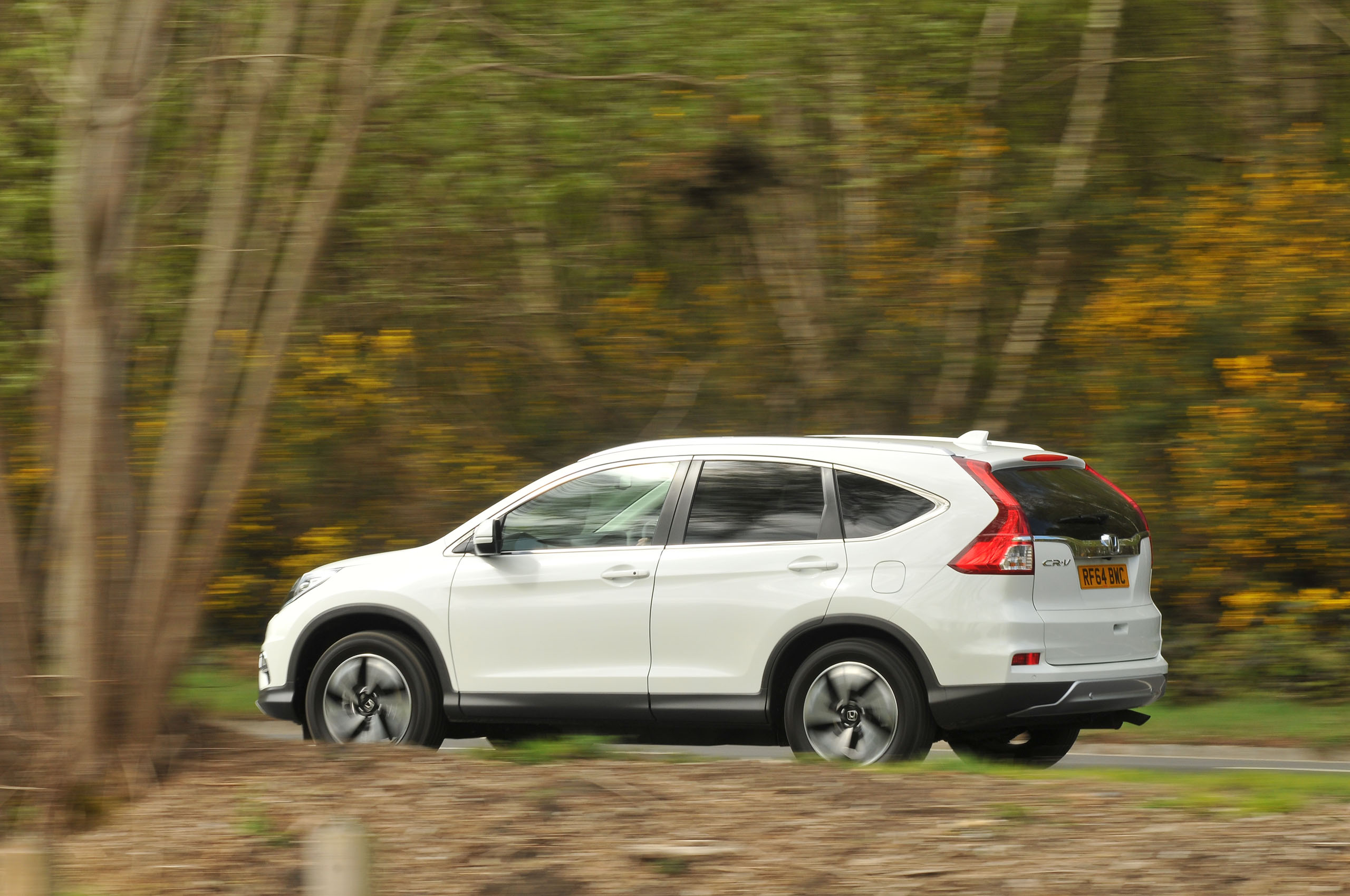
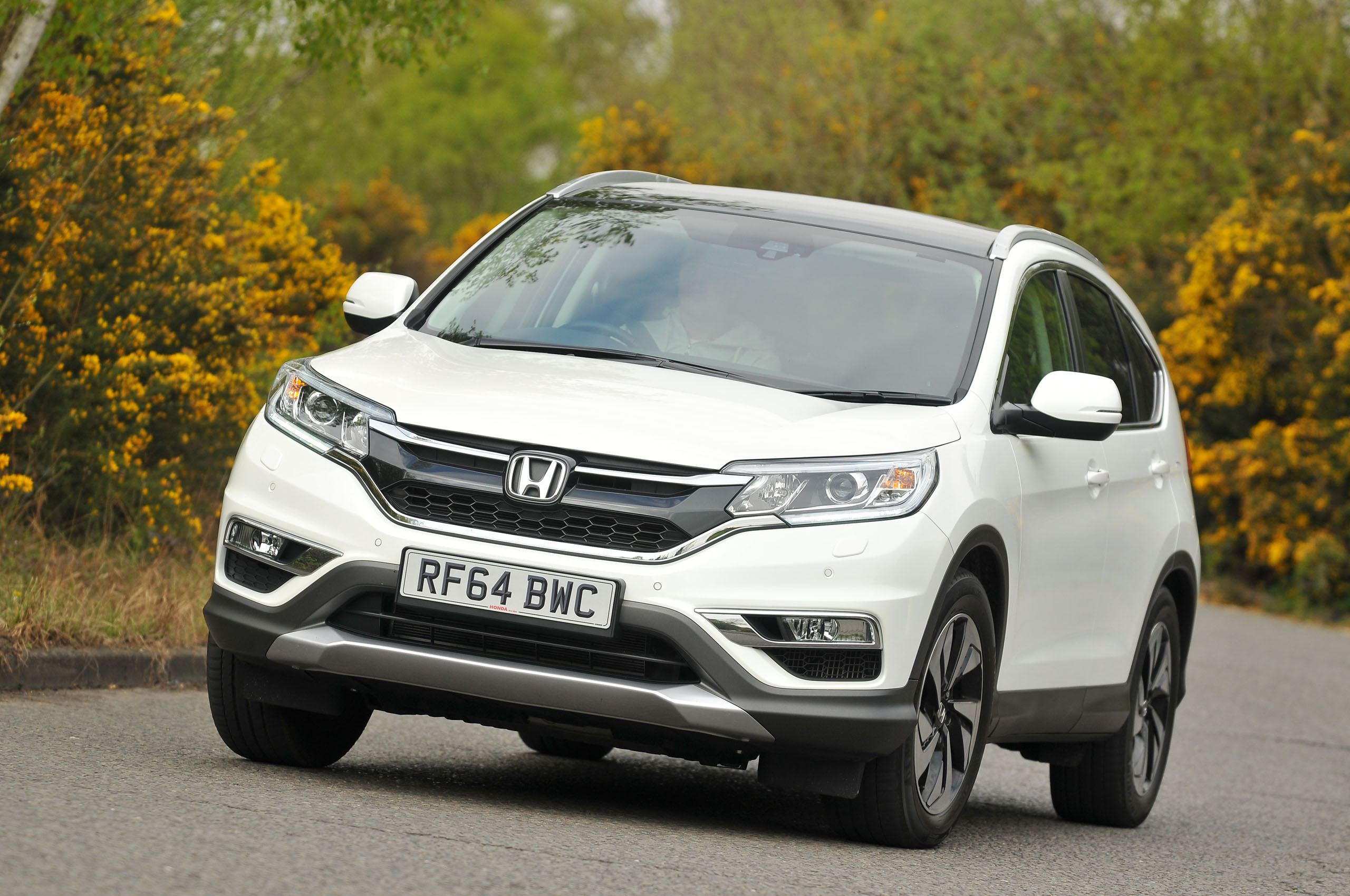
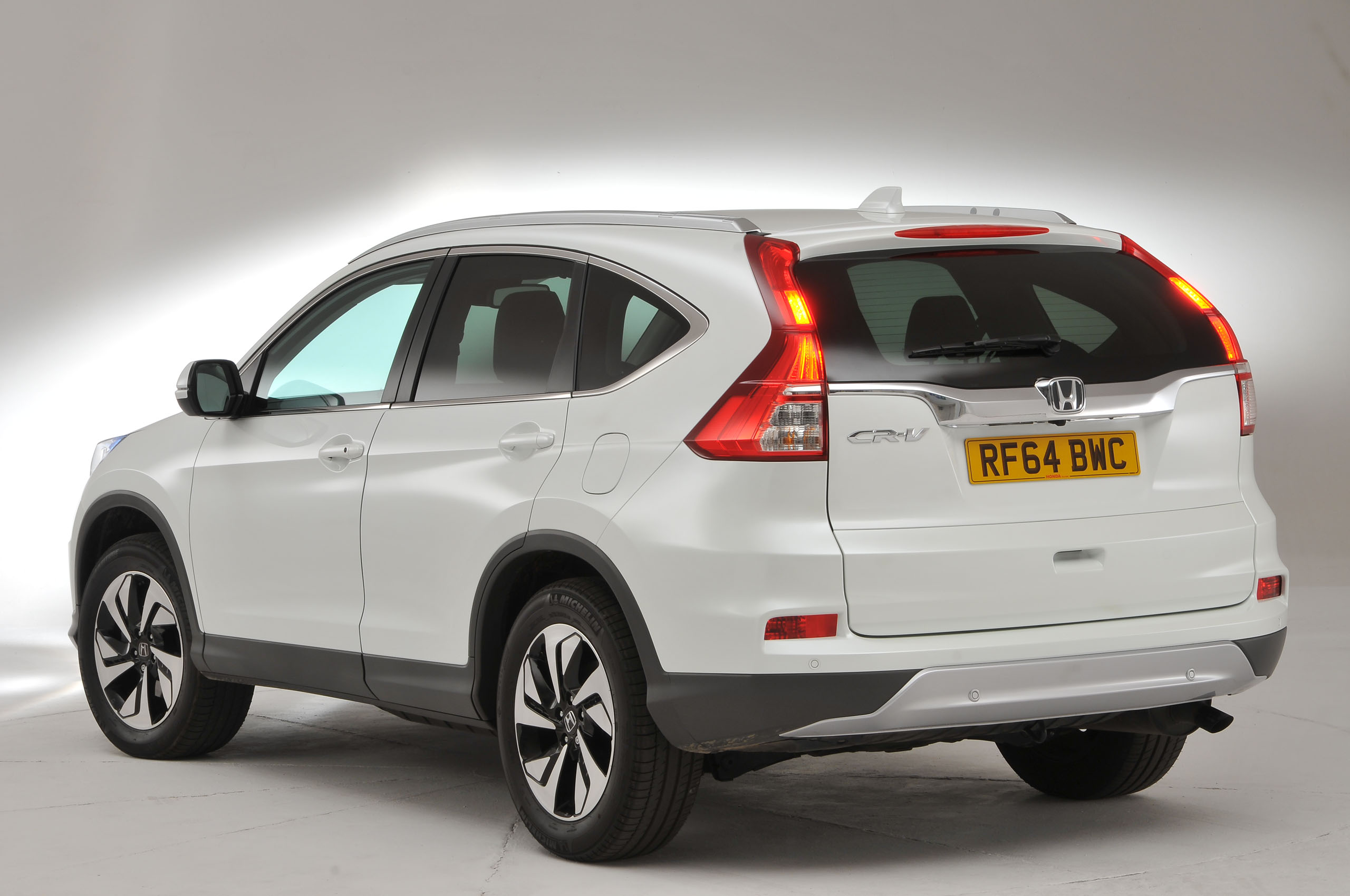
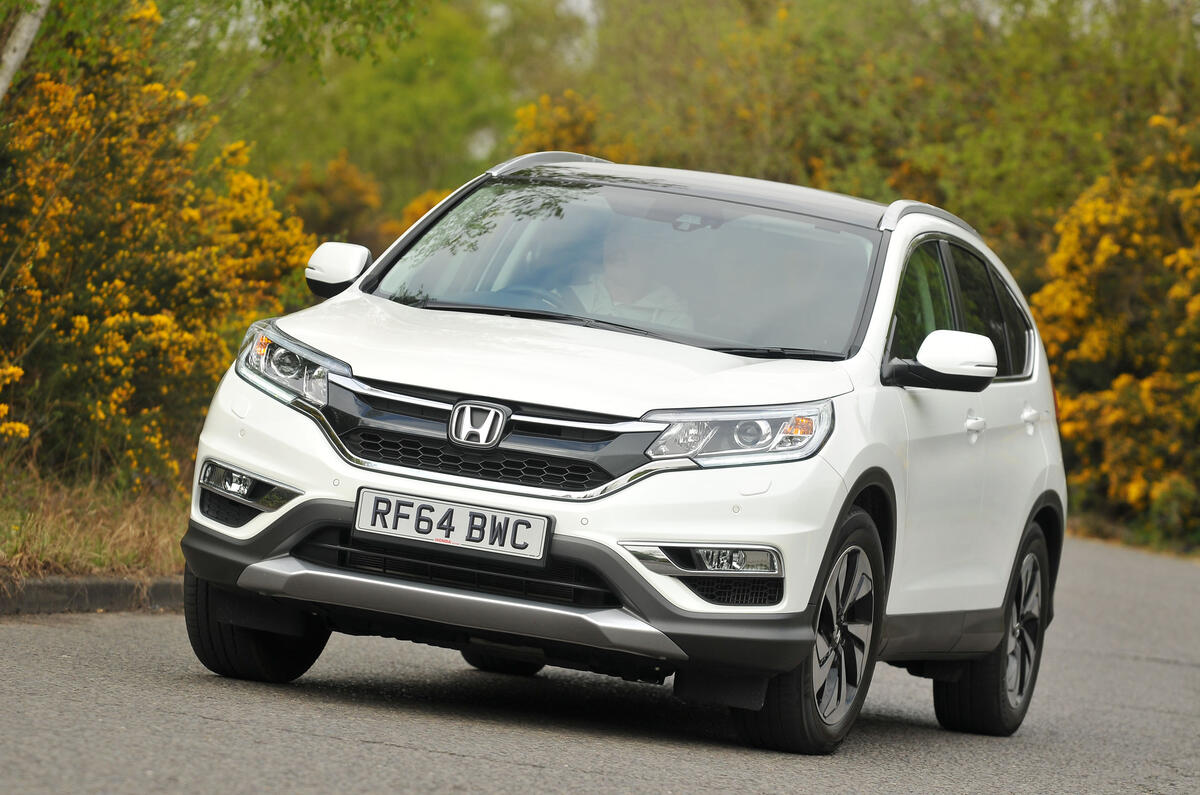
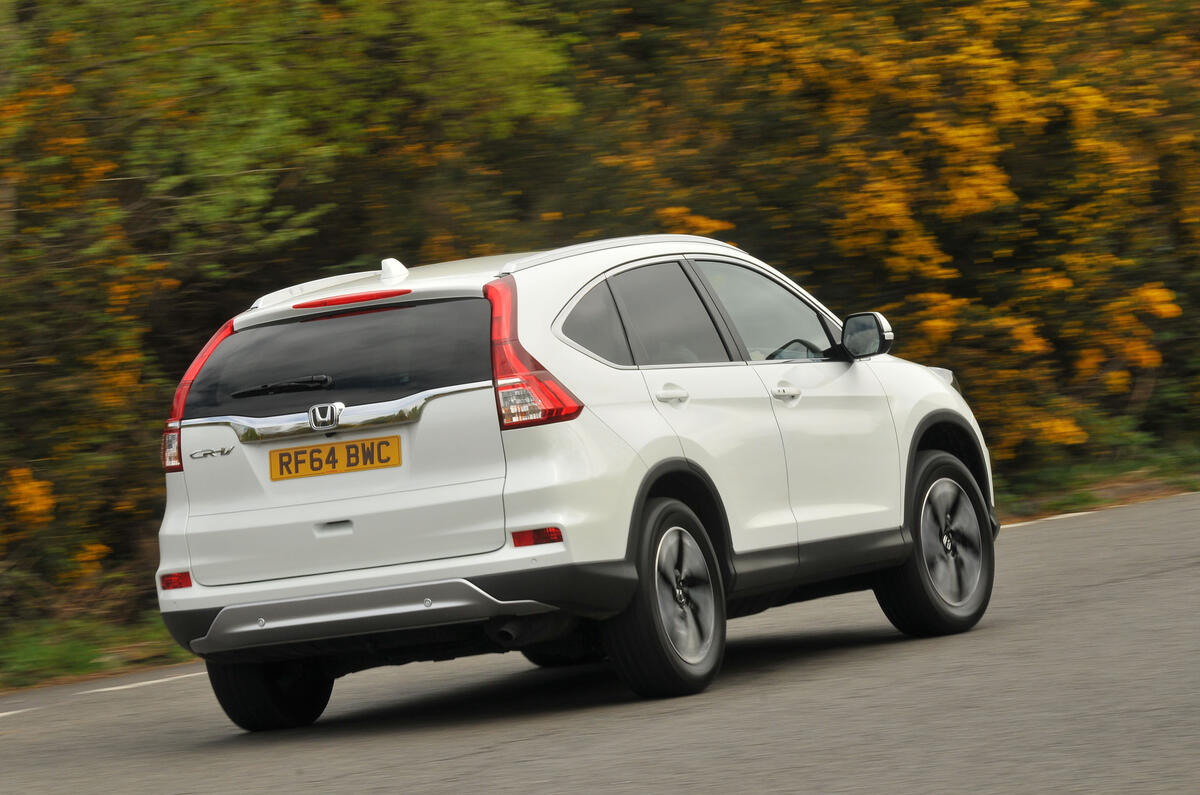
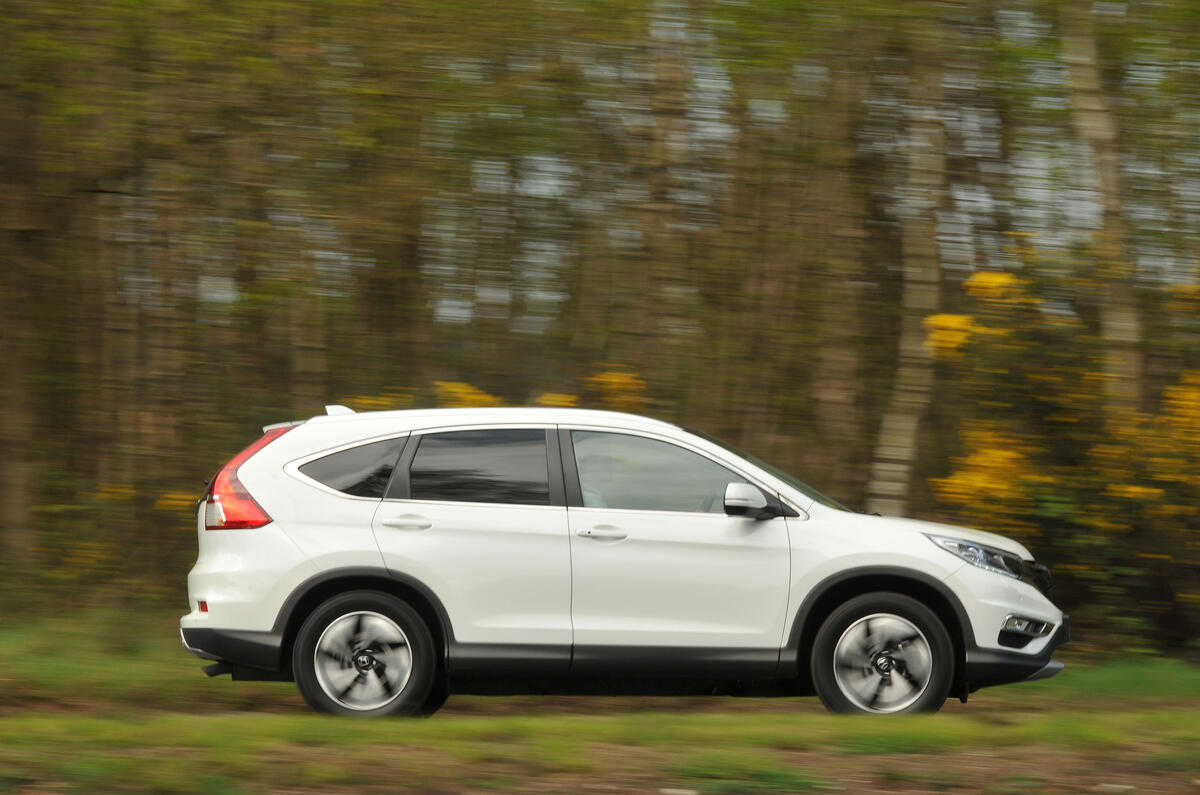
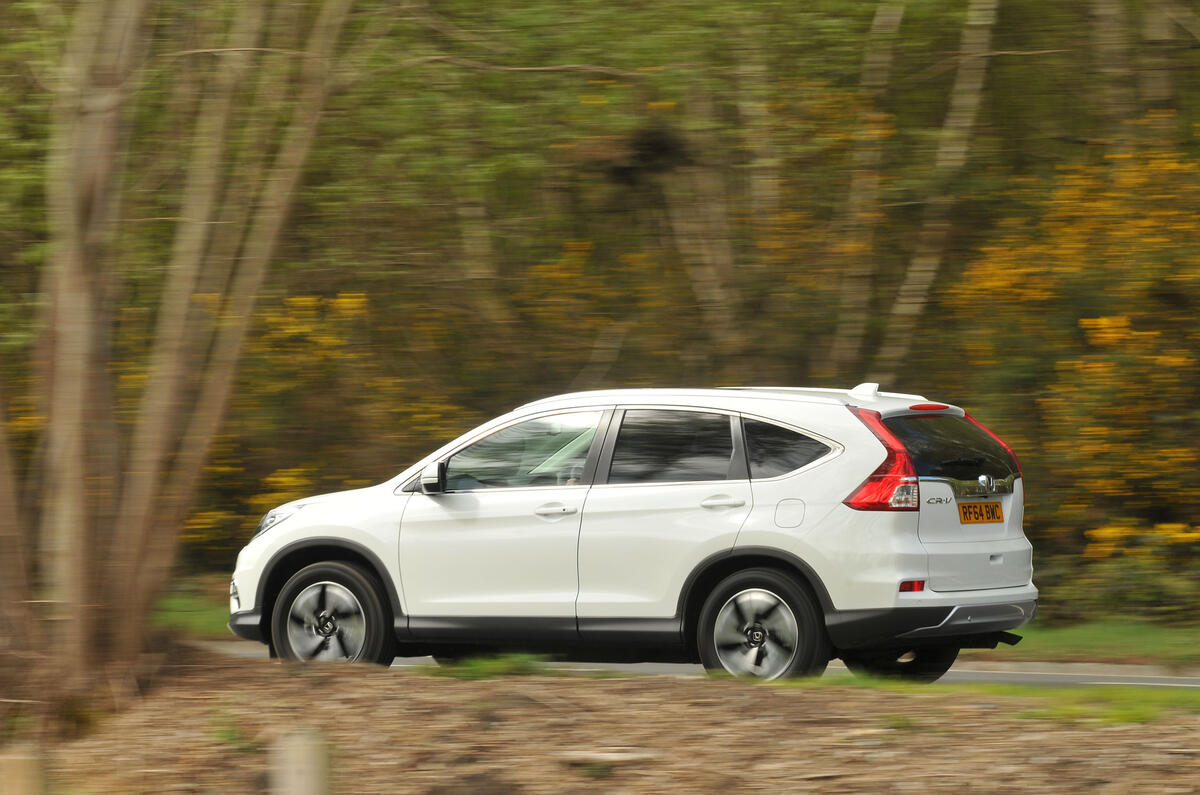
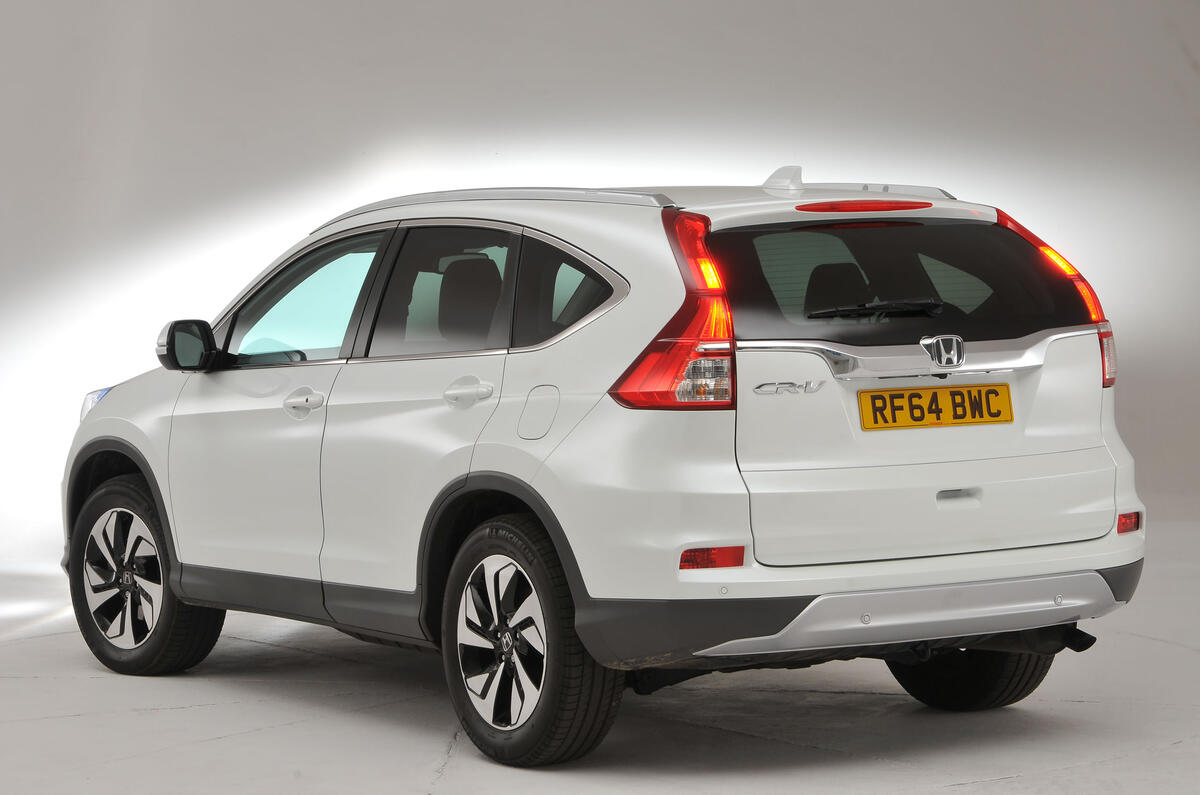
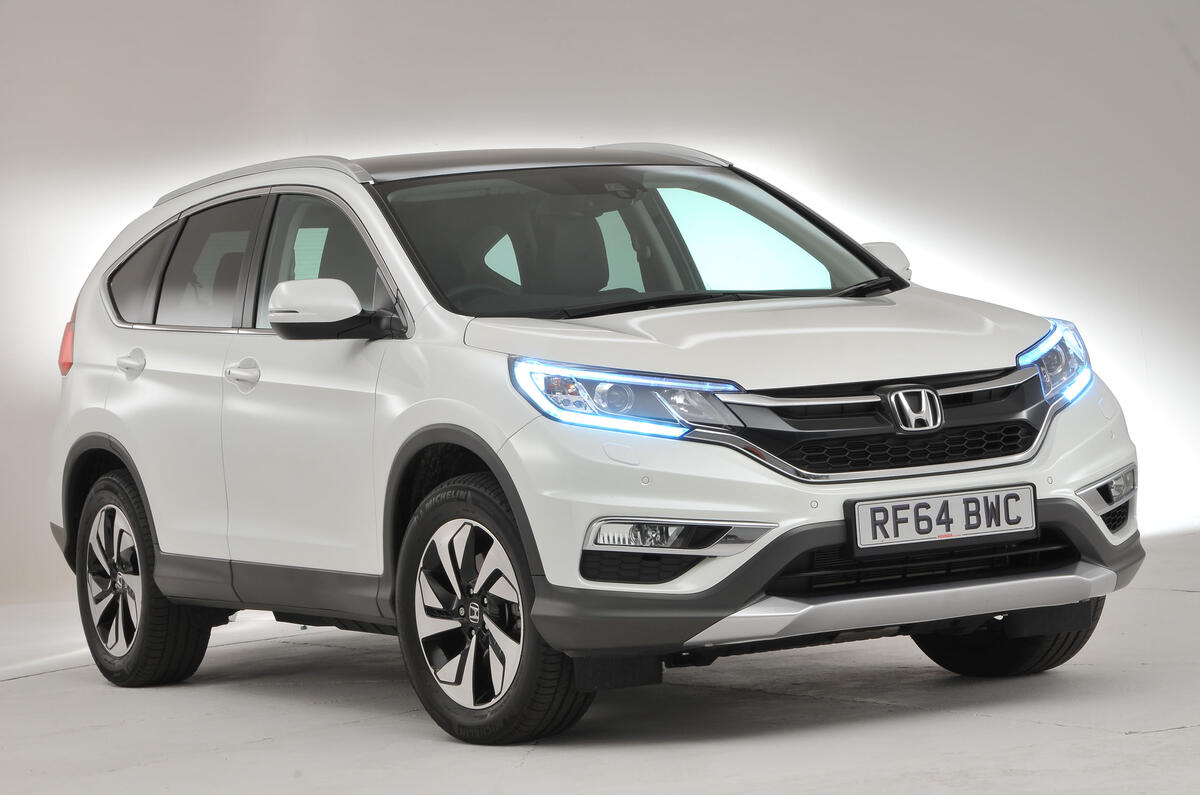
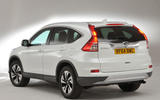
It’s the all-new Honda CR-V. Among all the hubbub about the new NSX finally being confirmed, everybody’s forgotten that Honda has quietly replaced what is arguably its most critical global model.
Built in Swindon, this new CR-V is the fourth generation of the popular soft-roader that has sold more than five million examples in 160 countries since it was launched in 1995. Key things to note about the new model are claimed improvements in refinement and efficiency, plus the addition of a new petrol-engined front-wheel-drive model. A front-drive diesel is likely to follow later. The four-wheel drive system remains part-time, responding to send to torque to the rear axle only when there is a loss of traction. However, it is now electronically controlled and uses a multi-plate clutch, making it lighter and faster to respond.
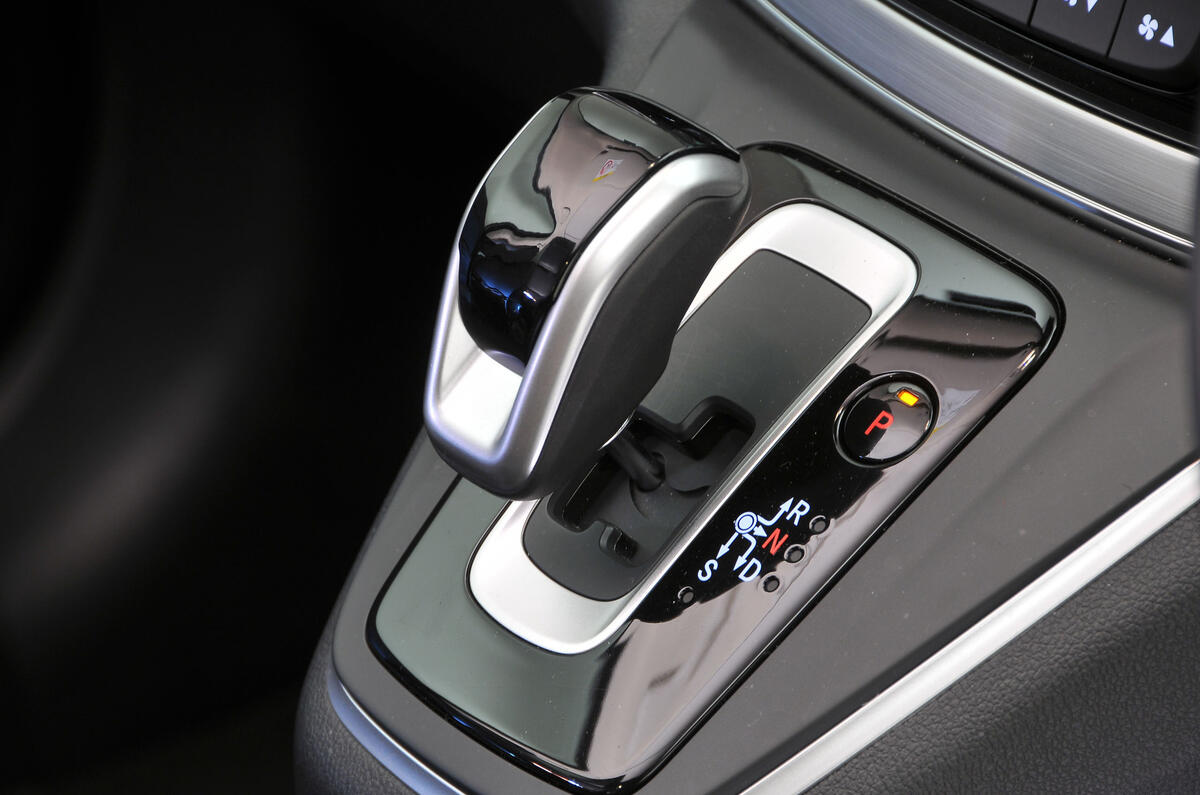
Engines are currently limited to a 153bhp 2.0-litre petrol and 148bhp 2.2-litre diesel. We’re testing the new four-wheel drive 2.2 i-DTEC turbodiesel with six-speed manual, which will be the majority seller. A five-speed torque converter auto is also available. Trim levels have also been simplified with four basic specifications, with S for base cars and EX – as tested here – for top spec models.
See the new CR-V in our Moscow motor show gallery here
What is it like?
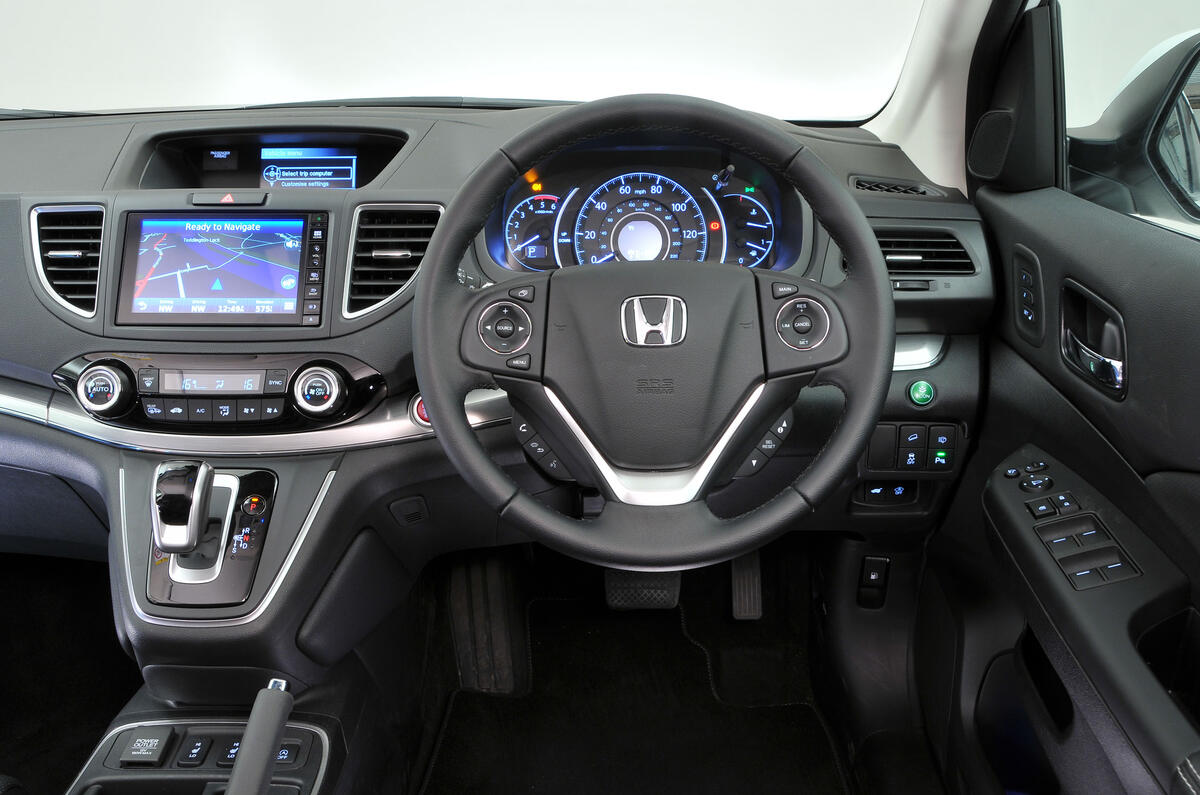
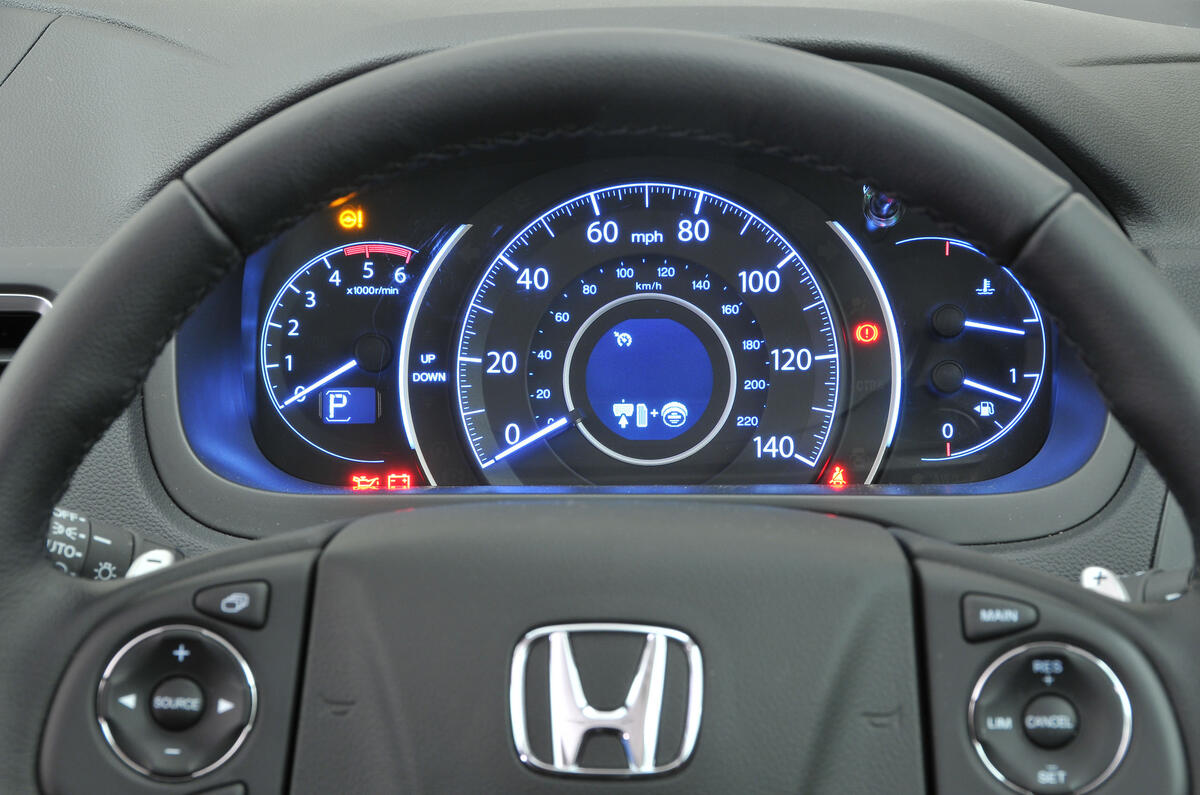
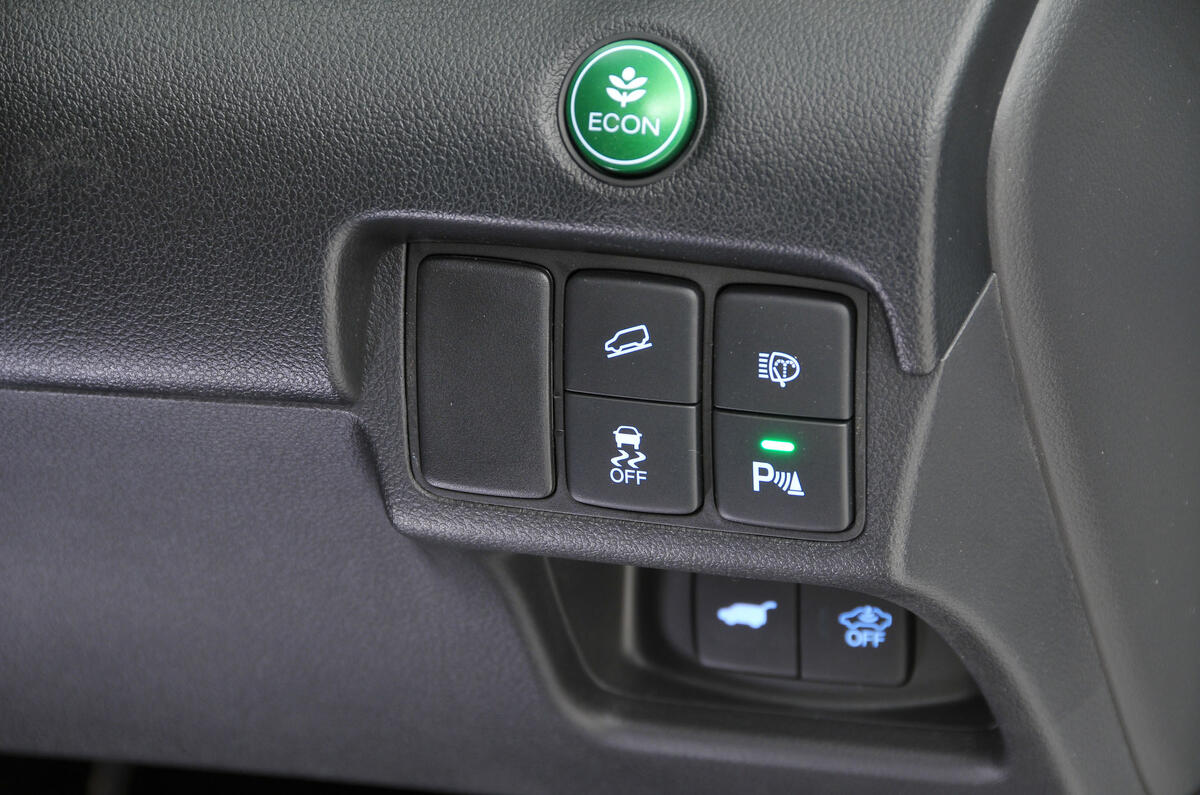
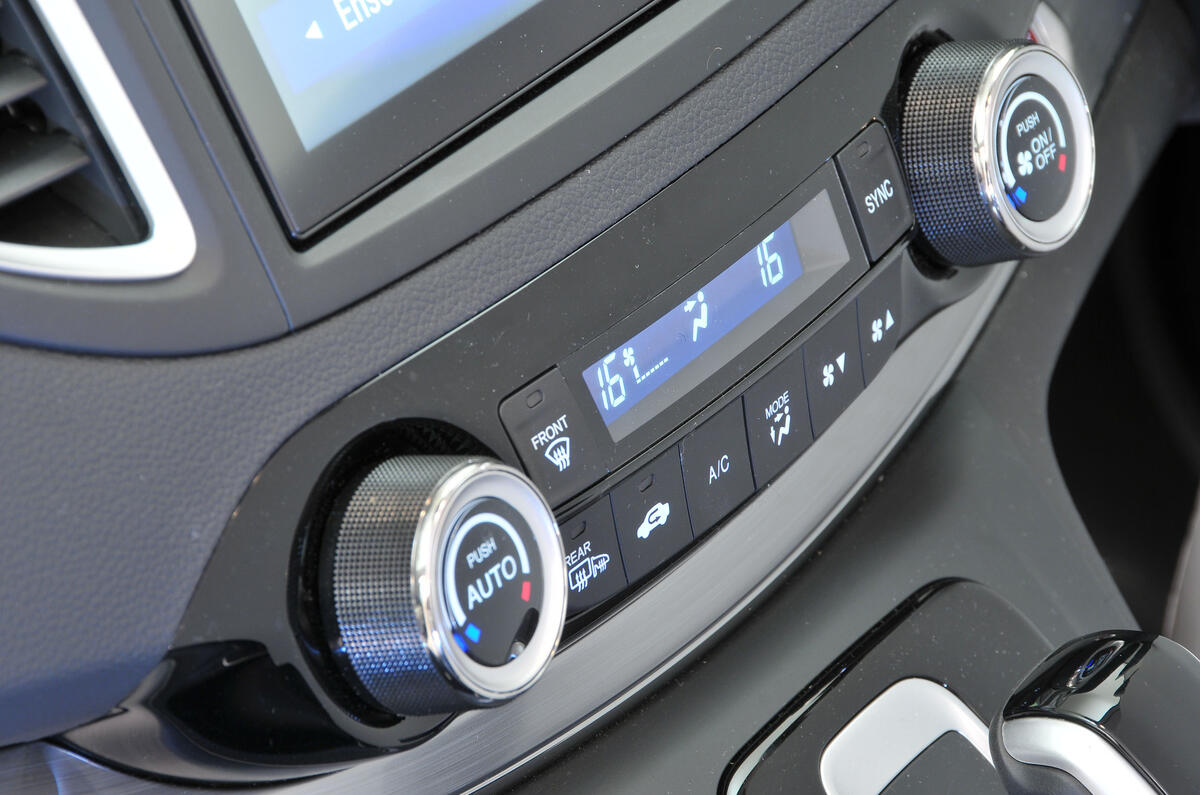
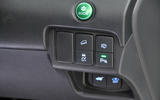
Refreshingly uncomplicated and relaxing. The CR-V has always had a reputation for being one of the sharper drives in its class, and this one doesn’t disappoint on that count. Yet there are none of the complex adaptive dynamics settings available on most rivals (it even gets a proper manual handbrake). There is a plethora of safety tech available, and an 'Econ' button that optimises the air-con for efficiency and highlights the speedo with green lights when it is being driven economically (in the petrol car this also adjusts throttle response). Even so, we actually found that it was the space, comfort and sheer ease of use that really endeared us to the new CR-V.
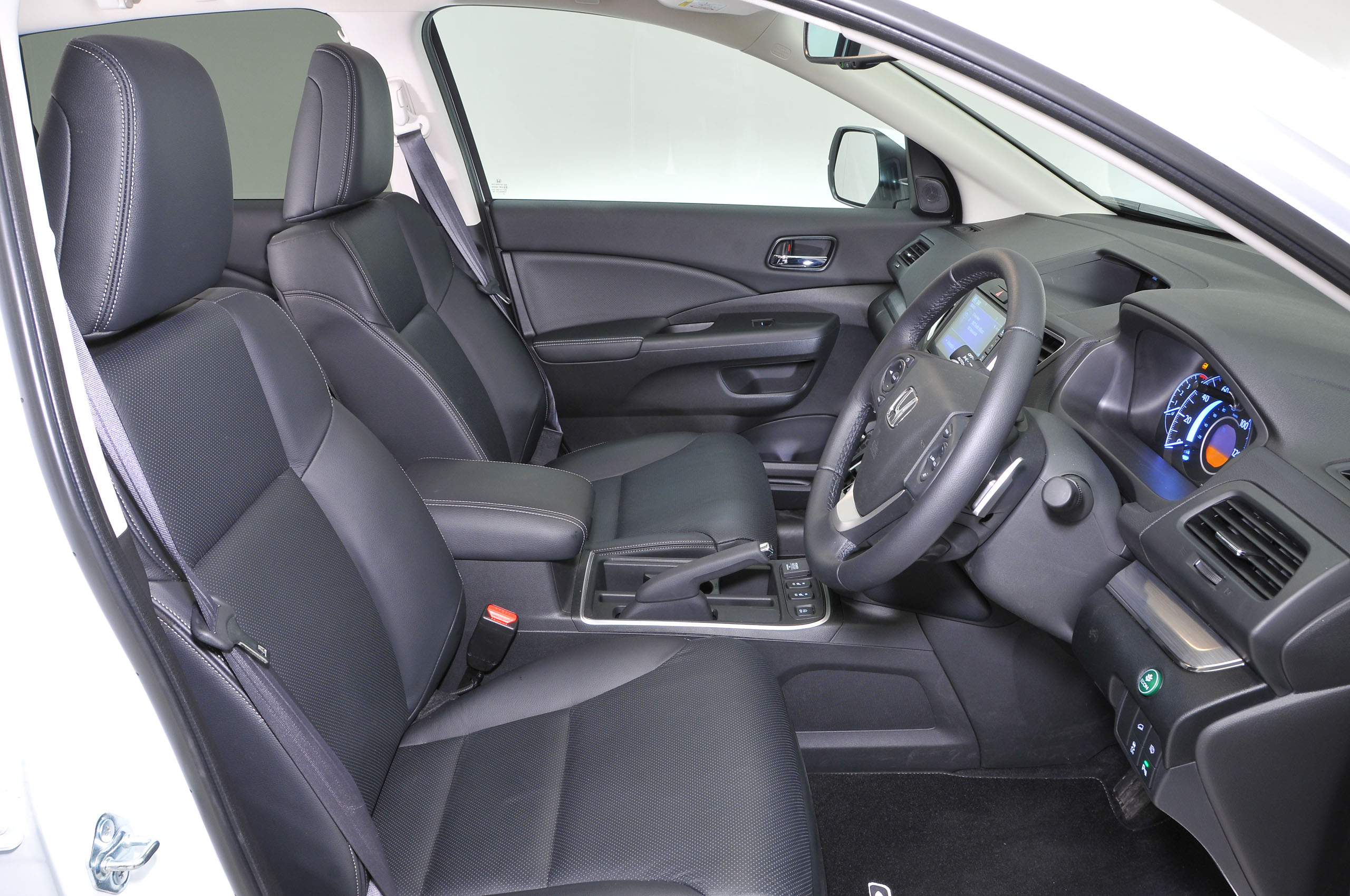
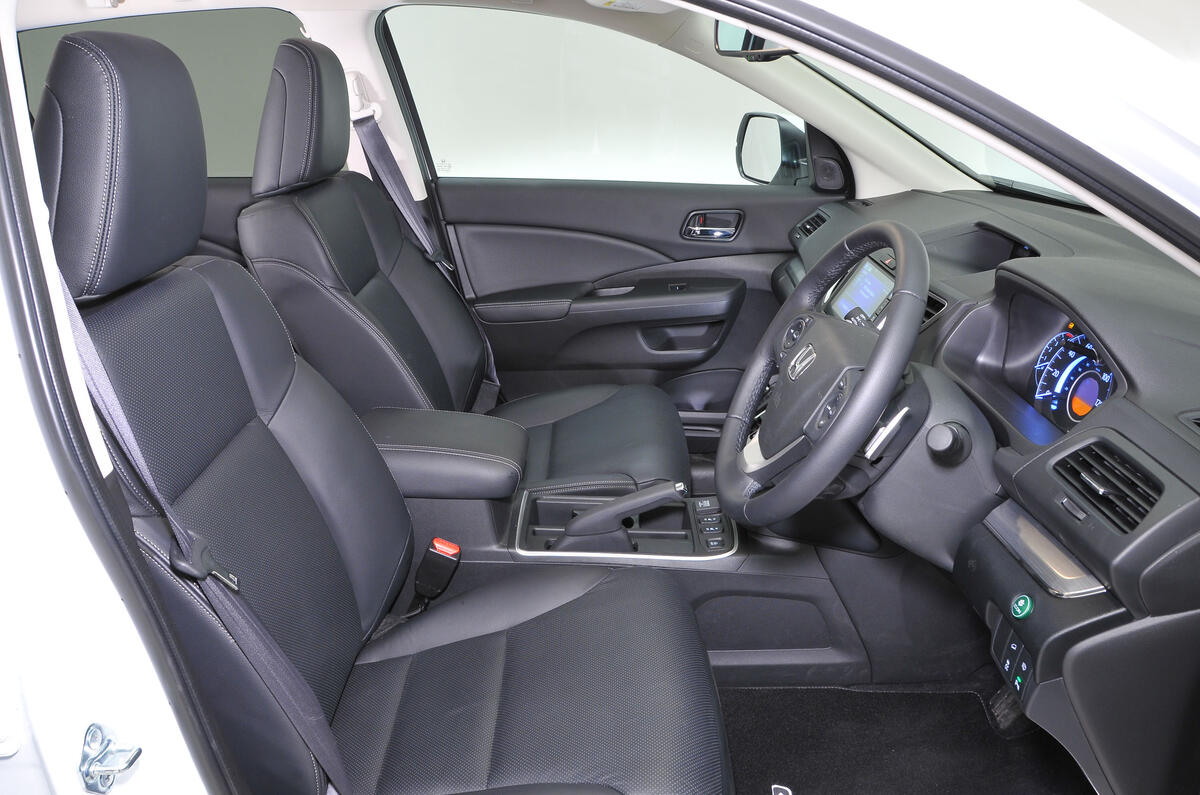
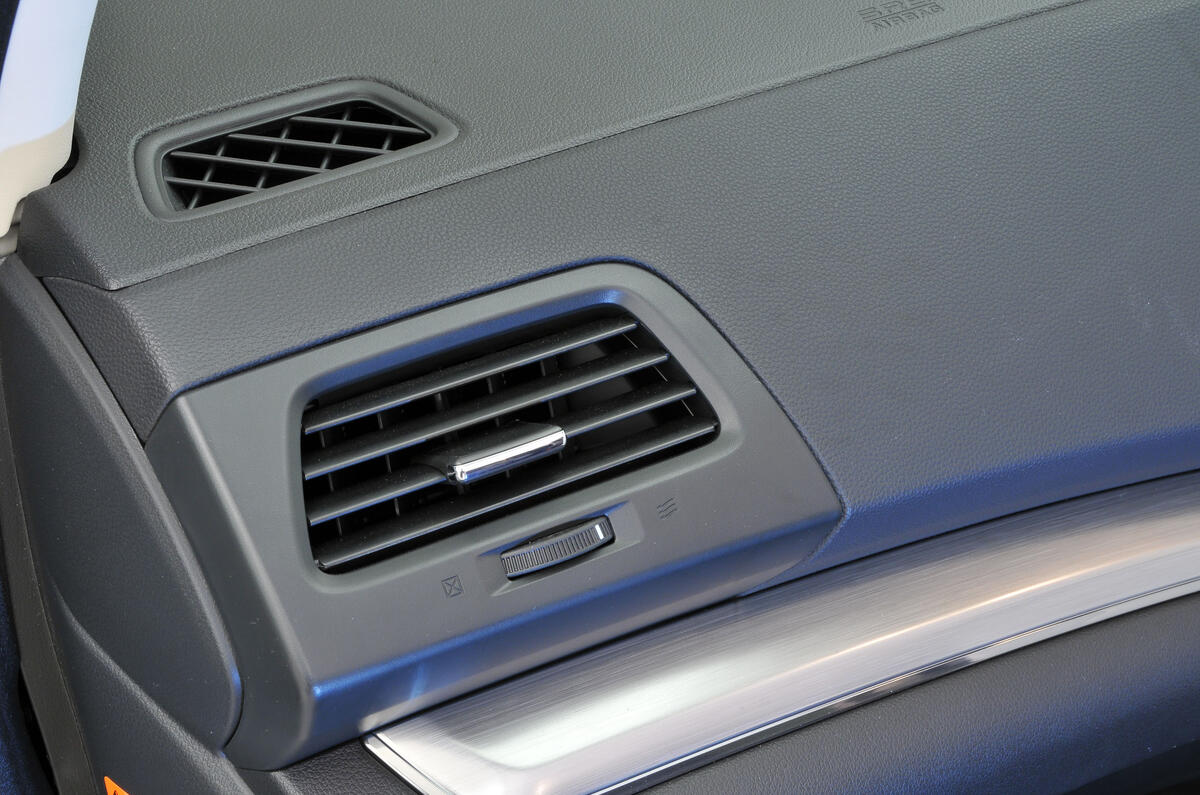
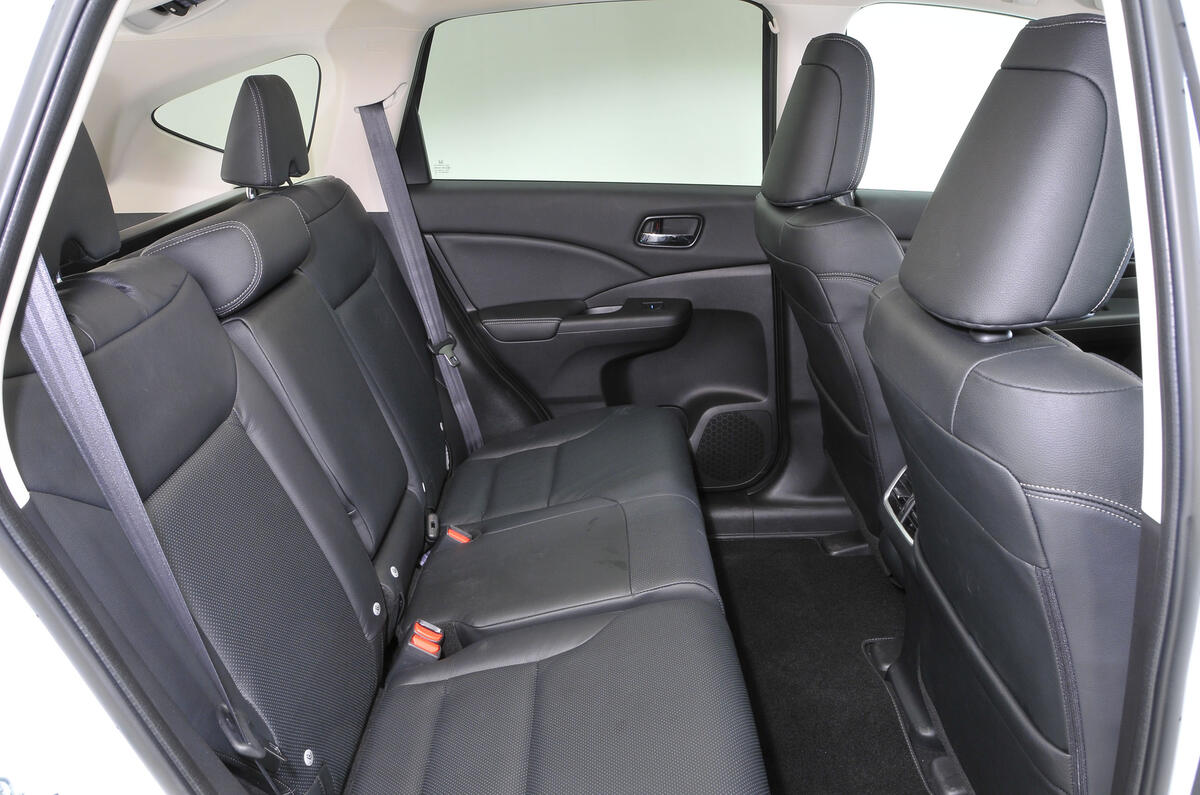
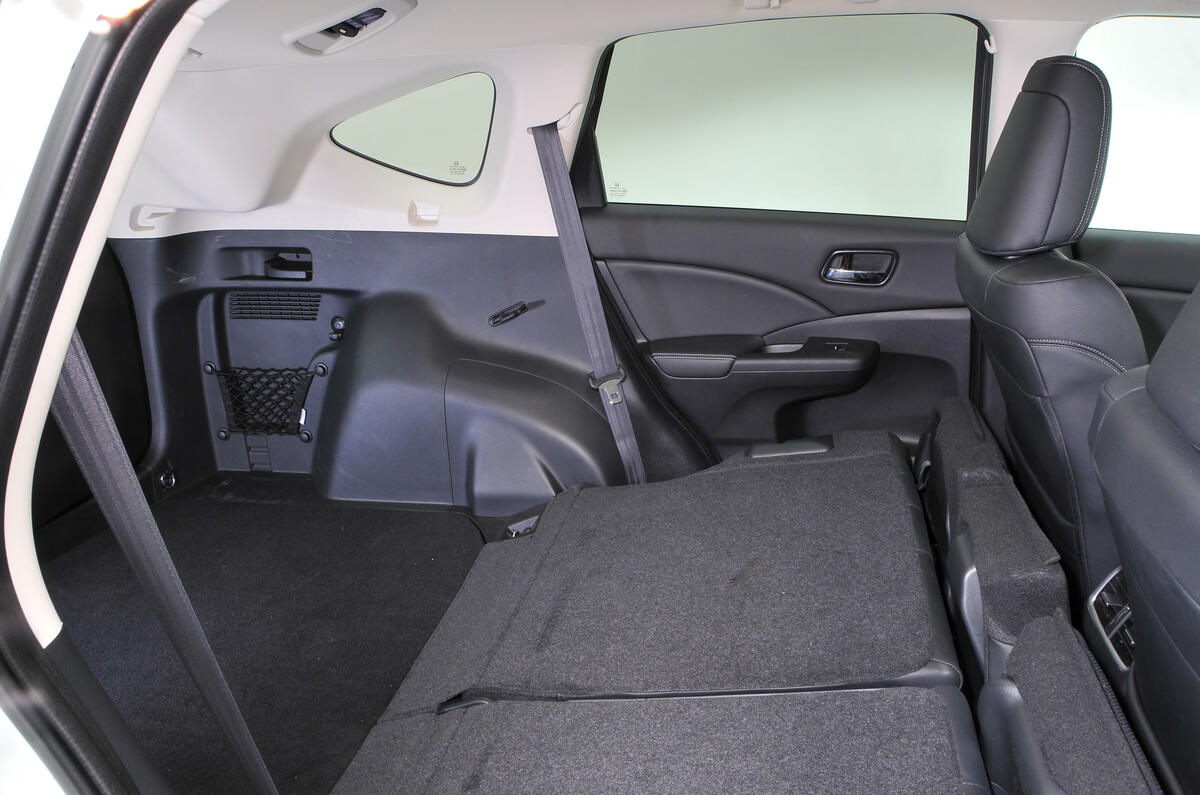
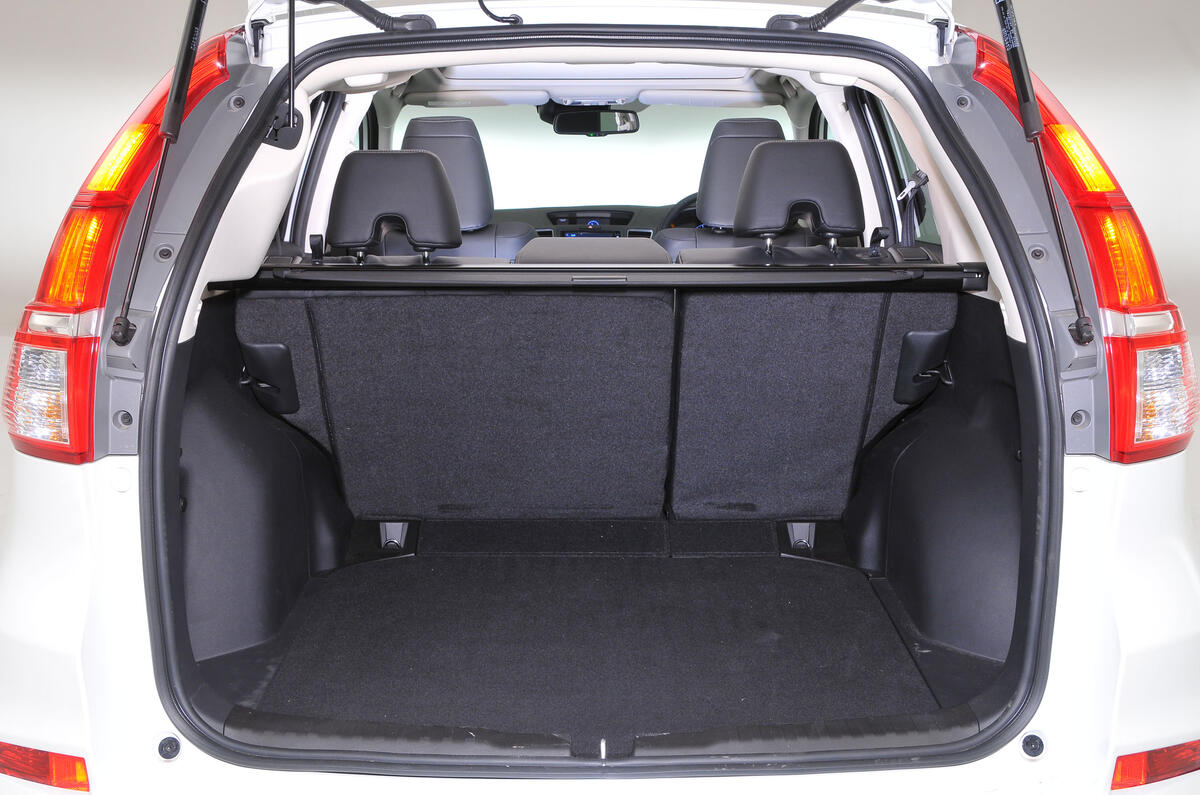
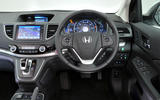
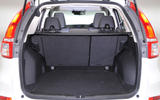
For all the stunted height, the interior feels spacious, pleasant and fairly lavish in our top-spec EX model. Honda has set the seats lower and moved them further apart, and the result is a car that feels properly airy by class standards. Plus, it will be no small matter to any CR-V buyer that the boot gets an appreciably low load height and has increased by a substantial 147 litres to 589 litres with the seats up, or 1669 litres if you fold the seats flat.
The driving dynamics are equally likeable. The steering is an indeal compromise between feel, response and lightness of use, the gear-change is slick and the pedal weights allow for good moderation. You’ll find fairly liberal understeer if you push too hard, but drive within the limits of the ample grip and it’s easy to thread the CR-V round corners with impressive agility and balance.
That refinement we mentioned is also no hollow marketing claim. While we can’t attest to whether it really is ‘half as loud as the last model’, as Honda claims, we can confirm that it’s very quiet. The diesel motor thrums away almost inaudibly in the midrange at urban or motorway speeds, and wind noise on our car was limited and came mostly from the panoramic glass roof. Tyre noise in particular was very hushed by class standards, despite our car’s 18-inch alloys.
We do have some concerns over the ride quality that might be delivered over UK roads on these wheels. The CR-V rides on MacPherson struts up front and multilink at the rear, and also benefits from 10 per cent softer damping at the back end than its predecessor. It worked perfectly on Munich’s smooth roads, delivering a good balance between absorption and body control. But over the occasionaly rutted or broken surface, the CR-V could serve up a fairly springy, slightly firm ride. Opting for the smaller 17-inch wheels could well solve this, and it certainly didn’t feel like the ride would ever be so unsettled as to be uncomfortable, but we’ll have to wait for a drive in the UK before we make a final judgement.
Equally, the gearing on the six-speed manual at urban speeds can be a little wonky, with the gap between third and fourth occasionally leaving the motor straining with too many or too few revs respectively at fairly normal town speeds. It’s a small niggle but a frustrating one nonetheless.
Otherwise, the heavily upgraded 2.2 i-DTEC motor does a solid job. The CR-V is not a quick car by its class standards, but it pulls with respectable vigour in the midrange, doesn’t suffer from any dramatic turbo lag and is generally a flexible motor. Push it hard and you’ll find that it doesn’t have the same elasticity and smooth-revving nature of the BMW diesels, which remain the class benchmark, but it’s getting close.
Crucially, at 50.4mpg and 149g/km it’s also competitive in the efficiency stakes, matching the aforementioned 2.0-litre BMW motor in the X3.
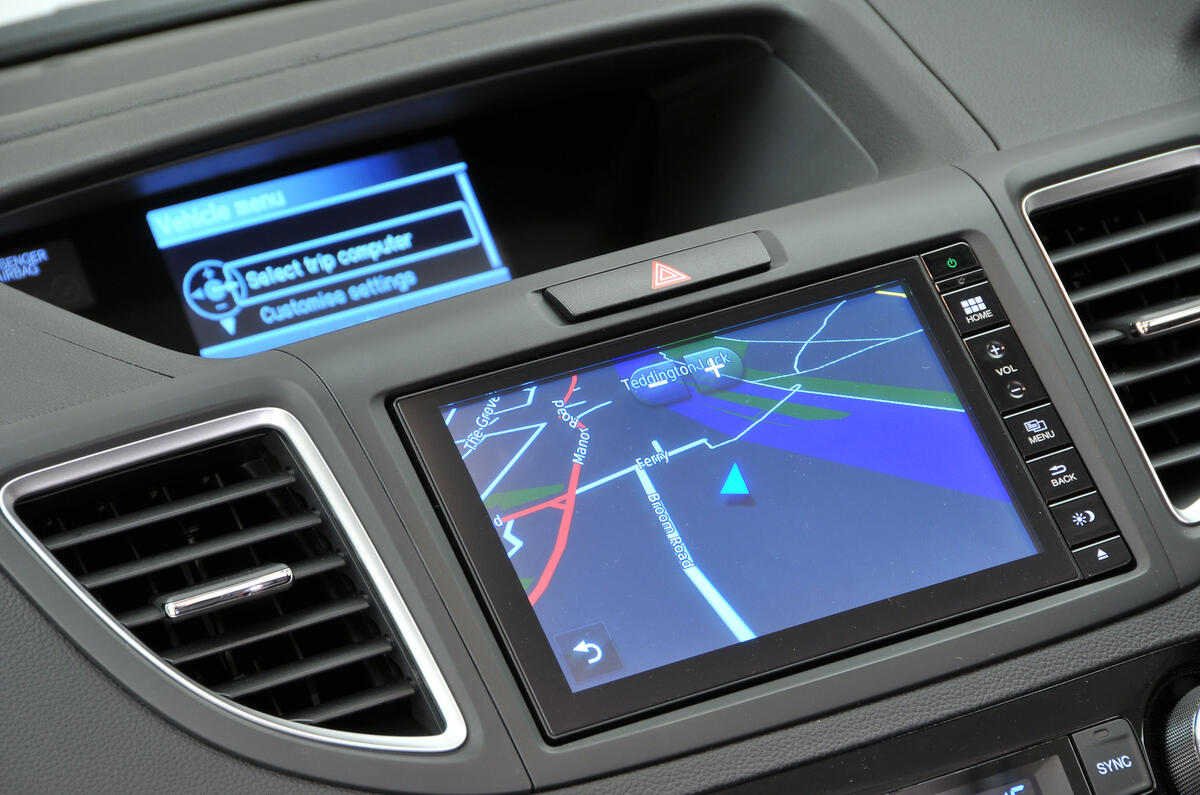
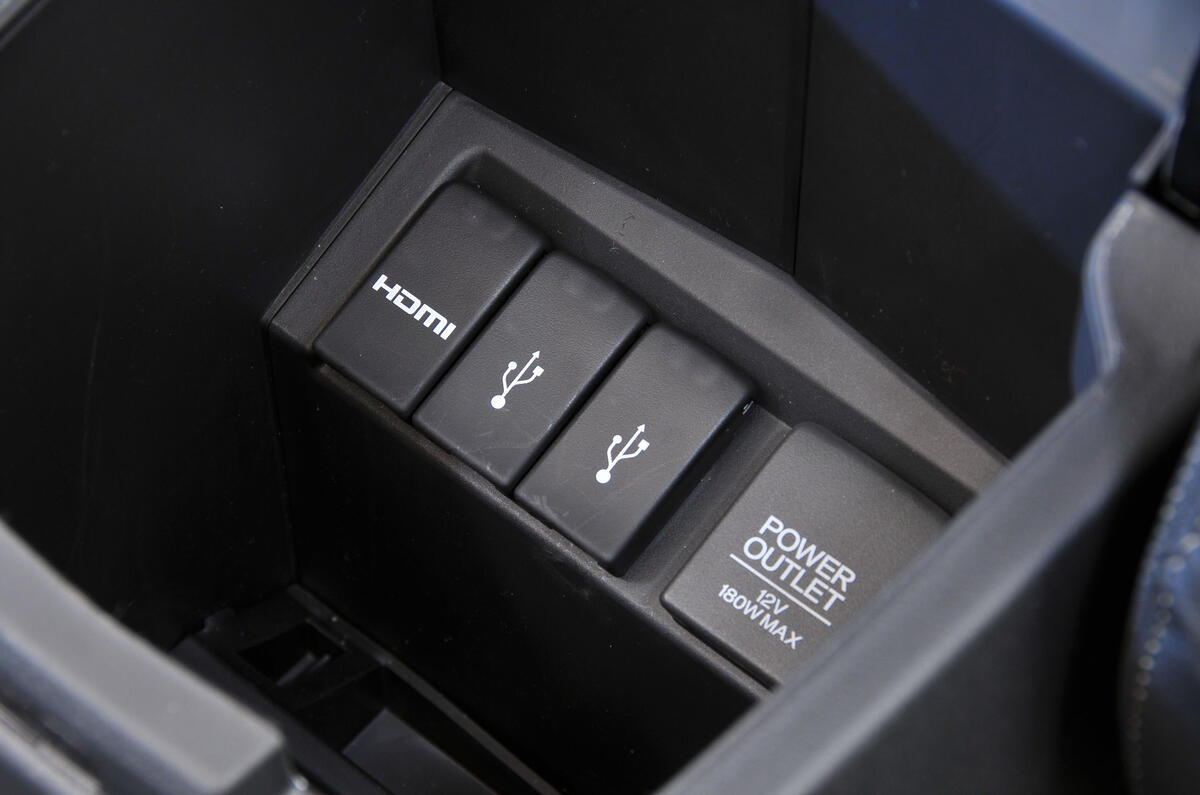
While the CR-V’s dynamics are among its strongest assets, it is the overall comfort, practicality and ease of use it offers that we feel are its biggest selling points in this competitive class. The sat-nav buttons are a little fiddly, and there’s still too much switchgear scattered on the wheel and dash to really put the Honda SUV up there against the established premium competition. But the seats are impressively cushy and adjustable, visibility forward is great (if quite limited to the rear), there's decent space front and back, and it generally has all the trappings of a great family car. Undoubtedly the company’s consistent outstanding reputation for reliability will also play a part in the appeal of the CR-V for many buyers.
Should I buy one?
Yes, absolutely. In this diesel spec, it falls slightly short of the powertrain standards set by the best in class, but given that it will also be substantially cheaper spec-for-spec, few will be all that concerned.
The new CR-V takes the many strengths of the outgoing model and improves them substantially where it was most needed. It’s notably smooth and easy to drive by any standards, has many utilitarian merits, and the middle ground it strikes between value and premium rivals is a fairly unique appeal in a segment full of very accomplished, if similar cars. It deserves to do very well indeed.
See the new CR-V in our Moscow motor show gallery here
Vicky Parrott
Honda CR-V 2.2 i-DTEC EX
Price £31,500 (est); Top speed 118mph;
0-62mph 9.7sec;
Economy 50.4mpg;
Co2 149g/km;
Kerb weight 1753kg;
Engine type 2199cc, 4cyl, turbodiesel
; Power 148bhp at 4000rpm;
Torque 258lb ft at 2000rpm
; Gearbox 6-spd manual