AT Show in Used Car dropdown menu:
AT Show in app feed:
AT Show in car finder dropdown menu:
AT Make Id:
3a70e6b2c405cd71e4df1f6adee60195
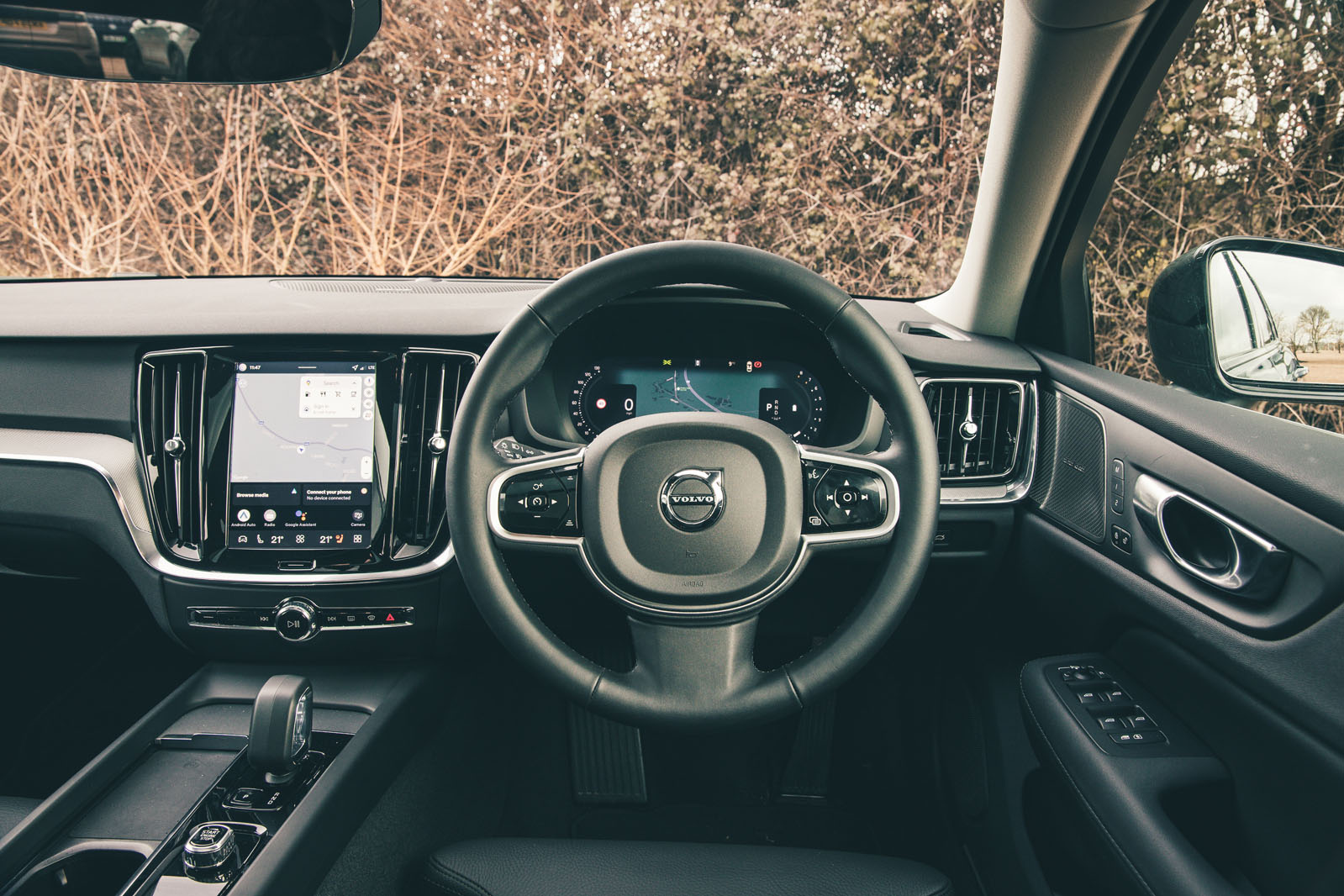
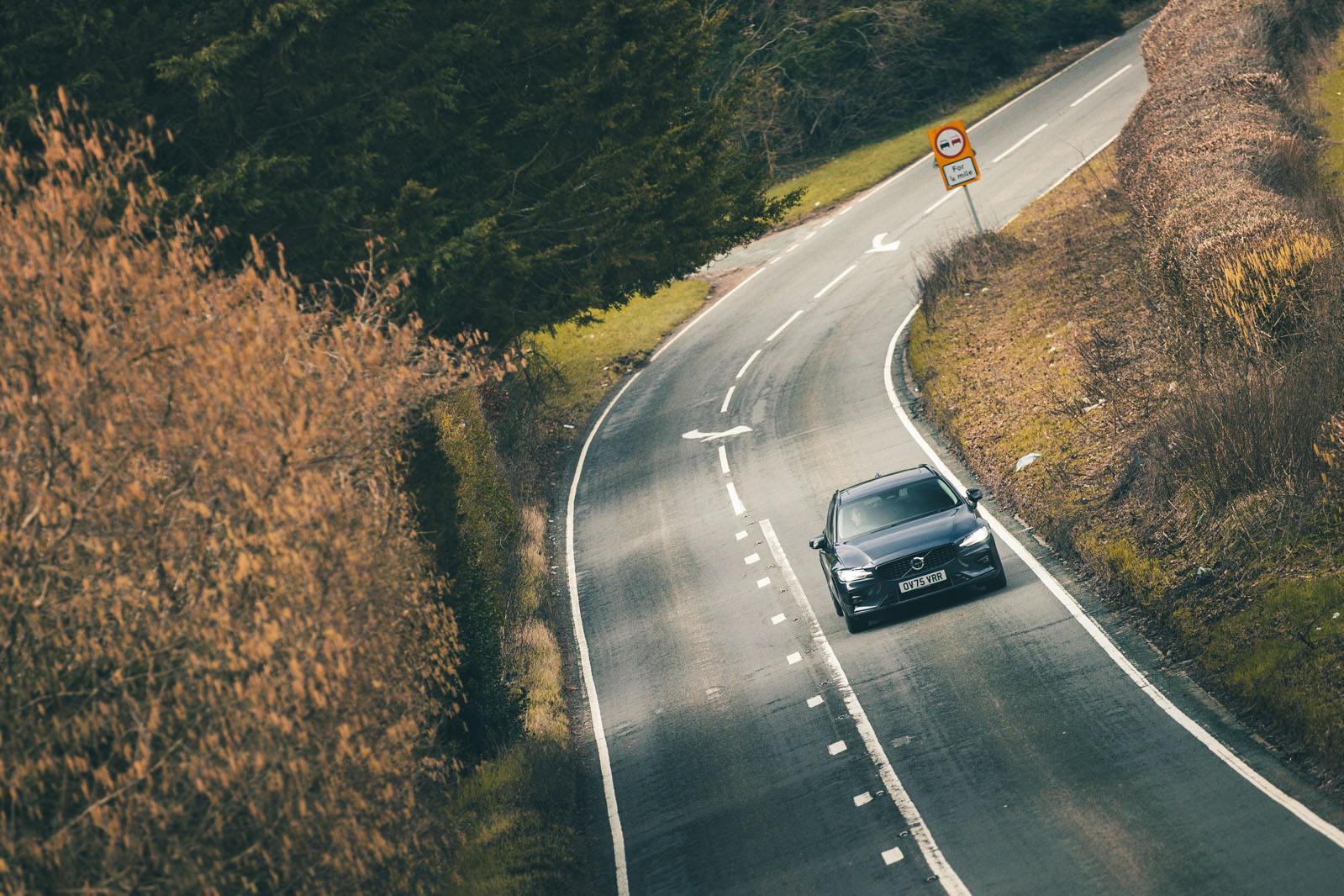
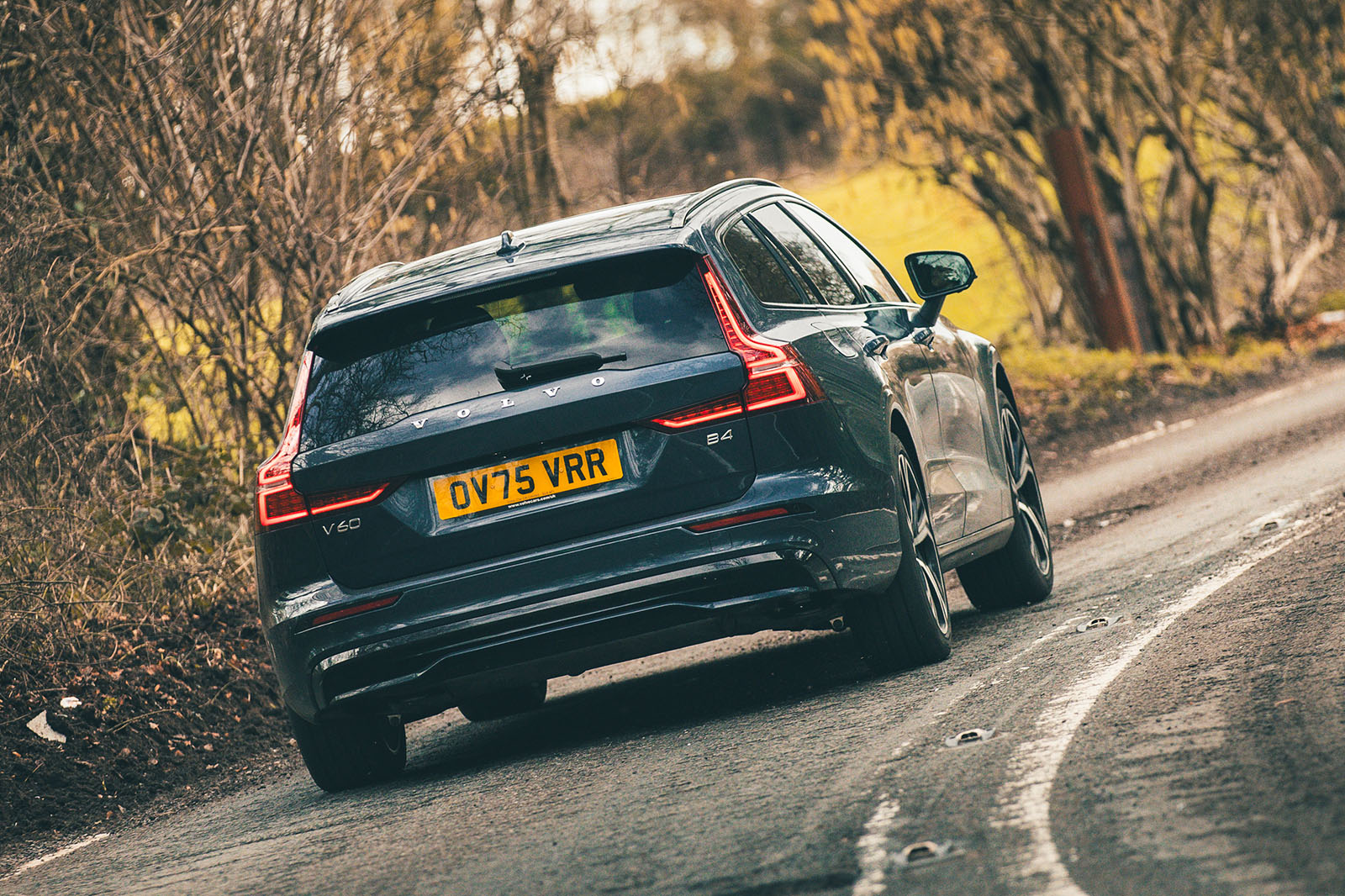
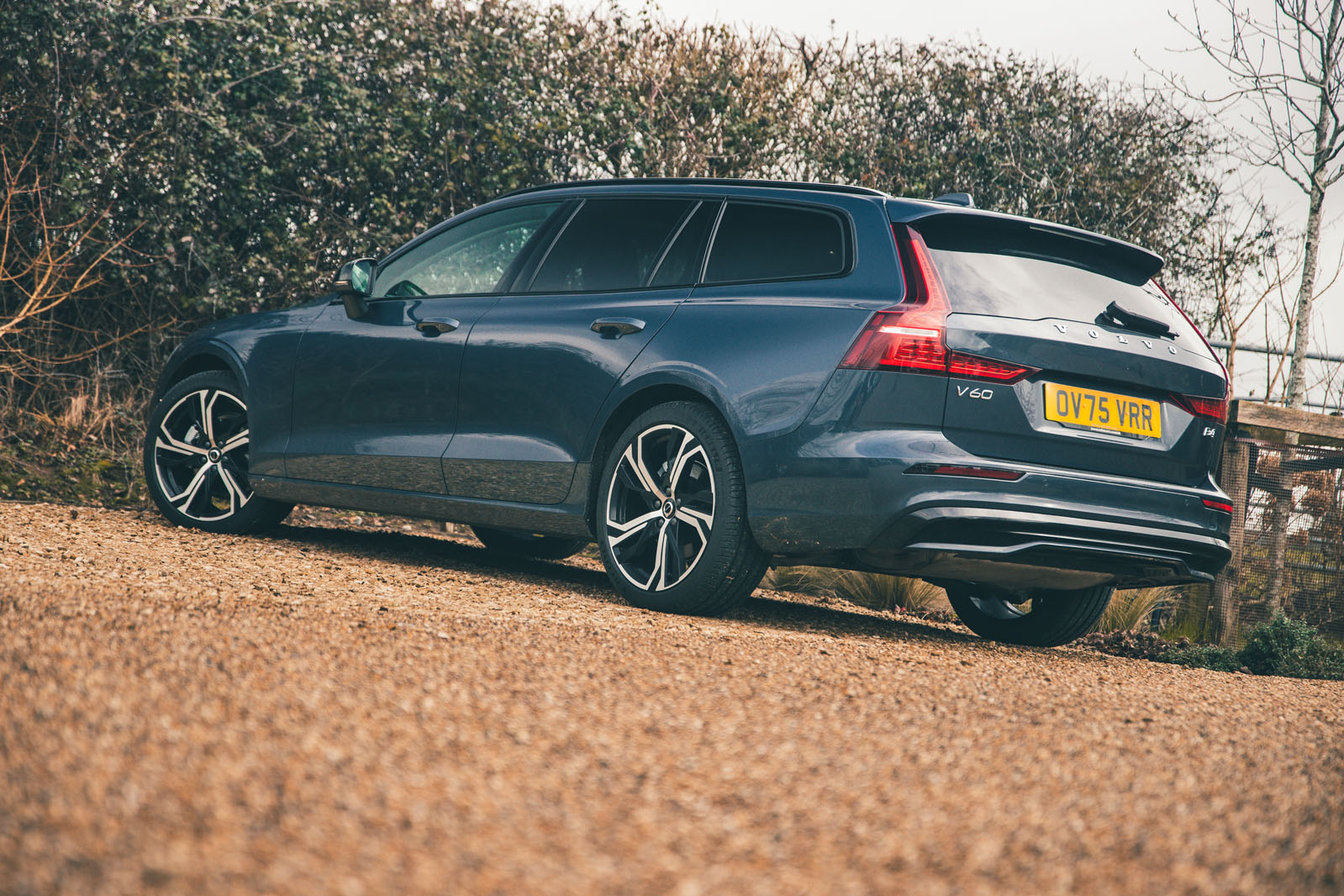
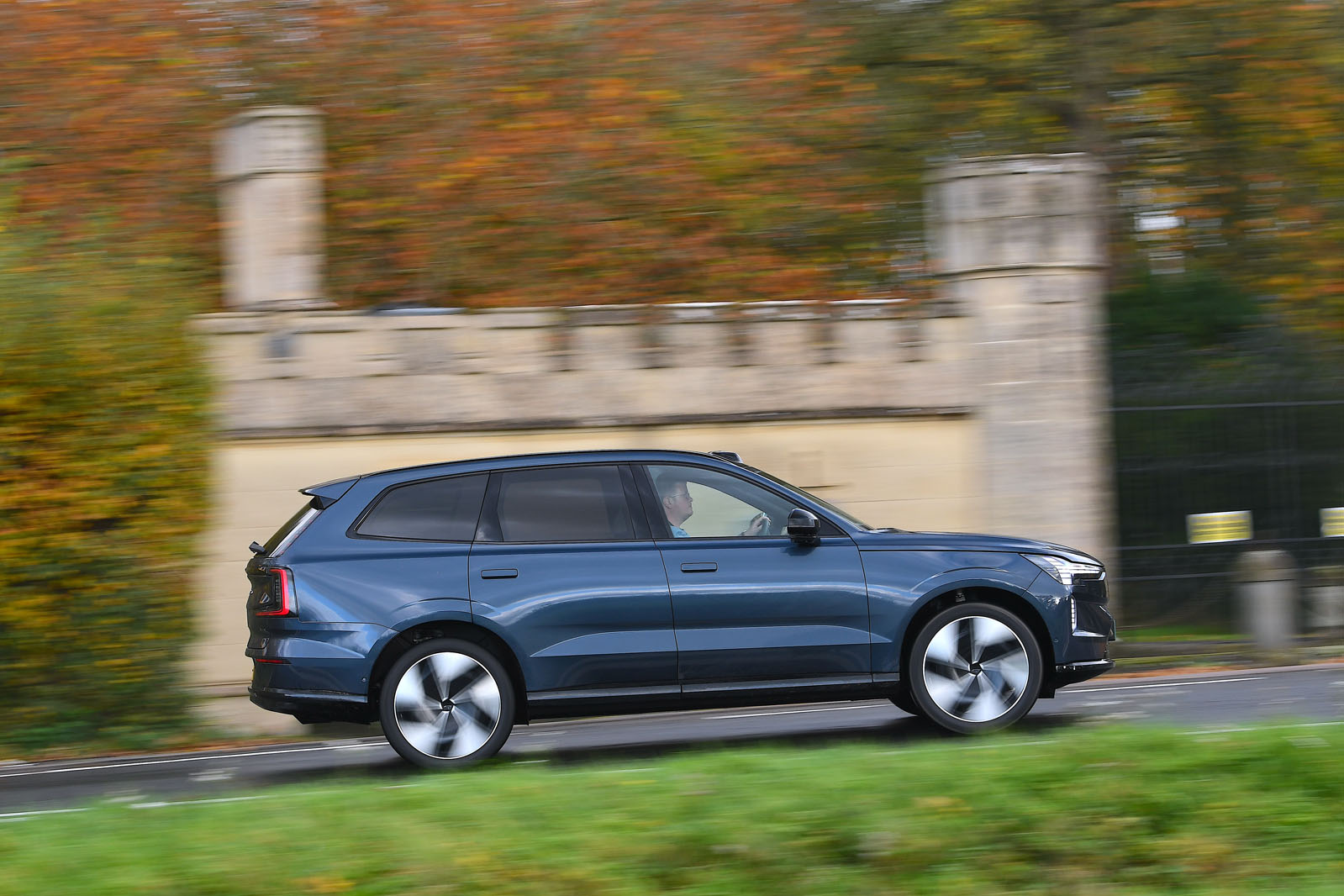
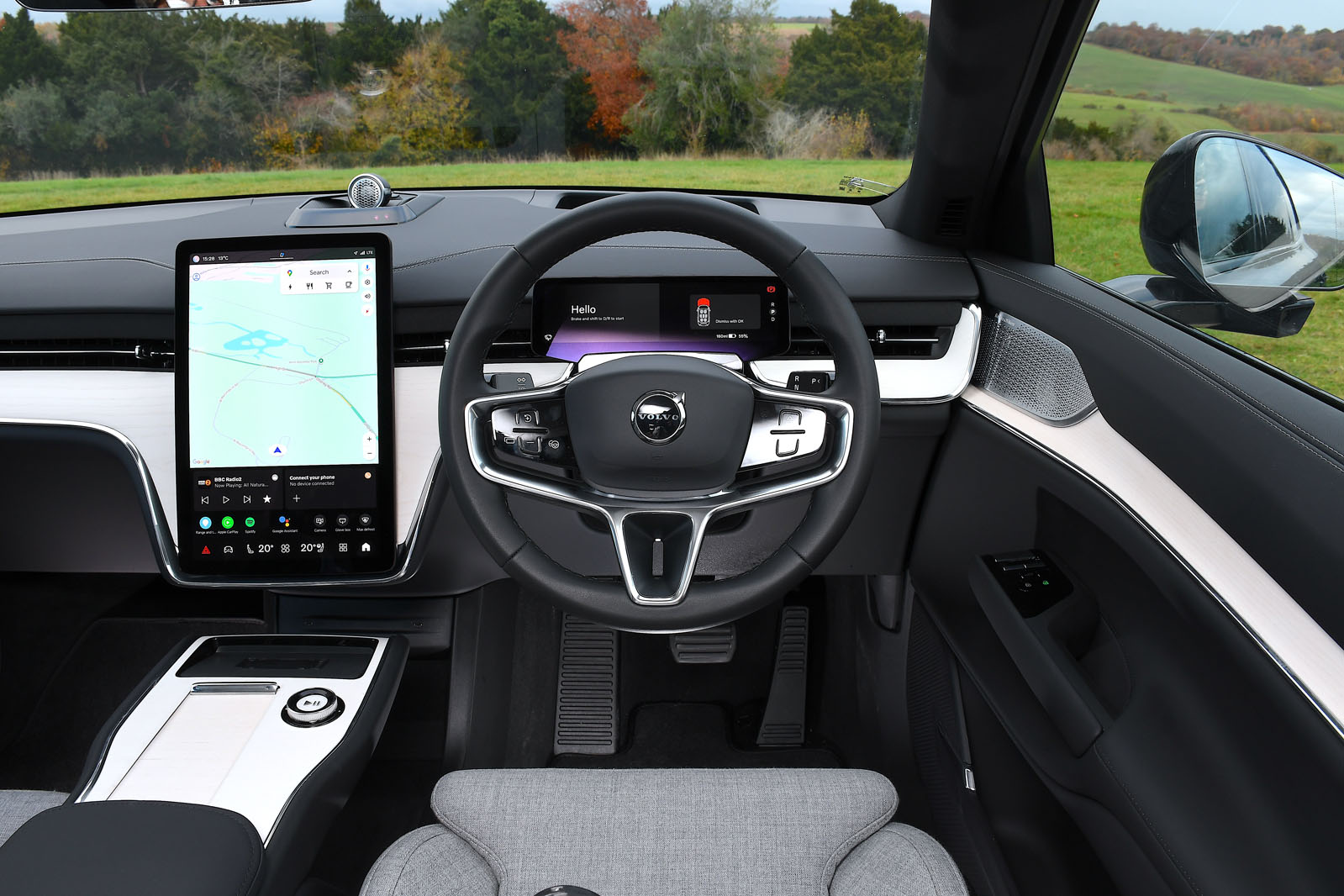
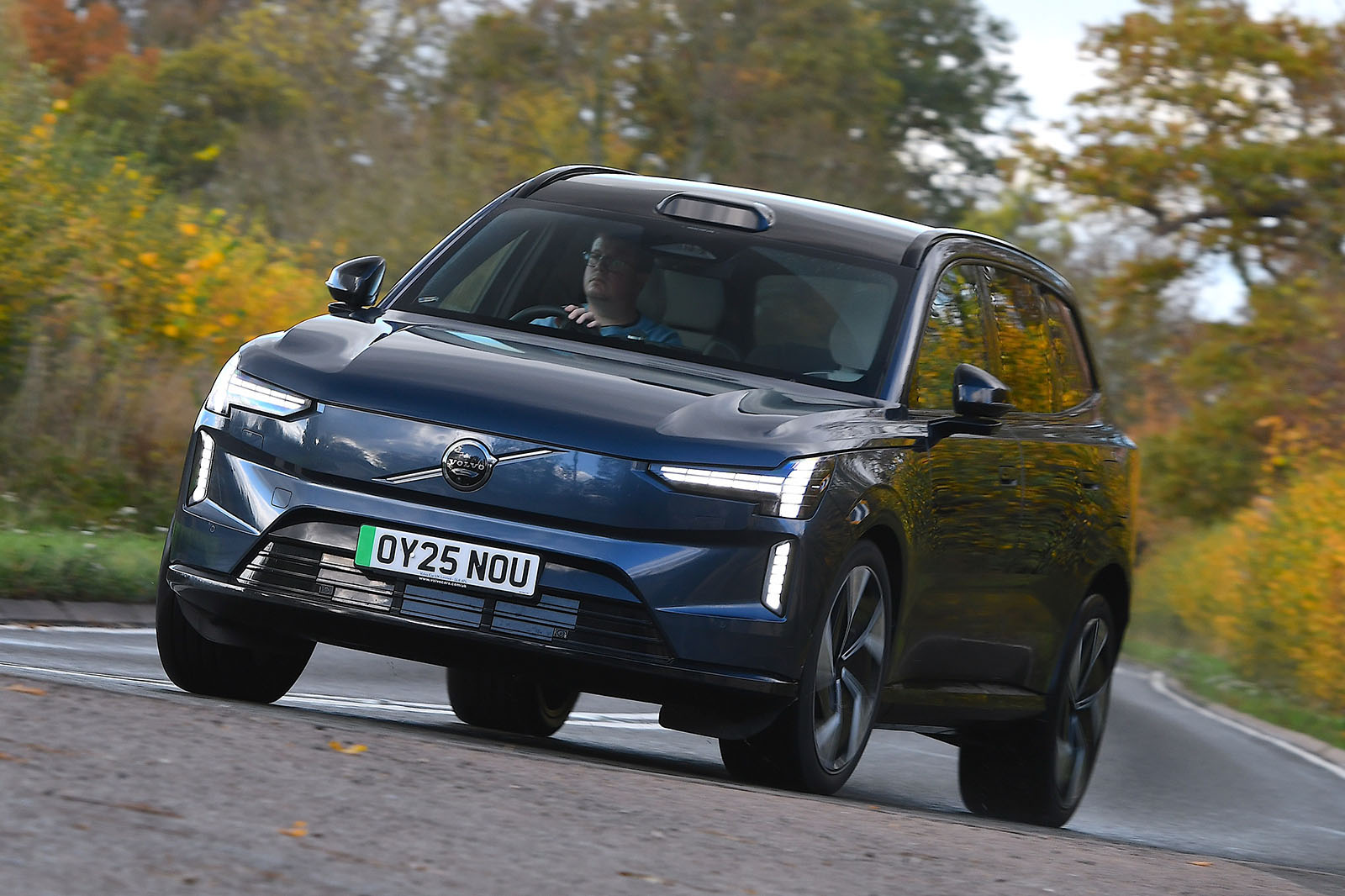
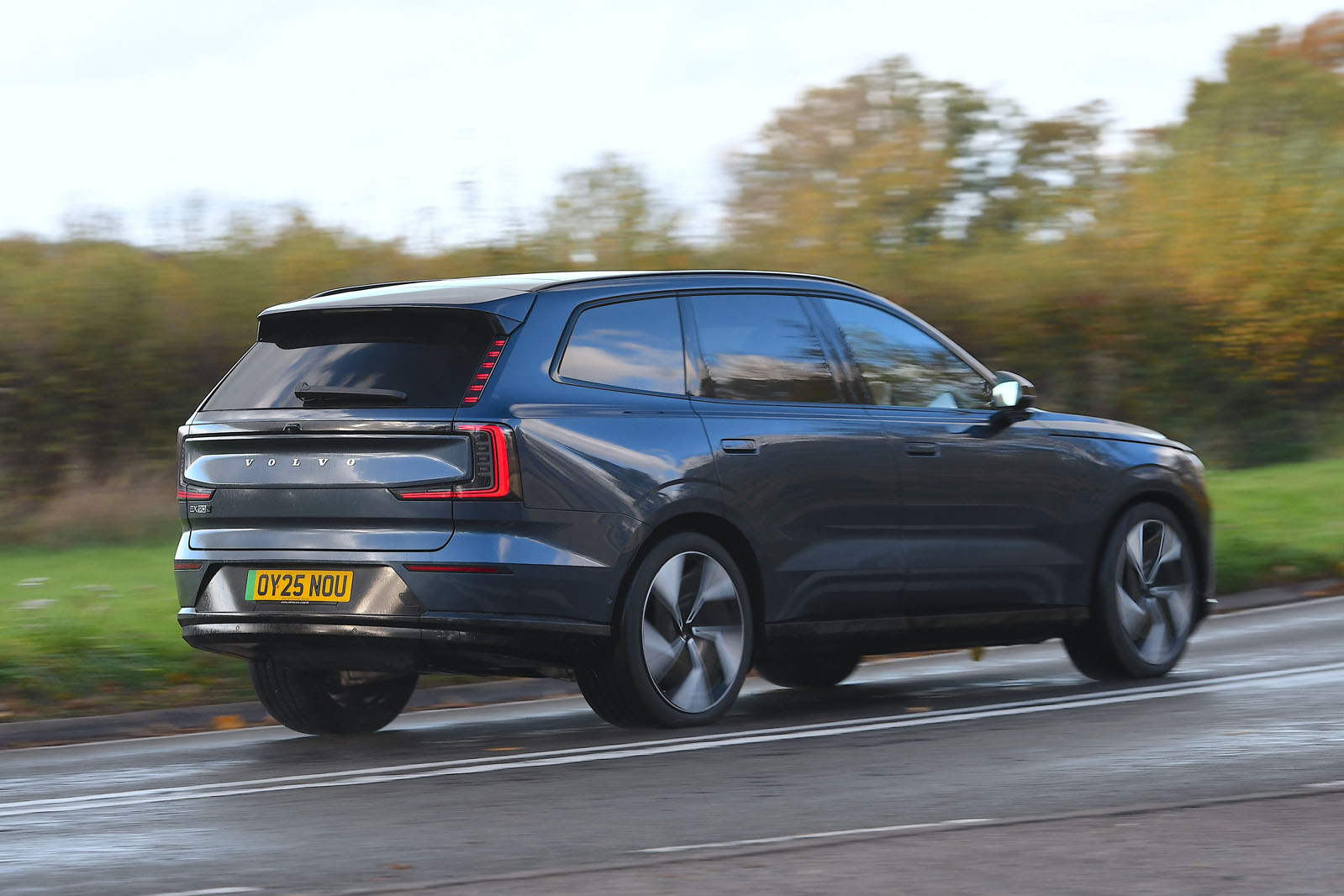
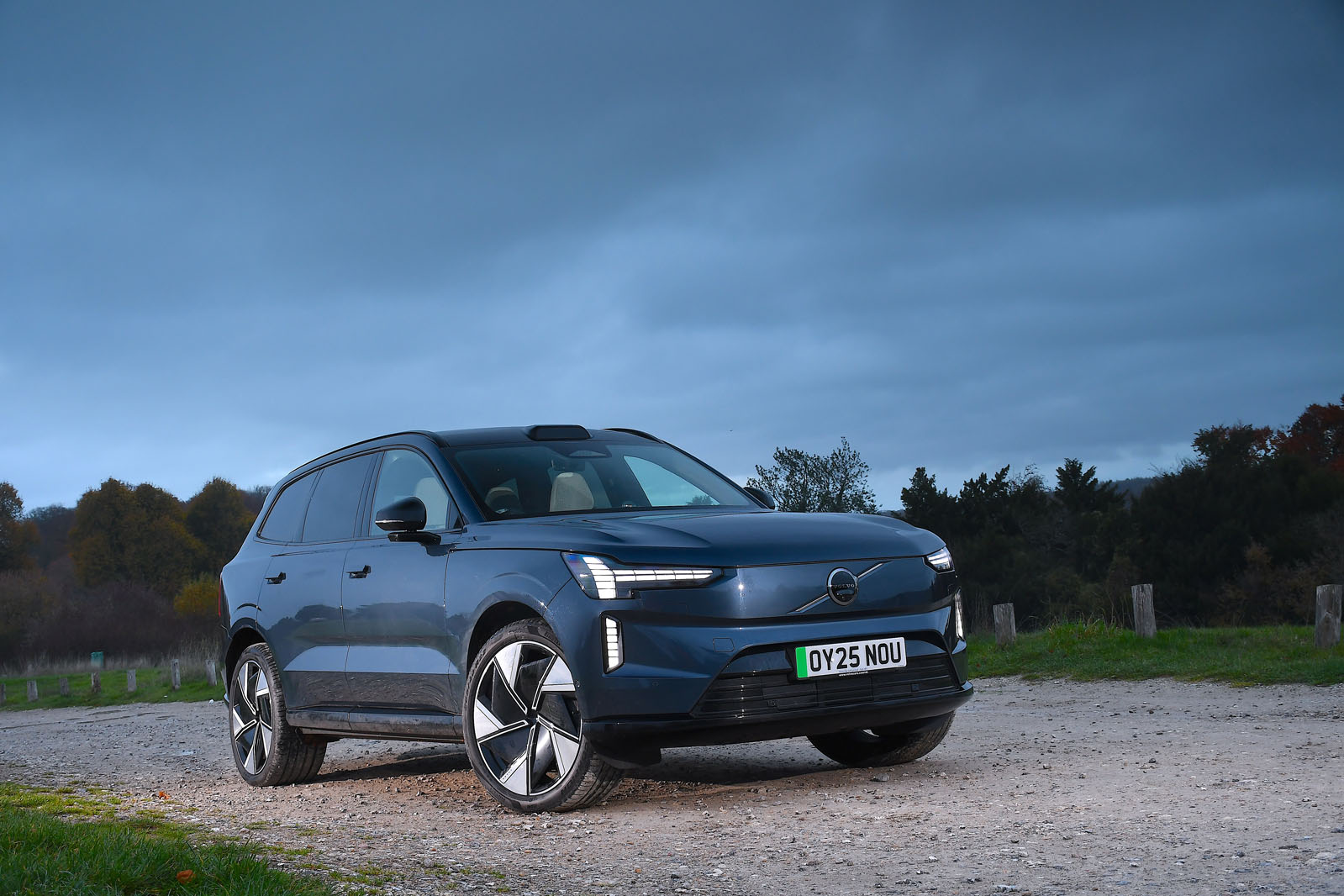
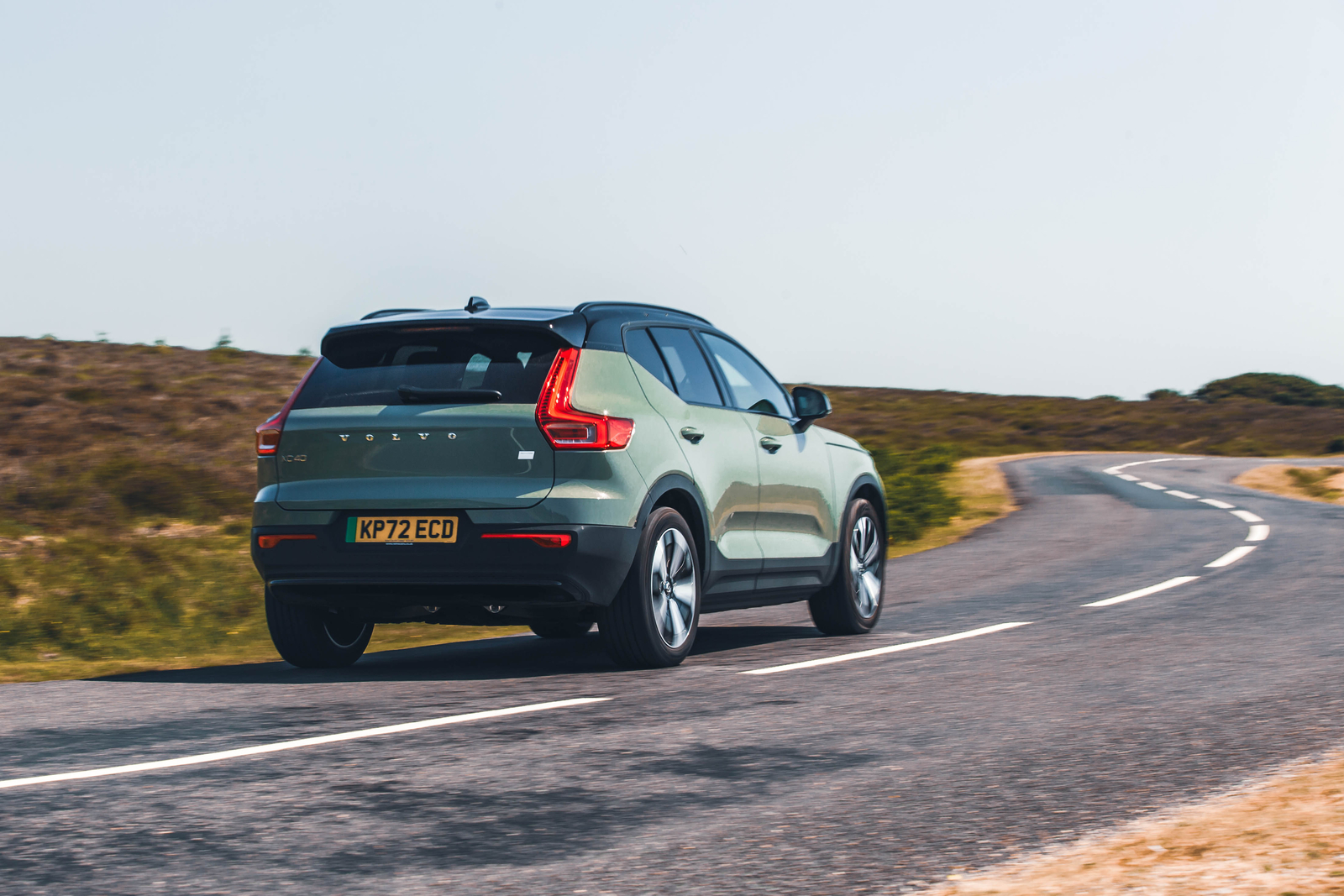
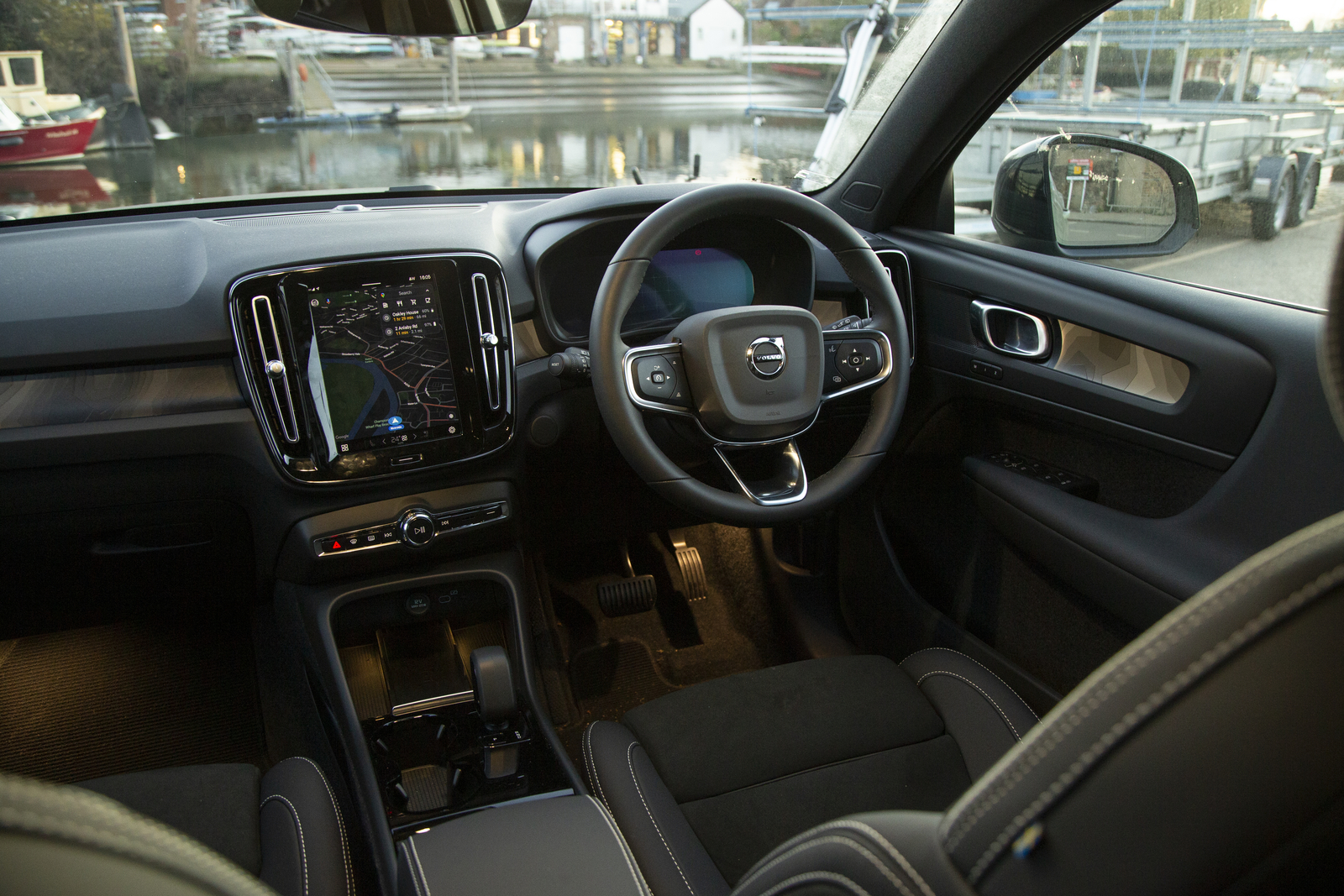
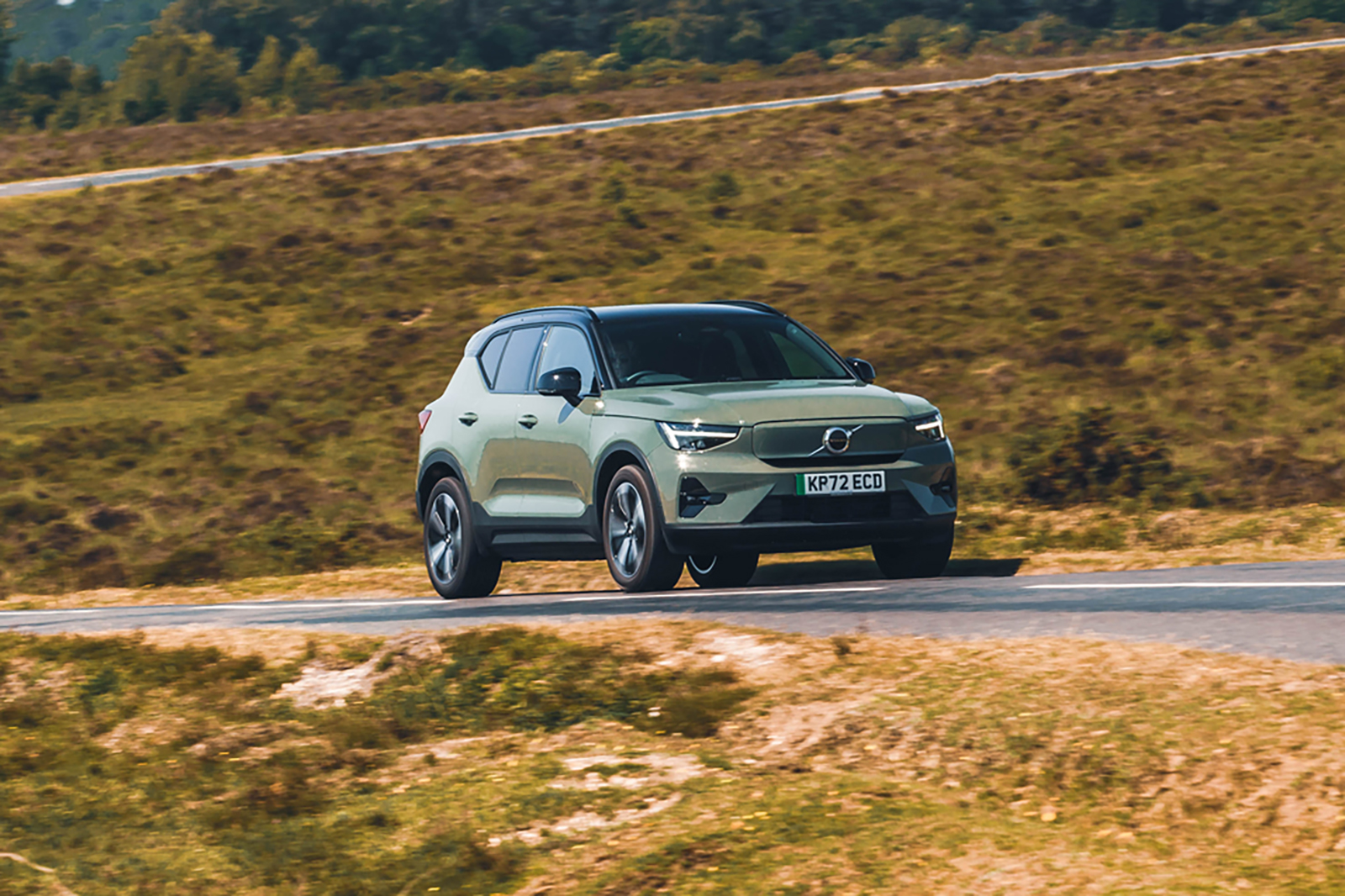
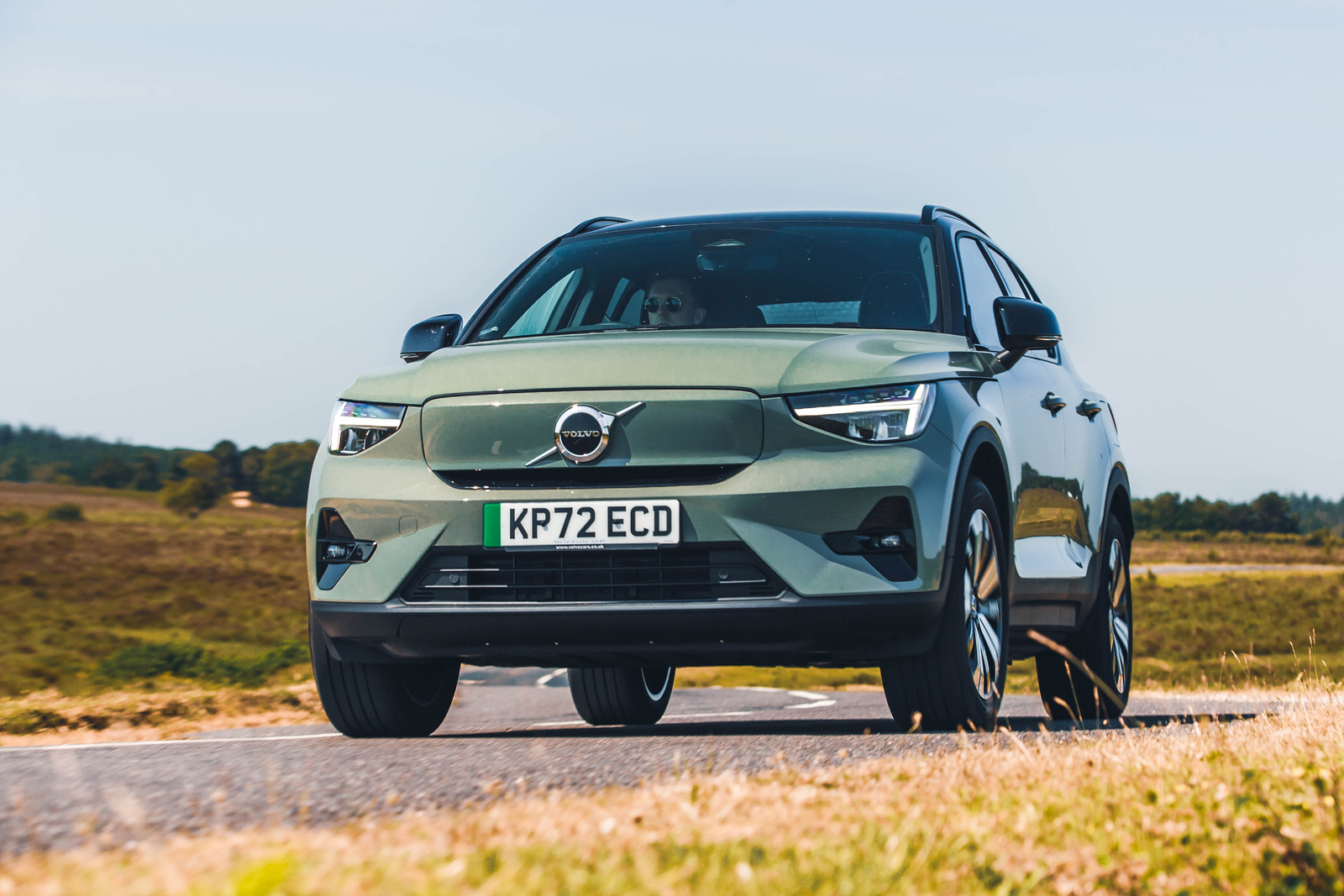
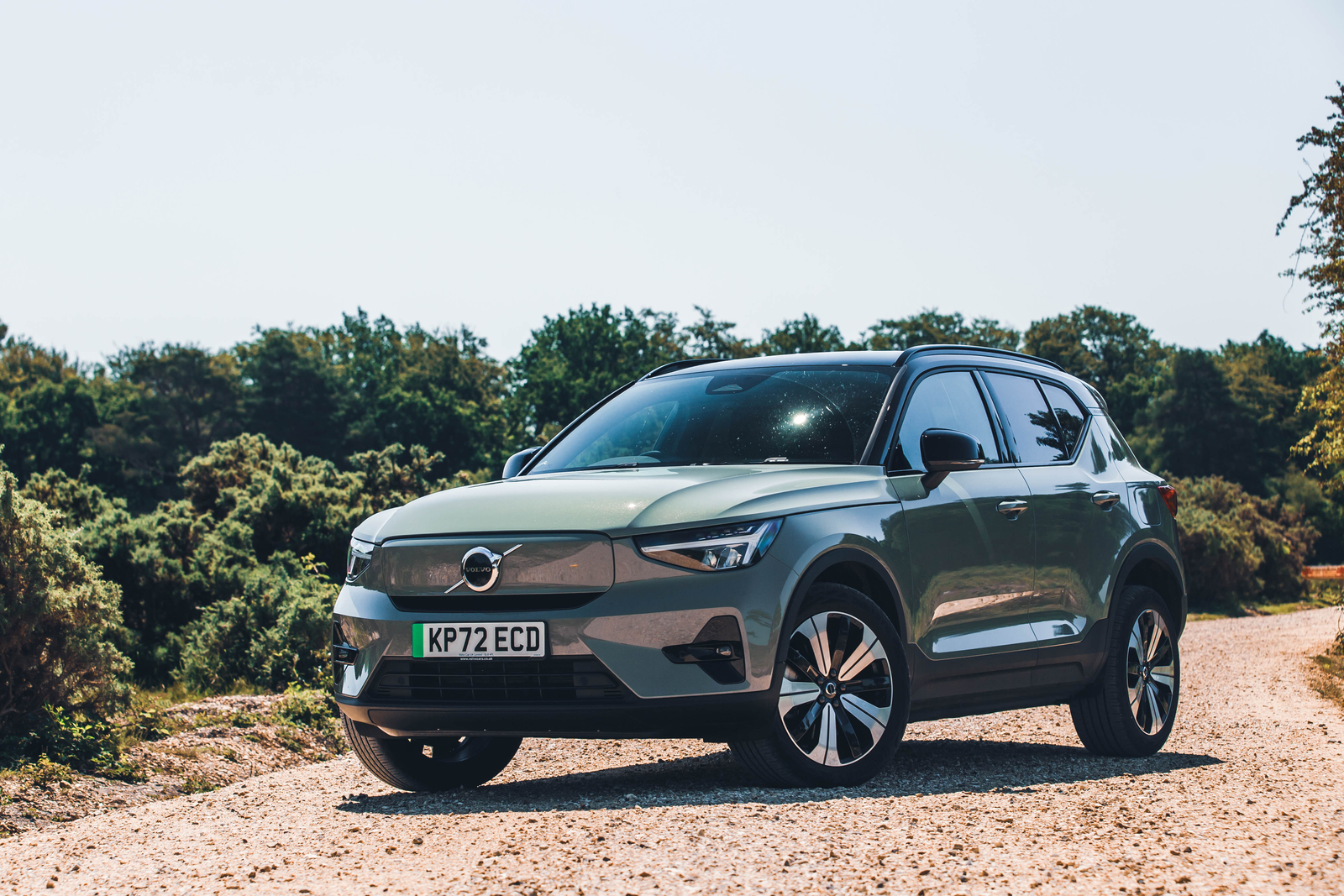
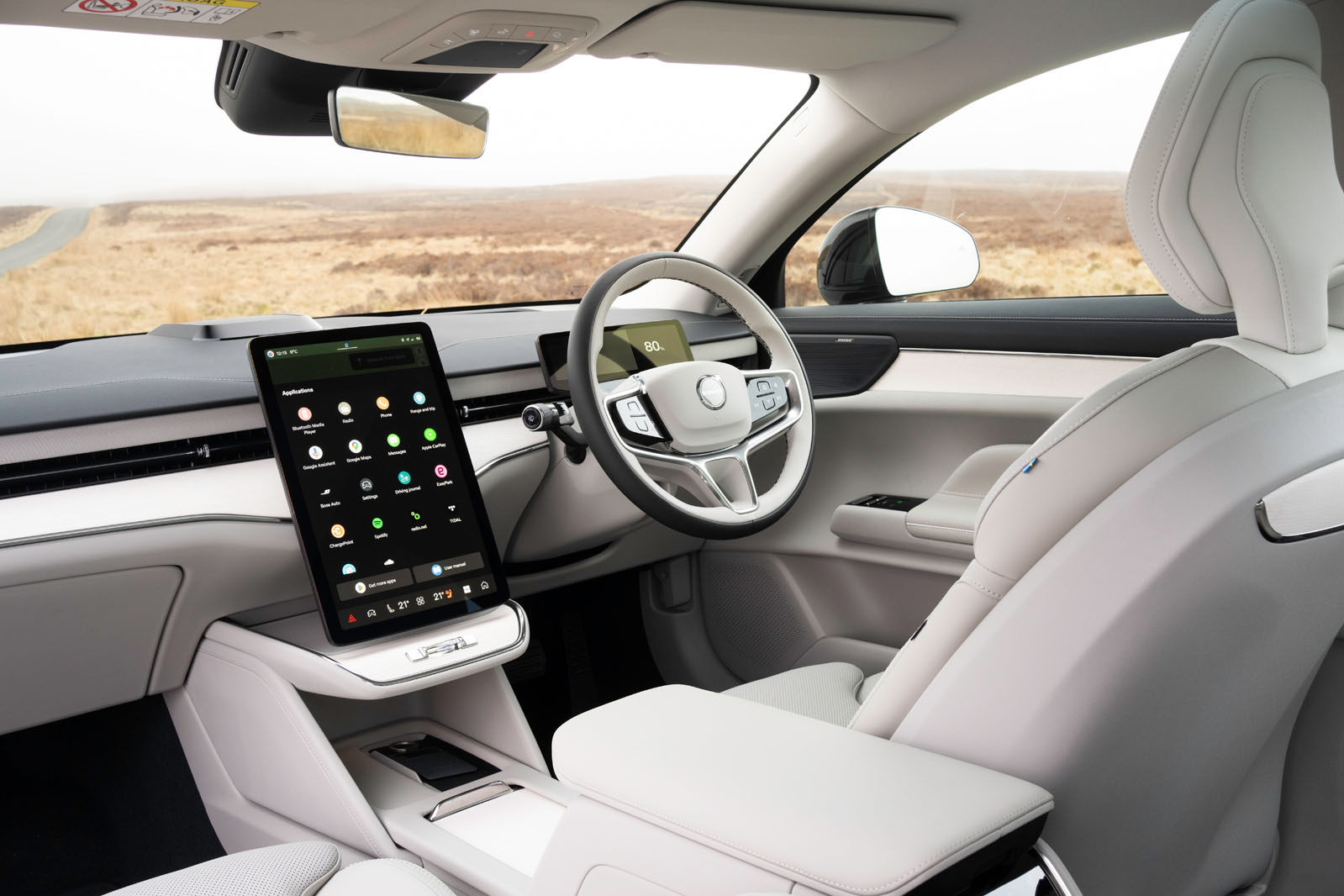
Having lived with a Volvo EX30 for a few months now, I've come to realise that the sensors are a bit on the sentive side and have been hoping that a software update would help.
I've had a few emails from readers slightly sceptical of a car in which the "driving experience is basically a software update". There's a lot more to the EX30 than that, so I was determined to share more about our electric SUV's driving dynamics as opposed to its software.
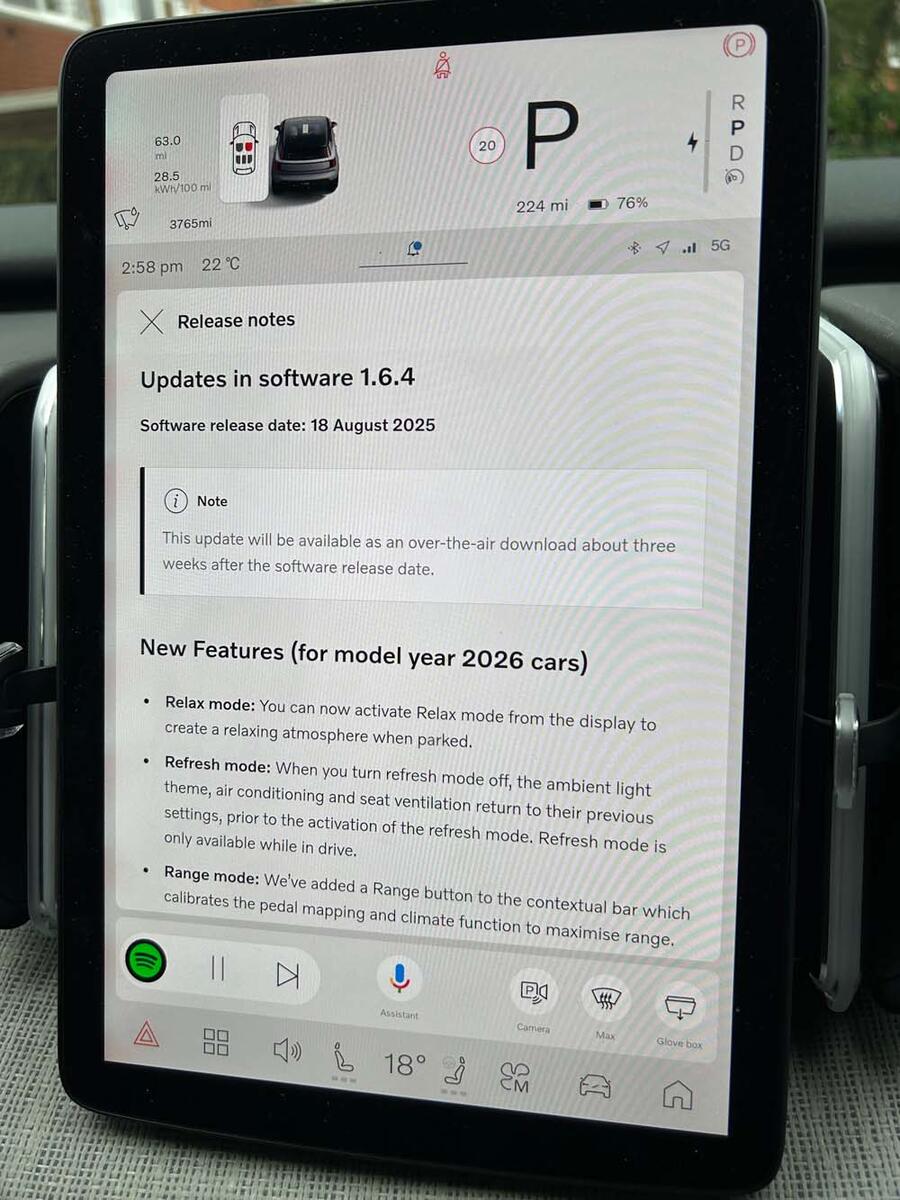
Except then a pop-up appeared on the touchscreen recently, informing me the extravagantly titled software update 1.6.4 was now available to download and install. So I had a scroll through the list of updates and decided to take the plunge.
But stick with me, because this software update has an impact on how the EX30 drives. Most notably, the one-pedal driving mode, which previously could only be on or off, now has low and high levels.
And, yes, they do feel different. The high level is new, and when you lift off the pedal, the EX30 is notably more aggressive in how quickly it slows far closer to the one-pedal modes of other EVs. I welcome the extra adjustability, even if it has to be switched via the touchscreen.
Volvo also claims it has made some general improvements to the powertrain's operation, particularly at slow speed, although I haven't noticed that much but then I didn't have much cause for complaint.
Another neat touch is that the car's live energy consumption is now shown on the fixed top bar of the home page, making it much easier to see how efficiently I'm driving.
Although it is a bit annoying that Volvo displays this in kWh per 100 miles, rather than miles per kWh, as it means I have to do some mental maths.
Volvo has also added a new drive mode selector button, although for the moment this is only for 2026 and Twin Motor cars. That means I also don't get the new Relax mode reclines seats, dims lights, closes windows, plays soothing noises that's available when parked.
Other updates include some extra low-battery warning alerts and the charging display screen, a change to where the car draws power from if pre-conditioning when plugged in, and a new snowflake symbol that appears when the battery is cold.
In all, there's nothing really transformative with this update and, yes, maybe some of those functions should have been offered from launch but, in total, my EX30 is ever so slightly better than it was.
Volvo isn't the only car maker that issues over-the-air updates, but it's still interesting to see them in action, especially when they make a small but significant difference to how the car actually drives.
And really, I'm very much enjoying driving the EX30. I'm not waking up on a weekend with an urge to hunt down a B-road to attack with gusto, but the EV offers plenty of zip, its steering is direct yet light and it's pleasingly refined.
And here's the most important thing: it's very definitely a car. I may spend a lot of time looking at the touchscreen and pondering software updates, but the thing I'm enjoying most about the EX30 is driving it. If a software update makes that a bit better, I'm all for it.
There was a time when Volvo’s aversion to curves was so acute that you’d see one only in the wheel in your hands, under the arches or perhaps under the bonnet, where the arc of a cable had escaped the company’s obsession with the straight and narrow.
That changed quite suddenly in 1996 with the arrival of the C70 coupé and convertible. This pair presented a curving nose, a bonnet with a billow in it and subtly rounded shoulders. It wasn’t much, but this Volvo looked like a rebel in a showroom packed with sharp-edged, bluff-fronted saloons and wagons. It was quite a surprise to see something vaguely sporting emerge from Volvo, too.
The Swedish company’s flirtations with athletically bodied models have never been more than patchy. Its most famous and admired model is still the P1800 coupé of 1961. Others followed after intervals, including the 1800 ES sports estate that inspired the later, appealingly oddball 1986 480 ES and the not-for-Britain Bertone 780 of the same year.
If you’re thinking that the vinyl-capped 262C coupé has been omitted from this list, that car was about as sporting as a Russian Olympic team. The C70 promised more than this, despite being front-wheel drive. Some turbocharged five-cylinder engines helped – less exciting varieties were available – as did a chassis benefiting from mild attempts to get this moderately big coupé to briskly obey the swivellings of its steering wheel.
The bigger challenge was to find a way of getting the project green-lighted in the first place. Coupés and convertibles are always uncertain projects. Lifetime production volumes are never likely to be big, and once the novelty has worn off, the sales curve tends to follow the trajectory of a spent firework.
To share the risk, Volvo enlisted the engineering consultancy of British race ace Tom Walkinshaw to help develop the car, and find a factory to make it, duly unearthed in Uddevalla, in Sweden. The risk sharing extended to persuading Renault to build its mid-engined Clio V6 at the plant, although this arrangement was less unlikely than the sight of Porsche Boxsters and Lada Samaras coming down the Finnish contract manufacturer Valmet’s Uusikaupunki plant.
Offering the C70 with two bodystyles also improved its chances. The convertible’s roof was fully electric, neatly self-stowing beneath a lifting rear tonneau cover, while the coupé offered more rear room, the drop-top’s back seats little more than attractively upholstered instruments of torture for any claustrophobic. Still, their heads were well protected by a device sexily named ROPS – for roll-over protection system – a robust hoop firing skywards in the event of any threatened inversion, as per the Mercedes SL.
The coupé did without that, of course, but carried a more subtle advantage evident as soon as the convertible encountered turbulent roads, where its quaking scuttle betrayed a rigidity shortfall that the coupé managed to skirt. Still, neither of these cars was truly sporting, despite the model’s expensive placement in the 1997 Val Kilmer remake of The Saint. Both were long-distance cruisers, the convertible in particular aimed at sun-loving Americans.
The US was where a large chunk of the 72,822 first-generation C70s went, which explains the relative rarity of the coupé, of which 26,036 were made. In truth, the C70 was a forgettable car, as was its retractable metal-roofed successor, but its emergence did enable Volvo to re-embrace the curve. And not a moment too soon.
With so much emphasis on developing ADAS and fully autonomous vehicles, it may seem as if the industry has run out of ideas for improving the basics.
That isn’t the case. Next year, Volvo’s ultra-sophisticated smart safety belt makes its debut in the EX60. It’s 66 years since Volvo invented the three-point belt and made the patent freely available to all car makers.
The latest version is the world’s first multi-adaptive safety belt, which is said to give better protection than existing systems. The belt adapts to traffic conditions and the type of individual wearing it using real-time data from interior and exterior sensors.
The belt takes into account the occupant’s height, weight, body shape and seating position. Larger occupants will be restrained by a higher belt load setting, while the setting for lighter occupants will be lower to reduce the likelihood of a broken rib.
The belts use load-limiting profiles to control the force applied to the user when an impact happens, and the number of profiles the system uses has been increased from the usual three to 11.
No two crashes are the same; each one has unique characteristics such as direction, speed and the posture of occupants at the point of impact.
When the impact occurs, the systems analyse those characteristics in milliseconds, and the safety belt selects the most appropriate setting.
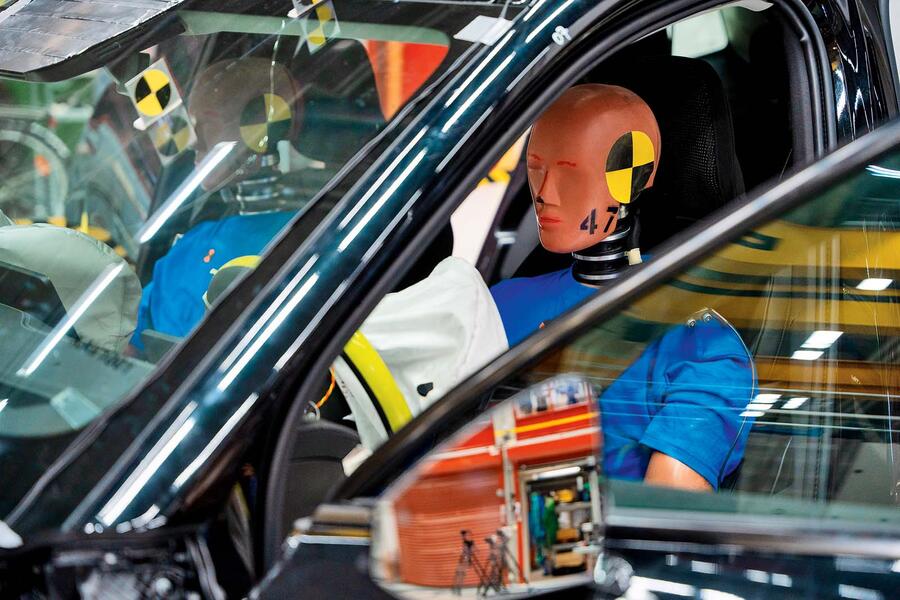
The design of the system is based on more than five decades of research and draws on a database of information on more than 80,000 occupants involved in real-world accidents. The system can be continuously improved by over-the-air updates as more data becomes available.
The new belt is part of Volvo’s broader “safety ecosystem” and integrates seamlessly with airbags and occupant detection and driver assistance systems. It has been tested and improved at the Volvo Cars Safety Centre crash lab and is said to exceed regulatory requirements for automotive safety.
The original three-point belt was developed by Volvo’s first safety engineer, Nils Bohlin, who had worked on safety kit for pilots at Saab’s aviation division.
Two-point diagonal belts were an accessory for Volvo cars, but the company didn’t think they were satisfactory – and with the benefit of hindsight, they weren’t.
A US patent had been pending since 1952 on a belt designed for aircraft, but a buckle positioned over the abdomen could injure internal organs on impact. Bohlin’s design moved the buckle to the side, so the belt was pulled tight across the body in a collision.
The rest, as they say, is history – and clearly what is perhaps the greatest piece of automotive safety equipment ever invented is still evolving.
“I should try the 1.6 diesel if I were you.” The words were the Volvo PR man’s, and were slightly disappointing to hear given that this was seemingly the least exciting version in the C30 range.
But the truth was already out, and our pragmatic PR knew it. He’d driven them all, and the 1.6D had the best chassis, because it had the most pliant suspension. What was the truth? That despite borrowing heavily from the parts inventory of the best small family hatchback on the planet, this Volvo was very far from being the world’s best small four-seater coupé.
It was baffling, really. Volvo was part of the Ford empire at the time, specifically the Premier Automotive Group if you remember that (Aston Martin, Jaguar, Land Rover, Lincoln and Volvo were its components, from 1999 to its final 2010 dismembering) and it was able to use the Ford Focus as the basis for this small and classy coupé. Which meant that, potentially, it could build on the best small hatchback chassis in the business and a decent array of engines. But only potentially.
The wasting of some of this potential would only emerge when the wrong kinds of bump and bend spoiled Volvo’s day. Before that, we could all get excited about the C30’s slightly offbeat design, a tailgate entirely of glass, a long, tapering roof, high-stacked taillights, a wedge of side windows and a neatly thrusting nose among the highlights. True, to the uninitiated it looked much the same as a three-door hatchback, but if its pertly distinctive rear end and wheel-arch extensions didn’t disabuse you of that notion, the roundly unhelpful tailgate opening, small boot and limited rear head room certainly would. All of these drawbacks are typical of coupés, of course – these are the sacrifices that must usually be made for that style.
The C30 was following a lineage of small, practical Volvo coupés stretching back to the P1800 ES, a shooting brake version of the pretty P1800 coupé. That had four slightly confined seats and a frameless glass tailgate, as did the 1987 480ES, which the C30 replaced after an 11-year pause. It was keenly anticipated, Volvo first hinting at the C30 with the 2001 SCC concept in 2001. A year later, Volvo committed to a production version, although it took six years to emerge. By that time, the keen – in the UK, at least – wanted the C30 now. And that meant Right Now. But many were thwarted by supply problems, losing the C30 that vital early sales momentum.
Despite this, Volvo’s smallest just outsold the 480 ES over its seven-year life, finding well over 22,000 UK buyers. Apart from its subtly distinctive styling, C30 buyers also got an interior of unusually clean sculpture, the smooth escarpment of the upper dash a contrast to an aluminium centre console thin enough for stuff to be stored behind it. You could add excitement to your journey, possibly dangerous, as you furtled under the dash trying to find something you thought you might have left there but couldn’t quite see. Storage apart, the C30’s cabin was a very rational, finely finished space that was just a little dull unless you ordered the optional orange upholstery, this hue also available for the exterior.
Real fire was added when the C30 was offered as a T5 2.5 turbo, initially with 217bhp and a year later with 227bhp. This five-cylinder engine would also power the Focus ST, a car that perfectly demonstrated the intangible ingredients that made the Ford fun and the Volvo merely fast. Volvo’s retune of the Focus chassis upset the fine ride and handling balance Ford had carefully achieved, the C30’s suspension losing as much in finesse as it gained in unyielding stiffness. Perhaps that extra stiffness was needed to avoid moose on remote Nordic tracks, but, whatever the reason, it spoiled not only the car’s ride but also its scope for serving enjoyable agility.
It was a baffling lost opportunity, this same backwards step undermining the more commercially important S and V30 that were the C30’s blood brothers. Limited editions and a facelift followed, a Polestar special offering 250bhp to 250 US customers. More appropriately given the C30’s mild nature, there was a DRIVe economy version, and a prototype electric model too, some 50 of these field-tested in Sweden. But the most agreeable version of this unexcitingly agreeable car was that 1.6 diesel, whose extra torque and more supple ride unexpectedly provided the C30 with the polish it deserved.