4.0T V8 Coupe 2dr Petrol Hybrid SSG Euro 6 (s/s) (1070 ps)
Submitted by dev_editor on
![McLaren 570s interior wide]](https://images.cdn.autocar.co.uk/sites/autocar.co.uk/files/mclaren-570s-interior-wide.jpg "McLaren 570s interior wide]")


What is the greatest road car of all time? There are many standouts that have had such an impact that they remain as aspirational in their old age as the day they left the factory.
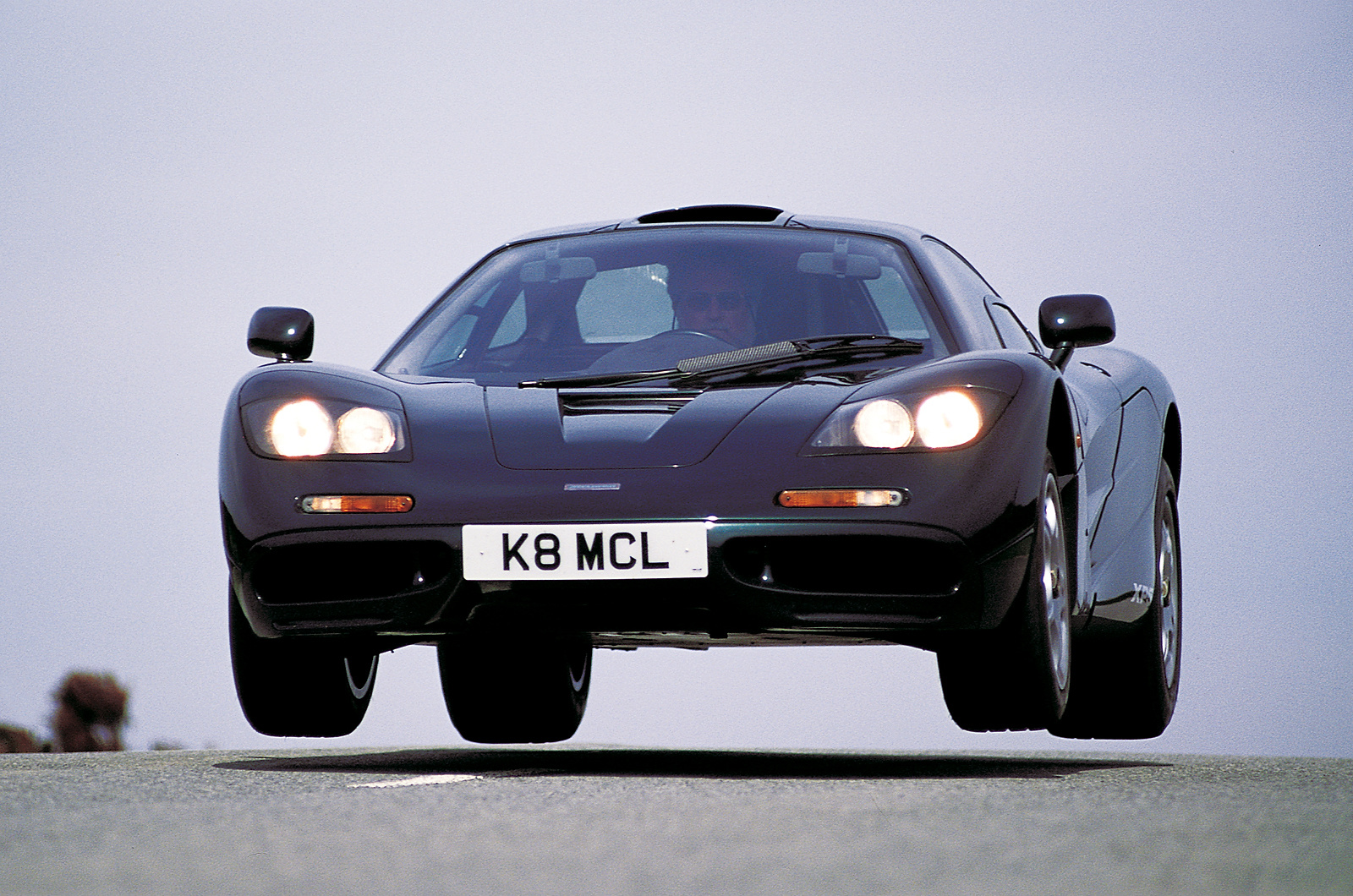
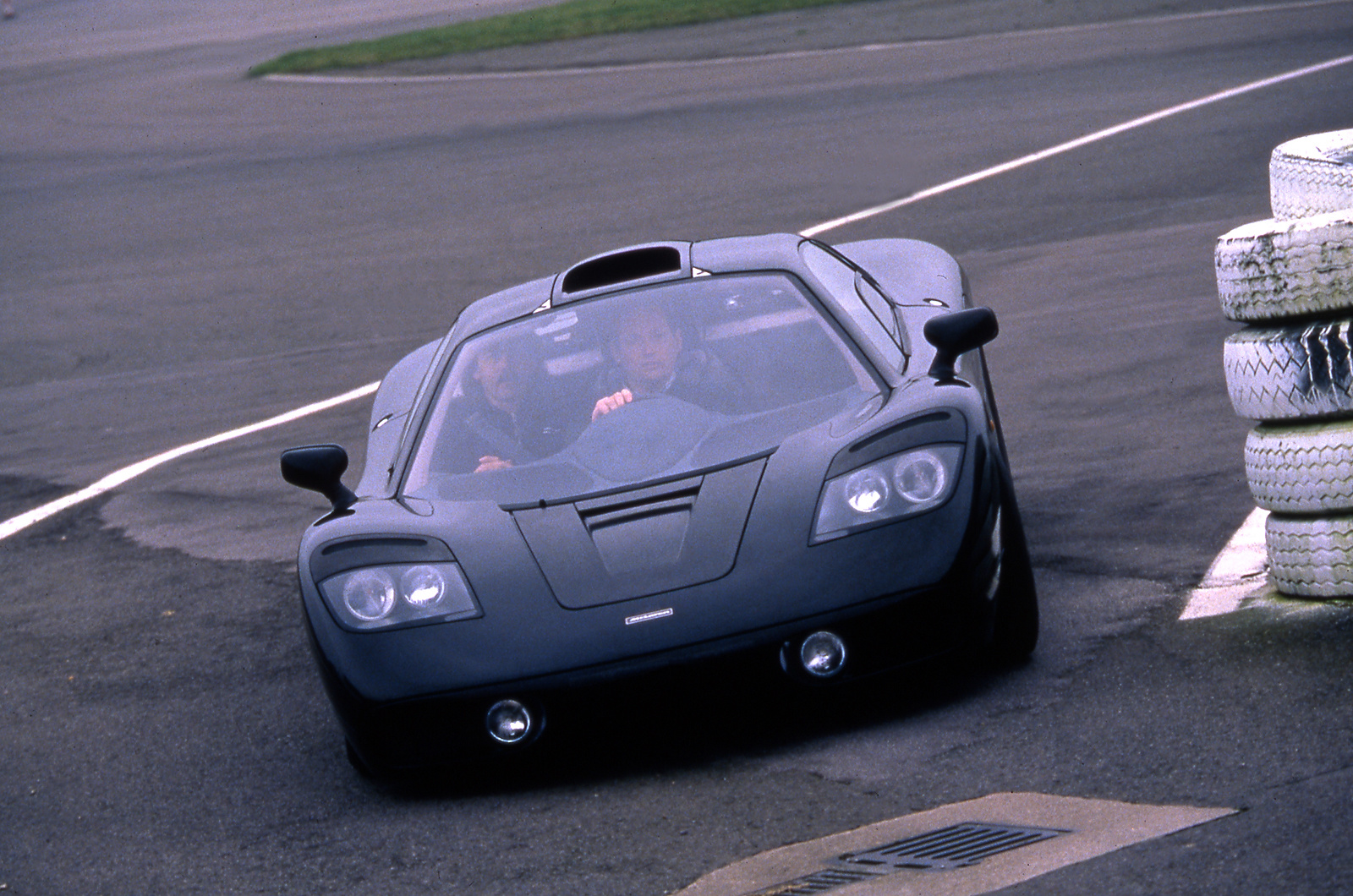
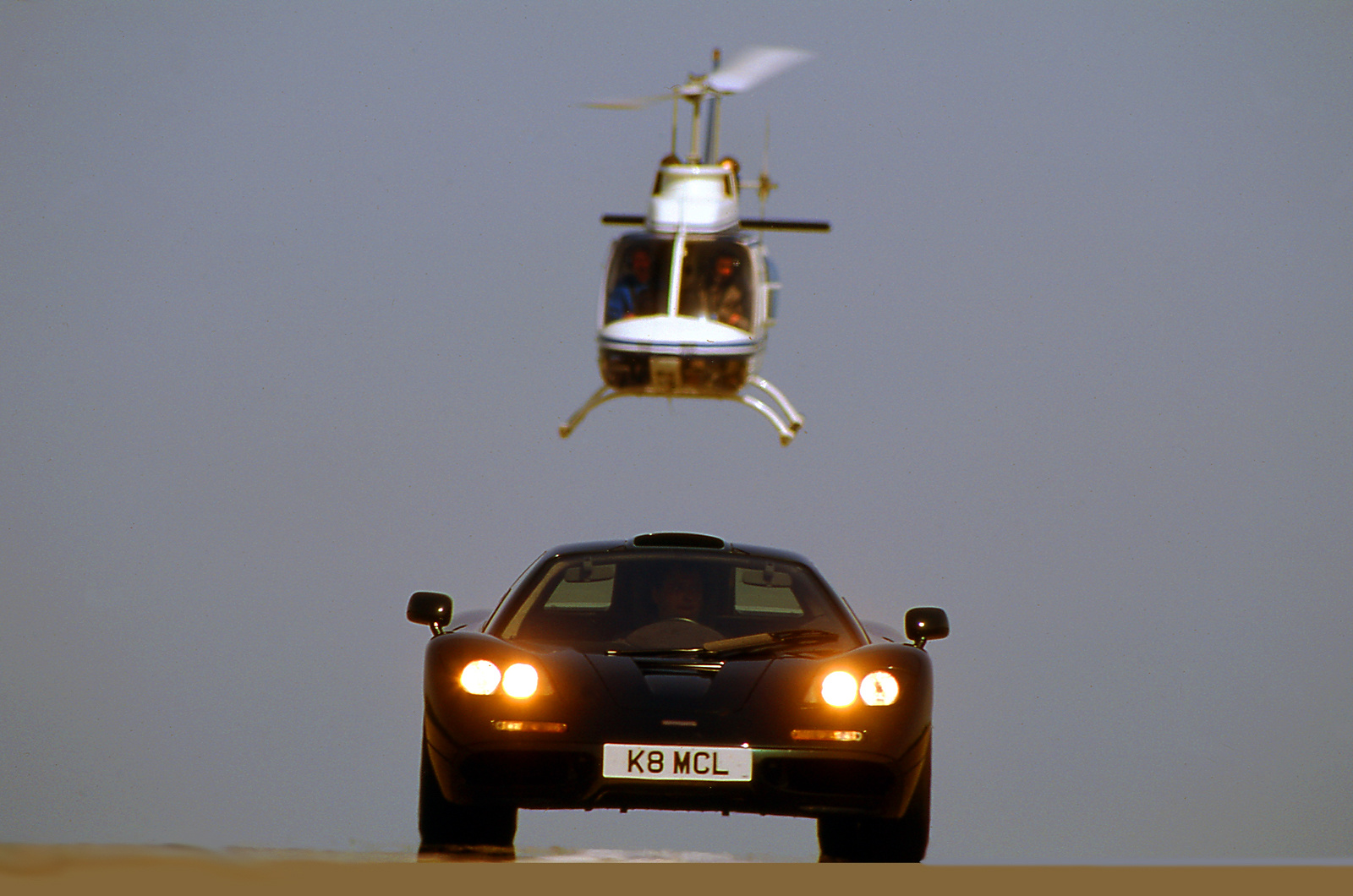
When it comes to engineering and design, one 1990s hero can hold its own with the best of any era: the McLaren F1.
With just 106 cars in existence (including race variants and prototypes), the chances of even seeing McLaren’s seminal hypercar, never mind owning one, are slim. But if your Euromillions numbers come up, or a long-lost relative leaves you around, say, £15 million, then hopefully this guide will serve more as useful consumer advice than indulgent fantasy. Either way, it’s a tasty prospect.
The F1 was designed by legendary duo Gordon Murray and Peter Stevens and launched in 1992. It was in effect the world’s first hypercar, and two years later our road testers were given exclusive access to put it through its only full road test.
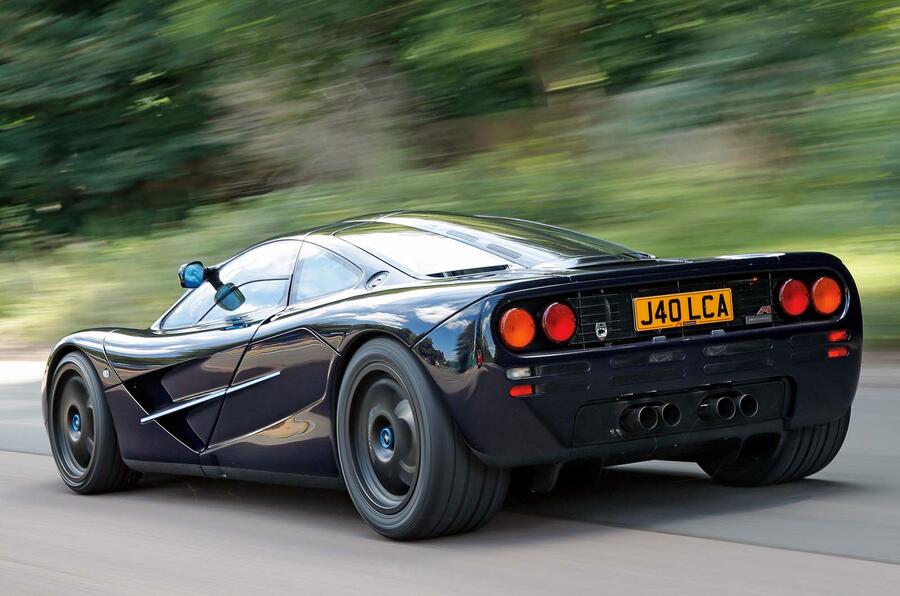
The figures we recorded on that day were the official stats used by McLaren themselves, and they told you all you needed to know about the F1’s capabilities: 0-60mph in 3.2sec, 0-100mph in 6.3sec, 0-150mph in 12.8sec and a top speed in excess of 230mph. They were world-changing numbers back then, but even today the F1 outshines modern supercars.
Its phenomenal 627bhp atmospheric V12 was built by BMW at Murray’s request. It manages to deliver uncompromising pace and a soundtrack reminiscent of a full-bore Le Mans racer while being pretty reliable, according to former racer Ray Bellm.
Racing driver and business owner Ray Bellm managed to convince Ron Dennis to turn the F1 into a race car. Bellm told us: "I ordered chassis number 46 after attending the launch event in Monaco in 1992 and planned to convert it into a racing car. Ron Dennis said I couldn’t and offered to build me a one-off racer for £1 million, but I didn’t have the money.
"He told me to go and find three other customers who wanted a racing car, and he’d charge us £650,000 plus VAT. I found two other buyers and took delivery of the car at the same time as my road car, so I had two McLaren F1s.
“I’ve owned five F1s – they were all very well built, and getting them serviced was never a problem.
“My racing car only had one engine problem. The replacement was £80,000, which was a lot of money back then. It would cost you a million quid today.”
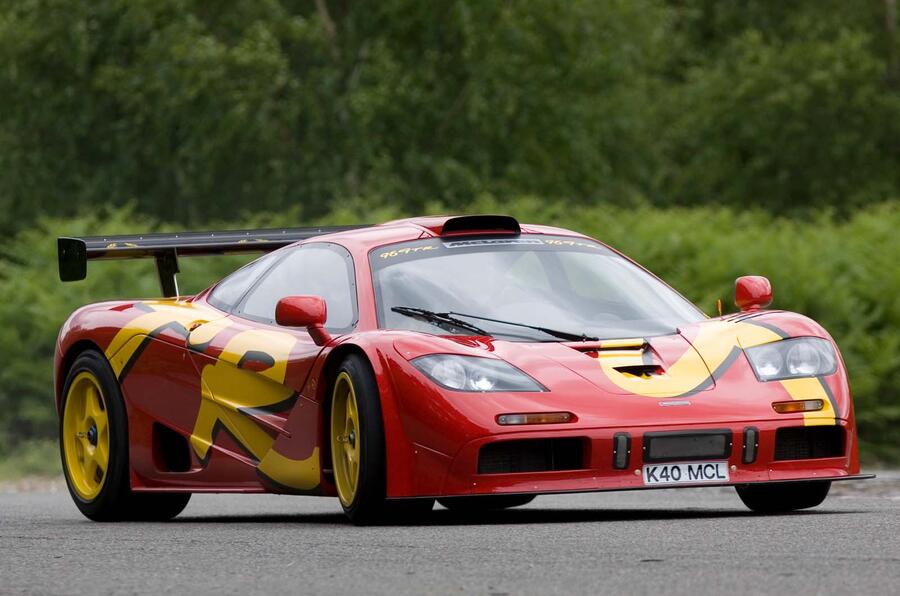
Servicing and repair costs aren’t for the faint of heart. A replacement clutch costs a five-figure sum, and the Kevlar fuel cell needs changing every five years. It’s an engine-out job.
Finding an F1 for sale is another challenge: they never end up in the classifieds, and while Bellm noted that they do come up for auction every so often, most are sold in secret.
“Last year, several cars changed hands,” reveals Bellm, who also founded the McLaren F1 Owners Club. “Most of the original owners are into their seventies now so quite a few are selling. I bought chassis 16R for £350,000 in 2004, so they were cheap at one point, but only when I started the owners club [in 2011] did they start to climb in value.”
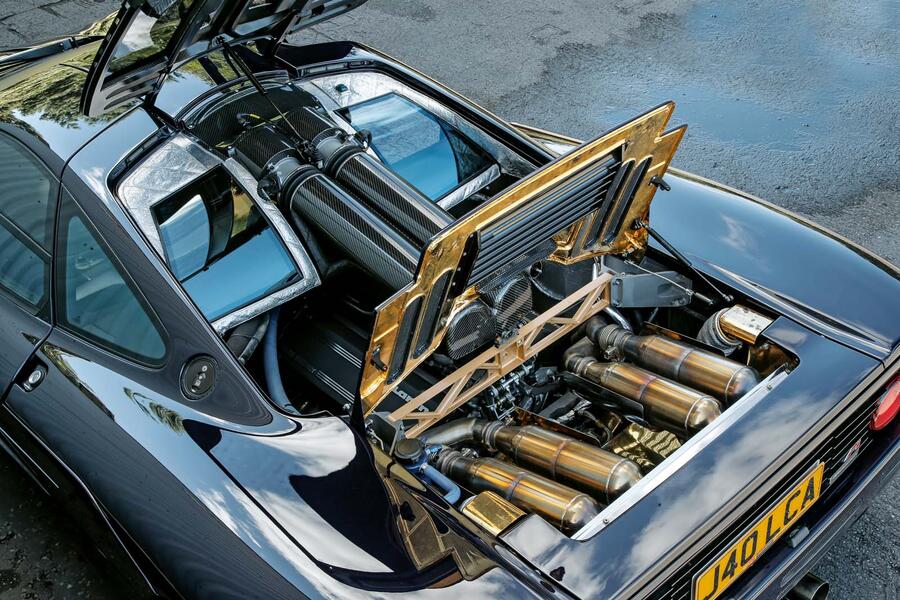
Thanks to its lightweight carbonfibre configuration, the F1 was an extraordinary car to drive, made even more immersive by its rule-breaking central driving position. Slide into the driver’s seat and you’re met with a near-perfect seating position with no pedal offset, a svelte steering wheel and a neat bank of switches either side of your thighs.
But don’t think for one moment that the F1 is like any other impractical hypercar: it can carry two passengers and fit a modest amount of luggage in the storage compartments behind the doors.
With prices for a road car starting at around £20m and race cars closer to £30m, F1s rarely see the light of day. But if you ever get your hands on one of the best production cars of all time, take Bellm’s advice:
“Use it like a normal car. What is the point of owning one if you’re going to keep it in a museum?”
Getting in is not easy. Enter from the left-hand side, sit on the corner of the passenger seat, put one leg in the driver footwell, support your body by placing an arm behind your back, place your other leg in the foot well, grab the seat’s side bolster, lift yourself across and slide in.
If you do buy an F1 , make sure it comes with the factory tool chest and the leather case that contains the service book.
The F1’s fuel cells need to be replaced every five years, but British engineering firm Lanzante can supply and fit an aluminium cell that will last for the rest of the car’s life.
£1000-£17,000: Scale models of up to 1 :8 in size with zero miles on the clock and in brand-new condition. Amalgam’s 1:8-scale model is a work of art.
£15,000,000-£24,999,999: You’ll need at least £15 million on the table to enter into negotiations to buy any F1 road car. Mileage, age and condition vary considerably.
£25,000,000-£35,000,000: Low-mileage examples in as-new condition. Ultra-rare F1 GTR racing cars available here.
The McLaren Technology Centre still looks futuristic enough to double for a spaceport on Coruscant, so it’s staggering to reflect on the fact that it’s now 21 years old.
Even more staggering given its age is that a constructors’ championship-winning McLaren had never been built there – until last year. When Lando Norris crossed the line to win the 2024 season-closing Abu Dhabi Grand Prix, McLaren ended a 26-year constructors’ championship drought – the longest in the history of the sport.
The team came close a few times and clinched the 2008 drivers’ title with Lewis Hamilton, but there had also been some humiliating lows: in 2017 the Woking squadfinished ninth out of 10 teams. McLaren’s dogged climb back up the ranks and return to title-winning glory is why we have named the team the winner of our Motorsport Award.
It would be easy to distil success in Formula 1 down to building a fast car, sticking a powerful engine in it (a Mercedes, in this case) and having two quick drivers – and in Norris and Oscar Piastri, McLaren might have F1’s strongest line-up. But there’s more to it than that.
McLaren’s rise has been built on the efforts of the 1000 or so staff working incredibly hard in the McLaren Technology Centre. That effort has been led by Piers Thynne, the 17-year McLaren veteran whose role as chief operating officer means he essentially runs the factory.
He describes last year’s Abu Dhabi race as “the culmination of an incredibly focused period of work for the whole team”. McLaren started 2024 trailing Red Bull on pace, but an upgrade package in Miami changed the pecking order, he says: “As a team we worked across all functions – aero, technical and operations – and dug deep to deliver a large upgrade for Miami.
“That was a pivotal moment in the season.” Thynne describes his role as being “an enabler”, supporting all areas of the team to be the best that they can be. The role has also included a lot of work helping McLaren Racing boss Zak Brown and F1 team principal Andrea Stella to change the culture.
“The culture of the team has gone from good to extremely positive in the past 18 to 24 months,” reveals Thynne, “and that has come from Zak and Andrea’s approach.
“They empower me to drive that each and every day. We don’t need a hierarchy; we just need good people working together and having good conversations to ensure we are all pushing to deliver performance.”
In sport, winning often cures everything, and the mood in the team has lifted as McLaren has started to win regularly. Thynne says success helps “drive the team forward”, but he adds that it’s important everyone understands they can’t rest on their laurels.
“F1 is an extremely complex sport and things can go wrong,” he says. “When you’re celebrating success you still have to push reliability, push performance and push every opportunity to score points.
“You have to be humble, but ultimately working in F1 is a privilege because you’re at the pinnacle of motorsport. You can never expect an outcome: an outcome is the result of the work you’ve put in. We ask everybody to avoid positive or negative hype and focus on what we need to do as a factory, which is to give Lando and Oscar the best equipment each and every race.”
McLaren’s last constructors’ title in 1998 came in a different era of F1, with near-unlimited spending. Teams now have a cost cap (this year it’s £104 million), so much of Thynne’s effort is expended working out how McLaren can “extract every amount of performance per pound”.
He adds: “It’s a really exciting challenge. It means the brainpower you put in is a competitive differentiator against others; you have to look at all angles of how you spend your money and where your focus should be.”
As an example, he has to decide between spending money building a stock of spare parts in case of accidents against developing upgrades, and how much effort to put towards development of the car for 2026, when F1 will undergo a significant regulatory change with new chassis and powertrain rules.
“We relish the challenge of regulation changes, because it gives the opportunity for the sport to reset,” he says.
A reset isn’t always good news for F1’s top team: after Hamilton’s 2008 drivers’ title, a major regulation change for 2009 left McLaren struggling to compete at the sharp end. But trying to maintain its position at the head of the pack is a good problem for McLaren to face – one it hasn’t had to deal with for 26 years.
Submitted by dev_editor on
Submitted by dev_editor on
Submitted by dev_editor on
Submitted by dev_editor on
Submitted by dev_editor on
Submitted by dev_editor on