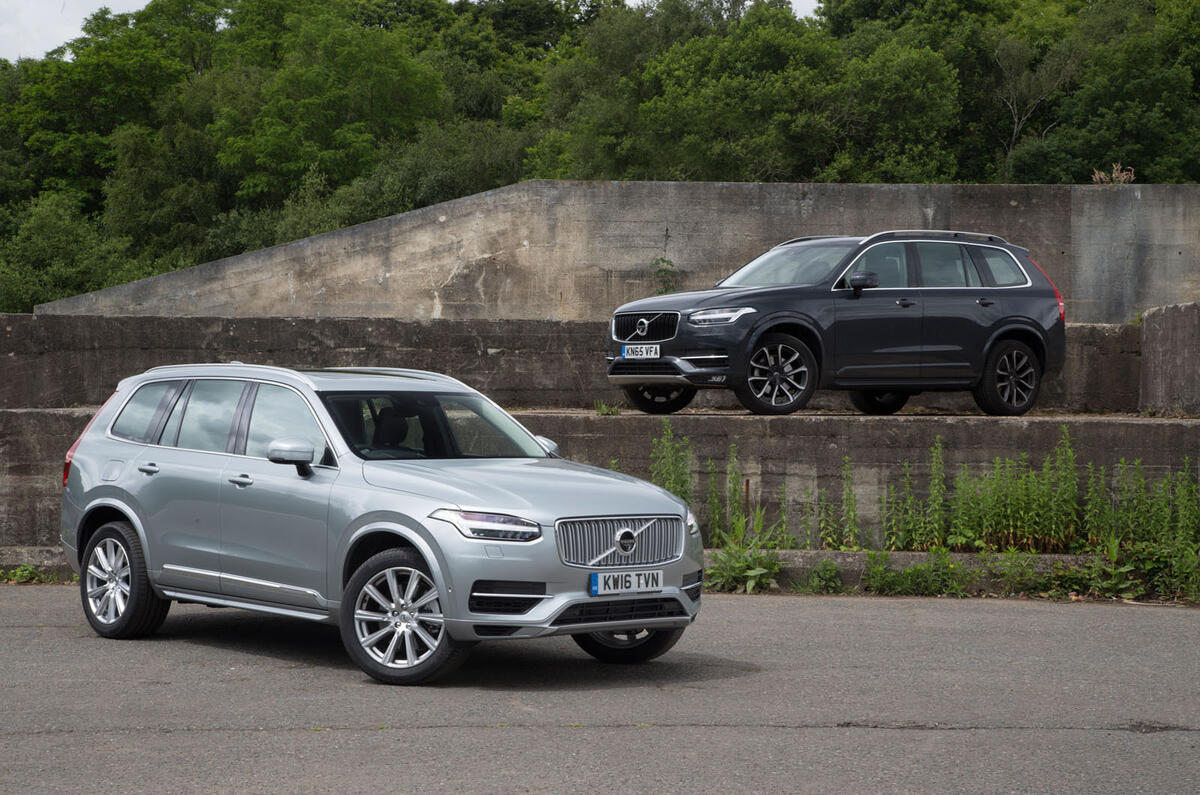
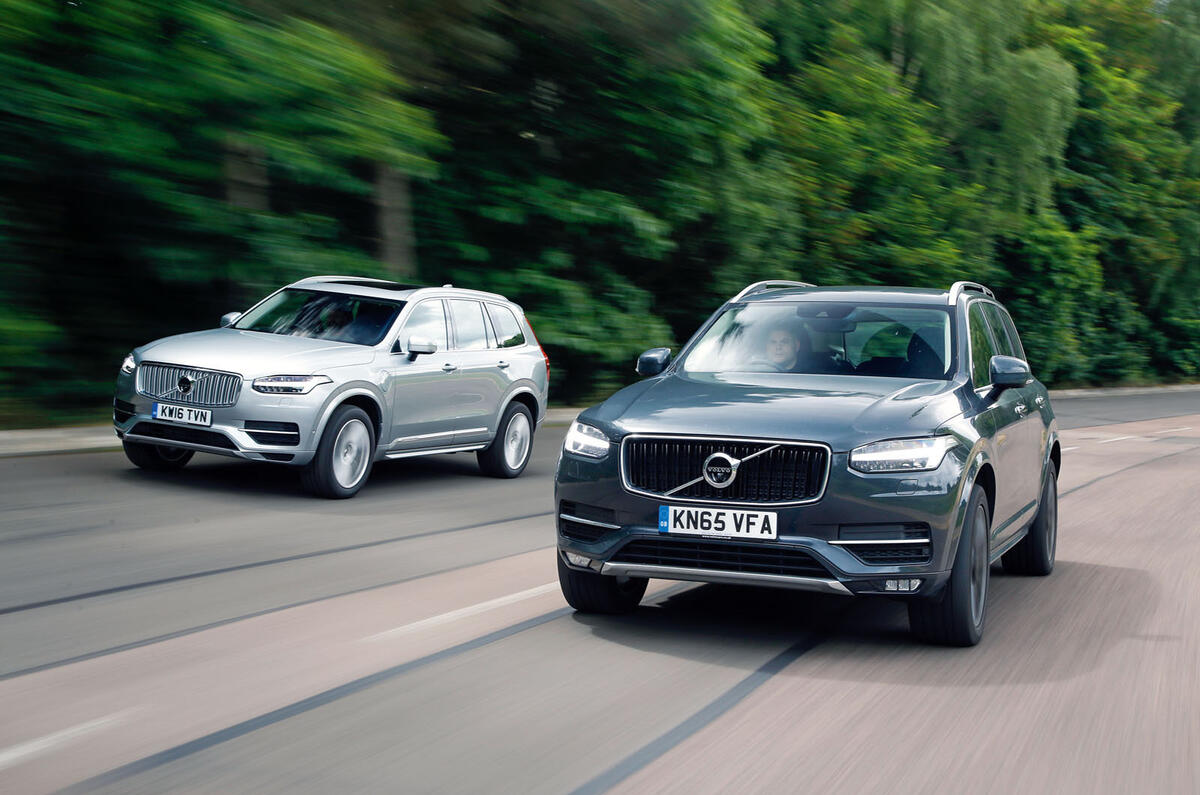
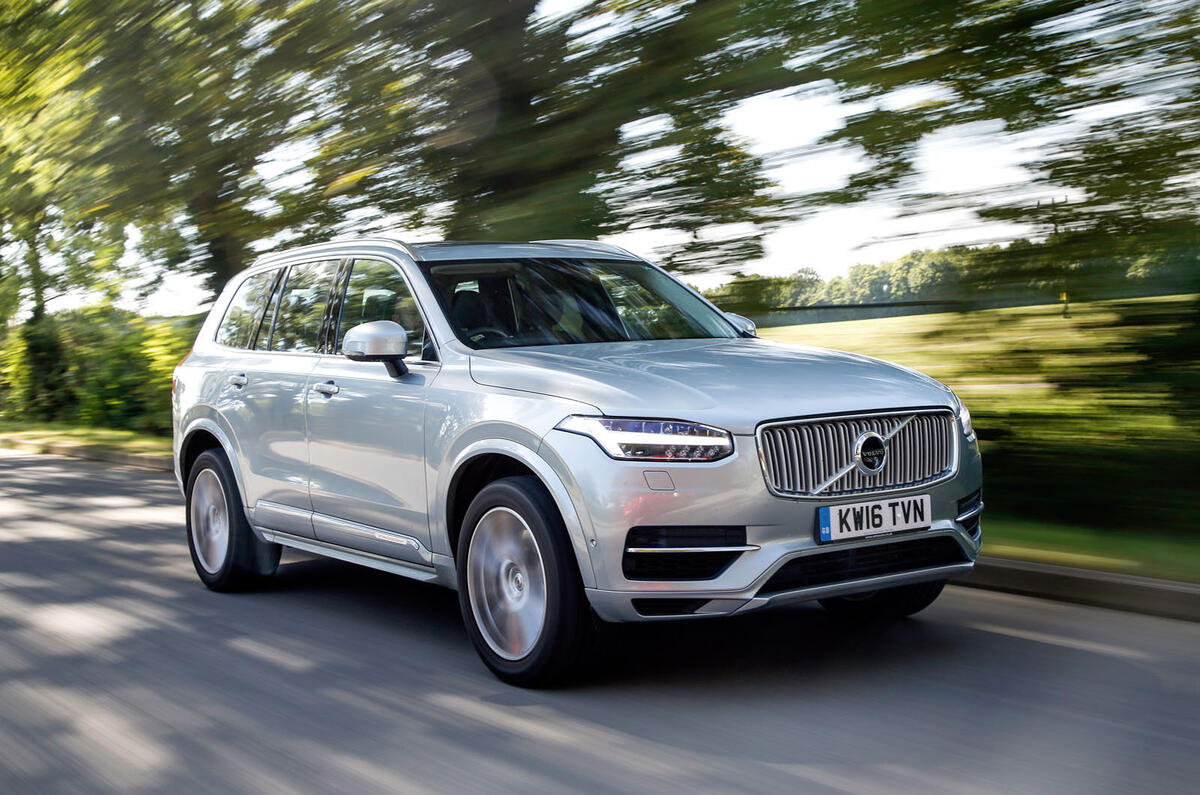
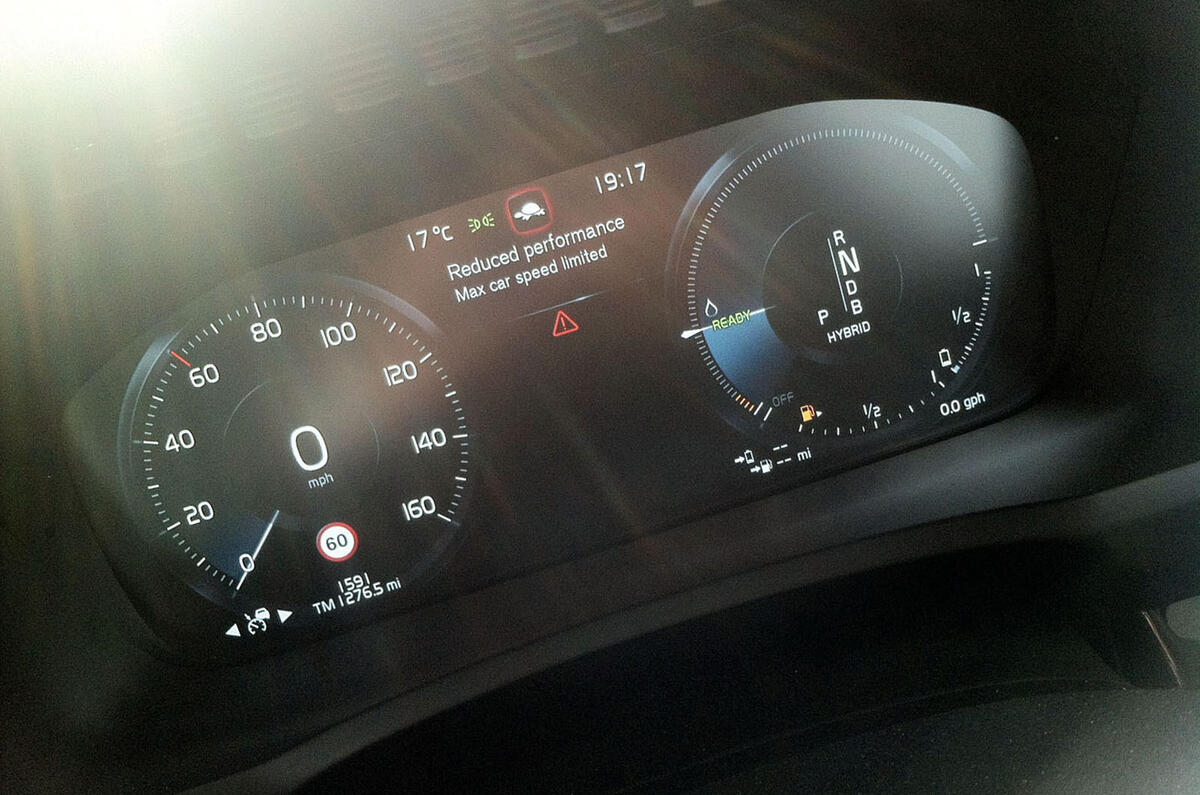

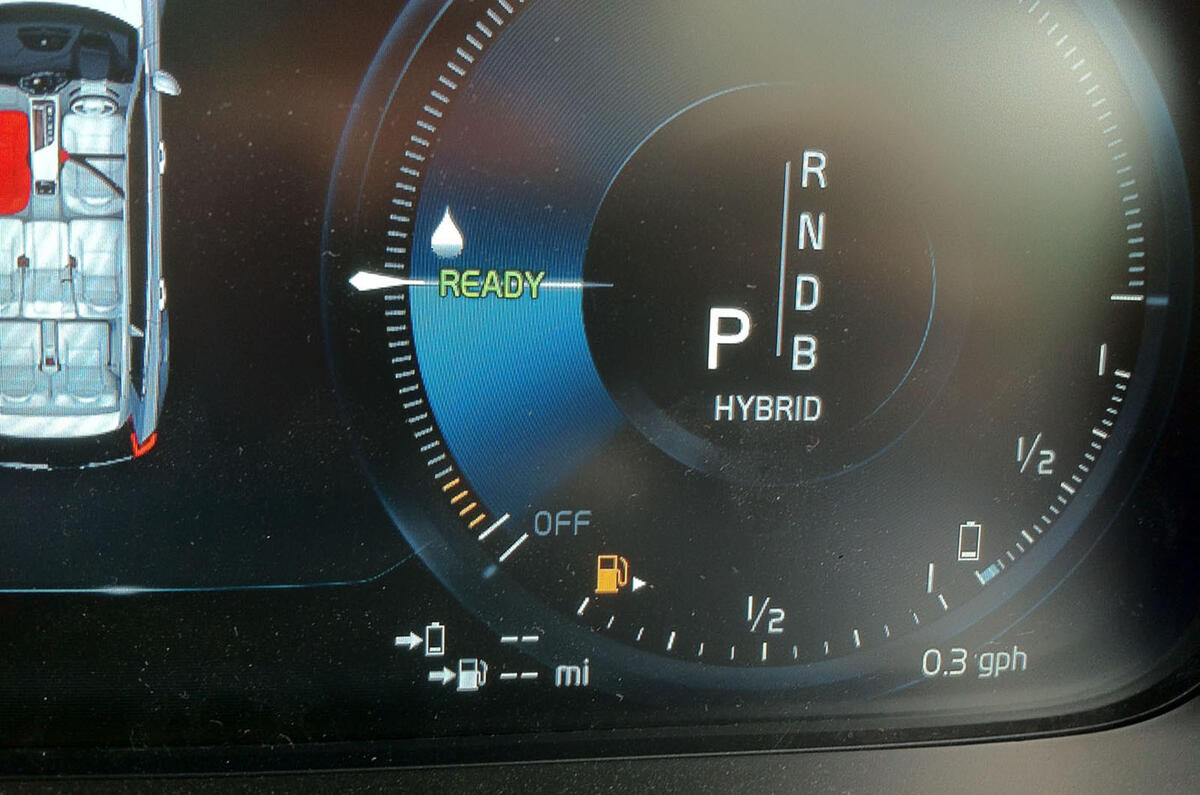
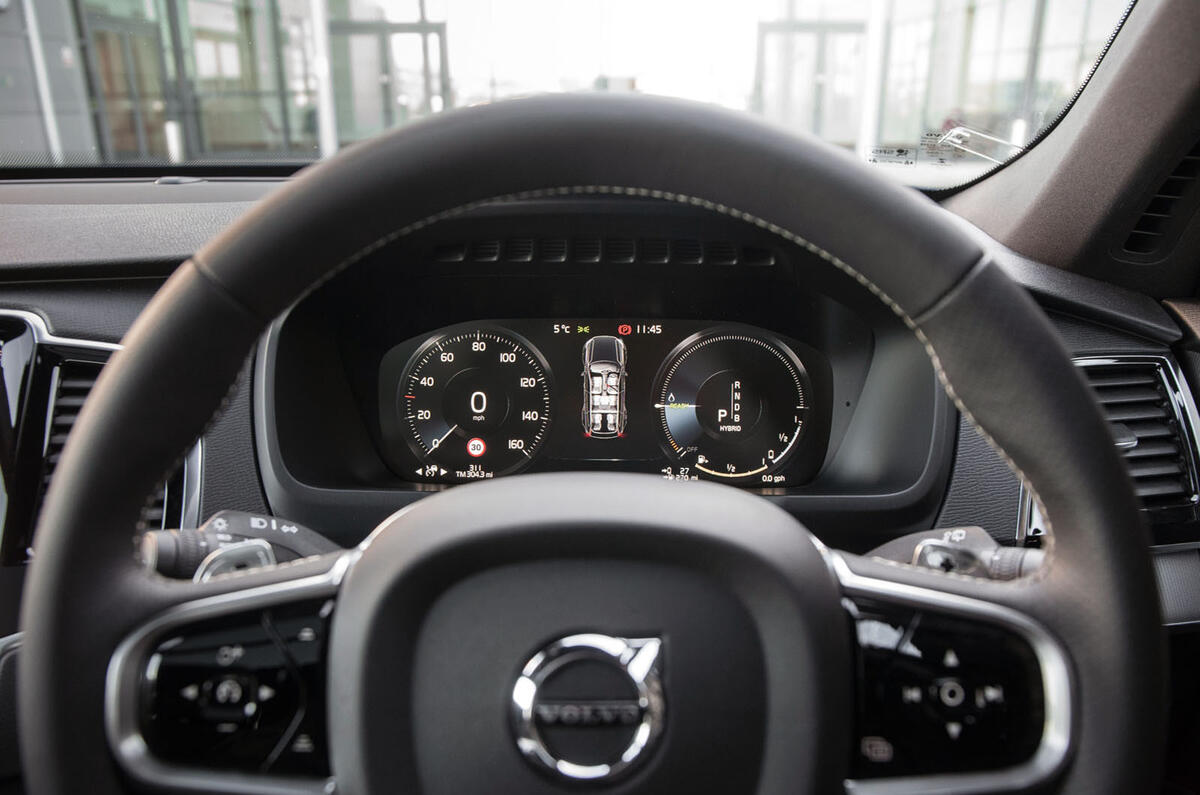
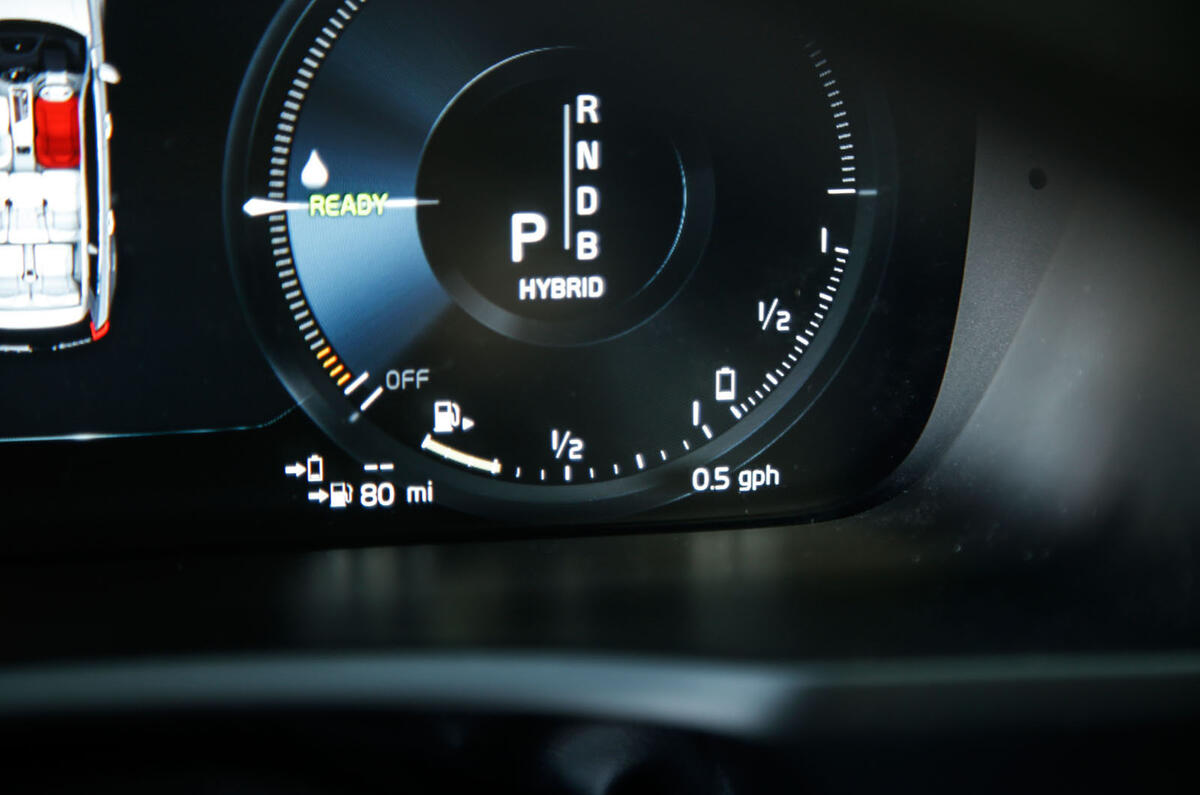

















The ‘test best’ economy figure in the specs below tells you how best to use a Volvo XC90 T8 plug-in hybrid. ‘Infinite mpg’, it says, which is an achievable, if unlikely, state of affairs in which to find a seven-seat luxury SUV.
Certainly it’s unlikely if you use an XC90 T8 like we have been for the past 8000 miles. The T8 – which has a petrol engine and an electric motor – replaced a D5 diesel XC90, in which we’d covered nearly 18,000 miles while returning 37mpg.
Do short journeys in a T8 and its plug-in hybrid system, which suggests an electric-only range of 25 miles, means you can do rather better than the mid-30s to the gallon you’ll get in the D5 – which is how it comes to get a 49g/km CO2 rating and sits in vehicle excise duty band A.
Short journeys, though, aren’t really what an XC90 excels at. So let’s get it out of the way: worst case, if you don’t charge the T8 at all, is that you’ll see between 29mpg and 31mpg from its 2.0-litre petrol engine, which is both turbocharged and supercharged. Which ain’t bad for a 2.2-tonne SUV but hardly deserving of a 49g/km CO2 rating. That, though, is the way of things until a new vehicle testing regime arrives, and it’s no surprise that a multinational conglomerate has optimised its car to the rules just like everyone else. And if you have, say, a short weekly commute to a station but want to be able to do longer drives at weekends, the T8 is a viable, frugal, one-family-car option.
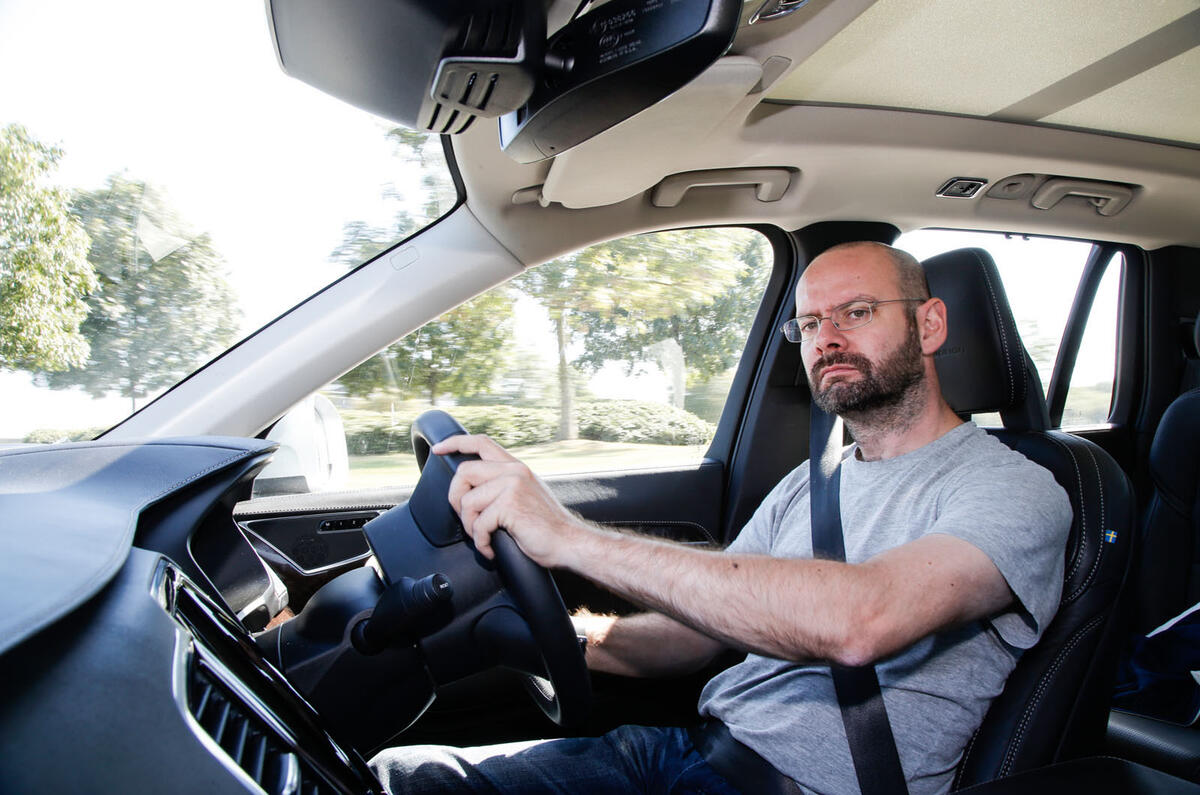
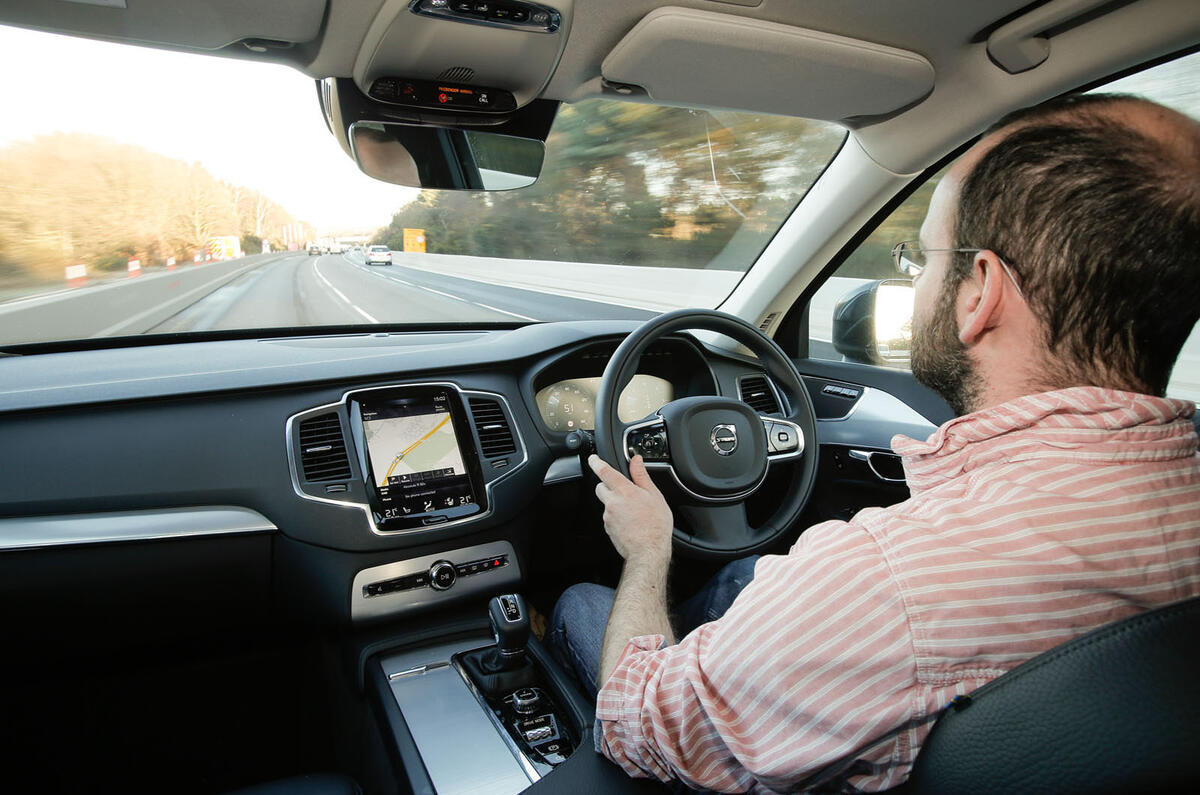
Around town, where speeds are low and there’s plenty of easing off the gas to regenerate the battery, an electric-only range of high-teen miles is achievable, after a charge on a domestic socket that takes about 3hr 45min. But most of my drives are long ones, so I didn’t do much plugging in during the T8’s time with us. My commute gets me onto higher-speed roads quickly, and even in the Pure driving mode, which locks the T8 into electric power wherever possible, the 86bhp electric motor frequently gets augmented by the petrol engine above 60mph – in which case the battery lasts long enough to give the petrol engine pre-charged assist for as much as 25 miles. Thereafter, battery reserves only come from decelerative regeneration and the average economy gradually slips, from nowt, to 50mpg on a 70-mile drive and eventually down towards the 30s.
So you pick your XC90 variant carefully. What you get in the rest of the T8 package are the same things you get in other XC90s.
This is the first Volvo of a massive regeneration of the company’s range. It was launched barely more than a year ago, but since then the S90 and V90 have arrived too, all using the same modular platform. Lessons learnt in development of the S/V90 mean some detail improvements have already been put onto the XC90. This T8 rode with a little more composure than the early D5 we ran and seemed to have less road noise.
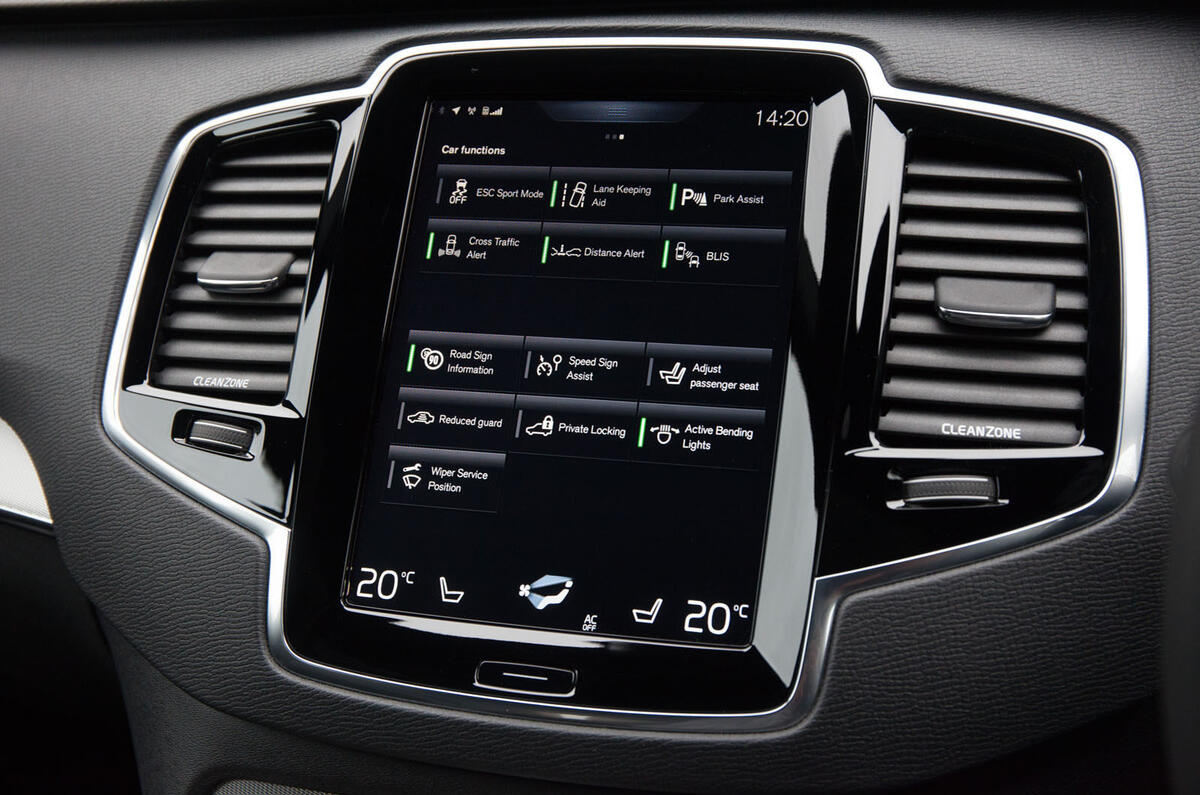
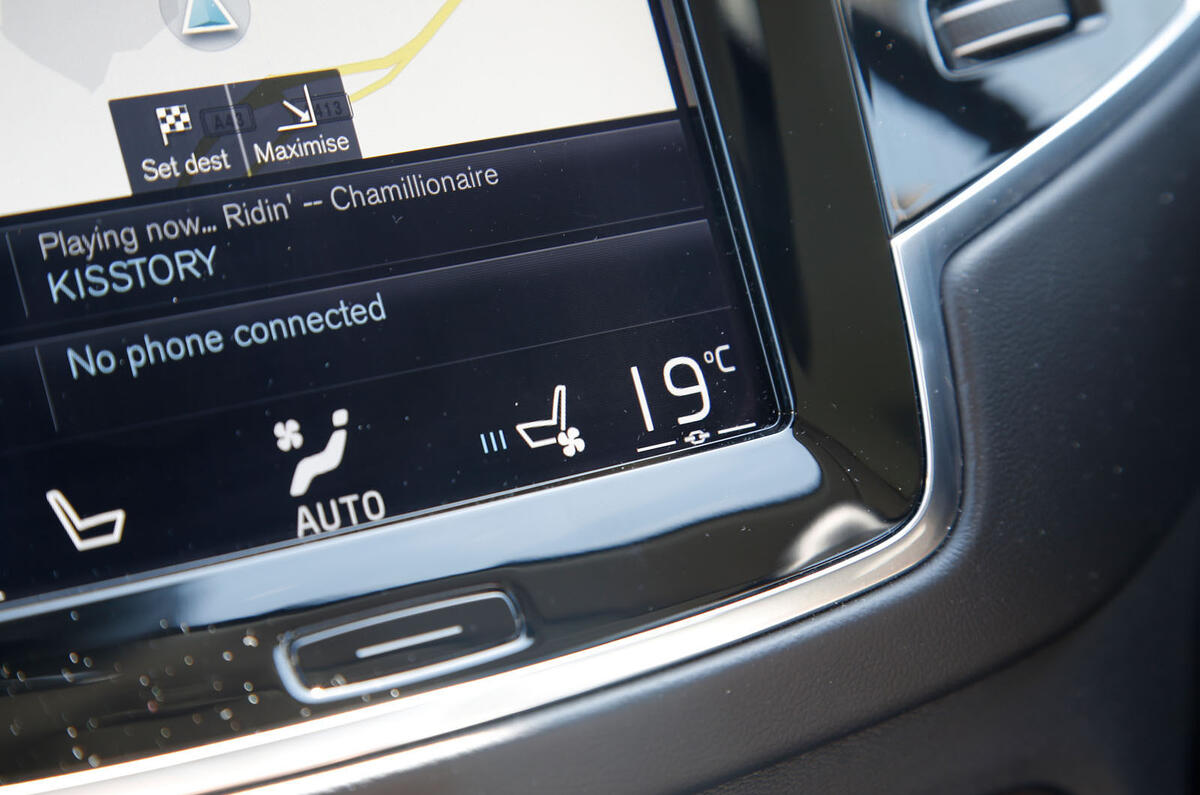
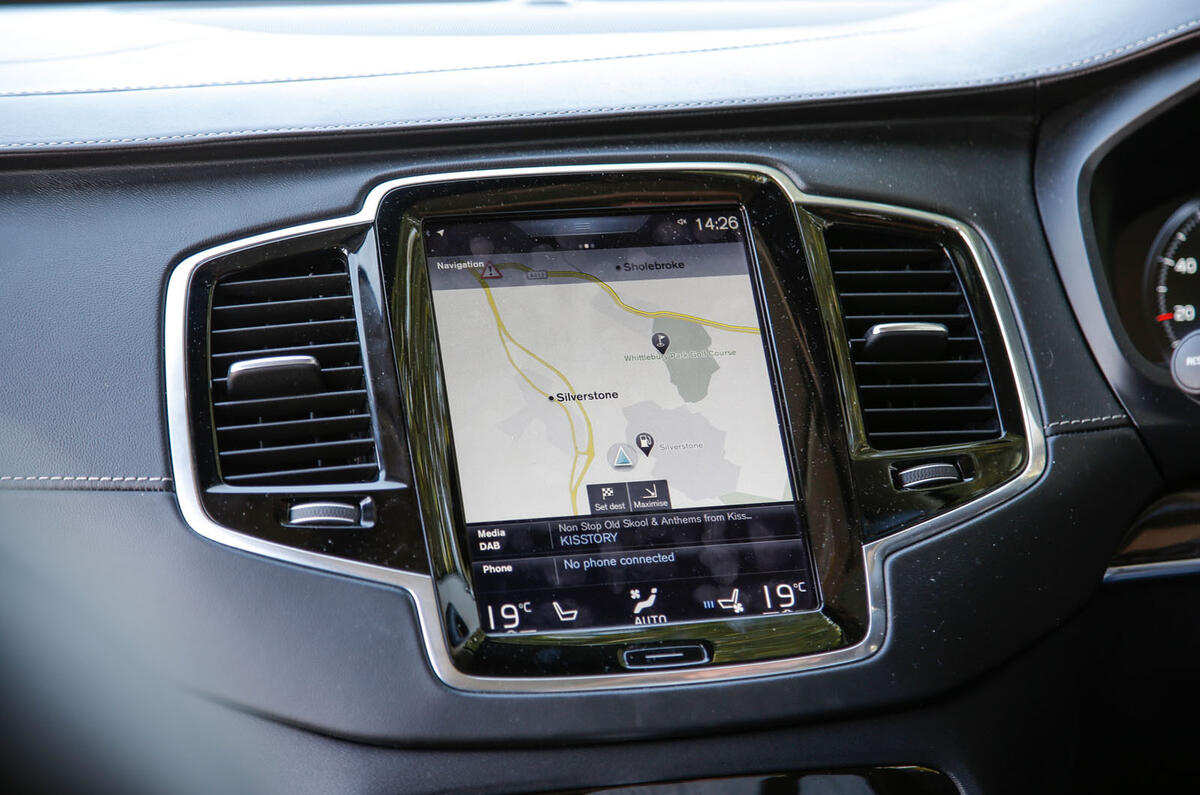
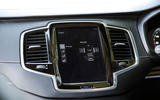
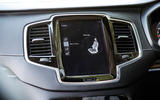
Volvo’s Sensus infotainment set-up has also been mildly refined, although it still feels ‘new’. There are few obvious foibles, but it did crash on me a couple of times. The time-honoured ‘turn it off and back on again’ IT solution worked, but internet forums suggest it wasn’t a problem exclusive to this car.
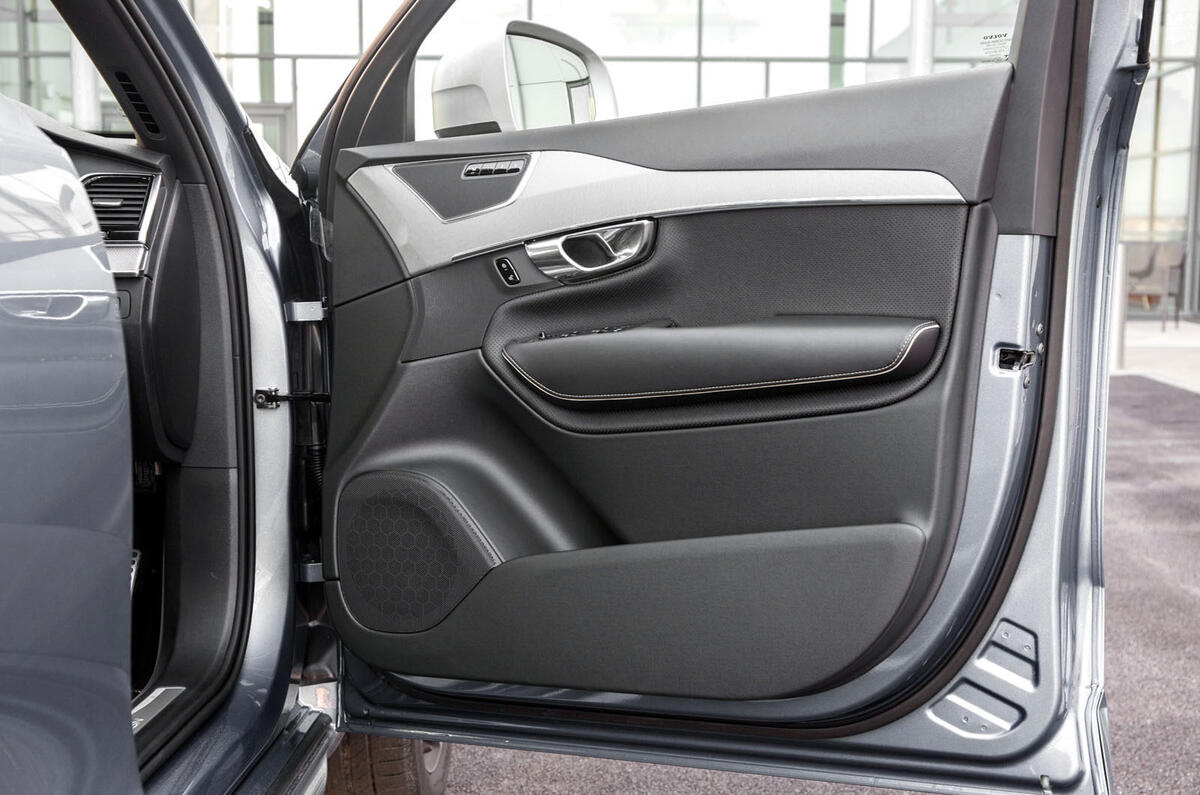
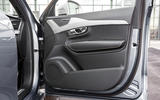
The system, though, like the rest of the XC90’s interior, is worthy of the car’s executive price tag and status. Volvo may be owned by a Chinese company, but the Swedes have been given their head in terms of design and style. The cabin is light, airy and exquisitely well put together. And it’s spacious. The seats in the middle row are the same size as the pair, fitted as standard, in the boot, making the XC90 the kind of car parents should be wary of buying unless they want to be the default nomination for the kids’ football or birthday party duties – or a road tester’s lunchtime trip to M&S/KFC.

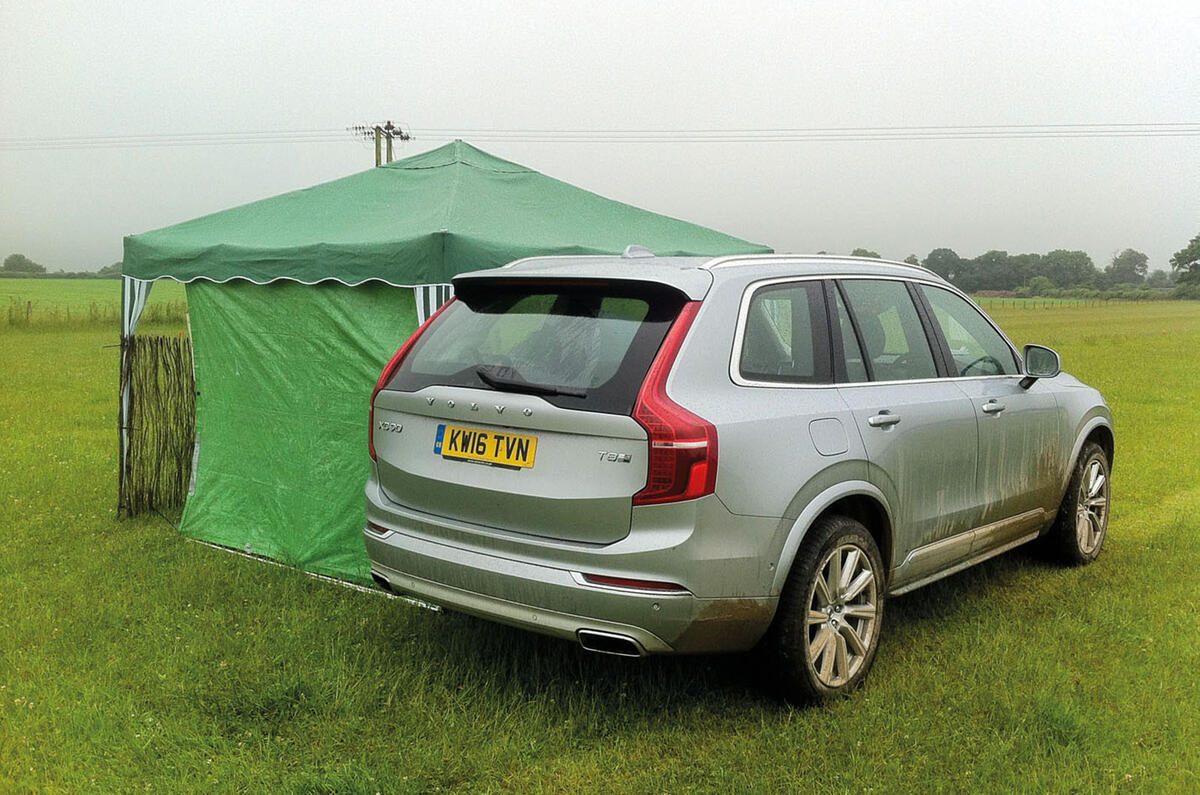
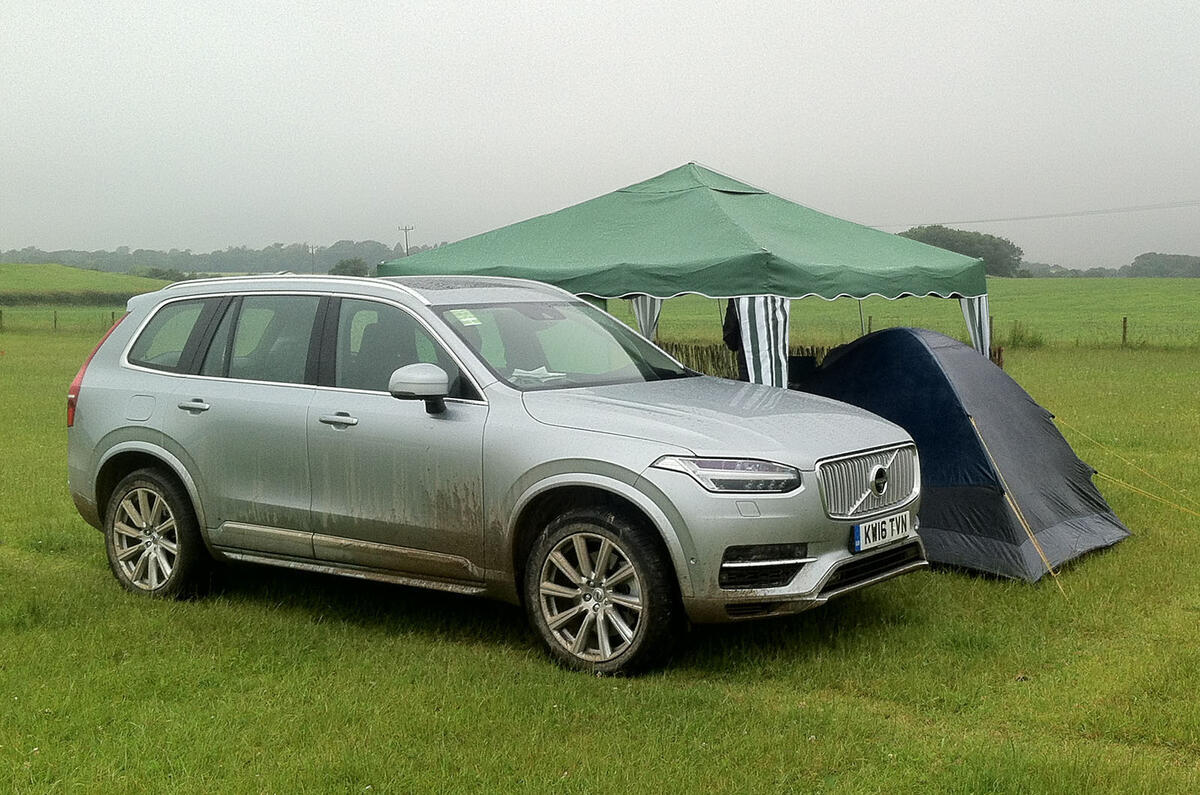
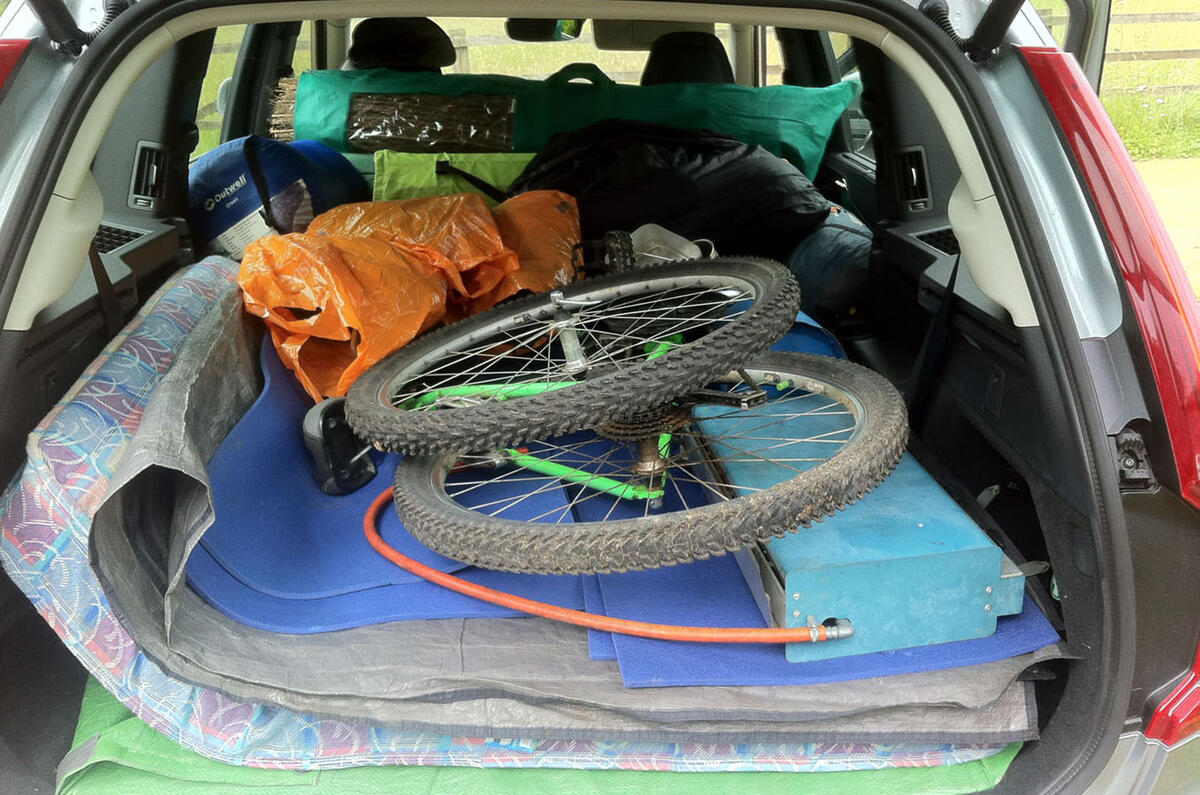
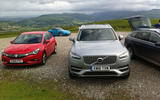
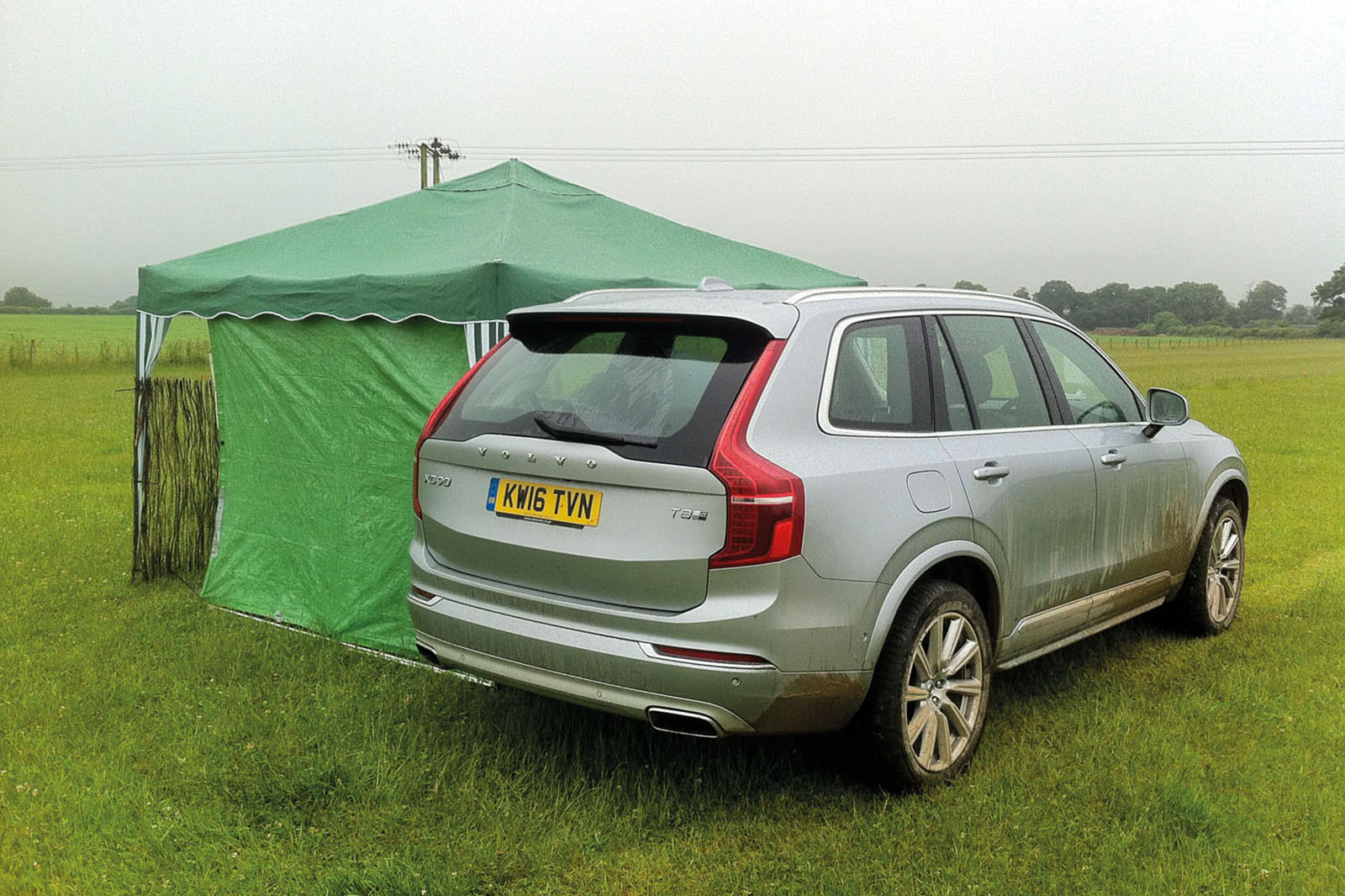
I drove it one up to the Goodwood Festival of Speed and only half-filled the back with camping gear – which doesn’t sound like much of a boast but, well, I didn’t want to travel light: tent, double mattress, gazebo, mountain bike, two-hob stove, a couple of Swedish torches, fold-up sofa, that sort of thing. Off-road experts will tell you wet grass is one of the hardest things to traverse, but the T8 dealt with it well, with minimal obvious electronic shuffling of power; the engine sends drive to the front wheels, while the electric motor powers the rear.
The batteries sit down the middle of the car where a propshaft would usually be. That’s why the T8 is a 2.2-tonne (rather than two-tonne) SUV, and why its towing limit is 2400kg rather than the diesel XC90’s 2700kg. Another thing to ponder, then, if you’re wondering which variant to opt for. But one thing is certain: any is an extremely pleasant place in which to spend a lot of time – either in one internally combusted go or several electrically charged hits.
Read our previous reports
Previous reports
VOLVO XC90 T8
Mileage at start 465
Mileage at end 8023
PRICES
List price then £64,555 List price now £64,555 Price as tested £70,725 Dealer value now £60,000 Private value now £61,500 Trade value now £63,000
OPTIONS
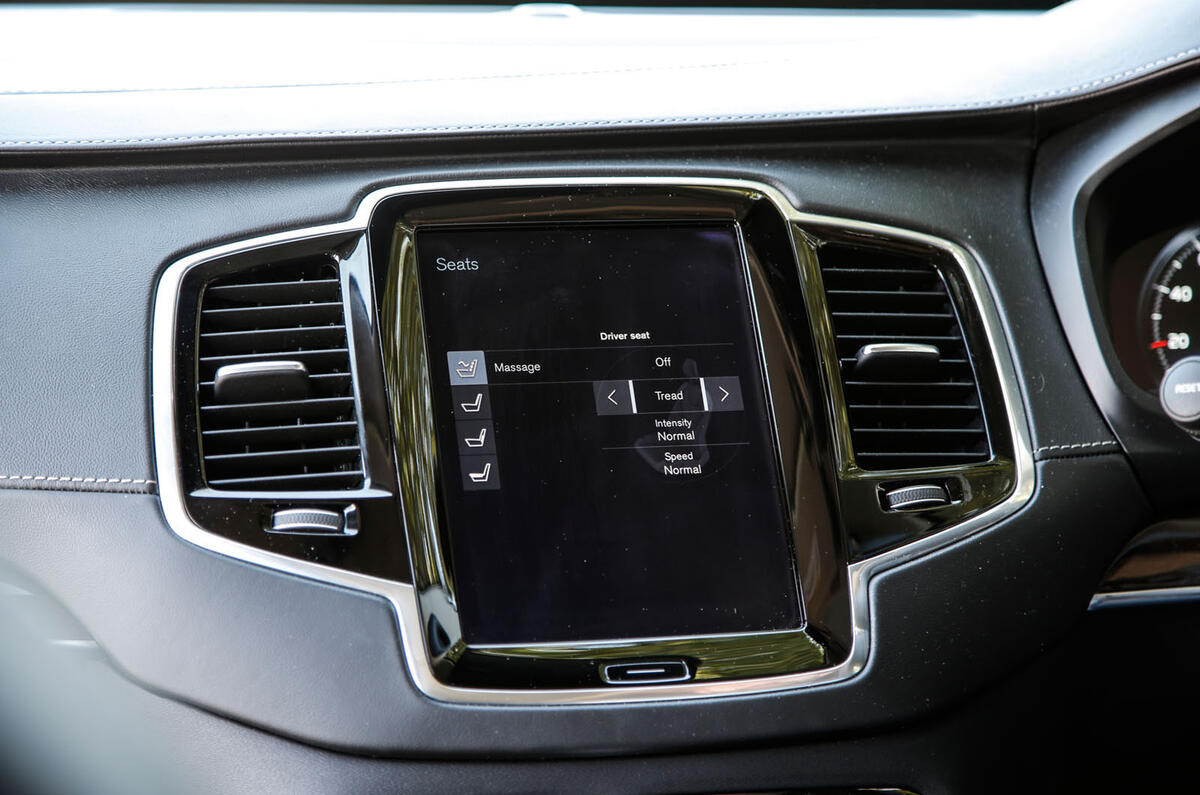
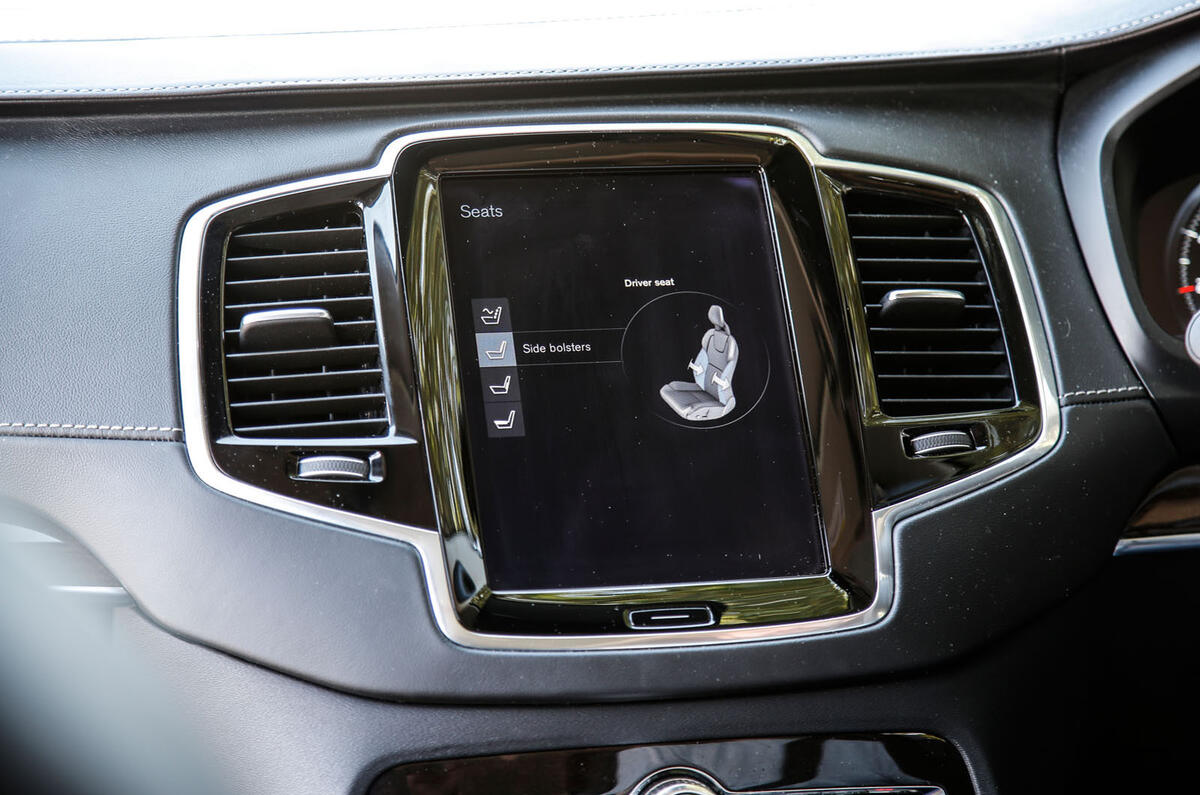
Metallic paint £1000, Park Pilot/360deg camera £1000, winter pack with head-up display £950, Apple CarPlay £300, laminated side windows £750, upgraded leather £700, massage front seats £650, blind spot assist/cross-traffic alert/ rear collision mitigation £500, power side bolsters £200, power front seat base £120
CONSUMPTION AND RANGE
Claimed economy 134.5mpg Fuel tank 50 litres Test average 31.1mpg Test best Infinite mpg Test worst 29.5mpg Real-world range 342 miles
TECH HIGHLIGHTS
0-60mph 5.3sec Top speed 140mph Engine 4 cyls, 1969cc, supercharged and turbocharged, petrol, plus electric motor Max power 316bhp at 5700rpm Max torque 295b ft at 2200-5400rpm Transmission 8-spd automatic Boot 314-1868 litres Wheels 9.5Jx20in Tyres 245/45 R20 Pirelli Cinturato Weight 2296kg
SERVICE AND RUNNING COSTS
Contract hire rate £848.51 CO2 49g/km Service costs None Other costs None Fuel costs £1270 Running costs inc fuel £1270 Depreciation £7725 Cost per mile inc dep’n £1.19p Faults Occasionally erratic infotainment system


Join the debate
Add your comment
complete waste of space
Ski Kid wrote:
I bet 90% of these will go to company car drivers with big allowances, so residuals not a worry, real world fuel consumption or emissions, no issue either as they will be on expensed fuel. They do however pay a lot of tax. As the article says, you can't blame Volvo producing a car that plays the system in the customers favour so they can sell them. They are a business not the environment agency.
Looking at the picture, there
I kind of like this car, but