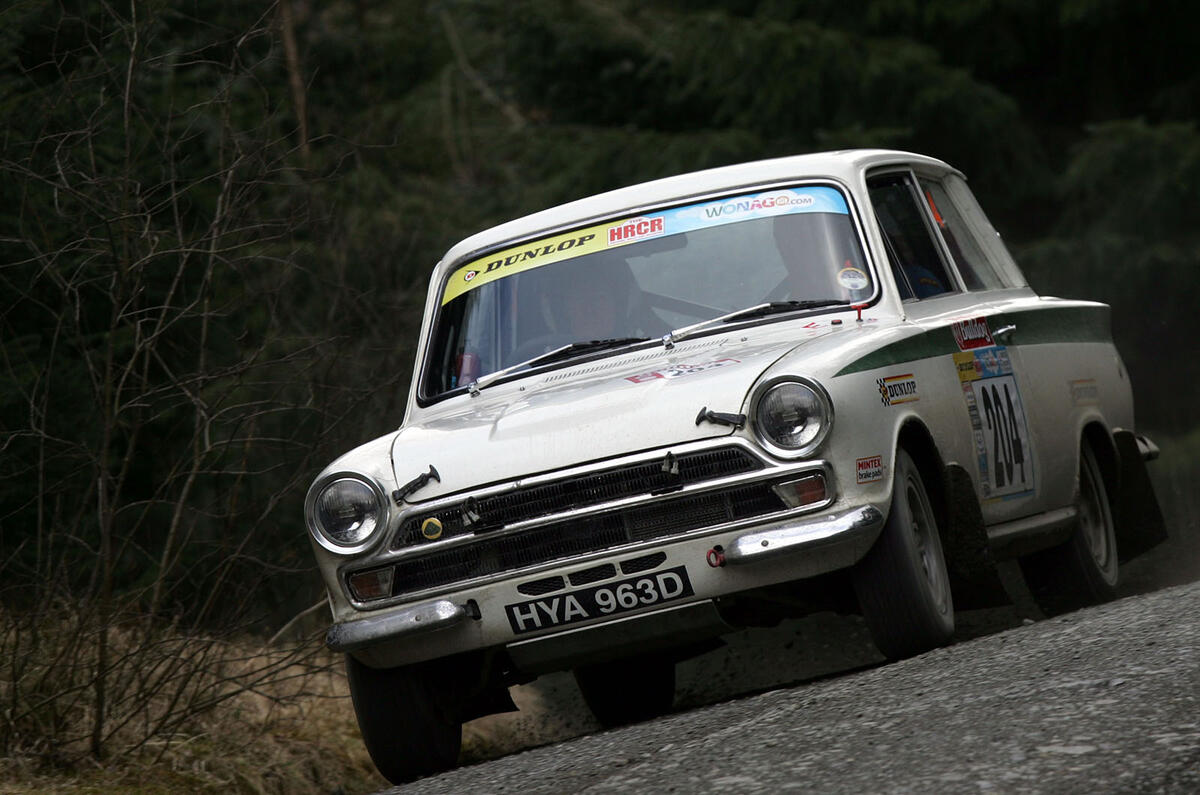
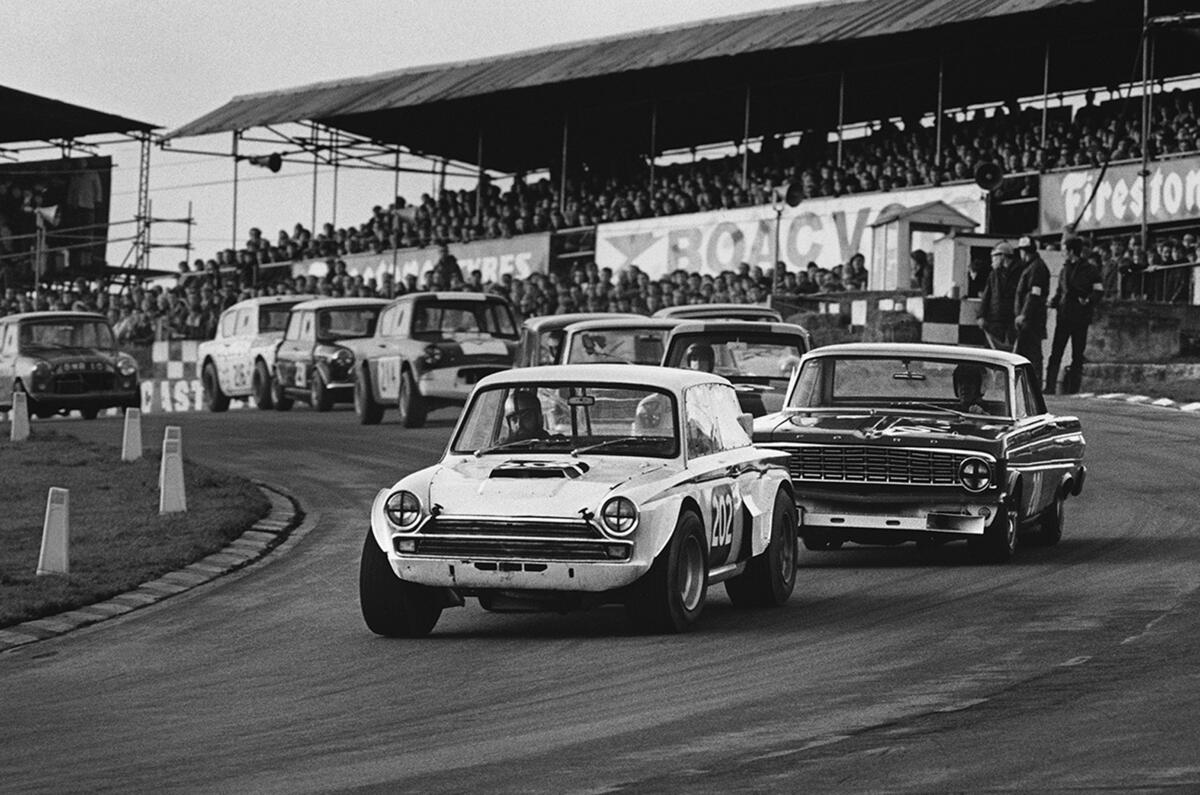
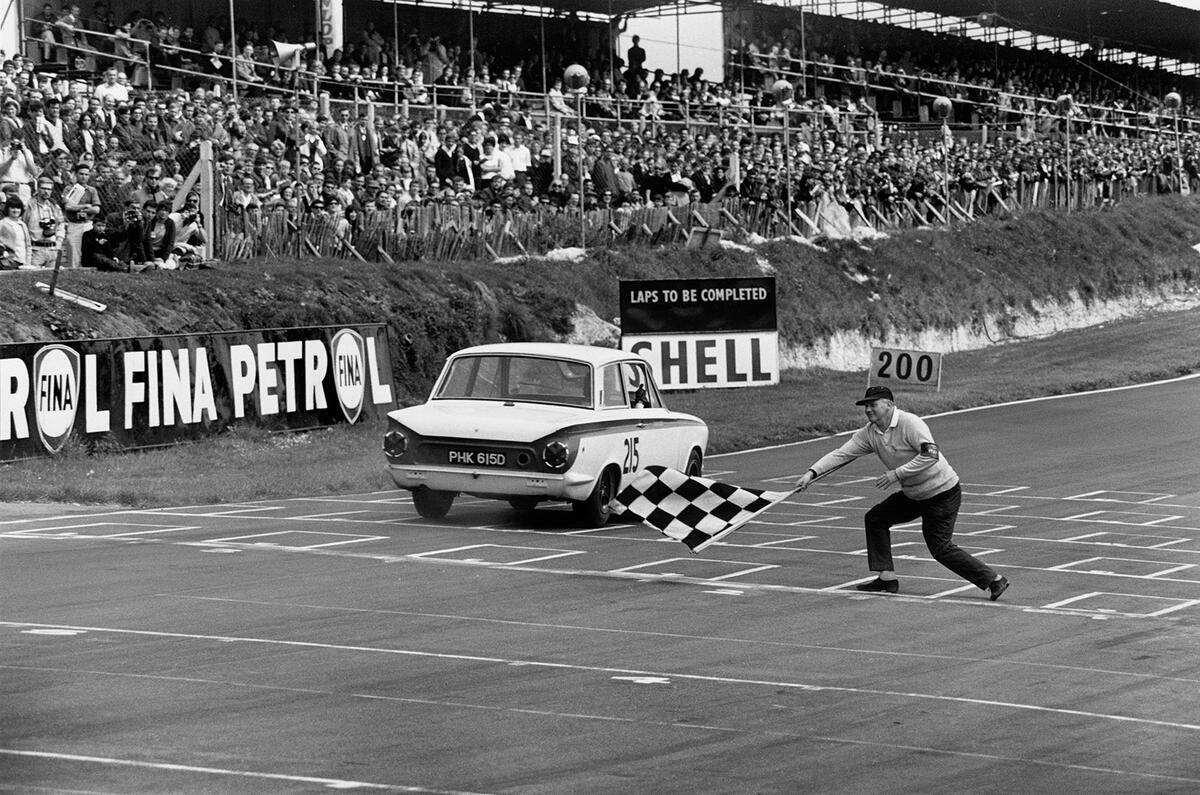
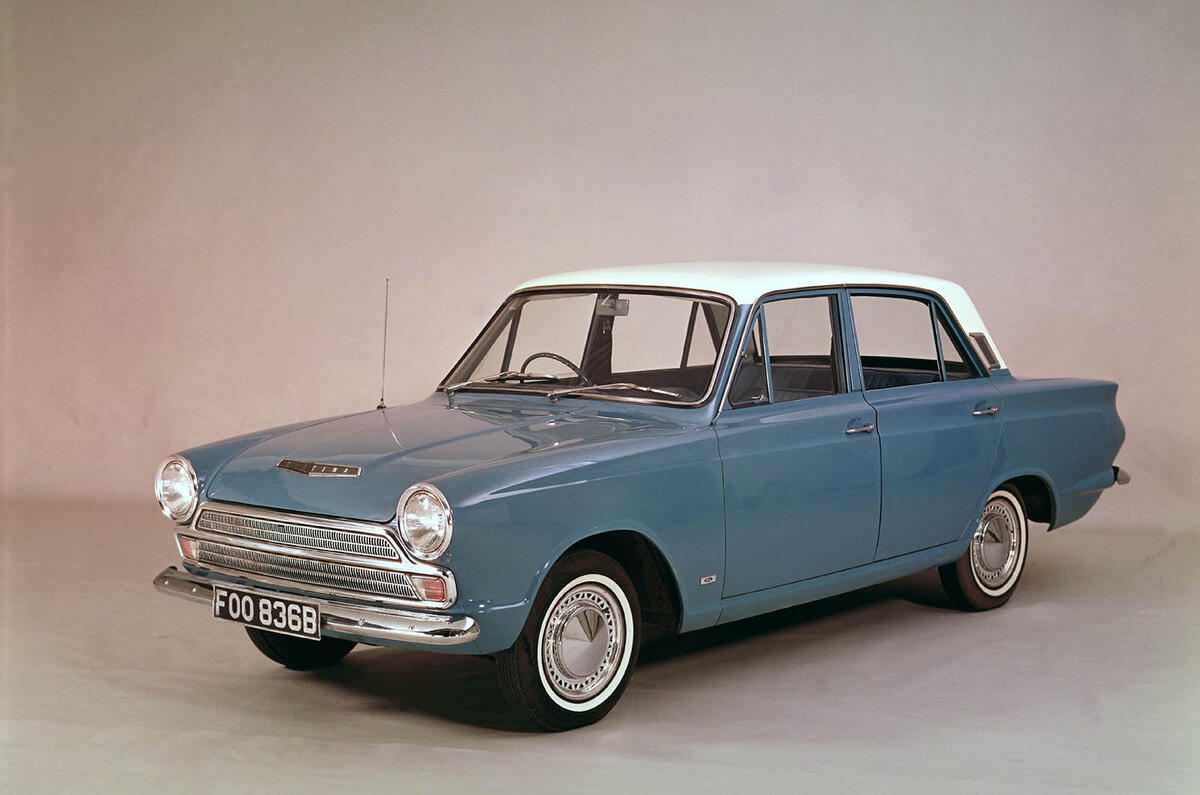
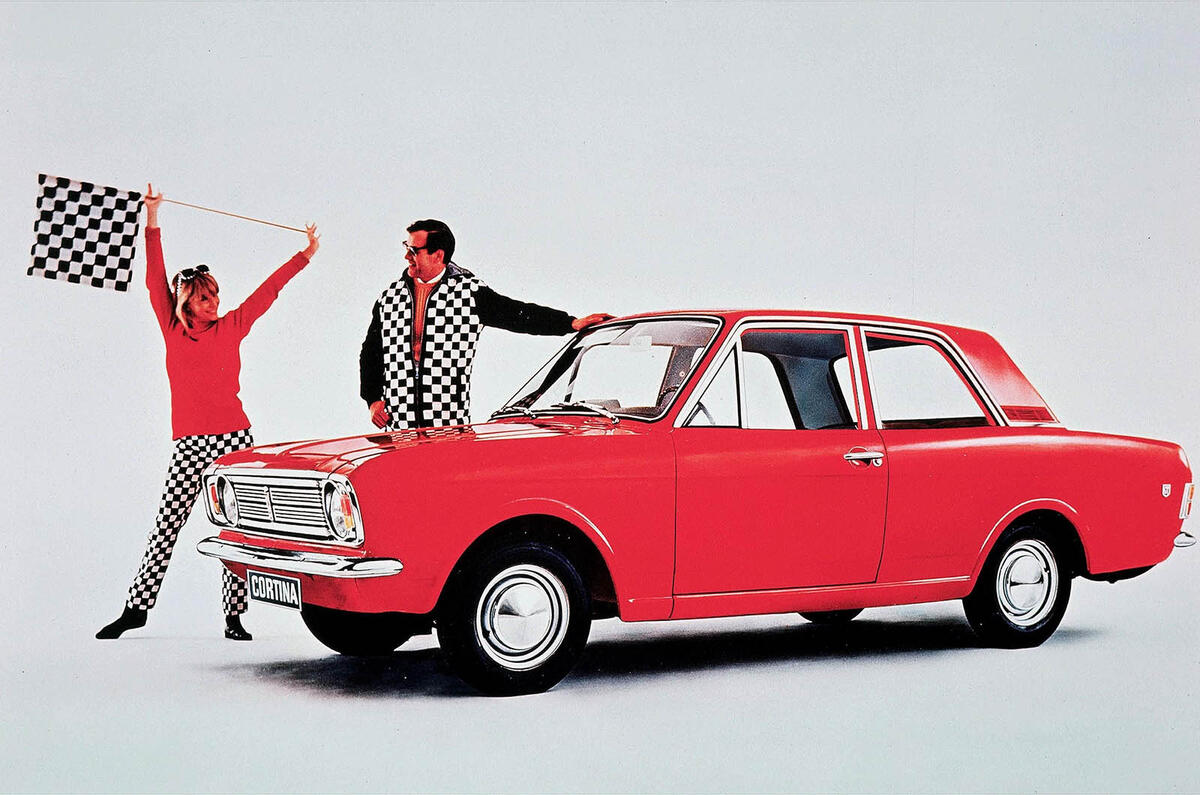
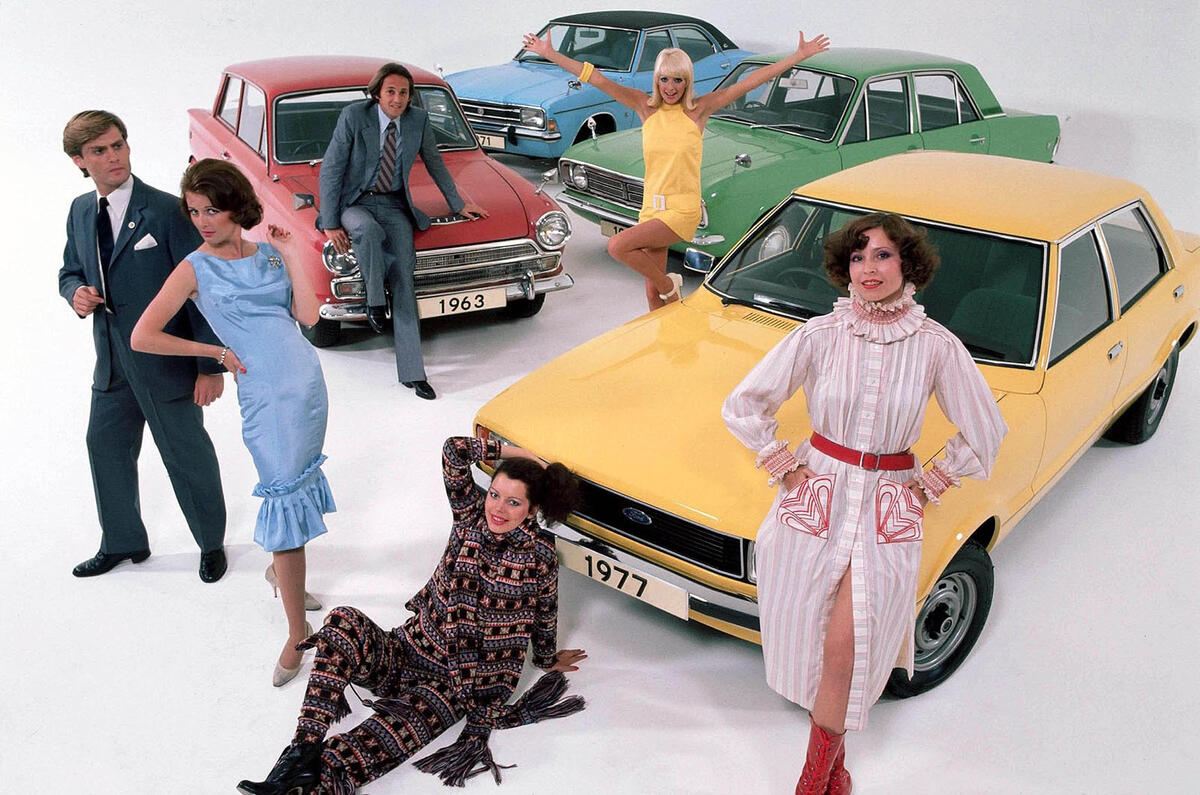
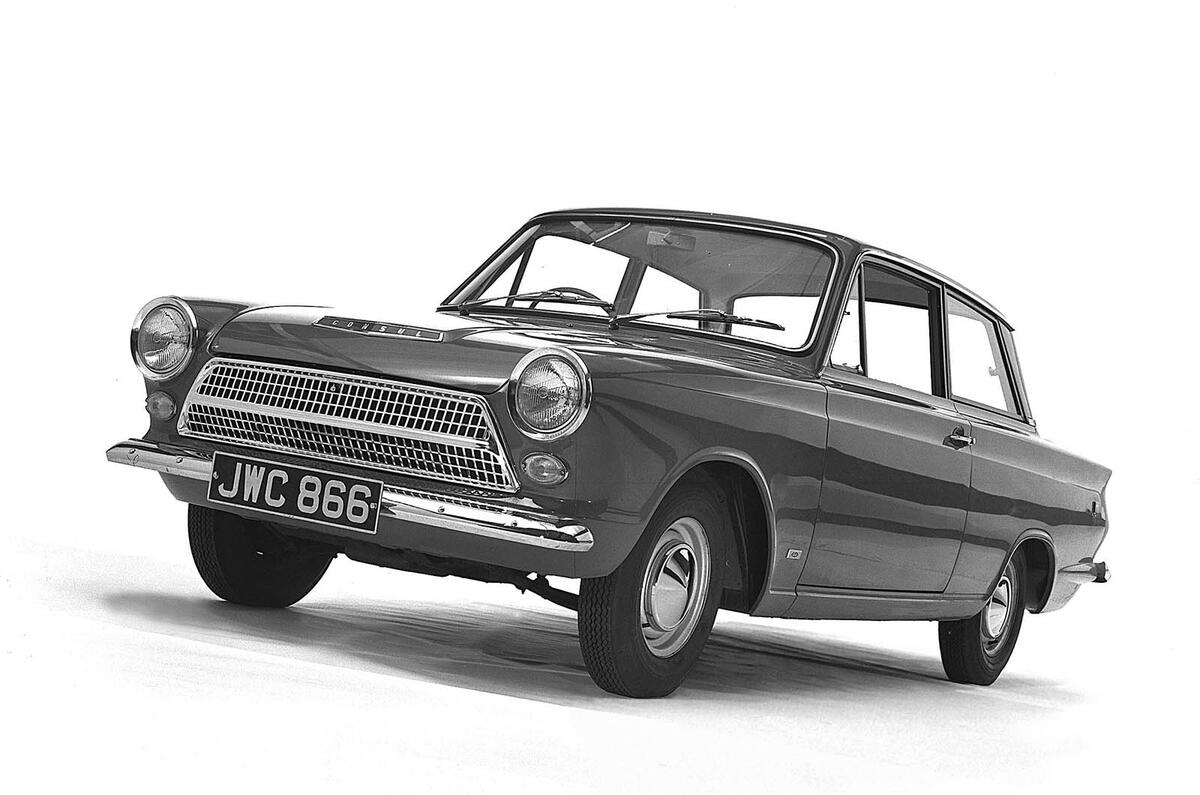
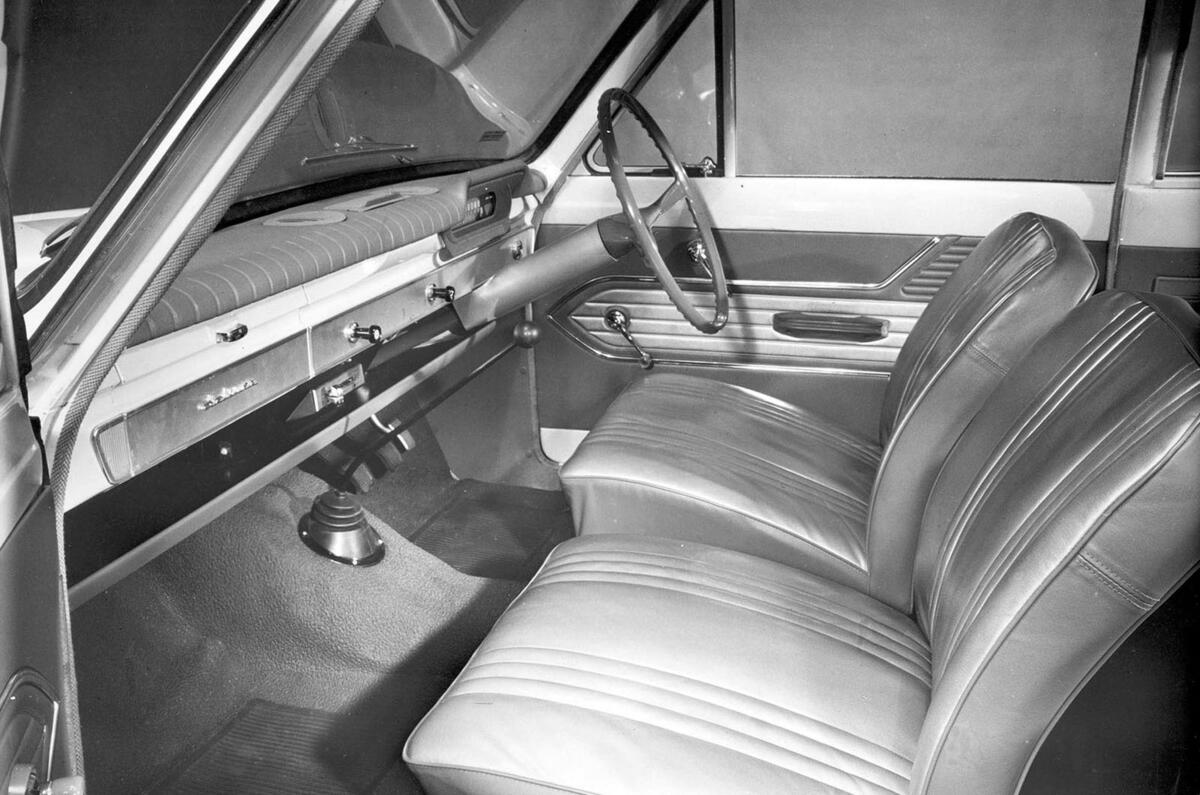
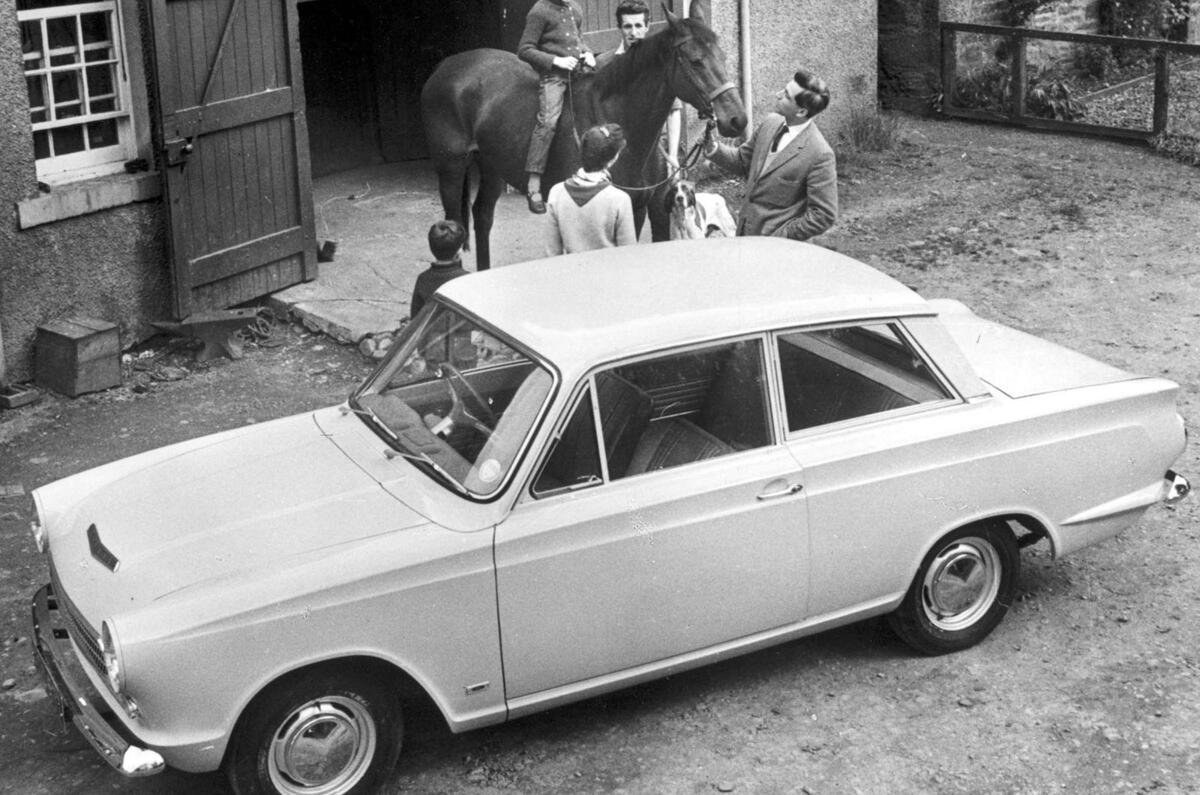
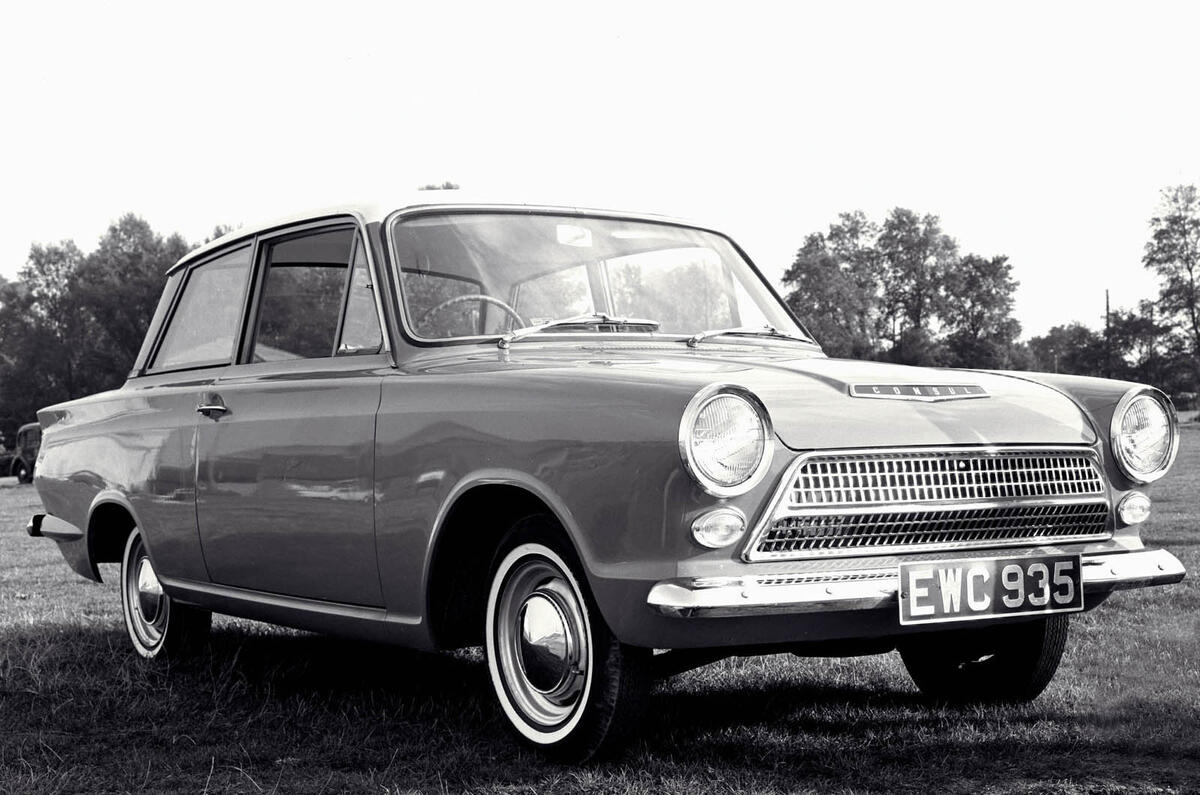
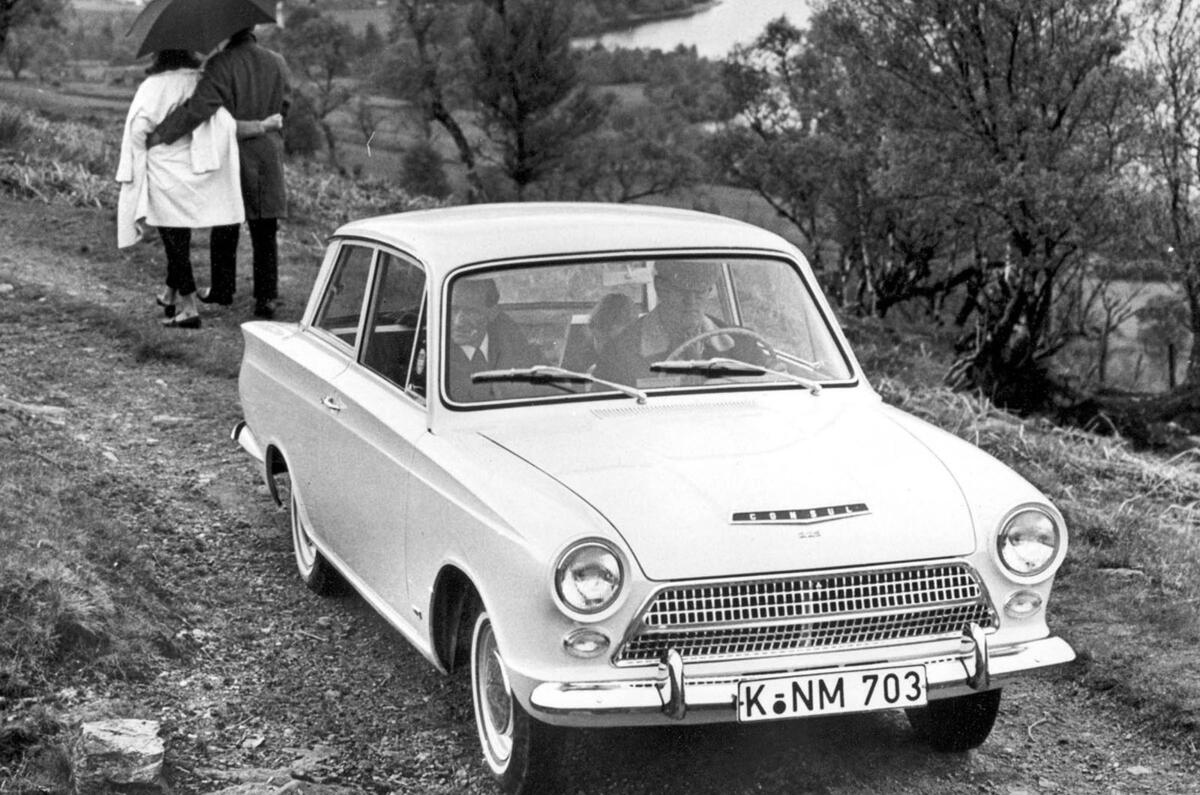
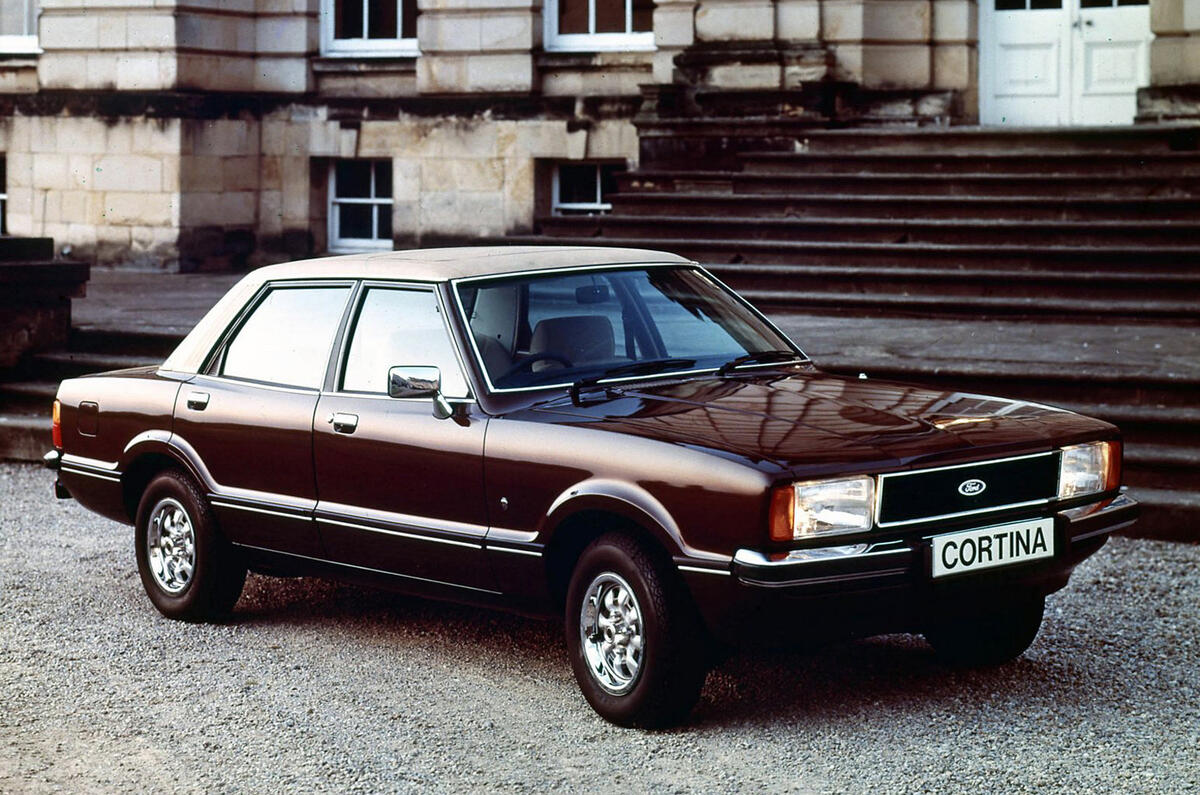
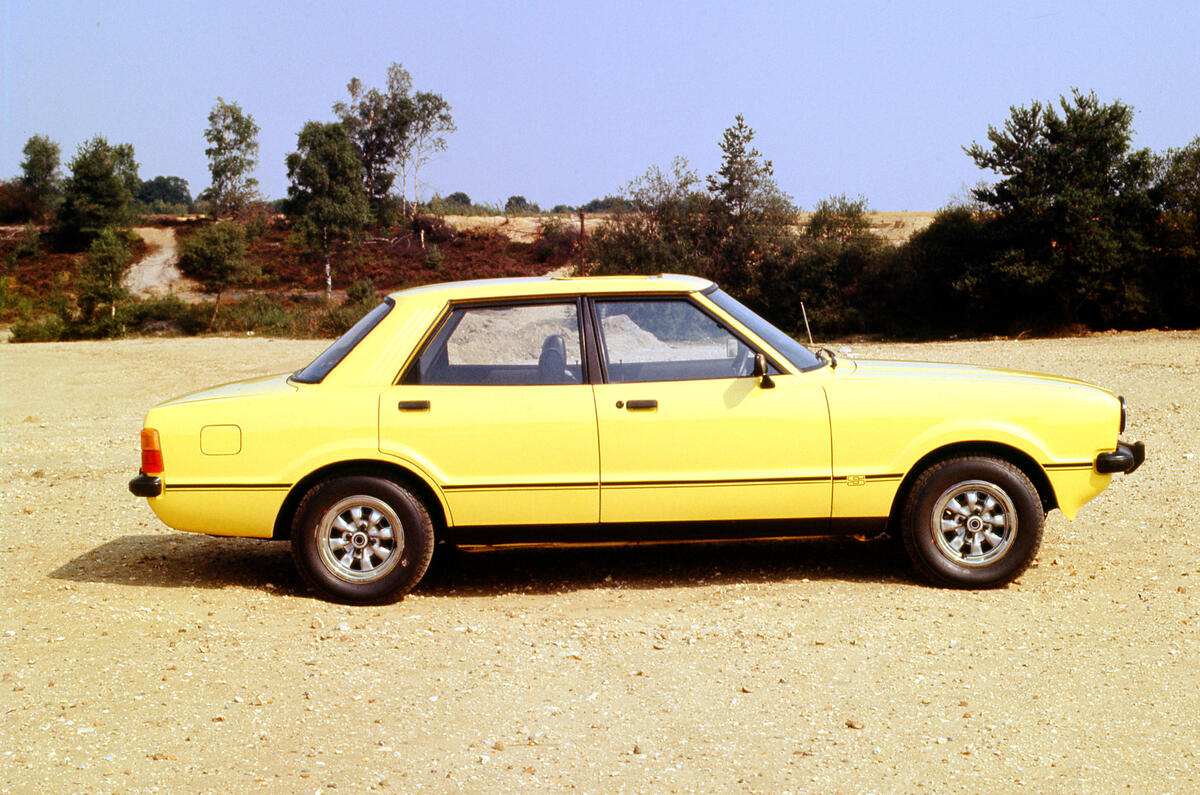
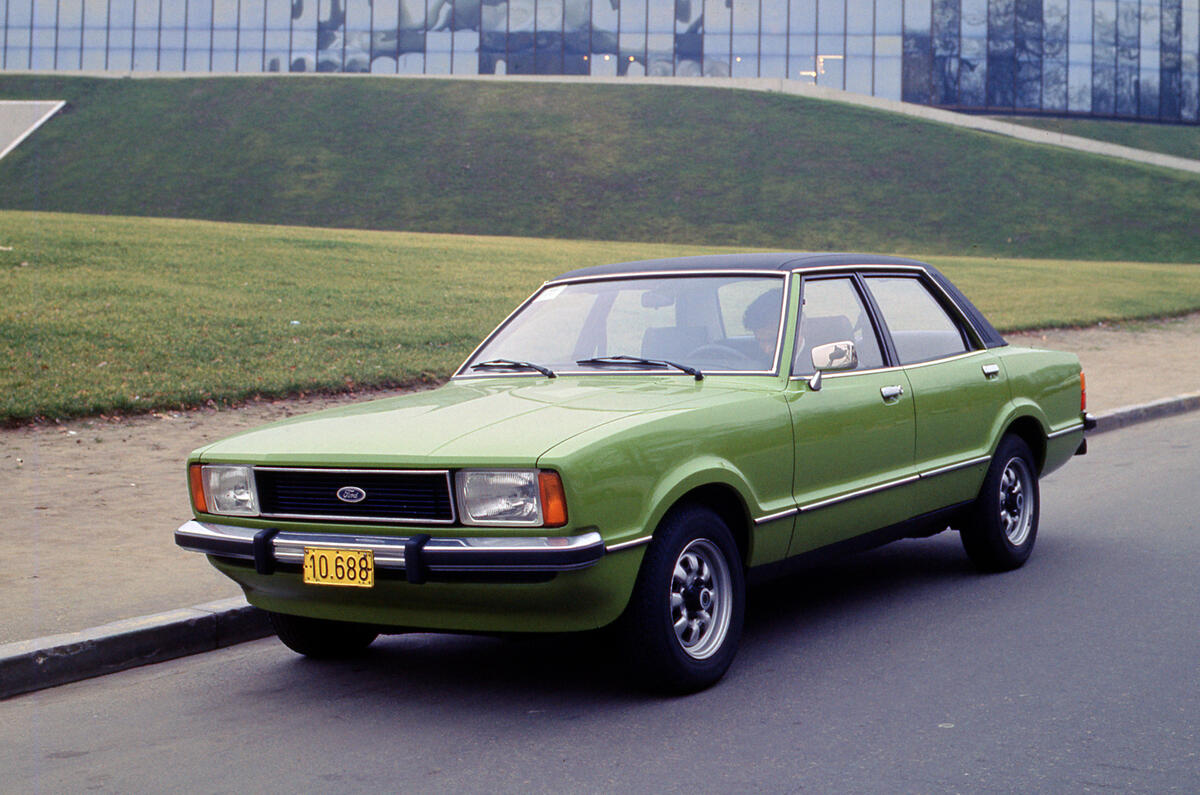
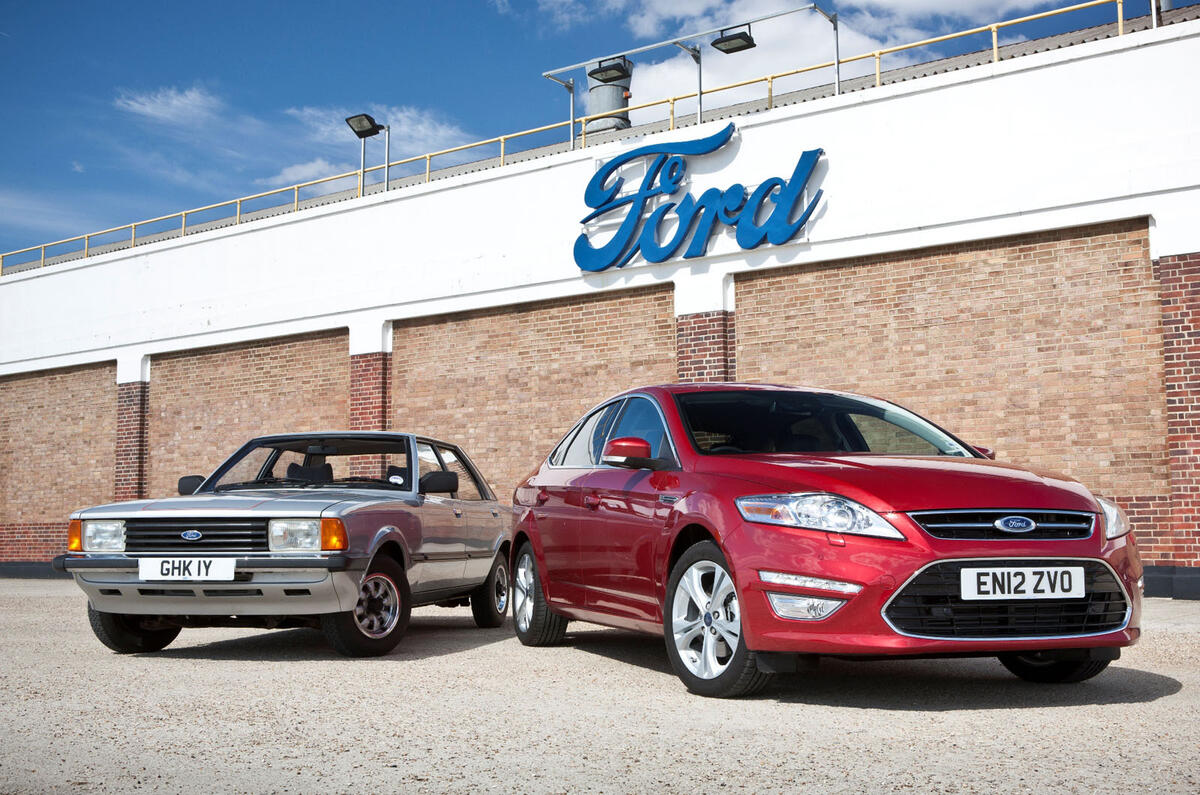
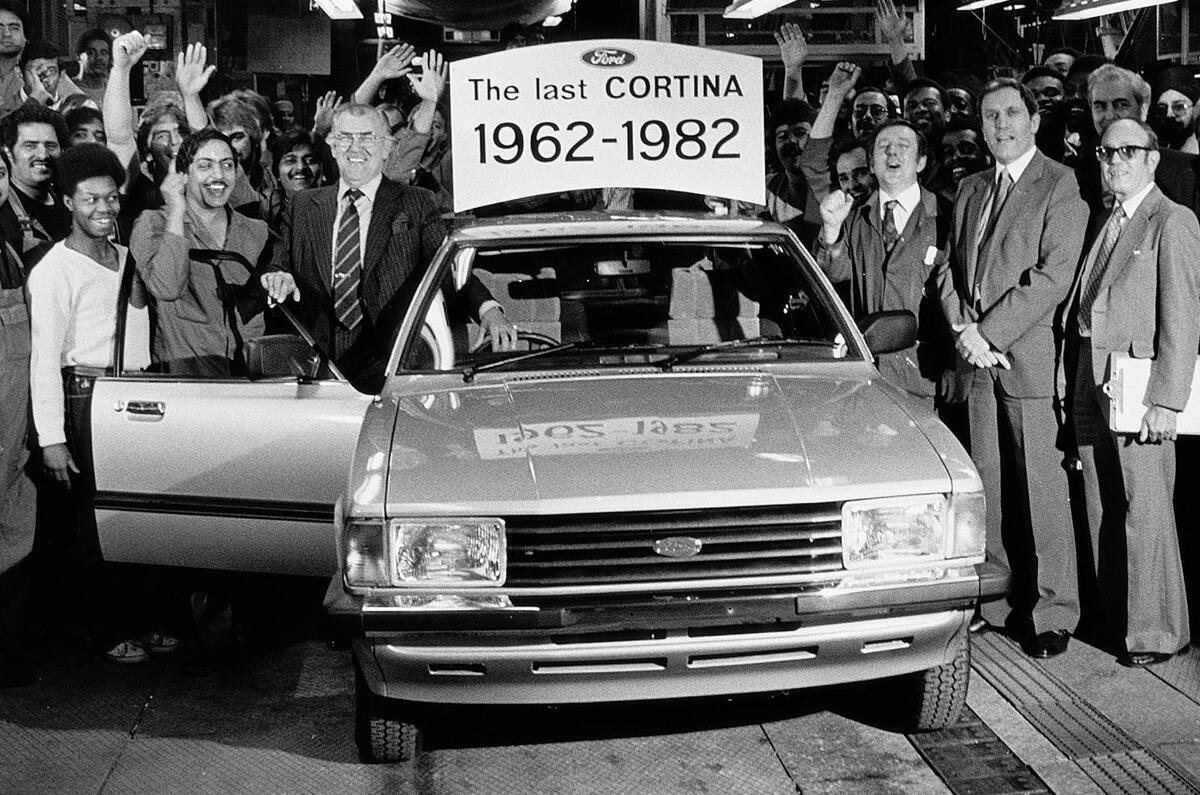
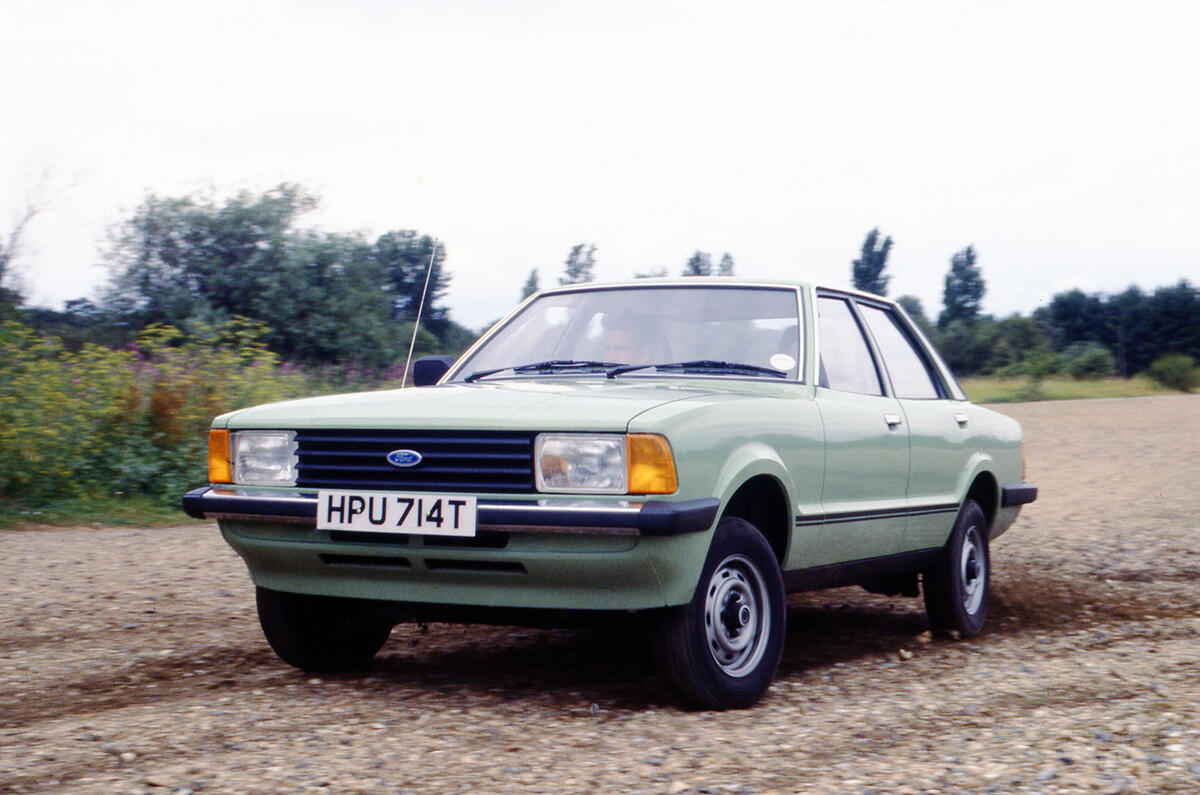
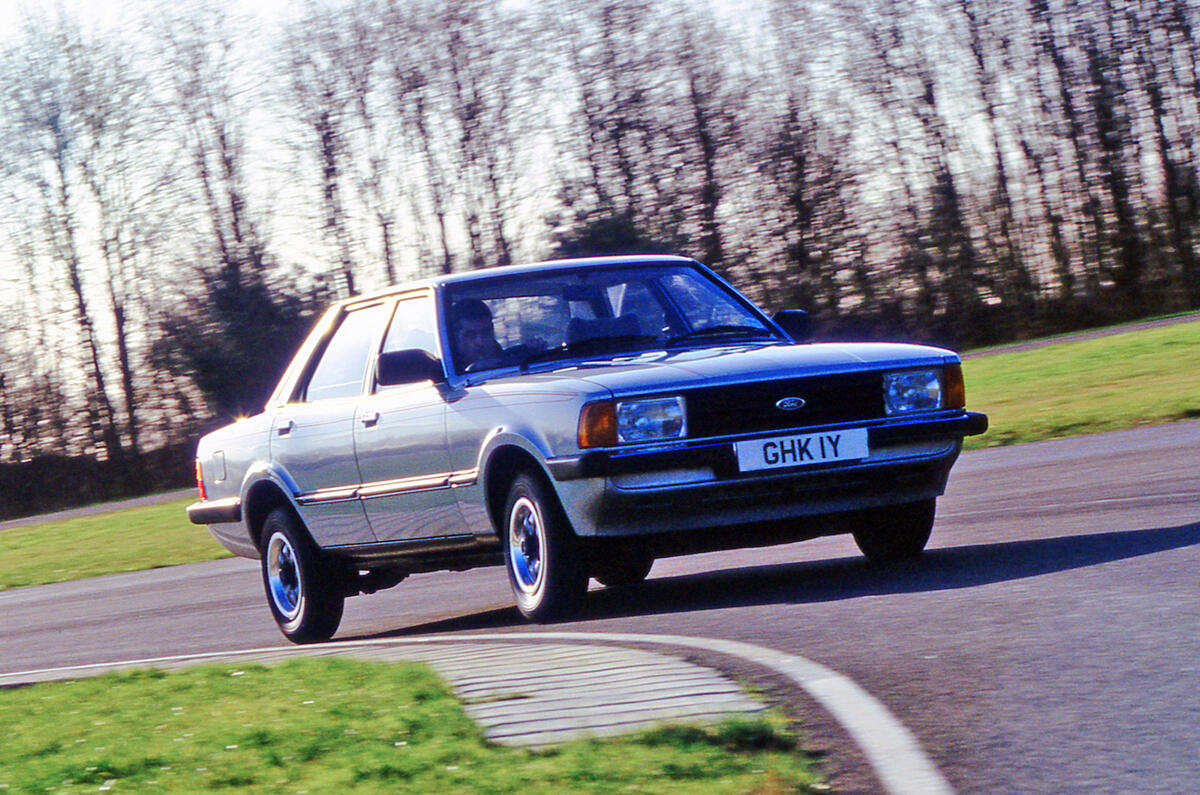
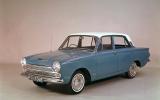
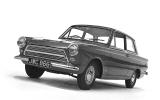
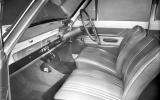
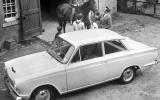
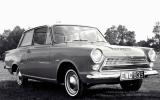
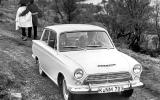
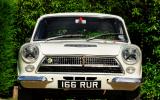
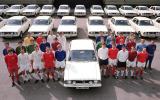
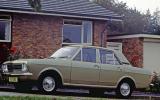
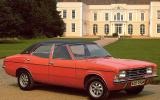
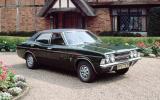

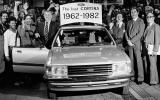
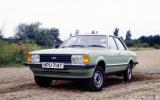
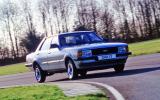

Life for the Cortina started on 20 September 1962, when Ford UK’s top brass in Dagenham launched a family-size car aimed at sweeping up buyers of Morris Oxfords and Vauxhall Victors.
Originally intended to be called the Ford Consul 325 but later changed to Cortina after inspiration from the Italian ski resort Cortina d’Ampezzo, Ford’s aim was for the model to be an inexpensive car to run in Britain.
The Mk1 Ford Cortina was initially available with an 1198cc three-bearing crankshaft, its origins taken from the Ford Anglia’s 997cc engine. Four months later and Ford decided to up the ante when the Cortina Super arrived with a 60bhp five-bearing 1498cc engine, while the Cortina GT appeared in Spring 1963 with a 78bhp tuned version of the 1498cc lump and lowered suspension.
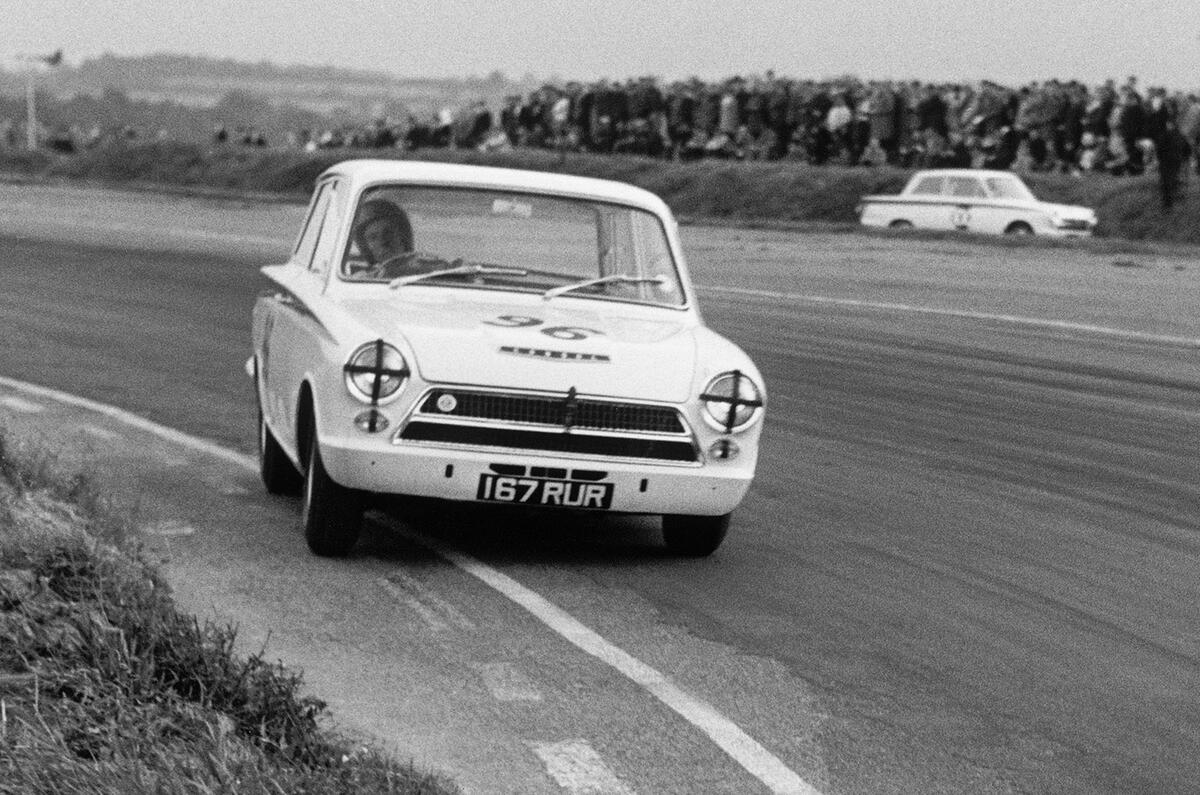
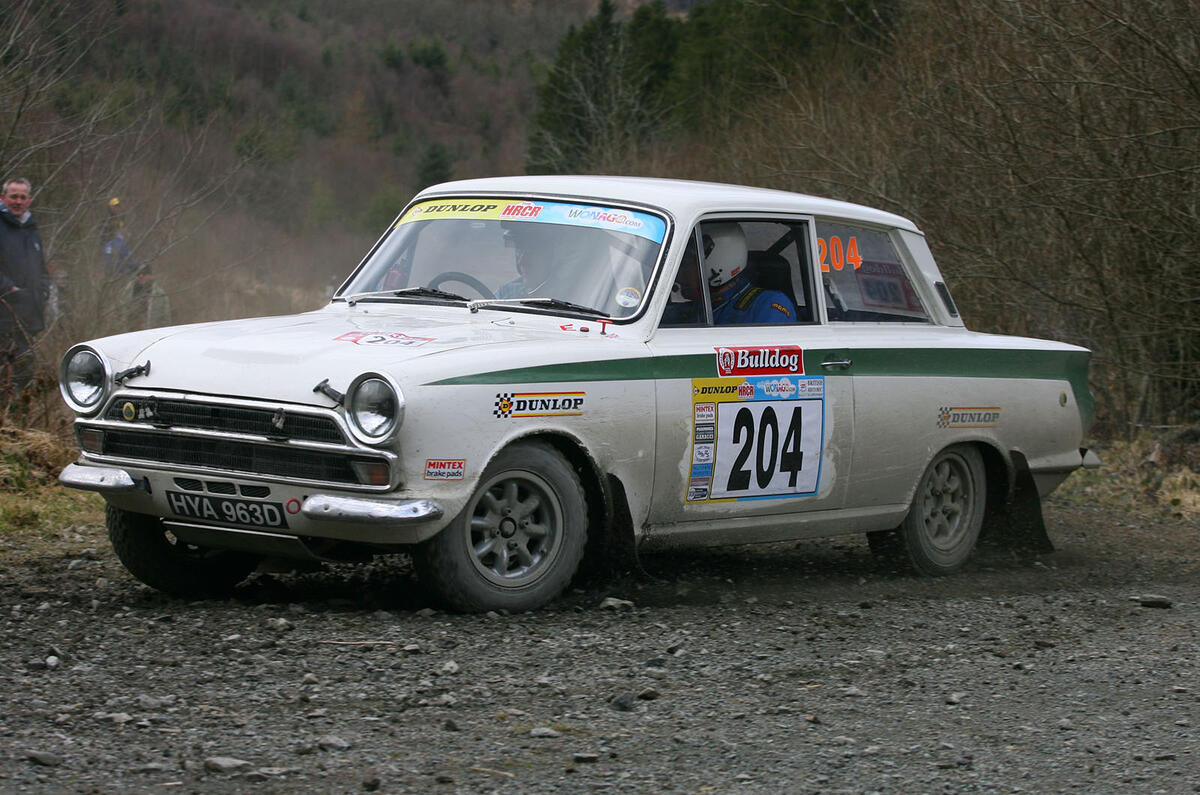
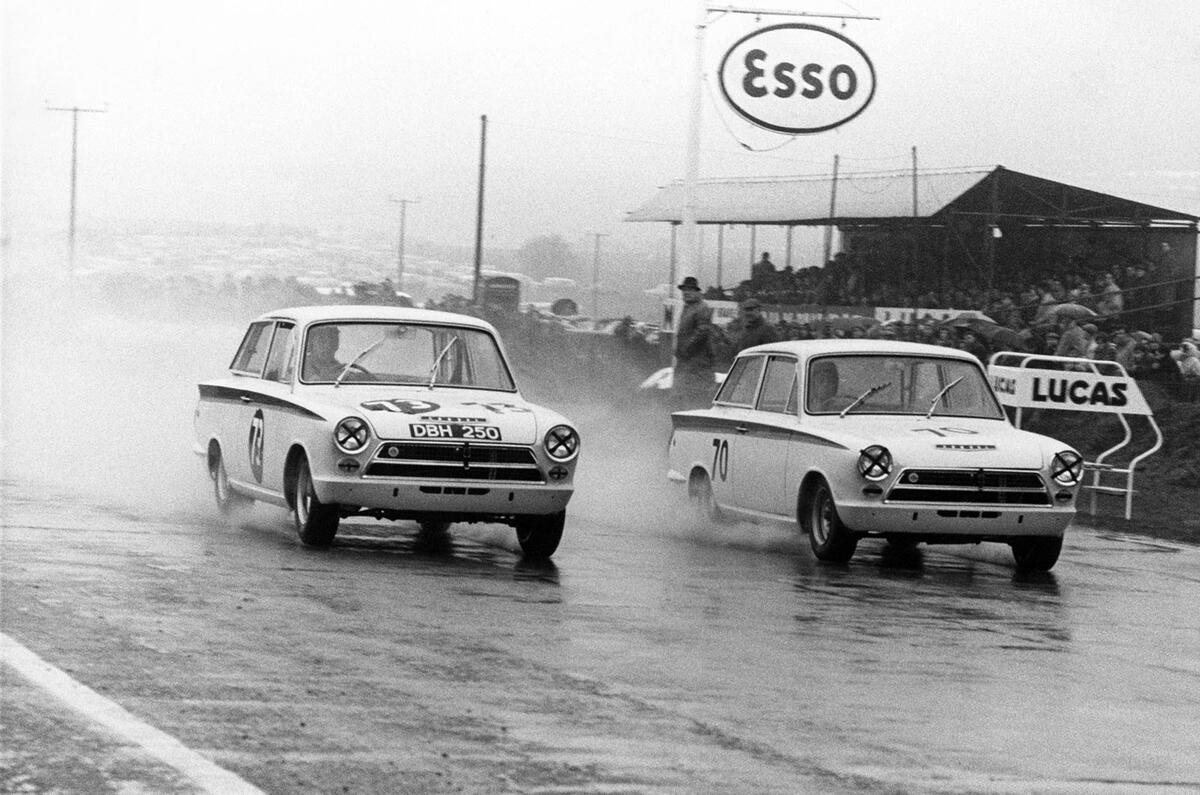
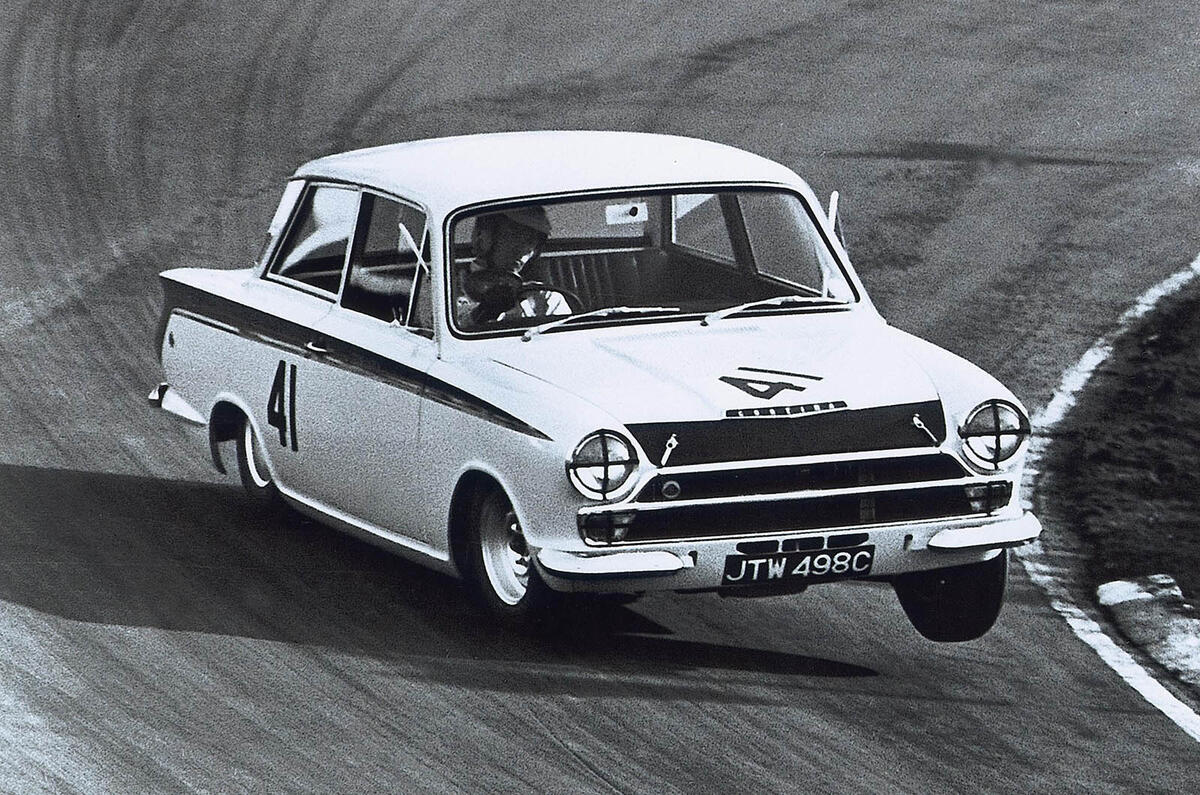
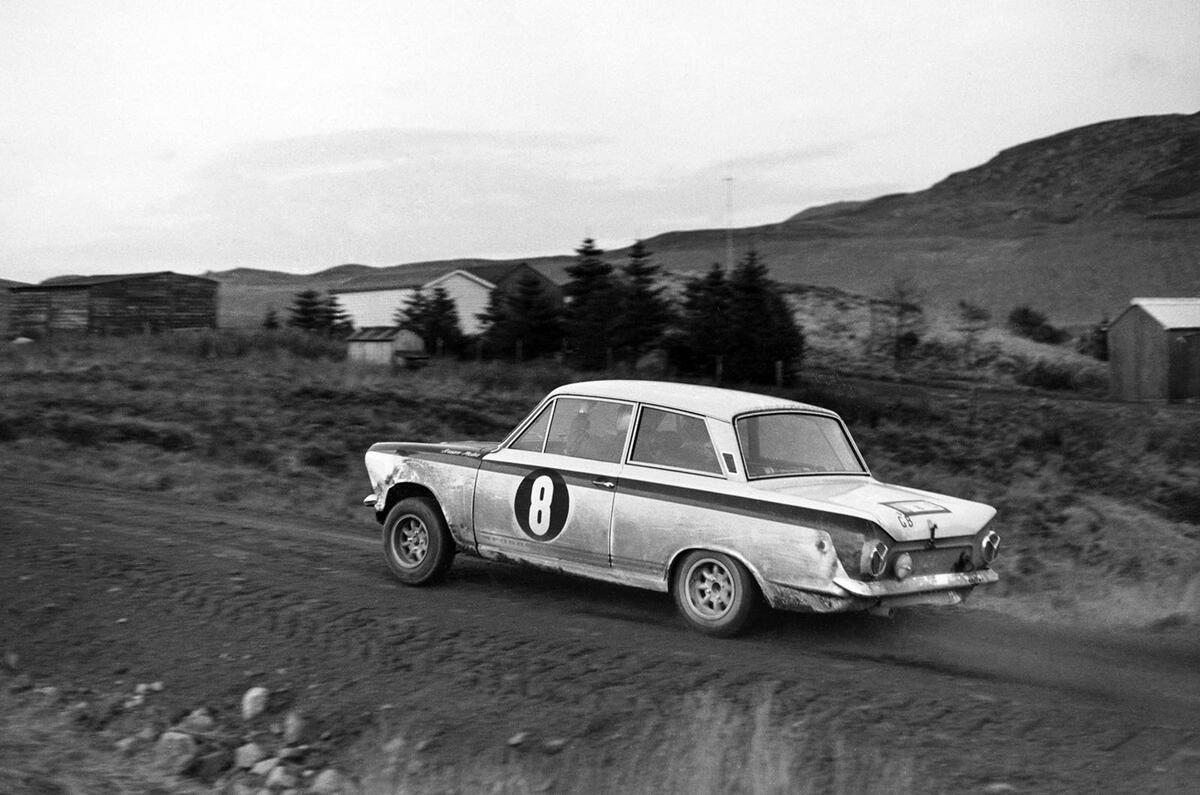
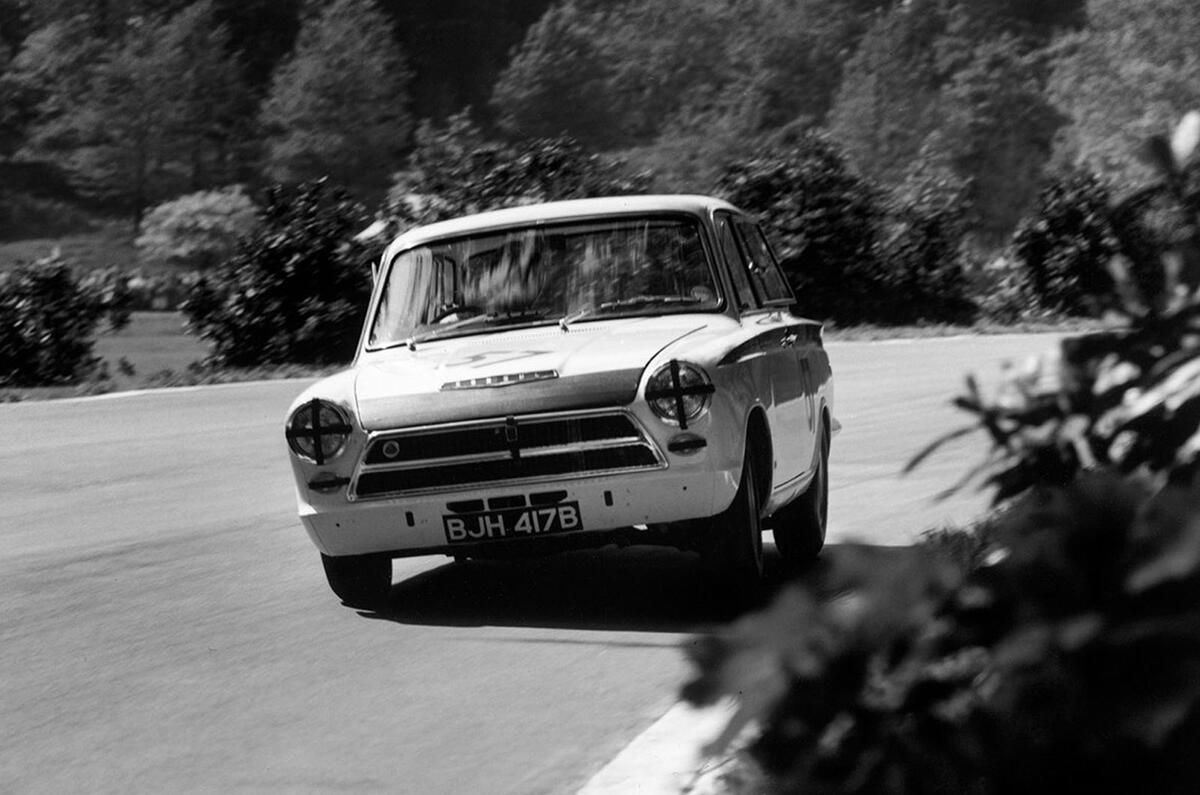
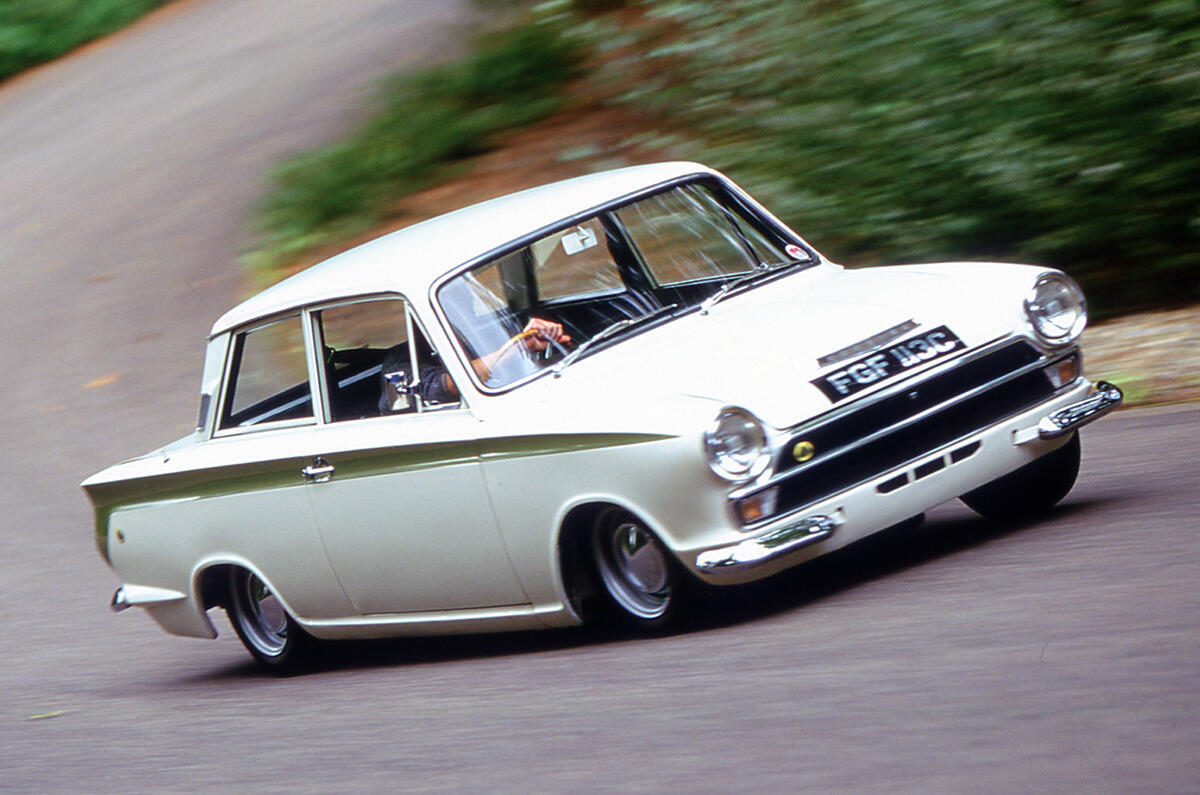
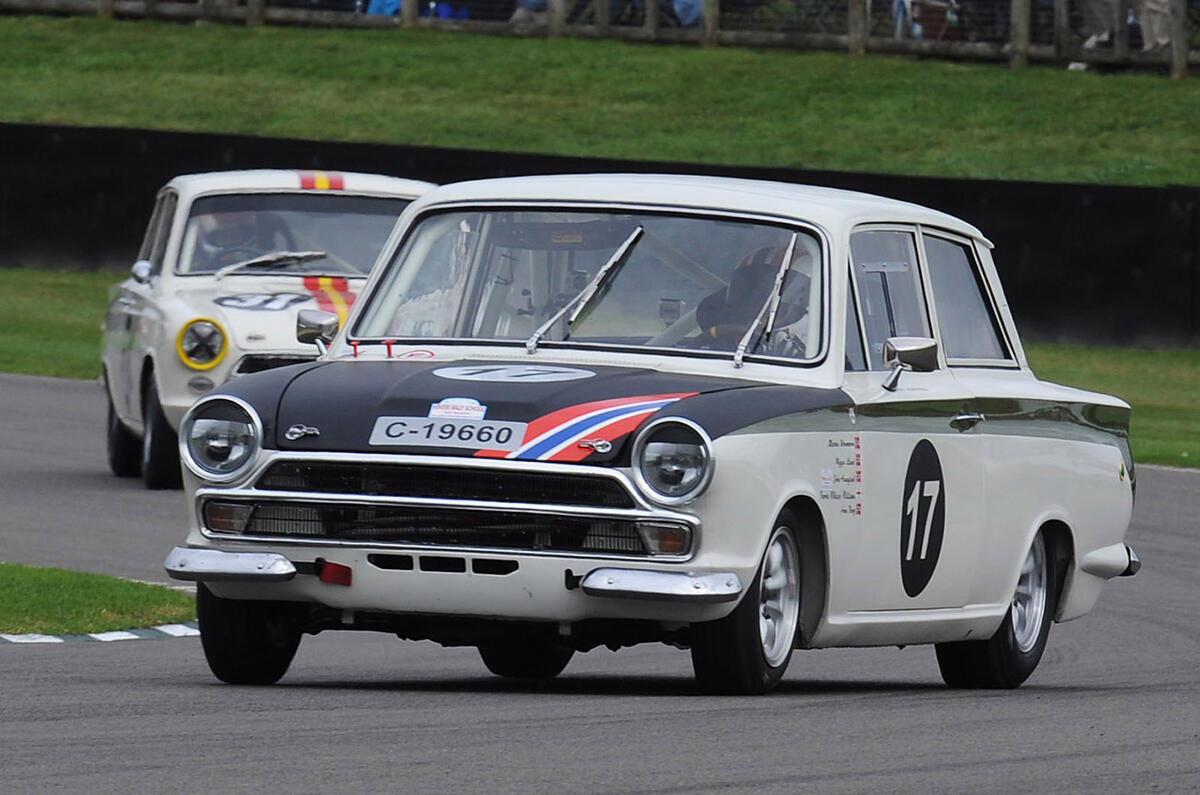
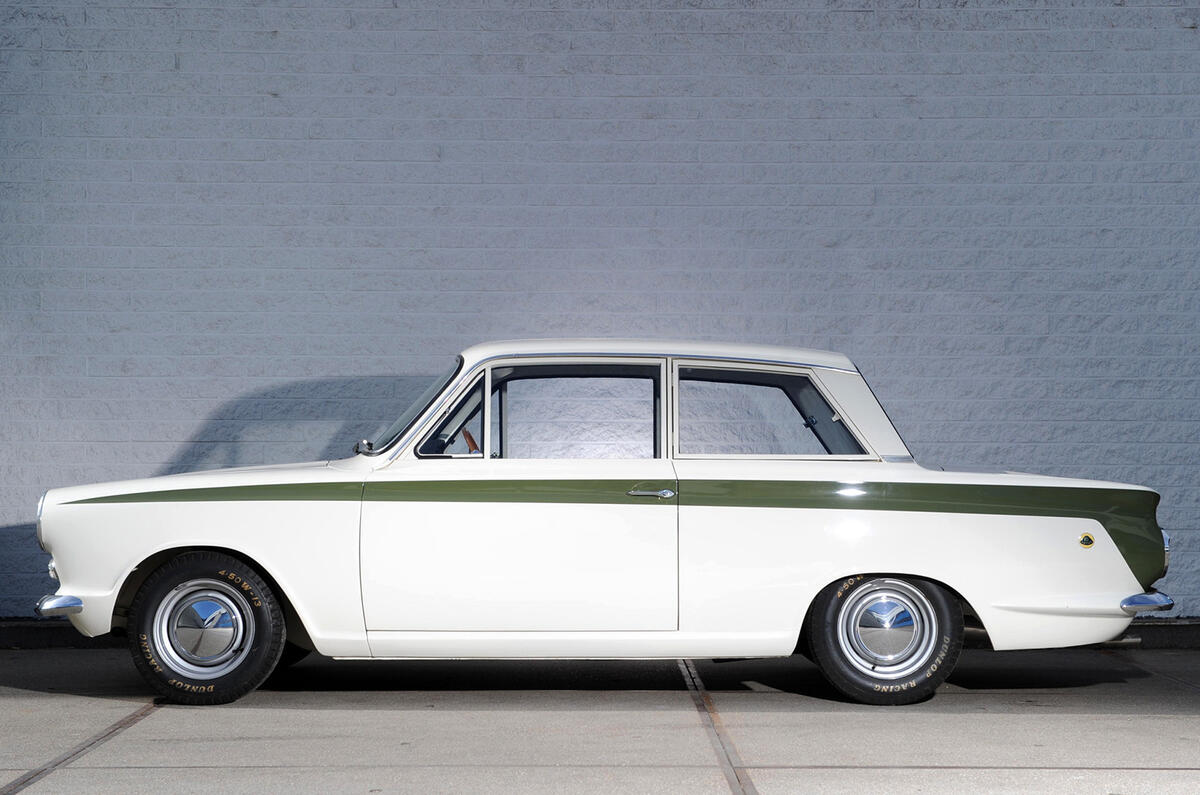
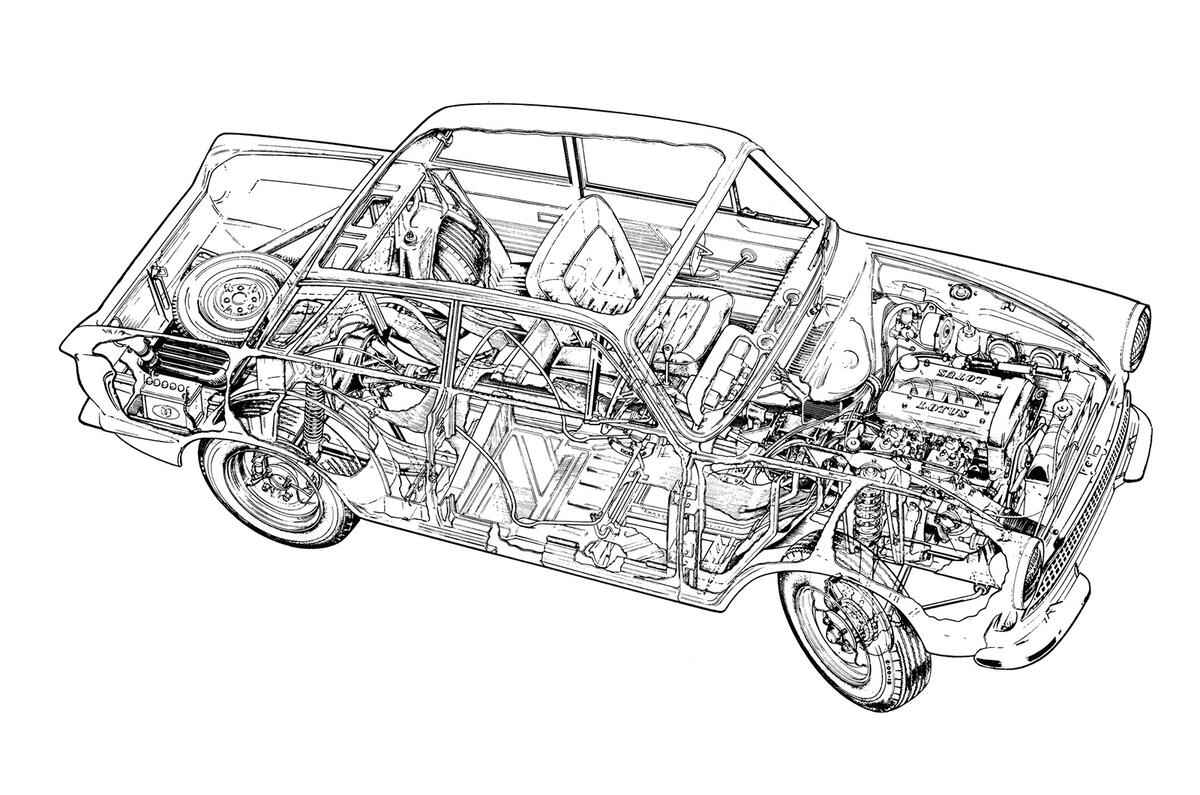
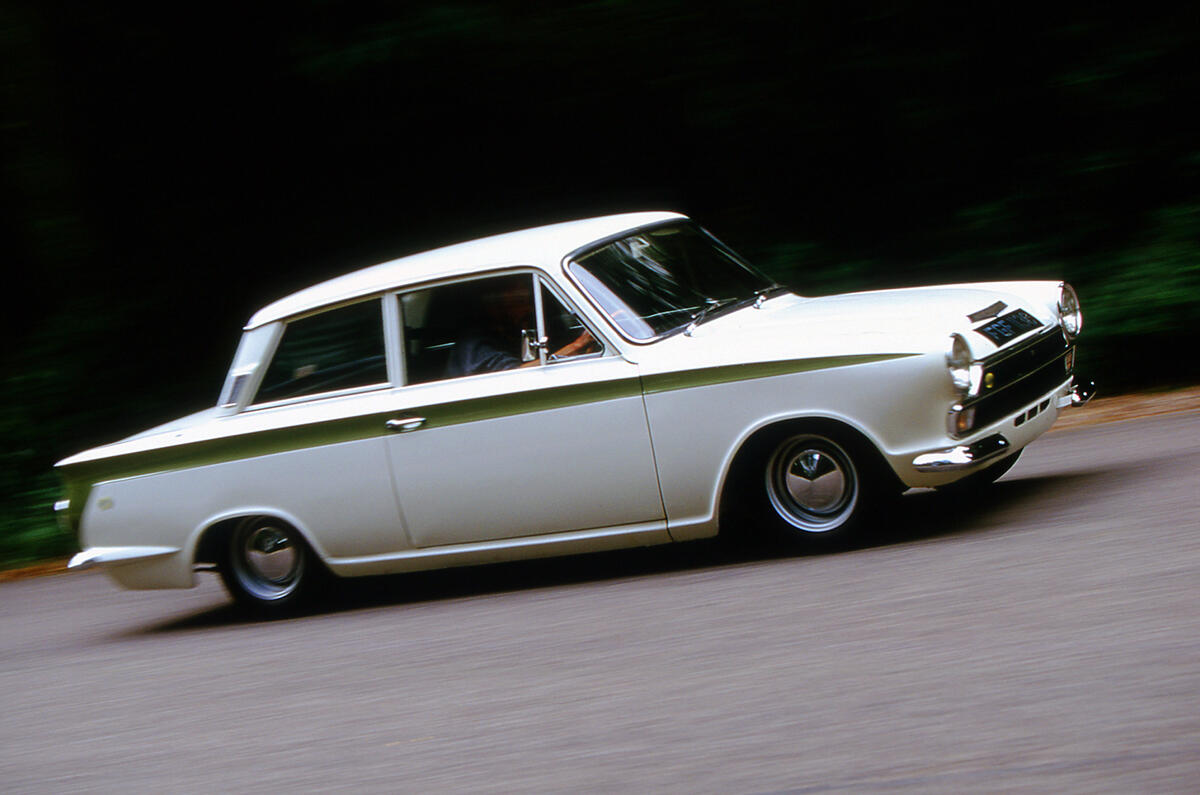
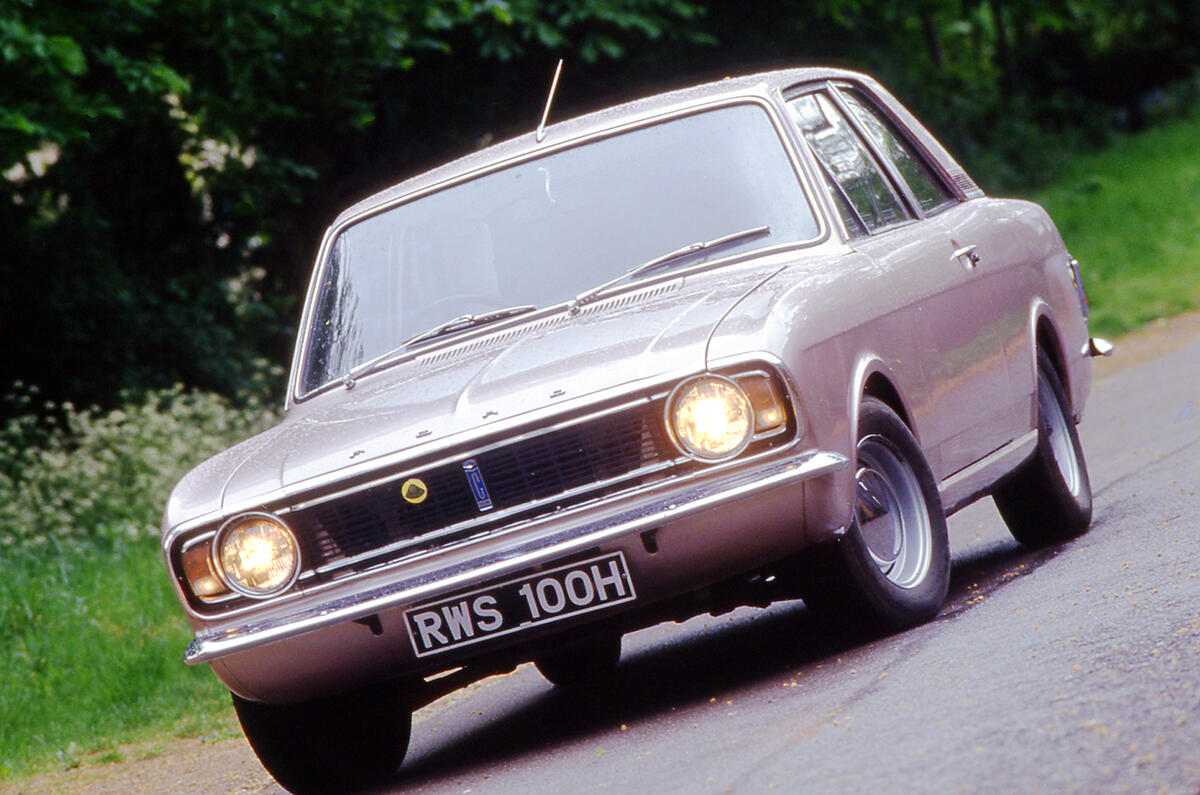
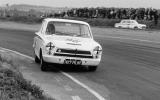
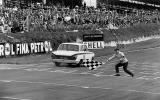
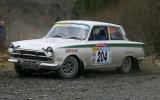
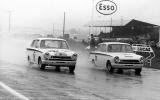
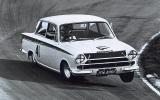
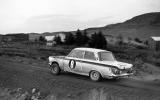
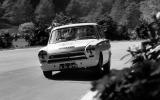
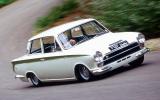
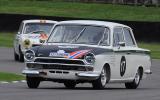
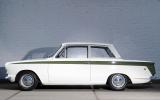
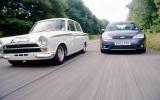
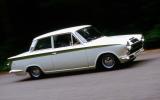
The idea for the Lotus Cortina started brewing as early as 1961. Colin Chapman yearned for his own Lotus engines and so commissioned Autocar’s very own technical editor at the time, Harry Mundy (who also designed the Coventry Climax engine), to design a twin-cam version of the Ford Kent unit.
While the engine was being developed, in 1962 Ford’s Walter Hayes asked Chapman if he would fit the engine to 1000 of the Blue Oval’s saloons for Group 2 homologation. Chapman agreed and the Lotus Cortina was showcased to the press in Monte Carlo on 21 January 1963.
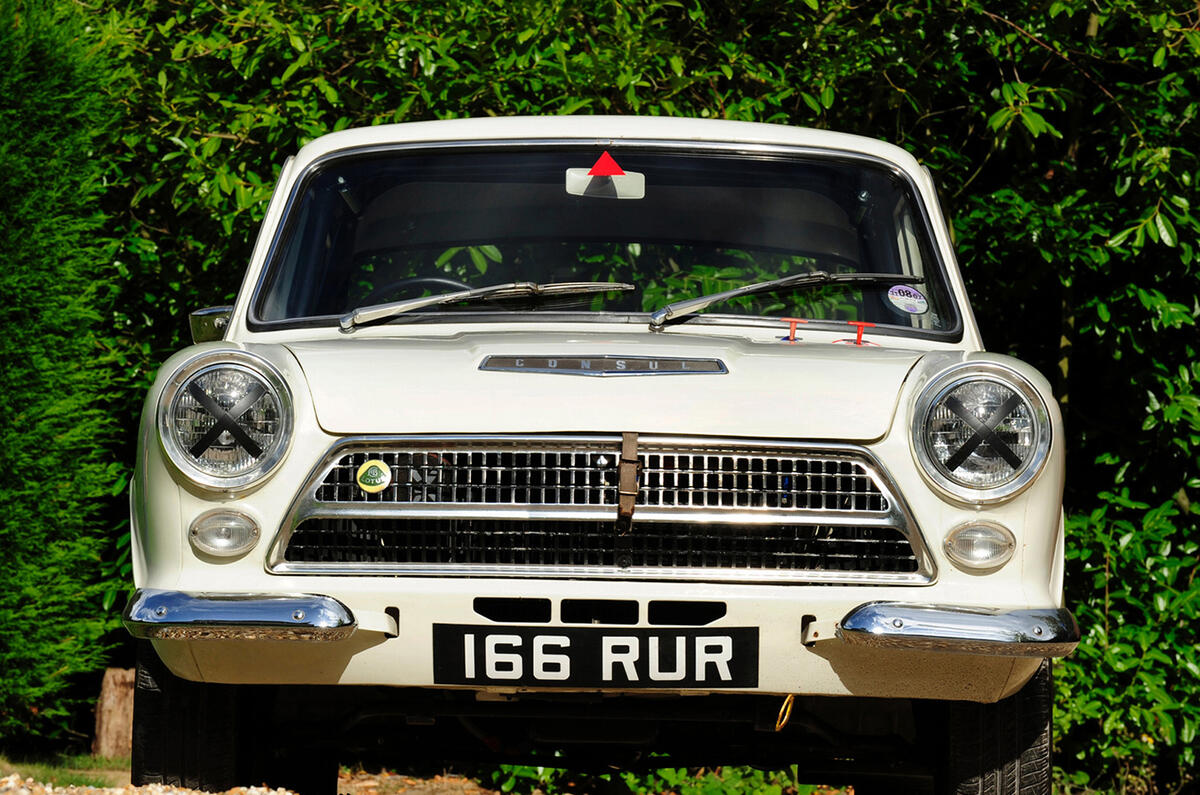
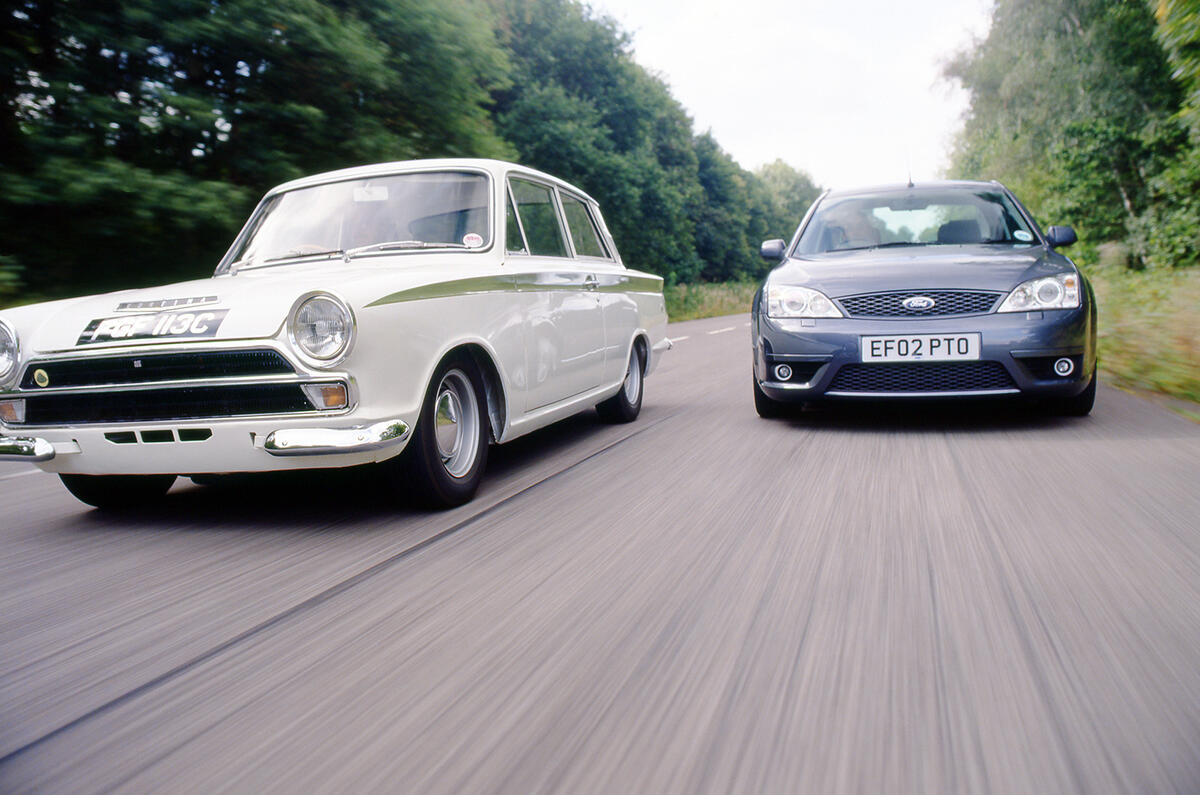
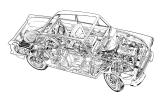
Ford supplied the two-door Cortina bodyshells while Lotus built the cars. Power was supplied by a 1557cc twin-cam engine producing a heady 105bhp and was mated to the close-ratio gearbox from the Lotus Elan. Production ceased in 1966 after just 3306 examples rolled off the production line.
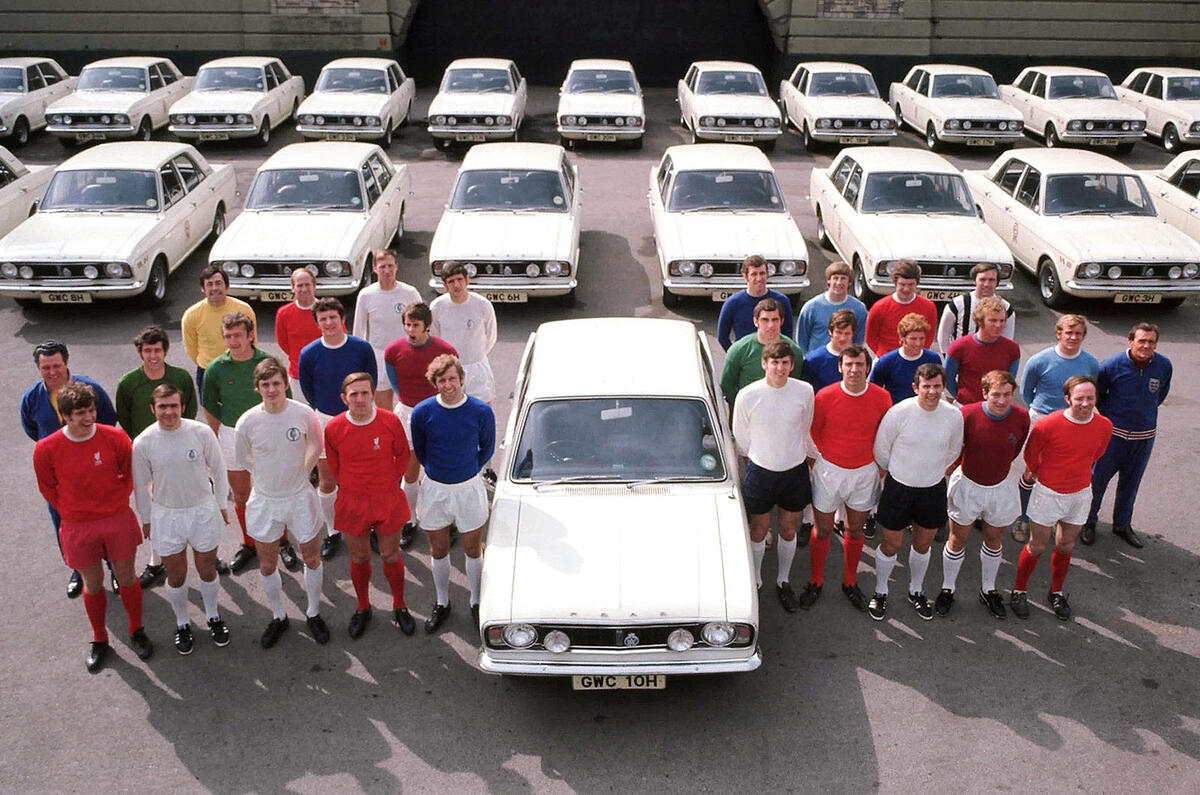
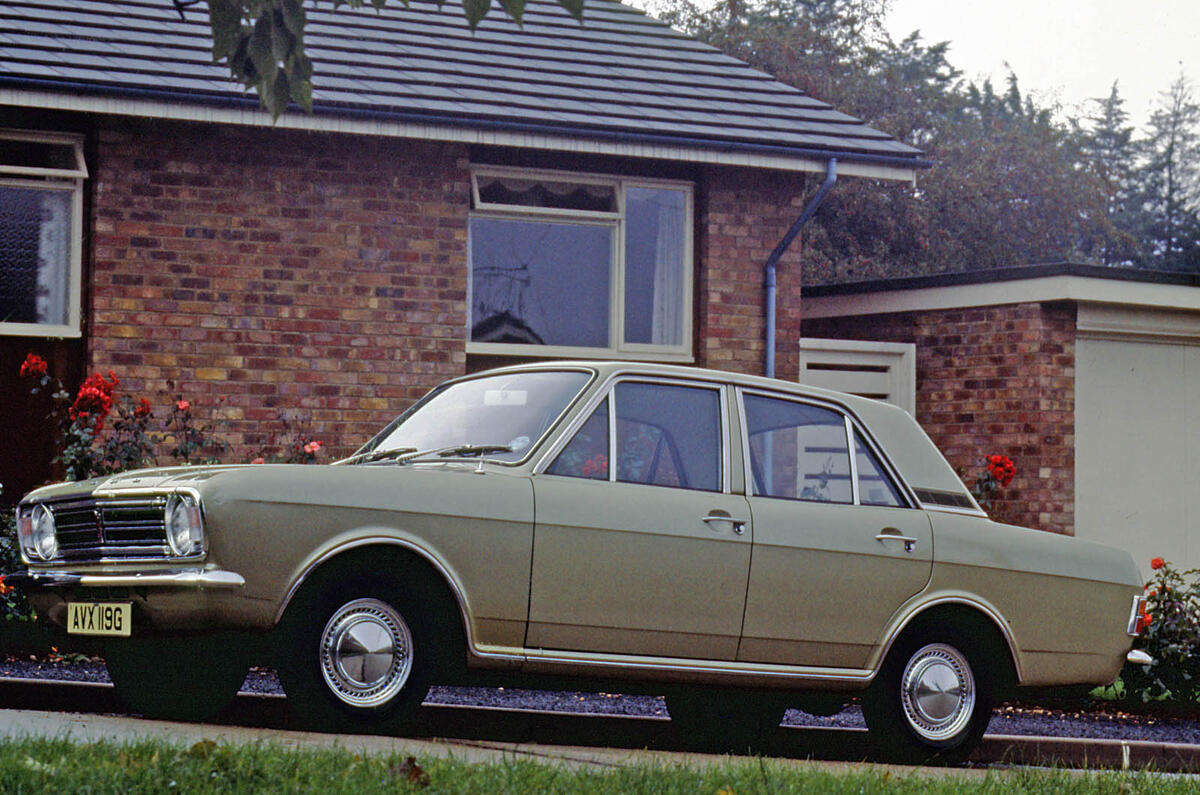
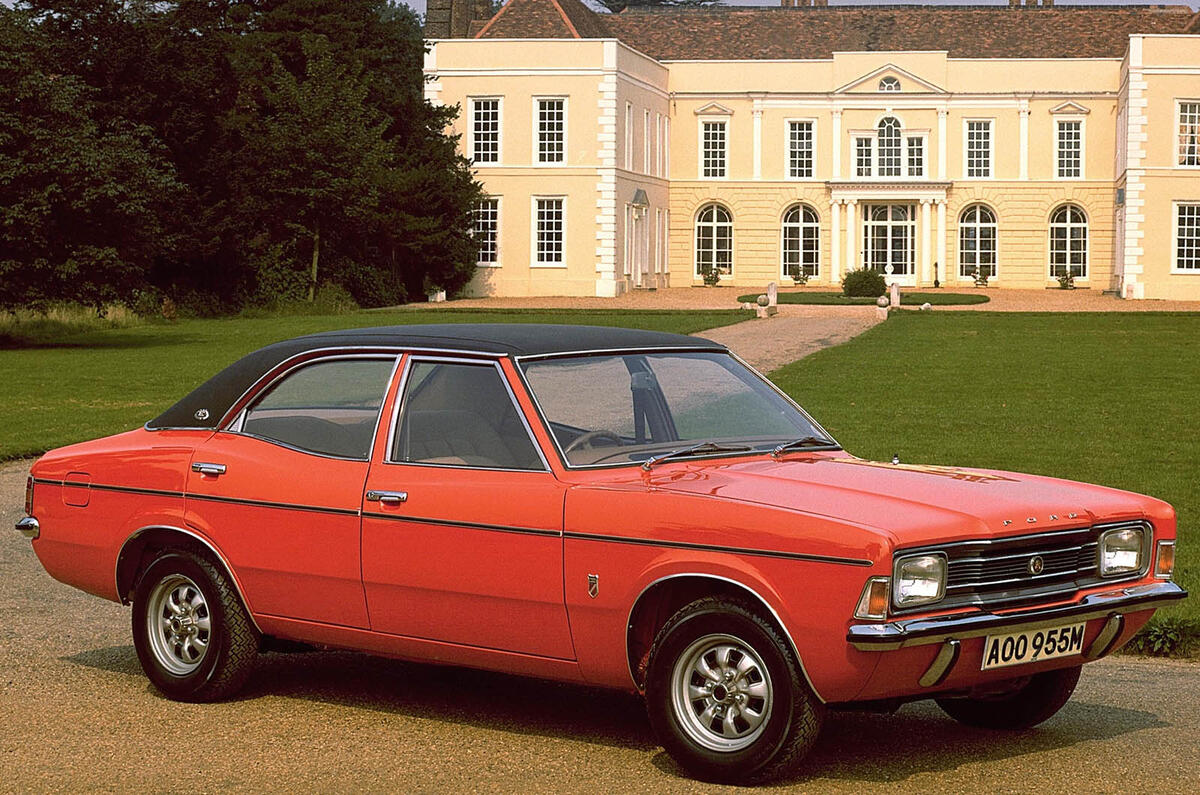
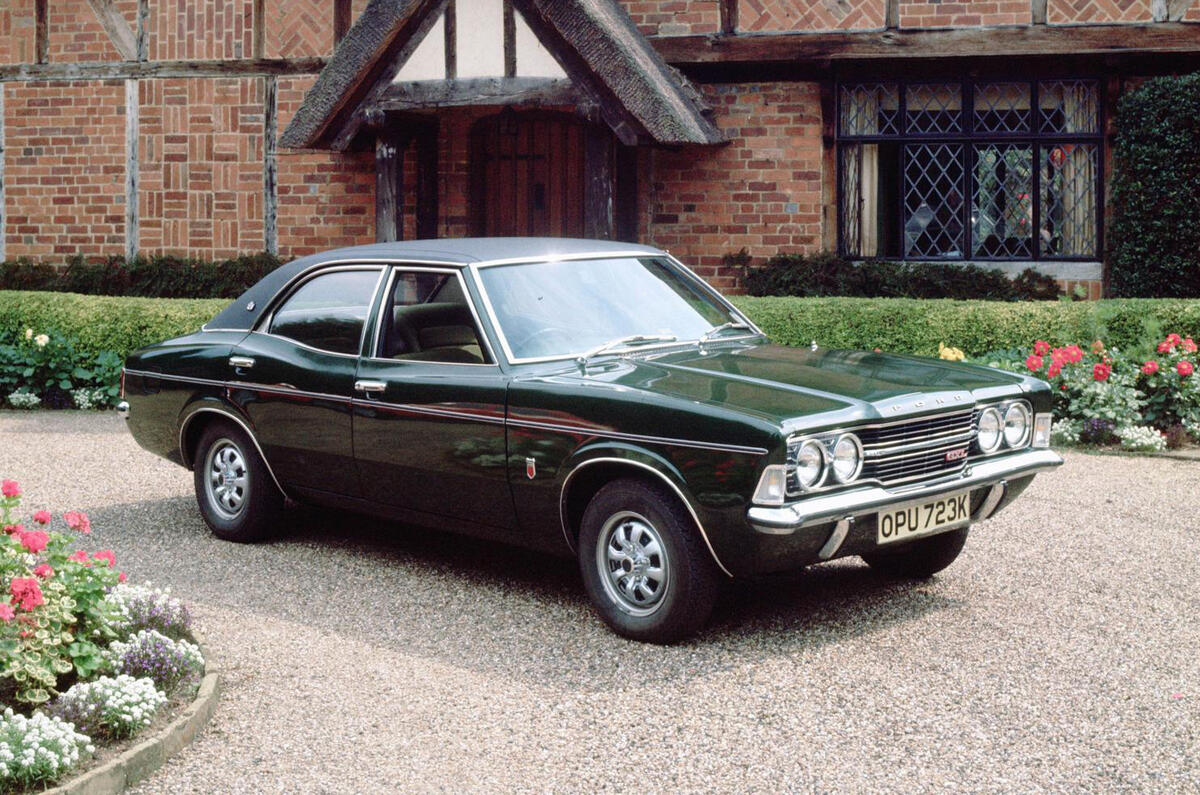
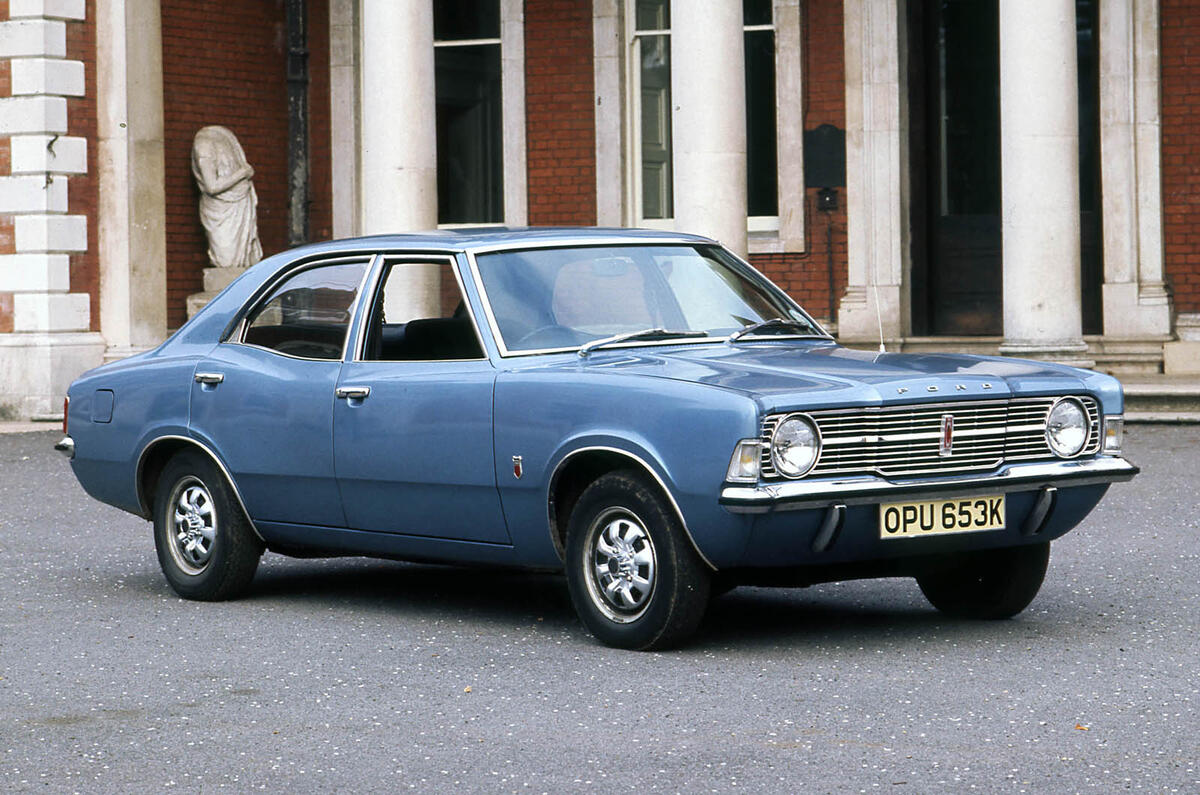
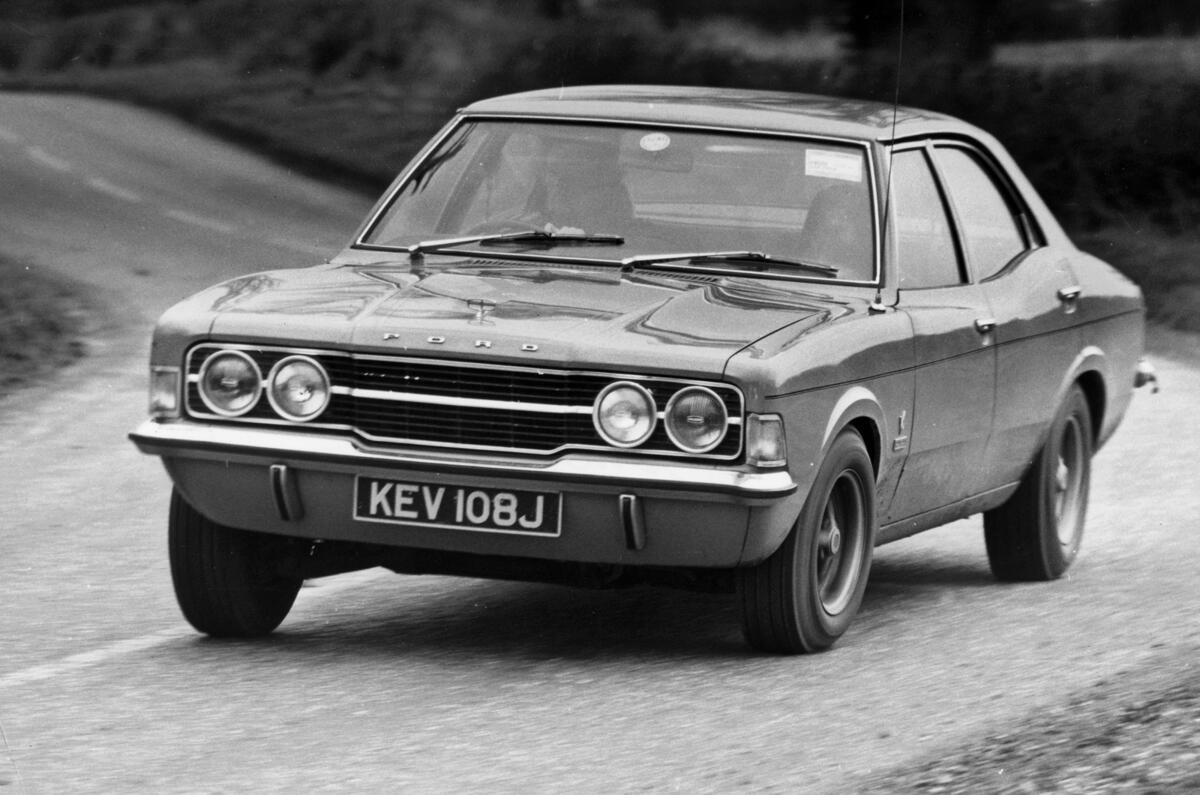
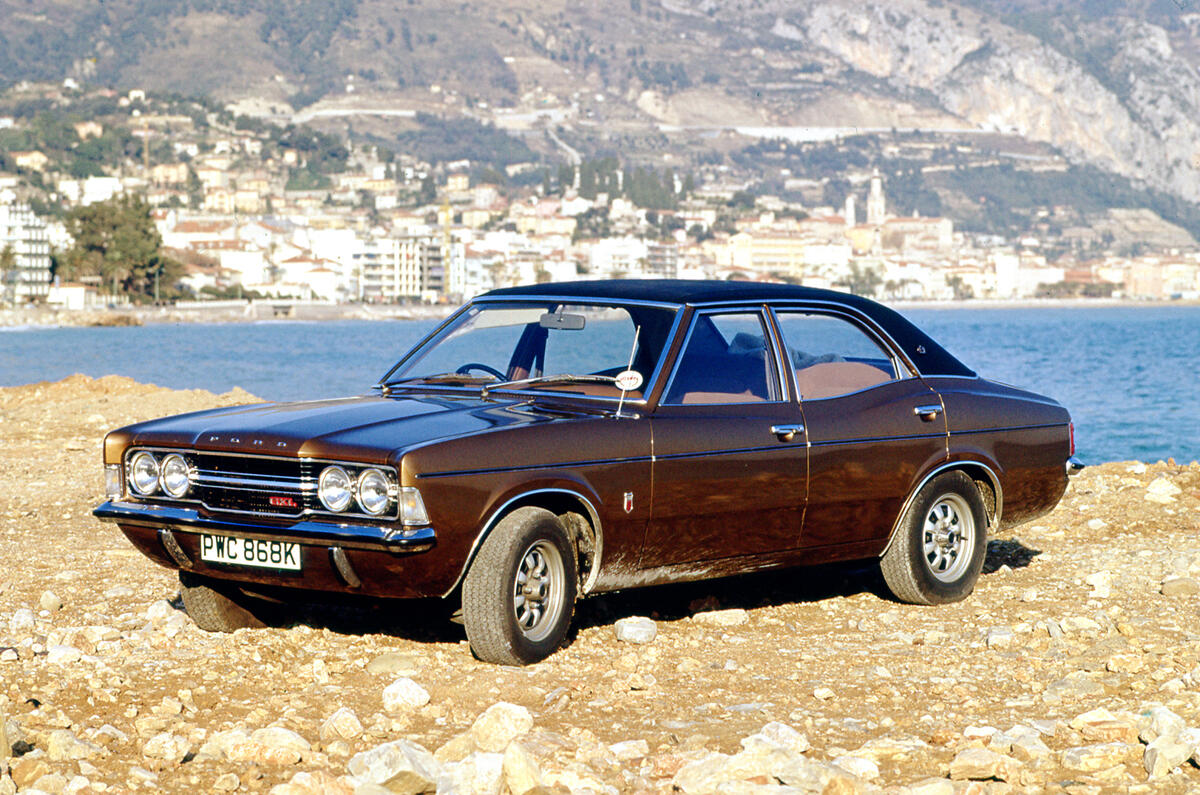
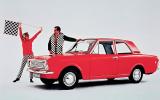
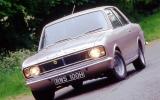
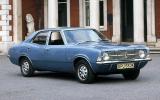
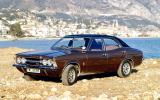
The Mk2 Cortina arrived in October 1966 accompanied by the slogan 'New Cortina is more Cortina' – the car being 6.4cm wider than its predecessor. Initially launched with the same engine range as the Mk1, in 1968 the Mk2 received the technically superior and more efficient 'Kent' Crossflow engines in 1298cc and 1598cc form.
Two-door and four-door saloon versions were again offered in base, Deluxe, Super and GT trims and a few months after the introduction of the saloon versions, an estate was launched – at the time the class-leader for loading capacity.
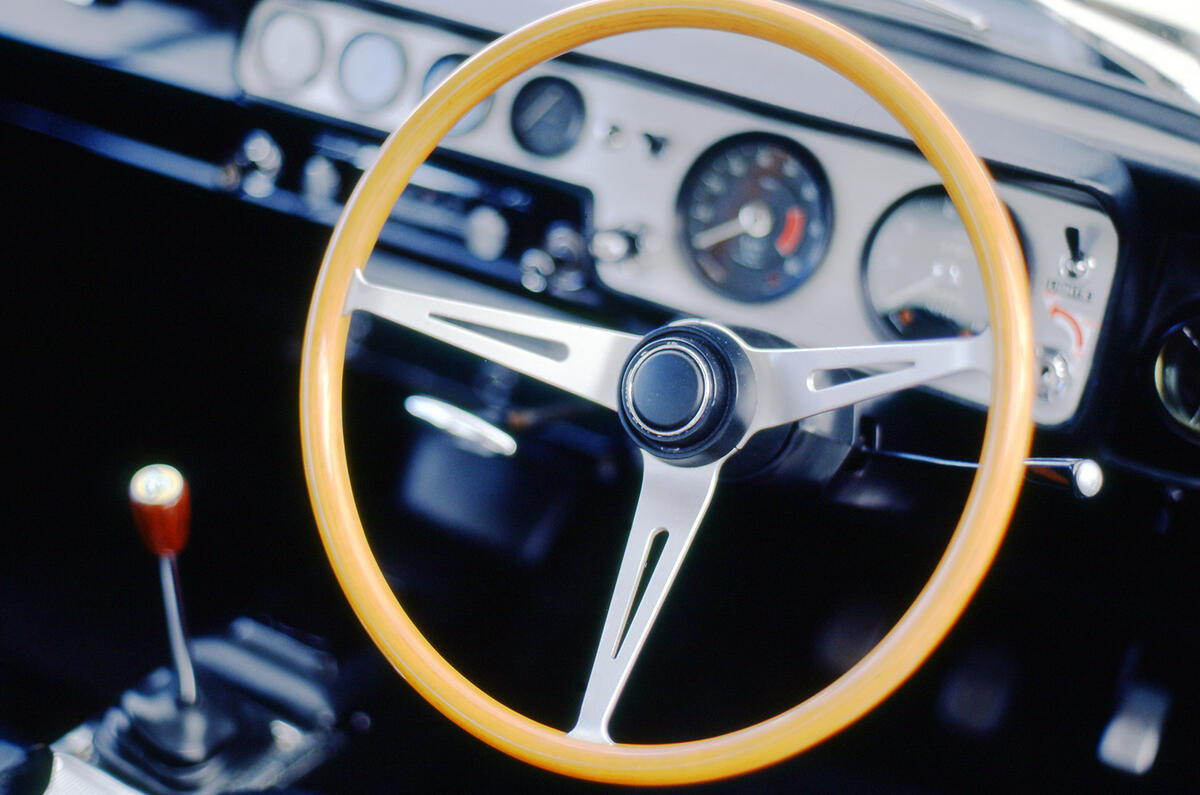
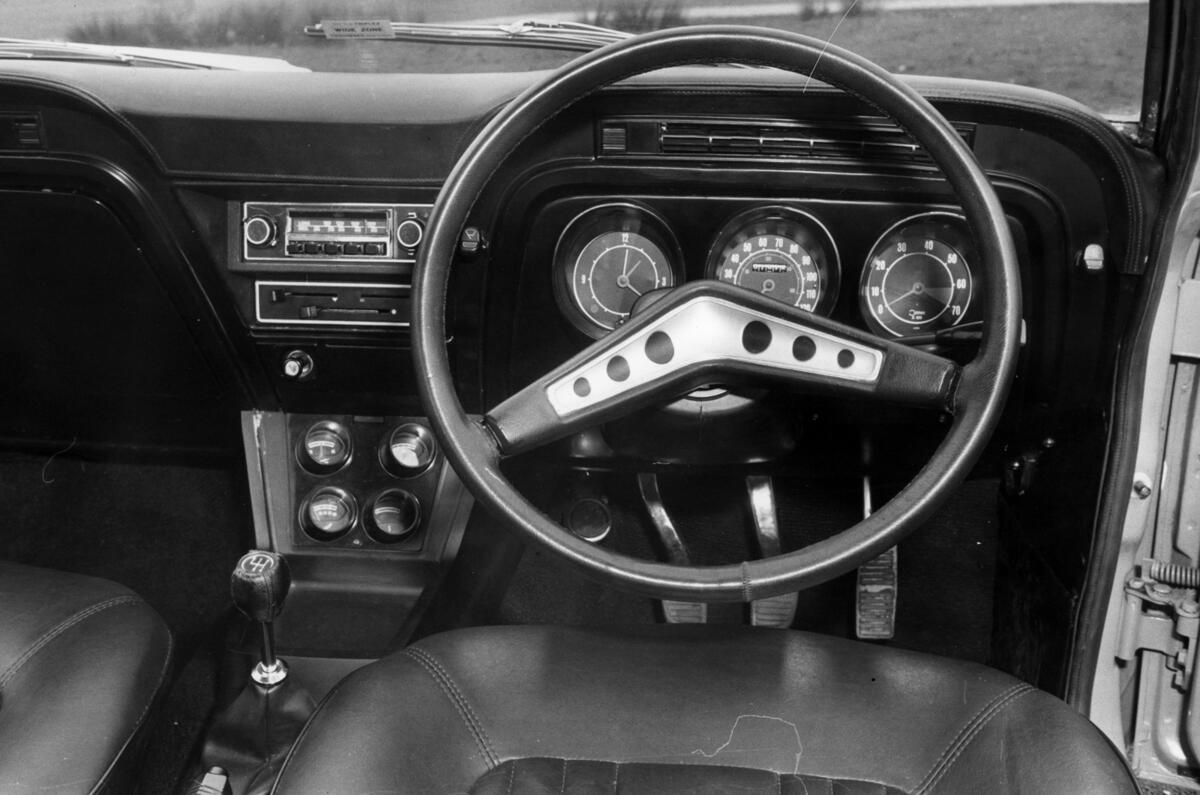
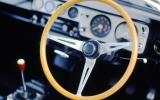
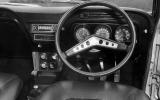
At the Paris Motor Show in October 1967, Ford pulled the wraps off the brute Cortina 1600E. Featuring the GT 1600 Kent engine along with the Lotus Cortina’s lowered suspension, luxury walnut trim and sports steering wheel, the car soon gained an iconic status and is still highly sought after to this day.
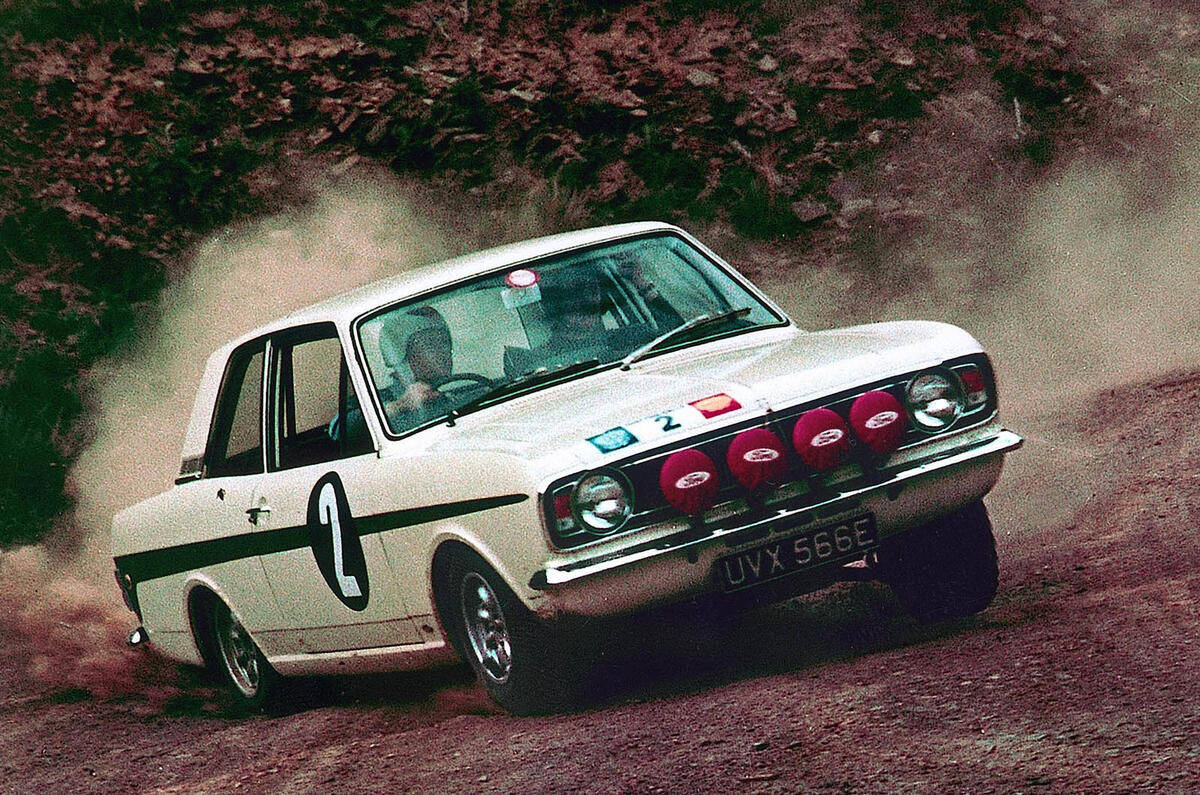
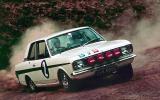
In the aftermath of the Mk1 Lotus Cortina, with the public linking its competition successes with Lotus and its shortcomings with the Blue Oval badge, Ford set about regaining control of their range-topping performance car. It was decided to develop the Mk2 Lotus Cortina in-house at Boreham (Ford’s competition department) and build it at Dagenham alongside Mk2 Cortina GTs, in order to make the Mk2 Lotus Cortina more cost effective.
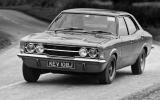
The Mk2 Lotus Cortina was launched in March 1967 – six months after the rest of the Mk2 range. Power was now up to 109bhp from a sprightly 1557cc twin-cam straight four engine almost identical to that used in the Escort Twin Cam in 1968, which helped propel the Mk2 Lotus Cortina from 0-60mph in 11.0 sec.