
Most cars come and go, causing barely a ripple in the process.
But occasionally something comes along that causes shockwaves; nowadays such products and brands are called disruptors, because they shake up the market leading to new ways of thinking. Such marketing speak was a long way into the future when most of these influential cars were dreamed up but that doesn’t diminish the fact that they all had an impact, often felt for decades to come:
Ford Model T (1908)
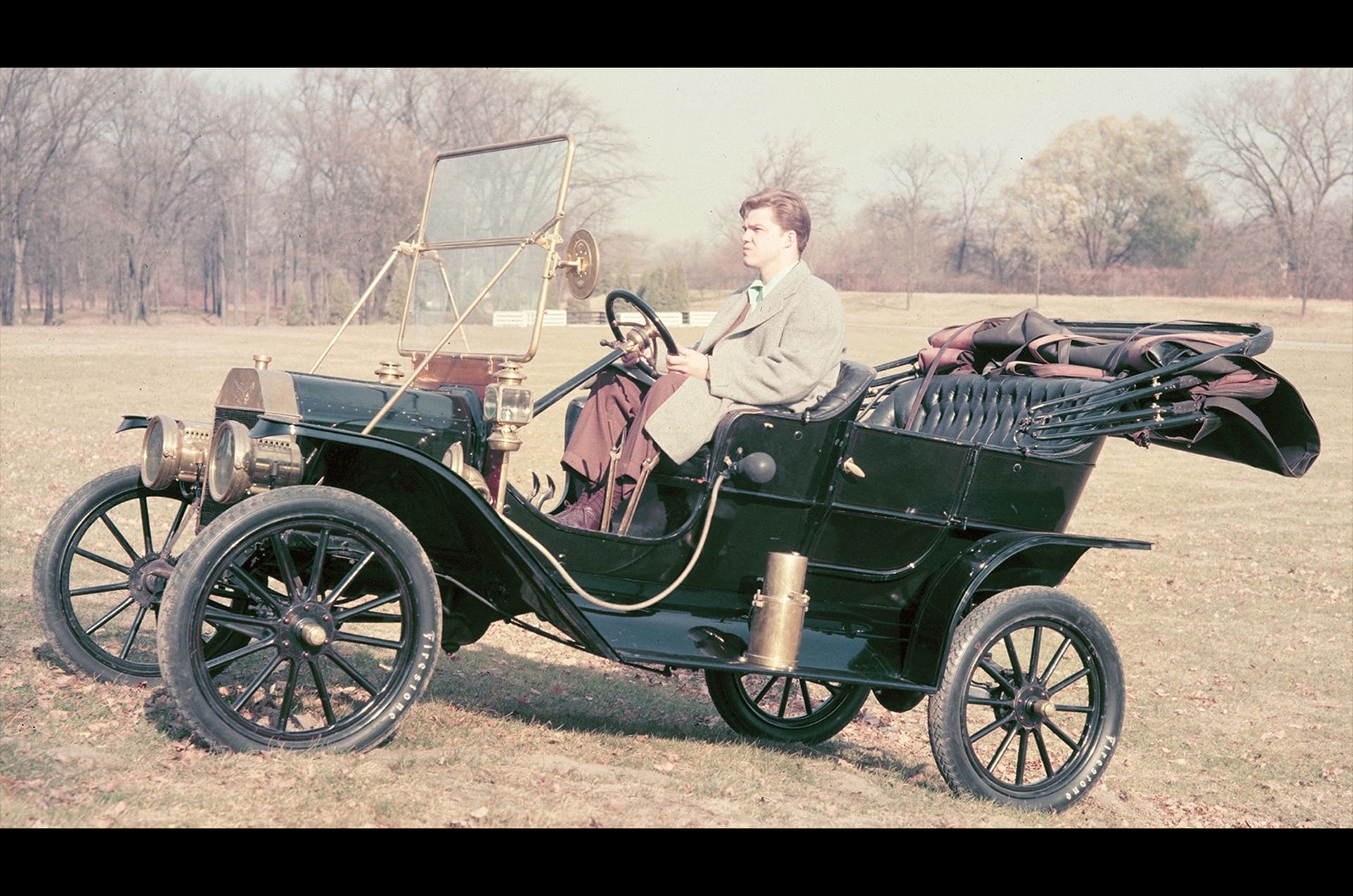
The Model T isn’t here because it was a particularly revolutionary car – it wasn’t. But the way it was produced completely rewrote the rules. However, while everybody assumes the Model T was the first mass-produced car, it wasn’t – that was the Oldsmobile Curved Dash, 19,000 examples of which were built between 1901 and 1907. It was the affordable Ford which really made mass-production work though; at one point, over half of the cars on America’s roads were Model Ts.
Lancia Lambda (1923)
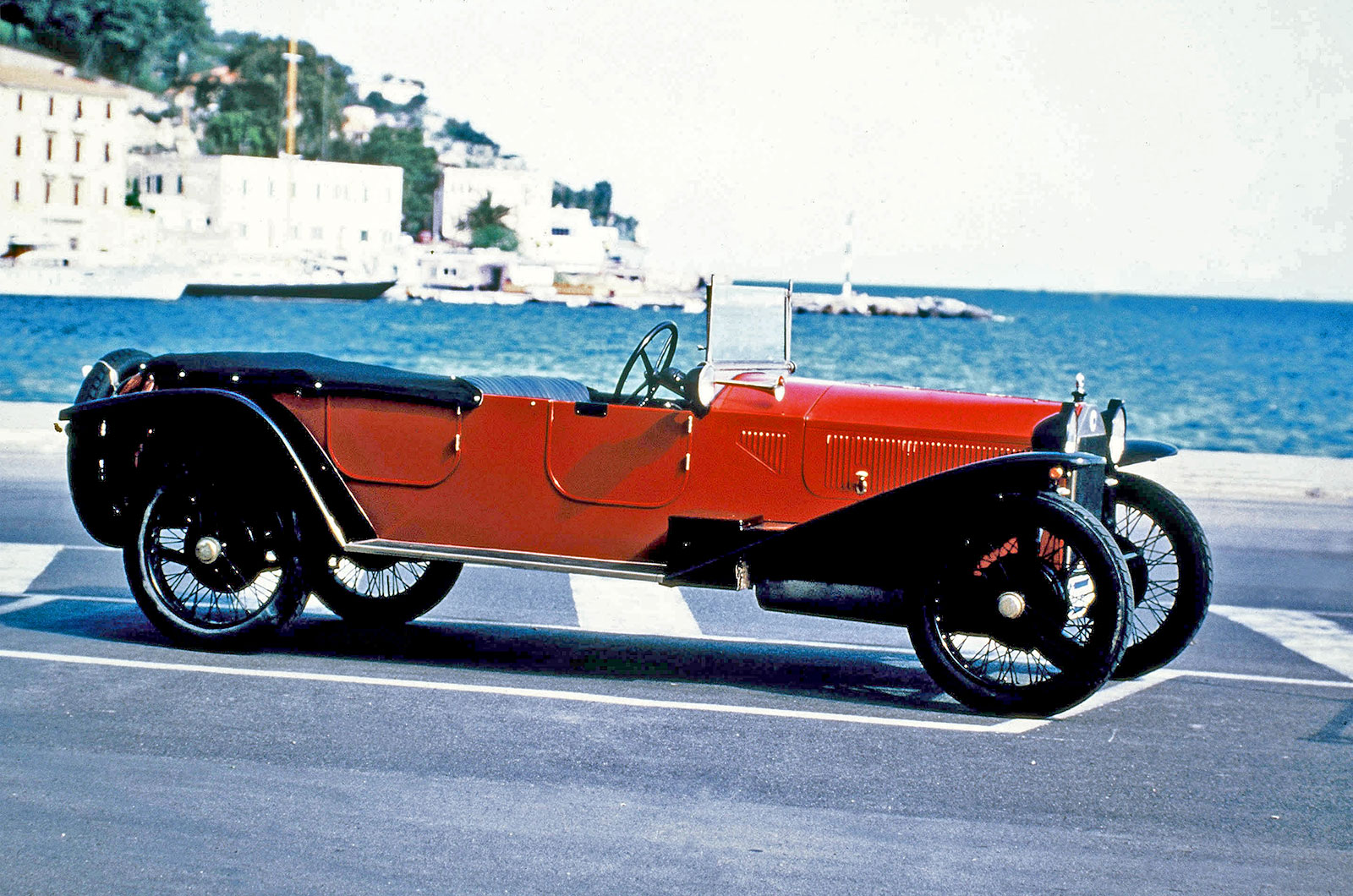
Until 1923, all cars featured a separate chassis to give the bodyshell much-needed strength – then came the Lancia Lambda, with its monocoque construction. Stronger, lighter and cheaper to build, monocoque – or unitary – construction wouldn’t be universally adopted by mainstream car makers until the 1960s. That’s how advanced the Lambda was.
Chrysler Airflow (1934)
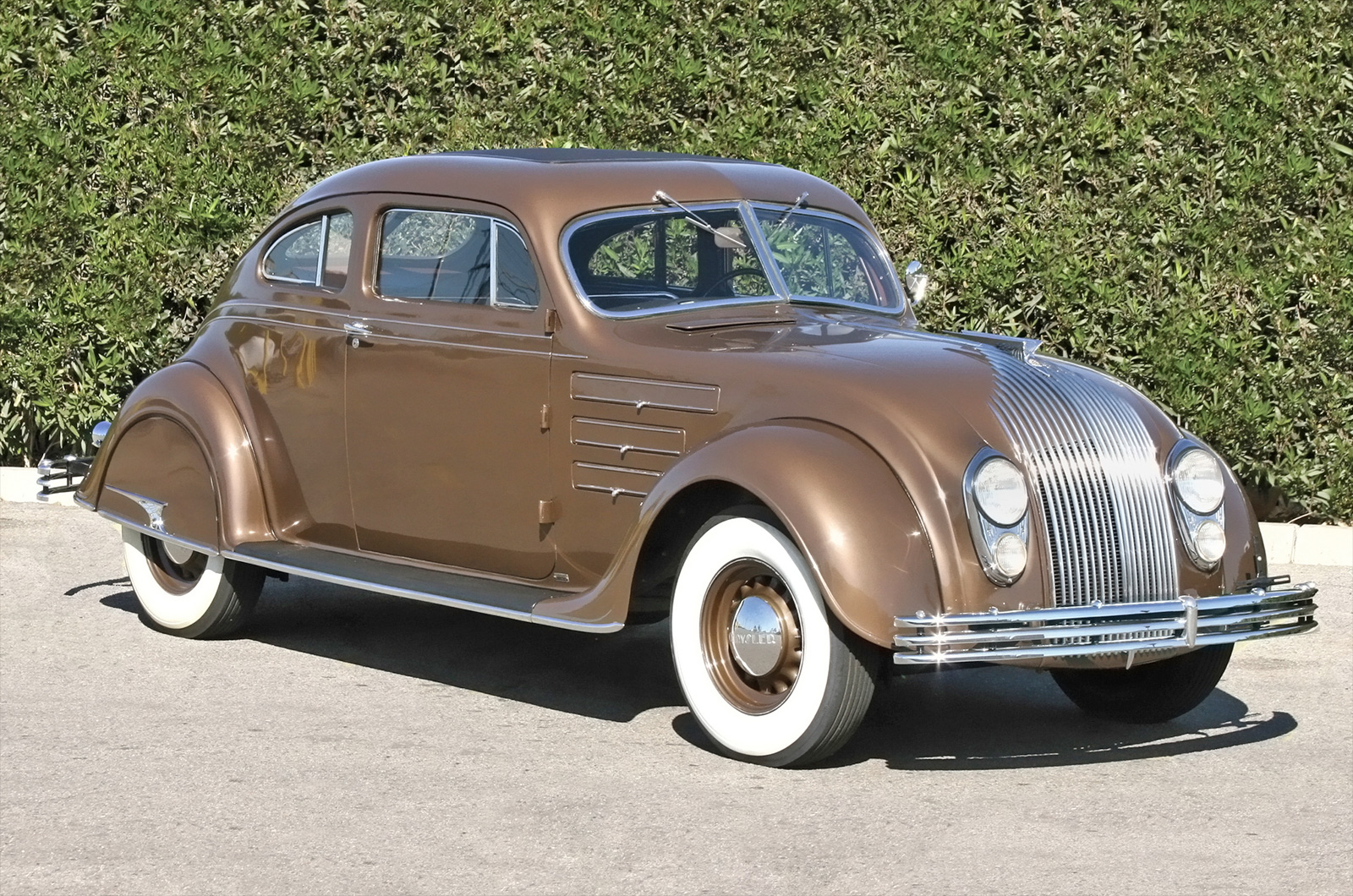
The fact that it wasn’t a commercial success meant rival car companies initially weren’t keen to copy its aerodynamic styling too closely, but the Chrysler Airflow was still hugely influential. This was the car that switched designers on to the fact that for a car to be truly efficient it had to cleave the air rather better than everything that came before; by the post-war years the Airflow’s sleeker design had become the norm.
Chevrolet Corvette (1953)
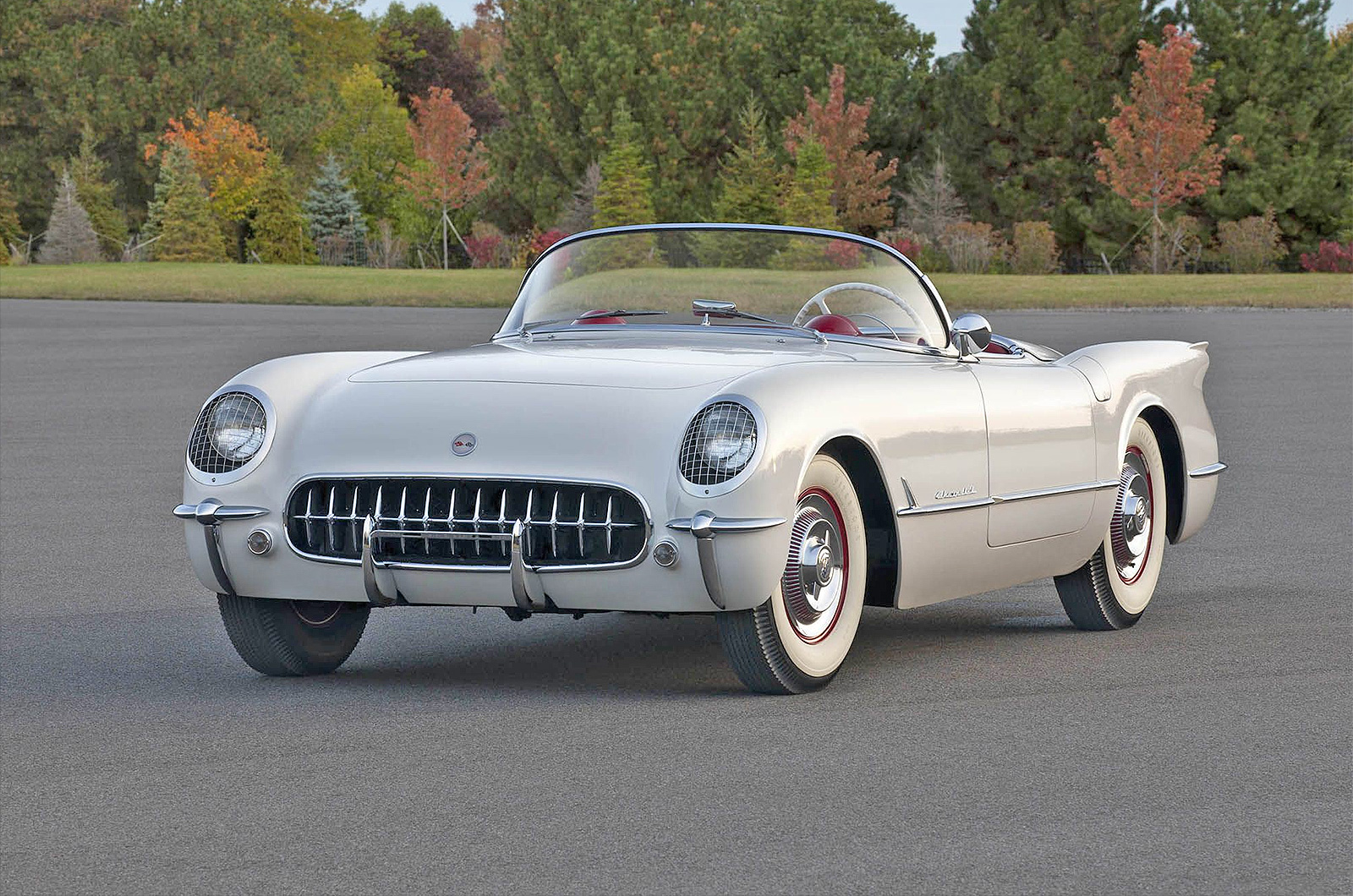
Glassfibre (not Fibreglass, which is a brand name) was the wonder material of the 1950s. It allowed low-volume companies to offer bodyshells to reclothe pre-war cars that had rotted away. Meanwhile, in the US Chevrolet was busy building the world’s first production car with a glassfibre bodyshell – a move that would be copied around the globe by lots of other sports car makers.
Citroën DS (1955)
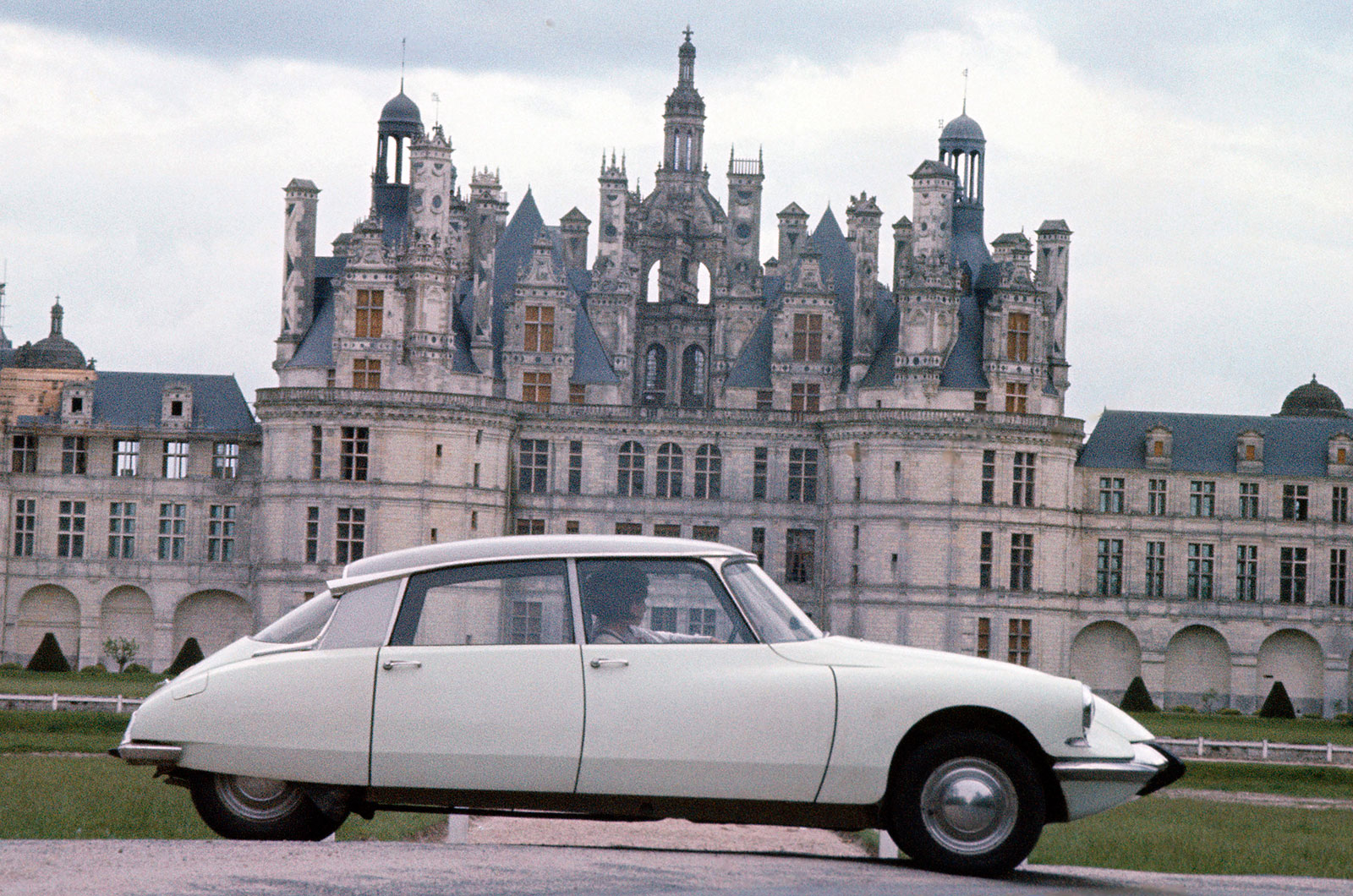
Although Jaguar was the first car maker to fit a modern design of disc brake to its C-Type racer, it was Citroën which brought such technology to the road, with its avantgarde DS. With its power-assisted in-board disc brakes at the front, the DS enjoyed stopping power like no car before; within a year, Triumph was also using disc brakes on its TR3.
Mini (1959)
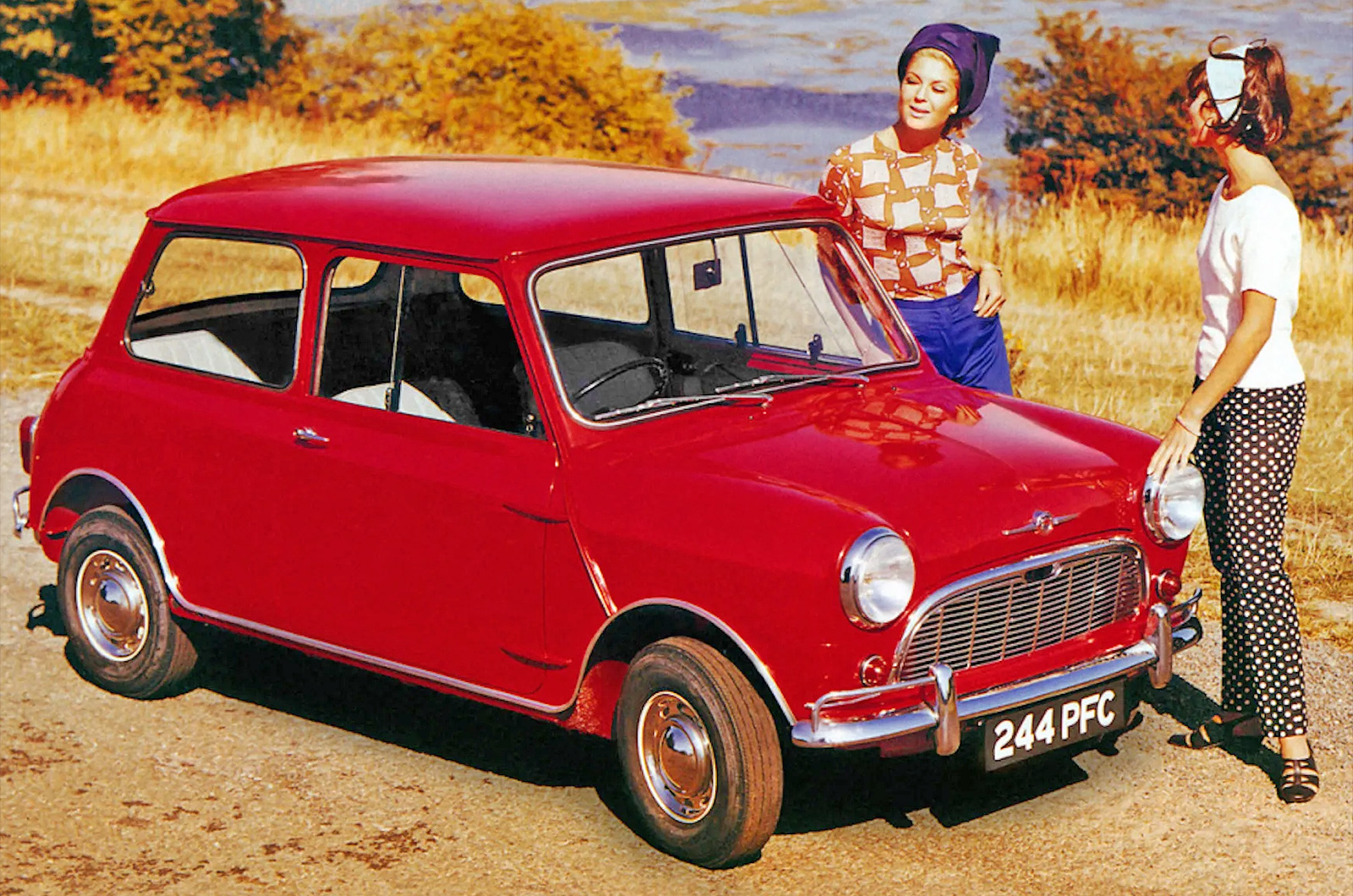
The Mini wasn’t especially advanced technically; everything incorporated in this tiny marvel had been seen elsewhere before. What the Mini did offer was blend several key technologies into one affordable cutting-edge package with its transverse engine and front-wheel drive. Soon after the car’s arrival in 1959, the microcar market had been killed off, as the Mini did everything bigger and better, often at a lower price.
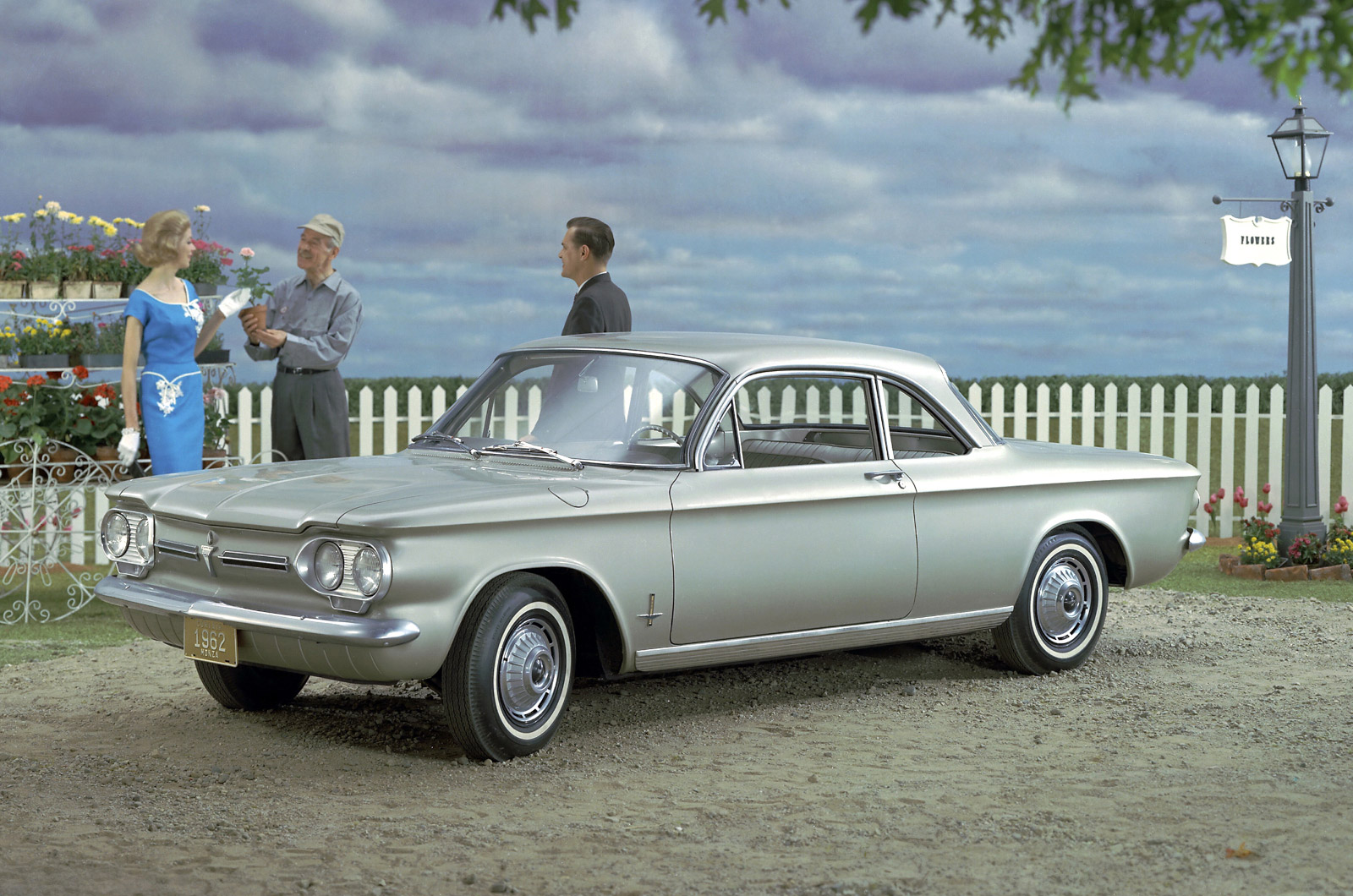
Chevrolet Corvair (1960)