
Start your engines.
In 2021, Autocar picked 50 of our favourite road-going engines, including the Ford small-block V8, Lotus twin-cam and Porsche air-cooled flat-six. In truth, we could have selected twice as many, but we had to draw the line somewhere. Here, we’re looking at the best engines of the past two decades, according to the judges of the annual International Engine of the Year awards. Let’s take a look:
Toyota 1.0-litre (1999)
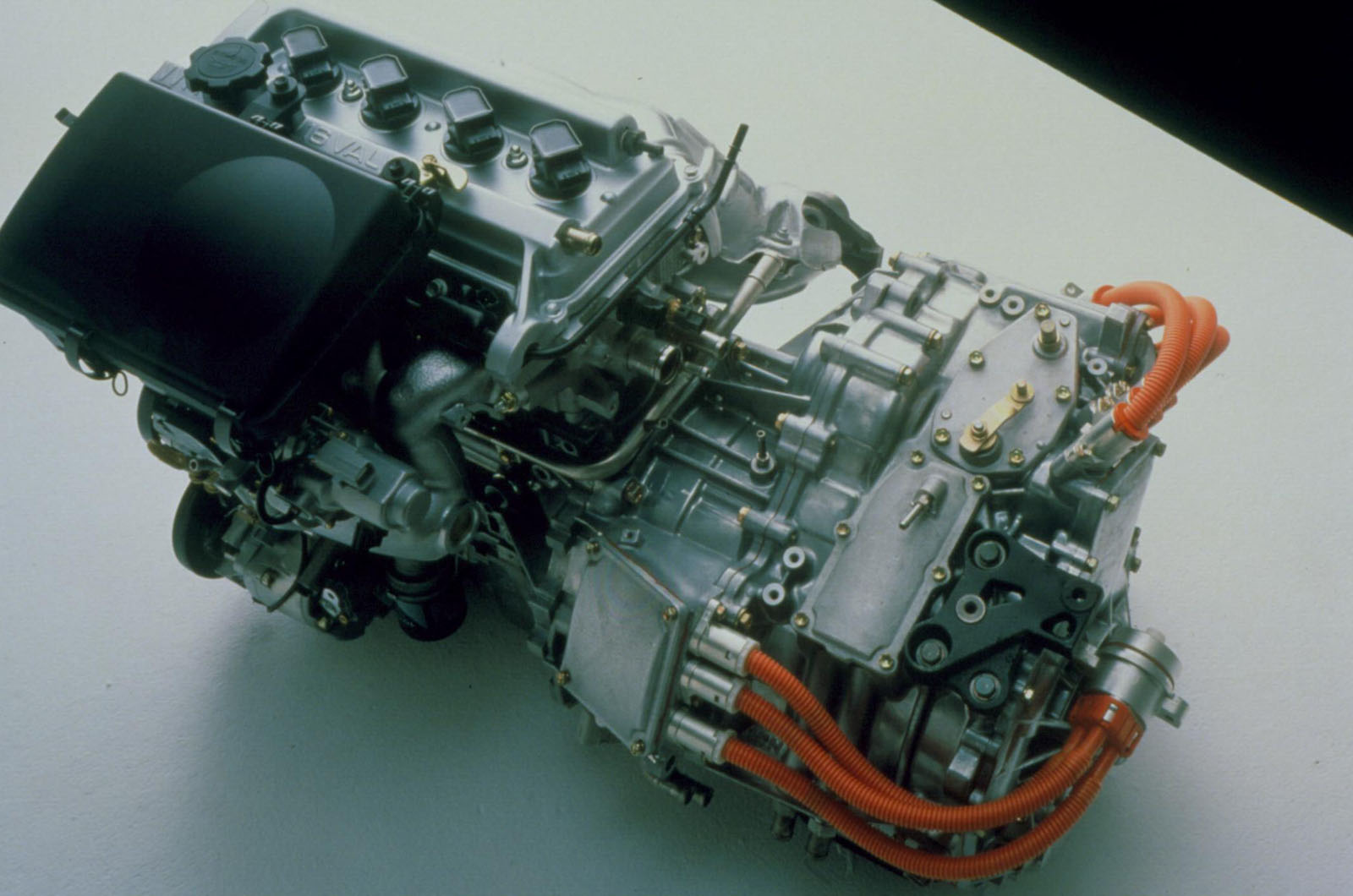
Toyota’s ‘Mighty Atom’ 1.0-litre unit reigned supreme at the inaugural International Engine of the Year awards, winning the overall prize and the ‘Sub 1.0-litre’ category. The 998cc, 67bhp Yaris engine was praised for its 50mpg fuel economy and performance. One judge said it ‘performs like a far larger engine but is incredibly efficient.’ A 1.3-litre version of the engine arrived in October 1999.
Honda 1.0-litre IMA (2000)
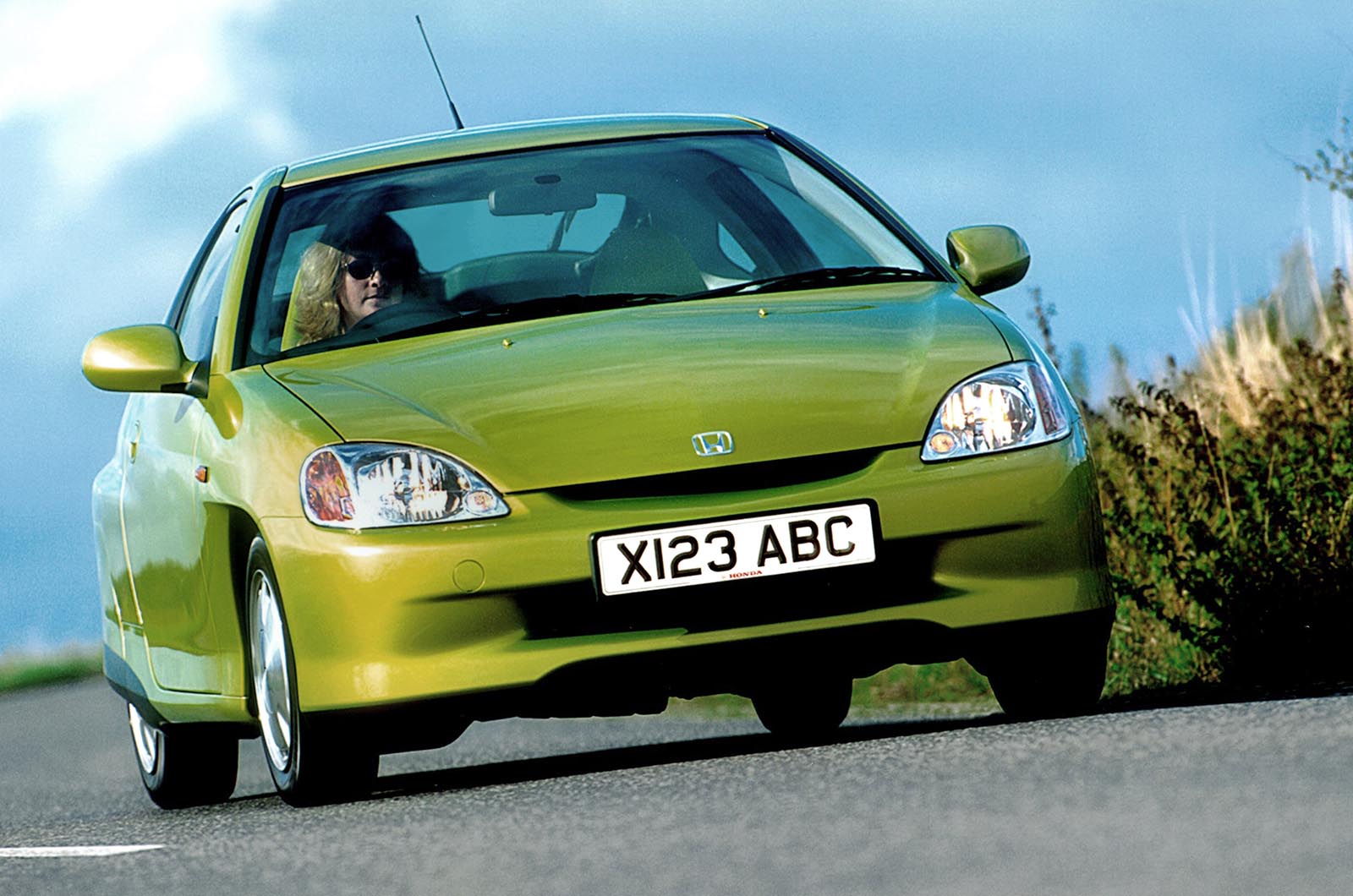
The Honda Insight 1.0-litre IMA (Integrated Motor Assist) hybrid engine finished ahead of Ferrari’s 5.5-litre V12, Alfa Romeo’s 2.5-litre V6, and BMW’s 3.0-litre six-cylinder and 4.0-litre V8 diesels to grab victory in 2000. One of the judges, our very own Steve Cropley, called it “an elegant solution that ordinary people can afford.” With a light right foot, the 995cc three-cylinder engine could deliver up to 100mpg.
BMW 3.2-litre straight-six (2001)
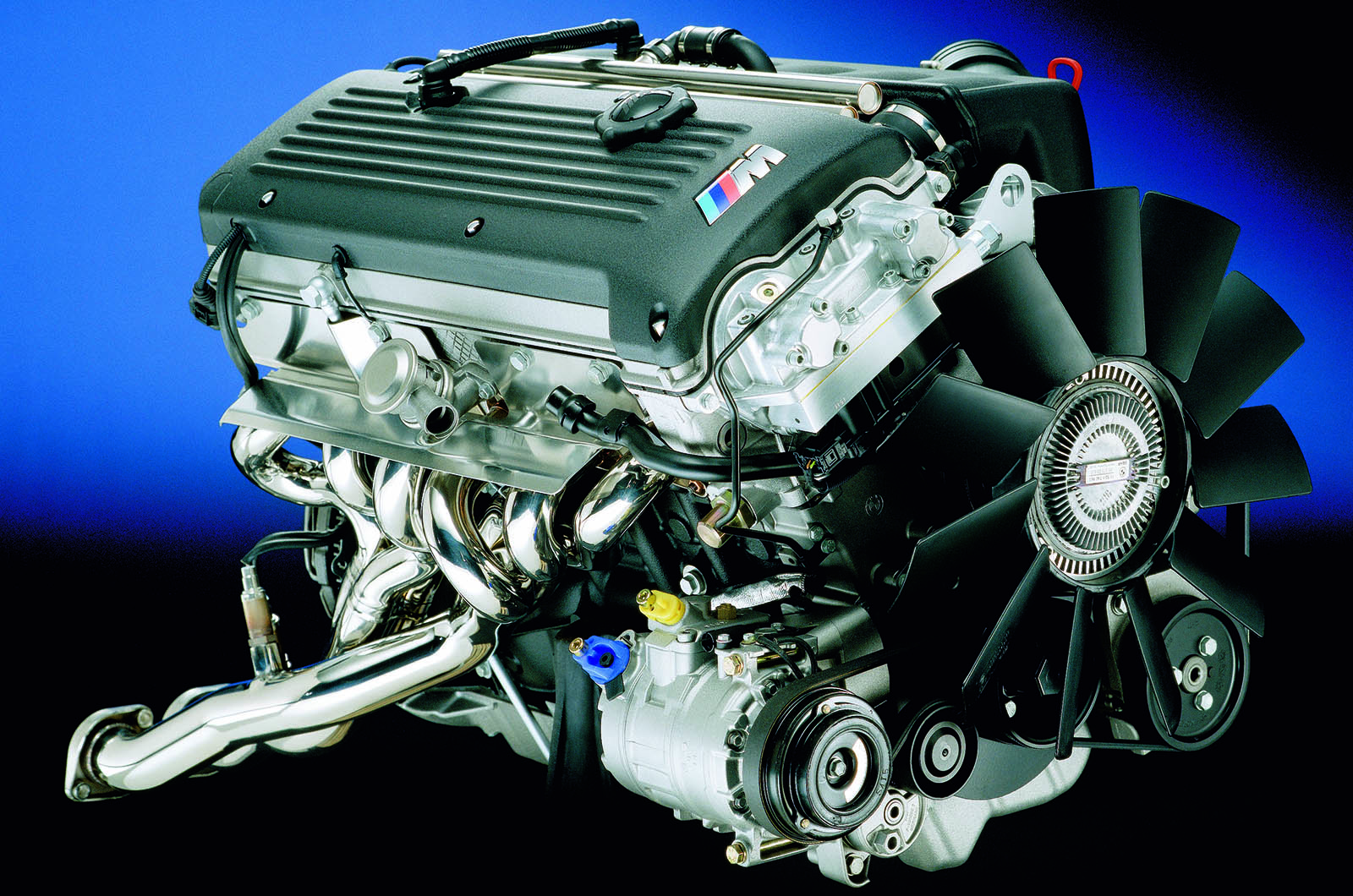
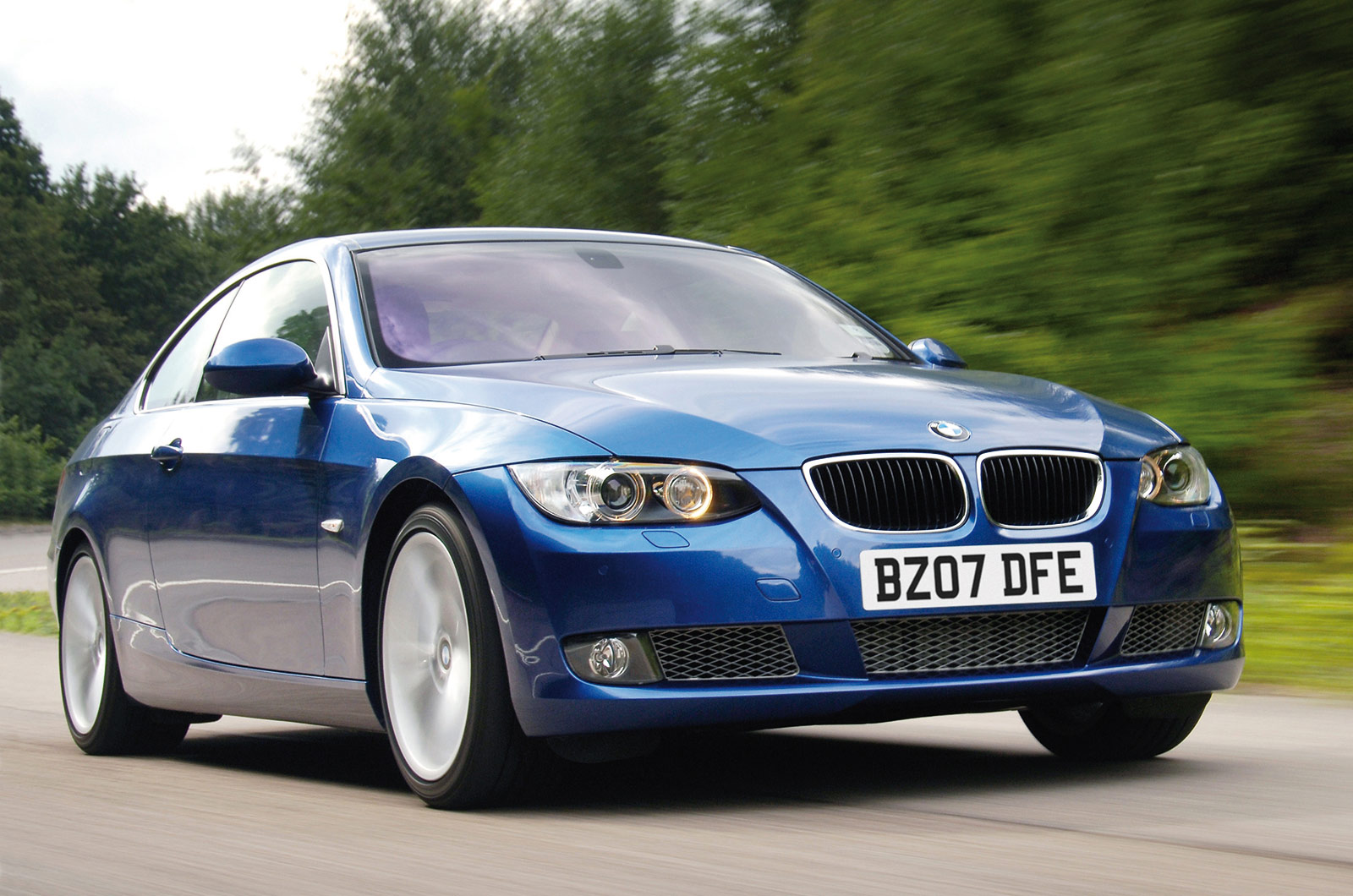
Japan’s stranglehold of the top International Engine of the Year award was broken (for now) by Germany, with BMW’s brilliant 3.2-litre straight-six unit taking the honours. Very much at home in the E46 M3, the engine developed 343bhp at 7900rpm and 296lb ft of torque at 4900rpm, with a top speed limited to 155mph. We said: “The grunty rumble from the quad exhausts at idle gives way to a serrated wail as the straight-six climbs to its redline.’
BMW 4.4-litre V8 (2002)
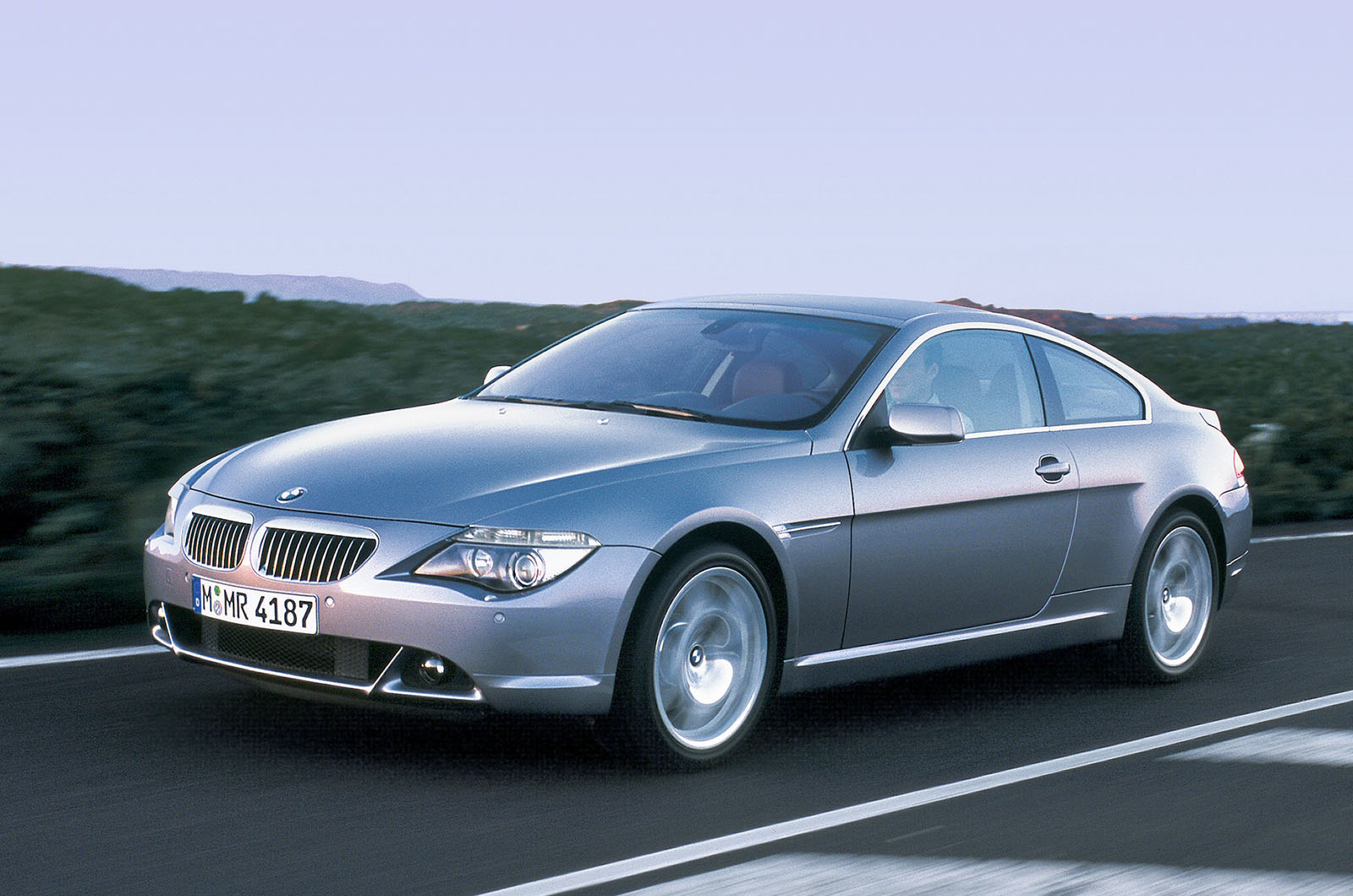
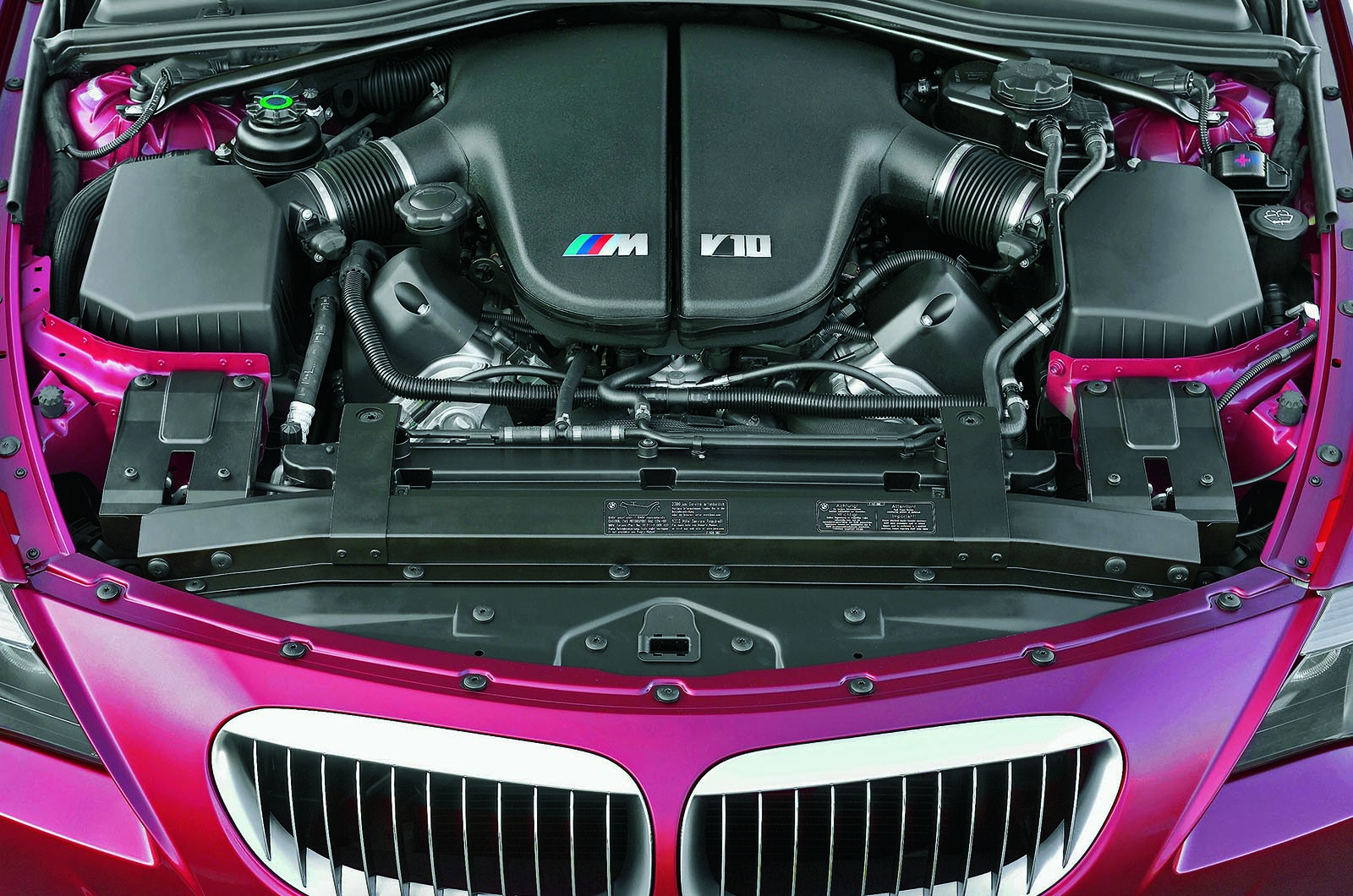
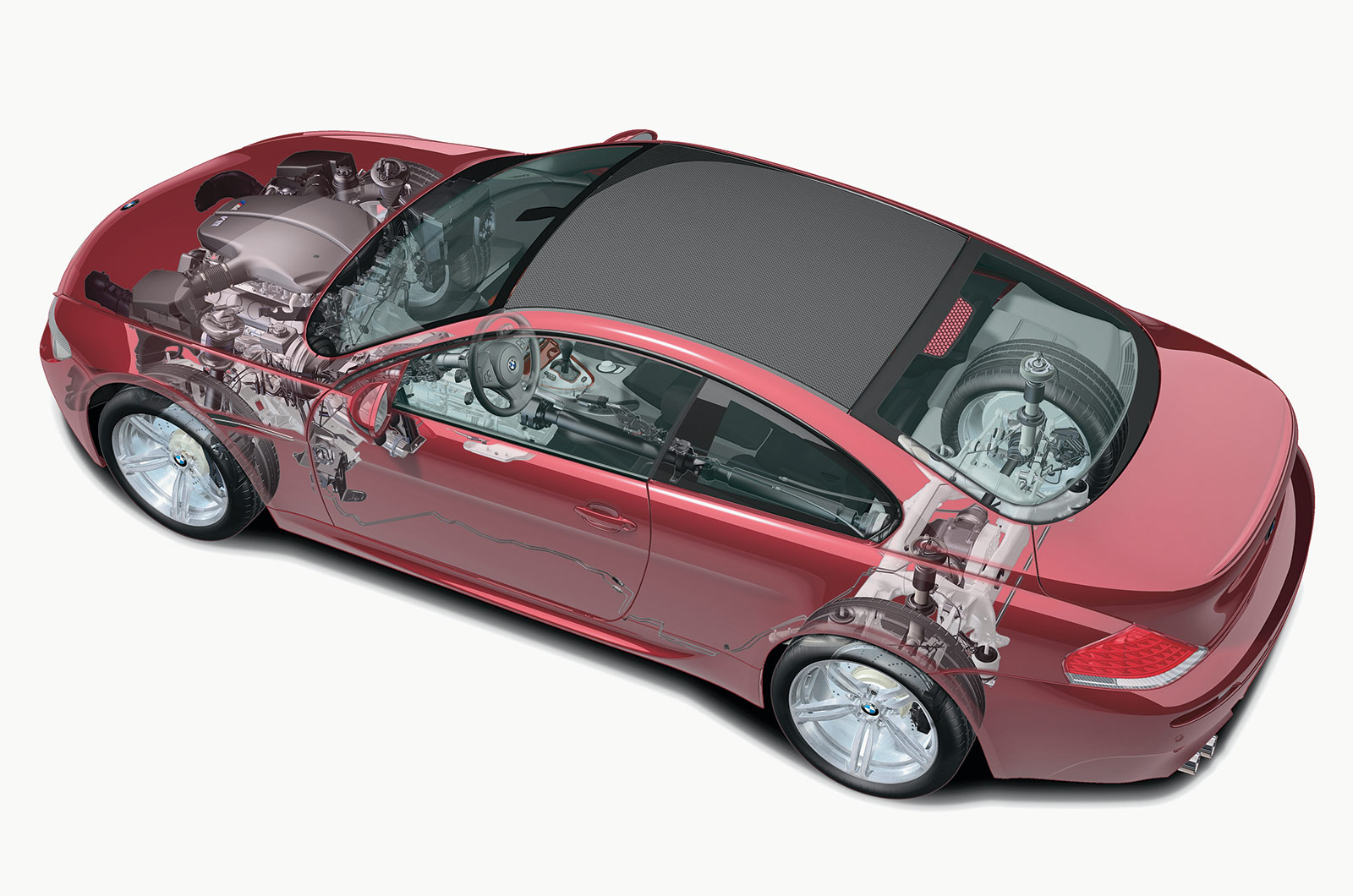
BMW secured another victory in 2002, this time for its N62 4.4-litre V8. The all-aluminium, normally aspirated, 90-degree V8 featured many technological advances, including the Valvetronic variable valve lift system. Applications included BMW’s 745i, X5 4.4i Sport, 545i and 645Ci (pictured) models. Commenting on its use in the X5 4.4i Sport, Andrew Frankel said the engine offered “compelling performance”. The N62 4.4 was developed into a 4.8 and made its way into the Wiesmann GT and Morgan Aero 8.
Mazda 1.3-litre Renesis (2003)
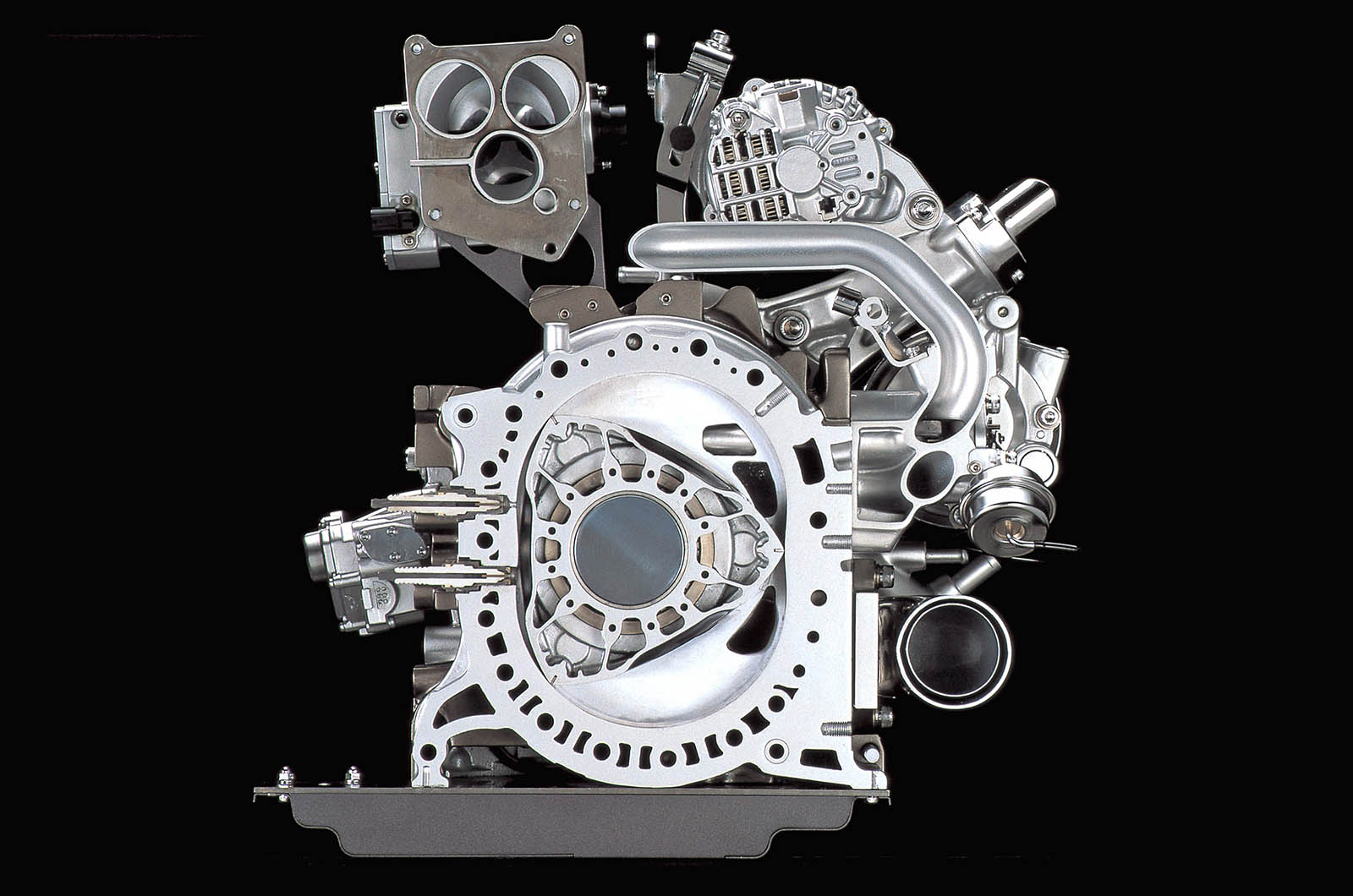
In our Mazda RX-8 used car guide, we said the rotary engine will be “expensive to maintain, even if it’s in good nick, and its impressive ability to get through a tank of petrol is secondary only to its unquenchable thirst for oil”. Without the benefit of a crystal ball, the judges praised Mazda for, ‘its sheer bravery in pursuing the Wankel format and making it work’, calling it, ‘smooth and strong, clean and compact.’
Toyota 1.5-litre (2004)
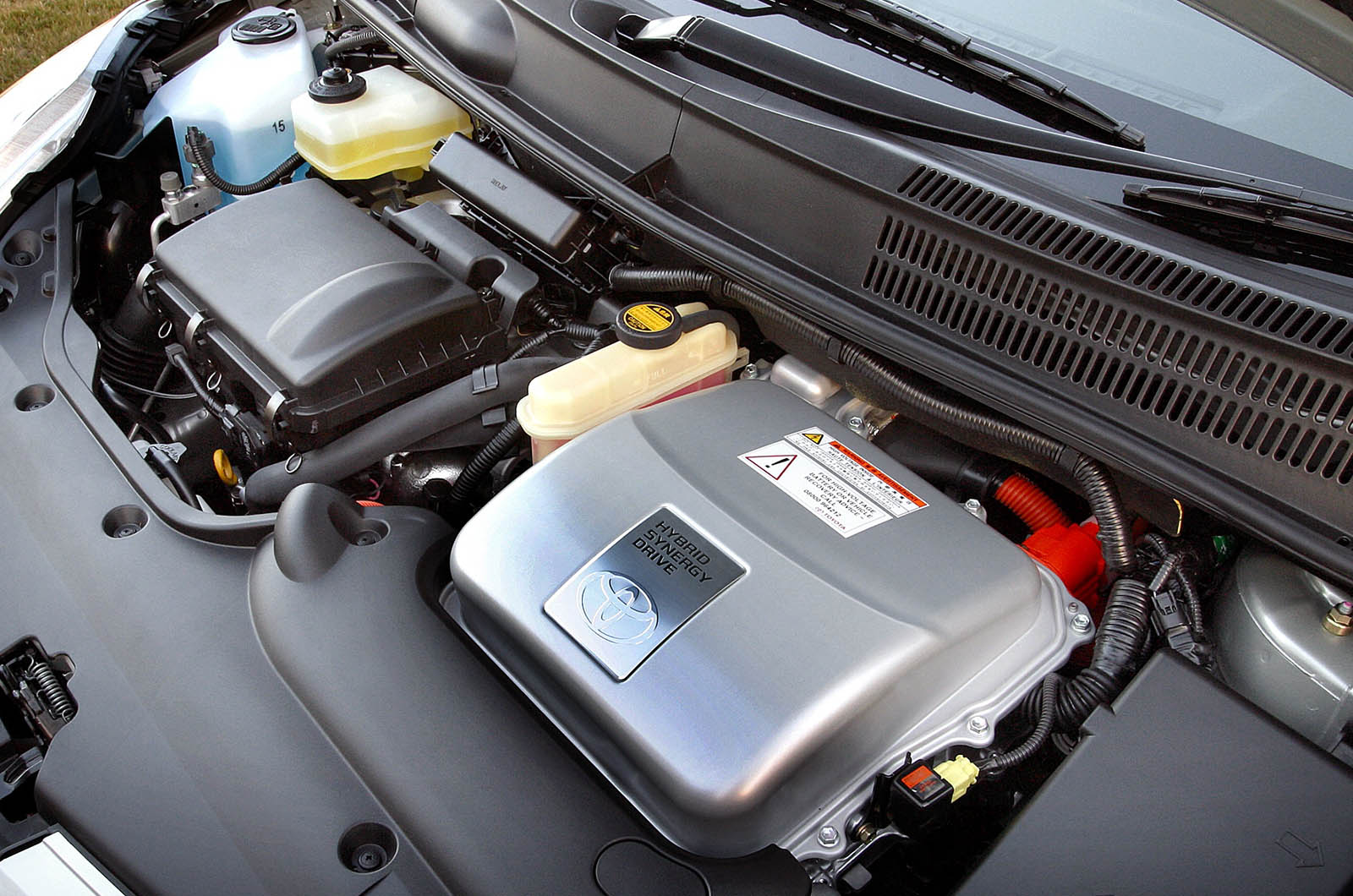
The International Engine of the Year award stayed in Japan, with the hybrid system used in the Toyota Prius winning the overall title and three different categories. In December 2004, the Prius was named 2005 European Car of the Year at the Autocar Awards, securing the most comprehensive win since the first-generation Ford Focus waltzed to a mammoth 172-point victory over the Vauxhall Astra in 1999. Of the 58 jury members, 37 gave the Prius top spot.