
Even the most successful car companies miss the mark.
We can think of many instances in which car firms (usually cash- or time-strapped) fumbled as they attempted to replace a popular model. Sometimes they got ahead of themselves by trying to fill a niche that didn’t exist yet – and that, in some cases, was never created. The resulting models asked more questions than they answered and they stood out like a puddle of engine oil on a red carpet.
Here, then, are some of the largest misfits from the automotive world. Some of these cars will remain unloved for decades to come while others have become more enticing as they’ve aged:
Jeep: Willys-Overland Jeepster (1948)
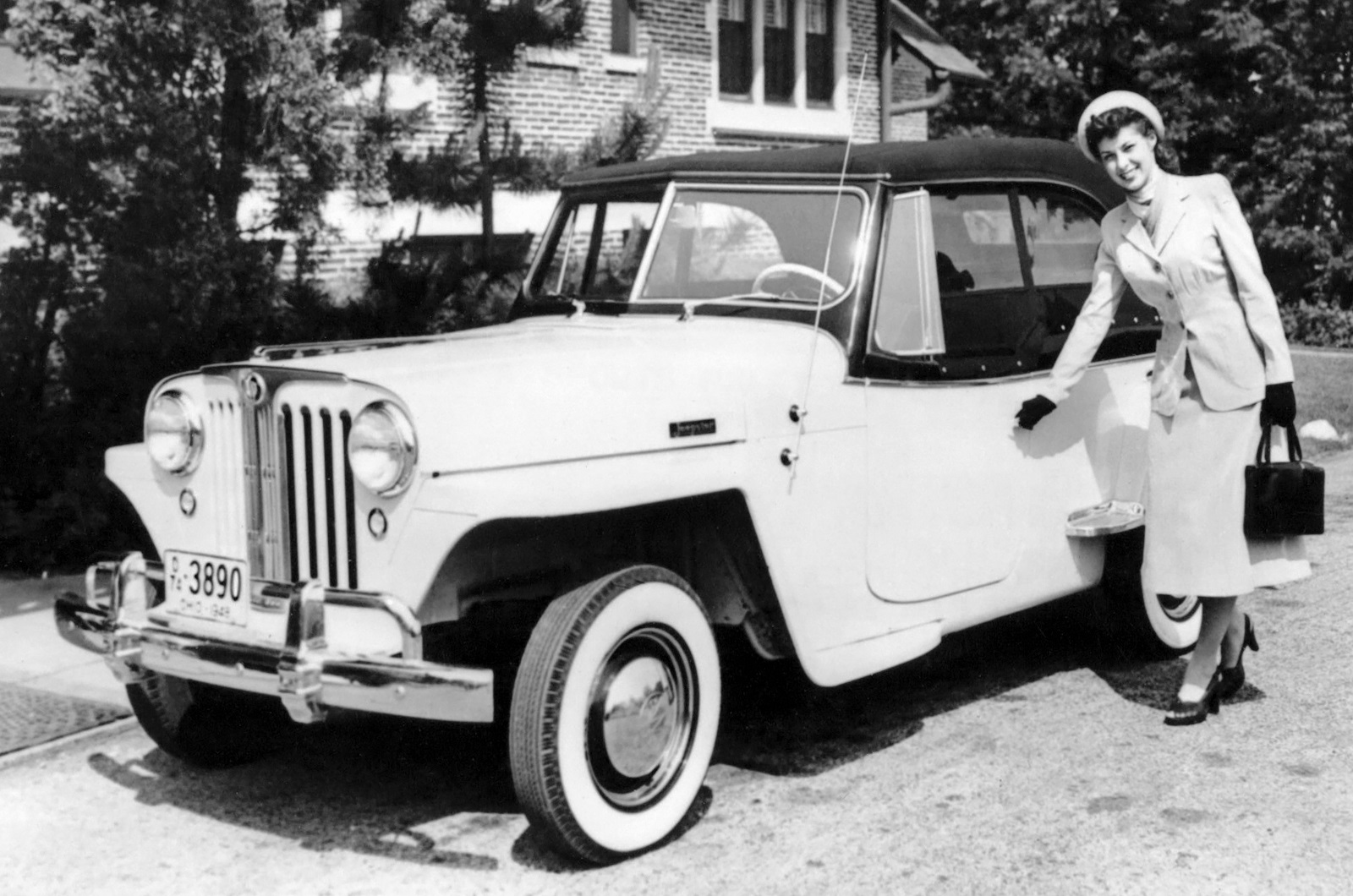
Jeep parent company Willys-Overland worried suburbia-dwelling motorists wouldn’t buy a bare-bones, four-wheel drive off-roader like the CJ-2. It launched a more road-focused model named Jeepster in 1948 to lure a new set of buyers into showrooms. Offered only with rear-wheel drive and a small amount of ground clearance, the Jeepster was presented as a luxurious roadster; it was the exact opposite of the CJ-2.
Buyers who visited a Jeep showroom wanted a four-wheel drive vehicle so they completely ignored the Jeepster. Those who would have been interested in the model likely didn’t know it existed because Willys did a poor job of advertising it. Production ended after the 1950 model year though leftover examples were sold through 1951. Jeep made less than 20,000 examples of the original Jeepster. It resurrected the nameplate in 1966 as an alternative to the International-Harvester Scout.
Chevrolet: Corvair (1959)
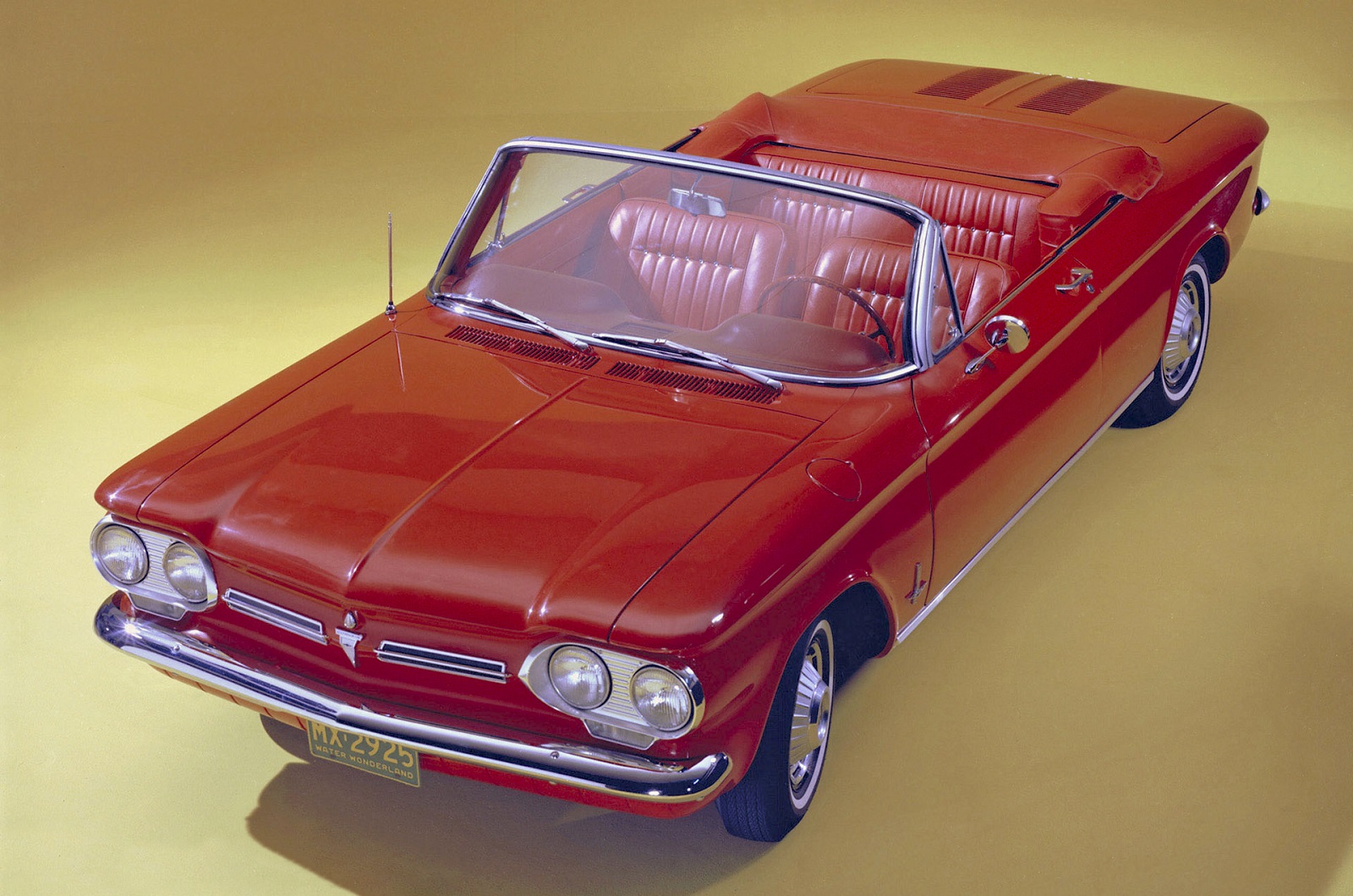
The Corvair should have become one of Chevrolet’s best-selling cars during the 1960s. Released in 1959, it was a rear-engined alternative to the Volkswagen Beetle that was available in a wide variety of body styles including a coupe and a convertible. Buyers could even order a high-performance turbocharged model. Safety advocate Ralph Nader damned the Corvair in his 1965 book Unsafe at Any Speed. The title said it all: Nader argued the Corvair’s swing axle rear suspension made it highly dangerous and accident-prone.
The second-generation Corvair received an independent rear suspension but the damage to its reputation was already done. Chevrolet stopped production in 1969 and never made another rear-engined model (partly because the layout’s popularity had started to wane).
Volkswagen: K70 (1970)
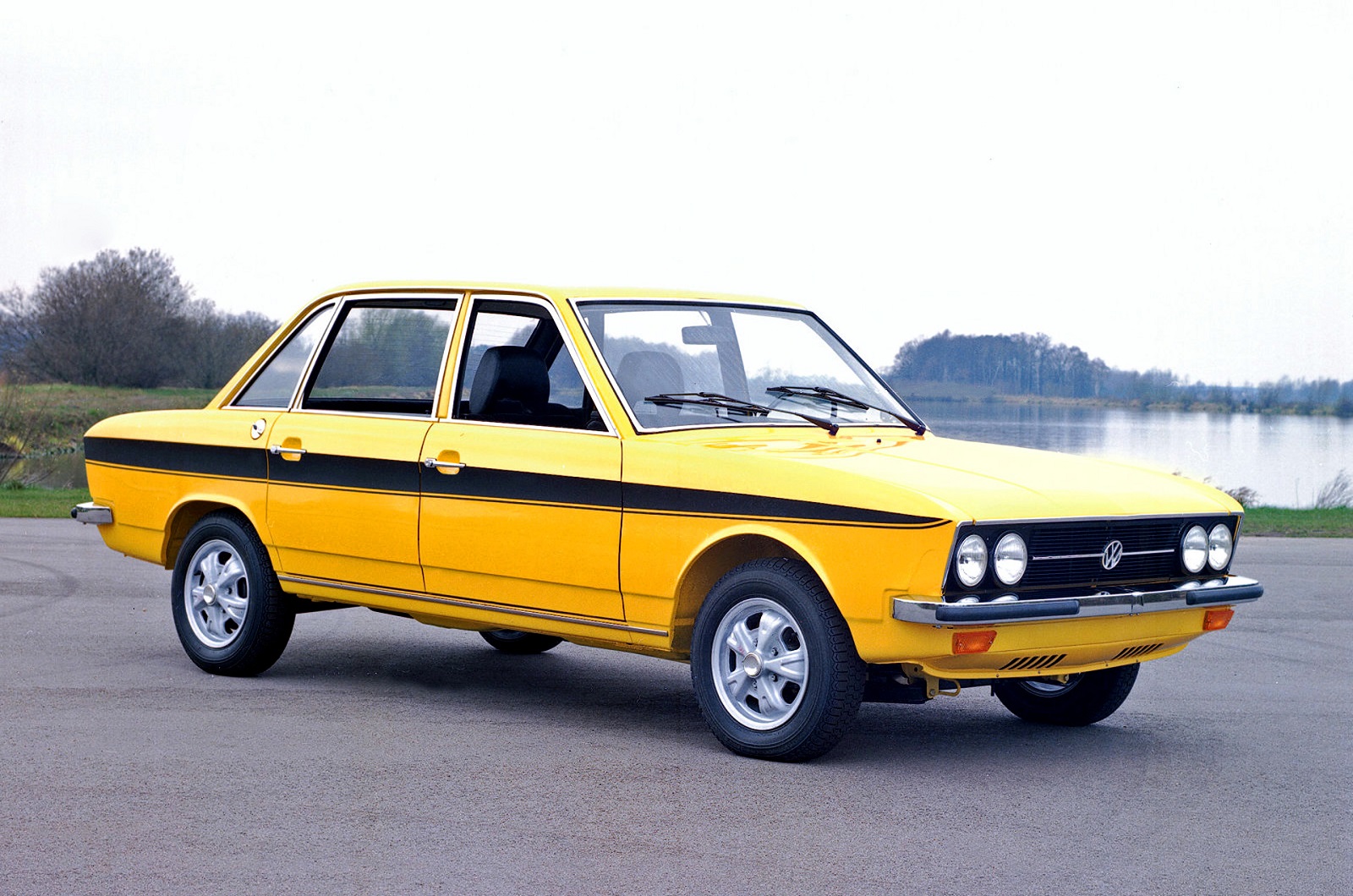
Volkswagen purchased NSU in 1969. The deal included all of the firm’s intellectual and physical property. What officials in Wolfsburg really wanted was NSU’s production capacity; they had no interest in the troublesome, voodoo-like Wankel technology that powered the Ro80 and they even canceled a mid-range four-door model named K70 that was mere months away from its market launch. Volkswagen executives back-pedaled and gave the K70 the green light for production under one strict condition: NSU couldn’t have it.
Though it was developed entirely by NSU, the K70 made its debut in 1970 wearing a Volkswagen badge. It was the company’s first front-engined, water-cooled model and it was one of the more forward-thinking cars in its segment. And yet, it struggled to find its spot in the Volkswagen range. Entry-level examples overlapped with the rear-engined, rear-wheel drive 412 and upmarket variants competed in the same class as the Audi 100. Only about 210,000 examples of the K70 had found a home by the time production ended in 1975. By that point, NSU was dying a slow death.