
In nearly a century and a half, so many different cars have been designed, built and sold that it’s almost impossible for anyone to know about every single one of them.
It follows that some models worthy of your attention have passed you by, either because of where you live or because your interest in motoring history is healthy rather than obsessive.
To broaden your knowledge (if you feel it needs broadening), here are examples from each of 40 current or dormant manufacturers, listed in alphabetical order. It’s quite possible, of course, that you actually have heard of some of them, but the point is that it doesn’t matter if you haven’t. Nobody’s going to judge you for that:
Alpine A106
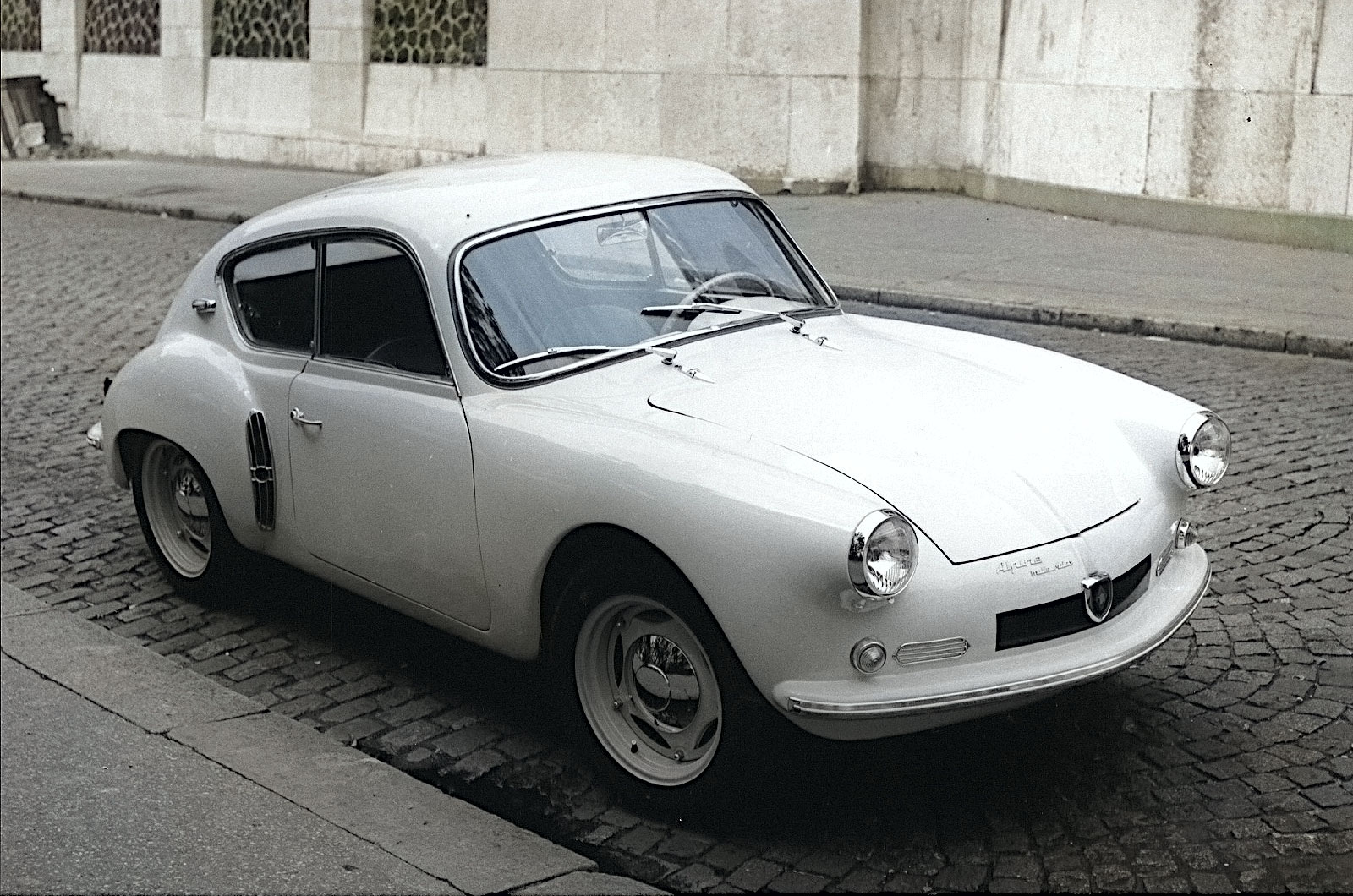
Today’s Alpine A110 is well known, and so by extension is the earlier model of the same name, which was introduced in the 1960s and became the most successful rally car in the world in 1973.
The original A110 was actually the third Alpine. The first was the A106, a fibreglass-bodied, rear-engined sports car devised by Dieppe Renault dealer and amateur rally driver Jean Rédélé (1922-2007), who used the mechanicals of Renault’s first post-War car, the 4CV. By the standards of the mid to late 1950s, it was light, nimble and quick. Today, it can be seen as the foundation stone of the Alpine brand, that of course now encompasses a Formula 1 team.
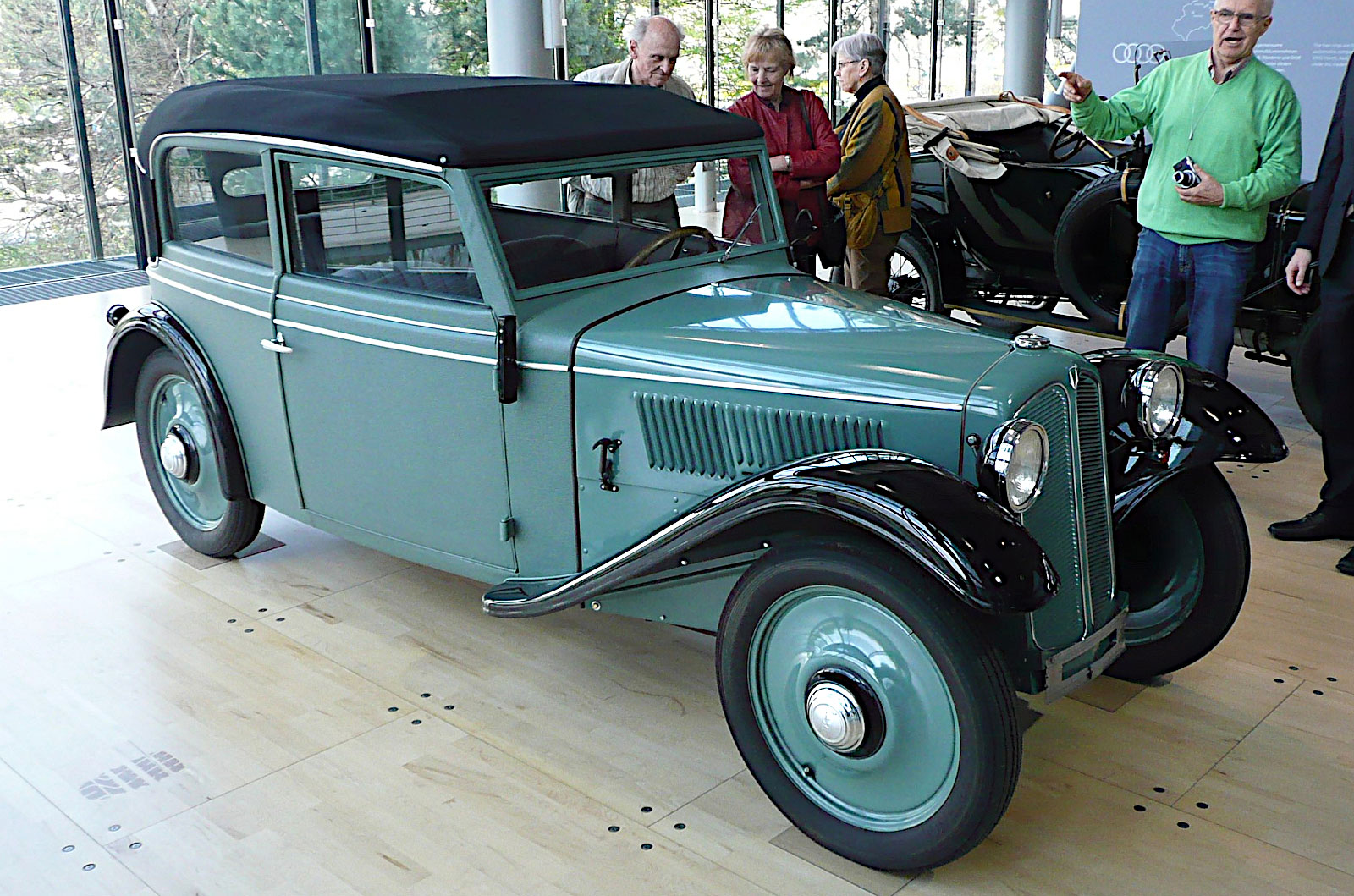
Audi Front
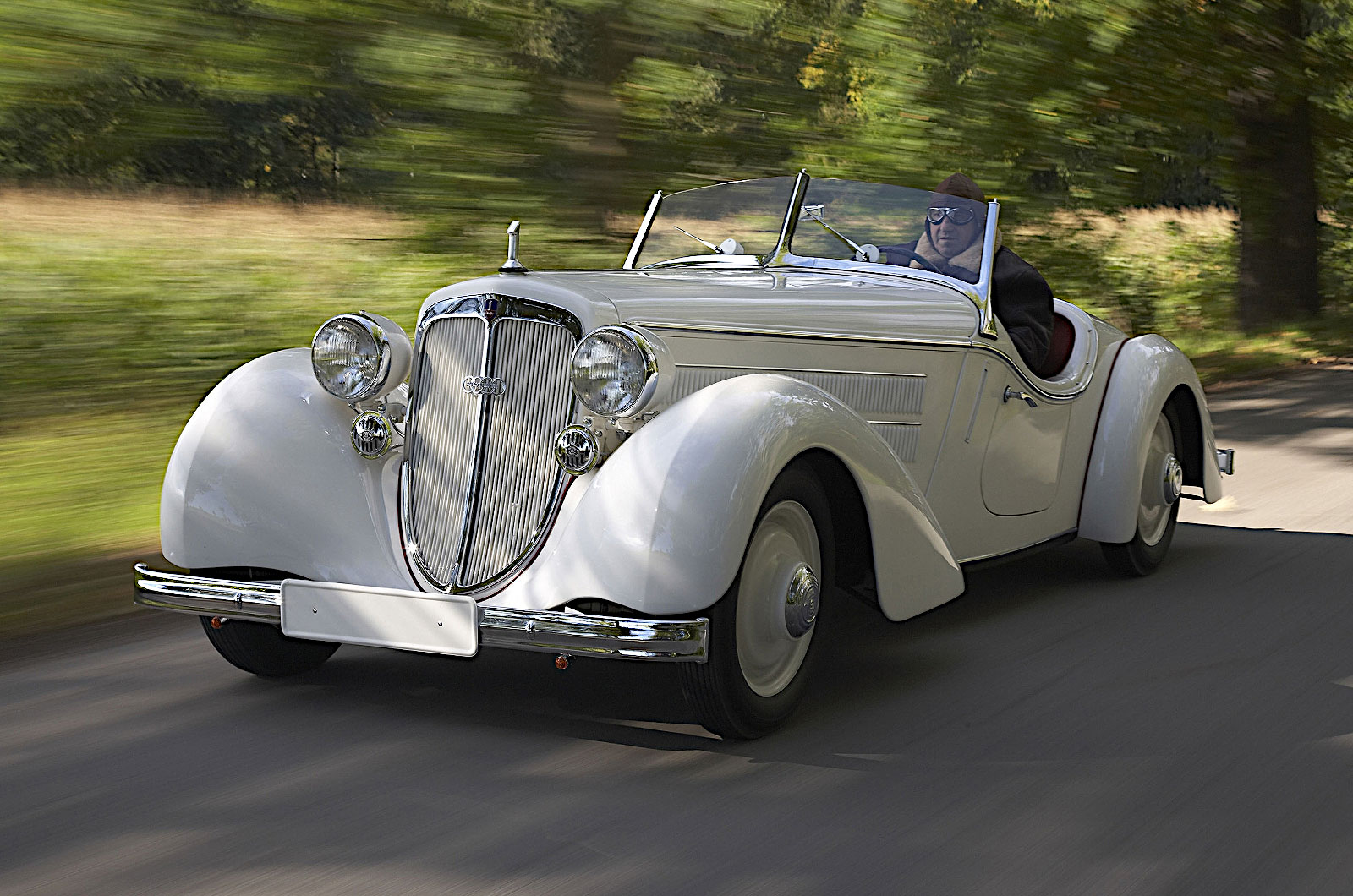
Business mergers made the Audi Front possible. As its name suggests, this example of what would now be described as an executive car had front-wheel drive – a speciality of DKW, which took over Audi in 1928 – and was powered by a 2.0-litre (later 2.3-litre) straight-six engine developed by Wanderer, a companion brand of Audi following the creation of Auto Union in 1932.
The Front was introduced in 1933, and from then until 1938 it was the only car Audi produced.
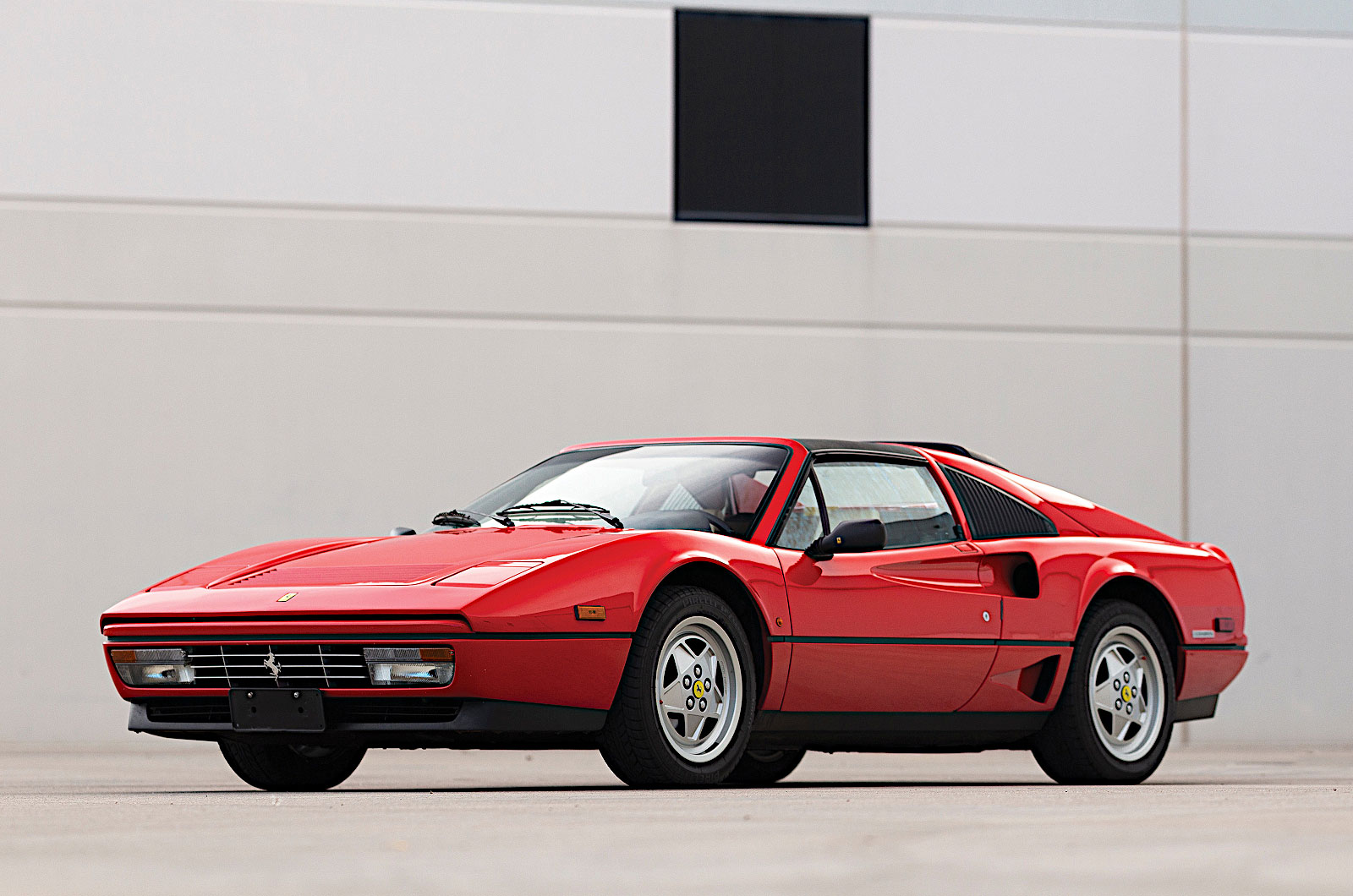
Auto Avio Costruzioni 815
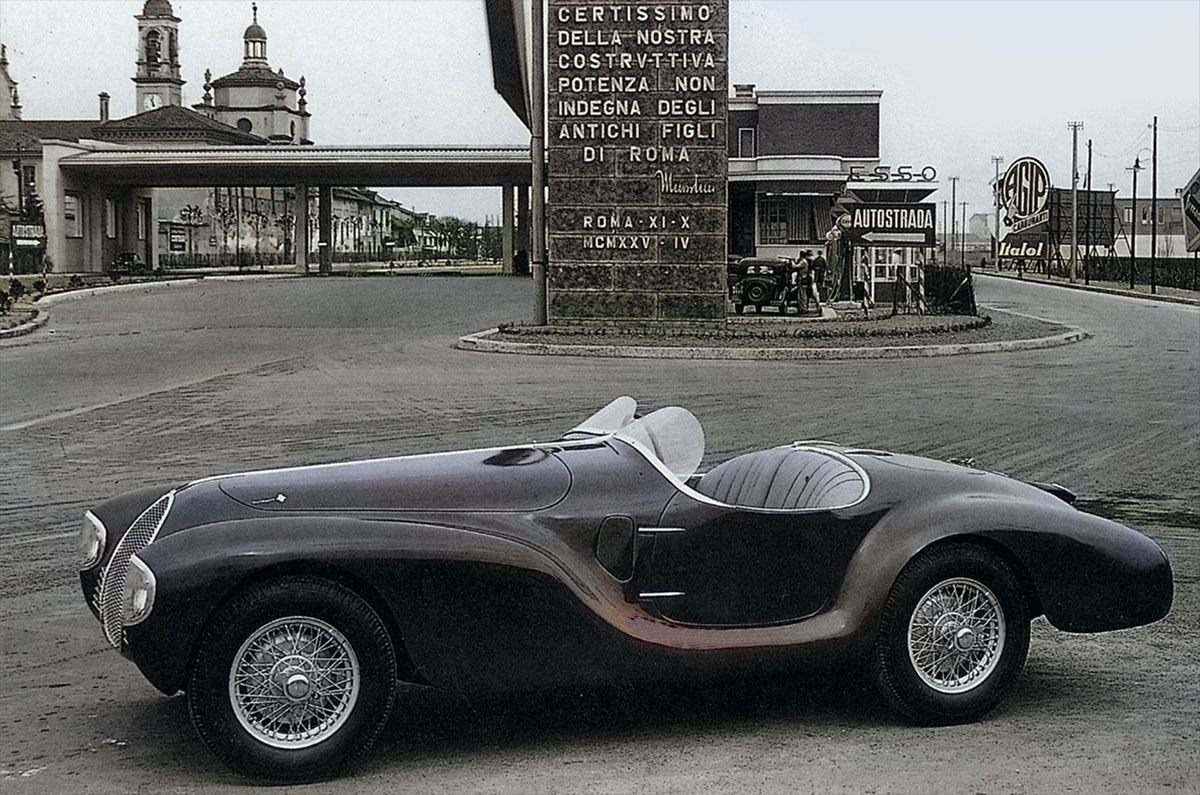
This complicated title hides the identity of the first car designed and built from scratch under the direction of Enzo Ferrari (1898-1988), who was unable to use his own name for legal reasons. Most of the mechanical parts came from Fiat, and the engine was a 1.5-litre straight-eight.
Two examples were assembled, and both were entered in the 1940 Brescia Grand Prix sports car race, part of the Mille Miglia series. They were extremely fast, but mechanical failures meant that neither finished. Ferrari was later quoted as saying, “The experiment that started so brilliantly ended in failure, largely because the car had been built too hastily.”
Benz Velo
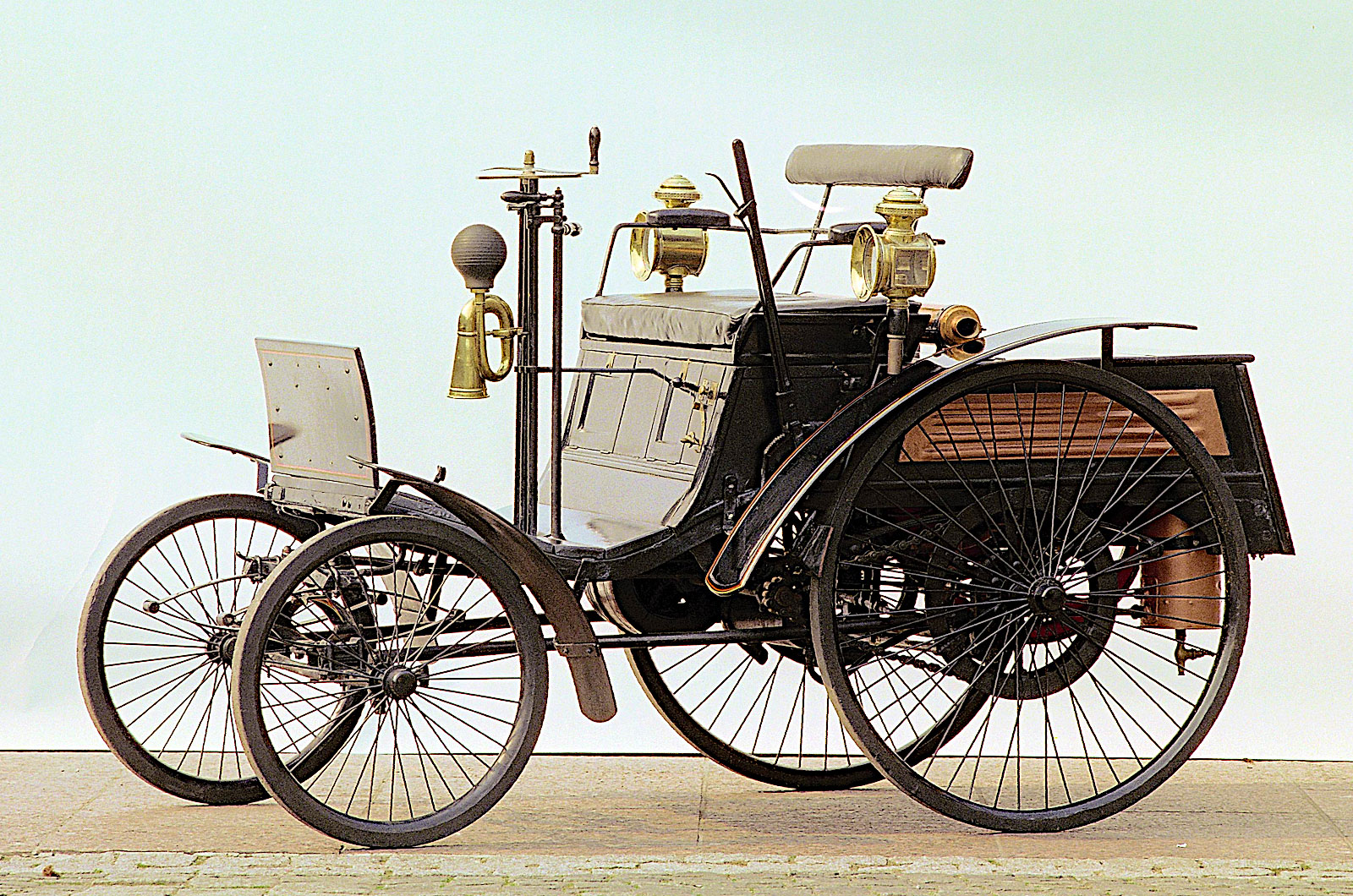
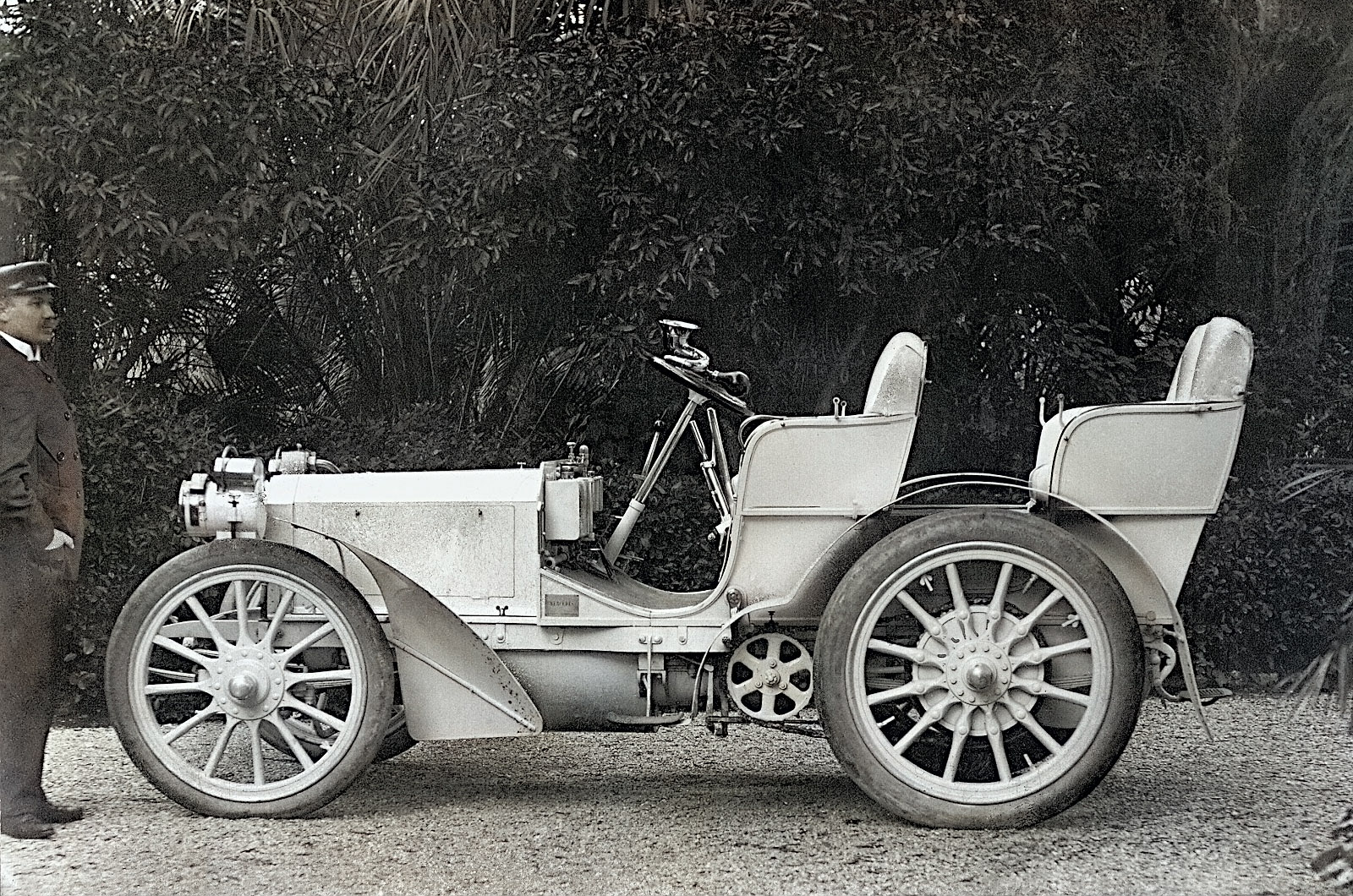
Almost every article written about the earliest days of motoring includes a reference to the Benz Patent Motorwagen, which is usually (though disputably) referred to as the world’s first car. Far less attention is paid to the later Benz Velo, which is a pity. Officially known as the Velocipede, the Velo had four wheels compared with just three for the Patent Motorwagen, and was built for much longer and in far greater numbers.
There were several developments over the years, including increased power output and, from 1896, the option of pneumatic tyres. More than 1200 examples were built from 1894 to 1902, and this has led to the Velo being described as the first car ever to go into mass production.