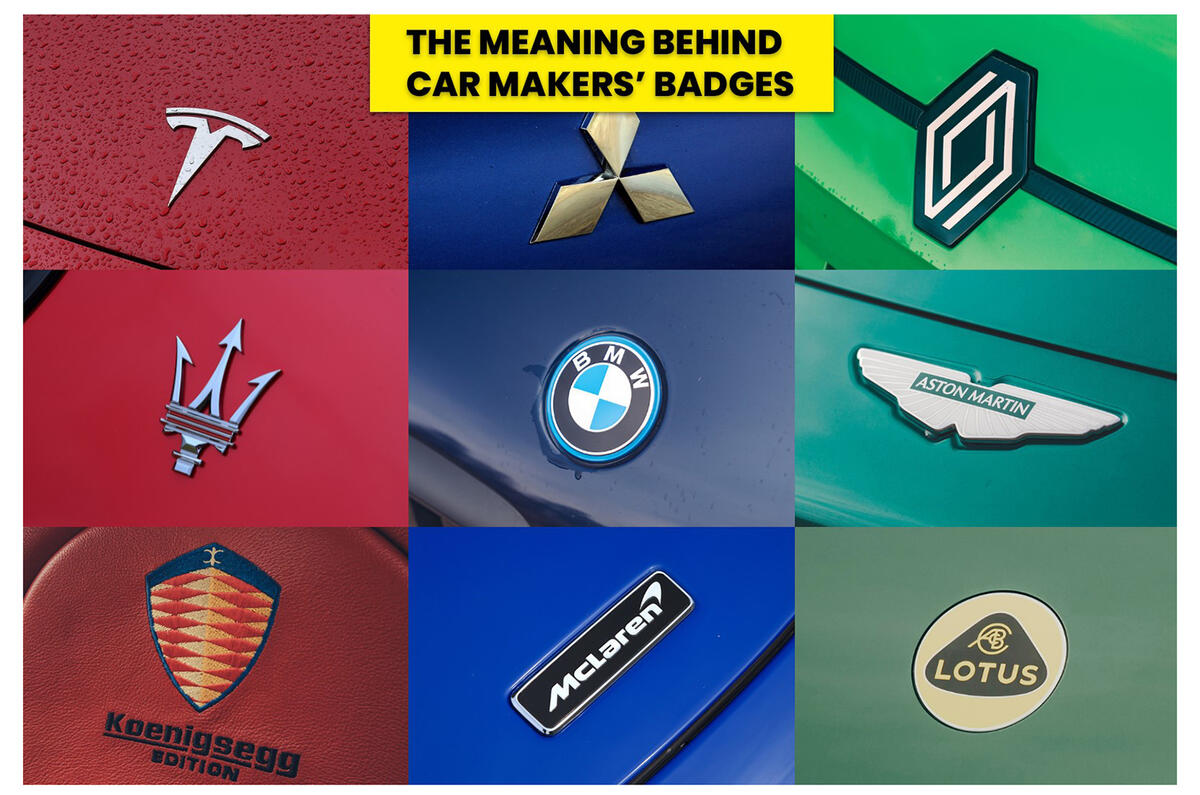


Car makers' emblems are synonymous with their companies and their cars.
Ferrari, Lamborghini, BMW and more. Many car badges and emblems are so well known that even non-enthusiasts can recognise them in an instant. But what many people won't know is the often fascinating backstories behind these badges and the symbolism they represent.
Logos for brands including Mazda, Volkswagen, Citroen and Peugeot all have their own interesting backstories, too.
Many car firms have been subtly changing their logos recently, usually to better represent themselves in the digital world, but here we feature the badges that still adorn their physical cars.
ABARTH
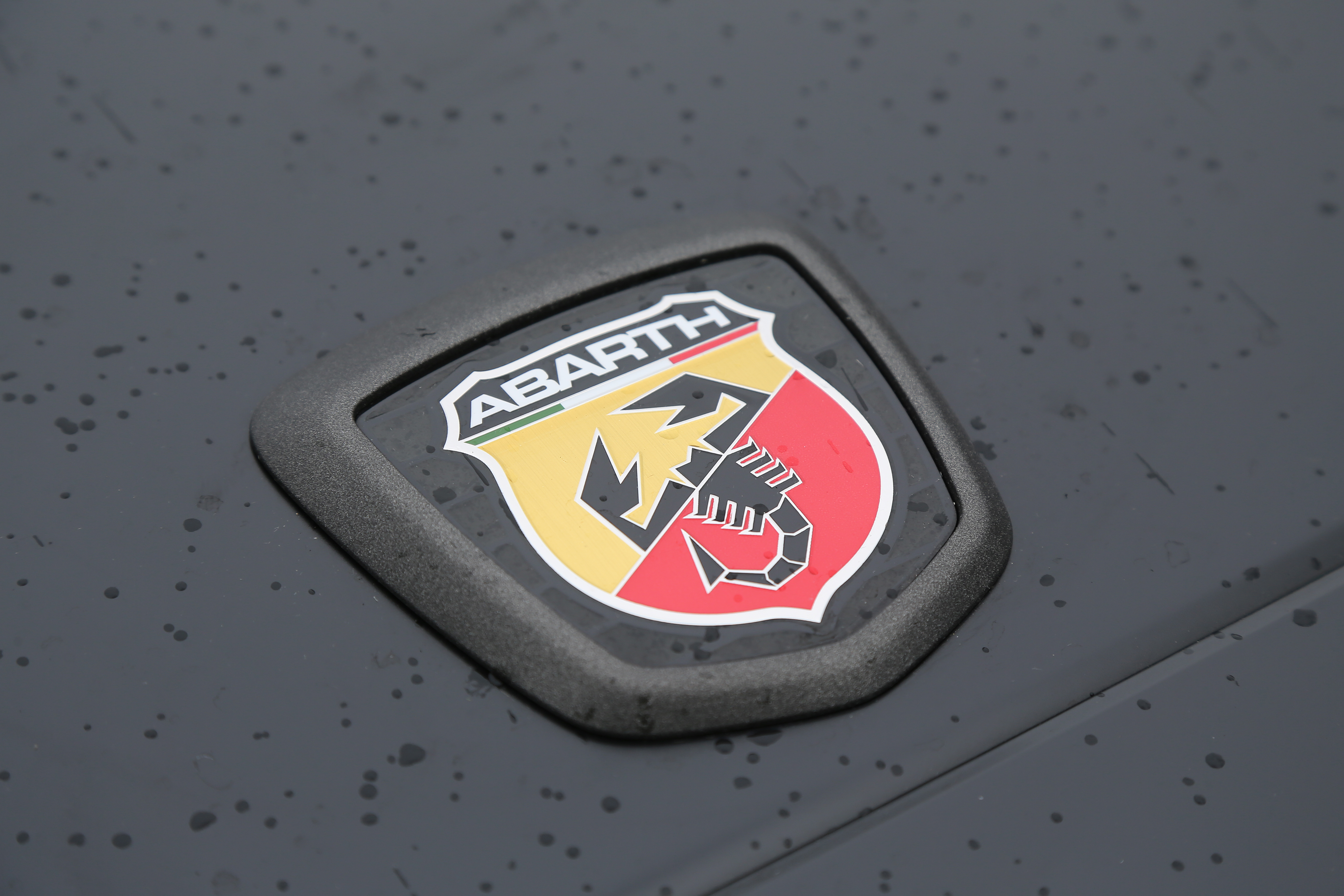
The scorpion represents Scorpio, the astrological sign of company founder Carlo Abarth. At the top is the Italian flag, and the red comes from the national racing colours of Italy. The Abarth badge today is used on high-performance Fiats.
ACURA
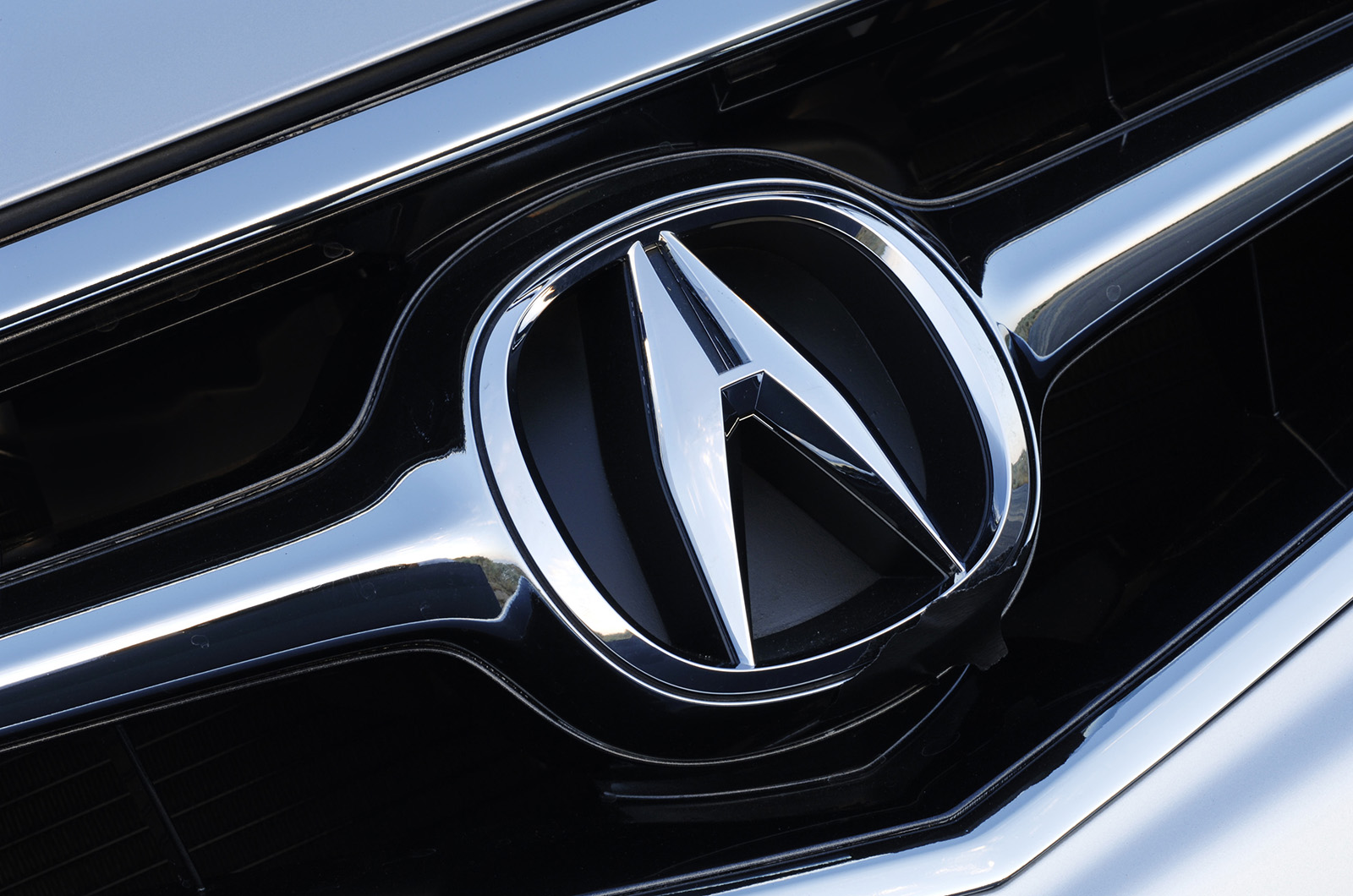
Despite being a stylised letter A that seems self-explanatory, the Acura logo actually represents a caliper, a tool used to measure thickness. This alludes to the engineering excellence that the company strives to achieve in all its vehicles.
If you look closely, you can also see an H inside the logo, demonstrating the brand's link to parent company Honda.
ALFA ROMEO
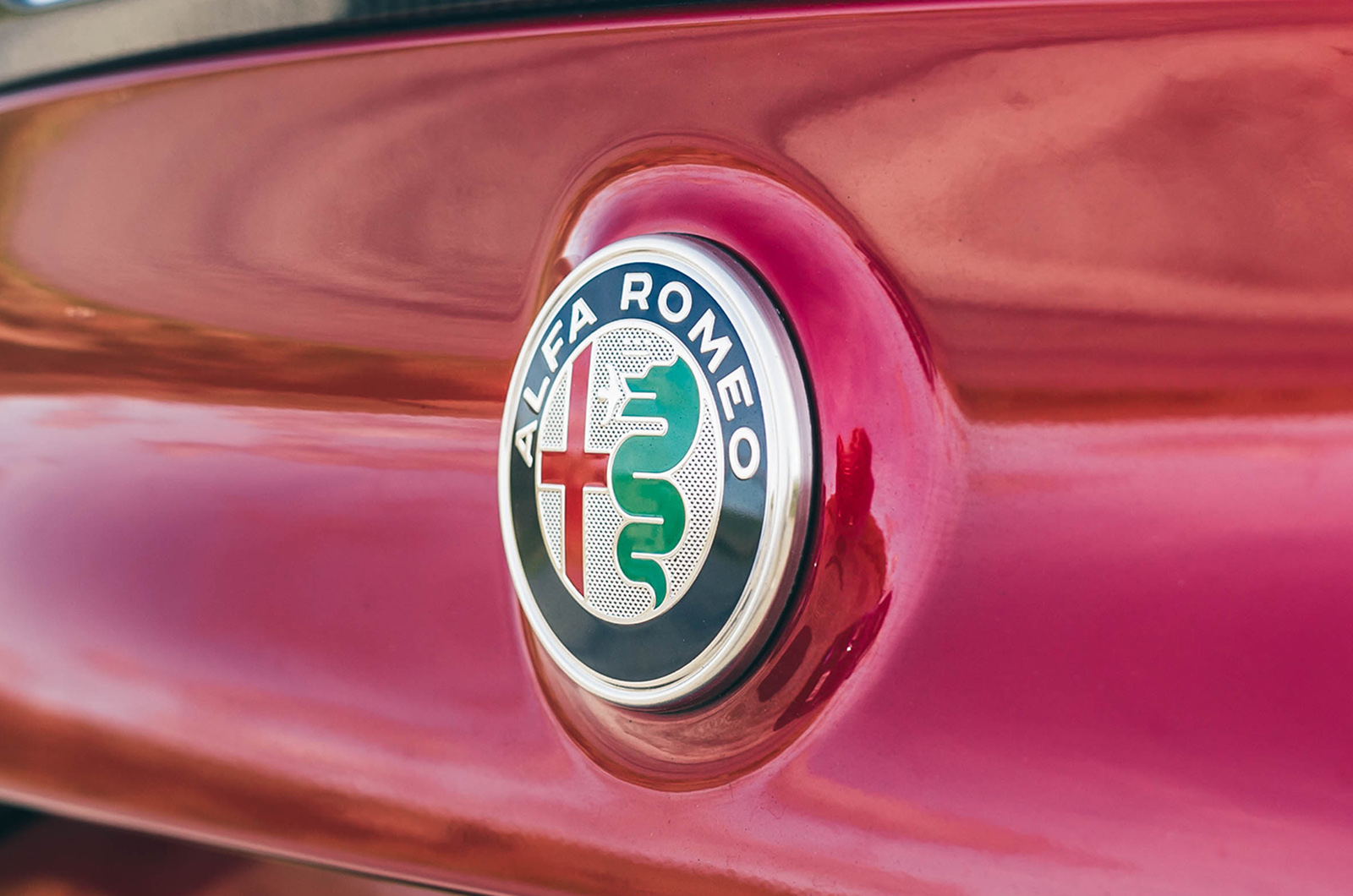
Alfa is an acronym for Anonima Lombarda Fabbrica Automobili, while Romeo is the surname of the businessman who bought the company in 1915. Of the badge, the red cross on the left is the symbol of Milan, while on the right is a crowned viper swallowing a Moorish man – the insignia of the House of Visconti, which historically ruled the city.
ALPINA
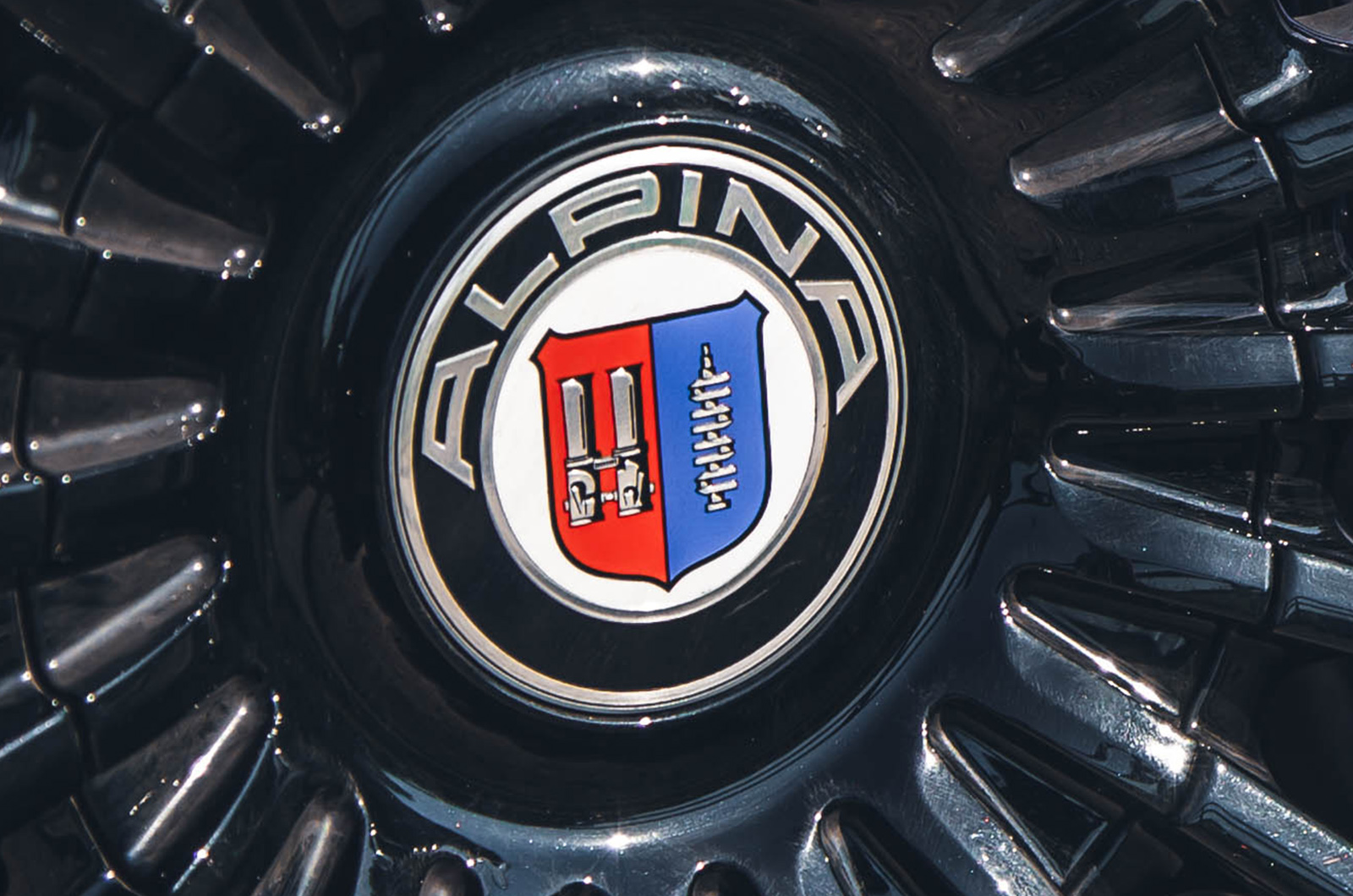
The name Alpina derives from the company’s first shop (which produced typewriters) by the Alps. The imagery on the badge is of a Weber carburettor – a component that began the company’s close relationship with BMW – and a crankshaft.
AMG
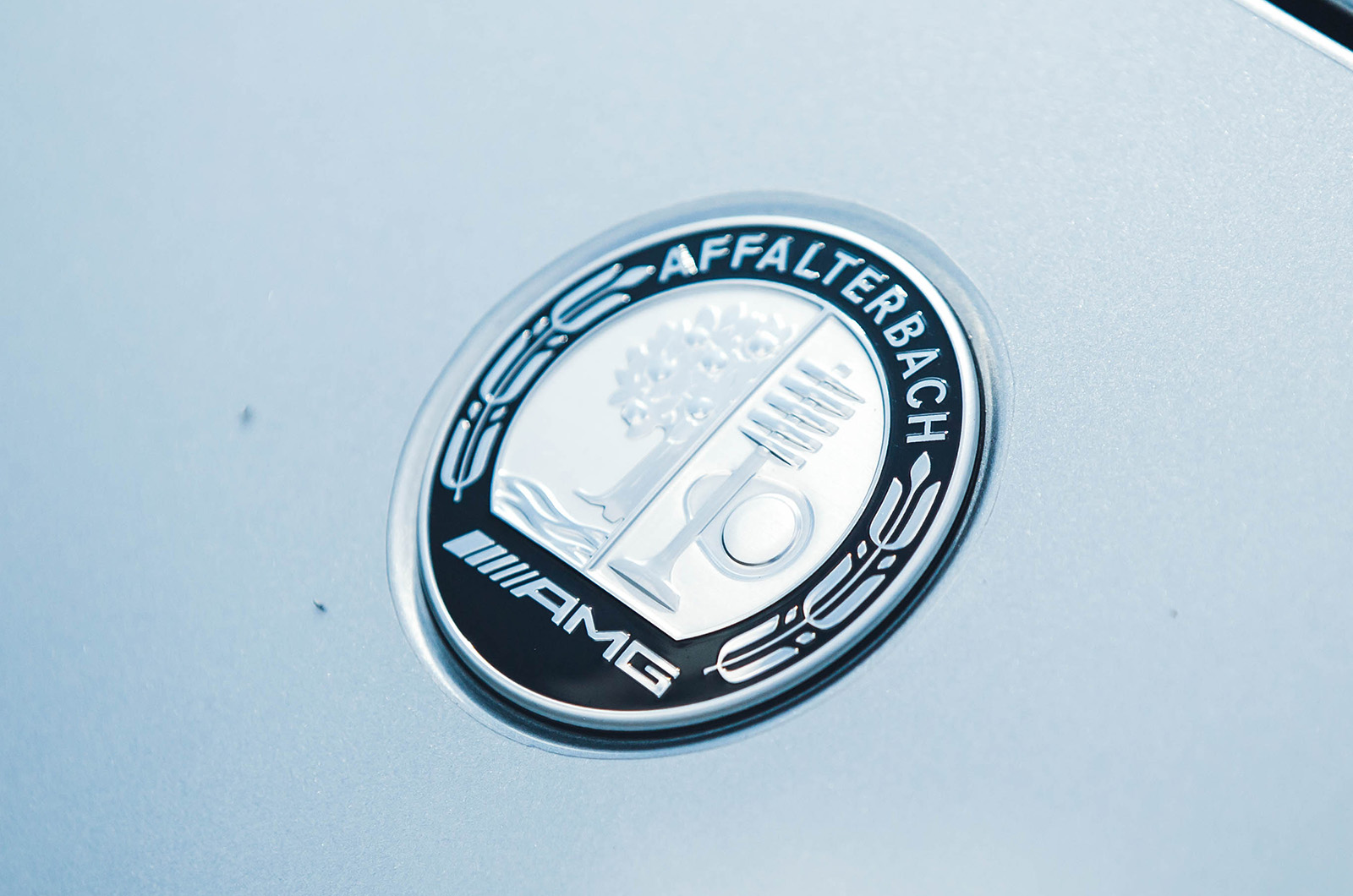
Nowadays, whenever you see the AMG logo (almost always on a Mercedes-Benz), it's just three letters. Very self-explanatory and very boring. However, this former customisation giant had an official and more conventional logo.
Affalterbach is a principality in Germany where the AMG factory is based. The tree and stream to the left of the circle are a reference to the Affalterbach flag, while the valve and spring represent the factory itself. It can still be spotted on their newer cars too.
ASTON MARTIN
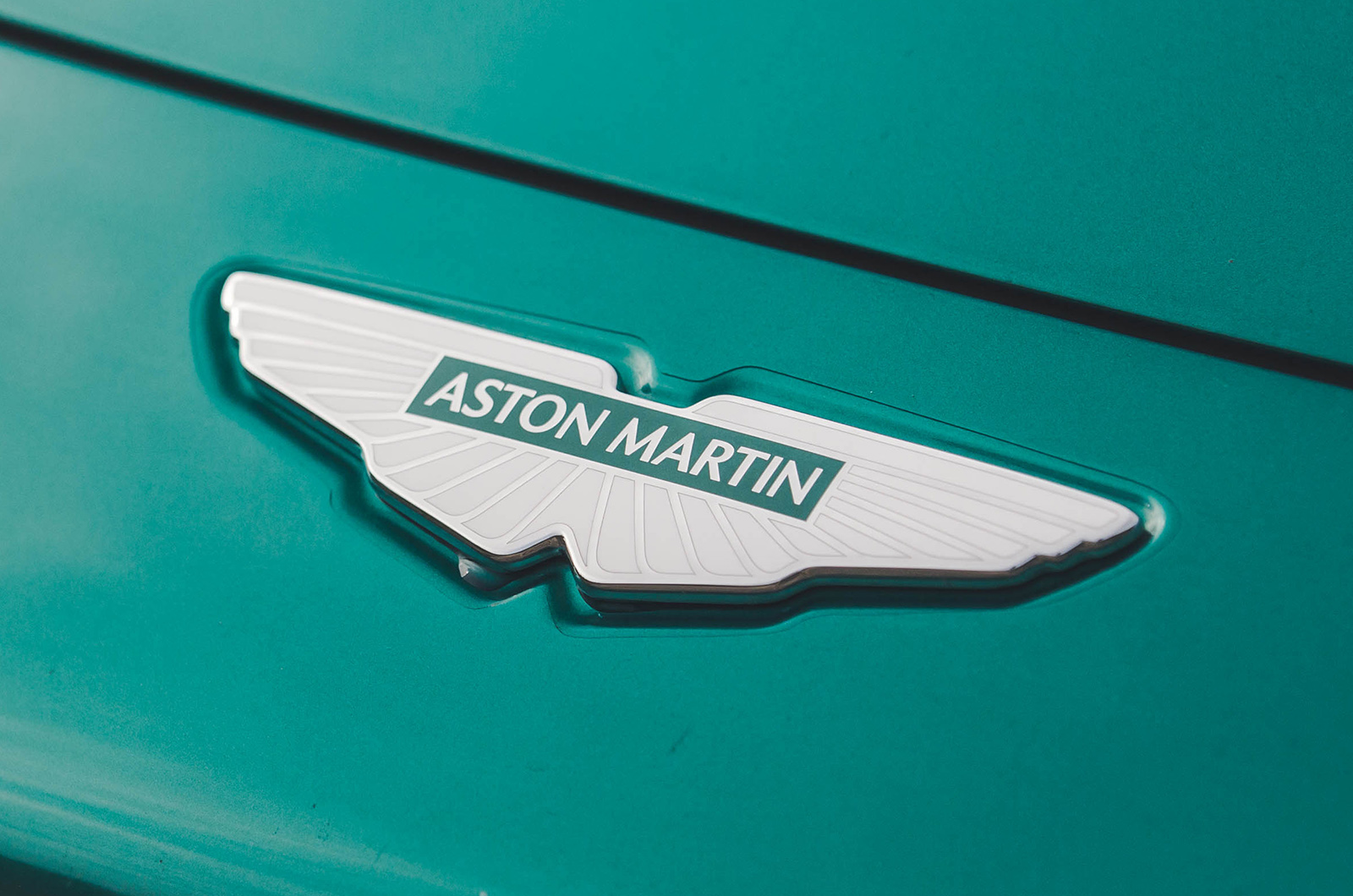
The second half of the name comes from one of the company’s co-founders, Lionel Martin, and the first from Aston Hill Climb, which he found success at. The ‘wings’ badge was chosen in 1927 to represent speed, and supposedly took inspiration from Bentley’s ‘Winged B’.
In 2022, the logo was updated with a simplified design to widen customer appeal as the company prepares to launch its first electric models.
AUDI