Currently reading: Top 10: the best night fighters the World has ever seen

Top 10: the best night fighters the World has ever seen

Intercepting bombers at night was a desperate and demanding mission.

For the night fighter pilot the stakes were extremely high: if the bombers get through, they will kill your countrymen and destroy your cities.

Guided (if you were lucky) by primitive radar and armed with weapons that often temporarily blind you, the night fighter pilot faced vast dark skies full of formations of aircraft armed with dozens, or even hundreds, of guns, looking to shoot him down.

In the second world war, carrying the heavy armament and radar required for the mission, while remaining fast enough to catch intruders required the power of two engines. Here are the greatest machines to perform the role:


10: Kawasaki Ki-45 Toryu
 Kawasaki Ki-45 Toryu

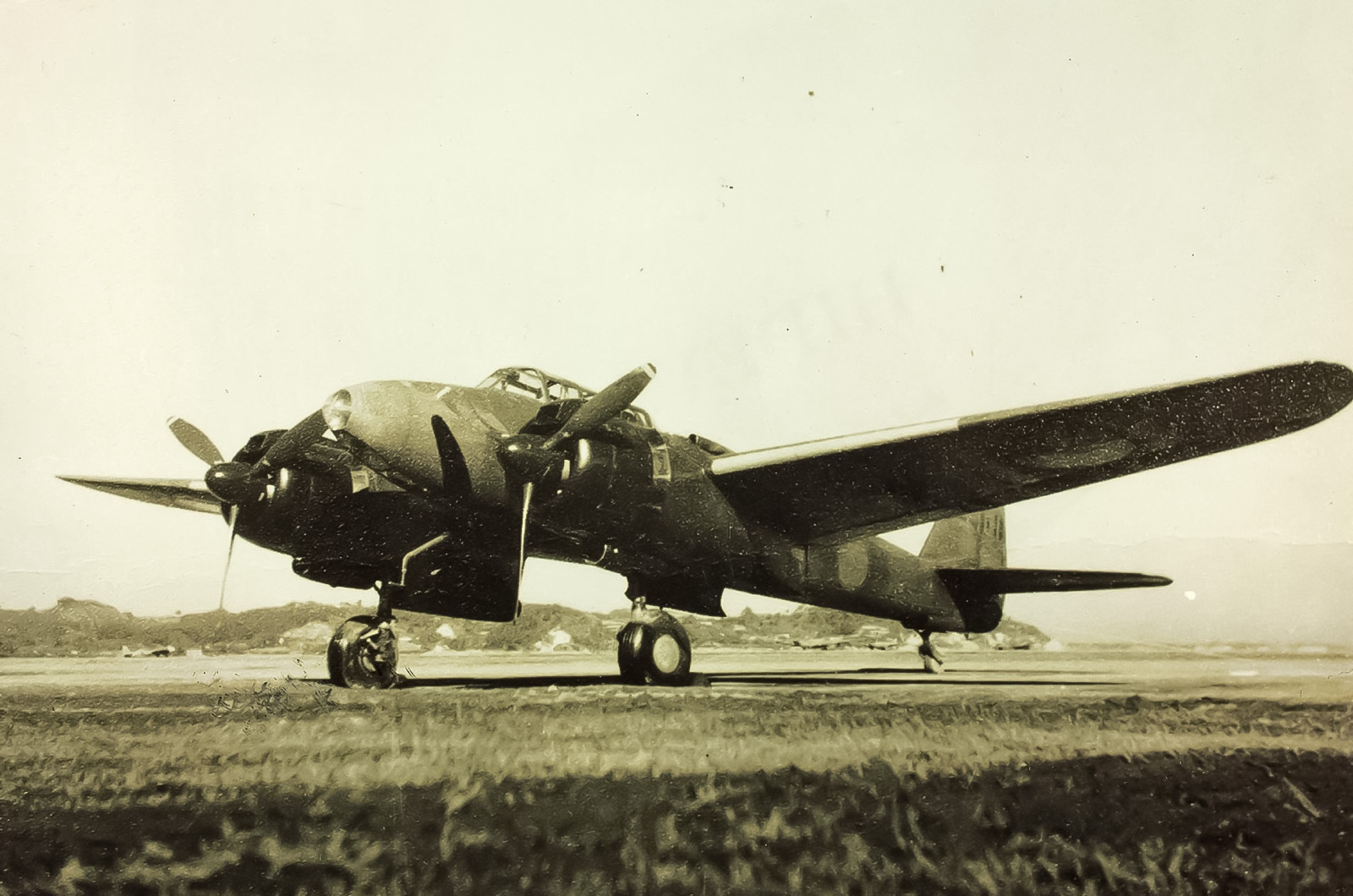
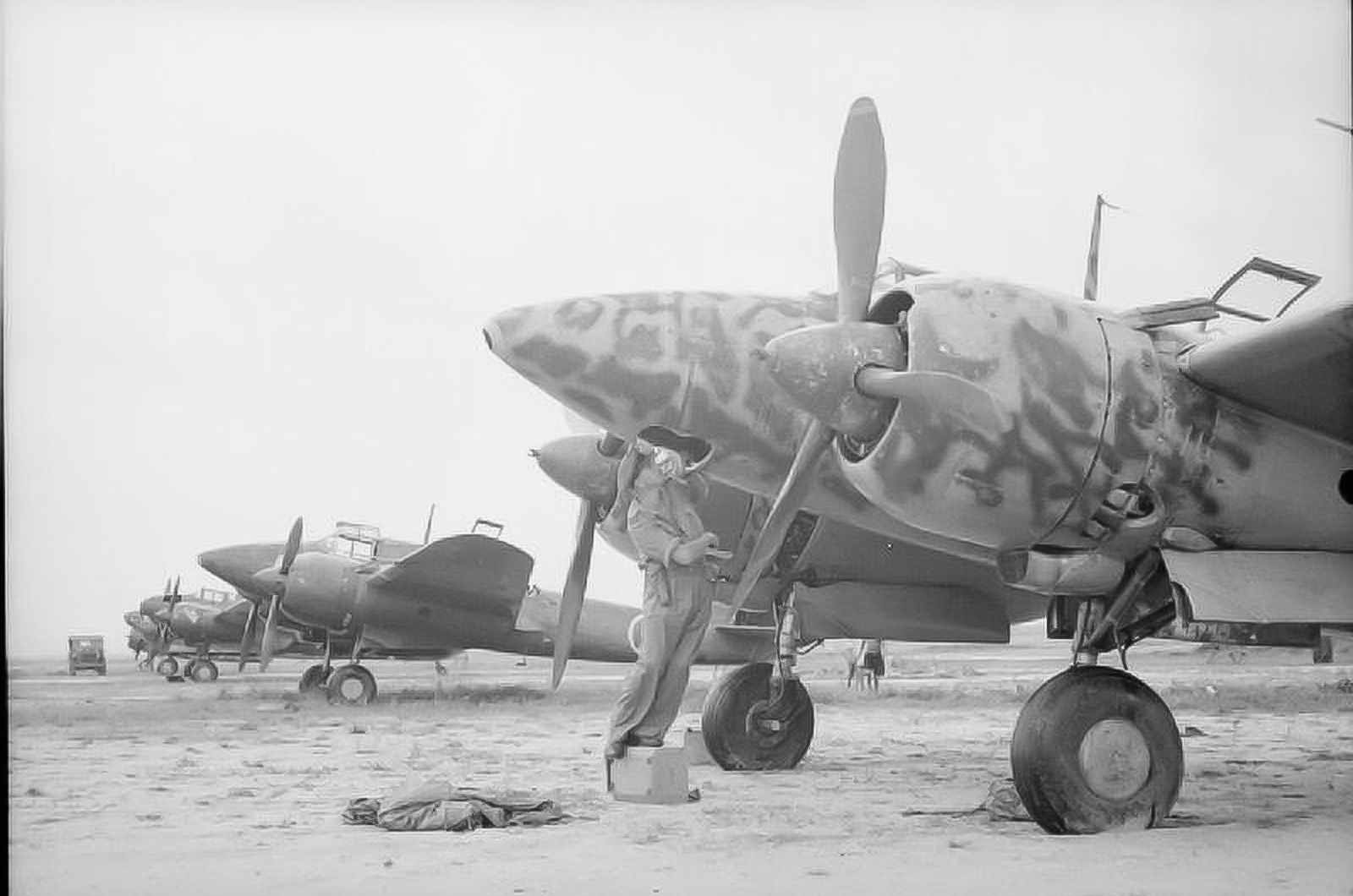
Kawasaki Ki-45 (assigned the Allied reporting name "Nick") were used as bomber escorts during the 1942 attacks on the Chinese city of Guilan where they were severely mauled by the P-40s of the Flying Tigers. Ki-45s met resistance in Hanoi later that year with the same devastating result.

Realising this twin-engined heavy fighter was no match for fast agile single-engine opponents, it found gainful employment in the roles of ground attack, anti-shipping and fleet defence but it was in the interception role that the Ki-45 found its niche.


10: Kawasaki Ki-45 Toryu
 Kawasaki Ki-45 Toryu

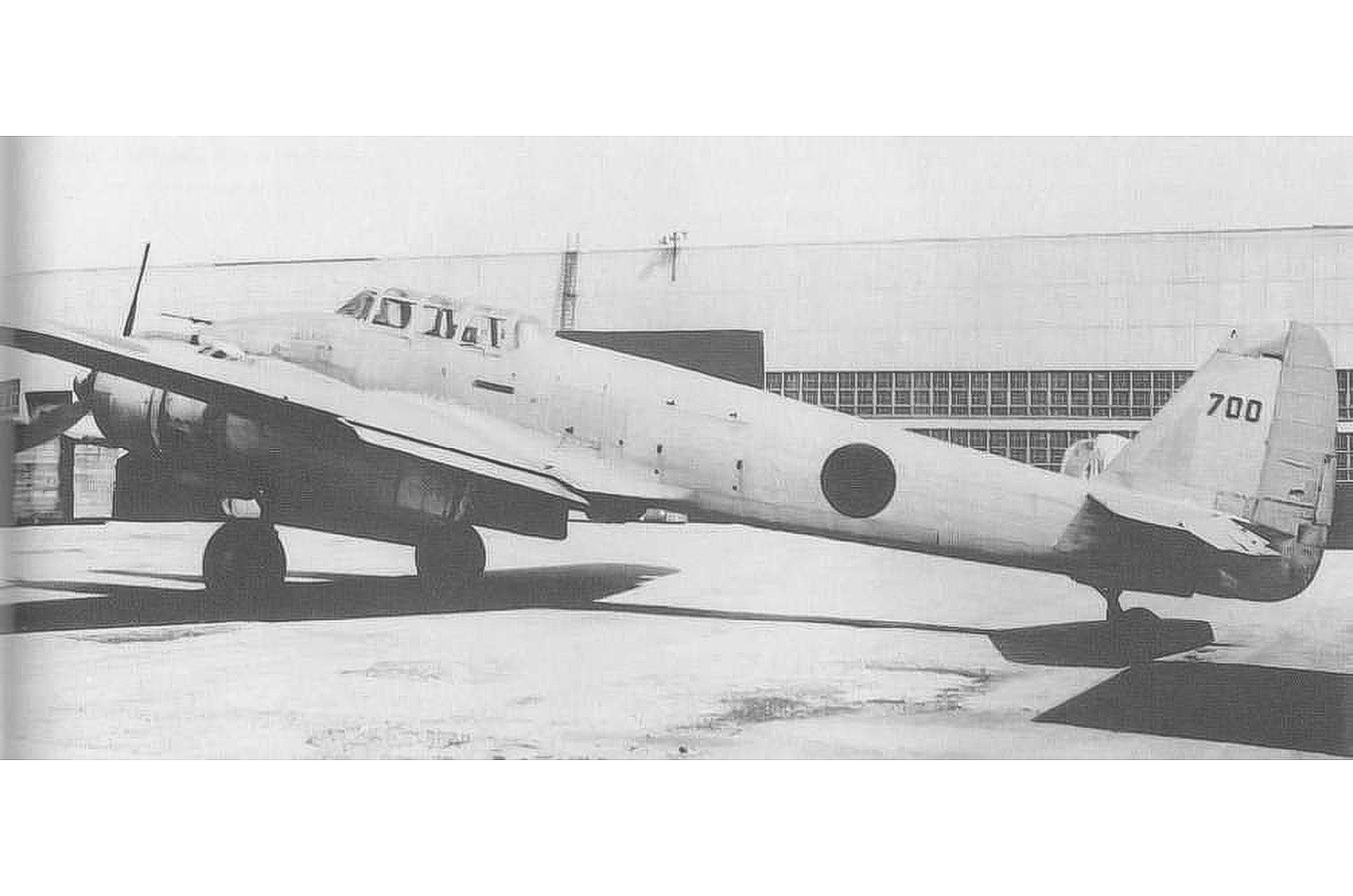
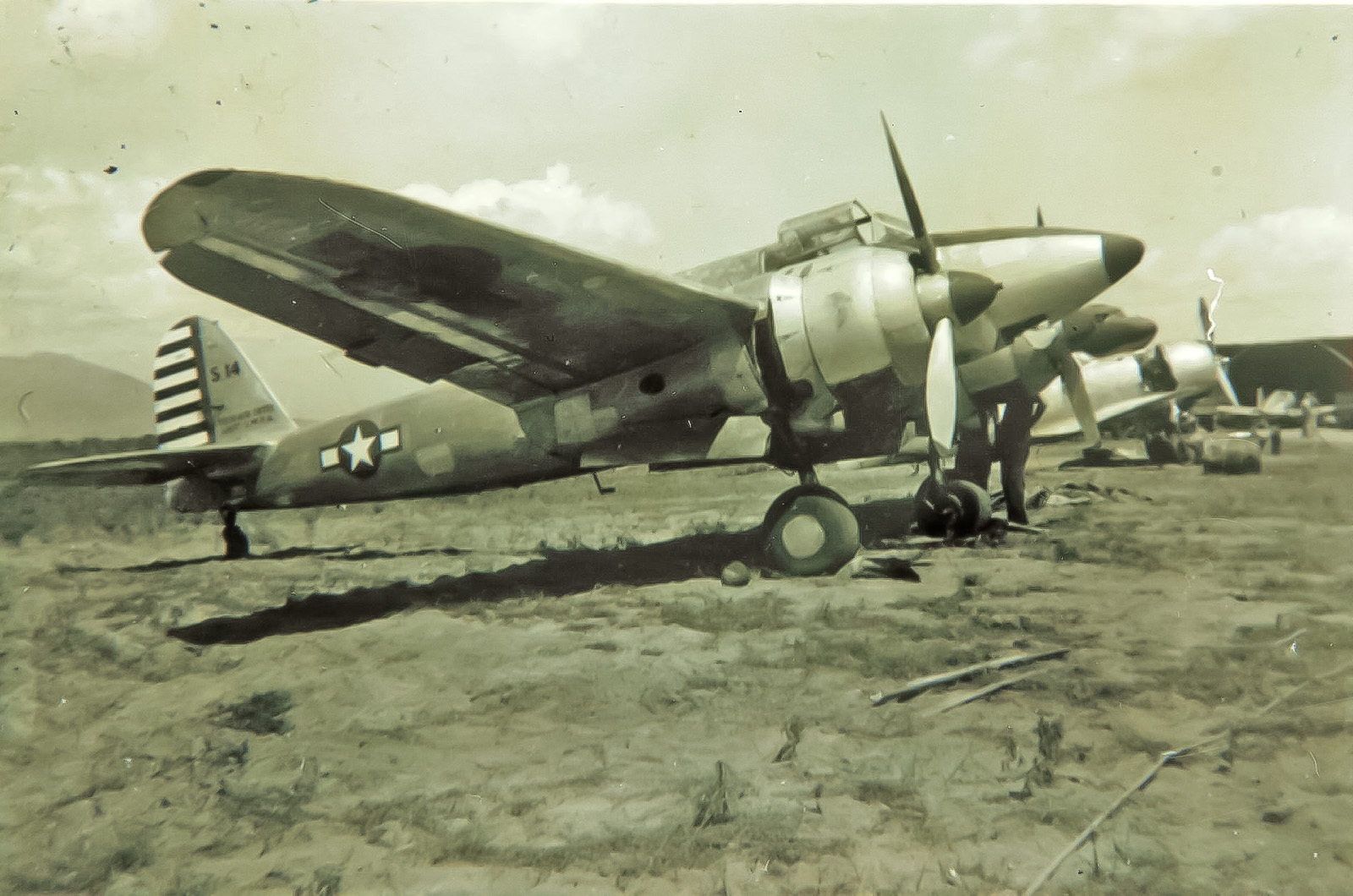
The heavy armament of 37- and 20-mm cannon proved to be effective against the B-29 Superfortress raids which started in 1944. The Ki-45 KAId, was developed specifically as a night fighter, and it was intended to equip them with centimetric radar (though this never happened).

The aircraft took part in night defence of Japan’s home islands with air wings from the autumn of 1944 to the war’s end. They obtained notable successes, and one Ki-45 squadron claimed 150 victories, including eight B-29 Superfortresses during their combat debut.

PHOTO: captured Ki-45 bearing American markings in 1945


9: Royal Aircraft Factory BE2c/BE12 night fighters
 Royal Aircraft Factory BE2c/BE12 night fighters

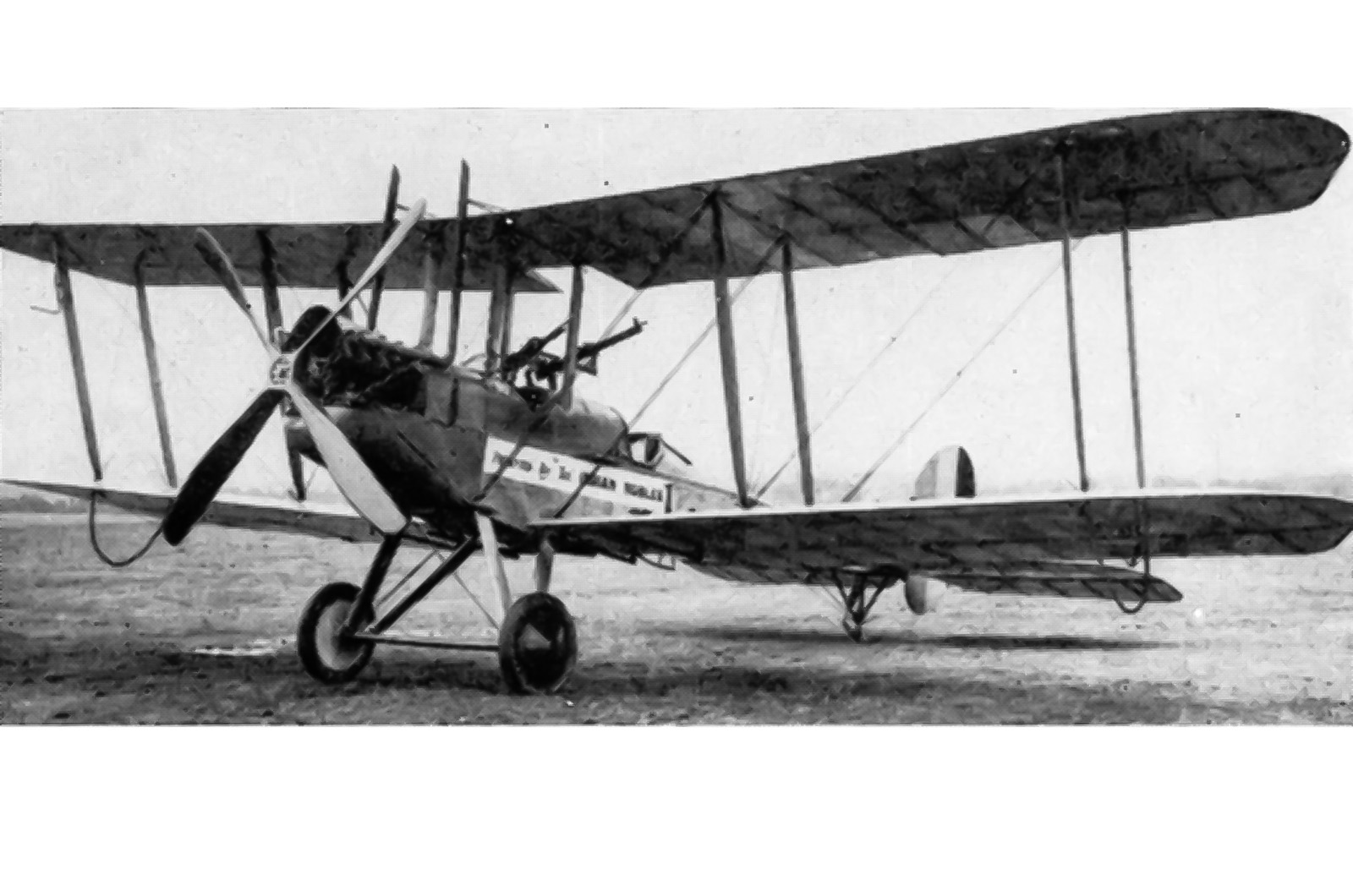
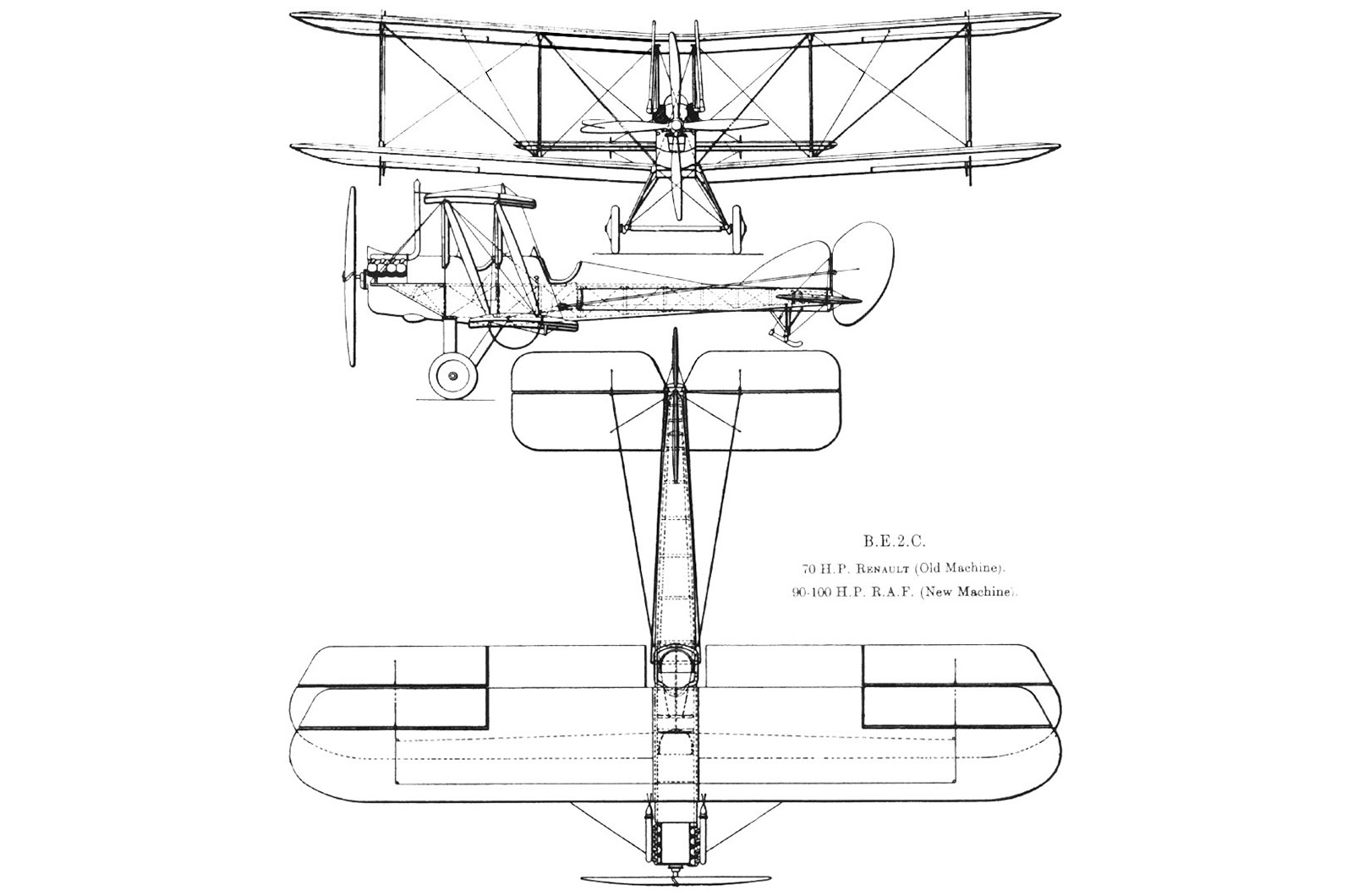
The second airship to be brought down was SL-11, shot down by William Leefe-Robinson in June 1916 flying a BE2c adapted for night fighting with extra fuel and a Lewis gun firing upwards at a 45 degree angle (a precursor to the deadly schräge musick installation in 1940s Luftwaffe night fighters).

(photo shows standard BE2c without additional Lewis gun)

Significantly SL-11 was the first aircraft to be shot down over the UK and marked the beginning of the end of the Zeppelin as a strategic bomber. A further five of these enormous machines were destroyed by BE2s across three months at the end of the year and the British retained air supremacy against the airship raids until they ceased forever in August 1918.


9: Royal Aircraft Factory BE2c/BE12 night fighters
 Royal Aircraft Factory BE2c/BE12 night fighters

Later Zeppelins operated above the BE2's ceiling and its modest performance rendered it effectively useless against later conventional bombing aircraft such as the Gotha. Nonetheless, the much-maligned BE2 had proved formidable enough to check the world's first strategic bombing campaign and paved the way for vastly more effective night fighters to come.

Back to top

The improbably named Gilbert Ware Murlis Green was the only pilot to become an 'ace' whilst flying any of the BE series of aircraft. By a strange coincidence he was also destined to be significant in the development of night fighting in general and the Sopwith Camel in particular.

(diagram shows standard BE2c without additional Lewis gun)


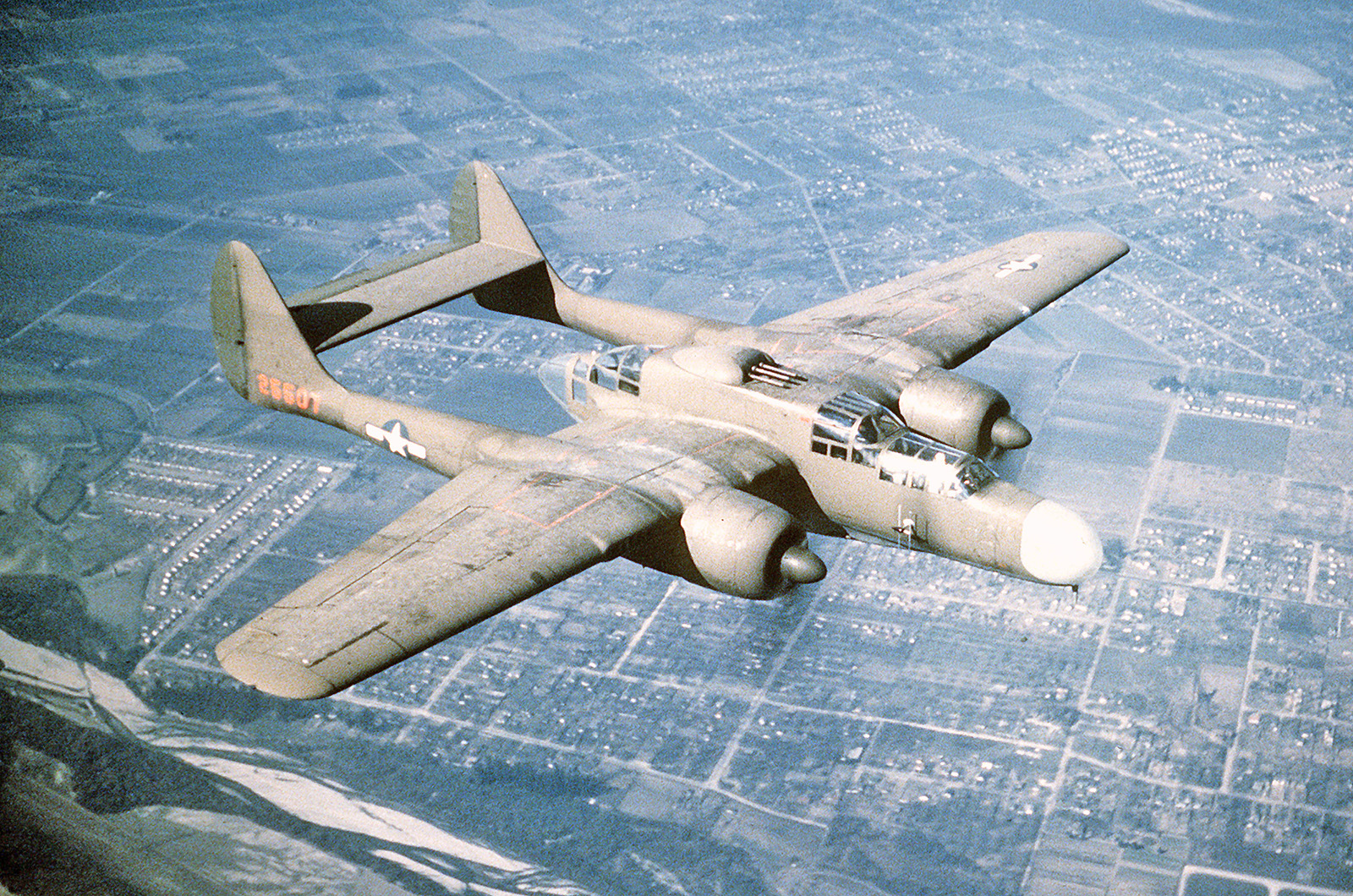
8: Northrop P-61 Black Widow

 Northrop P-61 Black Widow

The first aircraft in the world designed from the outset to carry radar, the Black Widow was the largest fighter of the war. Despite being the size of a medium bomber (the P-61A's wingspan was five inches less than a B-25J and its empty weight about 3000 lb greater) its performance was good, particularly its climb rate.

The P-61 arrived just as Axis air activity was winding down, targets were scarce and most German fighters and bombers by this stage of the war were faster than the enormous Northrop. Ultimately the P-61's greatest contribution to the European campaign was probably as a ground attack aircraft. Nonetheless, three P-61 pilots and two radar operators became 'aces' with five or more victories.


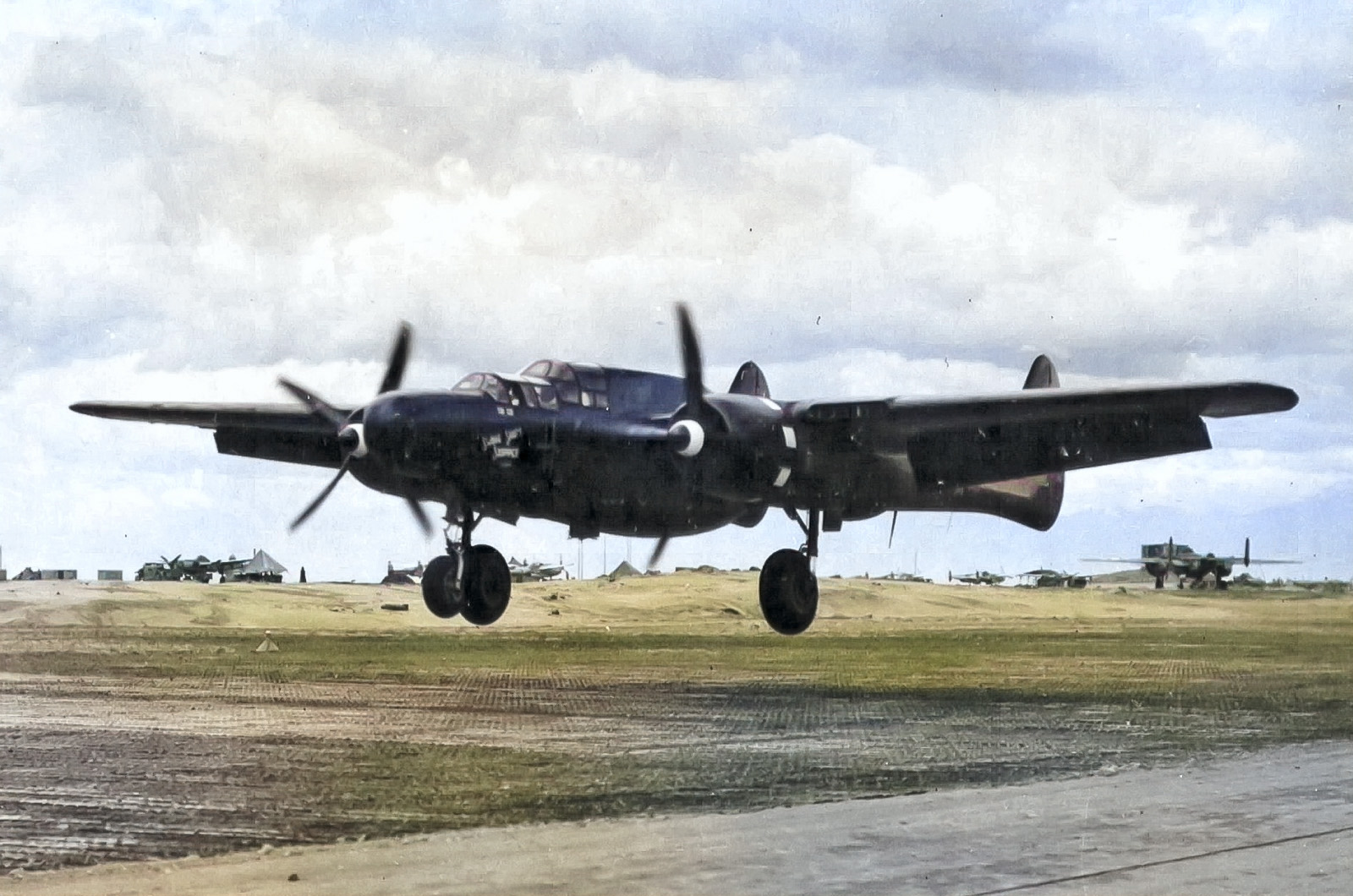
8: Northrop P-61 Black Widow

 Northrop P-61 Black Widow

But probably the greatest problem the P-61 struggled to overcome was that it wasn't the aircraft the American air force wanted. That aircraft was the Mosquito, but due to the demand from the RAF none could be spared for the Americans until very late in the war. Despite more than one fly-off 'proving' the P-61 was the better aircraft, possessing better speed, rate of climb and manoeuvrability, doubts lingered amongst senior US personnel.

Colonel Kratz, USAAF, who organised one of the fly-offs went so far as to suggest his conspiracy theory: "the British were lying like troopers. I honestly believe the P-61 was not as fast as the Mosquito, which the British needed because by that time it was the one airplane that could get into Berlin and back without getting shot down...”


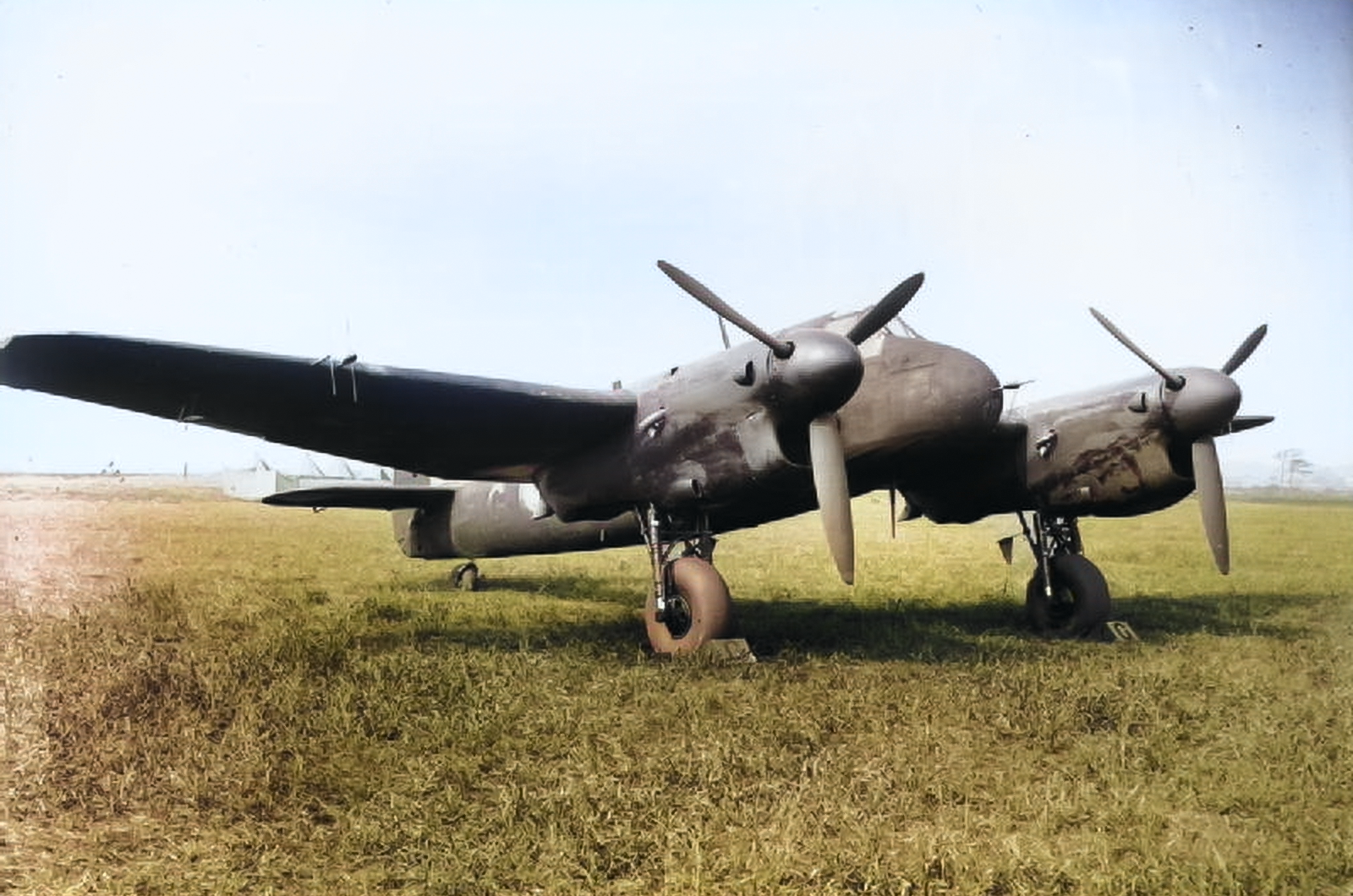
7: Bristol Beaufighter

 Bristol Beaufighter

Compared to the aircraft it replaced the Beaufighter was in a different league. Although no one would ever describe it as particularly fast, especially when compared to the superlative Mosquito that would largely replace it, the Beaufighter had the performance necessary to deal with all German bombers.

Back to top

Armed with four 20-mm cannon and six Browning machine guns, it likely possessed the heaviest installed armament of any operational fighter aircraft when it appeared in 1940. Agility was good for an aircraft of its size and its two powerful Bristol Hercules engines allowed for a large internal fuel load which could be supplemented with external tanks on later models.


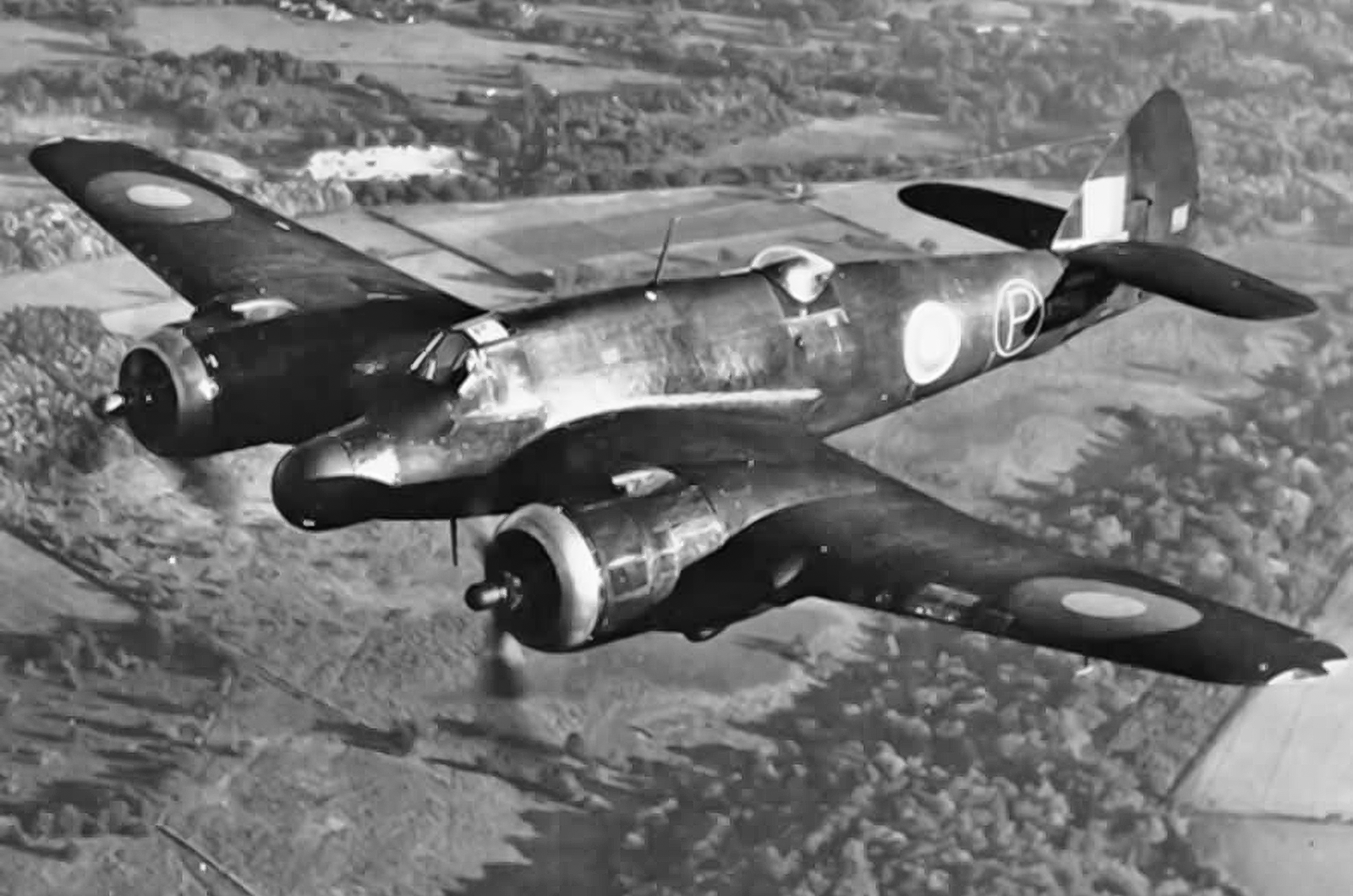
7: Bristol Beaufighter

 Bristol Beaufighter

As a result the Beaufighter could maintain a standing patrol for hours or use its excellent range as a night intruder to attack aircraft over vast swathes of Europe. Its greatest operational weakness was its radar, the AI Mk IV set initially used by Beaufighter squadrons was primitive.

Even with this impediment, Beaufighters were responsible for 14 bombers destroyed on the night of the 10 May 1941, the heaviest loss experienced by the Luftwaffe during its night campaign against Britain. The most important night fighter variant was the Beaufighter Mk VIF with the spectacularly improved AI Mk VIII radar which bore the brunt of RAF night fighting operations until the Mosquito appeared.


6: Nakajima J1N1 Gekko (月光 "Moonlight")

 Nakajima J1N1 Gekko (月光 "Moonlight")

The B-29 Superfortress was the hardest heavy bomber of World War II to intercept. Exceptionally fast, flying at high altitudes and formidably well defended it was an interceptor pilot's nightmare, yet the J1N1-S achieved significant successes against the Superfortress that was laying waste to mainland Japan.

The absence of an effective radar and a sufficient performance at high altitude meant Japanese pilots usually only had a single-pass in which to destroy a B-29. Despite this, Lieutenant Sachio Endo destroyed eight B-29s (and damaged the same amount again) before he himself was downed by a B-29.


6: Nakajima J1N1 Gekko (月光 "Moonlight")

 Nakajima J1N1 Gekko (月光 "Moonlight")

Other J1N pilots racked up kills: Shigetoshi Kudo had nine victories, Shiro Kuratori had six victories, and Juzo Kuramoto, eight. Remarkably, one Gekko crew shot down five Boeing B-29 Superfortresses in one night. The maximum speed of the J1N was around 315mph, notably slower than that of the B-29.

Back to top

The Model 11 Gekko (月光, "Moonlight") had a crew of two, twin 20-mm Type 99 Model 1 cannon firing upward at a 30° upward angle, and a second pair firing downward at a forward 30° angle, allowing attacks from above or below. The Gekkō had the Allied reporting name "Irving".


5: Messerschmitt Bf 110

 Messerschmitt Bf 110

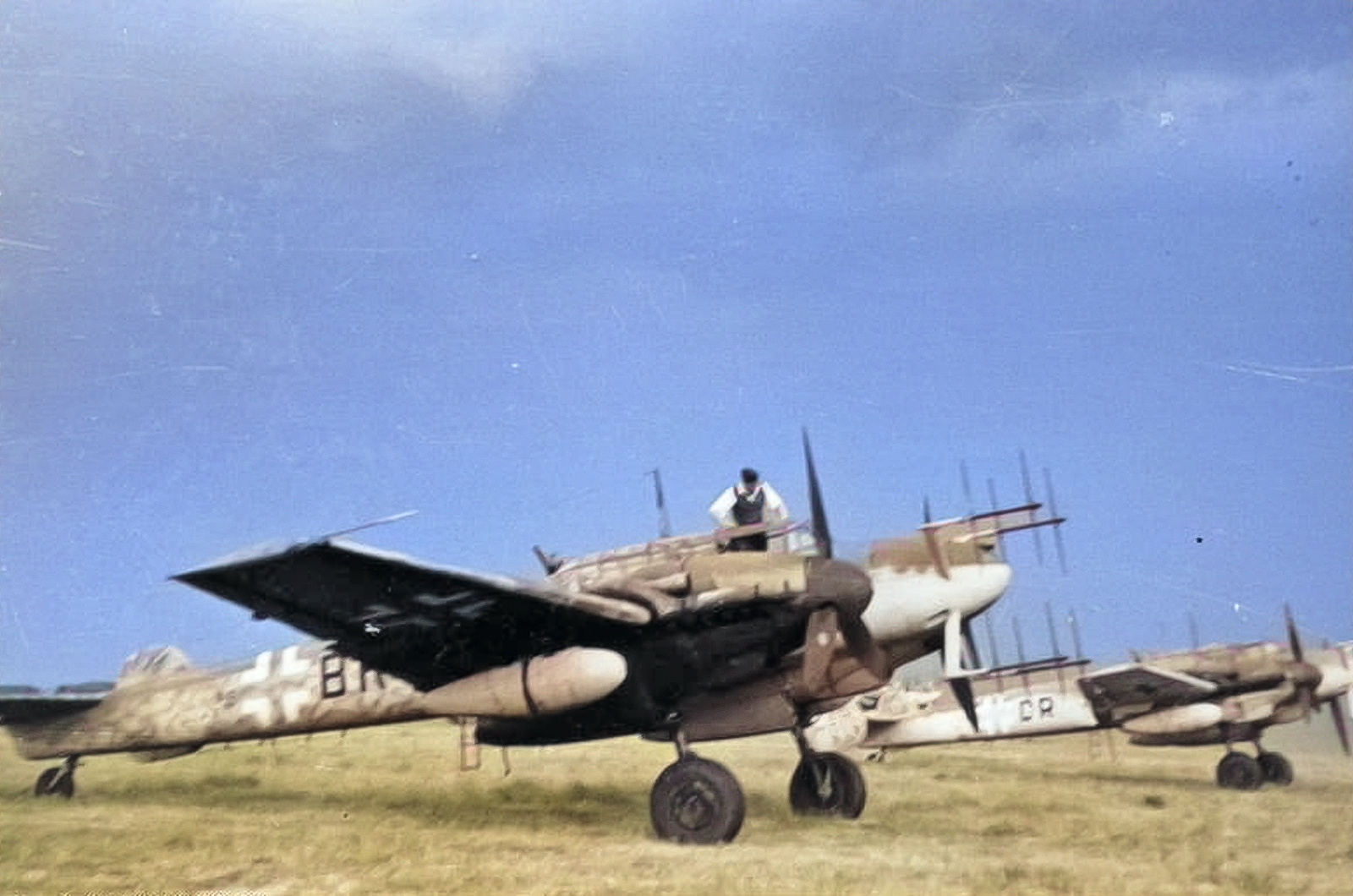
The Messerschmitt Bf 110 'Zerstörer' ('Destroyer') was truly a jack of all trades, but it was as a night fighter it did best. It was the mount of Heinz-Wolfgang Schnaufer, the most successful night fighter pilot in history and he scored all off his 121 of his victories in it, including nine Lancasters on one night.

Initially built as a long-range escort fighter for Germany’s bombers, it saw moderate success in Poland, Norway, and Denmark⁠—where it flew in a permissive environment and against poorly equipped opponents. However, its lack of manoeuvrability and poor tactics worked against it in the Battle of Britain. Forced to fly as a close escort to Luftwaffe bombers; the large, lumbering Zerstörer was easy prey for the RAF’s Hurricanes and Spitfires.


5: Messerschmitt Bf 110

 Messerschmitt Bf 110

It was in the night fighting role that the Zerstörer truly came into its own. As a heavy fighter, it had space to accommodate a FuG 202 Lichtenstein radar as well as a dedicated radar operator. The set was good enough to accurately fix the bombers and allow the fighters to creep up on them from the rear.

Another plus in favour of the Zerstörer was its firepower. The front-firing 20-mm and 30 mm-cannon were powerful enough to damage or destroy Allied bombers within a few short bursts. Later variants, equipped with an upward-firing 'Schräge Musik' upward-firing autocannon fitted in the rear cockpit, proved lethal. The RAF’s Lancaster and Halifax bombers⁠—which lacked belly turrets⁠—were particularly vulnerable.


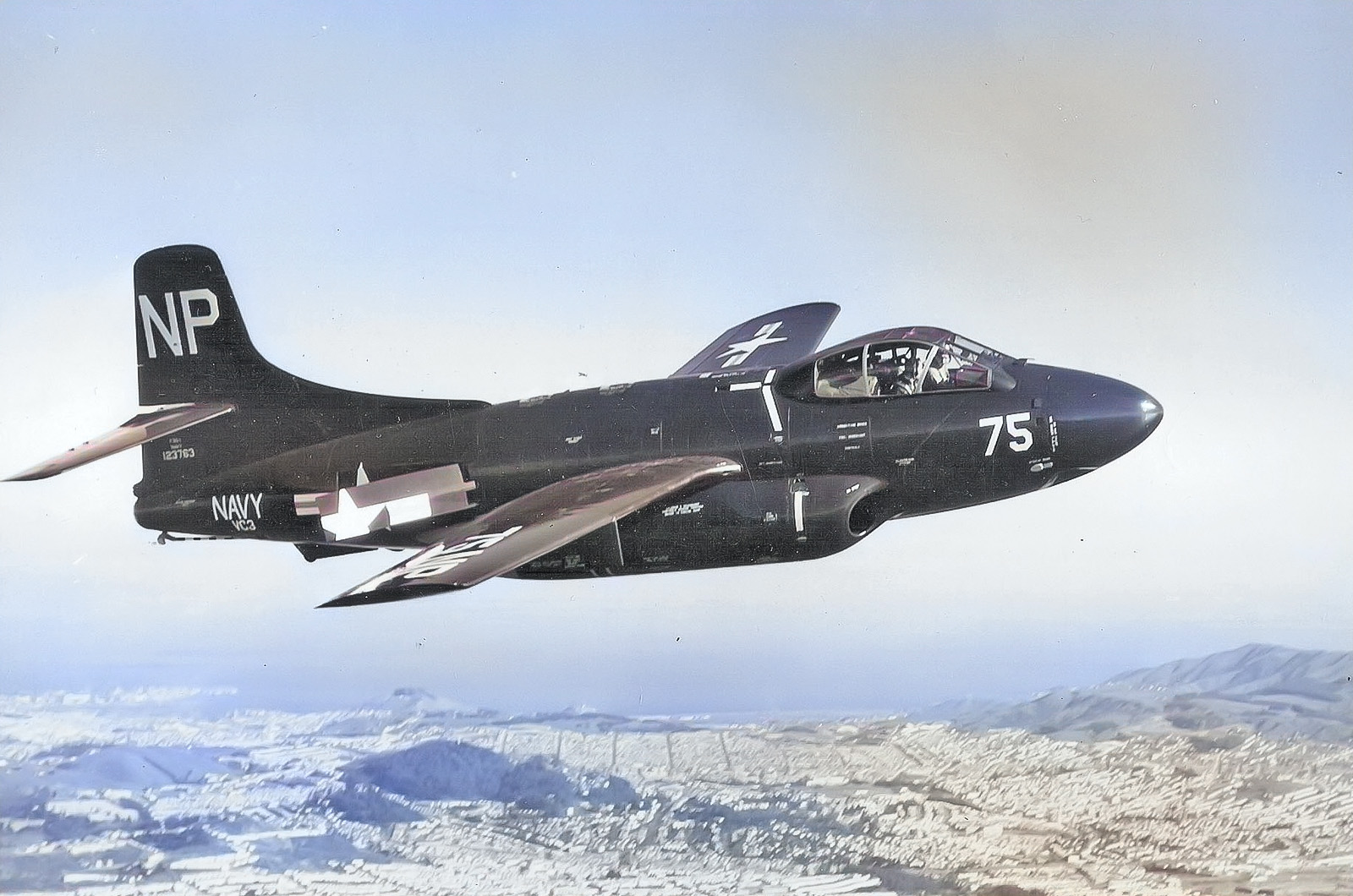
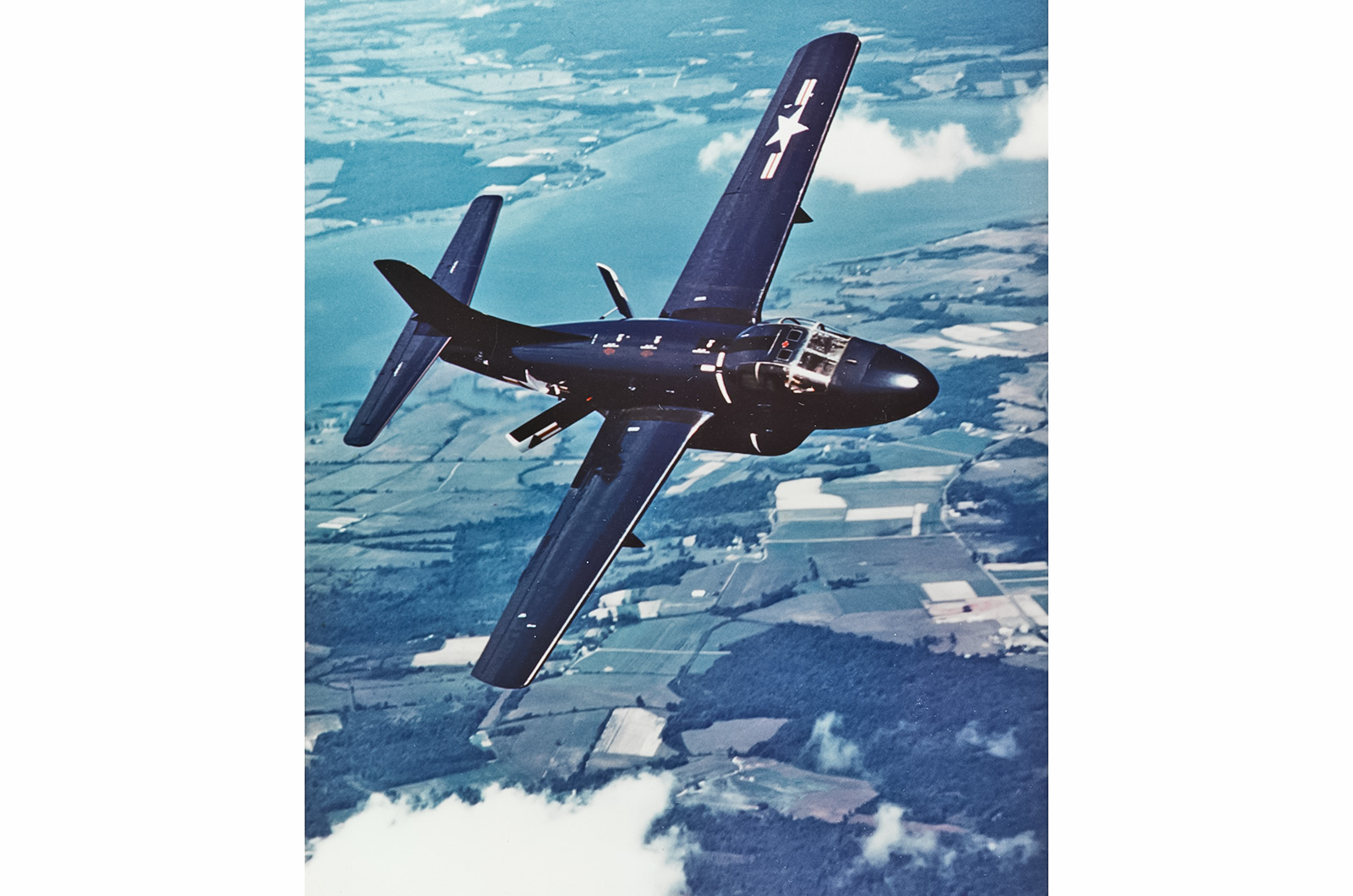
4: Douglas F3D Skyknight

 Douglas F3D Skyknight

The F3D was arguably the finest early jet to serve with the US Navy and the best night-fighter of the early ‘fifties. Because of the massive fire control equipment of the time, which required the use of three different radars, the Skyknight was a decidedly large and not exactly sleek aircraft but what it lacked in looks it more than made up in capability.

Back to top

Marine Corps F3Ds were deployed to Korea and during the conflict scored more air-to-air victories than any other naval type, despite there never being more than 24 aircraft in theatre. Much larger and considerably slower than its principal opponent, the vaunted MiG-15, somewhat surprisingly the hefty F3D could out-turn the Soviet fighter.


4: Douglas F3D Skyknight

 Douglas F3D Skyknight

More importantly its powerful electronics allowed it to locate and destroy other fighters by night whereas its opponents could only be guided towards targets by ground based radar. Over Korea the Skyknight became the first jet aircraft to intercept another jet at night as well as recording the first air-to-air victory achieved solely by radar, without visual contact between the aircraft and its target.

The Skyknights worked hard until they were eventually retired during 1970, a remarkable longevity of service for an aircraft of the F3D’s vintage. Even then its usefulness had not expired, the capacious fuselage and benign flying characteristics lent themselves to a swathe of experimental purposes and the Skyknight flew on into the 1980s.


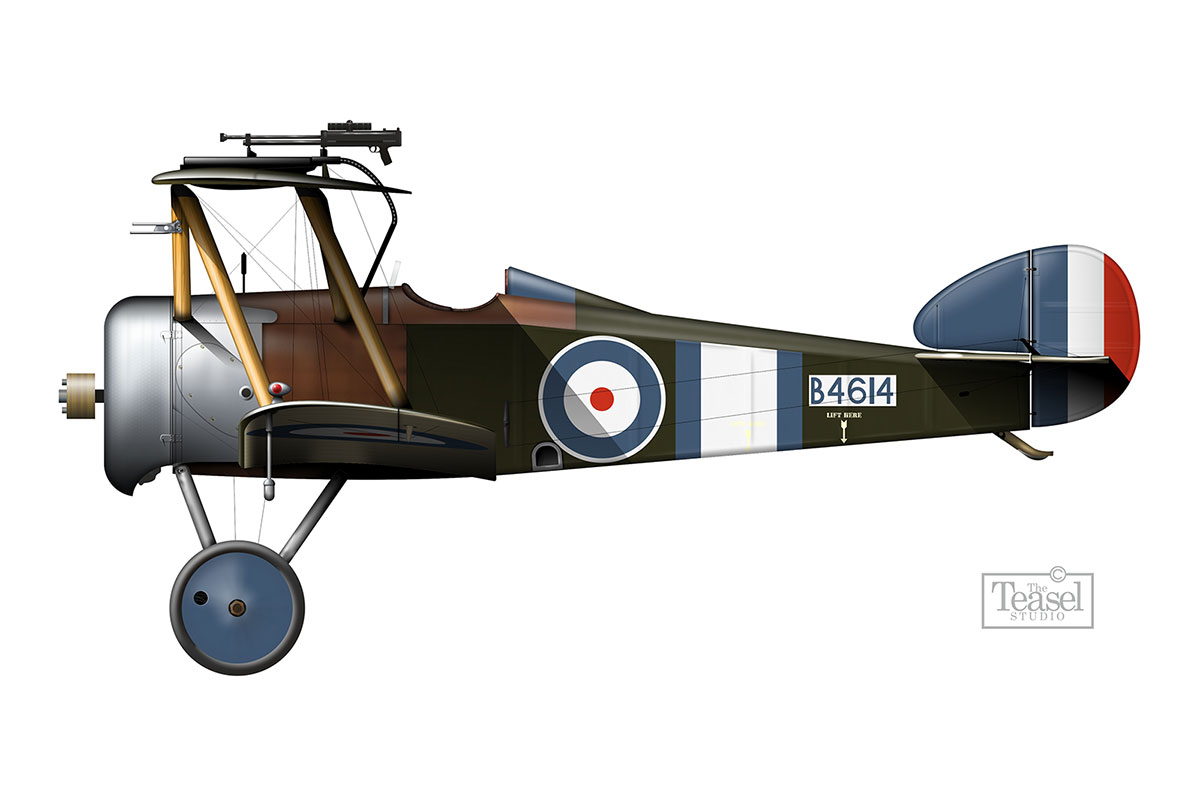
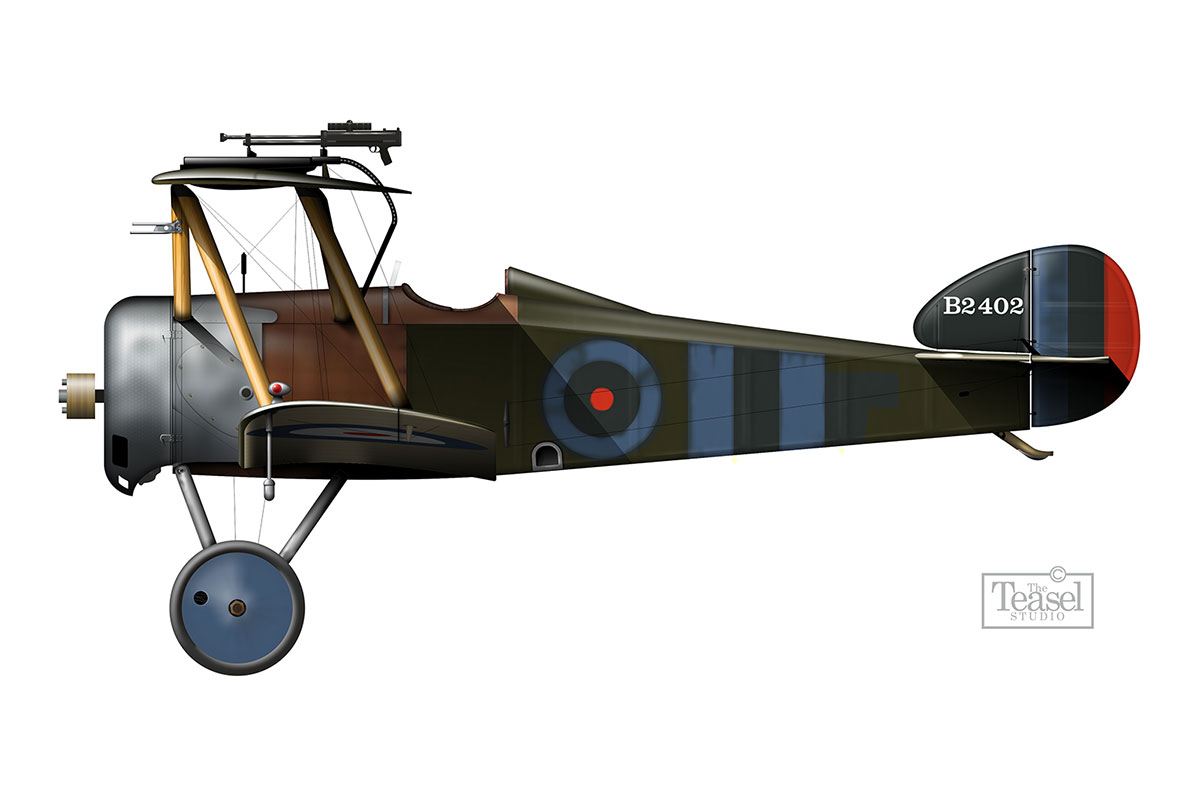
3: Sopwith Camel ‘Comic’

 Sopwith Camel ‘Comic’

On 18 December 1917, flying a standard Sopwith Camel, Gilbert Murlis Green shot down a Gotha G.IV, despite the flash of the guns temporarily blinding him, becoming the first pilot to successfully intercept an enemy aeroplane by night. The Camel was already an extremely successful fighter but it needed modifications to make it acceptable as a night fighter.

The standard two Vickers machine guns dazzled the pilot with their muzzle flash, so were replaced by Lewis guns firing over the top wing, outside the pilot’s field of vision. The cockpit was moved rearwards so the pilot could pull the guns back and replace the ammunition drums, allowing the weapons to be fired upwards. Its odd appearance earned it the ‘Comic’ nickname.


3: Sopwith Camel ‘Comic’

 Sopwith Camel ‘Comic’

151 Squadron was a dedicated nocturnal unit equipped with the Comic. From June 21 1918 until the armistice, despite the total absence of radar, or even aircraft radio, the 151 squadron shot down 26 bombers and suffered no casualties - a remarkable record given that barely two years earlier over half of the aircraft operating on any given night could be expected to crash.

Back to top

Such was the success of these operations that a further four Camel squadrons were earmarked for night use over France but only one (152 sqn) saw service before the armistice. The end of hostilities saw the withdrawal of the Comic Camel, despite its obvious and ongoing success, and night fighting would be essentially ignored by the RAF for the next twenty years.


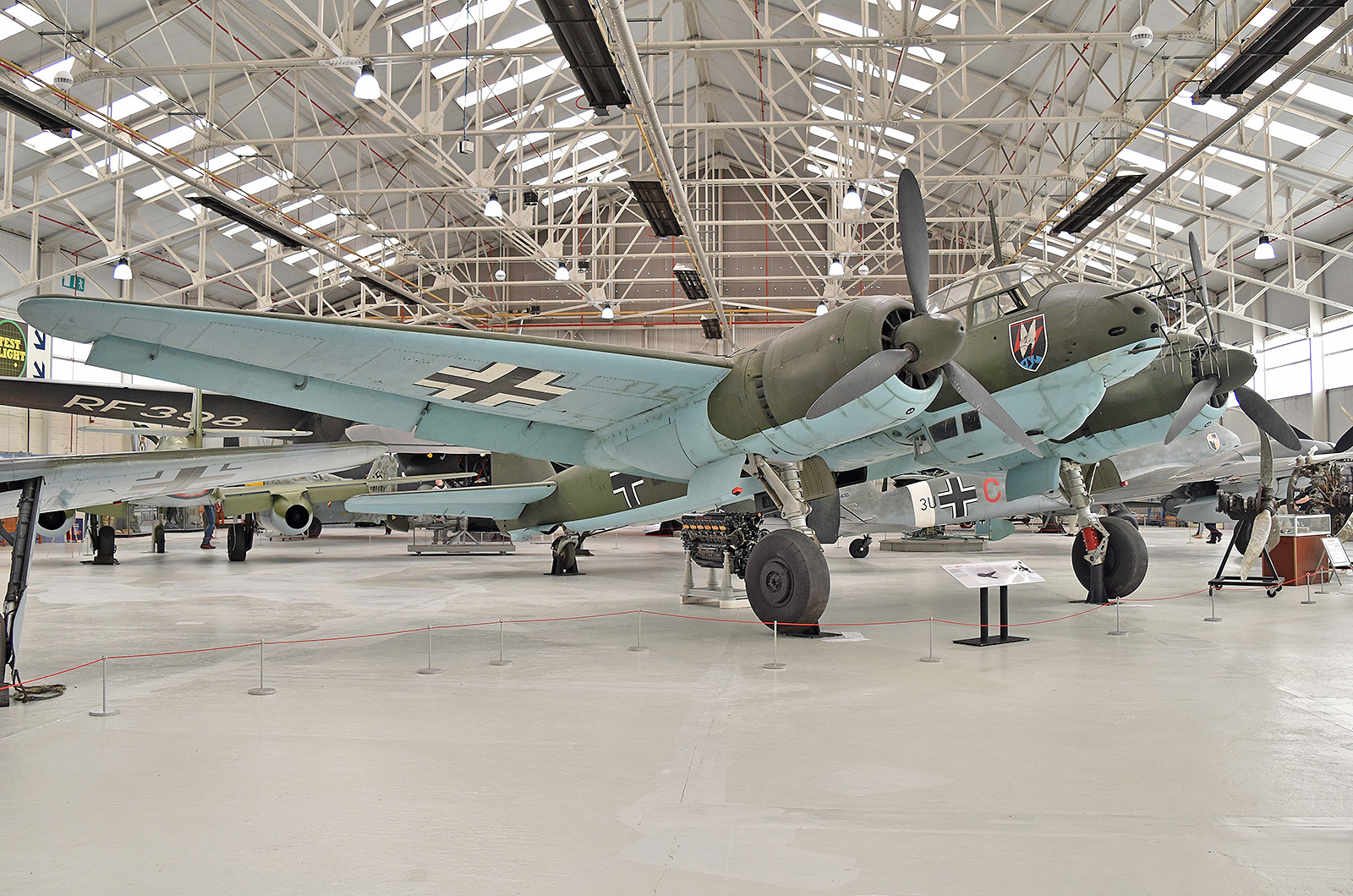
2: Junkers Ju 88

 Junkers Ju 88

The most flexible aircraft Germany ever produced, the Ju 88 excelled in every role it undertook. Its operational career in its design role as a bomber was winding down when it enjoyed a renaissance as the Reich's most important night fighter of the late war period. Despite its bomber origins, the Ju 88 was a faster night fighter than the Messerschmitt Bf 110 and was notable for its manoeuvrability.

Its greatest advantage over the Messerschmitt fighter though was its endurance. The Ju 88G had an internal fuel capacity of over 2000 litres and boasted a prodigious loiter time, reassuring for crews. Early night fighter variants were something of a lash-up, retaining the bomb aimer's gondola, which contributed to drag but by the end of 1943 Junkers were mass-producing the purpose-built Ju 88G.


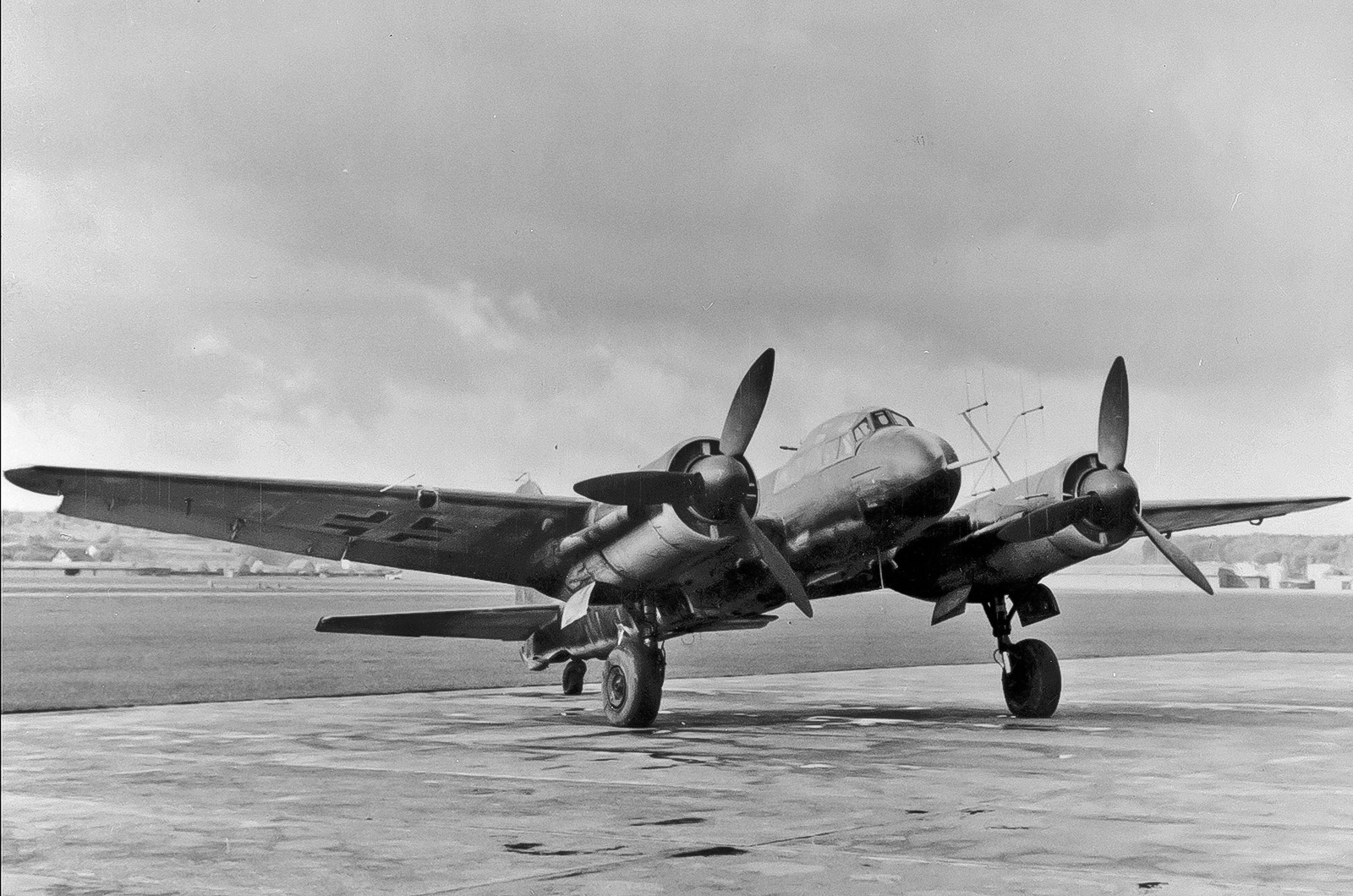
2: Junkers Ju 88

 Junkers Ju 88

Initially fitted with 1700 hp BMW radial engines, the Ju 88G-1 (pictured) dispensed with the gondola and sported Ju 188 tail surfaces for improved handling. Standard armament was four 20-mm cannon some aircraft were fitted with two more cannon in a Schräge Musik installation.

A few were fitted with the outstanding FuG 240 Berlin radar, derived from captured British cavity magnetron technology. Probably the most formidable German night fighter, like many other brilliant Axis aircraft it was all a case of too little, too late.


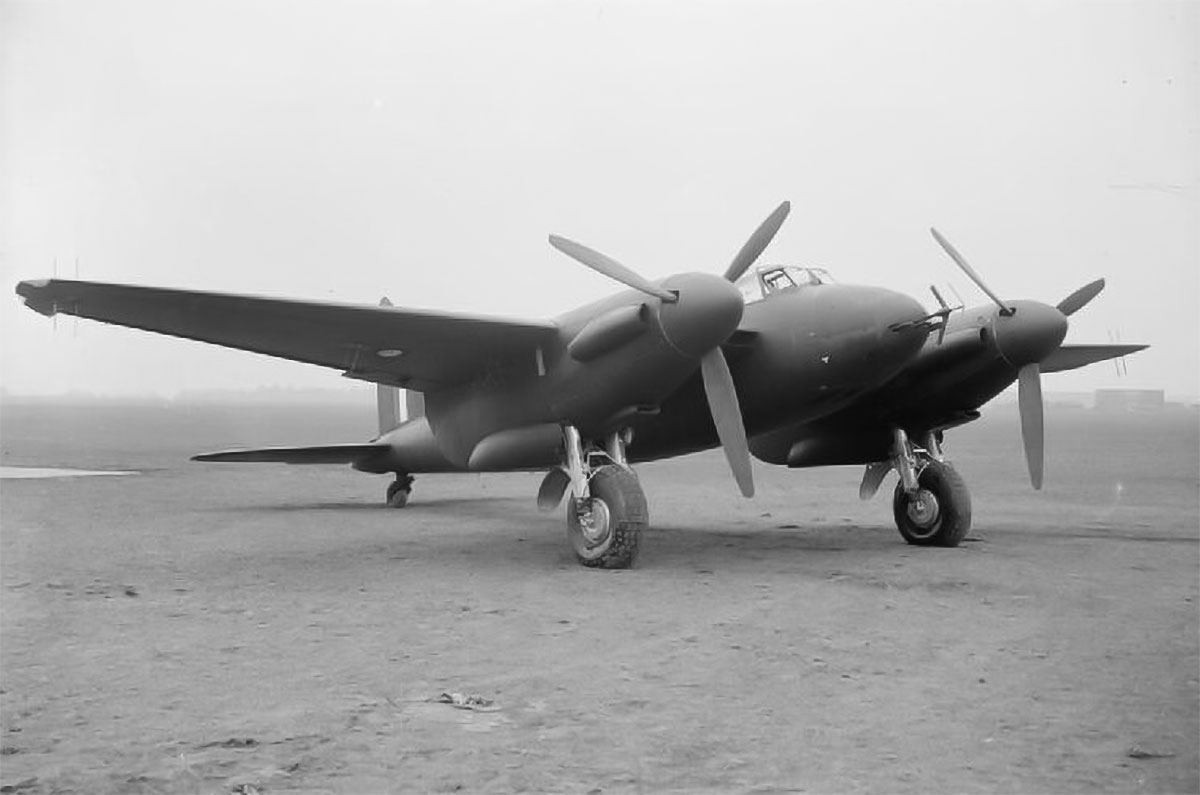
1: de Havilland Mosquito

 de Havilland Mosquito

The combination of twin Merlin engines, good handling, slippery aerodynamics, and a composite structure would only become the vogue decades later when everyone else discovered carbon fibre made for an aircraft with very few peers throughout the 1940s. It should come as no surprise then that the Mossie, conceived as an unarmed bomber but rapidly morphing into a multi-role combat aircraft, became a night fighter.

Back to top

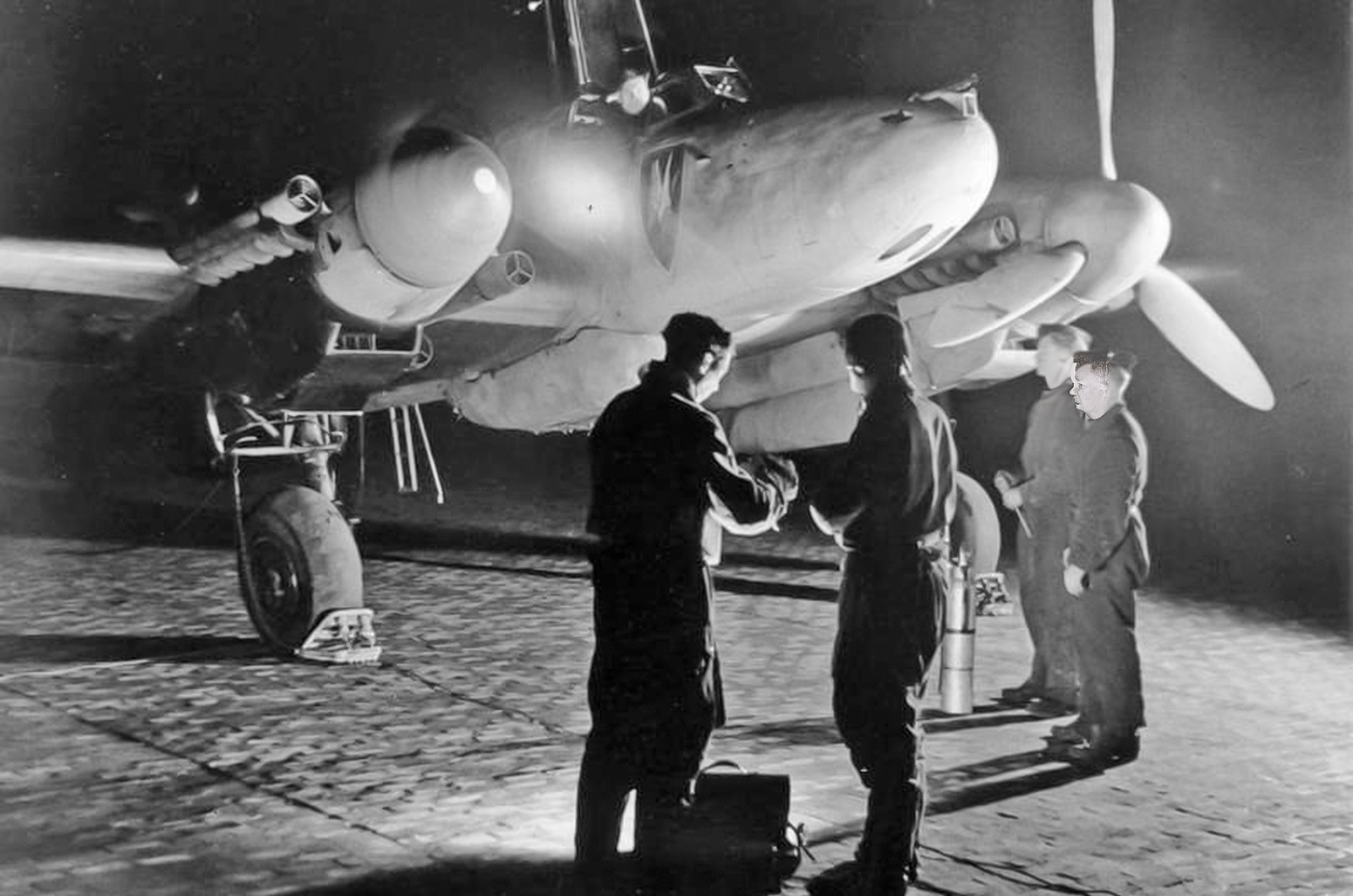
The first deliveries of the NF Mk II, the first night fighter variant to see service, were in January 1942. The first nocturnal victory came in June, the first of over 600 before the end of the war. The Mosquito's then radical construction readily lent itself to adaptation and enabled it to become a night fighter par excellence.


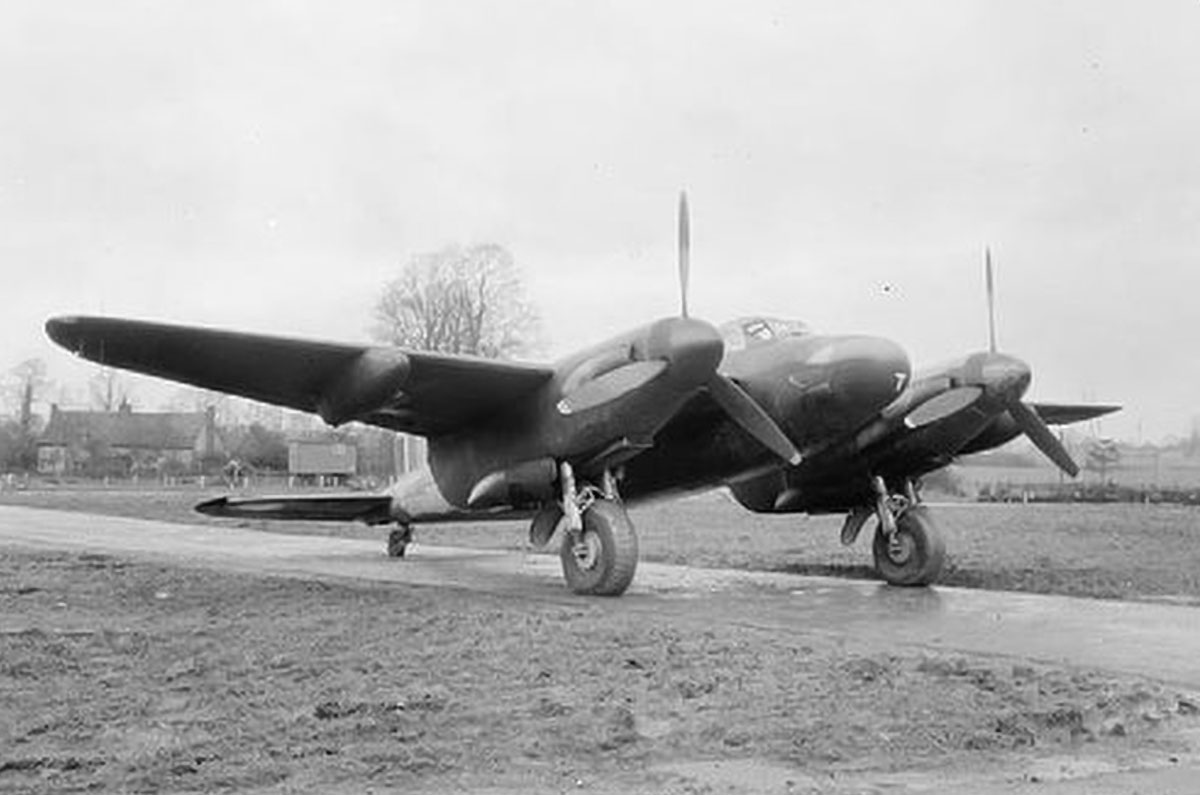
1: de Havilland Mosquito

 de Havilland Mosquito

New improved radar sets could be accommodated, and the cockpit adapted to suit, with relative ease. More important was the deadly armament carried throughout. Four 20mm Hispano-Suiza cannons kicking their staccato war cry through the airframe as bomber after bomber would come to meet their fate over England's sleeping towns and cities.

When the Luftwaffe retreated back across the Channel the Mosquito had the range to go hunting in foreign skies. Intruder sweeps, loitering around enemy airfields waiting to pounce on returning aircraft, even dawdling about pretending to be a four-engined heavy bomber. Few aircraft achieved so much, or stir the soul, like the gorgeous (and deadly) Mosquito. In the rarefied world of those who seek their prey in the night sky, no other aircraft even comes close.

Follow Joe Coles on Substack, Twitter X  or Blue Sky. His superb Hush-Kit Book of Warplanes is available here.

If you enjoyed this story, please click the Follow button above to see more like it from Autocar

Photo Licence: https://creativecommons.org/licenses/by/4.0/deed.en

Join our WhatsApp community and be the first to read about the latest news and reviews wowing the car world. Our community is the best, easiest and most direct place to tap into the minds of Autocar, and if you join you’ll also be treated to unique WhatsApp content. You can leave at any time after joining - check our full privacy policy here.

Add a comment…