Currently reading: The Aircraft That Shouldn’t Have Been Able To Fly - But Did

The Aircraft That Shouldn’t Have Been Able To Fly - But Did

Not all aircraft look like tubes with wings.

There have been some truly bizarre aircraft that utterly defy convention. From brilliantly eccentric pioneers to ‘lifting bodies’, and experimental aircraft that can’t quite decide what they are, there has been a whole host of thrillingly unorthodox flying machines. Let’s meet them.


10: Avro Canada VZ-9 Avrocar
 Avro Canada VZ-9 Avrocar

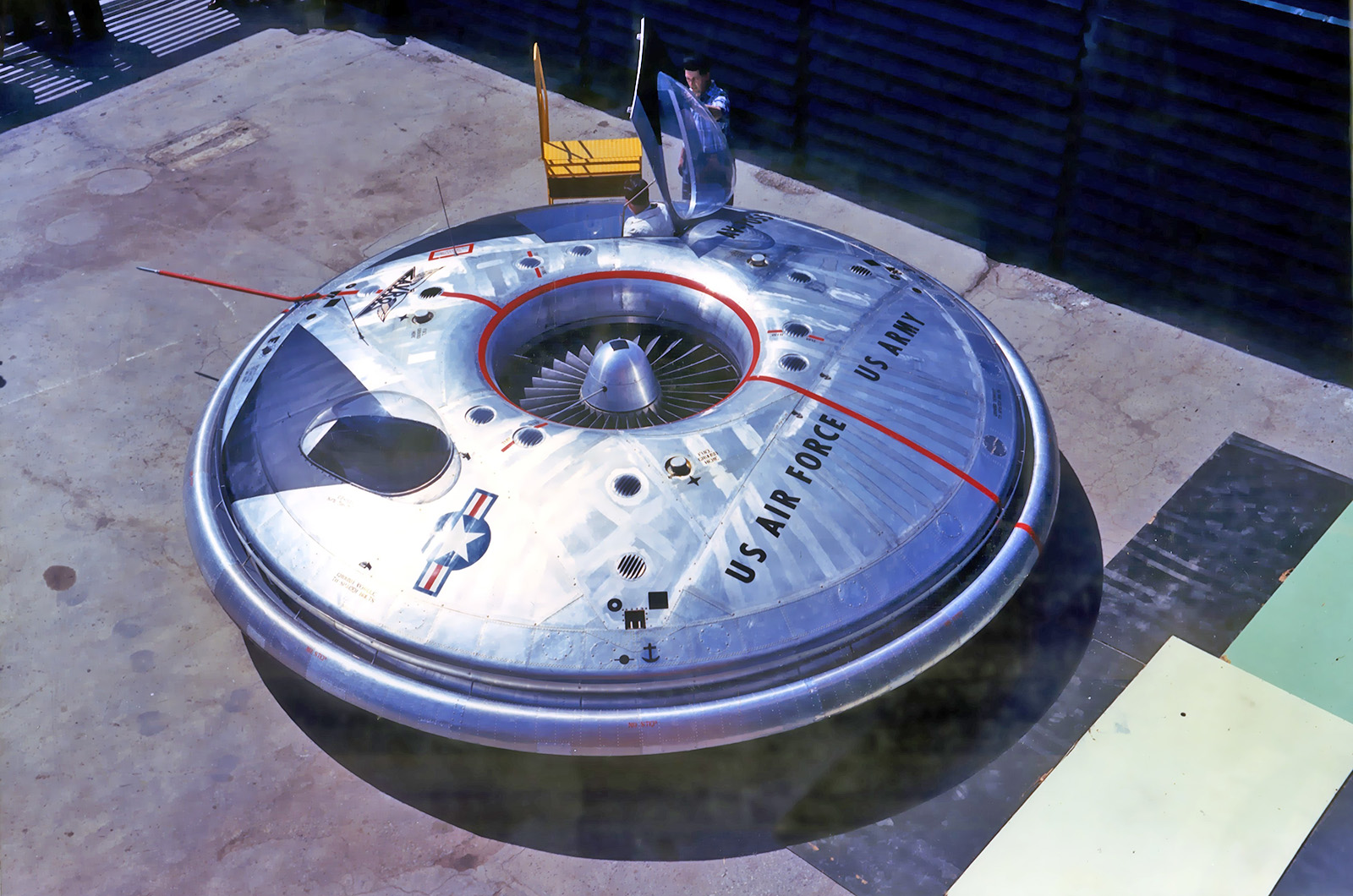
The Avrocar was beautifully bold and utterly flawed. Its flying saucer design embodied Cold War ambition, rivalled only by the equally implausible Couzinet CP-360. The idea? A supersonic, VTOL marvel. What emerged? A noisy, unstable disk that looked the part but never truly flew the part.

Backed initially by the US Air Force, the project envisioned speeds of Mach 3.5 at 100,000 feet. Designed in Avro’s Special Projects Group, the Avrocar evolved into a proof-of-concept vehicle. It had to prove a new propulsion system—and fulfil the Army’s dream of a “Flying Jeep” with range and payload far beyond requirements.


10: Avro Canada VZ-9 Avrocar
 Avro Canada VZ-9 Avrocar

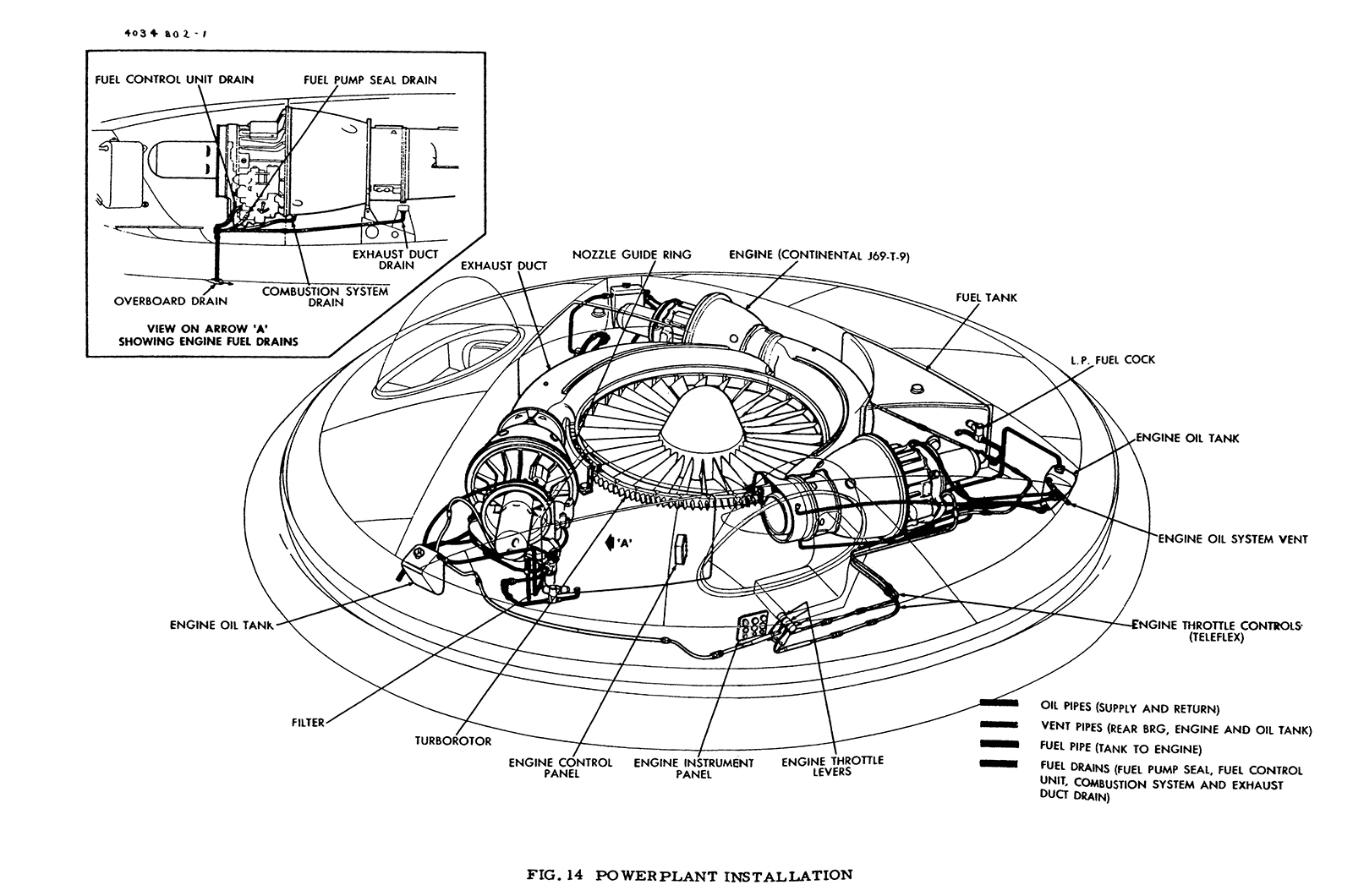
At the core was the Turborotor: three jet engines spun a 124-blade fan to push air down for lift and out for control. The radical design exploited the Coanda effect and gyroscopic forces to achieve some measure of stability. On paper, it was futuristic. In practice, not so much. “Hubcapping”—a destabilising pitch-roll wobble—plagued the craft.

Though two were built and tested, performance lagged. The Avrocar never flew free of ground effect and suffered from hot gas ingestion and inadequate control. Ironically, a rubber skirt might’ve turned it into a hovercraft, beating the SRN-1 to history’s punch. It remained a glorious failure.


9: Vought V-173
 Vought V-173

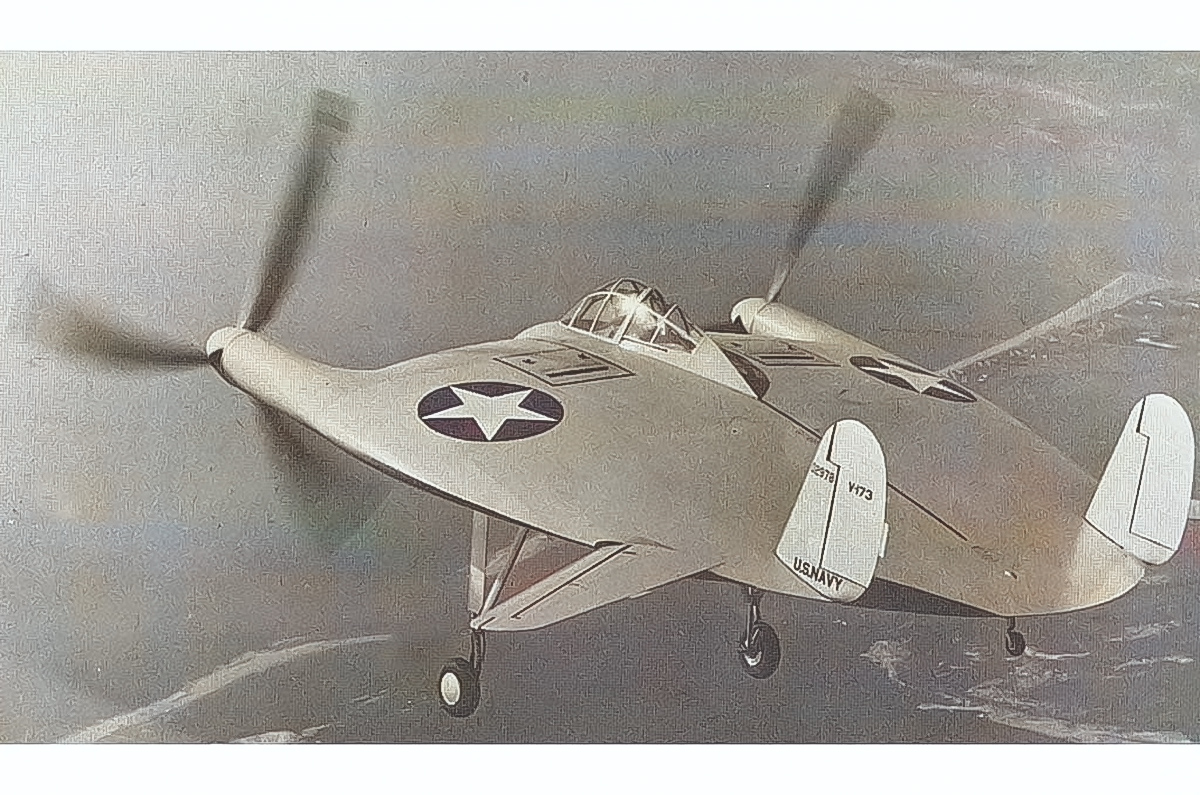
In the 1930s, Charles H. Zimmerman advocated the ‘discoidal’ aircraft with a pancake-shaped fuselage as a lifting surface. Zimmerman had worked on NACA’s early wind tunnels. He wanted to produce a circular VTOL aircraft capable of flight at unbeatable speeds and altitudes, and able to hover like a helicopter. This proved overly ambitious with contemporary technology but earned Zimmerman a prestigious NACA award.

Zimmerman believed that discoidal aircraft could be capable of near-vertical take-off and landings. They also promised excellent manoeuvrability, high speed and great structural strength. The concept, nicknamed the ‘Zimmer Skimmer’, was radical and unlikely, so Zimmerman set about demonstrating its veracity with a series of prototypes for both himself and the Vought company.


9: Vought V-173
 Vought V-173

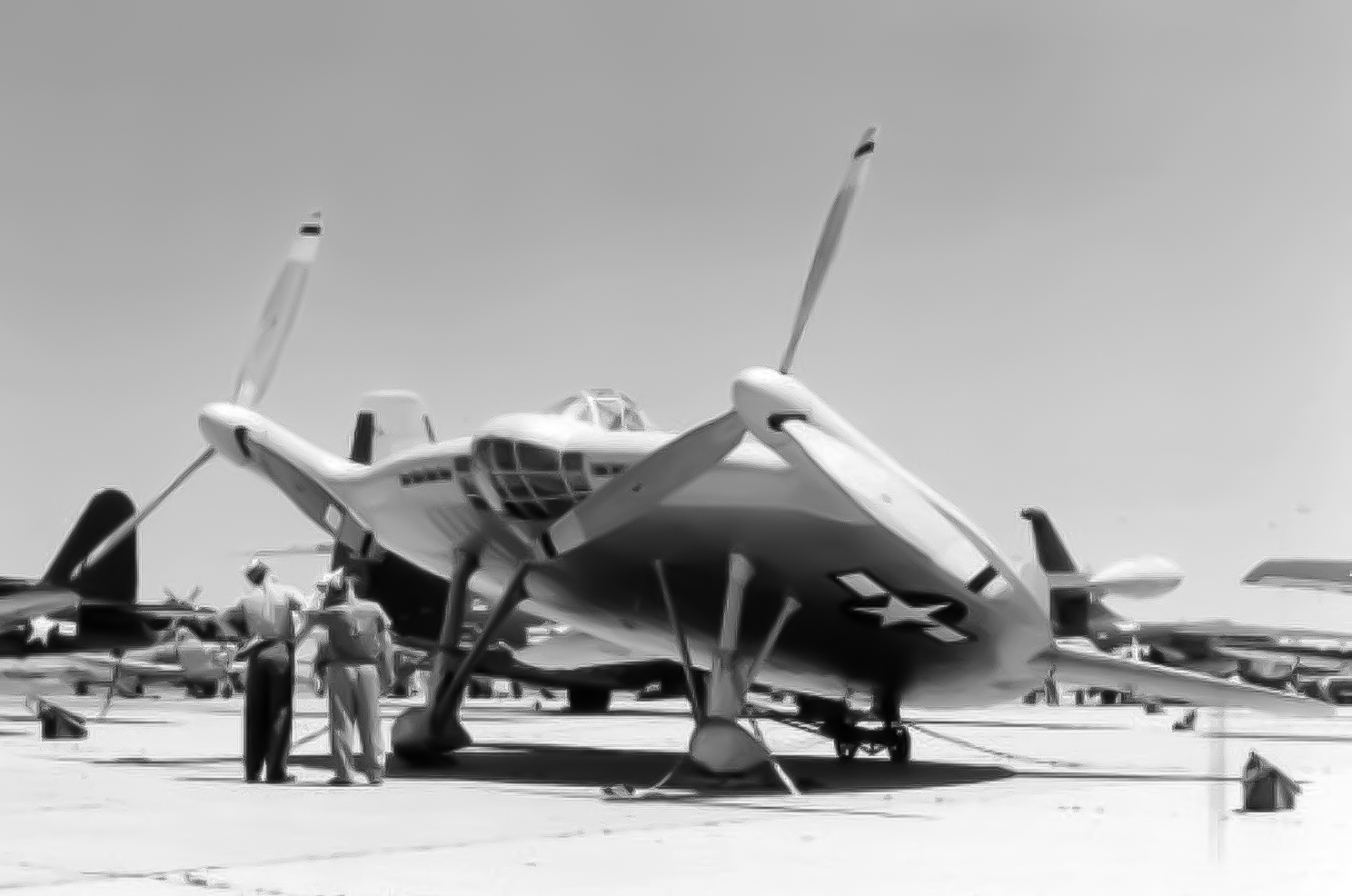
The V-173 flew in 1942. Soon, locals were reporting UFOs, even if the term didn’t exist yet (It was only coined in 1953). Aviation pioneer Charles Lindbergh flew the type and found it handled extremely well. Initial problems were centred more around the propulsion system, which used a complex geared system to route power to the propellers from the engine, than the novel aerodynamic configuration.

One propulsion failure led to a dramatic emergency landing on a beach. As the aircraft landed, the pilot spotted two utterly bewildered bathers in the aircraft’s path. Full braking effect was applied, resulting in the aircraft somersaulting over on itself. Thanks to the aircraft’s immense strength, both the pilot and aircraft emerged unscathed.

Back to top

8: Custer Channel Wing CCW-5

 Custer Channel Wing CCW-5

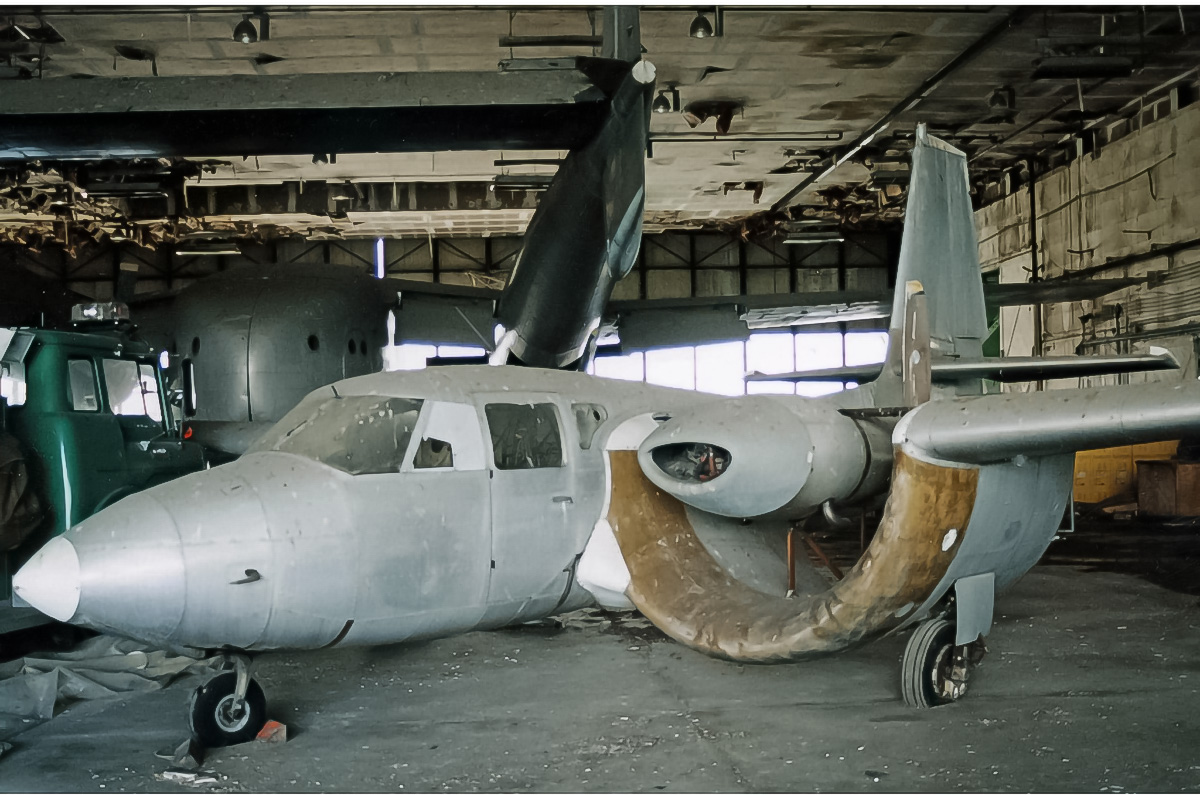
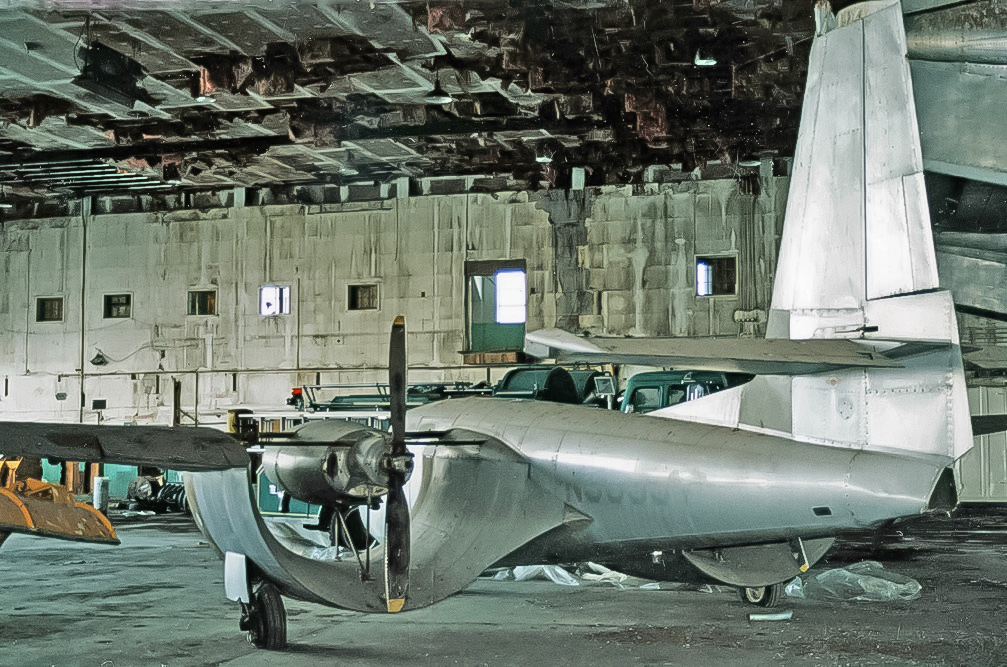
The Custer Channel Wing CCW-5 was a pioneering American aircraft developed in the early 1950s. Designed by Willard Custer, it featured a unique channel wing configuration intended to enhance short take-off and landing (STOL) capabilities. The aircraft featured a semi-circular channel in the wing, through which air was directed by pusher propellers, increasing airflow velocity and generating additional lift.

The CCW-5 was constructed using the fuselage and tail surfaces of the Baumann Brigadier, a mid-wing twin-engine monoplane. Custer replaced the conventional wings with his innovative channel wing design. The aircraft was powered by two 225-horsepower Continental O-470 engines mounted within the channel sections, driving constant-speed pusher propellers. This configuration allowed the CCW-5 to achieve remarkable STOL performance, including take-off distances as short as 90 feet.


8: Custer Channel Wing CCW-5

 Custer Channel Wing CCW-5

First flown on 13 July 1953, the CCW-5 demonstrated exceptional low-speed handling and manoeuvrability. It was reported to be controllable at speeds as low as 11 mph and capable of steeply banked turns without stalling. Despite its impressive performance, the aircraft faced challenges in securing production contracts, partly due to financial constraints and scepticism from potential buyers.

A second CCW-5 was completed in 1964, featuring upgraded 260 horsepower Continental IO-470P engines. This aircraft continued to showcase the viability of the channel wing concept. However, despite its rather promising capabilities, the CCW-5 did not enter mass production. The second prototype is currently preserved and undergoing restoration at the Mid-Atlantic Air Museum in Reading, Pennsylvania.


7: Antonov 181

 Antonov 181

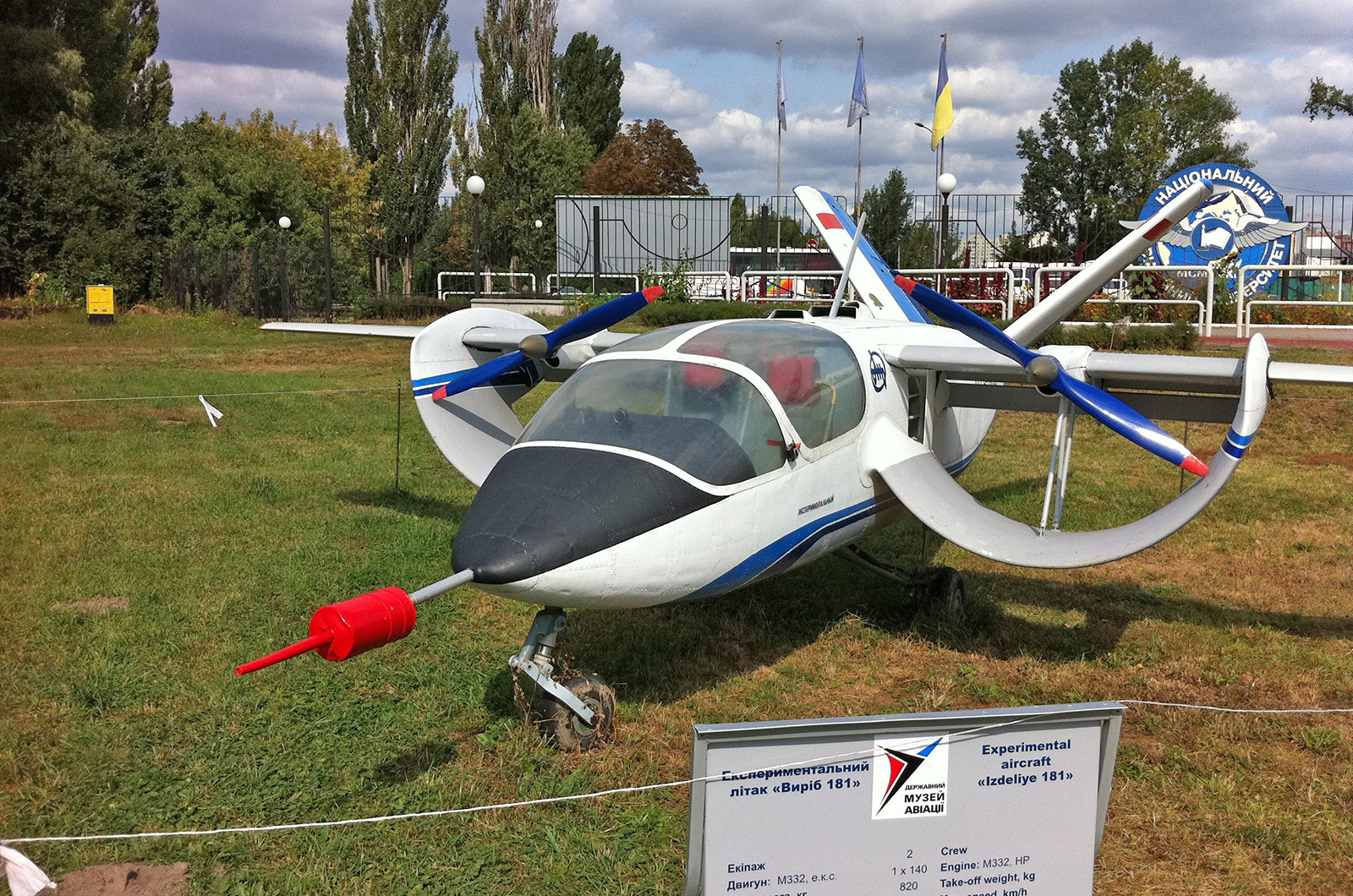
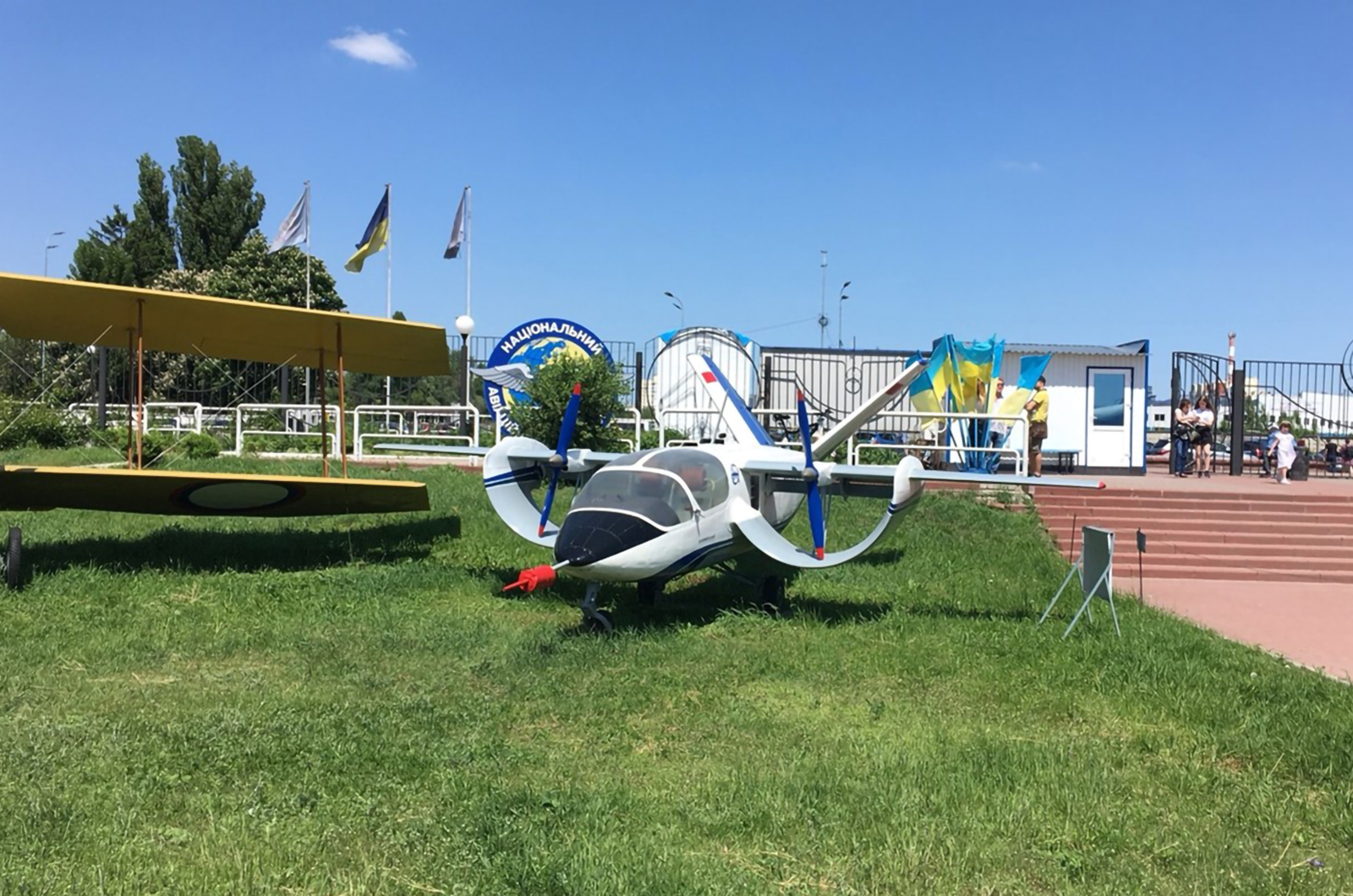
On the subject of channel wings, the tiny Antonov Izdelie 181 (also known as the Antonov An-181) was a Soviet experimental aircraft developed in the 1980s that featured a channel wing design, similar to the Custer CCW-5. Antonov was a world leader in short take-off and landing (STOL) transport aircraft, a necessity for the Soviet Union with its many remote communities and doctrine of flexible warfare.

Back to top

This innovative configuration of the 181 was intended to enhance STOL capabilities by directing airflow through a semi-circular channel along the leading edge of the wing, increasing lift at low speeds. It differed from the Custer in the use of a single (the American aircraft had two) engine driving two propellers via shafts from the engine buried in the fuselage.


7: Antonov 181

 Antonov 181

The Izdelie 181 was a two-seat, low-wing monoplane powered by a 103 kW (138 hp) engine, driving pusher propellers. It had a wingspan of 7.3 metres and a maximum take-off weight of 900 kg. It was predicted that the 181 would be capable of taking off within 70 metres and landing within 80 metres, showcasing impressive STOL performance. It was also expected to have the incredibly low stalling speed of 35mph (57km/h).

Despite its promising design, the Izdelie 181 project was terminated due to a lack of funding following the collapse of the Soviet Union. Only one prototype was built, and probably never flown, not due to an inherent fault of the aircraft, but due to the financial troubles of the USSR. The sole prototype is now exhibited at the State Aviation Museum in Kyiv, Ukraine.


6: Northrop HL-10 Lifting Body

 Northrop HL-10 Lifting Body

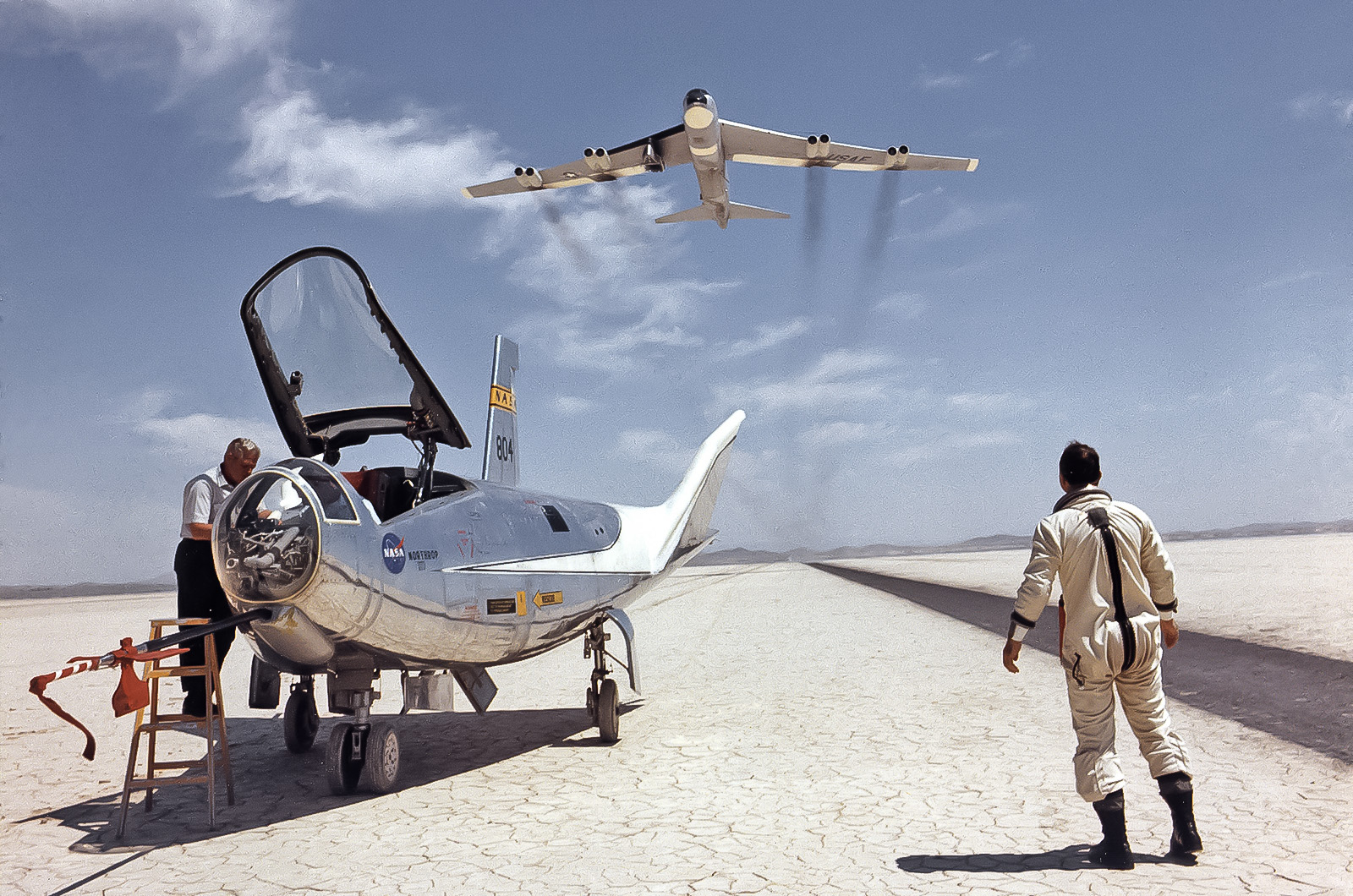
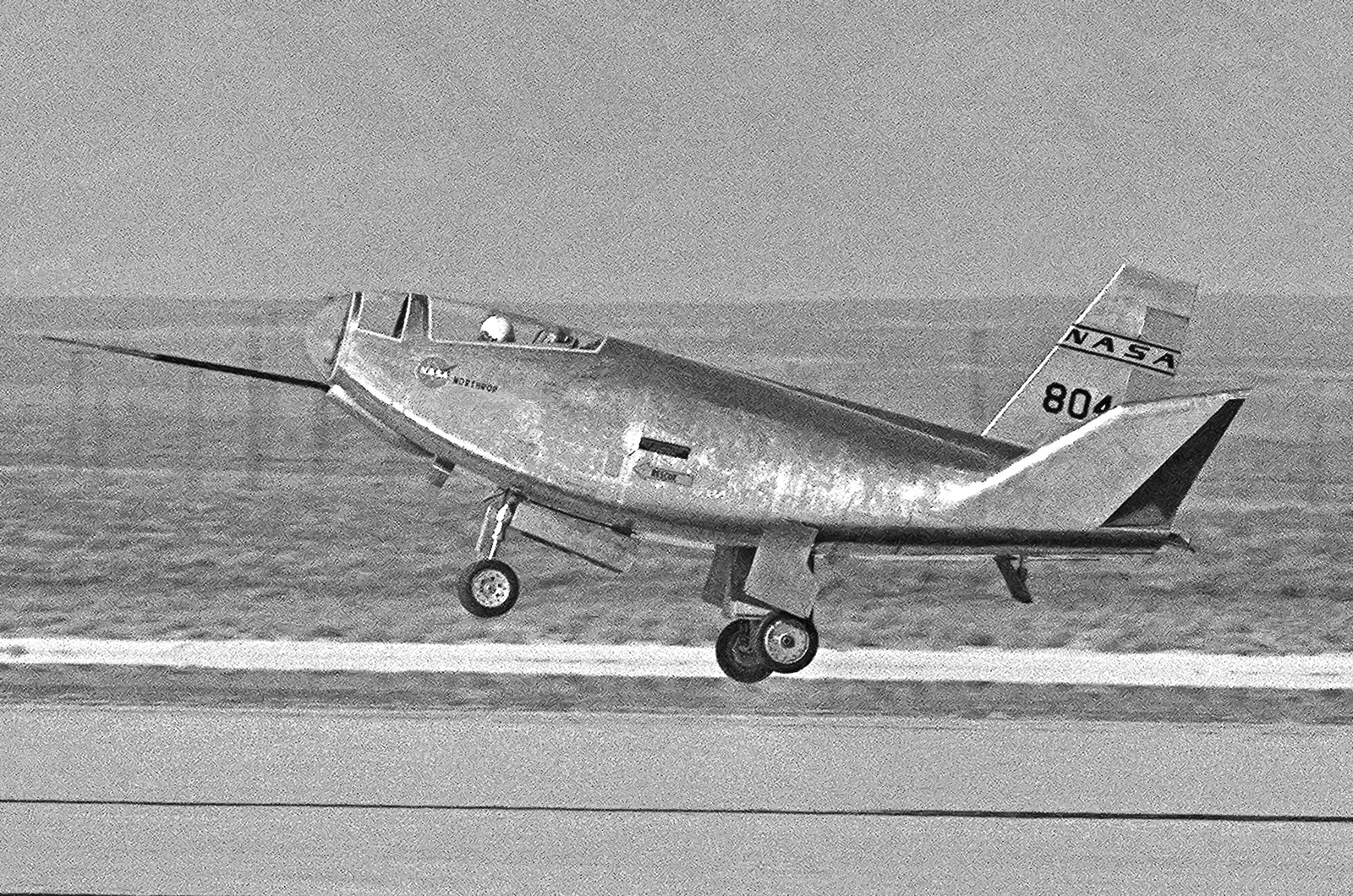
A lifting body is an aircraft or spacecraft design in which the fuselage itself generates aerodynamic lift, minimising or eliminating the need for traditional wings. The Northrop HL-10 was an experimental lifting body aircraft developed in the United States during the 1960s. Designed to explore controlled reentry and unpowered landings for future space vehicles, the HL-10 featured a distinctive flat, wedge-shaped fuselage.

Weighing approximately 5500 kilograms empty, the HL-10 was air-launched from a B-52 bomber at high altitude. Pilots would ignite a rocket engine to achieve brief powered flight before gliding back to Earth. Its handling characteristics, stability, and landing dynamics were extensively studied, providing valuable data on wingless reentry vehicles and steep glides at high descent angles.


6: Northrop HL-10 Lifting Body

 Northrop HL-10 Lifting Body

First flown in 1966, the HL-10 completed 37 research flights. Test pilots, including Bruce Peterson, reported good stability at subsonic and supersonic speeds, although the aircraft remained challenging to manoeuvre near landing. The programme contributed to understanding the aerodynamics of lifting bodies, informing both NASA’s Space Shuttle and the development of future reusable spacecraft concepts.

Back to top

Despite its experimental nature, the HL-10 demonstrated the feasibility of controlled, wingless flight and landing. Its aerodynamic principles influenced subsequent lifting-body aircraft and spaceplane designs worldwide, cementing its place as a pivotal milestone in aerospace research and advancing the possibilities of atmospheric reentry and horizontal landings.


5: Piasecki PA-97 Helistat

 Piasecki PA-97 Helistat

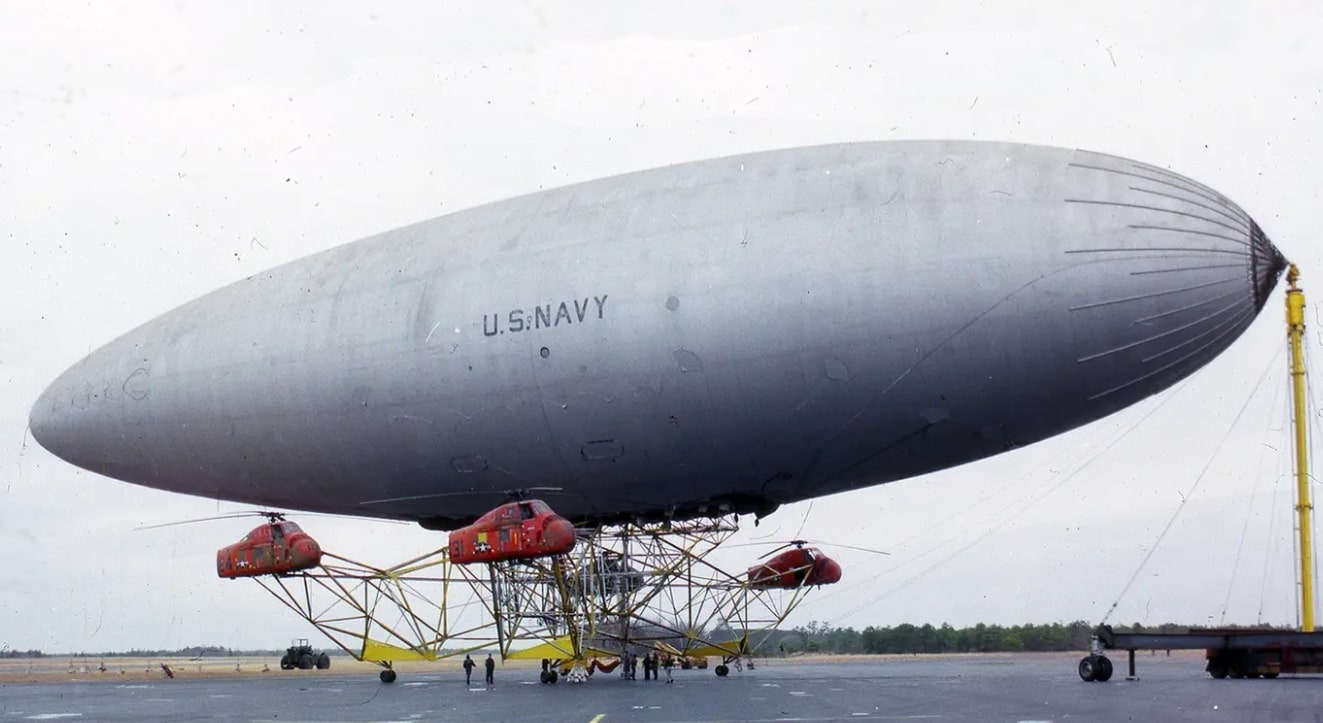
To say that the bizarre Helistat looked alarming to those not expecting to see it would be an understatement, as it was essentially a 104-metre blimp joined to four thundering helicopters. It combined the buoyant lift of a blimp with the dynamic lift of helicopters, aiming to create a highly efficient heavy transport system capable of operating in remote and challenging environments.

The Helistat featured a helium-inflated ZPG-2W blimp envelope with four modified Sikorsky H-34J helicopter fuselages mounted beneath it. This innovative design was intended to merge the helicopters’ dynamic lift with the airship’s static lift, increasing payload capacity while reducing fuel consumption during horizontal flight, a novel approach for its time.


5: Piasecki PA-97 Helistat

 Piasecki PA-97 Helistat

As mentioned, it was a gargantuan 343 feet (104.48 metres) in length, making the Helistat the largest dynamic-lift aircraft (a type of aircraft that generates lift through movement) ever built. It had a gross weight of about 48,500 kg and a gas envelope volume of approximately 28,600 cubic metres. Developed under a 1980 US Navy contract for the US Forest Service, it was intended for heavy timber harvesting.

The prototype first flew on 26 April 1986 at Lakehurst, New Jersey. Sadly, on 1 July 1986, structural failure during testing caused a fatal crash, resulting in the death of test pilot Gary Oleshfski. The accident exposed the challenges of integrating rotorcraft with airships. But some believe this promising idea will one day return, and we hope so, as the sight of a heli-blimp flying over with heavy timber loads would be incredible.


4: AeroLift CycloCrane

 AeroLift CycloCrane

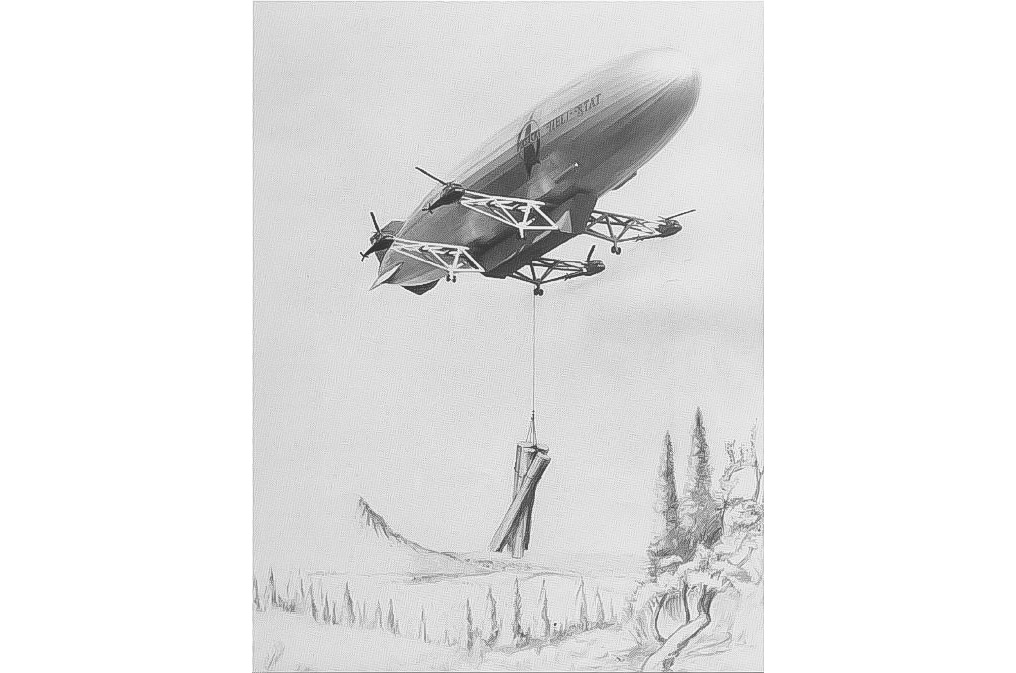
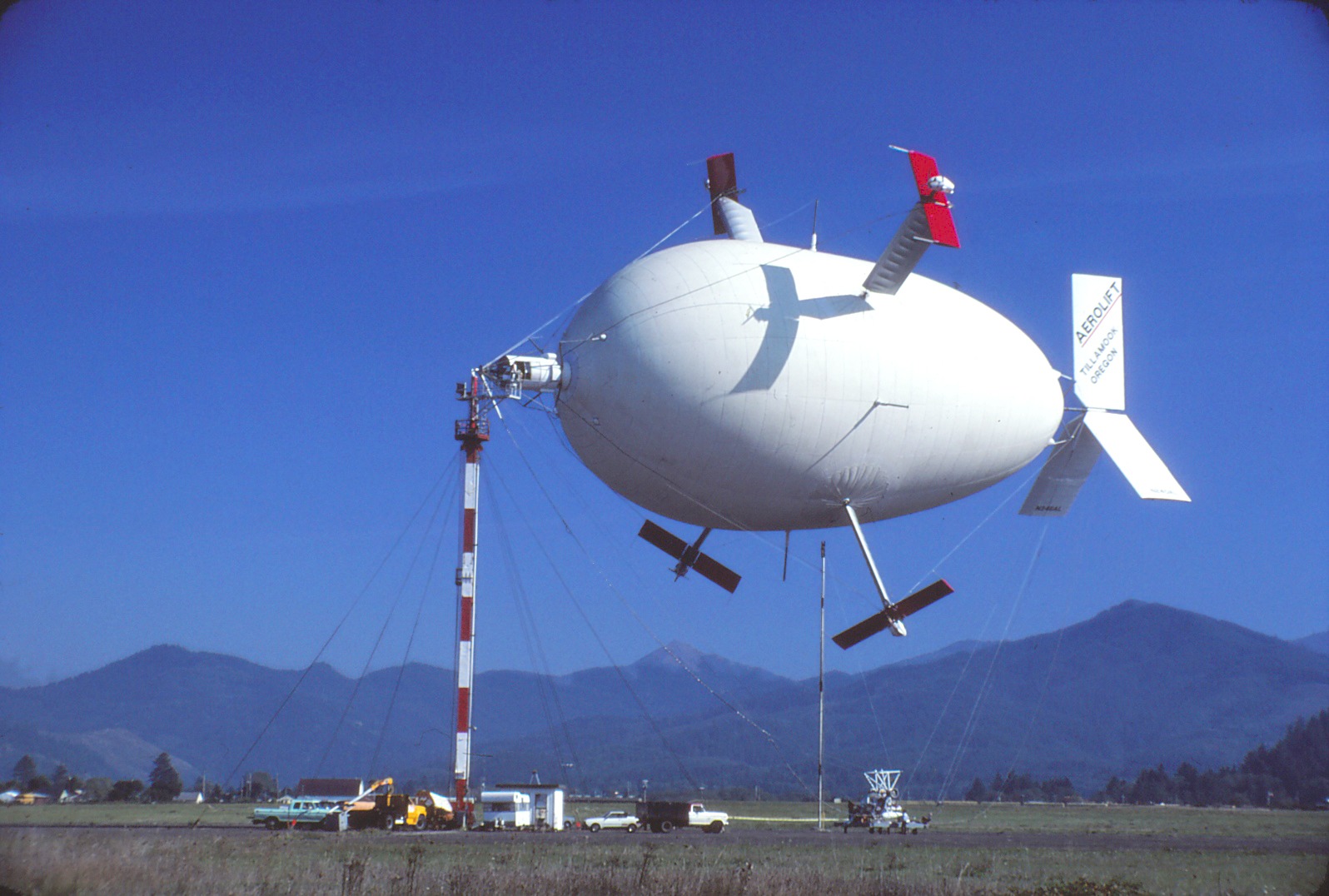
Like the Helistat, the AeroLift CycloCrane was an experimental project developed in the early 1980s aimed to create a heavy-lift aircraft capable of conducting aerial logging in remote areas inaccessible by conventional means. The design combined aerostatic lift from a helium-filled envelope with aerodynamic lift generated by rotating blades, offering a novel approach to vertical heavy lifting. And quite frankly, it looked incredibly clumsy.

Back to top

The CycloCrane featured a spherical gas envelope measuring 178 feet (54.25 meters) in length and 68 feet (20.73 meters) in diameter. Attached to this were four rotating blades, each equipped with a T-shaped wing at the tip. These blades, powered by piston engines, could rotate to generate both lift and thrust, allowing the craft to hover and manoeuvre vertically. The aerostat provided buoyancy to lift the vehicle's weight and its payload, while the blades generated additional lift to carry the rest of the load.


4: AeroLift CycloCrane

 AeroLift CycloCrane

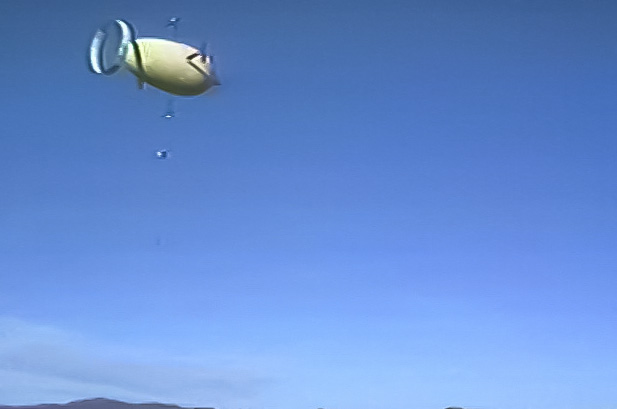
The first proof-of-concept CycloCrane was completed in 1982 but was destroyed in a storm before it could be flown. A second version, rebuilt in 1984, featured a ring-shaped tail for stabilisation and underwent both tethered and untethered flights. The aircraft faced challenges that included underpowered engines and limited payload capacity, leading to its eventual retirement.

Although the CycloCrane did not enter production, it remains a notable example of hybrid airship design, demonstrating the potential for combining aerostatic and aerodynamic lift in heavy-lift aircraft. The project also highlighted the difficulties in developing such innovative aircraft. Still, it was a wonderfully weird footnote in aviation history.


3: Bonney Gull

 Bonney Gull

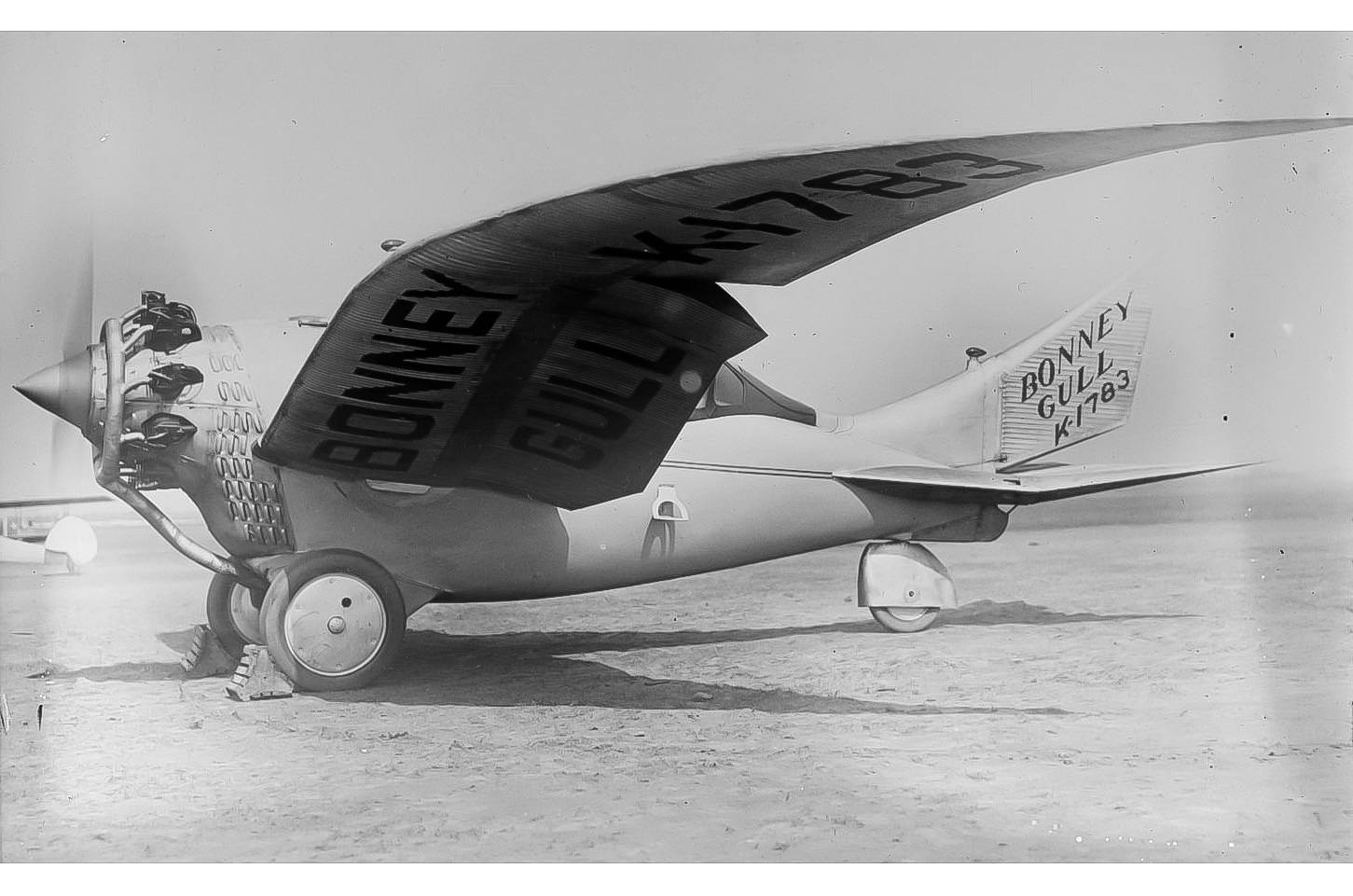
In the mid-1920s, aviation pioneer Leonard Warden Bonney set out to mimic one of nature’s most effortless flyers: the seagull. His dream, the Bonney Gull, was to soar with the same instinctive grace—its gull-like wings flexing in flight, its lines clean, elegant, and far beyond the conventions of early aircraft design. Over five meticulous years, Bonney shaped a machine of startling originality.

The Bonney Gull incorporated several avant-garde features. Notably, it had wings with variable incidence, allowing for adjustments in the angle of attack during flight. In other words, the wings weren’t fixed—they could tilt to make the aircraft fly more efficiently, allowing them to tilt into the wind when landing. Variable incidence had been pioneered by the 1911 British Mulliner Knyplane.


3: Bonney Gull

 Bonney Gull

Back to top

It had a stout body and elegantly curved wings. Following the “example of birds”, Bonney discarded the aileron in favour of wingtips that could sweep for roll control. His aircraft introduced innovations: a tail that expanded and contracted “like a blackbird’s” to adjust for load, wings with variable camber that flattened like a gull’s in level flight.

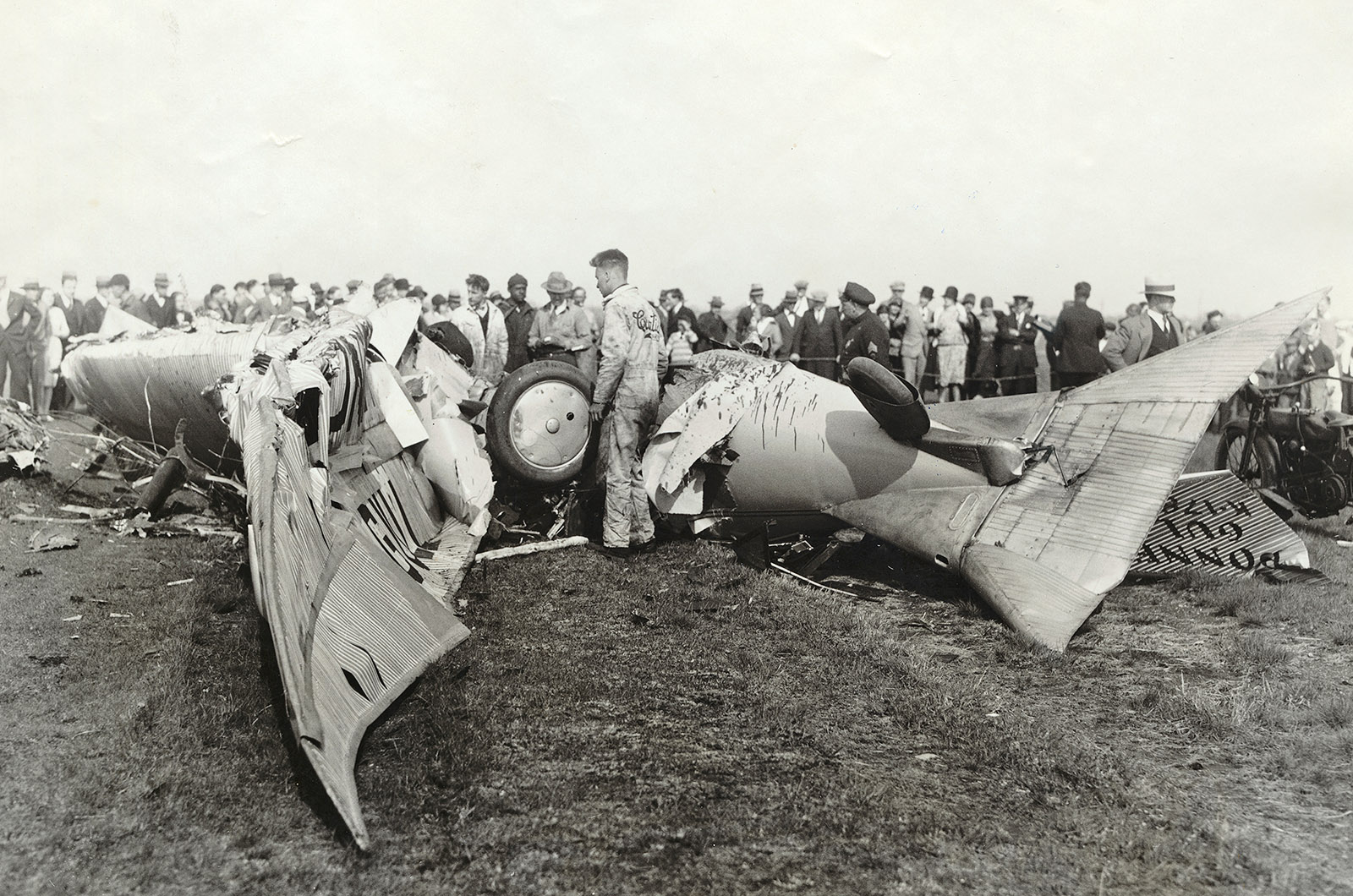
Bonney’s variable-camber wings flattened at speed, increasing efficiency. Tested at MIT and the Guggenheim School, his design bore the hallmarks of serious experimentation rather than eccentric whimsy. On 4 May 1928, at Curtiss Field, Long Island, Bonney took his creation aloft for the first and only time. Moments later, it plunged to earth, killing him instantly (pictured). Variable incidence was not a bad idea and would return, most notably on the F-8 Crusader.


2: Aereon 26

 Aereon 26

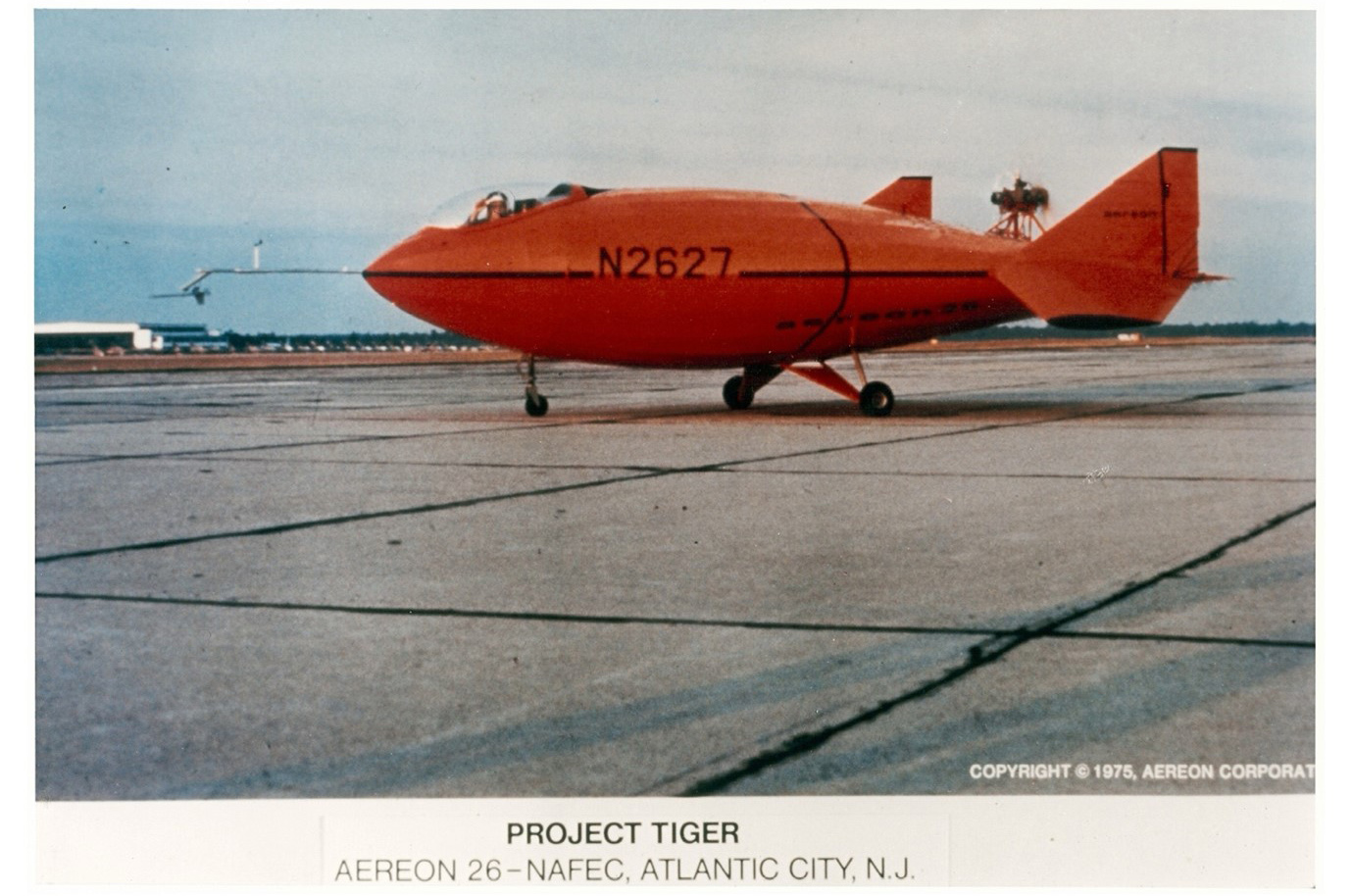
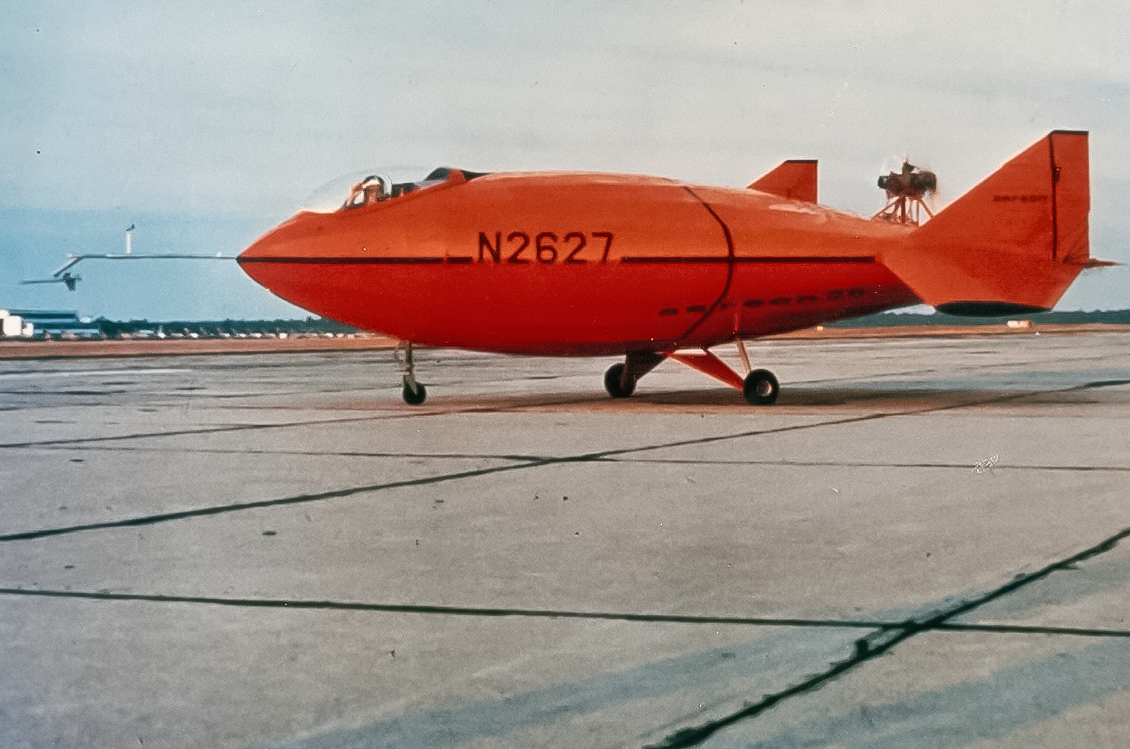
On first glance, the Aereon 26 appears to be a spaceship from a 60s sci-fi film; on second glance, it appears to be an airship masquerading as the Martin Marietta X-24. The Aereon 26 emerged in the late 1960s as an ambitious experiment in hybrid aviation. Its unusual deltoid pumpkin seed shape challenged conventional designs, blending aspects of airships and aeroplanes. Its raison d’être was clear: to explore efficient cargo transport while reducing reliance on traditional aircraft propulsion systems, a daring pursuit indeed.

Constructed largely from salvaged materials, the Aereon 26 relied on a modest 92-horsepower McCulloch engine. Its lozenge-shaped fuselage, paired with a pusher propeller, emphasised aerodynamic lift over buoyant lift. Early flights in 1971 confirmed basic manoeuvrability and lift-off capabilities, marking a small but notable triumph in lifting-body aviation, and a testament to inventive aeronautical engineering.


2: Aereon 26

 Aereon 26

Financial constraints ultimately curtailed further development, leaving the Aereon 26 as a singular prototype. Nevertheless, its innovative approach inspired future hybrid aircraft concepts. The unusual design attracted attention from enthusiasts and sceptics alike, some treating sightings as UFO encounters, a somewhat amusing fait accompli reflecting the era’s fascination with unconventional flight.

Back to top

Today, the Aereon 26 is preserved at the Air Victory Museum in New Jersey, admired as a pioneering experiment. Its legacy continues to intrigue engineers and historians, illustrating the courage and creativity required to challenge aerodynamic norms, and confirming that bold ideas often leave a lasting impression.


1: Martin Marietta X-24

 Martin Marietta X-24

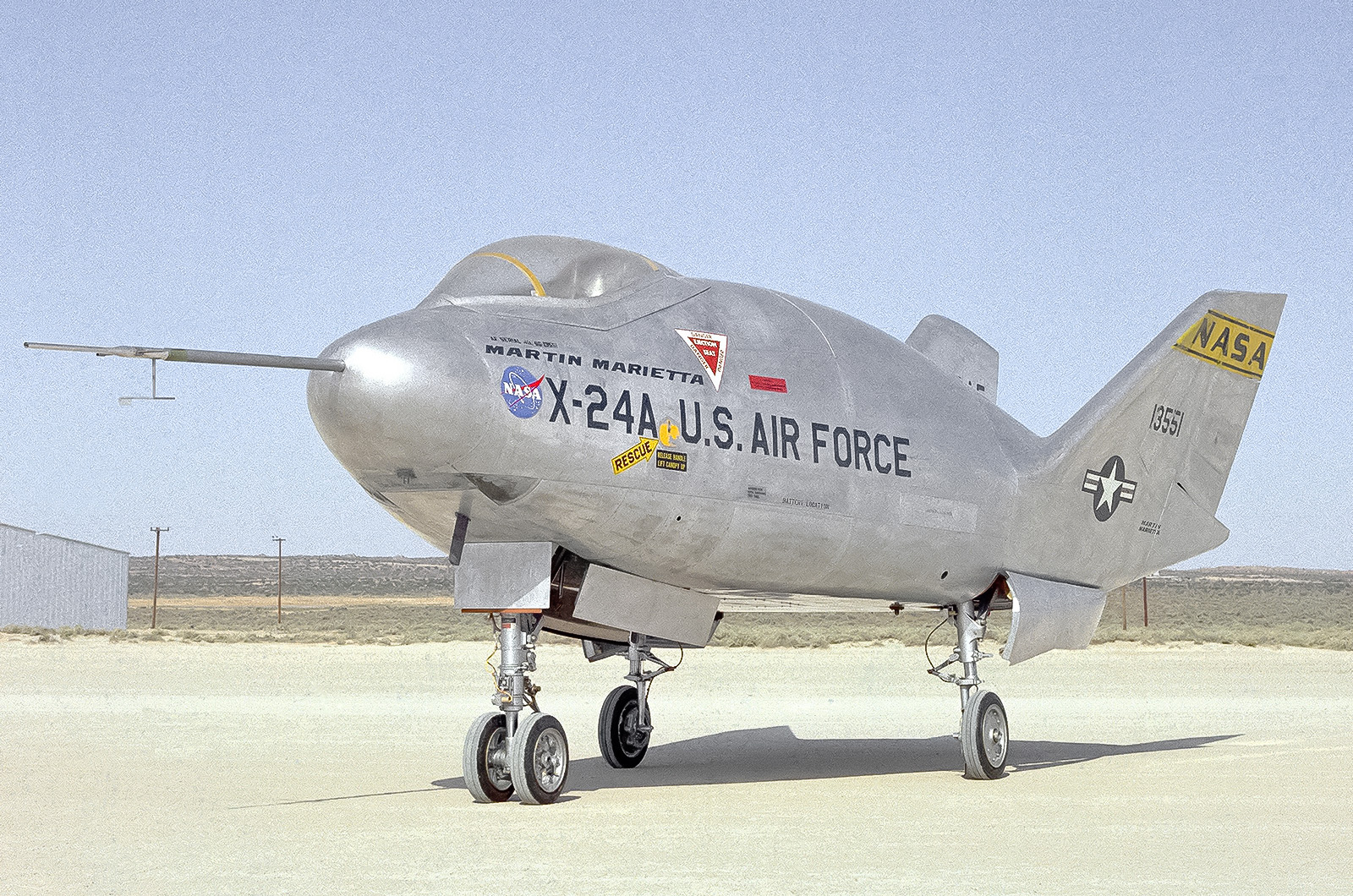
The Martin Marietta X-24A was an experimental aircraft developed in the 1960s and 1970s as part of a joint US Air Force and NASA programme. Its primary purpose was to test lifting body concepts, which are designs where the body of the aircraft itself generates lift, eliminating the need for wings. This approach was instrumental in the development of the Space Shuttle.

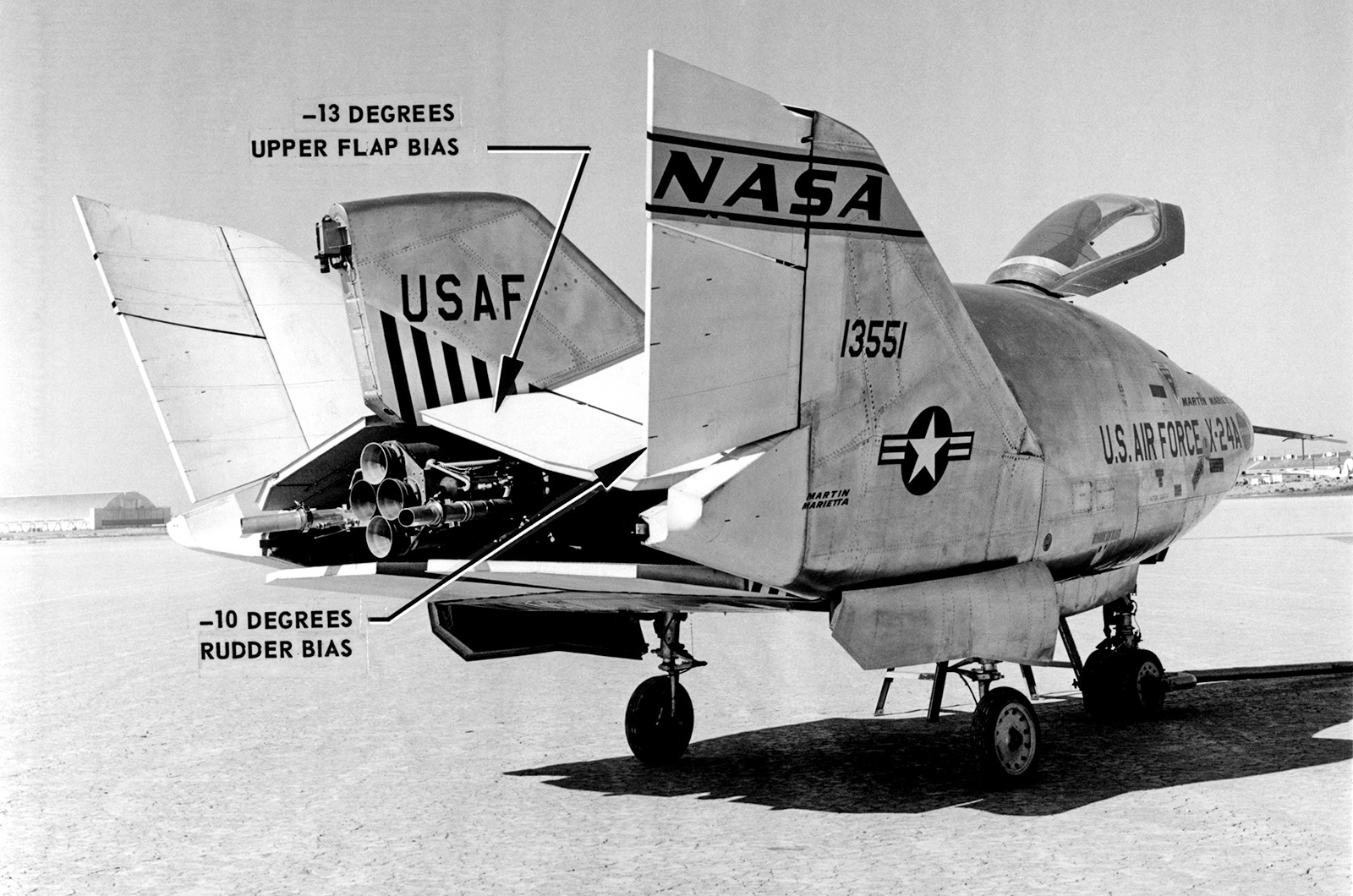
The X-24A featured a distinctive bulbous, teardrop shape with three vertical fins for stability and control. Powered by a Reaction Motors XLR-11 rocket engine, it was carried aloft by a modified B-52 Stratofortress ‘mothership’ before being released to glide or ignite its rocket engine for powered flight. The aircraft completed 28 test flights between 1969 and 1971, reaching speeds up to Mach 1.6 and altitudes of 71,400 feet.


1: Martin Marietta X-24

 Martin Marietta X-24

Pilots such as Major Jerauld R. Gentry, John A. Manke, and Cecil W. Powell conducted these flights, providing valuable data on unpowered reentry and landing techniques. These insights were crucial for the design and operation of the Space Shuttle. Following the completion of the X-24A test programme, it was modified into the long-nosed X-24B, which featured a more stable design with a "flying flatiron" shape.

A X-24 crash at Edwards Air Force Base in 1973 occurred during a test flight when the aircraft lost control upon landing; fortunately the pilot escaped unharmed. The crash footage was used in the opening credits of the 1970s TV series The Six Million Dollar Man. The X-24B continued test flights until 1975.

Follow Joe Coles on Substack, Twitter X  or Blue Sky. His superb Hush-Kit Book of Warplanes is available here.

If you enjoyed this story, please click the Follow button above to see more like it from Autocar

Join our WhatsApp community and be the first to read about the latest news and reviews wowing the car world. Our community is the best, easiest and most direct place to tap into the minds of Autocar, and if you join you’ll also be treated to unique WhatsApp content. You can leave at any time after joining - check our full privacy policy here.

Add a comment…