Currently reading: The 10 best Helicopters & Rotorcraft of the Second World War

The 10 best Helicopters & Rotorcraft of the Second World War

Rotorcraft took hundreds of years to evolve from fanciful pipedreams to actually flying but did not take long to transition from experimental flying machines to tools of war.

Not many people realise that helicopters and other related aircraft actually existed during the second world war, but they did. Amid the mass chaos, rotorcraft took their first tentative steps that would eventually lead to their becoming a prime instrument of warfare. Here are the Top 10 Helicopters & Rotorcraft of the Second World War:


10: Doblhoff WNF 342
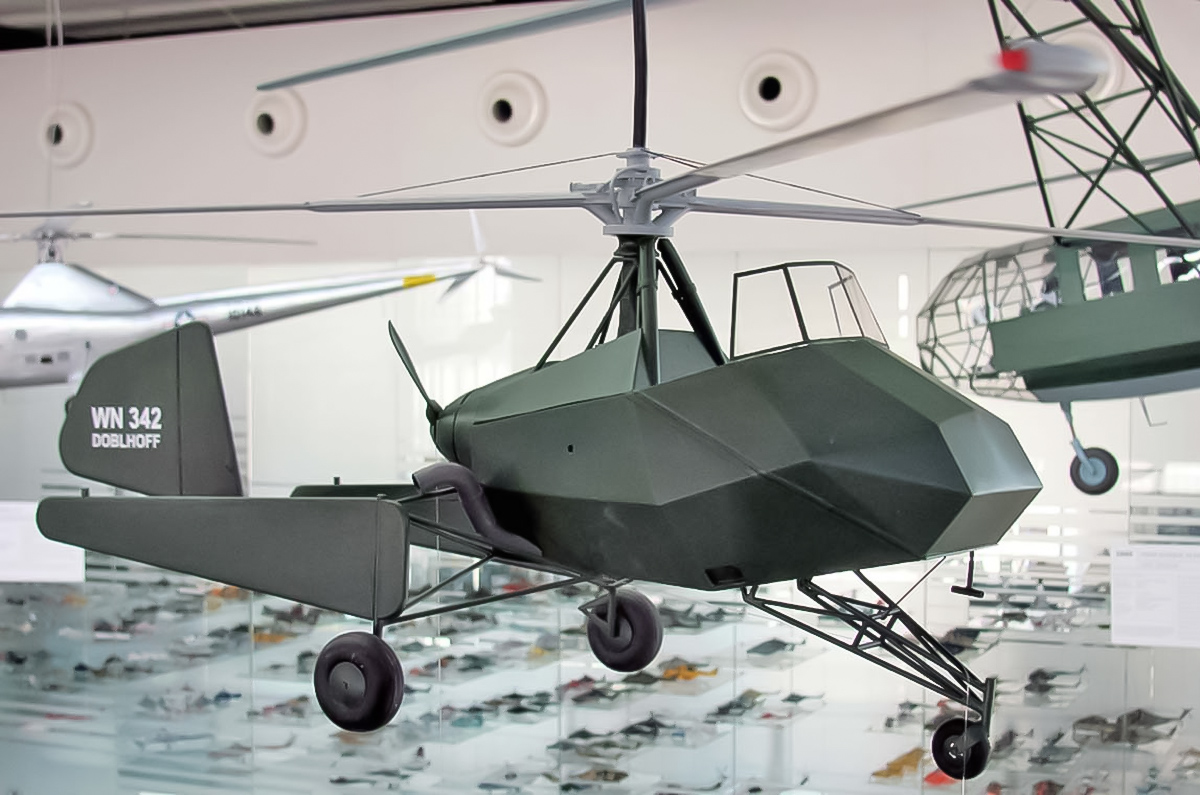
 Doblhoff WNF 342

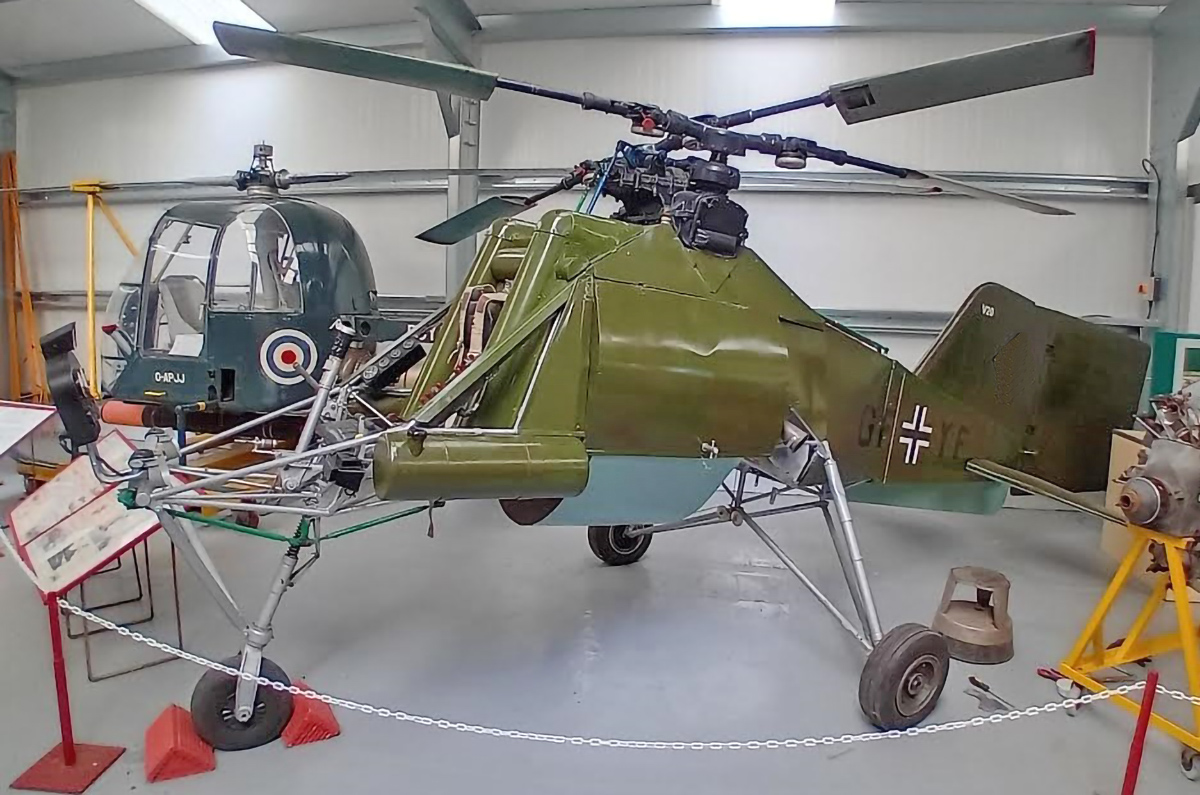
The Doblhoff WNF 342 was an experimental Austrian helicopter developed during the second world war under the direction of Friedrich von Doblhoff at the Wiener Neustädter Flugzeugwerke (WNF). Conceived in 1942, the design was notable for being one of the earliest attempts at a jet-driven helicopter, using tip-jet propulsion rather than a conventional mechanical transmission.

The WNF 342 employed a small piston engine to drive a compressor that fed compressed air to burners located at the tips of the rotor blades. The burning fuel-air mixture produced thrust, spinning the rotor without the need for a tail rotor to counteract torque, since no torque was transmitted through the shaft. This simplified mechanical design but introduced problems of noise, fuel consumption, and efficiency.


10: Doblhoff WNF 342
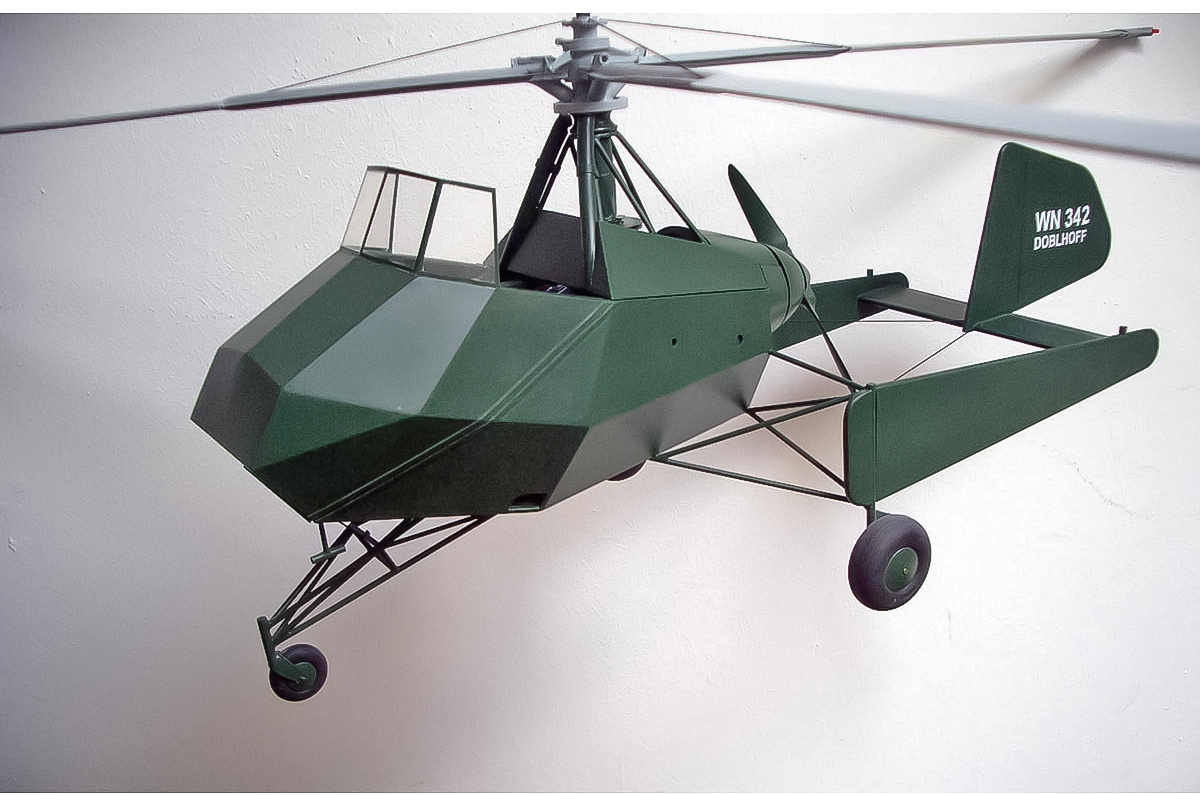
 Doblhoff WNF 342

Several prototypes were constructed between 1943 and 1945, designated WNF 342 V1 through V4. Test flights demonstrated that the aircraft could achieve stable hovering and forward flight, but its limited endurance and impractical operating characteristics prevented further development during the war.

Although it did not see operational service, the WNF 342 represented an interesting step in rotorcraft experimentation. Its pioneering tip-jet rotor concept influenced later designs in postwar France and the United States.


9: Flettner Fl 265
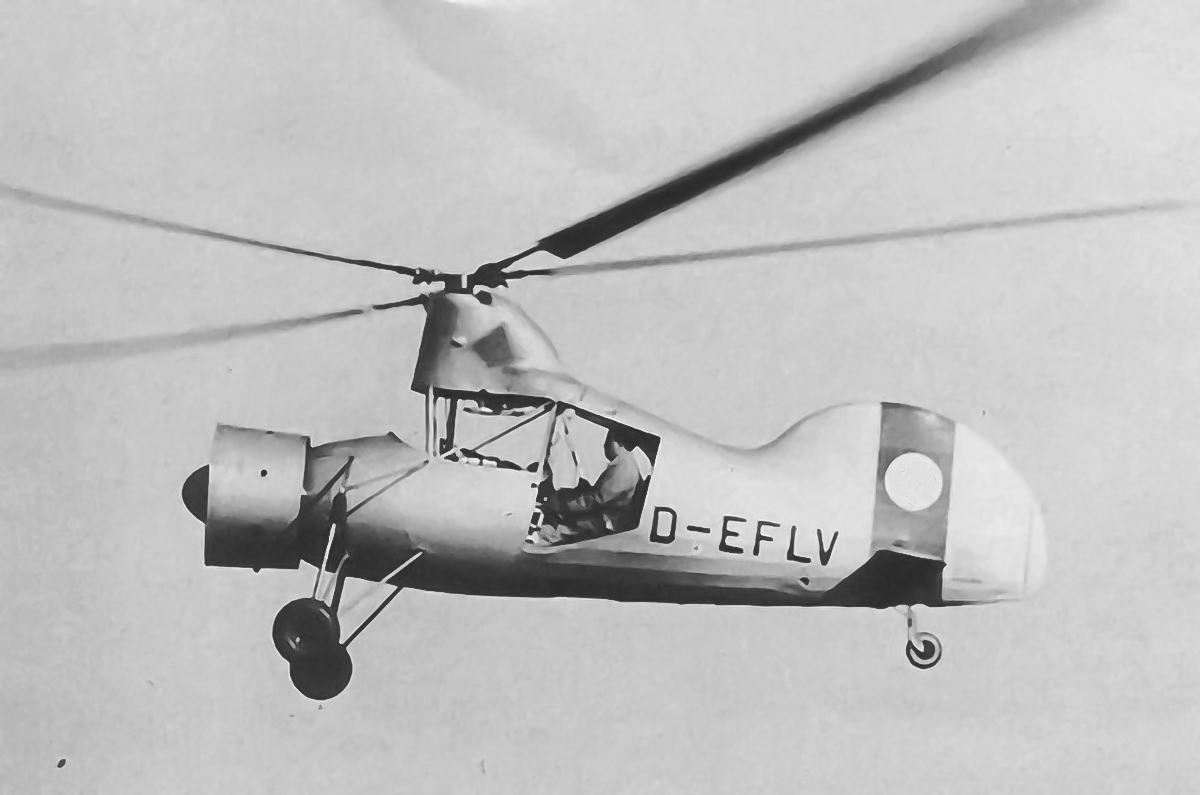
 Flettner Fl 265

The Flettner Fl 265 was a German experimental helicopter developed in 1938 by Anton Flettner, a pioneer in rotary-wing aviation. It was one of the earliest helicopters to employ the intermeshing, or synchropter, rotor system that later became a hallmark of Flettner’s designs.

The Fl 265 was powered by a 160 hp BMW-Bramo Sh 14A radial engine, driving two intermeshing rotors mounted above the fuselage. This arrangement eliminated the need for a tail rotor to counteract torque, increased stability, and allowed for a compact airframe.


9: Flettner Fl 265
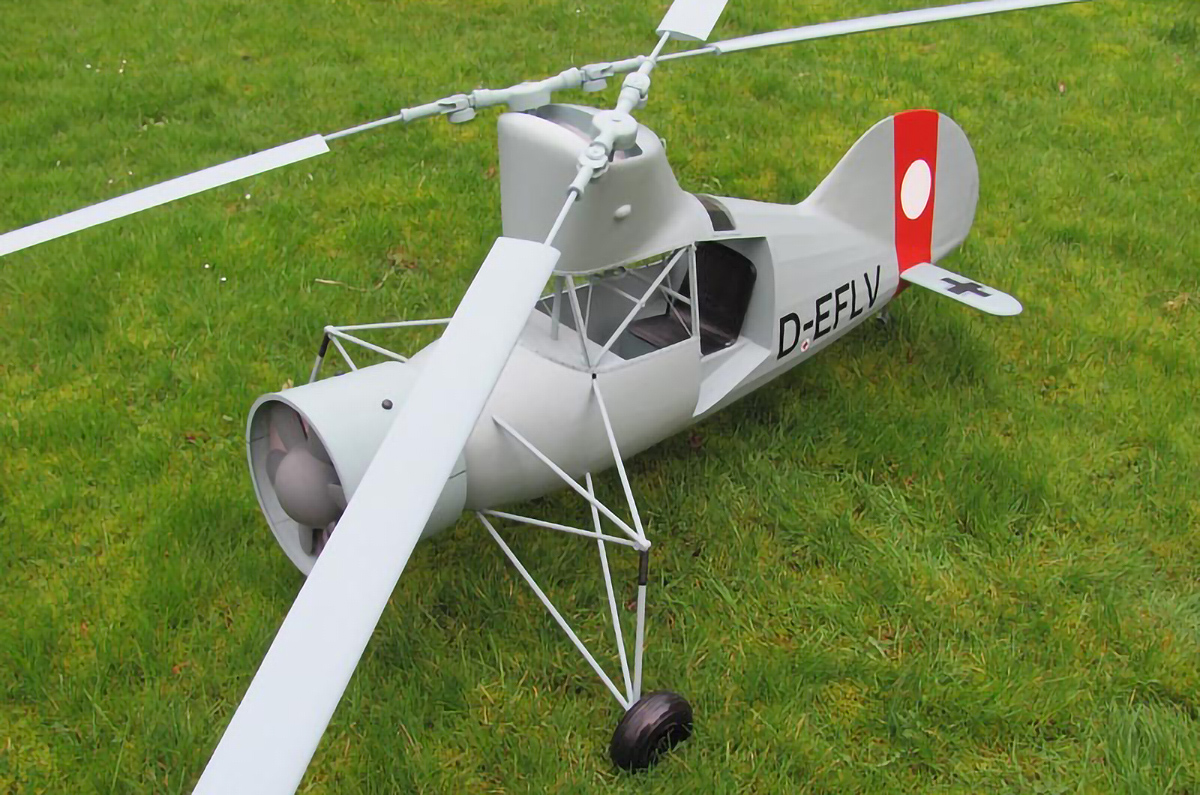
 Flettner Fl 265

It carried a single pilot in an enclosed cockpit, and its configuration enabled vertical take-off, hovering, and controlled autorotation, marking it as one of the first helicopters to demonstrate safe engine-off landings. Six prototypes were constructed and tested by the Luftwaffe in 1939.

Flight trials showed that the Fl 265 possessed good manoeuvrability and reliability, and it could transition between powered flight and autorotation more smoothly than earlier helicopters. Nevertheless, the type was considered a stepping stone rather than a production aircraft, as we’ll see.


8: Rotabuggy
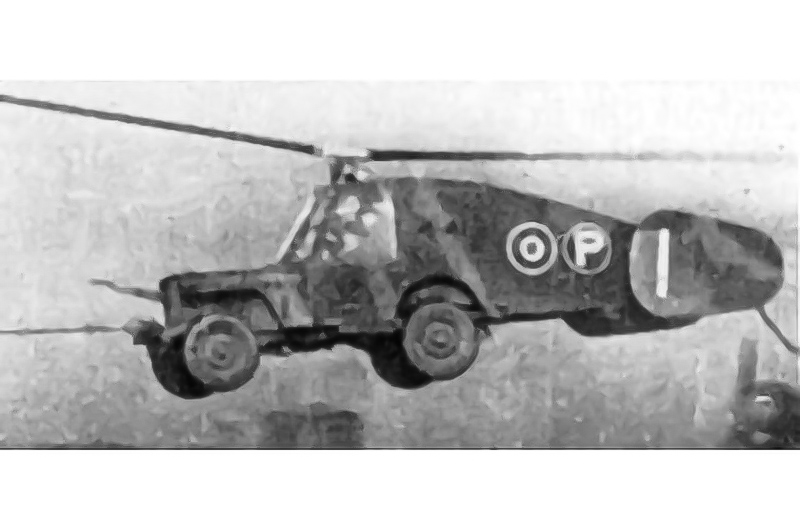
 Rotabuggy

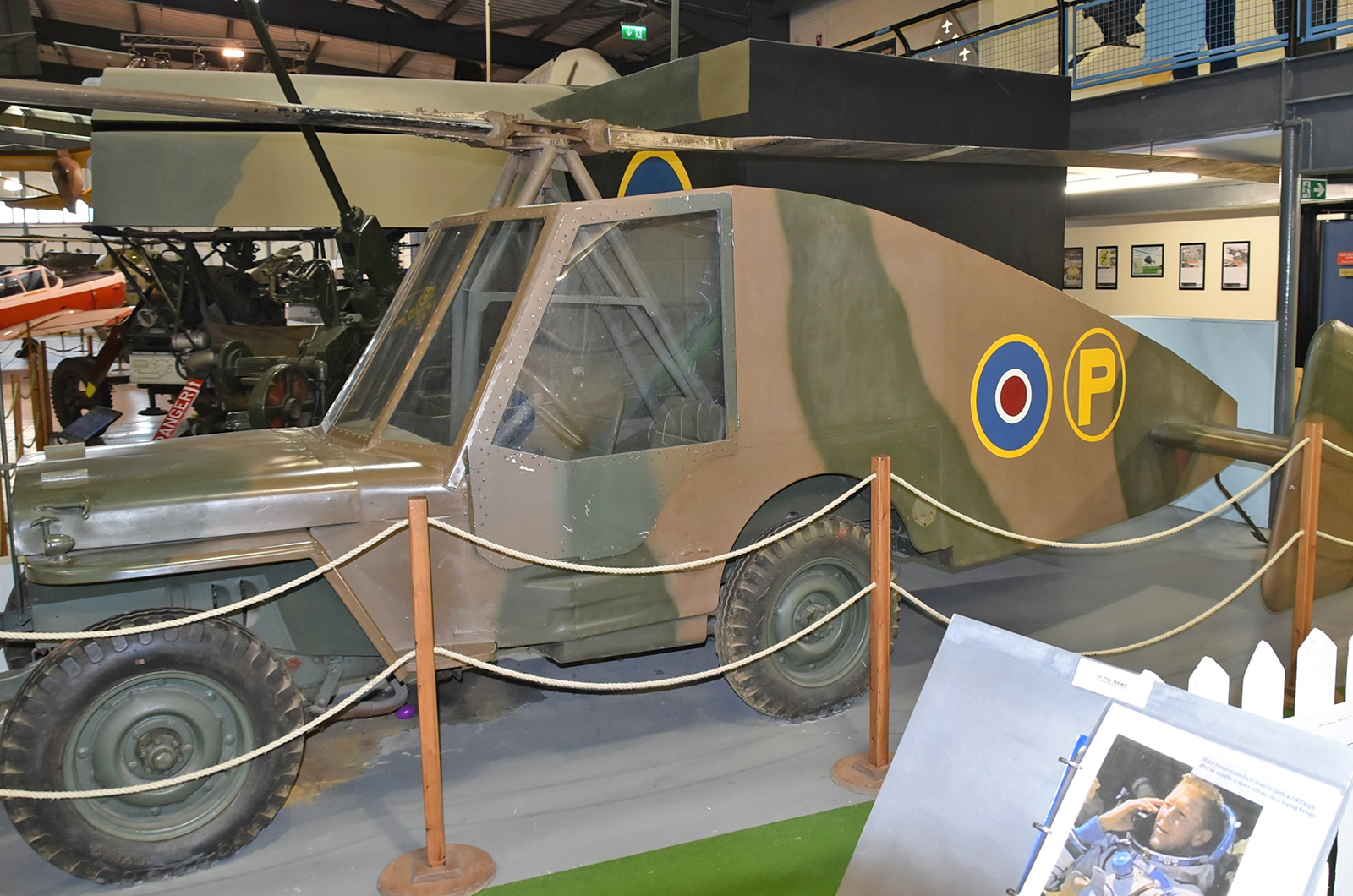
A rotor kite is an unpowered, rotary-wing aircraft that relies on lift from its rotors. Unlike a normal helicopter, they don’t have an engine powering their rotor. Like conventional gliders, a rotor kite needs to be carried aloft by a tow aircraft, car or boat. It can also ride on wind, and fly like a kite.

Back to top

Raoul Hafner, an émigré from Germany to the UK, was a pioneering helicopter designer. He had already developed the one-man Hafner Rotachute rotor kite as an alternative to the parachute for the air delivery of soldiers to the battlefield. One advantage of the Rotachute was that it did not use silk. He then proposed a similar method to creating a ‘Flying Jeep’.


8: Rotabuggy

 Rotabuggy

Fast ground assaults work best with the benefit of surprise, and one way to achieve these is for soldiers, vehicles and equipment to fly in by air. The Willys MB ‘Jeep’ was among the most useful of military vehicles and a ripe candidate for airborne delivery. Hafner proposed a modified MB able to take itself into war zones by air as the Rotobuggy.

Initial tests launching the Rotabuggy from a ground towing vehicle proved troublesome, as first, the tow vehicles lacked speed, but with the help of a supercharged 4.5-litre Bentley the Rotabuggy could be launched reasonably easily. Air launches, using an Armstrong Whitworth bomber as a towing platform were even more successful, but the whole project stood aside for the development of large transport gliders. Though the Hafner Rotabuggy was not in itself so important, Hafner was very important, and his compact 'spider' control system still fly today on the Wildcat.


7: Focke-Achgelis Fa 330 “Bachstelze”

 Focke-Achgelis Fa 330 “Bachstelze”

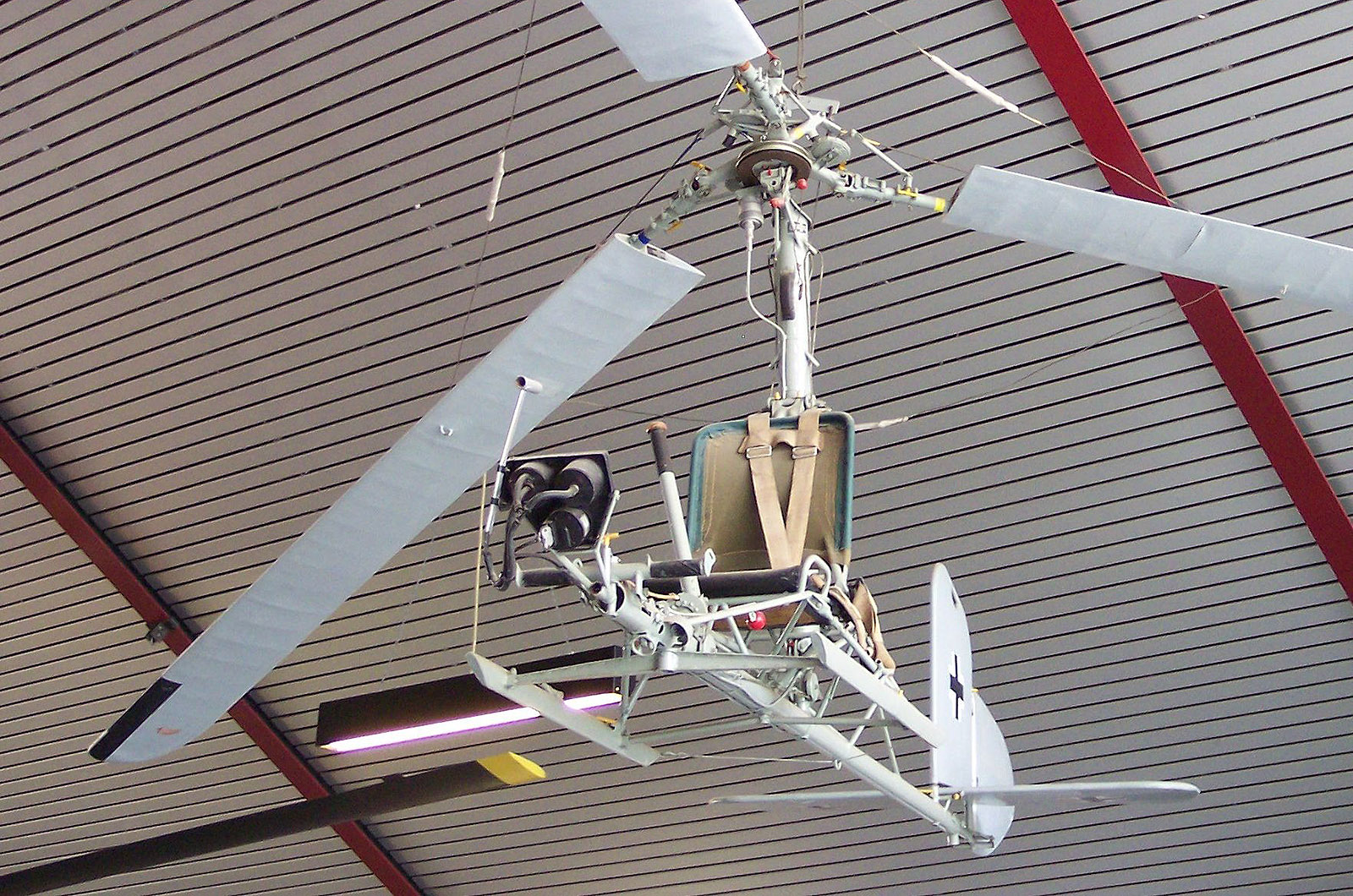
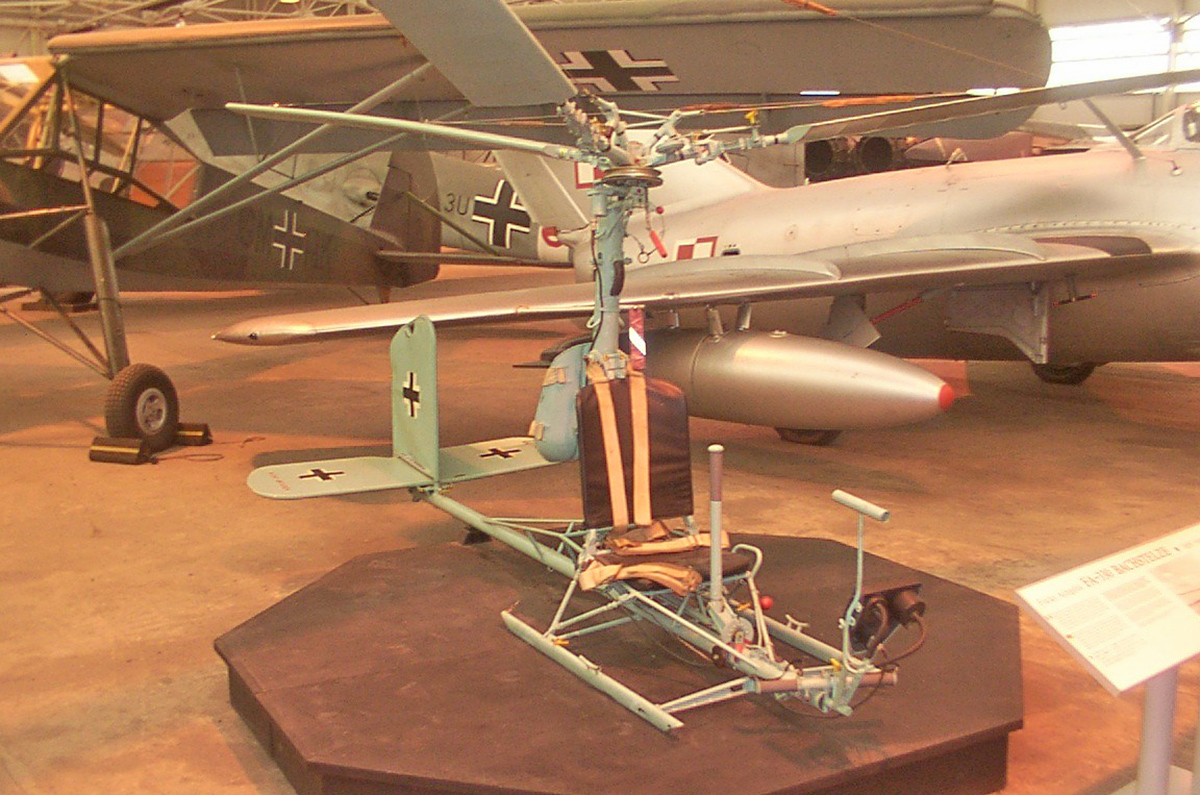
The Focke-Achgelis Fa 330 “Bachstelze” (Pied Wagtail) was a small, single-seat rotor kite used by German U-boats during the second world war. Towed behind a submarine, it lifted an observer high above the surface, allowing them to spot ships far beyond the limited view from the conning tower.

Approximately 200 were built, each assembled on the submarine by a crew of four. A 300-metre cable connected the Fa 330 to the U-boat, and the rotors spun freely as the boat moved forward. When not in use, the kite could be dismantled and stored in watertight canisters, though rough seas made deployment and recovery challenging and occasionally risky for the pilot.


7: Focke-Achgelis Fa 330 “Bachstelze”

 Focke-Achgelis Fa 330 “Bachstelze”

Back to top

Its most notable success came in August 1943 when an observer on U-177 spotted the Greek cargo ship Efthalia Mari near Madagascar, enabling its sinking. This demonstrated the tactical advantage of elevated observation and was the birth of maritime rotorcraft warfare.

After the war, surviving examples influenced later autogyro designs, including Igor Bensen’s B-8. Today, a handful of Fa 330s remain on display in museums across Europe and the United States, providing a glimpse of a unique, if rarely used, tool of submarine reconnaissance during the conflict.


6: Vought-Sikorsky VS-300

 Vought-Sikorsky VS-300

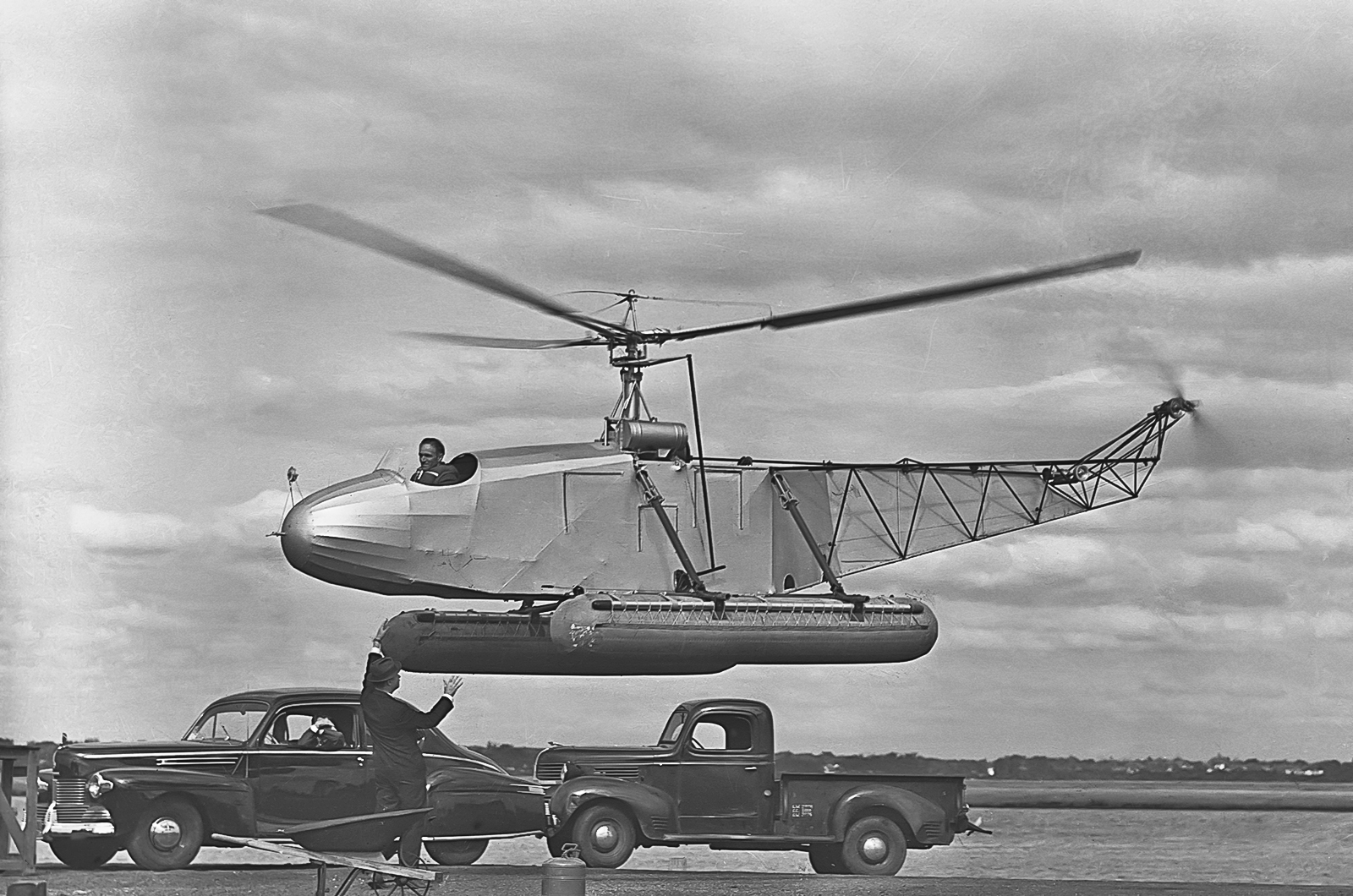
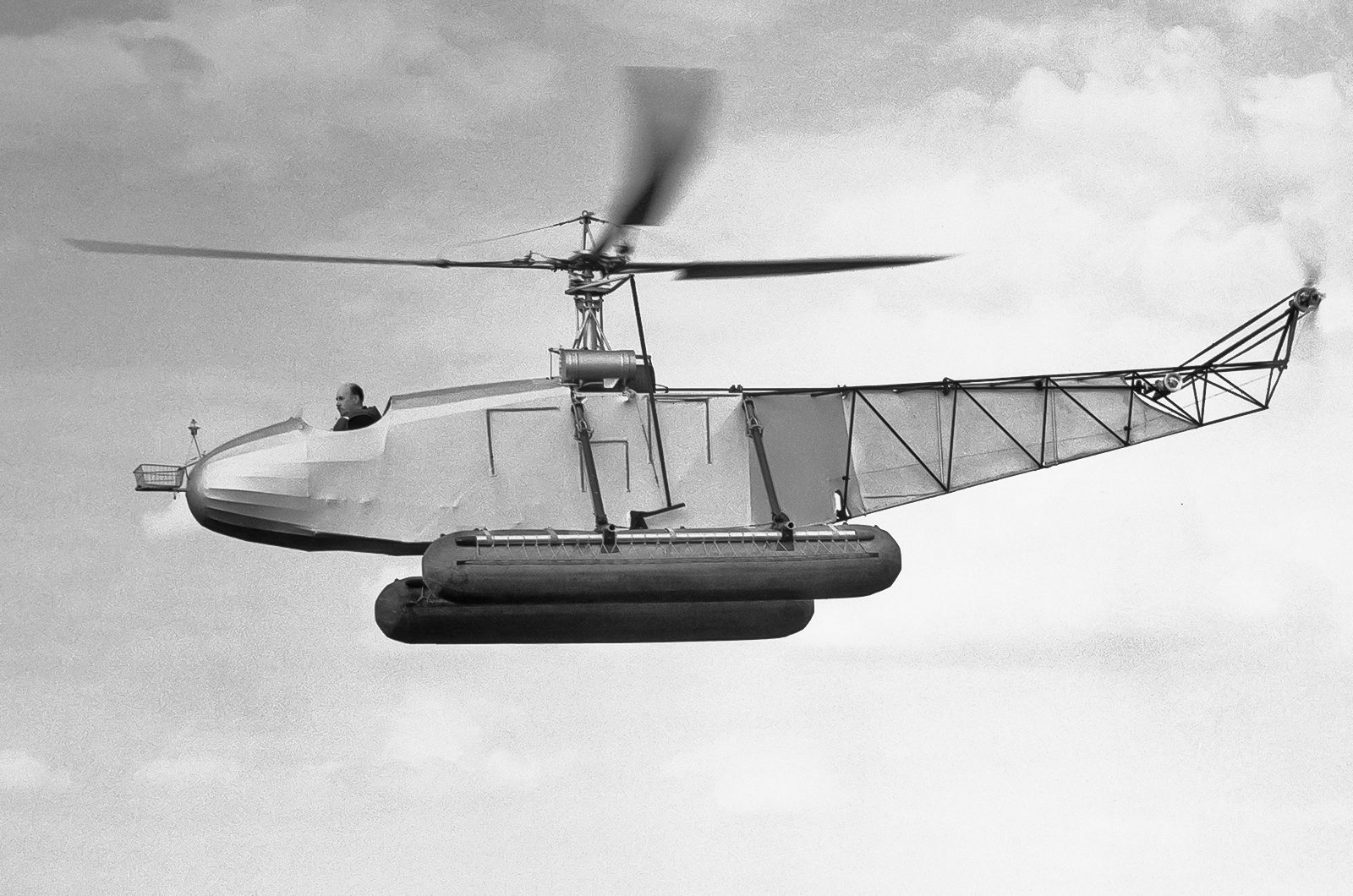
Igor Ivanovitch Sikorsky (pictured at bottom of photo), is often regarded as the father of the modern helicopter; he was born in Kyiv in 1889. It was Sikorsky who developed the helicopter as a practical vehicle that could be mass-produced and perform useful work.

His first attempt at a helicopter, in 1909, was a failure. He turned his attention to fixed-wing aeroplanes, making significant advances, including designing and building the first multi-engine aeroplane in 1912–1913. In 1919, he settled in the USA.


6: Vought-Sikorsky VS-300

 Vought-Sikorsky VS-300

He maintained his interest in rotorcraft, taking out patents and sketching designs. This thinking culminated in his third helicopter design, the VS-300. After many iterations, VS-300 became the first modern helicopter and defined the type we see today.

According to Lee S. Johnson, president of the Sikorsky Division in the 1950s, ‘Before Igor Sikorsky flew the VS-300, there was no helicopter industry; after he flew, there was.’ Although the VS-300 did not participate in the second world war, it served as a vital stepping stone to the development of the R-4B, R-5A, and R-6.


5: Kamov A-7

 Kamov A-7

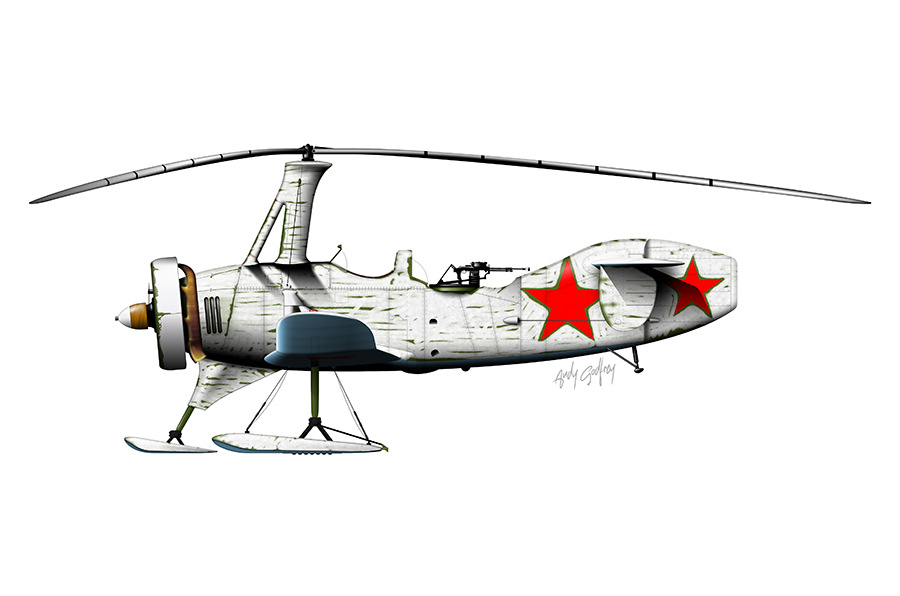
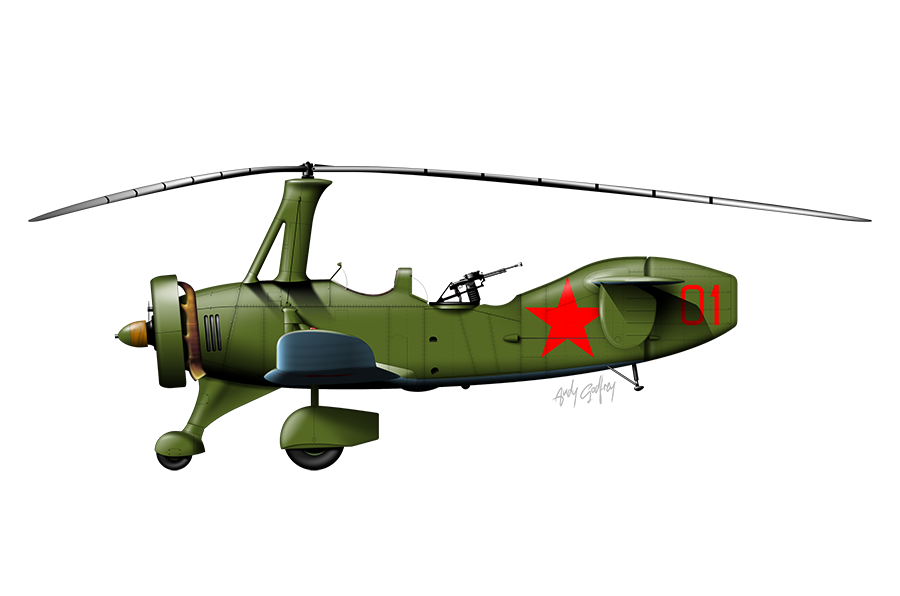
The Kamov A-7, which first flew in the early 1930s, was an autogyro. An autogyro, also known as a gyrocopter, is a type of rotorcraft that utilises an unpowered rotor in free autorotation to generate lift, while a powered propeller provides thrust. Invented in the 1920s, it resembles a small helicopter but cannot hover.

Back to top

Today, both crewed and uncrewed rotorcraft play a central role in modern warfare. The Soviet contribution to rotorcraft warfare began in 1941, when the Kamov A-7 became the first armed rotorcraft to see combat.


5: Kamov A-7

 Kamov A-7

Though both France and Britain had used autogyros in the early stages of the war, these were not armed, whereas the A-7 carried a 7.62mm PV-1 machine gun. It could also be armed with six RS-82 unguided rockets or up to 400kg of bombs.

In 1941, five A-7s were used in the defence of the Soviet Union. They flew 19 sorties in the artillery spotting role, being withdrawn in October 1941. Today, Kamov operates as part of Russian Helicopters and produces combat helicopters, notably the Ka-52 ‘Alligator’.


4: Focke-Achgelis Fa 223 Drache

 Focke-Achgelis Fa 223 Drache

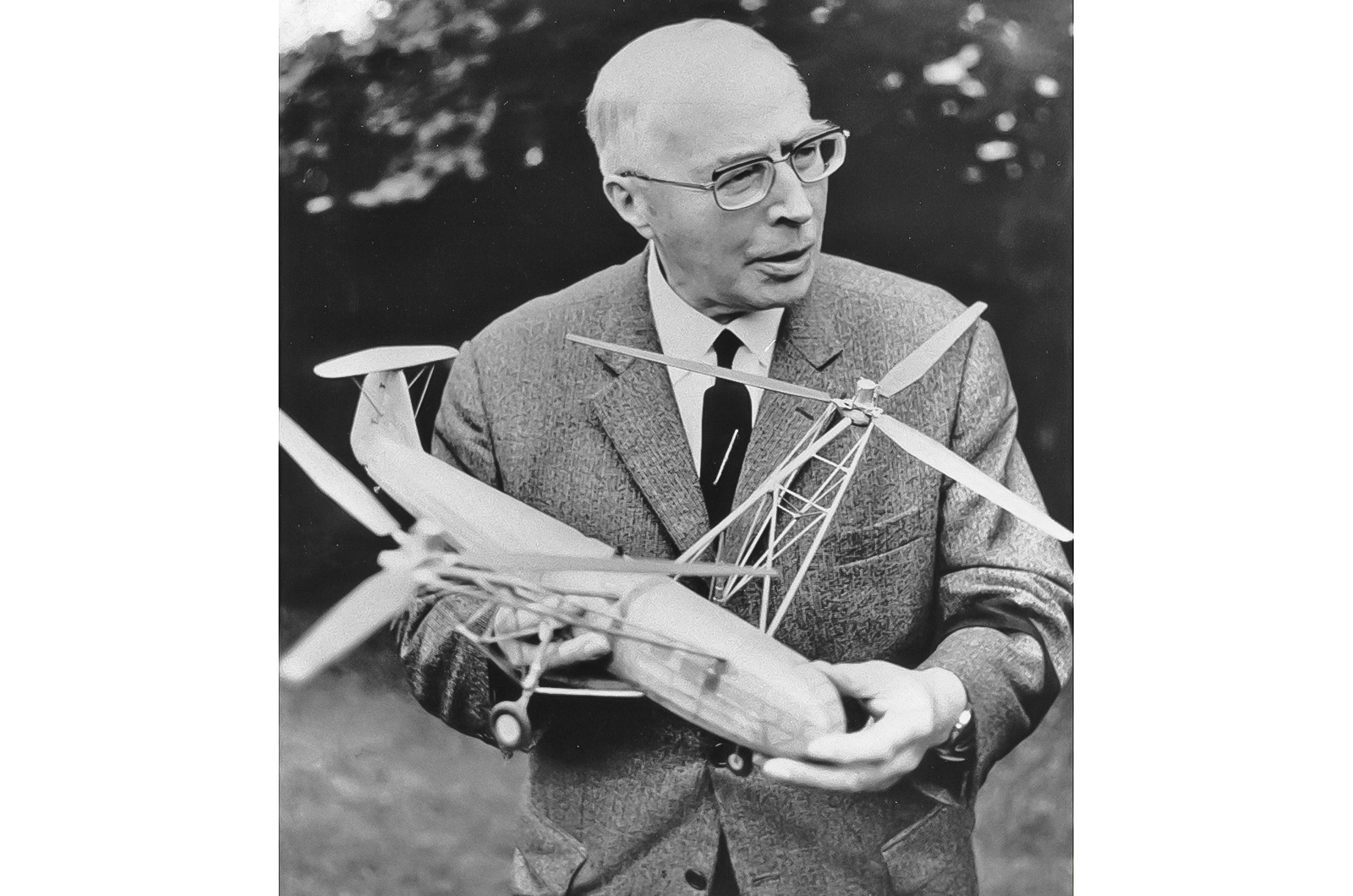
Essentially a scaled-up Fw 61 (widely acknowledged as the world’s first helicopter), the Fa 223 Drache (kite) started as a six-seat passenger aircraft, the Fa 266 Hornisse (Hornet). The Fa 266 was developed under contract by Lufthansa, but its military application soon became apparent.

As a military project, now dubbed the Fa 223, 39 were ordered by the German air ministry for evaluation. They were to be tested for suitability for several roles including anti-submarine patrol, transport and rescue. The maximum speed of the Fa 223 was 109mph, power coming from a 1000-horsepower BMW 301-R nine-cylinder radial engine.


4: Focke-Achgelis Fa 223 Drache

 Focke-Achgelis Fa 223 Drache

10 preproduction aircraft were manufactured in Bremen before the factory was bombed. Seven rolled off the Laupheim factory; few examples flew however. Two examples from Lufttransportstaffel 40 were taken by US forces in 1945, one of them becoming the first helicopter to cross the English channel on its way to evaluation.

Armament options included an MG 15 machine gun and two 250-kg bombs. It also had provision for a rescue winch and cradle, a reconnaissance camera and a 300-litre auxiliary fuel tank. The machine was developed by Focke-Wulf co-founder Heinrich Focke (pictured);

Back to top

3: Flettner Fl 282

 Flettner Fl 282

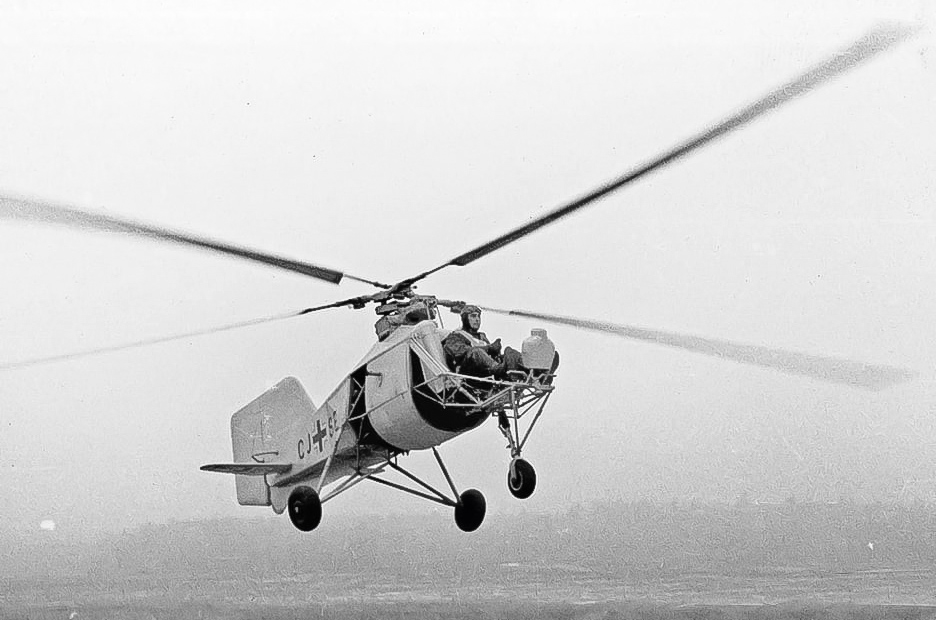
Germany’s Anton Flettner flew his first rotary-wing aircraft in 1932. Following work on his single-seat FL 265, the Flettner Fl 282 Kolibri (Hummingbird) appeared in 1941. It was a two-seat helicopter powered by a 160-horsepower BMW Bramo Sh 14A. Its most distinctive feature were its intermeshing rotors.

German naval trials began in 1942. The 282 proved exceptionally manoeuvrable. Importantly for European maritime warfare, it was stable in poor weather, though flying in such conditions required well-trained pilots. The 282 was also highly reliable.


3: Flettner Fl 282

 Flettner Fl 282

Initially intended for naval reconnaissance, the Fl 282 proved particularly useful at sea. Its small footprint allowed deployment from warships, offering crews a valuable aerial eye beyond the horizon. Test pilots praised its handling, noting the ability to hover and land in confined spaces, which is particularly useful for maritime operations.

It was potentially invaluable, and an order was given for 1000 aircraft. However, production was limited to just 24 machines before Allied bombing destroyed the Flettner factory in Munich. Only a few aircraft reached active service, flown mostly from Kriegsmarine vessels in the Mediterranean, where they demonstrated notable effectiveness. After the war, surviving examples were taken to Britain and America for evaluation. Flettner himself moved to the United States where he worked on various projects for the military before his death in 1961.


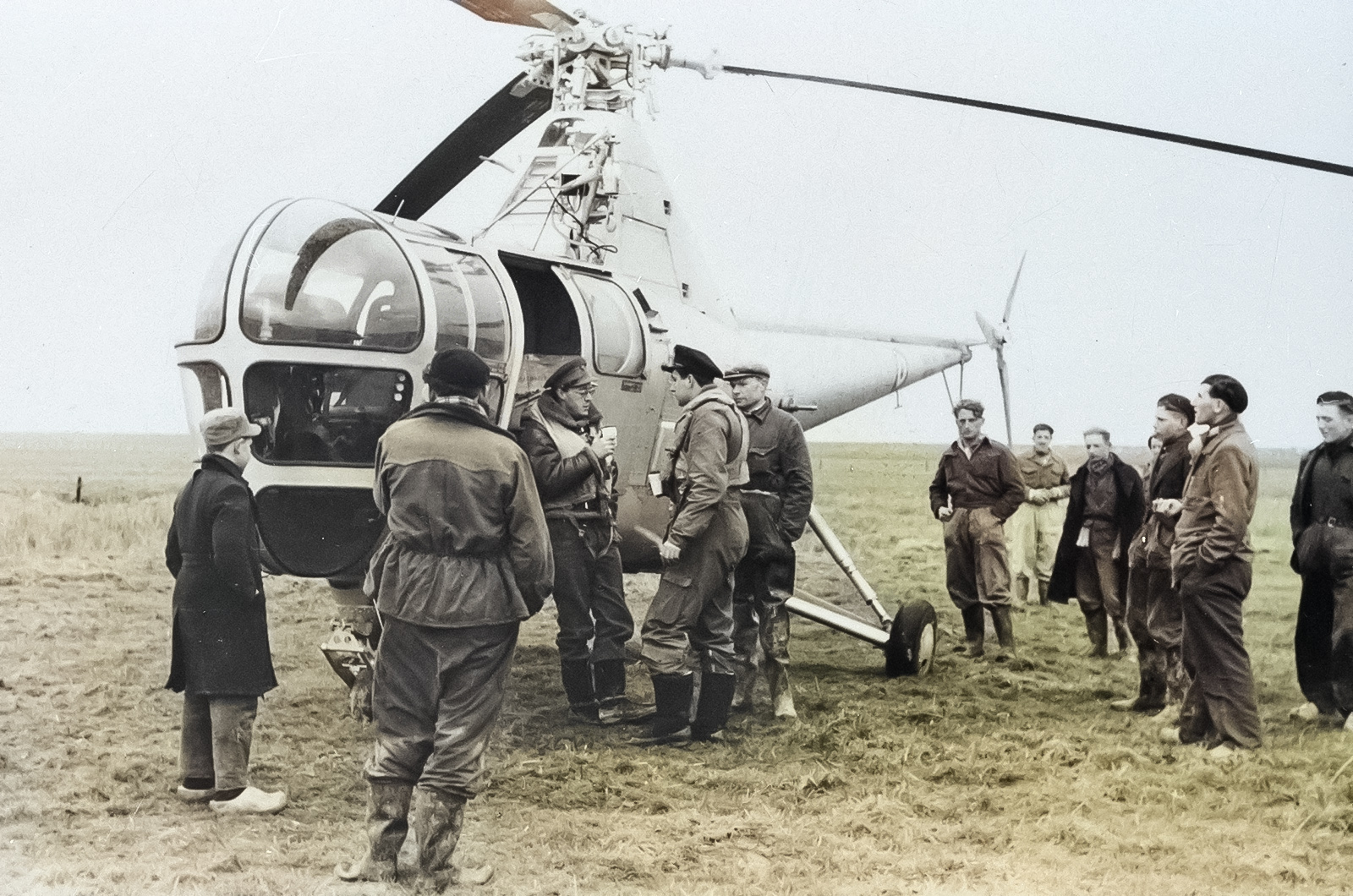
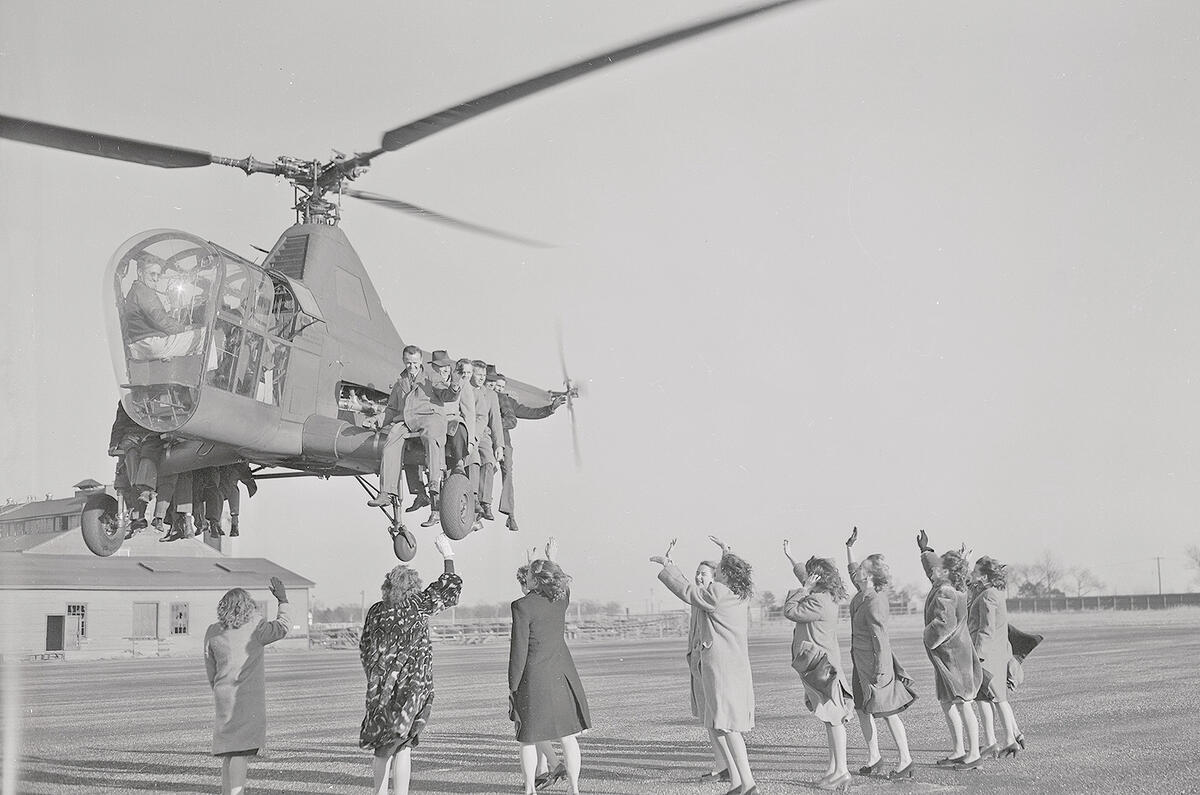
2: Sikorsky R-5/H-5

 Sikorsky R-5/H-5

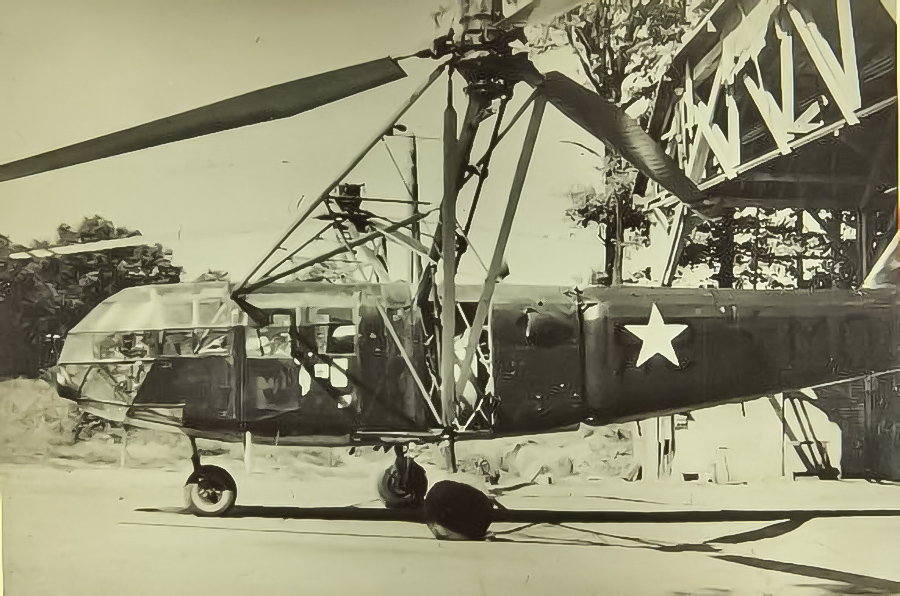
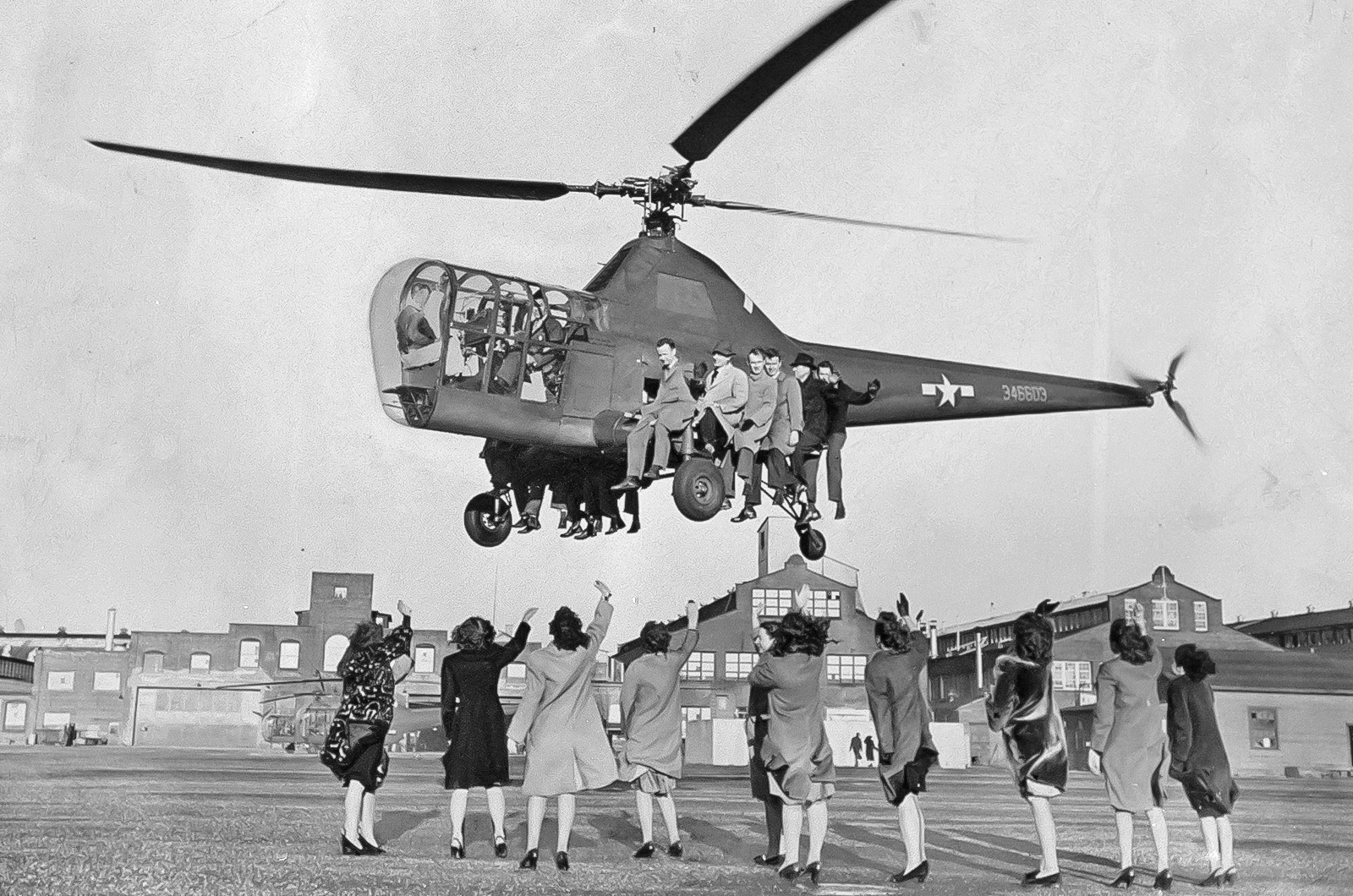
The Sikorsky H-5 emerged in the early 1940s, designed by Igor Sikorsky. Initially designated R-5, it was a military evolution of the R-4, featuring a more powerful engine and enhanced payload capacity. Its single-rotor configuration and fabric-covered frame enabled versatile operations.

Introduced in early 1945, the H-5 was rather late on the scene. The H-5 served primarily with the US Army Air Forces. It excelled in reconnaissance, rescue, and medical evacuation missions during the second world war and the Korean War. Its ability to operate in diverse terrains made it invaluable, with around 300 units produced.

Back to top

2: Sikorsky R-5/H-5

 Sikorsky R-5/H-5

The H-5 featured a 450-hp Pratt & Whitney R-985 engine, offering a top speed of 106 mph and a range of 360 miles. It could carry two crew members and up to three passengers or cargo. Its 48-foot rotor diameter provided stability, though its design was later outclassed.

The H-5’s pioneering role in military helicopter operations influenced future designs. Retired in the 1950s, it demonstrated helicopters’ potential in warfare and rescue, paving the way for modern helicopters, and its contributions remain significant in aviation history.


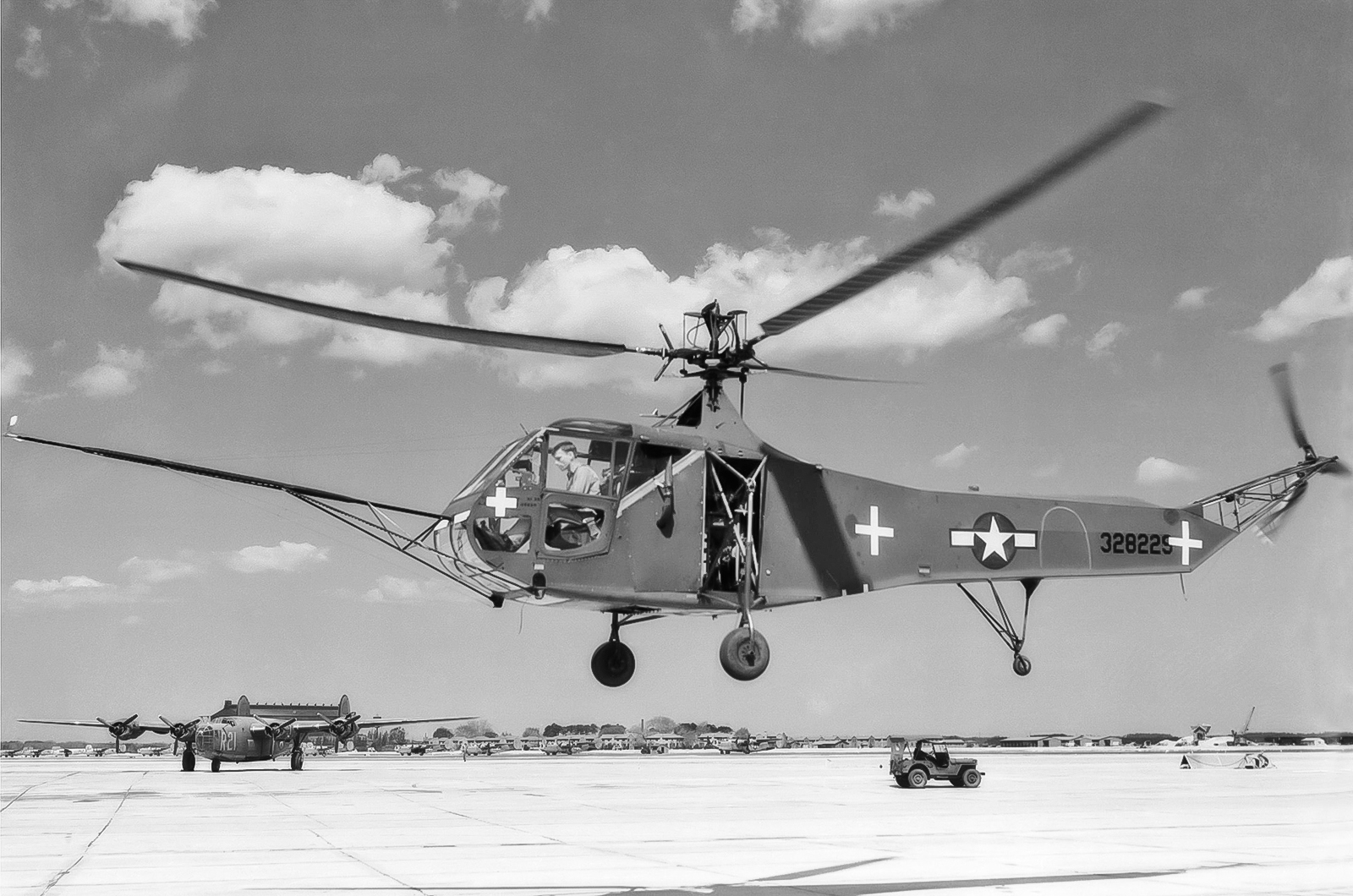
1: Sikorsky R-4

 Sikorsky R-4

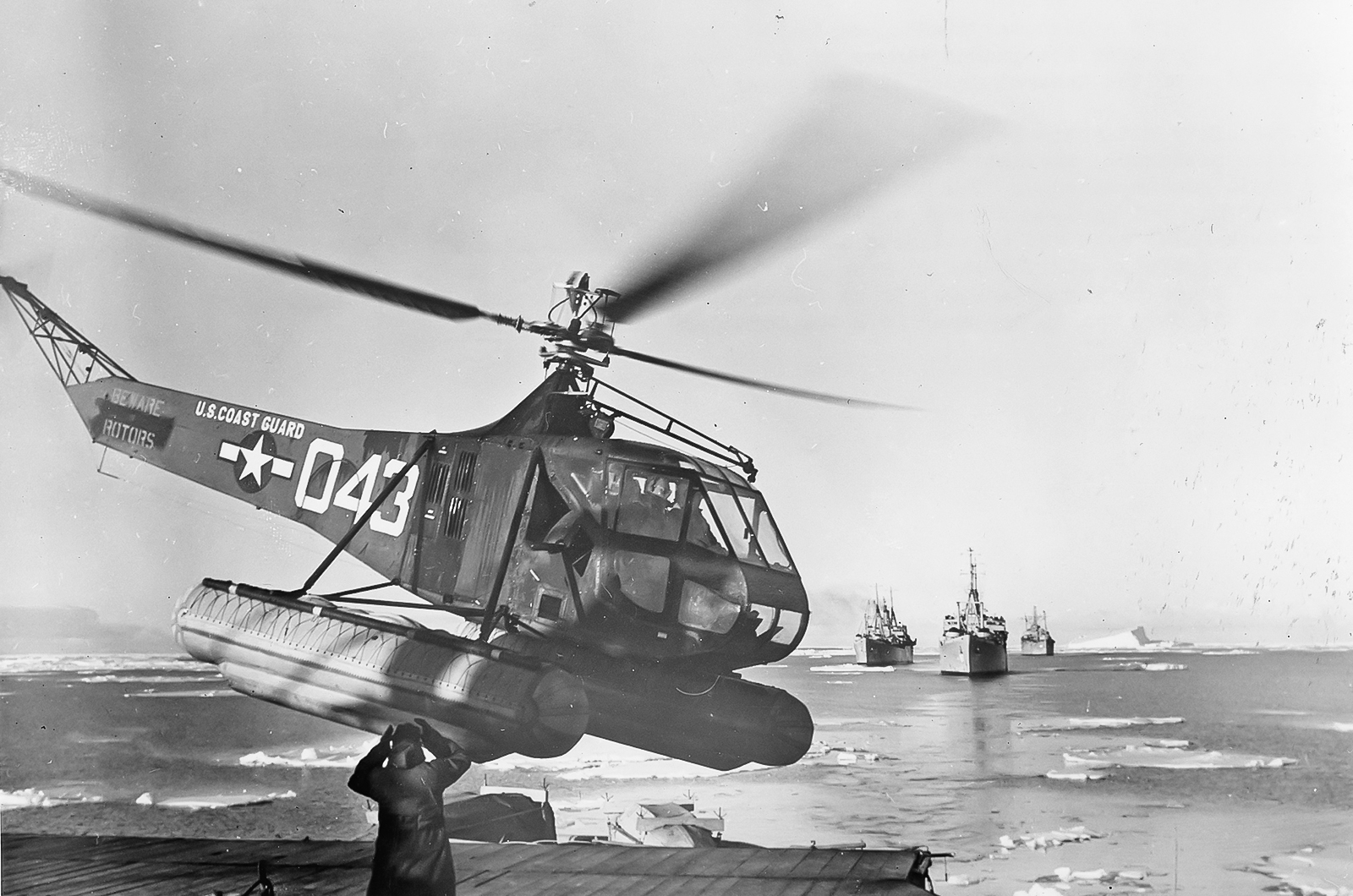
In January 1944, following the explosion and sinking of USS Turner near New York City, US Coast Guard Commander Frank Erickson made history by flying the first American helicopter rescue. A Sikorsky R-4 carried life-saving blood plasma from New York to Sandy Hook, New Jersey, to aid casualties, marking a pivotal moment in the use of rotary-wing aircraft for medical missions.

On 22–23 April 1944, Lieutenant Carter Harman of the 1st Air Commando Group executed the first combat rescue by helicopter in the China-Burma-India theatre. Operating a YR-4B, he overcame high altitude, humidity, and the aircraft’s single-passenger capacity to evacuate a downed pilot and three British soldiers, carrying two at a time under arduous conditions.


1: Sikorsky R-4

 Sikorsky R-4

The R-4 also served in logistical roles. During Operation Ivory Soap, helicopters ferried parts between floating Army Air Forces repair units across the South Pacific. When not transporting equipment, they undertook medical evacuations. Between June and July 1945, Lieutenant Louis Carle and five others evacuated up to 80 wounded soldiers northeast of Manila, often under enemy fire.

On 15 June 1945, Carle responded to a request to evacuate soldiers with head injuries near Manila. Landing close to the front lines, he adapted the R-4 to carry stretchers on the floor. Over seven hours, he conducted six evacuations, astonishing troops unfamiliar with helicopters and establishing a model for wartime helicopter rescue operations.

Back to top

Sikorsky continues to be one of the world’s leading producers of helicopters, and the company today is a division of Lockheed Martin.

Follow Joe Coles on Substack, Twitter X  or Blue Sky. His superb Hush-Kit Book of Warplanes is available here.

If you enjoyed this story, please click the Follow button above to see more like it from Autocar

Photo Licence: https://creativecommons.org/licenses/by/4.0/deed.en

Join our WhatsApp community and be the first to read about the latest news and reviews wowing the car world. Our community is the best, easiest and most direct place to tap into the minds of Autocar, and if you join you’ll also be treated to unique WhatsApp content. You can leave at any time after joining - check our full privacy policy here.

Add a comment…