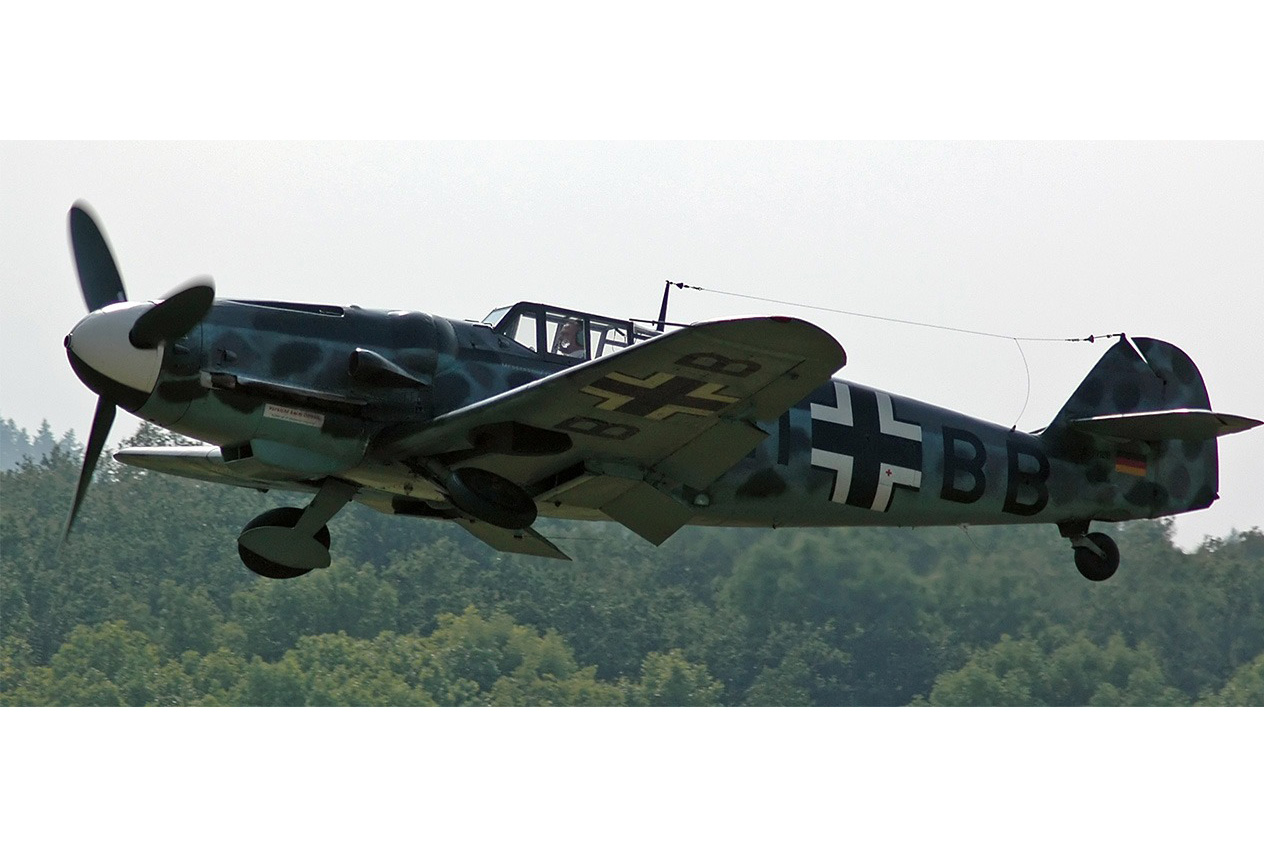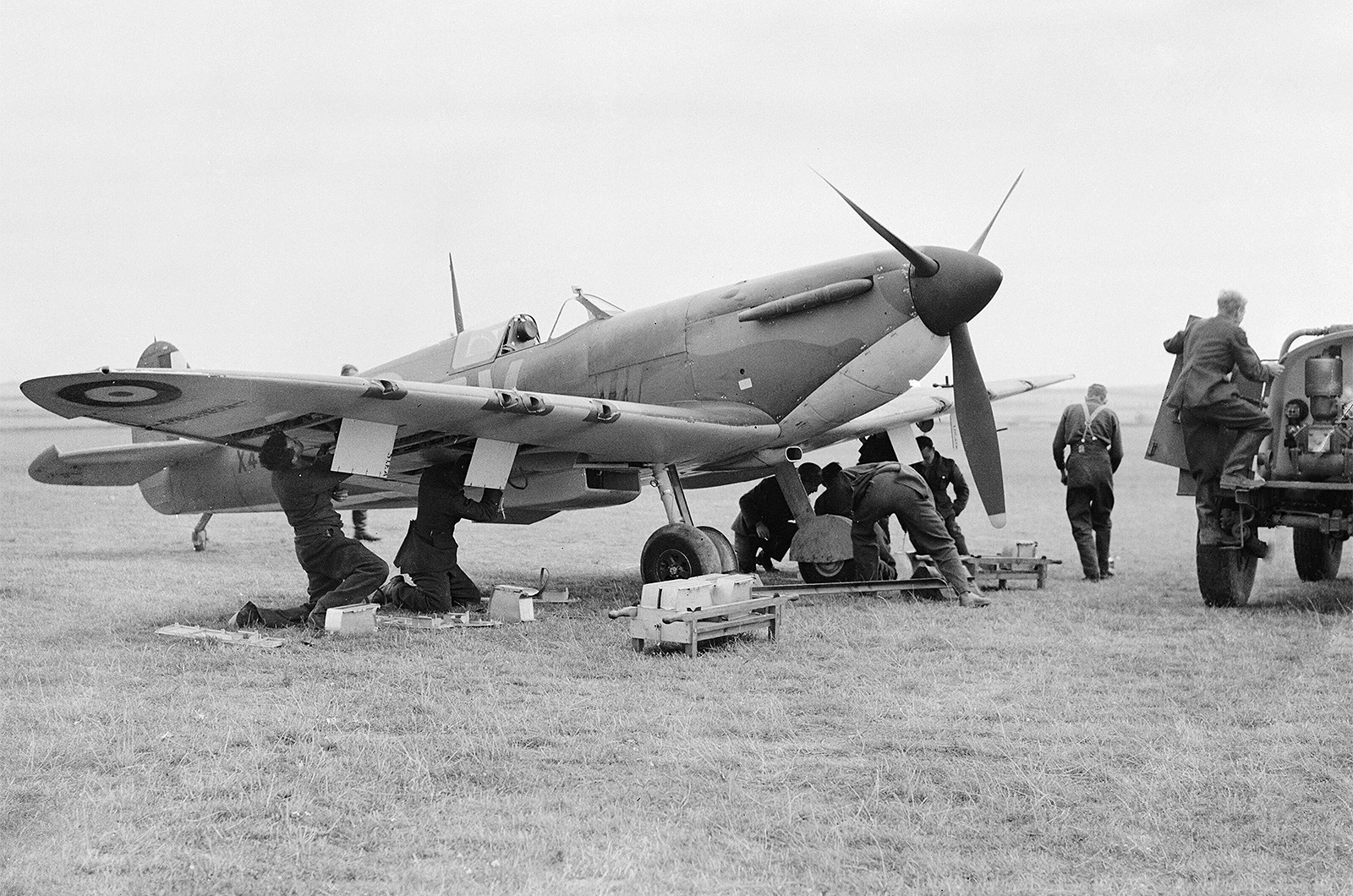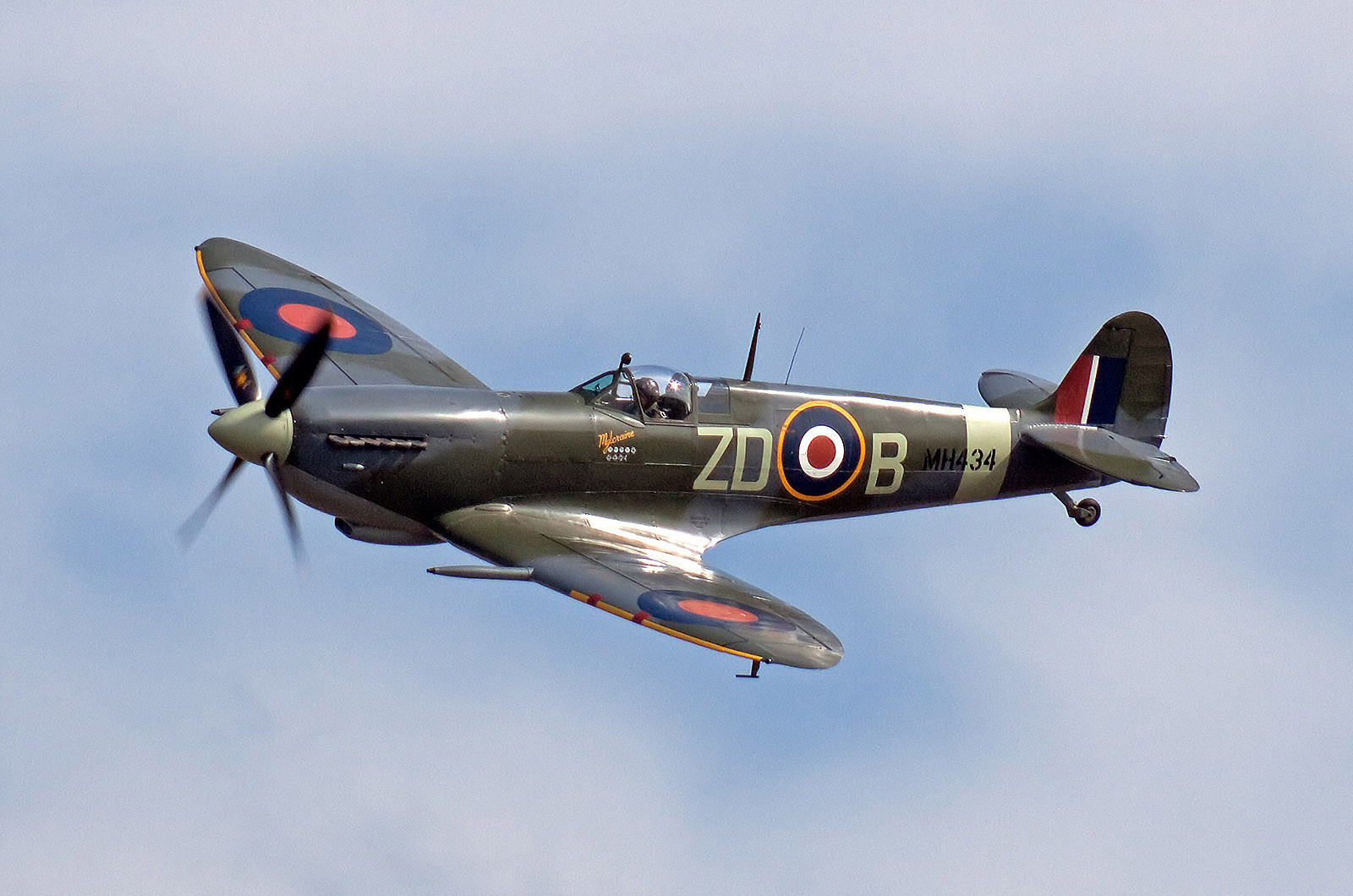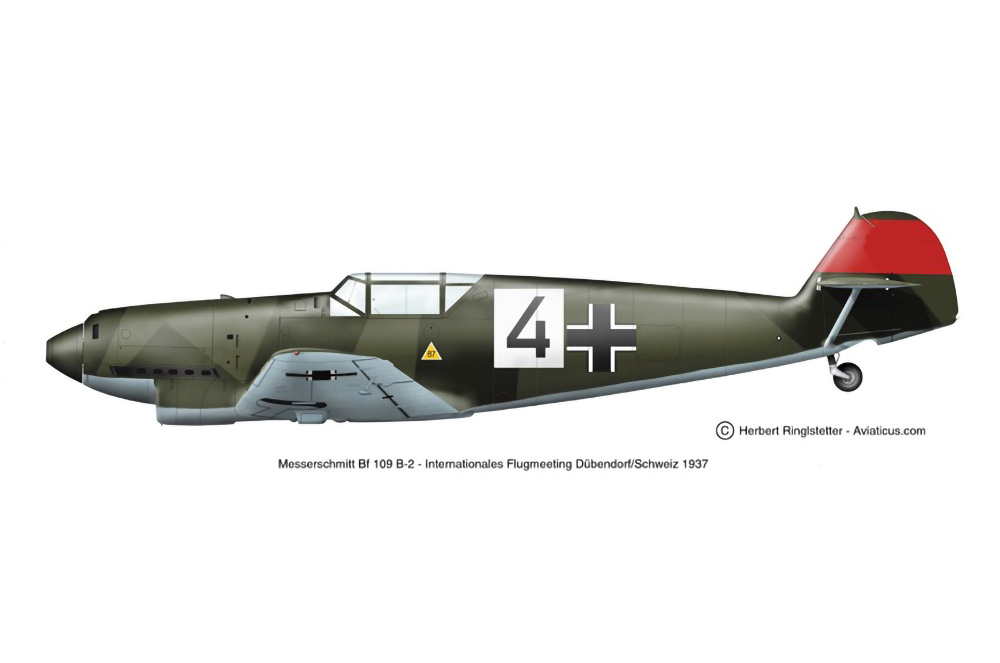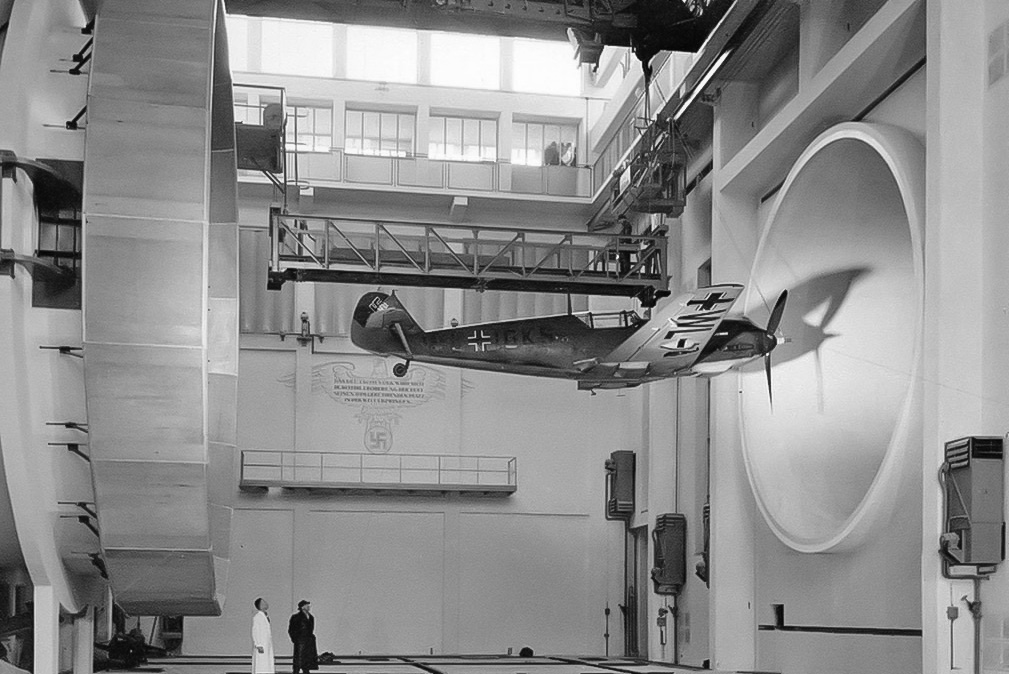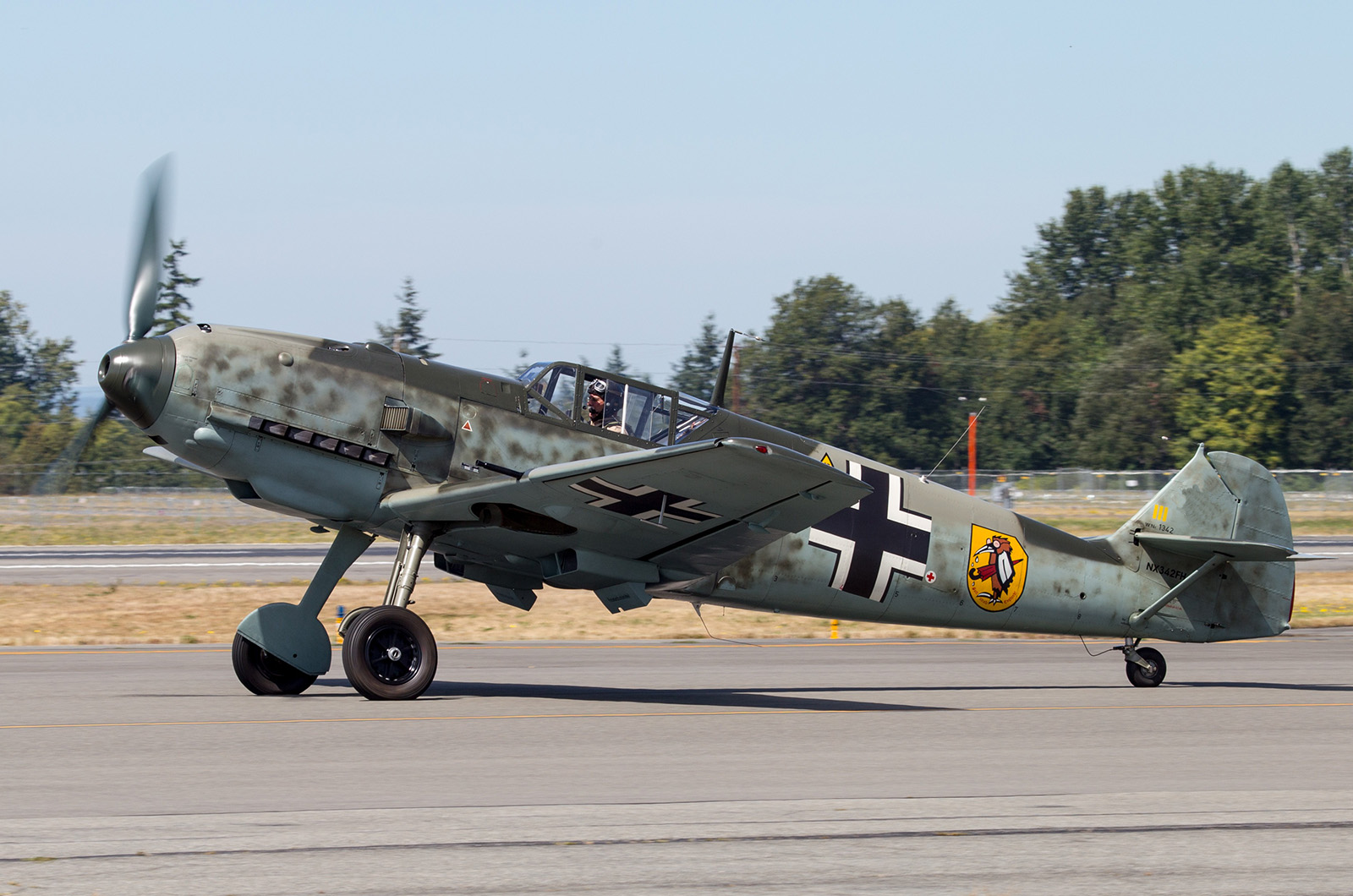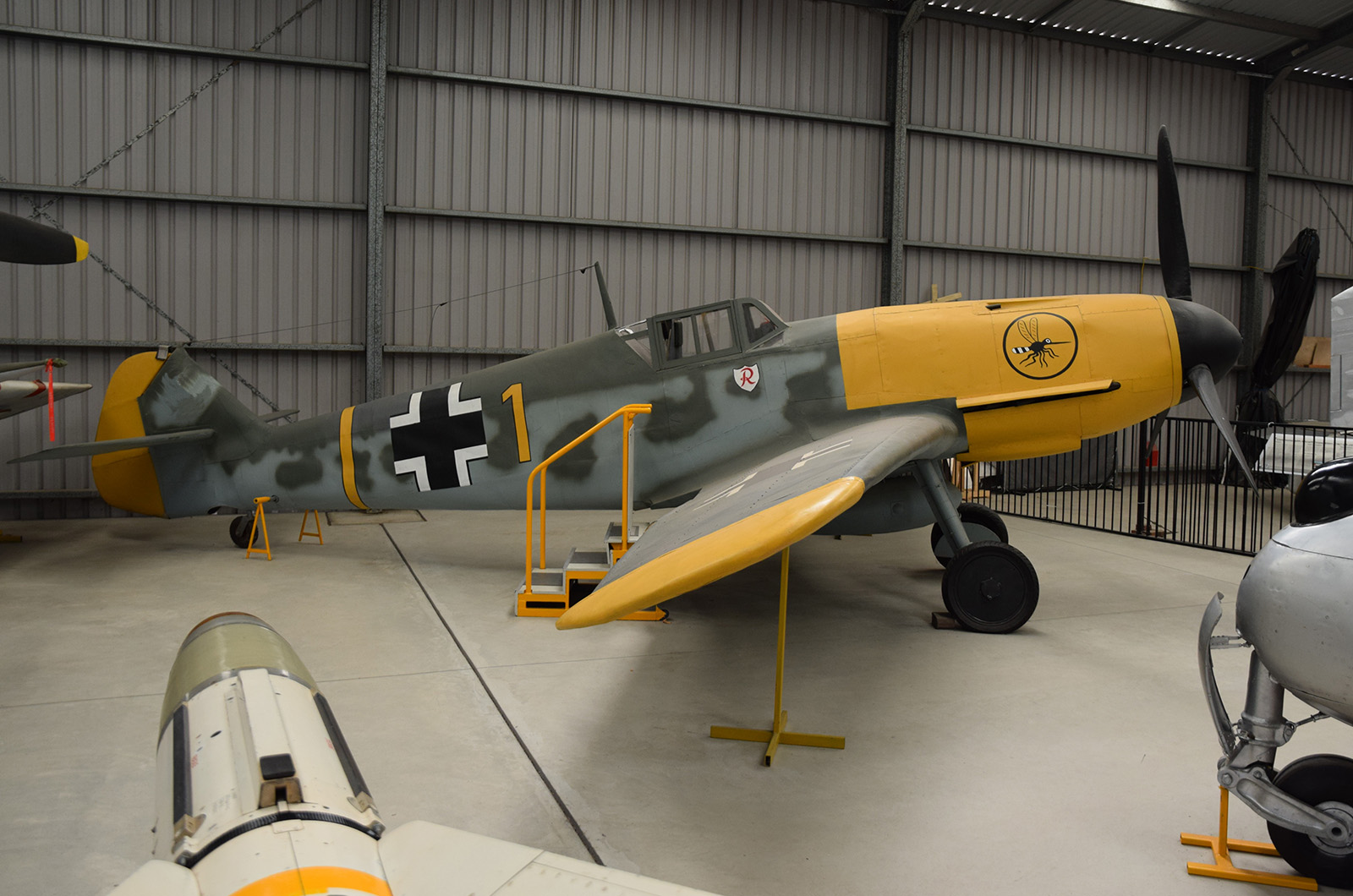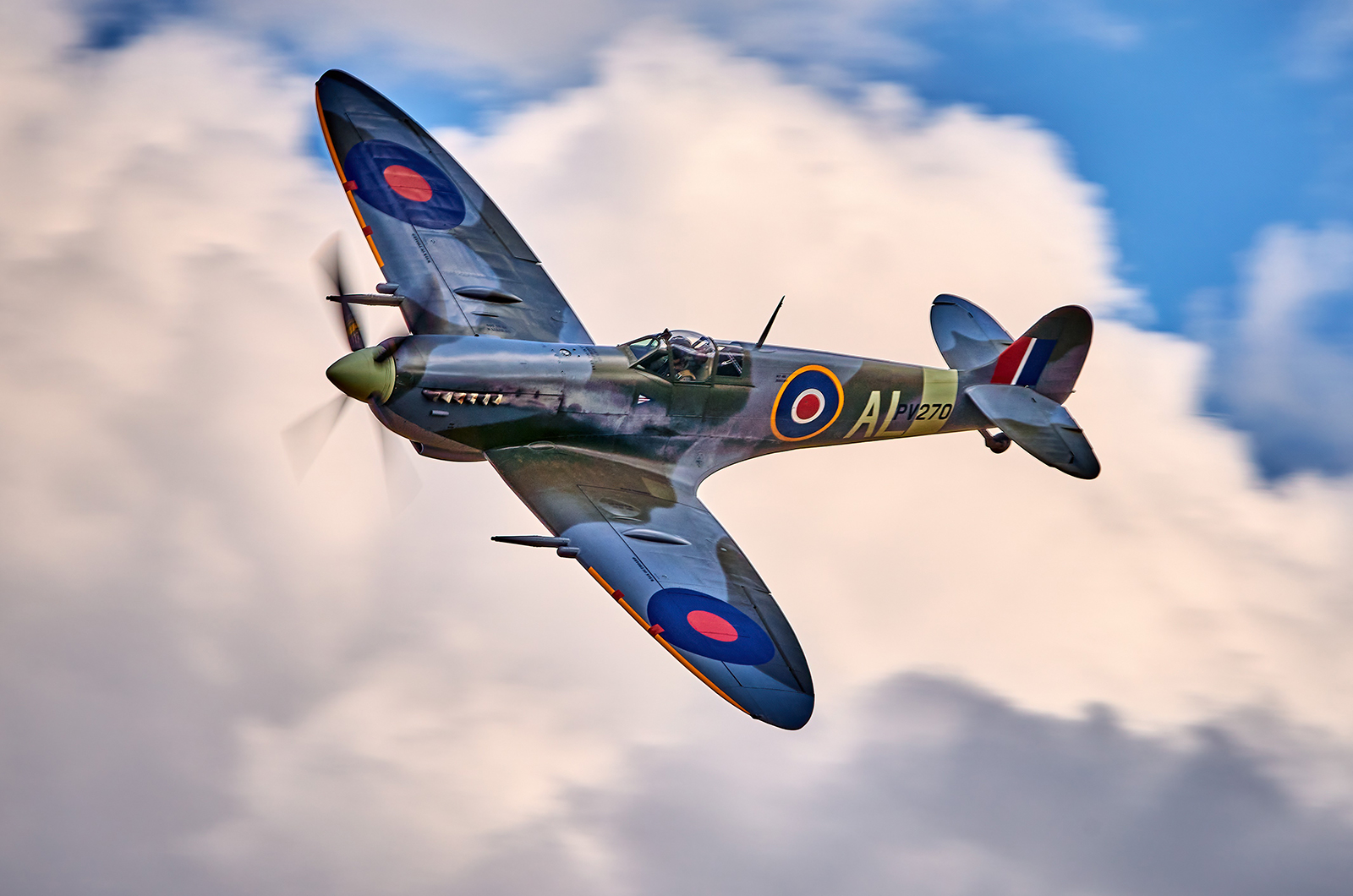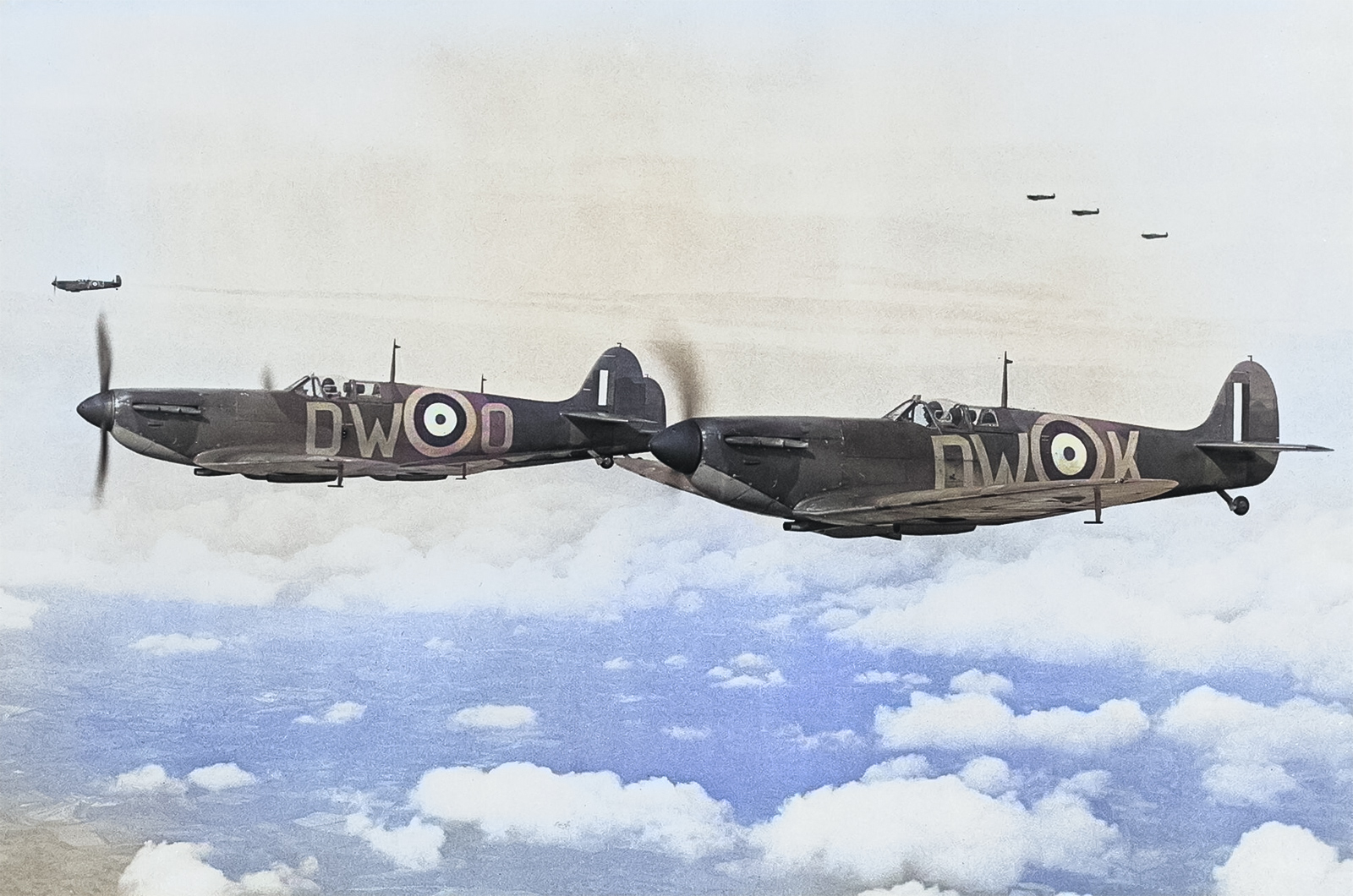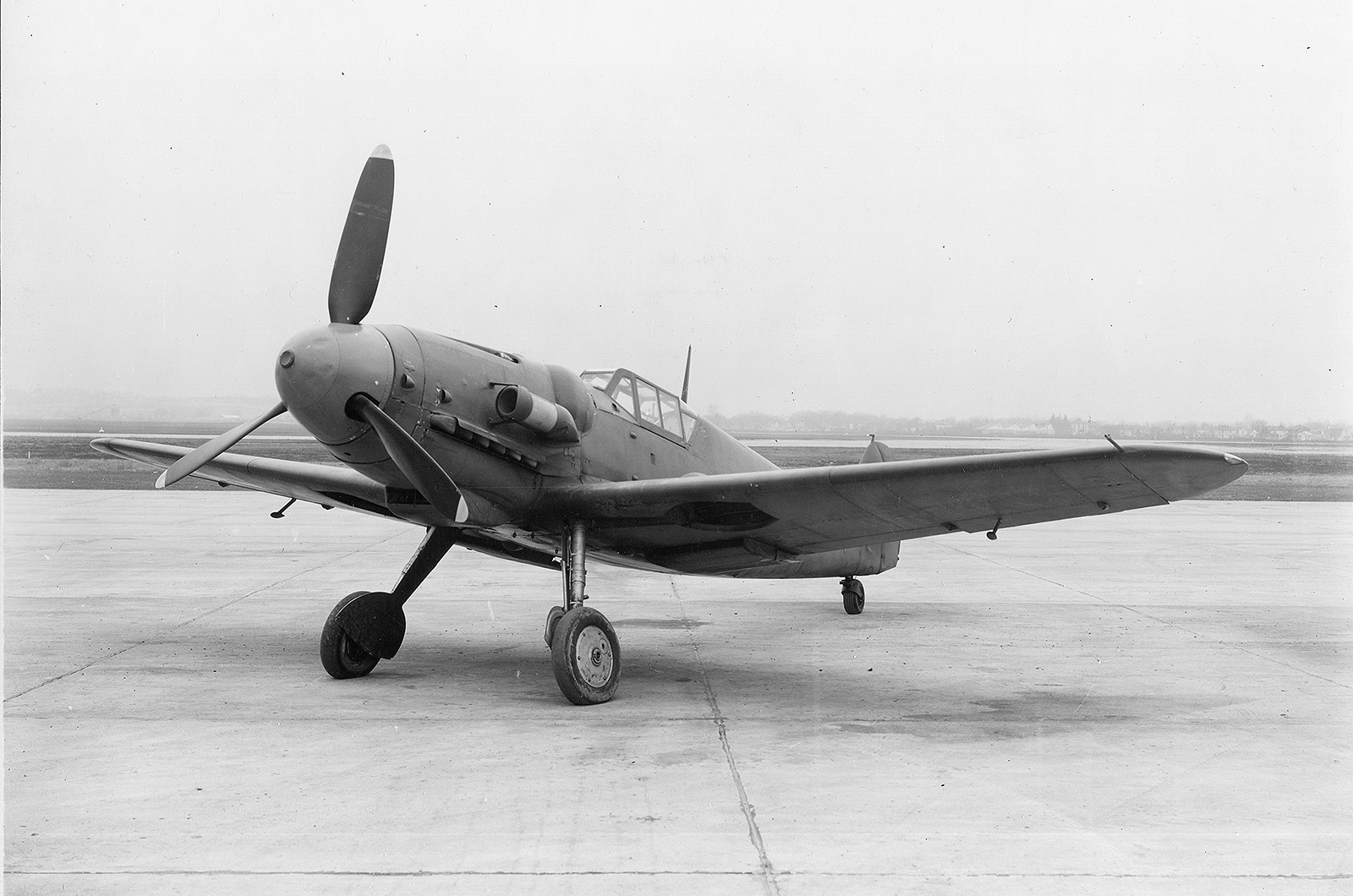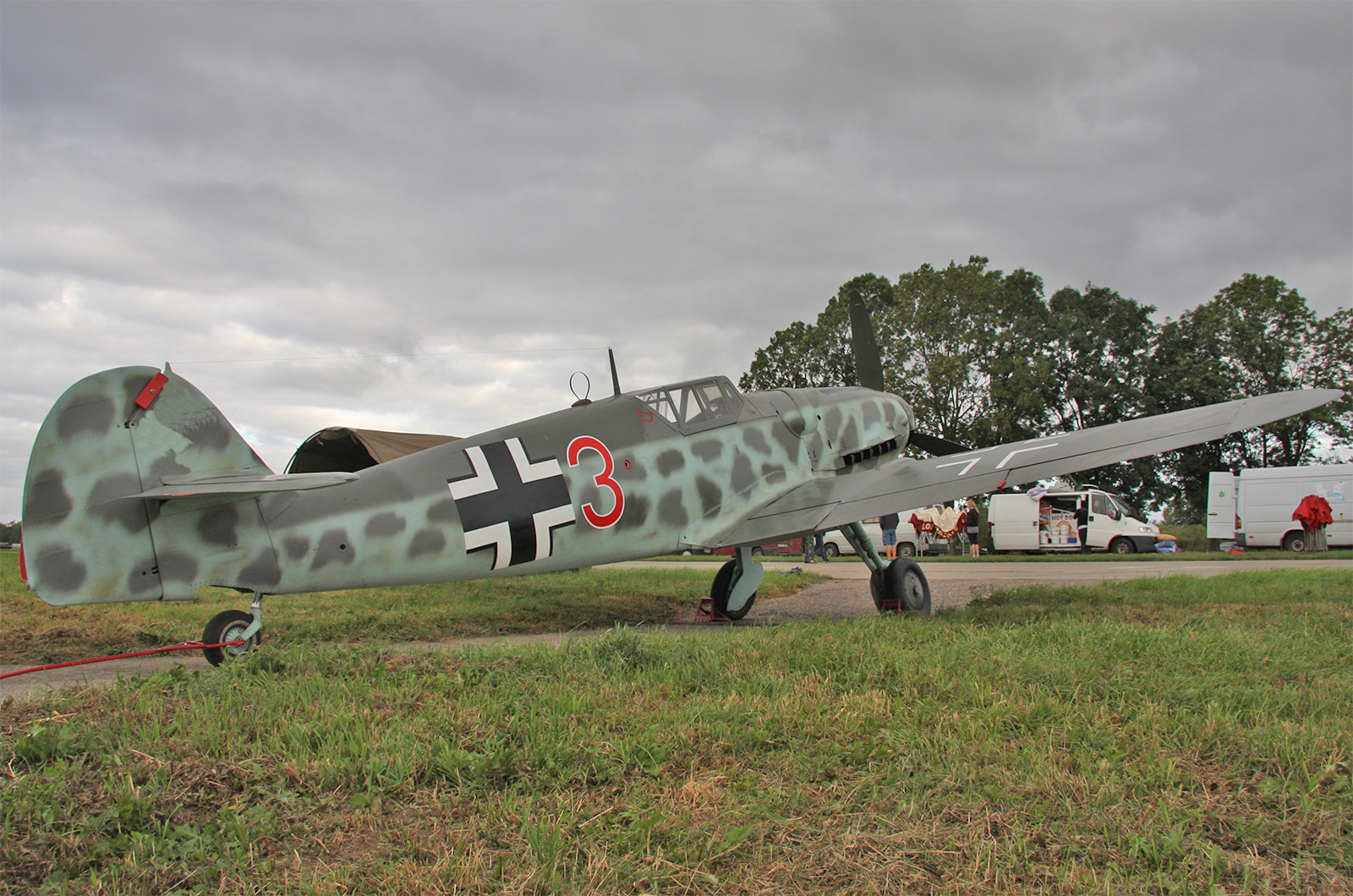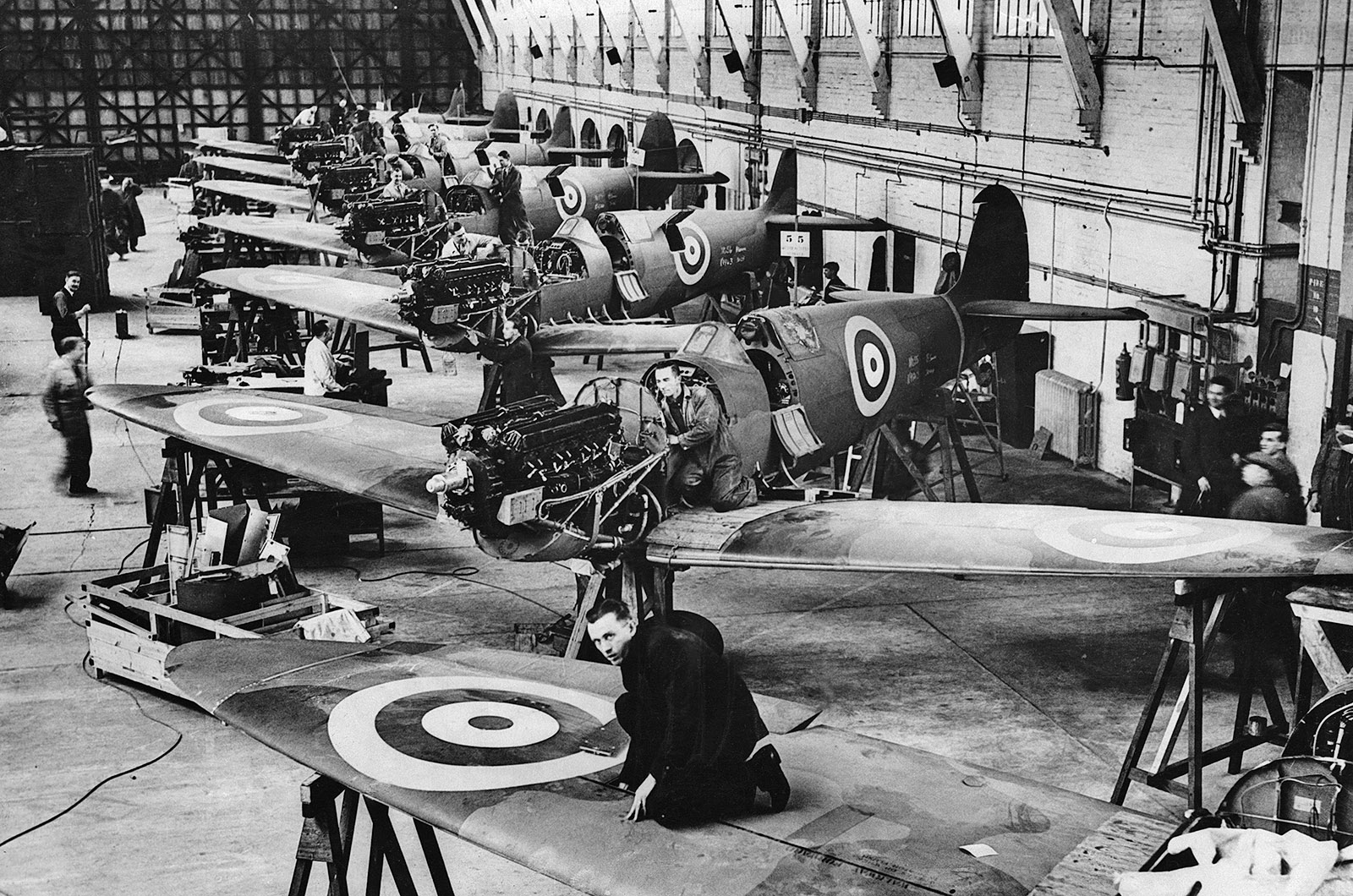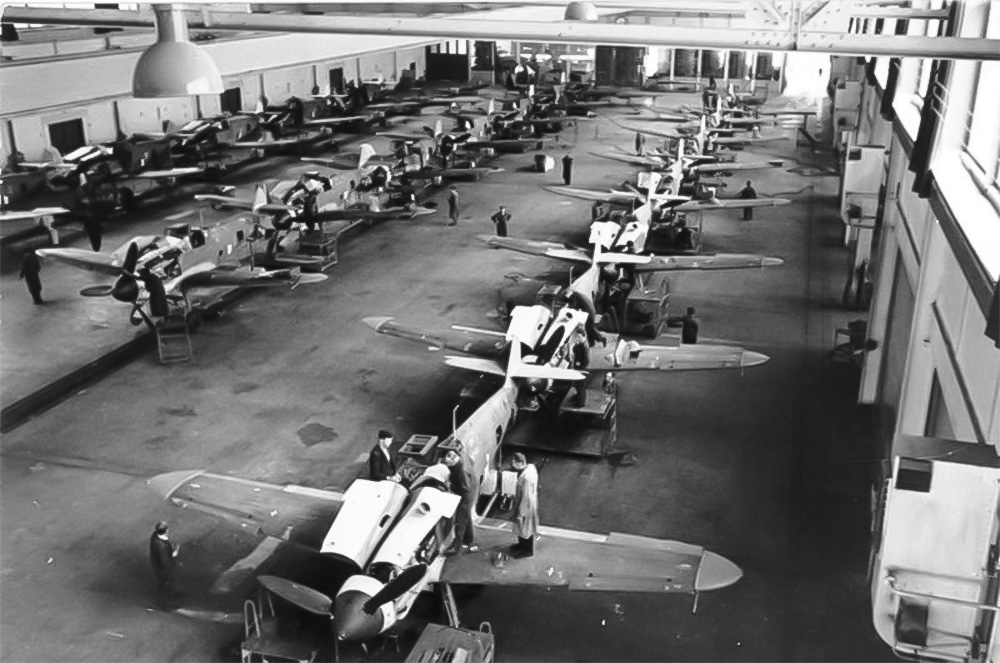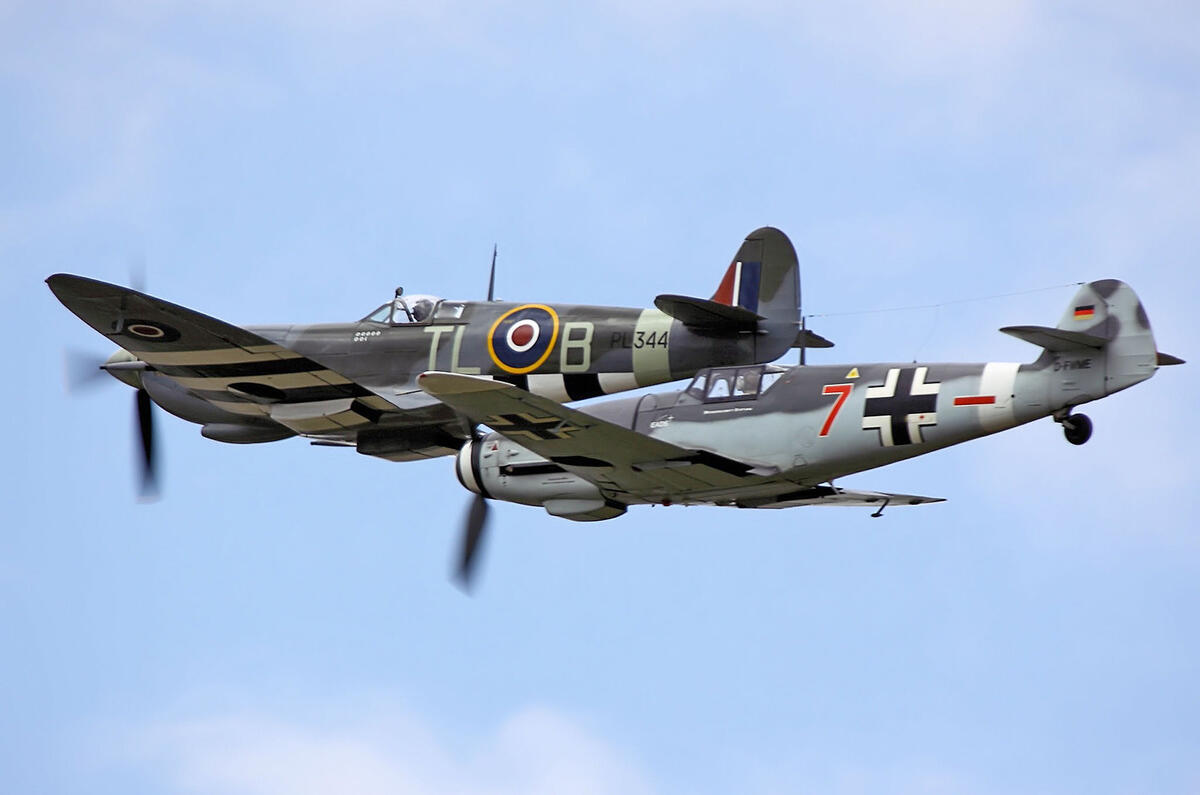

How did the two iconic fighters of the Second World War—the British Supermarine Spitfire and the German Messerschmitt Bf 109—compare?
Was either plane demonstrably better? We examine the two based on 10 vital parameters, roughly limited to the period between 1939 and 1941 when these aircraft fought each other on almost equal terms. Strap in:
11: Performance
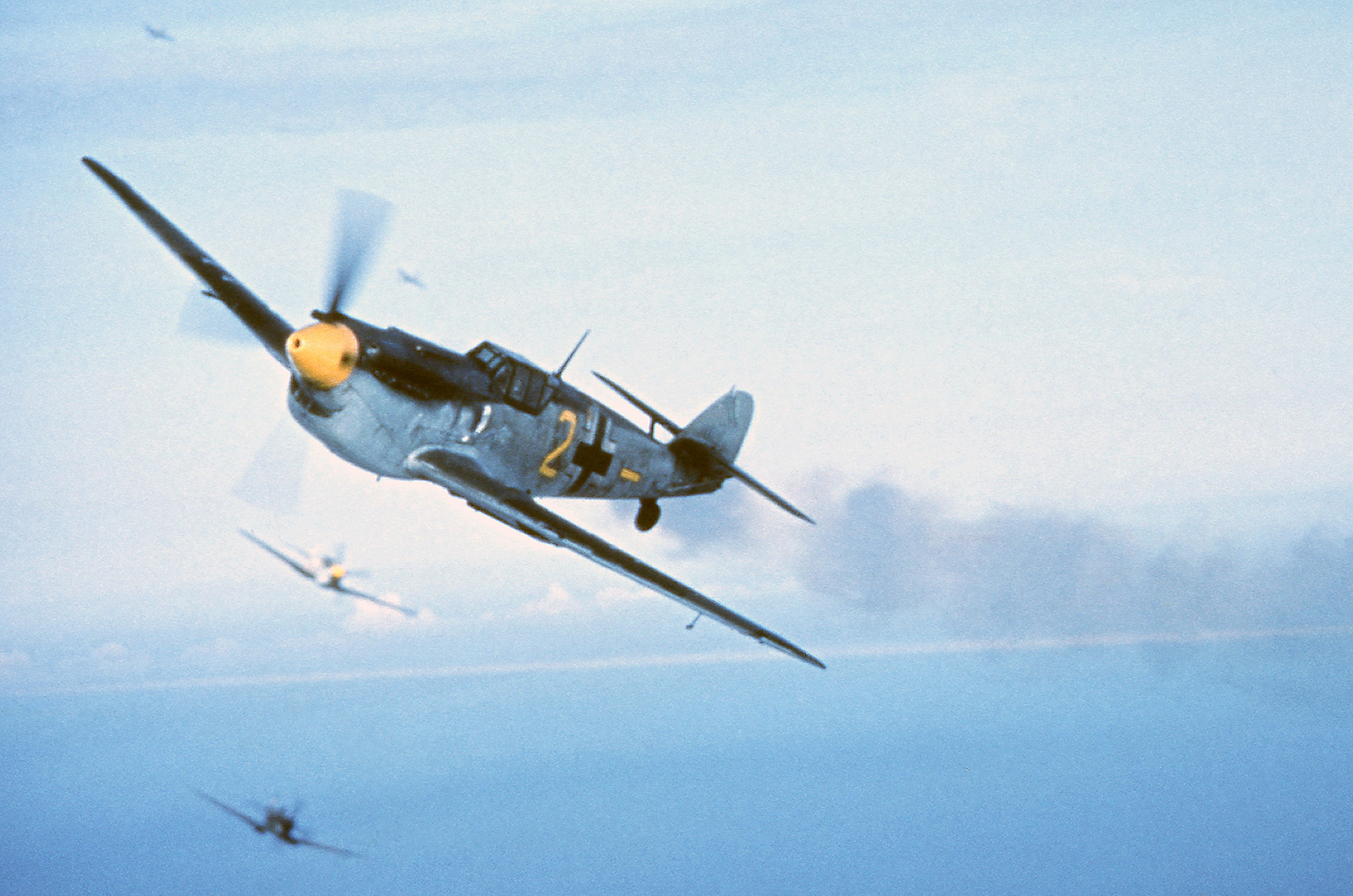
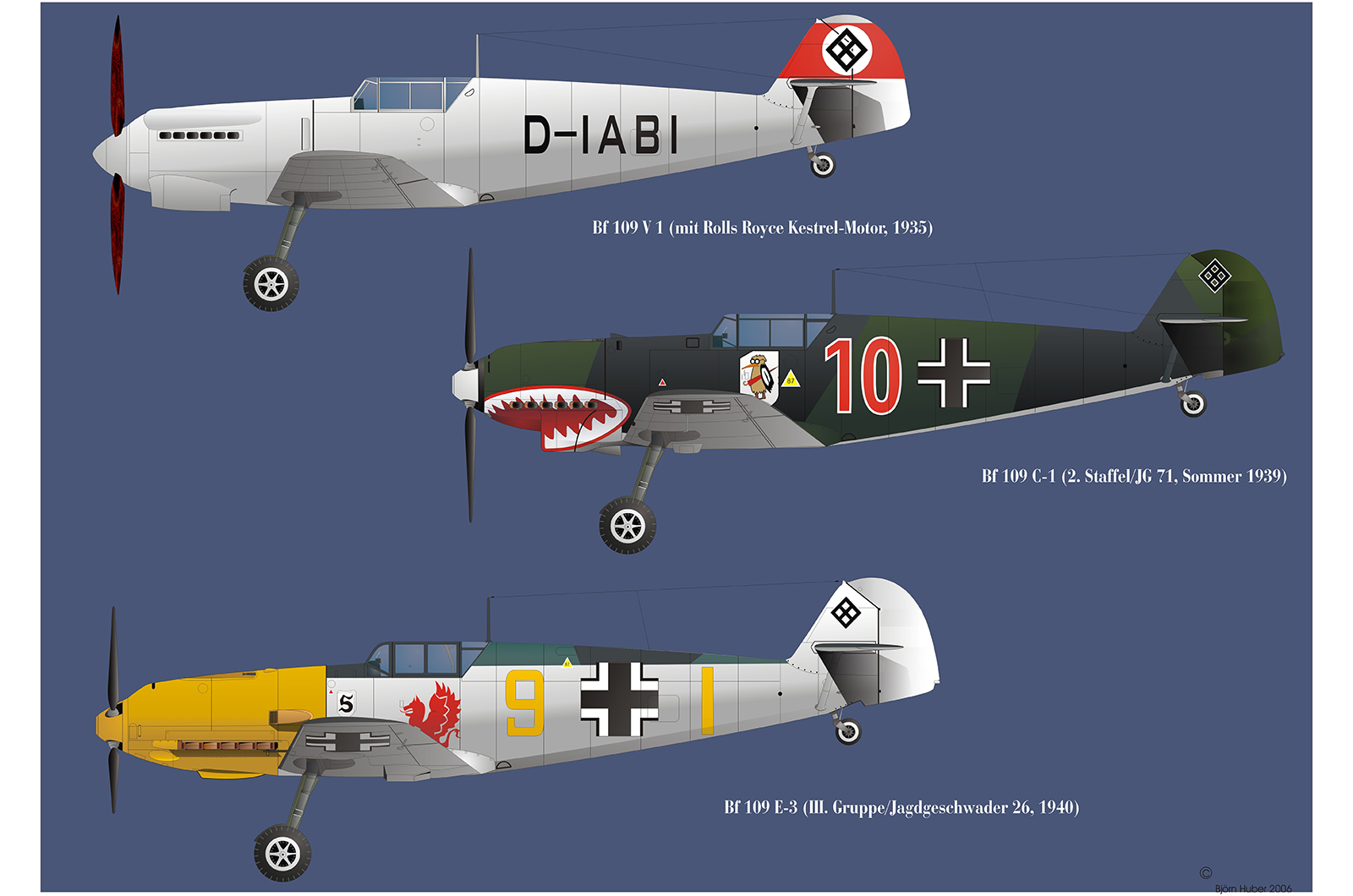
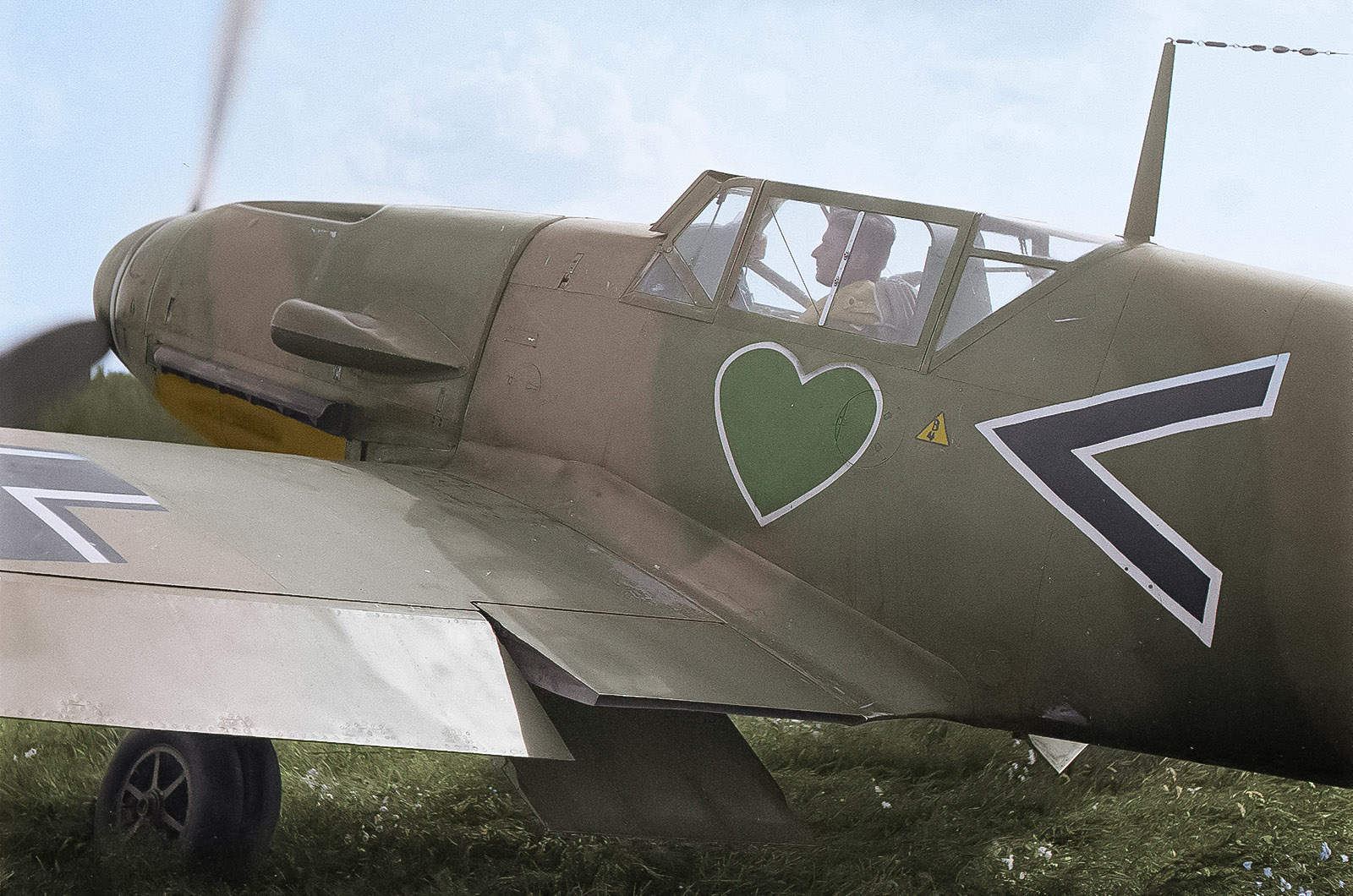
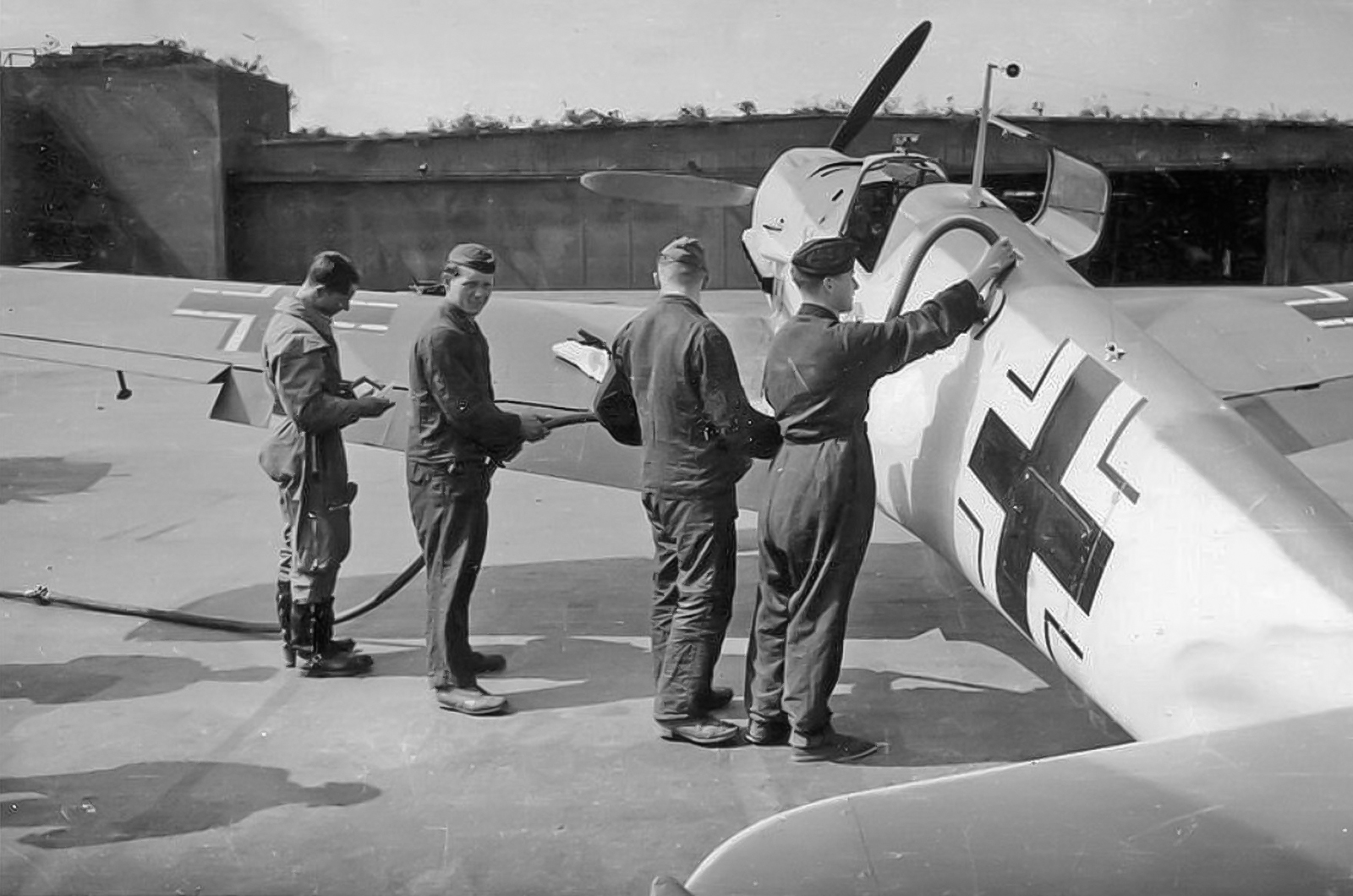
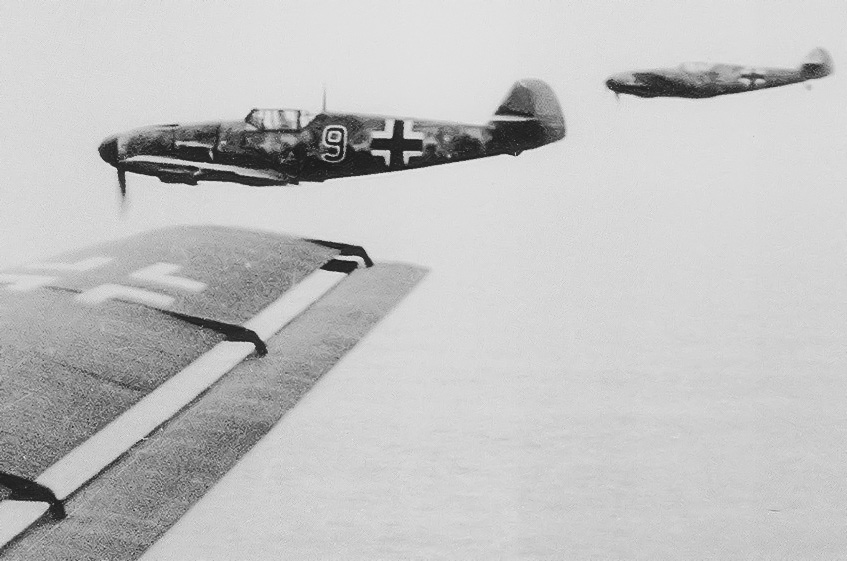
The Bf 109, in its initial versions, was generally regarded as marginally superior to contemporaneous variants of the Spitfire. At low to medium altitudes, where much of the air combat in the early war occurred, the Bf 109 had the upper hand. However, the Spitfire was superior at higher altitudes.
This was chiefly because the British Spitfire's Rolls-Royce Merlin V12 engine had a higher critical altitude (the altitude at which the supercharger is operating at full capacity and beyond which engine power rapidly decreases) than the Bf 109's Daimler-Benz DB 601 V12.
The Spitfire's advantages, a tighter turning circle and faster turn rate allowed it to outmanoeuvre the Bf 109 in the horizontal plane. A 1941 memo to Air Marshal Sholto Douglas noted, "When it comes to fighter vs. fighter and the struggle for…altitude, we must expect…to be at a disadvantage … with the improved Me-109 [the Bf 109F compared to the Spitfire V] we are now meeting."
But the Messerschmitt Bf 109, owing to its higher climb rate, could sustain climbing turns that the Spitfire was unable to keep up with. This gave German pilots more freedom to engage and disengage from dogfights with British fighters.
10: Advanced tech & the Spitfire’s deadly flaw
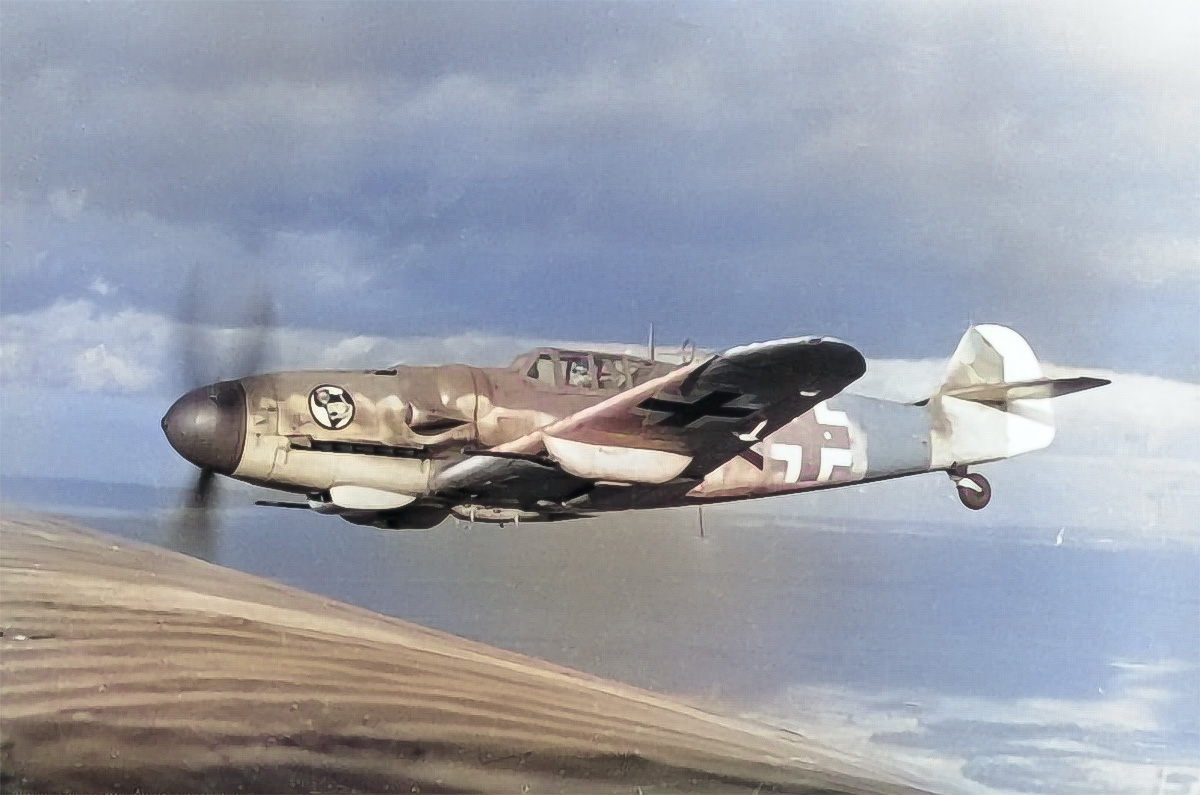
The Bf 109 employed several advanced technologies that gave it an edge. Its DB 601 engine was equipped with an automatic variable-speed supercharger, ensuring better power delivery from the engine. The Bf 109E-3's supercharger, for instance, gave it a 200 hp advantage over the Spitfire 1A at low altitude.
The engine also used fuel-injection technology, which allowed the aircraft to pitch forward into a dive; the Merlin's carburettor would stall the engine if this were attempted in a Spitfire. The Spitfire, therefore, had to roll over and dive, which cost precious seconds in combat.
10: Advanced tech & the Spitfire's deadly flaw
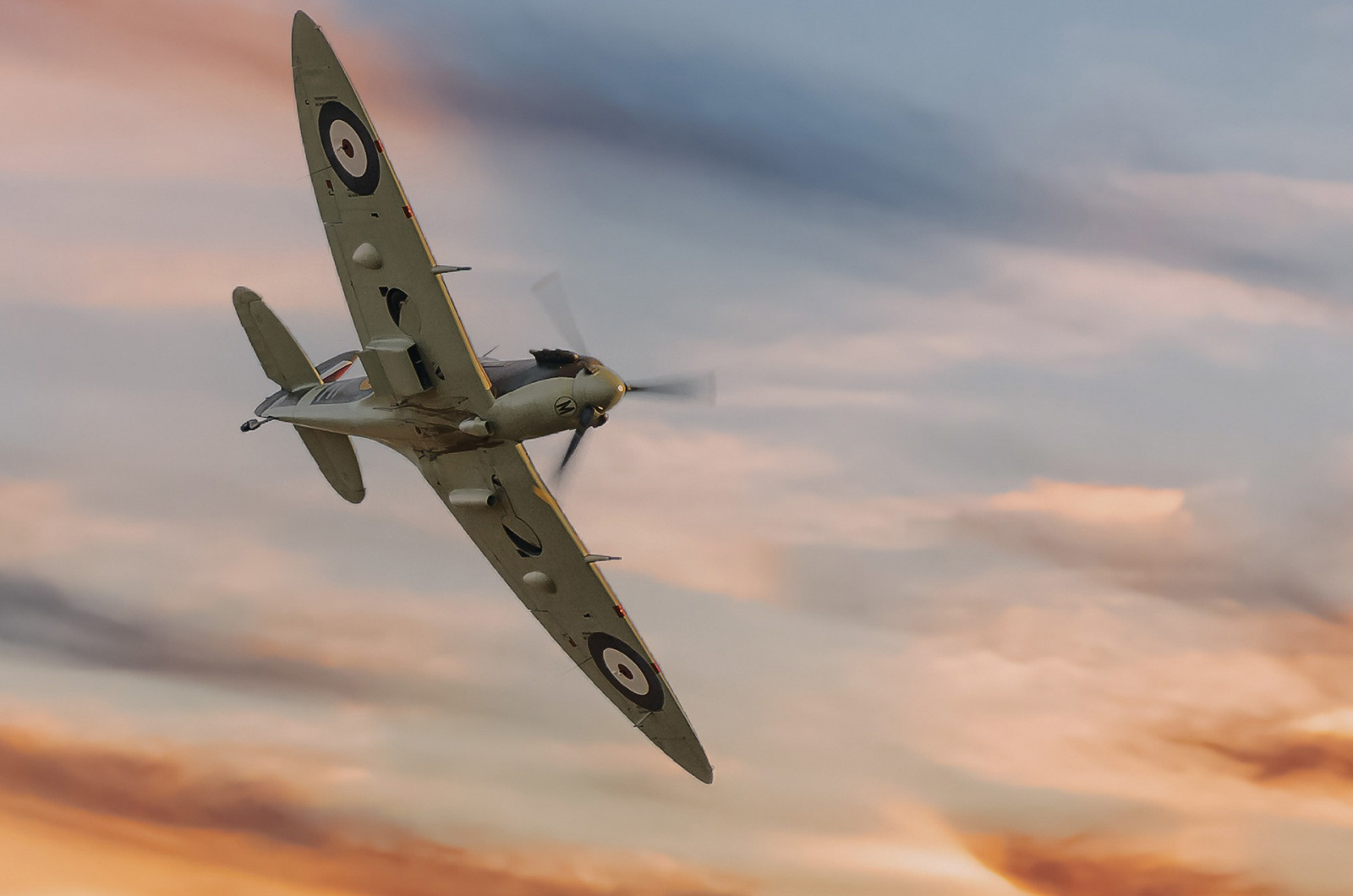
Yet another example would be automatic leading-edge slats that prevented the Bf 109 from going into a stall at low speeds or in high-G turns.
The Bf 109F-3 and F-4 models, introduced around mid-1941, improved on the E models with the help of the more powerful DB-601E engine.
9: Range
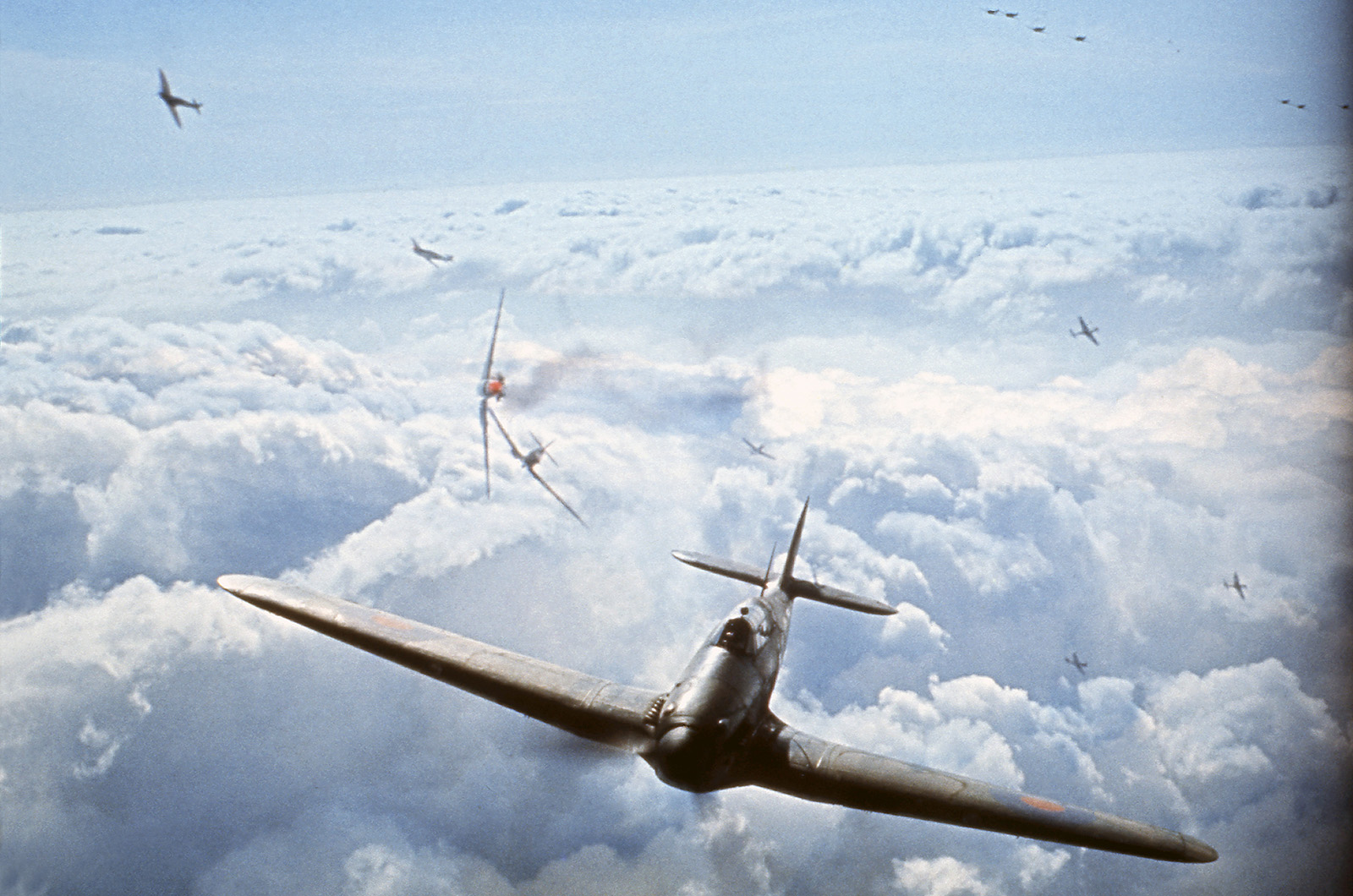
Combat ranges were comparable. Both designs were initially designed to defend airbases against enemy bombing, and that was reflected in their range figures on internal fuel—420 miles (680 km) for the Spitfire I A/B and about 410 miles (660 km) for the Bf 109E.
The Bf 109 was the first to be forced into an offensive role: first as a fighter that would provide top cover to an advancing German Army and later as an escort for Luftwaffe bombers attacking Britain. The lack of range proved to be a major constraint in the second instance.