Currently reading: Top 10: Exotic spaceplanes that failed to take off

Top 10: Exotic spaceplanes that failed to take off

Back to top

With their thrilling sci-fi aesthetics, spaceplanes are an attractive alternative to rockets. They are attractive in practical ways, too.

Unlike traditional rockets, spaceplanes are reusable, flying multiple times and potentially slashing launch costs. Some can operate from normal runways, offering far more flexibility, and their efficient engines lower their environmental impact; others are launched atop rockets or ‘motherships’, reducing the fuel they need to carry and burn. Promising to be easier, greener — and far cooler — why have most spaceplane projects never managed to get off the ground? In the very rare cases that they do, why does the project not ‘take off’? Let’s find out.


10: HOTOL
 HOTOL

A serious interest in space travel began in the UK before the war, led by the British Interplanetary Society, whose members included Arthur C. Clarke. Postwar, Britain studied captured German V-2 rockets and proposed crewed suborbital flights, such as Megaroc. Official programmes began in 1952, emphasising military and scientific research, while Skylark rockets, launched from Woomera from 1957, advanced uncrewed space exploration.

In 1971, the Prospero satellite was successfully launched by the Black Arrow rocket. But the government had already cancelled the programme, ending Britain’s independent spaceflight efforts and closing its national rocket era by the early 1970s. British Aerospace, a new conglomerate founded in 1977, had great ambition and wouldn’t give up on Britain’s return to space.


10: HOTOL
 HOTOL

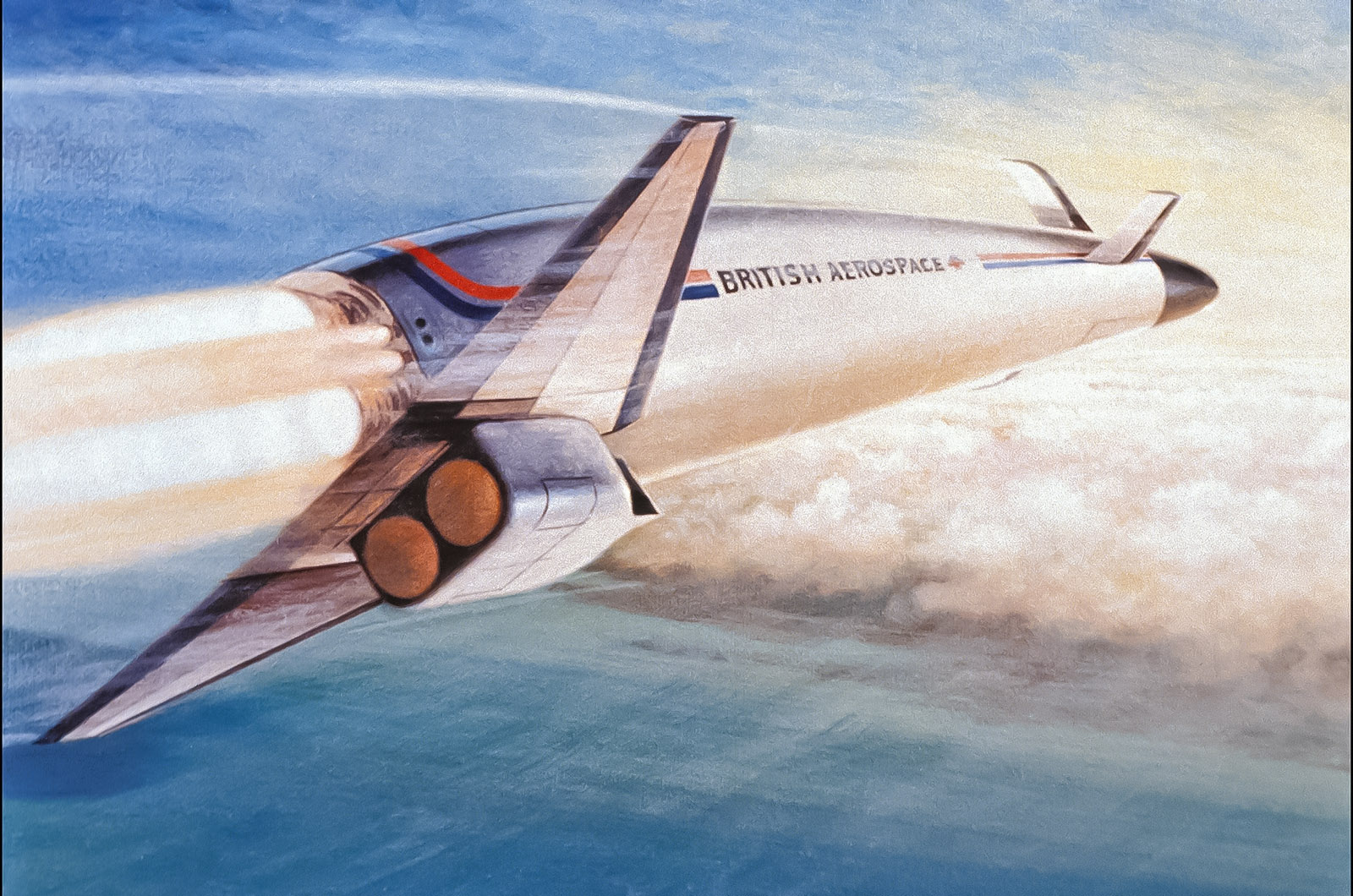
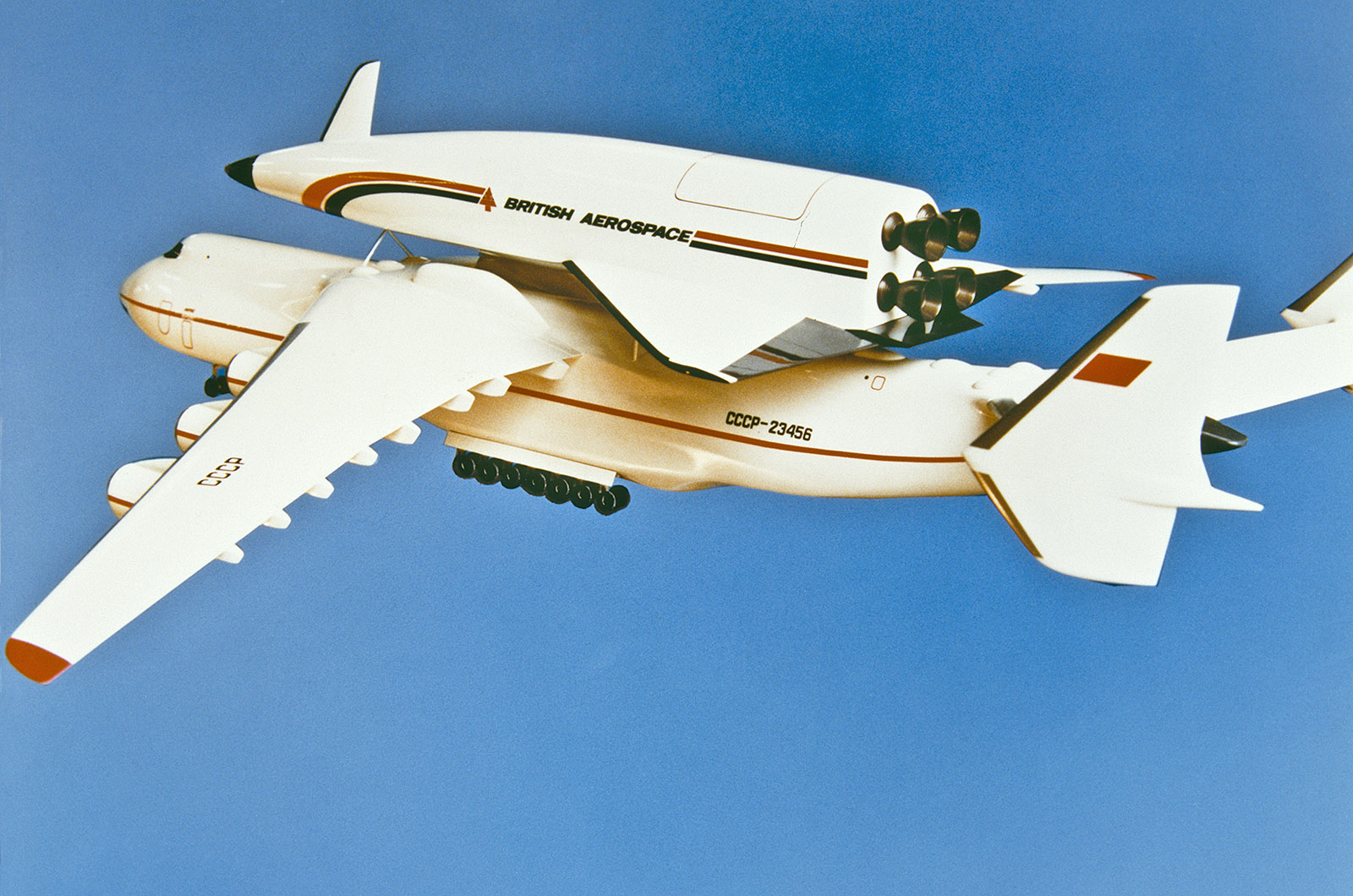
In collaboration with Rolls-Royce, British Aerospace proposed HOTOL. Concept studies began in the early 1980s; the formal HOTOL project started in 1986. The aim was to create a reusable, single-stage-to-orbit spaceplane powered by an innovative RB545 “Swallow” engine. After reaching orbit, HOTOL would glide back through Earth’s atmosphere to land conventionally.

The Rolls-Royce RB545 “Swallow” engine was a groundbreaking hybrid air-breathing rocket, decades ahead of its time. Using atmospheric air at low altitudes and switching to liquid oxygen in space, it promised seamless, single-stage, reusable spaceflight — a revolutionary leap in propulsion design unmatched by any operational technology of its era. The programme was cancelled in the late 1980s due to funding issues and technical challenges. A later proposal envisioned launch from the top of the Antonov An-225; it also never materialised.


9: MiG-105
 MiG-105

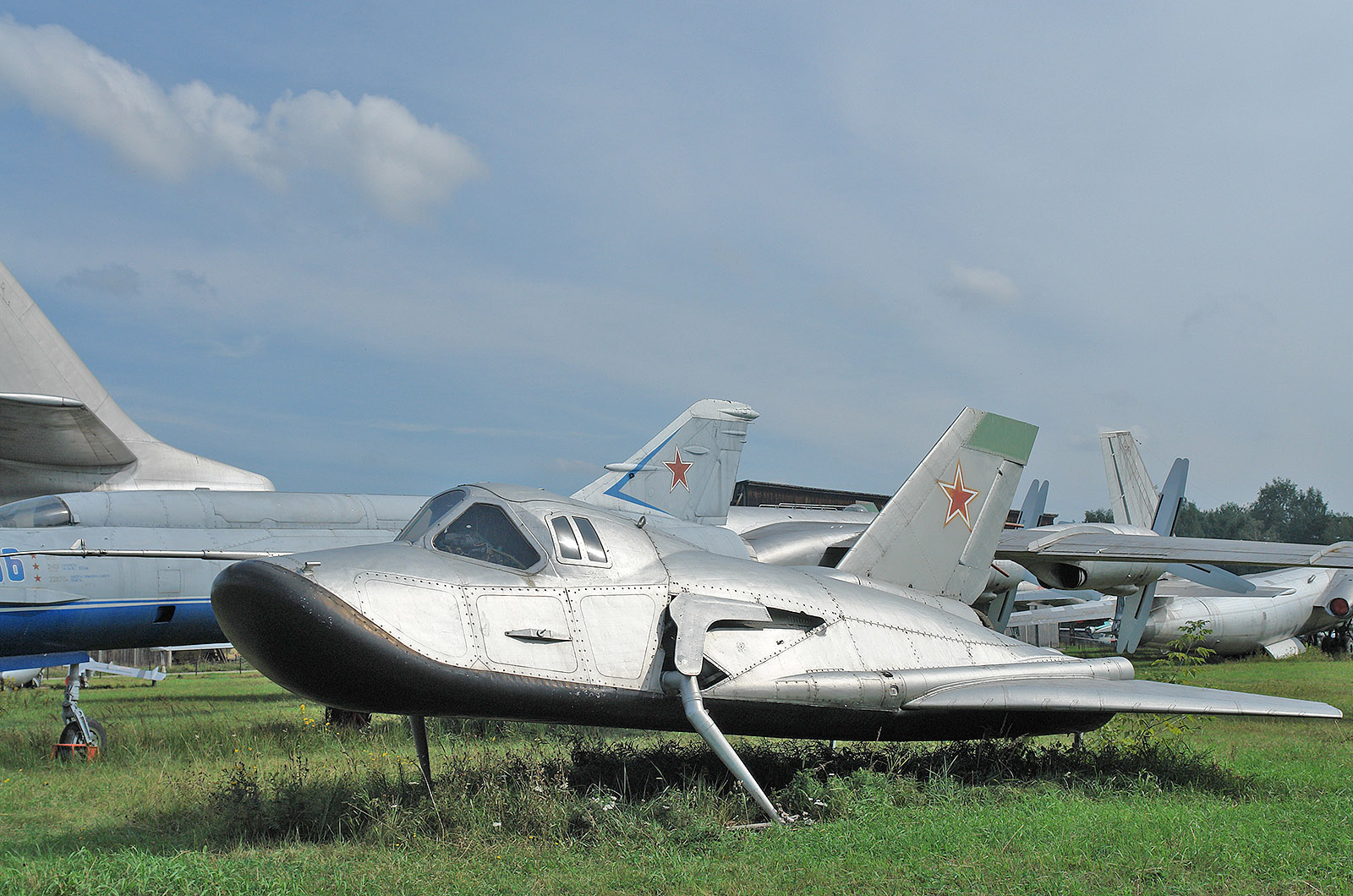
With envisioned roles including the destruction of NATO satellites, this Soviet spaceplane project was thrillingly James Bond-esque; Even more excitingly, at one point, it was proposed that the craft be launched from the back of a Mach 6 Tupolev carrier aircraft. After separation at high altitude, its own detachable rocket booster would have ignited, propelling the small spaceplane directly into a sub-orbital altitude.

The MiG-105 emerged from the Soviet Spiral programme, aiming to create a small orbital spaceplane that could return to Earth like a glider. Its compact, wedge-shaped body earned it the nickname ‘Лапоть’ (Lapot) or ‘Little Shoe.’


9: MiG-105
 MiG-105

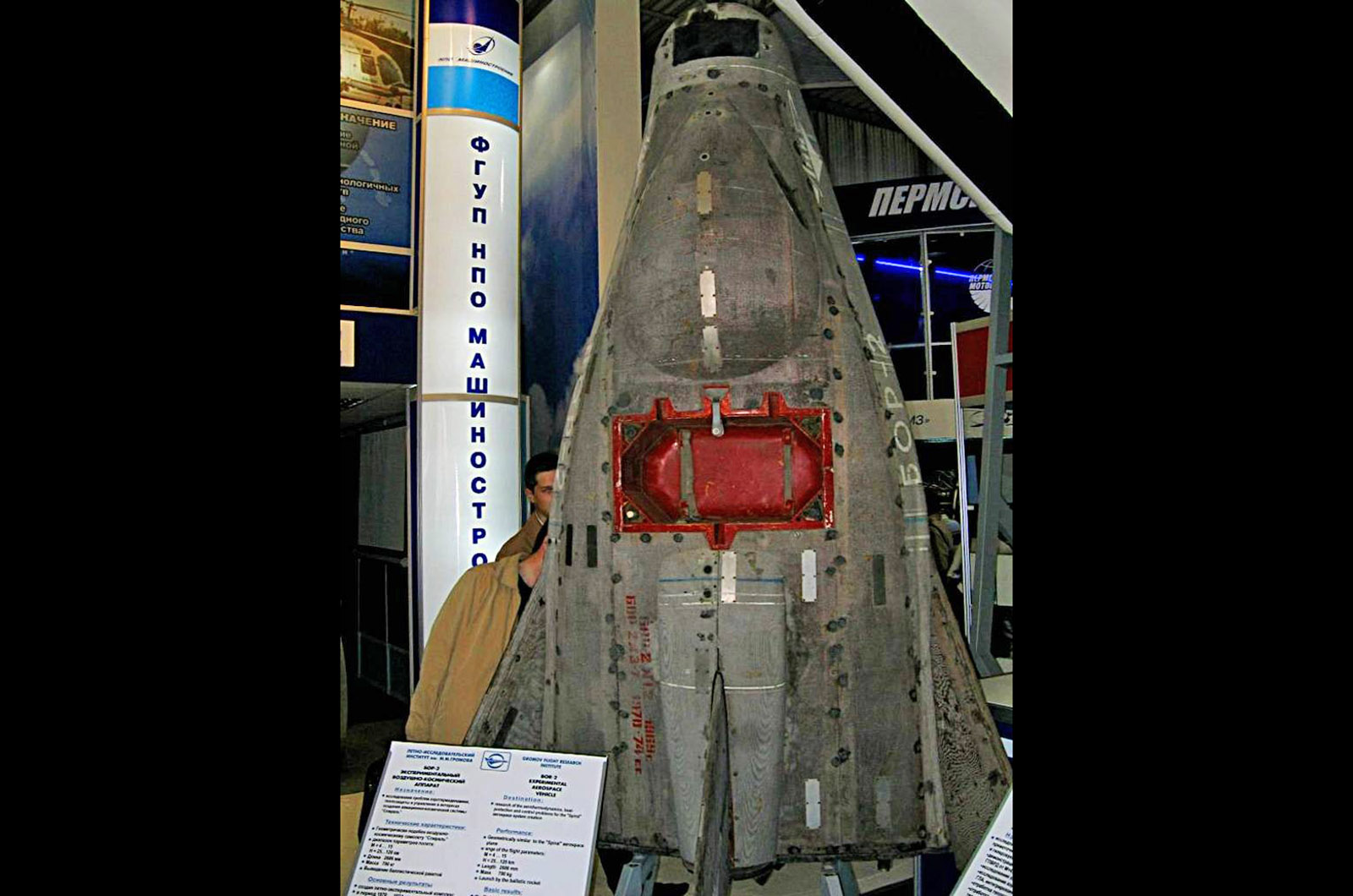
The MiG-105 was used to test landing techniques and low-speed flight characteristics. It took off under its own power from an old airstrip near Moscow in 1976 for its first subsonic free flight. It conducted eight subsonic flight tests between 1976 and 1978; some were air-launched from a Tu-95K bomber.

These flights helped gather data for the Soviet spaceplane programme, though the project was later cancelled. The Spiral project was ultimately abandoned in favour of the Buran, the Soviet analogue to the U.S. Space Shuttle. Although the MiG-105 never did, its unmanned sister craft, the БОР (BOR), successfully conducted several space missions. One surviving example of the MiG-105 is now housed at the Monino Museum in Moscow.


8: Boeing X-20 Dyna-Soar

 Boeing X-20 Dyna-Soar

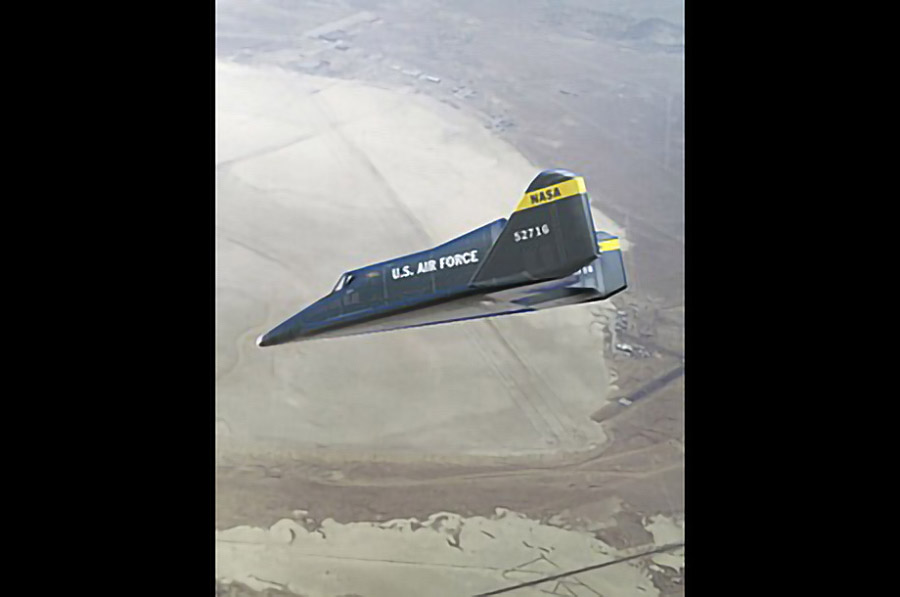
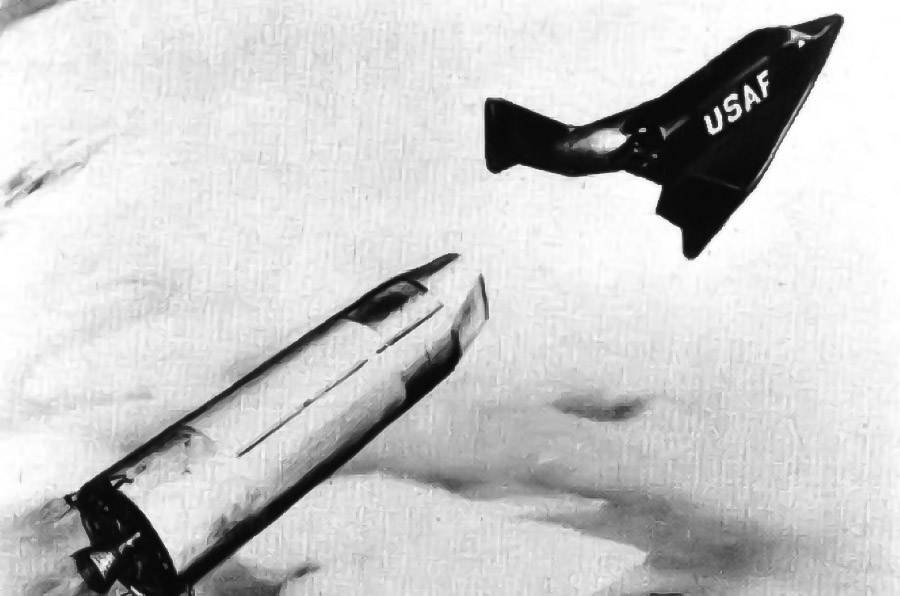
The X-20 Dyna-Soar was a United States Air Force spaceplane project developed during the late 1950s and early 1960s. Designed for reconnaissance, bombing, and space research missions, it was a reusable, rocket-powered craft that combined the manoeuvrability of an aircraft with the capabilities of an orbital vehicle. Its sleek, glider-like form reflected advanced aerodynamic principles.

The X-20 was to be launched atop a modified Titan IIIC rocket, separating once sufficient altitude and velocity were achieved. After detaching from its booster, it would continue into orbit under its own momentum. This launch method allowed the vehicle to function as both a spacecraft and a glider upon re-entry, bridging air and space operations.


8: Boeing X-20 Dyna-Soar

 Boeing X-20 Dyna-Soar

The X-20 Dyna-Soar was cancelled in 1963 as US political priorities shifted toward NASA’s Apollo programme. President Kennedy’s lunar goal redirected resources from military spaceplanes. At the same time, the Air Force focused on satellites and missile technology, which were seen as more strategically valuable and cost-effective during the Cold War.

Though never completed, the X-20 profoundly shaped later space efforts. Its research informed the Space Shuttle’s heat shielding, reusable lifting-body design, and pilot-controlled re-entry systems. Elements of its engineering resurfaced decades later in the X-37B, ensuring the Dyna-Soar’s pioneering concepts continued to influence reusable spacecraft development long after its cancellation.


7: Lockheed Martin X-33 / VentureStar

 Lockheed Martin X-33 / VentureStar

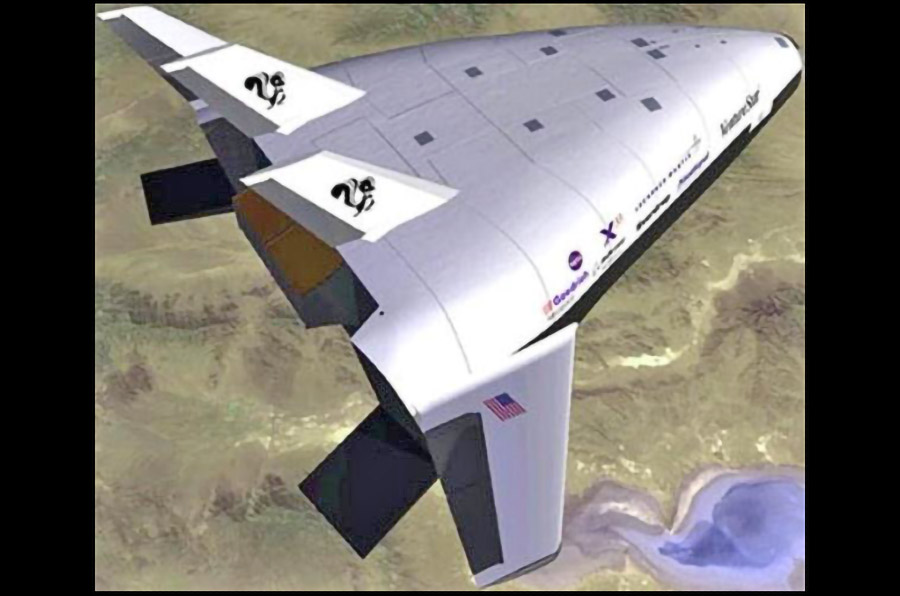
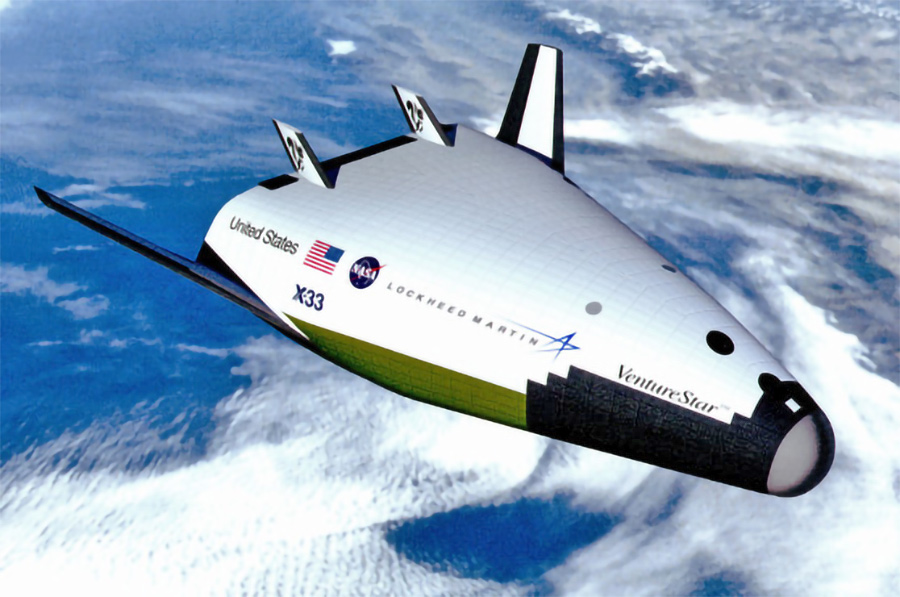
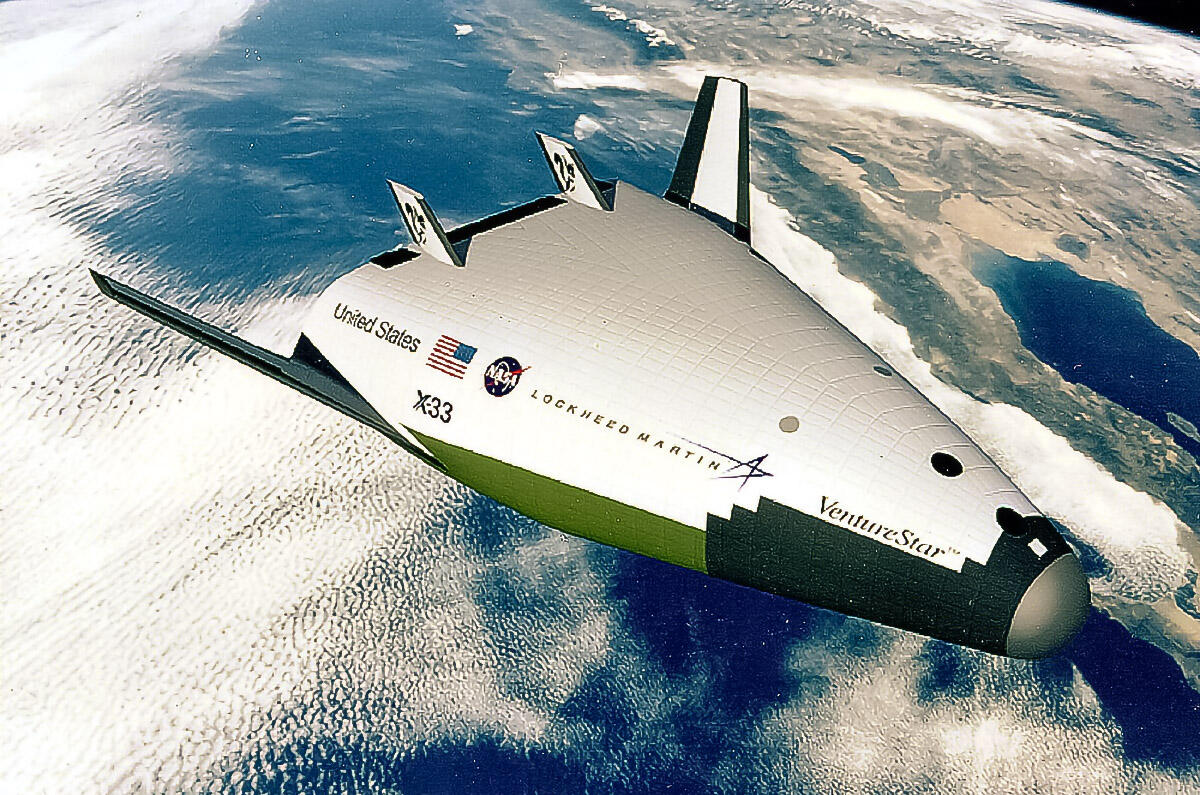
The X-33 was a subscale technology demonstrator for Lockheed Martin’s proposed VentureStar, a fully reusable, single-stage-to-orbit spacecraft intended to drastically reduce launch costs by eliminating expendable rockets.  It featured cutting-edge composite cryogenic hydrogen fuel tanks and a lifting-body shape (no wings).

It was an extremely clever concept, designed to improve aerodynamic efficiency and structural strength while reducing weight, and a pioneering concept for the 1990s. The X-33 used linear aerospike engines. A linear aerospike engine works like a normal rocket but without a bell-shaped nozzle. Instead, exhaust flows along a wedge-shaped spike.


7: Lockheed Martin X-33 / VentureStar

 Lockheed Martin X-33 / VentureStar

Air pressure outside the rocket helps shape and squeeze the exhaust, keeping thrust efficient at all altitudes — like an “auto-adjusting” rocket engine for space and atmosphere. The vehicle was designed to launch vertically and land horizontally like an aircraft, with fully autonomous flight control, aiming for airline-like operations and rapid turnaround between missions.

The project was cancelled due to technical and financial setbacks, primarily the failure of the composite hydrogen fuel tank, which cracked during testing. The tank’s failure caused significant delays and cost overruns, and NASA concluded that Single-Stage-to-Orbit technology wasn’t yet feasible with existing materials and propulsion systems.


6: Hermes

 Hermes

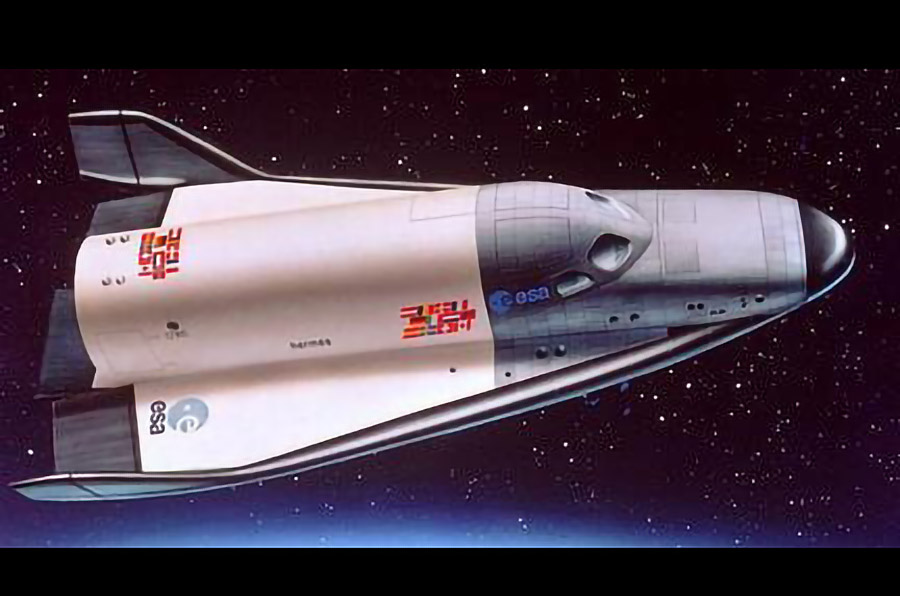
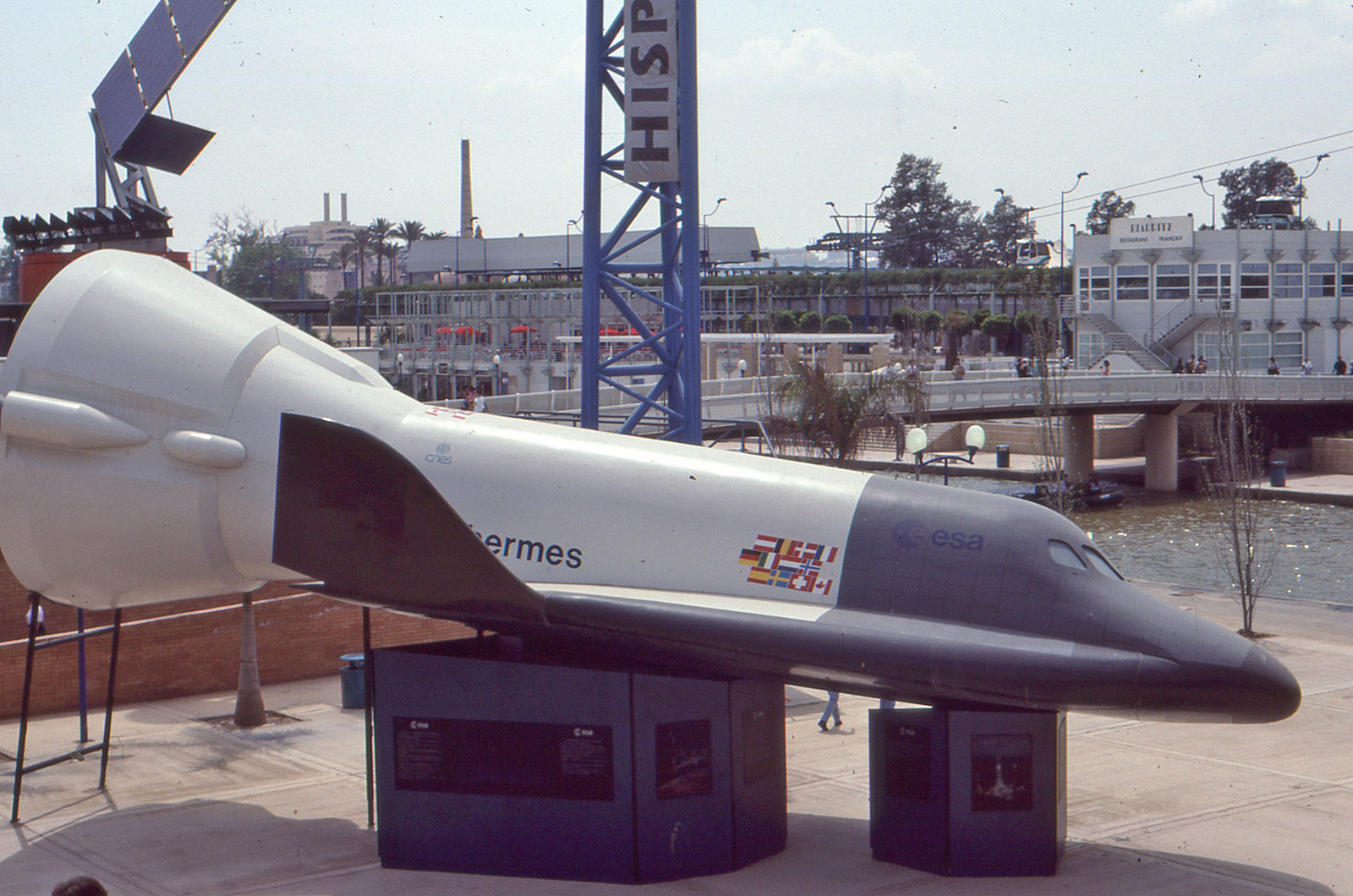
The Airbus airliners proved that European companies could successfully break into previously US-dominated sectors of the aerospace industry, and Hermes was another, rather brilliant, European upstart. It proposed a European reusable spacecraft developed under the European Space Agency during the 1980s and early 1990s.

Conceived as Europe’s answer to the American Space Shuttle, it was intended to transport three (some concepts had five) astronauts and small payloads to low Earth orbit. The design combined both spacecraft and aircraft principles, aiming for controlled, horizontal runway landings after re-entry. Hermes was to be launched atop the Ariane 5 rocket, rather than using its own boosters or external tanks.


6: Hermes

 Hermes

This vertical launch approach simplified the design and reduced the shuttle’s weight, as the heavy lifting would be entirely provided by the Ariane system. Once in orbit, Hermes would operate independently, using its onboard propulsion and manoeuvring thrusters (small rocket engines for adjusting position).

The European Hermes spacecraft was cancelled due to escalating costs, delays, technical difficulties, and shifting political priorities. After the Cold War, reduced justification for high-prestige manned missions also contributed to the European Space Agency's termination of the project in 1993.


5: HL-20 Personnel Launch System

 HL-20 Personnel Launch System

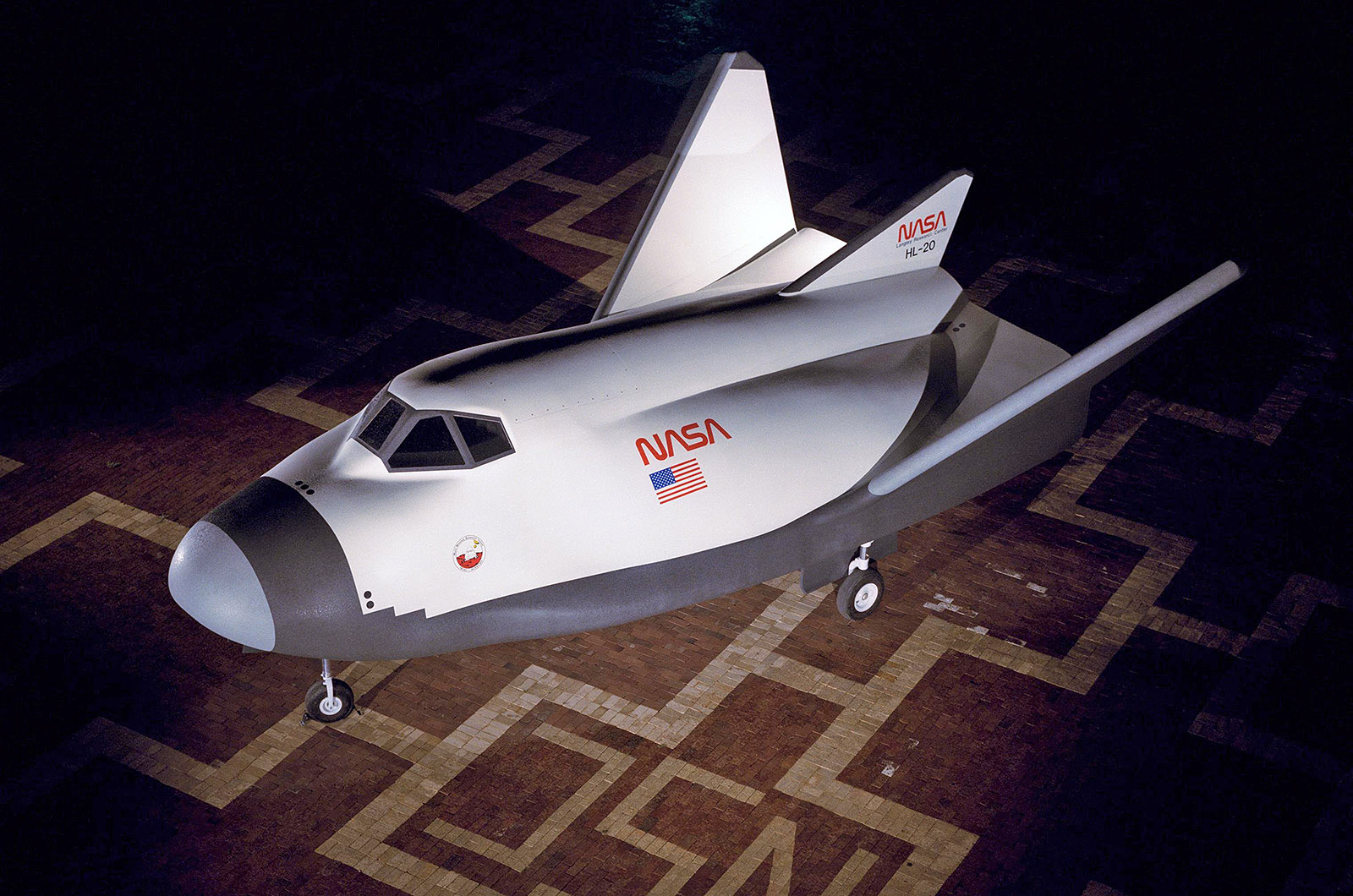
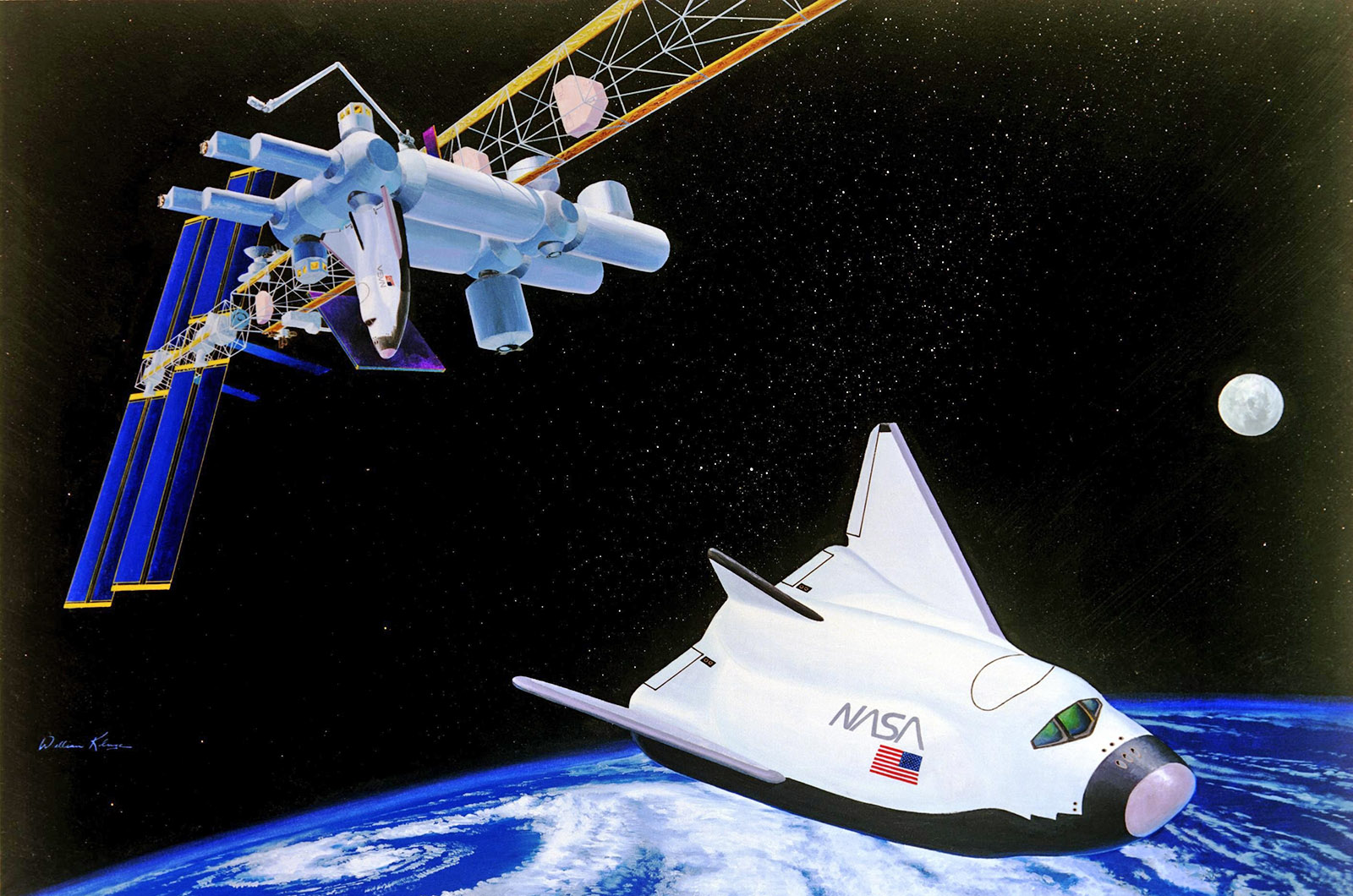
Brilliantly simple in concept, the HL-20 Personnel Launch System, developed at Langley Research Center during the late 1980s, was a proposed lifting-body spaceplane designed for routine crew transport. Inspired by the Soviet BOR-4, it could carry up to 8 passengers (plus 2 crew), into orbit while promising safer and more efficient recovery than capsule designs.

The HL-20 would launch atop expendable rockets such as Titan III or Atlas, then glide to Earth for a horizontal landing. Its compact, aerodynamic form offered enhanced stability during re-entry, significantly reducing stress and thermal load. Engineers prioritised simplicity, low maintenance, and short turnaround between missions.


5: HL-20 Personnel Launch System

 HL-20 Personnel Launch System

Built from lightweight materials, the HL-20 required less refurbishment than the Space Shuttle, reducing operational costs. It was intended to be launched from existing facilities, enabling flexible scheduling and rapid deployment for orbital servicing or crew rotation at future space stations, it was essentially a ‘space taxi’.

Although never built for flight, the HL-20 heavily influenced Sierra Nevada’s Dream Chaser, which adopted similar contours and mission profiles. The HL-20 represented a drive towards smaller, more practical crew vehicles, bridging the gap between early shuttle concepts and today’s commercial spaceplane technologies.


4: Sänger II

 Sänger II

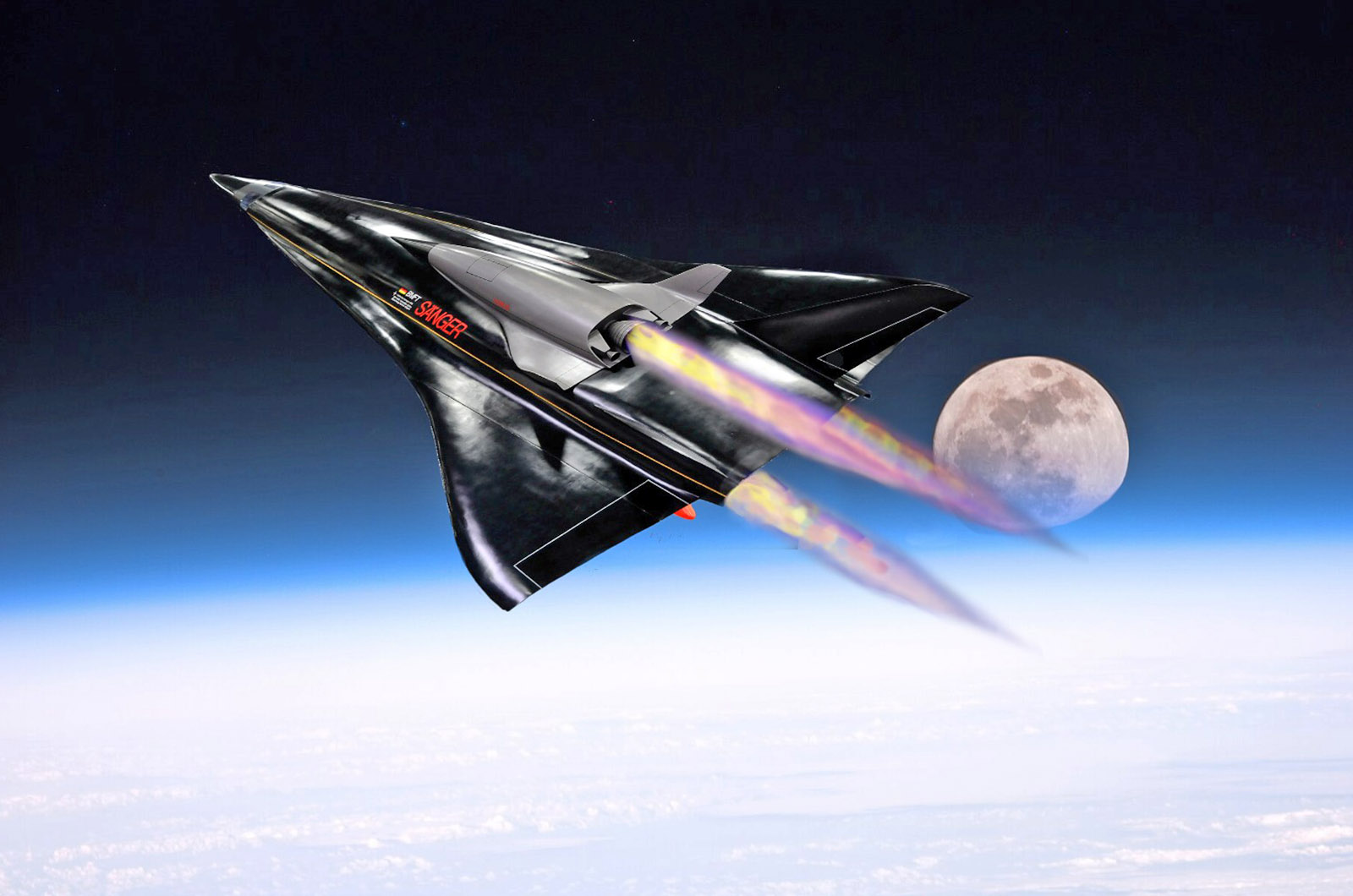
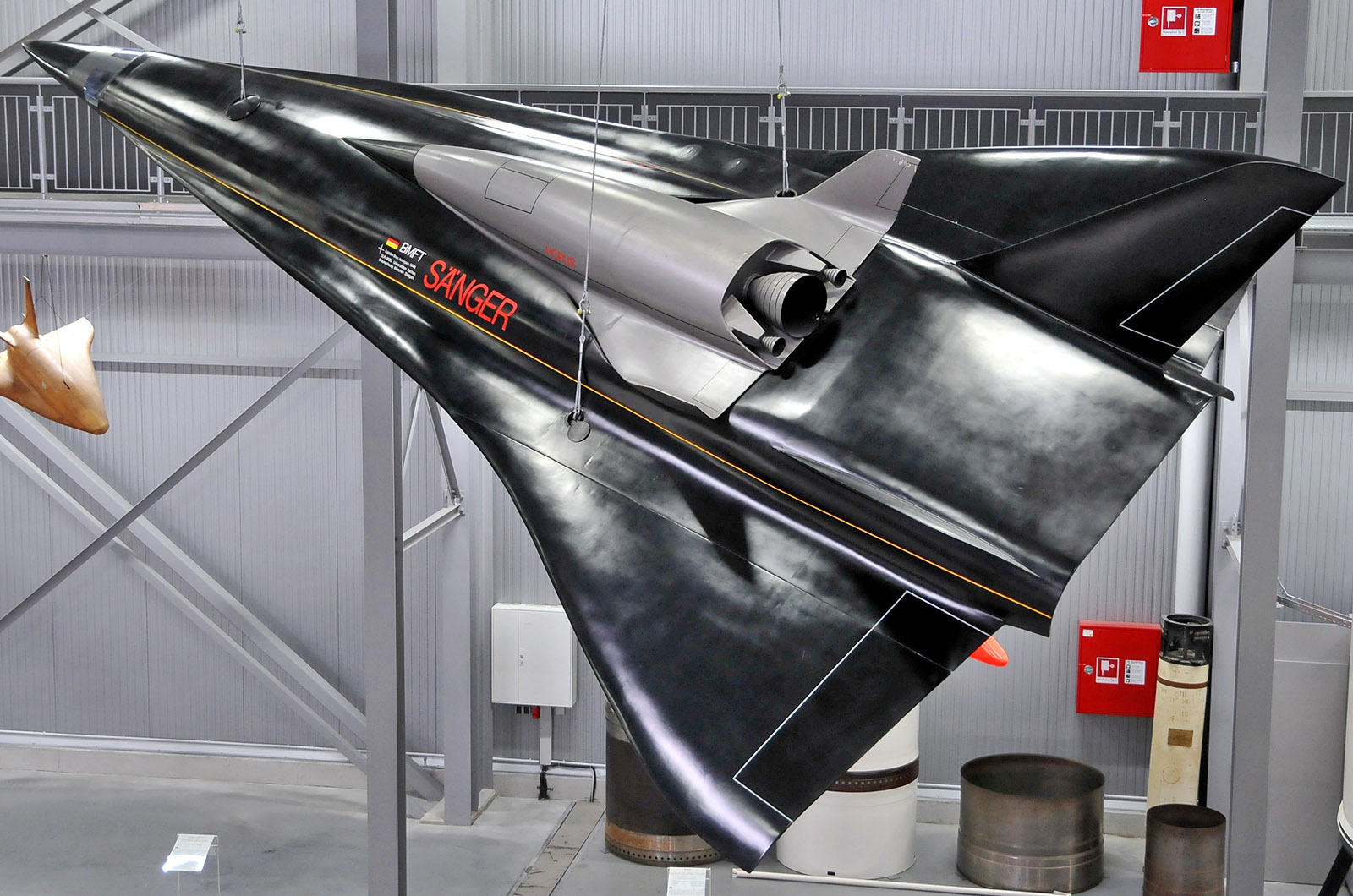
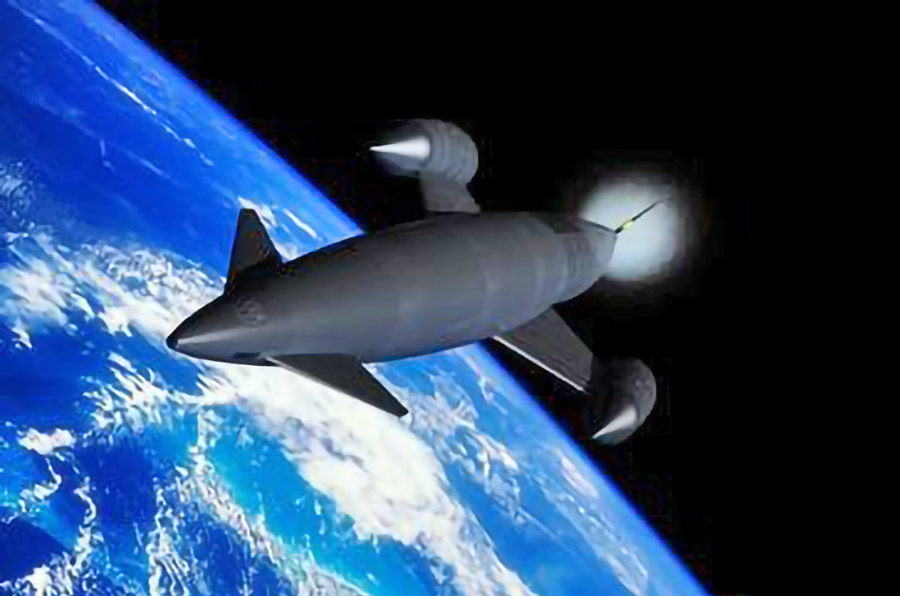
Arguably, the coolest-looking spaceplane ever considered, the Sänger II was a proposed West German spaceplane concept by Messerschmitt-Bölkow-Blohm from the 1980s. The original Sänger spaceplane, conceived by Eugen Sänger in the 1940s, was an exotic German concept for a rocket-powered, suborbital bomber called the “Silbervogel.” It aimed to skip along Earth’s atmosphere for long-range missions.

Decades later, its principles inspired the Sänger II, a two-stage spaceplane concept for orbital missions. The Sänger II was designed as a two-stage-to-orbit system intended to carry payloads or passengers into low Earth orbit. The project built upon Eugen Sänger’s earlier ideas from the 1930s for a suborbital “Silbervogel” space bomber.


4: Sänger II

 Sänger II

Its launch method involved a horizontal take-off from a conventional runway, using jet engines to reach high subsonic speed before switching to rocket propulsion. This air-breathing start was a key feature, reducing fuel consumption compared with vertical launches. The vehicle would then accelerate and climb toward the edge of space, releasing an orbital stage.

The first stage used advanced air-breathing engines, while the upper stage employed a hydrogen-fuelled rocket motor to achieve orbital velocity. The combination promised greater efficiency and potential reusability, crucial for reducing launch costs and improving space access. The Sänger II never left the drawing board.


3: Rockwell X-30

 Rockwell X-30

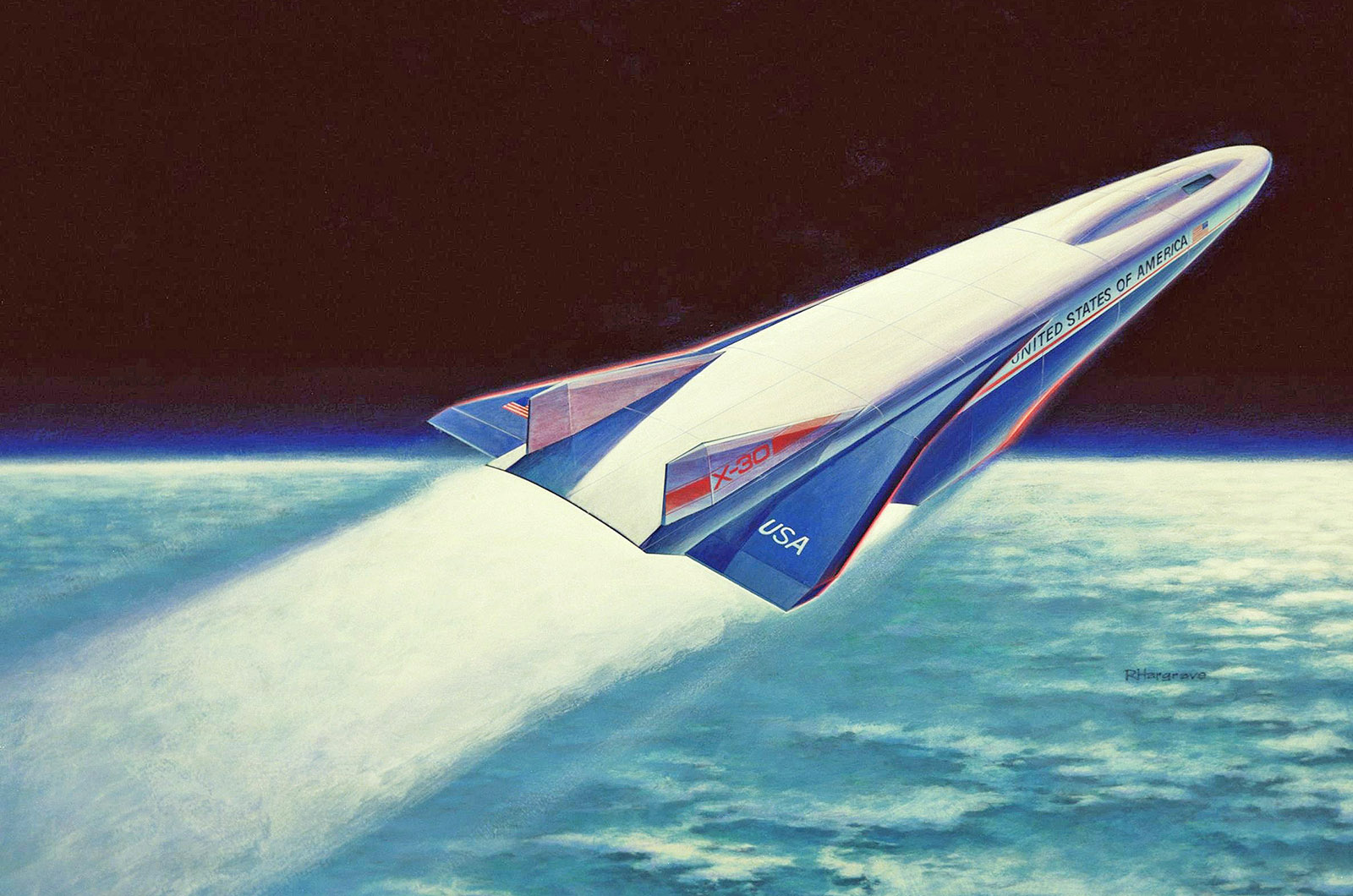
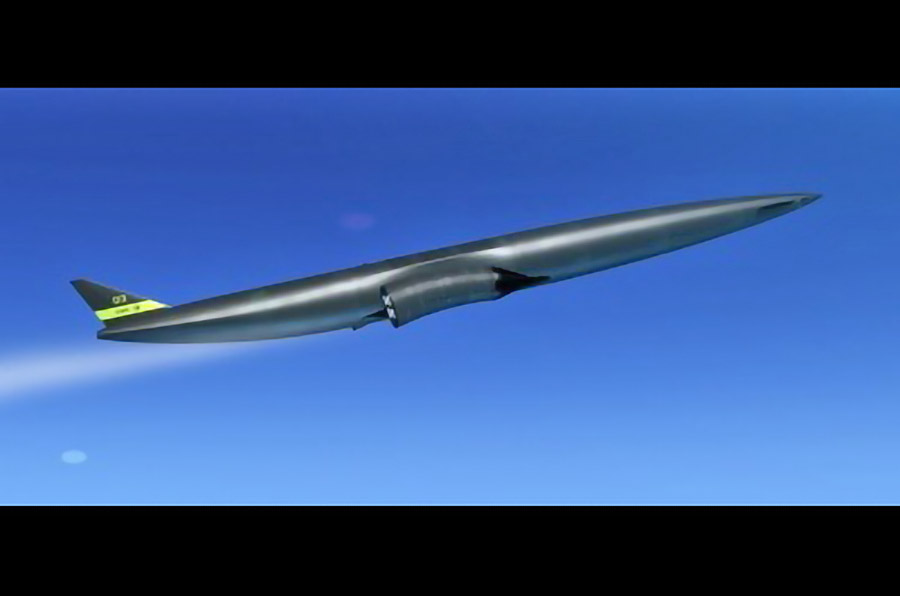
Having successfully created the Space Shuttle, Rockwell was well placed to develop another spaceplane. Their X-30 was a visionary concept developed under the National Aero-Space Plane (NASP) programme during the 1980s. It aimed to create a single-stage-to-orbit spaceplane capable of horizontal take-off and landing. Designed to operate like an aircraft in the atmosphere and a spacecraft beyond it, the X-30 represented a revolutionary step towards fully reusable launch systems.

Scramjets compress incoming supersonic air, mix it with fuel, and ignite for propulsion. Powered by scramjet engines, the goal was to enable the X-30 to transition smoothly from atmospheric flight to orbital insertion. Its propulsion system would have drawn oxygen from the atmosphere during ascent, reducing the need for heavy onboard oxidisers and improving fuel efficiency.


3: Rockwell X-30

 Rockwell X-30

The proposed X-30 was designed to carry both crew and small payloads into low Earth orbit. It would have provided a rapid, flexible means of accessing space for scientific, military, and commercial purposes. The craft’s aerodynamic shape and thermal protection systems were to withstand extreme re-entry conditions while enabling a controlled runway landing.

Although the project was eventually cancelled due to technical and financial challenges, the X-30 programme contributed valuable research to hypersonic flight, propulsion, and materials science. Its ambitious goals continue to influence modern spaceplane development efforts worldwide.


2: Buran

 Buran

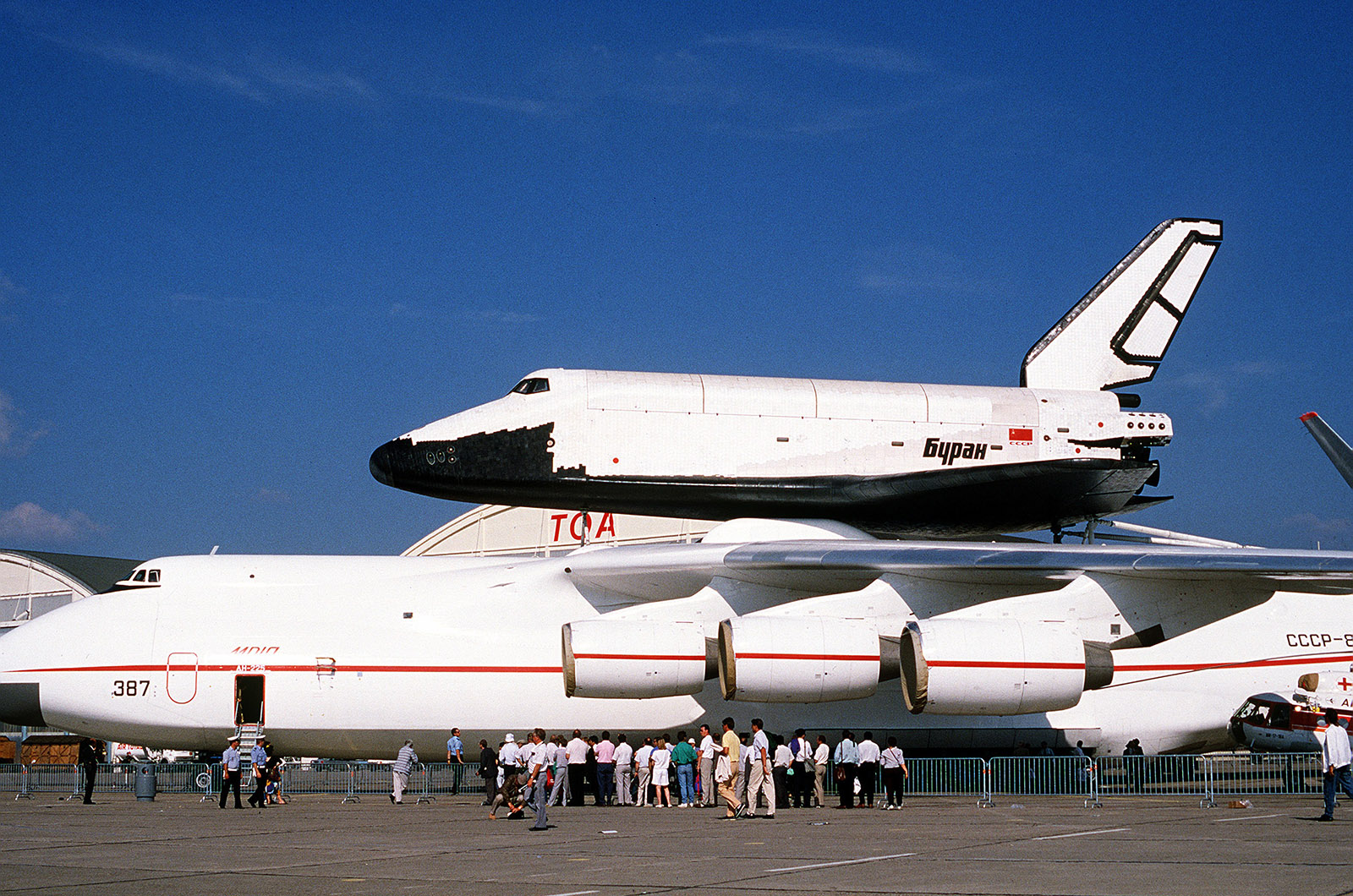
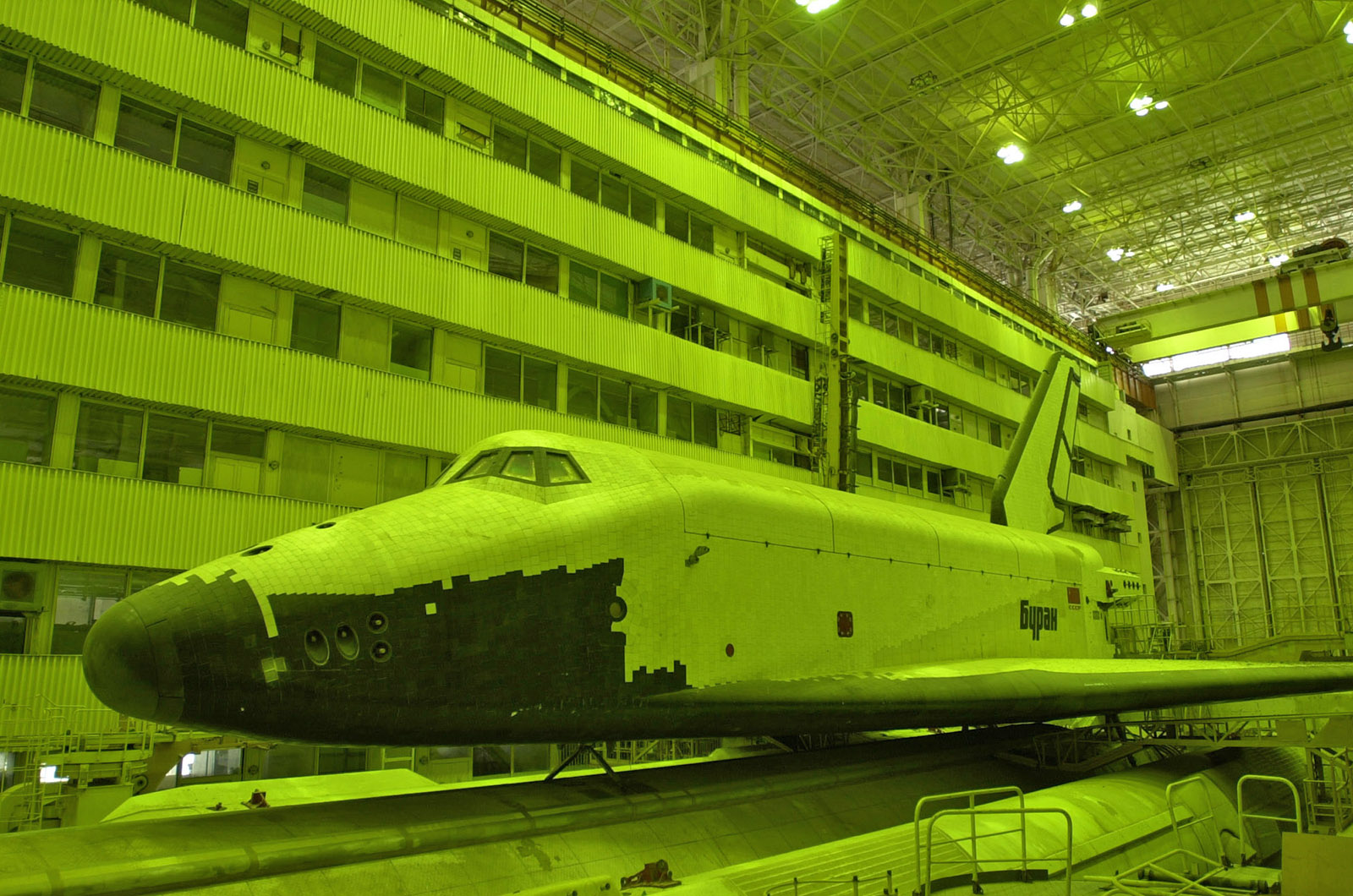
The Buran was the Soviet Union’s response to NASA’s Space Shuttle, developed by NPO Molniya, launched atop the Energia rocket built by RSC Energia. Designed as a reusable spacecraft, it represented the pinnacle of Soviet aerospace engineering, aiming to match or surpass the American shuttle’s capabilities in space transport and orbital operations.

In contrast to the Space Shuttle, it didn’t use an internal propulsion system to take it into orbit. It relied on the Energia. The Energia launch vehicle was a powerful, fully expendable heavy-lift rocket capable of placing over 100,000 kg into low Earth orbit. This system allowed Buran to remain unpowered during ascent, conserving onboard fuel.


2: Buran

 Buran

Once in orbit, the Buran relied on its own small orbital manoeuvring engines and reaction control thrusters. These were powered by hypergolic propellants, providing precise control for orbital adjustments, docking operations, and atmospheric re-entry alignment. The absence of main engines reduced complexity and improved payload capacity.

Buran’s sole orbital flight in 1988 was fully automated with no crew onboard, completing two orbits before landing flawlessly. Automatic runway landing at Baikonur (Yubileiny runway) was accurate to within a few metres. Though a triumph of engineering, the programme was cancelled after the Soviet collapse. The flown orbiter was sadly destroyed in a 2002 hangar collapse, while other test vehicles survive in Moscow, Speyer, and storage at Baikonur.


1: Skylon

 Skylon

Skylon originated from Britain’s 1980s HOTOL programme. After HOTOL’s cancellation, its chief designer, Alan Bond, founded Reaction Engines Limited in 1989 to continue development. Early work focused on the revolutionary SABRE air-breathing rocket engine, with concept studies and small-scale component tests carried out through the 1990s and 2000s.

The vehicle’s launch method was envisioned to be similar to that of a traditional aircraft, rolling down a runway before ascending. Its design would have allowed it to accelerate through the atmosphere efficiently, relying on air-breathing propulsion at lower altitudes. Once in thinner air, Skylon was intended to transition to pure rocket mode, maintaining thrust without carrying excessive oxidiser for the initial climb.


1: Skylon

 Skylon

At the heart of Skylon was the SABRE engine, a hybrid air-breathing rocket system that would have intaken atmospheric oxygen during the early ascent, mixing it with onboard hydrogen fuel. Once above the atmosphere, it would have switched to an internal oxidiser, functioning as a conventional rocket. This dual-mode capability promised improved efficiency and payload capacity.

Thermal management was critical to the design, with precoolers intended to chill incoming air and prevent engine overheating at high speeds. Lightweight composite materials and advanced heat shielding were expected to allow sustained hypersonic flight. Skylon’s concept promised rapid turnaround, reusability, and reduced environmental impact — potentially transforming commercial and scientific space missions for the UK and beyond. However, progress remained limited to engine technology demonstrations. Reaction Engines successfully tested SABRE’s precooler technology but never built a full engine or vehicle. In October 2024, the company entered administration, ending active development. With Reaction Engines now defunct, Skylon remains an ambitious but unrealised vision of Britain’s return to space.

Follow Joe Coles on Substack, Twitter X  or Blue Sky. His superb Hush-Kit Book of Warplanes is available here.

If you enjoyed this story, please click the Follow button above to see more like it from Autocar

Photo Licence: https://creativecommons.org/licenses/by/4.0/deed.en


Add a comment…