
Tanks wrought massive carnage in the Second World War, and stopping these tracked monsters from the air was a tough task.
It demanded flying low, avoiding or surviving getting shot, and having a big enough weapon to destroy or disable a well-protected, often moving, target. Not all aircraft were suited to the demanding anti-tank mission; when the He-177 heavy bomber was tasked by Luftwaffe commander-in-chief Hermann Göring personally to halt a large Soviet tank offensive, the results were disastrous for the Germans. The He-177 force was too lumbering for the mission and was cut to pieces. Here are the 11 best tank-busting aircraft of World War 2 that did much better:
11: Bücker Bü 181 Bestmann
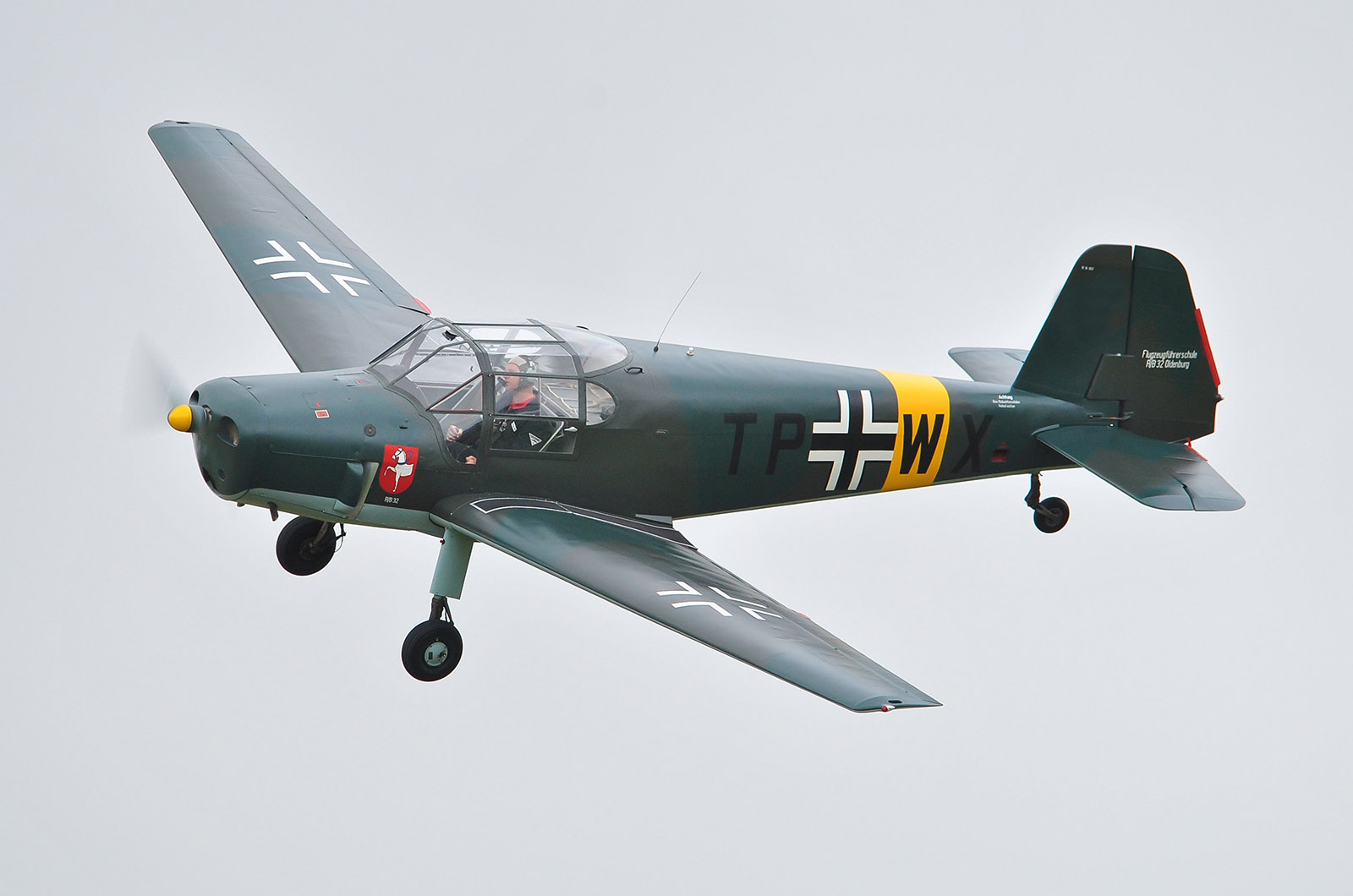
In the desperate last-ditch defence of Germany, almost every available aircraft type was dragged into the fight. The rather innocuous-looking Bü 181 training aircraft had already been used as a liaison aircraft and a glider tow, and now it was to enter the more dangerous role of tank-buster.
Armament was to be four Panzerfaust. The Panzerfaust was a recoilless launcher tube with a single bulbous high-explosive anti-tank warhead extending forward from the muzzle. Unlike the baseline infantry version, the aircraft version was wired to be fired remotely by the pilot.
11: Bü 181 Bestmann
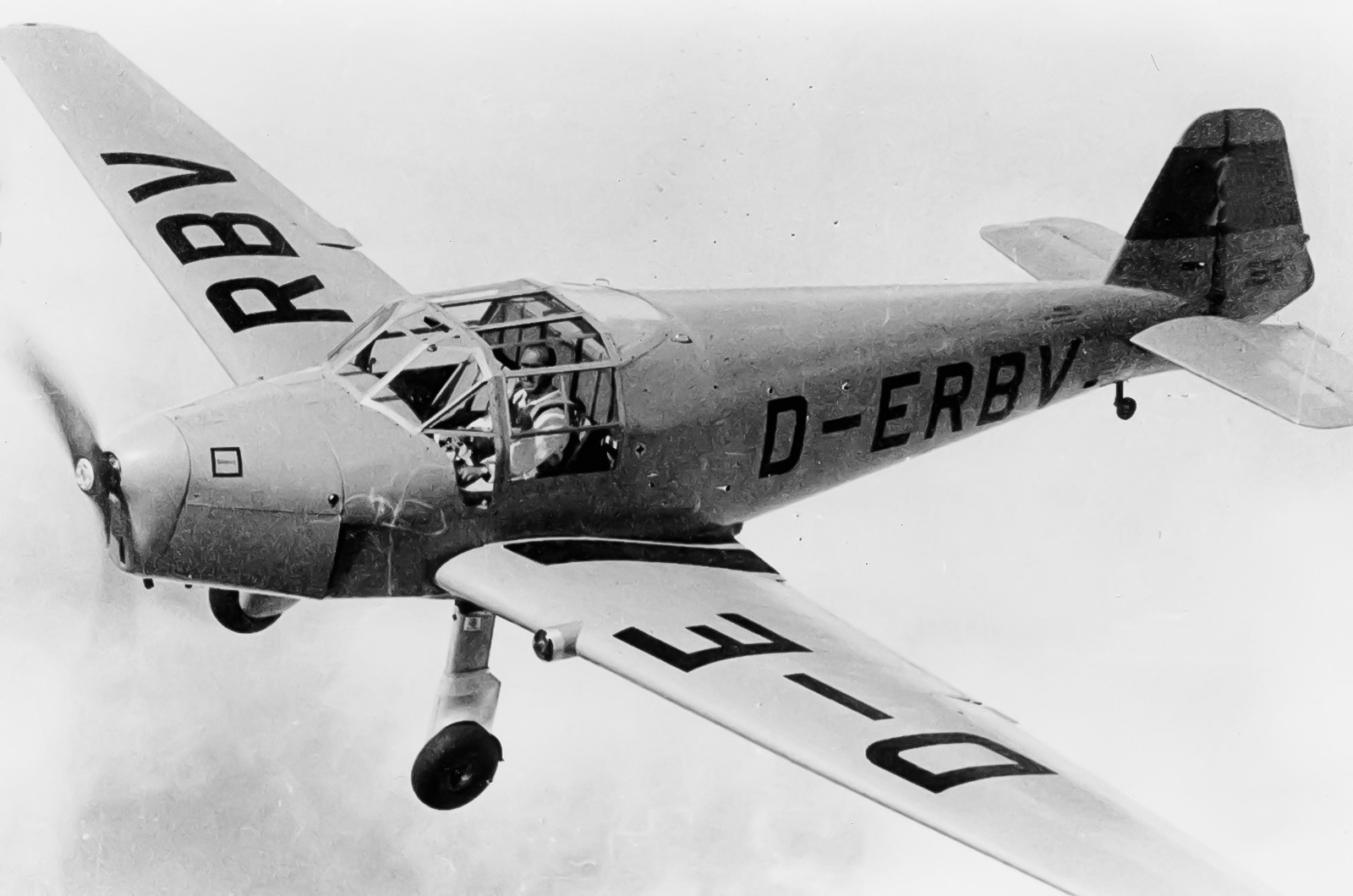
The converted tank-killing aircraft were known as the Bü 181C-3 Panzerjäger (‘tank hunter’), fitted with four wing-mounted Panzerfaust 100 mounted in pairs, two on each wing. Bomb-armed Bücker Bü 181s were used for harassment attacks. The assignment to such tank-busting missions in the Bü 181 must have been an alarming prospect to pilots.
Considering the low-speed top speed of the Bücker Bü 181 of 122mph (197km/h), its relative fragility, the extremely short range of its Panzerfaust and the mass of Allied forces, it is unsurprising that the 181 pilots endured heavy losses. However, they did succeed in destroying some Allied armour.
10: L-4 Grasshopper
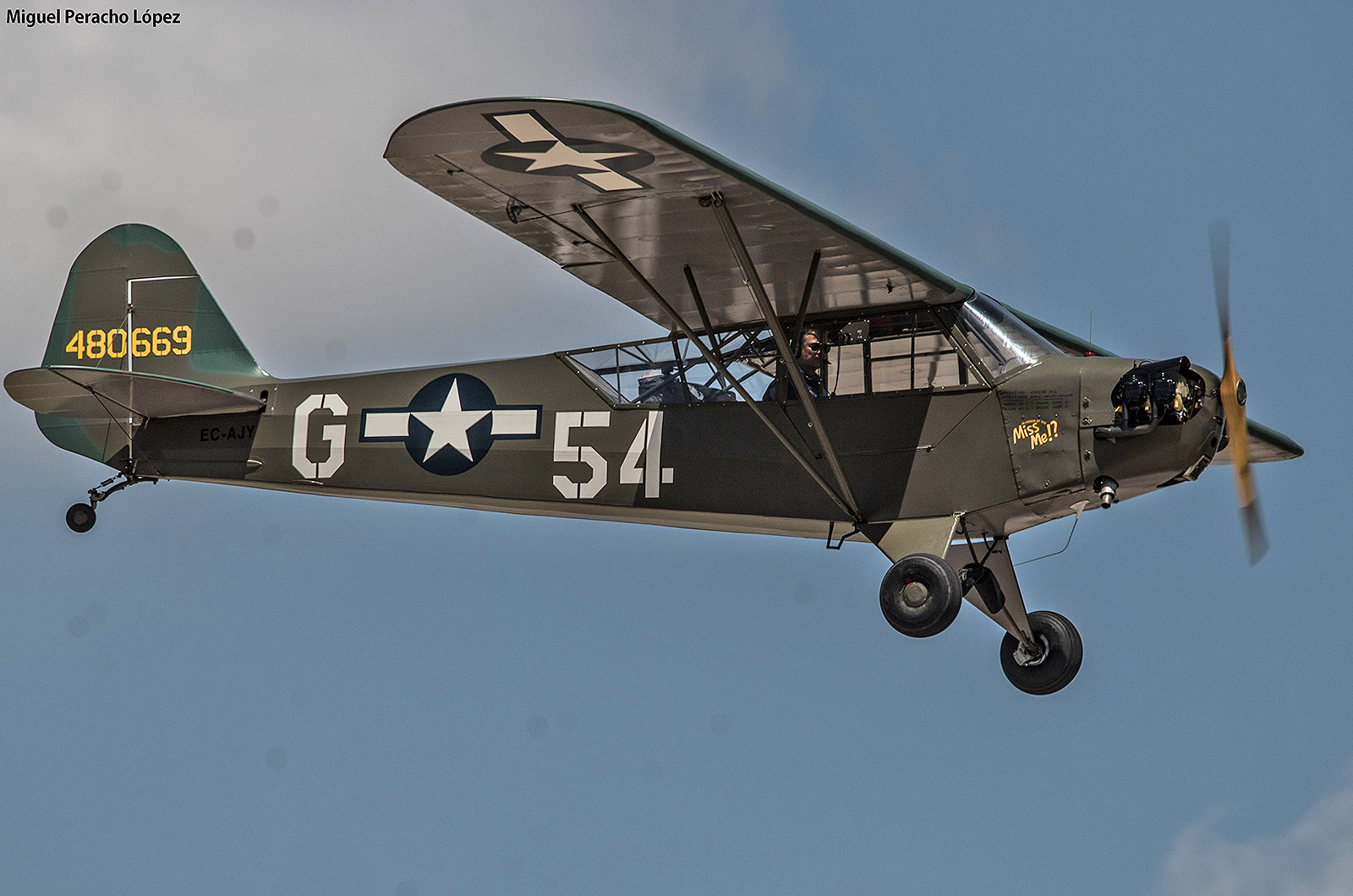
The humble Piper Cub is a simple light aircraft loved by civilians and built in great numbers. It was not designed for warfare, yet in a quirk of fate, it ended up book-marking the US war and even taking on tanks directly with ‘Bazookas’!
Moments before the 1941 attack on Pearl Harbor, Marcus F. Poston, a student pilot, was on a solo flight in a Piper Cub J-3 above Oahu, the third-largest of the Hawaiian islands. In an epic example of bad luck, Poston met the surprise attack of Japanese aircraft head-on, resulting in the modest J-3 becoming the first American aeroplane to be shot down in World War II.
10: L-4 Grasshopper
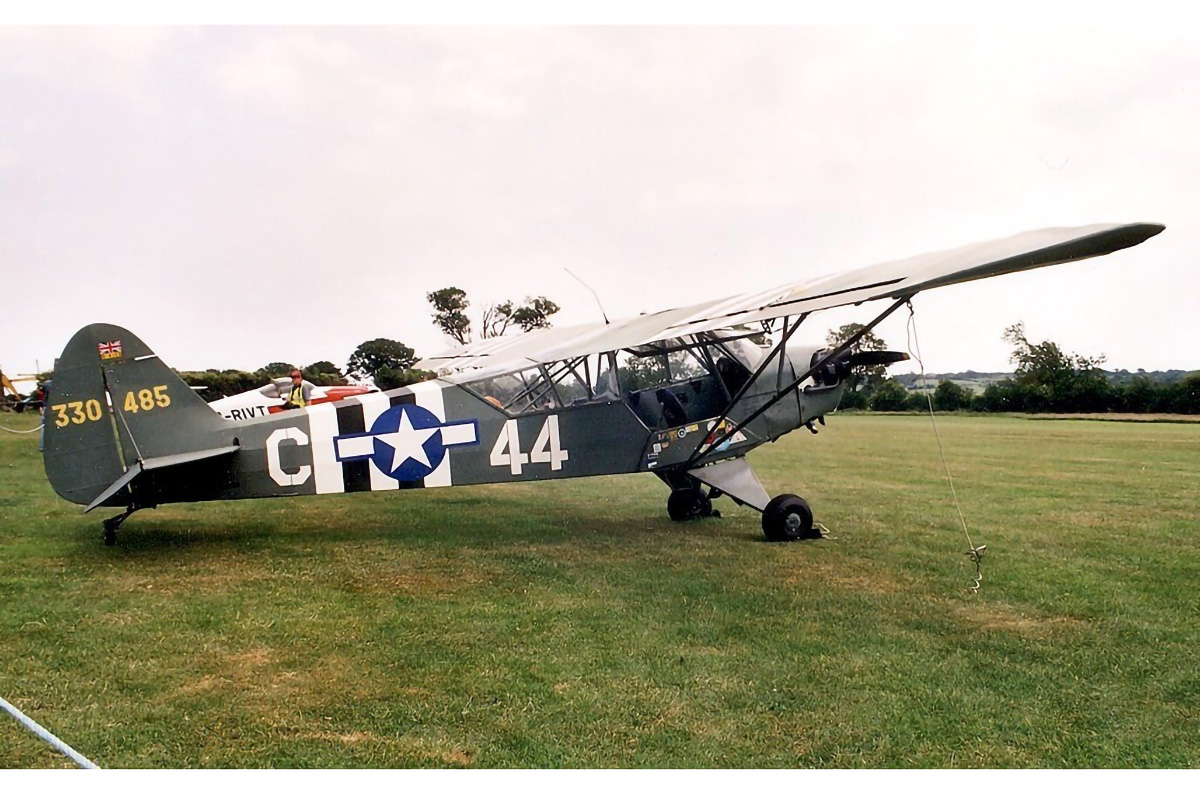
The L-4 Grasshopper was a military version used for reconnaissance, liaison and spotting. As a spotting aircraft, it must take some credit for the armour destroyed by artillery (similarly, the Stinson L-5 Sentinel must take some credit for tank destruction by P-47s and other US tactical aircraft when used in the Horsefly Forward Air Control role).
In 1944, USAAF Major Charles Carpenter was assigned an L-4 in France. Learning of other L-4 pilots installing ‘bazookas’ on their aircraft, Carpenter did the same with impressive results. Carpenter told a correspondent that the “word must be getting around to watch out for Cubs with bazookas on them. Every time I show up now, they shoot with everything they have. They never used to bother Cubs. Bazookas must be bothering them a bit.” Carpenter took six tanks out before the war ended.