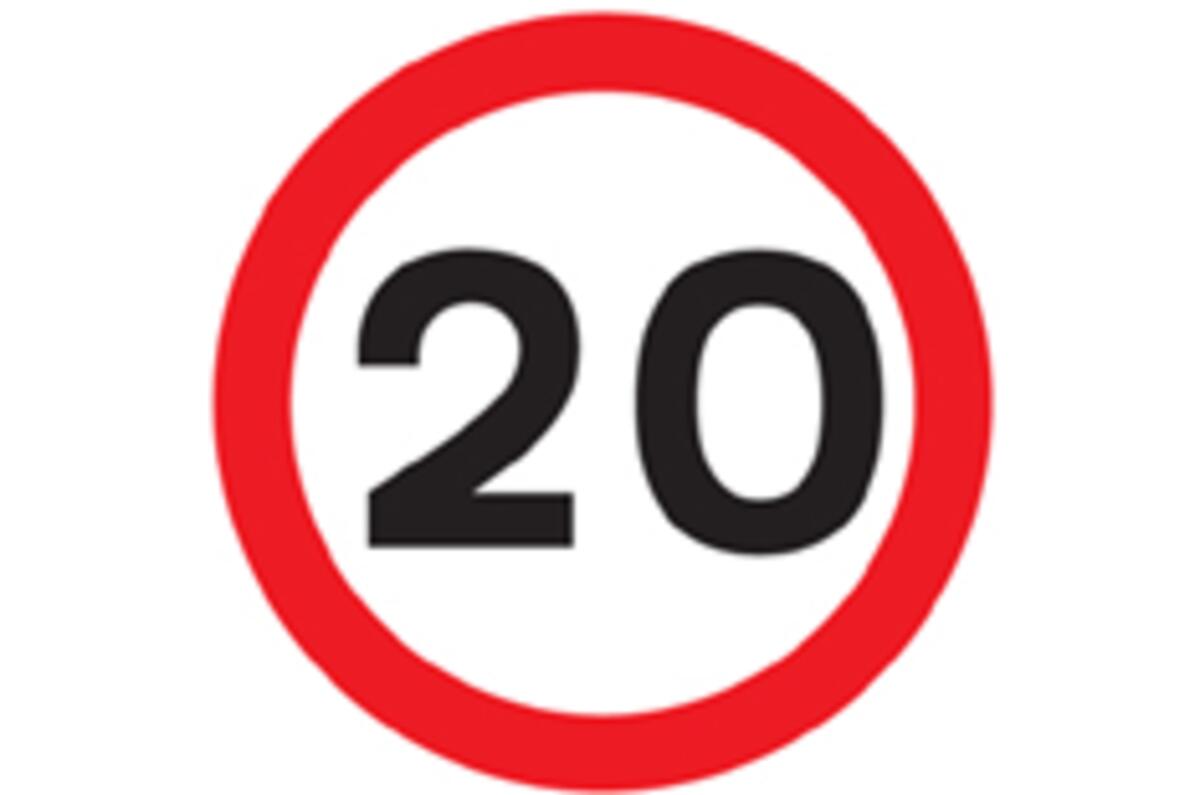

Motorists face 20mph speed limits on urban roads, enforced with average speed cameras, if new rules proposed by the Government get the green light.
The proposed restrictions are part of new road safety legislation intended to cut road deaths by a third over the next decade. Variable speed limits will be introduced on main roads near schools, with digital signs instructing drivers to reduce their speed.
Average speed cameras, commonly used on motorways, will enforce the 20mph restrictions instead of speed humps. The Home Office is expected to approve the use of average speed cameras in urban zones within the next few months.
A consultation document on this new road safety strategy will be published before the end of this year which will set out tough measures and specific targets for reducing road deaths.
Along with the widespread 20mph restrictions in town a lower drink-drive limit is also being proposed in the Government dossier, along with six penalty points for seriously breaking the speed limit and for not wearing seatbelts.
Although road deaths have fallen by 35 percent since 2006, Jim Fitzpatrick, the Road Safety Minister, told The Times, “We could reduce crashes still further with the help of more 20mph zones”. He pointed towards Sweden’s “Vision Zero” system, which rejects the idea that some roads deaths are always inevitable accidents. “We want to get back to the top (of the road safety league),” Fitzpatrick said.
Studies on the benefit of 20mph zones are being hurried through by the Department for Transport in order to persuade local councils to adopt the proposals. The DfT is also developing cheaper speed limit signs to reduce the logistical cost of implementing new 20mph restrictions on roads.