
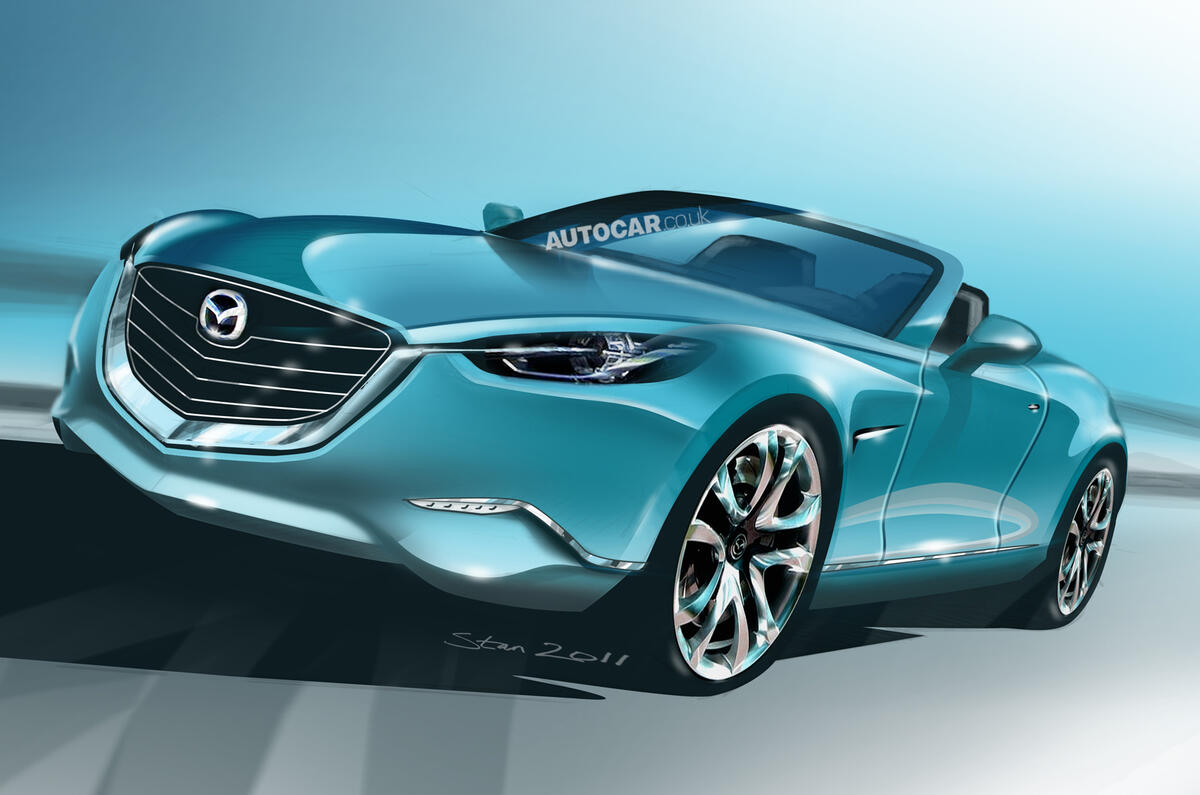






The all-new Mazda MX-5 will be based on all-new steel spaceframe architecture, developed under Mazda’s Sky Activ umbrella. The rear-drive architecture is known internally as S-Platform.
Although a switch to front-drive was considered at an early stage in the project, Mazda was keen not to alienate its huge base of existing customers and invested in the new compact rear-drive platform.
The structure will help Mazda achieve a kerb weight of less than 1000kg, according to highly-placed Mazda sources. This means it will be more than 15 per cent lighter than the current lightest MX-5, the soft-top 1.8i SE model.
The MX-5 has gradually got bigger and heavier over its two generations and Mazda is keen for the model to return to its roots as a lightweight and agile two-seater, with driving fun as its main priority.
The new MX-5’s powertrains will take advantage of the car’s lightness, meaning the end for the current weighty 1.8-litre and 2.0-litre petrol engines. One Mazda engineering source has said that he would like to see the new model powered by smaller, naturally aspirated, engines, which will still offer a competitive power-to-weight ratio.
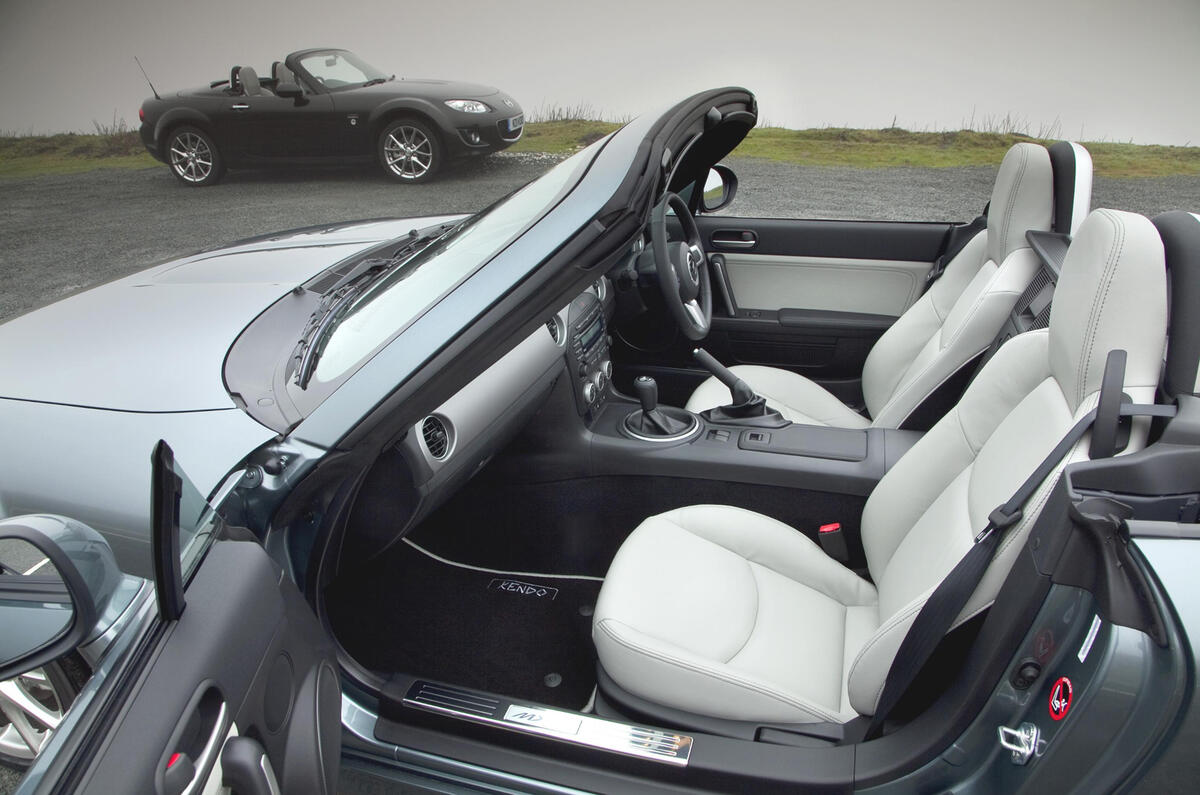
A new direct-injection 1.5-litre Sky Activ petrol unit, developing around 130bhp is expected to be the entry-level engine. Other sources say that a more powerful, turbocharged, 1.5-litre engine will also be on the menu. Lightweight SkyActiv transmissions will also be offered. Other weight saving measures will include lightweight speakers and a simple cabin storage bin instead of a glovebox.
The new MX-5 will again be available in soft-top and folding hardtop configurations, but it is not scheduled to be launched until the middle of the decade, later than the originally planned launched date of 2013.
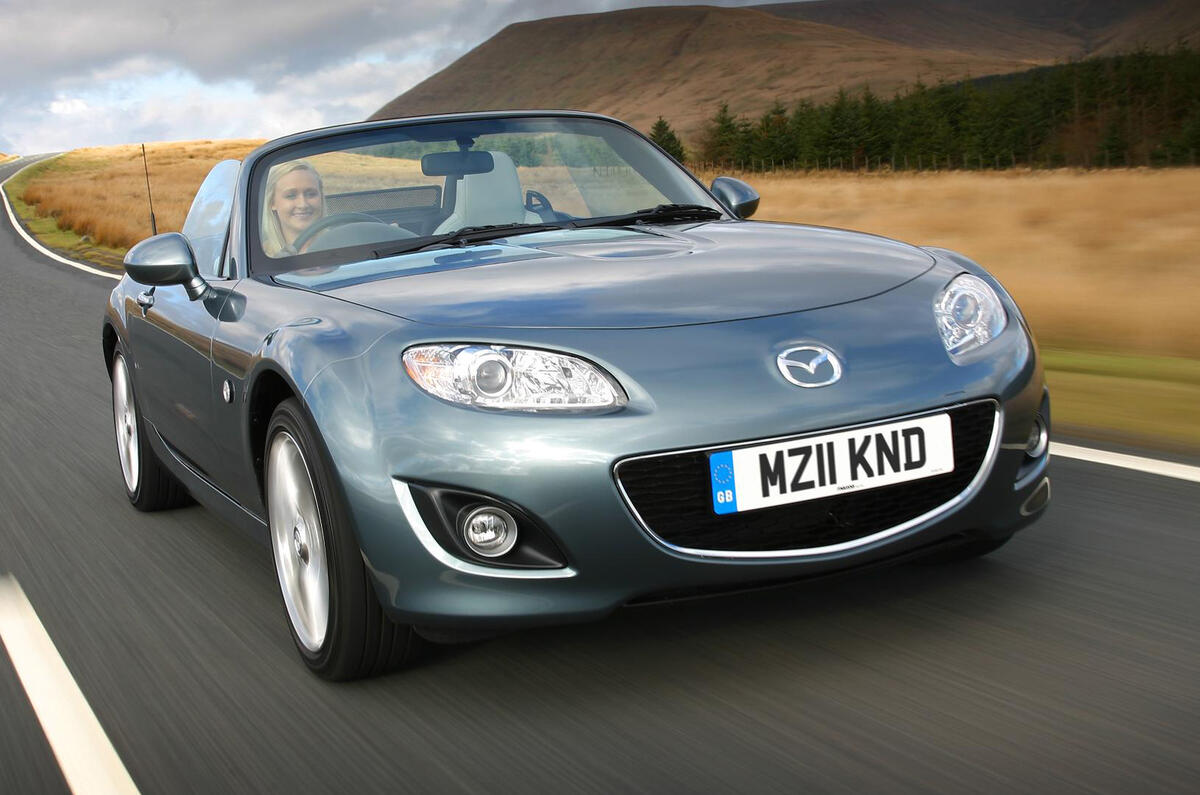
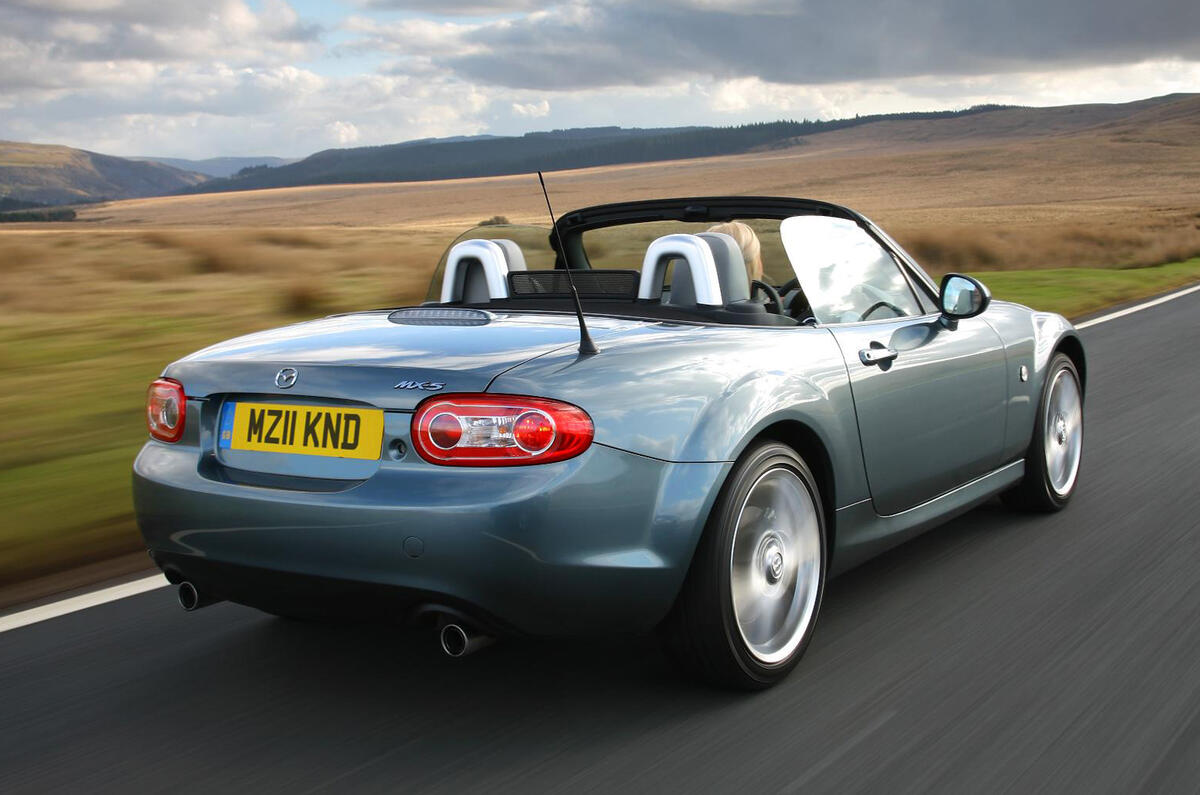
A mildly revised version of the current MX-5 will be launched at the Geneva motor show in March to keep it as fresh as possible until the new model arrives.