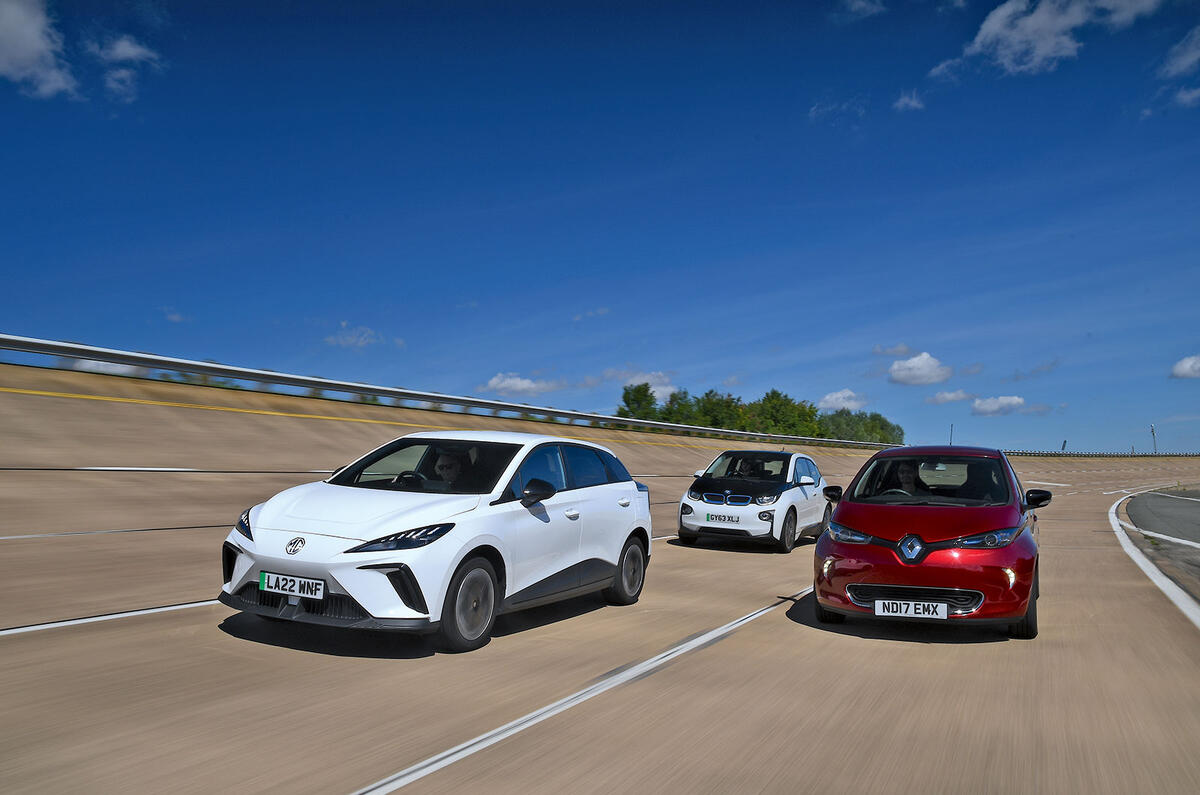
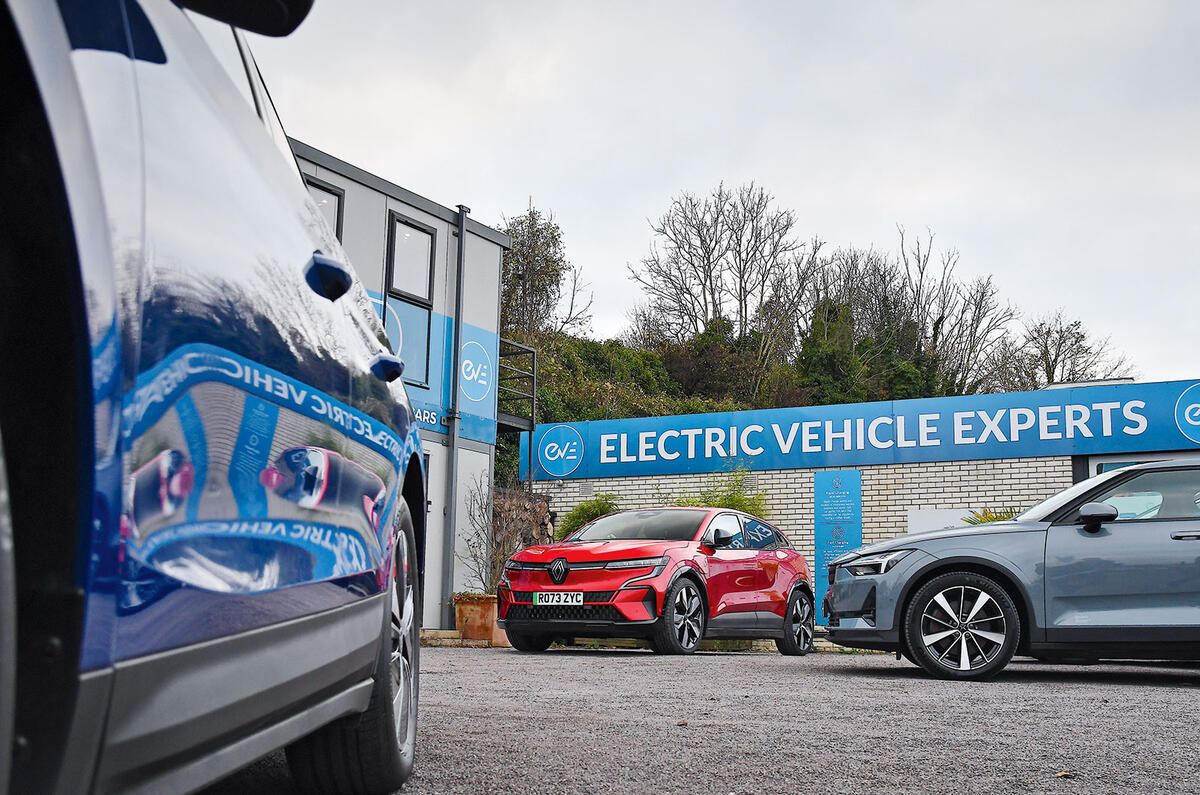
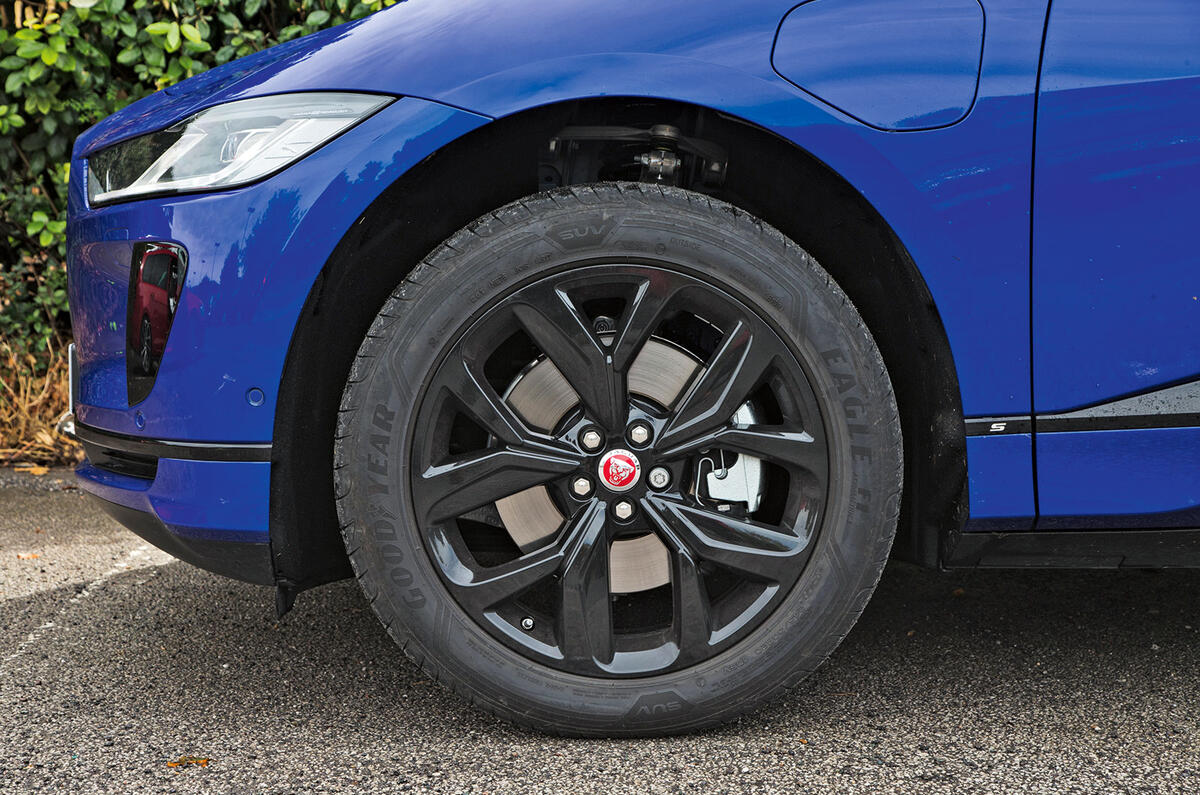
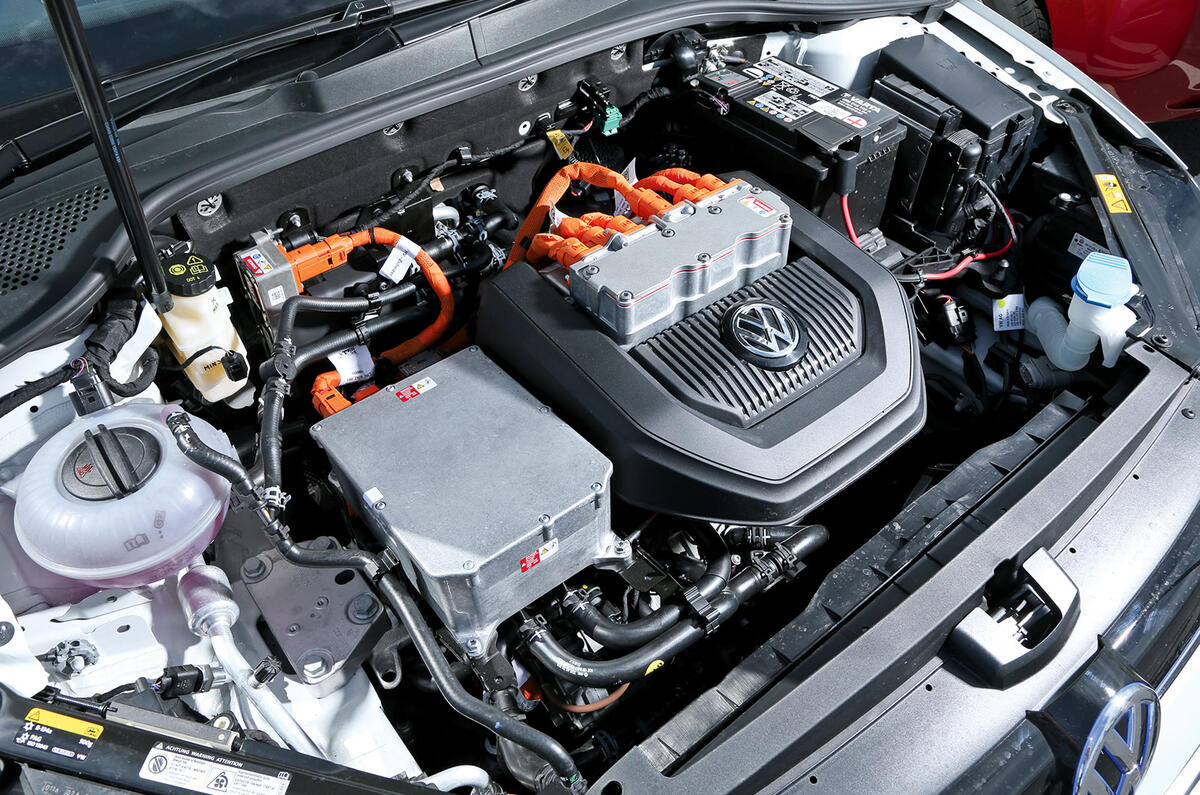









It’s been a rollercoaster for the used electric car market over the past few years.
In the aftermath of the Covid pandemic and the following chip crisis restricting the supply of new cars, some used EVs were commanding more than their original list prices.
But with a much broader array of EVs going on sale, decent availability and widespread uncertainty about EVs, prices slid dramatically. Indeed, data from market analyst Cap HPI shows that by September 2024, a three-year-old EV was some 8.5% cheaper to buy than a petrol car of equivalent age and mileage.
However, that trend is now changing again. In the latter half of 2024, used EV values stabilised and actually rose very slightly against falling used ICE car values.
And the Society of Motor Manufacturers and Traders recorded more than 53,400 used electric car sales in the third quarter of 2024, a rise of 57% on the same period in 2023, so the lower prices are certainly driving demand.
This of course is either terrible or brilliant news, depending on whether you’re selling or buying. But regardless of this mercurial market, there has never been such a great variety of used EVs at such low prices, so now is a superb time to buy before those prices rise any further.
What to look out for when buying a used EV
The golden rules for buying a used EV are much the same as for a used ICE car: checking for even gaps and matching paint across all the panels for signs of accident damage, reading its previous MOT test reports and running thorough checks on its history for finance, theft or other misdemeanours. All of that still stands.
Right, now for the big thing: the battery. This is what worries most buyers. We all know that batteries degrade over time and usage, yet very few EVs offer a battery health readout on the dashboard.
We would be the first to point out to legislators that a clear battery health readout would be very simple for manufacturers to provide and should be mandated in order to improve buyer confidence.
There’s no reason why checking battery life on your EV shouldn’t be just as simple as checking the battery life on your phone. But, frustratingly, it’s not. And it’s understandable why that makes people edgy about buying a used EV.
The thing to remember is that EV battery longevity is very good these days, and as a rough guide you should expect one (regardless of whether it uses nickel-manganese-cobalt or lithium-iron-phosphate chemistry) to lose roughly 1.6% to 2.0% of capacity each year.