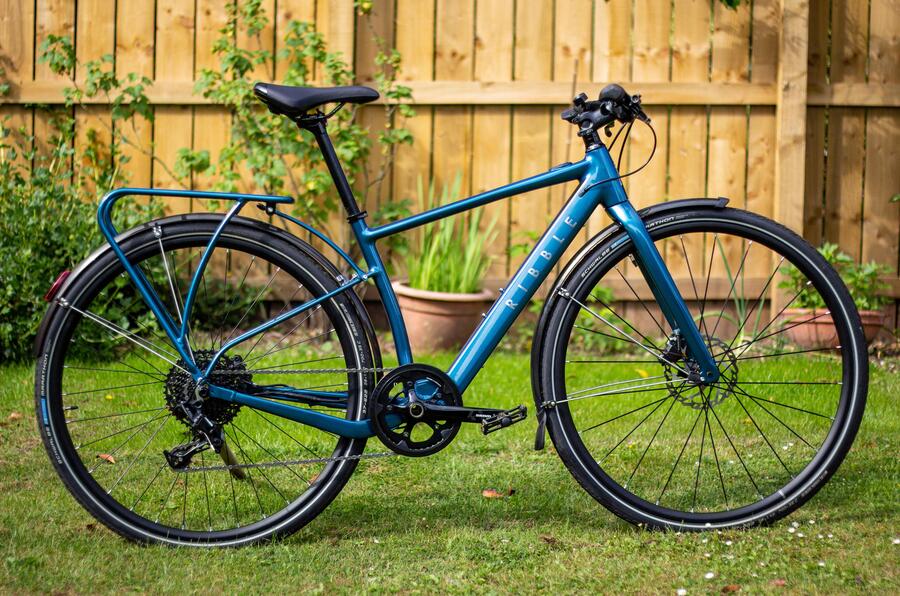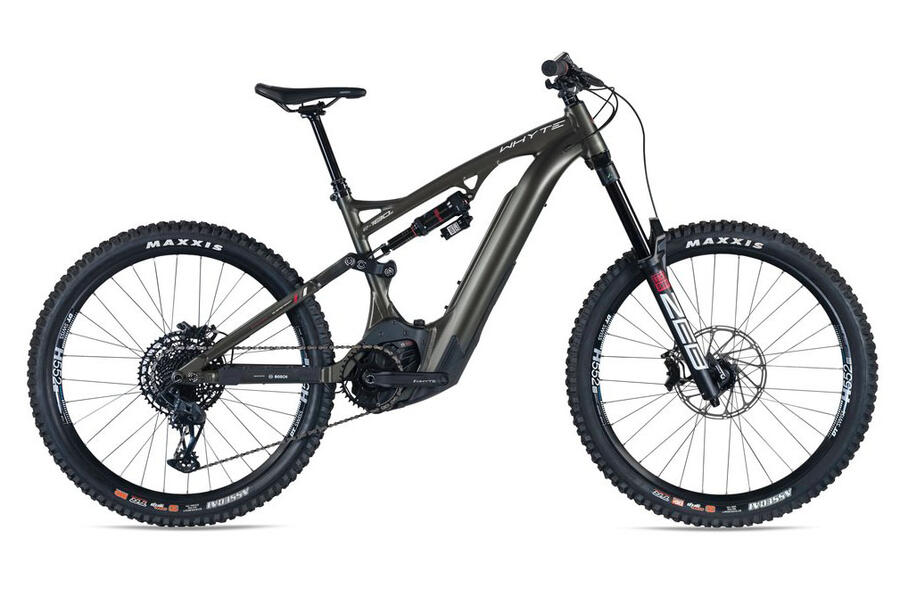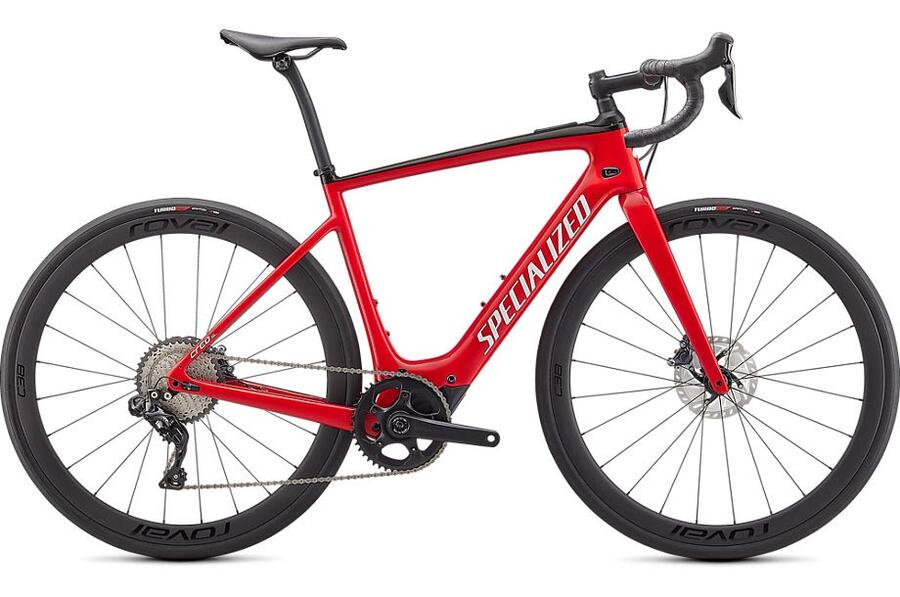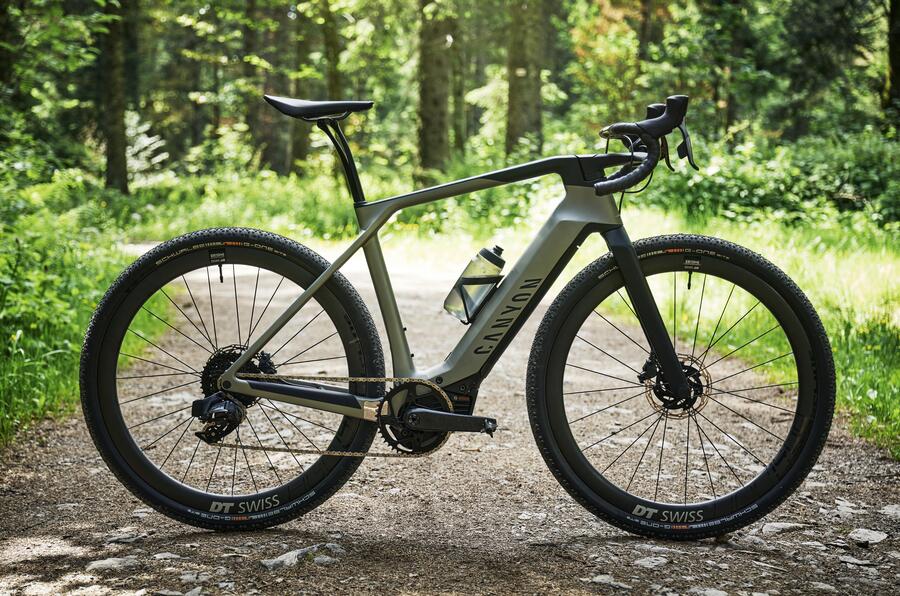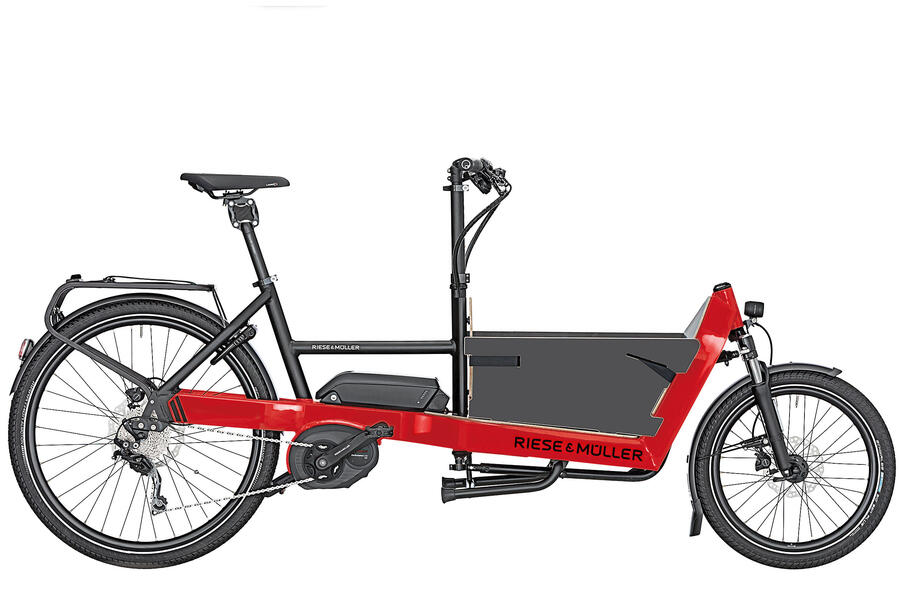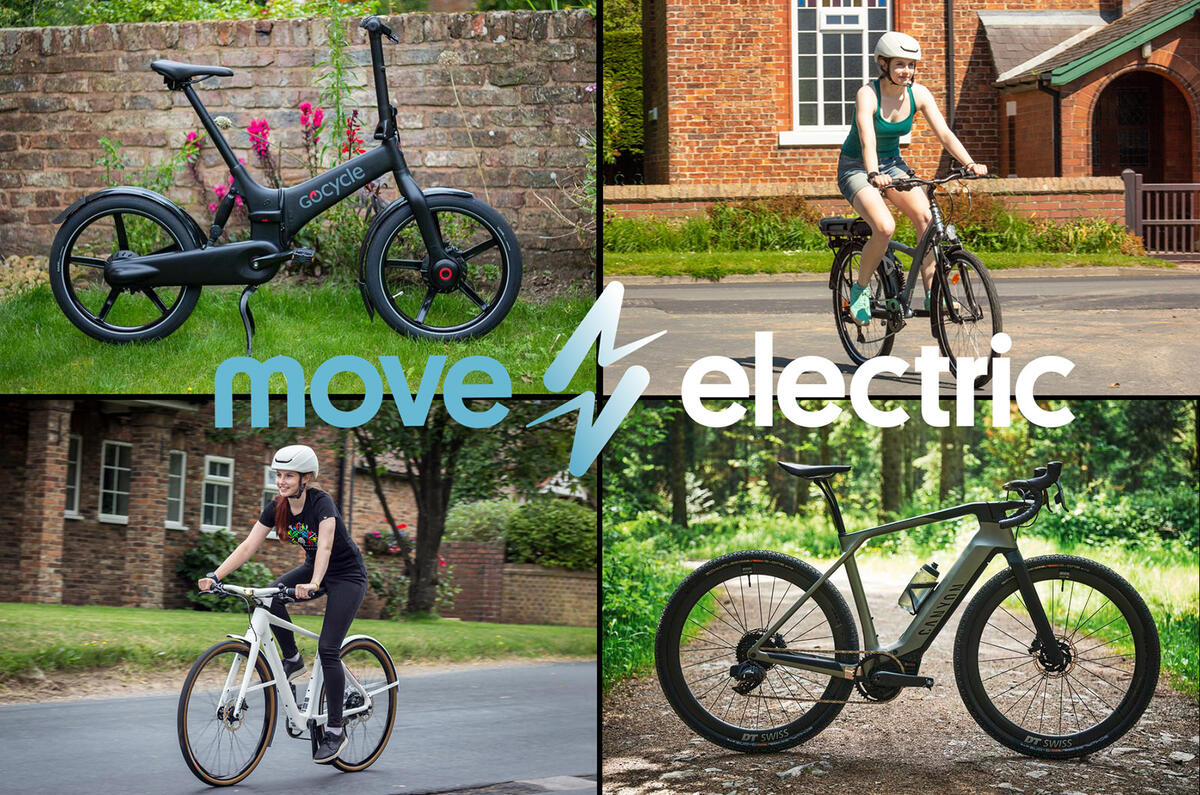

There is no denying that electric bicycles are becoming more prominent in the UK, with sales figures more than doubling since the beginning of 2020. Whether it’s for the school run or the commute, they’re a fantastic tool to get people moving and for replacing journeys they might otherwise make in a car.
There are plenty of types of e-bikes on the market. Think of a cycling discipline and there is an electric variation available for you to buy (although perhaps not literally, with the current supply chain issues). But how do you know which bike is right for you and your needs?

What is an electric bike?
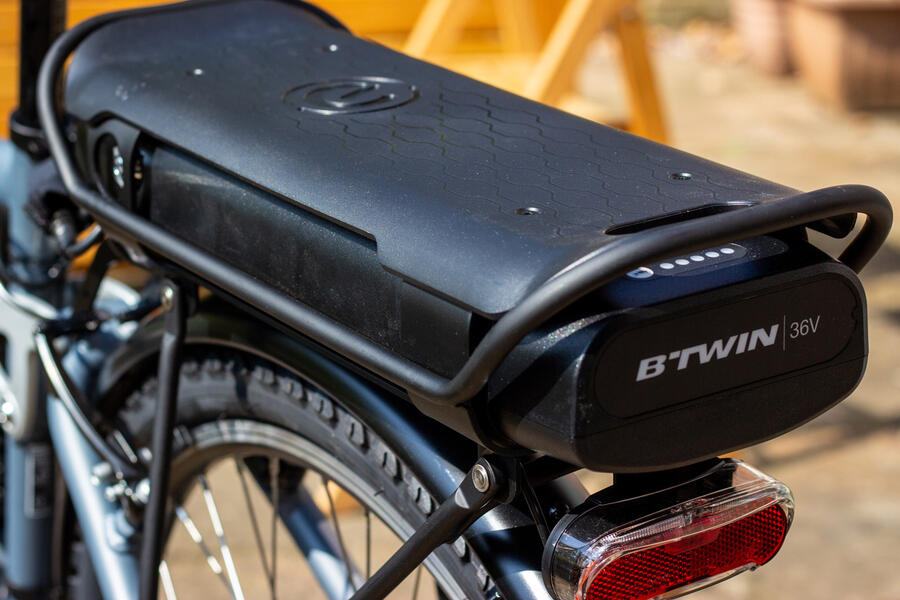
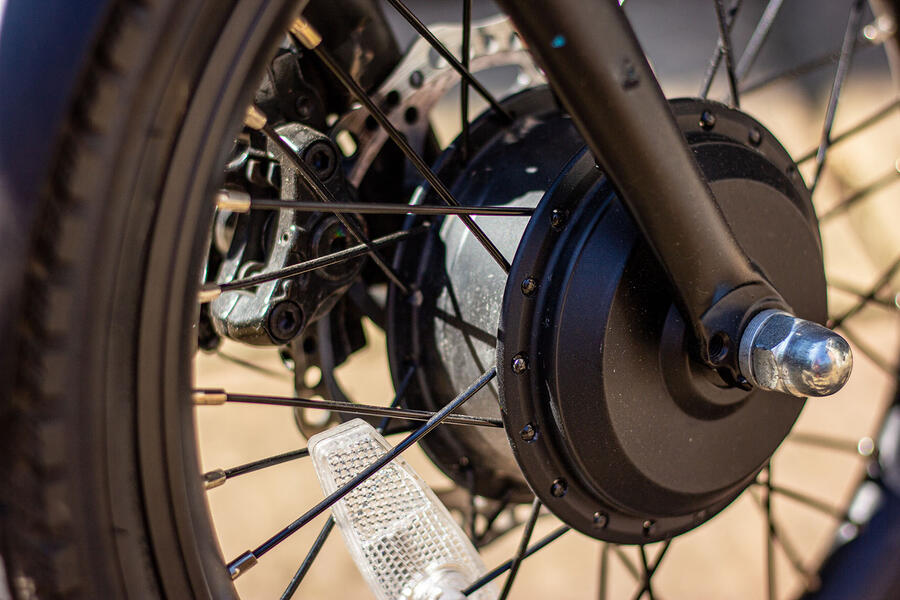
An electric bike or a 'pedelec' is a bicycle that uses a motor to assist in the forward propulsion of said bike and rider. A small battery-powered motor provides a boost while you pedal. In the UK, electric bikes are limited to a maximum power output of 250W or in assisting up to a speed of 15.5mph, whichever you hit sooner. They’re also unable to provide power unless you are pedalling. In other words, they can’t use a throttle in the same way as a moped. But other than the addition of the motor and battery systems, they operate much like an unassisted bicycle. You can expect a range of between 25 and 70 miles on one charge, depending on the bike and battery. Each usually comes with different assist settings – for example, Eco mode, which uses a smaller percentage of the total motor output to save the battery. However, each bike is different, so it's advisable to check the manual before operating it on the road. There are two main types of motor on an e-bike: mid-drive and hub drive. A hub drive motor sits in the hub of the wheel, and a mid-drive is positioned between the cranks. Each has its benefits and disadvantages, but the technology has progressed to a point where either will work sufficiently for most riding.