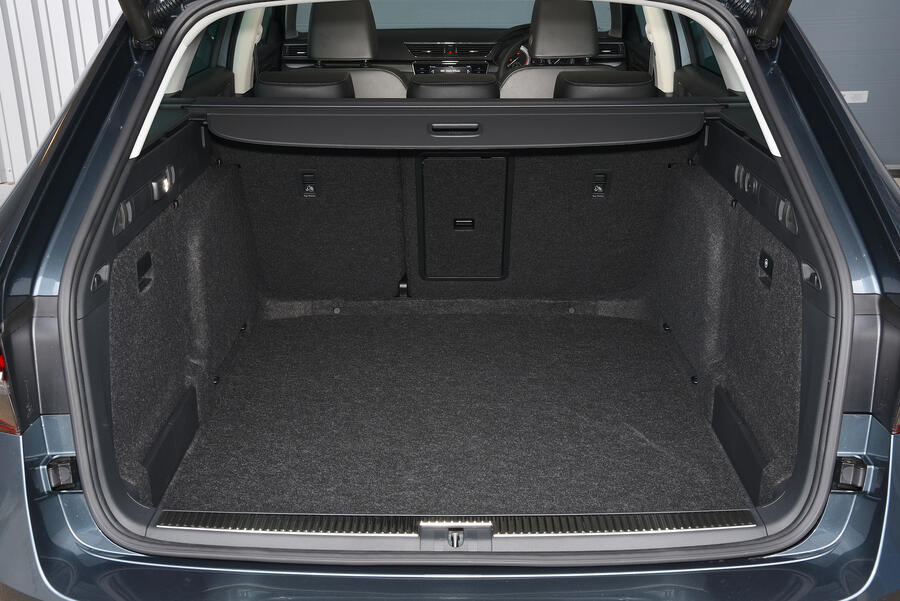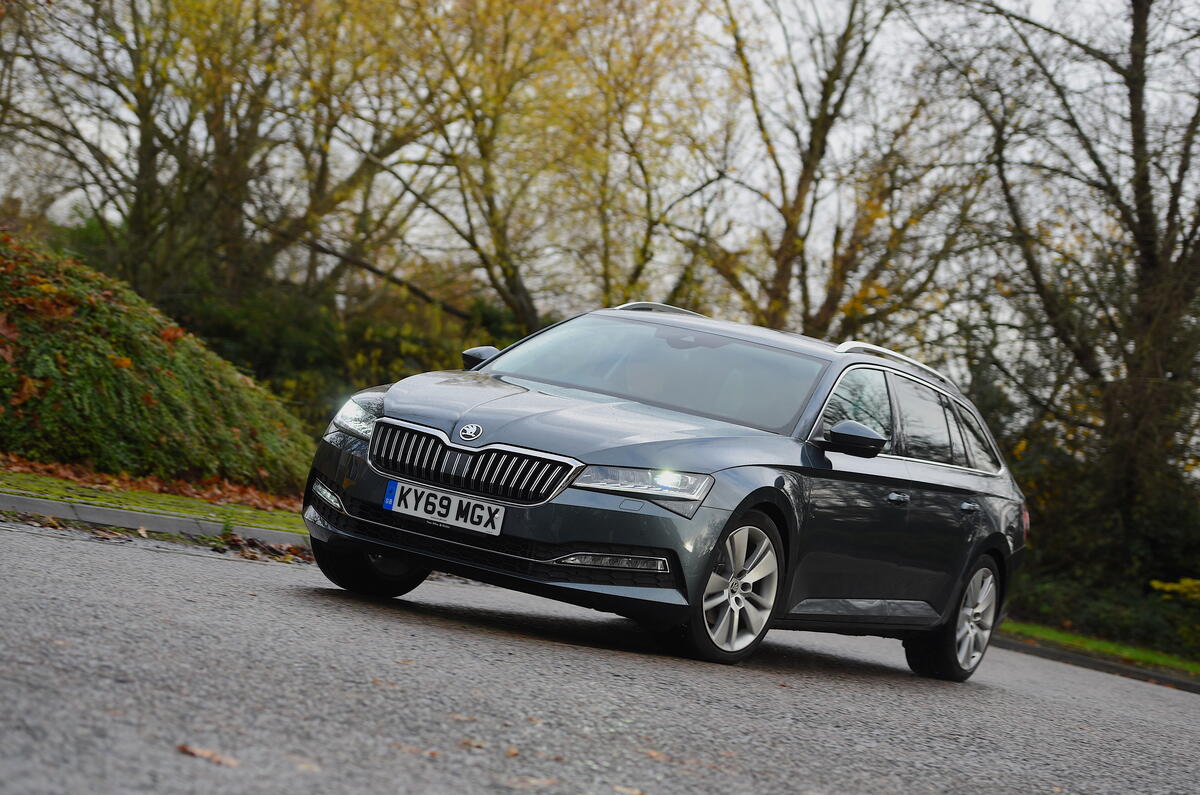
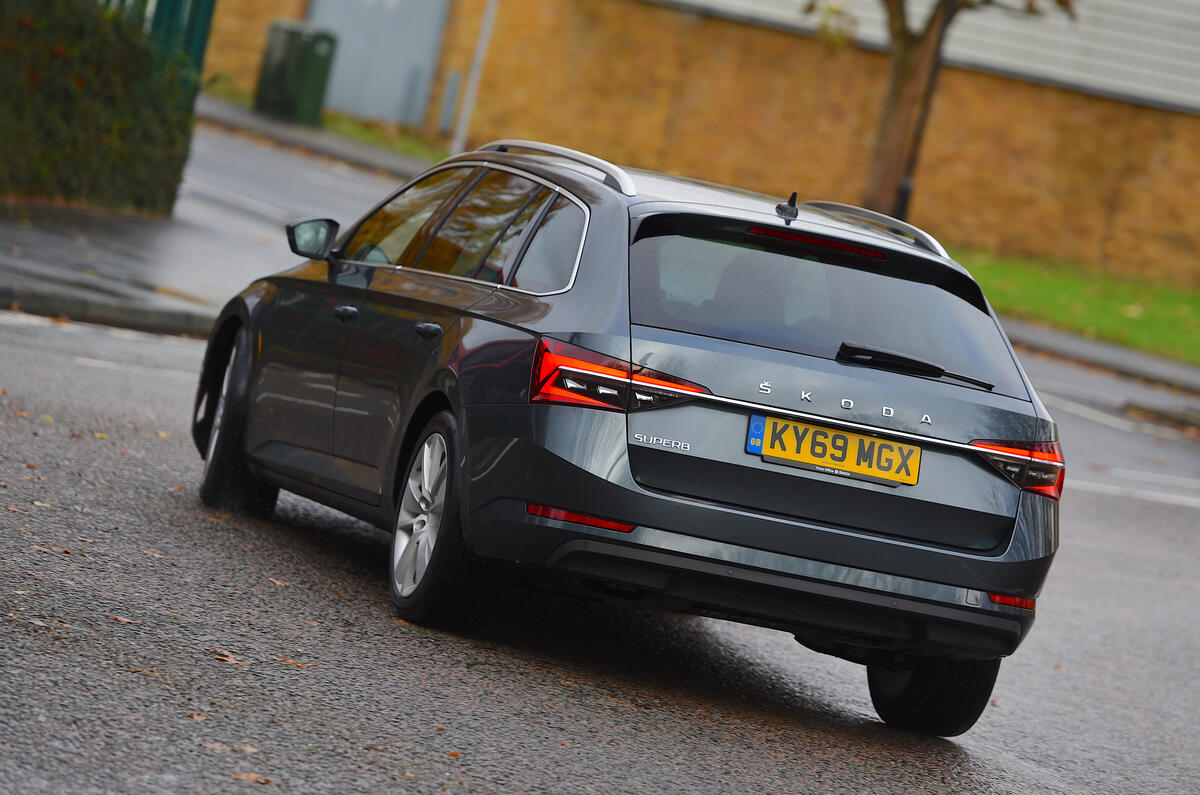
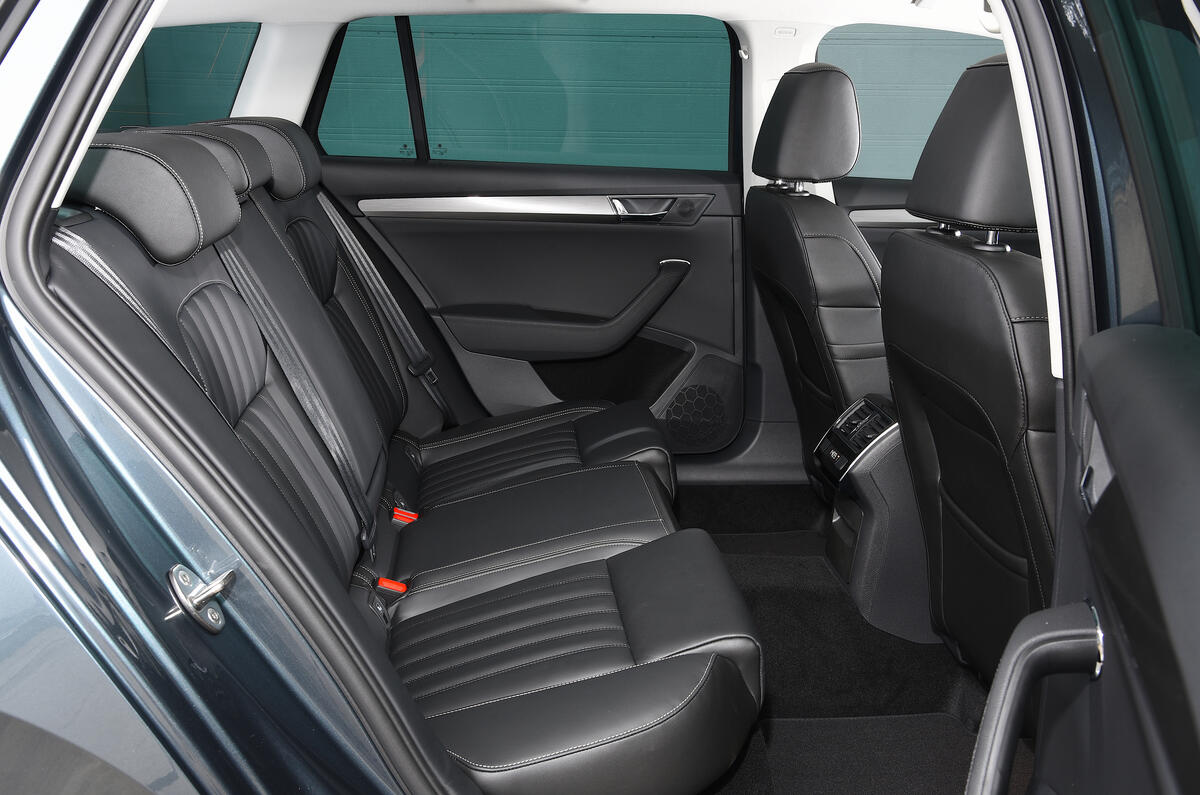
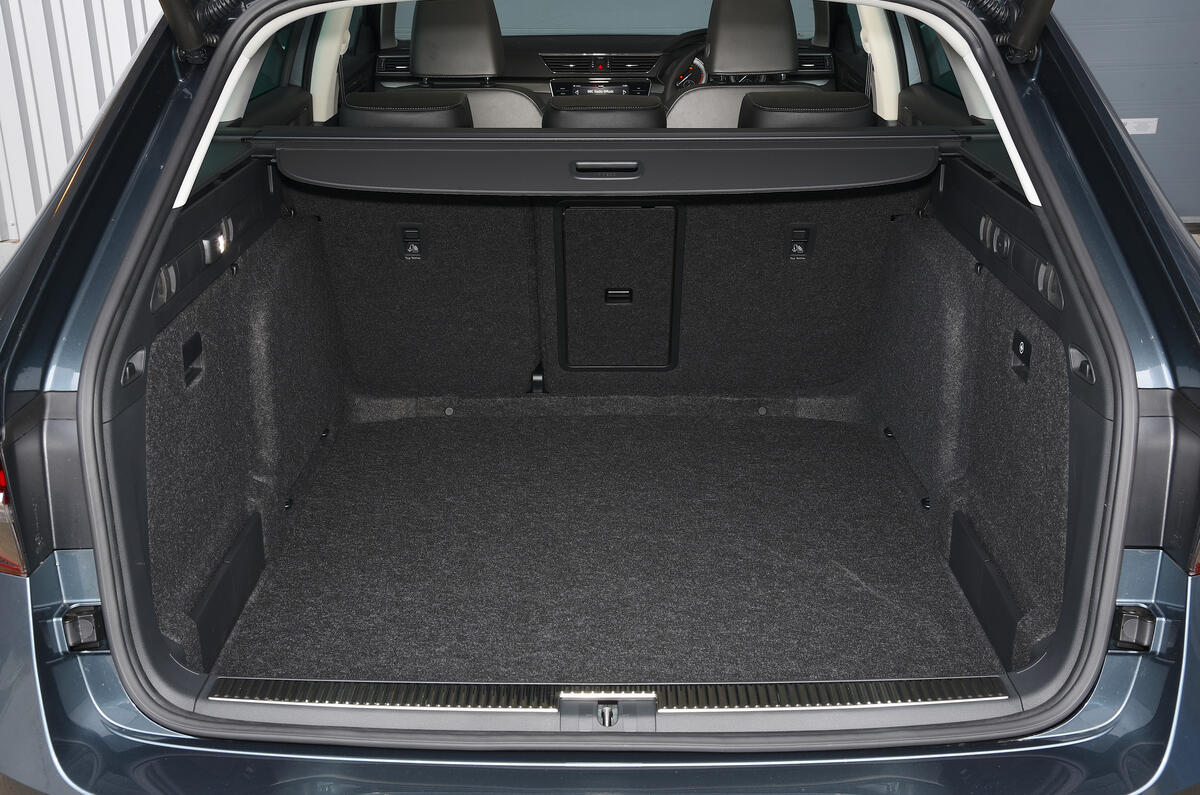


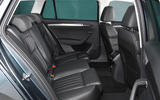
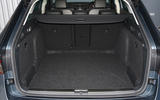

If you struggle with the concept of infinity, stick your head in the boot of a Skoda Superb Estate and it might just finish you off.
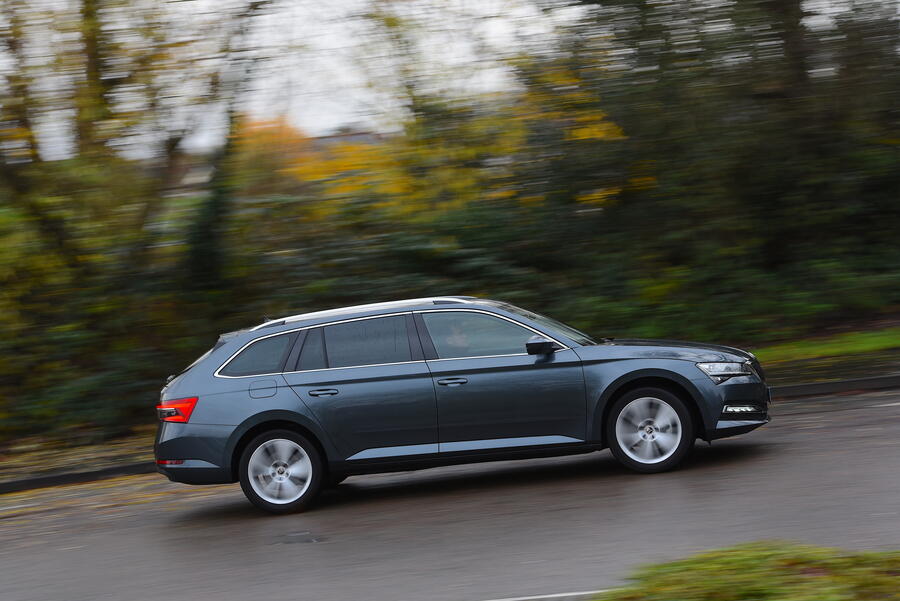
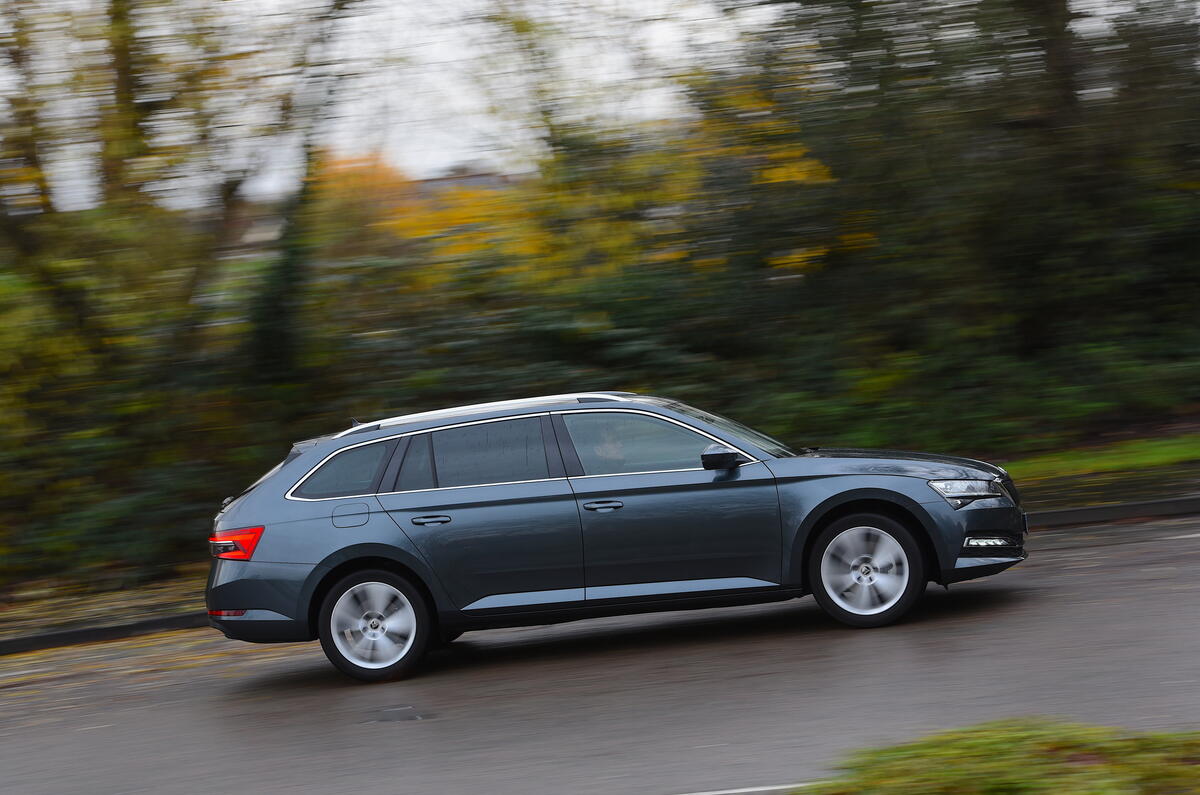
There’s no more capacious derrière in the known universe. But the Superb Estate is a larger whole than just that one, and much more than a pretty space: it’s possibly one of the most useful all-rounders you can buy.
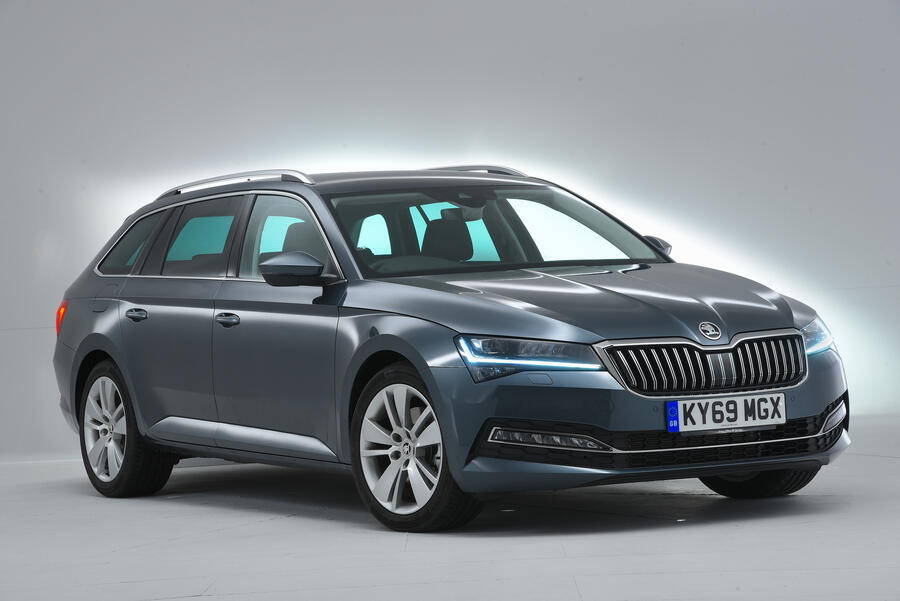
Engines? Initially, Skoda offered a 1.4-litre four-cylinder turbo petrol in 123bhp TSI 125 and 148bhp TSI 150 guises. This was replaced with the 1.5-litre TSI 150 in the Superb’s 2018 mid-life facelift. There were also two versions of the 2.0-litre four-pot, the TSI 220 and TSI 280, with 217bhp and 276bhp.
The latter became the 287bhp TSI 290 in 2018, when a TSI 190 was also added. The plug-in-hybrid Skoda Superb iV arrived in 2020. This uses a 1.4-litre turbo petrol engine and a 144bhp electric motor for a total output of 215bhp.
On the diesel side, it’s the 118bhp 1.6-litre and 148bhp 2.0-litre four cylinder engines (the TDI 120 and TDI 150) that dominated early sales and are therefore the most prevalent on the used market.
The 2.0-litre diesel engine was also available as a 187bhp TDI 190, which was later raised to 197bhp and known as the TDI 200. This could be had with four-wheel drive.
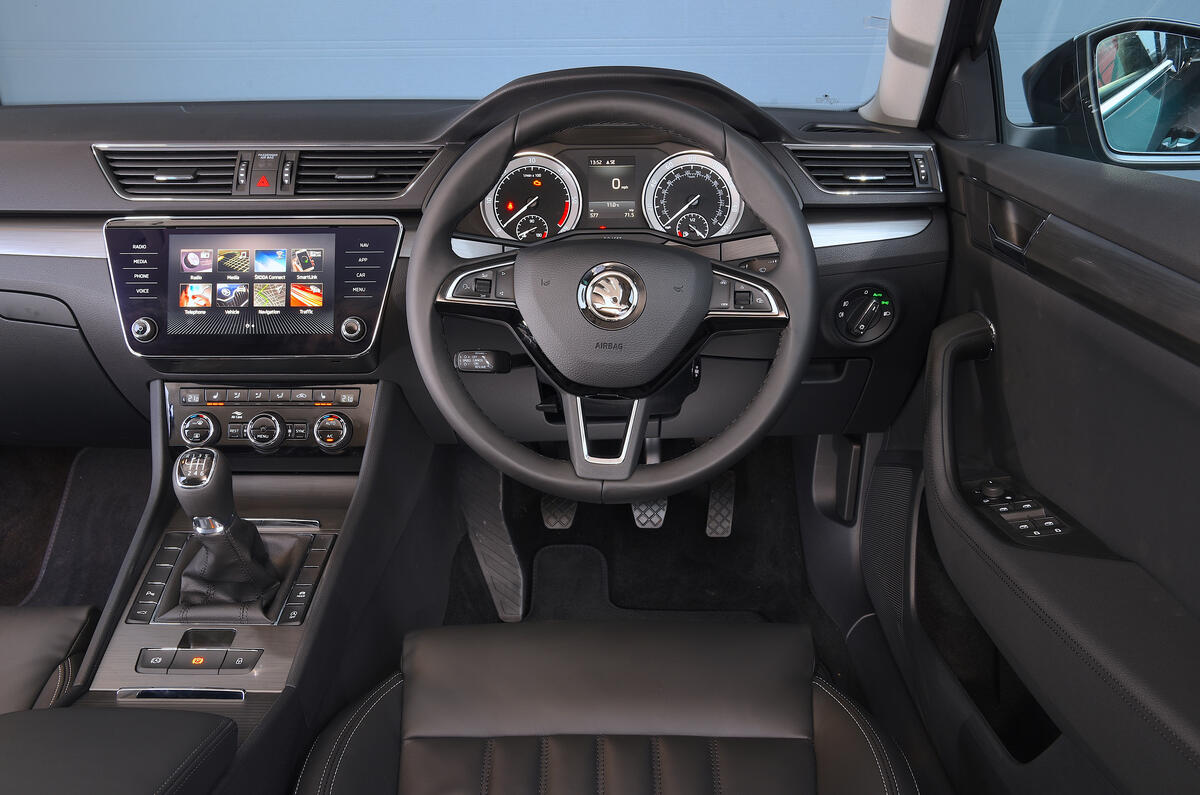
Superb buyers could also choose between a six-speed manual or a dual-clutch automatic (DSG) gearbox.
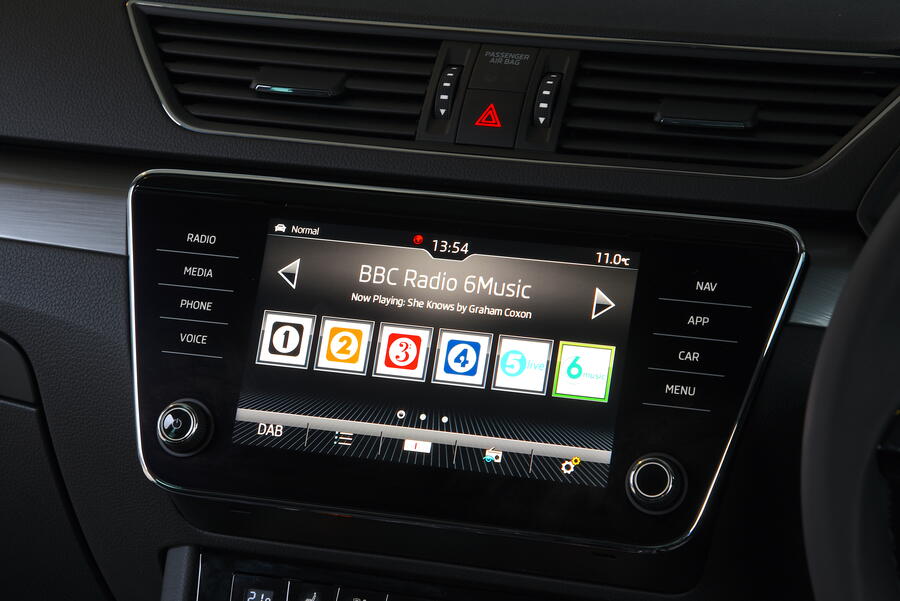
As far as trim levels go, the basic S features a 6.5in infotainment touchscreen (upped to 8.0in in 2018), air-con, Bluetooth and a DAB radio. SE has 17in alloy wheels, dual-zone climate control, rear parking sensors and adaptive cruise. SE Technology adds sat-nav, front parking sensors and an electric driver’s seat with memory function. The SE L Executive (later just SE L) and range-topping Laurin & Klement models got a digital instrument display and a 9.2in touchscreen from the facelift. Sportline and Sportline Plus were also introduced in 2018, coming with larger alloys and sporty black and carbon styling details inside and out.