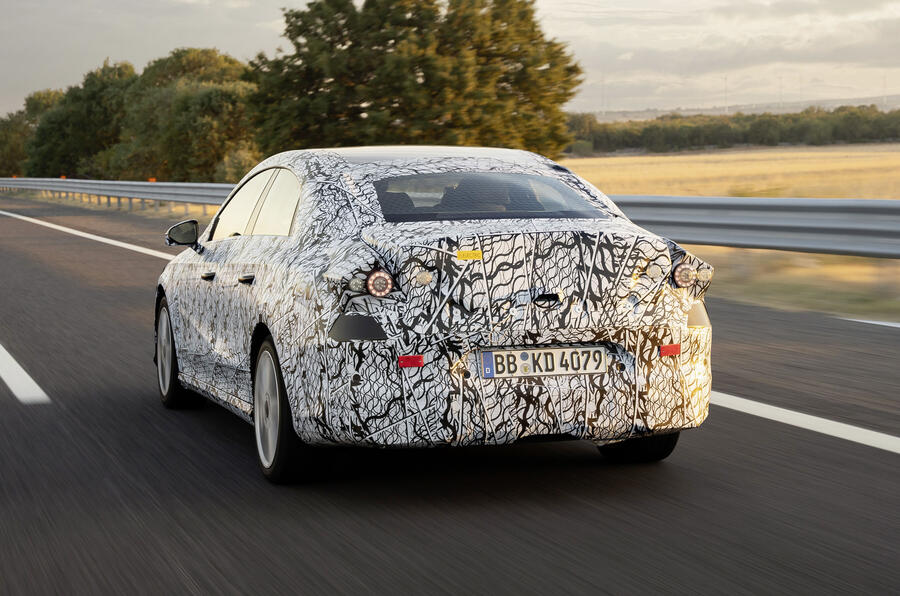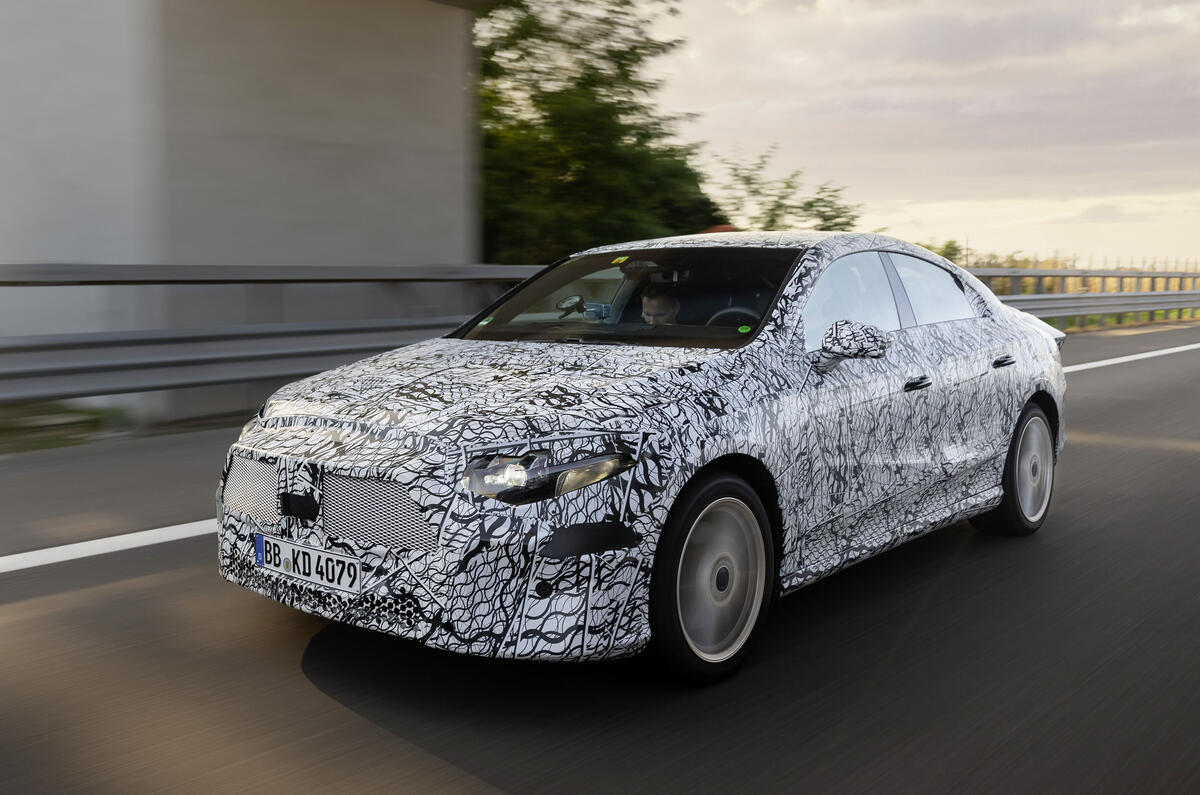
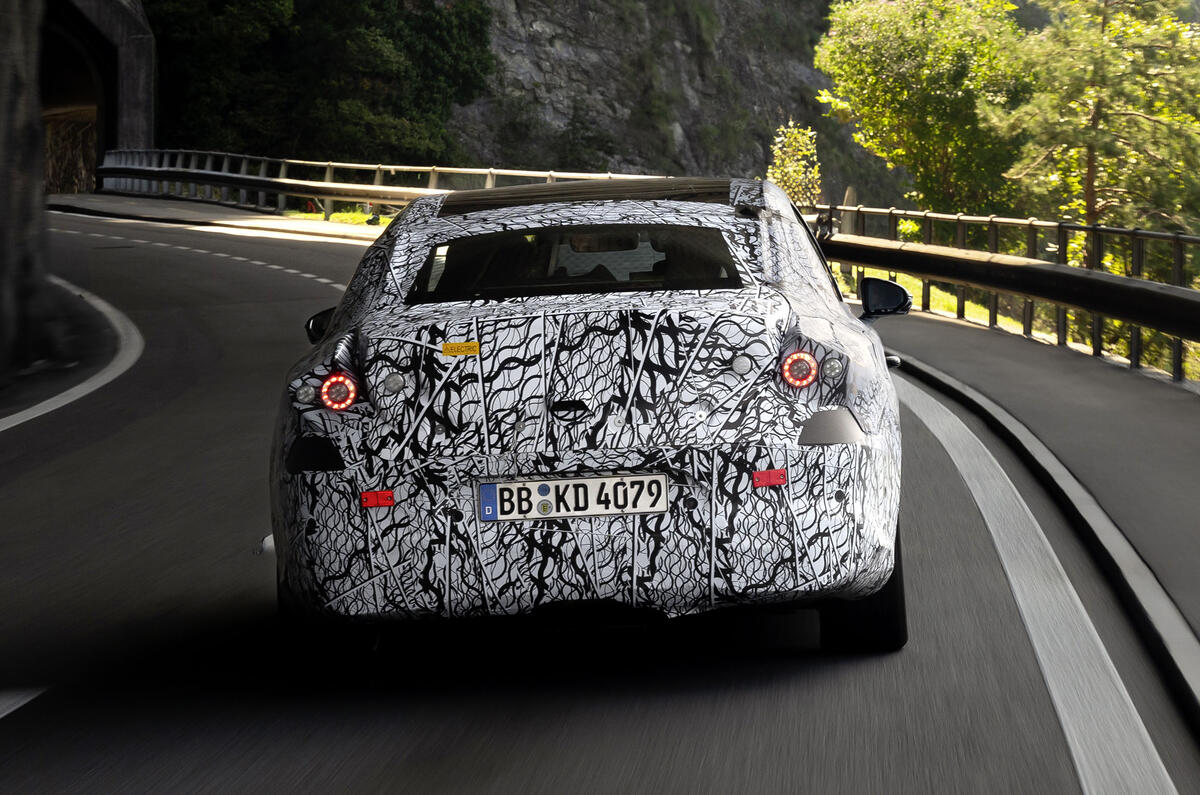
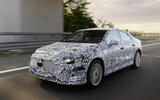
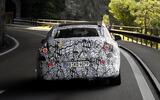

Mercedes-Benz has set a new electric car distance record during testing of its third-generation CLA.
Building on the benchmarks established by the sleek EQXX engineering concept, a prototype of the new saloon covered 2309.6 miles within a 24-hour period at the Nardò test track in Italy
This surpasses the 24-hour distance of 2128.2 miles set by the Porsche Taycan on the same 7.9-mile banked oval in 2019.
Based on the Mercedes-Benz Modular Architecture (MMA) platform, the CLA is the first of four new compact electric models the German car maker plans to launch by the end of 2026. Successor models to the CLA Shooting Brake, EQA and EQB are also in the pipeline.
All four models feature a newly developed 800V electric architecture – the first of its kind to be used by a series-production Mercedes-Benz – in combination with new-generation electric motors, heat pumps and the MB:OS operating system.
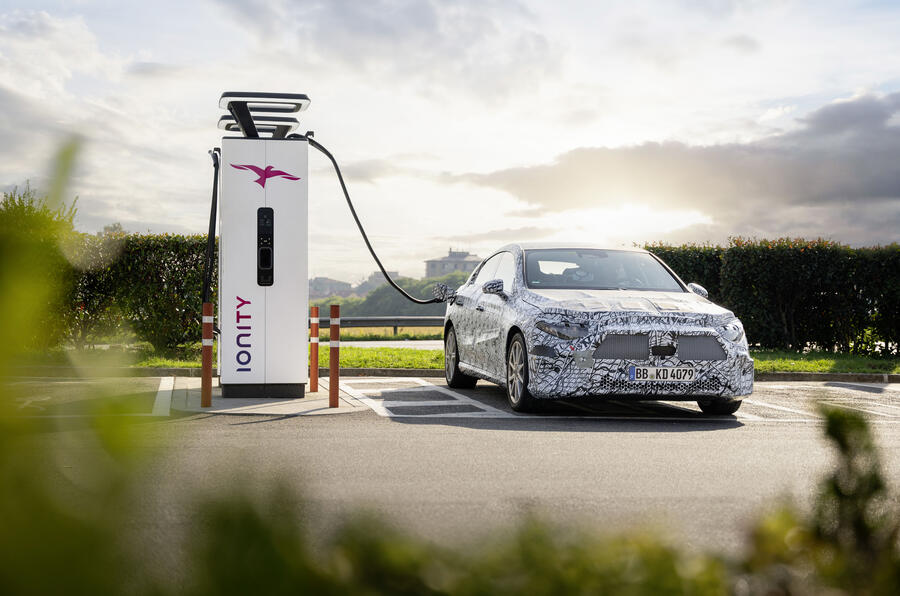
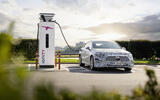
The CLA prototype used for the record attempt was taken from a fleet of production-based engineering mules already undergoing durability testing ahead of the model's planned launch early next year. It ran alongside a back-up prototype. Both cars featured a driver and front passenger as well as data loggers and other test equipment.
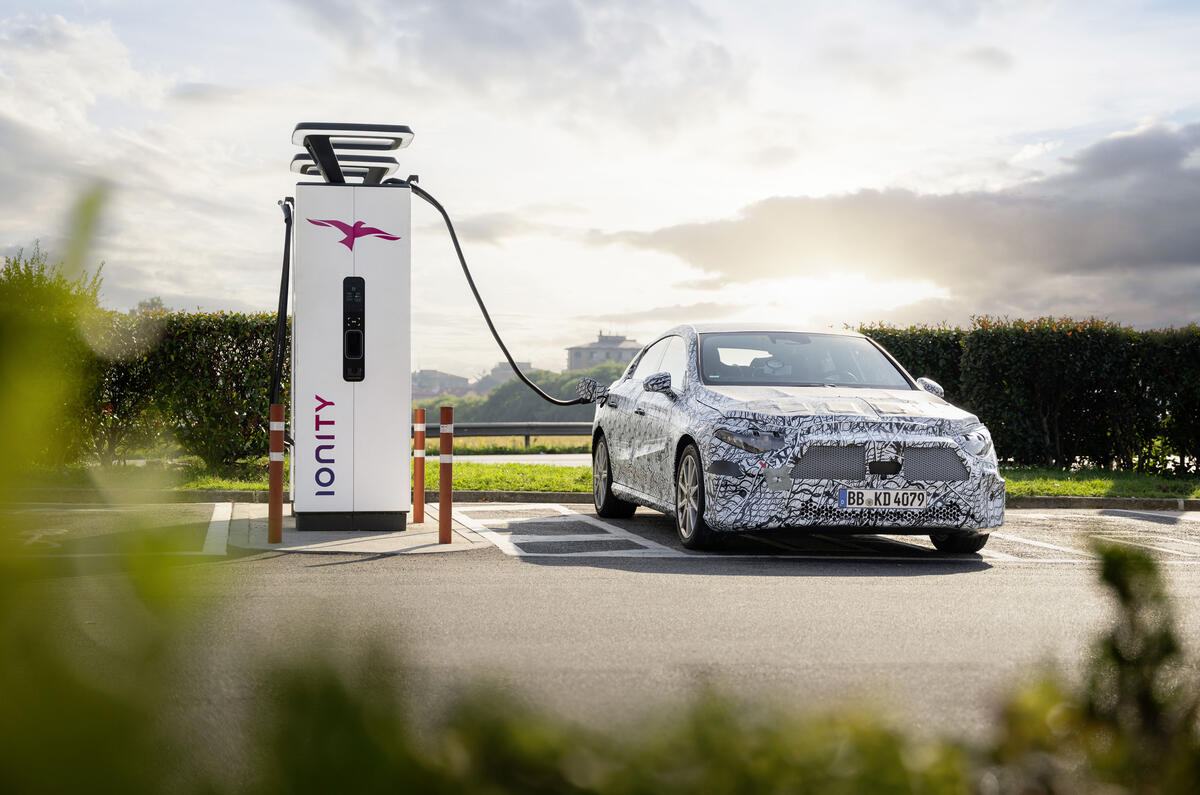
Key to the record was a clever charging strategy, dubbed “plug and dash”, which was developed to maximise driving time. Rather than dipping well into the energy reserves on long periods of driving before recharging, Mercedes-Benz opted for shorter driving stints paired with frequent charging stops.
“Regular charging brings a decisive advantage in both distance and time efficiency – essentially, how many kilometres or miles can be driven for every minute of charging,” said Christian Pfeiffer, team lead of Mercedes-Benz’s latest electric drive system.
The CLA prototype underwent a total of 40 recharges during the 24-hour attempt, each around 10 minutes in duration.
Overall, the prototype was stationary for close to 28%, approximately six hours and 40 minutes, of the 24-hour record attempt. These short but regular stops enabled Mercedes-Benz to take advantage of a boost function that allows a high initial charging rate on a DC system compared with the average achieved over longer but fewer stops.
Mercedes-Benz has yet to reveal the charging capacity of its upcoming electric model, but it has previously hinted it will be capable of accepting charge at around 250kW, with an additional 50kW boost function allowing it to reach 300kW for short periods. This will enable a 249-mile top up in just 15 minutes.