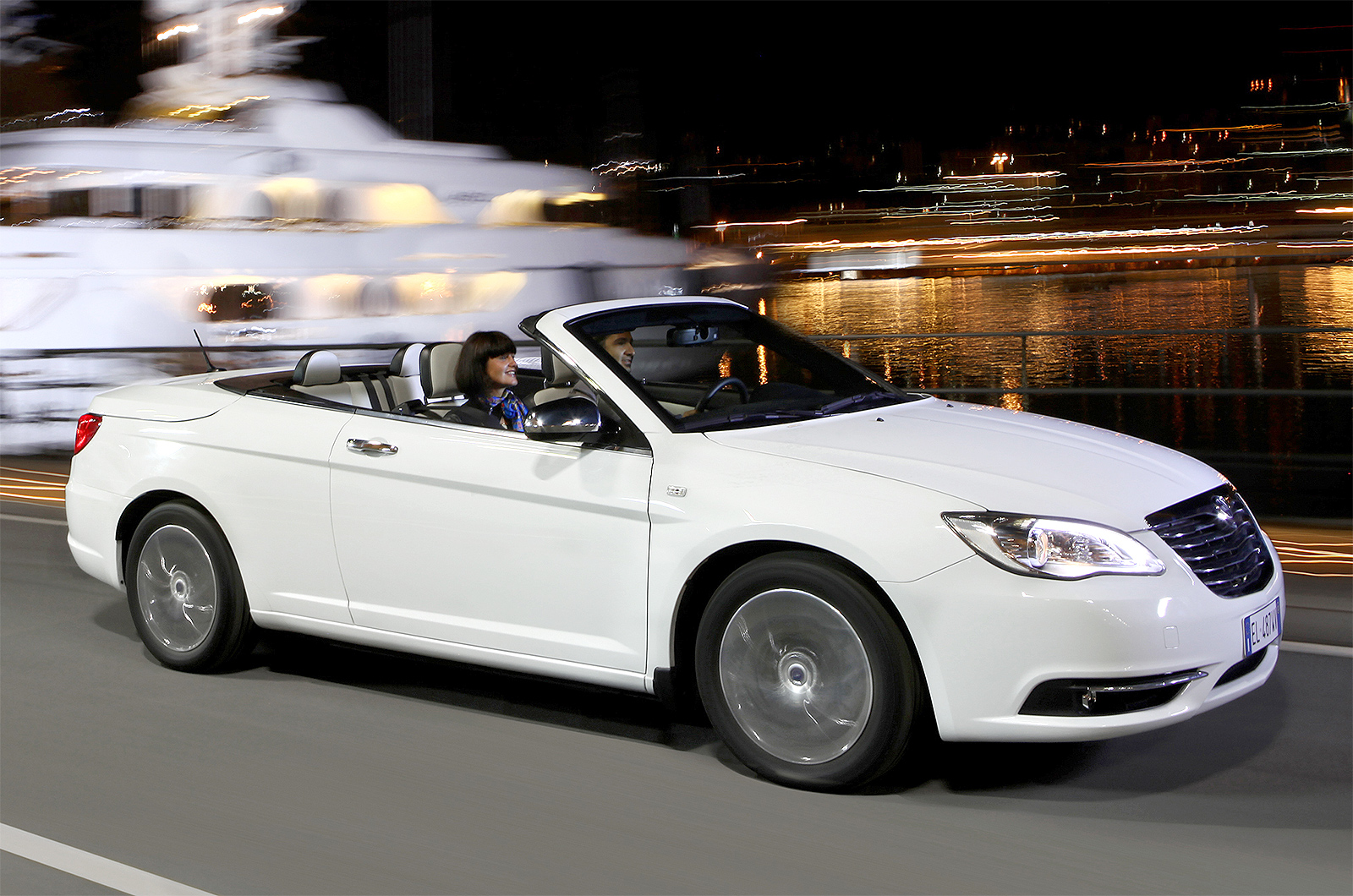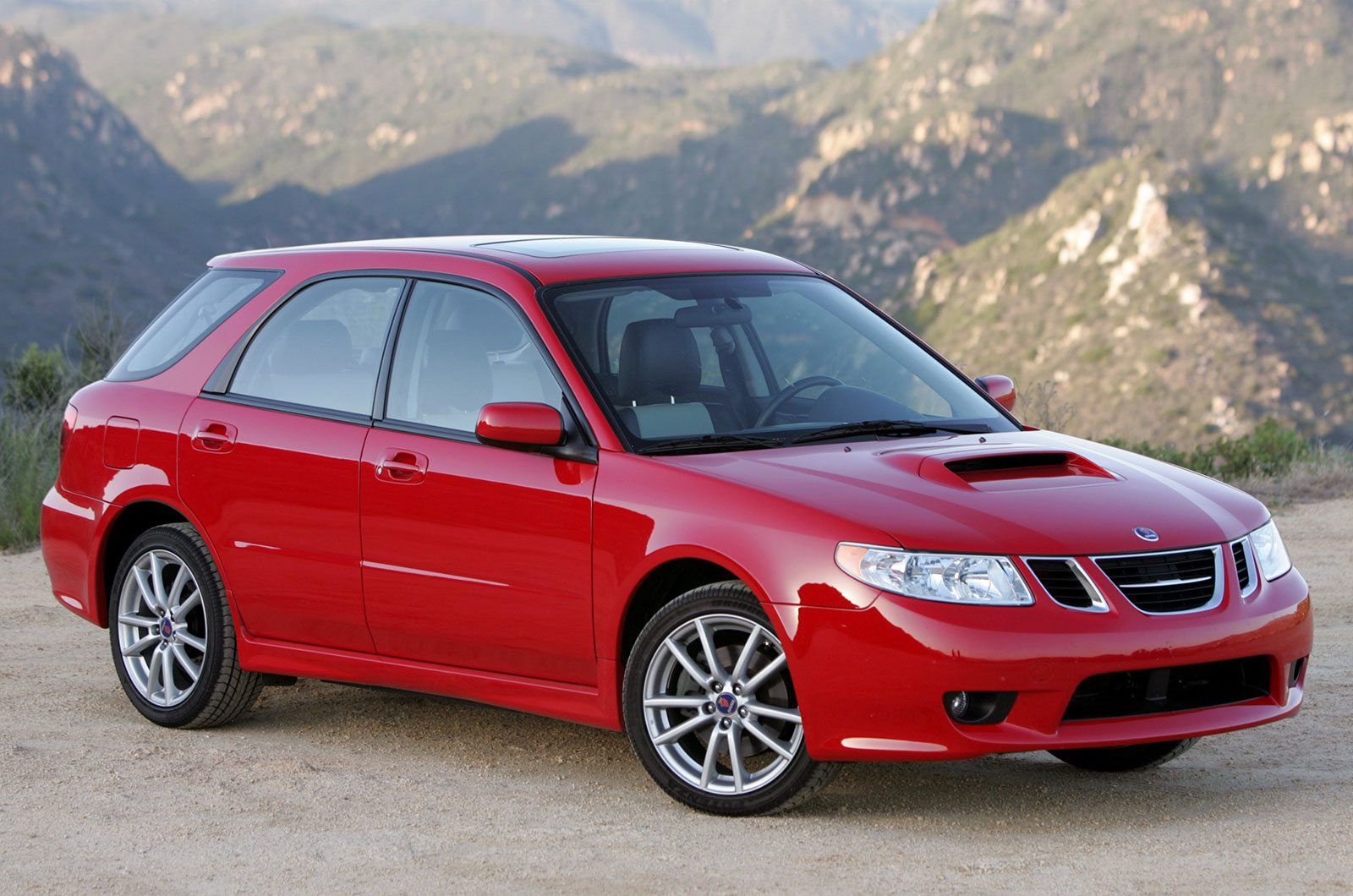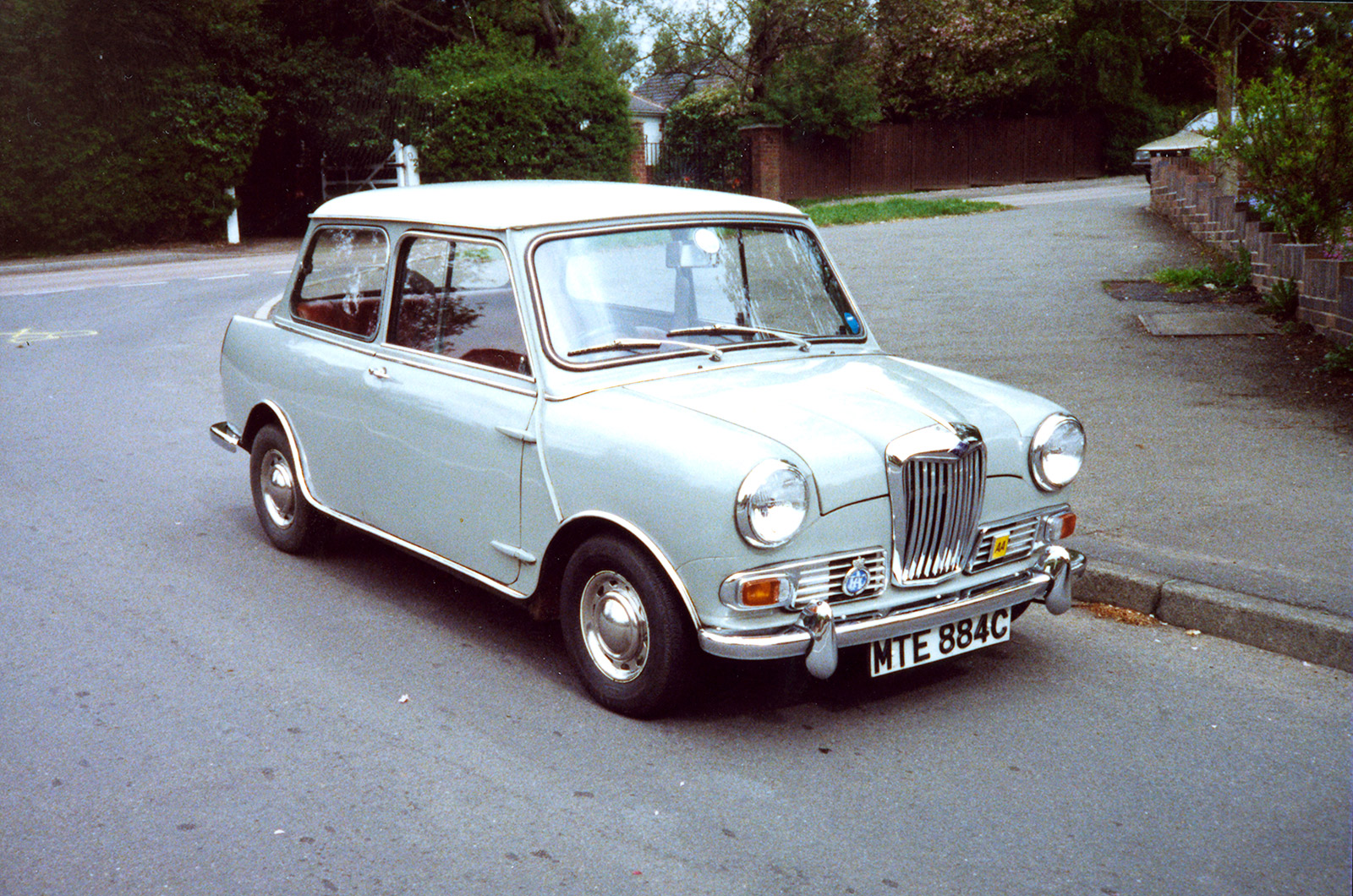

For decades car makers have confused buyers by offering models with an array of identities.
It’s a practice known as badge engineering, not to be confused with platform sharing or joint ventures, both of which have become increasingly common in recent years. Some car companies have over-indulged while others know better than to mess with their branding.
Here we bring you more than six decades of the badge-engineered car – and you’ll see that the same car makers crop up time and again while others don’t get a mention at all. They’re the smart ones. The year mentioned references the first year of production of the second model in the family:
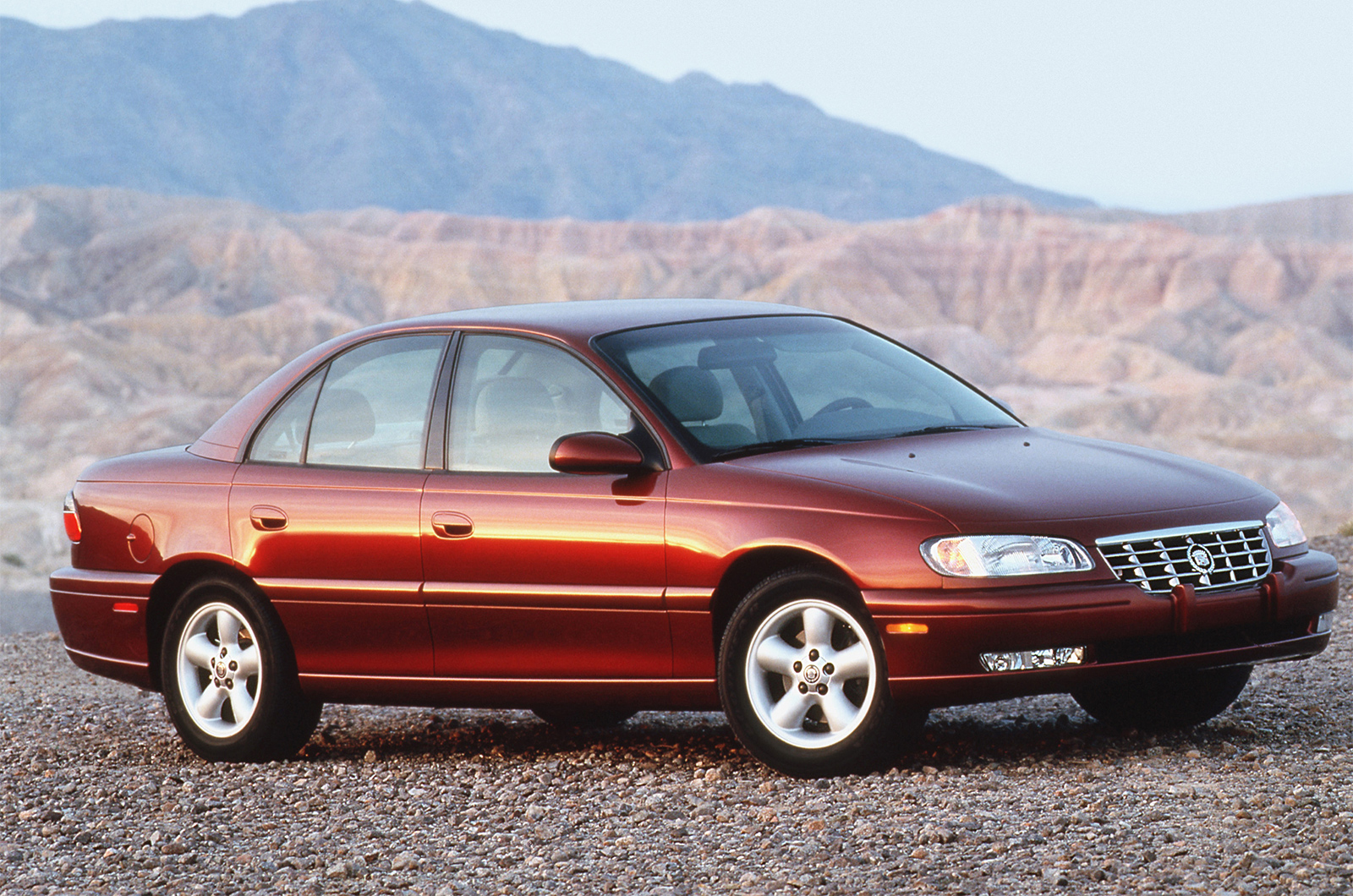
Cadillac Cimarron (1982) - 2 MODELS
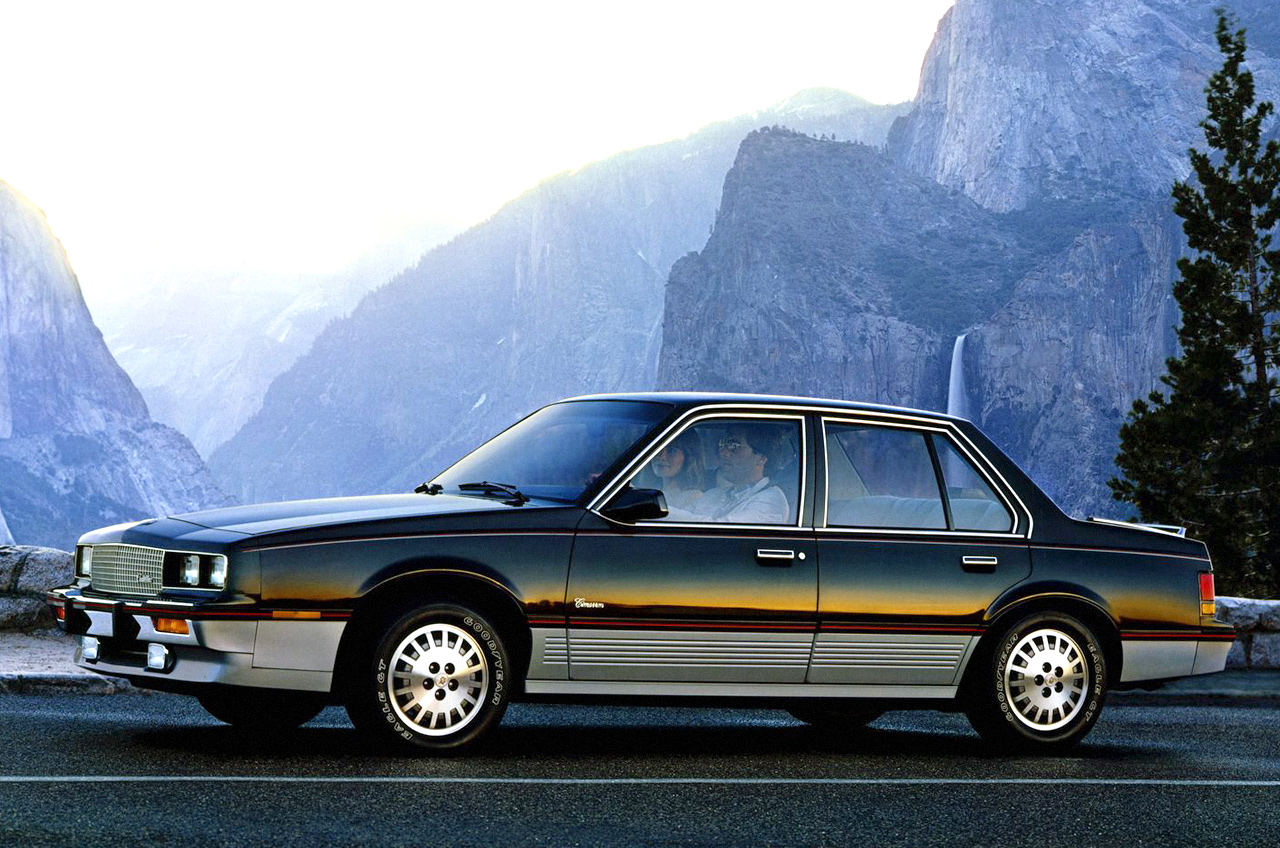
When General Motors (GM) realised in the early 1980s that BMW and Mercedes were stealing sales in parts of the luxury car market, it stuck Cadillac badges onto the Chevrolet Cavalier in a bid to compete in the smaller luxury car class. But the high prices and four-cylinder engines made the Cimarron (pictured) a laughing stock; even the introduction of a V6 in 1985 did nothing to make the car more saleable.
Ford F-150 (2002) – 2 MODELS
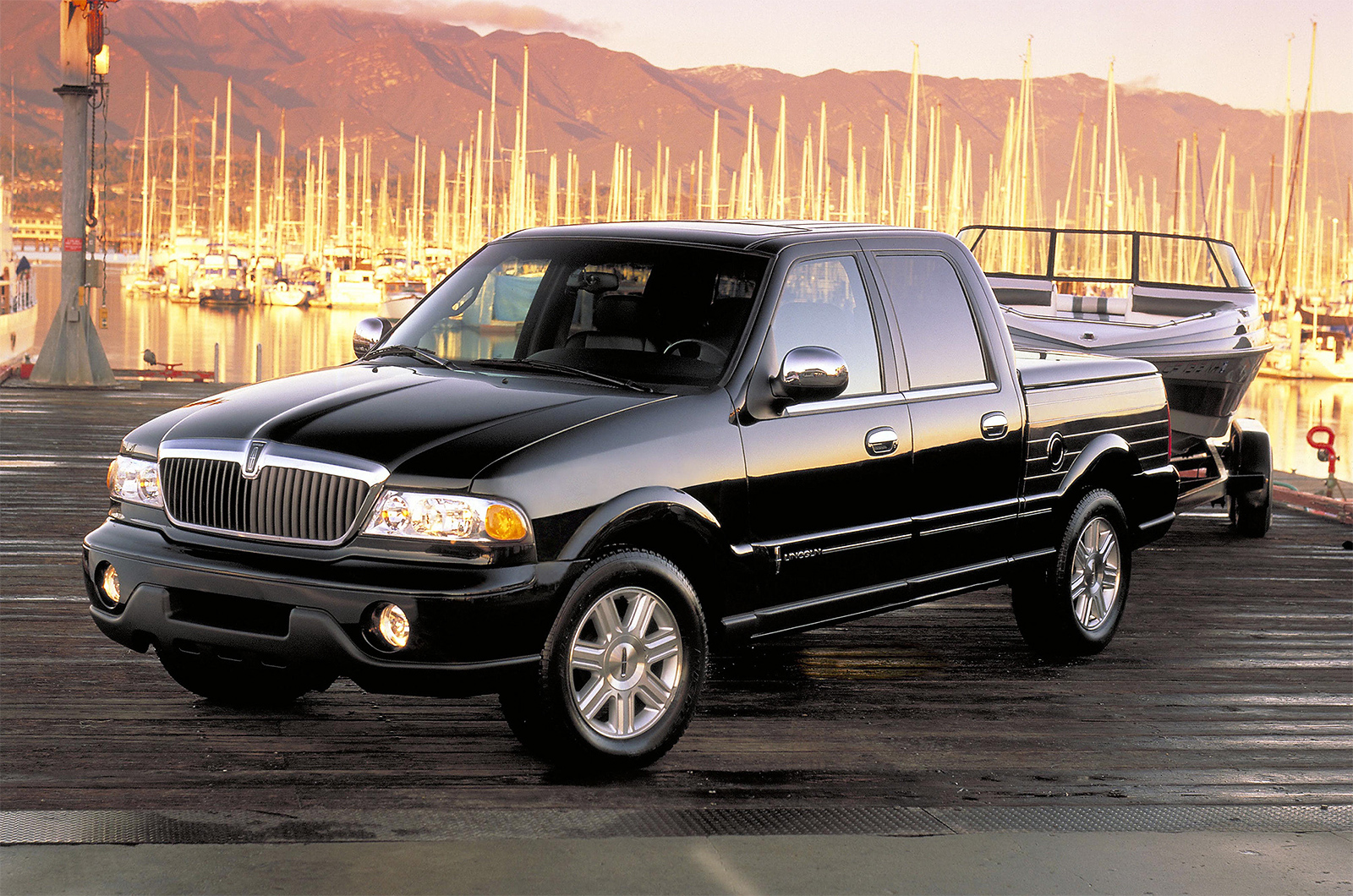
With the F-150 being the world’s biggest-selling truck, in 2002 Ford decided to take it upmarket with a Lincoln edition called the Blackwood, it couldn’t fail. Well that’s what Ford assumed, but in reality the Blackwood bombed with little more than 3000 made in a single model year before the plug was pulled.
Rolls-Royce Silver Shadow (1965) – 2 MODELS
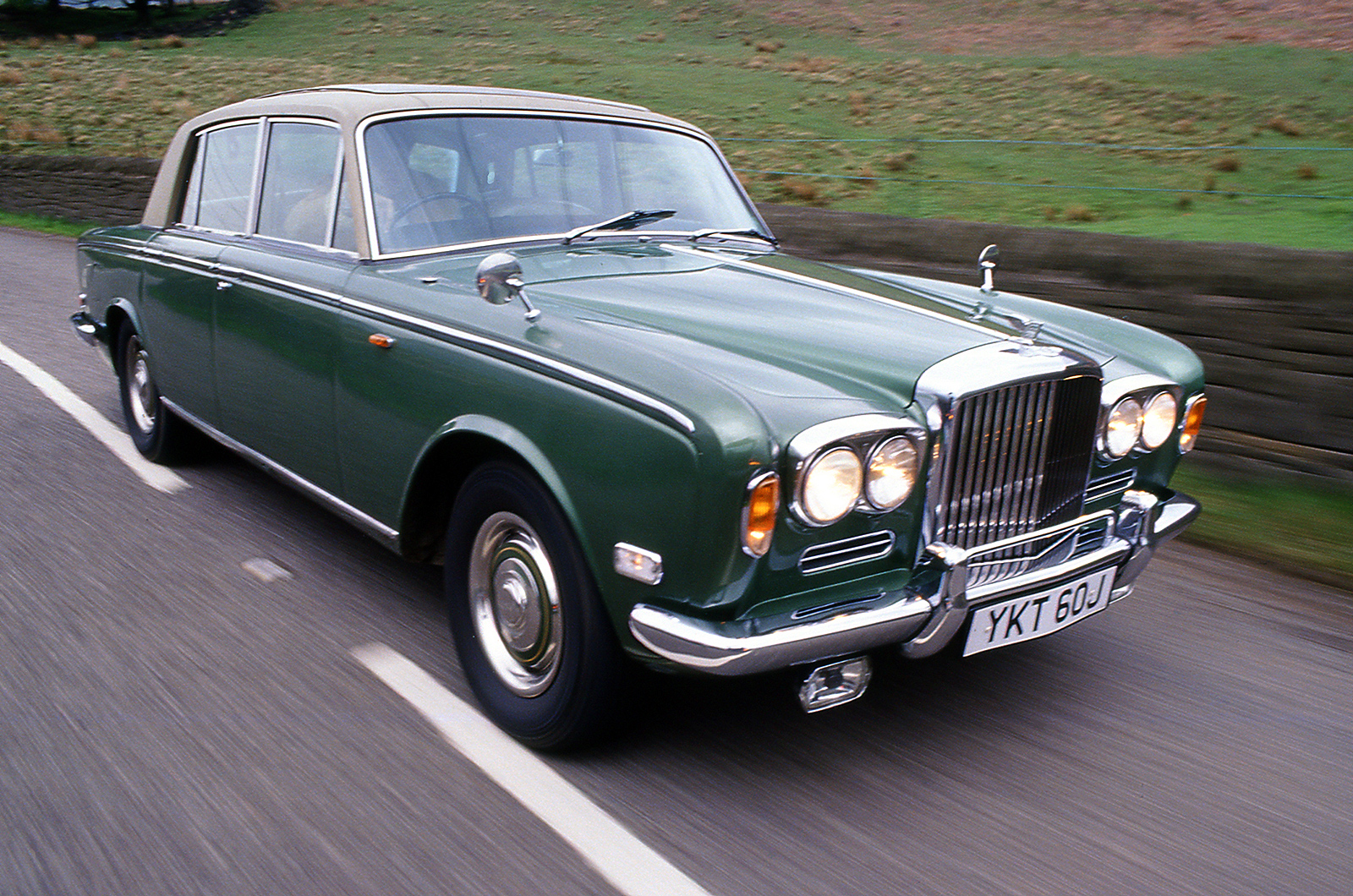
After Rolls-Royce had acquired Bentley Motors in 1931 the two brands shared much the same model range, albeit sometimes with significant differences. Not where the Silver Shadow and Bentley T-Series (pictured) were concerned though; the two were interchangeable and because buyers saw the Rolls-Royce as the more prestigious brand, just 2280 four-door T-Series Bentleys were sold, compared with around 30,000 Silver Shadows.
Toyota IQ (2011) – 2 MODELS
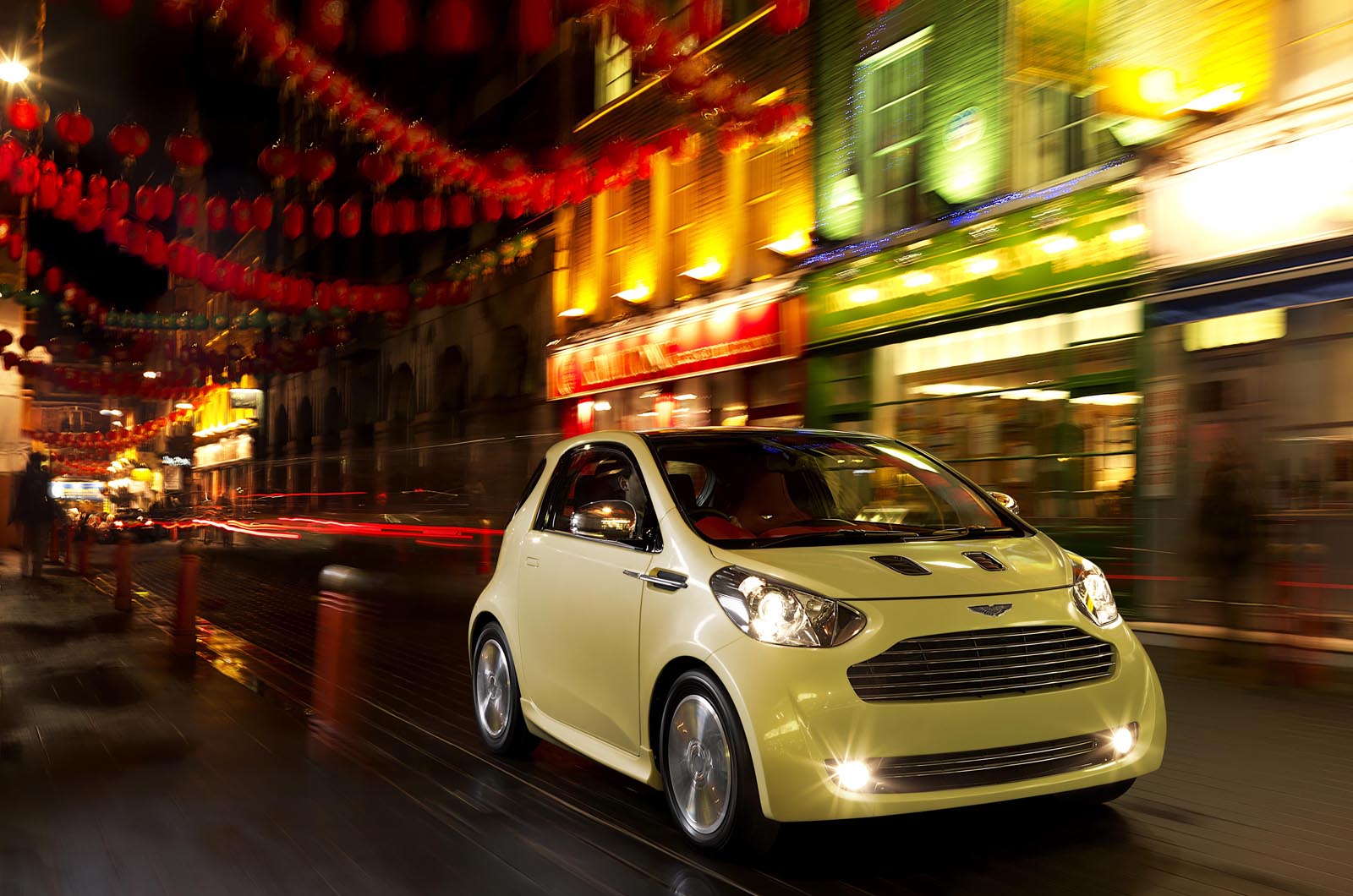
When Aston Martin needed to cut its average CO2 emissions across its range it hit upon the bright idea of rebadging the Toyota IQ as the Cygnet (pictured), albeit it with a few bodywork updates, an interior retrim, and a hefty price-tag.
But the company seriously over-estimated demand and production was wound up after less than three years with just 786 cars built; Aston had predicted 2000 per year.
Triumph Acclaim (1981) – 2 MODELS
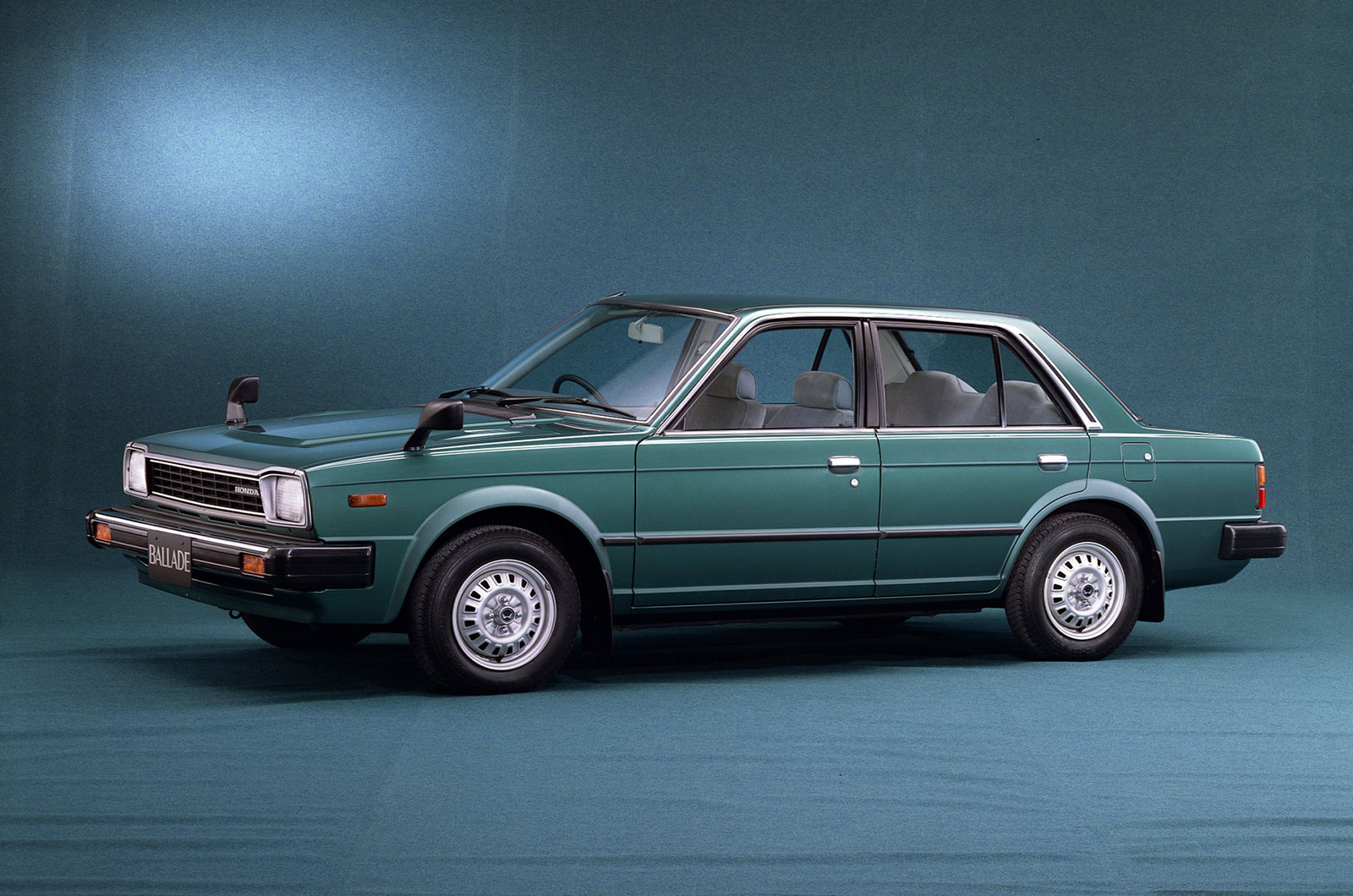
British Leyland signed a deal with Honda in 1979 to collaborate on forthcoming models. The former’s Triumph Dolomite was getting old so it rebadged the Honda Ballade and sold it as the Triumph Acclaim (pictured).
There were no Triumph parts in the Acclaim at all, aside from the badges – and it was by far the most reliable car the company had ever sold. But you're a brave person if you turn up to a Triumph heritage event in one of these…
Land Rover Discovery (1993) – 2 MODELS
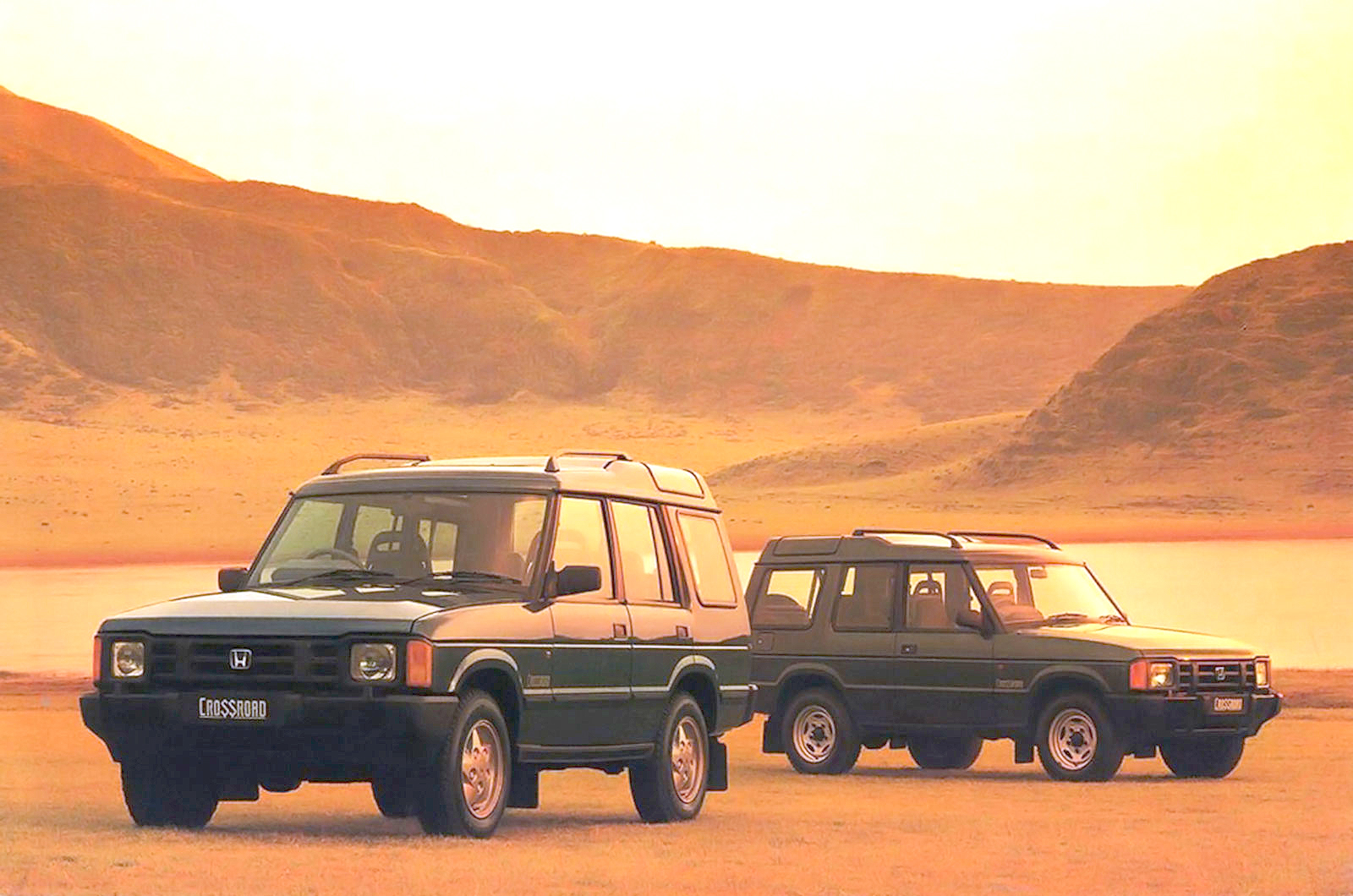
When Honda realised that it needed a 4x4 in its armoury in the early 1990s, it licenced the original Discovery from Land Rover and sold it in Japan and New Zealand as the Crossroad (pictured). It’s the only production-car V8 Honda has ever made. Honda reintroduced the Crossroad in 2007, now engineered in-house.