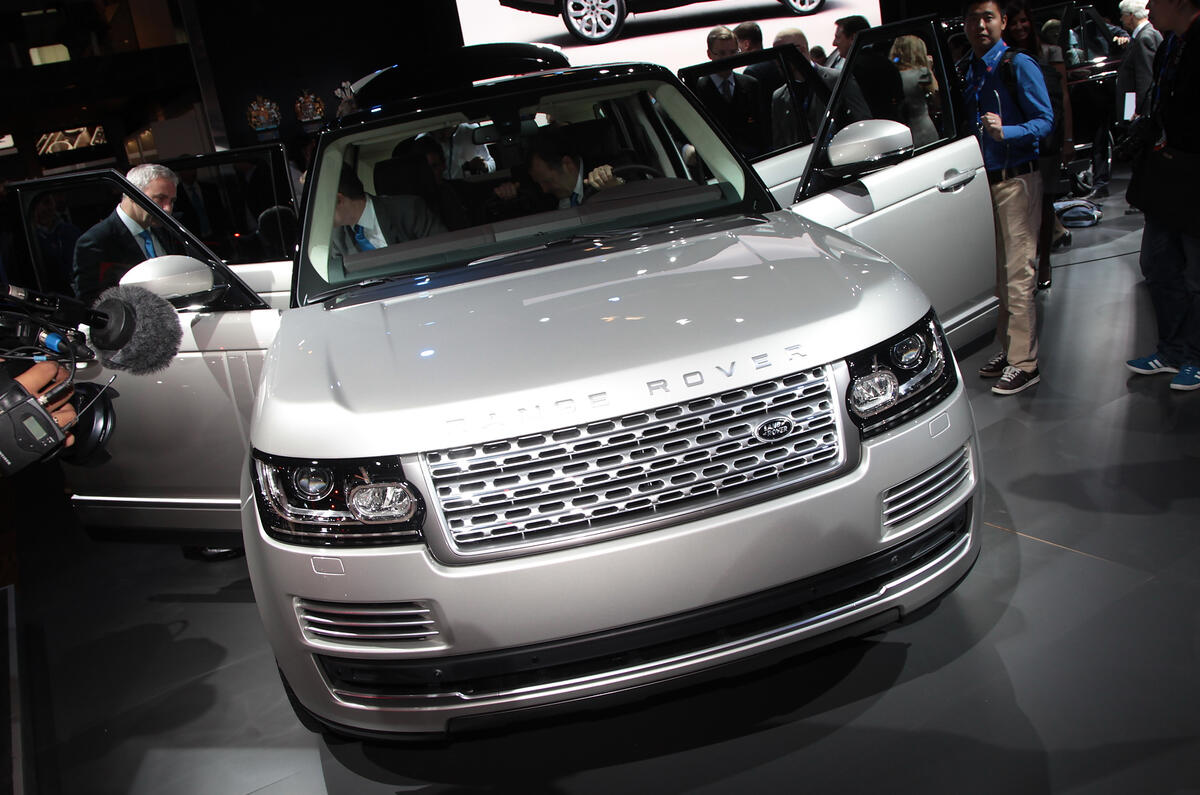
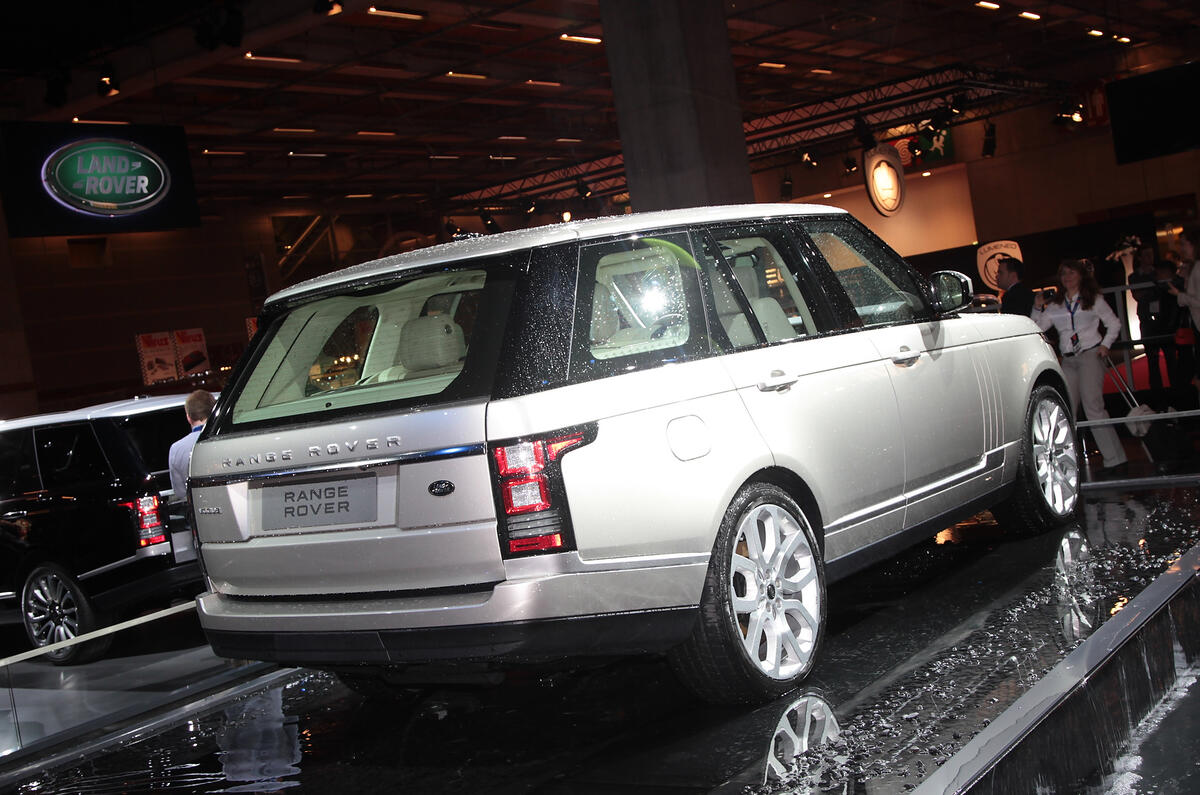
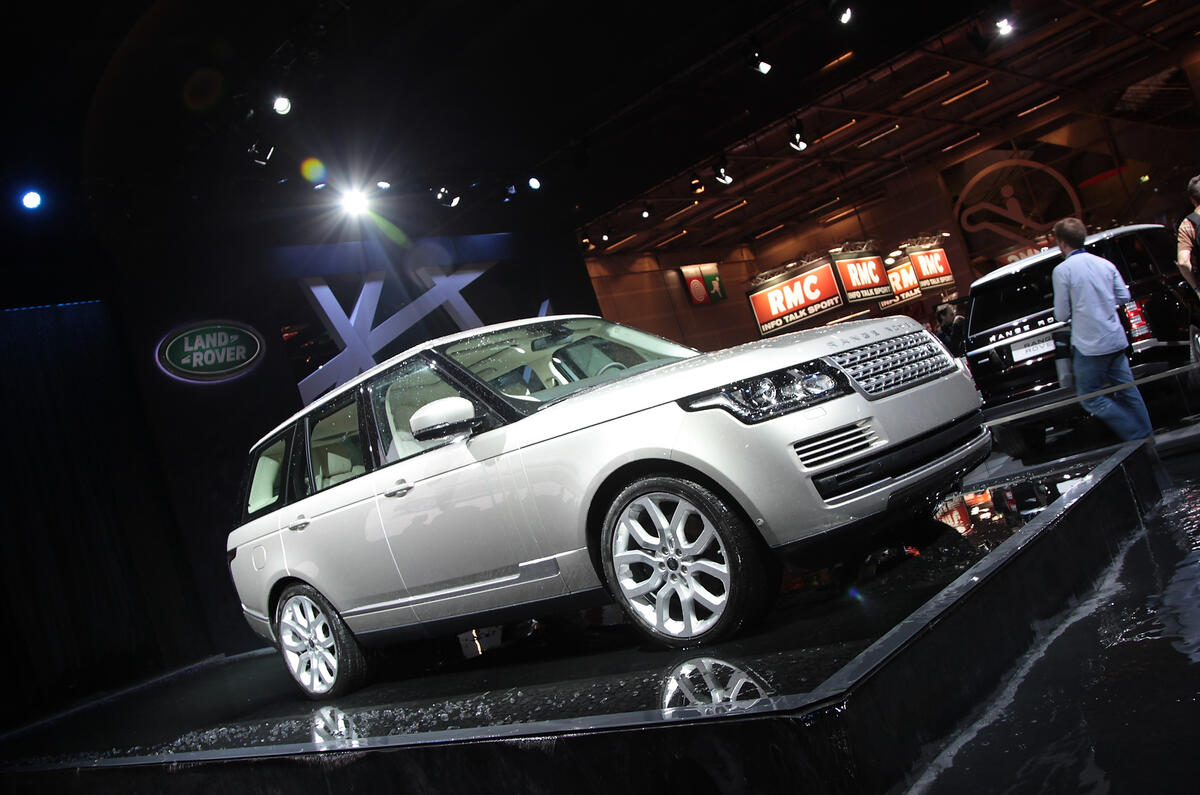


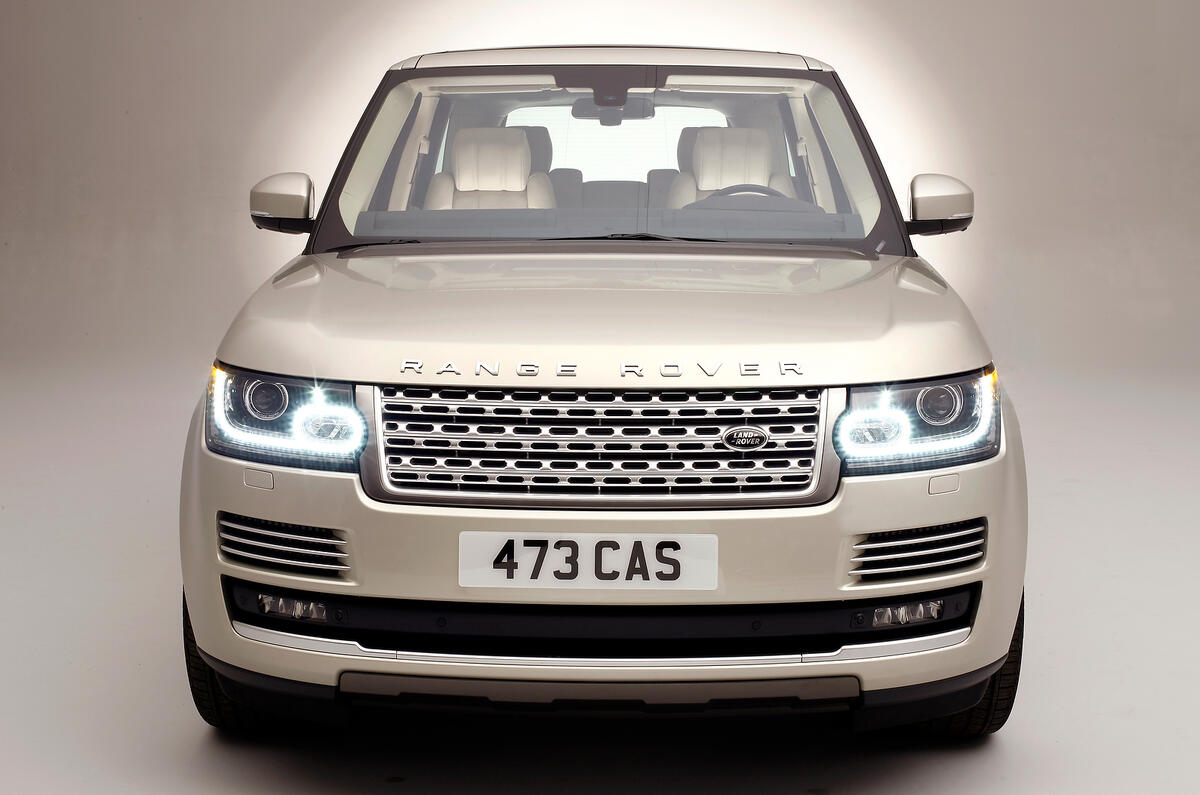

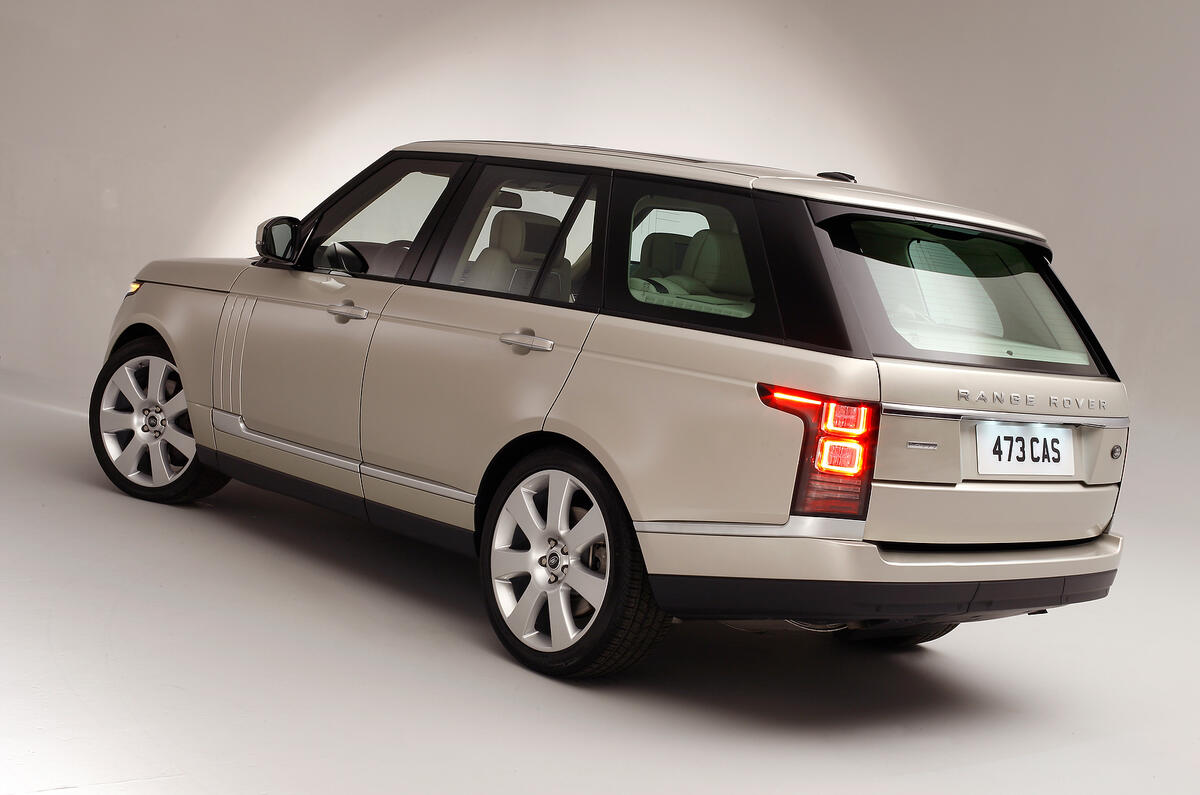
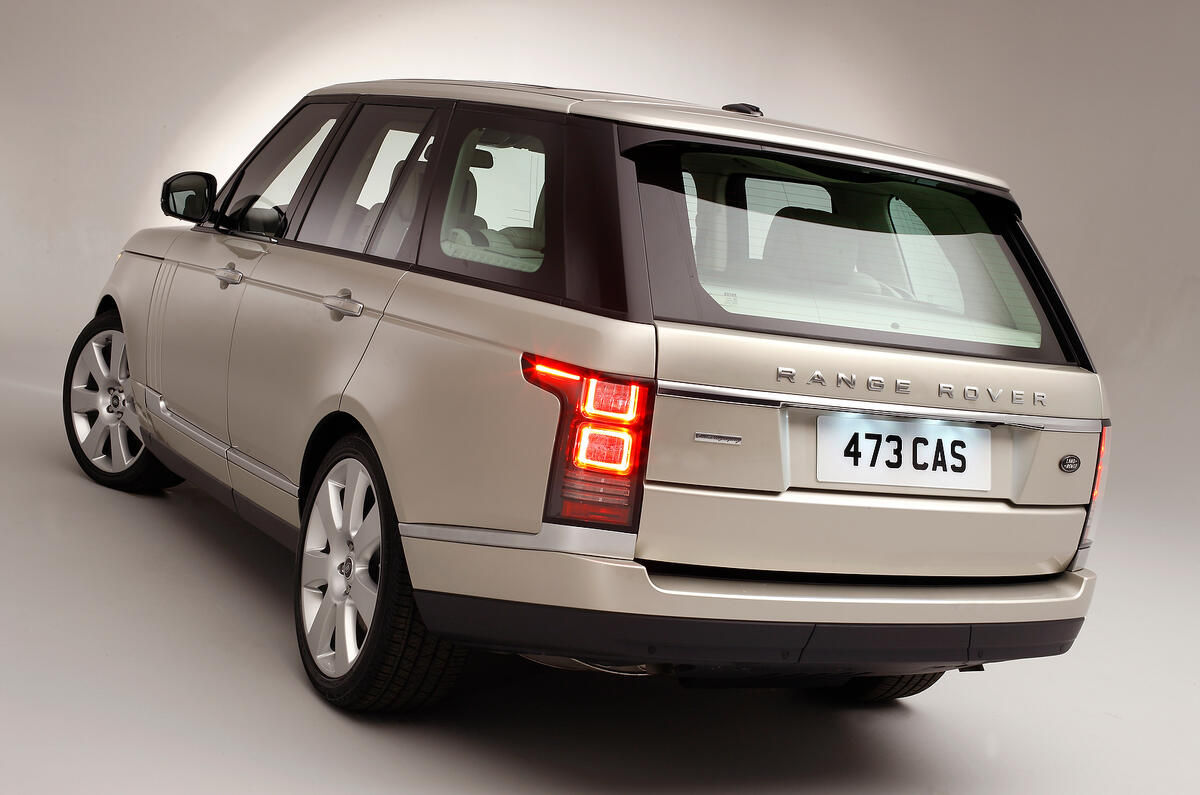


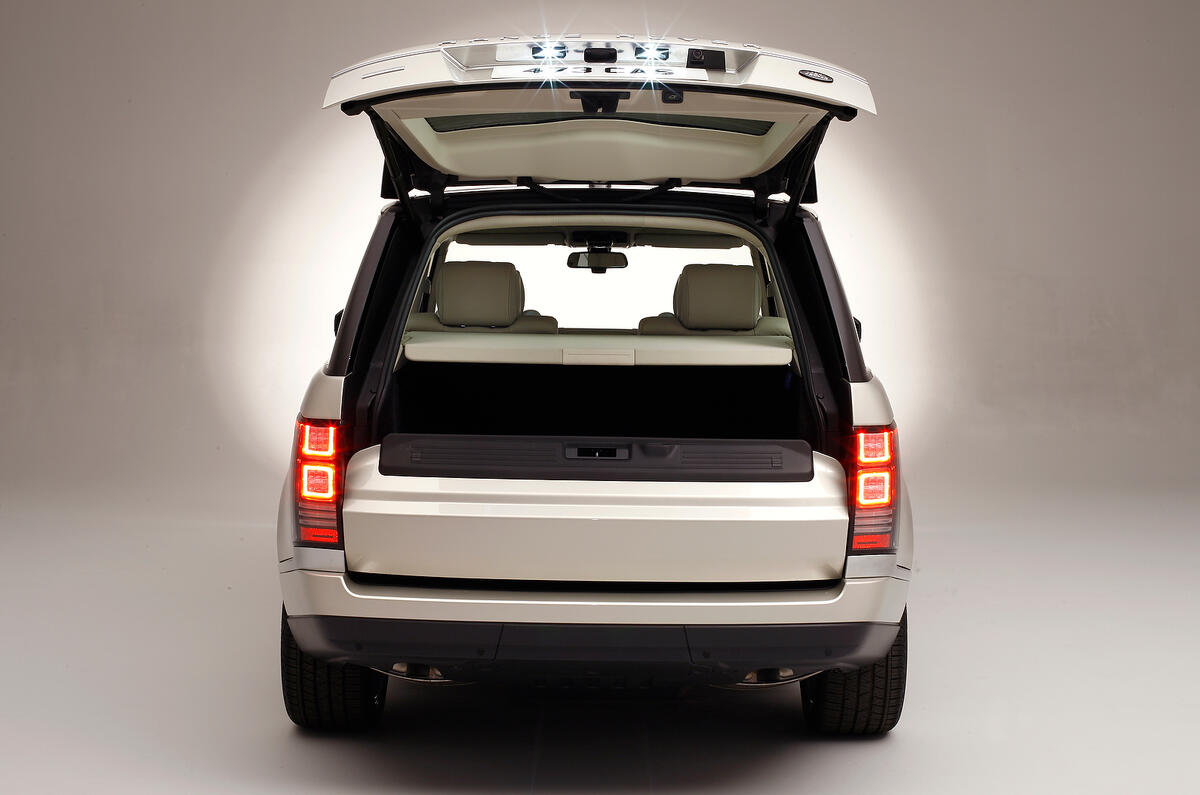


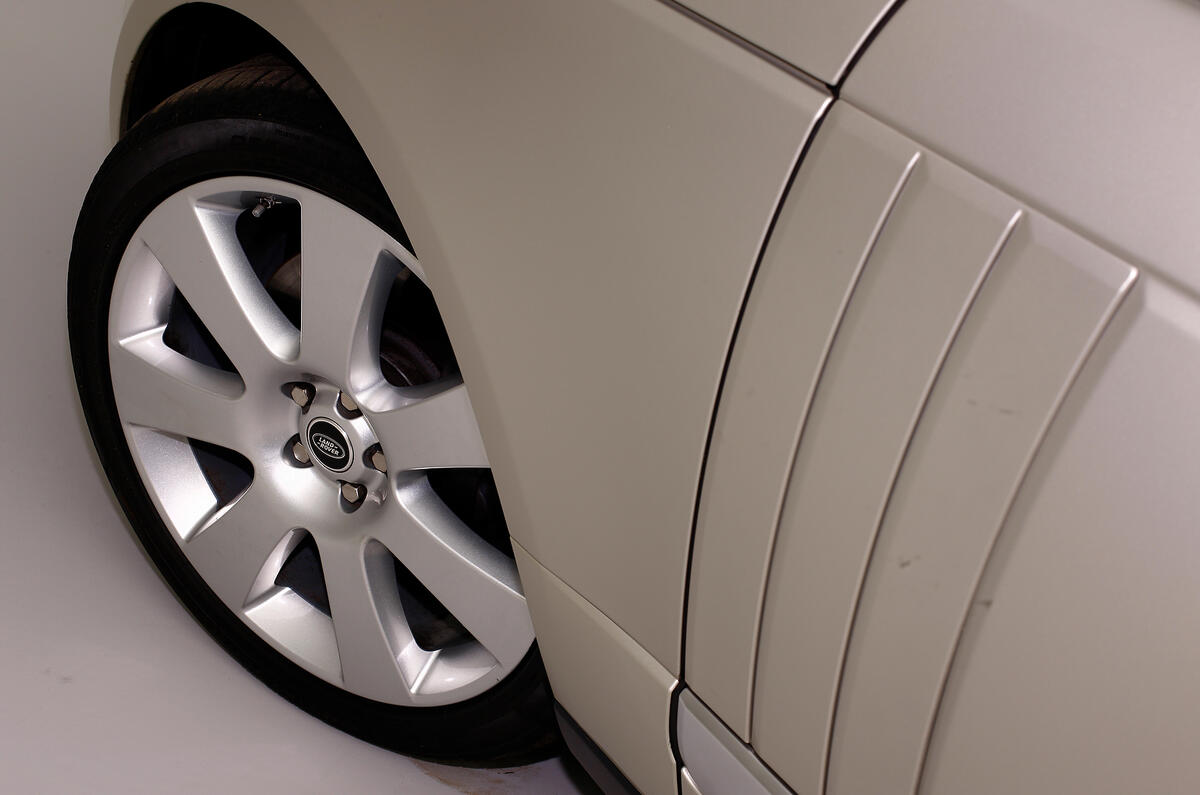








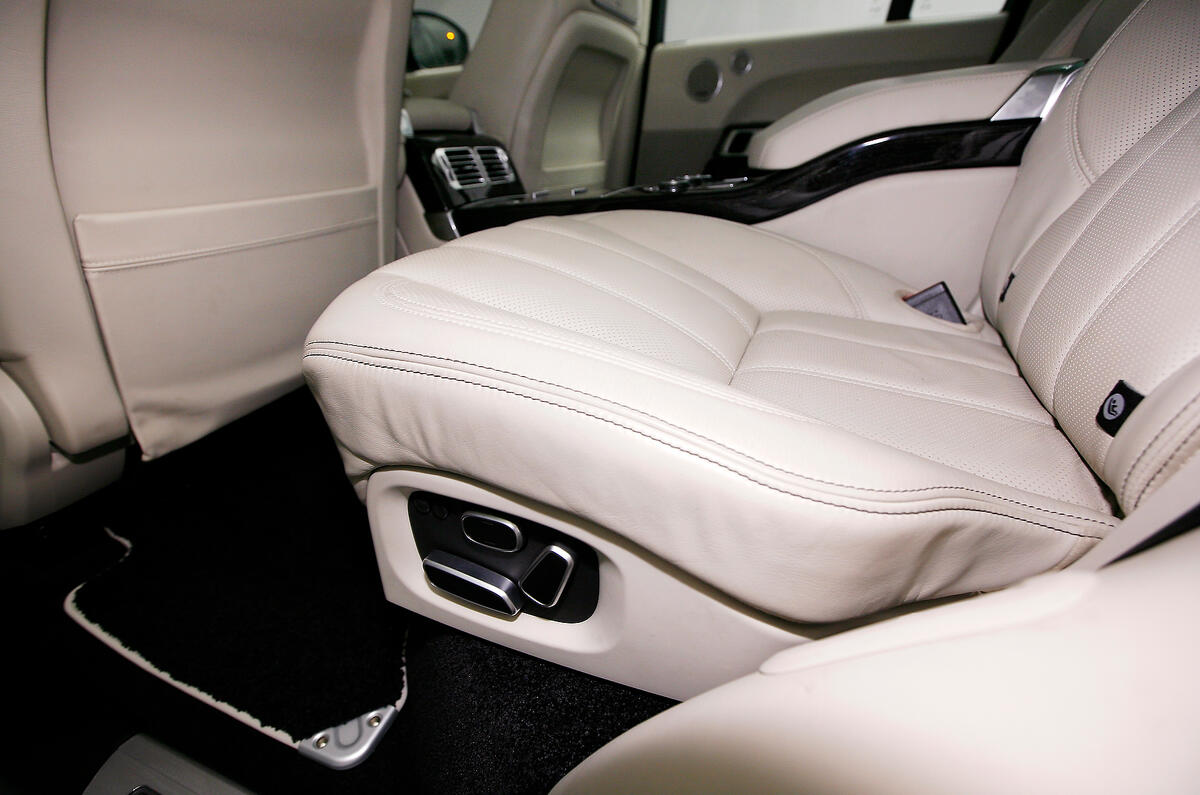



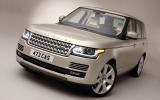

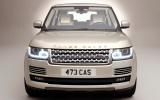
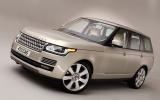
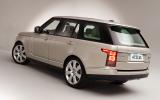
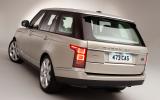
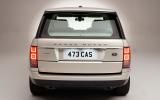
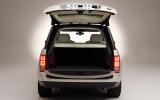
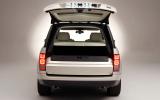

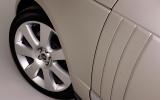

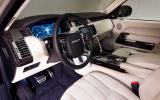
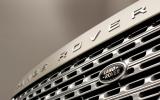
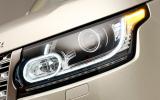
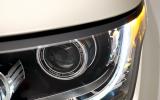
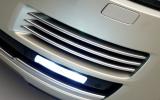
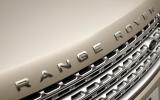
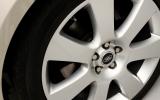
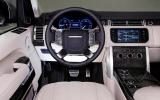

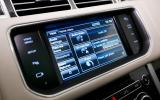
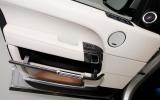

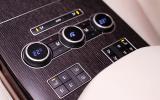
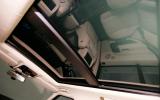
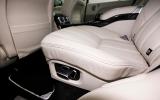


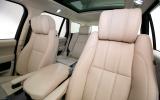



The all-new Range Rover 4 is the model which finally promises to lift its maker, Land Rover, into the upper eschelons of the luxury car market. It has made its public debut at the Paris motor show and has scooped both Bentley and Maserati to give birth to its first über premium SUV. This journey began back in 1999 with the experimental Range Rover V12.
In the drive further upmarket, Land Rover has ensured it is still capable of storming mountains and fording streams. Its Terrain Response system is more intelligent, ground clearance is increased and its wading depth grows by 200mm to a hugely impressive 900mm.
The result is a car, that during our very early drives, is shaping up to regaining its crown as one of the world's best cars. Here, we bring you the new car's technical highlights.
Ride and handling benchmarking
The project target was for ‘best of both worlds’ on-road and off-road performance on 175 parameters. NVH (noise, vibration, harshness) was benchmarked against the Mercedes S-class, Audi A8 and Bentley Flying Spur. On-road benchmarks were Flying Spur, S-class, Rolls-Royce Ghost; off road it was the Land Rover Discovery 4, Mercedes GL, Lexus LX. Performance and economy benchmarks were BMW X5 and Audi Q7.
Low-speed secondary ride characteristics are claimed to be superior to a Flying Spur’s. Wind noise at 100mph is claimed to be 30 per cent lower than in a Porsche Cayenne and better than an Audi A8; beaten only by the S-class. Road noise at 37mph on 21in wheels is claimed to be the best of all luxury road and off-road cars, including the S-class.
Overall, Land Rover’s internal benchmarks claim a 30 per cent improvement in steering performance, 28 per cent in handling and 25 per cent in ride, compared with the previous model.
Electronic chassis systems
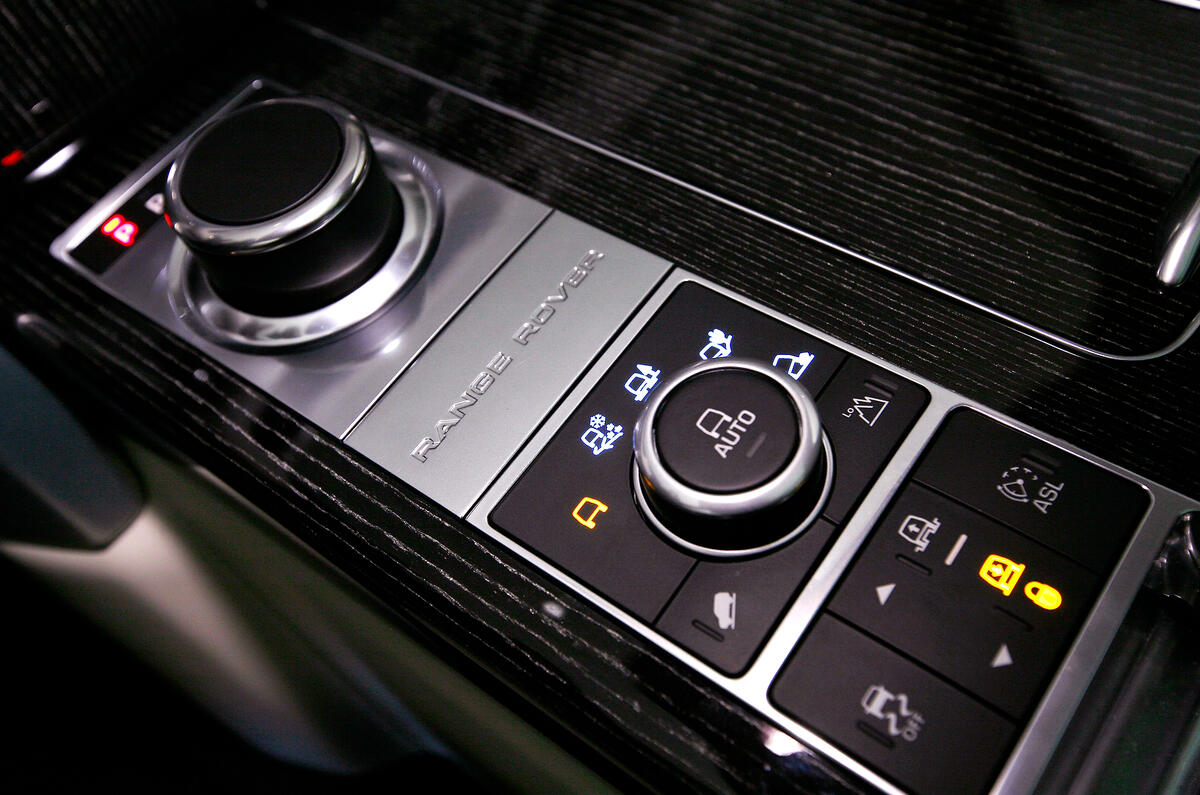
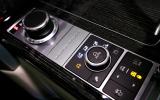
New-generation Terrain Response 2 now includes an ‘auto’ setting, which analyses the terrain and can switch between the five settings. A new Dynamic Response setting is an option on the base model and is claimed to dramatically reduce the amount of body lean in corners. The system is also said to improve off-road ability because it can isolate the anti-roll bars. It works independently on the front and rear of the vehicle. Continuously variable dampers are standard on all models.
Off-roading is assisted by hill descent control, gradient release control, hill start assist, dynamic stability control, electronic traction control and roll stability control. Overall, the car has 9km of wiring, which weighs 75kg.
Soundproofing
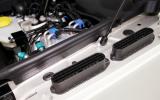
Powertrain noise has been reduced by a sound absorber behind the dashboard, a secondary bulkhead, more rigorous sealing of all the routing holes in the body and double-isolated engine mounts on diesel models. Sound-absorbing foam is used in the vents to reduce airflow noise. The solenoid for the rear wiper is encapsulated.
Braking
Brembo six-pot calipers and 380mm discs are fitted to the front wheels, with 365mm discs at the rear and a new Bosch six-piston brake control modulator. New braking system works with the automatic cruise control, low-speed city auto braking, intelligent emergency braking and trailer stability assist.