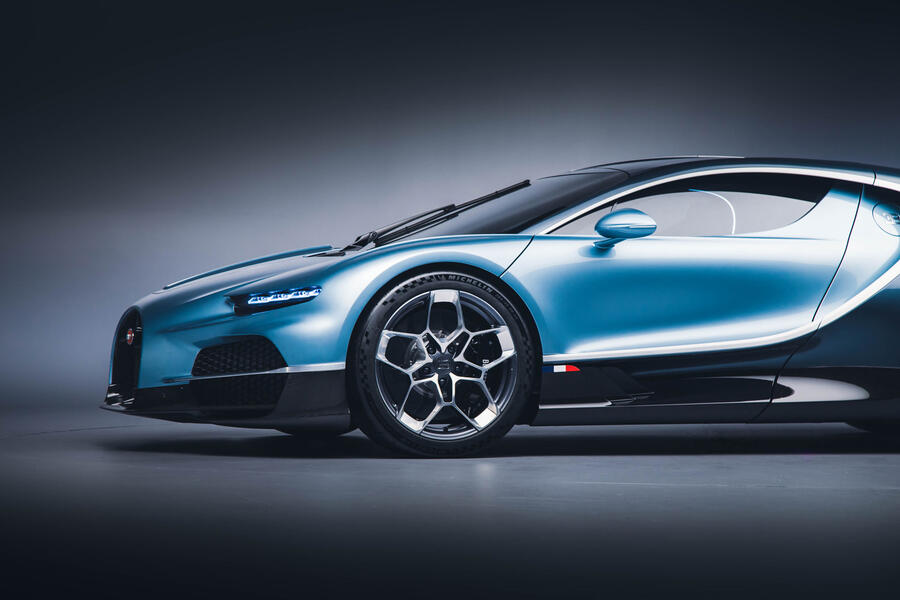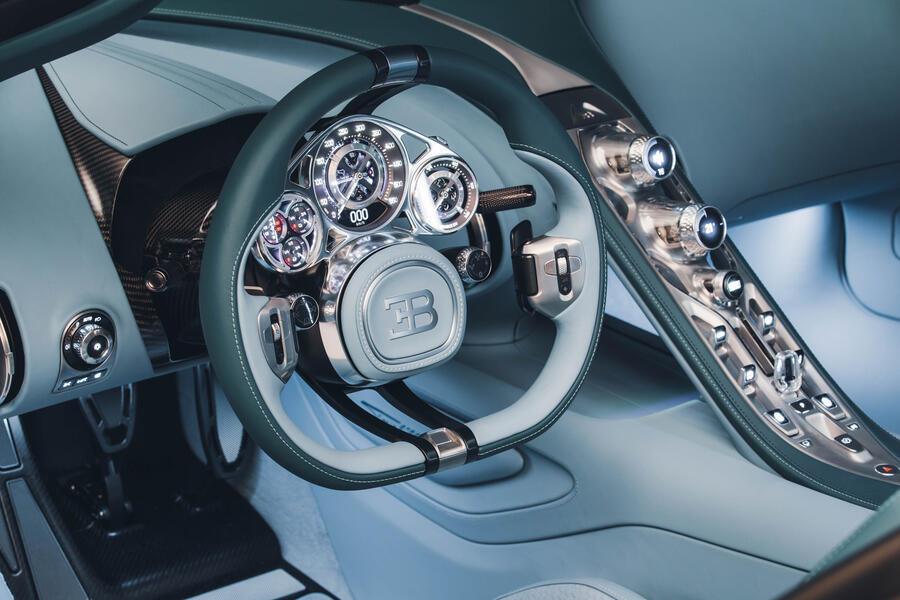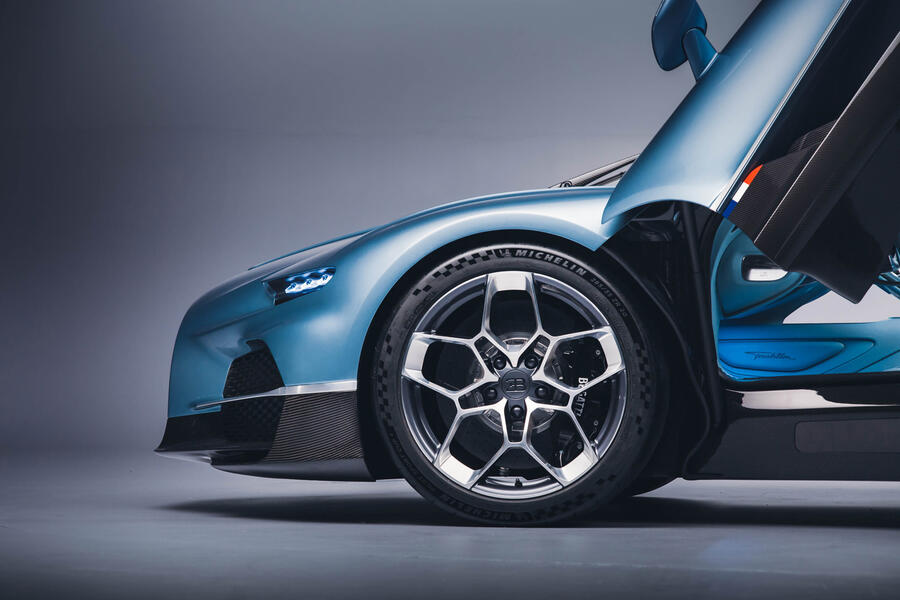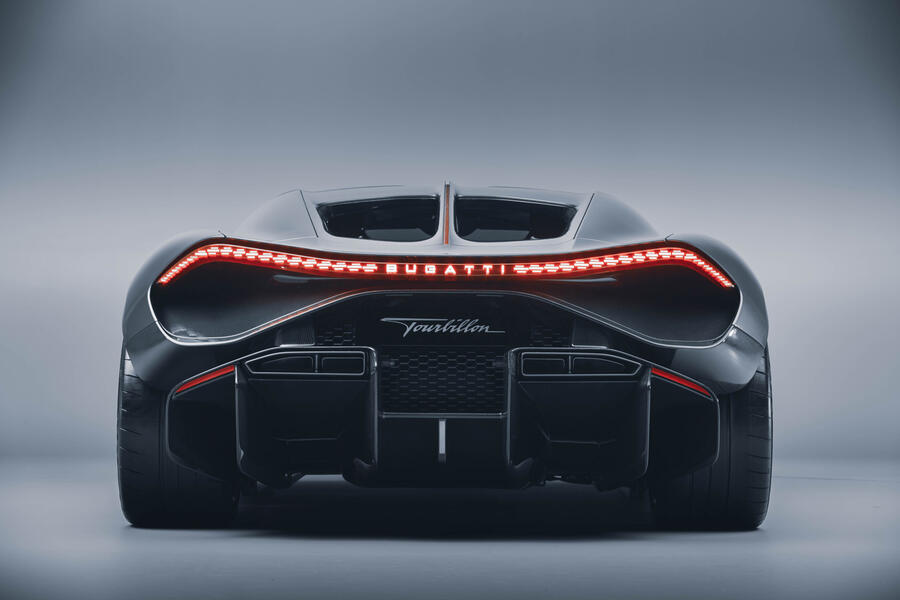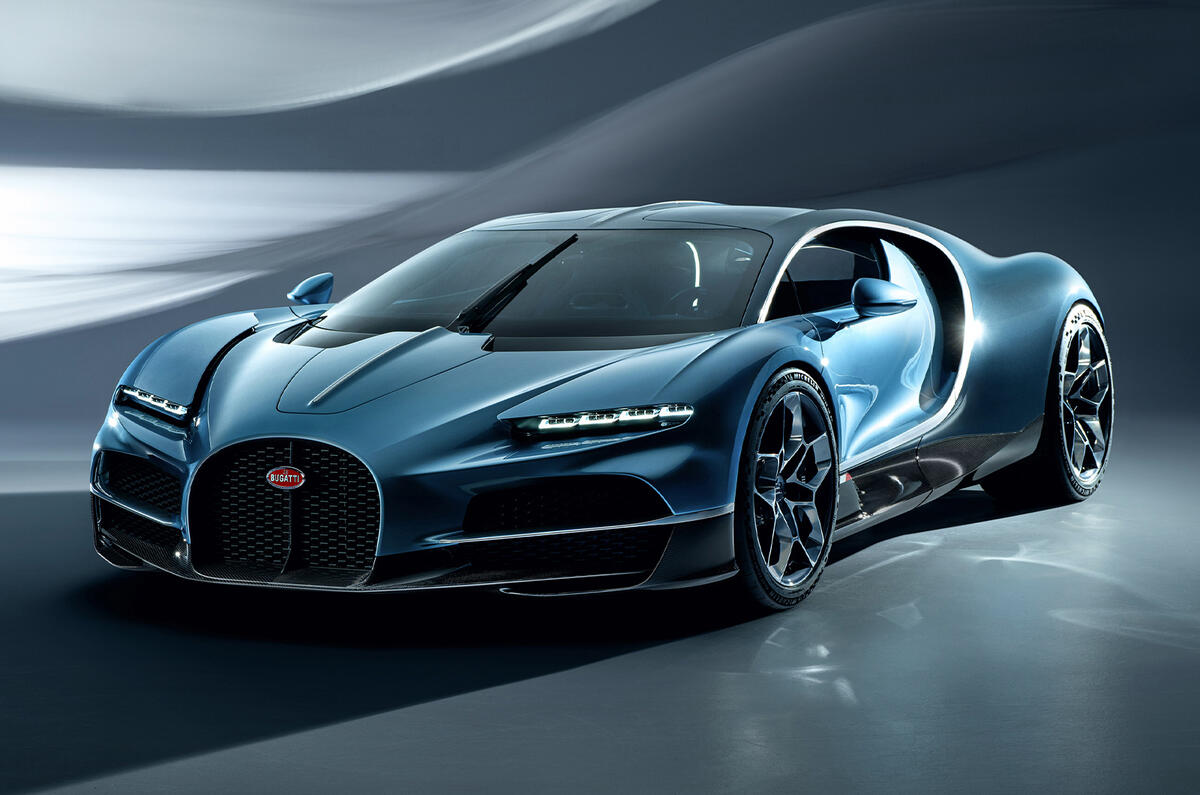
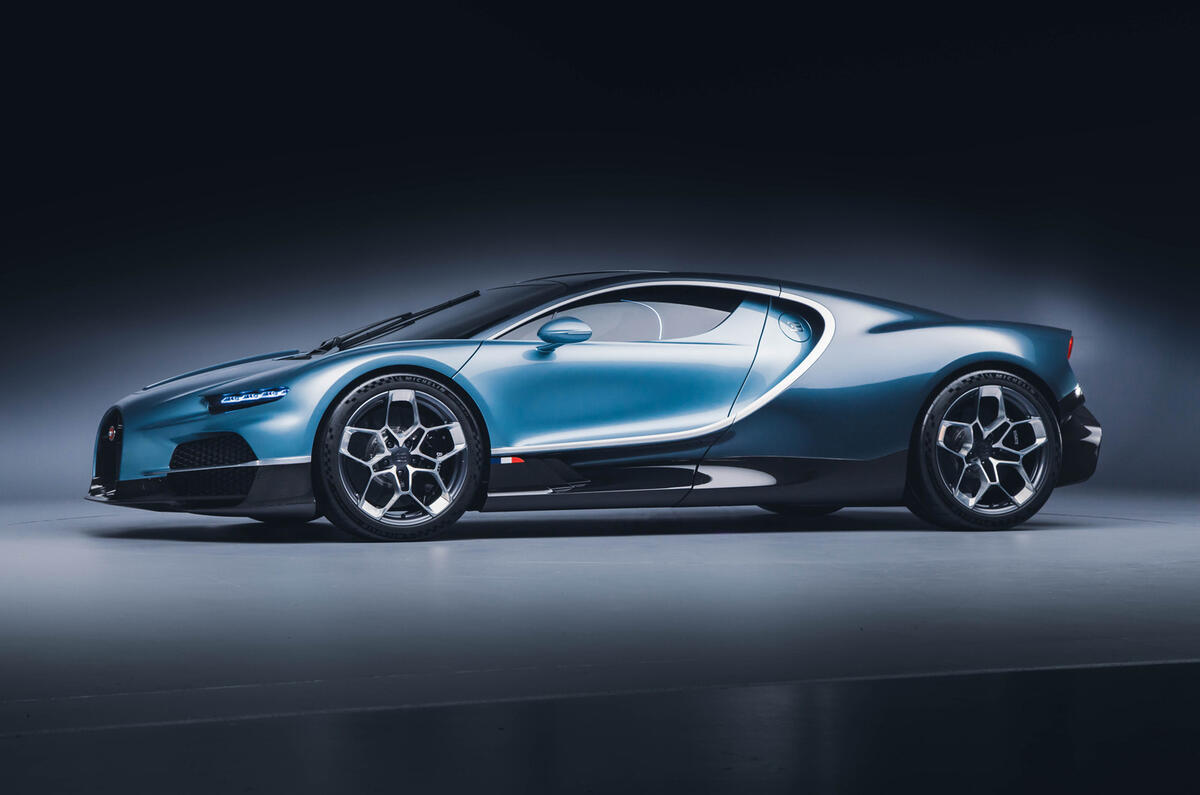
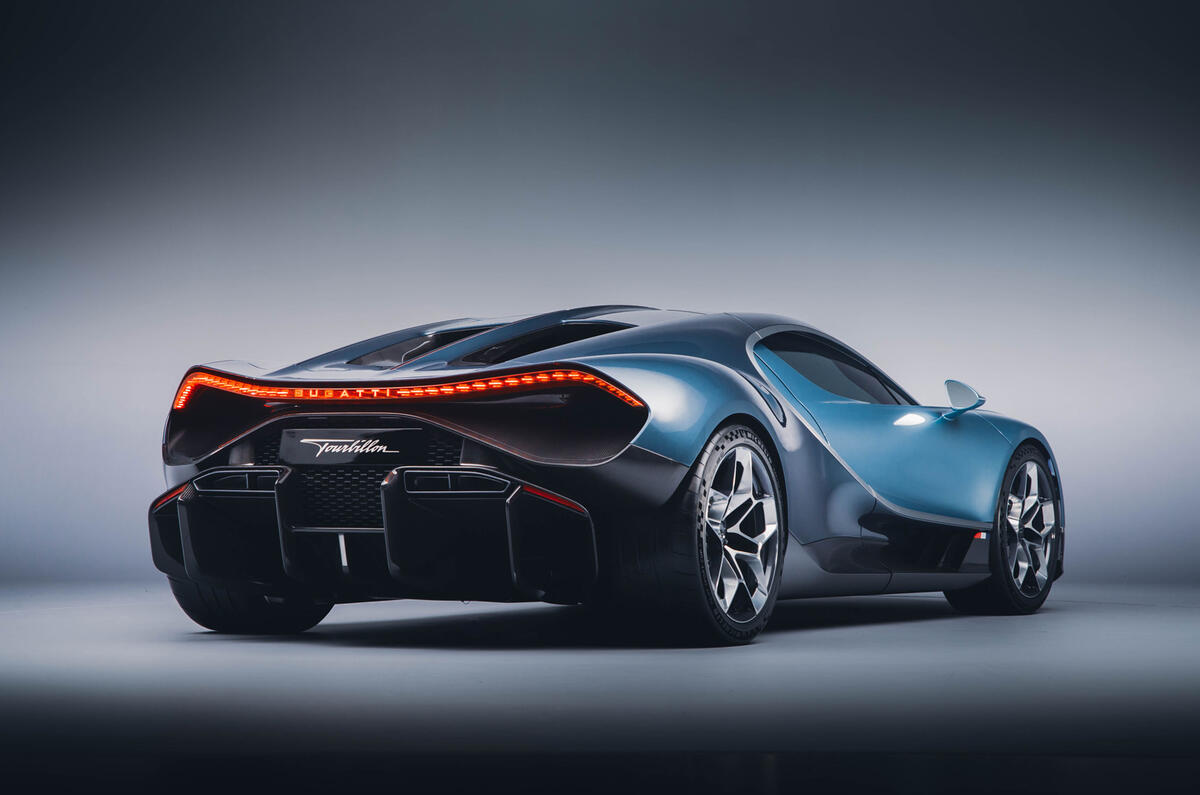
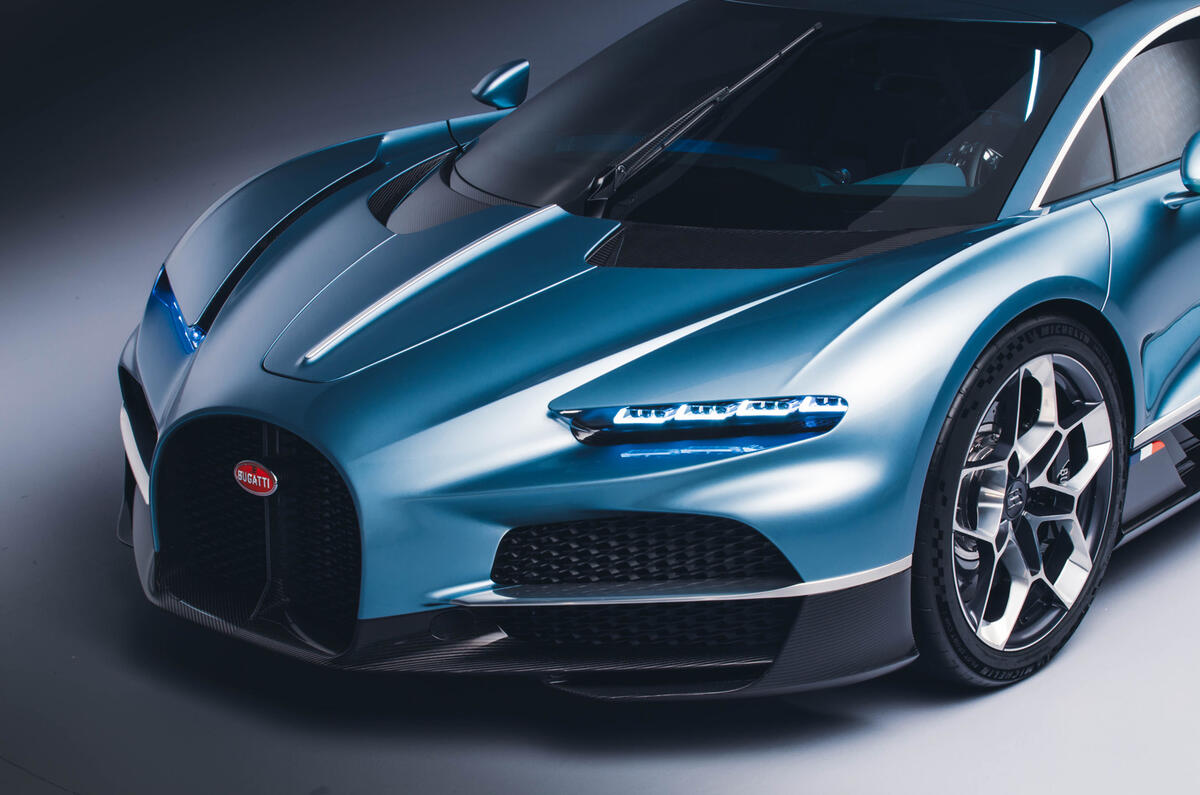
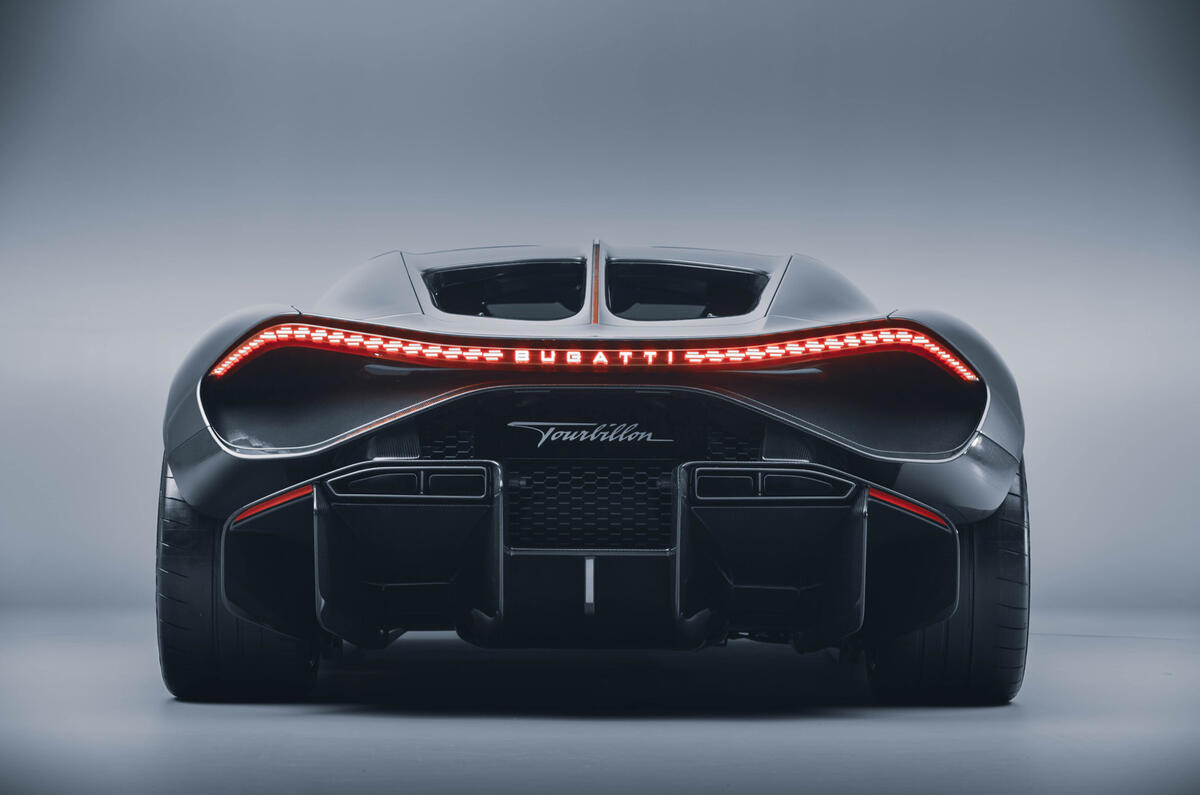
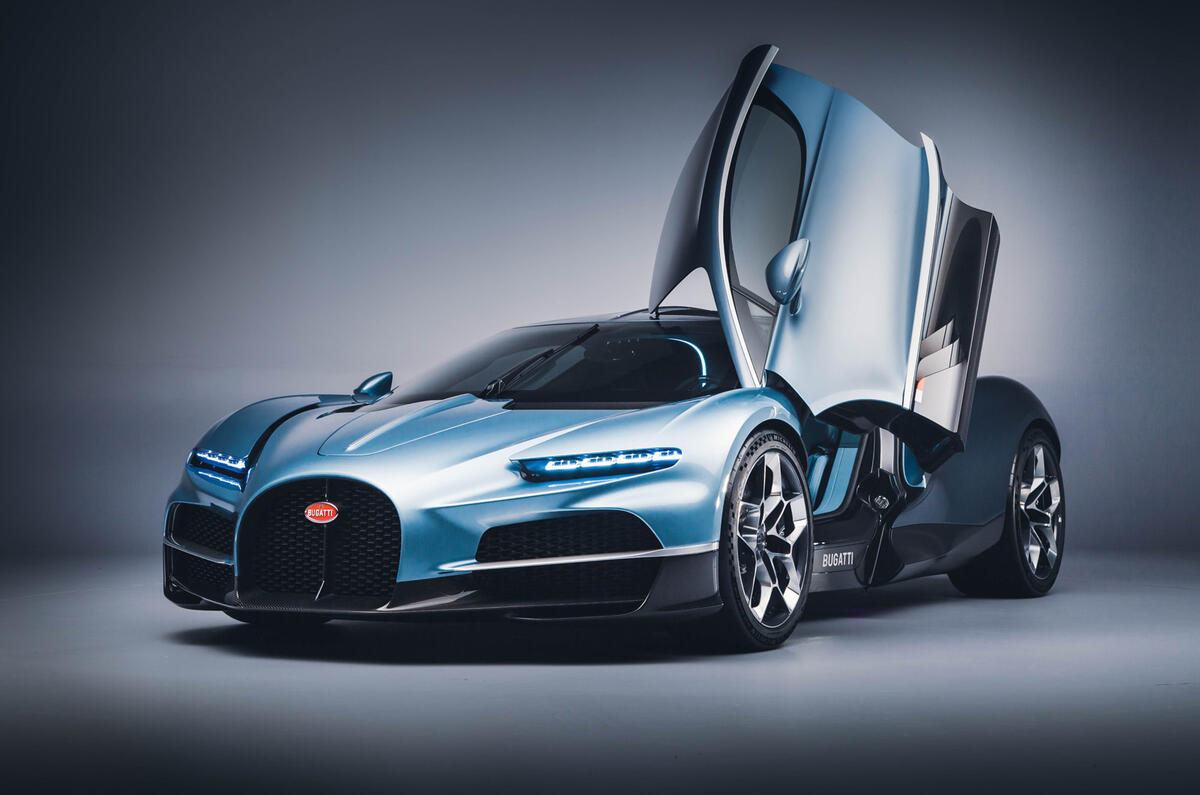
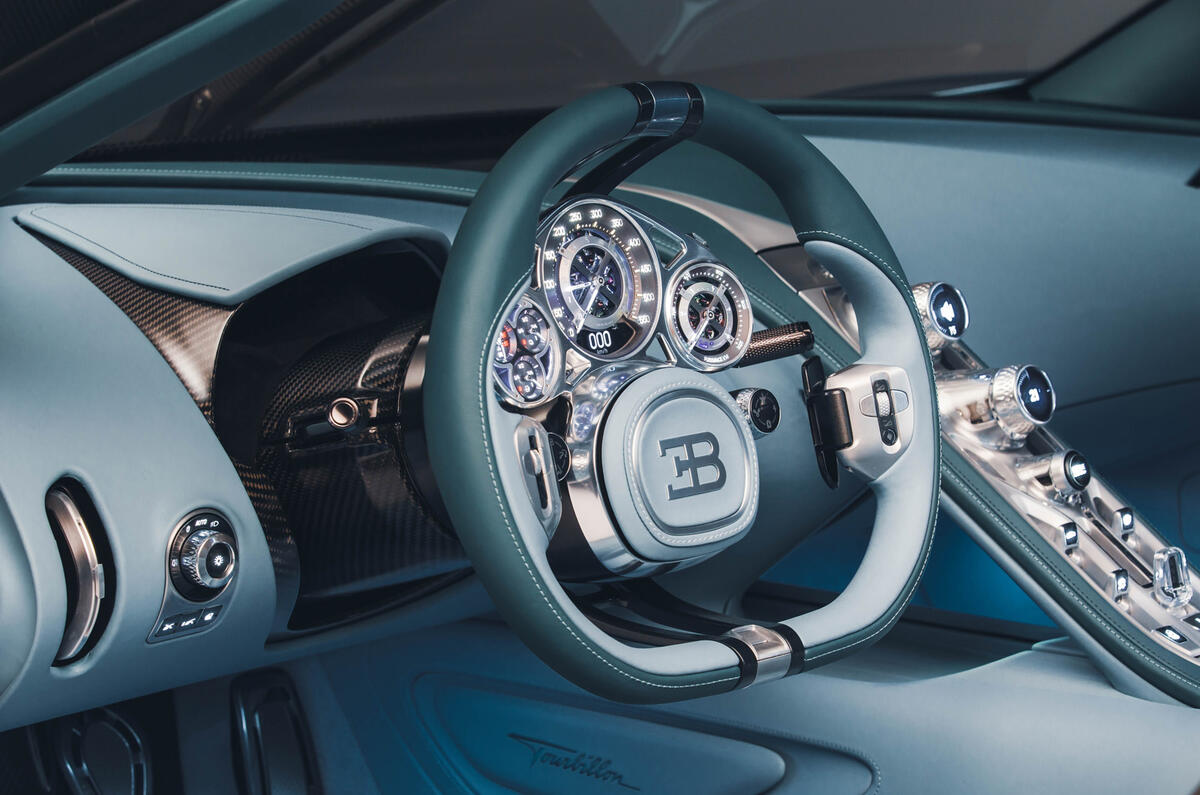
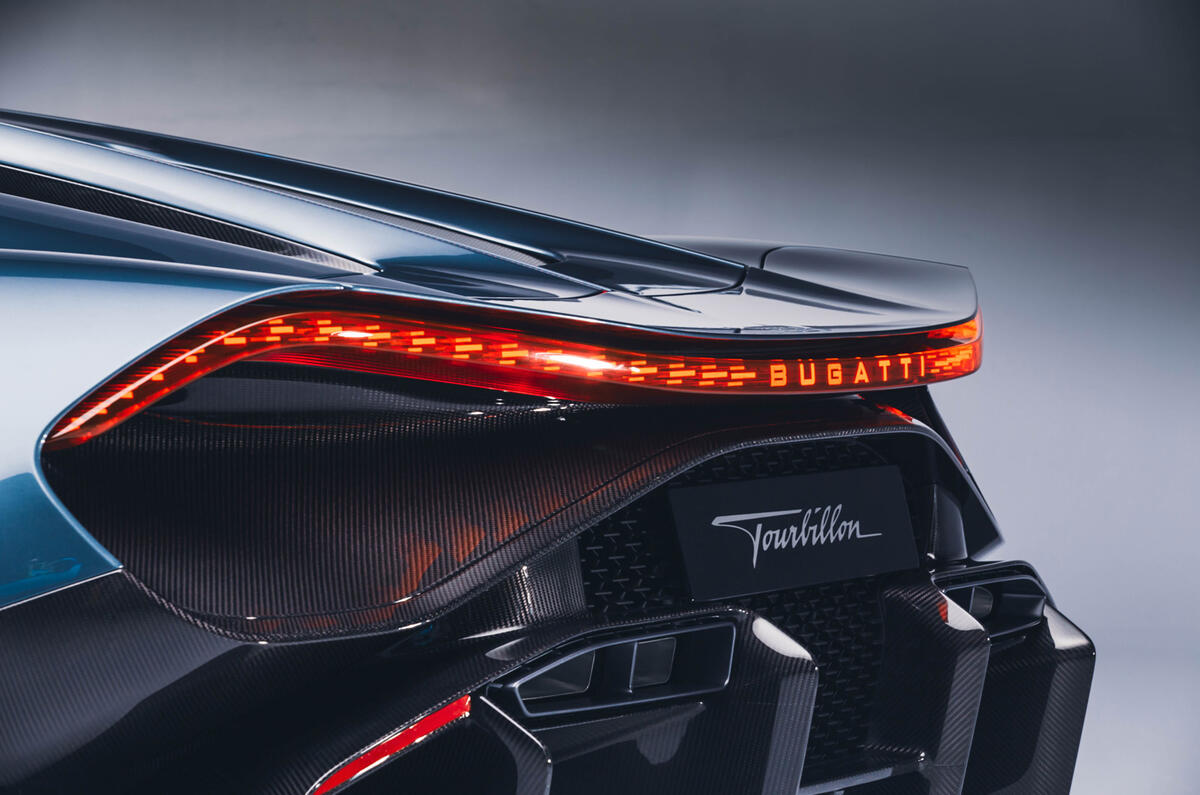
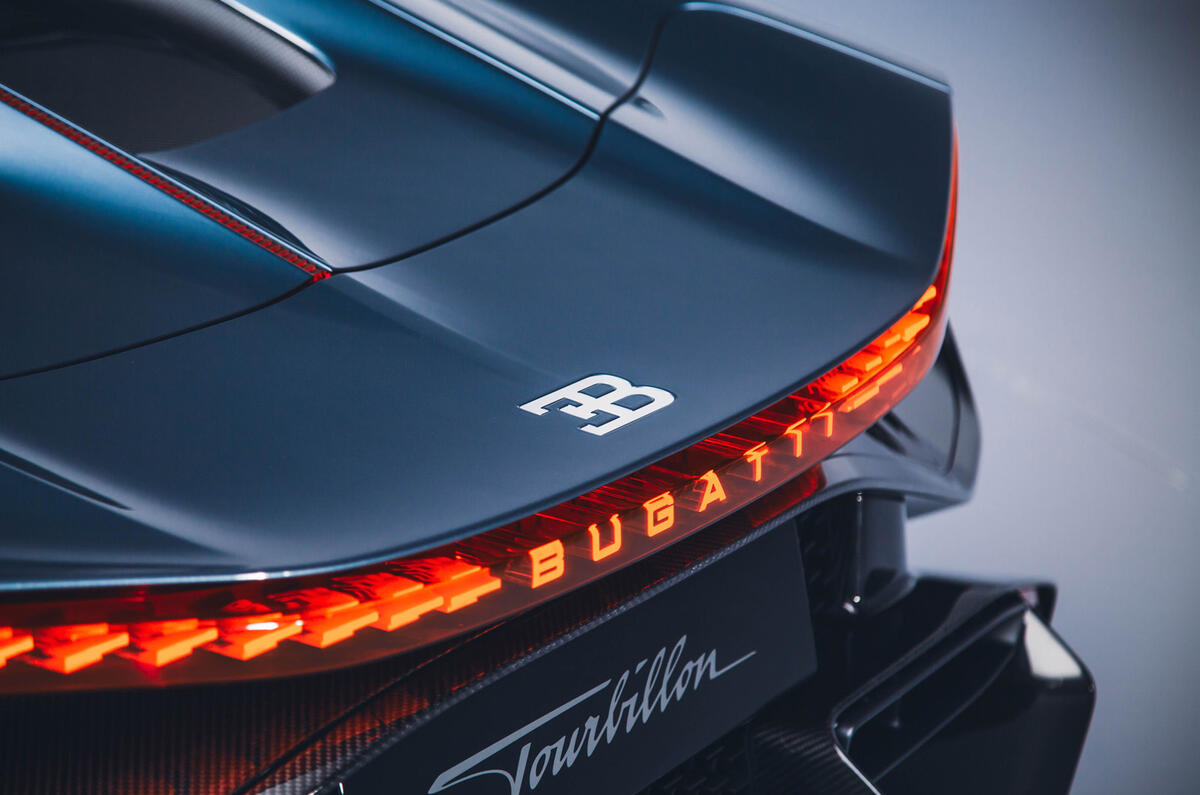
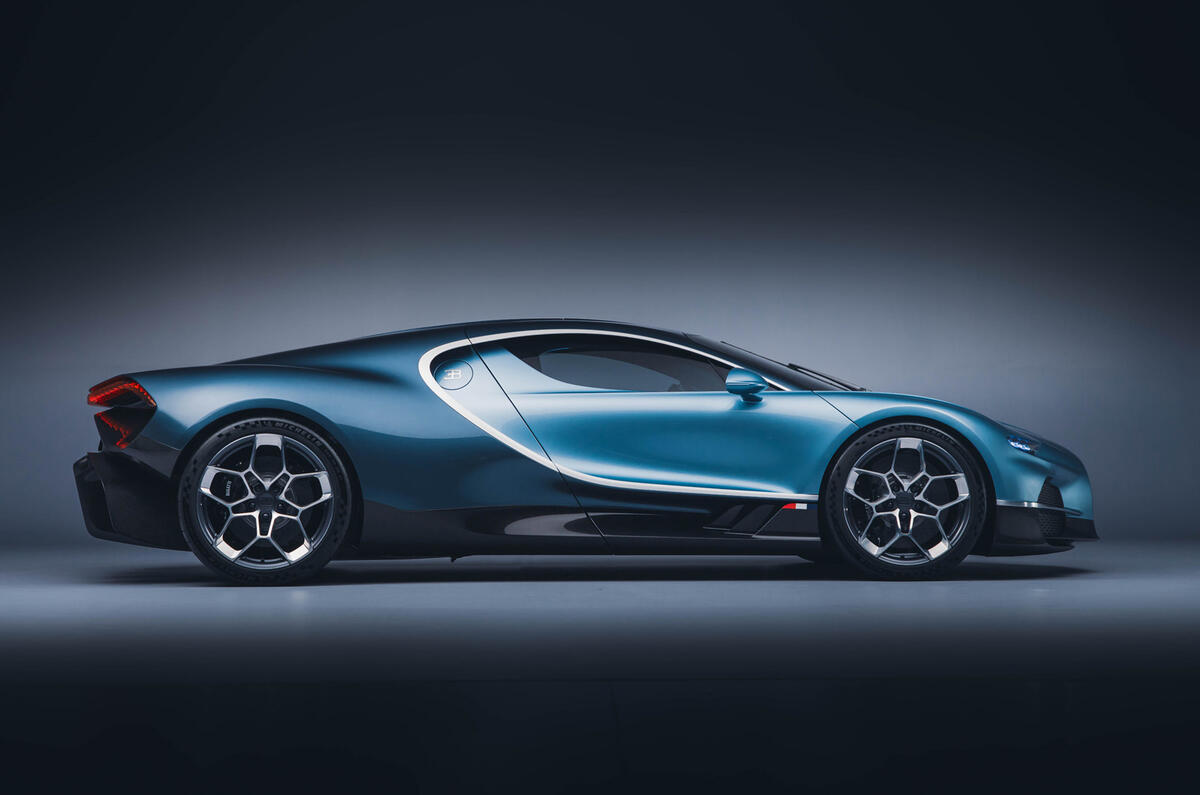
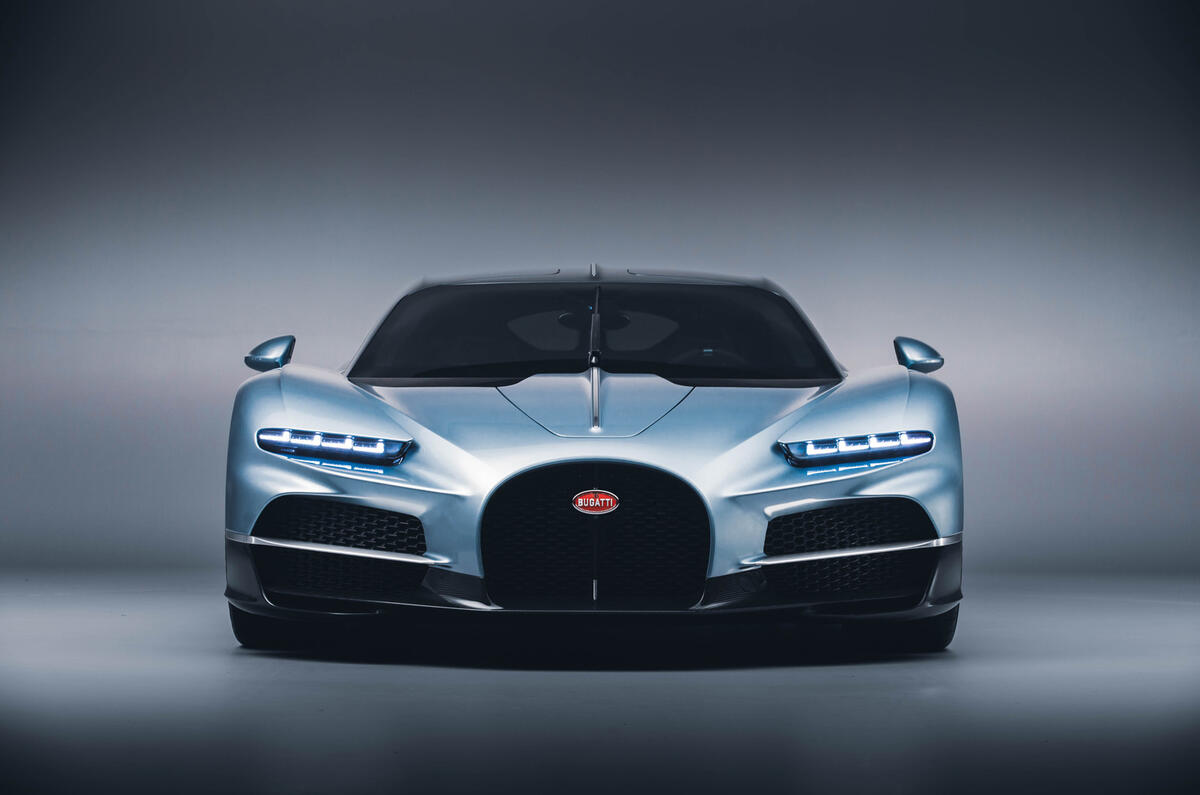
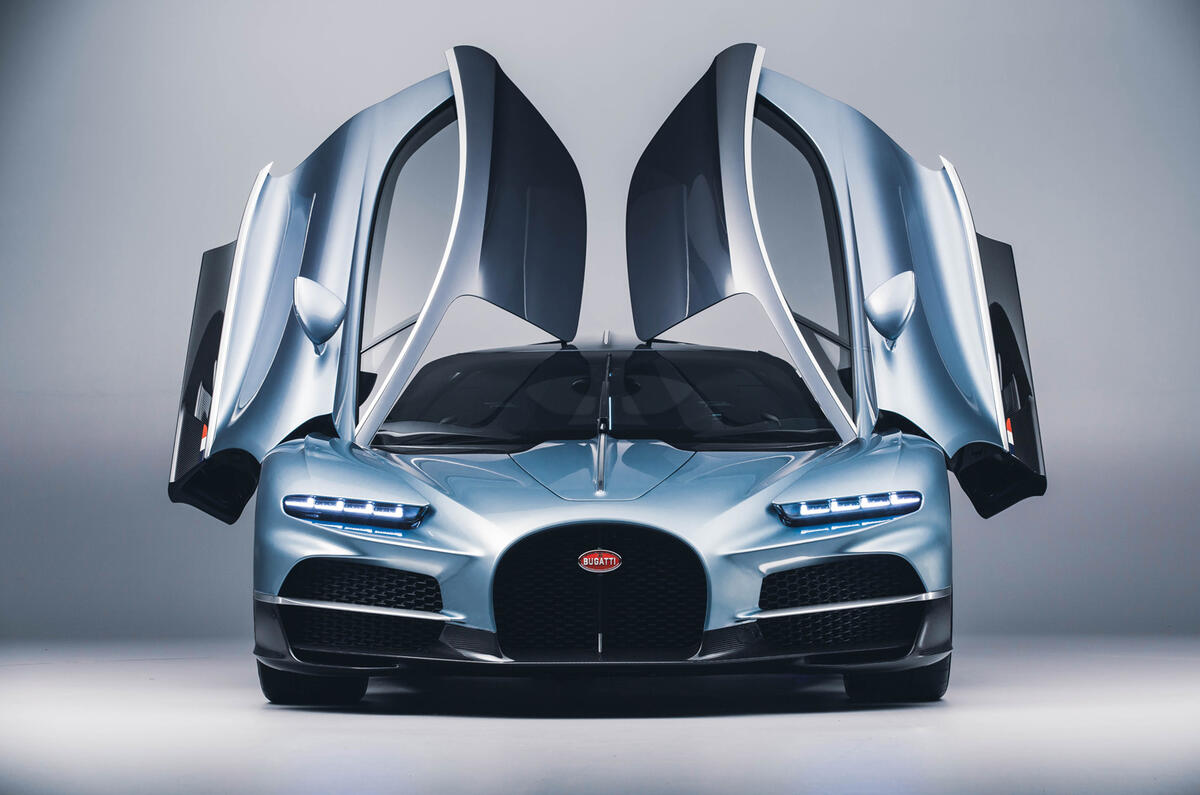
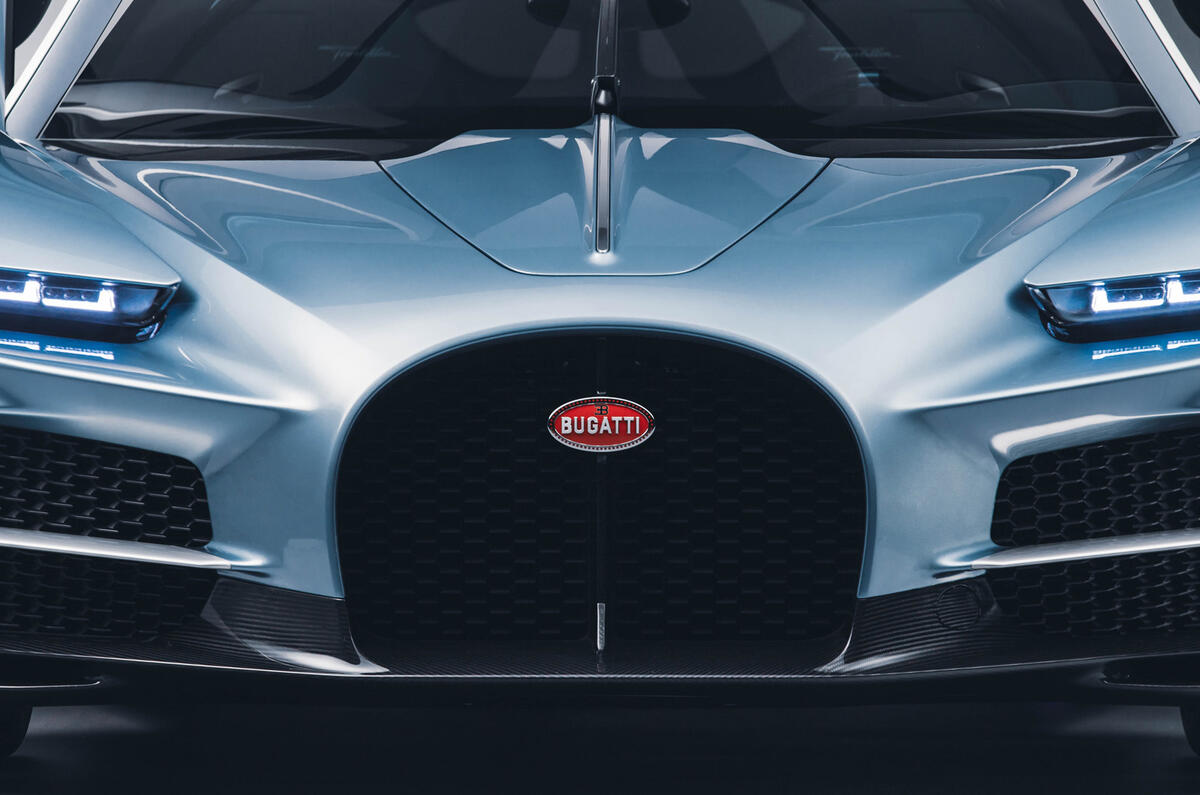
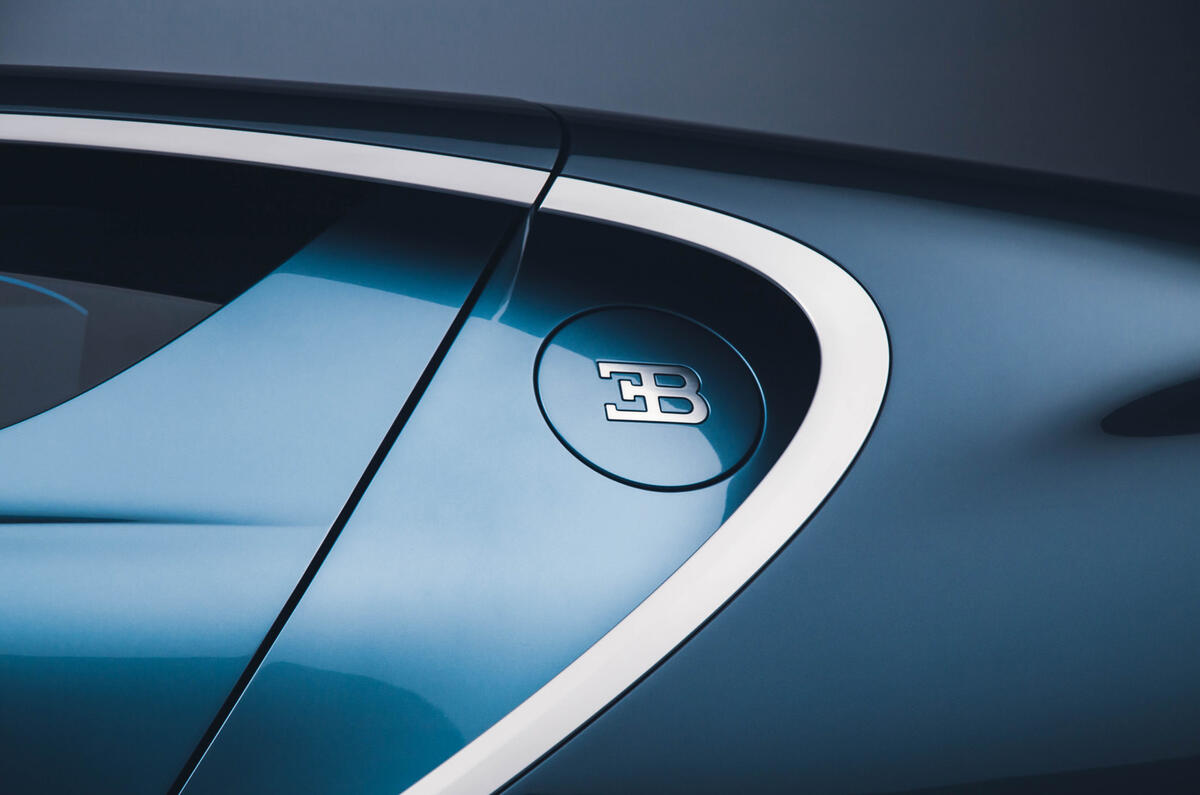
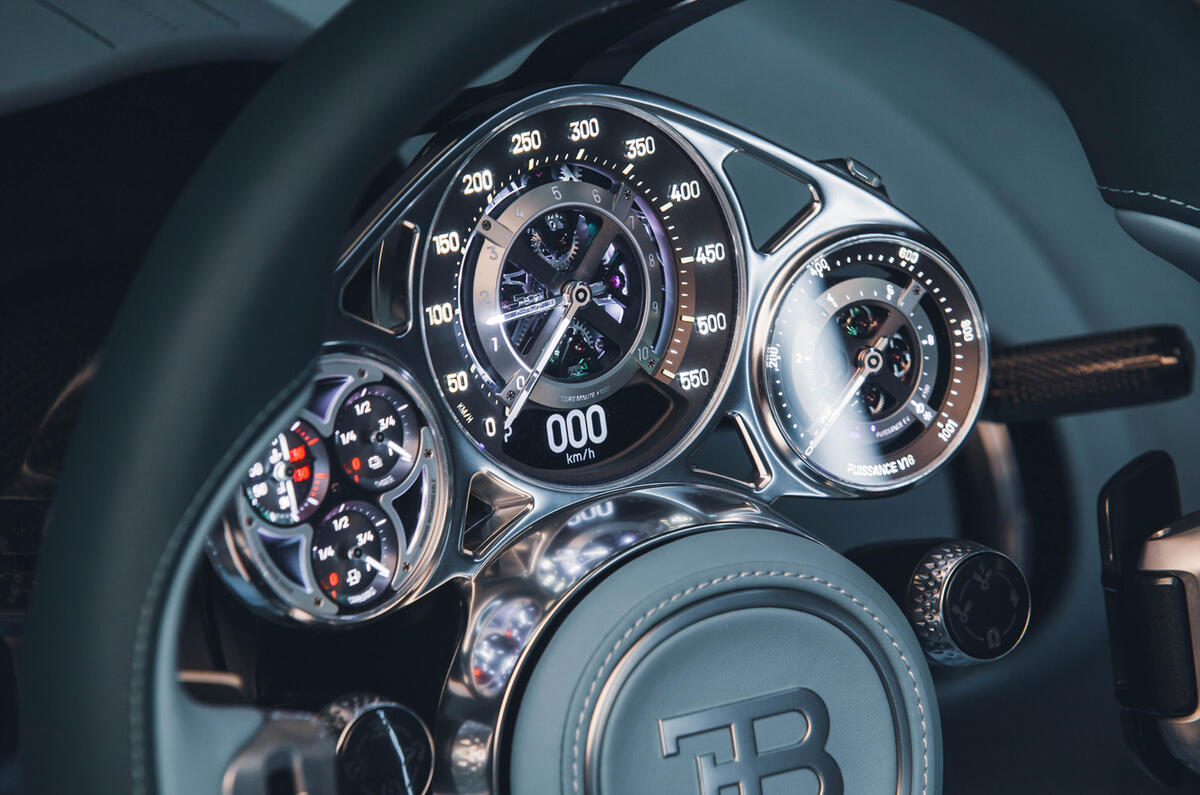
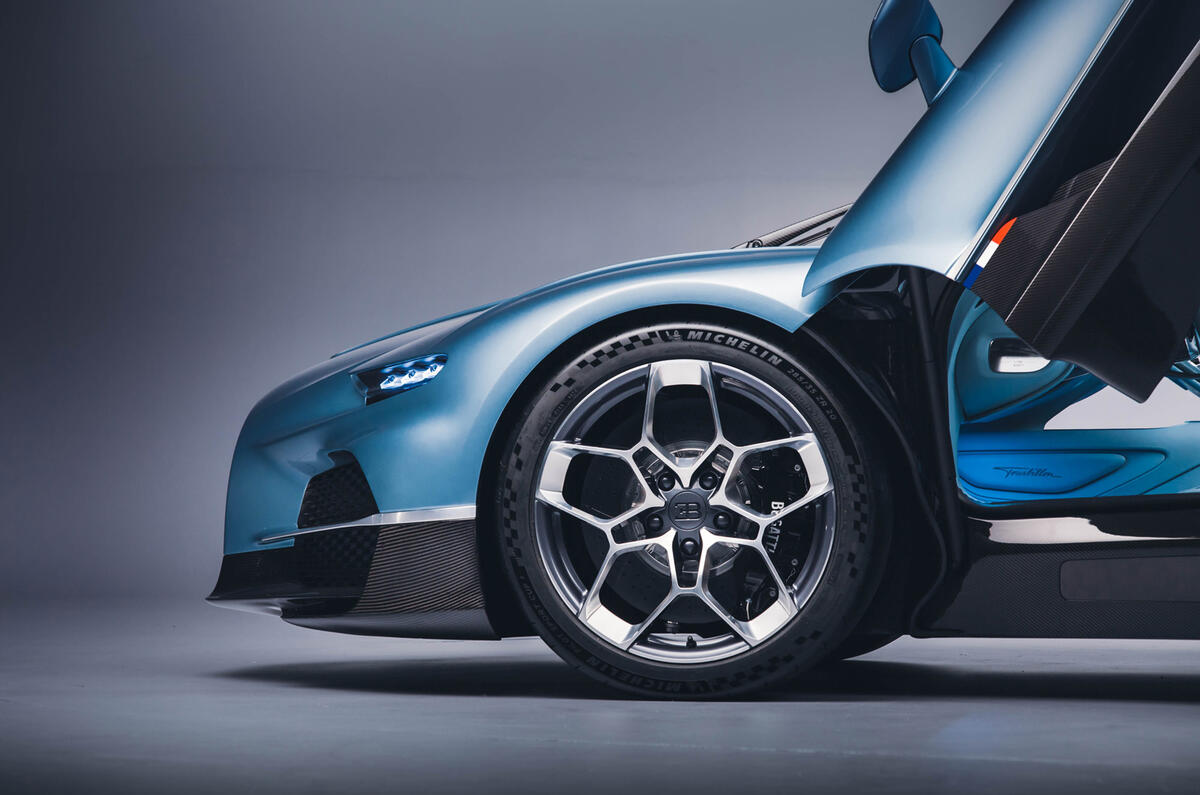
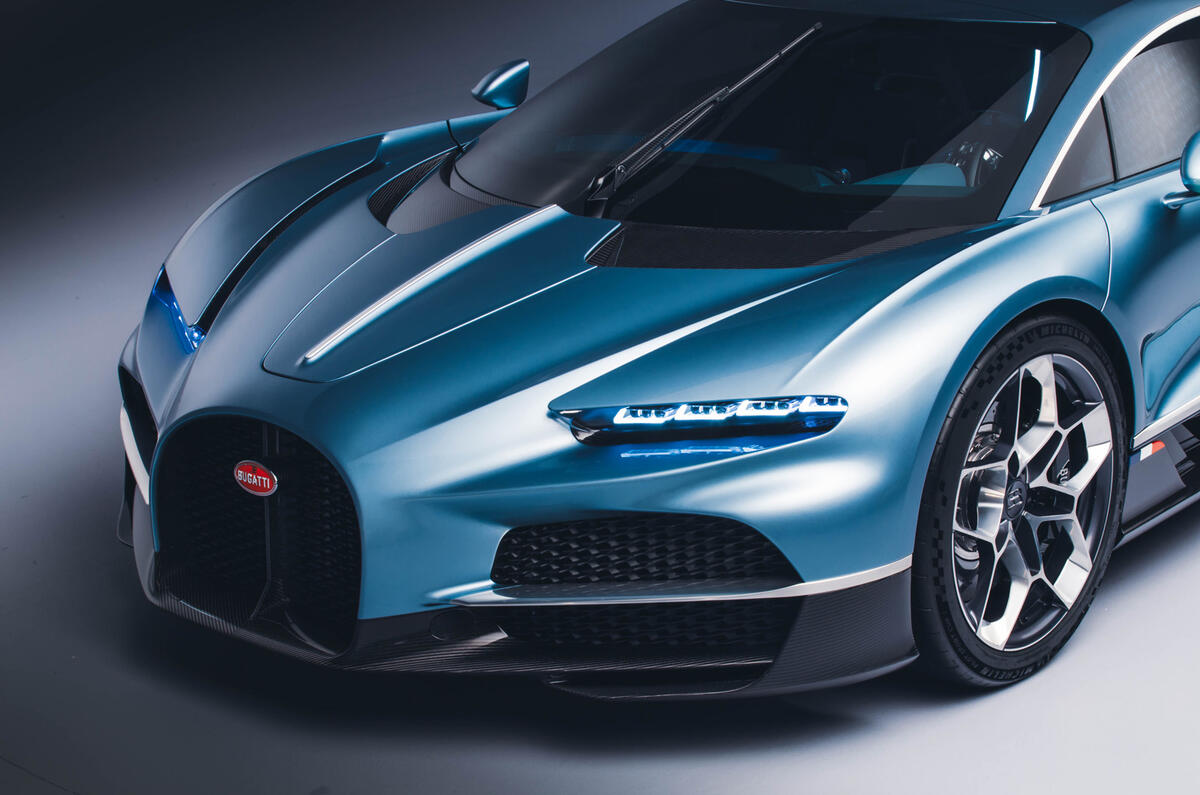
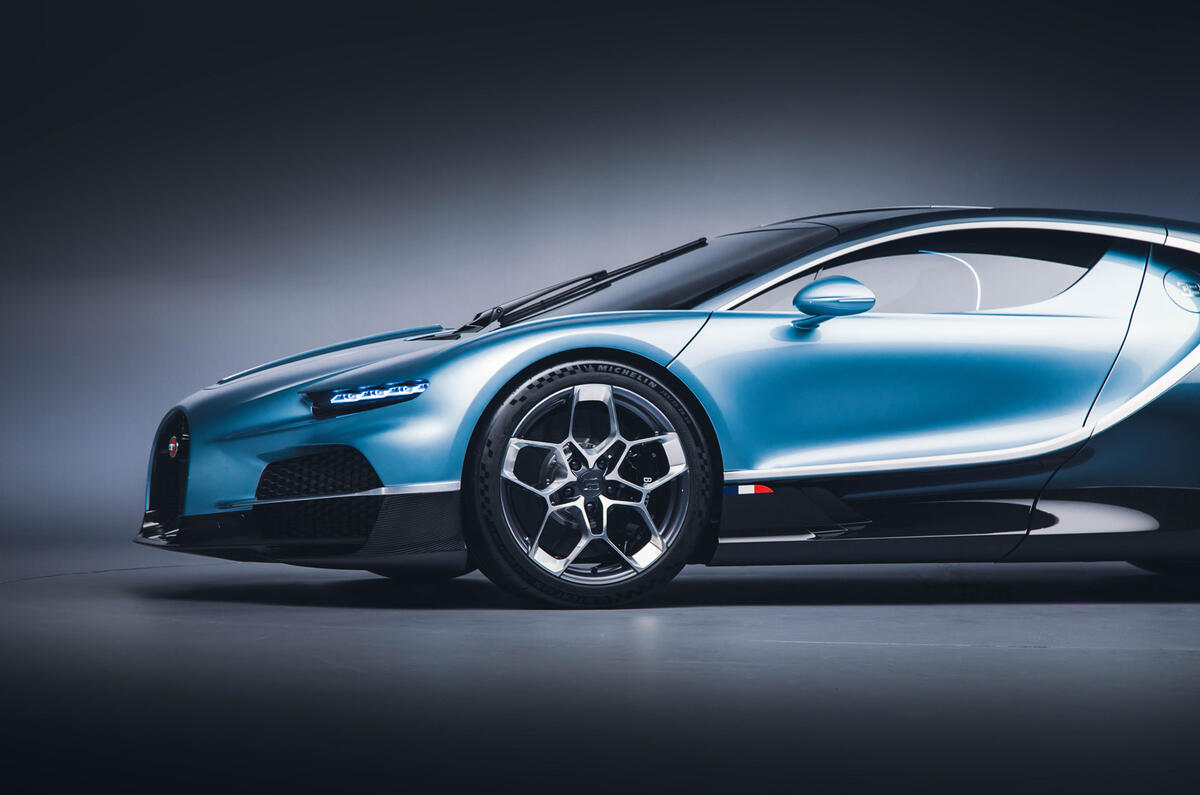

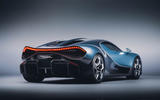
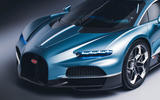
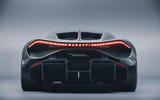
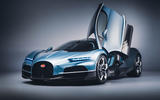
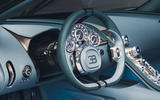
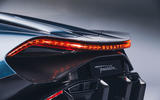
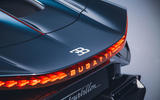
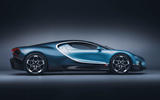
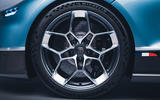
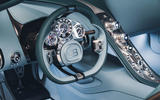

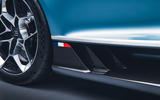

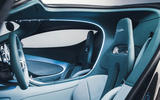



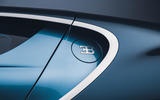

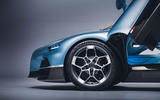
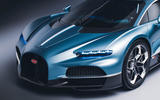
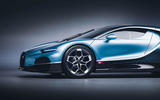

Bugatti's new era begins with the arrival of the long-awaited Tourbillon hyper-GT, which replaces the Chiron with a dramatic new look, a radical hybridised V16 engine and a target to become the world's fastest road car.
Named for the tiny mechanism that maintains accuracy in high-end watches, the Tourbillon arrives exactly 20 years after the launch of the Veyron, which was the most powerful road car of its time.
That car's successor, the Bugatti Chiron, launched in 2016 and has now ended production at the firm's Molsheim factory in France, in preparation for the new car to be built from 2026.
Just 250 units will be produced, with a starting price of £3.2 million - making this the most expensive new car in 'series' production.
Bugatti CEO Mate Rimac refers to the Tourbillon as "art on wheels, a moving painting", and says he wanted to continue the company's legacy of "bending physics".
While the Tourbillon will obviously be a highly limited and expensive proposition, he acknowledged the huge profile of the Bugatti brand and the influence it can have outside of its core customer base: "We will not change the life of everybody but everyone can be inspired."
When Rimac acquired Bugatti in 2021, the French firm was in the early development phase for an "electric coupé-SUV type of thing", he said, but he "thought that was absolutely wrong for the brand."
"Luckily, I won that argument", he grinned, at the unveiling of his new 16-cylinder hypercar, touting the 'emotional' appeal of a low-slung silhouette and a huge engine.
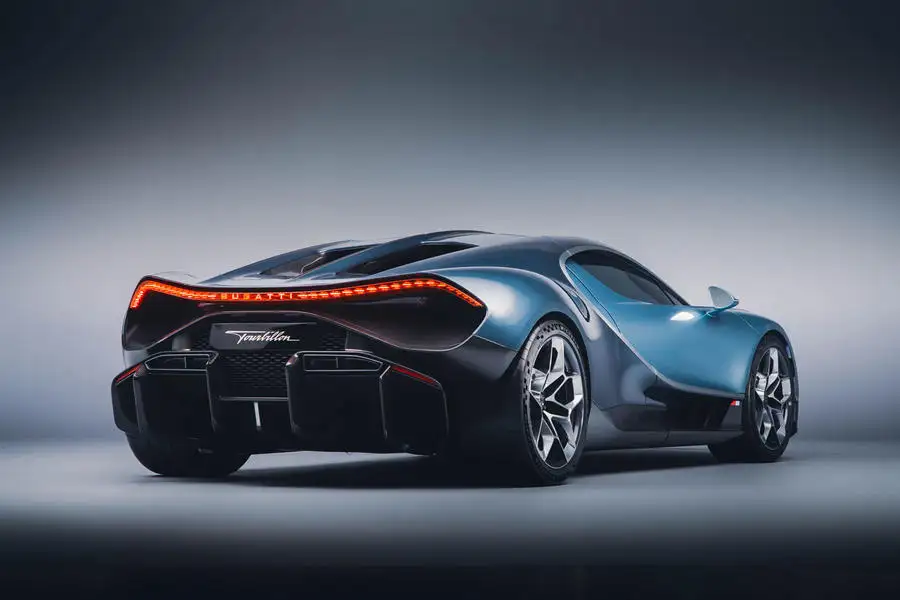
"We wanted to have it very emotional. It has to feel special, because 'if it is comparable, it is no longer Bugatti'," he added, referencing the slogan of company founder Ettore Bugatti.
Powertrain
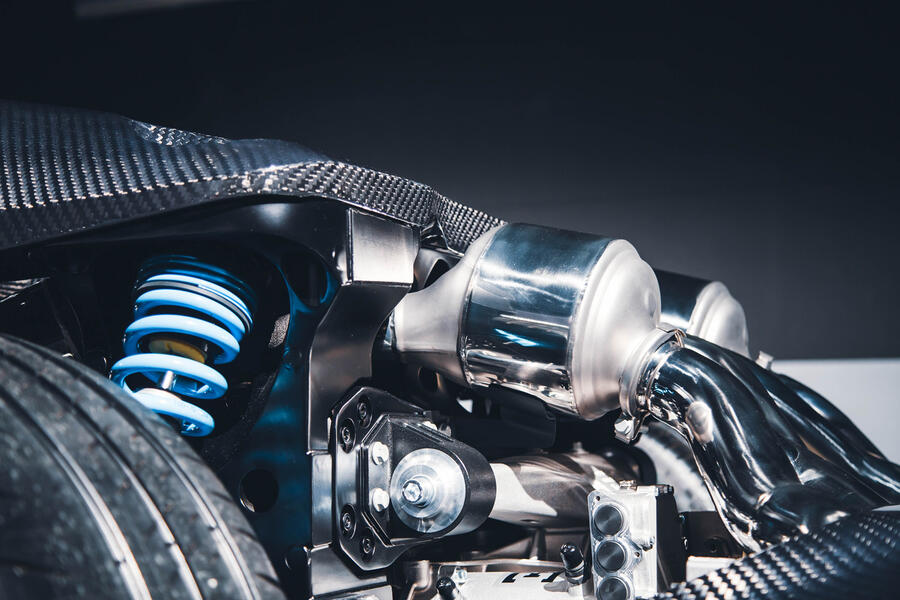
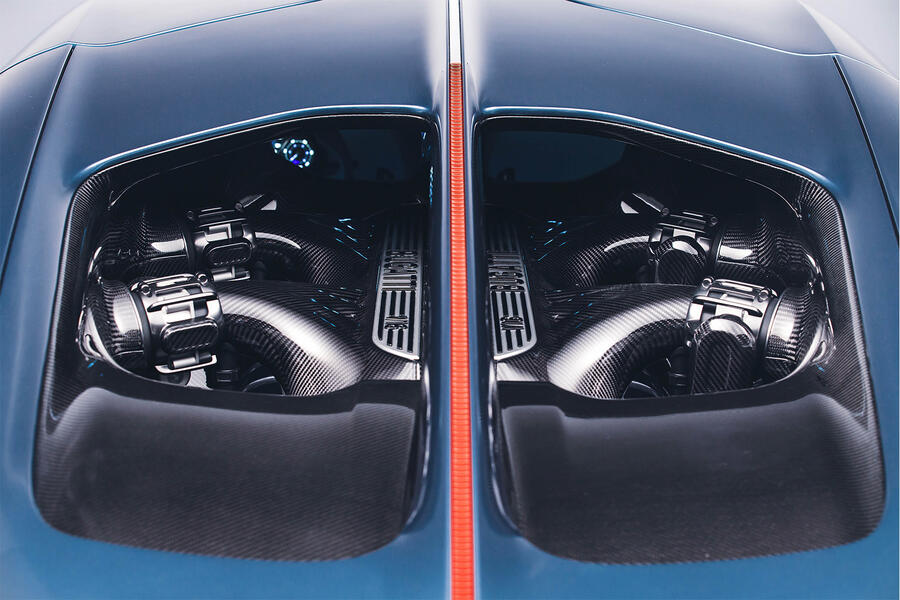
The Tourbillon takes an appropriately outlandish approach to electrification, dropping the behemoth W16 motor which powered the Chiron and Veyron for a 1775bhp plug-in hybrid arrangement centred around a screaming naturally aspirated V16 in the middle.
That engine – the first of this format to power a road car since 1991's ultra-rare Cizeta-Moroder V16T – was engineered in collaboration with Cosworth following the decision not to hybridise the W16 or develop a pure-electric Bugatti model.