











What happens to a town and its people when a major employer leaves it? Many have faced this question and now, with the closure of Honda’s car factory on Friday this week, it’s Swindon’s turn.
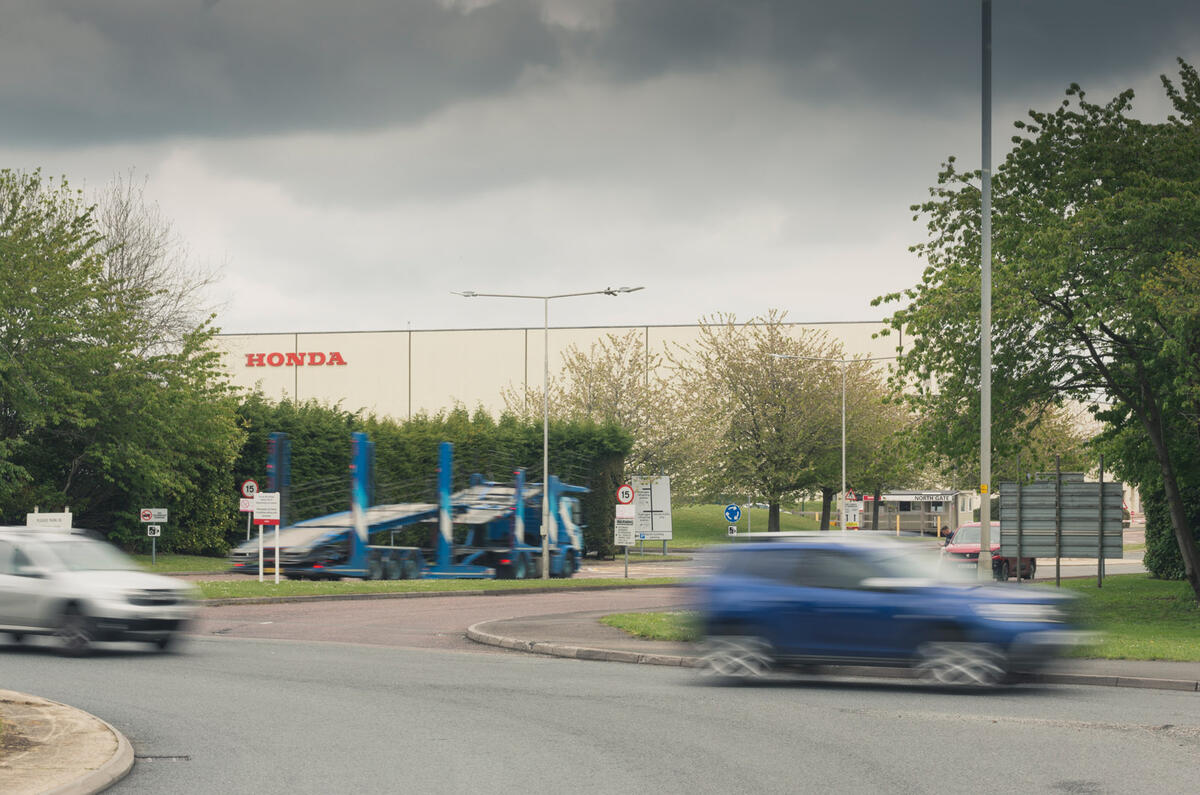
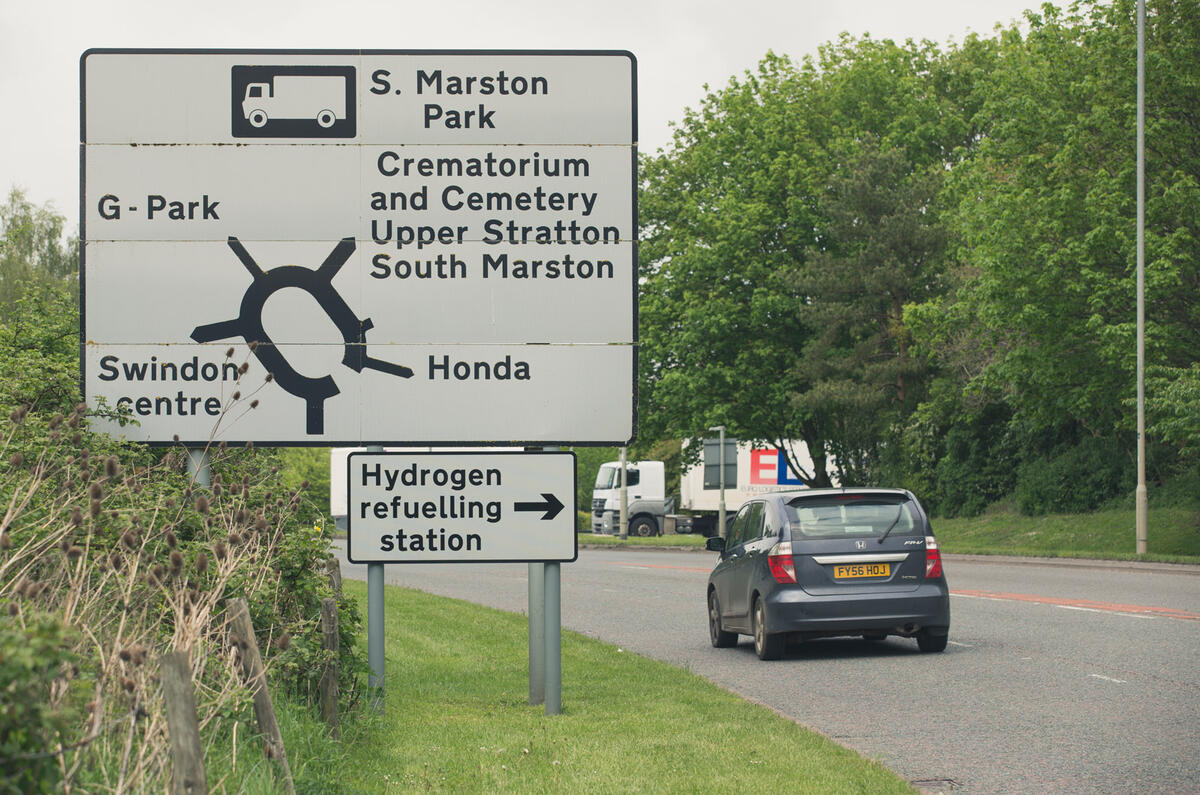
Located to the south-east of the Wiltshire town, built on the old South Marston airfield, it opened in 1985. It was a major moment in Swindon’s history. At the time, I lived and worked 10 miles away, in Cirencester. Some of my friends got jobs there and were cock-a-hoop at the prospect of securing wellpaid jobs and getting on a career ladder. Assuming they stayed, some of them will be approaching retirement age now. Sadly, for younger employees just starting out, the plant’s closure is a body blow. Few firms in Swindon offer working conditions, career progression or salaries as good as Honda’s.
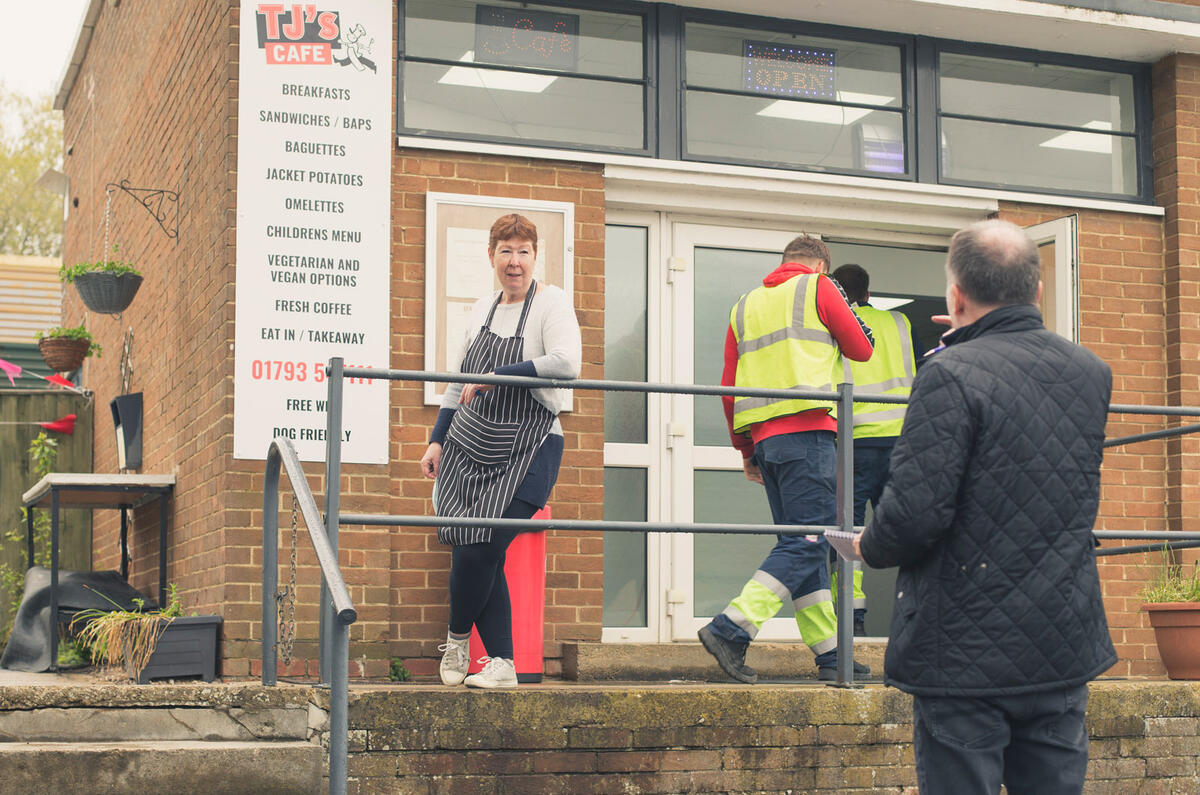
Beyond the security fences of the factory are the people and businesses who support it. Major component suppliers to small roadside cafes: they will all be affected by the closure. What will their future be? I went to Swindon to find out.
It’s raining when I drop by the Supermarine Sports and Social Club, half a mile from the Honda factory. Out of the blue, a van turns up. It’s the local pest controller – and he’s not happy. “There’s going to be a surge of tradespeople when the Honda plant closes, all competing with the existing ones,” he tells me. “Honda has organised training in various trades, including electrical and plumbing. Workers are going to leave the plant after a couple of weeks thinking they know the job. Already I’ve had people telling me that they’ve found a bloke who worked at Honda who can get rid of their rat problem for less than I charge.”
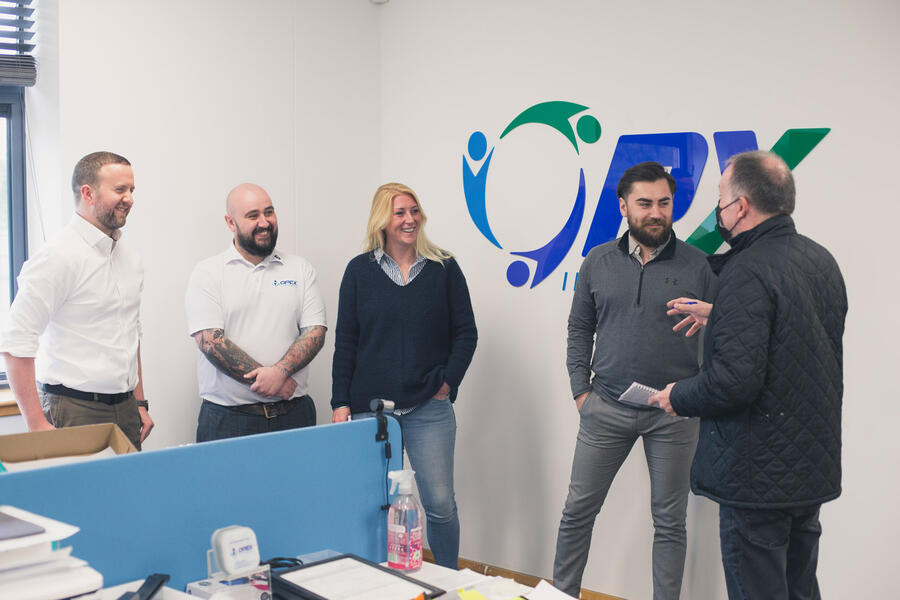
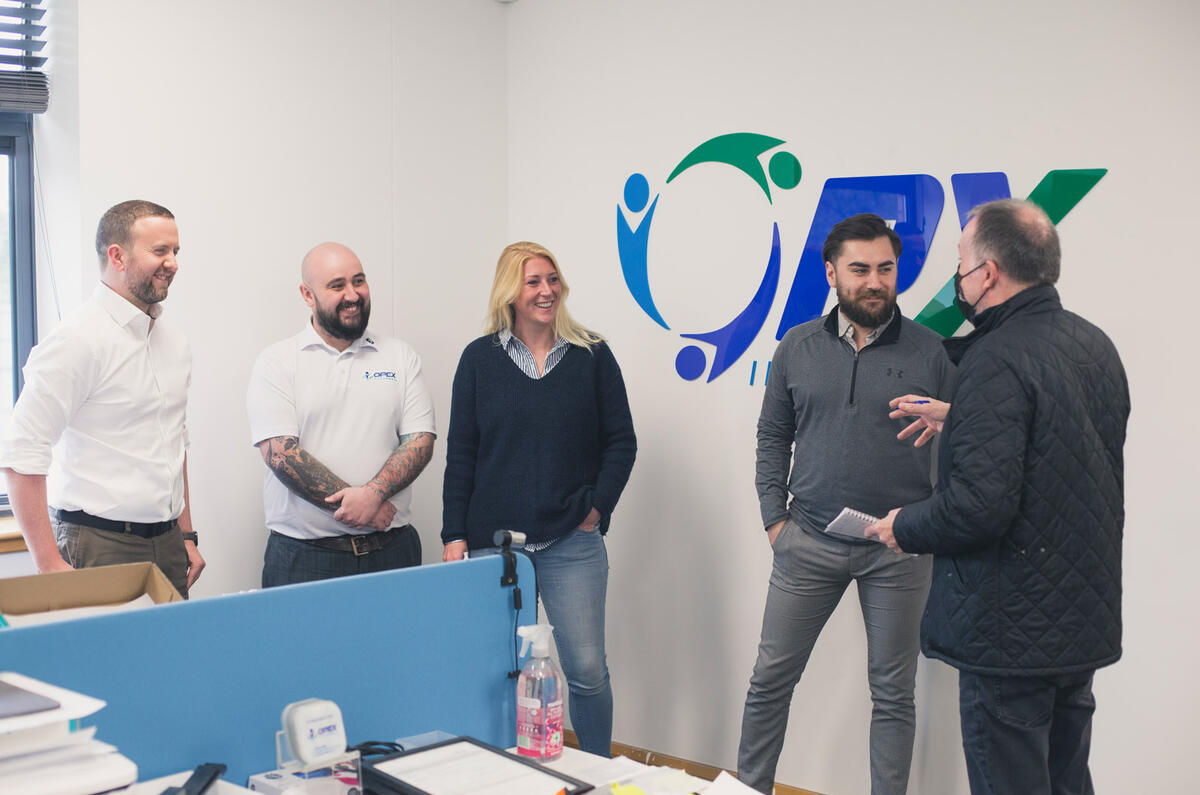
An anxious rat-catcher was the last person who I expected to hear from, but he has got me thinking that while the factory closure is a threat to some people in Swindon, it’s an opportunity for others. My theory is confirmed a few minutes later when, a short drive from the club on the South Marston industrial estate, I spy a recruitment agency. Opex Personnel opened only 18 months ago, but its timing couldn’t have been better.
“There are more jobs than people to do them, and the problem is becoming acute,” says Ashlea, the agency’s regional manager. She reveals that, along with two other local agencies, Opex gave a recruitment presentation to 3400 staff at the Honda plant in February and found that most were well trained and qualified in their roles. “The calibre of people leaving Honda is phenomenal, so its closure will benefit other businesses,” she continues. “Swindon’s strength is industrial logistics, and the future for this sector is rosy. HGV and forklift drivers are all needed, and many people leaving Honda have these skills. They will need to be realistic regarding salaries, though. Not every company pays as well as Honda.”