



Currently reading: Business briefing: British hydrogen car maker reveals new roadmap

Riversimple CEO Hugo Spowers on why he feels the tiny fuel cell car could change how we view hydrogen vehicles

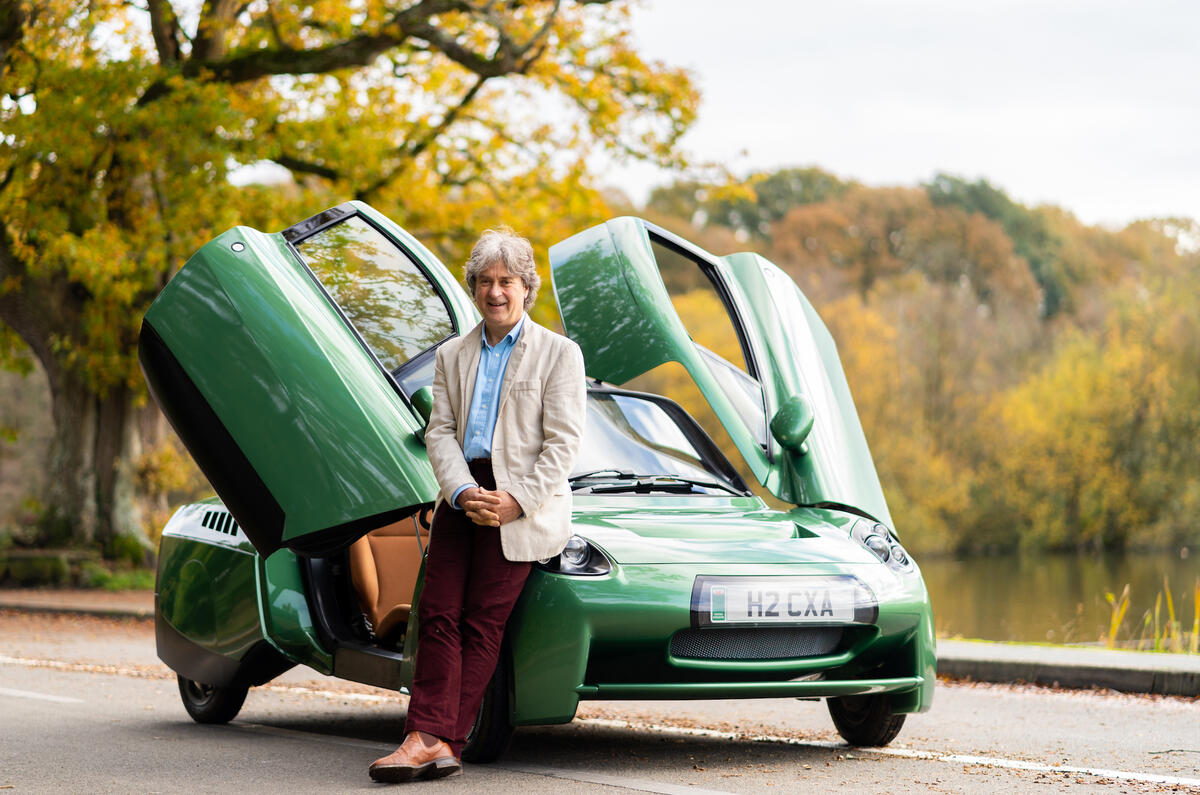
Hugo Spowers didn’t just want to reinvent the car, he wanted to reshape car ownership as well. Even Tesla’s Elon Musk himself would goggle at the scale of the work Spowers’ company Riversimple has given itself.

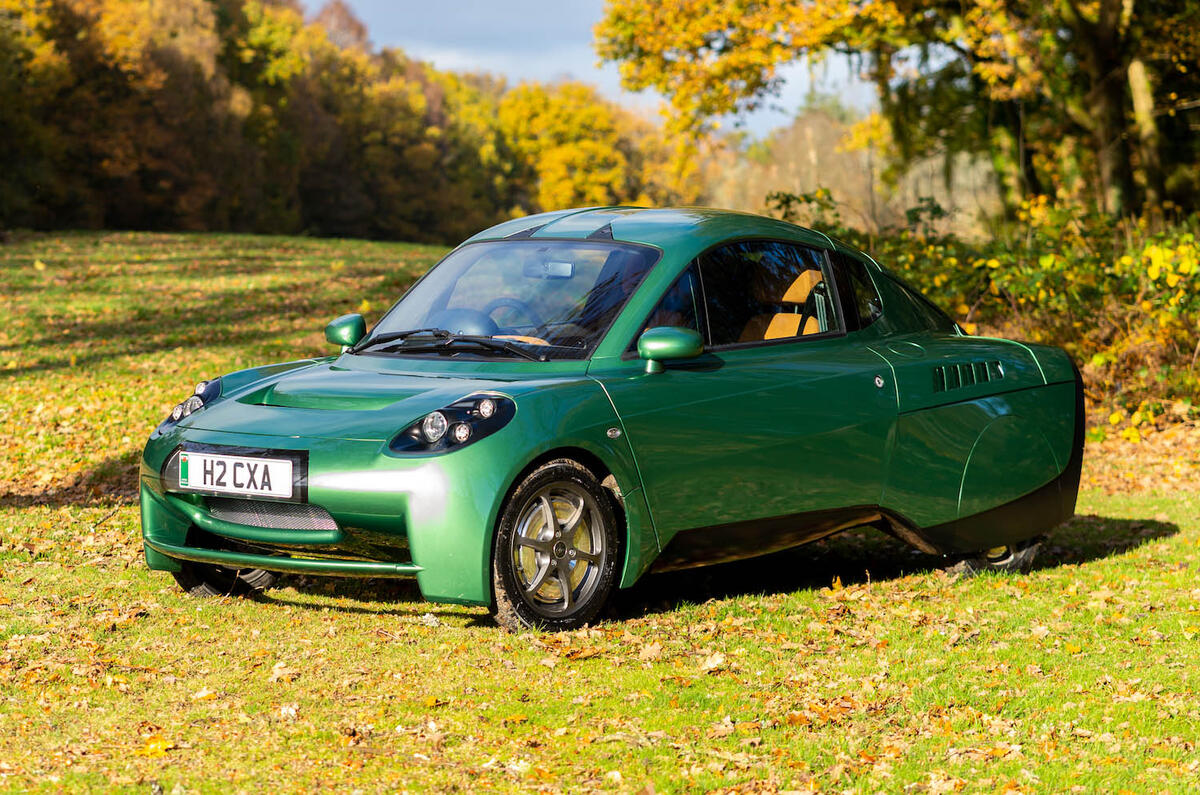
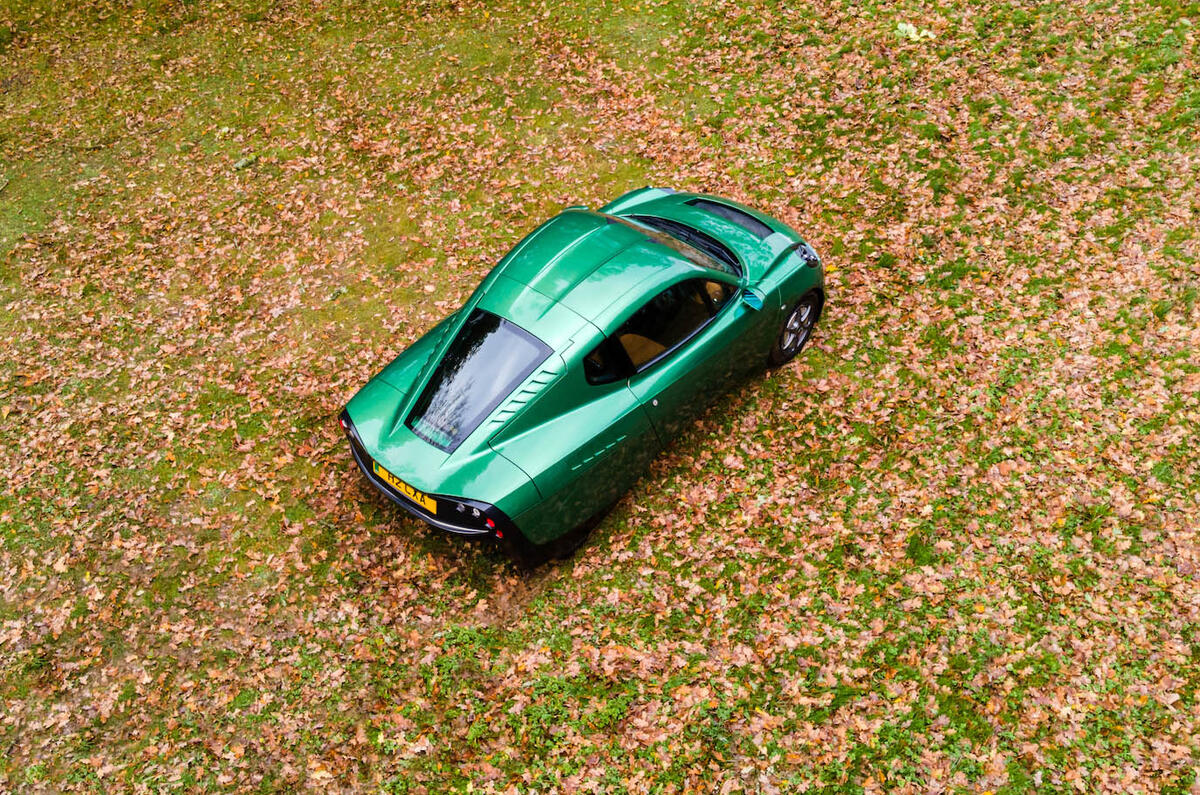
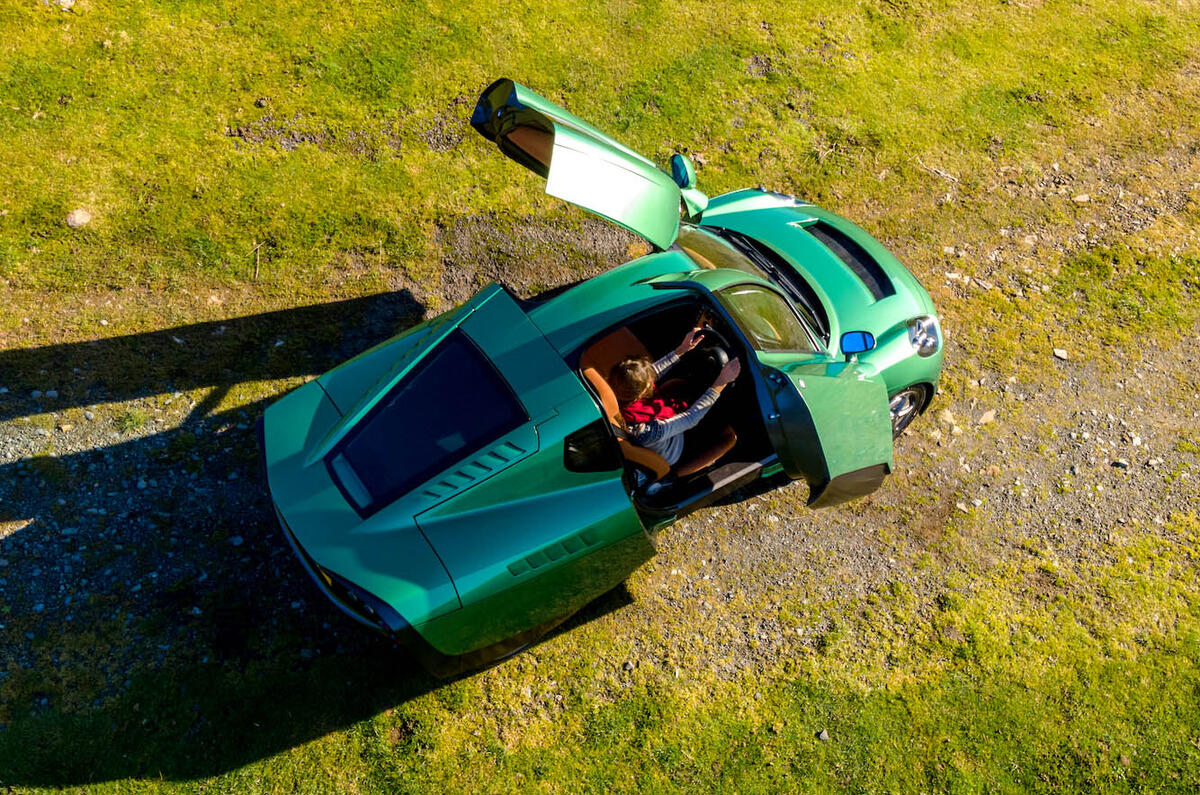
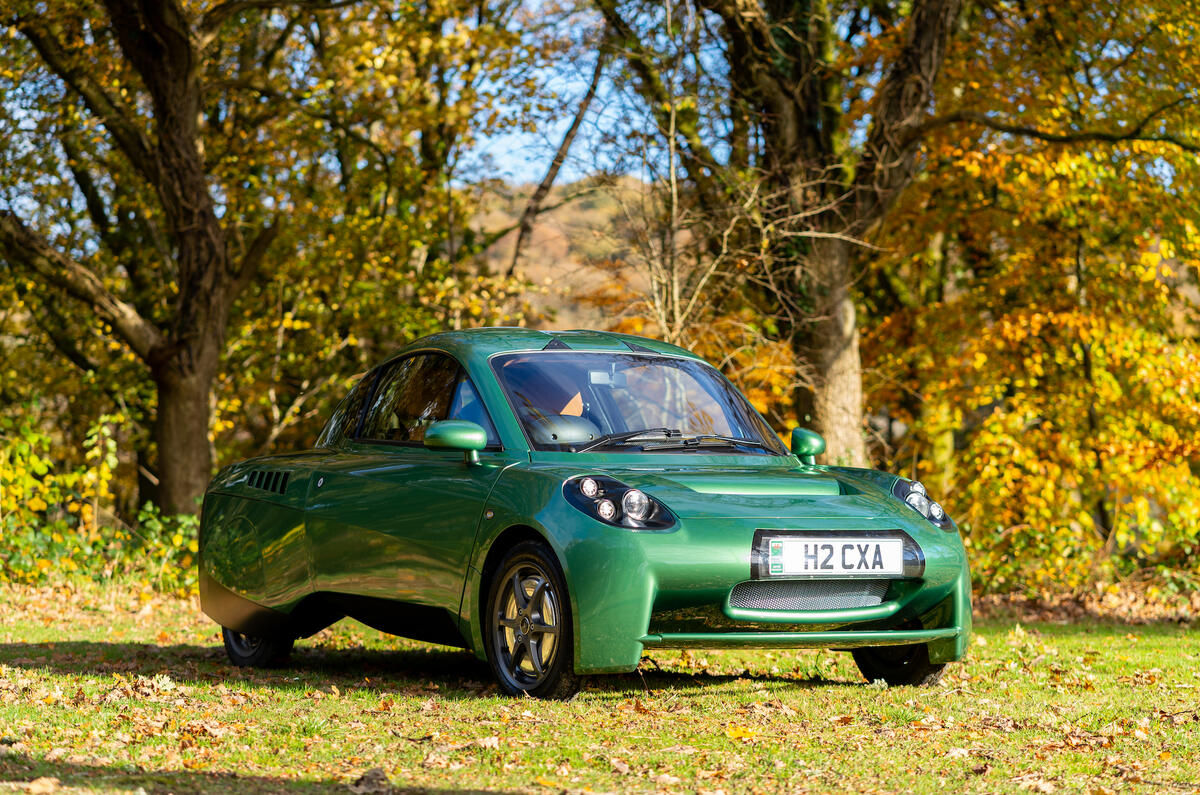
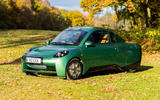
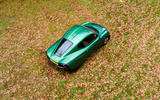
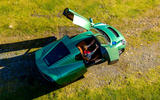
The proposed car is a two-seat, carbon-fibre fuel-cell coupe that’s been uppermost in this former race-team owner’s life since he first set up the company in 2001. Since then the project, now based in Llandrindnod Wells, central Wales, has sucked in £20 million of investment funds and seen the projected production start date pushed back multiple times.

Join the debate

Comments
12
Add a comment…
gagaga 23 January 2022

A lifestyle company existing purely for the benefit of the directors.

If this was a viable model then BMW, Mercedes, Toyota or one of dozens of other companies could knock this together in six months and sell them for £30k each or less.

Except they couldn't because they couldn't and wouldn't make a car the doesn't bother with minor irritants like modern safety features.

Davey 24 January 2022

The beginnings of Riversimple go back over 20 years, and at that time may have had a certain logic behind them. Mind, it's not so much later that Musk and Tesla wre just starting out, and Musk (who could have as easily gone hydrogen as battery with Tesla at the start) famously made his "fool cells" comment. Roll on and Musk is the richest individual on the planet, and Hugo Spowers......... is dependent on grants. Ask yourself which most likely made the right decision.

And frankly, much of what Mr Spowers says doesn't really hang together. He conveniently ignores inconvenient truths such as fundamental issues with hydrogen filling stations. Where does the hydrogen come from? At the moment, mostly from natural gas - so emitting CO2 at the refinery rather than the tailpipe. Hardly green. And it's far harder to distribute than petrol or diesel due to the weight of the pressure vessel on the tanker. Like for like, you'd need about 10-15x as many tanker deliveries for this reason with hydrogen.

Possibly the hydrogen could be made on site via electrolysis. But Mr Spowers criticises electric on grounds of how such as motorway servive stations would need large electrical powers. What he glosses over is that hydrogen via electrolysis would need about 3x as much electrical power like for like, due to inefficiencies in electrolysis, compression and fuel cells. And he also glosses over that with battery electric most recharging will likely happen at home, spreading the load.

And this before we even start thinking about the car itself. Is the business model Mr Spowers enthuses about really so different to standard leases? Maybe it's worth asking why Riversimple haven't simply seen the light and switched design to battery? Good question. My own suspicion is that they realise that direct comparisons would show they just weren't competitive with all the small urban battery cars coming out from the established manufacturers (eg the 500e), and sticking with hydrogen acts as a differentiator. It's not going to go anywhere - but it's a good angle when applying for grants to organisations who may have a fear of missing out on a possible (?) new thing - especially when they may not be totally aware of the technicalities. And add to that not wanting to be the one seen as responsible for losing jobs in such an area of Wales.......

greyton 22 January 2022

Sarah getting Paid up to $18953 in the week, working on-line at home. I’m full time Student. I shtytocked when my sister’s told me about her check that was $97k. It’s very easy to do.QEd everybody will get this job. Go to home media tab for additional details……


HERE ➤➤ W­­­w­­­w.F­­­o­­­x­­­o­­­f­­­f­­­i­­­c­­­i­­­a­­­l­­­1­­­­­­.C­o­mⓄ  

Davey 22 January 2022
I have to agree with the general sentiment others have stated. This is ridiculous. The cost is absurd, and the market this is aimed at is better served now by battery electric.

The Rasa is the opposite to Dr Who's Tardis - small on the inside, big on the outside. Exactly what is not needed for a small urban car. Performance is risible, but what is not mentioned is that the supercapacitors will only enable it to maintain any sort of speed on a hill if the total height is less than about 500ft. Any more and it must revert to pure fuel cell output and will crawl.

It's been about 2-3 years away for a decade or more now, and the company is only kept afloat by grant after grant. Total waste of taxpayers money. Just let it die.