


What is it?
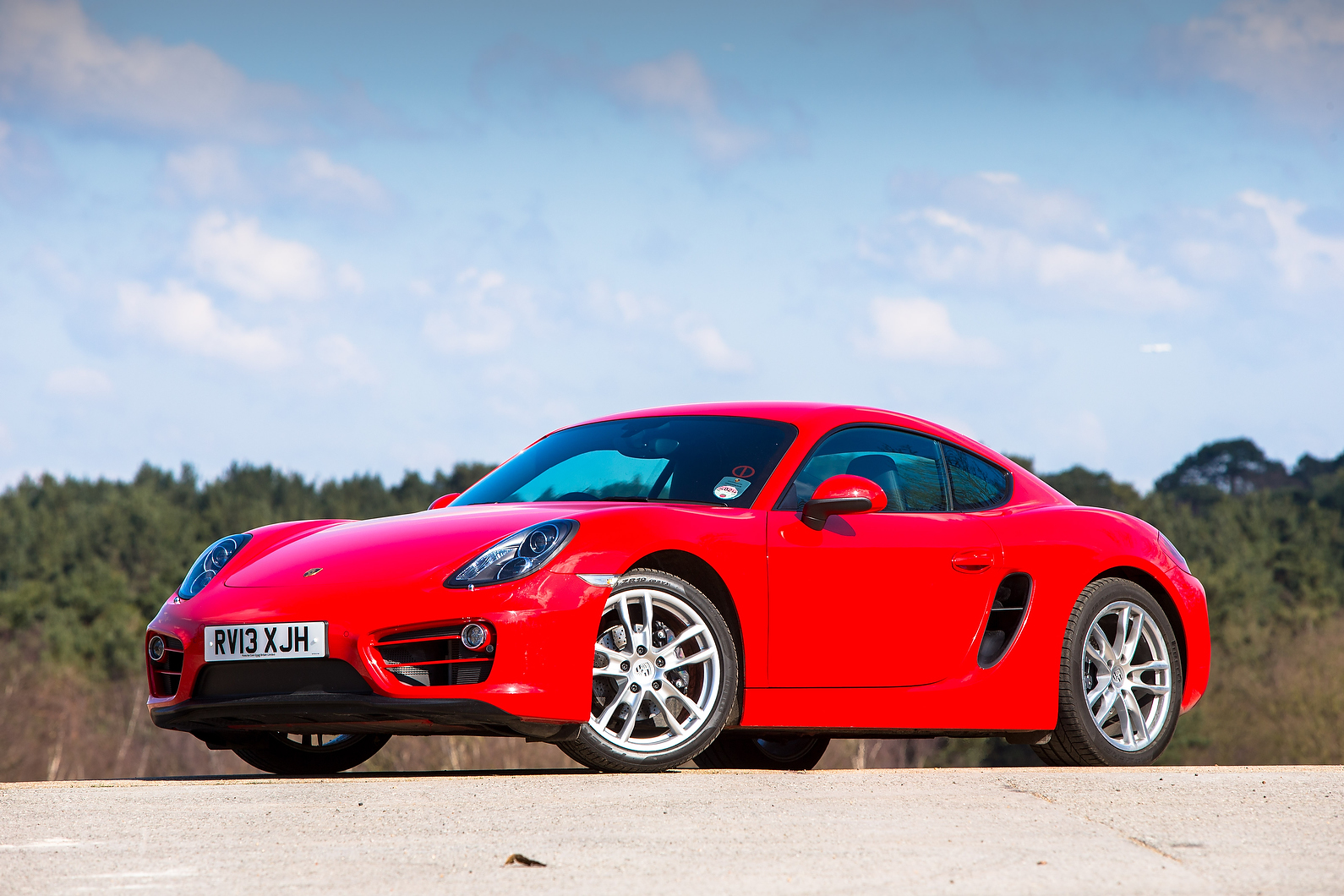
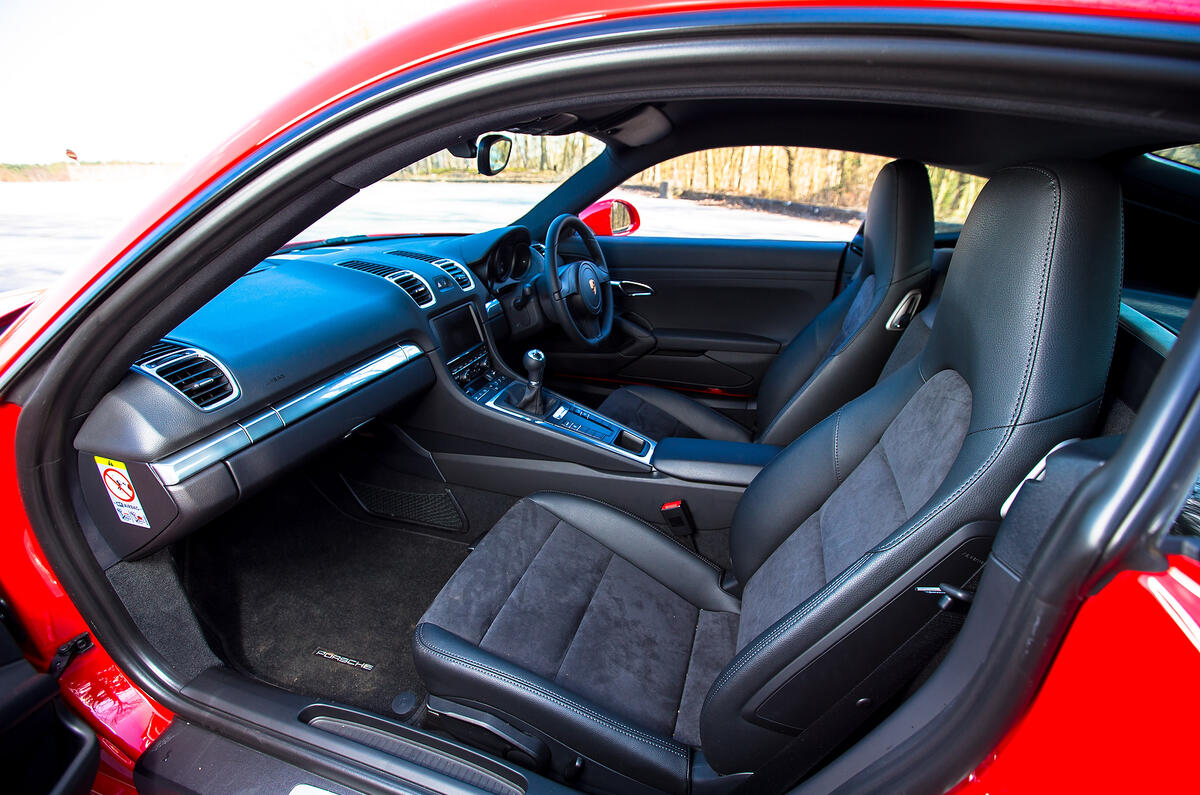
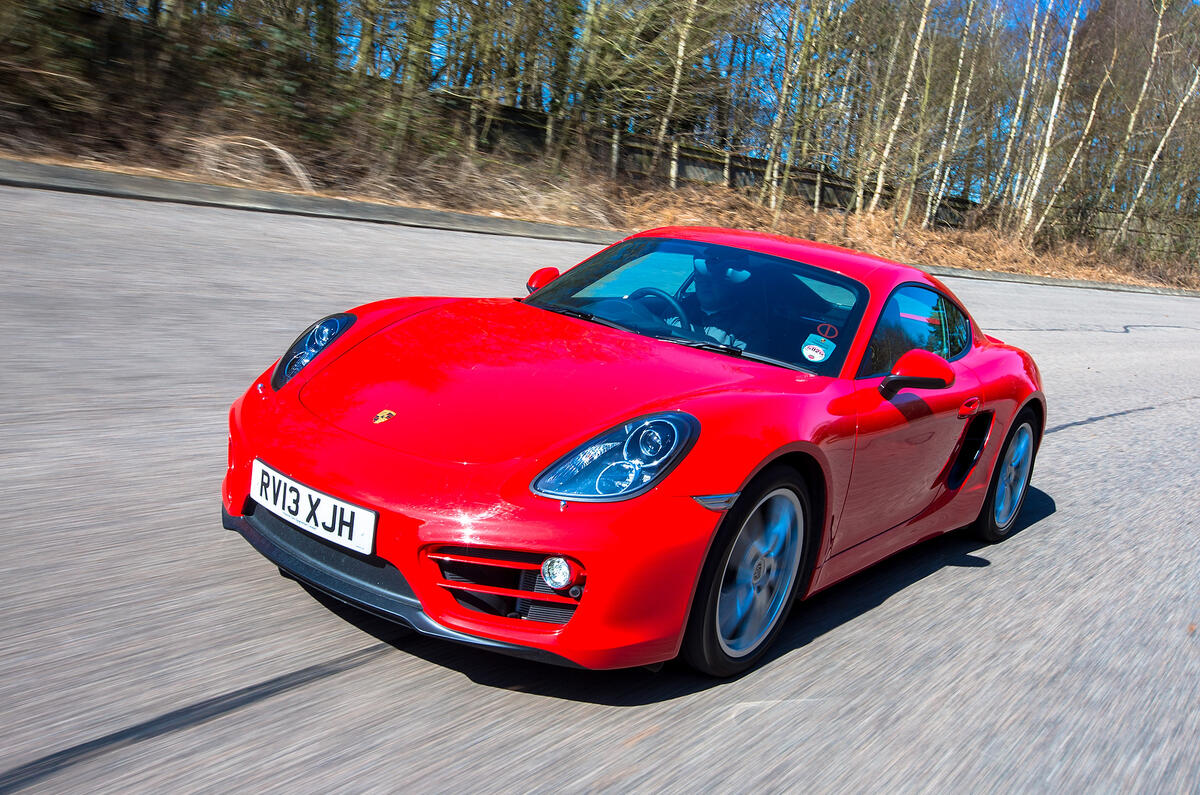
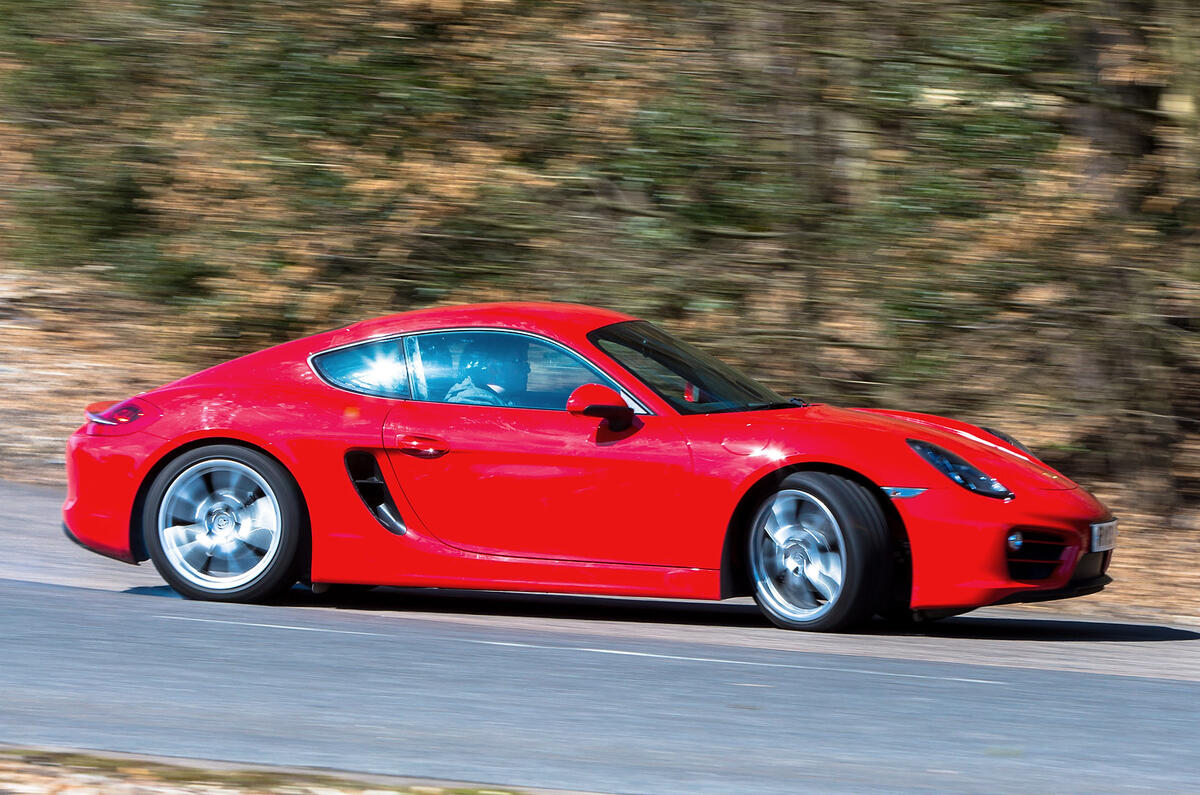
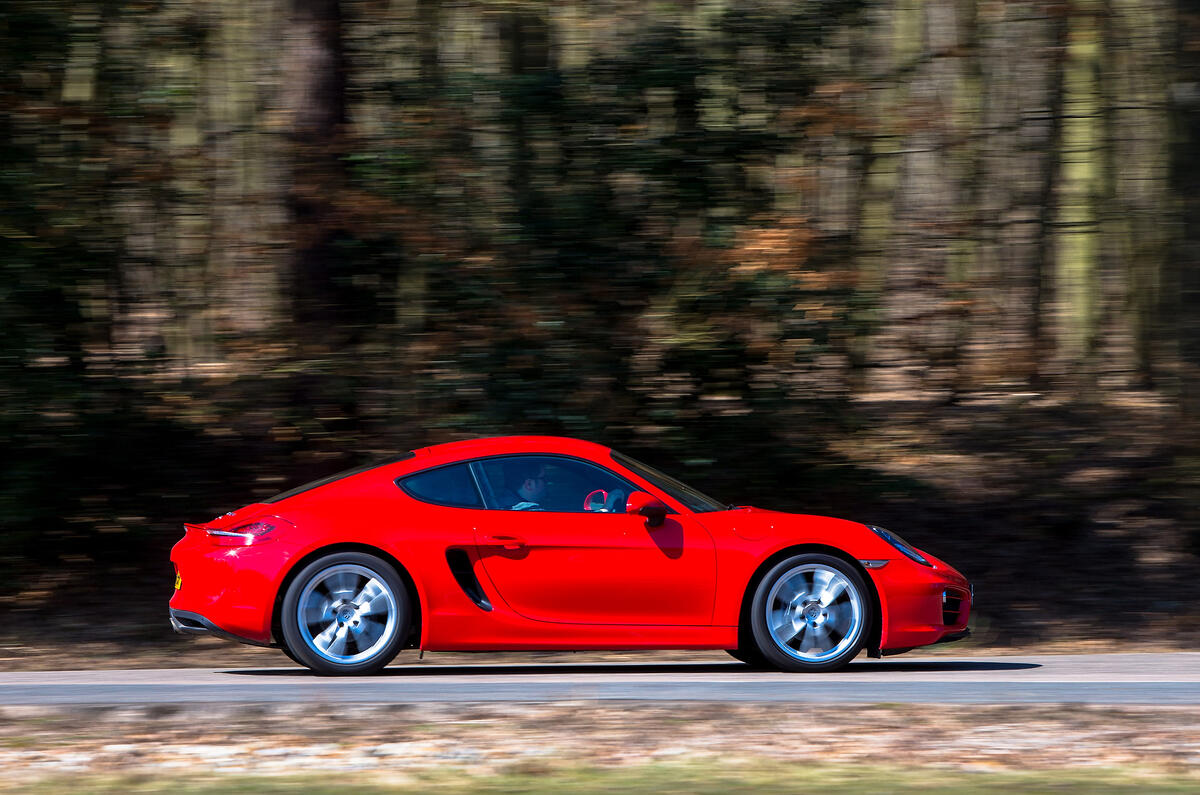
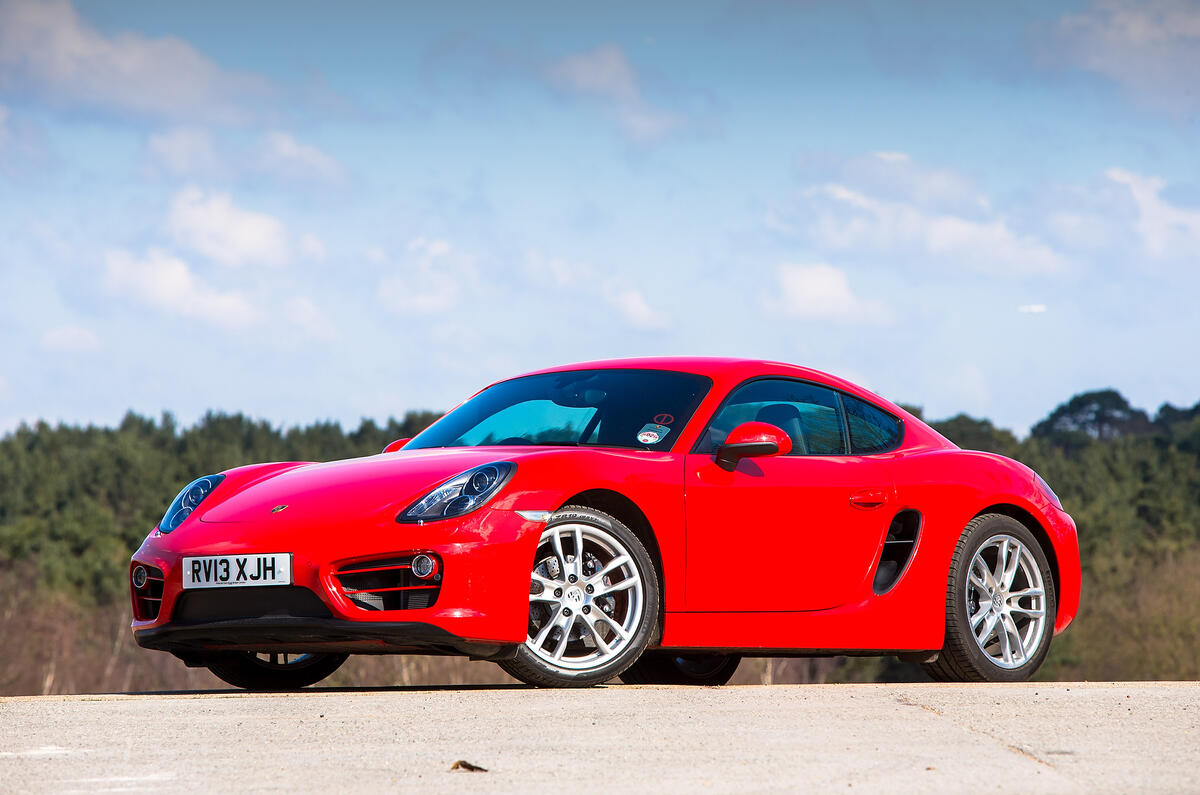
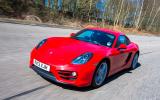
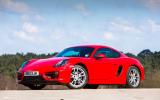
This is the new Porsche Cayman, driven here for the first time in its base 2.7-litre form and, joy of joys, with a manual gearbox instead of the dual-clutch PDK automatic transmission.
You’ve probably read elsewhere how good the new Cayman is in S form. In this sub-£40k base trim it is 730cc down on capacity and, therefore, comes up shy of the S by 50bhp, making 271bhp.
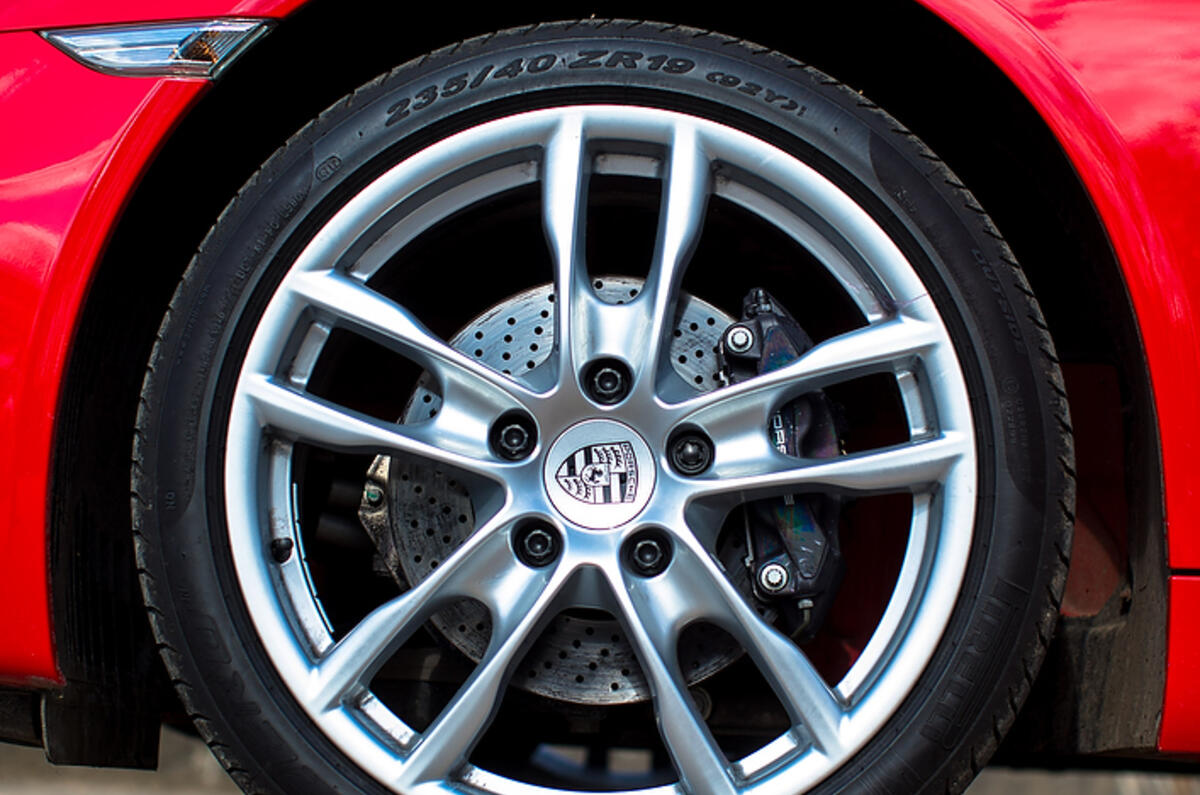
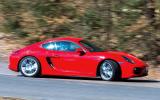
Elsewhere, the differences are more slight. The 2.7 is just 10kg lighter (at 1340kg) than the S and has a rear track 4mm narrower, because it wears 8-inch rather than 8.5-inch-wide rear wheels. Both models wear the same width rubber, mind: 235-section at the front and 265 at the back, on 18-inch (2.7) or 19-inch (3.4) rims as standard. The manual 2.7 has slightly shorter gear ratios than the manual S, though the PDK's ratios are the same for both models. The rest of it is as the Cayman S, so should prove just as lovely.
What is it like?
No surprises: it’s just as sweet as the S model. Depending on where you drive and how, you might even argue it’s more enjoyable because it’s a touch slower (bear with me). Instead of a 0-62mph time that starts with a four, the 2.7-litre Cayman wants 5.7sec to hit 62mph from rest in manual form, which is still plenty quick but means that, for the same throttle inputs, you’d spend more time to enjoying what the Cayman offers – a brilliant noise and a slick gearshift – before you hit the legal or safe limit and have to back off.
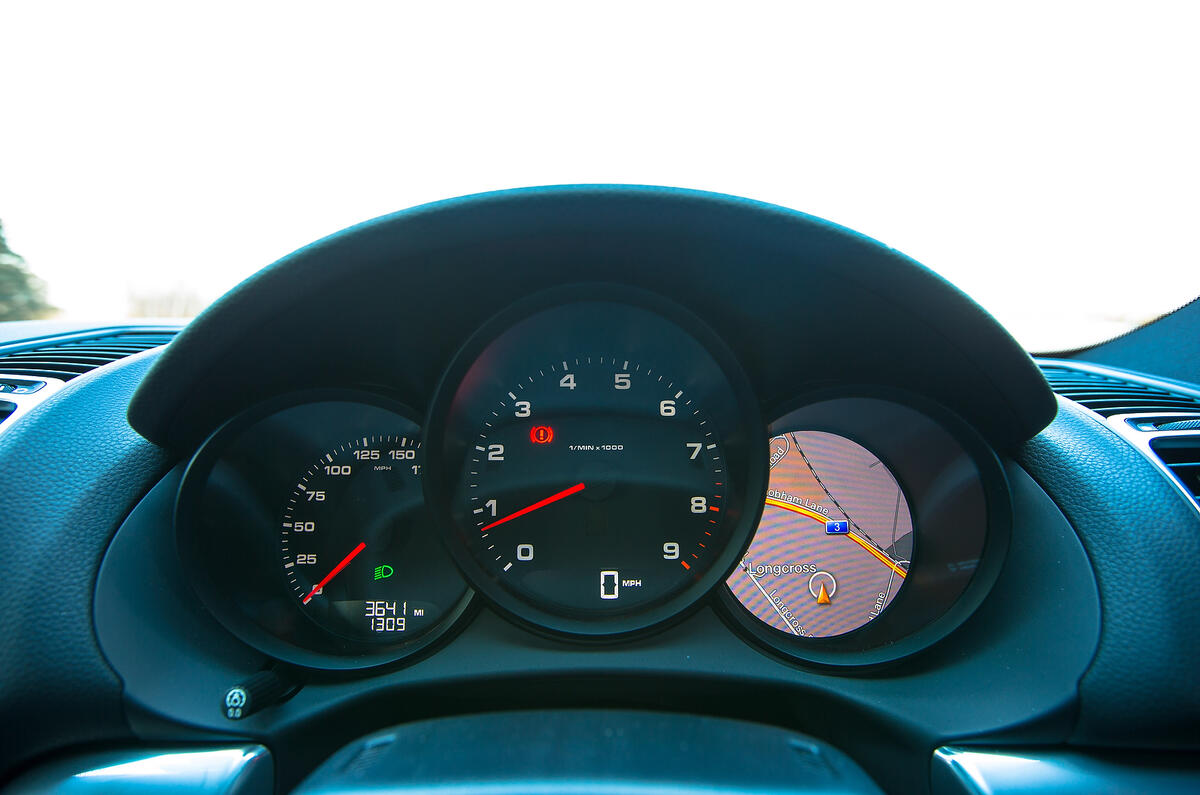
The power delivery is similar in both cars. Their power peaks both come in at 7400rpm (both rev to a touch under 8000rpm) and their torques peak from 4500, with the 2.7's 214lb ft hanging around around until 6500rpm. And the noise is equally fantastic. Some said that the first-generation Cayman was a little short on drama and emotion, but that's not a charge you’d level at this car.
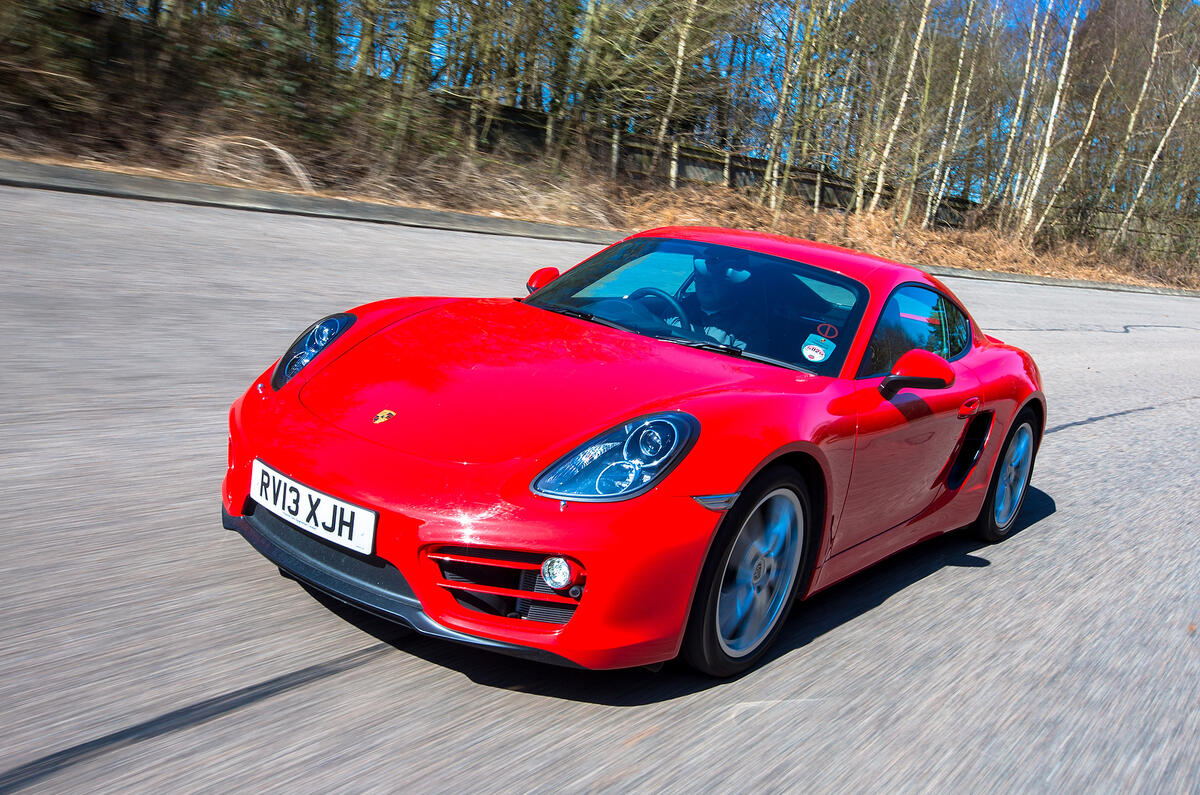
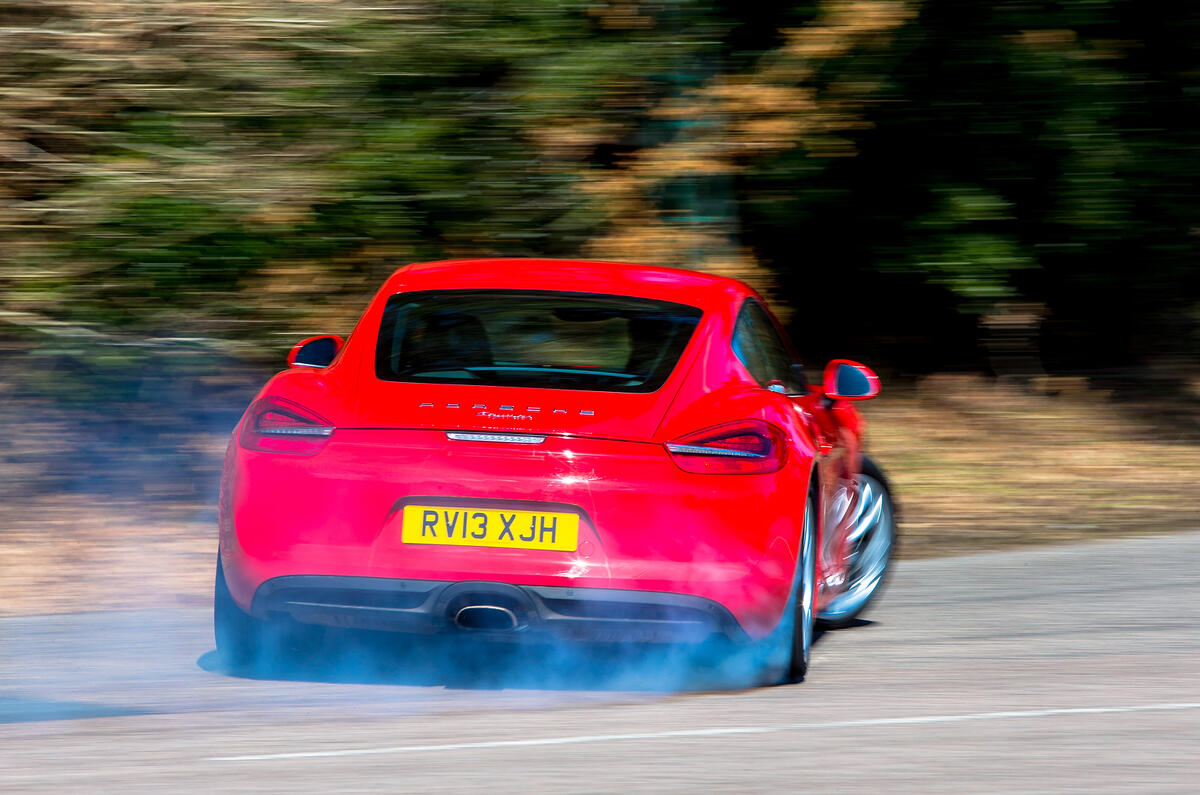
Then, of course, there’s the handling. The Cayman is the sports car refined, honed and perfected until it’s so complete, so capable, that you almost feel sorry for any carmaker who takes the trouble to compete with it. It rides well, it steers sweetly (I'll come back to that), it controls its body movements over crests and dips sublimely and its handling is first rate: a touch of understeer at first, a touch of oversteer later, all to the degree you want it, with outstanding levels of controllability and adjustability for a mid-engined car. You’d have to try it back to back on a mix of circuits and roads before deciding whether this or a Lotus Evora was the better handler. It’s that good.
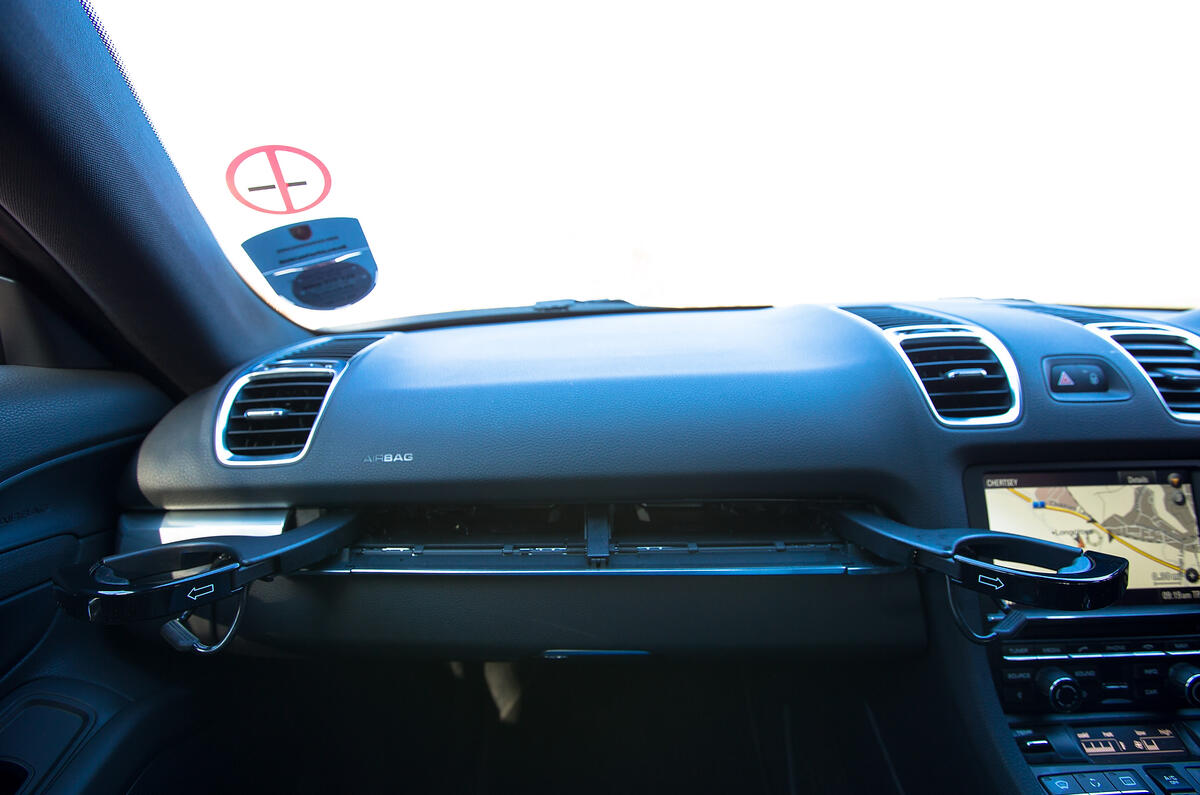
I said I'd come back to the steering: you could argue that it's a little short on feel; it’s an electric rather than hydraulic set-up, so perhaps that’s inevitable, and it’s slick, accurate, precise and has a really lovely weighting to it. Truth be told, I mention it only because of some obligation to pick a hole somewhere in this car. Um, what else? It could have more storage on the centre console. The cupholders don’t hold bottles very well. And, er, well, um ...
Should I buy one?
Sure. The case for the Cayman is every bit as compelling as it is for the Cayman S. No, it’s not as fast but that might not be a deal breaker, while it uses a bit less fuel, emits fewer CO2s and is a respectable amount cheaper.
Those who say that the Cayman is a Porsche for those who can’t afford a 911 have always been wrong. But they’ve never been more wrong than now.
Porsche Cayman 2.7
Price £39,694; 0-62mph 5.7sec; Top speed 165mph; Economy 34.5mpg (combined); CO2 192g/km; Kerb weight 1340kg; Engine 6-cyls, horizontally-opposed, 2706cc, petrol; Installation mid, longitudinal, RWD; Power 271bhp at 7400rpm; Torque 214lb ft at 4500-6500rpm; Gearbox 6-spd manual