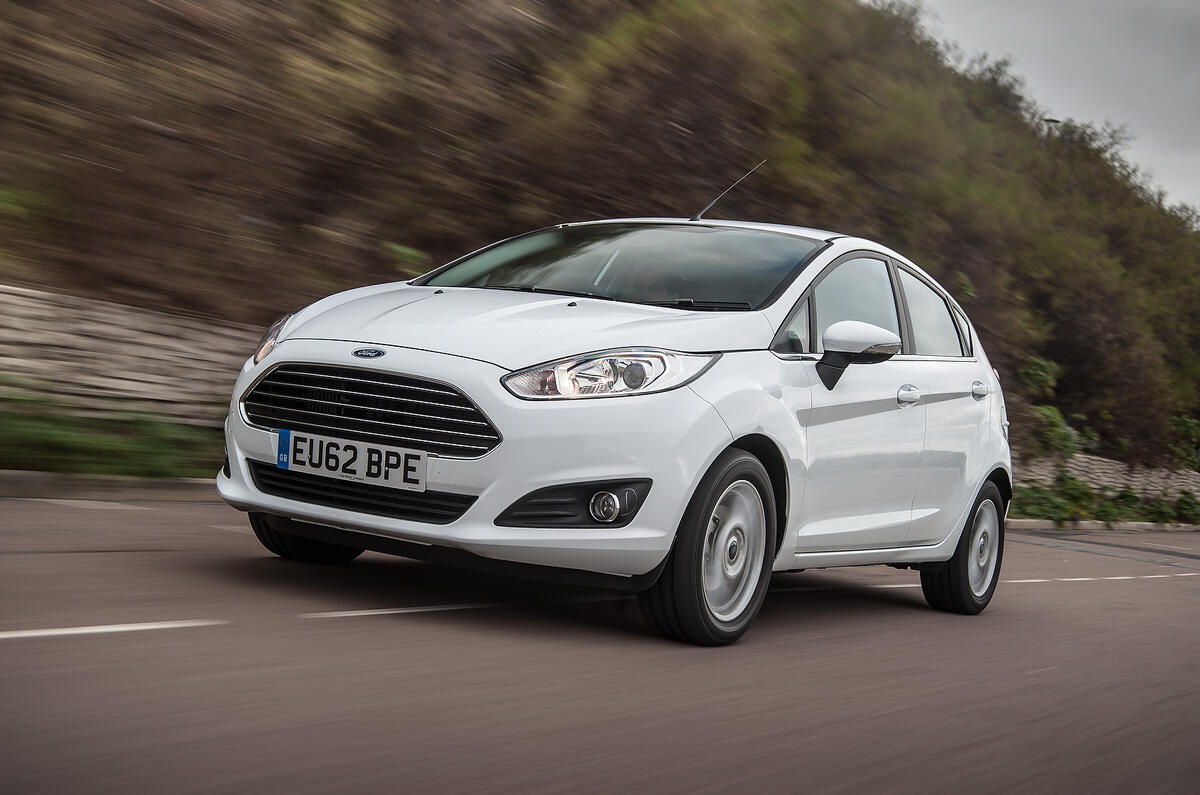
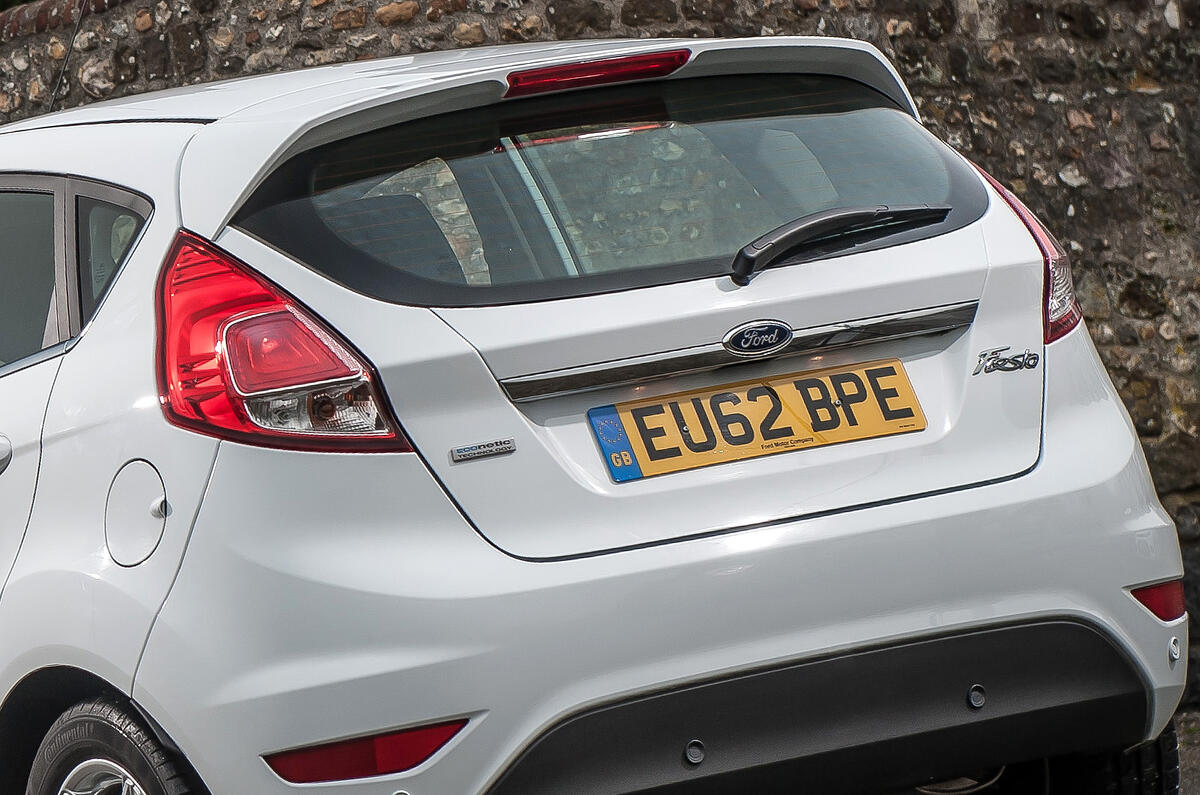
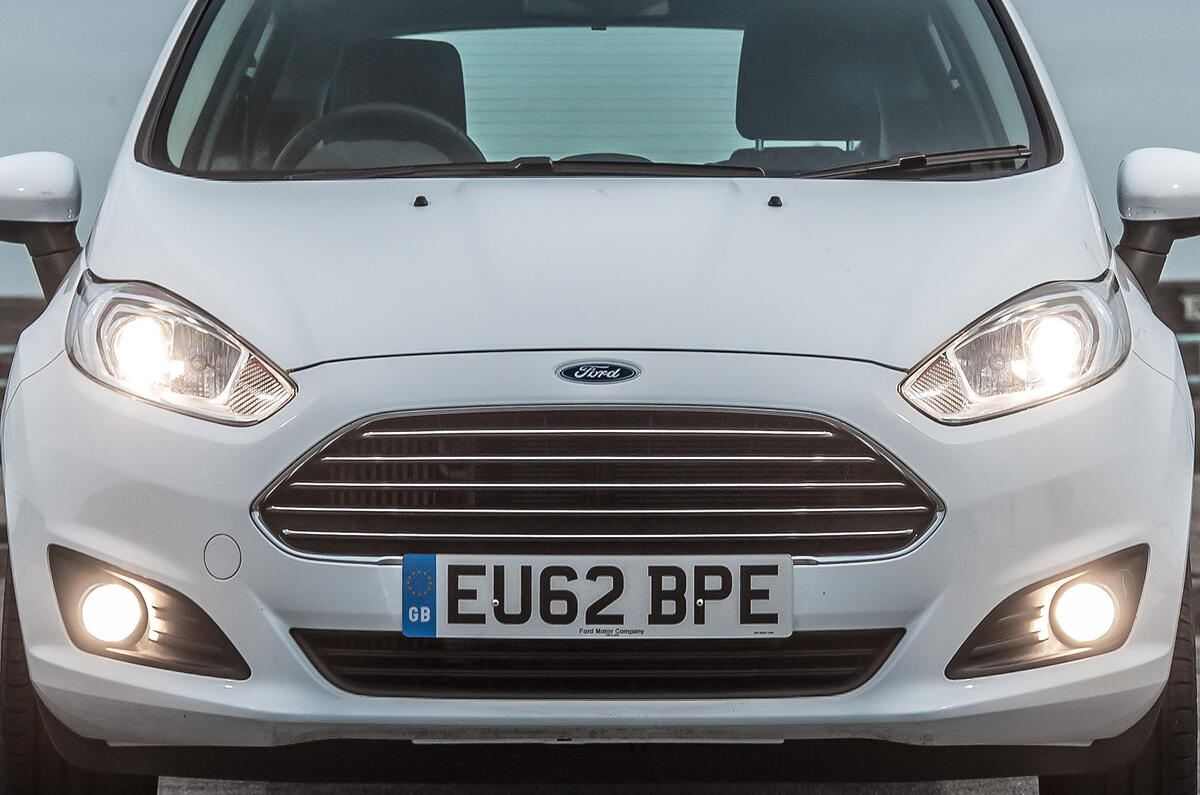
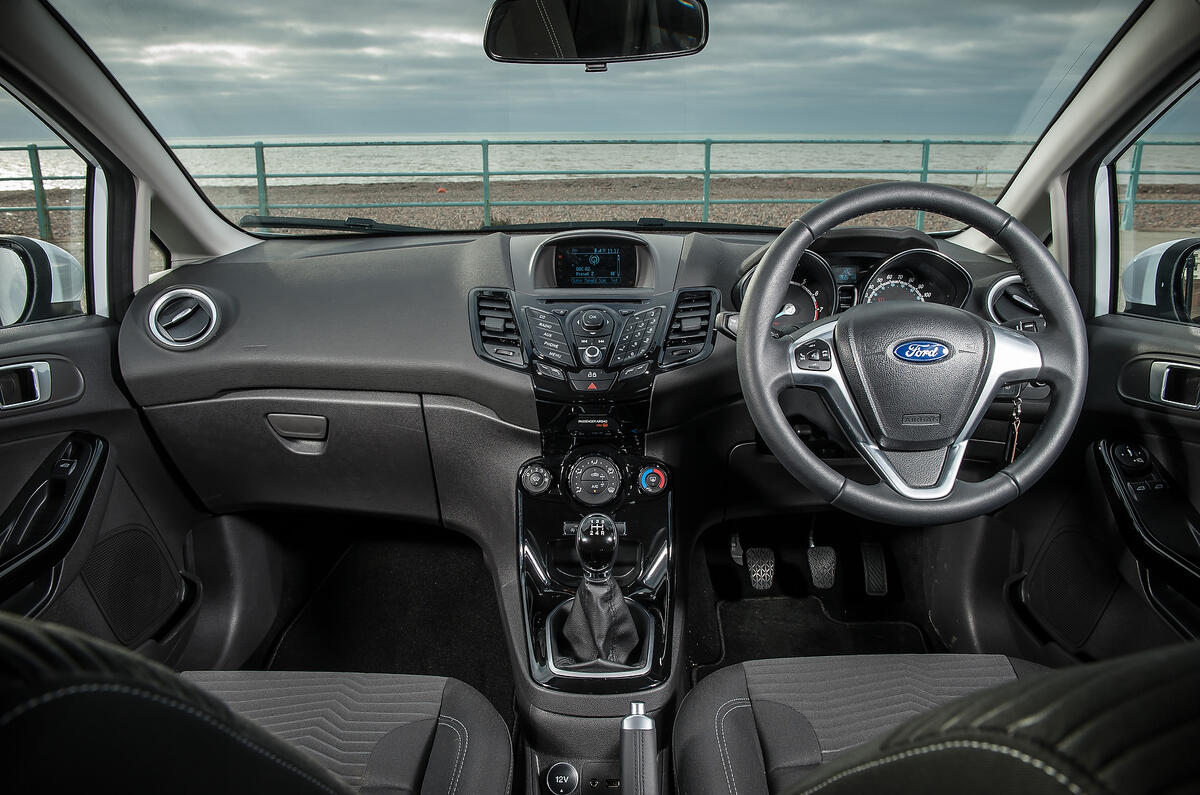
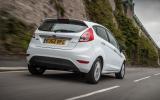
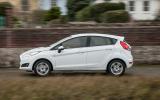
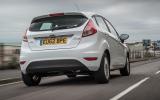
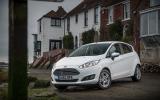
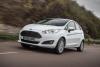
What matters more in the class in which the Ford Fiesta sat - perception or reality? Would you prefer a dull interior crafted from the highest quality materials or would you like a car that wows you and your friends every time you open the door. And will continue to do so as long as you don’t look too closely at how it’s put together?
For most the answer would be somewhere between the two and, at this price, a compromise is inevitable; but Ford has undoubtedly staked its tent in the latter camp.
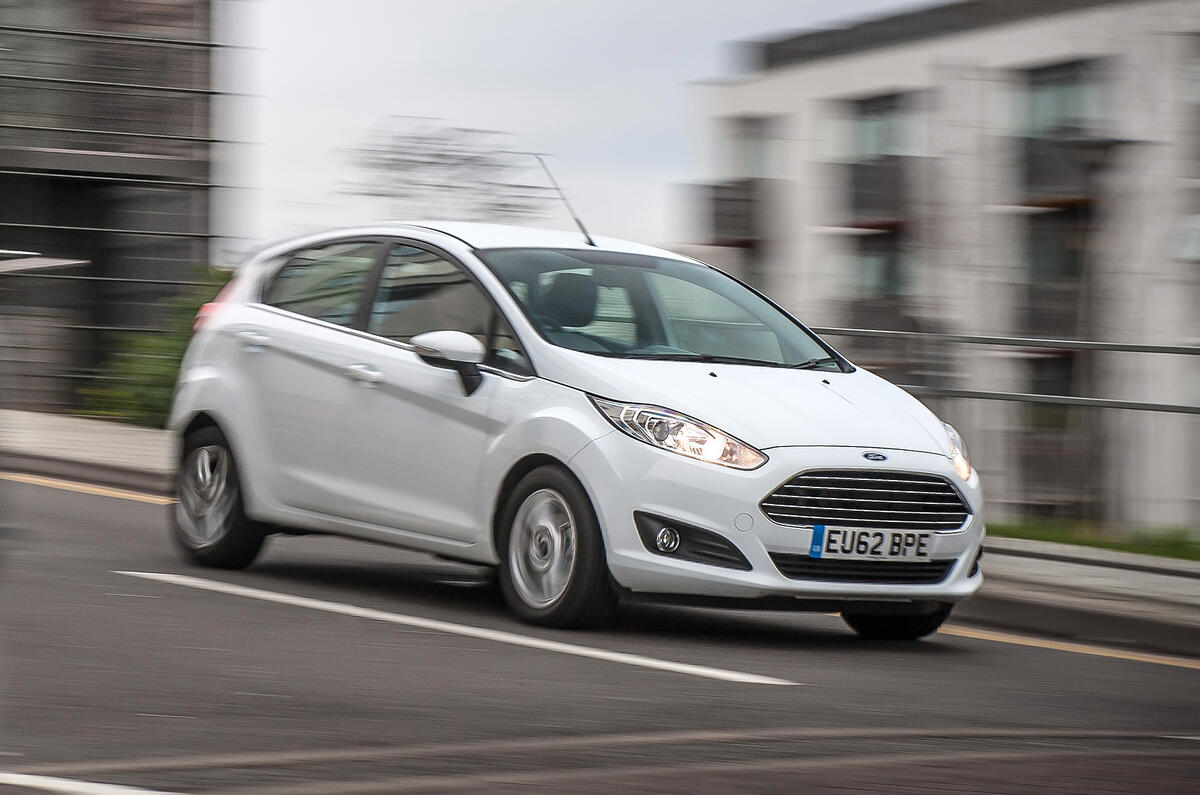
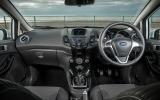
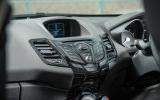
Even now the interior design of the Fiesta still looks fresh and, impressively, you can say as much about the poverty spec models as the poshed-up versions. There’s barely a straight line or vertical surface to be seen – it’s all interesting curves and swoops.
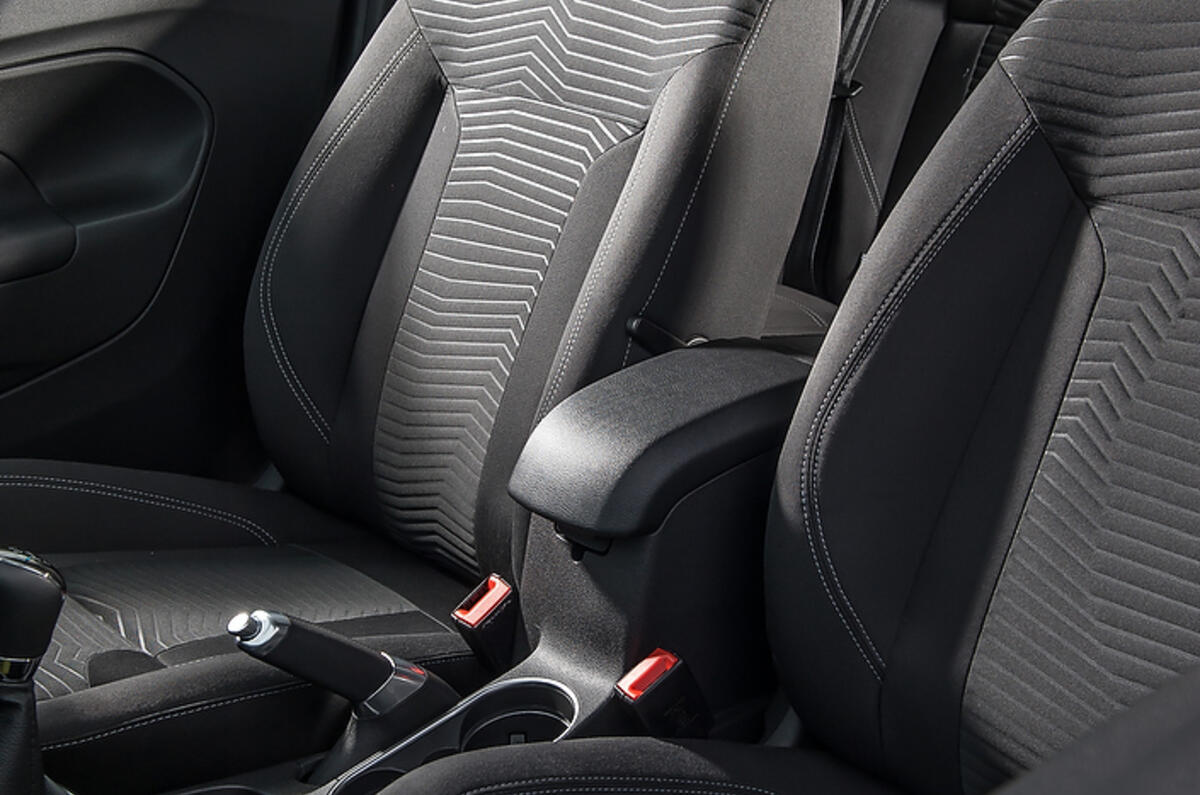
That word ‘seem’ is used with reason: what you don’t want to do is spend too much time prodding around the inside of the Fiesta because you’ll find that while some materials are as good as they look, and the dash top is a good example, others are not. Those silvery metal finishes are in fact anything but while the moment you look below the driver’s natural eye line, the plastics are chiefly hard, coarse and cheap.
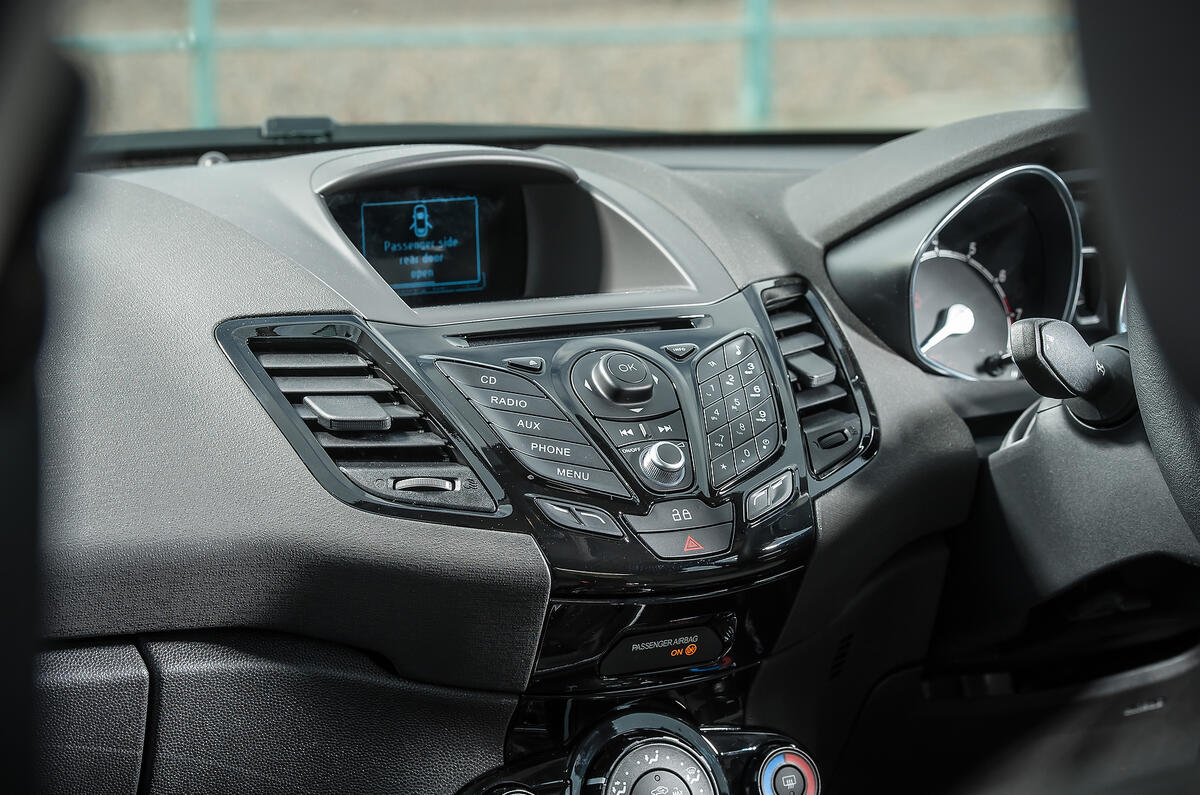
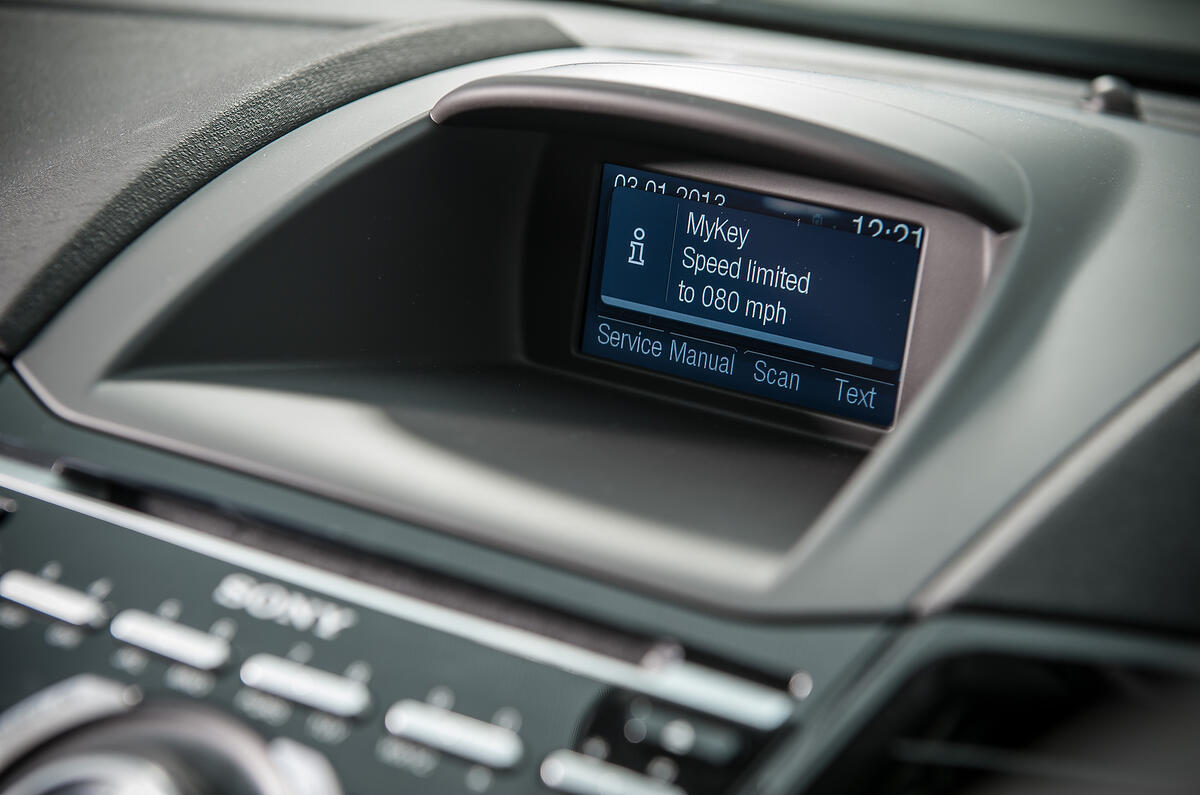
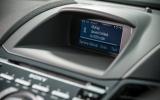
The cabin causes some ergonomic issues too. Though the centre stack looks stylishly and thoughtfully arranged, it’s harder than it should be to correlate its functions to those displayed on the small LCD display above.
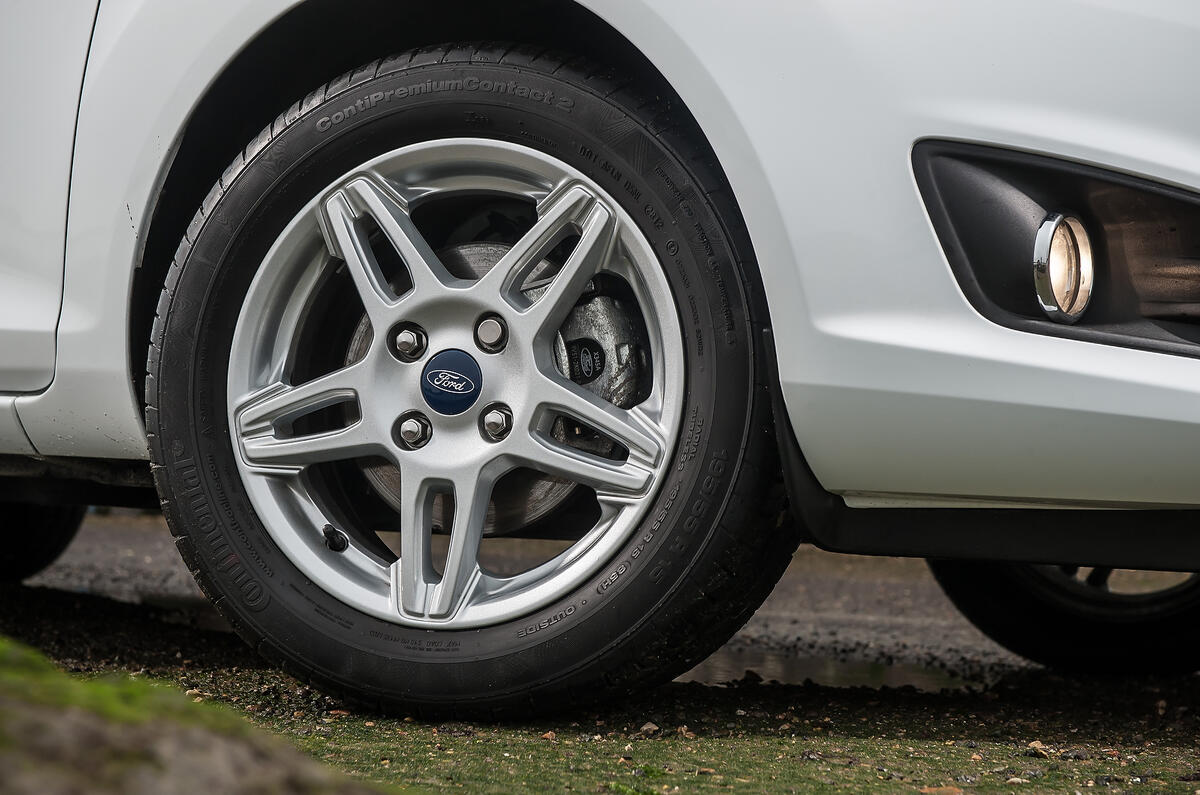
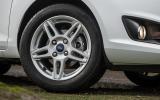
There are several trim levels to choose from, with the entry-level Zetec models equipped with 15in alloys, DAB radio, a 4.2in screen infotainment system, heated front windscreen, air conditioning and hill start assist. There was also the Zetec Colour Editions which were predominantly a Candy Blue Fiesta with a white roof and vice versa.
The mid-range ST-Line was the last addition to the range, replacing the Zetec S models and for the first time appearing on five door versions of the Fiesta too. Key highlights included an ST-styled bodykit, sports suspension, pedals and a large rear spoiler, while the Titanium models added more luxury equipment to the supermini, including climate control, cruise control, lumbar support, velour floor mats and a Sony DAB stereo.
The range-topping Titanium X models received mainly safety features such as a rear-view camera, rear parking sensors, and keyless entry and start. The sportier ST models were broken up into four trims too - ST-1, ST-2, ST-3 and ST200.
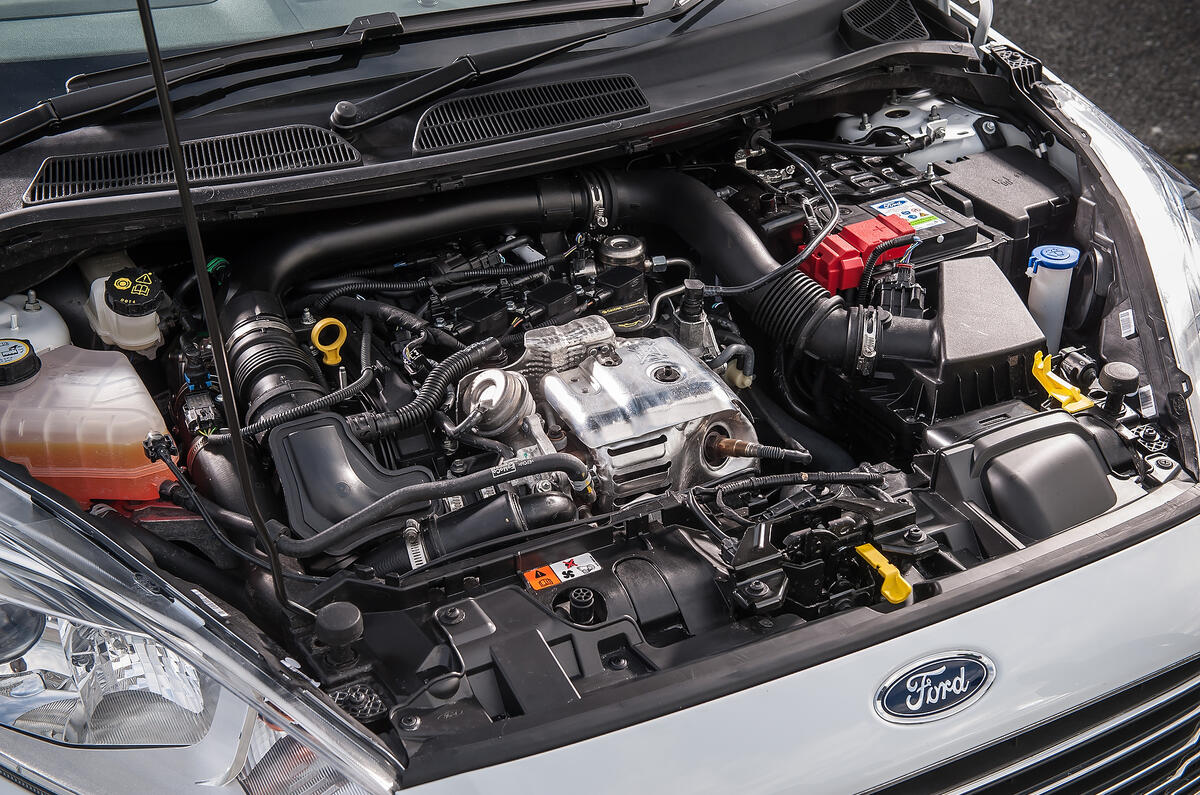
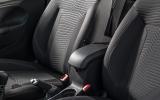
The entry-level trim got the full ST treatment including Recaro seats and 17in alloys, while the ST-3 was the only 178bhp model to feature sat-nav, cruise control, auto wipers and lights and climate control as standard. The ST200 was the only model available with the 197bhp 1.6-litre Ecoboost engine and came with a bespoke paint job, Recaro seats and 17in alloy wheels.
In other perhaps more fundamental areas however the quality of the underlying engineering continues to shine through, even to this day. The driving position is superb and aided not only by a height adjustable seat but a steering wheel that moves not only up and down but in and out as well, a function still not as common in this class as you might think. The dials are easily read too though some may quarrel with the design of their calibrations.
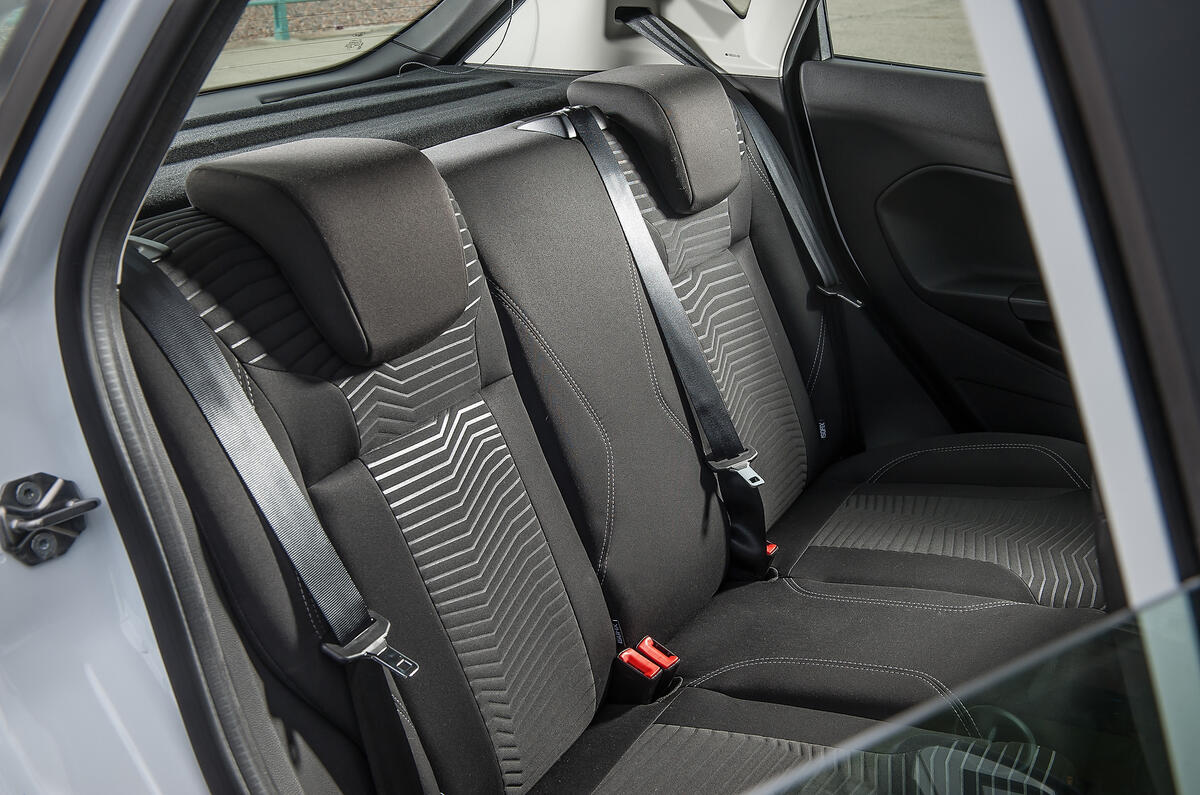
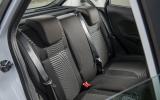
However if you want space on this platform, better buy yourself a second-hand B-Max. You may be able to buy a Fiesta with rear doors but that doesn’t mean those who’ll use them are going to be thanking you any time soon.
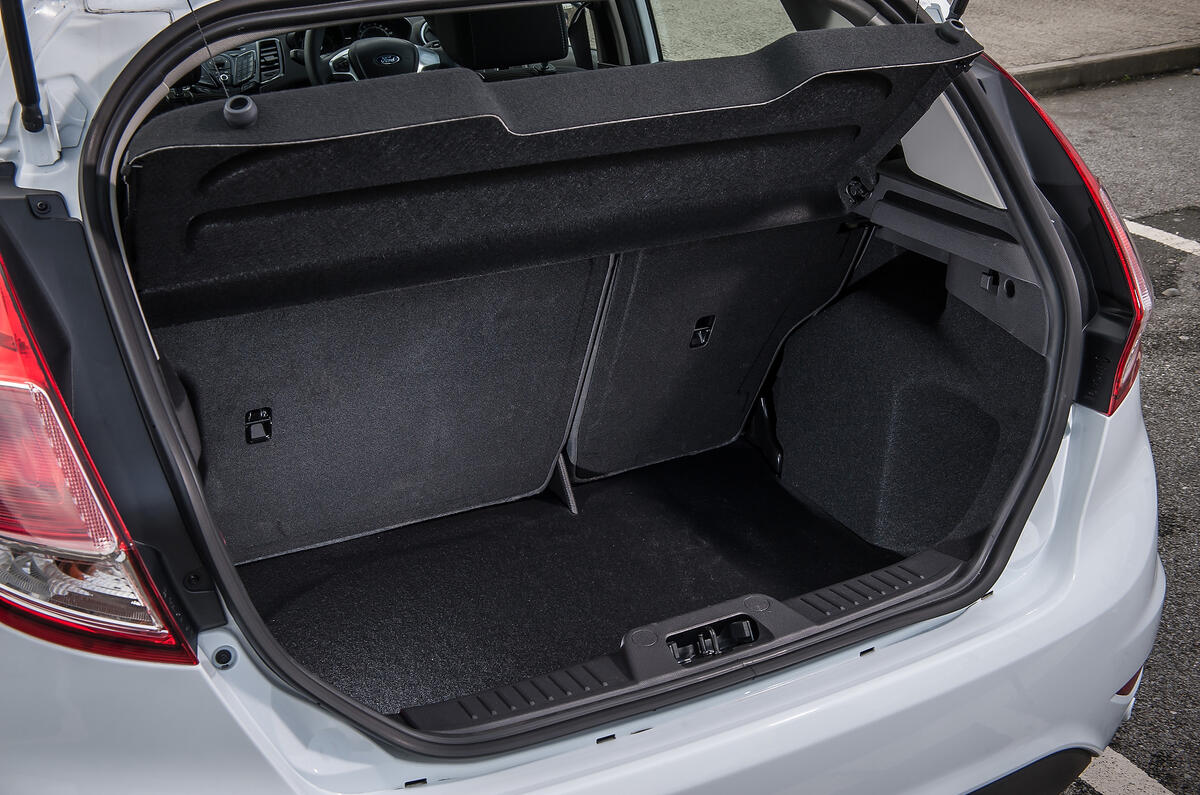
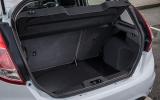
The Fiesta is actually quite compromised in the rear in terms of both leg and headroom even by the modest standards of the class, though the boot is large enough for most purposes for which such a car will be routinely used.