









Hilton Holloway
21 September 2012

What is it?

This is Audi's second A1 e-tron concept, combining the best of both the range-extending principle and conventional plug-in hybrids.

Audi showed its first e-tron concept in 2010. The range-extender, prototypes of which have so far racked up 31,000 miles in the Munich area, featured a small battery pack (with a 30-mile range) with the front wheels driven by a 75kW electric motor. It was backed up by a tiny, 254cc Wankel rotary engine/generator under the boot floor which generated 15kW and added 120 miles to the range.

This, the second A1 e-tron proposal, combines the best of the Chevy Volt-style range-extending principle with conventional Prius-type plug-in hybrids.

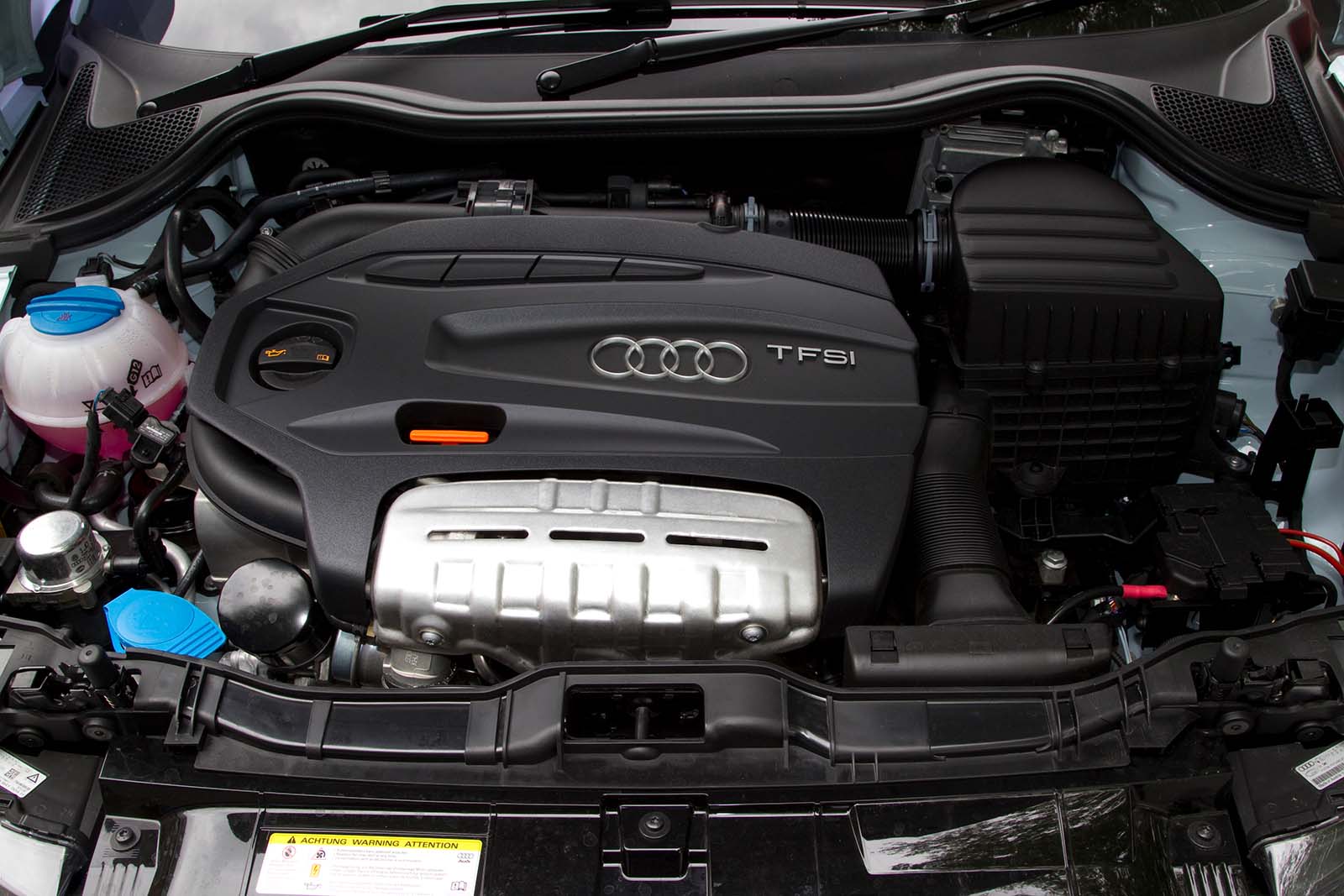
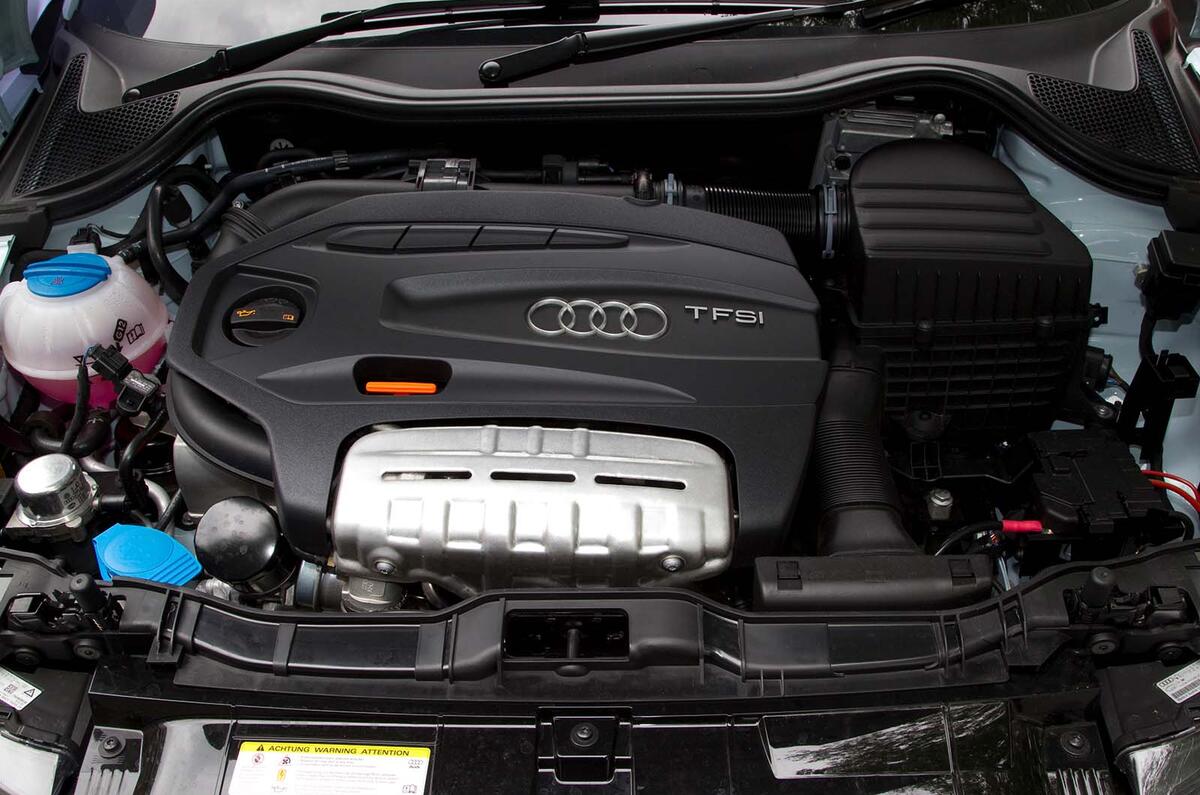
Described as a ‘dual-mode’ hybrid, the transmission uses a brand new 1.5-litre, three-cylinder, engine which develops 128bhp and 147lb ft. This engine is combined with a 67bhp/155lb ft electric motor which, Audi says, acts mostly as a starter and alternator but can assist the petrol engine.

The second electric motor - mounted on the opposite side of the transmission from the petrol engine - produces 115bhp and 184lb ft of torque. This motor drives directly into the single speed transmission, which, in turn, drive’s the A1’s front wheels. Between the engine and alternator pairing and the main electric drive motor is a simple clutch which allows the engine/generator to be engaged and disengaged from the rest of the drivetrain.

In urban mode, at speeds of up to 34mph, the A1 is driven by the main electric motor and battery pack and it promises an impressive 56 miles range on the battery.

If the battery pack is running low, electricity from the engine/generator is used to drive the motor. It’s possible to run up to 81mph in pure electric mode but, from 34mph, the clutch allows the three-cylinder engine to directly drive the transmission. The smaller generator motor acts as back-up to help reduce fuel consumption and to briefly assist during hard acceleration. Above 81mph, the combustion engine does all the work.

What is it like?

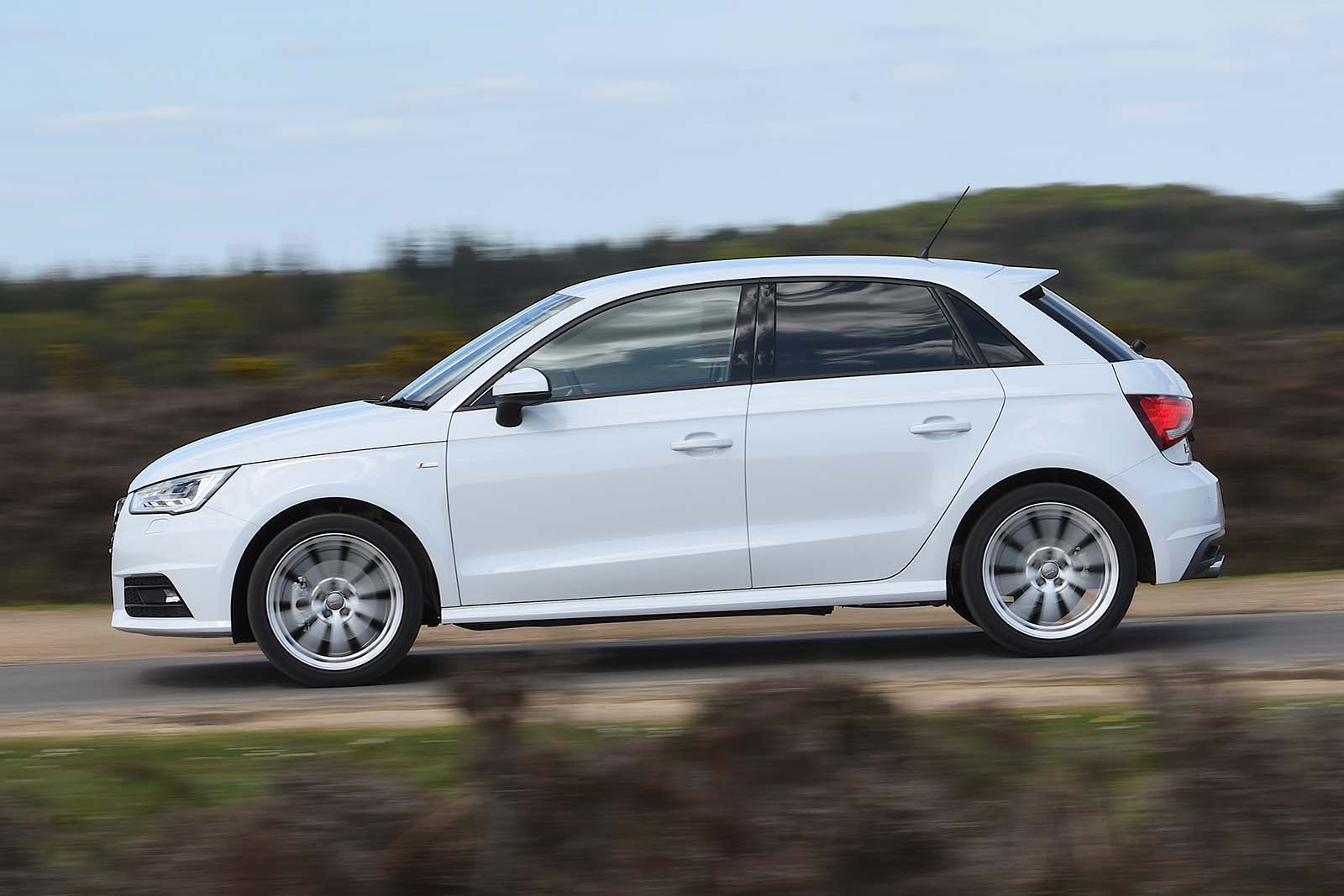
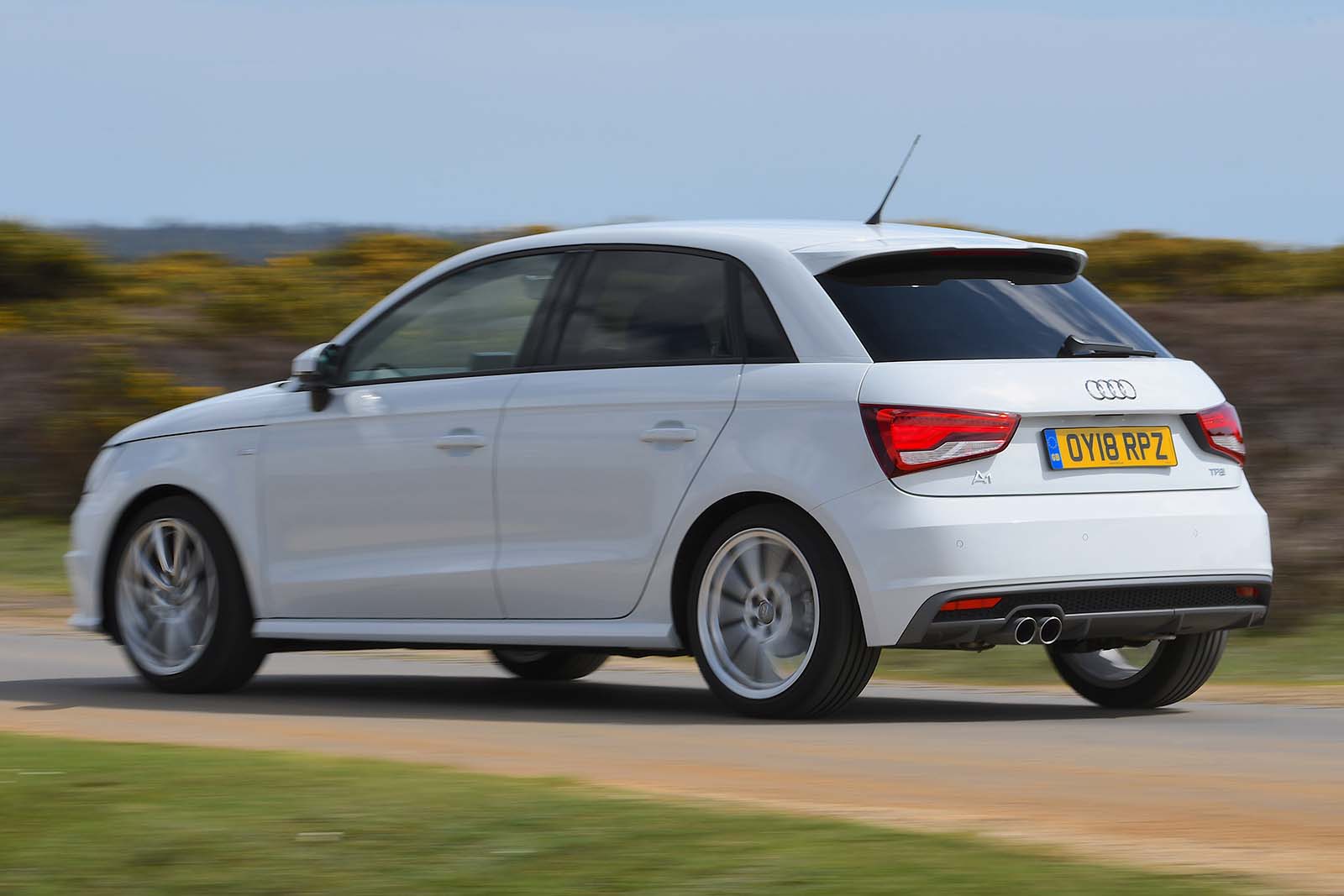
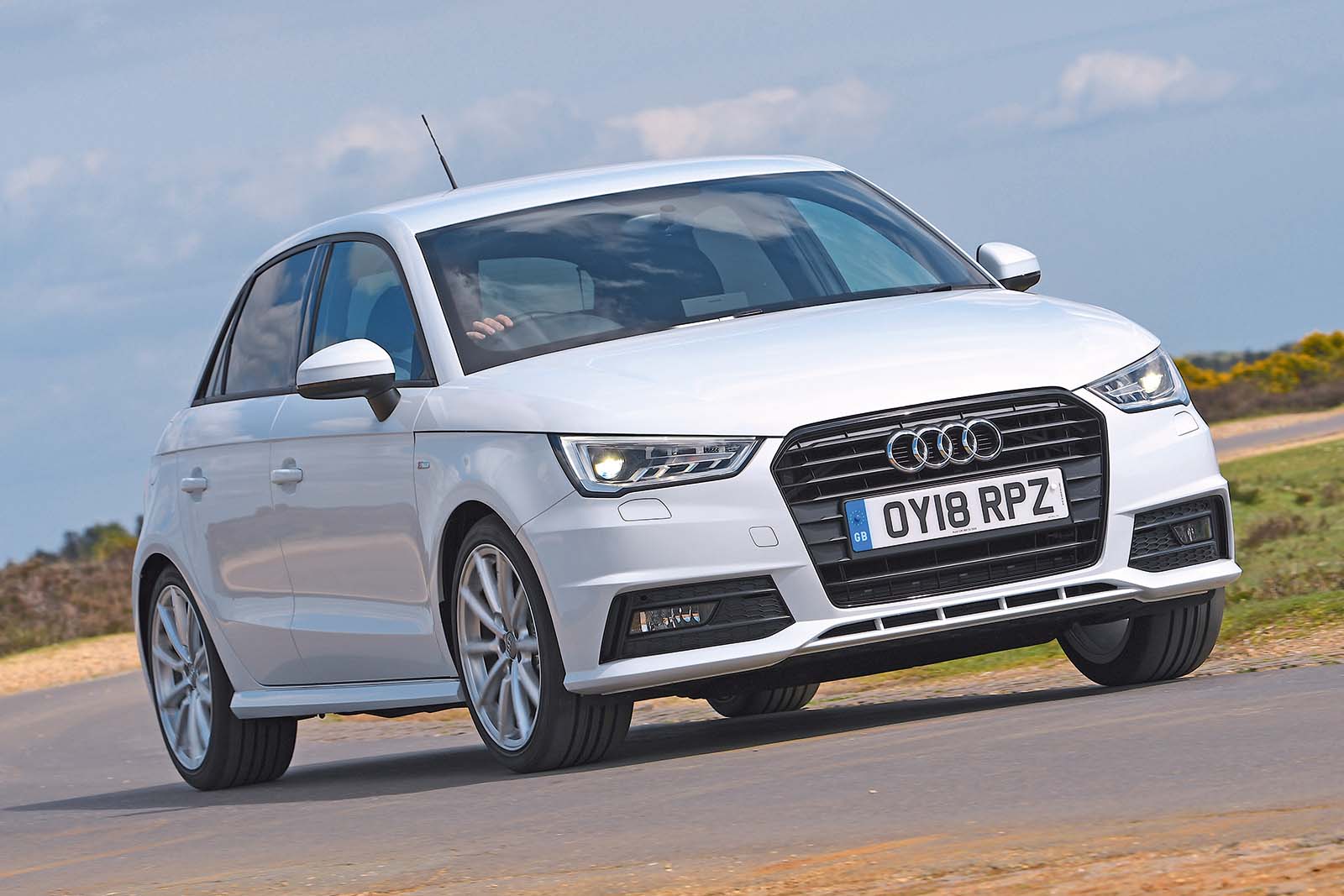
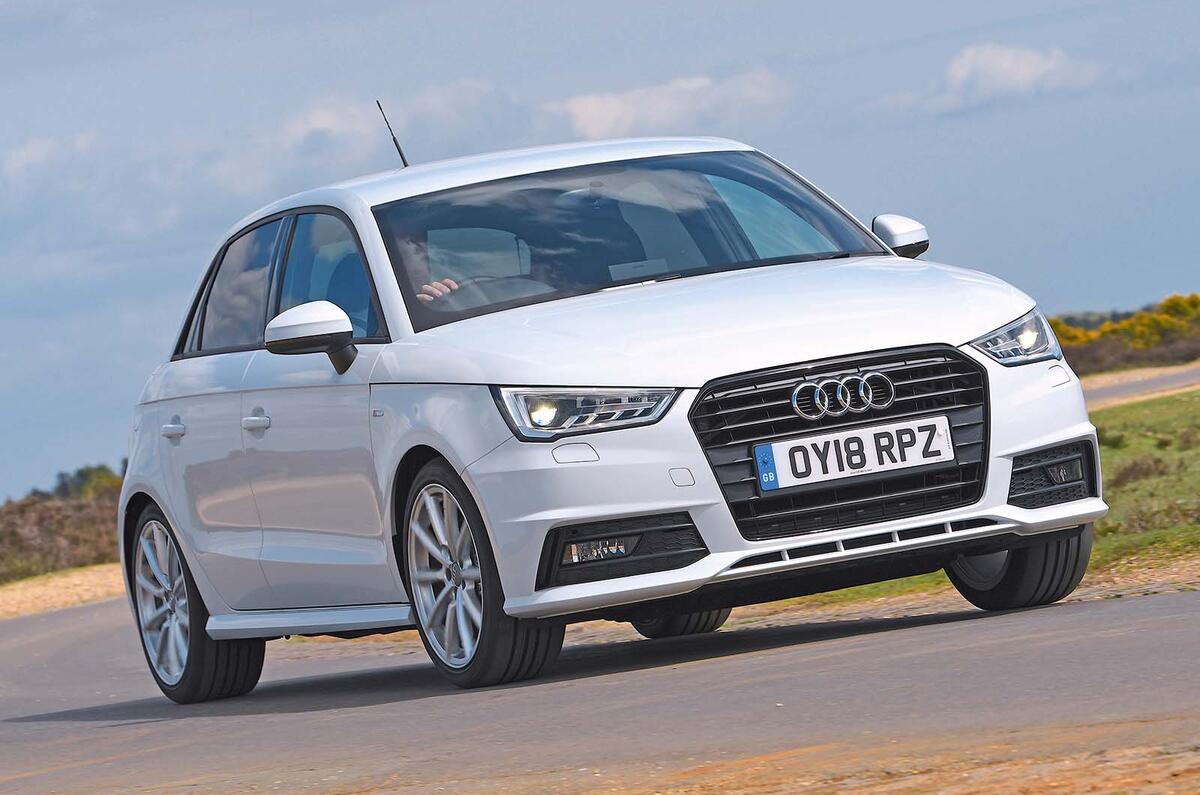
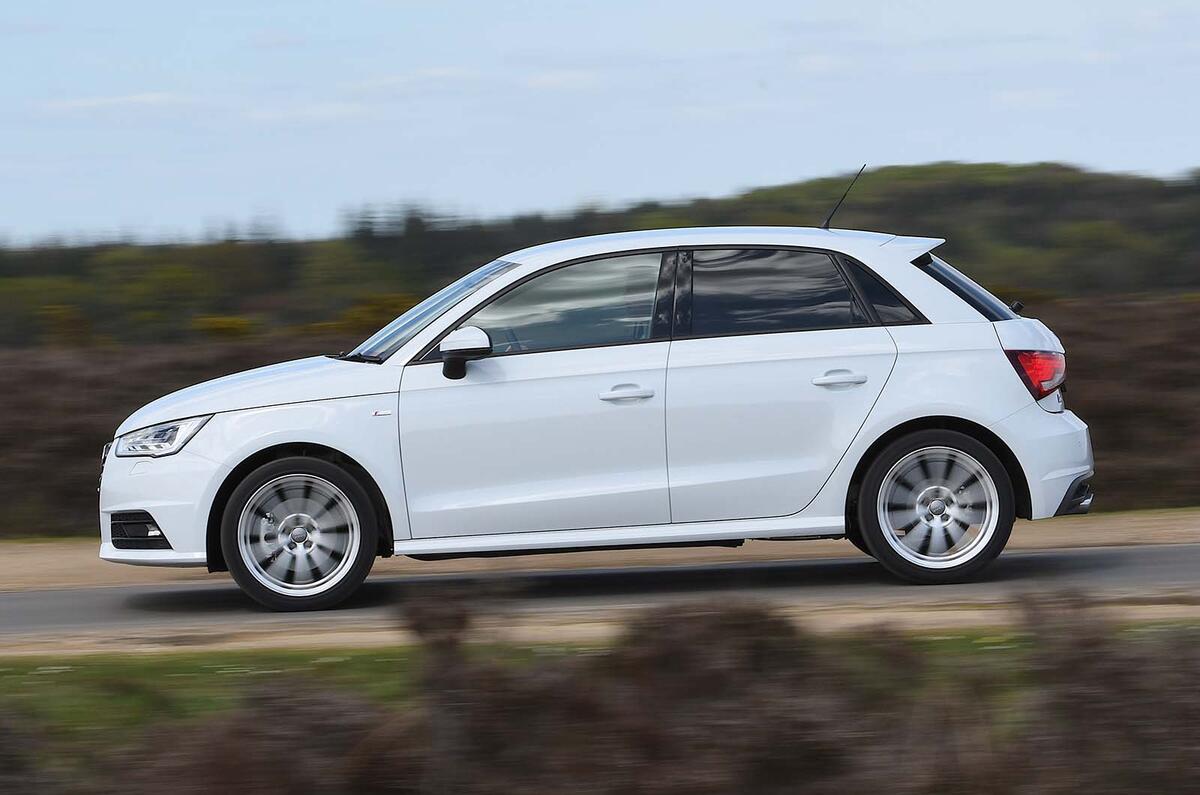
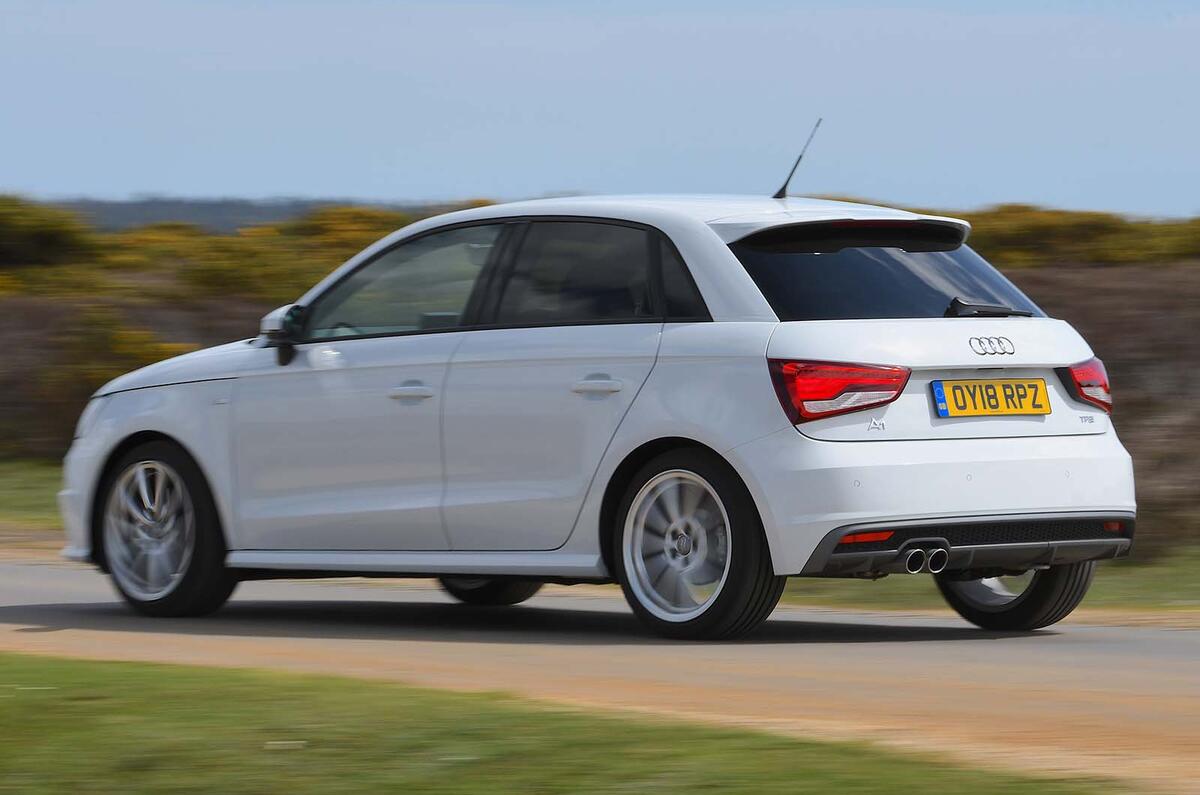
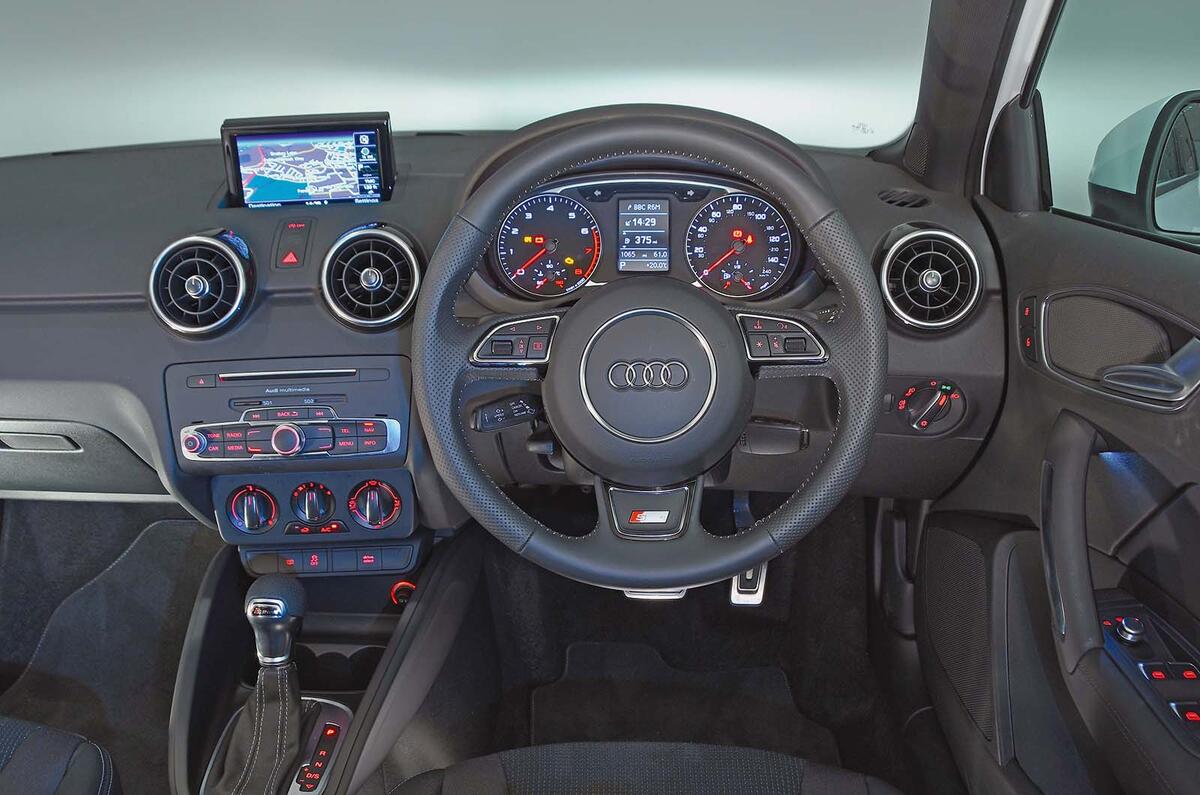
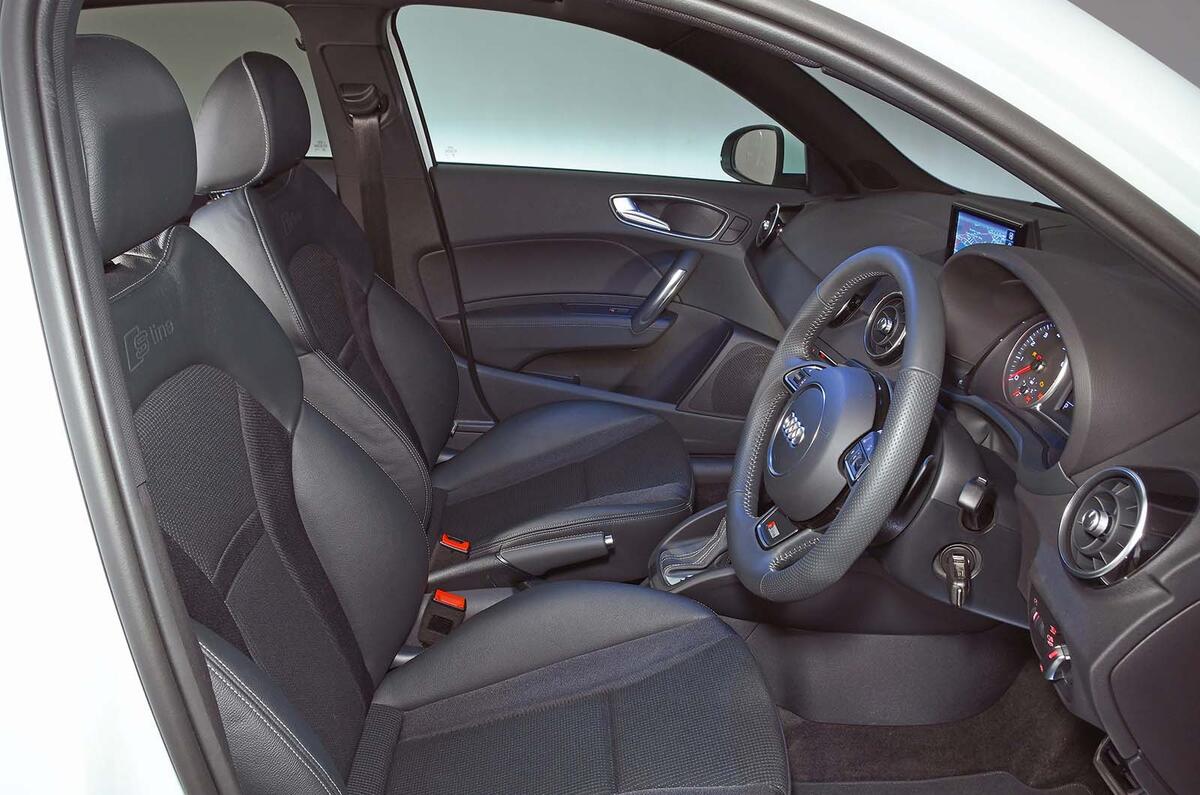
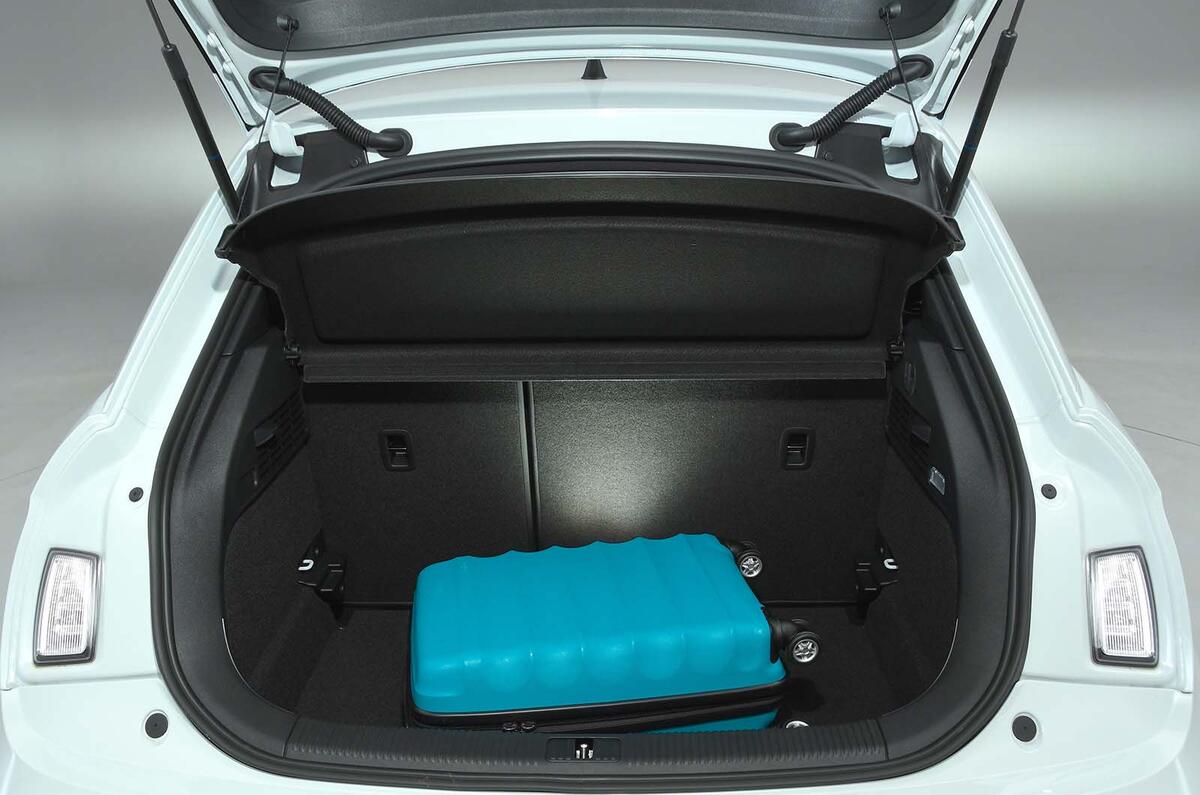
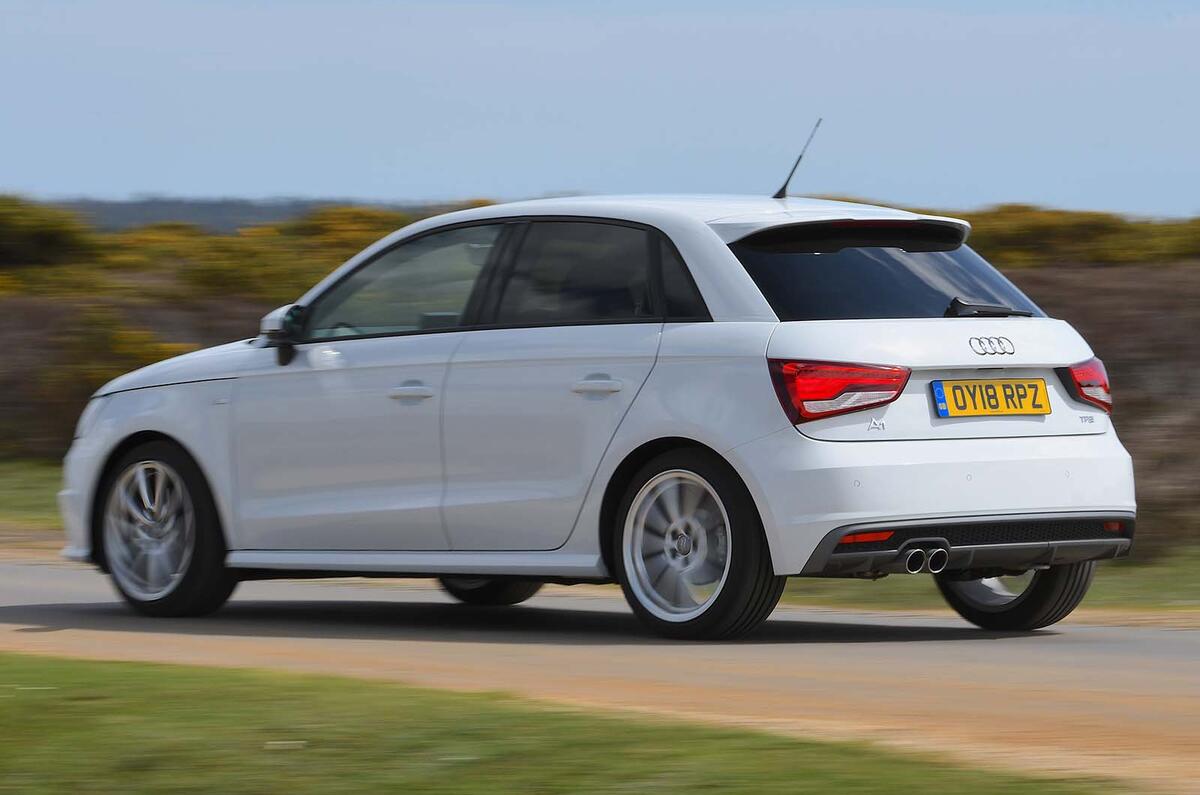
Surprisingly refined. We had the chance to try out what Audi engineers call a ‘pre-development’ prototype. The e-tron prototype was identical to a production A1 and did not seem to have lost boot space, which is impressive for such a small vehicle.

Pull the gear lever into ‘drive’ and the e-tron pulls away in silence on battery power and has the instant torque and seamless delivery typical of a car powered by an electric motor through a single-speed transmission. Above the 35mph, the new three-cylinder engine meshes into the transmission without the driver noticing - a product of the engine being spun up to the correct operating speed before the clutch engages - and it seemed very smooth and willing, although there is a distinctive, if distant, 'thrum' under hard acceleration.

Officially, this e-tron has 174bhp and a 0-62mph sprint time of less than 9sec. In reality, the A1 e-tron feels quicker than that. With both the engine and generator running, the A1 is deceptively swift on the open road and impressively smooth and refined at urban speeds. Audi’s new front-drive hybrid concept seems - even at this stage - superior to both the Prius’s conventional hybrid and the Volt’s range-extender with high-speed motor assist.

What’s most impressive is the relatively simple engine and electric motor layout and a single-speed transmission, which means it could also be less expensive than today’s production hybrids.

Should I buy one?

On this brief showing, yes. Audi wouldn’t confirm that this new type of hybrid transmission was a dead cert for production but it appears superior to many existing hybrid systems. It is less complex and more refined than the range-extender system in the Chevy Volt and the conventional hybrid drivetrain and CVT gearbox in the Prius.

And, although the new Golf family cars will be launched with a more conventional plug-in hybrid (which couples a diesel engine, electric motor, DSG gearbox and battery pack), it is likely that this compact and potentially less expensive set-up will be deployed in the new-generation Polo family of cars from 2015.

Audi A1 Dual-Mode Hybrid prototype

Price: n/a; Top speed: n/a; 0-62mph: 9.0sec; Economy: 56 miles (battery pack), 400 miles petrol engine only (est); Weight: n/a; Engine: 3-cyls, 1500cc, turbocharged petrol; Power: 128bhp; Torque: 147lb ft; Electric Motor 1: 67bhp/155lb ft; Electric Motor 2: 115bhp/184lb ft; Gearbox: single-speed

Join the debate

Comments
14

What was wrong with the original concept?

34 weeks 2 days ago

Why has Audi not continued with the first concept, which sounds extremely promising?

This new one, while no doubt delivering very impressive performance with good economy looks like being relatively expensive and heavy. Perhaps that is why no weight figure is quoted?

Maybe there is a good reason why no manufacturer has produced an EV with a small top-up range extender engine. Surely this is worth further development instead of marrying a normal size petrol engine with an electric motor with resultant high cost and weight?

I mean who wants to buy a £30,000 Audi A1, however good the performance and economy figures are.

How is this simpler than a Prius?

34 weeks 2 days ago

I can see quite a lot of merit in this approach by Audi but fail to see how it is much, if any, simpler than a Prius?  It seems to add a clutch, a wearing component that the Prius doesn't have or need.  Otherwise they both have single speed transmissions, a simple petrol engine and two electric motors.

simple ???

34 weeks 2 days ago

Nope, the GM/fisker is the better and more simple method. TaTa and Mercededs too have a version in development but at the moment only GM are the most advanced in the range extender methods


Hydrogen cars just went POP

xxxx wrote: Nope, the

34 weeks 2 days ago

xxxx wrote:

Nope, the GM/fisker is the better and more simple method. TaTa and Mercededs too have a version in development but at the moment only GM are the most advanced in the range extender methods

It is a bit of a stretch to describe the Volt as simple. It is a horrible engineering cludge, more complex than any Prius or this Audi. The system which engages the petrol engine to the road wheels is particularly inelegant and makes a mockery of the series hybrid layout.

never said

34 weeks 2 days ago

Clarkey wrote:

xxxx wrote:

Nope, the GM/fisker is the better and more simple method. TaTa and Mercededs too have a version in development but at the moment only GM are the most advanced in the range extender methods

It is a bit of a stretch to describe the Volt as simple. It is a horrible engineering cludge, more complex than any Prius or this Audi. The system which engages the petrol engine to the road wheels is particularly inelegant and makes a mockery of the series hybrid layout.

Never said it was "Simple". And what's a horrible "engineering cludge" anyway.

And it's a matter of debate whether the petrol engine is conected to the wheels anyway, GM says it not.  It's the best method and that's why Mercedes are copying the 'Range Extender' idea.


Hydrogen cars just went POP

xxxx wrote: Clarkey

34 weeks 2 days ago

xxxx wrote:

Clarkey wrote:

xxxx wrote:

Nope, the GM/fisker is the better and more simple method. TaTa and Mercededs too have a version in development but at the moment only GM are the most advanced in the range extender methods

It is a bit of a stretch to describe the Volt as simple. It is a horrible engineering cludge, more complex than any Prius or this Audi. The system which engages the petrol engine to the road wheels is particularly inelegant and makes a mockery of the series hybrid layout.

Never said it was "Simple". And what's a horrible "engineering cludge" anyway.

And it's a matter of debate whether the petrol engine is conected to the wheels anyway, GM says it not.  It's the best method and that's why Mercedes are copying the 'Range Extender' idea.

Except of course you did say it was simple - it is there in your post.  The Volt petrol engine is connected to the road wheels in almost exactly the same way the the Prius's, except the Volt manages to do it in a more complex way with parts that will eventually wear out.  Maybe they couldn't circumvent the Toyota patent and had to come up with this nasty solution?

The Audi system seems pretty good, although it seems to rely on having beefy petrol and electric motors because there is less opportunity for one to make up for the shortcomings of the other.

TS7

The simplest form of

34 weeks 1 day ago

The simplest form of powerplant is that featured on the Jaguar C-X75 prototype.

Gas turbines have, essentially, one moving part, and one that moves in a consistent (rotational) way rather than suddenly changing direction (piston), which makes them very reliable and smooth. Perhaps the ideal application would be in whatever replaces the Rolls Royce Phantom or Bentley Mulsanne.

One only hopes that enough visionaries invest in the likes of Bladon Jets to make economical production of micro turbines viable in the near future.

And of course, there's no reaon why such micro-turbines can't run on hydrogen when the oil runs out.

check again

34 weeks 1 day ago

Clarkey wrote:

xxxx wrote:

Clarkey wrote:

xxxx wrote:

Nope, the GM/fisker is the better and more simple method. TaTa and Mercededs too have a version in development but at the moment only GM are the most advanced in the range extender methods

It is a bit of a stretch to describe the Volt as simple. It is a horrible engineering cludge, more complex than any Prius or this Audi. The system which engages the petrol engine to the road wheels is particularly inelegant and makes a mockery of the series hybrid layout.

Never said it was "Simple". And what's a horrible "engineering cludge" anyway.

And it's a matter of debate whether the petrol engine is conected to the wheels anyway, GM says it not.  It's the best method and that's why Mercedes are copying the 'Range Extender' idea.

Except of course you did say it was simple - it is there in your post.  The Volt petrol engine is connected to the road wheels in almost exactly the same way the the Prius's, except the Volt manages to do it in a more complex way with parts that will eventually wear out.  Maybe they couldn't circumvent the Toyota patent and had to come up with this nasty solution?

The Audi system seems pretty good, although it seems to rely on having beefy petrol and electric motors because there is less opportunity for one to make up for the shortcomings of the other.

Suggest you get a new pair of glasses. I re-checked the original and said it "... more simple method... "

And the as to your statement  "... Volt petrol engine is connected to the road wheels in almost exactly the same way the the Prius's". You really have no idea.


Hydrogen cars just went POP

XXXX - I suggest you do some

34 weeks 1 day ago

XXXX - I suggest you do some research. Goodbye.

Turbines and Rotaries

34 weeks 1 day ago

TS7 wrote:

The simplest form of powerplant is that featured on the Jaguar C-X75 prototype.

Gas turbines have, essentially, one moving part, and one that moves in a consistent (rotational) way rather than suddenly changing direction (piston), which makes them very reliable and smooth. Perhaps the ideal application would be in whatever replaces the Rolls Royce Phantom or Bentley Mulsanne.

One only hopes that enough visionaries invest in the likes of Bladon Jets to make economical production of micro turbines viable in the near future.

I agree that the above appears to be the way to go in the long run, a much more elegant solution.  The rotary engine Audi first tried seemed to be almost as good and a more immediate possibility.  It does seem rather sad that Audi appear to have rejected this, and it would be interesting to know why.  Perhaps Mazda will pick up that particular baton and run with it. Similarly it is sad that Jaguar, at least initially, is going to use a four cylinder petrol engine on the C-X75 instead of turbines.  One can only hope this is a stop-gap measure.

Please register or login to post a comment.

Our Verdict

The A1 is a stylish, high quality and competent supermini, if a little expensive, it has the cabin quality and powertrain refinement that we’ve come to expect from an Audi.

Driven this week