
AT Show in Used Car dropdown menu:
AT Show in app feed:
AT Show in car finder dropdown menu:
AT Make Id:
90163903f9a2d6e379888c91a95b2e45
After the death of founder Colin Chapman in 1982, Lotus was in dire straits financially. Thankfully for all us petrolheads, it was saved by British Car Auctions chief David Wickens.
He quickly recruited more investors and, with Hethel veteran Mike Kimberley remaining as CEO, Lotus returned to profit in 1984. However, the bosses recognised that they couldn’t muster the resources to rejuvenate Lotus’s ageing road car range and so sought a richer buyer.
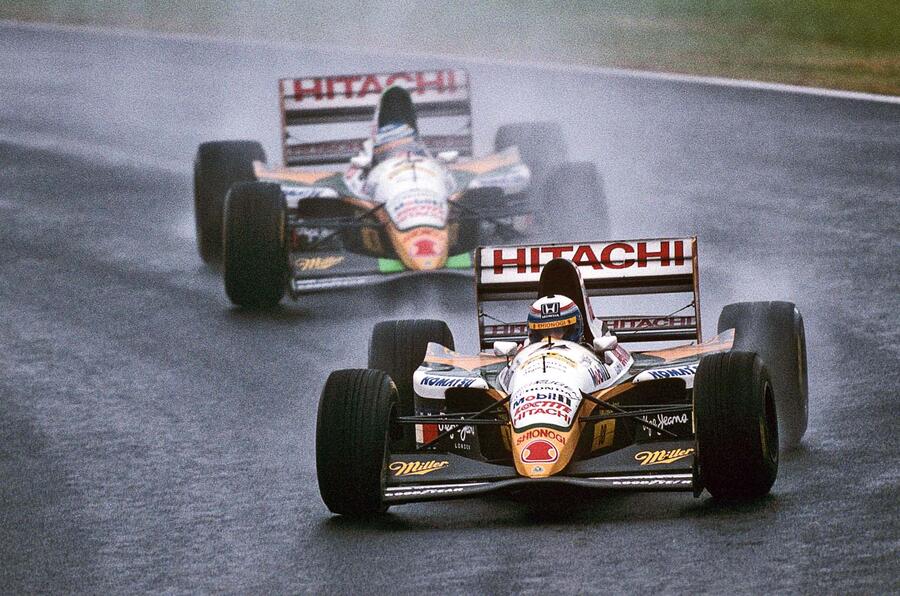
The buyer they snared could hardly have been richer. Following 10 days of negotiations in January 1986, General Motors paid £22.75 million for 58% of the shares – just one day’s cashflow for what was the world’s biggest car company.
In essence, the Americans wanted to use Hethel as a cheap and rapid R&D and engineering facility – but, to widespread relief, Lotus would remain independent, rather than be absorbed into the mass.
“For perhaps the first time in its 30-year history, Lotus can look forward to an assured future,” said Autocar, but Kimberley urged caution: “We have got to prove ourselves to GM’s main board.
Yes, it will make life easier, but we have got to stand on our own two feet. We have a very, very secure future and the staff is over the moon about it. There are no job uncertainties and no problems over resources, so long as we can justify them.”
A three-point, 10-year strategy was agreed. The main goal was a return of the affordable roadster – a project begun under Chapman in 1981. Codenamed M90, then X100, then M100, the car was scheduled to go on sale as a reborn Elan in early 1989, following “a major restyle and technical rethink”.
Enjoy full access to the complete Autocar archive at the magazineshop.com
The secondary goal was replacing the dated Excel with a Ferrari Testarossa-rivalling supercar, the Etna, which would use an in-house V8 and cutting-edge active suspension. And then there was “expansion of the engineering consultancy business, plus contract design and production of special editions for other manufacturers”.
Annual production was to grow tenfold to 5000 by the early 1990s and staff to 1200 after a new site had been built in Humberside, Ireland, Austria, the Netherlands or Canada.
“You have no idea how good it felt to be able to put together a six-year plan knowing we should be able to see it through without a financial crisis,” Kimberley told us.
In January 1990, our road testers declared: “For all their common roadster appeal, there is a gulf between the [FWD] Elan and [new] Mazda MX-5 in dynamic ability, one that the biggest price differential imaginable couldn’t in the end fully compensate for. This is the extent of Lotus’s achievement. The Mazda is a mere supporting act to the main event.” Yeah, no.
While the MX-5 was oversubscribed, nobody wanted the Elan – particularly in the vital American market. So after not even two years, Lotus abandoned its baby.
“The 3000-a-year volume at the time was sound, perhaps slightly optimistic. The car could have worked had it not been for the [US] recession,” Kimberley told us. “There has been no pressure to make this announcement. GM is determined never to pull the plug on Lotus. The business was literally going nowhere and we had to stop the bleeding.”
Former chairman Alan Curtis, who had masterminded the 1986 sale, added: “Lotus thought it could walk on water. We convinced GM we could. But not too many people can do that. Left to me, the Elan would never have been built. It provided nothing but heartache.
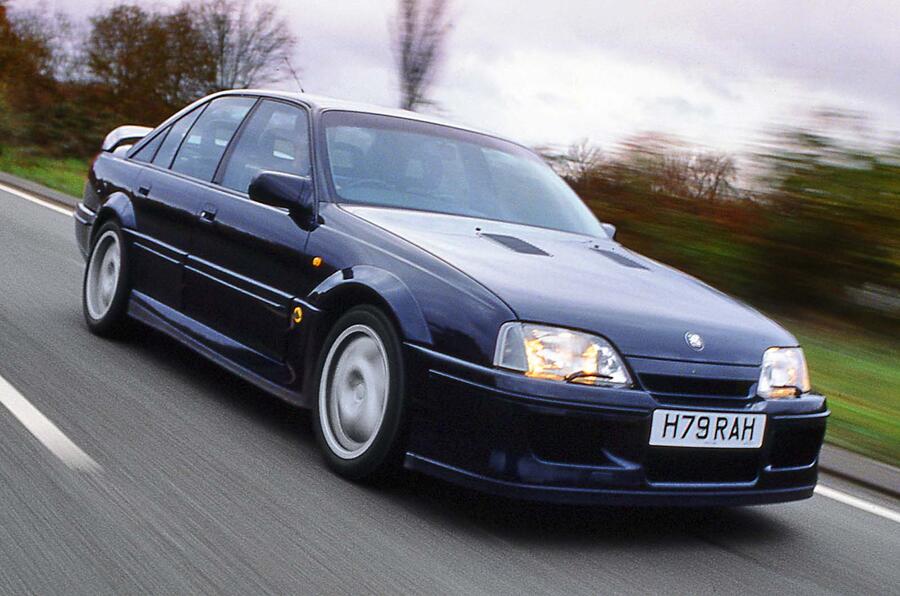
“With the benefit of hindsight, GM left us alone too much. We didn’t ask for help; we should have done so five years ago.” Despite its world-beating status, the Opel/Vauxhall Lotus Carlton had also failed to hit expectations and so was retired early, leaving Lotus with only the old Esprit.
“Something has gone appallingly wrong,” we lamented. “Lotus must bear its share of the blame – but the ultimate responsibility for the Elan’s demise lies at the very top.”
And then GM decided to do what it had supposedly been determined not to do. “We’ve got to get the basic core of Lotus stabilised before we can move forward,” its Europe boss told us. “We’ve already lost a lot of money [writing off £54m] and a new model will need money soon.”
A management buyout was tried but GM instead sold to Italian start-up Bugatti for a reported £30m. And as we all know, no calamity befell poor little Lotus ever again…
After the death of founder Colin Chapman in 1982, Lotus was in dire straits financially. Thankfully for all us petrolheads, it was saved by British Car Auctions chief David Wickens.
He quickly recruited more investors and, with Hethel veteran Mike Kimberley remaining as CEO, Lotus returned to profit in 1984. However, the bosses recognised that they couldn’t muster the resources to rejuvenate Lotus’s ageing road car range and so sought a richer buyer.
The buyer they snared could hardly have been richer. Following 10 days of negotiations in January 1986, General Motors paid £22.75 million for 58% of the shares – just one day’s cashflow for what was the world’s biggest car company.
In essence, the Americans wanted to use Hethel as a cheap and rapid R&D and engineering facility – but, to widespread relief, Lotus would remain independent, rather than be absorbed into the mass.
“For perhaps the first time in its 30-year history, Lotus can look forward to an assured future,” said Autocar, but Kimberley urged caution: “We have got to prove ourselves to GM’s main board.
Yes, it will make life easier, but we have got to stand on our own two feet. We have a very, very secure future and the staff is over the moon about it. There are no job uncertainties and no problems over resources, so long as we can justify them.”
A three-point, 10-year strategy was agreed. The main goal was a return of the affordable roadster – a project begun under Chapman in 1981. Codenamed M90, then X100, then M100, the car was scheduled to go on sale as a reborn Elan in early 1989, following “a major restyle and technical rethink”.
Enjoy full access to the complete Autocar archive at the magazineshop.com
The secondary goal was replacing the dated Excel with a Ferrari Testarossa-rivalling supercar, the Etna, which would use an in-house V8 and cutting-edge active suspension. And then there was “expansion of the engineering consultancy business, plus contract design and production of special editions for other manufacturers”.
Annual production was to grow tenfold to 5000 by the early 1990s and staff to 1200 after a new site had been built in Humberside, Ireland, Austria, the Netherlands or Canada.
“You have no idea how good it felt to be able to put together a six-year plan knowing we should be able to see it through without a financial crisis,” Kimberley told us.
In January 1990, our road testers declared: “For all their common roadster appeal, there is a gulf between the [FWD] Elan and [new] Mazda MX-5 in dynamic ability, one that the biggest price differential imaginable couldn’t in the end fully compensate for. This is the extent of Lotus’s achievement. The Mazda is a mere supporting act to the main event.” Yeah, no.
While the MX-5 was oversubscribed, nobody wanted the Elan – particularly in the vital American market. So after not even two years, Lotus abandoned its baby.
“The 3000-a-year volume at the time was sound, perhaps slightly optimistic. The car could have worked had it not been for the [US] recession,” Kimberley told us. “There has been no pressure to make this announcement. GM is determined never to pull the plug on Lotus. The business was literally going nowhere and we had to stop the bleeding.”
Former chairman Alan Curtis, who had masterminded the 1986 sale, added: “Lotus thought it could walk on water. We convinced GM we could. But not too many people can do that. Left to me, the Elan would never have been built. It provided nothing but heartache.
“With the benefit of hindsight, GM left us alone too much. We didn’t ask for help; we should have done so five years ago.” Despite its world-beating status, the Opel/Vauxhall Lotus Carlton had also failed to hit expectations and so was retired early, leaving Lotus with only the old Esprit.
“Something has gone appallingly wrong,” we lamented. “Lotus must bear its share of the blame – but the ultimate responsibility for the Elan’s demise lies at the very top.”
And then GM decided to do what it had supposedly been determined not to do. “We’ve got to get the basic core of Lotus stabilised before we can move forward,” its Europe boss told us. “We’ve already lost a lot of money [writing off £54m] and a new model will need money soon.”
A management buyout was tried but GM instead sold to Italian start-up Bugatti for a reported £30m. And as we all know, no calamity befell poor little Lotus ever again…
After the death of founder Colin Chapman in 1982, Lotus was in dire straits financially. Thankfully for all us petrolheads, it was saved by British Car Auctions chief David Wickens.
He quickly recruited more investors and, with Hethel veteran Mike Kimberley remaining as CEO, Lotus returned to profit in 1984. However, the bosses recognised that they couldn’t muster the resources to rejuvenate Lotus’s ageing road car range and so sought a richer buyer.
The buyer they snared could hardly have been richer. Following 10 days of negotiations in January 1986, General Motors paid £22.75 million for 58% of the shares – just one day’s cashflow for what was the world’s biggest car company.
In essence, the Americans wanted to use Hethel as a cheap and rapid R&D and engineering facility – but, to widespread relief, Lotus would remain independent, rather than be absorbed into the mass.
“For perhaps the first time in its 30-year history, Lotus can look forward to an assured future,” said Autocar, but Kimberley urged caution: “We have got to prove ourselves to GM’s main board.
Yes, it will make life easier, but we have got to stand on our own two feet. We have a very, very secure future and the staff is over the moon about it. There are no job uncertainties and no problems over resources, so long as we can justify them.”
A three-point, 10-year strategy was agreed. The main goal was a return of the affordable roadster – a project begun under Chapman in 1981. Codenamed M90, then X100, then M100, the car was scheduled to go on sale as a reborn Elan in early 1989, following “a major restyle and technical rethink”.
Enjoy full access to the complete Autocar archive at the magazineshop.com
The secondary goal was replacing the dated Excel with a Ferrari Testarossa-rivalling supercar, the Etna, which would use an in-house V8 and cutting-edge active suspension. And then there was “expansion of the engineering consultancy business, plus contract design and production of special editions for other manufacturers”.
Annual production was to grow tenfold to 5000 by the early 1990s and staff to 1200 after a new site had been built in Humberside, Ireland, Austria, the Netherlands or Canada.
“You have no idea how good it felt to be able to put together a six-year plan knowing we should be able to see it through without a financial crisis,” Kimberley told us.
In January 1990, our road testers declared: “For all their common roadster appeal, there is a gulf between the [FWD] Elan and [new] Mazda MX-5 in dynamic ability, one that the biggest price differential imaginable couldn’t in the end fully compensate for. This is the extent of Lotus’s achievement. The Mazda is a mere supporting act to the main event.” Yeah, no.
While the MX-5 was oversubscribed, nobody wanted the Elan – particularly in the vital American market. So after not even two years, Lotus abandoned its baby.
“The 3000-a-year volume at the time was sound, perhaps slightly optimistic. The car could have worked had it not been for the [US] recession,” Kimberley told us. “There has been no pressure to make this announcement. GM is determined never to pull the plug on Lotus. The business was literally going nowhere and we had to stop the bleeding.”
Former chairman Alan Curtis, who had masterminded the 1986 sale, added: “Lotus thought it could walk on water. We convinced GM we could. But not too many people can do that. Left to me, the Elan would never have been built. It provided nothing but heartache.
“With the benefit of hindsight, GM left us alone too much. We didn’t ask for help; we should have done so five years ago.” Despite its world-beating status, the Opel/Vauxhall Lotus Carlton had also failed to hit expectations and so was retired early, leaving Lotus with only the old Esprit.
“Something has gone appallingly wrong,” we lamented. “Lotus must bear its share of the blame – but the ultimate responsibility for the Elan’s demise lies at the very top.”
And then GM decided to do what it had supposedly been determined not to do. “We’ve got to get the basic core of Lotus stabilised before we can move forward,” its Europe boss told us. “We’ve already lost a lot of money [writing off £54m] and a new model will need money soon.”
A management buyout was tried but GM instead sold to Italian start-up Bugatti for a reported £30m. And as we all know, no calamity befell poor little Lotus ever again…
After the death of founder Colin Chapman in 1982, Lotus was in dire straits financially. Thankfully for all us petrolheads, it was saved by British Car Auctions chief David Wickens.
He quickly recruited more investors and, with Hethel veteran Mike Kimberley remaining as CEO, Lotus returned to profit in 1984. However, the bosses recognised that they couldn’t muster the resources to rejuvenate Lotus’s ageing road car range and so sought a richer buyer.
The buyer they snared could hardly have been richer. Following 10 days of negotiations in January 1986, General Motors paid £22.75 million for 58% of the shares – just one day’s cashflow for what was the world’s biggest car company.
In essence, the Americans wanted to use Hethel as a cheap and rapid R&D and engineering facility – but, to widespread relief, Lotus would remain independent, rather than be absorbed into the mass.
“For perhaps the first time in its 30-year history, Lotus can look forward to an assured future,” said Autocar, but Kimberley urged caution: “We have got to prove ourselves to GM’s main board.
Yes, it will make life easier, but we have got to stand on our own two feet. We have a very, very secure future and the staff is over the moon about it. There are no job uncertainties and no problems over resources, so long as we can justify them.”
A three-point, 10-year strategy was agreed. The main goal was a return of the affordable roadster – a project begun under Chapman in 1981. Codenamed M90, then X100, then M100, the car was scheduled to go on sale as a reborn Elan in early 1989, following “a major restyle and technical rethink”.
Enjoy full access to the complete Autocar archive at the magazineshop.com
The secondary goal was replacing the dated Excel with a Ferrari Testarossa-rivalling supercar, the Etna, which would use an in-house V8 and cutting-edge active suspension. And then there was “expansion of the engineering consultancy business, plus contract design and production of special editions for other manufacturers”.
Annual production was to grow tenfold to 5000 by the early 1990s and staff to 1200 after a new site had been built in Humberside, Ireland, Austria, the Netherlands or Canada.
“You have no idea how good it felt to be able to put together a six-year plan knowing we should be able to see it through without a financial crisis,” Kimberley told us.
In January 1990, our road testers declared: “For all their common roadster appeal, there is a gulf between the [FWD] Elan and [new] Mazda MX-5 in dynamic ability, one that the biggest price differential imaginable couldn’t in the end fully compensate for. This is the extent of Lotus’s achievement. The Mazda is a mere supporting act to the main event.” Yeah, no.
While the MX-5 was oversubscribed, nobody wanted the Elan – particularly in the vital American market. So after not even two years, Lotus abandoned its baby.
“The 3000-a-year volume at the time was sound, perhaps slightly optimistic. The car could have worked had it not been for the [US] recession,” Kimberley told us. “There has been no pressure to make this announcement. GM is determined never to pull the plug on Lotus. The business was literally going nowhere and we had to stop the bleeding.”
Former chairman Alan Curtis, who had masterminded the 1986 sale, added: “Lotus thought it could walk on water. We convinced GM we could. But not too many people can do that. Left to me, the Elan would never have been built. It provided nothing but heartache.
“With the benefit of hindsight, GM left us alone too much. We didn’t ask for help; we should have done so five years ago.” Despite its world-beating status, the Opel/Vauxhall Lotus Carlton had also failed to hit expectations and so was retired early, leaving Lotus with only the old Esprit.
“Something has gone appallingly wrong,” we lamented. “Lotus must bear its share of the blame – but the ultimate responsibility for the Elan’s demise lies at the very top.”
And then GM decided to do what it had supposedly been determined not to do. “We’ve got to get the basic core of Lotus stabilised before we can move forward,” its Europe boss told us. “We’ve already lost a lot of money [writing off £54m] and a new model will need money soon.”
A management buyout was tried but GM instead sold to Italian start-up Bugatti for a reported £30m. And as we all know, no calamity befell poor little Lotus ever again…
After the death of founder Colin Chapman in 1982, Lotus was in dire straits financially. Thankfully for all us petrolheads, it was saved by British Car Auctions chief David Wickens.
He quickly recruited more investors and, with Hethel veteran Mike Kimberley remaining as CEO, Lotus returned to profit in 1984. However, the bosses recognised that they couldn’t muster the resources to rejuvenate Lotus’s ageing road car range and so sought a richer buyer.
The buyer they snared could hardly have been richer. Following 10 days of negotiations in January 1986, General Motors paid £22.75 million for 58% of the shares – just one day’s cashflow for what was the world’s biggest car company.
In essence, the Americans wanted to use Hethel as a cheap and rapid R&D and engineering facility – but, to widespread relief, Lotus would remain independent, rather than be absorbed into the mass.
“For perhaps the first time in its 30-year history, Lotus can look forward to an assured future,” said Autocar, but Kimberley urged caution: “We have got to prove ourselves to GM’s main board.
Yes, it will make life easier, but we have got to stand on our own two feet. We have a very, very secure future and the staff is over the moon about it. There are no job uncertainties and no problems over resources, so long as we can justify them.”
A three-point, 10-year strategy was agreed. The main goal was a return of the affordable roadster – a project begun under Chapman in 1981. Codenamed M90, then X100, then M100, the car was scheduled to go on sale as a reborn Elan in early 1989, following “a major restyle and technical rethink”.
Enjoy full access to the complete Autocar archive at the magazineshop.com
The secondary goal was replacing the dated Excel with a Ferrari Testarossa-rivalling supercar, the Etna, which would use an in-house V8 and cutting-edge active suspension. And then there was “expansion of the engineering consultancy business, plus contract design and production of special editions for other manufacturers”.
Annual production was to grow tenfold to 5000 by the early 1990s and staff to 1200 after a new site had been built in Humberside, Ireland, Austria, the Netherlands or Canada.
“You have no idea how good it felt to be able to put together a six-year plan knowing we should be able to see it through without a financial crisis,” Kimberley told us.
In January 1990, our road testers declared: “For all their common roadster appeal, there is a gulf between the [FWD] Elan and [new] Mazda MX-5 in dynamic ability, one that the biggest price differential imaginable couldn’t in the end fully compensate for. This is the extent of Lotus’s achievement. The Mazda is a mere supporting act to the main event.” Yeah, no.
While the MX-5 was oversubscribed, nobody wanted the Elan – particularly in the vital American market. So after not even two years, Lotus abandoned its baby.
“The 3000-a-year volume at the time was sound, perhaps slightly optimistic. The car could have worked had it not been for the [US] recession,” Kimberley told us. “There has been no pressure to make this announcement. GM is determined never to pull the plug on Lotus. The business was literally going nowhere and we had to stop the bleeding.”
Former chairman Alan Curtis, who had masterminded the 1986 sale, added: “Lotus thought it could walk on water. We convinced GM we could. But not too many people can do that. Left to me, the Elan would never have been built. It provided nothing but heartache.
“With the benefit of hindsight, GM left us alone too much. We didn’t ask for help; we should have done so five years ago.” Despite its world-beating status, the Opel/Vauxhall Lotus Carlton had also failed to hit expectations and so was retired early, leaving Lotus with only the old Esprit.
“Something has gone appallingly wrong,” we lamented. “Lotus must bear its share of the blame – but the ultimate responsibility for the Elan’s demise lies at the very top.”
And then GM decided to do what it had supposedly been determined not to do. “We’ve got to get the basic core of Lotus stabilised before we can move forward,” its Europe boss told us. “We’ve already lost a lot of money [writing off £54m] and a new model will need money soon.”
A management buyout was tried but GM instead sold to Italian start-up Bugatti for a reported £30m. And as we all know, no calamity befell poor little Lotus ever again…
After the death of founder Colin Chapman in 1982, Lotus was in dire straits financially. Thankfully for all us petrolheads, it was saved by British Car Auctions chief David Wickens.
He quickly recruited more investors and, with Hethel veteran Mike Kimberley remaining as CEO, Lotus returned to profit in 1984. However, the bosses recognised that they couldn’t muster the resources to rejuvenate Lotus’s ageing road car range and so sought a richer buyer.
The buyer they snared could hardly have been richer. Following 10 days of negotiations in January 1986, General Motors paid £22.75 million for 58% of the shares – just one day’s cashflow for what was the world’s biggest car company.
In essence, the Americans wanted to use Hethel as a cheap and rapid R&D and engineering facility – but, to widespread relief, Lotus would remain independent, rather than be absorbed into the mass.
“For perhaps the first time in its 30-year history, Lotus can look forward to an assured future,” said Autocar, but Kimberley urged caution: “We have got to prove ourselves to GM’s main board.
Yes, it will make life easier, but we have got to stand on our own two feet. We have a very, very secure future and the staff is over the moon about it. There are no job uncertainties and no problems over resources, so long as we can justify them.”
A three-point, 10-year strategy was agreed. The main goal was a return of the affordable roadster – a project begun under Chapman in 1981. Codenamed M90, then X100, then M100, the car was scheduled to go on sale as a reborn Elan in early 1989, following “a major restyle and technical rethink”.
Enjoy full access to the complete Autocar archive at the magazineshop.com
The secondary goal was replacing the dated Excel with a Ferrari Testarossa-rivalling supercar, the Etna, which would use an in-house V8 and cutting-edge active suspension. And then there was “expansion of the engineering consultancy business, plus contract design and production of special editions for other manufacturers”.
Annual production was to grow tenfold to 5000 by the early 1990s and staff to 1200 after a new site had been built in Humberside, Ireland, Austria, the Netherlands or Canada.
“You have no idea how good it felt to be able to put together a six-year plan knowing we should be able to see it through without a financial crisis,” Kimberley told us.
In January 1990, our road testers declared: “For all their common roadster appeal, there is a gulf between the [FWD] Elan and [new] Mazda MX-5 in dynamic ability, one that the biggest price differential imaginable couldn’t in the end fully compensate for. This is the extent of Lotus’s achievement. The Mazda is a mere supporting act to the main event.” Yeah, no.
While the MX-5 was oversubscribed, nobody wanted the Elan – particularly in the vital American market. So after not even two years, Lotus abandoned its baby.
“The 3000-a-year volume at the time was sound, perhaps slightly optimistic. The car could have worked had it not been for the [US] recession,” Kimberley told us. “There has been no pressure to make this announcement. GM is determined never to pull the plug on Lotus. The business was literally going nowhere and we had to stop the bleeding.”
Former chairman Alan Curtis, who had masterminded the 1986 sale, added: “Lotus thought it could walk on water. We convinced GM we could. But not too many people can do that. Left to me, the Elan would never have been built. It provided nothing but heartache.
“With the benefit of hindsight, GM left us alone too much. We didn’t ask for help; we should have done so five years ago.” Despite its world-beating status, the Opel/Vauxhall Lotus Carlton had also failed to hit expectations and so was retired early, leaving Lotus with only the old Esprit.
“Something has gone appallingly wrong,” we lamented. “Lotus must bear its share of the blame – but the ultimate responsibility for the Elan’s demise lies at the very top.”
And then GM decided to do what it had supposedly been determined not to do. “We’ve got to get the basic core of Lotus stabilised before we can move forward,” its Europe boss told us. “We’ve already lost a lot of money [writing off £54m] and a new model will need money soon.”
A management buyout was tried but GM instead sold to Italian start-up Bugatti for a reported £30m. And as we all know, no calamity befell poor little Lotus ever again…
After the death of founder Colin Chapman in 1982, Lotus was in dire straits financially. Thankfully for all us petrolheads, it was saved by British Car Auctions chief David Wickens.
He quickly recruited more investors and, with Hethel veteran Mike Kimberley remaining as CEO, Lotus returned to profit in 1984. However, the bosses recognised that they couldn’t muster the resources to rejuvenate Lotus’s ageing road car range and so sought a richer buyer.
The buyer they snared could hardly have been richer. Following 10 days of negotiations in January 1986, General Motors paid £22.75 million for 58% of the shares – just one day’s cashflow for what was the world’s biggest car company.
In essence, the Americans wanted to use Hethel as a cheap and rapid R&D and engineering facility – but, to widespread relief, Lotus would remain independent, rather than be absorbed into the mass.
“For perhaps the first time in its 30-year history, Lotus can look forward to an assured future,” said Autocar, but Kimberley urged caution: “We have got to prove ourselves to GM’s main board.
Yes, it will make life easier, but we have got to stand on our own two feet. We have a very, very secure future and the staff is over the moon about it. There are no job uncertainties and no problems over resources, so long as we can justify them.”
A three-point, 10-year strategy was agreed. The main goal was a return of the affordable roadster – a project begun under Chapman in 1981. Codenamed M90, then X100, then M100, the car was scheduled to go on sale as a reborn Elan in early 1989, following “a major restyle and technical rethink”.
Enjoy full access to the complete Autocar archive at the magazineshop.com
The secondary goal was replacing the dated Excel with a Ferrari Testarossa-rivalling supercar, the Etna, which would use an in-house V8 and cutting-edge active suspension. And then there was “expansion of the engineering consultancy business, plus contract design and production of special editions for other manufacturers”.
Annual production was to grow tenfold to 5000 by the early 1990s and staff to 1200 after a new site had been built in Humberside, Ireland, Austria, the Netherlands or Canada.
“You have no idea how good it felt to be able to put together a six-year plan knowing we should be able to see it through without a financial crisis,” Kimberley told us.
In January 1990, our road testers declared: “For all their common roadster appeal, there is a gulf between the [FWD] Elan and [new] Mazda MX-5 in dynamic ability, one that the biggest price differential imaginable couldn’t in the end fully compensate for. This is the extent of Lotus’s achievement. The Mazda is a mere supporting act to the main event.” Yeah, no.
While the MX-5 was oversubscribed, nobody wanted the Elan – particularly in the vital American market. So after not even two years, Lotus abandoned its baby.
“The 3000-a-year volume at the time was sound, perhaps slightly optimistic. The car could have worked had it not been for the [US] recession,” Kimberley told us. “There has been no pressure to make this announcement. GM is determined never to pull the plug on Lotus. The business was literally going nowhere and we had to stop the bleeding.”
Former chairman Alan Curtis, who had masterminded the 1986 sale, added: “Lotus thought it could walk on water. We convinced GM we could. But not too many people can do that. Left to me, the Elan would never have been built. It provided nothing but heartache.
“With the benefit of hindsight, GM left us alone too much. We didn’t ask for help; we should have done so five years ago.” Despite its world-beating status, the Opel/Vauxhall Lotus Carlton had also failed to hit expectations and so was retired early, leaving Lotus with only the old Esprit.
“Something has gone appallingly wrong,” we lamented. “Lotus must bear its share of the blame – but the ultimate responsibility for the Elan’s demise lies at the very top.”
And then GM decided to do what it had supposedly been determined not to do. “We’ve got to get the basic core of Lotus stabilised before we can move forward,” its Europe boss told us. “We’ve already lost a lot of money [writing off £54m] and a new model will need money soon.”
A management buyout was tried but GM instead sold to Italian start-up Bugatti for a reported £30m. And as we all know, no calamity befell poor little Lotus ever again…
After the death of founder Colin Chapman in 1982, Lotus was in dire straits financially. Thankfully for all us petrolheads, it was saved by British Car Auctions chief David Wickens.
He quickly recruited more investors and, with Hethel veteran Mike Kimberley remaining as CEO, Lotus returned to profit in 1984. However, the bosses recognised that they couldn’t muster the resources to rejuvenate Lotus’s ageing road car range and so sought a richer buyer.
The buyer they snared could hardly have been richer. Following 10 days of negotiations in January 1986, General Motors paid £22.75 million for 58% of the shares – just one day’s cashflow for what was the world’s biggest car company.
In essence, the Americans wanted to use Hethel as a cheap and rapid R&D and engineering facility – but, to widespread relief, Lotus would remain independent, rather than be absorbed into the mass.
“For perhaps the first time in its 30-year history, Lotus can look forward to an assured future,” said Autocar, but Kimberley urged caution: “We have got to prove ourselves to GM’s main board.
Yes, it will make life easier, but we have got to stand on our own two feet. We have a very, very secure future and the staff is over the moon about it. There are no job uncertainties and no problems over resources, so long as we can justify them.”
A three-point, 10-year strategy was agreed. The main goal was a return of the affordable roadster – a project begun under Chapman in 1981. Codenamed M90, then X100, then M100, the car was scheduled to go on sale as a reborn Elan in early 1989, following “a major restyle and technical rethink”.
Enjoy full access to the complete Autocar archive at the magazineshop.com
The secondary goal was replacing the dated Excel with a Ferrari Testarossa-rivalling supercar, the Etna, which would use an in-house V8 and cutting-edge active suspension. And then there was “expansion of the engineering consultancy business, plus contract design and production of special editions for other manufacturers”.
Annual production was to grow tenfold to 5000 by the early 1990s and staff to 1200 after a new site had been built in Humberside, Ireland, Austria, the Netherlands or Canada.
“You have no idea how good it felt to be able to put together a six-year plan knowing we should be able to see it through without a financial crisis,” Kimberley told us.
In January 1990, our road testers declared: “For all their common roadster appeal, there is a gulf between the [FWD] Elan and [new] Mazda MX-5 in dynamic ability, one that the biggest price differential imaginable couldn’t in the end fully compensate for. This is the extent of Lotus’s achievement. The Mazda is a mere supporting act to the main event.” Yeah, no.
While the MX-5 was oversubscribed, nobody wanted the Elan – particularly in the vital American market. So after not even two years, Lotus abandoned its baby.
“The 3000-a-year volume at the time was sound, perhaps slightly optimistic. The car could have worked had it not been for the [US] recession,” Kimberley told us. “There has been no pressure to make this announcement. GM is determined never to pull the plug on Lotus. The business was literally going nowhere and we had to stop the bleeding.”
Former chairman Alan Curtis, who had masterminded the 1986 sale, added: “Lotus thought it could walk on water. We convinced GM we could. But not too many people can do that. Left to me, the Elan would never have been built. It provided nothing but heartache.
“With the benefit of hindsight, GM left us alone too much. We didn’t ask for help; we should have done so five years ago.” Despite its world-beating status, the Opel/Vauxhall Lotus Carlton had also failed to hit expectations and so was retired early, leaving Lotus with only the old Esprit.
“Something has gone appallingly wrong,” we lamented. “Lotus must bear its share of the blame – but the ultimate responsibility for the Elan’s demise lies at the very top.”
And then GM decided to do what it had supposedly been determined not to do. “We’ve got to get the basic core of Lotus stabilised before we can move forward,” its Europe boss told us. “We’ve already lost a lot of money [writing off £54m] and a new model will need money soon.”
A management buyout was tried but GM instead sold to Italian start-up Bugatti for a reported £30m. And as we all know, no calamity befell poor little Lotus ever again…
After the death of founder Colin Chapman in 1982, Lotus was in dire straits financially. Thankfully for all us petrolheads, it was saved by British Car Auctions chief David Wickens.
He quickly recruited more investors and, with Hethel veteran Mike Kimberley remaining as CEO, Lotus returned to profit in 1984. However, the bosses recognised that they couldn’t muster the resources to rejuvenate Lotus’s ageing road car range and so sought a richer buyer.
The buyer they snared could hardly have been richer. Following 10 days of negotiations in January 1986, General Motors paid £22.75 million for 58% of the shares – just one day’s cashflow for what was the world’s biggest car company.
In essence, the Americans wanted to use Hethel as a cheap and rapid R&D and engineering facility – but, to widespread relief, Lotus would remain independent, rather than be absorbed into the mass.
“For perhaps the first time in its 30-year history, Lotus can look forward to an assured future,” said Autocar, but Kimberley urged caution: “We have got to prove ourselves to GM’s main board.
Yes, it will make life easier, but we have got to stand on our own two feet. We have a very, very secure future and the staff is over the moon about it. There are no job uncertainties and no problems over resources, so long as we can justify them.”
A three-point, 10-year strategy was agreed. The main goal was a return of the affordable roadster – a project begun under Chapman in 1981. Codenamed M90, then X100, then M100, the car was scheduled to go on sale as a reborn Elan in early 1989, following “a major restyle and technical rethink”.
Enjoy full access to the complete Autocar archive at the magazineshop.com
The secondary goal was replacing the dated Excel with a Ferrari Testarossa-rivalling supercar, the Etna, which would use an in-house V8 and cutting-edge active suspension. And then there was “expansion of the engineering consultancy business, plus contract design and production of special editions for other manufacturers”.
Annual production was to grow tenfold to 5000 by the early 1990s and staff to 1200 after a new site had been built in Humberside, Ireland, Austria, the Netherlands or Canada.
“You have no idea how good it felt to be able to put together a six-year plan knowing we should be able to see it through without a financial crisis,” Kimberley told us.
In January 1990, our road testers declared: “For all their common roadster appeal, there is a gulf between the [FWD] Elan and [new] Mazda MX-5 in dynamic ability, one that the biggest price differential imaginable couldn’t in the end fully compensate for. This is the extent of Lotus’s achievement. The Mazda is a mere supporting act to the main event.” Yeah, no.
While the MX-5 was oversubscribed, nobody wanted the Elan – particularly in the vital American market. So after not even two years, Lotus abandoned its baby.
“The 3000-a-year volume at the time was sound, perhaps slightly optimistic. The car could have worked had it not been for the [US] recession,” Kimberley told us. “There has been no pressure to make this announcement. GM is determined never to pull the plug on Lotus. The business was literally going nowhere and we had to stop the bleeding.”
Former chairman Alan Curtis, who had masterminded the 1986 sale, added: “Lotus thought it could walk on water. We convinced GM we could. But not too many people can do that. Left to me, the Elan would never have been built. It provided nothing but heartache.
“With the benefit of hindsight, GM left us alone too much. We didn’t ask for help; we should have done so five years ago.” Despite its world-beating status, the Opel/Vauxhall Lotus Carlton had also failed to hit expectations and so was retired early, leaving Lotus with only the old Esprit.
“Something has gone appallingly wrong,” we lamented. “Lotus must bear its share of the blame – but the ultimate responsibility for the Elan’s demise lies at the very top.”
And then GM decided to do what it had supposedly been determined not to do. “We’ve got to get the basic core of Lotus stabilised before we can move forward,” its Europe boss told us. “We’ve already lost a lot of money [writing off £54m] and a new model will need money soon.”
A management buyout was tried but GM instead sold to Italian start-up Bugatti for a reported £30m. And as we all know, no calamity befell poor little Lotus ever again…
A one-piece, bespoke foam and plastic-skinned dashboard. A quick-fold hood that didn’t leak and which stowed beneath its own lid. Electric windows good for more than five consecutive rises and falls.
Back in 1989, all this didn’t sound like a Lotus. Even more un-Lotus-like was the appearance of a Japanese engine beneath this car’s steeply plunging bonnet and, most jarringly of all, a drive system that sent power to the front wheels. This was the latest Lotus Elan, an all-new confection that, name and entertainment mission apart, bore no more than passing conceptual resemblance to its legendary predecessor.
Front-wheel drive was a first for Lotus and, for the moment at least, a last. But the Hethel engineers had their reasons, reckoning that “for a given vehicle weight, power and tyre size, a front-wheel-drive car was always faster over a given section of road. There were definite advantages in traction and controllability, and drawbacks such as torque steer, bump steer and steering kickback were not insurmountable.”
Hethel knew all this because its chassis engineers were working on plenty of high-volume front-drive cars via Lotus Engineering, the company’s consultancy.
There were practical and industrial reasons for wheels that pulled rather than pushed. Lotus had to source its engine and gearbox from outside the company, and back in the late ’80s nearly all the major car manufacturers were making and developing front-wheel-drive cars.
When development of the M100 began, Lotus was independent and buying components from Toyota. Its plan was to use the company’s superb twin-cam 1600 engine from the Corolla GTI and MR2. But then GM bought Lotus, closing that avenue off.
Lotus had to shop from it’s new owner instead – an unpromising prospect back then, until it discovered the 1.6 twin-cam turbo that Isuzu had under development (Isuzu made cars as as well as trucks back then), complete with five-speed transmission.
GM was also able to properly fund the car, the £35 million it invested granting Hethel vastly greater buying power than it had previously enjoyed. That’s what paid for the high-caliber interior and an extensive prototype test programme carried out not by Lotus buyers but by the company’s engineers.
Having settled for front-wheel drive, Lotus then set about making the new Elan’s chassis the very best of the breed.
At the rear were wide-spaced coil sprung double wishbones, a broadly similar arrangement used at the front, but for one vital and ingenious modification. Instead of mounting the wishbones direct to the M100’s backbone chassis, they were bolted to a pair of sub-structures that Lotus called rafts, the bushing and geometry control possibilities these afforded allowing them to exorcise torque-steer and bump-steer and provide the kind of small-bump compliance for which Lotuses are renowned.
John Miles, ex-Formula One racer, engineer and once Autocar road tester, led the development to produce a chassis of extraordinary capabilities. The Elan’s absorbency and resistance to being knocked of line, allied to its chewing gum-to-shoe grip, produced a car that, from A-to-B, was almost uncatchable.
And, rather painfully, it also produced a boring car. Well, almost. You’d marvel at the speeds at which you could attack battered B-roads, marvel at the imperturbable roadholding and marvel at the Lotus’s beautifully damped and elastic bump-gobbling, but your marveling would be slightly remote, as if you were only along for the ride. And this despite the Elan’s feelsome steering. So that was a bit of a dampener.
Meanwhile, trouble was brewing on the other side of the world, and trouble with a bitterly ironic edge. Mazda had developed itself a new sports car that owed plenty to the heyday of the breed in the 1960s and, in particular, to the original Lotus Elan.
It was rear-wheel drive. It was small. It put clean, safe, predictable and entertaining handling above absolute grip, above power and above scoring breathless point-to-point journey times. The Mazda MX-5 even looked a little like the Lotus, right down to twin cam covers rounded off to look like the covers of the Elan. Truth was, it was more fun than the technically ingenious new Lotus. It looked better, too.
It was also more keenly priced and would prove to be massively more successful than the new Lotus. Lotus never planned Mazda volumes despite the Elan’s mass-production-grade dashboard, but Hethel certainly banked on more than the 3855 cars it had managed by July 1992, less than three years after launch.
Yearly sales of 4500 were the actual target. The car was losing money, as was Lotus, and GM wanted out, production ending well before the car’s intended life had expired. Bizarrely, the company went to Romano Artioli’s Bugatti, to complement the Italian company’s factory in Modena. The new management’s discovery that there were more than 800 unused Isuzu engines at Hethel lead to the Elan S2, this lightly facelifted version produced in a limited series of 800. It wasn’t over then, either, with a deal worthy of an automotive pub quiz question seeing Kia purchase the tooling and rights to the car, which it made in tiny numbers in Korea. And then it really was over.
In so many ways the 1989 Elan was Lotus’s first grown-up car. It was properly funded, properly engineered and properly developed – these cars are reliable even now. That it launched into a recession was unlucky, as was Mazda’s part-plagiarism of Hethel’s past work, but what the Elan proved was that for sports cars, front-drive is a no-no.
