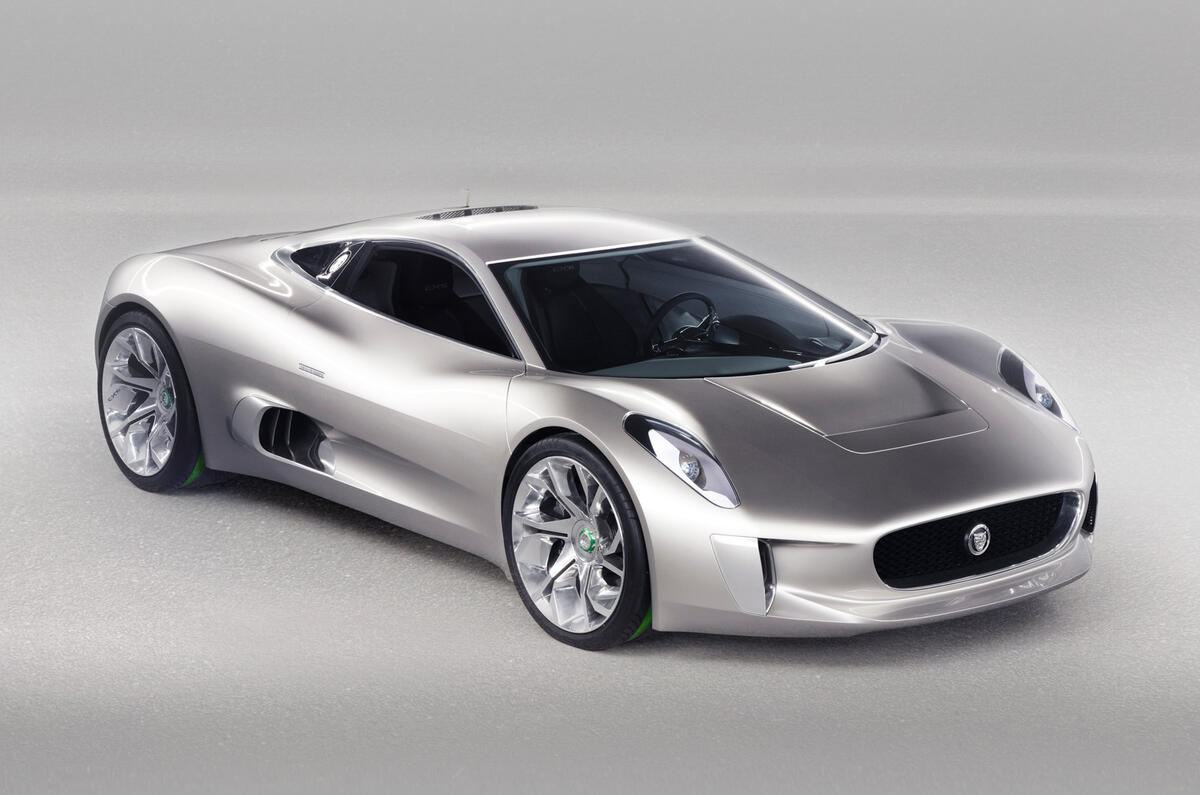
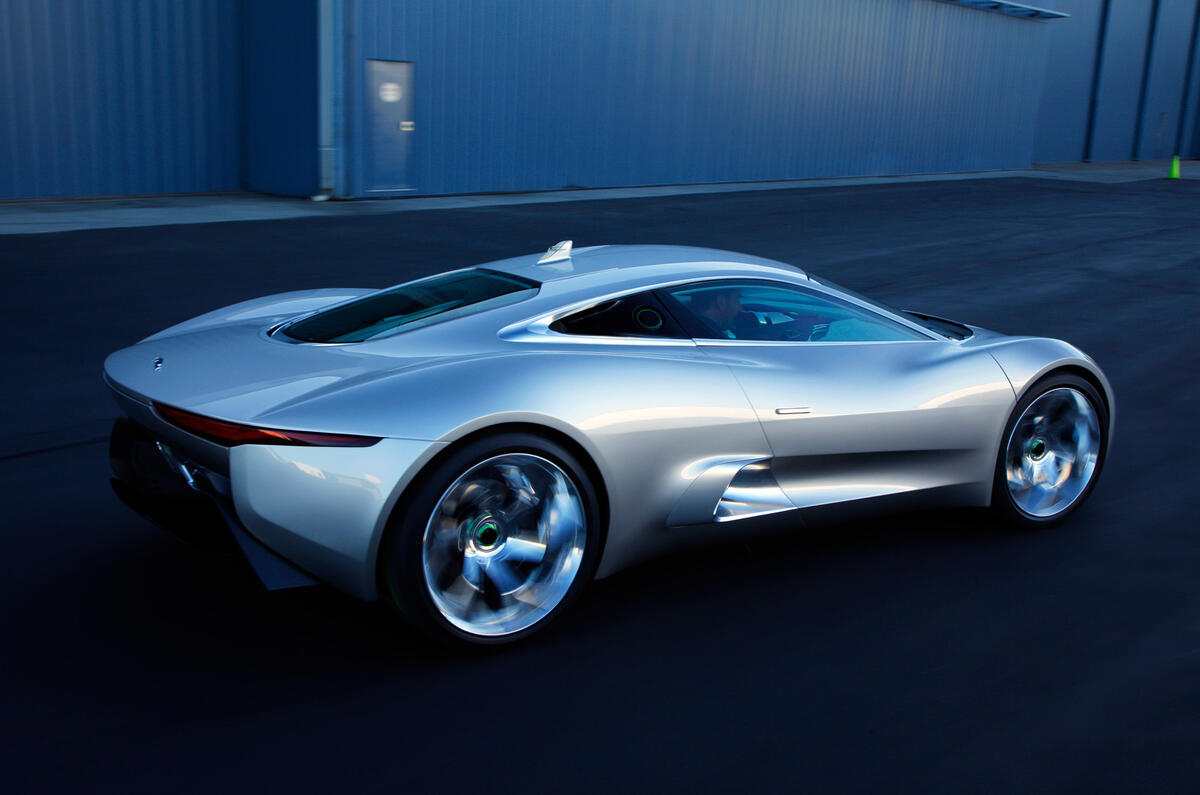
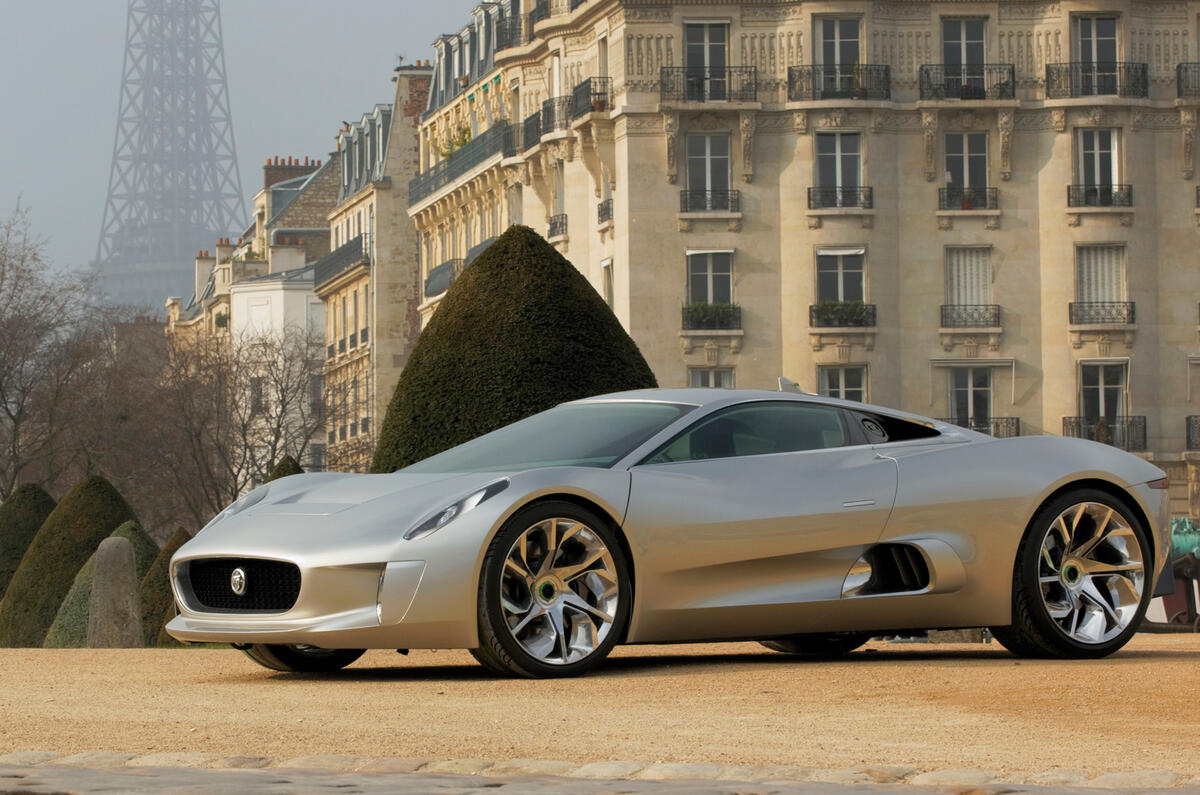
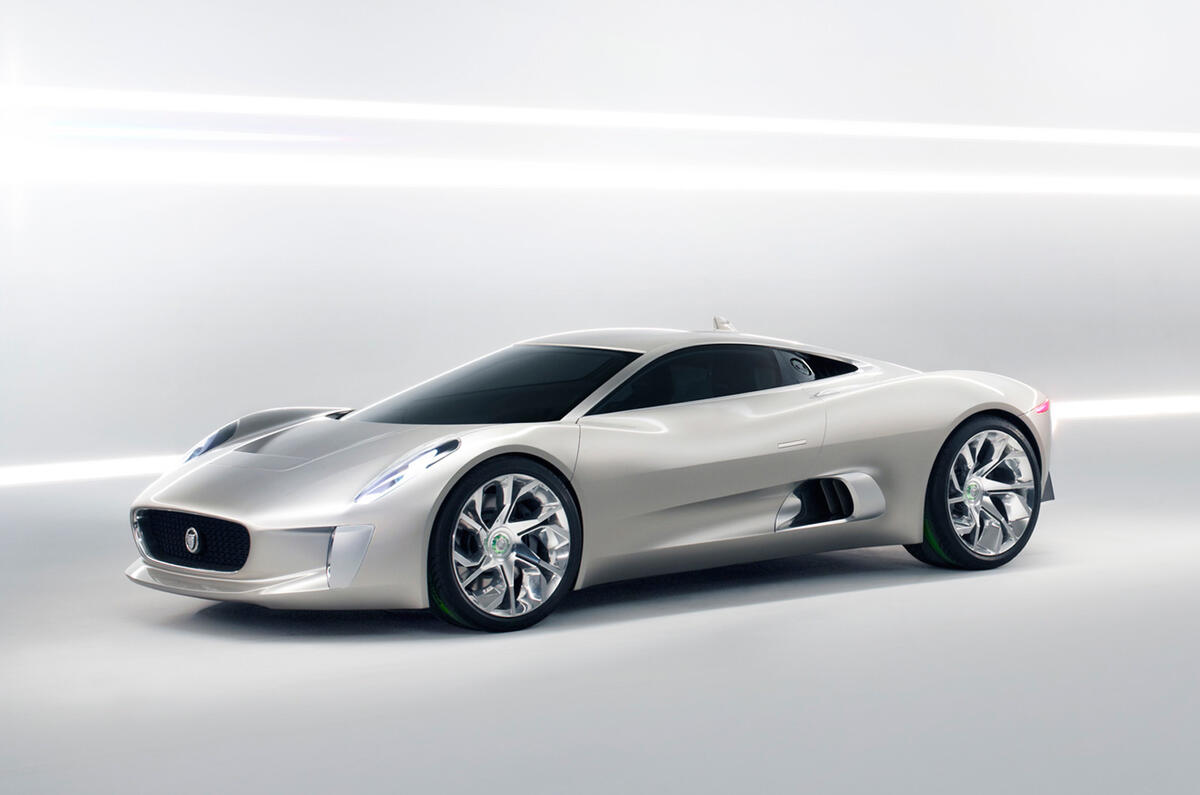




The Jaguar C-X75 supercar has been axed. Global brand director Adrian Hallmark confirmed that the decision not to put the radical hybrid into production had been taken due to the current global economic crisis.
Five working prototypes will continue to be developed until next May. Up to three of these will then be sold at auction, while one will go into a future Jaguar museum and the other will be kept by Jaguar for running demonstrations.
"We feel we could make the car work, but looking at the global austerity measures in place now, it seems the wrong time to launch an £800,000 to £1 million supercar," said Hallmark. "This is backed up by other products from us that people are screaming out for."
The C-X75 was first revealed as a concept at the Paris motor show in 2010. Its hybrid drivetrain included a pair of gas turbines to power the car once charge from the four electric motors, one mounted at each wheel, had expired.
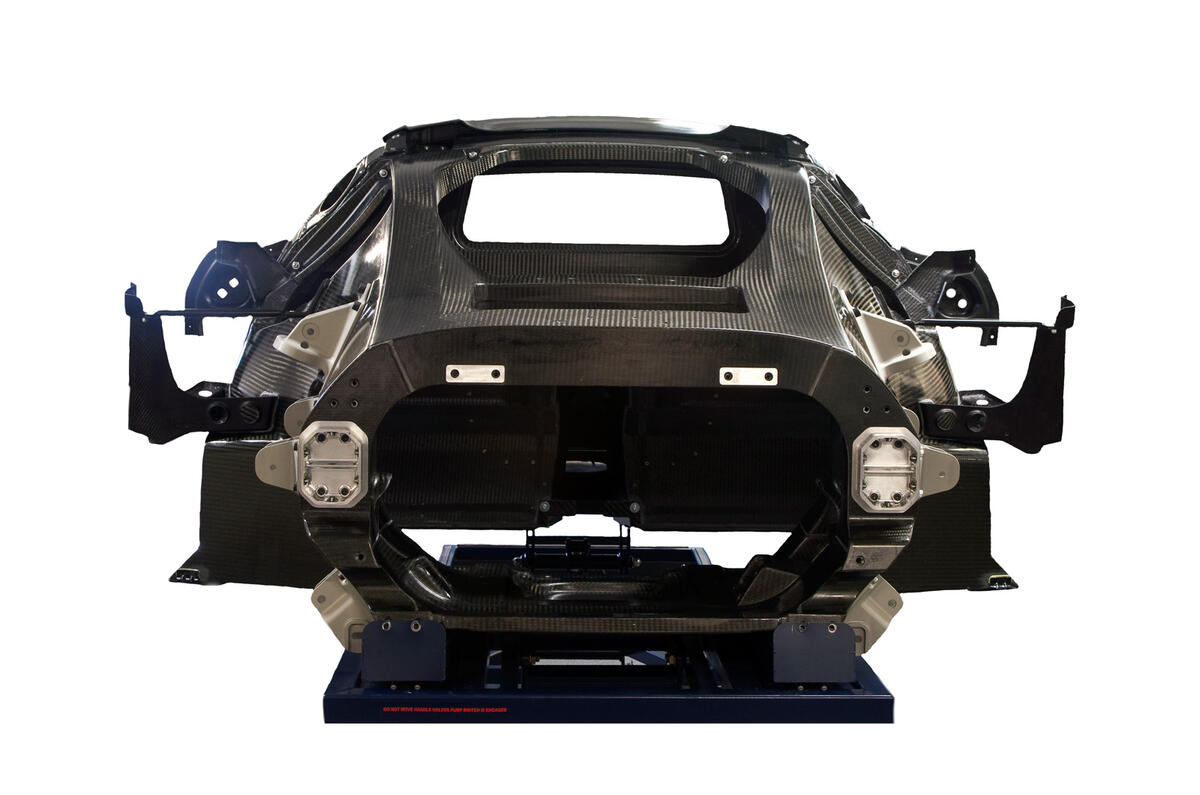
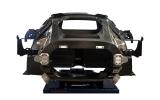
In May 2011 Jaguar confirmed the C-X75, which features the firm's first bonded carbonfibre chassis using Williams F1 expertise, had been signed off for production, albeit without the gas turbines.
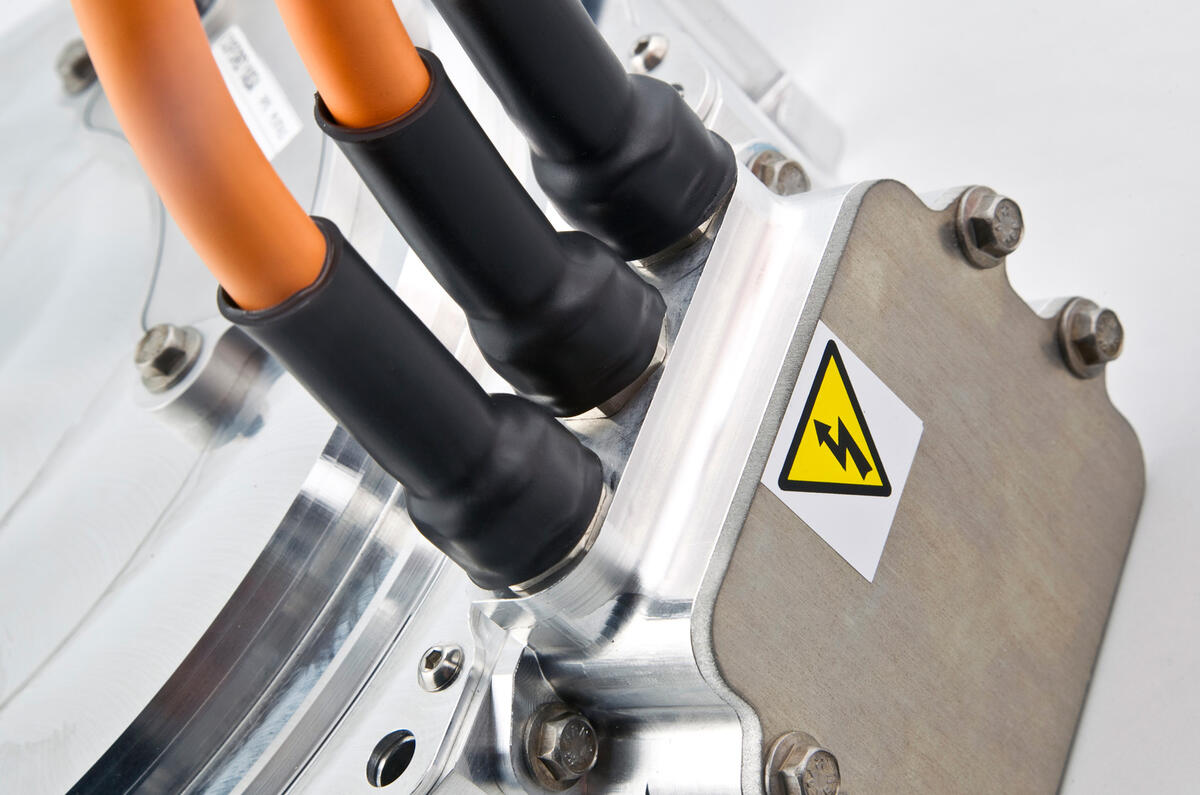
The original drivetrain had been replaced with a turbocharged/supercharged 1.6-litre petrol engine and two electric motors, mounted at either end of the car, driving transaxles and powered by a liquid/air-cooled battery pack.
The combined power figure of the hybrid drivetrain was 888bhp and combined torque 590lb ft. The C-X75 could crack 0-60mph in 2.8sec and promised 0-100mph in less than 6.0sec. An all-electric range of 60 miles was quoted.
Hallmark said the undisclosed investment in the C-X75 would not be wasted, and 60 per cent of its technology would filter through to future Jaguars. The hybrid technology, he said, could be used on a three-cylinder engine to give it the power of a six-cylinder engine.
The C-X75's sophisticated aerodynamics should also influence future Jaguars, while the high-pressure supercharger technology could be used on future performance Jaguars with four-cylinder engines.
Hallmark said around 100 expressions of interest had been taken in the C-X75, with the maximum number of cars to be built capped at 250.
The C-X75's carbonfibre chassis was developed with the Williams F1 team. Hallmark said the relationship with Williams would end in May when the project died, but he expected the pair to work again in the future.