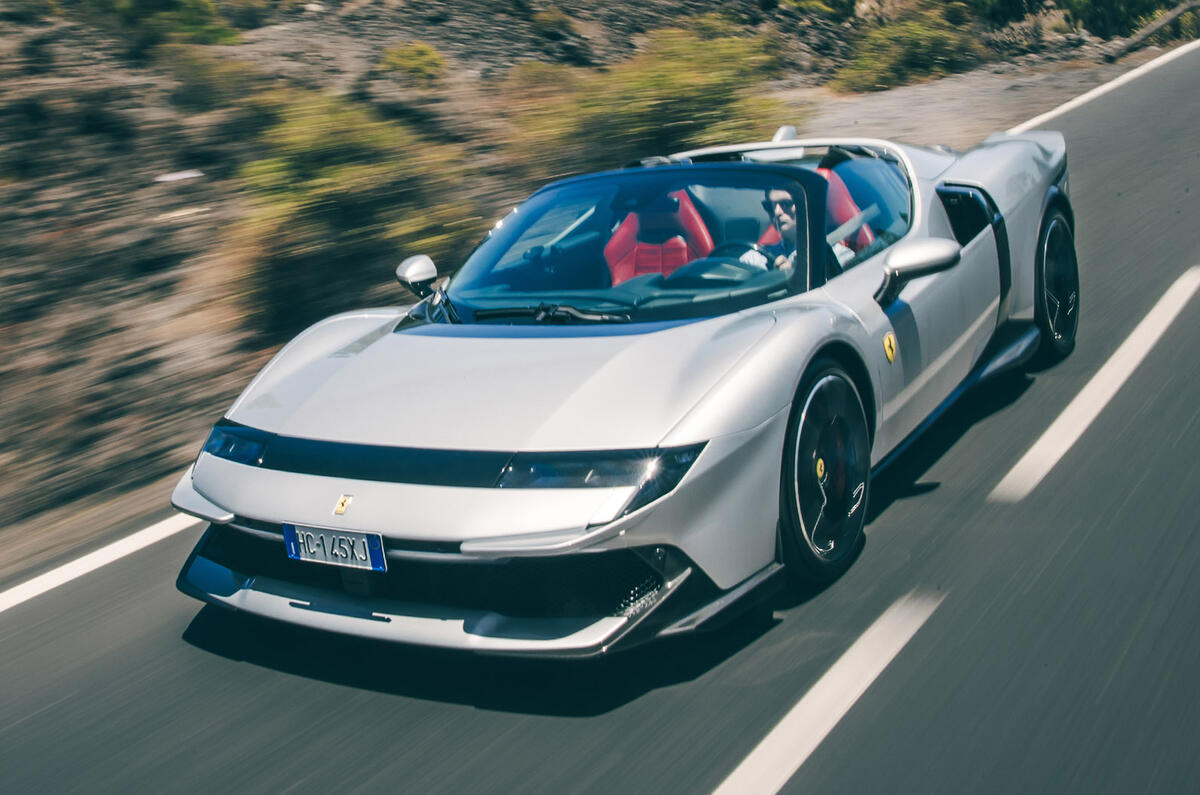
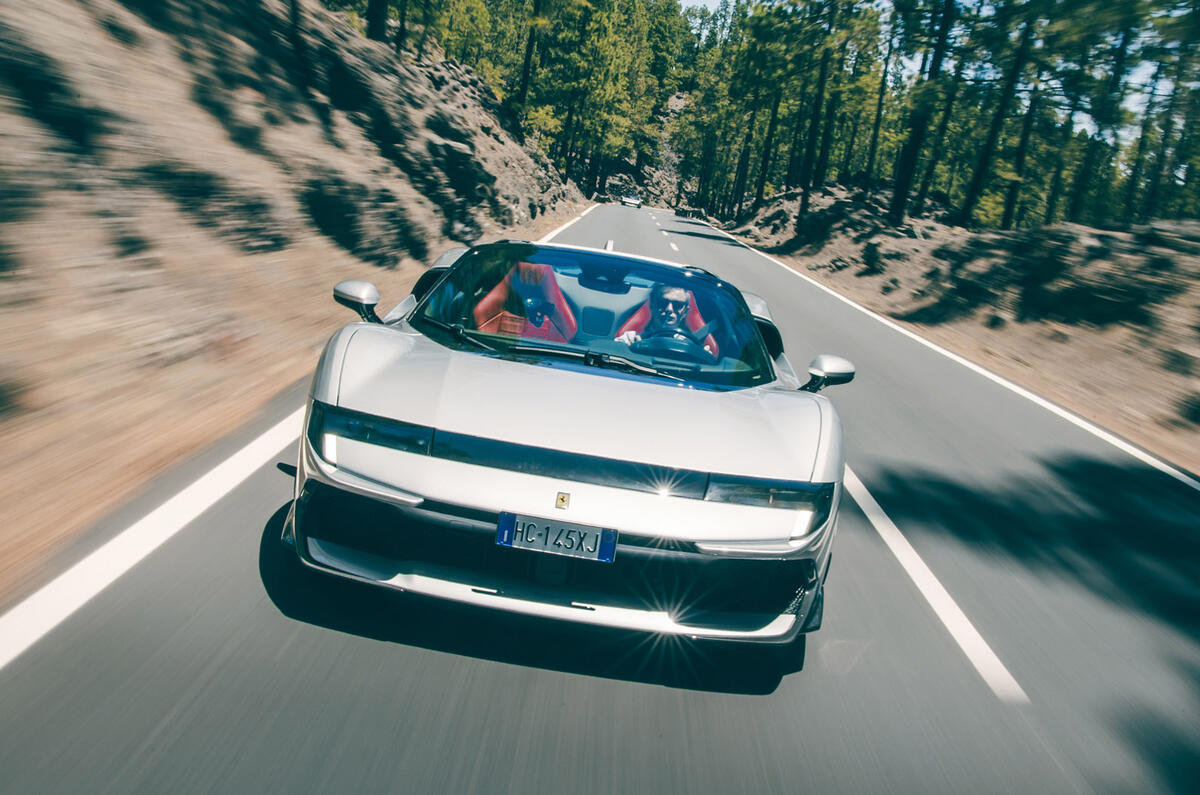
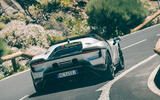
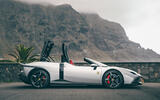
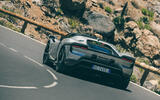
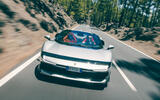
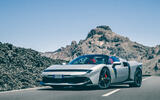
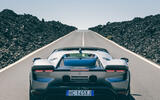
Wind in your hair, V8 in your ears, 1036bhp at your feet… Is Ferrari's quickest cabrio also its best?

Find Ferrari 849 Testarossa Spider driven: a 1036bhp, top-down triumph deals
Other Services
Sell your car
84% get more money with

You have to remark on the timing, if not necessarily read into it too much.

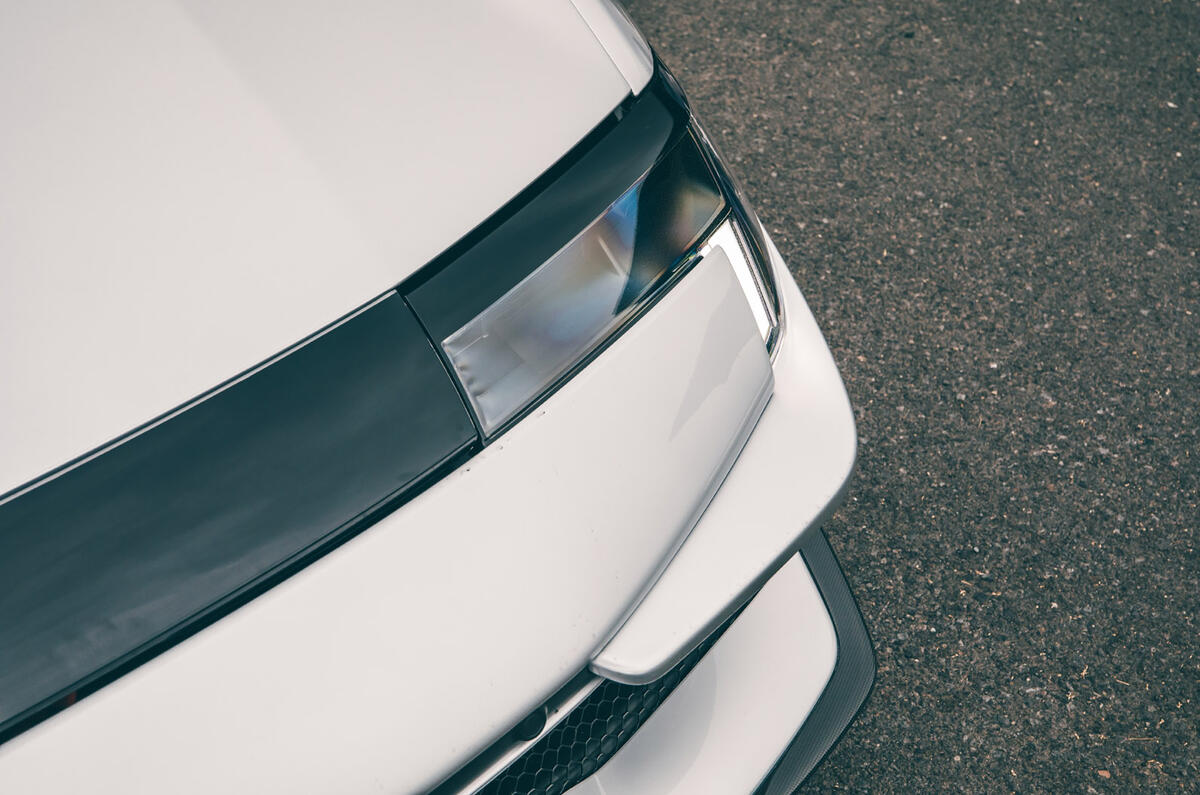
Just a few short weeks ago, you might remember, Ferrari pulled the covers off a fairly intriguing new model called the Luce. Electric, it is, and atypically a five-seater - which caused something of a stir among the tifosi. Perhaps not to the same extent as did its wilfully controversial styling – conceived by the man responsible for the iPhone, and obviously so – and the fact that it is, to all intents and purposes, an SUV.

The Luce, it is fair to say, is the least 'Ferrari' Ferrari yet created, even allowing for the wheezing V6 Dino and the slushy, GM-gearboxed 400 saloon of the 1970s - as illustrated by a dramatic dip in Maranello’s usually enviable share prices in the wake of its debut. Not to mention the Instagram comments.

“This won’t do,” you imagine the red-faced executives agreeing in a hastily convened board meeting a few days later. “Let’s turn this ship around and save some face.”

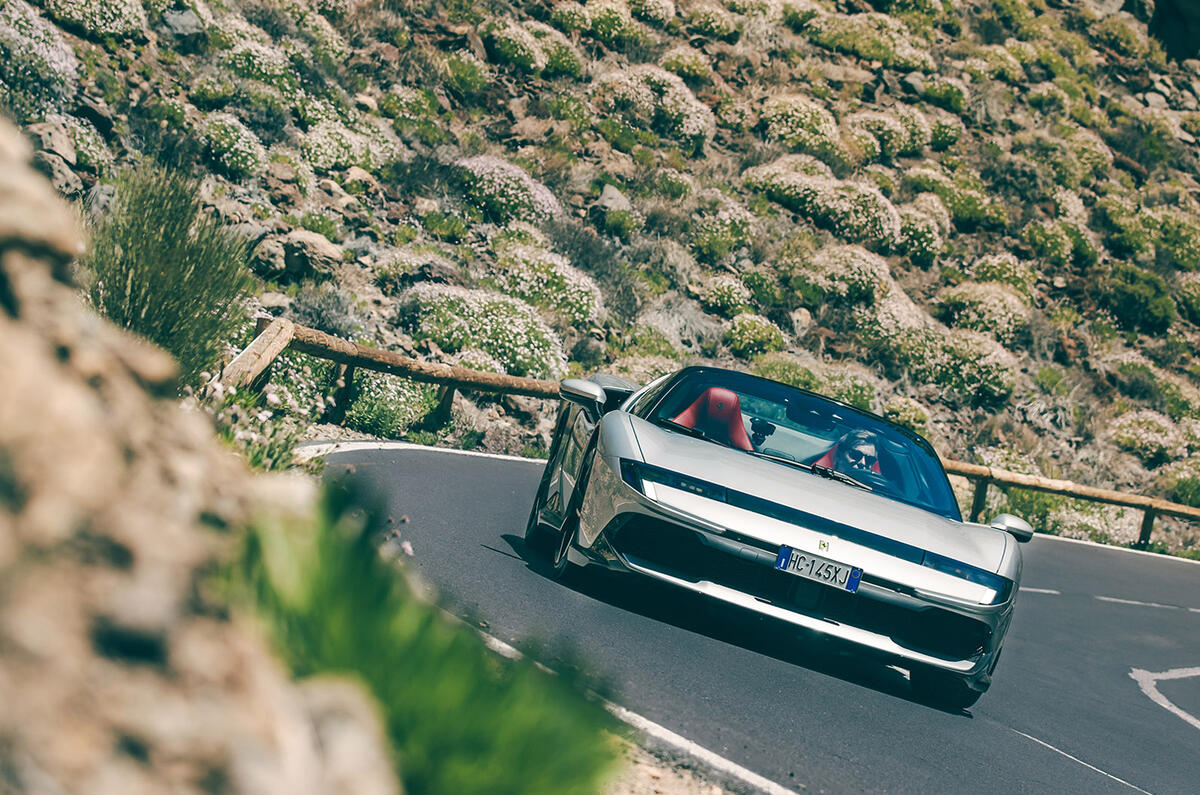
And so it is that we found ourselves, in the same week that Ferrari urgently appointed a new marketing boss and showed us its first ‘manual’ gearbox in more than a decade (air quotes because it’s still technically an automatic), on a gorgeous, sweeping mountain road in the new Ferrari 849 Testarossa Spider, reacquainting ourselves with Maranello’s core principles, which have plainly not been sidelined in the pursuit of progress towards a bold new electric future.

“Don’t forget”, you can almost hear them saying, “we still make the world’s greatest supercars.”

Advertisement
Back to top

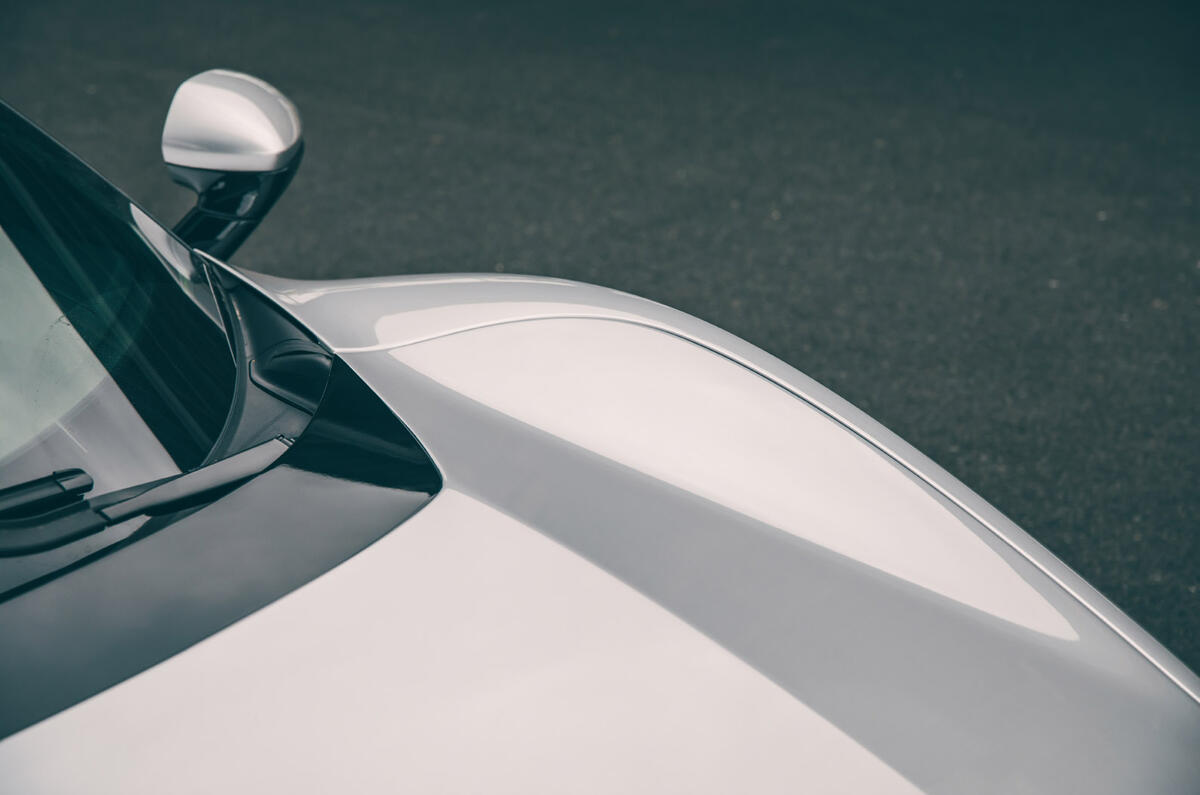
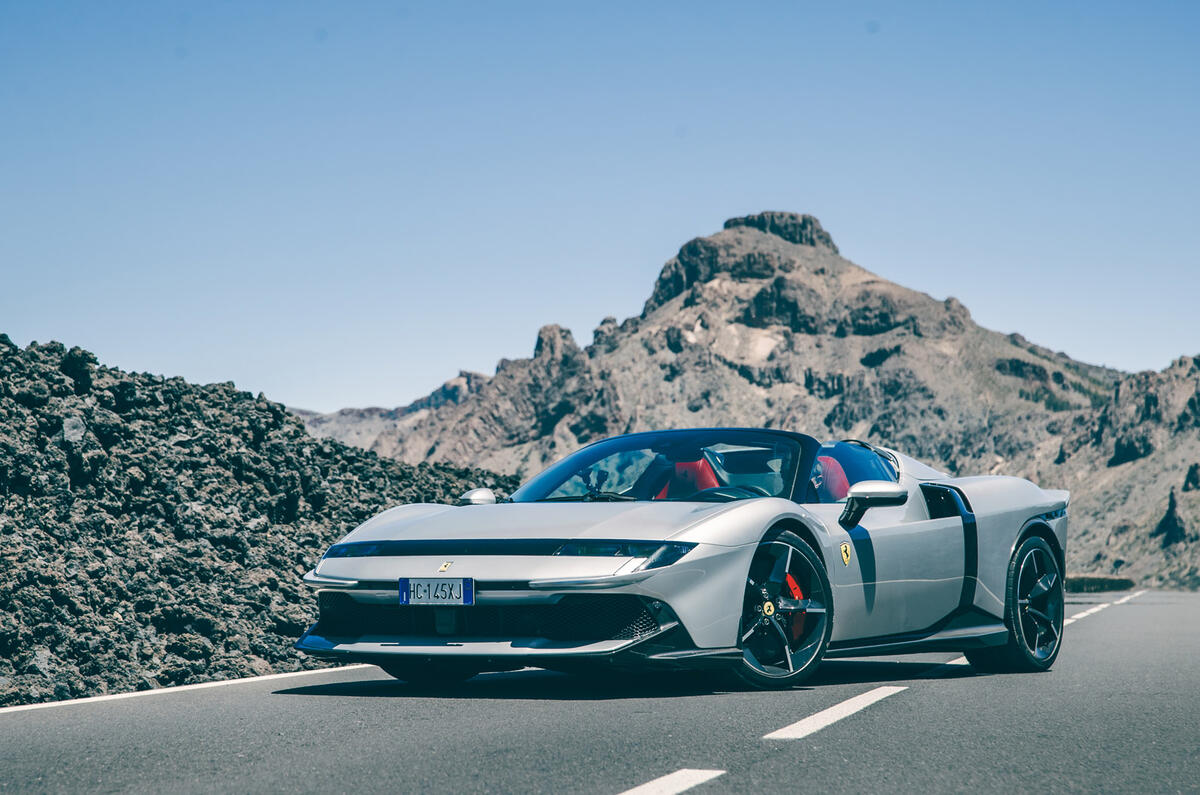
This is the wig-wrecking convertible version of the successor to the SF90 Stradale and thus the proclaimed flagship of Ferrari’s sports car line-up - the £3 million F80 standing on its own as a vastly more exclusive and limited-run hypercar.

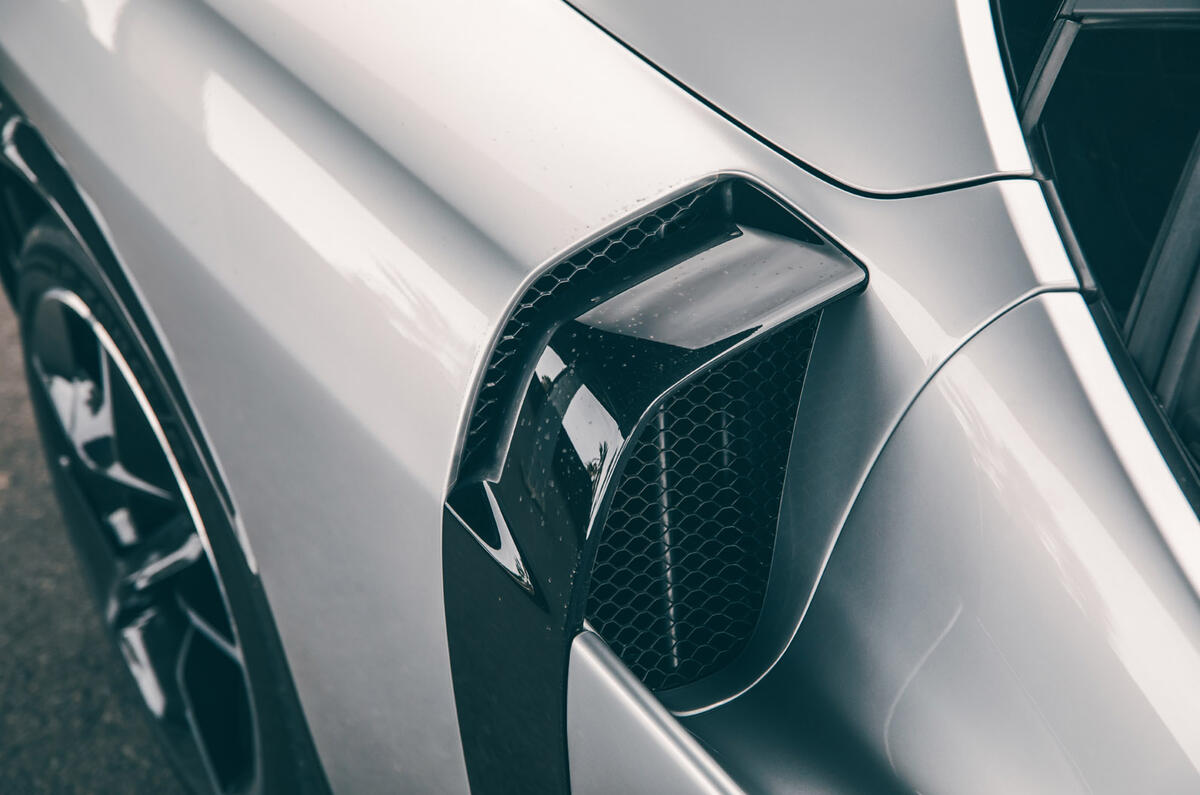
It uses the same fundamental V8 plug-in hybrid powertrain as its predecessor, with a pair of motors on the front axle and one between the engine and gearbox, but with power ramped up past the 1000bhp mark to make this the second most powerful road car Ferrari has yet produced.

The boundary between supercars and hypercars grows blurrier by the day, making the 849 slightly tricky to pigeonhole, but for reference those figures are in line with the similarly conceived Aston Martin Valhalla and Lamborghini Revuelto. Either way, with a scarcely believable 0-62mph time of 2.25sec, it is comfortably one of the quickest series-production convertibles of all time; and with prices starting at more than £440,000, it is one of the most expensive too. 

DESIGN & STYLING

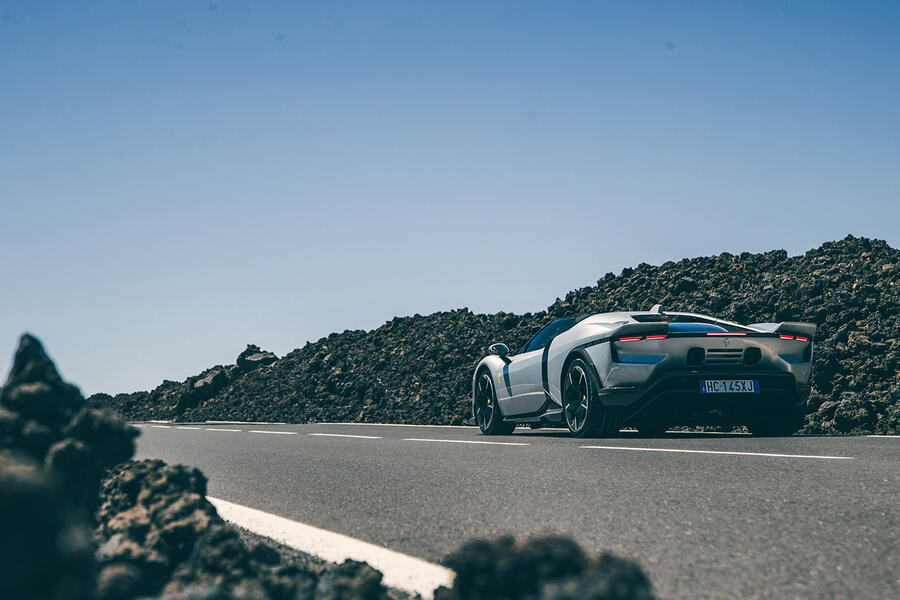
Ferrari 849 Testarossa Spider review 2026 002

The Testarossa name has been around for 71 years but had hitherto not been applied to a drop-top. Not a series-production one, anyway: Maranello did lop the lid off a very small number of the Miami Vice-era car in for those who asked (and paid) nicely.

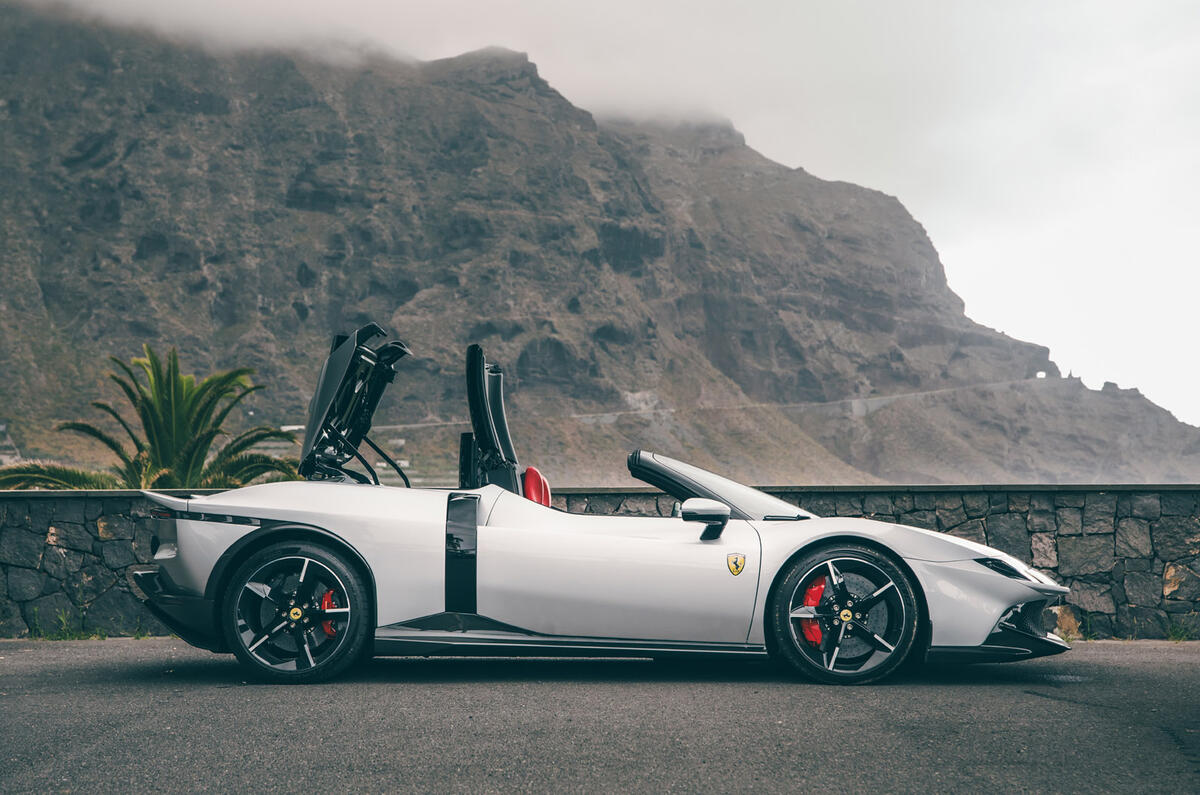
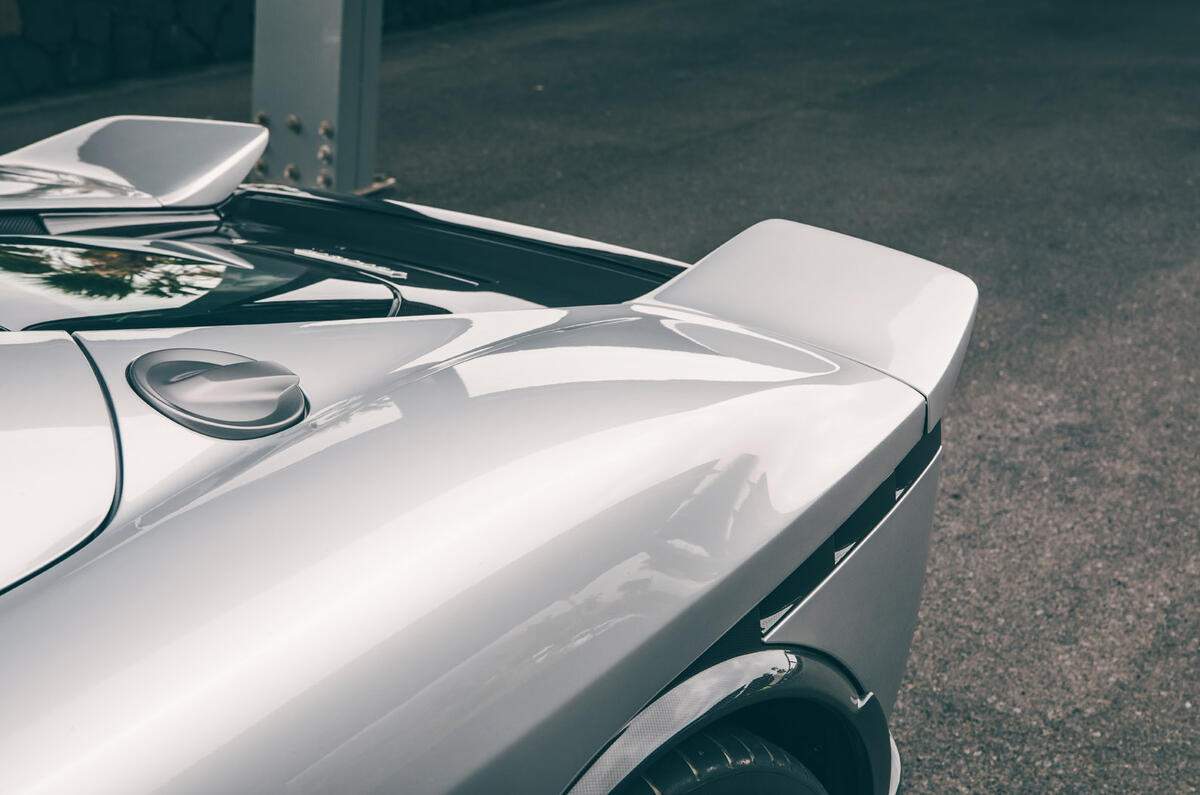
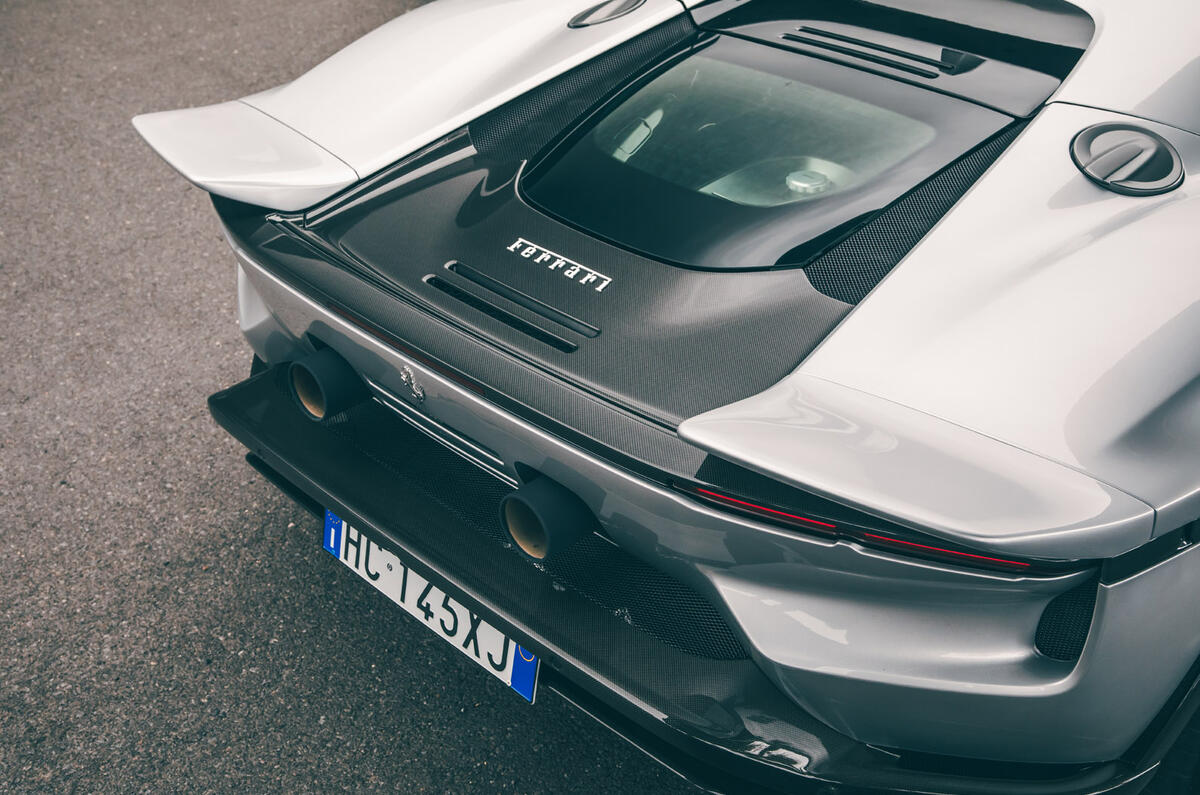
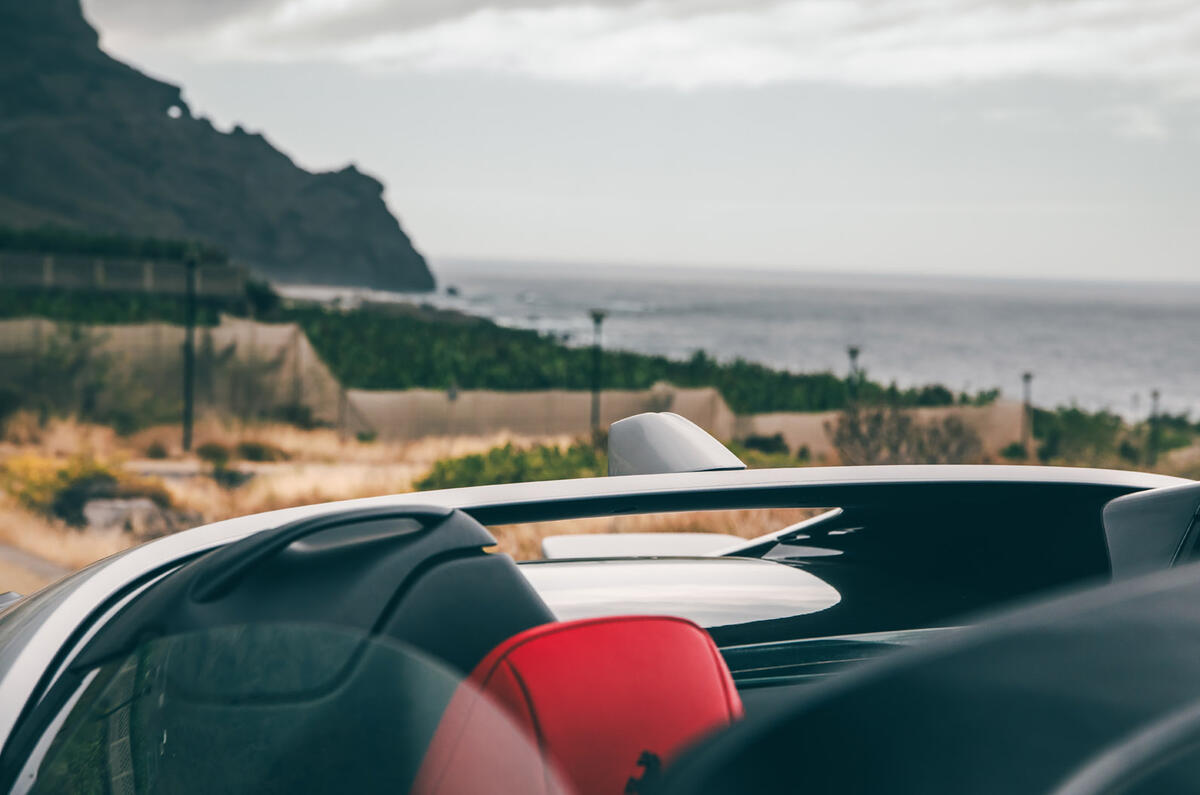
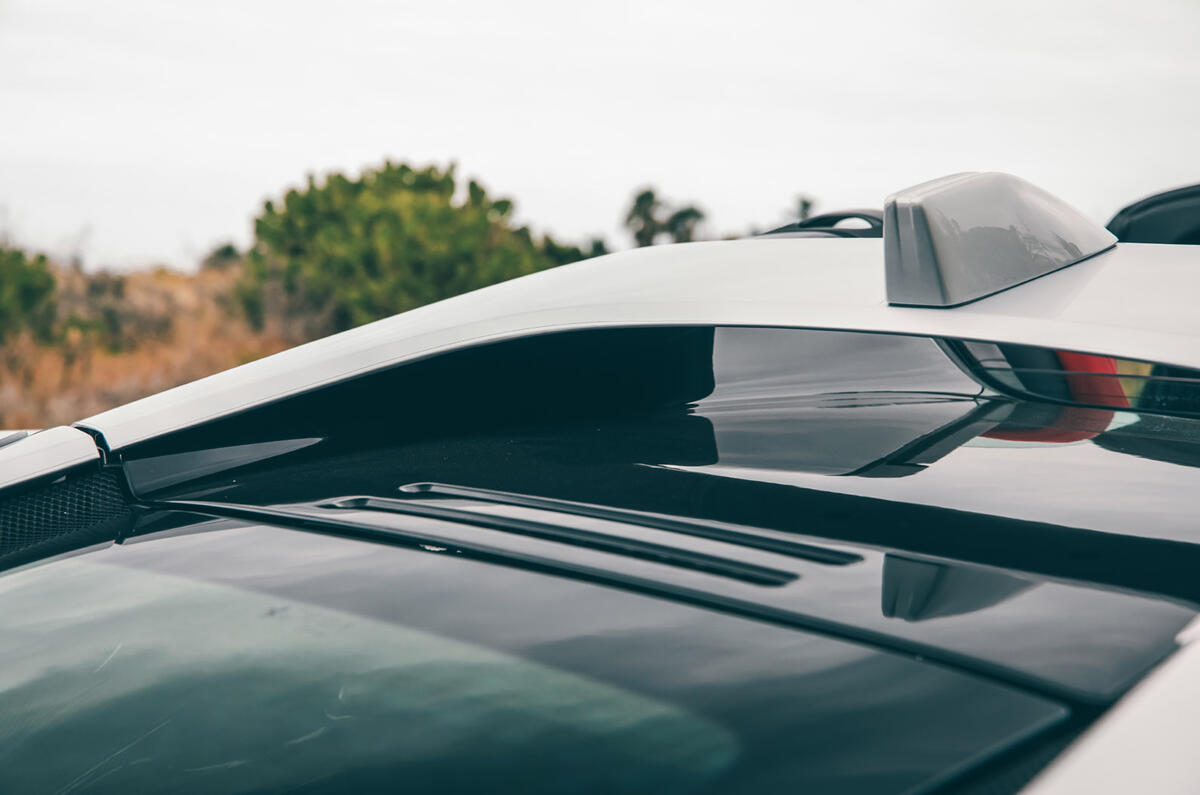
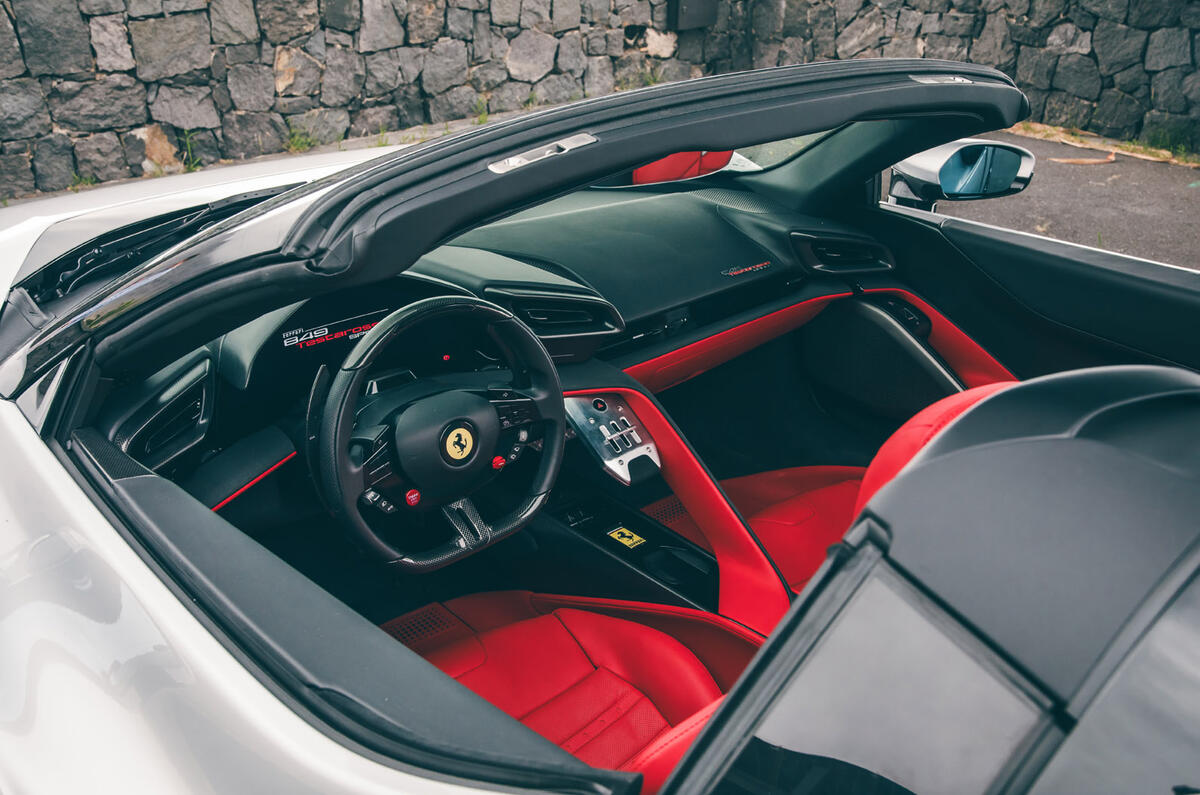
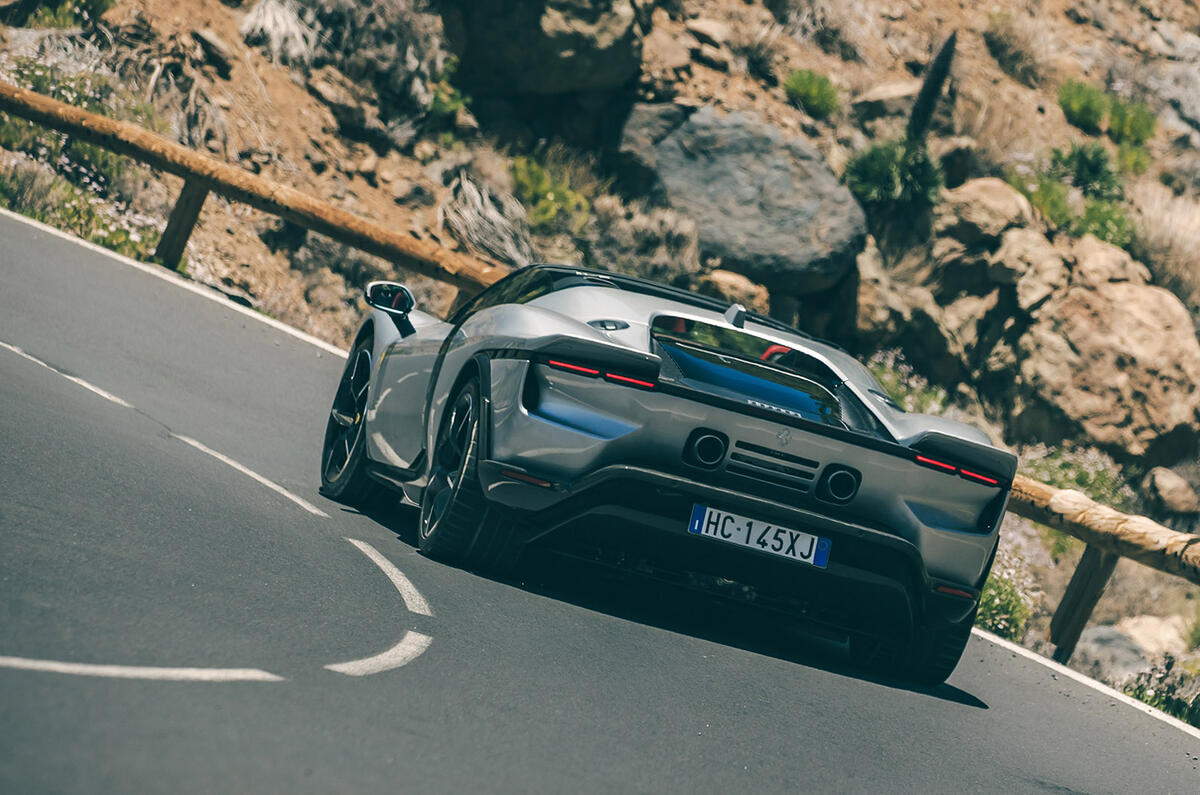
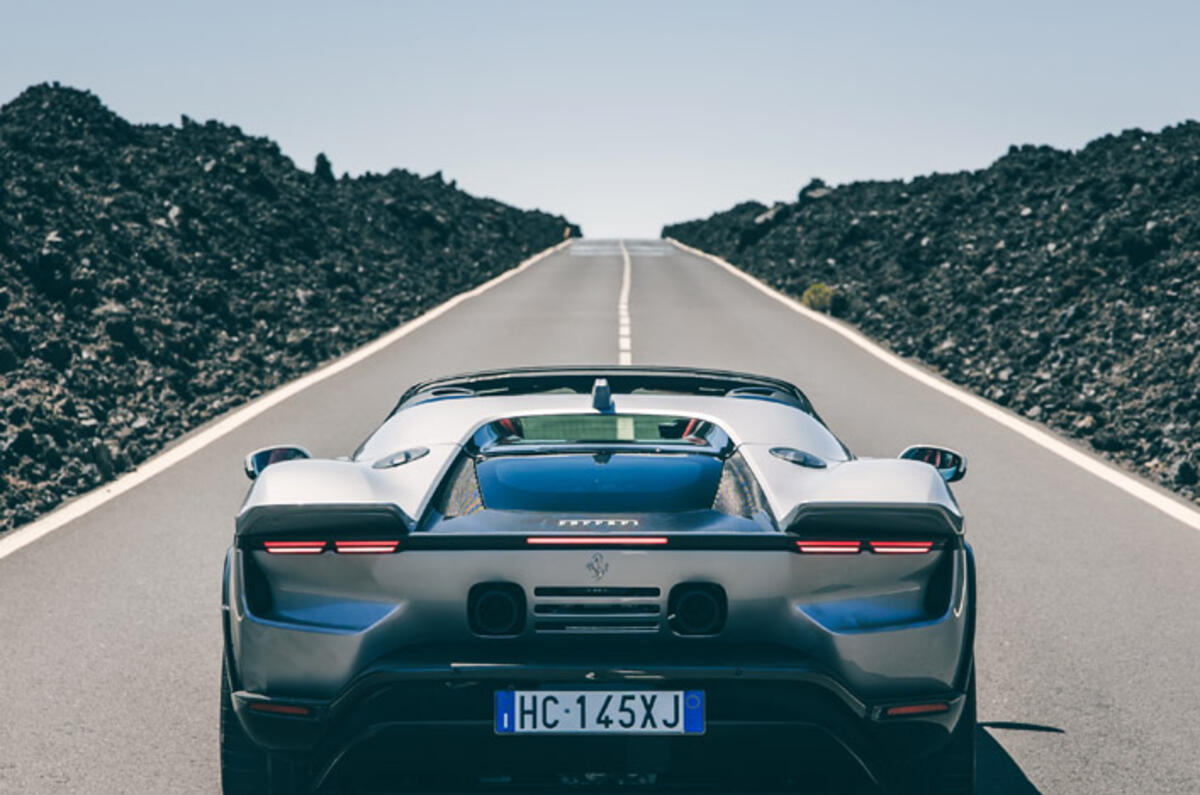
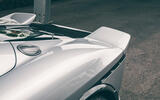
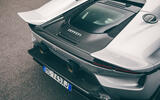
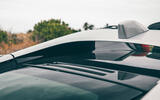
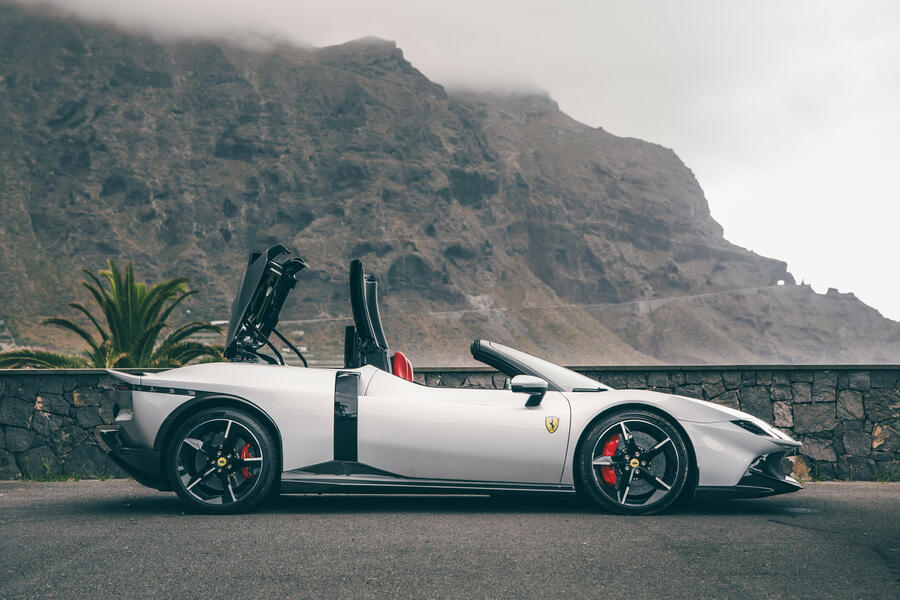
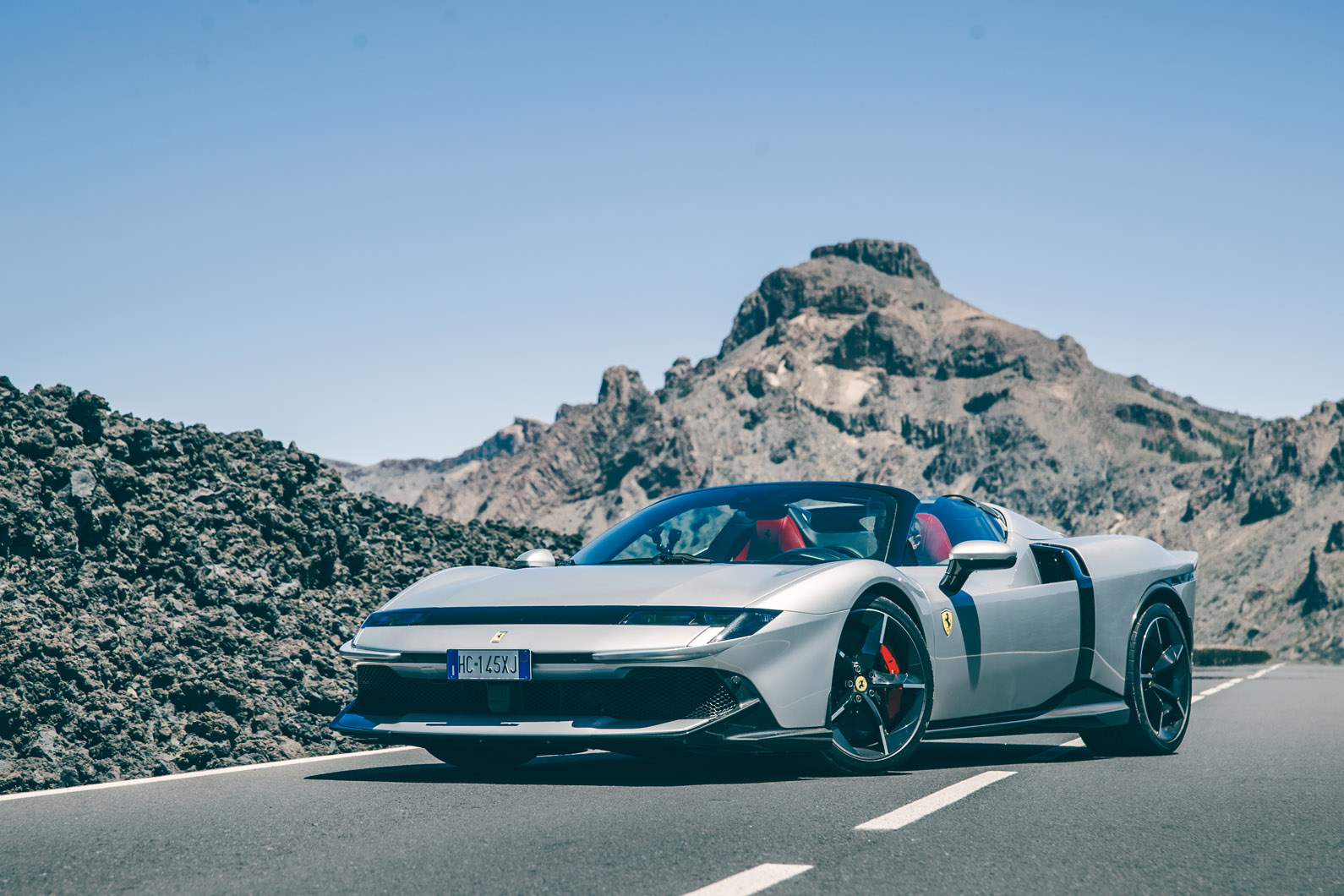
This first proper go at an open-roof Testarossa, then, adds a circa-£30k premium over the coupé, for which you get a retracting hardtop that stows itself (in an intricately choreographed and suitably cinematic manner) into the rear bulkhead in just 14 seconds and at road speeds up to 28mph. That’s accompanied by an electrically sliding rear screen that can be swiftly raised or lowered on demand to manage wind and noise levels.

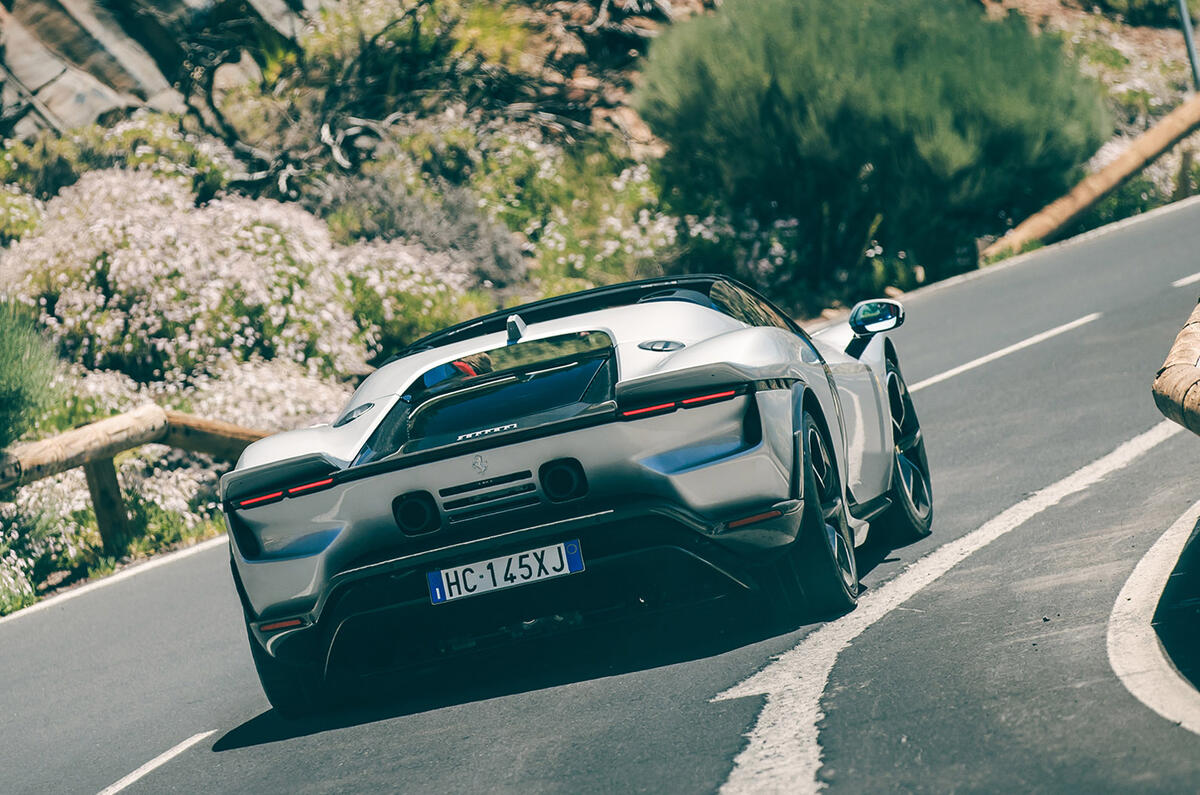
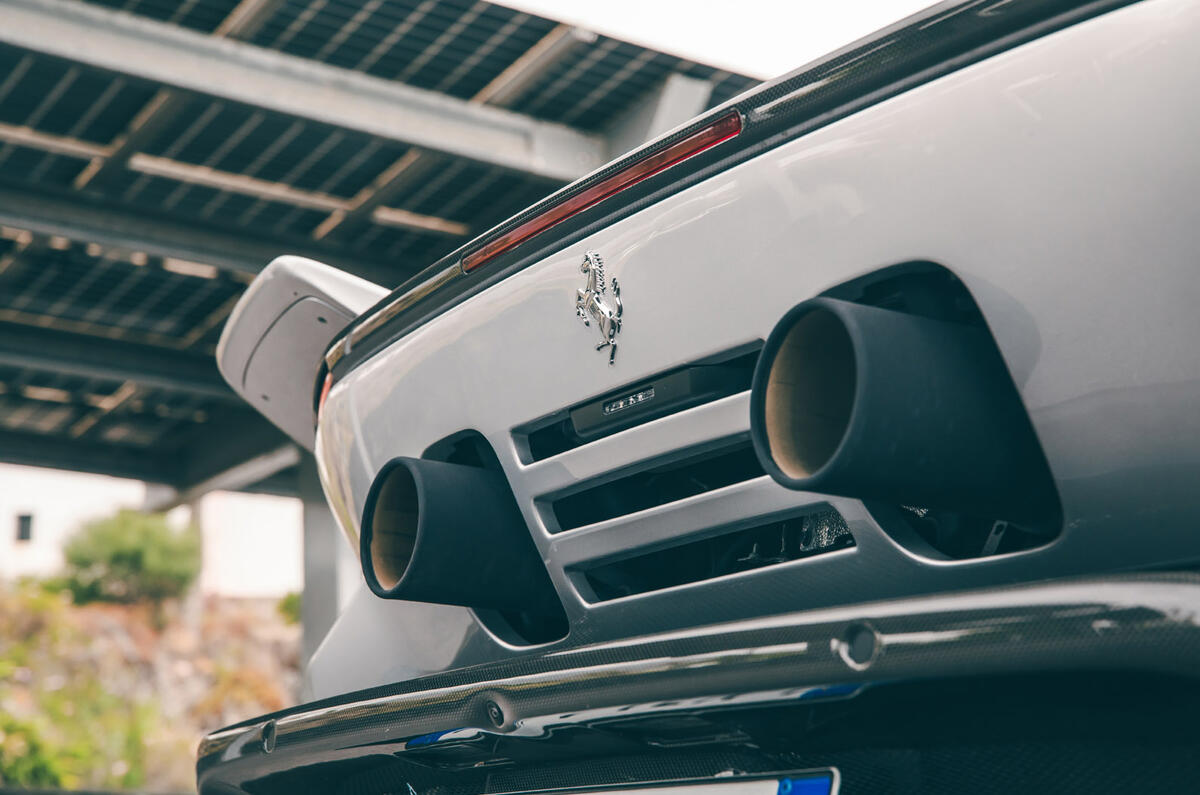
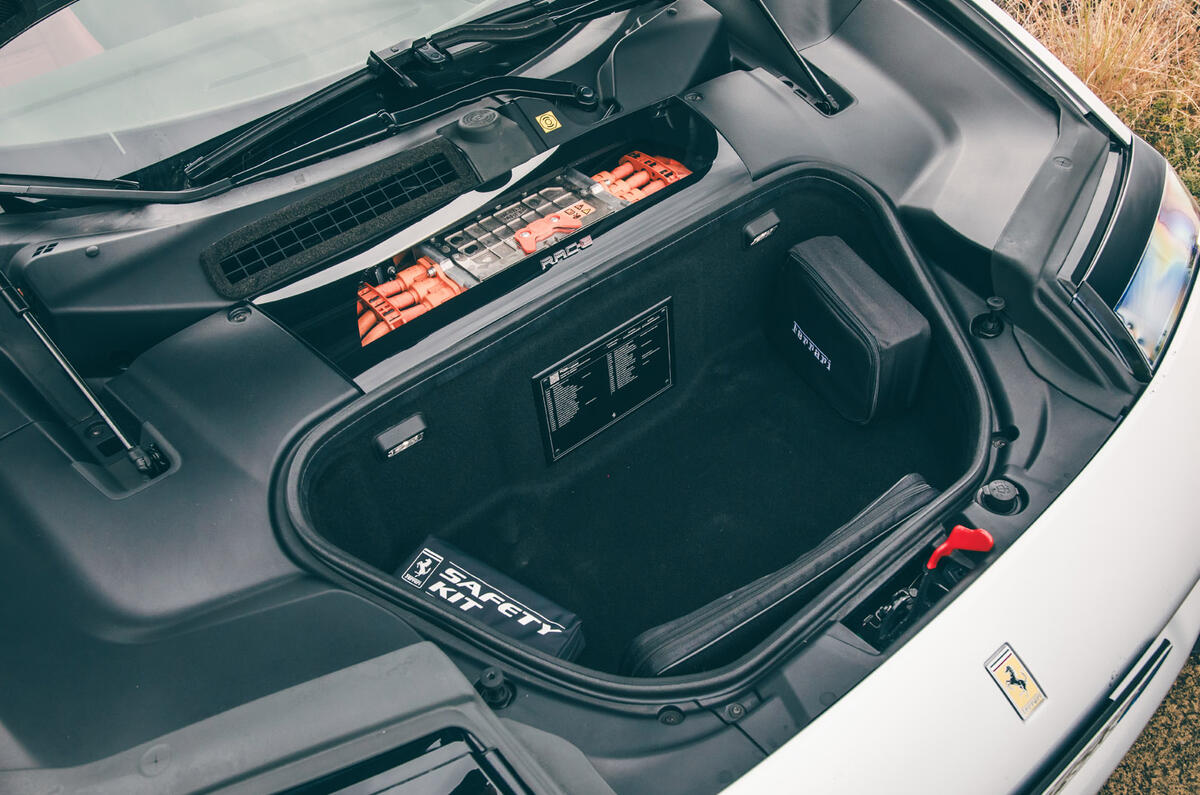
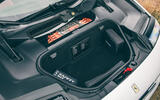
There’s no impact on load space, because there isn’t any aft of the cockpit in the 849 anyway; and rear visibility isn’t as compromised as you might expect on the move, because the stowed roof doesn’t protrude from the bulkhead. You would struggle to do without the rear camera when parking, mind, as there’s a lot of powertrain between you and the back bumper and some very expensive carbonfibre addenda at the other end that doesn’t want crunching.

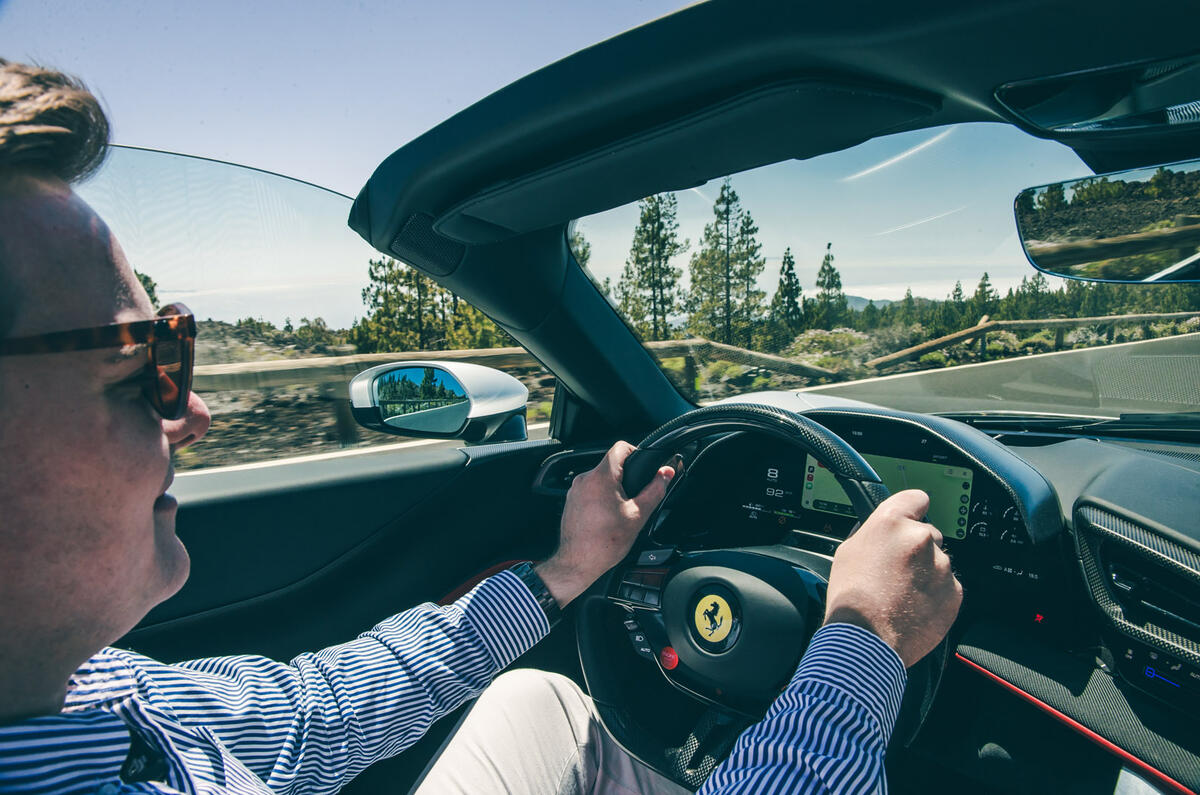
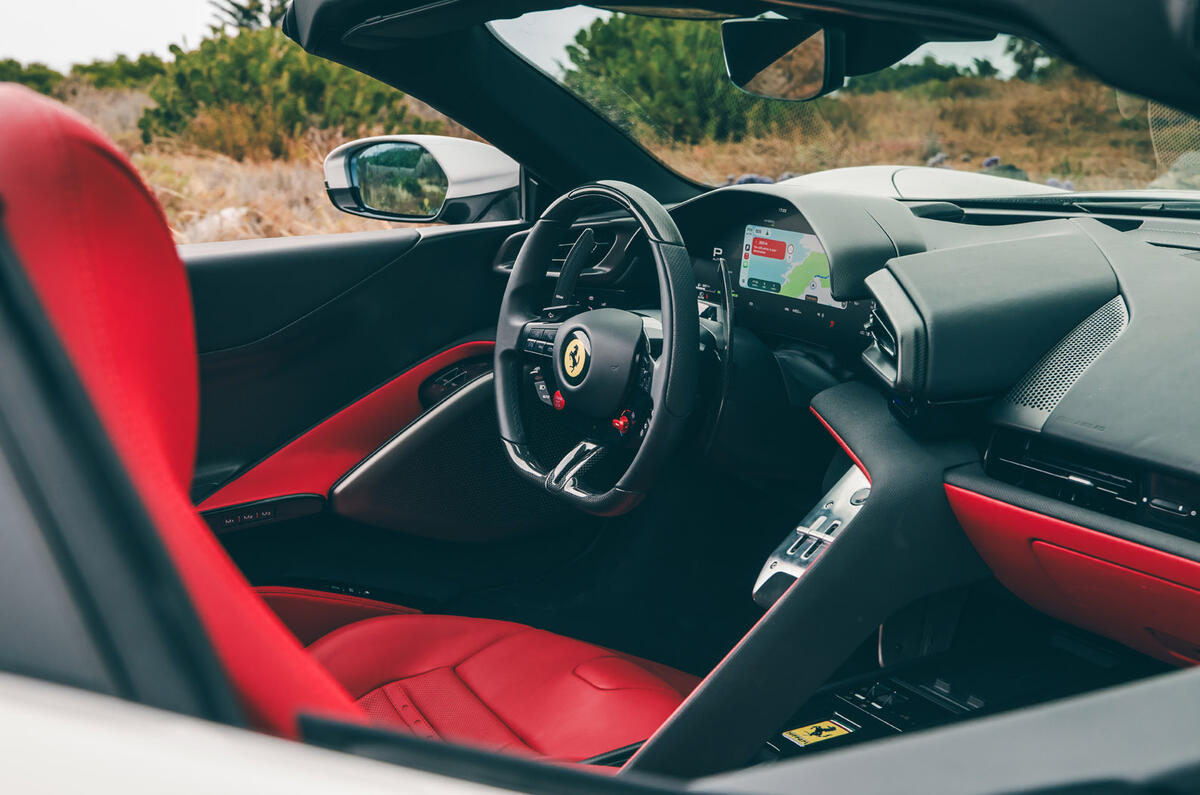
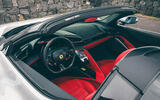
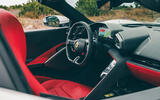
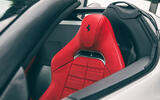
It’s easier to get in and out of with the roof peeled back (although there’s still a little contortion required to attain the bum-on-floor, feet-by-front-axle driving position), too, and there's no notable impact to the 849’s dynamic potential: Ferrari claims zero loss in torsional rigidity and a pretty miniscule weight gain of just 30kg as a result of the necessary chassis reinforcements.

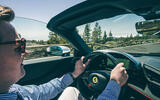
Plus, because the silhouette is preserved, so too is the aerodynamic efficiency - and that helps to minimise buffeting at high speed with the roof down.

Indeed, Ferrari says there are so few compromises associated with its convertibles these days that the coupé/Spider sales mix is tipping ever in favour of the latter; the suits were characteristically tight-lipped on a precise split but suggested that a 50:50 split on the 849 would be a reasonable expectation.

ENGINES & PERFORMANCE

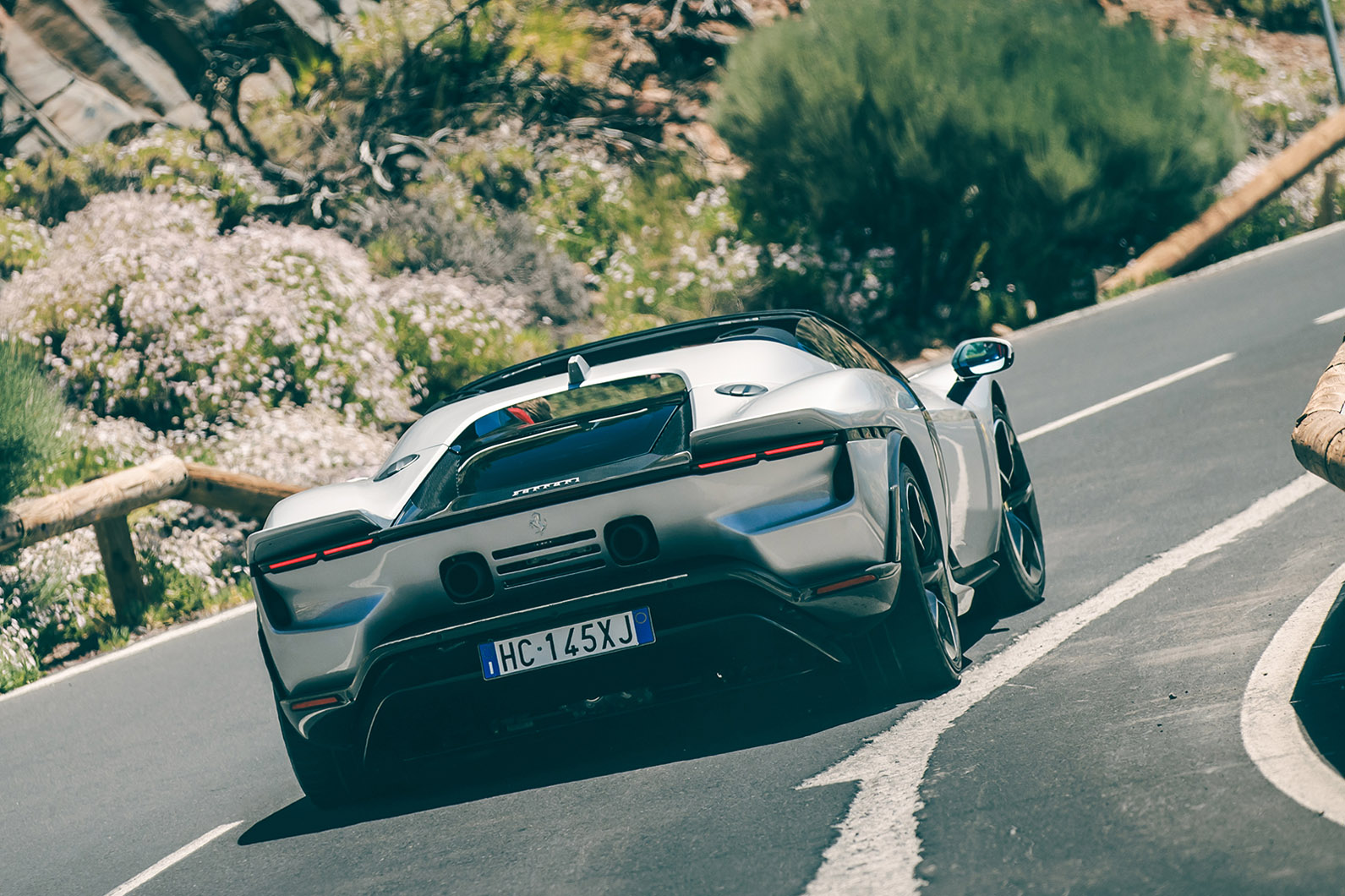
Ferrari 849 Testarossa Spider review 2026 025

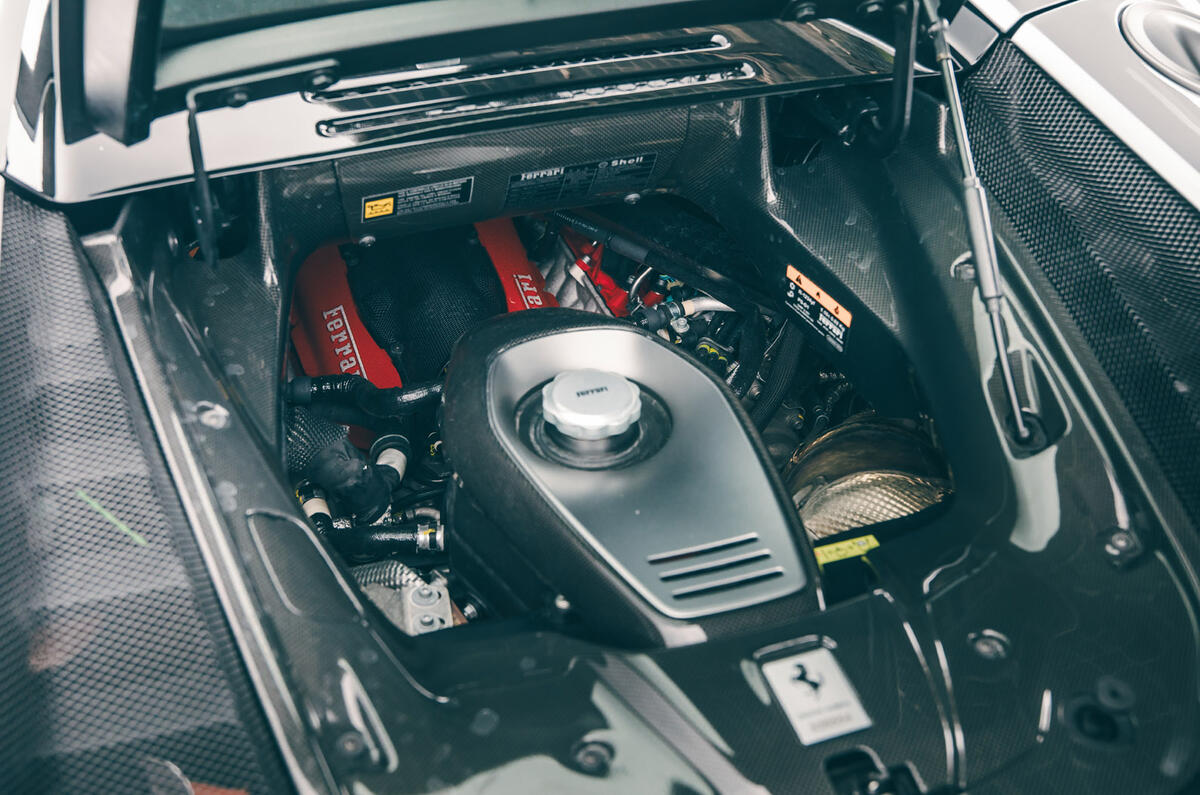
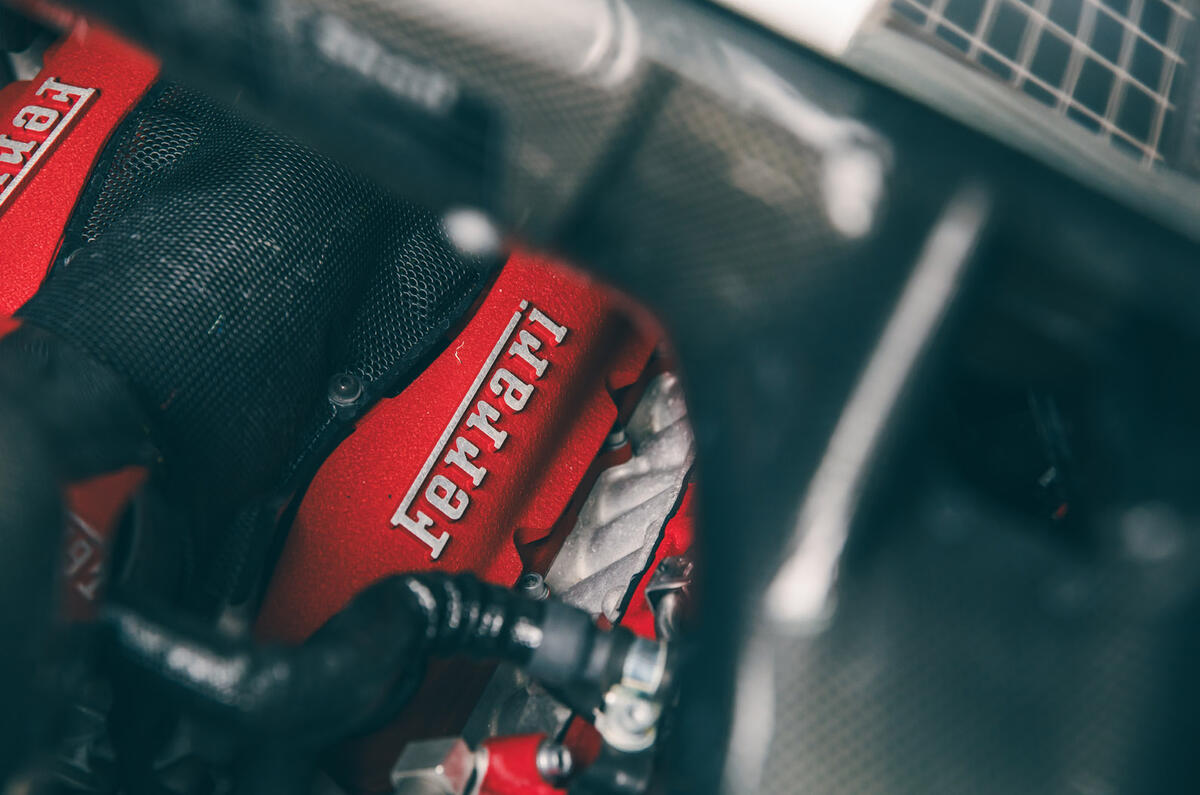
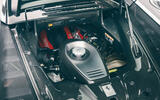
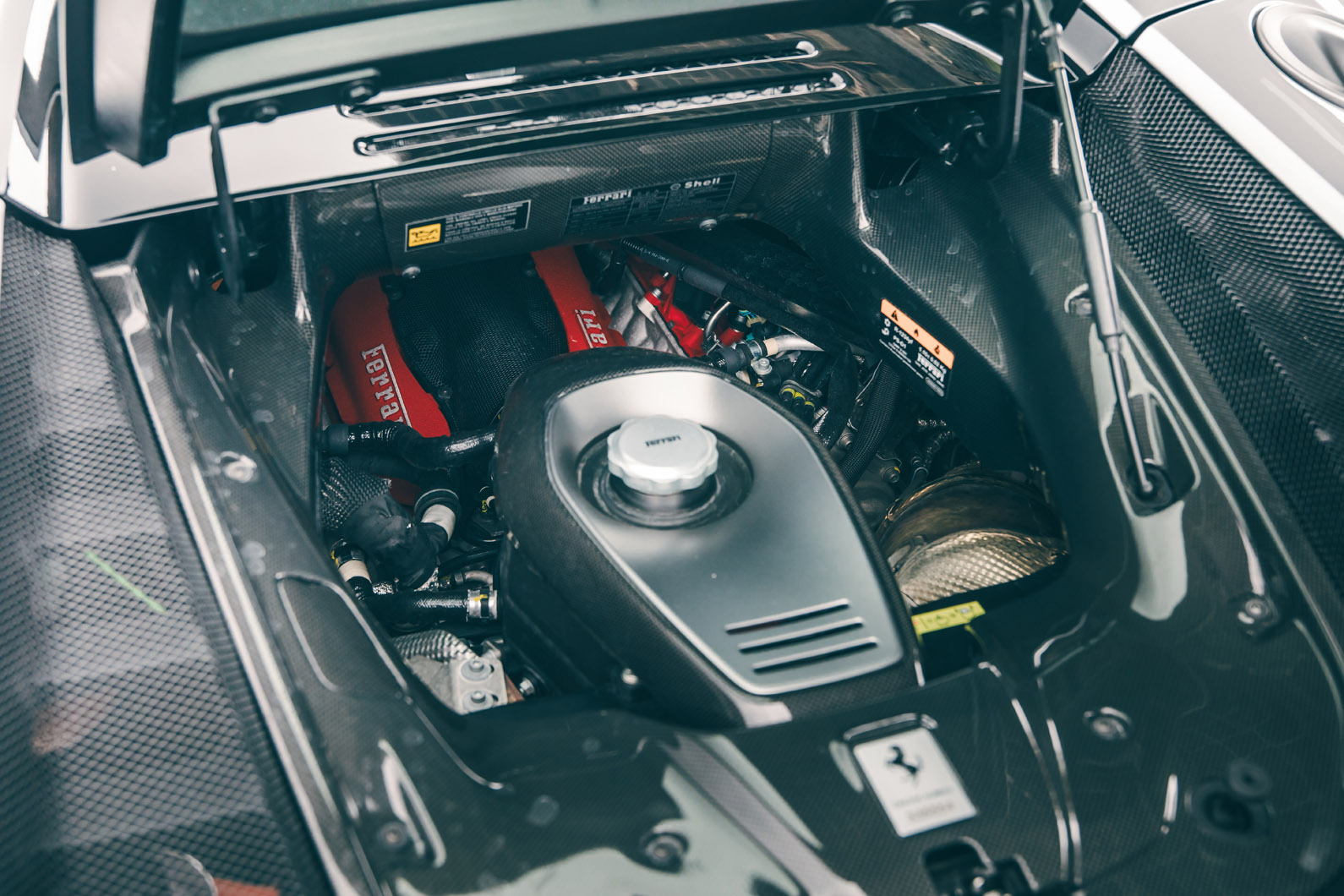
The 849 uses an evolved version of Ferrari’s plug-in hybrid V8 powertrain, with the combustion engine supplying 819bhp and the electric element chipping in another 217bhp to give total combined outputs of 1036bhp and 641lb ft.

The electric part of this system comprises two radial-flux motors on the front axle, which drive a wheel each through independent transmissions to give fully asymmetric torque-vectoring abilities, and an axial-flux MGU-K between the engine and the gearbox (like in a Formula 1 car), which can either work as a generator to top up the battery or to provide extra power under load.

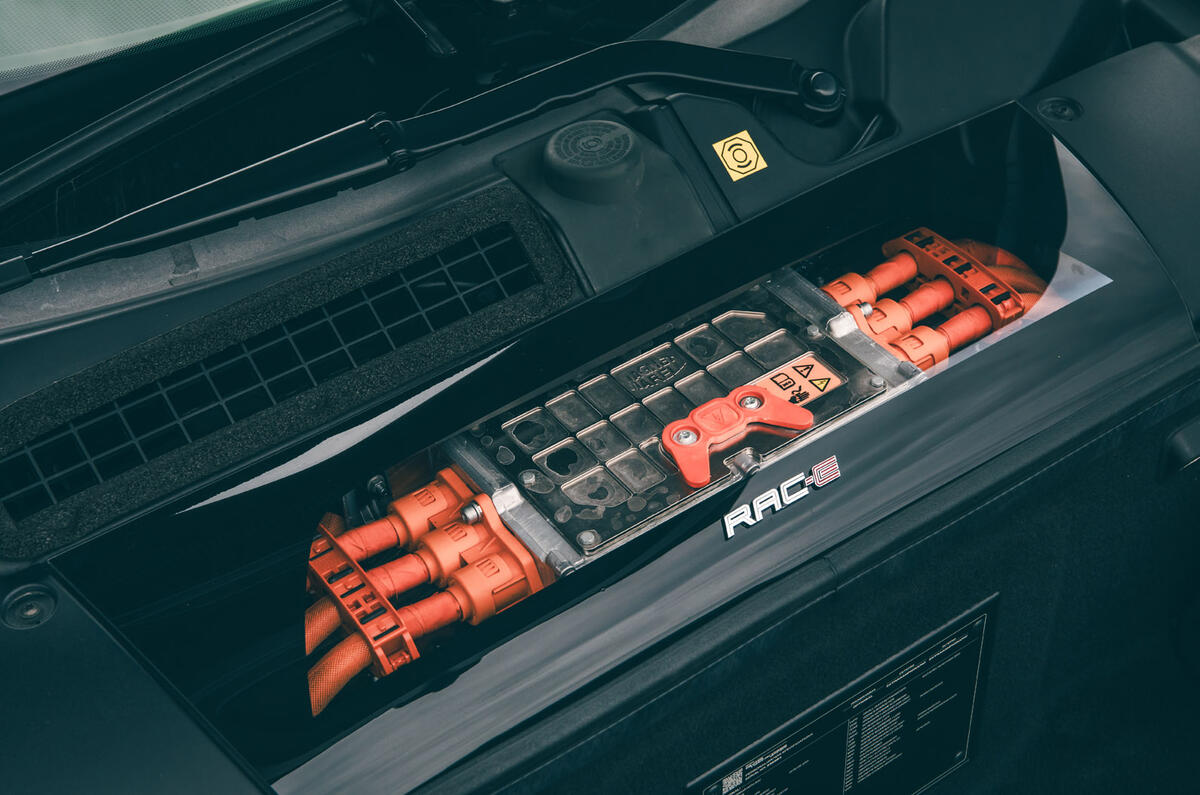
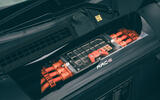
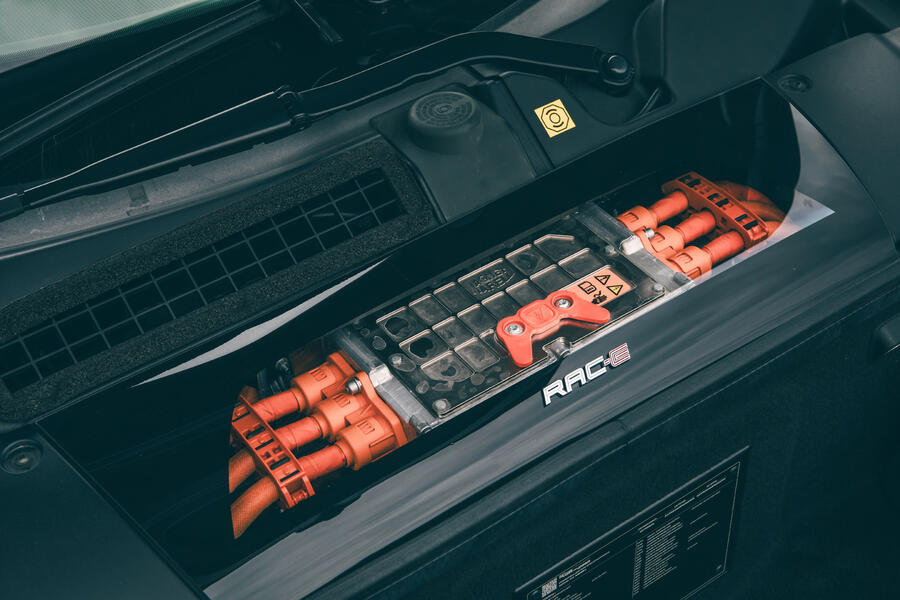
The 7.45kWh battery itself can't be DC charged but can be fully replenished in just a few miles if you drive calmly in ICE-only Qualifying mode. Then you can expect around 15 miles of EV range outright. Scoff you may at the notion of actively choosing to shut off the V8 while driving, but there's much to be said for being able to leave the house – or the city – in silence and start making noise when you hit the good roads. 
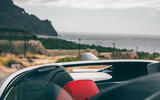
Ferrari is keen to emphasise that removing the roof doesn’t take anything else away from the 849 experience; rather the idea is that it adds significantly to the general sense of drama and emotion by allowing the full audio output of the V8 to make its way to the cockpit unmuffled.

The effect is not, perhaps, as theatrical as it might have been in Spiders of old. Generously endowed though it is, this is not an especially soulful or bombastic engine relative to some of Maranello’s more aurally impressive powerplants. It barks playfully on start-up and settles into a pleasingly ominous burble at idle, but under load through the mid-range it sounds slightly sanitised and clinical in its delivery, both in the car and out - not totally dissimilar to a superbike, for the sake of comparison.

It’s an inherent trade-off of the flat-plane crankshaft that’s so integral to this engine's stupendous performance, but it does fall short of what you might expect of a half-million-pound supercar - especially one that looks this wild.

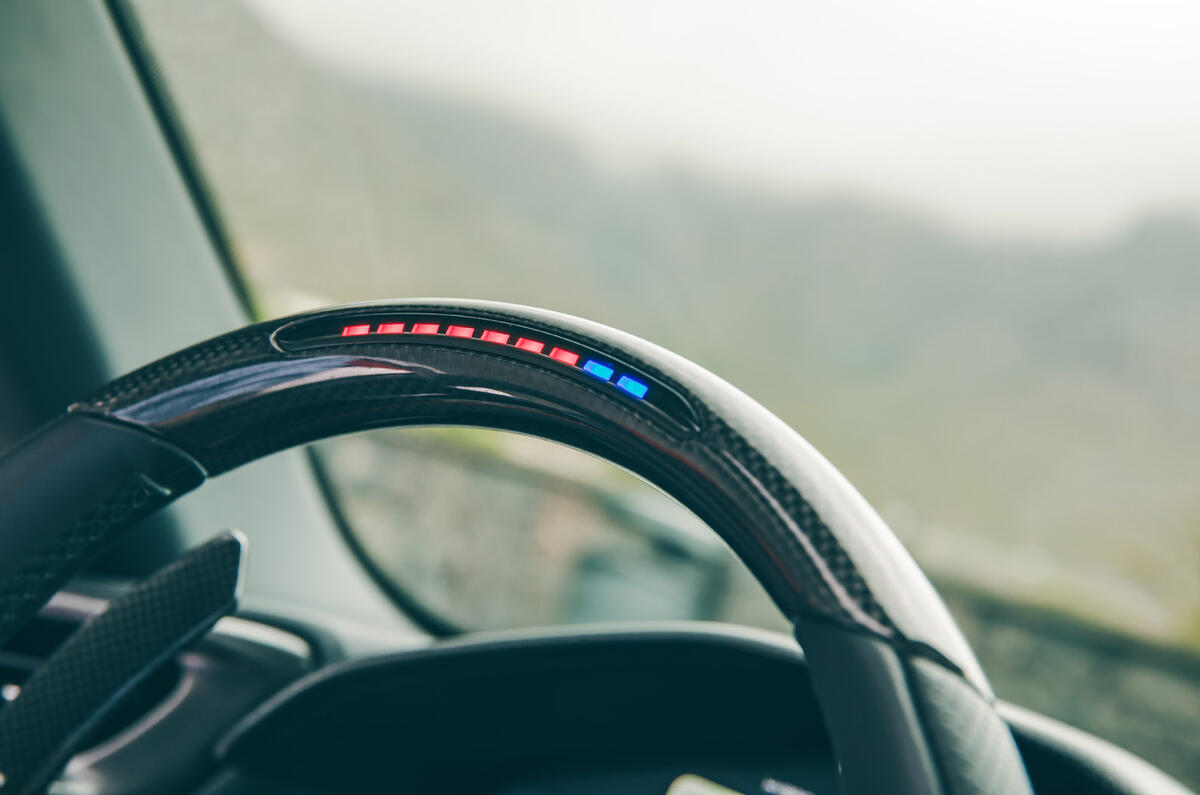
It’s a shame, especially considering how uncanny a V12 impression the lower-order 296’s V6 is capable of when you stick a boot in it, but it’s all relative, of course. This is still a 4.0-litre twin-turbocharged V8 with a 8300rpm redline - one that you don’t even need all that much space to attain. Keep it pinned on a tight mountain pass and you can get the shift lights flashing angrily away in just a couple of hundred metres between hairpins.

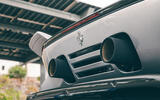
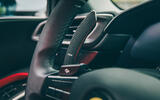
Probe the upper reaches of the ratios and the soundtrack morphs into an unmistakably race-flavoured shriek – in duet with the piercing whistle from the mammoth turbos – that rips through the gap between the seats and spirals deliciously around the cockpit. And it still does the whole whub-whub-whub thing as you bring it briskly down through the ratios of the razor-sharp eight-speeder, making the deceleration process almost as engaging as bringing it up to the limit.

The overall soundtrack is more penetrative and intoxicating than it would be in the coupé. We erected the roof and rear screen briefly through a particularly thick patch of mountain fog and found it conspicuously muffled by comparison.

Our test route took us through plenty of long, echoey tunnels, and the effect was no less intoxicating than you would imagine. It would be doubly so, with a hollower timbre and a bit more snapping, crackling and popping.

We wait with bated breath to see if a rawer and more visceral version, evolved from the SF90 XX, could introduce a racier exhaust with a slightly more theatrical aura.

RIDE & HANDLING

Ferrari 849 Testarossa Spider review 2026 028

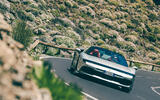
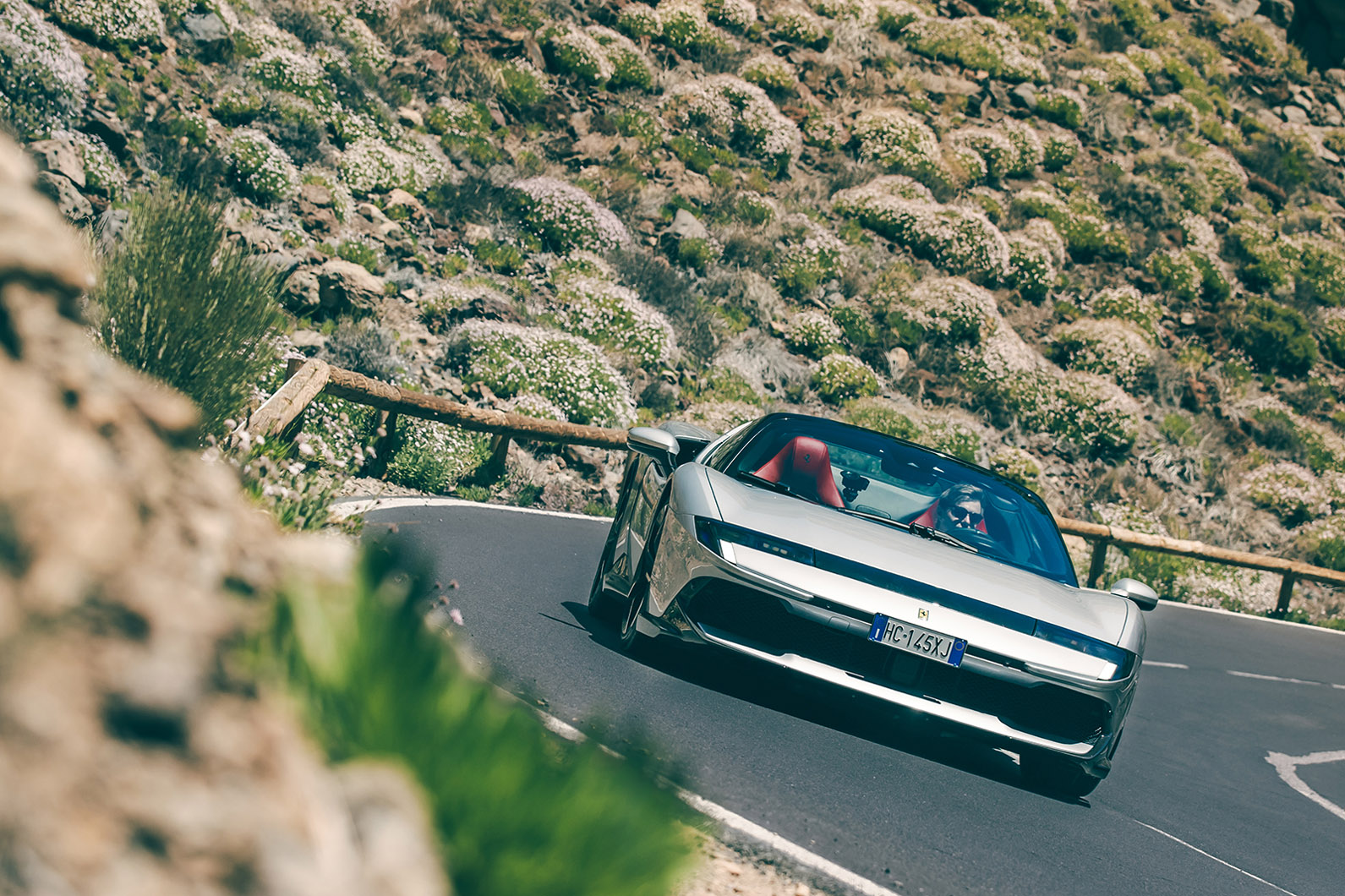
Ferrari's claims of dynamic parity between the coupé and Spider bears out from behind the wheel; Maranello’s chief tester Raffaele de Simone himself would be hard pressed to tease out any handling disparities between this and the fixed-roof car on public roads.
The precision and immediacy with which the 849 changes direction is startling, and especially so in the context of a car that weighs a little over 1.7 tonnes at the kerb. It does so via a steering rack that’s rapidly geared but not to the extent that it ever feels particularly frantic and retains a pleasing sense of communicativeness and heft at all speeds.

The twin electric motors allow for torque vectoring across the front axle to boost response and agility, but there’s never any sense of artificiality or contrivance as they conspire to pull the car as tightly around an apex as possible - especially at the speeds we were able to attain on public roads.

There’s no hugely obvious trade-off in terms of compliance either. Tenerife’s stunning mountain roads are broadly impeccably finished and didn’t pose much of a challenge for the suspension, but the few crumbly sections and speed bumps we did encounter were dispatched with no more thudding nor crashing than you would get in something several factors lighter and less complex, like an Alpine A110.

For extra peace of mind, there’s a dedicated bumpy road setting that fully slackens off the adaptive Magneride dampers (not possible with the passive Multimatic set-up on the track-focused Assetto Fiorano car) to ease any lingering sense of fragility over potholes and kerbs.

VERDICT

Ferrari 849 Testarossa Spider review 2026 032

Whichever way you cut it, this is a stupendously capable and outrageously performant supercar that doesn’t entirely sacrifice old-school thrills and scintillating dynamics in the pursuit of on-paper technical supremacy.

Safety nets and slightly stifled soundtrack aside, it remains a true exercise in automotive cinema - and a fitting deployment of the very best technology in Maranello’s arsenal.

Felix Page

Felix Page
Title: Deputy editor

Felix is Autocar's deputy editor, responsible for leading the brand's agenda-shaping coverage across all facets of the global automotive industry - both in print and online.

He has interviewed the most powerful and widely respected people in motoring, covered the reveals and launches of today's most important cars, and broken some of the biggest automotive stories of the last few years.